
Istanbul Travel Guide 2026: Where East Meets West
Istanbul stands as the world’s only metropolis spanning two continents, where the ancient Byzantine Empire meets Ottoman splendor and European modernity blends seamlessly with Asian tradition. This comprehensive 2026 travel guide covers everything from UNESCO World Heritage Sites and current entrance fees to accommodation costs, transportation strategies, and essential planning advice for experiencing one of the world’s most captivating cities.
Key Takeaways
- Istanbul’s Historic Areas, inscribed as a UNESCO World Heritage Site in 1985, encompass the Hagia Sophia, Topkapi Palace, Blue Mosque, and Byzantine city walls across three conservation zones
- Major monuments charge separate entrance fees in 2026: Hagia Sophia €25, Topkapi Palace combined ticket 2,750 TL (~€80), Basilica Cistern 800 TL (~€23)
- Daily budgets range from $38-55 (budget travelers) to $75-105 (mid-range comfort) to $200+ (luxury experiences), excluding international flights
- The Istanbulkart contactless transport card (165 TL) provides access to metro, tram, ferries, and buses at 35-42 TL per ride versus 50 TL single tickets
- Accommodation spans budget hostels at $30-50/night to mid-range hotels at $80-150/night and luxury Bosphorus-view properties at $300-450+/night
- Istanbul straddles Europe and Asia across the Bosphorus Strait, offering both continental experiences within a single city visit through an efficient public ferry system
People Also Ask About Istanbul Travel 2026
How much does it cost to visit Istanbul for a week in 2026?
A week-long Istanbul trip in 2026 costs $266-385 for budget travelers, $525-735 for mid-range comfort, or $1,400-1,960 for luxury experiences per person, excluding international flights. Budget travelers staying in hostels ($30-50/night), using public transport exclusively, and eating at local eateries spend approximately $38-55 daily. Mid-range visitors choosing 3-4 star hotels ($80-150/night), mixing public transport with occasional taxis, and dining at both local restaurants and upscale venues average $75-105 daily. Luxury travelers selecting 5-star Bosphorus-view hotels ($300-450+/night), using private transfers, and frequenting fine dining establishments spend $200+ daily. These totals include accommodation, meals, local transportation, attraction entry fees, and incidental expenses but exclude airfare, travel insurance, and major shopping purchases.
What are the must-see UNESCO sites in Istanbul in 2026?
Istanbul’s UNESCO World Heritage designation encompasses four distinct conservation areas collectively known as the Historic Areas of Istanbul, inscribed in 1985. The Sultanahmet Archaeological Park contains the city’s most iconic monuments: the 6th-century Hagia Sophia, the 17th-century Blue Mosque (Sultan Ahmed Mosque), the Topkapi Palace (Ottoman administrative center for four centuries), the Basilica Cistern, and the ancient Hippodrome of Constantine. The Zeyrek and Süleymaniye Conservation Area features the magnificent Süleymaniye Mosque designed by architect Mimar Sinan, along with 16th-century mansions and timber houses remarkably preserved for centuries. The Land Walls Conservation Area protects the ancient defensive fortifications along Istanbul’s western boundary. The fourth zone encompasses the city’s waterfront areas along the Bosphorus and Golden Horn. All four areas require separate visits across multiple days to experience fully, with the Sultanahmet district serving as the most accessible starting point for first-time visitors.
Is Istanbul safe for tourists in 2026?
Istanbul ranks as safe for tourists in 2026, welcoming millions of international visitors annually with established tourism infrastructure and dedicated tourist police in major districts. The Sultanahmet, Beyoğlu, Taksim, Kadıköy, and Beşiktaş neighborhoods frequented by tourists maintain visible police presence and security measures. Standard urban precautions apply: stay vigilant against pickpockets in crowded tram stations, the Grand Bazaar, and Istiklal Street; avoid displaying expensive jewelry or electronics unnecessarily; use official yellow taxis or ride-sharing apps rather than unmarked vehicles; and keep belongings secured in crowded public transport during peak hours. Solo female travelers navigate Istanbul successfully by dressing modestly when visiting mosques, avoiding isolated areas after dark, and using common sense regarding social interactions. Political demonstrations occasionally occur in Taksim Square and around universities—simply avoid these areas during protests. The city’s tourism-dependent economy creates strong incentives for maintaining visitor safety, and most travelers encounter nothing more troublesome than aggressive carpet salesmen or restaurant touts in tourist zones.
When is the best time to visit Istanbul in 2026?
The optimal times for visiting Istanbul in 2026 are April-May (spring) and September-October (autumn), offering pleasant weather, manageable crowds, and moderate accommodation prices. Spring temperatures range 15-25°C (59-77°F) with blooming tulips in Sultanahmet parks and longer daylight hours for sightseeing—though occasional April showers require packing a light rain jacket. Autumn delivers warm, stable weather averaging 18-24°C (64-75°F), lower humidity than summer, and shoulder-season hotel rates 15-25% below peak prices. Summer (June-August) brings hot temperatures of 25-35°C (77-95°F), the year’s largest crowds at major monuments, peak accommodation prices, and long queues at Topkapi Palace and Hagia Sophia—offset by extended opening hours, rooftop terrace dining weather, and vibrant evening energy. Winter (November-March) offers the most affordable hotel rates (30-40% below peak), minimal queues at attractions, and atmospheric fog along the Bosphorus, but cold, rainy weather averaging 5-12°C (41-54°F) limits outdoor exploration and some ferry routes operate on reduced winter schedules.
Extended multi-day tours – 5+ days
Featured Istanbul Multi-Day Tour Packages
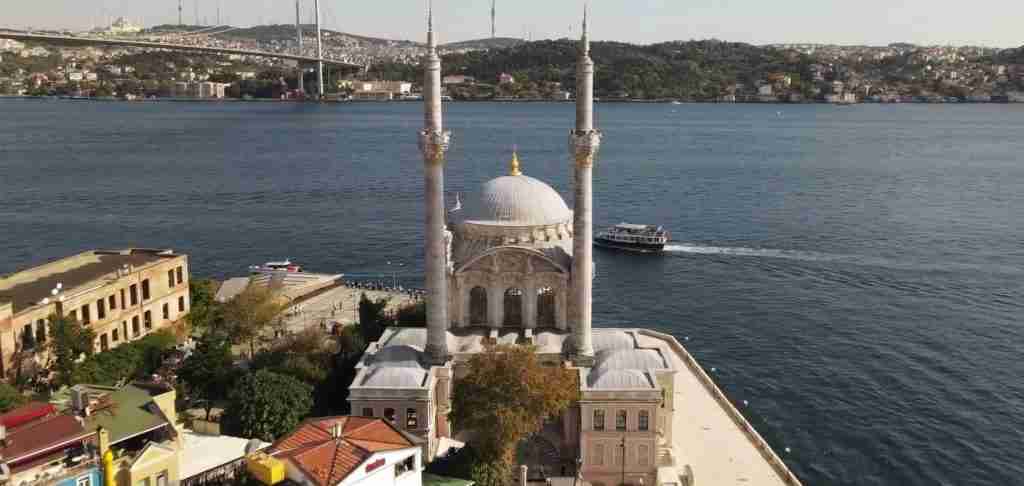
3 days
Istanbul 3-Day Discovery Tour
- ✓ Comprehensive Istanbul experience
- ✓ Expert local guides included
- ✓ All accommodation included
- ✓ Transportation provided

5 days
Istanbul 5-Day Highlights Experience
- ✓ Comprehensive Istanbul experience
- ✓ Expert local guides included
- ✓ All accommodation included
- ✓ Transportation provided

7 days
Istanbul 7-Day Cultural Journey
- ✓ Comprehensive Istanbul experience
- ✓ Expert local guides included
- ✓ All accommodation included
- ✓ Transportation provided
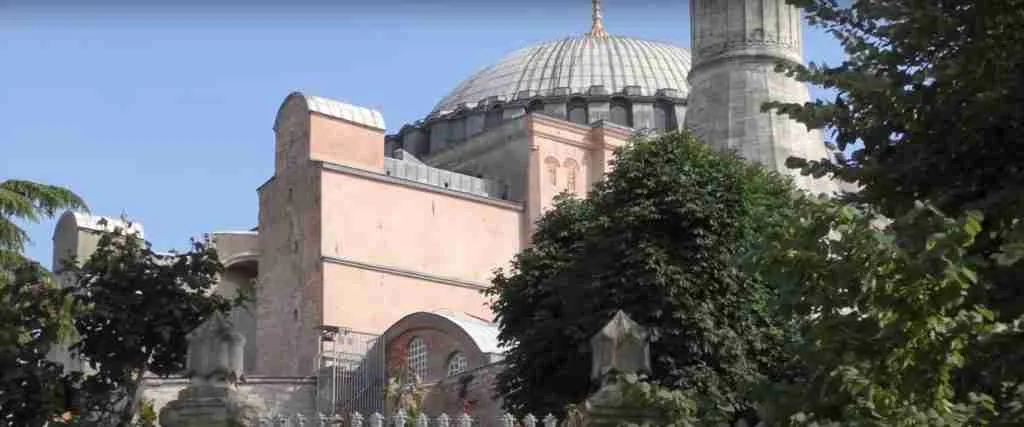
10 days
Istanbul 10-Day Complete Adventure
- ✓ Comprehensive Istanbul experience
- ✓ Expert local guides included
- ✓ All accommodation included
- ✓ Transportation provided
Multi-day tour packages powered by TourRadar. Prices and availability subject to change.
Introduction to Istanbul: Two Continents, One Extraordinary City
Istanbul occupies one of the world’s most strategic locations, straddling the Bosphorus Strait where Europe meets Asia and the Black Sea connects to the Mediterranean through the Sea of Marmara. This unique geography has shaped the city’s character as a crossroads of civilizations for over 2,600 years, from its founding as the Greek colony Byzantium in 660 BCE through its reign as Constantinople, capital of the Byzantine Empire, to its transformation into the Ottoman Empire’s magnificent seat of power in 1453.
The modern metropolis of over 15 million residents seamlessly blends this layered history with contemporary urban dynamism. Byzantine mosaics glitter inside former churches converted to mosques, Ottoman palaces overlook modern ferry terminals, and ancient city walls stand alongside glass-fronted shopping centers. The call to prayer echoes from hundreds of minarets while trams glide past 6th-century monuments carrying commuters between continents.
Istanbul’s Historic Areas, designated as a UNESCO World Heritage Site in 1985, protect the city’s architectural and cultural legacy across four distinct conservation zones. The Sultanahmet Archaeological Park concentrates the most famous monuments—Hagia Sophia, Blue Mosque, Topkapi Palace, Basilica Cistern—within a compact, walkable area that forms most visitors’ introduction to the city. The Zeyrek and Süleymaniye zones preserve Ottoman-era neighborhoods where daily life continues much as it has for centuries. The Land Walls trace the Byzantine defensive system that protected Constantinople for a millennium. Together, these protected areas showcase why Istanbul has been associated with major political, religious, and artistic events for over 2,000 years.
For travelers in 2026, Istanbul offers extraordinary value compared to Western European capitals while providing world-class museums, diverse dining from street food to Michelin-starred restaurants, efficient public transportation connecting both continents, and accommodation ranging from budget hostels to luxury palaces. The city’s position spanning two continents means visitors experience both European and Asian cultures within a single destination, crossing between continents via public ferries for approximately €1.
This guide provides comprehensive 2026 planning information including verified current entrance fees for major monuments, detailed accommodation costs across all budget categories, transportation strategies for navigating the city’s extensive metro-tram-ferry network, neighborhood-by-neighborhood breakdowns for choosing where to stay, sample daily budgets with realistic spending scenarios, and essential practical advice for maximizing your Istanbul experience.
Understanding Istanbul’s UNESCO World Heritage Sites
Istanbul’s UNESCO designation as a World Heritage Site, granted in 1985, recognizes the city’s unparalleled role as the capital of two world empires—Byzantine and Ottoman—and its extraordinary concentration of architectural masterpieces spanning 1,500 years. The inscription covers four geographically distinct conservation areas collectively known as the Historic Areas of Istanbul, each protecting different aspects of the city’s monumental heritage while facing ongoing challenges from urban development, population pressure, and tourism impact.
The Four Protected Conservation Zones
The Sultanahmet Archaeological Park, positioned on the peninsula between the Golden Horn, Bosphorus, and Sea of Marmara, contains Istanbul’s most recognizable monuments within a compact area measuring approximately 1.5 kilometers by 800 meters. This zone includes the Hagia Sophia, originally constructed 532-537 CE as Byzantine Emperor Justinian’s cathedral and converted to a mosque in 1453 and again in 2020; the Blue Mosque (Sultan Ahmed Mosque), built 1609-1616 with over 20,000 handcrafted Iznik tiles adorning its interior; Topkapi Palace, the Ottoman administrative center and imperial residence from 1465-1856; the Basilica Cistern, a 6th-century underground water reservoir featuring 336 marble columns; the Hippodrome of Constantine, where Byzantine chariot races entertained 100,000 spectators; and Hagia Irene, the Byzantine church that predates Hagia Sophia and now functions as a concert venue.
The Zeyrek and Süleymaniye Conservation Area, situated on Istanbul’s third and fourth hills, preserves the most authentic Ottoman neighborhood fabric remaining in the historic peninsula. The Süleymaniye Mosque, architect Mimar Sinan’s masterpiece completed in 1557 for Sultan Suleiman the Magnificent, dominates the skyline with four minarets and earthquake-resistant foundations that incorporate flexible architectural features. Surrounding the mosque, narrow streets wind between 16th-century timber houses and stone mansions, public buildings, and traditional workshops—many still occupied by families whose ancestors lived here during Ottoman times. The Zeyrek Mosque, originally the Byzantine Pantocrator Monastery, represents the city’s second-largest surviving Byzantine structure after Hagia Sophia.
The Land Walls Conservation Area protects the defensive system that defended Constantinople for over a thousand years, running 6.5 kilometers from the Sea of Marmara to the Golden Horn. Built primarily during the 5th century under Emperor Theodosius II, the walls feature a triple defensive line: an outer wall, an inner wall rising 12 meters, and a fortified moat. Twenty-four major gates and 96 towers punctuated the fortifications, which withstood numerous sieges until Ottoman cannons breached them in 1453. Significant sections survive today, though urban development and inadequate maintenance have damaged portions. The Yedikule Fortress, incorporating sections of the walls and the Golden Gate where Byzantine emperors entered the city in triumph, remains the most accessible section for visitors.
The waterfront areas along the Bosphorus and Golden Horn, while not defined as a distinct conservation zone in UNESCO documentation, contribute to Istanbul’s World Heritage status through the preserved skyline of minarets, domes, and palaces rising above the water. This panoramic view—particularly the silhouette of the historic peninsula with Topkapi Palace, Hagia Sophia, and Süleymaniye Mosque—represents one of the world’s most recognizable urban skylines and remains protected through height restrictions and planning regulations.
Threats and Conservation Challenges in 2026
The UNESCO inscription specifically notes threats from population pressure (Istanbul’s population has grown from approximately 2 million in 1985 to over 15 million today), industrial pollution affecting historic buildings and monuments, and uncontrolled urbanization encroaching on protected areas. Heavy vehicular traffic vibrations damage ancient structures, while air pollution accelerates deterioration of marble facades and decorative elements. The 1999 Marmara earthquake highlighted seismic vulnerability, prompting ongoing structural reinforcement projects at major monuments.
Tourism pressure creates additional challenges in 2026, with over 3 million annual visitors to Topkapi Palace alone generating wear on historic pavements, stress on infrastructure, and sometimes inappropriate behavior in sacred spaces. The conversion of Hagia Sophia back to a mosque in 2020, while maintaining tourist access to upper galleries, introduced new management complexities balancing religious functions with heritage preservation and visitor expectations.
Current Management and Access
The Site Management Directorate for Cultural and Natural Sites of Istanbul, established within Istanbul Metropolitan Municipality in 2006, coordinates conservation planning across all World Heritage zones, working with the Ministry of Culture and Tourism, General Directorate of Cultural Assets and Museums, and General Directorate of Pious Foundations. Conservation plans first developed in 1979 and 1981 for Zeyrek, Süleymaniye, and the Land Walls have been updated to address contemporary challenges while preserving the historic skyline through building height restrictions and architectural guidelines for new construction.
Visitors to Istanbul’s UNESCO sites in 2026 encounter professional management, clearly marked tourist routes, multilingual signage, and security measures protecting both monuments and visitors. The concentration of major sites within Sultanahmet makes accessing the core UNESCO monuments straightforward, while visiting the Land Walls and outer conservation areas requires more planning and transport coordination. All major monuments charge entrance fees to fund ongoing conservation, with prices adjusted in 2024-2025 to levels more comparable with other world-class heritage sites.
Major Monuments and Museums Costs 2026
Istanbul’s major cultural attractions implemented significant entrance fee increases in 2024-2025, bringing prices closer to Western European standards while remaining considerably more affordable than comparable monuments in Paris, Rome, or London. Current 2026 pricing for foreign visitors differs substantially from domestic Turkish resident rates, with most sites charging in euros or Turkish lira depending on the monument. Check official websites for current rates as pricing may vary, particularly for sites charging in lira during periods of currency fluctuation.
Hagia Sophia (Ayasofya)
Hagia Sophia charges €25 for adult foreign tourists in 2026 for access to the upper gallery and museum areas. Children under 8 accompanied by an adult enter free with passport verification. Following its 2020 reconversion to a mosque, Hagia Sophia operates dual access: the ground floor prayer hall remains free for worshippers and limited tourist viewing outside prayer times, while the upper gallery tourist route with panoramic interior views and Byzantine mosaics requires paid entry. The tourist entrance, separate from the main mosque entrance, operates 09:00-19:30 daily with last entry at 19:00. Closures occur during the five daily prayer times (duration 30-45 minutes), with Friday midday prayers creating the longest closure period. The €25 entrance fee is not included in any museum pass and must be purchased separately either at the entrance or through authorized online ticket vendors offering skip-the-line access.
Topkapi Palace (Topkapı Sarayı)
Topkapi Palace offers several ticketing options in 2026 for foreign visitors. The combined ticket covering palace access, Hagia Irene, and the Harem costs 2,750 TL (approximately €80 or $90), providing entry to all palace sections in a single purchase. This combined ticket represents the best value for visitors planning to see both the main palace courtyards and the Harem quarters where the sultan’s family lived. Purchasing sections separately—palace main entrance 2,400 TL, Harem 900 TL, Hagia Irene 900 TL—costs more overall. Children 6 and younger enter free with age verification. The Istanbul Museum Pass provides access to the main palace areas but excludes the Harem and Hagia Irene sections, requiring separate tickets for those areas. Topkapi Palace closes Tuesdays, operating 09:00-18:00 Wednesday through Sunday with last admission around 17:00. Winter months see earlier closing times around 17:00 with last admission at 16:00. A complete visit including the Harem requires 2-3 hours minimum, with 3-4 hours recommended for thoroughly exploring all courtyards, the Treasury, Holy Relics Chamber, and Imperial Kitchens.
Basilica Cistern (Yerebatan Sarnıcı)
The Basilica Cistern, Istanbul’s most atmospheric underground monument, charges 800 TL (approximately €23 or $25) for daytime admission in 2026, with evening visits commanding higher prices of 1,300 TL (approximately €37). The 6th-century Byzantine water reservoir features 336 marble columns rising from shallow water, dramatic lighting, and the famous inverted Medusa head column bases. Audio guides providing historical context cost an additional 100-150 TL. Operating hours run 09:00-19:00 daily, with evening sessions offering a more dramatic ambiance but significantly higher entrance fees. The cistern sits just 150 meters from Hagia Sophia, making combined visits on the same day convenient. A typical visit lasts 30-45 minutes walking the wooden platforms suspended above the water while admiring the column forest and architectural details.
Blue Mosque (Sultan Ahmed Camii)
The Blue Mosque maintains free admission as an active place of worship, with visitors welcome outside the five daily prayer times. Entry restrictions apply: covered shoulders and long trousers or skirts for all visitors, headscarves required for women (available free at the entrance if needed), shoes removed before entering (plastic bags provided for carrying them inside). Prayer times close the mosque to tourists for 30-45 minutes each time, with Friday midday prayers creating extended closures and very crowded conditions. Visiting early morning (08:00-09:00) or late afternoon (16:00-17:00) encounters smaller crowds and better photography light. Free admission does not include guided tours—audio guides or human guides require separate arrangements and fees. The mosque underwent extensive restoration 2018-2023, reopening with brilliantly cleaned Iznik tiles revealing the blue tones that inspired its nickname.
Dolmabahçe Palace
Dolmabahçe Palace, the 19th-century Ottoman palace along the Bosphorus that replaced Topkapi as the imperial residence, charges separate fees for different sections. The Selamlik (public ceremonial halls) costs approximately €30-35 (prices vary with Turkish lira exchange rates), while the Harem requires an additional €20-25. Combined tickets reduce the total cost slightly compared to purchasing sections separately. The palace closes Mondays and opens 09:00-17:00 Tuesday through Sunday with last admission one hour before closing. Mandatory guided tours—no independent wandering permitted—depart at scheduled intervals throughout the day in Turkish, English, and other languages. The palace showcases European-influenced Ottoman architecture featuring the world’s largest Bohemian crystal chandelier (gifted by Queen Victoria), ornate throne rooms, and waterfront gardens. Visiting requires 1.5-2 hours minimum.
Archaeological Museums of Istanbul
The Istanbul Archaeological Museums complex, located in the Topkapi Palace grounds but requiring separate admission, costs approximately 17 euros in 2026. The museums encompass three buildings: the Archaeological Museum proper (featuring the Alexander Sarcophagus and artifacts from Troy, Ephesus, and Babylon), the Museum of the Ancient Orient (Mesopotamian and Egyptian collections), and the Tiled Kiosk Museum (Ottoman ceramics and tiles). The Istanbul Museum Pass covers entry. Opening hours run 09:00-18:00 daily except Mondays. A thorough visit exploring all three museum buildings requires 2-3 hours. The complex offers respite from Sultanahmet’s crowds while providing world-class ancient artifacts often overlooked by visitors focused solely on the blockbuster monuments.
Museum Pass Options for 2026
The Istanbul Museum Pass costs approximately €120 and provides 5-day access to Topkapi Palace (excluding Harem), Hagia Irene, Istanbul Archaeological Museums, Turkish and Islamic Arts Museum, and several other properties. The pass offers time savings through skip-the-line access at participating sites and becomes cost-effective for visitors planning to see four or more included monuments. Important exclusions include Hagia Sophia (separate €25 fee required), Topkapi Palace Harem (separate 900 TL fee), and Basilica Cistern (separate 800 TL fee). The pass activates upon first use at any participating monument and expires 120 hours later, making it ideal for 4-5 day Istanbul stays with intensive sightseeing plans. Purchase points include the airport, major museum ticket offices, and authorized online vendors.
Accommodation Costs in Istanbul 2026
Istanbul’s accommodation market spans extreme price ranges from budget hostel dormitories at $10 per bed to historic palace hotels at $1,000+ per night, with most travelers finding excellent value in the $80-150 mid-range category. Location dramatically affects both price and convenience—staying in Sultanahmet places you steps from major monuments but in the most tourist-saturated district, while Beyoğlu and Karaköy offer trendier neighborhoods with excellent dining and nightlife but require public transport to reach historic sites. Prices fluctuate 30-50% between low season (November-March) and high season (April-October), with particular spikes during Turkish holidays and major events.
Budget Accommodation (Hostels and Budget Hotels)
Budget travelers in Istanbul find excellent value in 2026 compared to Western Europe, with clean, safe accommodation available in all major tourist districts. Hostel dormitory beds in Sultanahmet, Beyoğlu, and Kadıköy cost $10-20 per night depending on season and dormitory size—4-bed dorms command premium prices while 8-12 bed dorms offer the cheapest rates. Private rooms in hostels range $30-50 per night for a double, providing budget accommodation with hostel social atmosphere and facilities. Budget hotels—typically family-run guesthouses or small hotels with basic but clean rooms—charge $35-65 per night for a double room with private bathroom, air conditioning, and usually breakfast. These establishments cluster heavily around Sultanahmet (convenient for monuments but touristy), Sirkeci (slightly less touristy, good transport links), and Kadıköy on the Asian side (authentic local neighborhood, requires ferry to reach European monuments). Budget accommodation in Istanbul generally maintains higher cleanliness and safety standards than comparable prices in Southeast Asia, with hot water, WiFi, and secure entry standard even at the cheapest properties.
Mid-Range Hotels (3-4 Star Properties)
Mid-range hotels in Istanbul 2026 typically cost $80-150 per night for a standard double room, offering the best balance of comfort, location, and value for most travelers. Three-star hotels in Beyoğlu, Taksim, Galata, Karaköy, Şişli, and Kadıköy average $88-120 per night, featuring renovated rooms with modern bathrooms, air conditioning, breakfast buffets, and often rooftop terraces with city views. Four-star properties in the same districts command $110-180 per night, adding amenities like fitness centers, on-site restaurants, concierge services, and higher-quality furnishings. Location within each district significantly impacts pricing—hotels on quieter side streets cost 15-25% less than properties on main thoroughfares, while those advertising Bosphorus glimpses charge premium rates. Boutique hotels, particularly popular in restored Ottoman buildings in Galata and Karaköy, offer distinctive character and design at $120-200 per night, trading chain hotel standardization for individually decorated rooms and personalized service. Mid-range accommodation includes breakfast at most properties, saving $10-15 daily compared to eating out.
Luxury Hotels (5-Star and Palace Hotels)
Luxury accommodation in Istanbul ranges from international chain 5-star hotels at $300-450 per night to palatial Ottoman-era conversions and contemporary design hotels at $500-1,000+ per night. Bosphorus-view rooms command significant premiums—expect to pay 30-50% more than city-view rooms at the same property. The historic Pera Palace Hotel in Beyoğlu, where Agatha Christie wrote Murder on the Orient Express, charges $400-600 for historic rooms with period furnishings. The Four Seasons properties occupy a former Ottoman prison and the Sultanahmet palace of 19th-century rulers, charging $550-800 in peak season. Contemporary luxury hotels like the Raffles Istanbul and St. Regis Istanbul offer modern amenities, spa facilities, multiple restaurants, and business services at $350-550 per night. Luxury hotels concentrate in Beyoğlu, Beşiktaş (Bosphorus waterfront), and select Sultanahmet properties, with new developments emerging along the Asian side Bosphorus shoreline in Üsküdar and Kadıköy. Luxury rates include breakfast, WiFi, and basic amenities, but often charge extra for spa treatments, minibar, and airport transfers.
Neighborhood-Specific Pricing Patterns
Sultanahmet hotels charge premiums for proximity to major monuments—expect to pay 20-30% more than comparable properties in other districts. Budget options start $45-60, mid-range hotels run $100-140, and luxury properties command $400-600, all for similar quality levels cheaper elsewhere. Beyoğlu and Taksim offer the widest range, from $35 budget hotels to $500+ luxury properties, with mid-range averaging $90-130. Karaköy and Galata, the trendiest neighborhoods, feature numerous boutique hotels at $120-200 with contemporary design in converted historic buildings. Kadıköy on the Asian side provides the best value—budget hotels $30-45, mid-range $70-110, excellent local restaurants, and ferry connections to European attractions. Beşiktaş along the Bosphorus north of Sultanahmet delivers luxury waterfront hotels ($350-600) and mid-range properties ($100-150) with easy access to palaces and less tourist saturation than Sultanahmet.
Seasonal Price Variations
Istanbul hotel prices fluctuate significantly between seasons in 2026. Low season (November through March) offers the most affordable rates, with prices 30-40% below peak—budget hotels $25-40, mid-range $60-100, luxury $200-350. Shoulder season (April-May, September-October) sees moderate pricing, typically 10-20% below peak, providing good value with pleasant weather. High season (June-August) brings peak prices—budget $40-60, mid-range $100-150, luxury $350-600—alongside maximum crowds and occasional accommodation shortages during Turkish holidays. Booking 2-3 months ahead for high season and 4-6 weeks for shoulder season secures better rates and availability. Last-minute deals occasionally appear mid-week during shoulder season but become rare in summer.
Transportation Costs and Strategies 2026
Istanbul’s public transportation system—combining metro, tram, ferries, buses, and funiculars—provides efficient, affordable city navigation connecting both continents and covering the sprawling metropolis. The Istanbulkart contactless payment card represents the essential tool for using public transport, offering substantially lower fares than single tickets while providing seamless transfers across all modes. Understanding the system before arrival saves both money and navigation frustration, as Istanbul’s size (15 million population across 5,461 square kilometers) makes walking between major districts impractical despite the compact historic peninsula’s pedestrian-friendly layout.
Istanbulkart: Essential Transport Card
The Istanbulkart costs 165 TL (approximately $5 or €4.50) to purchase in 2026, with balance loaded separately for actual travel. Purchase points include vending machines (Biletmatik) at Istanbul Airport, Sabiha Gökçen Airport, all metro and tram stations, major ferry terminals, and authorized kiosks throughout the city. Airport purchase immediately upon arrival makes the most sense—buy the card, load 200-300 TL initial balance, and use it for the metro journey from airport to city (M11 line from Istanbul Airport costs 35-42 TL per person). The card itself is non-refundable, but unused balance can be refunded at designated locations, though the process requires time and typically isn’t worthwhile for small amounts.
Standard fare with Istanbulkart costs 35-42 TL per ride depending on distance and transport mode in 2026, compared to 50 TL for single paper tickets—a 20-25% savings per journey. The card offers transfer discounts within a 2-hour window: the first transfer costs approximately 26 TL and subsequent transfers during the same journey cost progressively less. A typical sightseeing day involving 4-6 public transport rides (hotel to Sultanahmet, ferry to Asian side, tram to Taksim, metro back to hotel) costs 140-210 TL with Istanbulkart versus 200-300 TL with single tickets, representing significant daily savings.
The card functions on all Istanbul public transport: metro, tram (including the nostalgic red tram on Istiklal Street), buses, ferries, Marmaray undersea rail tunnel, funiculars, and the Metrobus rapid transit system. One card can pay for multiple passengers by tapping repeatedly for each person—useful for families or groups. Reloading uses the same Biletmatik vending machines, accepting both cash and credit cards, with minimum top-up amounts typically 50-100 TL.
Metro and Tram Network
Istanbul’s expanding metro system connects major districts and both airports to the city center, with the M1 line linking Atatürk Airport (no longer serving international flights but still relevant for domestic connections), the M11 line serving Istanbul Airport (opened 2023), and the M4 line connecting Kadıköy and the Asian side. Metro fares with Istanbulkart cost 35-42 TL per ride regardless of distance within the standard network, though longer journeys on certain lines may cost slightly more. Trains operate 06:00-00:30 daily, running every 5-10 minutes during peak hours and every 10-15 minutes off-peak.
The T1 tram line forms the tourist transport backbone, running from Kabataş (connecting to the Taksim funicular) through Sultanahmet, Beyazıt (Grand Bazaar), Aksaray, and continuing to Bağcılar. This single tram line provides access to virtually all major European-side monuments: Topkapi Palace, Hagia Sophia, Blue Mosque, Grand Bazaar, Spice Bazaar, and ferry terminals. Trams arrive every 5 minutes during daytime hours, operate 06:00-00:30, and become extremely crowded 08:00-09:30 and 17:00-19:00 during commuter rush periods. The nostalgic red tram along Istiklal Street costs the same Istanbulkart fare but runs a short route primarily used by tourists for the experience rather than practical transportation.
Ferry Services Connecting Continents
Public ferries operated by Şehir Hatları provide the most enjoyable transportation in Istanbul, crossing between Europe and Asia while offering spectacular Bosphorus and Golden Horn views. Short-distance ferries crossing the Bosphorus (Eminönü to Kadıköy, Karaköy to Kadıköy, Kabataş to Üsküdar) cost 35-55 TL with Istanbulkart depending on the route, operate 07:00-23:00 with departures every 15-20 minutes on main routes, and take 15-25 minutes for most crossings. These ferries function as public transport rather than tourist cruises, used daily by commuters traveling between continents—sitting outside on deck with tea (served on board) while the city drifts past represents one of Istanbul’s essential experiences.
Longer Bosphorus cruises—either the public Long Bosphorus Tour or private tourist cruises—cost significantly more but provide extended sightseeing journeys along the strait toward the Black Sea. The official Şehir Hatları Bosphorus Tour costs approximately 80-100 TL with Istanbulkart, departing from Eminönü daily at scheduled times (verify current schedules as they vary seasonally), traveling approximately two hours up the Bosphorus to Anadolu Kavağı village near the Black Sea with stops at waterfront neighborhoods before returning. This represents excellent value for a half-day sightseeing excursion. Private tour operator cruises charge higher fees ($30-50 per person) but offer multilingual audio guides, more frequent departures, and sometimes meals included.
Taxis and Ride-Sharing
Istanbul taxis use meters and official rates in 2026, with starting fare approximately 60-80 TL and distance charges accruing based on kilometers. Cross-city rides (Sultanahmet to Taksim approximately 4 kilometers) typically cost 150-200 TL, while longer journeys like Sultanahmet to Istanbul Airport (approximately 50 kilometers) run 800-1,200 TL depending on traffic. Always insist the driver uses the meter—refusing to use the meter indicates a scam attempt, particularly common at tourist locations. Official yellow taxis display clear taxi markings, meter, and driver identification. Ride-sharing services (Uber operates through licensed taxi dispatch) provide similar pricing but with the convenience of cashless payment and GPS tracking.
Night rates apply after midnight with approximately 50% surcharge. Tipping is not obligatory but rounding up the fare or adding 10% for good service is common practice. Peak traffic hours (08:00-10:00, 17:00-20:00) significantly extend journey times—a trip taking 15 minutes mid-day might require 45 minutes during rush hour, with meter charges accumulating during stationary traffic time. For airport transfers, pre-booked private transfers cost $30-50 per car (not per person) and provide fixed pricing, while public transport options (metro M11 from Istanbul Airport, HAVAIST buses) cost significantly less but require managing luggage on public transport.
Daily Transportation Budget Expectations
Budget travelers using public transport exclusively for sightseeing typically spend 200-300 TL daily on transportation (approximately $6-9 or €5-8), covering 5-7 journeys including trams, metro, and at least one ferry crossing. Mid-range travelers mixing public transport (tram to Sultanahmet, ferry to Asian side) with occasional taxis for convenience spend 400-600 TL daily (approximately $12-18 or €10-15). Luxury travelers using primarily taxis and private transfers average 1,500-2,500 TL daily (approximately $45-75 or €40-65) for comparable coverage.
Food and Dining Expenses 2026
Istanbul’s culinary landscape ranges from street food costing less than $2 to Michelin-starred restaurants charging $100+ per person, with extraordinary value available throughout the spectrum for travelers willing to eat where locals eat rather than defaulting to tourist-zone establishments. Turkish cuisine emphasizes fresh ingredients, generous portions, and communal dining traditions, making it easy to eat extremely well on modest budgets while experiencing authentic local food culture. Understanding different dining categories and strategic choices about where to eat significantly impacts daily food expenses.
Street Food and Cheap Eats
Street food in Istanbul provides filling, delicious meals at minimal cost while offering authentic culinary experiences. Simit (sesame-crusted bread rings) from street vendors cost 10-20 TL (approximately $0.30-0.60), providing perfect breakfast or snacks. Döner kebab wraps cost 80-150 TL ($2.50-4.50) depending on size and meat type, with chicken döner (tavuk döner) generally cheaper than lamb. The famous balık ekmek (fish sandwich) sold from boats at Eminönü costs 60-100 TL ($2-3) for freshly grilled fish in bread with lettuce and onions—an Istanbul culinary icon. Midye dolma (stuffed mussels) from street vendors run 10-15 TL each, typically purchased in quantities of 5-10 for a filling snack totaling 50-150 TL.
Turkish breakfast (kahvaltı) at local cafes costs 150-300 TL ($4.50-9) per person, including bread, cheese varieties, olives, tomatoes, cucumbers, honey, jam, eggs, and unlimited tea—easily feeding you until late afternoon. Fresh-squeezed orange juice (portakal suyu) costs 40-80 TL, while tea (çay) served in traditional tulip glasses costs 10-25 TL per glass. Turkish coffee (Türk kahvesi) runs 50-100 TL. Budget-conscious travelers eating street food and simple local restaurants spend 400-700 TL daily ($12-21 or €10-18) per person on meals and beverages.
Esnaf Lokantası (Workers’ Restaurants)
Esnaf lokantası, traditional workers’ restaurants serving home-style Turkish cooking cafeteria-style, provide the best value for authentic, filling meals in Istanbul. These establishments display prepared dishes (often 10-15 options) in steam trays—point at what you want, portions are served, and you pay based on items selected. Typical lunch costs 200-350 TL ($6-10) for a substantial meal including rice or bulgur pilaf, meat or vegetable stew (güveç), bean dishes, and salad. Köfte (meatballs) with salad and pilaf runs 180-280 TL. Chicken dishes cost 200-300 TL. Most lokanta offer unlimited bread and often include a small dessert or yogurt in the price.
These restaurants concentrate in business districts, markets, and residential neighborhoods rather than tourist zones—venture two blocks away from Sultanahmet or Istiklal Street and you’ll find authentic lokanta serving locals. Meals are served 11:00-15:00 for lunch and 18:00-21:00 for dinner, with some locations lunch-only. No English menus typically, but pointing works perfectly, and most proprietors welcome foreign visitors curious enough to venture into local establishments. Hygiene standards generally maintain high levels, as these restaurants serve regular local customers who would notice any decline in quality.
Sit-Down Restaurants and Turkish Cuisine Specialists
Mid-range Turkish restaurants in tourist areas charge 500-800 TL ($15-24) per person for full meals including appetizers (meze), main courses, and beverages. A typical dinner might include mixed meze platter (250-400 TL), grilled meat or fish main course (350-600 TL per person), beverages (150-250 TL), and dessert (100-200 TL), totaling 850-1,450 TL for two people. Restaurants in Sultanahmet, Beyoğlu, and along the Bosphorus charge premium prices—the same dishes cost 30-40% less in residential neighborhoods like Kadıköy, Kuzguncuk, or Beşiktaş.
Seafood restaurants along the Bosphorus and in Kumkapı (fishing district) specialize in fresh fish priced by weight—expect 600-1,000 TL per kilogram for popular fish like sea bass (levrek) or sea bream (çipura), with typical portions 300-400 grams yielding 240-400 TL per person for just the fish, plus sides, appetizers, and drinks. Rakı (anise-flavored spirit traditionally accompanying seafood) costs 400-800 TL per bottle depending on brand. A full seafood dinner with meze, fish, rakı, and sides for two people typically totals 2,000-3,500 TL ($60-105).
Turkish specialties worth seeking: İskender kebap (sliced döner over bread with tomato sauce and yogurt) costs 250-400 TL; mantı (Turkish dumplings with yogurt) runs 200-350 TL; pide (Turkish flatbread pizza) ranges 180-350 TL; lahmacun (thin flatbread with minced meat) costs 80-150 TL each (order 2-3 for a meal). Traditional desserts like baklava (150-250 TL per portion) and künefe (200-300 TL) provide sweet finishes.
International and Fine Dining
Istanbul’s dining scene includes numerous international restaurants, trendy fusion establishments, and Michelin-starred fine dining venues primarily concentrated in Beyoğlu, Karaköy, and Nişantaşı. Mid-range international restaurants (Italian, Asian, contemporary Turkish fusion) charge 600-1,200 TL ($18-36) per person for full meals. Trendy restaurants in converted historic buildings along the Bosphorus or in Karaköy galleries run 800-1,500 TL ($24-45) per person. Michelin-starred restaurants (Istanbul has several starred establishments) charge 3,000-6,000 TL ($90-180) per person for tasting menus, with wine pairings adding 1,500-3,000 TL ($45-90) more.
Alcohol Costs and Drinking Culture
Alcohol carries heavy taxation in Turkey, making drinks significantly more expensive than food. Domestic beer (Efes, Bomonti) costs 100-180 TL ($3-5.50) in local establishments, 200-350 TL ($6-10.50) in tourist restaurants, and 300-500 TL ($9-15) in upscale venues. Wine by the glass runs 200-400 TL ($6-12) for domestic wines, 350-600 TL ($10.50-18) for imports. Rakı, Turkey’s signature anise spirit, costs 400-800 TL ($12-24) per bottle in restaurants. Beer and wine in supermarkets cost significantly less—Efes beer 60-90 TL ($2-2.70) for 500ml, decent Turkish wine 300-600 TL ($9-18) per bottle—but alcohol sales from shops are restricted to certain hours (prohibited after 22:00).
Daily Food Budget by Travel Style
Budget travelers eating street food, simit breakfast, lokanta lunch, and simple dinner spend 500-800 TL daily ($15-24 or €13-21) per person including occasional cafe visits. Mid-range travelers mixing local breakfast, casual lunch, and sit-down restaurant dinner with moderate alcohol consumption average 1,000-1,500 TL daily ($30-45 or €26-39). Travelers favoring upscale restaurants, international cuisine, and regular alcohol consumption spend 2,000-3,500 TL daily ($60-105 or €52-91). These estimates assume two main meals and snacks—skipping breakfast or lunch obviously reduces costs proportionally.
Sample Daily Budgets by Travel Style 2026
Understanding realistic daily costs for different travel styles helps budget accurately for Istanbul visits in 2026. The budgets below exclude international flights and pre-trip purchases (insurance, vaccinations, travel gear) but include accommodation, meals, local transportation, attraction entries, and incidental expenses like bottled water, coffee, and snacks. All figures represent per-person costs assuming double occupancy accommodation.
Budget Traveler Daily Costs
Accommodation in hostel dormitories or budget guesthouses costs $15-25 nightly. Transportation using Istanbulkart exclusively averages $6-9 daily covering 5-7 journeys. Meals from street food, simit breakfast, lokanta lunch, and simple dinner run $15-24 daily. One paid major attraction (Hagia Sophia €25 or Topkapi €80) averaged across a 5-day trip adds $8-20 daily. Incidentals including bottled water, Turkish tea, occasional snacks, and small purchases total $4-7 daily. Total budget traveler daily cost: $48-85 per person (approximately 1,500-2,700 TL), with a 7-day trip totaling $336-595 excluding flights.
Budget travelers maximize savings by staying in Kadıköy or Sultanahmet hostels with included breakfast, using only public transport (metro to airport instead of taxis), eating primarily at lokanta and street food vendors, limiting paid attractions to 1-2 major sites (visiting free mosques, exploring bazaars, walking neighborhoods), and buying snacks and water from supermarkets rather than tourist-zone kiosks charging premium prices.
Mid-Range Traveler Daily Costs
Accommodation in 3-4 star hotels in Beyoğlu, Karaköy, or Sultanahmet costs $80-120 nightly ($40-60 per person double occupancy). Transportation mixing public transport with occasional taxis averages $12-18 daily. Meals including cafe breakfast, casual lunch, and sit-down restaurant dinner with moderate alcohol run $30-50 daily. Two paid major attractions daily (museum pass or specific entries) totals $25-40. Incidentals including better coffee, bottles of water, desserts, and small purchases run $8-12 daily. Total mid-range daily cost: $115-180 per person (approximately 3,600-5,600 TL), with a 7-day trip totaling $805-1,260 excluding flights.
Mid-range travelers balance comfort and value by choosing well-located 3-star hotels with breakfast included, mixing efficient public transport with strategic taxi use (airport, late night, heavy shopping days), eating breakfast at hotels then exploring different restaurant categories (local lunch, upscale dinner), visiting 3-4 major monuments daily using the museum pass, and allowing budget for experiences like Turkish bath visits ($30-50) and Bosphorus dinner cruises ($50-80).
Luxury Traveler Daily Costs
Accommodation in 5-star hotels with Bosphorus views costs $300-450+ nightly ($150-225+ per person double occupancy). Private airport transfers and taxis exclusively average $45-75 daily. Meals at upscale restaurants with wine and dining variety run $90-150 daily. Professional guided tours and premium attraction access total $40-80 daily. Incidentals including high-end cafes, hotel bars, spa treatments, and shopping run $35-70 daily. Total luxury daily cost: $360-600+ per person (approximately 11,200-18,600+ TL), with a 7-day trip totaling $2,520-4,200+ excluding flights.
Luxury travelers prioritize comfort and exclusive experiences through Bosphorus-view hotel suites, private guided tours with professional historians, fine dining including Michelin-starred restaurants, skip-the-line museum access with expert guides, private Bosphorus yacht charters, Turkish bath treatments at historic hammams, and shopping in designer boutiques and traditional carpet galleries.
Best Time to Visit Istanbul 2026
Istanbul experiences four distinct seasons affecting weather comfort, crowd levels, accommodation prices, and attraction accessibility. The ideal visiting window depends on priorities—perfect weather versus budget savings, cultural events versus quiet sightseeing, or specific activities like Bosphorus swimming versus winter hammam visits.
Spring (April-May): Optimal Balance
Spring represents peak visiting season for good reason—comfortable temperatures averaging 15-22°C (59-72°F) in April warming to 18-25°C (64-77°F) in May provide ideal sightseeing weather without summer heat exhaustion. Istanbul’s famous tulips bloom in April, particularly spectacular in Gülhane Park adjacent to Topkapi Palace and Emirgan Park along the Bosphorus, coinciding with the Istanbul Tulip Festival celebrating the flower’s Ottoman heritage. Daylight extends to 20:00 by late May, maximizing sightseeing hours.
Spring crowds remain manageable compared to peak summer though major monuments see increasing visitors through May. Hotel rates position in the shoulder season category, approximately 10-20% below summer peaks while significantly higher than winter—expect mid-range hotels $90-130 compared to summer’s $110-150. Restaurant terraces and rooftop bars reopen for the season. April brings occasional rain showers requiring a packable rain jacket, though precipitation totals remain moderate.
Ramadan occasionally falls in April-May (Islamic calendar shifts annually), creating unique cultural experiences but affecting daytime restaurant availability and attraction crowds as locals fast during daylight hours then break fast (iftar) after sunset with family meals. Many restaurants close during daytime or operate with restricted hours, though tourist areas maintain better availability. Post-iftar (after 19:30) the city comes alive with special energy, particularly around mosques and in traditional neighborhoods.
Summer (June-August): Peak Season Heat
Summer delivers hot, sunny weather averaging 25-30°C (77-86°F) with July-August peaks occasionally exceeding 35°C (95°F), creating challenging conditions for walking tours around un-shaded Sultanahmet monuments. Humidity stays relatively low compared to coastal Mediterranean cities, providing some relief, but midday sightseeing requires sun protection, frequent water breaks, and potentially adjusting schedules to visit attractions early morning or late afternoon. Bosphorus breezes provide natural air conditioning along waterfront promenades and ferry rides.
Summer crowds peak at major monuments—expect 45-60 minute queues at Hagia Sophia and Topkapi Palace during midday hours without skip-the-line access. Hotel prices reach annual maximums, with mid-range properties $110-150 and luxury options $400-600+. The positive trade-off includes extended operating hours at major monuments (many stay open until 19:00-20:00), vibrant outdoor dining and entertainment scenes, rooftop terraces with sunset Bosphorus views, and summer music festivals including the Istanbul Music Festival (June-July) featuring classical music and jazz in historic venues.
Swimming becomes possible at Bosphorus beaches and Princes’ Islands, with Şile and Kilyos beaches north of the city offering Black Sea coastline day trips. Summer also brings the greatest variety of organized tours, maximum ferry schedule frequency, and easiest booking of group activities and day trips.
Autumn (September-October): Second Prime Season
Autumn rivals spring for ideal visiting conditions with warm, stable weather averaging 20-25°C (68-77°F) in September cooling to 15-20°C (59-68°F) in October, lower humidity than summer, and dramatic autumn light enhancing photography. Sea temperatures remain warm enough for swimming through mid-September. Autumn leaves provide beautiful backdrops in parks and along the Bosphorus by late October.
Shoulder season pricing returns with hotel rates dropping 15-25% from summer peaks, making autumn excellent value for weather-conscious travelers seeking comfortable temperatures without premium costs. Crowds decrease noticeably from August peaks, though major monuments remain busy during optimal September weather—October sees further thinning as European school holidays end. Restaurant reservations become easier to secure at popular venues.
The Istanbul Biennial, occurring every two years (confirm 2026 dates), transforms the city into a contemporary art showcase September-November with exhibitions across galleries, museums, and public spaces. The autumn harvest brings seasonal foods—fresh figs, pomegranates, chestnuts roasted by street vendors—and the traditional grape harvest season (bağ bozumu).
Winter (November-March): Budget Season with Atmospheric Trade-offs
Winter offers the year’s most affordable rates—hotels cost 30-40% less than peak season with mid-range options $60-100 and occasional luxury deals $200-350—appealing to budget-conscious travelers tolerant of cold, rainy weather. Temperatures average 5-12°C (41-54°F) with frequent rain, occasional snow in January-February, and dramatic fog rolling across the Bosphorus creating atmospheric but chilly conditions. Some ferry routes operate reduced winter schedules.
Major monuments become virtually queue-free—walk directly into Topkapi Palace and Hagia Sophia that would require 60-minute summer waits. Museums feel spacious rather than crowded. Winter reveals Istanbul’s authentic character as local life continues without tourist saturation, particularly in neighborhoods like Balat, Fener, and Asian side districts. Hammam (Turkish bath) visits feel more appropriate in cold weather than summer.
Challenges include shorter daylight hours (sunset by 17:00 in December), some outdoor attractions losing appeal in rain and cold, reduced ferry frequency, and need for warm, waterproof clothing. The holiday period (late December-early January) brings increased domestic tourism as Turkish families visit Istanbul, partially filling the gap left by reduced international visitors. Some restaurants and tour operators reduce hours or close entirely January-February during the quietest period.
2026 Specific Considerations
Ramadan in 2026 falls approximately February 28-March 29 (exact dates depend on moon sighting), affecting dining availability, attraction hours, and cultural experiences. The Kurban Bayram (Eid al-Adha) holiday, one of Turkey’s major religious festivals, occurs approximately June 6-9 with many locals traveling and some businesses closing—book accommodation well ahead for this period. Turkish national holidays including Republic Day (October 29) create long weekends with increased domestic tourism. Major sporting events or concerts might impact accommodation availability in specific districts.
Neighborhoods and Where to Stay in 2026
Istanbul’s sprawling geography across two continents and numerous distinct districts creates important accommodation location decisions affecting daily convenience, atmosphere, costs, and authentic versus tourist-oriented experiences. The historic European peninsula (Sultanahmet and surroundings), Beyoğlu-Taksim, and Kadıköy Asian side form the primary tourist-relevant zones, each offering different advantages and trade-offs.
Sultanahmet: Historic Peninsula Core
Sultanahmet places visitors literally steps from Hagia Sophia, Blue Mosque, Topkapi Palace, Basilica Cistern, and Hippodrome within a compact, highly walkable area. This supreme monument proximity makes Sultanahmet ideal for short visits (2-3 days) focused intensively on Byzantine and Ottoman sites, older travelers preferring minimal walking, or first-time visitors wanting maximum convenience to must-see attractions. The neighborhood offers accommodation across all budgets from $45 budget hotels to $400+ luxury properties in converted Ottoman mansions.
Downsides include the most tourist-saturated atmosphere in Istanbul—persistent carpet seller approaches, tourist restaurant touts, inflated prices at cafes charging €5 for tea that costs €1 two blocks away, and an environment feeling more theme park than authentic neighborhood. Dining options skew heavily toward tourist menus with inflated prices and mediocre quality compared to local districts. Evening atmosphere quiets significantly as day-trippers depart, leaving Sultanahmet feeling somewhat deserted after 20:00 outside summer months.
Transportation connections include the T1 tram running through Sultanahmet with excellent access to other districts, plus ferry terminals at Eminönü (10-minute walk) for Asian side crossings. The neighborhood lacks nightlife beyond hotel bars and a few restaurants, requiring tram/taxi rides to Beyoğlu for evening entertainment.
Beyoğlu, Taksim, and Galata: Modern Heart
Beyoğlu encompasses the modern European side’s entertainment, dining, and nightlife core stretching from Taksim Square down the famous Istiklal Street pedestrian avenue through Galata to the Karaköy waterfront. This vast area combines 19th-century European-influenced architecture, trendy restaurants and cafes, art galleries, live music venues, rooftop bars, boutique hotels, and contemporary Turkish urban culture. Accommodation ranges from $35 budget hotels to $500 design boutique properties.
Beyoğlu suits travelers seeking nightlife, diverse dining beyond traditional Turkish cuisine, contemporary art and culture scenes, and preference for a more cosmopolitan versus historic atmosphere. The district attracts younger travelers, digital nomads, and those planning extended stays who want neighborhood amenities rather than pure tourist facilities. Galata and Karaköy specifically offer converted historic buildings as boutique hotels, excellent local dining, and waterfront Bosphorus views.
Transportation to Sultanahmet monuments requires the tram (T1 connects at Karaköy) or funicular-tram combination from Taksim (F1 funicular to Kabataş, T1 tram to Sultanahmet), taking 20-30 minutes door-to-door. The metro network provides excellent connections to Asian side via Marmaray, other European neighborhoods, and Istanbul Airport. Beyoğlu’s central location makes it effective as a base for exploring all city quadrants.
Kadıköy and Asian Side: Authentic Istanbul
Kadıköy, Istanbul’s most vibrant Asian side neighborhood, delivers authentic local life, excellent value accommodation and dining, relaxed atmosphere without tourist pressure, and surprisingly good European side connections via frequent ferries. The district offers predominantly mid-range hotels $70-110 and budget options $30-45, with luxury limited but emerging. Kadıköy functions as a real residential and commercial district where tourism exists but doesn’t dominate—restaurants serve local customers primarily, shops cater to neighborhood residents, and streets bustle with genuine Istanbul daily life.
The Tuesday and Saturday markets in Kadıköy sell everything from fresh produce to clothes and household goods, providing cultural experiences most tourists never encounter. The Moda waterfront neighborhood within Kadıköy offers seaside promenades, cafe culture, and beautiful Bosphorus views back toward the European side. Dining in Kadıköy costs 25-35% less than Sultanahmet for equivalent or better quality—excellent value for food-focused travelers.
The European side monuments require ferry crossings (15-20 minutes to Eminönü or Karaköy, 35 TL with Istanbulkart, departures every 15-20 minutes 07:00-23:00) then tram/metro, totaling 35-45 minutes from Kadıköy accommodation to Sultanahmet. This works well for travelers spending 4+ days who value authentic experiences and cost savings over supreme monument proximity. Kadıköy lacks the overwhelming tourist infrastructure of Sultanahmet—limited tour operators, fewer English signs, less tourist adaptation—which appeals to independent travelers but may challenge those preferring maximum convenience.
Beşiktaş and Bosphorus Waterfront
Beşiktaş stretches along the Bosphorus north of Sultanahmet toward the second Bosphorus bridge, encompassing Ortaköy, Arnavutköy, and other waterfront neighborhoods popular with affluent Istanbul residents. Accommodation concentrates in mid-range to luxury categories $120-500+, particularly waterfront properties with Bosphorus views. The area offers access to Dolmabahçe Palace, upscale shopping, waterfront restaurants and cafes, and a more residential feel than tourist districts.
Beşiktaş provides excellent ferry connections to Asian side and other Bosphorus neighborhoods, plus metro access to other European districts. The atmosphere blends affluent residential living with student energy from nearby universities, creating diverse dining and entertainment. Distances to Sultanahmet monuments require public transport (15-25 minutes via metro-tram combinations), making this location better suited for travelers prioritizing Bosphorus atmosphere over monument proximity or those on longer visits exploring beyond standard tourist circuits.
Balat and Fener: Emerging Alternative
Balat and Fener, historic neighborhoods along the Golden Horn northwest of Sultanahmet, emerged recently as trendy alternatives offering colorful Ottoman houses, artisan cafes, vintage shops, and Instagram-worthy backstreets at prices well below Sultanahmet. Accommodation options remain limited compared to major districts but growing, with boutique hotels and restored Ottoman houses offering character properties $80-150.
These neighborhoods appeal to travelers seeking authentic character, cultural experiences beyond major monuments, and tolerance for residential districts with limited tourist infrastructure. The areas require 15-20 minute tram/bus journeys to reach Sultanahmet. Balat and Fener showcase traditional neighborhood life, particular Sunday markets, orthodox church communities, and Ottoman Jewish heritage—culturally fascinating but less practical as accommodation bases unless specifically interested in these neighborhoods.
Essential Practical Tips for Istanbul 2026
Visa Requirements and Entry
Many nationalities including US, Canadian, Australian, and most European citizens can obtain Turkish e-visas online before travel (currently $50-70 for US citizens, varying by nationality) valid for 90 days within 180-day period. The e-visa application at www.evisa.gov.tr requires passport details, email address, and payment, processing typically within 24 hours. Print the e-visa confirmation and carry it along with your passport, though immigration officers can verify electronically. Some nationalities receive visa-free entry or visa-on-arrival—check current requirements for your specific passport as policies change occasionally. Your passport must have at least 6 months validity beyond your planned departure date from Turkey.
Money, Currency, and Tipping
Turkish lira (TL or TRY) functions as the official currency with exchange rates fluctuating significantly—approximately 35-40 TL to $1 USD or 38-43 TL to €1 Euro as of early 2026, though these rates change daily. ATMs throughout Istanbul dispense lira with competitive exchange rates, typically offering better value than airport exchange bureaus or hotel exchanges which charge higher commissions. Notify your bank before travel to prevent card blocks. Most ATMs accept international Visa, Mastercard, and Maestro cards, with maximum withdrawal limits typically 5,000-10,000 TL per transaction.
Credit cards widely accepted at hotels, upscale restaurants, major shops, and museums, though small restaurants, markets, street vendors, and local transport require cash. Carry 500-1,000 TL cash daily for transportation, meals at local establishments, and small purchases. Tipping practices: restaurants 10-15% for good service (not obligatory but appreciated), hotel porters 20-50 TL per bag, housekeeping 50-100 TL daily, taxi drivers round up fare or add 10%, hammam attendants 100-200 TL, tour guides 200-400 TL per day.
Language and Communication
Turkish serves as the official language with English spoken in tourist zones, hotels, major restaurants, and by younger urban residents but much less common outside tourist areas. Learning basic Turkish phrases dramatically improves interactions and demonstrates cultural respect: “Merhaba” (hello), “Teşekkür ederim” (thank you), “Lütfen” (please), “Afiyet olsun” (bon appetit), “Hoşça kalın” (goodbye). Numbers, food items, and transport vocabulary prove particularly useful.
Translation apps (Google Translate with downloaded Turkish language pack) help significantly for reading menus, signs, and basic communication. Restaurant menus in tourist areas include English, but local establishments may have Turkish-only menus—pointing and pantomiming works, or show photos of dishes on your phone. Most museums offer English signage and audio guides. SIM cards with data plans (approximately 300-500 TL for 1 month with 20-30GB data from Turkcell or Vodafone) enable constant access to translation apps, maps, and communication.
Dress Code and Cultural Sensitivity
Istanbul’s predominantly Muslim culture requires modest dress when visiting mosques: covered shoulders and knees for all visitors, headscarves for women (provided free at mosque entrances if needed), shoes removed before entering (plastic bags provided for carrying them inside). Outside religious sites, Istanbul follows largely Western dress standards especially in Beyoğlu and European side districts—shorts, t-shirts, and summer dresses entirely acceptable in secular contexts. Conservative areas and during Ramadan merit slightly more modest clothing choices out of respect.
Photography is permitted freely on streets and in most attractions, prohibited inside mosques’ prayer halls during services and completely forbidden in Topkapi Palace’s Holy Relics Room and some museum sections (clearly marked). Always ask permission before photographing individuals, particularly women in conservative dress or in residential neighborhoods. Ramadan (approximately February 28-March 29, 2026) creates cultural sensitivity requirements: eating, drinking, and smoking publicly during daylight hours (roughly 06:00-18:00) legal but potentially offensive in conservative areas—many cafes and restaurants close during the day or screen outdoor seating, and some locals who are fasting may prefer that tourists consume food and drinks discreetly in public areas.
Safety and Common Scams
Istanbul ranks as safe for tourists with low violent crime rates, though petty theft and tourist-targeted scams occur regularly. Pickpockets operate in crowded areas: Grand Bazaar, Istiklal Street, trams during rush hour, ferry docks, and tourist monument queues—keep valuables secured in front pockets or bags worn forward, maintain awareness in crush situations, and avoid displaying expensive phones or jewelry unnecessarily.
Common scams include: overly friendly locals inviting tourists to bars where enormous bills appear for simple drinks (particularly targets single male travelers around Taksim); taxi drivers claiming meters are broken or taking circuitous routes (use ride-sharing apps or insist on meter); shoe-shine brush drop where a shoe shiner drops brushes, tourist helps pick them up, shiner offers free shine then demands exorbitant payment; carpet seller aggressive sales tactics including tea invitations leading to high-pressure sales; and restaurant/bar bill scams adding items not ordered. Trust instincts—if an interaction feels uncomfortable or too good to be true, politely extract yourself.
Health and Medical Facilities
Tap water in Istanbul meets safety standards and locals drink it, though most travelers prefer bottled water (10-20 TL in markets, 25-50 TL at tourist kiosks) to avoid potential stomach adjustments. Bottled water appears everywhere—carry at least one bottle during sightseeing days. Pharmacies (eczane, marked with green cross signs) operate throughout the city, stocked with familiar medications often available without prescriptions required in other countries. Pharmacists frequently speak English and provide helpful advice for minor ailments.
Private hospitals offering international standards and English-speaking staff include American Hospital (Güzelbahçe), International Hospital Istanbul, and Acıbadem hospitals. International health insurance or travel insurance with medical coverage strongly recommended, as quality private medical care becomes expensive without insurance. Emergency number 112 provides ambulance services. Comprehensive travel insurance covering medical emergencies, evacuation, trip cancellation, and lost belongings costs approximately $50-120 for one week coverage depending on age and coverage limits.
Internet and Connectivity
Free WiFi appears throughout Istanbul—most hotels, cafes, restaurants, and some public spaces offer connections varying from excellent to barely functional. Hotel WiFi generally works adequately for basic needs, though speeds vary dramatically between properties. International data roaming costs significant money—instead purchase local SIM cards at airport shops or mobile operator stores (Turkcell, Vodafone, Türk Telekom) for approximately 300-500 TL monthly plans with 20-30GB data, or eSIM options purchased online before travel at similar pricing. Data access enables navigation apps, translation, ridesharing apps, and communication—highly valuable for independent travelers.
Shopping and Bargaining
Istanbul’s shopping ranges from ancient bazaars to modern malls to boutique design shops. The Grand Bazaar (Kapalıçarşı) and Spice Bazaar (Mısır Çarşısı) operate as traditional covered markets where bargaining remains expected for carpets, ceramics, leather goods, and souvenirs. Start negotiations at 40-50% of quoted prices, settling typically around 60-70% of initial quotes—the process involves theatrical back-and-forth, tea drinking, and friendly rapport building. Fixed-price shops clearly display “Sabit fiyat” (fixed price) signs.
Quality carpets and kilims cost substantial amounts (hundreds to thousands of dollars for genuine hand-knotted pieces) requiring expertise to evaluate—unless knowledgeable about carpet quality, approach expensive purchases cautiously and recognize that aggressive sales tactics may pressure uninformed buyers. Turkish ceramics from Kütahya and Iznik make beautiful, portable souvenirs at moderate prices ($20-100 for quality pieces). Turkish delight (lokum), spices, tea, and coffee represent affordable, packable gifts purchased at better value in local shops than tourist bazaar stalls.
Day Trips and Excursions from Istanbul 2026
Princes’ Islands (Adalar)
The Princes’ Islands archipelago in the Sea of Marmara offers car-free island escapes just 90 minutes by ferry from central Istanbul. Büyükada, the largest island, features Victorian-era mansions, pine forests, swimming beaches, and horse-drawn carriage transport (motors vehicles banned). Ferry departures from Kabataş or Eminönü to Büyükada cost 60-80 TL with Istanbulkart, operating hourly 07:00-20:00 with journey time 75-90 minutes depending on route. Island entry requires no fee, but bicycle rentals cost 200-300 TL daily, horse carriages 800-1,200 TL for island tours, and restaurant meals at waterfront tavernas run 600-1,000 TL per person. Budget 8-10 hours for a Büyükada day trip including ferry time, allowing several hours for island exploration, swimming, and lunch. Smaller islands like Heybeliada and Burgazada offer quieter alternatives with fewer tourists. Summer weekends see crowds of Istanbul residents escaping the city—visit weekdays for more relaxed atmosphere.
Bursa: Ottoman Capital
Bursa, Turkey’s first Ottoman capital (1326-1365) located 150 kilometers south across the Sea of Marmara, preserves magnificent Ottoman mosques, historic bazaars, thermal baths, and the nearby Uludağ mountain ski resort. Fast ferries from Istanbul to Bursa depart from Kabataş, Eminönü, or Yenikapı, costing 200-350 TL per person with journey time 90-120 minutes, followed by bus connections to Bursa city center. Alternatively, buses from Istanbul’s Esenler terminal provide direct transport (2.5-3 hours, 150-250 TL). Bursa rewards full-day visits (depart 08:00, return 19:00) covering the Ulu Cami (Grand Mosque), Green Mosque and Tomb (Yeşil Camii), historic Koza Han silk caravanserai, and authentic Iskender kebap (Bursa’s signature dish) at traditional restaurants. Organized day tours from Istanbul cost $80-120 including transport, guide, and lunch.
Troy and Gallipoli
The legendary archaeological site of Troy and the WWI Gallipoli battlefields sit approximately 320 kilometers southwest of Istanbul, accessible via full-day tours or overnight trips. Day tours departing Istanbul at 06:00 reach Troy in 4.5 hours, allow 1-2 hours exploring the excavated cities and famous wooden horse replica, then continue to Gallipoli for battlefield visits before returning to Istanbul by 21:00-22:00—these marathon tours cost $100-150 per person but provide exhausting schedules. Overnight tours staying in Çanakkale offer better pacing, visiting Troy one day and Gallipoli battlefields the next, costing $200-300 including accommodation, transport, guide, and some meals. Independent travelers can reach Troy and Gallipoli via bus to Çanakkale (5-6 hours, 300-400 TL) then local transport to sites, requiring 2-3 days total.
Frequently Asked Questions About Istanbul Travel 2026
Do I need travel insurance for Istanbul?
Travel insurance remains highly recommended for Istanbul visits, covering medical emergencies, trip cancellation, lost belongings, and evacuation if necessary. Istanbul’s private hospitals provide excellent care but charge Western prices without insurance coverage—a serious medical issue requiring hospitalization could cost $5,000-20,000+ without insurance. Standard travel insurance for one week costs approximately $50-120 depending on age, coverage limits, and policy comprehensiveness. Verify that your policy covers Turkey (some insurers exclude certain countries) and includes adequate medical coverage ($50,000+ recommended), emergency evacuation, and 24/7 assistance hotline. Trip cancellation coverage protects non-refundable flight and hotel costs if you must cancel due to illness, family emergency, or other covered reasons.
Is Istanbul expensive compared to other European cities?
Istanbul costs significantly less than Western European capitals like London, Paris, or Rome while offering comparable or superior cultural attractions, history, and dining quality. Budget travelers spend $48-85 daily in Istanbul versus $80-120 daily in major Western European cities. Mid-range travelers average $115-180 daily compared to $180-250+ in Rome or Paris. Accommodation, dining, local transportation, and attraction entry fees all run 30-50% cheaper than Western Europe. Istanbul compares more favorably with Eastern European cities (similar pricing to Prague, slightly more expensive than Budapest) while offering warmer weather and beach access. The favorable exchange rate for dollar and euro holders creates exceptional value in 2026.
How many days do I need to visit Istanbul properly?
A minimum 4-5 days allows covering major highlights without excessive rushing: Day 1 Sultanahmet monuments (Hagia Sophia, Blue Mosque, Topkapi Palace), Day 2 Grand Bazaar, Süleymaniye Mosque, and Spice Bazaar, Day 3 Bosphorus cruise and Asian side exploration, Day 4 Dolmabahçe Palace and Beyoğlu neighborhoods, Day 5 museums and flexibility for areas of personal interest. A full week (7 days) enables deeper exploration including Princes’ Islands day trip, Chora Church, Land Walls, additional museums, hammam experiences, cooking classes, and time to simply wander neighborhoods absorbing atmosphere without constant schedule pressure. Two weeks permits thorough Istanbul exploration plus day trips to Bursa, Troy, or Gallipoli. First-time visitors planning single Istanbul trips should allocate 5-7 days for adequate coverage without feeling perpetually rushed between monuments.
Is Istanbul family-friendly for traveling with children?
Istanbul welcomes families, offering numerous child-appropriate attractions, family-oriented Turkish culture, and practical infrastructure for traveling with kids. The Basilica Cistern’s underground columns fascinate children, Topkapi Palace grounds provide space to explore, and Bosphorus ferries serve as informal boat tours children enjoy. Miniaturk park displays 1:25 scale models of Turkey’s famous monuments, appealing to kids tired of full-size historical buildings. The Istanbul Aquarium ranks among Europe’s largest. Turkish people demonstrate warmth toward children, restaurants readily accommodate families, and many hotels offer family rooms or adjoining rooms.
Challenges include the hilly terrain requiring significant walking (strollers struggle with cobblestones and stairs), summer heat exhausting for young children, conservative dress requirements at mosques potentially frustrating teenagers, and long museum visits boring younger kids. Children under 6-8 (varies by attraction) enter most monuments free, reducing family costs. Turkish food’s emphasis on grilled meats, bread, and mild flavors suits most children better than spicy cuisines. Overall, families with children 8+ find Istanbul highly manageable and rewarding, while families with very young children face more logistical challenges but certainly succeed with proper planning and realistic expectations.
What should I wear in Istanbul and Turkey in general?
Istanbul’s dress codes vary dramatically by district and context. Sultanahmet, Beyoğlu, and European side secular areas accept Western clothing standards—shorts, t-shirts, sundresses entirely normal and appropriate in summer. Conservative areas (religious neighborhoods, Asian side residential districts outside Kadıköy) merit slightly more modest choices out of respect—covered shoulders and knees represent safe default choices throughout Istanbul. When visiting mosques, covered shoulders and knees mandatory for all visitors, headscarves required for women (provided free at entrances), and shoes removed before entering.
Summer (June-August) requires lightweight, breathable clothing, sun protection (hat, sunglasses, sunscreen), and comfortable walking shoes capable of handling 15,000+ daily steps on cobblestones and hills. Spring/fall demands layering—mornings cool, afternoons warm—with light jacket or sweater for temperature fluctuation and occasional rain. Winter necessitates warm, waterproof clothing including coat, waterproof shoes or boots, umbrella, and layers for cold, damp conditions. Regardless of season, comfortable walking shoes rank as the single most important clothing item—Istanbul requires extensive walking on uneven surfaces, and uncomfortable shoes ruin entire days.
Can I drink tap water in Istanbul?
Istanbul tap water meets municipal safety standards and receives chlorination treatment, making it technically safe to drink and consumed regularly by many local residents. However, most foreign travelers experience minor stomach adjustments when drinking tap water initially due to different mineral content and bacterial composition compared to their home water supplies, potentially causing mild digestive upset without actual contamination. Bottled water remains widely available (10-20 TL in supermarkets, 25-50 TL at kiosks) and provides the safest option for avoiding any stomach issues during short visits. Tap water works perfectly fine for brushing teeth, and ice in drinks at reputable establishments comes from filtered water. Budget-conscious travelers successfully drink tap water after a 2-3 day adjustment period, while most visitors prefer bottled water’s convenience and guaranteed absence of stomach upset.
Do I need to learn Turkish before visiting Istanbul?
Learning Turkish before visiting improves the experience but remains completely optional—millions of tourists visit Istanbul annually speaking zero Turkish and navigate successfully. English appears on signage at major monuments, museums, and transport hubs, though less prevalent than in Northern European cities. Hotel staff, tour operators, and major restaurant servers speak functional English in tourist areas. Translation apps (Google Translate with downloaded Turkish language pack works offline) provide instant translation for menus, signs, and basic communication needs.
That said, learning basic Turkish phrases enhances interactions dramatically and demonstrates cultural respect that Turkish people appreciate. Essential phrases include: “Merhaba” (hello), “Teşekkür ederim” (thank you), “Lütfen” (please), “Özür dilerim” (excuse me/sorry), “Ne kadar?” (how much?), “Hesap lütfen” (bill please), “Affedersiniz, İngilizce biliyor musunuz?” (excuse me, do you speak English?). Numbers, food vocabulary, and transport terms prove particularly useful. Spending 30-60 minutes before your trip learning basic greetings, numbers 1-20, and a dozen essential phrases transforms daily interactions from transactional pointing to actual communication attempts that locals appreciate even when your pronunciation is terrible.
What souvenirs should I buy in Istanbul?
Istanbul offers extraordinary souvenir shopping ranging from affordable edibles to investment-quality carpets. Best purchases include: Turkish delight (lokum) in numerous flavors from traditional pistachio to rose to pomegranate, best purchased at Hafız Mustafa or Şekerci Cafer Erol rather than tourist bazaar stalls, costing 80-200 TL per kilogram; Turkish tea (çay) and coffee (Türk kahvesi) from spice bazaar vendors at 50-150 TL per 250 grams; spices including saffron, sumac, and cumin at better value and quality than Western supermarkets; ceramics and tiles from Kütahya or Iznik artisans ranging $20-100 for quality pieces to hundreds for museum-quality items; evil eye (nazar boncuğu) amulets in jewelry, wall hangings, or decorative forms at 20-200 TL; Turkish carpets and kilims requiring significant investment ($200-2,000+ for quality hand-knotted pieces) and expertise to evaluate quality and authenticity; copper and brass items including coffee sets and decorative platters; leather goods including bags and jackets (Turkey produces quality leather); and Hamam towels (peshtemal) as practical, portable gifts at 100-300 TL for quality cotton versions. Avoid cheap mass-produced tourist trinkets marketed as “handmade” in favor of actual quality Turkish crafts from established shops with clear pricing.
How do I avoid food poisoning in Istanbul?
Food safety in Istanbul generally maintains good standards in established restaurants frequented by locals, though tourist-trap establishments sometimes cut corners and street food requires basic precautions. Minimize food poisoning risks by following these guidelines: eat at busy restaurants with high turnover (food doesn’t sit prepared for hours), observe food handling practices before ordering (clean surfaces, refrigerated ingredients, cooks washing hands), avoid raw vegetables in tourist restaurants (lettuce washed in tap water potentially causes issues for tourists despite locals eating it safely), stick to thoroughly cooked hot foods from street vendors, avoid undercooked meat or eggs, and trust your instincts—if a restaurant appears dirty or smells off, choose elsewhere.
Established restaurants serving Turkish families, esnaf lokantası with local worker clientele, and busy street food vendors serving hundreds of customers daily maintain high standards through reputation necessity. Tourist-trap restaurants on main tourist drags sometimes prioritize speed and volume over quality, creating higher food safety risks. Seafood requires special attention—eat seafood at busy seafood restaurants with clear fish display showing fresh daily catches, avoid seafood from general tourist restaurants, and recognize that seafood spoils quickly in warm weather. Most travelers experience no food issues in Istanbul, but those with sensitive stomachs should follow stricter precautions including avoiding street food, salads, and questionable-looking establishments.
What’s the deal with Turkish hospitality and tea culture?
Turkish hospitality traditions deeply influence Istanbul experiences, particularly the ritual tea (çay) serving that accompanies nearly every interaction from carpet shopping to casual conversations. Shopkeepers offer tea as hospitality gesture regardless of purchase intention—accepting tea creates no obligation to buy, though shopkeepers naturally hope conversation leads to sales. The tea serves social lubricant facilitating conversation in Turkish culture where rushing business transactions appears rude. Refusing tea might seem impolite though not offensive if declined politely (“No thank you, I just ate”). Tourist-heavy areas sometimes use tea as sales tactic—aggressive carpet sellers particularly employ extended tea conversations building rapport before high-pressure sales pitches.
Understanding the distinction between genuine hospitality and sales tactics develops with experience. Genuine hospitality includes: older locals striking conversations out of curiosity about foreign visitors, restaurant owners offering small tastings of specialties, hotel staff providing local advice without selling tours. Sales-focused tea includes: immediate aggressive friendliness on tourist streets, elaborate tea service in carpet shops before seeing merchandise, persistent questioning about budget and interests leading to product pitches. Accept tea in shops you’re genuinely interested in exploring, decline politely if you have zero interest, and recognize that tea conversation doesn’t obligate purchases though shopkeepers hope otherwise. Turkish hospitality remains genuinely warm in contexts beyond tourist sales—locals frequently help lost tourists with directions, offer restaurant recommendations, and demonstrate pride in sharing their city with respectful visitors.