
Istanbul Budget Guide 2026: Complete Cost Breakdown & Free Things to Do
Istanbul straddles two continents and thousands of years of history, offering travelers a remarkable destination where Byzantine mosaics share space with Ottoman mosques, bustling bazaars echo with centuries-old trading traditions, and world-class cuisine comes at prices that still favor the budget-conscious visitor. Planning travel costs for 2026 requires understanding how Turkey’s economic landscape affects daily spending, which free experiences deliver the most value, and where strategic choices dramatically reduce expenses without sacrificing experience quality.
Key Takeaways
- Daily Budget Range 2026: Budget travelers can explore Istanbul for 2,000-2,800 TL ($60-85) daily, mid-range visitors average 3,000-4,500 TL ($90-135), while comfort-focused travelers spend 5,000-7,000+ TL ($150-210+)
- Accommodation Strategy: Staying in neighborhoods like Kadıköy or Beyoğlu rather than Sultanahmet reduces hotel costs by 30-40% while maintaining excellent transport connections and authentic local atmosphere
- Transportation Efficiency: The IstanbulKart system provides integrated access to metro, tram, ferry, and bus networks at 35 TL per ride, making public transport Istanbul’s greatest budget advantage compared to European cities
- Free Attractions Value: Istanbul’s most iconic experiences including the Blue Mosque, Süleymaniye Mosque, Grand Bazaar, Spice Bazaar, and Bosphorus waterfront promenades cost nothing to explore
- Strategic Timing 2026: Visiting during November-March reduces accommodation costs by 30-40% compared to peak summer months, though weather requires appropriate planning
- Food Cost Management: Eating at local lokantas and street food vendors rather than tourist-area restaurants cuts meal costs by 50-70% while delivering more authentic Turkish cuisine
People Also Ask About Istanbul Budget 2026
How much money do you need per day in Istanbul 2026?
Daily spending in Istanbul 2026 ranges from 2,000-2,800 TL ($60-85) for budget travelers to 3,000-4,500 TL ($90-135) for mid-range visitors. Budget travelers staying in hostels or basic hotels, using public transport exclusively, eating at local restaurants, and limiting paid attractions can manage on the lower end. Mid-range travelers in comfortable hotels with occasional taxis, sit-down restaurant meals, and daily paid attractions fall in the middle range. Comfort-focused travelers preferring boutique hotels, frequent taxis, views or alcohol with meals, and guided tours start around 5,000-7,000+ TL ($150-210+) daily. These figures exclude international flights but include accommodation, all meals, local transport, attraction entries, and daily incidentals.
The Turkish lira’s volatility makes currency handling a real budget variable in Istanbul. Exchange offices in Sultanahmet and the Grand Bazaar quote tempting rates but bury the spread in fees, and hotel exchange desks are worse. A multi-currency card such as Wise lets you convert to lira at the interbank rate on the day you spend, which — given how fast the lira moves — often beats both cash exchange and standard bank cards over a week-long stay.
Is Istanbul expensive for tourists in 2026?
Istanbul remains significantly more affordable than major European cities in 2026, though costs have increased from previous years due to Turkey’s economic conditions. The city costs approximately 40-50% less than London, Paris, or Rome for comparable experiences. Public transportation at 35 TL per ride compares favorably to €2-3 in European capitals. A mid-range restaurant meal costs 700-1,200 TL ($20-35) versus €30-50 in Western Europe. Mid-range hotels average 3,000-7,000 TL ($90-210) nightly compared to €120-250 in similar European cities. Tourist areas charge premium prices, but visiting neighborhoods where locals live and eat maintains budget advantages. Strategic planning around free attractions, public transport usage, and local dining keeps Istanbul accessible for budget-conscious travelers.
What is the cheapest month to visit Istanbul in 2026?
November, December, January, and February represent Istanbul’s most budget-friendly months in 2026, with accommodation prices 30-40% lower than peak summer rates. Mid-range hotels averaging 3,000-5,000 TL ($90-150) nightly in summer drop to 1,800-3,500 TL ($55-105) during winter months. Flights from major European and American cities also decrease 25-35% during this period. Weather considerations include temperatures of 5-12°C (41-54°F), frequent rain, and occasional snow, requiring appropriate clothing but making museum visits and covered attractions like the Grand Bazaar particularly appealing. Restaurant prices and attraction fees remain stable year-round. Spring (March-April) and late autumn (October-November) offer weather-cost balance, with moderate prices and pleasant conditions for walking extensive distances between sites.
What free things can you do in Istanbul 2026?
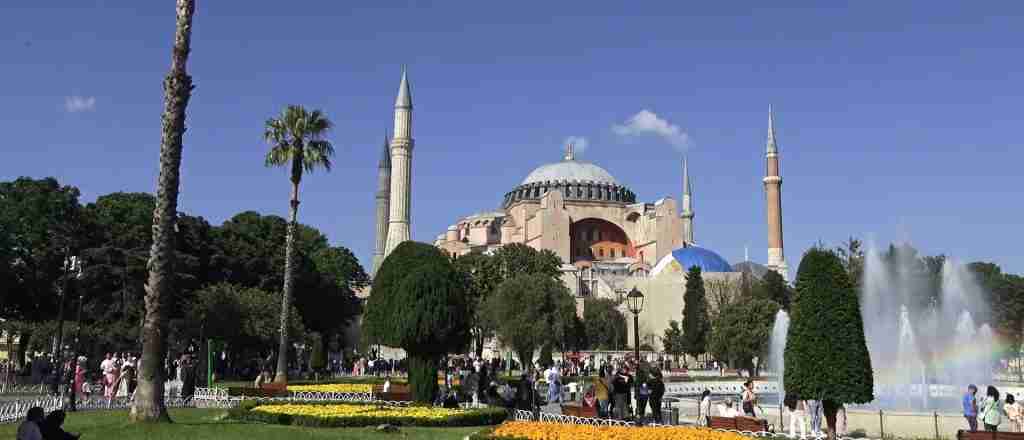
Istanbul’s most iconic free experiences include the Blue Mosque with its cascading domes and 20,000 Iznik tiles, Süleymaniye Mosque offering panoramic city views, the Grand Bazaar’s 4,000+ shops in covered medieval halls, the Spice Bazaar’s colorful spice pyramids and Turkish delight vendors, and Hagia Sophia’s ground floor prayer area (upper galleries require €25). Waterfront promenades along the Bosphorus in Karaköy, Ortaköy, and Bebek provide sunset views and people-watching. Istiklal Avenue’s pedestrianized 1.4-kilometer stretch features street performers, historic architecture, and local atmosphere. Gülhane Park and Emirgan Park offer green spaces with Bosphorus views. The Hippodrome of Constantinople displays ancient Egyptian obelisks and Byzantine monuments. Galata Tower exterior viewing (climbing requires 650 TL but the neighborhood exploration costs nothing) and ferry rides for 30-45 TL provide affordable Bosphorus experiences cheaper than tourist cruises.
Extended multi-day tours – 5+ days
Featured Istanbul Multi-Day Tour Packages
3 days
Istanbul 3-Day Discovery Tour
- ✓ Comprehensive Istanbul experience
- ✓ Expert local guides included
- ✓ All accommodation included
- ✓ Transportation provided

5 days
Istanbul 5-Day Highlights Experience
- ✓ Comprehensive Istanbul experience
- ✓ Expert local guides included
- ✓ All accommodation included
- ✓ Transportation provided

7 days
Istanbul 7-Day Cultural Journey
- ✓ Comprehensive Istanbul experience
- ✓ Expert local guides included
- ✓ All accommodation included
- ✓ Transportation provided

10 days
Istanbul 10-Day Complete Adventure
- ✓ Comprehensive Istanbul experience
- ✓ Expert local guides included
- ✓ All accommodation included
- ✓ Transportation provided
Multi-day tour packages powered by TourRadar. Prices and availability subject to change.
Introduction
Istanbul’s position straddling Europe and Asia creates a city where ancient civilizations left architectural masterpieces now accessible at modern budget-conscious prices, where public transportation efficiently connects neighborhoods separated by 2,500 years of continuous habitation, and where strategic planning transforms what could be an expensive international destination into a remarkably affordable cultural immersion. The city’s 15 million residents navigate the same transport systems, eat at the same local restaurants, and shop in the same markets available to visitors, creating opportunities for authentic experiences at local prices rather than inflated tourist rates.
Understanding Istanbul’s 2026 budget landscape requires recognizing how Turkey’s economic conditions affect pricing structures, where neighborhoods offer the best value-to-convenience ratios, which attractions deliver memorable experiences without entrance fees, and how public transport integration creates cost advantages over taxi-dependent travel strategies. The distinction between tourist zones like Sultanahmet and local neighborhoods like Kadıköy determines whether meals cost 300 TL or 900 TL, whether hotels charge 2,000 TL or 6,000 TL nightly, and whether the daily budget stretches to cover comprehensive exploration or requires constant expense monitoring.
This guide breaks down actual 2026 costs across accommodation, transportation, dining, and attractions based on current verified pricing. The goal is precise budget planning that accounts for the full spectrum of daily expenses while identifying free experiences that rival paid attractions in cultural significance and visitor satisfaction. From navigating the IstanbulKart system that makes public transport remarkably inexpensive to discovering which neighborhoods offer 30-40% accommodation savings while maintaining excellent location quality, the following sections provide the detailed information needed for realistic budget construction and strategic expense management.
Understanding Istanbul’s Currency and Payment Systems 2026
Istanbul operates on the Turkish Lira (TRY or ₺), with exchange rates fluctuating based on Turkey’s economic conditions. As of early 2026, the approximate exchange rate sits around 1 USD = 33-35 TL, €1 EUR = 36-38 TL, and £1 GBP = 42-44 TL, though daily variations occur. Understanding payment mechanics prevents costly exchange rate losses and ensures access to funds throughout the city.
Cash Versus Card Usage in Istanbul 2026
Cash remains essential for specific Istanbul transactions while cards dominate others, creating a hybrid payment landscape. IstanbulKart purchases and top-ups, traditional taxis (though app-based taxis accept cards), public toilets (typically 5-10 TL), street food vendors, small neighborhood shops, Grand Bazaar and Spice Bazaar merchants, and ferry kiosk tickets all require Turkish Lira cash. Hotels, major museums, sit-down restaurants, chain stores, modern shopping malls, and many cafes accept international credit and debit cards. Contactless payment works on public transportation systems except Marmaray, though IstanbulKart offers better rates.
Carry 500-1,000 TL daily in cash for incidental expenses while using cards for larger transactions. Exchange small amounts (approximately $50-75 equivalent) at the airport solely for immediate needs like transport into the city, then use exchange offices in the Grand Bazaar area or major neighborhoods like Taksim for better rates. Airport exchange bureaus offer rates 8-15% less favorable than city locations.
ATM Strategy and Banking Fees 2026
Bank-affiliated ATMs from İş Bankası, Akbank, Ziraat Bankası, or Garanti BBVA provide the best exchange rates and security. Avoid standalone machines branded “Euronet” or similar operators charging fees of 175-330 TL ($5-10) per withdrawal plus poor exchange rates. Most bank ATMs charge 0-50 TL ($0-1.50) withdrawal fees. Withdraw larger amounts less frequently to minimize fee impact, though balance this against carrying excessive cash in crowded tourist areas.
International debit cards from fee-free banks like Revolut, Wise, or similar neobanks eliminate foreign transaction fees and offer real-time exchange rates. Traditional banks often add 2-3% foreign transaction fees on both ATM withdrawals and card purchases. Check your bank’s international fee structure before departure and consider opening a travel-focused account if regular bank fees are substantial.
Currency Choice at Payment Terminals 2026
Payment terminals often ask whether to charge in Turkish Lira or your home currency (Dynamic Currency Conversion). Always select Turkish Lira. Choosing your home currency allows the merchant’s payment processor to set the exchange rate, typically adding 5-12% markup over actual rates. Selecting Turkish Lira applies your card issuer’s exchange rate, which is almost always more favorable. This single choice on each transaction can save 50-150 TL daily on a mid-range travel budget.
Tipping Practices and Hidden Costs 2026
Understanding tipping expectations prevents budget surprises. Casual restaurants expect 5-10% or rounding up the bill, mid-range and upscale restaurants typically add 10-15% service charges automatically (check the bill, additional tipping is optional), taxis appreciate rounding up to the nearest 10-20 TL but formal tips are not expected, hotel porters receive 20-50 TL per bag, and hammam attendants receive 100-200 TL per person for services. Many upscale restaurants automatically add service charges, so verify bills before adding extra tips.
Restaurant “kuver” (cover charge) of 50-100 TL per person appears at traditional sit-down establishments, covering bread, water, and table service. This is standard practice, not a hidden fee. Hotels add 2% accommodation tax (Konaklama Vergisi) not always included in booking prices. Budget an additional 15% beyond quoted prices for accommodation and dining to cover taxes and expected service additions.
Accommodation Costs in Istanbul 2026
Where you sleep in Istanbul quietly determines overall travel budget more than any other single factor. Accommodation prices vary dramatically based on neighborhood selection, season, booking platform, and specific property type, with strategic location choices reducing costs 30-50% while maintaining or even improving experience quality. Understanding Istanbul’s neighborhood dynamics and seasonal pricing patterns enables informed decisions that balance budget limitations against convenience and comfort preferences.
Budget Accommodation in Istanbul 2026 (1,500-3,000 TL / $45-90 Per Night)
Budget hotels and quality hostels across Istanbul charge 1,500-3,000 TL nightly for private rooms or superior dormitories. These properties typically locate one or two metro/tram stops from historic centers, work best for travelers planning routes and relying on public transport rather than taxis, and include basic but clean rooms with private bathrooms (hotels) or shared facilities (hostels). Wi-Fi, air conditioning, and simple breakfast offerings are standard even at this price point.
Kadıköy on the Asian side offers particularly strong budget accommodation value, with clean hotels at 1,500-2,200 TL compared to 2,500-3,500 TL for equivalent Sultanahmet properties. The neighborhood provides authentic local atmosphere, excellent restaurants at resident prices, and direct ferry connections to European-side attractions. Beyoğlu near Taksim also delivers budget options around 1,800-2,800 TL with central location and nightlife access. Booking 2-3 weeks in advance typically saves 15-25% compared to last-minute reservations.
Hostels like Cheers Hostel, Hush Hostel, or Port 9 Suites offer private rooms for 1,600-2,400 TL and dormitories from 800-1,200 TL per bed. Many include communal kitchens reducing meal costs, social atmospheres connecting travelers, and knowledgeable staff providing local recommendations. Some properties in this category operate in renovated Ottoman buildings, delivering historical character without luxury pricing.
Mid-Range Accommodation in Istanbul 2026 (3,000-7,000 TL / $90-210 Per Night)
Most first-time visitors land in mid-range accommodation offering 3,000-7,000 TL nightly rates. This category provides comfortable hotels with elevator access, renovated bathrooms, breakfast buffets, central or well-connected locations, and generally better English-speaking staff. Properties cluster around 4,000-5,500 TL for double occupancy in good locations during shoulder seasons, climbing to 6,000-7,000 TL during peak summer months (June-August).
Sultanahmet hotels in this range average 4,500-6,500 TL with proximity to Hagia Sophia, Topkapi Palace, and Blue Mosque. Beyoğlu and Karaköy properties charge 3,500-5,500 TL for equivalent quality with trendier neighborhoods, better restaurant density, and shorter walking distances to Galata Tower and Istiklal Avenue. Beşiktaş near Dolmabahçe Palace offers 3,800-5,800 TL rates with excellent Bosphorus ferry access and fewer tourists than Sultanahmet.
Boutique hotels like Ottoman Hotel Imperial, Sirkeci Mansion, or Hotel Empress Zoe deliver period character, rooftop terraces, and personalized service. Chain hotels such as Ramada, Holiday Inn, or Best Western provide predictable standards and loyalty program benefits. Booking platforms show wide price variations for identical properties – comparing Booking.com, Hotels.com, and Agoda often reveals 10-20% differences for the same dates.
Luxury and Boutique Accommodation in Istanbul 2026 (8,000-15,000+ TL / $240-450+ Per Night)
Luxury properties start around 8,000-12,000 TL nightly and climb rapidly for Bosphorus views, historic palace conversions, or international luxury brands. Four Seasons Sultanahmet, Çırağan Palace Kempinski, Raffles Istanbul, and The Ritz-Carlton Istanbul represent this category, offering spa facilities, fine dining, concierge services, and premium locations.
These hotels charge premiums for specific room types – Bosphorus views add 2,000-4,000 TL nightly over city-view rooms in the same property. Historical suites in converted Ottoman mansions command 15,000-25,000 TL per night. Most luxury properties include breakfast, though some charge separately at 500-800 TL per person. Valet parking costs 400-800 TL daily in central locations.
Luxury accommodation makes sense for special occasions or when comfort outweighs budget concerns, though nearby neighborhoods often affect overall spending more than room quality. A luxury hotel in tourist-heavy Sultanahmet still requires navigating crowded streets and inflated restaurant prices, while a high-end property in residential Nişantaşı or Bebek provides quieter surroundings and local dining authenticity.
Neighborhood Selection Strategy for Budget Optimization 2026
Choosing neighborhoods based on budget priorities, transport connections, and desired atmosphere determines both accommodation costs and secondary expenses. Sultanahmet’s proximity to major Byzantine and Ottoman sites commands premium rates but forces navigation through persistent vendor attention and tourist-priced restaurants. The neighborhood works for visitors prioritizing walkability to historical monuments over budget efficiency or local atmosphere.
Beyoğlu and Taksim deliver central European-side location at 20-30% lower accommodation costs than Sultanahmet, with metro and funicular connections, Istiklal Avenue’s shops and cafes, and vibrant nightlife. The area attracts younger travelers and offers authenticity alongside tourism infrastructure. Karaköy, just downhill from Beyoğlu, provides similar benefits with trendier restaurant scenes and direct Bosphorus ferry access.
Kadıköy on the Asian side offers Istanbul’s best accommodation value, with hotels 30-40% cheaper than Sultanahmet equivalents and restaurants catering to local residents rather than tourists. The 20-minute ferry from Eminönü provides scenic transport while neighborhoods like Moda and Kadıköy center deliver coffee culture, bookstores, and authentic Turkish life. Visitors comfortable with ferry commutes and seeking budget efficiency prioritize this area.
Beşiktaş positions between luxury neighborhoods like Nişantaşı and waterfront areas, offering 15-25% savings over prime locations with excellent public transport and authentic daily markets. Areas near Dolmabahçe Palace provide cultural access without Sultanahmet crowds.
Seasonal Pricing Patterns and Booking Timing 2026
Istanbul hotel prices fluctuate 30-50% between low and high seasons. High season (April-October, especially June-August) sees mid-range properties averaging 5,000-7,000 TL nightly. Low season (November-March, excluding New Year’s) drops the same hotels to 2,500-4,500 TL. Shoulder months (March-April, October-November) balance weather quality against moderate pricing around 3,500-5,500 TL.
Booking 4-6 weeks in advance typically offers optimal pricing, with last-minute deals appearing occasionally but unreliably. Major events like Ramadan and Eid (dates vary by lunar calendar – in 2026, Ramadan runs approximately February 28 – March 30), Turkish national holidays, and international conferences spike prices 40-100% with reduced availability. The Formula 1 Istanbul Park race weekend (if scheduled), music festivals, and UEFA Champions League finals in Istanbul create similar demand pressure.
Weekend rates (Friday-Saturday) average 20-30% higher than weekday rates, particularly in Beyoğlu, Karaköy, and neighborhoods popular for nightlife. Budget optimization favors Sunday-Thursday stays when possible. Minimum night requirements during high season and major events can force longer commitments or neighborhood compromises.
Transportation Costs and Strategies in Istanbul 2026
Istanbul’s integrated public transportation system represents the city’s greatest budget advantage, with comprehensive metro, tram, ferry, and bus networks accessible through the IstanbulKart at costs dramatically lower than European equivalents. Understanding the card system, route planning, and strategic transport choices keeps daily movement expenses minimal while maintaining efficient access to attractions across this geographically sprawling city.
IstanbulKart System Costs and Usage 2026
The IstanbulKart serves as Istanbul’s universal transport payment system, working on metro lines, tram routes, buses, funiculars, ferries, and specialized systems like Marmaray cross-Bosphorus rail. The physical card costs 165 TL one-time purchase price without any loaded balance. Travelers must separately load funds at vending machines found in every metro station, major bus terminals, ferry docks, and many kiosks across the city. Cards work for multiple passengers by tapping separately for each person at entry points.
Standard public transport rides cost 35 TL per journey on metro, tram, bus, and funicular systems. Ferry crossings charge 30-45 TL depending on route distance. Marmaray (the undersea rail connecting European and Asian sides) costs 55 TL per journey. Metrobus (rapid bus transit on dedicated highways) charges 40 TL. These prices apply when using IstanbulKart – single paper tickets cost significantly more at 50 TL and offer less convenience.
Initial card loading of 400-600 TL suffices for 3-5 day trips making 3-5 journeys daily. Vending machines accept cash in Turkish Lira (most machines) or credit cards (select machines), though small transaction fees of 5-10 TL may apply when loading electronically. The IstanbulKart mobile app allows registered users to top up remotely, though registration requires Turkish identification for full functionality – tourists typically rely on physical machine top-ups.
Compare Istanbul’s 35 TL ($1) rides to London’s £2.80 ($3.50), Paris’s €2.15 ($2.30), or Rome’s €1.50 ($1.60) to recognize the relative value. Daily transport costs for typical tourist patterns run 150-250 TL ($4.50-7.50) even with 5-7 journeys, compared to $10-20 for equivalent European city travel.
Metro and Tram Network Navigation 2026
Istanbul’s expanding metro system includes multiple lines connecting major districts and tourist areas. The M1 metro serves Atatürk Airport (though Istanbul Airport uses M11), M2 connects Taksim to Asian-side Kadıköy via Marmaray tunnel, M3 serves residential areas, and M11 provides direct service to Istanbul Airport (IST). Metro frequency ranges from 3-7 minutes during daytime hours and 8-15 minutes during early morning/late evening periods.
The T1 tram line serves as the tourist workhorse, connecting Kabataş (ferry terminal and Dolmabahçe Palace area) through Sultanahmet (Hagia Sophia, Blue Mosque, Topkapi Palace) to Bağcılar. Running approximately every 4-6 minutes during peak hours, the tram provides standing-room-only conditions during midday tourist rush periods. Early morning (before 9:00 AM) and evening (after 7:00 PM) offer more comfortable conditions.
The F1 funicular connects Kabataş waterfront to Taksim Square, climbing the steep hill in 2 minutes and providing crucial links between tram, metro, and ferry systems. The F2 Tünel funicular between Karaköy and Beyoğlu represents the world’s second-oldest underground urban rail system (1875), offering historical experience alongside functional transport for 35 TL per ride.
Google Maps and the Moovit app provide real-time route planning across all transport modes. Both apps function offline with pre-downloaded maps, essential for underground metro sections without mobile signals. Istanbul’s metro stations lack consistent English announcements compared to tram lines, making apps crucial for stop identification.
Ferry System as Affordable Bosphorus Experience 2026
Public ferries across the Bosphorus, Golden Horn, and to Princes’ Islands cost 30-45 TL with IstanbulKart depending on route length, making them Istanbul’s most affordable tourist attraction delivering transportation functionality. The Eminönü to Kadıköy crossing takes 20 minutes, runs every 15-20 minutes from 07:00-23:00, and provides panoramic city views while commuting between continents.
Ferry routes from Kabataş to Üsküdar (Asian side), Eminönü to Kadıköy, and circular Bosphorus routes all accept IstanbulKart at standard ferry rates. Compare these 30-45 TL public ferry experiences to tourist Bosphorus cruises charging 800-2,500 TL for similar routes but with audio guides and refreshment service. Budget travelers gain 90% of the Bosphorus experience at 2% of the cost by using public ferries strategically.
Seating strategy impacts experience quality – sitting on the right side when traveling from European to Asian side (Eminönü to Kadıköy direction) provides best skyline views of Sultanahmet, Topkapi Palace, and historic peninsula. Return journeys favor left-side seating. Upper decks offer open-air viewing in good weather, while lower enclosed decks provide comfort during rain or cold. Refreshment stands on larger ferries sell tea (20-30 TL) and simit (traditional sesame bread rings, 15-25 TL).
Bus Network for Neighborhood Access 2026
Over 500 bus routes cover areas not reached by rail, particularly suburban neighborhoods and hilltop districts. Buses accept IstanbulKart at standard 35 TL rates, charging at entry via validators inside vehicles. Routes display numbers and general direction but announcements in English are inconsistent. The IETT official bus app shows real-time arrivals and route planning, though interface remains primarily in Turkish.
Traffic congestion makes buses slower than rail during peak hours (08:00-10:00, 17:00-19:30), with journeys potentially taking 2-3 times scheduled times. Plan extra time when using buses for time-sensitive connections. Dedicated bus lanes along major arteries like Vatan Caddesi provide some relief, but general traffic remains challenging.
Night bus service (indicated by route numbers starting with “N”) operates on limited routes after metro closure around midnight. These provide transport options for evening entertainment districts like Beyoğlu, Kadıköy, and Beşiktaş when metro service ends. Frequency drops to 20-40 minute intervals on night routes.
Taxi Costs and Alternatives in Istanbul 2026
Traditional yellow taxis charge 44 TL opening fee plus 28 TL per kilometer as of 2026 official rates. A 5-kilometer ride from Sultanahmet to Taksim costs approximately 185-220 TL depending on exact route and traffic. Meters start at 44 TL when entering the vehicle – verify meter activation before departure to prevent disputes.
Uber operates in partnership with licensed taxis, allowing app-based ordering of yellow or turquoise taxis with card payment through the platform. This eliminates cash requirements and provides receipt documentation. BiTaksi serves as the primary local taxi app alternative, widely used by Istanbul residents and offering competitive pricing. Both apps show estimated fares before confirming rides, preventing overcharging concerns common with street-hailed taxis.
Taxi economics versus public transport: A Sultanahmet to Taksim journey costs 35 TL per person via tram-funicular combination (two rides) or 185-220 TL total via taxi. For solo travelers, public transport costs 6-8% of taxi rates. For groups of 3-4, taxis become economically competitive (55-73 TL per person) while offering convenience and time savings. Budget travelers prioritize public transport for 90% of journeys, using taxis only for late-night returns, heavy shopping, or time-critical airport connections.
Airport transfer options demonstrate pricing stratification: Public metro (M11 line) costs 35 TL to reach Gayrettepe metro hub, HAVAIST airport shuttles charge 120-180 TL for direct service to major districts, private transfers booked in advance cost 400-600 TL, and metered taxis charge 600-1,100 TL depending on traffic and destination. The 50-kilometer Istanbul Airport to Sultanahmet journey takes 45-75 minutes by metro with transfer versus 40-90 minutes by taxi, with traffic unpredictability making time savings unreliable.
Daily Transportation Budget Planning 2026
Typical tourist movement patterns generating 4-6 journeys daily (hotel to attraction area, between sites, lunch neighborhood, afternoon location, return journey) cost 150-250 TL ($4.50-7.50) using public transport exclusively. Adding one ferry ride for Bosphorus crossing or one taxi for late-night return increases daily costs to 200-300 TL ($6-9). Transport-intensive days visiting Asian-side neighborhoods plus European sites might reach 300-400 TL ($9-12) with 8-10 journeys.
Budget travelers allocate 150-250 TL daily for transport, mid-range travelers budget 250-400 TL allowing occasional taxi use, and comfort-focused travelers spending 500-1,000 TL default to taxis while using public transport selectively. These ranges assume central accommodation locations – choosing hotels far from metro/tram lines increases daily transport costs by 100-200 TL through necessary taxi supplements.
Food and Dining Costs in Istanbul 2026
Istanbul’s culinary landscape ranges from street vendors selling simit for 15-25 TL to Bosphorus-view restaurants charging 2,500+ TL per person, with most travelers discovering the sweet spot lies in local neighborhood restaurants serving authentic Ottoman-influenced Turkish cuisine at prices that still favor visitors. Understanding where Istanbullus eat versus where tourist menus dominate determines whether daily food budgets strain at 800 TL or comfortably cover meals at 1,500 TL while delivering superior quality and cultural authenticity.
Street Food and Quick Meals in Istanbul 2026
Street food represents Istanbul’s best culinary value, combining filling portions, authentic preparation, and prices that make multiple daily meals affordable even on strict budgets. Simit (sesame-covered bread rings sold from red carts throughout the city) costs 15-25 TL, serving as breakfast or snacks. Dürüm (meat or vegetable wraps) range from 150-250 TL for chicken, lamb, or köfte versions that constitute complete meals. Balık ekmek (fish sandwiches sold at Eminönü waterfront and other ferry terminals) cost 120-180 TL, combining fresh grilled fish, vegetables, and bread into Istanbul’s most iconic street food experience.
Kumpir (massive stuffed baked potatoes with numerous topping choices) found in Ortaköy and other waterfront areas charges 180-280 TL for enormous portions easily serving as lunch or dinner. Döner kebap from neighborhood shops rather than tourist areas costs 150-220 TL for generous sandwiches. Pilav (seasoned rice) served at small lokantas and street stalls costs 60-100 TL for side portions that combine with other items into budget meals.
Fresh-squeezed pomegranate juice from street vendors ranges 80-150 TL for large glasses, while bottled water costs 10-25 TL at neighborhood shops (avoid paying 40-60 TL at tourist sites by carrying refillable bottles). Turkish tea (çay) served in traditional tulip glasses costs 20-30 TL at cafes and is often free or nominal cost at restaurants after meals. Turkish coffee (kahve) runs 40-60 TL at standard cafes, climbing to 80-120 TL at atmospheric locations near attractions.
Lokanta and Local Restaurant Costs 2026
Lokantas – traditional Turkish workers’ restaurants offering buffet-style selection of prepared dishes – provide the best sit-down meal value across Istanbul. These establishments display their offerings in steam tables, allowing visual selection before ordering, and serve home-style Turkish cooking at local prices. Complete meals including protein, vegetable sides, rice or bulgur, soup, and bread cost 350-650 TL per person. These meals provide generous portions, authentic flavors, and often unlimited bread and tea.
Kadıköy, Beşiktaş, and neighborhoods away from Sultanahmet host numerous lokantas serving residents rather than tourists. Search Google Maps for “lokanta” or “esnaf lokantası” to identify options – restaurants filled with Turkish businesspeople at lunch indicate good value and authentic quality. Tourist-area lokantas charge 30-50% premiums, with the same meal costing 500-850 TL in Sultanahmet versus 350-550 TL in Kadıköy.
Breakfast culture (kahvaltı) at neighborhood restaurants delivers exceptional value. Traditional Turkish breakfast spreads including cheeses, olives, tomatoes, cucumbers, honey, clotted cream (kaymak), eggs, simit or bread, and unlimited tea cost 200-400 TL per person at local spots. These elaborate morning meals often sustain energy through mid-afternoon, effectively serving as combined breakfast and lunch. Tourist-area hotels charge 400-800 TL for buffet breakfasts offering similar items with less authenticity and more crowds.
Mid-Range Restaurant Dining in Istanbul 2026
Sit-down restaurants with menus, waiters, and mid-range ambiance charge 700-1,200 TL per person for main courses, drinks, and shared starters. This category includes meyhanes (Turkish taverns), kebab houses beyond street-level döner shops, seafood restaurants in coastal neighborhoods, and international cuisine options. Alcoholic beverages add significantly to bills – domestic beer costs 120-180 TL, local wines run 150-300 TL per glass or 800-1,500 TL per bottle, and imported drinks command premium pricing.
Neighborhoods like Karaköy, Asmalı Mescit near Taksim, and Kadıköy Moda offer concentrated mid-range restaurant scenes serving both locals and tourists at reasonable prices. These areas maintain quality standards while avoiding extreme Sultanahmet tourist markups. Beyoğlu’s restaurant density creates competition that moderates prices compared to isolated high-tourist locations.
Appetizer plates (meze) at Turkish meyhanes range 150-350 TL each, with 3-4 shared plates feeding 2-3 people before main courses. Main dishes run 600-1,000 TL, with fresh fish charged by weight at 800-1,500 TL per kilo (a typical 400-500 gram fish serves one person and costs 320-750 TL). Restaurant cover charges (kuver) of 50-100 TL per person appear at traditional establishments, covering bread, water, and table service without requiring additional orders.
Upscale and View Restaurant Costs 2026
Restaurants with Bosphorus views, rooftop terraces, or positions within sight of Hagia Sophia and Blue Mosque charge premium prices that often double equivalent food quality available elsewhere. These establishments target celebratory dining and special occasions rather than daily meals. Three-course dinners at view restaurants cost 1,500-2,500+ TL per person before drinks, with alcohol adding 500-1,200 TL per person.
Famous restaurants like Mikla (contemporary Turkish with skyline views), Sunset Grill & Bar (Bosphorus panoramas), or Matbah Ottoman Palace Cuisine (historical Ottoman recipes) charge 2,000-4,000+ TL per person for full dining experiences. These prices approach or exceed Western European fine dining costs, eliminating Turkey’s traditional budget advantage at this segment.
Value assessment requires realistic evaluation – many travelers report that rooftop restaurants near Hagia Sophia charge triple the price for food quality inferior to neighborhood lokantas, with views being the primary commodity. Strategic travelers dine at lokantas for food quality and budget efficiency, then enjoy sunset views from free public spaces like Büyük Valide Han rooftop or Pierre Loti Hill rather than paying restaurant premiums for similar vistas.
Grocery Shopping and Self-Catering Options 2026
Travelers in apartments or hostels with kitchen access can dramatically reduce food costs through strategic grocery shopping. Turkish supermarket chains including Migros, Carrefour, A101, and BIM offer standard groceries at local prices. Fresh produce at neighborhood markets (pazar) costs 20-40% less than supermarkets with higher quality. Weekly markets rotate through different neighborhoods – asking hotel staff identifies the nearest market days.
Staple food costs for self-catering include bread (30-50 TL per 500g loaf), milk (45-75 TL per liter), chicken (250-320 TL per kilo), local cheese (200-400 TL per kilo), tomatoes (35-80 TL per kilo), seasonal fruits (50-150 TL per kilo depending on variety and season), eggs (60-90 TL per dozen), and rice (50-100 TL per kilo). These prices from neighborhood shops or weekly markets support meal preparation at 150-300 TL per person daily, well below restaurant dining costs.
Assembling breakfast from supermarket purchases (bread, cheese, olives, tomatoes, tea) costs 100-200 TL per person versus 300-600 TL for restaurant equivalent. Preparing dinner ingredients costs 250-450 TL per person compared to 700-1,200 TL for mid-range restaurant meals. Two home-prepared meals daily saves 800-1,400 TL per person, recouping grocery shopping time investment through budget extension.
Neighborhood Dining Price Variations 2026
Geographic location determines pricing as much as food quality or establishment type across Istanbul’s dining landscape. Sultanahmet restaurants charge 50-100% premiums over identical dishes in Kadıköy or Beşiktaş. A 400 TL lokanta meal in Kadıköy becomes a 700 TL meal in Sultanahmet. Döner costing 150 TL in neighborhood shops charges 280 TL near Hagia Sophia.
Neighborhoods offering best dining value include Kadıköy (Asian side, authentic local scene), Beşiktaş (between Dolmabahçe and Ortaköy, mixed local/tourist), Fatih outside Sultanahmet center (traditional conservative area with conservative prices), and residential sections of Beyoğlu away from Istiklal Avenue. Areas with highest markups include Sultanahmet, restaurants directly facing major monuments, Ortaköy waterfront (despite local character, tourist pricing dominates), and Istiklal Avenue main pedestrian stretch.
Budget optimization requires willingness to walk 5-10 minutes from major attractions toward residential streets. The third or fourth parallel street from Sultanahmet’s core typically reveals restaurants with 40% lower prices serving the same dishes to the construction workers, shopkeepers, and residents who can’t afford tourist prices daily.
Daily Food Budget Planning by Travel Style 2026
Budget travelers spending 800-1,200 TL daily on food typically follow patterns of: breakfast from supermarket or simple café (100-200 TL), street food lunch like dürüm or balık ekmek (150-250 TL), dinner at neighborhood lokanta (400-600 TL), snacks and drinks (150-200 TL). This provides filling, authentic meals requiring comfort with simple establishments and street food safety (generally very good in Istanbul).
Mid-range travelers allocating 1,200-1,800 TL daily for food enjoy: sit-down breakfast at local restaurant or hotel (300-500 TL), lunch at casual restaurant or quality lokanta (500-750 TL), dinner at mid-range restaurant (700-1,100 TL), coffee and snacks (200-300 TL). This supports comfortable dining without extreme budget consciousness while maintaining good value.
Comfort-focused travelers spending 2,000-3,500+ TL daily prioritize: hotel breakfast buffets or upscale cafes (500-900 TL), lunch at restaurants with atmosphere or views (800-1,500 TL), dinner at quality restaurants occasionally with views (1,200-2,500+ TL), premium coffee and afternoon tea (300-600 TL). This level approaches Western European dining costs and sacrifices Turkey’s traditional budget advantage.
Attraction Entry Fees and Museum Costs 2026
Istanbul’s major historical and cultural attractions employ varied pricing strategies ranging from completely free entry at magnificent mosques to substantial entrance fees for palace complexes and museums, with understanding these costs and available passes crucial for accurate budget planning. Strategic timing and pass selection can reduce attraction expenses by 30-50% while maintaining access to top sites.
Major Paid Attractions and Current 2026 Pricing
Hagia Sophia charges €25 (approximately 950-1,000 TL at current exchange rates) for access to the upper gallery museum areas where visitors view Byzantine mosaics and gain panoramic interior perspectives. The ground floor functions as an active mosque with free entry during non-prayer times, though viewing angles and access differ significantly from the paid museum section. Children under 8 years enter free with adult accompaniment and identification verification.
Topkapi Palace costs 2,400 TL for full access including the Harem sections essential for understanding Ottoman palace life. This represents Istanbul’s highest single attraction entry fee but grants access to four courtyards, the Imperial Treasury displaying priceless jewels and relics, the Sacred Relics Rooms, and extensive palace grounds requiring 3-4 hours for thorough exploration. The palace closes Tuesdays and on specific national/religious holidays. Children under 6 enter free with verification.
Basilica Cistern, the massive 6th-century underground water reservoir, charges 1,500 TL for entry to its dramatically lit columns and famous upside-down Medusa head carvings. Evening visits may cost more, with reduced crowds but less natural lighting effect. The Museum Pass Istanbul does not cover Basilica Cistern, requiring separate ticket purchase.
Dolmabahçe Palace on the Bosphorus shore charges approximately 1,200-1,500 TL for Selamlık (public quarters) and Harem sections combined. This 19th-century palace contrasts sharply with Topkapi’s Ottoman architecture, showcasing European influence and excessive imperial spending that contributed to the empire’s decline. Mandatory guided tours run on fixed schedules, requiring schedule planning rather than flexible exploration.
The Archaeological Museums complex near Topkapi Palace charges approximately 850 TL for access to three connected museums housing antiquities from throughout Anatolia, Mesopotamia, and the Levant. The Museum Pass Istanbul covers this attraction. Chora Museum (Kariye Museum) costs €20 (approximately 750-800 TL), offering exceptional Byzantine mosaics and frescoes in a smaller, less-crowded setting than Hagia Sophia.
Galata Tower charges 650 TL for elevator access to observation decks providing 360-degree city and Bosphorus panoramas. Lines form quickly during midday peak hours, with early morning or late afternoon visits reducing wait times. The neighborhood surrounding Galata Tower costs nothing to explore and delivers atmospheric experiences independent of tower climbing.
Major Free Attractions of Substantial Value
The Blue Mosque (Sultan Ahmed Mosque) offers free entry outside prayer times, with its 20,000+ hand-painted Iznik tiles, cascading domes, and six minarets rivaling any paid attraction in Istanbul for architectural significance and visitor impact. Modest dress (shoulders and knees covered, headscarves for women) is required. Security lines form during peak midday hours, with early morning or late afternoon providing calmer visit conditions. The mosque’s courtyard and exterior views cost nothing and allow photography not permitted inside.
Süleymaniye Mosque, designed by master architect Sinan, provides free access to Ottoman architectural genius alongside panoramic views across the Golden Horn and historic peninsula. Less tourist-crowded than Blue Mosque, Süleymaniye offers more contemplative atmosphere and attached tombs of Sultan Süleyman and his wife Roxelana. The mosque complex includes courtyards, gardens, and viewpoints all freely accessible.
The Grand Bazaar’s 4,000+ shops covering 61 streets represent one of the world’s oldest and largest covered markets, requiring no entrance fee for exploration. While shopping involves payment, wandering the vaulted halls, observing carpet sellers’ techniques, admiring gold jewelry displays, and absorbing the medieval commercial atmosphere costs nothing beyond time. The Spice Bazaar (Egyptian Bazaar) near Eminönü similarly provides free entrance to its colorful spice pyramids, Turkish delight samples (vendors offer small tastes hoping for purchases), and vibrant food market culture.
Hagia Sophia’s ground floor prayer area remains free for visitors outside prayer times, though access and viewing differ substantially from the paid upper gallery museum experience. The Hippodrome of Constantinople’s ancient Egyptian obelisk, Serpent Column, and German Fountain stand in an open plaza requiring no entrance fee. Gülhane Park provides green space, Bosphorus views, and relaxation near Topkapi Palace and Sultanahmet without charges.
Istiklal Avenue’s 1.4-kilometer pedestrian street offers free walking entertainment including street musicians, historic buildings like Çiçek Pasajı and Pera Palace Hotel exteriors, the nostalgic red tram, and people-watching culture. Taksim Square at Istiklal’s northern end serves as a gathering space and provides free access. Waterfront promenades in Karaköy, Ortaköy, Kuruçeşme, Bebek, and Emirgan deliver Bosphorus viewing, sunset watching, and local atmosphere without entrance requirements.
Museum Pass Istanbul and City Pass Options 2026
The Museum Pass Istanbul costs approximately 3,000-3,500 TL and provides 5-day access to Topkapi Palace (including Harem), the Archaeological Museums, Turkish and Islamic Arts Museum, Mosaic Museum, and several other state museums. The pass excludes Hagia Sophia, Basilica Cistern, Dolmabahçe Palace, and Chora Museum, limiting its comprehensive utility. Calculate whether planned visits justify the pass – Topkapi alone (2,400 TL) plus Archaeological Museums (850 TL) approaches the pass cost, making it worthwhile for 3+ museum visits.
Istanbul tourist passes offered by various commercial companies (Istanbul E-Pass, Istanbul Welcome Card, others) combine transportation cards with attraction entries at package prices. These typically cost 2,500-4,500 TL for 2-5 day validity and include varying combinations of museums, public transport rides, and sometimes guided tour components. Careful comparison against planned individual ticket purchases determines value – many travelers find these passes expensive for received benefits if not using all included attractions and transport extensively.
The main advantage of passes lies in skip-the-line access during peak seasons when ticket queues at Topkapi or Hagia Sophia extend 45-90 minutes. This time savings may justify premiums even when raw ticket math doesn’t favor passes. Purchasing passes online before arrival ensures immediate activation upon landing in Istanbul.
Strategic Attraction Budget Planning 2026
Budget-conscious travelers can construct comprehensive Istanbul cultural experiences emphasizing free attractions supplemented by selective paid entries. A 5-day itinerary visiting Blue Mosque, Süleymaniye Mosque, Grand Bazaar, Spice Bazaar, Hagia Sophia ground floor, waterfront promenades, and neighborhoods daily costs 0 TL in entry fees. Adding Hagia Sophia upper gallery (€25/950 TL) and Topkapi Palace (2,400 TL) brings total attraction spending to 3,350 TL across the entire visit, averaging 670 TL daily.
Mid-range travelers typically budget 800-1,500 TL daily for attractions, supporting 2-3 paid sites during a week-long visit alongside free experiences. This covers major paid attractions (Hagia Sophia, Topkapi, Basilica Cistern, Dolmabahçe) while leaving budget for smaller museums, Galata Tower, or guided tour experiences.
Attraction-focused travelers spending 1,500-2,500+ TL daily on entries and experiences can access comprehensive museum collections, purchase combo tours with guided components, attend whirling dervish performances (800-1,500 TL), book Bosphorus dinner cruises (1,500-3,500 TL), and experience Turkish bath (hamam) packages (1,200-3,000 TL at tourist-oriented facilities).
Free Experiences and Budget Activities in Istanbul 2026
Istanbul’s most memorable experiences often cost nothing beyond public transport fares to reach them, with free attractions, activities, and cultural immersion opportunities rivaling paid sites in visitor satisfaction and authentic cultural connection. Strategic planning around no-cost experiences extends travel budgets while delivering deeper understanding of contemporary Istanbul life beyond historical monuments.
Architectural Monuments Without Entry Fees
Beyond the Blue Mosque and Süleymaniye Mosque detailed in attraction sections, numerous other Ottoman mosques provide free access to architectural masterpieces. Rüstem Paşa Mosque near the Spice Bazaar features some of Istanbul’s finest Iznik tile work in intricate floral and geometric patterns covering interior walls. The small size creates intimate atmosphere, while the elevated location above street-level shops requires finding the entrance through a bazaar archway – part of the discovery experience.
Mihrimah Sultan Mosque in Edirnekapı and the Fatih district delivers Sinan’s architectural genius with light-filled interiors and gardens. Yeni Cami (New Mosque) beside the Spice Bazaar provides another freely accessible imperial mosque adjacent to major attractions. These mosques require modest dress and operate around prayer times, with early morning or late afternoon offering quiet contemplation compared to midday rush periods.
The Aqueduct of Valens stretching across major thoroughfares in the Fatih district represents Roman engineering visible from street level without entrance requirements. Walking beneath its arches and tracing its route through neighborhoods costs nothing. The Maiden’s Tower (Kız Kulesi) on a small Bosphorus island requires ferry and entrance fees for access, but viewing and photographing it from mainland shores like Salacak or Üsküdar costs nothing and provides classic Istanbul vistas.
Neighborhood Walking and Cultural Immersion
Wandering Balat and Fener neighborhoods along the Golden Horn provides colorful historic houses, Greek Orthodox Patriarchate compound, Byzantine churches, and authentic residential atmosphere far from tourist crowds. These historically Jewish and Greek quarters now house mixed communities maintaining traditional character. Street art, antique shops, and cafes cater to weekend visitors but retain genuine neighborhood life on weekdays. The area requires 2-3 hours for thorough exploration, with hills providing exercise and viewpoints.
Kadıköy’s streets beyond the ferry terminal reveal Istanbul’s Asian-side culture through produce markets, fish restaurants, vintage shops, street art, and cafe culture. Moda neighborhood’s waterfront promenade, residential streets, and bohemian atmosphere cost nothing to experience. Tuesday and Friday street markets in Kadıköy provide free entertainment watching merchants negotiate with housewives over vegetable prices while sampling occasional free tastes of cheeses or olives.
The conservative neighborhoods around Fatih Mosque demonstrate traditional Turkish life rarely seen in tourist zones. Women in full coverage, men gathered in tea houses, traditional döner shops, and lack of English signage create authentic cultural immersion. Respectful behavior and conservative dress demonstrate appropriate visitor conduct in these areas where tourism is minimal.
Beyoğlu’s side streets connecting Istiklal Avenue to the Golden Horn uncover 19th-century European architectural remnants, antique shops, vinyl record stores, and hole-in-wall cafes. Getting intentionally lost in these streets reveals layers of Istanbul’s cosmopolitan past alongside its dynamic present.
Parks, Gardens, and Waterfront Spaces
Emirgan Park on the European Bosphorus shore provides expansive green space, tulip gardens (spectacular during April tulip festival), historic pavilions, and panoramic water views without entrance charges. The park hosts weekend family picnics, creating opportunities to observe Turkish leisure culture. Similar waterfront parks in Yıldız behind Çırağan Palace (palace charges entry, surrounding park is free) and Gülhane near Topkapi offer restful green space in central locations.
Fenerbahçe Park on the Asian side’s southern shore provides Bosphorus and Princes’ Islands views from a less-touristed vantage point. The surrounding Fenerbahçe neighborhood rewards exploration with fish restaurants, traditional bakeries, and residential atmosphere. Walking the entire Asian shore from Kadıköy to Fenerbahçe takes 45-60 minutes along waterfront paths passing mosques, parks, and local life.
Pierre Loti Hill (reached by cable car for 35 TL or free walking up steep paths) provides panoramic Golden Horn and city views from a famous tea garden. The tea garden charges for refreshments but sitting on surrounding walls and enjoying views costs nothing. This location showcases layers of Istanbul history while avoiding tourist monument crowds.
Market Culture and Daily Life Observation
Weekly neighborhood markets (pazars) rotating through different districts offer free cultural entertainment and insight into Turkish daily life. Beşiktaş market on Saturdays, Kadıköy market on Tuesdays and Fridays, and numerous other neighborhood markets sell fresh produce, clothing, household goods, and street food to local residents at non-tourist prices. Walking through these markets, observing haggling techniques, sampling occasional free tastes, and absorbing the energy costs nothing.
Fish markets near Galata Bridge demonstrate Istanbul’s seafood culture as fishermen sell morning catches directly to restaurants and residents. The bustle, shouting, ice buckets of glistening fish, and working-class commerce provide authentic experience unavailable in tourist zones. Morning hours (8:00-11:00 AM) show peak activity before midday restaurant preparation begins.
Sunset and Evening Atmosphere
Watching sunset over the Bosphorus from numerous public vantage points rivals expensive restaurant views. Ortaköy’s waterfront, Galata Bridge’s upper walkway, Çengelköy on the Asian shore, and Bebek’s public benches all provide optimal sunset viewing without costs. The evening call to prayer echoing across the city at sunset creates atmospheric soundscapes enhancing the visual experience.
Evening strolls along Istiklal Avenue or Kadıköy’s bar district Kadife Sokak reveal Istanbul’s nightlife culture without requiring bar or club entry. Street musicians, tram rides (35 TL), window shopping, people-watching, and absorbing the energy cost only time. Weekend evenings show peak crowds and entertainment.
Sample Daily Budgets for Istanbul 2026
Understanding how individual cost components combine into realistic daily spending provides crucial planning framework for travelers at different budget levels. These sample budgets incorporate accommodation strategies, dining patterns, transport usage, and attraction priorities to demonstrate how daily costs accumulate and where strategic choices impact overall expenses.
Budget Traveler Daily Costs 2026 (2,000-2,800 TL / $60-85 Per Day)
Accommodation choices anchor budget travel strategies. Staying in Kadıköy hostels or basic hotels at 1,500-2,200 TL nightly positions travelers in affordable neighborhoods with authentic dining options and good ferry connections. Beyoğlu budget hotels around 1,800-2,600 TL provide European-side access with reasonable pricing. These properties typically include basic breakfast (bread, cheese, olives, tea), saving morning meal costs.
Transportation spending remains minimal through exclusive public transport use. Daily journeys including hotel to Sultanahmet, between sites, lunch area travel, afternoon locations, and evening return typically consume 4-6 IstanbulKart rides at 35 TL each, totaling 140-210 TL. Adding one ferry crossing for Bosphorus experience increases daily transport to 170-255 TL. This represents one of Istanbul’s greatest budget advantages compared to European equivalents.
Food strategy emphasizes street food and lokantas. Included hotel breakfast or supermarket purchases (100-150 TL self-prepared), street food lunch like dürüm or kumpir (200-280 TL), neighborhood lokanta dinner away from Sultanahmet (400-550 TL), and water/snacks (100-150 TL) total 800-1,130 TL daily. Occasional self-catered dinner using supermarket ingredients reduces costs further. This provides filling, authentic meals requiring comfort with basic establishments.
Attraction spending focuses on free sites supplemented by selective paid entries. Visiting Blue Mosque, Süleymaniye Mosque, Grand Bazaar, waterfront promenades, and neighborhoods costs 0 TL daily. Adding one major paid attraction every 2-3 days averages 300-500 TL daily across the trip – Hagia Sophia one day (950 TL), Topkapi Palace another (2,400 TL), Basilica Cistern third (1,500 TL), with other days free.
Sample budget day breakdown: Accommodation 2,000 TL, breakfast included, lunch 250 TL, dinner 500 TL, snacks 120 TL, transport 180 TL, free attractions 0 TL. Total 3,050 TL per person (excluding accommodation: 1,050 TL). The 2,000-2,800 TL range assumes moderate accommodation spending balanced against other categories.
Mid-Range Traveler Daily Costs 2026 (3,500-5,000 TL / $105-150 Per Day)
Mid-range accommodation in comfortable 3-4 star hotels costs 4,000-6,000 TL nightly in good locations like Beyoğlu, Karaköy, or Sultanahmet. These properties provide renovated rooms, breakfast buffets worth 300-500 TL if purchased separately, English-speaking staff, and convenient locations reducing transport needs. Booking in advance and choosing shoulder season dates keeps accommodation at the lower end of this range.
Transportation spending increases through occasional taxi use supplementing public transport. Daily patterns using public transport for most journeys (4-5 rides at 35 TL = 140-175 TL) plus one taxi ride for evening return or between distant sites (150-250 TL) total 290-425 TL. This maintains budget efficiency while adding convenience and time savings for strategic situations.
Dining patterns support comfortable restaurant meals without extreme budget consciousness. Hotel breakfast buffet (typically included), sit-down lunch at casual restaurant (500-750 TL), mid-range dinner with appetizers and drinks (900-1,400 TL), coffee and afternoon snacks (200-300 TL) total 1,600-2,450 TL daily. Mixing occasional lokanta meals with mid-range restaurants keeps spending toward the lower end. One celebratory dinner with Bosphorus views might spike a single day’s costs while other days remain moderate.
Attraction budgets support 1-2 paid sites daily. Visiting Topkapi Palace (2,400 TL), Hagia Sophia (950 TL), Basilica Cistern (1,500 TL), and smaller museums over 5-7 days averages 700-1,200 TL daily. Adding guided tour components or special experiences like whirling dervish performances increases costs while providing curated cultural access.
Sample mid-range day breakdown: Accommodation 5,000 TL, breakfast included, lunch 650 TL, dinner 1,200 TL, coffee/snacks 250 TL, transport 350 TL, attraction entry 1,100 TL. Total 8,550 TL per person (excluding accommodation: 3,550 TL). The 3,500-5,000 TL range accounts for accommodation variations and daily choice flexibility.
Comfort-Focused Traveler Daily Costs 2026 (5,500-8,000+ TL / $165-240+ Per Day)
Comfort-level accommodation in boutique hotels or international chains costs 8,000-12,000+ TL nightly with Bosphorus views, luxury amenities, and prime locations. These properties provide concierge services, spa facilities, rooftop restaurants, and curated experiences eliminating planning stress. Sultanahmet luxury hotels maximize walkability to monuments but at premium pricing. Bosphorus-shore properties in Beşiktaş or Ortaköy provide waterfront atmosphere with slightly better value.
Transportation defaults to taxis for most journeys, maintaining comfort and avoiding public transport crowds. Daily taxi usage for 4-6 trips totals 600-1,200 TL depending on distances and traffic. Private transfers for airport connections add 400-600 TL to arrival/departure days. Public transport serves as occasional scenic experience rather than primary transport mode.
Dining emphasizes quality restaurants with views or notable chefs. Hotel breakfast (included), lunch at atmospheric restaurant (900-1,500 TL), dinner at quality establishment possibly with views (1,800-3,000+ TL), premium coffee/afternoon tea (300-500 TL) total 3,000-5,000+ TL daily. Adding alcohol to meals increases spending substantially – wine with dinner adds 800-2,000 TL per bottle depending on selection.
Attraction spending supports guided tours, skip-the-line passes, and special experiences. Private guided Topkapi Palace tour (3,500-5,000 TL), Hagia Sophia with expert guide (2,000-3,500 TL), Bosphorus dinner cruise (2,500-4,500 TL), and traditional hammam experience at historic bath (2,000-4,000 TL) demonstrate experience-focused spending. Daily attraction/experience budgets range 2,000-4,000 TL.
Sample comfort day breakdown: Accommodation 10,000 TL, breakfast included, lunch 1,200 TL, dinner 2,500 TL, coffee/drinks 400 TL, transport 900 TL, guided experience 3,000 TL. Total 18,000 TL per person (excluding accommodation: 8,000 TL). The 5,500-8,000+ TL range reflects accommodation choices and experience intensity variations.
Money-Saving Strategies for Istanbul 2026
Strategic approaches to accommodation booking, meal timing, transport planning, and attraction selection can reduce Istanbul trip costs by 30-50% without sacrificing experience quality or cultural authenticity. Understanding where spending flexibility exists versus where economies undermine trip satisfaction enables informed budget optimization aligned with individual priorities.
Accommodation Booking Optimization 2026
Booking 4-6 weeks in advance typically secures 15-25% better rates than last-minute reservations, with early-bird promotions appearing 2-3 months out for further savings. Comparison shopping across Booking.com, Hotels.com, Agoda, and hotel direct websites often reveals 10-20% price differences for identical rooms and dates – spending 15 minutes comparing before booking saves 300-800 TL per night.
Choosing hotels in Kadıköy rather than Sultanahmet reduces nightly costs 30-40% while maintaining excellent locations near authentic dining and efficient ferry transport. The 20-minute ferry from Kadıköy to Eminönü provides daily Bosphorus experiences while commuting to European-side attractions. Similarly, Beyoğlu and Karaköy hotels cost 20-30% less than equivalent Sultanahmet properties while offering better restaurant access and local atmosphere.
Visiting during November-March reduces accommodation costs 30-40% compared to June-August peak season. A mid-range hotel costing 6,000 TL nightly in summer drops to 3,500-4,200 TL in winter. Weather trade-offs include rain, temperatures of 5-12°C (41-54°F), and shorter daylight hours, but museums, covered attractions, and cafes remain fully accessible. Packing appropriate clothing and planning indoor activities around weather makes low-season timing viable for significant savings.
Extended stays qualify for weekly rates at many properties, with 7+ night bookings receiving 10-20% discounts. Contacting hotels directly (rather than solely using booking platforms) sometimes uncovers unpublished weekly rates or upgrades. Budget 1-2 hours for accommodation research and comparison to optimize this largest single expense category.
Food Cost Reduction Without Quality Compromise
Walking 5-10 minutes from major attractions toward residential streets reveals restaurants charging 40-60% less than tourist-zone equivalents for identical dishes prepared to the same standards. The third or fourth parallel street from Sultanahmet core hosts lokantas serving construction workers and local shopkeepers at authentic prices – these establishments deliver better food than many tourist restaurants at half the cost.
Making breakfast the main meal through traditional Turkish breakfast (kahvaltı) at local restaurants provides enormous spreads for 200-400 TL that sustain energy through mid-afternoon. This effectively combines breakfast and lunch budgets, leaving only afternoon snacks and dinner as remaining meal costs. Many mid-range hotels include breakfast buffets worth 400-600 TL if purchased separately – factoring this value into accommodation comparisons reveals true cost structures.
Shopping at weekly neighborhood markets rather than tourist-area restaurants reduces lunch costs 50-70%. Purchasing fresh simit (15-25 TL), local cheese (30-50 TL per portion), tomatoes, olives, and seasonal fruit from market vendors creates picnic lunches for 100-200 TL enjoyed in park settings. This strategy works particularly well for full-day walking tours when restaurant stops interrupt exploration momentum.
Drinking tap water (Istanbul’s tap water is safe for consumption) rather than buying bottled water saves 200-400 TL weekly. Carrying refillable bottles and refilling at hotels, restaurants (ask politely), or public fountains eliminates 30-60 TL per bottle charges at tourist sites. Similarly, buying 5-liter water jugs at supermarkets for 35-65 TL and refilling personal bottles saves versus individual bottle purchases.
Transportation Efficiency and Strategic Planning
Planning daily routes to minimize backtracking reduces transport costs 20-30% while saving time. Clustering attractions by neighborhood (Sultanahmet historical sites one day, Dolmabahçe-Ortaköy Bosphorus area another, Asian side Kadıköy-Üsküdar third) creates 3-4 journey days rather than 6-8 journey days for random site hopping. This saves 2-4 IstanbulKart rides daily (70-140 TL) across a week-long visit.
Using public ferries for Bosphorus experiences rather than tourist cruises provides 95% of the scenic value at 3-5% of the cost. A 30-45 TL Eminönü to Kadıköy ferry delivers 20 minutes of Bosphorus views, fresh air, tea service, and commuter culture observation compared to 800-2,500 TL tourist cruises offering longer duration but similar core experience. Strategic ferry usage as both transport and attraction maximizes value.
Walking between nearby sites rather than taking taxis saves money while providing street-level cultural immersion. Sultanahmet to Grand Bazaar takes 12 minutes walking versus 150-200 TL by taxi plus finding/waiting time. Blue Mosque to Hagia Sophia requires 3 minutes walking. Galata Bridge to Spice Bazaar covers 8 minutes. Building 20-30 minutes of walking into daily plans eliminates unnecessary short taxi rides accumulating to 400-800 TL daily for comfort-focused travelers.
Attraction Selection and Free Alternative Strategies
Prioritizing the 3-4 most personally relevant paid attractions rather than attempting comprehensive museum coverage maintains budget control while delivering deeper experiences at chosen sites. Spending 3-4 hours thoroughly exploring Topkapi Palace provides richer understanding than rushing through 6 museums in one day. Free attractions fill remaining time without quality compromise – the Blue Mosque rivals Hagia Sophia architecturally, Grand Bazaar provides cultural immersion rivaling any museum, and neighborhood walking reveals contemporary life invisible in historical monuments.
Using free observation points rather than paying for tower climbs delivers similar views at no cost. Büyük Valide Han’s rooftop (free with asking shopkeeper permission) provides Süleymaniye Mosque and Golden Horn panoramas comparable to Galata Tower’s 650 TL admission. Pierre Loti Hill’s free walking path offers views identical to the tea garden’s paid seating. These alternatives require local knowledge and slight extra effort but preserve quality while controlling costs.
Attending free evening call-to-prayer times at major mosques provides atmospheric experiences unavailable during midday tourist rush. Hearing the muezzin’s call echo across the city from Blue Mosque’s courtyard or Süleymaniye Mosque’s gardens costs nothing but creates powerful memories. Similarly, timing visits to coincide with free public events, neighborhood festivals, or cultural celebrations adds value without costs.
Common Hidden Costs and Budget Surprises in Istanbul 2026
Beyond obvious expenses like hotels, meals, and attraction tickets, several categories of often-overlooked costs affect overall budgets. Understanding and planning for these prevents budget overruns and allows realistic total cost estimation before booking flights.
Accommodation Tax and Service Charges
Turkey imposes a 2% accommodation tax (Konaklama Vergisi) added to hotel bills. This tax appears separately from quoted nightly rates on many booking platforms, surprising travelers expecting total costs to match displayed prices. A 5,000 TL per night hotel actually costs 5,100 TL after tax. Over a week-long stay at mid-range properties, this adds 700-1,400 TL to total accommodation expenses. Budget 2% beyond quoted room rates for accurate planning.
Upscale hotels and restaurants frequently add 10-15% service charges automatically to bills. These appear as separate line items distinct from optional tips. A 2,000 TL dinner becomes 2,200-2,300 TL after service charge. Always review bills before adding discretionary tips to avoid double-tipping. Mid-range and budget establishments rarely add automatic service charges, making tip decisions truly optional.
Airport Transfer Economics
Istanbul Airport (IST) sits 50 kilometers from Sultanahmet, creating substantial transfer costs if not planned strategically. Private transfers cost 400-600 TL (convenient for groups or heavy luggage), metered taxis charge 600-1,100 TL depending on traffic and time of day, HAVAIST shuttles run 120-180 TL to major districts, and the M11 metro line costs only 35 TL but requires up to 90 minutes with potential transfers.
The price-convenience trade-off varies by traveler type and luggage situation. Solo budget travelers using metro save 365-1,065 TL compared to taxis but invest extra time and effort. Groups of 3-4 splitting taxi costs achieve 150-275 TL per person while maintaining convenience. Most mid-range travelers find HAVAIST shuttles optimal, balancing reasonable cost against decent comfort and direct service to major districts. Factor 240-360 TL per person roundtrip for airport transfers into total trip budgets when calculating actual travel costs.
Mobile Data and Communication Costs
Staying connected requires either international roaming (potentially expensive with home carriers) or local solutions. Turkish SIM cards cost 1,200-1,800 TL at airport mobile shops for tourist packages with 10-20GB data and local calls, dropping to 650-1,050 TL at city-center shops. eSIM services from providers like Airalo or Holafly charge $12-25 (400-850 TL) for 7-15 day data packages purchased before arrival and activated upon landing.
Many hotels, restaurants, and cafes offer free Wi-Fi, reducing data needs for travelers comfortable with intermittent connectivity. Using offline Google Maps (download Istanbul map before departure) eliminates navigation data requirements. Budget-conscious travelers relying primarily on hotel Wi-Fi and offline maps avoid mobile costs entirely, though this limits real-time communication and on-the-go information access. Most travelers find eSIM data packages worthwhile for navigation, translation apps, and staying connected – budget 500-1,000 TL for communication across a week-long visit.
Toilet Usage Fees and Incidentals
Public toilets in tourist areas charge 5-15 TL per use, with facilities near major attractions like Sultanahmet, Grand Bazaar, and ferry terminals requiring payment. Museum and mosque complex toilets are free for visitors but some standalone public toilets charge fees. Carrying small bills for toilet access prevents inconvenience – budget 50-100 TL for toilet fees across a week-long visit if not consistently using restaurant/cafe facilities.
Many cafes and restaurants expect customers to purchase something before using toilets, though enforcement varies. Budget travelers extending bathroom breaks during walking tours might buy tea (20-30 TL) at neighborhood cafes, effectively trading small purchases for bathroom access and rest breaks. This strategy costs less than paid public toilets while providing refreshment and cultural observation opportunities.
Seasonal Timing and Weather Considerations for 2026
Istanbul’s weather patterns dramatically affect both costs and experience quality across the calendar year, with strategic seasonal selection balancing temperature preferences, crowd levels, and budget constraints. Understanding monthly variations enables informed timing decisions aligned with individual priorities.
Peak Summer Season Trade-Offs (June-August 2026)
Summer delivers ideal weather with temperatures of 23-30°C (73-86°F), minimal rainfall, and long daylight hours extending evening exploration time. However, this weather perfection attracts maximum tourist volumes creating overwhelming crowds at major sites, accommodation prices 40-60% above low-season rates, restaurant reservations required at popular spots, and overall higher stress levels navigating crowded streets and long security lines.
Peak season makes sense for travelers constrained by school holidays, those prioritizing guaranteed good weather, and visitors seeking maximum daylight hours for photography. The weather reliability justifies higher costs for some travelers, while budget-conscious visitors find the 40-60% accommodation premiums plus crowding make summer least attractive despite perfect temperatures.
Shoulder Season Sweet Spots (April-May, September-October 2026)
Spring (April-May) and autumn (September-October) deliver weather-cost balance with temperatures of 15-25°C (59-77°F), occasional rain requiring umbrellas, moderate tourist volumes creating queues but not overwhelming crowds, accommodation prices 15-30% below peak summer rates, and pleasant conditions for extensive walking between sites.
April brings tulip season to Emirgan Park and city gardens, creating special visual appeal. September and early October maintain warm weather while tourist numbers decline post-summer. These shoulder months optimize weather quality against budget efficiency for travelers with flexible scheduling. Book accommodation 3-4 weeks in advance during these moderately busy periods to secure good rates before last-minute demand spikes prices.
Low Season Budget Optimization (November-March 2026)
Winter offers Istanbul’s most dramatic budget advantages with accommodation prices 30-40% below summer rates, minimal tourist crowds at major sites, authentic local atmosphere as residential life dominates over tourism, and restaurant availability without reservations. Trade-offs include temperatures of 5-15°C (41-59°F) requiring warm layers, frequent rain necessitating umbrellas and waterproof footwear, shorter daylight hours (sunset around 17:00-18:00), and occasional snow creating travel complications.
Low season favors budget-focused travelers, museum and cultural site enthusiasts comfortable with indoor attractions, visitors seeking authentic local interaction over perfect weather, and those with flexible schedules able to time trips around weather forecasts. The dramatic cost savings and crowd reduction make winter appealing for strategic budget optimization despite weather limitations. Museums, covered bazaars, hammam experiences, and cafe culture provide extensive indoor activities when rain or cold makes outdoor exploration less pleasant.
Packing appropriate clothing transforms winter Istanbul from challenging to comfortable – insulated jacket, waterproof shoes, umbrella, and layers enable full activity schedules. The lack of crowds at Topkapi Palace, Hagia Sophia, and other major sites during January or February delivers contemplative experiences impossible during summer crush periods.
Safety, Scams, and Budget Protection Strategies
Istanbul maintains generally good safety for tourists, though specific scams target visitors’ budgets through deceptive pricing, overcharging, or high-pressure sales tactics. Understanding common schemes and protective strategies preserves both safety and finances.
Taxi and Transport Scams Prevention
Taxi meter manipulation occasionally occurs through drivers claiming meters are broken, taking unnecessarily long routes, or using rigged meters running faster than official rates. Defense strategies include always insisting meters activate before departure (official 44 TL opening fee appears immediately), using BiTaksi or Uber apps providing fare estimates before rides, having destination addresses saved on phone in Turkish to show drivers eliminating “confusion” about routes, and refusing rides if drivers claim meter malfunctions.
Airport taxi touts approach arriving passengers offering fixed-price rides at 2-3 times official taxi rates or even higher. These unauthorized operators cluster outside official taxi queues and target tired, uncertain arrivals. Always use official yellow taxi queues at airports with proper meters, or pre-book HAVAIST shuttles (120-180 TL) or legitimate private transfers through hotel or established services. The legitimate metro to city center costs only 35 TL, making it the gold standard for scam avoidance if willing to manage luggage on public transport.
Restaurant Bill Verification and Pricing Awareness
Tourist-area restaurants occasionally practice menu price switching where displayed prices for specific items differ from final bill charges. Defense requires photographing menu pages showing ordered items and prices, carefully reviewing bills before payment matching each item against menu prices, questioning any discrepancies immediately, and being willing to dispute charges politely but firmly. Legitimate restaurants correct honest errors without resistance.
Some establishments add unexpected cover charges (kuver) or service charges without clear menu indication. While kuver is traditional at Turkish meyhanes and covers bread/water/table service, it should be disclosed. Ask about additional charges before ordering if not clearly listed. Service charges of 10-15% at upscale restaurants are standard but should appear as separate line items, not hidden additions. Never pay bills without reviewing itemized charges.
Shopping and Haggling Protection
Grand Bazaar and Spice Bazaar merchants expect haggling, quoting initial prices 50-200% above reasonable final prices. This is traditional commerce, not scamming, but creates pressure situations for inexperienced visitors. Protection strategies include researching approximate prices for desired items before shopping, being willing to walk away if prices remain too high (vendors often chase with better offers), starting negotiations at 30-40% of quoted prices, and avoiding shops making excessive free tea/coffee offers creating obligation feelings.
Carpet sellers employ sophisticated pressure tactics combining hospitality, storytelling, and emotional appeals. These are sales techniques, not threats, but can lead to purchases exceeding budgets or needs. Defense requires absolute clarity about budget limits before entering shops, resistance to pressure that “insulting prices” or “friend prices” require immediate commitment, and willingness to politely but firmly end conversations and leave. No moral obligation exists to buy after receiving tea or carpet presentations – these are sales tactics, not binding social contracts.
Currency Exchange and Payment Card Security
Some exchange offices advertise attractive rates but add hidden fees reducing effective rates below honest competitors. Always ask about total lira received for specific dollar/euro amounts before committing, avoiding offices requiring “small paperwork fees” or commission charges. Bank-affiliated exchange services provide transparent rates without hidden additions.
Card skimming at ATMs occurs occasionally. Use machines inside banks during business hours when possible rather than standalone street ATMs, check for loose card reader attachments before inserting cards, shield PIN entry with other hand, and monitor account statements for unauthorized charges. Bank-affiliated ATMs (İş Bankası, Akbank, Ziraat Bankası, Garanti BBVA) maintain better security than standalone operators.
Frequently Asked Questions About Istanbul Budget Travel 2026
Is it cheaper to visit Istanbul in 2026 compared to European cities?
Istanbul costs approximately 40-50% less than major Western European capitals like London, Paris, or Rome for comparable mid-range travel experiences. Public transportation at 35 TL ($1) per ride compares to €2-3 in Europe. Mid-range restaurant meals run 700-1,200 TL ($20-35) versus €30-50 in Western European cities. Mid-range hotels average 4,000-6,000 TL ($120-180) nightly compared to €150-280 for equivalent properties in Paris or Rome. Budget travelers can explore Istanbul thoroughly for $60-85 daily while similar European city trips require $120-180 daily. However, luxury tier pricing in Istanbul increasingly approaches European levels, with high-end hotels and restaurants eliminating the traditional budget advantage. The savings concentrate in budget and mid-range categories where most travelers operate.
Should I buy a museum pass or pay individual entrance fees in Istanbul 2026?
The Museum Pass Istanbul at 3,000-3,500 TL provides 5-day access to Topkapi Palace with Harem (2,400 TL value), Archaeological Museums (850 TL), Turkish and Islamic Arts Museum, and several other state museums. The pass makes economic sense if visiting 3+ included museums within the validity period. However, the pass excludes Hagia Sophia (€25/950 TL), Basilica Cistern (1,500 TL), Dolmabahçe Palace, and Chora Museum – many travelers’ top priorities. Calculate whether planned itineraries justify the pass based on actual entrance fees for desired sites. The pass’s secondary value lies in skip-the-line access during peak seasons when ticket queues extend 45-90 minutes at popular attractions. This time savings may justify the pass even when raw financial math doesn’t strongly favor it. Travelers visiting primarily free attractions with 1-2 selective paid entries won’t benefit from passes.
How much cash in Turkish Lira should I carry daily in Istanbul 2026?
Carry 500-1,000 TL daily cash for transactions requiring it while using cards for larger purchases. Essential cash uses include IstanbulKart purchases and top-ups, traditional taxis (though app-based services accept cards), street food vendors, Grand Bazaar and Spice Bazaar shopping, public toilet fees (5-15 TL), neighborhood shops, and ferry kiosk tickets. Hotels, major museums, sit-down restaurants, chain stores, and modern shopping facilities accept international credit cards. Carrying excessive cash creates security concerns in crowded tourist areas while insufficient cash forces ATM trips during attraction visits. The 500-1,000 TL daily amount covers typical incidental cash needs without requiring constant ATM access. Withdraw larger amounts (2,000-3,000 TL) less frequently to minimize ATM fee frequency while avoiding carrying excessive cash amounts. Keep daily walking-around cash separate from larger amounts stored securely in hotel safes.
Can I drink Istanbul tap water or must I buy bottled water?
Istanbul’s municipal tap water meets safety standards and is safe for consumption by visitors from most countries. Tap water comes from reservoirs in the Belgrade Forest and northern regions, treated to modern standards before distribution. Residents and many travelers drink tap water without issues. However, some visitors experience minor digestive discomfort during initial days due to different mineral content or water treatment chemicals compared to their home systems, not contamination. This typically resolves within 2-3 days as systems adjust. Conservative travelers preferring absolute caution can choose bottled water at 10-25 TL for 1.5 liter bottles at neighborhood shops (avoid 40-60 TL tourist-site prices). Budget-conscious travelers drink tap water after initial adjustment period, saving 200-400 TL weekly compared to exclusive bottled water usage. Filtered water from hotel dispensers or restaurants provides middle-ground options. Brushing teeth with tap water poses no concerns for travelers from developed countries.
Is Istanbul safe for solo travelers on a budget in 2026?
Istanbul maintains generally good safety for solo travelers including women, though standard urban precautions apply. Violent crime against tourists remains rare, with petty theft (pickpocketing) in crowded areas like trams, Istiklal Avenue, and Grand Bazaar representing the primary concern. Budget travelers staying in hostels find social atmospheres connecting solo travelers, with staff familiar with budget travel patterns providing reliable local guidance. Women traveling alone report generally positive experiences, though modest dress in conservative neighborhoods and avoiding late-night solo walking in isolated areas represents reasonable caution. Public transportation remains safe throughout the day and early evening, with night buses serving major routes after midnight. Budget accommodation in Kadıköy, Beyoğlu, and other established neighborhoods provides safe bases. The Turkish culture’s emphasis on hospitality extends genuine assistance to travelers, though distinguishing between authentic helpfulness and sales-motivated attention requires judgment. Solo budget travelers succeed in Istanbul through standard precautions: awareness in crowds, securing valuables, using legitimate taxis or public transport, avoiding excessive alcohol consumption in unfamiliar areas, and trusting instincts when situations feel uncomfortable.
What are the best value neighborhoods for budget accommodation in Istanbul 2026?
Kadıköy on the Asian side offers Istanbul’s best accommodation value, with clean budget hotels at 1,500-2,200 TL compared to 2,500-3,500 TL for equivalent Sultanahmet properties. The neighborhood provides authentic local atmosphere, excellent restaurants at resident prices, vibrant cafe culture, weekend markets, and direct ferry connections to European-side attractions. The 20-minute Eminönü to Kadıköy ferry becomes a daily scenic commute rather than inconvenient distance. Beyoğlu near Taksim provides European-side budget options at 1,800-2,800 TL with central location, metro/funicular access, Istiklal Avenue proximity, and nightlife options. Karaköy between Galata Tower and the waterfront offers emerging trendy character at 2,000-2,800 TL with excellent restaurants and ferry access. These neighborhoods balance budget efficiency against convenience and local atmosphere better than Sultanahmet’s tourist-heavy character and premium pricing. Staying further from Sultanahmet requires willingness to commute 15-25 minutes to major historical sites but delivers authentic neighborhood experiences unavailable in tourist zones while substantially reducing accommodation costs.
How much should I budget for a week-long Istanbul trip in 2026?
A week-long Istanbul trip (7 days/6 nights) costs 14,000-19,600 TL ($420-590) per person for budget travelers, 24,500-35,000 TL ($735-1,050) for mid-range visitors, and 38,500-56,000+ TL ($1,155-1,680+) for comfort-focused travelers, excluding international flights. Budget travelers staying in hostels/budget hotels (1,500-2,200 TL nightly), using public transport exclusively (150-250 TL daily), eating at lokantas and street food (800-1,200 TL daily), and visiting free attractions with selective paid entries (averaging 300-500 TL daily) total 2,750-4,150 TL daily including accommodation. Mid-range travelers in comfortable hotels (4,000-6,000 TL nightly), using public transport plus occasional taxis (250-400 TL daily), dining at sit-down restaurants (1,600-2,450 TL daily), and visiting 1-2 paid attractions daily (700-1,200 TL daily) total 6,550-10,050 TL daily including accommodation. Comfort-focused travelers in boutique hotels (8,000-12,000+ TL nightly), using taxis primarily (600-1,200 TL daily), dining at quality restaurants (3,000-5,000+ TL daily), and booking guided experiences (2,000-4,000 TL daily) exceed 13,600-22,200+ TL daily including accommodation. These budgets include all local costs but exclude international flights, travel insurance, and pre-trip shopping for appropriate clothing or gear.
When should I book Istanbul hotels for the best 2026 rates?
Booking 4-6 weeks before arrival typically secures optimal pricing for Istanbul hotels, with earlier booking windows offering additional advantages during peak seasons. Early-bird promotions appearing 2-3 months in advance provide 10-20% discounts for confirmed travel dates. Last-minute deals occasionally appear but unreliably, making advance booking safer for guaranteed availability and better rates. High season (June-August) requires 6-8 week advance booking to secure reasonable rates before final availability tightens and prices spike 30-50%. Shoulder seasons (April-May, September-October) allow 3-4 week booking windows while maintaining good rate options. Low season (November-March excluding New Year’s and holiday periods) provides flexibility for 1-2 week advance booking as demand remains moderate and competitive pricing persists. Major events including Ramadan and Eid holidays (dates vary by lunar calendar), Turkish national holidays, international conferences, concerts, and sporting events trigger 40-100% price increases with reduced availability – book 8-12 weeks in advance when travel coincides with these periods. Comparing Booking.com, Hotels.com, Agoda, and hotel direct websites during research reveals 10-20% price variations for identical properties and dates, making comparison shopping worthwhile.
Are credit cards widely accepted in Istanbul or do I need cash?
Credit cards function at hotels, major museums, sit-down restaurants, chain stores, modern shopping malls, and many cafes across Istanbul, while Turkish Lira cash remains essential for IstanbulKart purchases and top-ups, traditional taxis (though BiTaksi and Uber accept cards), street food vendors, Grand Bazaar and Spice Bazaar shopping, public toilets, small neighborhood shops, and ferry kiosk tickets. Contactless payment works on public transportation except Marmaray, though IstanbulKart offers better rates and broader compatibility. Restaurants and hotels accepting cards may ask whether to charge in Turkish Lira or home currency – always select Turkish Lira as home currency conversion applies merchant-set exchange rates typically 5-12% worse than card issuer rates applied when charging in lira. ATMs from bank-affiliated operators (İş Bankası, Akbank, Ziraat Bankası, Garanti BBVA) dispense Turkish Lira with minimal fees, while standalone machines like Euronet charge excessive fees of 175-330 TL ($5-10) plus poor rates. Most travelers find 70-30 split favoring cards with cash reserved for specific necessary uses provides optimal balance. International credit cards from Visa, Mastercard, and American Express work widely, though some smaller establishments prefer cash to avoid transaction fees.
What free attractions in Istanbul are actually worth visiting in 2026?
The Blue Mosque with its cascading domes and 20,000+ Iznik tiles rivals any paid attraction in architectural significance and visitor impact, requiring only modest dress and respectful behavior. Süleymaniye Mosque designed by master architect Sinan provides architectural genius alongside panoramic Golden Horn views with less tourist crowding than Blue Mosque. The Grand Bazaar’s 4,000+ shops across 61 medieval covered streets offer cultural immersion and architectural atmosphere without entrance fees, as does the Spice Bazaar’s vibrant food market character. Waterfront promenades along the Bosphorus in Karaköy, Ortaköy, Bebek, and Kuruçeşme provide sunset views, people-watching, and local atmosphere. Istiklal Avenue’s 1.4-kilometer pedestrian street delivers street performers, historic architecture, and urban energy. Parks including Gülhane near Topkapi, Emirgan with seasonal tulips, and Yıldız behind Çırağan Palace offer green space and views. The Hippodrome’s ancient monuments, Hagia Sophia’s ground floor prayer area (distinct from €25 upper gallery museum), and neighborhood exploration in Balat, Fener, or Kadıköy provide authentic cultural experiences. Public ferry rides between European and Asian shores cost only 30-45 TL while delivering Bosphorus views comparable to expensive tourist cruises. These free attractions collectively provide days of rich experiences without any entrance costs.