Isle of Man Budget Guide 2027: Ultimate Travel Cost Breakdown
The Isle of Man sits at the geographic heart of the British Isles, a self-governing Crown Dependency in the Irish Sea whose heritage railways, Viking castle ruins, and spectacular coastal scenery draw tens of thousands of visitors every year. Planning what it will actually cost to be one of them is the purpose of this guide. From a foot-passenger ferry ticket to a five-day itinerary budget, every price here is drawn from 2026 sources and calibrated for travel in 2027.
Key Takeaways
- Budget travelers sharing a guesthouse spend approximately £90–120 ($122–162) per person daily in 2027, covering accommodation, three meals, transport, and admission to heritage sites.
- Mid-range travelers sharing a three-star hotel spend approximately £150–195 ($203–263) per person daily in 2027, dining out at pubs and restaurants and using the Go Explore Heritage pass for all transport and Manx National Heritage admissions.
- The Go Explore Heritage 5-day pass at £79 ($107) per person is the single most efficient purchase for 2027 visitors, covering unlimited buses, all heritage railways, and free entry to every Manx National Heritage site.
- The cheapest way onto the island in 2027 is the ferry from Heysham or Liverpool as a foot passenger, starting from £26 ($35) each way — children travel free on all Steam Packet sailings.
- A well-planned five-day budget trip — ferry included — costs approximately £495 ($668) per person; a comparable mid-range trip runs approximately £760 ($1,026) per person.
- Accommodation prices during the TT Motorcycle Festival in late May and early June can be three to five times standard rates, making those weeks unsuitable for budget visitors unless the racing is the explicit draw.
People Also Ask About Isle of Man Costs 2027
How much does a trip to the Isle of Man cost per day in 2027?
Daily costs in 2027 depend sharply on accommodation tier and dining choices. Budget travelers sharing a guesthouse or budget B&B spend approximately £90–120 ($122–162) per person per day, covering a twin or double room for two, three modest meals (mixing bakeries, takeaway fish and chips, and a pub dinner), a Go Explore 5-day transport pass amortized at £10 per day, and Manx National Heritage admission via a 7-day pass. Mid-range travelers sharing a three-star hotel on Douglas Promenade or similar pay approximately £150–195 ($203–263) per person per day, with meals at cafés, gastropubs, and mid-range restaurants accounting for the largest single category of expenditure. Luxury travelers sharing a four-star property such as the Comis Hotel and Golf Resort spend approximately £255–380 ($344–513) per person per day, including fine dining, taxis or car hire, and leisure activities. None of these figures include the cost of getting to the island, which is priced separately as a one-time travel cost.
What is the cheapest way to get to the Isle of Man in 2027?
The most economical route in 2027 is the Isle of Man Steam Packet ferry from Heysham in Lancashire or from Liverpool, traveling as a foot passenger. Both routes start from £26 ($35) each way, making a return foot-passenger crossing achievable from £52 ($70) with early booking. Children travel free on all scheduled Steam Packet sailings. Budget flights from Liverpool, Manchester, Belfast, and London Gatwick via easyJet start from around £34–50 ($46–68) one way when booked well in advance, making flying potentially competitive on price — though baggage fees, airport transfers, and the shorter booking window for cheap fares mean the ferry is usually more predictable for cost-conscious travelers. Bringing a car adds £98.50 ($133) or more each way to the ferry cost.
Is the Isle of Man expensive for tourists in 2027?
The Isle of Man sits in the moderately expensive range for British destinations. Restaurant meals cost more than much of the north of England — a meal at an inexpensive restaurant averages around £21 ($28) per person, and a three-course dinner for two at a mid-range establishment averages around £90 ($122). Accommodation in Douglas is comparable to a mid-sized English city, with budget guesthouses from around £65–85 ($88–115) per room per night and three-star hotels from about £100–140 ($135–189). Many of the island’s greatest attractions, however, are free: beaches, coastal paths, the Tynwald Hill parliamentary site, the TT mountain circuit as a driving road, and miles of ancient hedgerow-lined lanes. Visitors who combine the Go Explore Heritage pass with free outdoor activities can substantially reduce daily expenditure.
What is the best value travel pass for the Isle of Man in 2027?
The Go Explore Heritage 5-day Adult Pass at £79 ($107) is the headline value product for 2027 visitors staying four or more nights. It covers five consecutive days of unlimited travel on all Isle of Man Transport bus services, the Manx Electric Railway, Snaefell Mountain Railway, the Isle of Man Steam Railway, the Douglas Bay Horse Tramway, Groudle Glen Railway, and the Great Laxey Mine Railway — plus free entry to every Manx National Heritage site, including the Great Laxey Wheel, Castle Rushen, Peel Castle, the House of Manannan, the Manx Museum, and Cregneash Folk Village. Travelers who plan to focus on transport without heritage sites can use the Go Explore 5-day pass at £50 ($68) and add a 7-day Manx National Heritage Holiday Pass at £35 ($47) separately. The Heritage all-in-one pass costs £79 against £85 for the two-pass combination, so it saves £6 and eliminates two separate purchases.
Extended multi-day tours – 5+ days
Featured England Multi-Day Tour Packages

3 days
England 3-Day Discovery Tour
- ✓ Comprehensive England experience
- ✓ Expert local guides included
- ✓ All accommodation included
- ✓ Transportation provided

5 days
England 5-Day Highlights Experience
- ✓ Comprehensive England experience
- ✓ Expert local guides included
- ✓ All accommodation included
- ✓ Transportation provided
7 days
England 7-Day Cultural Journey
- ✓ Comprehensive England experience
- ✓ Expert local guides included
- ✓ All accommodation included
- ✓ Transportation provided

10 days
England 10-Day Complete Adventure
- ✓ Comprehensive England experience
- ✓ Expert local guides included
- ✓ All accommodation included
- ✓ Transportation provided
Multi-day tour packages powered by TourRadar. Prices and availability subject to change.
Introduction: The Isle of Man as a Travel Destination in 2027
The Isle of Man is a Crown Dependency of the British Crown but not part of the United Kingdom, with its own parliament — the Tynwald, which traces its origins to the Norse settlement of the island in the ninth century and holds a reasonable claim to being the world’s oldest continuously functioning legislative body. The island covers roughly 572 square kilometres and is home to approximately 84,000 people, the majority concentrated in Douglas, the capital, on the eastern coast.
For visitors arriving in 2027, the island offers a combination of experiences difficult to find elsewhere. The heritage transport network is genuinely extraordinary: the Manx Electric Railway has operated continuously since 1893, carrying passengers in original Victorian and Edwardian rolling stock along 17 miles of east-coast scenery from Douglas to Ramsey. The Snaefell Mountain Railway branches off at Laxey to reach the island’s only summit at 2,036 feet, from which — on a clear day — England, Ireland, Scotland, Wales, and the Isle of Man itself are all visible. The Isle of Man Steam Railway operates Victorian steam trains on the 15-mile southern line from Douglas to Port Erin. These railways are not museum pieces running occasional excursions; they are the island’s public transport infrastructure and are covered by the standard Go Explore travel passes.
The island’s position in the Irish Sea gives it a mild oceanic climate: summers are cooler than southern England but milder than Scotland, and the landscape stays green year-round. The rugged west coast — where Peel Castle occupies a tidal islet — contrasts with the gentler south and the sandy northern beaches at the Ayres. The island’s Manx Gaelic language, now spoken by a small number of enthusiasts, lends distinctive names to the landscape: Snaefell, meaning “snow mountain,” and Lhergy Dhoo, Ballaugh, and dozens of others are encountered on road signs alongside their English translations.
Economically, the island is a low-tax financial center. This benefits residents but does not substantially lower tourist costs — the Isle of Man operates within the UK customs union and charges VAT at the same rates as the UK. The island issues its own Manx pound notes and coins, which circulate at par with UK pounds and are universally accepted on-island. UK pounds are equally accepted everywhere, but Manx notes may not be accepted outside the island, so visitors should spend them before departing or exchange them at a bank.
The Isle of Man TT Motorcycle Road Races, held each late May and early June, are the island’s most famous annual event and attract well over 40,000 visitors. They transform accommodation pricing dramatically and are addressed in detail in the seasonal pricing section below. Beyond TT season, the island is rarely crowded by mainland standards, and 2027 visitors outside the peak festival weeks can expect a relaxed, unhurried pace.
Getting to the Isle of Man in 2027: Ferry and Flight Costs
Getting to the Isle of Man involves crossing the Irish Sea, and two options exist: the ferry operated by the Isle of Man Steam Packet Company and scheduled flights into Ronaldsway Airport from various UK and Irish airports.
Ferry Costs 2027
The Steam Packet operates year-round ferry services from Liverpool and Heysham (Lancashire) to Douglas, plus seasonal and year-round services to Dublin and Larne (Northern Ireland). The Liverpool to Douglas crossing takes 2 hours 45 minutes on the fast vessel Manannan or 4 hours 15 minutes on the larger Manxman; Heysham to Douglas takes approximately 3 hours 45 minutes.
Foot passenger fares on both the Liverpool and Heysham routes start from £26 ($35) each way in 2027, making a return journey achievable from £52 ($70) with advance booking. Children travel free on all scheduled sailings — a meaningful saving for families. Bringing a vehicle adds substantially to the cost: car fares start from £98.50 ($133) each way for the vehicle plus the driver’s passenger fare, so a couple taking a small car and booking standard fares can expect to pay £250–350 ($338–473) in ferry costs each way.
Advance booking is the primary lever for lower ferry prices. The cheapest foot-passenger fares are offered early-bird through the Steam Packet website, while walk-up fares on busy days are higher. The Flexi Fare option offers fully changeable tickets at a modest premium and is worth considering for travelers whose plans may shift. Booking more than 60 days ahead typically yields the best prices. During TT Festival weeks, foot-passenger fares are subject to surcharges and strong demand; booking months in advance is essential.
The Steam Packet also introduced a new Larne (Northern Ireland) sailing from April 2026, operating year-round at a crossing time of 4 hours 45 minutes. Travelers combining a visit to the Isle of Man with an Ireland trip may find this an efficient routing, treating Douglas as a stopover on a broader journey.
Flight Costs 2027
Ronaldsway Airport, located about 10 miles south of Douglas near Castletown, receives services from easyJet and Loganair. EasyJet operates routes from Liverpool, Manchester, Bristol, London Gatwick, and Belfast; Loganair flies from Manchester, Liverpool, Birmingham, and Edinburgh, with connecting services available onward to other Loganair destinations.
Budget flight prices to the Isle of Man in 2027 start from around £34–50 ($46–68) one way on sale dates, with typical shoulder-season fares in the £60–100 ($81–135) range and peak summer fares rising to £80–150 ($108–203) or more one way. Travelers booking months ahead via airline apps will find the lowest fares. The journey from most departure airports takes 45 minutes to 90 minutes depending on origin, significantly faster than the ferry.
The practical calculation between flying and the ferry depends on total cost: budget-conscious travelers who don’t need a car often find that Heysham foot-passenger fares — particularly when booked two or more months ahead — undercut even discounted air fares once baggage fees, airport transfers (Ronaldsway Airport is served by an airport bus costing around £2.70 per single journey into Douglas), and the unpredictability of airline pricing are factored in. Travelers bringing luggage, children, or sports equipment may find the ferry’s generous no-luggage-fee policy a decisive advantage.
Isle of Man Accommodation Costs 2027
Douglas is the primary accommodation hub, with most hotels, guesthouses, and B&Bs concentrated on the promenade, in the town center, or within walking distance of the ferry terminal. Other towns — Port Erin, Port St Mary, Peel, Ramsey, and Castletown — offer smaller selections of guesthouses and self-catering properties, often at lower prices than central Douglas and suitable for visitors who prefer a quieter base and are using public transport to reach the capital.
Budget Accommodation 2027
Budget travelers sharing a room can find guesthouses and B&Bs across the island in the £65–85 ($88–115) per room per night range during standard season. This tier covers clean, comfortable en-suite or shared-bathroom rooms in family-run guesthouses, many of which include breakfast — a substantial saving when breakfast items at cafés cost £8–12 per person. The Empress Hotel on Douglas Promenade, one of the island’s best-known hotels, starts from around £110 ($149) per room in off-peak periods with breakfast included, though standard rates vary considerably by season and booking timing. Travelers willing to stay in smaller towns or book well ahead can find budget-tier rooms below this range.
There are no large backpacker hostels on the island in the traditional dormitory-bed sense, making shared rooms unavailable as a cost-cutting option. Self-catering holiday apartments and cottages represent the most budget-friendly option for stays of five nights or more, particularly for small groups. A self-catering cottage sleeping four can cost £80–150 ($108–203) per night in shoulder season — roughly £20–38 per person per night — undercutting hotels and eliminating food costs for breakfasts and some lunches.
Mid-Range Accommodation 2027
The mid-range hotel market on the Isle of Man is concentrated in Douglas, with the Sefton Hotel and the Mannin Hotel both consistently rated among the island’s best mid-range options. Standard double rooms at mid-range three-star hotels typically run £100–140 ($135–189) per room per night in standard season with breakfast often included or available at a supplement of £10–18 per person. Per person, that is £50–70 ($68–95) for two sharing, forming the accommodation component of the mid-range daily budget.
Several hotels on the promenade offer panoramic sea views from upper-floor rooms at mid-range prices, making the price-per-experience ratio strong by mainland standards. Advance booking of 60 or more days typically secures rates 15–25% lower than walk-up prices for the same room. Many mid-range hotels on the island saw strong forward bookings in 2026 for the summer and TT periods, suggesting that 2027 visitors should book accommodation well in advance for peak season and TT.
Luxury Accommodation 2027
The island’s luxury tier is anchored by the Comis Hotel and Golf Resort on the southern edge of Douglas at Mount Murray, an 88-room four-star property with a full spa, indoor pool, and direct access to the Mount Murray Golf Club. Rooms at this level of property start from around £150 ($203) per room per night in standard periods, rising to £200–300 ($270–405) for superior rooms and suites in peak summer. The Sefton Hotel in Douglas, while primarily mid-range in standard rooms, has a collection of promenade-facing suites at the higher end of the market.
Boutique self-catering properties — coastal cottages with uninterrupted sea views, farmhouses in the island’s interior, or converted heritage properties near sites like Peel Castle — command premium prices in summer but can represent genuine luxury value compared to mainland equivalents of similar character.
Seasonal Accommodation Price Variation 2027
The lowest accommodation prices occur from November to February, when some smaller guesthouses close entirely and remaining properties offer off-season rates 30–50% below peak summer. Spring (March to May, excluding TT preparation weeks in May) and autumn (September to October) represent the best balance of reasonable prices and pleasant weather for walking and sightseeing. July and August are the main summer peak, with accommodation prices at their highest and advance booking most critical.
Dining and Food Costs 2027 on the Isle of Man
The Isle of Man’s food scene is defined by its exceptional seafood, hearty pub culture, and a small but growing number of destination restaurants. Costs are comparable to a mid-sized English city: eating out is more expensive than most of rural England but less expensive than London.
Budget Eating 2027
Budget travelers can eat well on the island by combining supermarket meals, bakery breakfasts, and takeaway fish and chips. The island has branches of major UK supermarkets where grocery prices broadly mirror the mainland — a loaf of bread costs around £2.10 ($3) and a dozen eggs around £4.30 ($6). A self-catering breakfast of cereal, toast, and fruit costs £2–4 per person from supermarket provisions.
Bakeries throughout Douglas and the island’s towns offer freshly made sandwiches, pasties, and rolls in the £3–6 range. Fish and chips at a takeaway chipper — an institution across the island — typically cost £7–11 ($9–15) per person for a generous portion. Pubs across the island serve lunchtime bar meals in the £12–18 ($16–24) range, and several Douglas pubs offer a daily lunchtime special at £10–12 ($14–16). Budget travelers averaging a £6 supermarket breakfast, a £10 lunch, and a £18 pub dinner plus £5 for coffee and snacks spend around £39–50 ($53–68) per person per day on food.
Manx kippers — traditionally smoked herring produced in Peel — are a distinctive local product available smoked whole or in fillet form from fishmongers and some supermarkets, and are an inexpensive way to experience a genuine island specialty. Queen scallops, known locally as “queenies,” appear on menus across the island and are often available as a more affordable starter or snack preparation compared to the larger king scallops.
Mid-Range Dining 2027
Mid-range travelers eating at cafés for breakfast, gastropubs for lunch, and mid-range restaurants for dinner can expect to pay around £12–15 ($16–20) for a café breakfast with coffee, £16–22 ($22–30) for a pub or café lunch, and £38–45 ($51–61) per person for a three-course restaurant dinner — the last figure being derived from the island average for a mid-range dinner for two of around £90 ($122). Adding a coffee, dessert at a café, and an evening beer or two brings a typical mid-range food day to approximately £76–95 ($103–128) per person.
The island’s restaurant scene is concentrated in Douglas, particularly around the promenade and the town center, with good options also in Peel, Port Erin, and Ramsey. Several restaurants specialize in local produce — Manx lamb, island cheeses, and fresh fish caught in the Irish Sea — at prices broadly in line with equivalent quality English countryside restaurants.
Tipping on the Isle of Man is not expected or required. Locals and visitors sometimes round up a bill as a small gesture, and some visitors accustomed to restaurant tipping from other cultures leave 10% for particularly good service, but there is no social pressure to do so. This is a meaningful difference from destinations where a 15–20% service charge is customary.
Luxury Dining and Local Specialties 2027
The island has a handful of fine-dining establishments at the top end of the market, where a dinner for two with wine runs £120–180 ($162–243) or more. The Comis Hotel restaurant and some of the waterfront establishments in Douglas reach this level in terms of both food quality and price. For visitors interested in tasting the island’s most celebrated products, queen scallops braised in garlic butter, Manx loaghtan lamb (a distinctive local breed with dark, flavourful meat), and Manx Cheddar are the ingredients to seek out. Bonnagg — a traditional Manx soda bread — is found at bakeries and can be bought for under £2, making it a low-cost encounter with island culinary heritage.
Local ales from Bushey’s Brewery and other Manx producers are available in pubs across the island. A pint of draught beer typically costs £5 ($7), in line with UK city prices. Cappuccino in a café averages £3.80 ($5).
Getting Around the Isle of Man in 2027: Transport Costs
The Isle of Man has one of the most extraordinary public transport networks of any comparably sized destination in the British Isles, combining modern bus services with historic railways and trams that are operational assets rather than tourist novelties. The island’s compactness — roughly 33 miles north to south and 13 miles east to west at its widest — makes it entirely feasible to explore most of it by public transport.
Go Explore Pass Options 2027
Isle of Man Transport (Bus Vannin) offers the Go Explore smart card as the visitor pass product, with durations of 1, 3, 5, or 7 consecutive days. The adult fare table for 2027 (based on 2026 confirmed prices, which do not change mid-season) is as follows: 1 day costs £22 ($30), 3 days cost £44 ($59), 5 days cost £50 ($68), and 7 days cost £61 ($82). The 5-day and 7-day options represent the best per-day value: the 5-day pass works out to £10 per day, while 7 days costs just over £8.70 per day. Family passes (two adults plus up to three children aged 5–15) are available at £49 for 1 day, £94 for 3 days, £108 for 5 days, and £132 for 7 days — children under 5 travel free. These passes cover all Isle of Man Transport scheduled bus services as well as the Manx Electric Railway, Snaefell Mountain Railway, Isle of Man Steam Railway, Douglas Bay Horse Tramway, Groudle Glen Railway, and Great Laxey Mine Railway.
The Go Explore Heritage 5-day Adult Pass at £79 ($107) adds free admission to all Manx National Heritage attractions to the 5-day travel pass. This covers the Manx Museum, Castle Rushen, the Great Laxey Wheel and Great Laxey Mine Railway, Peel Castle, the House of Manannan, Cregneash Folk Village, the Old House of Keys in Castletown, the Nautical Museum, and Rushen Abbey, among other sites. Comparing the Heritage pass against buying a standard 5-day transport pass (£50) and a 7-day Manx National Heritage Holiday Pass (£35) separately produces a combined cost of £85 ($115), making the Heritage all-in-one pass £6 cheaper while also eliminating the need to manage two separate cards. For most visitors planning to use public transport heavily and visit several heritage sites, the Heritage 5-day pass is the recommended starting point.
Individual day Go Explore tickets can be bought on board any bus, tram, or train at £22 ($30) for adults without the £2 card fee that applies to the smart card. Visitors staying just two or three nights may find the 3-day pass at £44 ($59) more appropriate than the 5-day option, while those on short day trips may find the 1-day pass adequate. Children aged 5–15 pay half fare on all passes.
Single Journey Fares 2027
Standard one-way bus tickets across the island average around £2.70 ($4) per journey with variation by distance. A taxi from Douglas town center starts from around £3.50 ($5) flagfall plus approximately £1.20 ($2) per kilometre, making taxis practical for short hops but expensive for cross-island journeys. A taxi from Douglas to the airport at Ronaldsway (approximately 10 miles) costs roughly £18–25 ($24–34). The airport bus service connects Ronaldsway to Douglas for the standard single ticket price.
Heritage Railways as Experiences in 2027
The island’s heritage railways are genuinely part of how locals travel and not simply tourist attractions, but for visitors they offer a unique experiential dimension. Riding the Manx Electric Railway from Douglas to Ramsey — a 17-mile journey — in a vintage 1893 tram car with wicker seats and polished brass fittings, on original Victorian infrastructure and with original signalling equipment at many stations, is without parallel in the British Isles. The full Manx Electric Railway journey from Douglas to Ramsey takes approximately 60–70 minutes. The Snaefell Mountain Railway branches off at Laxey and climbs to the summit in around 30 minutes. The Isle of Man Steam Railway operates steam-hauled trains (diesel on some services) from Douglas to Port Erin in around 50 minutes. All of these are covered under the Go Explore passes at no additional cost, and all heritage railway stations have a free car park if needed.
Car Hire on the Isle of Man 2027
Car hire is available at Ronaldsway Airport and in Douglas. Economy car hire rates typically start from around £38–60 ($51–81) per day, with full-size vehicles and SUVs at £90–150 ($122–203) per day. Fuel costs approximately £1.50 ($2) per litre. The island drives on the left and road conditions are generally good, though many rural lanes are narrow. Visitors arriving by ferry with their own vehicle avoid hire costs entirely. It is worth noting that the island’s mountain road — the famous TT race circuit — is open to normal traffic outside race season and driving a section of it is a distinctive free activity.
Isle of Man Attractions and Entry Fees 2027
The island divides naturally into paid heritage attractions managed by Manx National Heritage, a wide range of free natural and outdoor sites, and a small number of independently run museums and activities.
Manx National Heritage Sites 2027
Manx National Heritage manages the island’s major heritage sites. Adult admission to each individual site is £14 ($19) in 2026 pricing, expected to apply in 2027 — this covers the Manx Museum in Douglas, Castle Rushen in Castletown, the Great Laxey Wheel, Peel Castle, the House of Manannan in Peel, Cregneash Folk Village in the south of the island, the Old House of Keys in Castletown, the Nautical Museum, and Rushen Abbey. Children aged 16 and under are admitted free to all Manx National Heritage sites. Student admission is £5.50 ($7).
Visiting three or more sites makes a pass financially advantageous over individual tickets. The 7-day Adult Holiday Pass costs £35 ($47) and covers all Manx National Heritage sites for seven consecutive days; the 14-day version costs £40 ($54). For five or more days of combined transport and heritage access, the Go Explore Heritage 5-day pass at £79 ($107) is the most comprehensive option. All sites also accept members of the National Trust, English Heritage, Historic Scotland, Cadw, and several other heritage organizations, who enter free on production of a valid membership card.
Notable Heritage Sites Worth Budgeting For
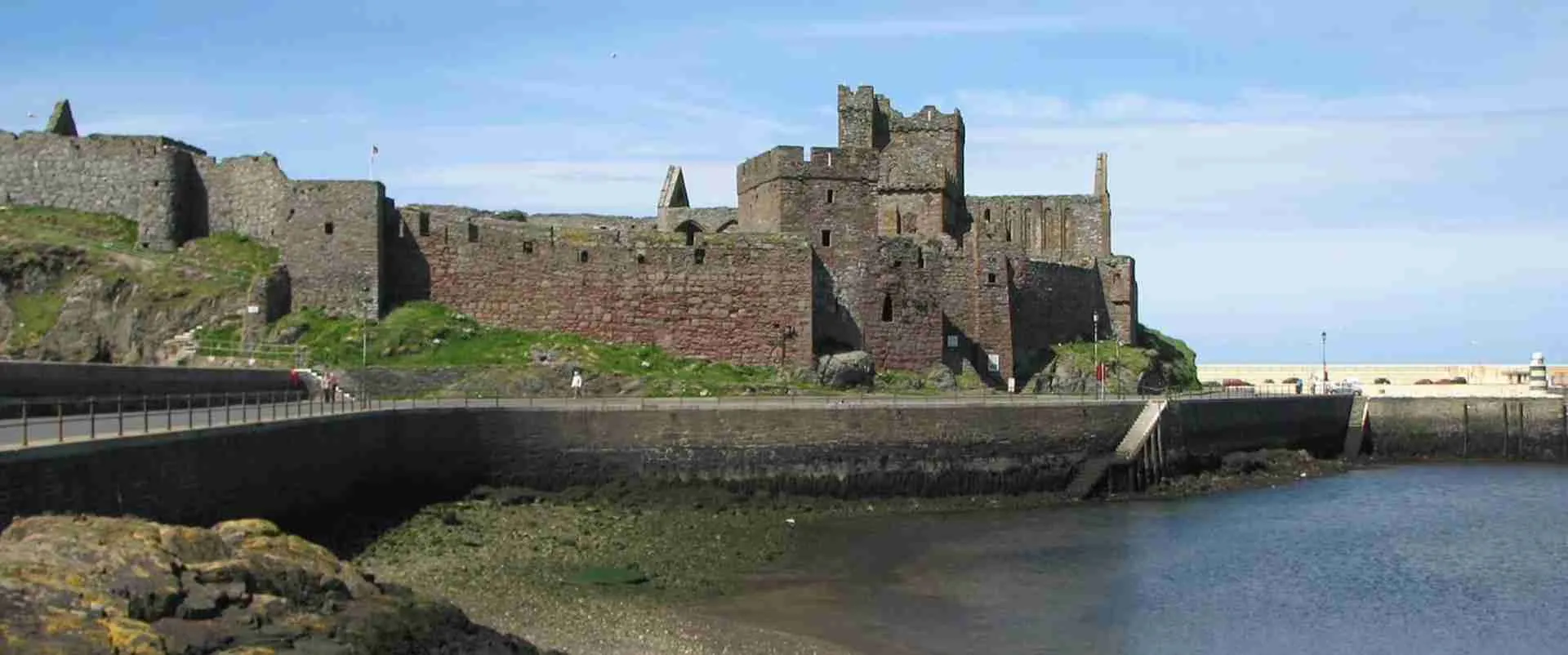
Castle Rushen in Castletown is among the best-preserved medieval castles in the British Isles, built over eight centuries beginning in the eleventh century and serving successively as a royal fortress, civil war garrison, and Victorian prison. Its towers, keep, and drawbridge are intact and fully walkable, with interpretive displays on multiple floors. The castle is open from late March to early November. The Great Laxey Wheel — known locally as Lady Isabella — is the largest working waterwheel in the world at over 72 feet in diameter, built in 1854 to pump water from the Great Laxey Mine. It is still turned by water today and is the island’s most photographed landmark. The House of Manannan in Peel is an interactive heritage center exploring the island’s Norse, Celtic, and maritime history through reconstructed environments and audio-visual presentations; it is widely considered one of the best small heritage museums in the British Isles. Peel Castle occupies St Patrick’s Isle, a tidal islet linked to the Peel waterfront by a causeway, and its curtain walls, round tower, cathedral ruins, and Viking-era finds make it among the most evocative sites on the island.
Free Attractions and Outdoor Activities 2027
A substantial share of the island’s best experiences are free. The TT Mountain Road course — the 37.75-mile mountain circuit used for the TT Motorcycle Festival — is a public highway during non-race periods and can be driven, cycled, or walked in sections at no cost. Tynwald Hill at St John’s, the site of the island’s ancient annual outdoor parliament ceremony, is open at all times and free to visit; the nearby medieval Church of St John adds a quiet historical layer. The island’s 100-mile network of coastal footpaths is entirely free to walk, taking in dramatic cliff sections, sandy beaches, and fishing harbors. Peel Harbor and Castletown Harbor are simply open to walk around and photograph at any time. The Ayres Coastal Park in the north provides sand dunes, nature trails, and a wild beach without any admission charge.
Ramsey, the island’s second-largest town, has a Victorian shopping street and harbor area worth an afternoon’s free exploration. The Gaiety Theatre in Douglas — a beautifully preserved Frank Matcham theater of 1900 — offers paid performances but the building can sometimes be seen on guided tours at modest prices. Summerhill Glen just outside Douglas is a short coastal valley walk that is free and easily accessible by bus from the town center.
TT Festival Costs 2027
The Isle of Man TT Motorcycle Festival in late May and early June 2027 brings the island to life and transforms the Mountain Course from a public road into a closed race circuit. Spectator admission to most public viewpoints on the course is free, but a dedicated grandstand at the Grandstand complex in Douglas requires a ticket. Grandstand and hospitality packages vary in price and typically range from £30–80 ($41–108) per day depending on the type of seating and package. Specific TT 2027 pricing will be confirmed by the event organizers and the Steam Packet, which offers TT-specific sailing packages for foot passengers, typically at a premium to standard fares. Visitors attending purely for the racing experience should expect to pay a premium on all costs — accommodation, transport, and food — relative to a standard non-TT visit.
Sample Daily Budget Breakdowns for 2027
Budget Traveler Daily Costs 2027
Budget travelers spending a full day exploring the island in 2027, using a Go Explore 5-day pass for all transport and a 7-day Manx National Heritage pass for all site admissions, can assemble a day’s costs as follows. Hotel accommodation (two sharing a budget guesthouse at £65–85 per room) contributes £33–43 per person. Three meals — a bakery breakfast at £6–8, a takeaway or sandwich lunch at £10–12, and a pub dinner at £18–22 — plus a coffee and a snack add up to £39–50. The Go Explore 5-day pass at £50 total, amortized over five active travel days, contributes £10 per person per day; the Manx National Heritage 7-day pass at £35 amortizes to £5 per day. Allowing £3–5 for miscellaneous spending, the total per-person daily cost for a budget traveler is approximately £90–120 ($122–162). This assumes no car hire and no expensive dining or shopping.
Mid-Range Traveler Daily Costs 2027
Mid-range travelers sharing a three-star Douglas hotel at £100–140 per room contribute £50–70 per person toward accommodation. Meals — a café breakfast at £12–15, a pub lunch at £16–20, a mid-range restaurant dinner at £38–45, and drinks and snacks throughout the day at £10–15 — total approximately £76–95. The Go Explore Heritage 5-day pass at £79, providing all transport and all heritage site admissions, costs £15.80 per person per day when amortized over five days. An additional £8–14 per day for incidentals — a theater ticket, a local craft purchase, a second evening drink — rounds the mid-range daily total to approximately £150–195 ($203–263) per person.
Luxury Traveler Daily Costs 2027
Luxury travelers sharing a four-star hotel at £150–220 per room contribute £75–110 per person toward accommodation. Fine-dining meals — a hotel or restaurant breakfast at £20–30, a gastropub or bistro lunch at £22–30, and a fine-dining dinner at £55–70 per person — plus cocktails and service account for approximately £117–160 per person in food and drink. Transport by taxi or shared car rental contributes approximately £22–38 per person. Leisure activities such as a spa afternoon, a golf round at Mount Murray, a guided heritage tour, or a dining car experience on the steam railway add approximately £25–45 per person. The resulting daily total for luxury travelers is approximately £255–380 ($344–513) per person, with the top of the range reflecting peak accommodation, multiple taxis, and fine dining at every meal.
Isle of Man 5-Day Itinerary Budget 2027
A five-day visit spanning Thursday to Monday (with four hotel nights and five days of activity) gives enough time to cover the major sites, use the Go Explore Heritage pass across all its rail lines and attractions, and still allow an unscheduled afternoon. The following day-by-day breakdown uses mid-range assumptions and locks in the pre-calculated costs from the budget section above.
Day 1 — Arrive in Douglas. Travel by ferry (foot passenger, from Heysham or Liverpool: £26 one way) or flight (£50–100 depending on origin). Check in, walk the promenade, visit the Douglas Horse Trams, evening meal in a harbor-view pub. The Go Explore Heritage pass activates on first use.
Day 2 — Manx Electric Railway and Ramsey. Board the vintage tram at Derby Castle in Douglas for the 17-mile coastal ride to Ramsey, stopping at request halts for coastal walks or to visit the Lhen Trench wetlands. Return in the afternoon and spend the evening exploring Douglas town center. Cost: all transport covered by Heritage pass; meals approximately £76–90 per person.
Day 3 — Laxey, Great Laxey Wheel, and Snaefell Summit. Take the Manx Electric Railway to Laxey and visit the Great Laxey Wheel (covered by Heritage pass), then board the Snaefell Mountain Railway to the summit for views across the Irish Sea. Return to Laxey and explore Glen Mooar on foot before taking the tram back to Douglas. Cost: all transport and MNH admission covered; meals approximately £76–90 per person.
Day 4 — Castle Rushen and the Steam Railway. Take the Isle of Man Steam Railway from Douglas to Castletown, visit Castle Rushen (Heritage pass) and the Old House of Keys (Heritage pass), lunch at a Castletown café, and explore the harbor. Return to Douglas by steam train in the afternoon. Cost: all transport and MNH admission covered; meals approximately £76–90 per person.
Day 5 — Peel and departure. Bus or steam railway to Peel to visit Peel Castle and the House of Manannan (both Heritage pass), lunch on Peel Harbour with a Manx kipper or queenies, return to Douglas for departure ferry or flight. Cost: all transport and admissions covered; ferry return £26.
Assembling the five-day mid-range trip total — four nights at a three-star hotel (£55 per person per night × 4 = £220), five days of meals at approximately £76 per person per day (£380), return ferry as a foot passenger (£52), the Go Explore Heritage 5-day pass (£79), and £30 for gifts and incidentals — produces a total of approximately £760 ($1,026) per person. At the budget level, replacing the hotel with a guesthouse at £37.50 per person per night, eating from takeaways and pubs, and separating the transport pass (£50) from the MNH 7-day pass (£35) produces a budget trip total of approximately £495 ($668) per person including the ferry.
Seasonal Price Variations on the Isle of Man in 2027
Prices on the Isle of Man follow a broadly predictable seasonal pattern with one dramatic exception: the TT Festival weeks in late May and early June.
TT Festival Season (Late May–Early June 2027)
TT Festival accommodation surcharges are the most significant cost variable on the island. During race practice and race weeks, most hotels and guesthouses apply TT pricing that can run three to five times standard seasonal rates. A mid-range hotel room available at £120 per night in early June the week after TT may cost £400–600 per night during TT race week itself. Availability disappears months in advance. Travelers visiting specifically for the TT must budget for premium accommodation costs on top of standard daily expenses. Steam Packet ferries during TT operate at premium capacity with advance-booking requirements; last-minute foot-passenger travel during the festival is unreliable.
Summer Peak (July–August 2027)
July and August are peak season for leisure visitors, with accommodation running 20–40% higher than shoulder season rates. The island’s beaches, coastal paths, and outdoor sites are at their most appealing, and the heritage railways and sites are all fully operational with their longest operating hours. Restaurant tables in popular Douglas establishments benefit from advance booking in peak weeks. Go Explore pass prices do not vary by season.
Shoulder Season (March–May and September–October 2027)
Spring and autumn offer the most favorable combination of moderate prices and viable weather. The heritage railways and most Manx National Heritage sites open from late March (the Manx Electric Railway reopens typically in mid-March) and remain open through to late October or early November. Accommodation rates in April, early May, September, and October are typically 15–25% below peak summer levels, and the island is far less crowded. Walking, cycling, and outdoor activities are viable in all these months with appropriate clothing. Spring wildflowers and autumn colors add particular appeal to the island’s glen paths.
Low Season (November–February 2027)
The winter months offer the lowest accommodation prices — often 30–50% below peak — and the islands quietest atmosphere. Some smaller guesthouses close entirely. The heritage railways are not operating from November to late March (the Manx Electric Railway typically closes in early November and reopens in mid-March; the Isle of Man Steam Railway and Snaefell Mountain Railway have similar winter closures). The Go Explore card remains valid for bus travel year-round and the Go Saver bus card replaces it as the recommended product when railways are not running. The Manx Museum and House of Manannan remain open year-round. Manx weather in winter is typically wet and windy, and some days are unsuitable for outdoor activities, but the island’s pubs, restaurants, and indoor heritage sites are open and uncrowded.
Hidden Costs and Fees on the Isle of Man 2027
Several cost categories catch first-time visitors to the Isle of Man off guard and deserve explicit mention in any honest budget guide.
Steam Packet booking supplements: Booking a ferry by telephone or in person rather than online incurs a supplement of £7.50 per passenger. Online booking via the Steam Packet website avoids this entirely.
Go Explore card registration fee: The physical Go Explore smart card costs £2 to buy; this is a one-time card fee, not a transport fee, and the card is then reloaded with a travel pass. Paper one-day tickets bought on board incur no card fee. Visitors staying multiple days should factor in the £2 when comparing the cost of the card pass against individual fares.
Voluntary Manx National Heritage donations: All individual admissions to Manx National Heritage sites include an optional voluntary donation of £1.50 per ticket. The donation supports conservation work and is automatically included at point of sale; visitors wishing to opt out should inform staff at the ticket desk. This adds up to an effective admission of £15.50 per site if paid.
Heritage railway bikes: Bicycles can be taken on the Manx Electric Railway and Isle of Man Steam Railway where space allows, at a charge of £3 per trip. Cyclists planning to combine rail and cycling should note that space is not guaranteed and the charge applies each way.
TT preparation weeks in May: Even the two to three weeks before the TT racing begins see elevated accommodation prices as teams, marshals, and racing enthusiasts arrive. Early May is not as expensive as full race weeks, but travelers arriving in mid-May will find pricing closer to TT rates than to spring shoulder-season rates.
Manx banknotes: Manx banknotes are legal tender on the island but are not always accepted in mainland UK. Visitors who accumulate Manx notes and have not spent them before departing should exchange them at a bank before leaving the island, as exchanging them on the mainland can involve fees or refusal by businesses unfamiliar with them. UK notes are equally accepted on the island and carry no such complication.
Car ferry surges: Taking a car on the ferry is priced from £98.50 each way at the base rate, but the total cost to bring a vehicle and two passengers for a return trip can approach £350–500 ($473–675) or more depending on the vehicle size, season, and booking timing. Visitors who can function without a car — as the Go Explore pass makes very feasible — save substantially.
Airport transfer: Ronaldsway Airport has a public bus connection to Douglas that costs the standard single fare. A taxi from the airport to Douglas costs approximately £18–25 ($24–34). Visitors arriving by air and on a budget should take the bus unless traveling with heavy luggage or late at night.
Money-Saving Strategies for the Isle of Man in 2027
The island rewards travelers who plan ahead, use the transport pass system intelligently, and take advantage of its exceptional stock of free outdoor experiences.
Book the ferry early. Steam Packet foot-passenger fares start from £26 each way, but these “from” prices are available in limited quantities and go quickly for popular sailings. Booking 60–90 days ahead of a summer or shoulder-season visit typically secures the lowest available rates. The Flexi Fare option, available at a modest premium, allows changes without fees and provides peace of mind for travelers whose plans may shift.
Travel as a foot passenger. Unless a vehicle is genuinely essential — for example, for a large family with extensive luggage or for a cycling trip with specialist bikes — traveling as a foot passenger and using the Go Explore pass eliminates the largest single variable cost in reaching the island. The bus and rail network is comprehensive enough that a car adds little access beyond what public transport provides for mainstream tourist sites.
Use the Go Explore Heritage pass fully. The 5-day Heritage pass at £79 covers six or more Manx National Heritage sites that would cost £14 each individually. Visiting four sites in five days already recovers the full cost of the passes’ MNH component beyond the transport value. Planning the itinerary to visit a heritage site on each of the five active days ensures the pass is fully utilized.
Eat local and eat at pubs. Queenies and kippers — the island’s two signature foods — are abundant and generally affordable in coastal towns. Fish and chip shops and bakeries throughout the island serve filling, freshly made food at prices well below restaurant levels. Many pubs offer generous two-course lunch menus in the £12–18 range that represent better value than comparable café dining.
Take advantage of free outdoor experiences. The coastal footpath network, the beaches, the TT Mountain Road as a touring drive, Tynwald Hill, the island’s glens (wooded valleys accessed by short public paths), and Ramsey harbor are all entirely free. A full day of outdoor walking, coast exploration, and village wandering can be structured with zero attraction spend and remains genuinely memorable.
Self-cater for at least some meals. A supermarket stop for breakfast provisions, lunch items, and evening picnic supplies for beach or glen days dramatically reduces the daily food bill. The island has branches of major UK supermarkets with food prices broadly comparable to the mainland. Even mid-range travelers who dine out for dinner every evening can save £15–25 per day per person by self-catering breakfast and one other meal.
Avoid TT Festival weeks. Unless the motorcycle racing is the specific reason for visiting, planning a trip outside the TT Festival period (late May to early June) immediately makes the island significantly more affordable. Early June immediately after TT or September to October offer comparable weather and dramatically lower costs across accommodation, transport, and dining.
Book accommodation with breakfast included. Many guesthouses and mid-range hotels on the island include breakfast in the room rate. Given that a full café breakfast costs £10–15 per person, a hotel rate that includes breakfast effectively reduces the daily food spend by that amount and brings the real cost of the accommodation tier closer to the nominal room rate.
Isle of Man Budget by Traveler Type in 2027
Budget Costs for Couples 2027
Couples traveling together benefit most from the Isle of Man’s cost structure, as the hotel-room cost is directly shared and the Go Explore pass is priced per person at the same rate regardless of travel companions. A couple sharing a budget guesthouse at £65–85 per room per night spends £33–43 each on accommodation. With the Go Explore 5-day pass at £50 per person and three modest meals per day, a couple on a five-day island trip (excluding travel to the island) can budget approximately £450–600 ($608–810) per person in total. The mid-range equivalent — sharing a three-star hotel and using the Go Explore Heritage pass — runs approximately £750–975 ($1,013–1,317) per person for a five-night stay excluding ferries. Luxury couples sharing a four-star property and dining at restaurants every evening can expect approximately £1,275–1,900 ($1,722–2,565) per person for a five-night stay, with the range driven primarily by the hotel tier chosen and the frequency of fine-dining evenings.
Budget Costs for Solo Travelers 2027
Solo travelers face the island’s only structural cost penalty: the single-occupancy room supplement. Many guesthouses charge the full double room rate for a solo traveler, effectively doubling the accommodation cost per person compared to a couple. A solo traveler paying £65–85 for a room intended for two spends the entire room cost themselves, raising the daily accommodation contribution to £65–85 per person rather than the £33–43 a couple pays. The Go Explore pass, attraction admissions, and meals cost the same regardless of party size. Solo travelers should budget approximately £115–160 ($155–216) per person daily at the budget tier and around £200–250 ($270–338) at mid-range, and should specifically search for single-room tariffs or self-catering properties when booking accommodation.
Budget Costs for Families 2027
Families with children benefit enormously from the Isle of Man’s pricing structure. Children under 16 enter all Manx National Heritage sites free, and children travel free on all Steam Packet ferry sailings. The Go Explore Family pass (two adults plus up to three children aged 5–15) costs £108 for five days ($146), compared to £100 for two adults alone on the same pass — effectively giving children unlimited transport for £8. The island’s beaches, glens, and outdoor spaces are entirely free. A family of two adults and two children staying in self-catering accommodation — where costs can be distributed across four people rather than two — frequently finds the Isle of Man more affordable per person than comparable UK coastal destinations.
Budget Costs for Group Travelers 2027
Groups of eight or more looking at ferry travel should contact the Steam Packet directly for group rates. Manx National Heritage also offers group discounts to pre-booked groups of 15 or more paying visitors. Groups staying in larger self-catering houses can achieve per-person accommodation costs substantially below hotel rates, and sharing a rental car among four people brings car-hire costs into the realm of comparable to public transport pass costs for some itineraries.
Frequently Asked Questions About the Isle of Man Budget 2027
What is the cheapest month to visit the Isle of Man in 2027?
November, December, January, and February are consistently the cheapest months for accommodation on the Isle of Man, with average hotel prices up to 50% lower than peak summer rates. The trade-off is that the heritage railways do not operate in winter, some guesthouses close, and the island’s weather is typically wet and windy. For visitors who prioritize outdoor walking, September and October offer the best balance of reasonable prices and consistently usable weather, with the railways still running and Manx National Heritage sites open until late October or early November.
How much should I budget per day for food in the Isle of Man in 2027?
Food costs on the Isle of Man in 2027 break down as follows by approach. Budget travelers eating from bakeries, takeaway fish and chip shops, and pub lunch specials should budget approximately £39–50 ($53–68) per person per day for three meals and drinks. Mid-range travelers eating at a café for breakfast, a pub or restaurant for lunch, and a mid-range restaurant for dinner should expect approximately £76–95 ($103–128) per person per day. A self-catering approach — buying groceries for breakfast and one other meal and eating out only for dinner — reduces food costs to approximately £35–55 ($47–74) per person per day at mid-range quality. Tipping is not expected or customary on the island.
Is the Isle of Man Go Explore Heritage pass worth buying in 2027?
The Go Explore Heritage 5-day Adult Pass at £79 ($107) is worth buying for any visitor planning to stay five or more days, use public transport daily, and visit three or more Manx National Heritage sites. It covers unlimited bus and rail travel across the island plus free admission to all MNH sites including the Great Laxey Wheel, Castle Rushen, Peel Castle, the House of Manannan, and the Manx Museum, among others. Compared to buying a standard 5-day transport pass (£50) and a 7-day MNH holiday pass (£35) separately — totaling £85 — the Heritage combined pass at £79 saves £6 and eliminates a second card to manage. Visitors staying only two or three nights should compare the 3-day transport pass (£44) plus MNH admissions on an individual or holiday-pass basis.
Do I need a car on the Isle of Man in 2027?
Most visitors do not need a car for a standard five-day island visit in 2027. The Go Explore pass covers all buses, all heritage railways, the Douglas Horse Trams, and the Groudle Glen Railway, which together reach every major town and tourist site. Castle Rushen, Laxey Wheel, Peel Castle, the House of Manannan, Cregneash, and the Manx Museum are all reachable without a car. The mountain circuit can be walked in sections or driven with a rental car for a day without needing a full car hire for the whole trip. Travelers with mobility limitations or those who wish to visit sites not served by the main bus routes — some sections of the north of the island or the more remote glens — may find car hire useful for one or two days, at around £38–60 ($51–81) per day for an economy vehicle.
How much does a day trip to the Isle of Man cost in 2027?
The Steam Packet offers day excursion packages from Liverpool and Heysham that allow a visitor to travel out on an early morning sailing and return on an evening sailing, spending a full day on the island. For a foot-passenger day trip in 2027, the return ferry costs from around £52 ($70) at the lowest early-booking price, with the majority of sailings priced higher. Adding the 1-day Go Explore pass at £22 ($30), admission to one Manx National Heritage site at £14 ($19), and lunch and a coffee at approximately £20–30 ($27–41), a day trip comes to around £108–118 ($146–159) per person at minimum pricing. This makes day trips reasonable for visitors already in the Liverpool or Heysham area, though the value equation improves significantly for multi-night stays that spread the travel cost over more days.
What are the hidden costs to budget for on the Isle of Man in 2027?
The most significant hidden costs are the TT Festival accommodation surcharges (three to five times standard rates during late May and early June race weeks), the Steam Packet’s £7.50 telephone/in-person booking supplement (avoided by booking online), the voluntary £1.50 Manx National Heritage donation added at each site’s ticket desk (opt out if desired), and the £2 Go Explore card fee for the physical smart card. Travelers taking vehicles on the ferry should note that the “from £98.50” advertised car fare is a one-way promotional price requiring early booking, with standard mid-season vehicle fares typically higher. Converting remaining Manx pound notes back to GBP before leaving is also something visitors frequently forget and then face difficulty achieving back on the mainland.
How does the Isle of Man compare in cost to other British island destinations in 2027?
The Isle of Man is broadly comparable in cost to the Channel Islands (Jersey and Guernsey) and somewhat more expensive than the larger Welsh and Scottish islands. It is cheaper than the Scilly Isles, which require expensive small-plane or boat transfers, and cheaper than the Scottish Northern Isles (Orkney and Shetland) when travel costs are factored in. Against mainland English coastal destinations like Cornwall or Devon, the Isle of Man is slightly more expensive for accommodation in season but offers a substantially more intact heritage transport and attraction network at a single pass price. The island’s no-tipping culture and the all-inclusive nature of the Go Explore Heritage pass mean that daily costs are more predictable than many comparable destinations.
What is the best budget accommodation strategy for the Isle of Man in 2027?
The most effective budget accommodation strategies for 2027 are, in order: booking self-catering for stays of four or more nights (lowest per-person cost for groups or families); booking a B&B with breakfast included (eliminates one daily food spend); booking at least 60 days ahead for the lowest guesthouse and hotel rates; considering accommodation outside Douglas in Port Erin, Port St Mary, Peel, or Ramsey where prices are often 10–20% lower than comparable Douglas properties. The Go Explore pass makes staying outside Douglas entirely practical. Searching for single-occupancy tariffs is important for solo travelers, as some guesthouses list explicit single rates lower than the full double-room price.
Can you visit the Isle of Man cheaply as a solo traveler in 2027?
Solo travel on the Isle of Man is feasible on a budget but is more expensive per person than traveling as a couple, primarily because of single-room supplements on accommodation. A solo traveler paying £65–100 per night for a room — the full double rate in many guesthouses — contributes £65–100 per day to their daily costs from accommodation alone, compared to £33–50 for a couple. Self-catering in a studio apartment or a guesthouse with explicit single rates lowers this. Food, transport passes, and attraction admissions cost the same per person regardless of party size. Budget-focused solo travelers should look specifically for guesthouses advertising single-room tariffs, consider the low season for the lowest rates, and plan their itinerary around the Go Explore passes and the island’s wealth of free outdoor activities.
What is the total cost of a week on the Isle of Man in 2027?
A seven-night stay, using the Go Explore 7-day transport pass and the 14-day Manx National Heritage Holiday Pass, gives the most cost-effective basis for a week’s visit. For budget travelers sharing a guesthouse at £65–85 per room per night: seven nights of accommodation contributes £228–298 per person; seven days of budget meals add approximately £273–350; the 7-day Go Explore pass (£61) plus the 14-day MNH pass (£40) together total £101; and the return ferry adds approximately £52. The seven-day total per person at the budget level comes to approximately £660–800 ($891–1,080), not counting incidentals. At the mid-range level — three-star hotel, full Go Explore Heritage pass, and restaurant meals daily — a seven-night stay totals approximately £1,100–1,400 ($1,485–1,890) per person, including ferry travel to and from the island.