Inverness Travel Guide 2026: Ultimate Visitor’s Guide to the Highlands Capital
Inverness stands as Scotland’s northernmost city and the cultural capital of the Highlands, offering travelers a compelling blend of historic sites, dramatic natural landscapes, and genuine Highland hospitality. The city serves as the gateway to Loch Ness, the Cairngorms National Park, and some of Scotland’s most spectacular scenery, while providing modern amenities, excellent dining, and rich cultural experiences within its compact riverside setting.
Key Takeaways About Visiting Inverness in 2026
- Budget-Friendly Highland Base: Budget travelers spend £60-100 ($75-125) per person daily including hostel accommodation, pub meals, and local transport, while mid-range visitors average £135-210 ($170-265) per person daily staying in comfortable hotels with restaurant dining.
- Gateway Location Excellence: Inverness sits at the strategic heart of the Highlands with day trip access to Loch Ness (15 minutes), Culloden Battlefield (20 minutes), Isle of Skye (2.5 hours), and Cairngorms National Park (1 hour), making it the ideal base for exploring Northern Scotland.
- New Castle Experience Opens 2026: The newly transformed Inverness Castle Experience opened December 2025 with its full grand opening scheduled for 2026, offering immersive Highland storytelling exhibits, panoramic viewing platforms, and interactive displays for £20 adults ($25) with advance booking recommended.
- Compact Walkable City Center: Most central attractions, restaurants, shops, and accommodations cluster within a 15-minute walk of the River Ness, with the Victorian Market, Inverness Cathedral, and riverside paths all easily accessible on foot without requiring public transport.
- Year-Round Accessibility: Inverness maintains excellent transport connections throughout 2026 with regular trains from Edinburgh (3.5 hours, £55-200), Glasgow (3.5 hours), and London (8 hours), plus comprehensive bus networks serving the entire Highlands region and Inverness Airport offering domestic and European flights.
- Seasonal Pricing Variations: Accommodation and attraction costs peak during summer months (June-August) when prices increase 30-40% above shoulder season rates, while visiting during May, September, or October offers significantly better value with comparable weather and fewer crowds competing for limited Highland resources.
People Also Ask About Inverness Travel 2026
How much does it cost to visit Inverness for a week in 2026?
A week in Inverness costs approximately £420-700 ($525-875) per person for budget travelers, £945-1,470 ($1,180-1,840) per person for mid-range comfort, or £2,030-3,220 ($2,545-4,040) per person for luxury experiences. Budget visitors staying in hostels at £27-40 nightly, eating pub meals and supermarket lunches, using public transport, and selecting free or low-cost attractions spend £60-100 ($75-125) daily. Mid-range travelers choosing £120-180 ($150-225) hotel rooms (divided by two for couples), dining at sit-down restaurants for most meals, taking occasional taxis, and visiting paid attractions average £135-210 ($170-265) per person daily. Luxury visitors booking premium hotels at £250-400 ($315-500) per room, enjoying fine dining experiences, using private transport, and accessing exclusive tours and experiences invest £290-460 ($365-580) per person daily. These figures assume two people sharing accommodation; solo travelers pay full room rates without division, increasing daily costs by approximately £30-200 ($40-250) depending on accommodation tier selected.
What is the best month to visit Inverness in 2026?
May, June, and September represent the optimal months for visiting Inverness in 2026, offering the best balance of favorable weather, manageable crowds, reasonable pricing, and full access to attractions and services. May and June deliver extended daylight hours (sunrise before 5am, sunset after 10pm), mild temperatures averaging 12-16°C (54-61°F), and blooming Highland landscapes while avoiding peak summer pricing and congestion. September provides harvest season beauty, stable weather patterns, dramatically reduced crowds after school holidays end, and accommodation costs 25-35% below July-August peaks while most attractions maintain full summer operating hours through month’s end. July and August bring warmest temperatures and guaranteed long days but suffer from 40% price increases, fully booked accommodations requiring months-advance reservations, crowded attractions with long queues, and midges at their most active in rural areas. Winter months (November-February) offer lowest prices and festive atmosphere but face shortened daylight (8 hours in December), unpredictable weather, reduced attraction hours, and some rural facilities closing entirely until spring.
Is Inverness worth visiting without a car in 2026?
Inverness functions exceptionally well as a car-free destination in 2026, with the compact city center entirely walkable and extensive public transport networks providing excellent access to major Highland attractions and day trip destinations. The city center concentrates hotels, restaurants, shops, museums, and historic sites within a 20-minute walking radius from Inverness Railway Station, eliminating transport needs for urban exploration. Stagecoach operates comprehensive local bus services throughout the city and surrounding areas with contactless payment accepted, while ScotRail provides regular train connections to Edinburgh (3.5 hours), Glasgow (3.5 hours), Kyle of Lochalsh (2.5 hours for Skye access), and intermediate Highland destinations. Scottish Citylink and Ember bus services connect Inverness directly to Loch Ness (30 minutes, £8-14), Fort William (2 hours, £14), Oban (4.5 hours), and Thurso (3.5 hours) with fixed-price ticketing regardless of booking timing. Organized day tours operated by multiple companies depart Inverness daily for Loch Ness, Isle of Skye, Cairngorms, North Coast 500 sections, and Orkney Islands, providing guided experiences without driving stress or parking concerns. The primary limitations without a car involve accessing remote Highland locations off bus routes, spontaneous itinerary changes, and carrying luggage between accommodations, though these rarely impact most visitors’ Inverness experiences significantly.
How many days should I spend in Inverness in 2026?
Allocate 3-5 days in Inverness for a satisfying Highland experience in 2026, with 3 days covering essential city attractions plus one major day trip, 4 days allowing two substantial excursions with relaxed city exploration, and 5+ days enabling deeper Highland immersion through multiple overnight trips or specialized activities. A minimum 3-day itinerary includes Day 1 exploring Inverness city center attractions (Castle Experience, Cathedral, Victorian Market, riverside walks), Day 2 taking a full-day Loch Ness and Urquhart Castle tour, and Day 3 visiting Culloden Battlefield and Clava Cairns before departure. Four days adds either an Isle of Skye day trip, Cairngorms National Park exploration, or North Coast scenic drive to the 3-day base itinerary. Five to seven days permit combining Inverness as a touring base with overnight excursions to Skye (2 nights recommended), Orkney Islands (2 nights), or extensive Cairngorms hiking while maintaining the city as your accommodation base for luggage storage and transport hub access. Visitors focusing exclusively on outdoor activities (hiking, wildlife watching, whisky trail touring) rather than urban attractions often prefer using Inverness purely as a 1-2 night gateway stop while basing themselves in smaller Highland villages closer to specific activity areas, though this requires private transport for practical access.
Extended multi-day tours – 5+ days
Featured Inverness Multi-Day Tour Packages
2 days
2-day Outlander Tour (Small Group)
- ✓ Comprehensive Inverness tour
- ✓ Expert local guides included
- ✓ All accommodation arranged
- ✓ Transportation provided
3 days
From Inverness: 3 Day Lewis, Harris & the Outer Hebrides
- ✓ Comprehensive Inverness tour
- ✓ Expert local guides included
- ✓ All accommodation arranged
- ✓ Transportation provided

6 days
Scotland (13 destinations)
- ✓ Comprehensive Inverness tour
- ✓ Expert local guides included
- ✓ All accommodation arranged
- ✓ Transportation provided
2 days
Loch Ness, Inverness & The Highlands – from Edinburgh
- ✓ Comprehensive Inverness tour
- ✓ Expert local guides included
- ✓ All accommodation arranged
- ✓ Transportation provided
Multi-day tour packages powered by TourRadar. Prices and availability subject to change.
Introduction to Inverness: Scotland’s Highland Gateway
Inverness occupies a unique position in Scottish tourism as both a destination rich with its own historic and cultural attractions and as the essential transport hub providing access to the wider Highlands region. The city’s strategic location at the northern end of the Great Glen fault line, where the River Ness flows into the Moray Firth, has made it a settlement site since Pictish times and a contested prize throughout Scotland’s turbulent history. Modern Inverness successfully balances its role as a functional Highland capital with approximately 70,000 residents and as a visitor gateway serving millions of annual tourists heading to iconic destinations like Loch Ness, the Isle of Skye, and Scotland’s northern coastline.
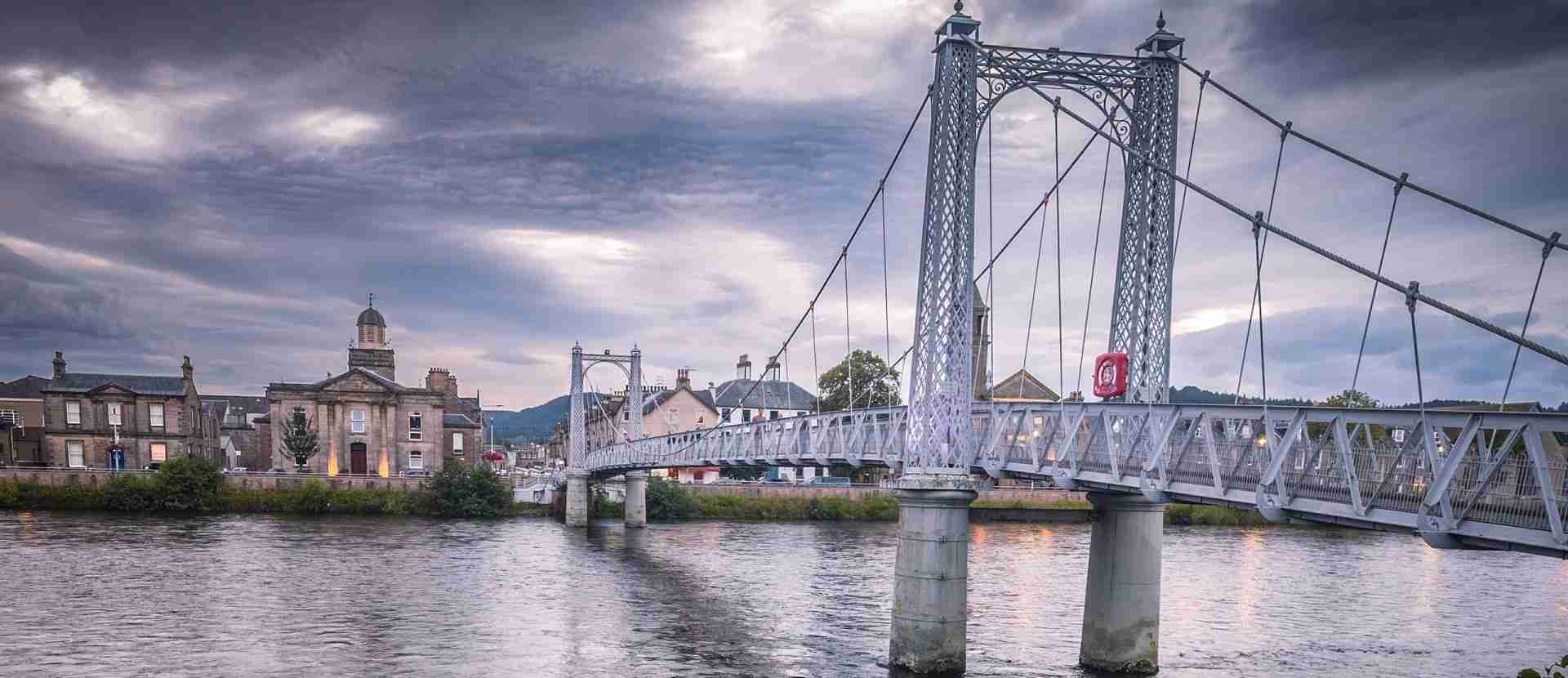
The city’s compact riverside center concentrates historic attractions, shopping districts, dining options, and accommodations within easy walking distance while maintaining genuine Highland character distinct from Edinburgh or Glasgow’s urban intensity. Victorian and Georgian architecture lines streets clustered around the imposing red sandstone castle overlooking the River Ness, with pedestrian bridges connecting both banks and riverside paths extending upstream and downstream from the historic core. This concentrated urban layout makes Inverness remarkably visitor-friendly for independent exploration without constant consultation of maps or reliance on public transport.
Inverness serves travelers across multiple purposes and travel styles in 2026. Budget backpackers utilize the city’s hostels and affordable dining while accessing Highland destinations through extensive bus networks. Mid-range tourists appreciate the concentration of comfortable hotels, diverse restaurants, and organized tour operators departing daily for major attractions. Luxury visitors discover boutique hotels, fine dining establishments serving Highland produce, and exclusive whisky and heritage experiences unavailable in smaller settlements. Business travelers attending conferences at Highland venues find Inverness provides necessary amenities while outdoor enthusiasts use the city as a convenient resupply and accommodation base between multi-day hiking or cycling adventures.
The newly opened Inverness Castle Experience represents the city’s most significant tourism development in decades, transforming the previously inaccessible 1836 courthouse into an immersive Highland heritage attraction featuring interactive exhibits, art installations, viewing platforms, and cultural spaces. This £39 million project signals Inverness’s ambition to extend average visitor stays beyond the traditional one-night gateway function toward becoming a multi-day destination worthy of dedicated exploration rather than merely a convenient overnight stop between Highland attractions.
Climate patterns in Inverness moderate somewhat compared to southern Scotland due to coastal proximity and northern latitude effects, with summers rarely exceeding 20°C (68°F) and winters typically remaining above freezing though feeling substantially colder due to strong northerly winds. The city experiences approximately 160 days of annual rainfall, though precipitation quantities remain lower than western Highland regions sheltered less effectively from Atlantic weather systems. Visitors should prepare for changeable conditions year-round, with layered clothing, waterproof outerwear, and flexible indoor-outdoor activity planning essential regardless of season or weather forecasts.
Understanding Inverness Costs and Budget Planning 2026
Inverness pricing in 2026 reflects its dual nature as both a genuine Highland city with local services and as a major tourist gateway where seasonal demand significantly impacts accommodation and activity costs. Budget-conscious travelers discover Inverness offers better value than Edinburgh or Glasgow for comparable quality hotels and meals, while still providing Western European standard amenities and services. Understanding cost variations across seasons, neighborhoods, and booking timeframes enables visitors to optimize spending without sacrificing experience quality or accessibility to desired attractions and activities.
Accommodation represents the largest variable expense category in Inverness travel budgets, with prices fluctuating dramatically between winter low season (November-March), shoulder seasons (April-May, September-October), and peak summer months (June-August). Budget hostel dormitory beds range £27-40 ($35-50) nightly year-round with minimal seasonal variation, providing the most cost-stable accommodation option for price-sensitive travelers. Budget hotels and guesthouses charge £60-100 ($75-125) per room nightly during shoulder seasons, increasing to £85-140 ($105-175) during summer peaks, while mid-range hotels spanning £120-180 ($150-225) per room in spring elevate to £160-240 ($200-300) during July-August demand surges. Luxury properties including boutique hotels and converted historic estates maintain £250-400 ($315-500) per room baseline pricing year-round, with premium suites and packages reaching £500-800 ($625-1,000) nightly during peak periods.
Food costs in Inverness prove remarkably consistent across seasons compared to accommodation volatility, with restaurant and pub pricing remaining relatively stable throughout 2026 while quality and variety exceed expectations for a city of Inverness’s population size. The concentration of locals maintaining year-round dining habits prevents the extreme tourist-season price inflation seen in purely seasonal Highland villages. Supermarket meal deals at Tesco, Sainsbury’s, and Marks & Spencer provide ready-made sandwiches, snacks, and beverages for £3.50-5.50 ($4.50-7), offering excellent value for quick lunches during day trips or budget-conscious travelers. Café breakfasts including coffee and pastry cost £5-10 ($6-13), while full Scottish breakfasts at hotels or dedicated breakfast restaurants range £12-20 ($15-25) per person.
Pub meals represent exceptional value in Inverness’s dining landscape, with main courses including traditional dishes like fish and chips, steak pie, or haggis with neeps and tatties costing £12-18 ($15-23) at neighborhood establishments frequented by locals. These portions typically prove sufficient without requiring starters or desserts, and many pubs offer lunch specials or early-bird menus reducing costs further to £10-14 ($13-18) for two-course meals served between noon and 6pm. Mid-range restaurant dining elevates costs to £18-28 ($23-35) per person for main courses at establishments like The Mustard Seed or Rocpool, with full three-course dinners including wine totaling £40-60 ($50-75) per person. Fine dining experiences at upscale venues or hotel restaurants reach £50-80 ($63-100) per person for main courses, with complete tasting menus approaching £100-150 ($125-190) per person before beverages.
Transportation costs within Inverness itself remain minimal due to the compact walkable city center, though reaching major Highland attractions requires either organized tours, public transport, or private vehicle expenses. Local Stagecoach buses operating throughout the city accept contactless payment for single journeys typically costing £2-4 ($3-5), with day tickets providing unlimited travel for £5-8 ($6-10) offering better value for multiple trips. Reaching Inverness initially involves either rail connections from Edinburgh or Glasgow at £55-200 ($70-250) depending on booking timing and class selection, buses from major cities at £22-45 ($28-56) offering slower but more economical alternatives, or flights to Inverness Airport from London, Manchester, and European cities followed by airport buses (£4-6) or taxis (£20-28) covering the 8-mile city transfer.
Attraction admission costs vary substantially between Inverness’s numerous free museums and churches versus paid heritage sites and commercial experiences. The Inverness Museum and Art Gallery, Inverness Cathedral, and riverside walking paths cost nothing to enjoy and occupy several hours of quality exploration time. The newly opened Inverness Castle Experience charges £20 ($25) for adults, £18 ($23) for seniors aged 65+, and £14 ($18) for children under 16, with family packages offering modest savings and advance online booking recommended during busy periods. Major day trip destinations from Inverness include Urquhart Castle on Loch Ness with admission included in audio guide pricing, Culloden Battlefield charging £13 ($16) for adults, and various distillery tours ranging £15-50 ($19-63) depending on tasting selections and exclusive access included.
Seasonal pricing variations impact Inverness costs most dramatically in accommodation and organized tour sectors, while meals, local transport, and attraction admissions remain relatively stable year-round. Summer months (June-August) see hotel rates increase 30-50% above shoulder season pricing as demand from global tourists, NC500 road trippers, and domestic UK holidaymakers converges on limited Inverness accommodation capacity. Tour operators maintain consistent per-person pricing throughout operating seasons but often require minimum group sizes during quiet months, potentially limiting departure frequency or availability. Booking accommodation 2-4 months in advance for summer travel typically secures 15-25% savings versus walk-in or last-minute reservations, while shoulder season (May, September) bookings can often be made just weeks ahead without significant price penalties or availability concerns.
Getting to Inverness in 2026
Inverness enjoys excellent transport connectivity for a city of its size and northern location, with multiple viable access options serving different budget levels, time constraints, and journey origin points throughout 2026. The city’s role as Highland capital ensures transport infrastructure investment maintaining reliable year-round services despite challenging weather conditions occasionally affecting northern Scotland during winter months.
Rail connections to Inverness operate via the scenic Highland Main Line from Edinburgh and Glasgow, offering arguably Britain’s most spectacular train journey through Cairngorms National Park. ScotRail operates 5-7 daily departures from Edinburgh Waverley to Inverness throughout 2026, with journey times averaging 3 hours 40 minutes for direct services and ticket prices ranging £55-200 ($70-250) depending on booking advance notice, travel class, and flexibility requirements. Booking 2-4 weeks ahead typically secures advance single tickets for £55-85 ($70-105), while walk-up anytime fares permitting unlimited same-day travel reach £170-200 ($210-250). First class upgrades add £25-45 ($30-55) to advance fares, providing wider seats, power outlets, complimentary refreshments, and less crowded carriages worth considering for the 3.5-hour journey duration.
The Inverness-Edinburgh rail route passes through dramatically scenic Highland landscapes including the Cairngorms massif, passing stations at Pitlochry, Aviemore, and Kingussie where outdoor enthusiasts frequently interrupt journeys for hiking or skiing access. The route crosses the soaring Forth Bridge, climbs through Perth’s wooded river valleys, then ascends into true Highland terrain beyond Blair Atholl where red deer, golden eagles, and occasionally wild Scottish wildcats can be spotted from carriage windows during dawn or dusk departures. Services include bicycle storage spaces bookable in advance (£3-5 additional fee), though spaces limit to 2-6 bicycles per train requiring early reservation for cycling tourists planning Highland trail riding.
Glasgow Queen Street operates similar service patterns to Edinburgh with 4-6 daily Inverness trains throughout 2026, maintaining comparable 3.5-4 hour journey times and £55-190 ($70-240) pricing structures. The Glasgow route diverges westward through different Highland scenery, passing Loch Lomond’s eastern shores and traveling through more remote northern Highlands terrain than the Edinburgh route’s Cairngorms passage. London connections require either travel to Edinburgh or Glasgow for Highland Main Line connections, or direct Caledonian Sleeper services operating nightly between London Euston and Inverness with journey times of approximately 8-9 hours including overnight accommodation in seated coaches or sleeper berths.
Bus services to Inverness provide economical alternatives to rail travel with significantly lower fares offsetting longer journey times and reduced comfort levels. Scottish Citylink operates multiple daily departures from Edinburgh (3 hours 50 minutes, £22-45 / $28-56), Glasgow (3 hours 40 minutes, £20-40 / $25-50), and Aberdeen (3 hours, £18-35 / $23-44) to Inverness throughout 2026. Ember bus services launched new Inverness routes in early 2026 connecting to Fort William (2 hours, £14 / $18) and Oban (4.5 hours, £18 / $23) with additional connections to Edinburgh and Glasgow networks. Megabus and FlixBus occasionally offer promotional fares as low as £8-15 ($10-19) when booked weeks ahead, though these ultra-budget services feature limited luggage allowances, no onboard facilities, and inflexible change/cancellation policies unsuitable for travelers requiring schedule flexibility.
Inverness Airport (INV) handles domestic flights from London Gatwick, London Luton, London Stansted, Manchester, Birmingham, and Bristol on easyJet, British Airways, and Loganair services, plus seasonal European connections to Amsterdam and Dublin facilitating international access avoiding lengthy overland journeys from southern UK airports. Flight frequencies vary substantially by season, with summer months offering 3-6 daily London departures while winter schedules reduce to 1-3 daily services depending on route and carrier. London-Inverness flights average 1 hour 30 minutes airtime, though total journey time including airport security, boarding, and urban transport connections typically extends to 4-5 hours door-to-door versus 7-8 hours by train from London to Inverness.
Airport transfer options from Inverness Airport to city center 8 miles northeast include Stagecoach Jet Route 11 bus services operating every 30 minutes during daytime hours (6am-11pm) at £4.30 ($5.50) single or £6.80 ($8.50) return fares with 20-30 minute journey times to central Inverness stops. Taxis queue outside arrivals charging £20-28 ($25-35) for city center drops depending on exact destination and luggage quantity, while pre-booked private transfers through hotel concierges or specialist companies cost £25-40 ($30-50) with flight tracking and guaranteed availability regardless of delays. Rental car facilities at Inverness Airport include major agencies (Enterprise, Hertz, Avis, Europcar) with advance booking securing vehicles from £35-80 ($45-100) daily depending on vehicle size, insurance selections, and seasonal demand levels.
Driving to Inverness from southern Scotland or England involves substantial distances requiring careful journey planning, realistic time assessments, and accommodation for seasonal weather impacts. Edinburgh to Inverness covers approximately 155 miles (250km) via A9 highway requiring 3-3.5 hours in good conditions, though winter weather, roadworks, or heavy tourist traffic during summer months can extend journey times to 4-5 hours with challenging mountain road conditions north of Perth. Glasgow-Inverness distance spans 170 miles (275km) taking 3.5-4 hours via A82 along Loch Lomond or A9 through Cairngorms, with the Loch Lomond route offering more dramatic scenery but narrower single-track sections slowing progress. London to Inverness reaches 560 miles (900km) requiring absolute minimum 10-11 hours driving time best split across two days with overnight stops in Scottish Borders or Central Scotland for safe, enjoyable travel rather than exhausting single-day marathons.
Accommodation Options Across Inverness 2026
Inverness accommodation choices span from budget-friendly hostels to luxury boutique hotels, with the compact city geography ensuring even budget properties maintain convenient access to central attractions, dining, and transport connections. Understanding neighborhood characteristics, seasonal pricing variations, and booking strategies enables travelers to secure appropriate lodging matching both budget constraints and experience priorities throughout 2026.
The city center riverside district concentrates the highest density of visitor accommodations within 5-10 minute walks from Inverness Railway Station, Castle, and Victorian Market. This prime location commands premium pricing but eliminates all transport costs and maximizes limited sightseeing time for short-stay visitors. Properties in this zone include luxury boutique options like Rocpool Reserve (£200-350 / $250-440 per room) and Ness Walk Hotel (£250-500 / $315-625 per room), mid-range chains including Premier Inn Inverness Centre River Ness (£95-160 / $120-200 per room) and Mercure Inverness Hotel (£120-220 / $150-275 per room), plus several independent guesthouses charging £80-140 ($100-175) per room with breakfast included.
Budget travelers targeting riverside center proximity should investigate Inverness Student Hotel and Bazpackers Hostel, both offering dormitory beds from £27-38 ($35-48) nightly with shared bathroom facilities, communal kitchens for self-catering, and social common areas facilitating fellow traveler connections. These properties maintain high cleanliness standards, provide secure luggage storage, and employ knowledgeable staff offering insider Highland travel advice often more valuable than glossy tourism brochures. Private rooms at budget hostels typically cost £60-85 ($75-105) nightly, providing economical alternatives to hotels for couples or friends traveling together willing to accept more basic furnishings and shared facilities in exchange for significant cost savings.
The Crown and Kingsmills areas situated 10-15 minute walks south of city center offer quieter residential atmospheres with larger hotel properties, ample parking, and leisure facilities including pools, gyms, and spa services appealing to families and longer-stay visitors. Kingsmills Hotel operates as a substantial 4-star property with 147 rooms, multiple restaurants, whisky bar, spa, and extensive grounds at £140-240 ($175-300) per room depending on season and room category. This neighborhood positioning suits visitors with rental cars exploring wider Highland regions daily while basing in Inverness, as properties typically include free parking versus £10-15 ($13-19) daily charges at city center hotels where parking spaces remain severely limited.
East bank neighborhoods across the River Ness from the main commercial center provide peaceful alternatives to city center bustle while remaining within easy walking distance via pedestrian bridges. Properties here include characterful Victorian and Edwardian guesthouses charging £70-120 ($90-150) per room including substantial Scottish breakfasts, family-run operations offering personalized service, and views across the river toward the castle and cathedral. This area appeals to visitors seeking authentic residential neighborhood atmosphere, local pubs and cafés frequented by Inverness residents rather than tourists, and quieter evening environments conducive to relaxation after busy sightseeing days.
Booking strategies significantly impact Inverness accommodation costs and availability across 2026’s varying demand patterns. Summer months (June-August) require reservations 2-4 months ahead for best selection and pricing, with many properties fully booked by April-May for peak July-August weeks. Waiting until 2-4 weeks before travel typically finds availability limited to premium-priced properties or locations farther from city center, while walk-in arrivals without reservations face genuine risks of finding no available rooms during busy weekends when Highland events, festivals, or favorable weather drive spontaneous domestic tourism surges. Shoulder seasons (May, September-October) permit booking just 2-4 weeks ahead without significant pricing penalties, though advance reservations still recommended for preferred property selection.
Cancellation policies vary substantially across Inverness properties, with independent hotels and guesthouses typically requiring 48-72 hours advance notice for penalty-free cancellations while budget hostels often allow same-day cancellations due to dormitory bed flexibility. Chain hotels increasingly offer multiple rate tiers with non-refundable advance-purchase rates 15-30% below flexible cancellation rates, requiring careful assessment of itinerary certainty before committing to savings. Travel insurance covering accommodation costs for legitimate trip cancellations (illness, family emergencies, transport disruptions) provides peace of mind when booking non-refundable rates months ahead, particularly for summer 2026 travel requiring early commitment to secure reasonable pricing.
Breakfast inclusion varies across Inverness accommodation types, with traditional B&Bs and many independent hotels including substantial Scottish breakfasts (eggs, bacon, black pudding, haggis, toast, juice, coffee) in quoted room rates. Budget hotels and chains increasingly charge £8-15 ($10-19) supplements for breakfast buffets, while luxury properties include breakfast in package rates or premium room categories only. For travelers planning early departures on day tours or preferring lighter breakfasts, accommodation without breakfast included combined with café or supermarket breakfast purchases often provides better value and flexibility than automatic breakfast supplements adding £16-30 ($20-38) daily for couples.
Exploring Inverness City Center 2026
Inverness city center compresses remarkable historic depth and cultural variety into a compact riverside core walkable in 30-40 minutes end-to-end, making independent exploration both practical and rewarding for visitors of all mobility levels and sightseeing styles. The River Ness bisects the historic center, with pedestrian bridges connecting both banks and creating circular walking routes integrating natural beauty with urban heritage sites.
Inverness Castle dominates the city center skyline from its elevated riverside perch, though the building itself only dates to 1836 when architect William Burn constructed the current red sandstone courthouse replacing centuries of earlier fortifications destroyed during Jacobite conflicts. The newly opened Inverness Castle Experience represents 2026’s most significant new Highland attraction, transforming previously inaccessible court buildings into immersive heritage exhibits exploring Highland culture, history, and natural landscapes through interactive displays, art installations, and storytelling experiences. Admission costs £20 ($25) for adults, £18 ($23) for seniors aged 65+, and £14 ($18) for children under 16, with children under 5 entering free though requiring tickets. The experience operates 9:30am-5:30pm daily with last admission at 4:30pm, and advance online booking strongly recommended during summer months when capacity limitations create afternoon sellouts.
The Castle Experience encompasses both the South and North towers connected by modern link buildings, with visitors spending approximately 2-3 hours exploring exhibition spaces, viewing platforms, and café facilities. The South Tower houses Stories of the Highlands exhibits using film, sound, and interactive elements to explain Highland geological formation, cultural traditions, language evolution, and historical conflicts shaping regional identity. The North Tower features the Ceilidh Rooms celebrating Highland music traditions including Runrig band exhibitions, plus the Tapestry of the Highlands and Islands displaying 57 panels stitched by community groups region-wide interpreting Highland spirit through textile art. Both towers provide viewing platforms offering panoramic vistas across Inverness, the Moray Firth, and surrounding mountains, with the Great Glen Roof Terrace accessible to mobility-limited visitors via elevators.
The Victorian Market occupies a covered arcade between the castle and central shopping streets, housing specialty food vendors, craft sellers, clothing boutiques, and casual dining options under a restored Victorian glass roof. Originally constructed in 1870s, the market underwent comprehensive renovation maintaining historic character while upgrading facilities and expanding food offerings to include contemporary street food stalls alongside traditional Scottish butchers, bakers, and delicatessens. The market operates Monday-Saturday 9am-5:30pm with some food vendors closing earlier (around 4pm) or opening shorter hours, providing excellent options for lunch, coffee breaks, or souvenir shopping without tourist-trap pricing levels found at some attraction gift shops.
Inverness Cathedral (St Andrew’s Cathedral) stands as the northernmost cathedral in mainland Britain, constructed 1866-1869 in pink sandstone Gothic Revival style with distinctive twin towers visible throughout the city center. The cathedral welcomes visitors free of charge daily for self-guided exploration, quiet contemplation, or attendance at regular Anglican services continuing cathedral worship traditions. The interior features remarkable Victorian stained glass, polished granite columns quarried from local Highland sources, and ornate carved woodwork demonstrating skilled craftsmanship. The cathedral’s riverside gardens provide peaceful spaces for rest during city walking tours, with benches overlooking the River Ness frequented by locals during lunch breaks.
Riverside walking paths extend both upstream and downstream from the city center bridges, creating pleasant low-effort sightseeing opportunities integrating natural beauty with urban development. The downstream path toward the Ness Islands passes modern residential developments, parks, and sports facilities before reaching wooded islands connected by Victorian suspension footbridges providing traffic-free walking loops popular with joggers, dog walkers, and families. The upstream path toward Ness Bank leads through affluent residential districts with substantial Victorian villas, eventually reaching Whin Park and countryside walking routes continuing toward Loch Ness shores. These riverside routes suit early morning or evening strolls when city center tourist traffic peaks, offering local atmosphere and wildlife viewing opportunities (herons, otters, salmon during spawning seasons) impossible in urban commercial districts.
Inverness Museum and Art Gallery occupies a modern building near the castle, offering free admission to permanent collections exploring Highland natural history, archaeology, Jacobite history, traditional Highland life, and contemporary art rotating exhibitions. The museum operates Tuesday-Saturday 10am-5pm (closed Sundays and Mondays), providing excellent rainy-day alternatives to outdoor sightseeing and educational context enhancing appreciation of Highland landscapes and culture encountered during day trips. Collections include Pictish carved stones, Jacobite artifacts, taxidermied Highland wildlife specimens, and reconstructed traditional blackhouse interiors demonstrating crofting community living conditions. Allow 60-90 minutes for thorough exploration, though focused visits examining specific exhibition areas function adequately in 30-40 minute time windows between other activities.
The city center commercial district clusters along High Street, Academy Street, and Church Street, offering mainstream retail chains, independent boutiques, outdoor gear specialists, whisky shops, and bookstores serving both local residents and tourist visitors. Outdoor equipment stores prove particularly useful for travelers discovering Highland weather demands better waterproofs or warmer layers than initially packed, with Tiso Outdoor Experience and smaller independents stocking quality hiking boots, waterproof jackets, and camping gear at competitive pricing. Whisky specialists including Loch Ness Whiskies and Robert Graham offer extensive single malt selections, expert staff guidance, and international shipping services for purchases exceeding airline carry-on liquid restrictions.
Day Trips from Inverness 2026
Inverness’s strategic Highland location enables exceptional day trip access to iconic Scottish destinations including Loch Ness, Isle of Skye, Cairngorms National Park, and North Coast scenery, with both organized tours and independent public transport options serving different budgets, time constraints, and travel preferences throughout 2026.
Loch Ness represents the most popular day trip from Inverness, located just 15 minutes southwest via A82 road with regular bus services, organized tours, and independent driving options all viable. The loch stretches 23 miles (37km) along the Great Glen fault line, containing more freshwater than all English and Welsh lakes combined and reaching depths of 755 feet (230m) creating conditions for the legendary Loch Ness Monster mythology. Urquhart Castle ruins occupy a strategic promontory on the loch’s western shore 16 miles from Inverness, providing the most photographed Loch Ness viewpoint and substantial medieval fortress remains to explore. Castle admission costs £13 ($16) for adults including audio guide access, with operating hours varying seasonally from 9:30am-8:15pm closing during summer (April-August) to 9:30am-4:30pm closing in winter (November-March).
Organized Loch Ness day tours operate from Inverness city center throughout 2026, with multiple operators offering variations on standard itineraries visiting Urquhart Castle, Loch Ness cruise experiences, and Great Glen viewpoints. Full-day tours typically cost £45-65 ($55-80) per person including transportation, live guide commentary, and Urquhart Castle admission, though excluding the separate Loch Ness cruise supplement adding £15-20 ($19-25) per person for 1-hour boat trips departing from various loch-side piers. Tours depart 9am-10am from central Inverness pickup points, returning 5pm-6pm after 7-8 hour experiences incorporating multiple photo stops, optional lunch breaks at loch-side villages, and historical commentary covering Jacobite battles, clan conflicts, and monster sighting reports throughout the Great Glen.
Independent Loch Ness visits combine Stagecoach bus services to Drumnadrochit village (30 minutes, £8 / $10 return) with walking access to Urquhart Castle (2.5 miles from village), Loch Ness Centre & Exhibition (£10 / $13 admission), and various loch-side viewpoints and walking trails. This approach offers schedule flexibility, lower costs than guided tours, and opportunities for longer castle exploration or additional time at specific sites of personal interest, though sacrifices transport convenience, guide expertise, and guaranteed return transport during evening hours when bus frequencies reduce substantially. Rental cars enable complete independence for Loch Ness exploration, with the entire loch circumference drivable in 2-3 hours allowing access to quieter eastern shore roads, multiple viewpoints, and spontaneous stops impossible on fixed-schedule tours.
Isle of Skye day trips from Inverness push practical distance limits for single-day excursions, with the 80-mile (130km) each-way journey requiring 2.5 hours minimum driving time excluding stops, traffic delays, or photographic pauses at numerous spectacular viewpoints along the route. Organized day tours to Skye typically operate 12-14 hour schedules departing Inverness 7:30am-8am and returning 8pm-9pm, covering £55-75 ($70-95) per person for transportation and guide services though excluding meal costs and any optional activity fees. Tour itineraries typically include Eilean Donan Castle (£10 / $13 admission), Portree harbor town, and one or two additional Skye highlights like the Fairy Pools, Old Man of Storr, or Quiraing depending on operator routing and seasonal daylight hours.
Skye day trips sacrifice depth for breadth due to time constraints, with visitors spending more time in vehicles than actively exploring Skye’s landscapes and attractions. Many travelers conclude overnight Skye trips (2-3 nights recommended) provide superior experiences allowing proper exploration of the island’s diverse regions, hiking opportunities, and photographic locations without constant time pressure. However, day trips serve travelers with limited Highland time who prioritize seeing Skye’s iconic landscapes over intensive exploration, or those unwilling to manage luggage transitions and multiple accommodation bookings across a longer Highland tour.
Culloden Battlefield National Trust site stands 5 miles east of Inverness center, marking the April 1746 battle where Hanoverian forces destroyed Jacobite rebel armies ending Bonnie Prince Charlie’s claim to British thrones and triggering subsequent Highland Clearances and clan culture destruction. The site operates daily year-round with seasonal hours 9am-6pm (April-October) reducing to 10am-4pm (November-March), charging £13 ($16) adults and £10 ($13) children for admission to visitor center exhibitions, battlefield walking routes, and memorial monuments. City bus services operate hourly from Inverness to Culloden (route 5 or 5A, £4 / $5 return, 25 minutes), making this an easy independent half-day trip combining battlefield visit with nearby Clava Cairns prehistoric burial chambers (free admission, always accessible).
The Culloden visitor center provides essential context through film presentations, interactive battle displays, and artifact collections explaining the battle’s 18th-century political background and devastating consequences for Highland society. Walking the actual battlefield following marked trails and listening to audio guide testimony (included in admission) creates powerful emotional connection to the 1,500-2,000 soldiers killed during the 1-hour battle that fundamentally changed Scottish Highland culture. The site’s exposed moorland location endures harsh weather conditions year-round, with waterproof clothing and sturdy footwear essential for comfortable battlefield walking regardless of forecast conditions.
Cairngorms National Park encompasses Britain’s largest national park just 30-60 minutes from Inverness depending on specific destination choices within the park’s 1,748 square miles. Aviemore serves as the primary gateway town 36 miles from Inverness with hourly bus services (£8-14 / $10-18 return, 45 minutes) and rail connections (£12-25 / $15-30 return, 40 minutes), offering accommodation, outdoor gear shops, restaurants, and activity operator bases for hiking, mountain biking, wildlife watching, and winter skiing pursuits. The park contains four of Britain’s five highest mountains, extensive ancient Caledonian pine forest remnants, and populations of red deer, golden eagles, ospreys, red squirrels, and rare Scottish wildcats attracting naturalists and outdoor enthusiasts year-round.
Cairngorms day trips from Inverness suit active travelers planning hiking adventures, wildlife observation sessions, or scenic driving tours through spectacular mountain and forest landscapes. Independent visitors catching early morning buses or trains to Aviemore can complete substantial hill walks returning to Inverness evening services, while those preferring guided experiences can join small-group wildlife tours (£75-95 / $95-120 per person) focused on red deer, golden eagles, and capercaillie sightings led by expert naturalist guides. The Cairngorm Mountain funicular railway operates year-round (weather permitting) carrying visitors to 3,600-foot elevation for alpine plateau walks and mountain restaurant dining at £17 ($21) adults, £10 ($13) children for return tickets, though current infrastructure limitations restrict access beyond the mountain station building.
The North Coast 500 route gained fame during the 2010s as Scotland’s answer to iconic scenic drives worldwide, looping 516 miles around the Highlands’ northern coastline from Inverness through dramatically varied landscapes including mountains, beaches, cliffs, and remote villages. Complete NC500 circuits require 5-7 days for comfortable exploration, though Inverness day trips can sample western or eastern sections experiencing representative scenery and attractions within single-day timeframes. Organized day tours covering Applecross Peninsula, Wester Ross mountains, or eastern coastal sections operate seasonally (April-October) at £65-85 ($80-105) per person, while rental car independence enables personalized routing though challenging single-track roads with passing places demand confident driving skills and generous time allowances.
Inverness Food and Dining Scene 2026
Inverness’s dining landscape in 2026 significantly exceeds expectations for a city of 70,000 residents, offering remarkable variety spanning traditional Highland cuisine, contemporary Scottish cooking, international options, and specialty dining experiences all concentrated within the compact walkable city center. The combination of local resident demand and tourist influx creates unusual dining dynamics where quality establishments maintain year-round operations rather than closing during quiet winter months like purely seasonal Highland villages.
Traditional pub dining represents exceptional value throughout Inverness, with establishments like The Castle Tavern, Hootananny, and The Fluke serving classic Scottish dishes including cullen skink (smoked haddock soup), haggis with neeps and tatties, steak and ale pie, and locally sourced fish and chips at £12-18 ($15-23) per main course. These portions typically prove satisfying without requiring starters or desserts, making complete pub meals cost £15-22 ($19-28) per person including soft drinks or £20-30 ($25-38) with alcoholic beverages. Many pubs operate early bird or lunch special menus offering two courses for £12-16 ($15-20) served noon-6pm, providing excellent value for budget-conscious travelers timing meals strategically around walking tours and attraction visits.
The Victorian Market food hall concentrates diverse quick-service dining options under one historic roof, with vendors offering everything from traditional Scottish baking to contemporary street food, seafood counters, artisan coffee, and international cuisine stalls. Market vendors typically price meals £6-14 ($8-18) for substantial portions, with seating areas allowing mix-and-match sampling from multiple vendors within single dining sessions. Popular stalls include seafood counters serving fresh oysters, smoked salmon, and prepared fish dishes, plus specialty bakers offering traditional oatcakes, shortbread, and contemporary pastries. The market functions excellently for quick lunches during city sightseeing days or early dinners before evening activities, operating Monday-Saturday 9am-5pm though individual vendor hours vary.
Mid-range restaurant dining elevates Inverness’s culinary offerings through establishments emphasizing locally sourced Highland ingredients, contemporary cooking techniques, and attentive service in attractive riverside or historic building settings. The Mustard Seed occupies a converted Victorian church overlooking the River Ness, serving modern Scottish cuisine featuring seasonal game, seafood, and produce at £18-28 ($23-35) per main course with three-course dinners totaling £35-50 ($44-63) per person before drinks. Rocpool Restaurant specializes in seafood and steaks with mains priced £20-32 ($25-40), while Café One offers European-influenced Scottish cooking in intimate surroundings at £18-26 ($23-33) main course pricing. These establishments require advance reservations for Friday-Saturday dinners during summer months, though midweek and lunch services often accommodate walk-ins.
Fine dining experiences exist at upscale hotel restaurants including Ness Walk Hotel’s Torrish Restaurant (£28-45 / $35-55 mains) and Rocpool Reserve’s restaurant serving contemporary Highland cuisine (£24-38 / $30-48 mains), with both venues emphasizing premium local ingredients, extensive wine lists, and formal service styles. Complete three-course dinners at these establishments typically cost £60-90 ($75-115) per person excluding beverages, positioning them as special occasion or celebration dining rather than everyday tourist meals. Advance reservations prove essential, particularly for weekend evenings, with many diners preferring pre-theater menus offering two-three courses at reduced pricing (£25-35 / $30-44 per person) served 5pm-6:30pm before evening service begins.
Budget dining options beyond pub meals include numerous cafés serving breakfast, lunch, and all-day coffee throughout central Inverness. Inverness Coffee Co, Velocity Café, and Birch operate popular breakfast services featuring full Scottish breakfasts (£8-12 / $10-15), lighter continental options (£5-8 / $6-10), and quality coffee sourced from Scottish roasters. Lunch offerings at these cafés typically include sandwiches, soups, and salads priced £6-10 ($8-13), with many establishments incorporating daily specials and meal deals matching supermarket pricing while providing superior quality and atmosphere. Chain coffee shops (Costa, Starbucks, Caffè Nero) cluster around the central shopping district offering familiar international brands at standard UK pricing for travelers seeking predictable options.
Supermarket prepared food sections at Tesco, Sainsbury’s, and Marks & Spencer provide economical alternatives to restaurant dining, with meal deals bundling sandwiches, snacks, and beverages for £3.50-5.50 ($4.50-7). These options suit travelers planning picnic lunches during day trips, budget-conscious visitors reducing accommodation costs through occasional self-catering, or those simply preferring lighter meals than restaurant portions typically provide. Larger Tesco and Sainsbury’s locations stock extensive ready-meal selections, fresh produce, bakery items, and delicatessen counters enabling preparation of basic meals in hostel kitchens or self-catering accommodation units at costs dramatically below restaurant equivalents.
Whisky bars represent quintessential Highland dining experiences, with establishments like The Malt Room and Kingsmills Hotel Whisky Bar stocking 100-300+ single malt selections spanning Speyside, Highland, Islay, and island distilleries across price points from £6-30 ($8-38) per measure. Knowledgeable bar staff provide guidance for whisky novices, explaining regional flavor characteristics, production methods, and tasting approaches while encouraging exploration beyond familiar brands. Many whisky bars offer tasting flights presenting three 25ml measures around specific themes (regional comparisons, age variations, cask finishes) at £18-28 ($23-35), providing educational introductions to Scotland’s national spirit without committing to full bottle purchases.
International cuisine options in Inverness include Indian restaurants (Rajas, Number 27), Italian establishments (La Tortilla, Little Italy), Chinese takeaways and restaurants, Thai dining (Tamarind), and contemporary fusion venues reflecting both local demand and tourist expectations for dining variety. Quality and authenticity vary substantially across international options, with travelers discovering outstanding Indian cuisine at multiple Inverness establishments while Chinese and Thai options prove more variable. Pricing for international restaurants typically ranges £12-20 ($15-25) per main course, with complete dinners including starters and drinks costing £25-40 ($30-50) per person depending on venue selection and beverage choices.
Transportation Within Inverness 2026
Inverness city center’s compact geography renders most visitors nearly car-free during urban exploration, with walking providing the fastest and most convenient method for accessing attractions, restaurants, shops, and accommodations clustered within the riverside historic core. Public transport, taxis, and rental cars serve specific purposes including day trip access, airport transfers, and wider Highland touring rather than routine city center movement.
Walking distances between major city center points rarely exceed 15-20 minutes, with flat riverside paths and pedestrian bridges creating pleasant routes avoiding vehicular traffic entirely. Inverness Railway Station to Inverness Castle measures approximately 800 meters (0.5 miles) requiring 10-12 minutes walking, while the station to Victorian Market spans just 600 meters (0.4 miles) manageable in 8-10 minutes. These distances prove entirely practical for travelers with standard mobility and luggage rolling capability, though those with significant mobility limitations or heavy luggage loads may prefer taxi transfers (£5-8 / $6-10) from station to accommodations eliminating uphill walks or bridge crossings.
Stagecoach operates comprehensive local bus networks throughout Inverness and surrounding areas, with services numbered 1-10 primarily serving residential districts, shopping centers, and specific attractions including Culloden Battlefield (routes 5/5A), Inverness Airport (route 11), and various suburbs. Single journey fares cost £2.30-3.80 ($3-5) depending on distance traveled, while day tickets providing unlimited same-day travel cost £5.50-8.00 ($7-10) offering better value for multiple trips within 24-hour periods. All Stagecoach buses accept contactless payment (credit/debit cards, Apple Pay, Google Pay) eliminating cash handling concerns, though physical tickets remain purchasable from drivers for passengers preferring traditional payment methods.
Taxis cluster at designated ranks near Inverness Railway Station, bus station, and central shopping areas, with multiple companies operating 24-hour services throughout 2026. Short city center journeys typically cost £5-10 ($6-13), while longer trips to airport, Culloden, or outer suburbs reach £12-25 ($15-30) depending on exact distances and traffic conditions. Uber operates in Inverness providing app-based ride booking alternatives to traditional taxis, often pricing 10-20% below standard taxi meters though availability fluctuates during very early morning or late evening hours when driver numbers reduce. Pre-booking taxis for early morning airport departures or late-night returns from restaurants proves advisable, particularly during busy summer months when spontaneous availability decreases.
Bicycle rental services operate seasonally (April-October typically) from shops near the city center and riverside paths, charging £15-25 ($19-30) per day for hybrid bicycles suitable for canal towpath cycling, off-road trail riding, or extended road touring. Inverness’s flat riverside paths and dedicated cycling routes extending toward Loch Ness shores create excellent cycling conditions for recreational riders, though city center cycling during busy summer periods requires confident road skills navigating traffic and tourist pedestrians. Some accommodations provide secure bicycle storage for guests transporting their own bikes by train, while the Caledonian Canal towpath offers traffic-free cycling routes extending 60 miles southwest toward Fort William for multi-day touring adventures.
Rental cars enable independent Highland exploration beyond public transport reach, with agencies at Inverness Airport and city center locations offering vehicles from £35-80 ($45-100) daily depending on vehicle size, transmission type (manual versus automatic), insurance selections, and booking timing. Advance reservations 2-4 weeks before travel typically secure 15-25% savings versus walk-in rates, while booking 2-3 months ahead for July-August peak season may reduce costs 30-40% below last-minute pricing. Small manual transmission vehicles represent the most economical option at £35-50 ($45-63) daily, though travelers uncomfortable with manual gearboxes should budget £50-70 ($63-88) daily for automatic transmission alternatives more commonly requested by international visitors.
Highland driving conditions demand greater attention than urban or motorway environments familiar to many visitors, with single-track roads requiring passing place usage, sheep and deer frequently crossing roadways without warning, and rapidly changing weather creating visibility challenges or road surface hazards. The speed and efficiency possible on major motorways connecting Edinburgh-Glasgow to Inverness disappears once exploring narrower Highland roads serving remote villages, scenic viewpoints, and natural attractions, where average speeds of 25-35mph prove typical despite 60mph posted limits due to road geometry, traffic, and safety considerations. Generous journey time allowances prevent schedule stress while enabling spontaneous stops at unexpected viewpoints or photographic opportunities impossible when rushing between predetermined destinations on tight schedules.
Parking in central Inverness operates through pay-and-display machines or mobile apps (RingGo, PayByPhone) at on-street spaces and multi-story car parks, with hourly rates £1.50-2.50 ($2-3) and daily maximum charges £8-14 ($10-18) depending on location and demand levels. Most city center hotels charge £10-15 ($13-19) per night for parking when available, though many historic properties lack dedicated parking facilities requiring guests to utilize nearby public car parks instead. Accommodation in outer suburbs or purpose-built modern hotels typically includes free parking, offsetting slightly less central locations with cost savings and vehicle security benefits.
Shopping in Inverness 2026
Inverness shopping encompasses mainstream retail chains, independent specialist shops, outdoor gear retailers, whisky specialists, and artisan producers offering visitors functional shopping for forgotten travel necessities alongside souvenir acquisition and specialty Highland product purchases unavailable in travelers’ home regions.
The Eastgate Shopping Centre anchors central Inverness retail, housing 40+ shops including Marks & Spencer, Next, H&M, Boots, and Waterstones bookshop under covered mall environment providing weather-protected shopping during typical Highland rain. The center operates Monday-Saturday 9am-5:30pm and Sunday 10am-5pm, with extended hours (to 7pm-8pm) on Thursdays maintaining traditional late shopping day traditions. While primarily serving local residents’ everyday shopping needs, visitors discover useful services including chemists/pharmacies for forgotten medications or toiletries, outdoor clothing chains for weatherproof replacements, and bookshops stocking Scottish history, culture, and travel guides enhancing Highland exploration context.
Independent retailers along High Street, Church Street, and Academy Street provide character alternatives to chain shopping, with specialist stores including outdoor equipment retailers (Tiso Outdoor Experience), whisky merchants (Loch Ness Whiskies), Scottish clothing shops, jewelry boutiques featuring Highland-inspired designs, and gift shops curating quality Scottish products rather than mass-produced tourist trinkets. These independents typically offer superior product knowledge, personalized service, and unique inventory selections justifying slightly higher pricing versus chain competitors, while supporting local businesses and Highland economic sustainability.
Outdoor gear shopping proves particularly relevant for visitors discovering Highland weather demands better equipment than initially packed, with specialized retailers stocking waterproof jackets (£60-300 / $75-375), hiking boots (£80-200 / $100-250), warm mid-layers, and accessories addressing Scotland’s changeable conditions. Staff expertise assists in selecting appropriate gear for planned activities and conditions, while return/exchange policies accommodate fit issues or performance problems discovered during subsequent Highland adventures. Purchasing quality outdoor equipment in Inverness often proves more practical than suffering discomfort during multi-day Highland trips or risking health issues from inadequate weather protection in remote areas far from shops or medical facilities.
Whisky shopping represents quintessential Highland souvenir purchasing, with Inverness specialists offering extensive single malt selections spanning all Scottish whisky regions at competitive pricing matching or bettering airport duty-free equivalent costs. Shops provide expert staff guidance for novice whisky buyers, explaining flavor profiles, regional characteristics, and age statement significance while accommodating budget constraints from £30 gift bottles to £300+ collectors’ editions. International shipping services enable purchases exceeding airline carry-on liquid restrictions (100ml per container, 1-liter total), though travelers should verify import regulations and duty requirements for their home countries before committing to substantial whisky purchases requiring shipping.
The Victorian Market concentrates artisan producers, craft sellers, and specialty food vendors in atmospheric historic arcade setting, offering products including handmade jewelry, Scottish textiles (tartan scarves, woolen goods), local honey and preserves, artisan chocolates, and traditional Scottish baking. Market vendors generally price higher than supermarket equivalents but provide superior quality, unique designs, and personal interaction with actual makers rather than anonymous retail staff. The market environment encourages browsing and conversation, with stallholders happy to explain product origins, production methods, and usage suggestions without high-pressure sales tactics common in some tourist-focused retail environments.
Supermarkets including large Tesco and Sainsbury’s locations on city outskirts stock comprehensive grocery selections useful for self-catering travelers, picnic supplies for day trips, or basic provisions reducing meal costs through occasional kitchen preparation rather than exclusive restaurant dining. These locations also offer excellent value for distinctly Scottish products including tablet (traditional sugar confection), shortbread, oatcakes, Scottish cheeses, and smoked salmon purchased as edible souvenirs or gifts at prices far below specialty food shops while maintaining quality standards suitable for discerning recipients.
Inverness Nightlife and Entertainment 2026
Inverness nightlife caters primarily to local residents while accommodating tourist visitors seeking evening entertainment, resulting in authentic Highland atmosphere distinct from artificially constructed tourist experiences in some seasonal destinations. The compact city center concentrates pubs, bars, live music venues, and limited nightclub options within easy walking distance, though overall nightlife energy levels remain moderate compared to Edinburgh or Glasgow urban intensity.
Traditional Scottish pubs offer the most accessible evening entertainment for visitors, with establishments featuring live folk music, ceilidh dancing, whisky tasting sessions, and convivial atmospheres encouraging conversation between locals and travelers. Hootananny hosts live music nightly spanning traditional Scottish folk, contemporary Celtic fusion, blues, and rock performances starting around 9pm-9:30pm, with no cover charges and modest drink pricing (beer £4-5 / $5-6, whisky £5-8 / $6-10) creating welcoming environments for music appreciation without expensive admission fees. The Castle Tavern, The Gellions, and Blackfriars offer similar live music or DJ entertainment on weekend evenings, though schedules vary seasonally with summer months featuring more frequent performances than quiet winter periods.
The Ironworks operates as Inverness’s primary concert venue, hosting touring bands, tribute acts, and special events in 1,200-capacity standing/seated hall with full bar and food services. Concert tickets range £15-50 ($19-63) depending on act popularity and seating choices, with schedules published several months ahead enabling advance planning for music enthusiasts timing Inverness visits around specific performances. The venue also hosts club nights, comedy shows, and private events filling non-concert dates, contributing to Inverness’s cultural offerings beyond traditional pub entertainment.
Whisky bar experiences provide sophisticated evening alternatives to music pub atmosphere, with establishments including The Malt Room offering extensive single malt selections (100-300 choices), knowledgeable staff, and comfortable seating encouraging leisurely whisky exploration. These venues attract serious whisky enthusiasts and curious novices equally, creating educational rather than purely social drinking environments where conversation focuses on flavor appreciation, distillery characteristics, and Scottish whisky heritage rather than typical bar small talk. Many whisky bars offer tasting flights grouping related malts for comparative sampling at £18-28 ($23-35) per flight, providing guided introductions to regional variations or production method influences on final product characteristics.
Nightclubs and late-night dancing venues exist in limited numbers compared to larger Scottish cities, with spots like The Market Bar and Johnny Foxes operating weekend club nights featuring DJs playing contemporary dance music, charts, and throwback tracks for predominantly local crowd with some tourist participation. These venues typically charge £5-10 ($6-13) cover fees after 10pm-11pm, serve drinks at elevated late-night pricing, and operate until 2am-3am Friday-Saturday nights only. The overall atmosphere leans energetic but friendly rather than high-energy urban club intensity, reflecting Inverness’s character as working Highland city rather than dedicated party destination.
Eden Court Theatre serves as Inverness’s principal performing arts venue, programming theater productions, classical music concerts, contemporary dance, comedy shows, and film screenings throughout 2026 in multiple performance spaces ranging 100-800+ seats. Ticket prices vary dramatically by production type from £12-15 ($15-19) for film screenings to £20-45 ($25-55) for professional theater companies and touring performances. The theater maintains active year-round programming rather than summer-only seasonal schedules, providing quality cultural entertainment for visitors seeking alternatives to pub and music venue nightlife options.
Cinema options include Vue multiplex near Inverness Retail Park showing mainstream Hollywood releases and major international films, plus Eden Court’s cinema screens programming art house, foreign language, and independent productions alongside commercial titles. Standard ticket prices range £8-12 ($10-15) for adults with discounted rates for seniors, students, and children, while premium formats (IMAX, 3D) add £2-4 ($3-5) supplements. Cinema attendance suits rainy evening entertainment, families with children, or travelers simply craving familiar movie-going experiences during extended Highland trips.
Seasonal Considerations for Inverness 2026
Inverness experiences distinct seasonal variations affecting costs, crowds, weather conditions, and attraction availability throughout 2026, with optimal visit timing depending on individual priorities balancing favorable conditions against pricing considerations and crowd tolerance levels.
Summer months (June-August) bring warmest temperatures averaging 15-18°C (59-64°F) with occasional peaks reaching 20-22°C (68-72°F), extended daylight hours providing 17-19 hours between sunrise and sunset at peak summer solstice, and guaranteed full operation of all attractions, tours, and services regardless of demand levels. However, summer simultaneously inflates accommodation costs 30-50% above shoulder season rates, creates advance booking requirements 2-4 months ahead for preferred hotels, generates crowded conditions at major attractions requiring early morning visits or pre-booked time slots, and activates Highland midge populations making outdoor activities uncomfortable in calm evening conditions near water sources or woodland areas. Summer represents peak pricing and crowding periods justifiable only for travelers constrained to school holiday schedules or prioritizing warm weather and maximum daylight above cost or solitude considerations.
Shoulder seasons spanning May plus September-October offer arguably optimal Inverness visit conditions for flexible travelers, providing excellent weather probability (12-15°C / 54-59°F average temperatures, 10-15 hours daylight), accommodation pricing 20-35% below summer peaks, advance booking windows reducing from months to weeks for comfortable reservations, substantially reduced crowds at attractions and on Highland roads, and full service availability as businesses maintain summer operating hours into early October before winter schedule reductions begin. May particularly combines spring flower blooms, newborn Highland wildlife, and lengthening daylight without summer midge infestations that emerge late June onward. September delivers harvest season beauty, stable weather patterns after summer storm season passes, and midges largely disappearing after early September frosts while attractions maintain full hours and services through month’s end.
Spring months (March-April) present variable conditions with rapidly improving weather as winter transitions toward summer, increasing daylight hours adding 3-4 minutes daily throughout March creating noticeable improvements weekly, wildlife activity surging with bird migrations and mammal breeding seasons, and accommodation pricing remaining at winter low levels through early April before Easter holiday demand begins. However, spring weather proves highly unpredictable with winter storms possible through mid-April, some rural attractions and accommodations maintaining winter closure periods until Easter weekend, and Highland mountain roads potentially remaining snow-affected restricting access to high-elevation areas. Spring suits flexible travelers comfortable adjusting plans around weather rather than those requiring guaranteed conditions for specific planned activities.
Autumn (October-November) extends shoulder season advantages into later calendar dates, with October maintaining reasonable weather conditions (8-12°C / 46-54°F), dramatic fall foliage colors transforming Highland landscapes particularly in wooded glens and around lochs, wildlife activity high as animals prepare for winter, and extremely favorable pricing with hotels offering 30-40% discounts versus summer to attract visitors during traditionally quiet period. November transitions toward winter with shortened daylight (8-9 hours), increased rainfall probability, cold temperatures, and many rural businesses closing for winter renovations or staff holidays until spring reopening. October represents the autumn sweet spot for value-conscious travelers comfortable with cooling temperatures and accepting some weather uncertainty in exchange for excellent pricing and minimal crowds.
Winter (December-February) delivers lowest accommodation pricing of the entire year with hotels 40-60% below summer peak rates, guaranteed space availability without advance reservations required, festive atmosphere during December holiday period including Christmas markets and New Year celebrations, and opportunities for winter sports at Cairngorms ski areas 40 minutes from Inverness. Winter challenges include severely limited daylight hours (7-8 hours in December-January), cold temperatures averaging 2-6°C (36-43°F) with wind chill creating much colder sensation, frequent rainfall or occasional snow, many rural attractions operating reduced hours or closing entirely until spring, and some Highland roads becoming temporarily impassable during severe weather events. Winter suits budget-focused travelers prioritizing cost savings over optimal conditions, festive holiday visitors seeking authentic Scottish winter experiences, and outdoor enthusiasts pursuing winter hiking or skiing adventures requiring cold-season conditions.
Practical Travel Information for Inverness 2026
Currency throughout Inverness and wider Scotland uses British pounds sterling (£), with ATMs widely available across the city center accepting major international debit and credit cards for cash withdrawal. Most businesses accept credit and debit cards for purchases including small transactions, though carrying £20-50 cash proves useful for smaller shops, market vendors, and occasional card machine failures. Scottish banks issue their own banknotes distinct from Bank of England notes, though both types circulate interchangeably and represent identical value despite some English businesses unfamiliar with Scottish notes occasionally questioning their validity.
Mobile phone coverage maintains excellent reliability throughout Inverness city center on all major UK carriers (EE, Vodafone, O2, Three), with 4G and 5G data speeds supporting navigation apps, booking platforms, and communication needs. Highland rural areas beyond Inverness experience more variable coverage with some remote glens and mountain areas lacking signal entirely, making offline map downloads and pre-planning essential for Highland touring. International visitors can purchase UK SIM cards from newsagents, mobile shops, or supermarkets for £10-20 including substantial data allowances (10-30GB) avoiding expensive international roaming charges, though travellers should verify their phones accept UK SIM cards before purchasing.
Wi-Fi availability proves universal at Inverness accommodations from budget hostels to luxury hotels, with most also providing public area Wi-Fi and in-room connections at no additional charge. Cafés, restaurants, and pubs increasingly offer free customer Wi-Fi, while city center shopping areas provide limited public Wi-Fi through commercial networks requiring registration but functioning adequately for basic internet needs. Download offline maps, travel documents, and key information before departing accommodations rather than depending on finding public Wi-Fi when actively exploring or experiencing connectivity difficulties.
Electric power throughout Scotland operates at 230V 50Hz using UK-standard 3-pin rectangular plugs (Type G), requiring adapters for devices designed for different plug configurations. Most modern electronic devices including phone chargers, laptops, and camera batteries accommodate 230V input automatically requiring only plug adapters rather than voltage converters, though travelers should verify their specific device specifications before travel. Adapters are widely available at Inverness shops, airport retailers, and accommodation reception desks for £3-8 if forgotten during packing.
Safety levels in Inverness rank among Britain’s highest, with violent crime rare and petty theft uncommon though not unknown in crowded tourist areas during peak summer months. Standard urban safety precautions including securing valuables, maintaining awareness of surroundings, and avoiding isolated areas late at night prove sufficient for most visitor safety needs. Emergency services (police, ambulance, fire) use universal 999 or 112 numbers throughout UK, with police presence visible in city center during busy periods and responsive to incidents requiring intervention.
Healthcare access for visitors includes National Health Service (NHS) facilities providing emergency treatment free at point of use for all individuals regardless of nationality or insurance status, though non-emergency consultations and prescriptions may incur charges for non-UK residents. The Raigmore Hospital operates as Inverness’s primary medical facility handling emergencies, specialist care, and complex treatments, while various GP practices and walk-in clinics serve less urgent medical needs. Travelers should secure comprehensive travel insurance covering medical expenses, potential trip cancellations, and emergency repatriation as NHS emergency treatment covers immediate care only and cannot replace proper insurance protection for serious medical events requiring extended treatment or transport home.
Tipping practices in Scotland differ from some international norms, with restaurant service charges sometimes included in bills (check carefully before adding additional gratuity) and 10-15% gratuities customary for table service when charges are not included. Pub meals ordered at bars typically do not require tipping, though bar staff appreciate £1-2 per round for exceptional service. Taxi drivers expect 10% gratuity or rounding up to convenient amounts, while hotel porters receive £1-2 per bag for luggage assistance. Tipping remains discretionary rather than obligatory, based on service quality rather than automatic percentage calculations.
Language in Inverness uses English universally, with local Highland accents sometimes challenging for international visitors or those unfamiliar with Scottish speech patterns. Most Inverness residents adapt speech clarity when addressing obviously foreign visitors, speaking more slowly and carefully than in local conversations. A small minority of Highland residents speak Scottish Gaelic, though English fluency remains universal and Gaelic appears primarily on bilingual road signs, attraction information, and cultural contexts rather than daily commerce or tourism interactions. Learning a few basic Scottish terms (“aye” for yes, “wee” for small, “bonnie” for beautiful) endears visitors to locals though proves entirely unnecessary for functional communication.
Inverness with Specific Traveler Types 2026
Inverness accommodates diverse traveler demographics including families, solo visitors, seniors, and budget backpackers through varied attractions, services, and infrastructure suiting different age groups, mobility levels, and travel styles throughout 2026.
Family travelers discover Inverness provides excellent Highland base combining child-friendly attractions, practical urban services, and day trip access to natural attractions appealing to various age ranges. The newly opened Inverness Castle Experience incorporates interactive exhibits specifically designed for younger visitors, maintaining engagement through hands-on elements, visual storytelling, and varied activity types preventing the boredom often affecting children at traditional history museums. Riverside walking paths offer low-cost outdoor activity suitable for energetic children, with playground facilities at Whin Park and Ness Islands areas providing dedicated play equipment, picnic areas, and traffic-free environments where children can run freely while parents relax on benches.
Family accommodation choices should prioritize hotels offering family rooms or connecting doubles, self-catering options enabling budget-friendly meal preparation rather than expensive restaurant dining for all meals, and locations near parks or riverside paths providing evening activity spaces when children become restless after sightseeing days. Many mid-range hotels including Premier Inn, Travelodge, and independent properties offer family rooms sleeping 2 adults plus 1-2 children from £90-160 ($115-200) nightly depending on season, maintaining costs well below booking separate rooms while providing adequate space for comfortable multi-night stays. Self-catering apartments from £100-180 ($125-225) nightly enable parents to prepare simple breakfasts and occasional dinners, reducing meal costs substantially while accommodating children’s pickier eating habits often incompatible with restaurant menus.
Organized day tours accommodate families through full-day Loch Ness excursions incorporating castle ruins interesting to children, boat cruise experiences providing novelty and wildlife spotting opportunities, and guide commentary adjusting content appropriately when families with children join tours. However, very young children (under 5-6 years) often struggle with 8-10 hour tour durations regardless of activity variety, while tour schedules demanding 9am-10am departures challenge families requiring substantial morning preparation time with children. Self-drive independence using rental cars often better serves families with young children, enabling flexible timing around children’s moods, meal requirements, and nap schedules impossible to accommodate on fixed-schedule group tours.
Solo travelers find Inverness welcoming and safe for independent exploration, with hostel social environments facilitating fellow traveler connections, numerous group tours operating from the city providing structured activities and instant social groups, and pub culture encouraging friendly conversation between strangers without the aggressive nightlife atmosphere deterring some solo visitors in larger cities. Female solo travelers report feeling comfortable walking Inverness streets during evening hours, dining alone in restaurants without uncomfortable attention, and exploring attractions independently throughout daylight hours, though standard solo travel precautions including informing accommodations of daily plans and avoiding isolated areas after dark remain sensible practices.
Solo traveler accommodation choices balance budget considerations against social opportunities, with hostel dormitories (£27-40 / $35-50 nightly) providing cheapest options plus built-in social environments where solo travelers naturally meet others. However, solo travelers willing to invest £60-90 ($75-115) nightly for budget hotel private rooms gain privacy, better sleep quality in quieter environments, and freedom from managing valuables in shared spaces while sacrificing dormitory’s automatic social opportunities. Some solo travelers alternate between hostel stays for social interaction and private room splurges for recovery nights, optimizing both cost management and experience variety across multi-week Highland trips.
Senior travelers appreciate Inverness’s compact walkable center reducing mobility demands, comprehensive taxi availability eliminating walking requirements entirely when preferred, and numerous historical and cultural attractions appealing to mature interests beyond outdoor adventure activities dominating some Highland tourism marketing. Many attractions including Inverness Castle Experience, Culloden Battlefield, and Urquhart Castle provide elevator access or mobility assistance enabling visitors with limited walking capacity to experience primary features without exhausting stair climbing or rough terrain navigation. Senior railcard holders (UK residents 60+) receive 1/3 discount on most rail fares including Inverness connections, while many attractions offer senior admission discounts though not universally applied.
Accessibility for wheelchair users and severely mobility-limited visitors varies across Inverness attractions and services, with modern developments incorporating full accessibility from design phases while historic buildings and natural sites present inherent challenges difficult to overcome. Inverness Castle Experience provides comprehensive accessibility including lifts accessing all tower levels and viewing platforms except one small rooftop section, ensuring mobility-limited visitors access 95% of exhibition spaces and experiences. However, Culloden Battlefield’s moorland walking routes and Urquhart Castle’s medieval architecture on sloping hillside create significant accessibility barriers for wheelchair users, though both sites offer partial access enabling mobility-limited visitors to experience some aspects if unable to access all areas completely.
Suggested Inverness Itineraries 2026
The following itineraries demonstrate practical Inverness visit structures accommodating different time allocations, budget levels, and interest priorities while maintaining realistic daily pacing avoiding exhausting over-scheduling common in optimistic travel planning.
3-Day Inverness Essential Highland Experience
Day 1 – Inverness City Exploration: Arrive Inverness via train or bus from Edinburgh or Glasgow (morning departure recommended). Check accommodation storage if room not ready. Walk to Inverness Castle (10 minutes from station), purchase Castle Experience tickets (£20), spend 2-3 hours exploring interactive exhibits, viewing platforms, and café facilities. Lunch at Victorian Market food vendors (£8-14). Afternoon walk riverside paths to Cathedral (free admission), explore Cathedral grounds and interior (45 minutes), continue to Inverness Museum and Art Gallery if weather poor or skip if sunny for extended riverside walking to Ness Islands. Dinner at traditional pub (£15-22) with possible live music entertainment. Total daily costs: Accommodation £30-60 per person (hostel/budget hotel sharing), meals £25-35, attractions £20, transport £0 (walking). Daily total: £75-115 per person.
Day 2 – Loch Ness and Urquhart Castle Full Day: Join organized Loch Ness day tour departing 9am from city center (£50-65 including Urquhart Castle admission) or take independent bus to Drumnadrochit (£8 return) plus Urquhart Castle admission (£13) and taxi to castle (£6 each way, £12 total). Tour returns approximately 5pm-6pm. Evening free for dinner at mid-range restaurant (£20-30) or self-catering if accommodation equipped. Organized tour provides transportation convenience, guide expertise, and guaranteed return versus independent travel’s cost savings and flexibility. Total daily costs: Accommodation £30-60 per person, meals £25-40, tour £50-65 OR bus/castle/taxi £33, transport £0. Daily total: £105-165 per person.
Day 3 – Culloden and Departure: Morning bus to Culloden Battlefield (£4 return, departs hourly), arrive 10am, spend 2-3 hours at visitor center and battlefield walking (admission £13). Return to Inverness approximately 1pm-2pm. Lunch at café (£10-15). Afternoon departure via train/bus to next destination or airport transfer if flying. Light schedule accommodates checkout logistics, luggage management, and transport connections without stress. Total daily costs: Meals £25-35, attractions £13, transport £4. Daily total: £42-52 per person.
3-Day Total Costs: Budget tier (hostels, pub meals, buses) approximately £222-332 per person. Mid-range tier (budget hotels, restaurant meals, organized tours) approximately £290-420 per person.
5-Day Inverness Comprehensive Highland Immersion
Days 1-3 follow Essential Experience itinerary above. Add Days 4-5:
Day 4 – Isle of Skye Day Trip: Join full-day Skye tour departing 7:30am-8am (£60-75 per person), visiting Eilean Donan Castle, Portree, and selected Skye highlights, returning Inverness 8pm-9pm. Long day requires early start and late return but provides Skye experience without overnight luggage transitions. Pack lunch from supermarket (£6) reducing costs versus restaurant stops. Dinner either during tour stops or late return to Inverness (£15-25). Total daily costs: Accommodation £30-60 per person, meals £30-45, tour £60-75. Daily total: £120-180 per person.
Day 5 – Cairngorms National Park Adventure: Early train or bus to Aviemore (£12-25 return), spend day hiking, wildlife watching, or riding Cairngorm Mountain Railway (£17 return). Pack picnic lunch (£8), return Inverness late afternoon. Alternative: join organized wildlife watching tour (£75-95) focusing on red deer, golden eagles, or other Highland species. Evening farewell dinner at quality restaurant (£35-50). Total daily costs: Accommodation £30-60 per person, meals £30-60, transport £12-25 OR tour £75-95. Daily total: £72-175 per person.
5-Day Total Costs: Budget approach approximately £486-687 per person. Mid-range comfort approximately £634-950 per person.
Week-Long Luxury Highland Experience
Seven days enables relaxed pacing, overnight Skye extension (2 nights), and premium experiences including whisky tastings, fine dining, and private tours. Base at luxury hotel like Ness Walk (£250-400 per room / £125-200 per person sharing). Allocate £500-800 ($625-1,000) per person for week’s accommodation, £350-550 ($440-690) for dining, £300-500 ($375-625) for attractions and tours, £100-200 ($125-250) for transport. Total weekly costs: £1,250-2,050 ($1,565-2,565) per person excluding arrival/departure transport to/from Inverness.
Money-Saving Strategies for Inverness 2026
Strategic planning and informed choices substantially reduce Inverness visit costs without sacrificing experience quality or limiting access to desired attractions and activities throughout 2026.
Accommodation timing and booking strategies offer the most significant cost reduction opportunities, with shoulder season visits (May, September-October) providing 25-35% savings versus peak summer while maintaining excellent weather probability and full attraction availability. Booking 6-12 weeks ahead during shoulder seasons secures best available rates without requiring the 2-4 month advance commitments necessary for summer travel, while still providing comfortable selection across budget ranges. Consider Sunday-Thursday stays avoiding Friday-Saturday weekend premium pricing that adds £15-40 ($19-50) per night at many properties, with midweek positioning also reducing attraction crowding and restaurant reservation difficulties.
Hostel dormitory accommodation (£27-40 / $35-50 nightly) saves £30-140 ($38-175) per night versus budget-mid-range hotel private rooms, though requires comfort with shared sleeping spaces, communal bathrooms, and potential noise from roommates. Solo travelers benefit most dramatically from dormitory savings as single hotel room supplements often exceed 50% of double rates, while couples or friends must evaluate whether £60-80 nightly savings justify shared dormitory sleeping versus private hotel room comfort and privacy.
Food cost reductions target the largest variable daily expense category beyond accommodation, with strategic supermarket utilization reducing per-person meal costs £15-30 ($19-38) daily. Purchase breakfast supplies (coffee, milk, cereal, bread, spreads) from supermarkets for £8-12 total providing 2-3 breakfasts in hostel kitchens or hotel rooms equipped with kettles and mini-fridges. Supermarket meal deals bundling sandwiches, snacks, drinks for £3.50-5.50 ($4.50-7) replace £12-18 café lunches, generating £8-13 daily savings. Combine one restaurant dinner (£20-30) with one pub meal (£12-18) and one self-catered hostel kitchen dinner (£5-8 ingredients) across three days rather than restaurant dining exclusively, reducing average daily meal costs from £45-60 to £25-35 without eliminating restaurant experiences entirely.
Free attraction prioritization maximizes sightseeing value, with Inverness Cathedral, riverside walking paths, Victorian Market browsing, and Inverness Museum all offering quality experiences without admission charges. Allocate paid admission budget to highest-priority attractions (Inverness Castle Experience, Urquhart Castle, Culloden Battlefield) while substituting free alternatives for secondary interests, reducing daily attraction costs from £25-40 to £10-20 through selective choice rather than comprehensive coverage attempting every available sight.
Transportation savings favor public buses (£4-8 daily) versus taxis (£15-30 daily for comparable journey patterns), though require accepting reduced convenience and flexibility. Day trip costs reduce 30-50% using independent public transport to Loch Ness (£8 bus, £13 castle admission = £21 total) versus organized tours (£50-65 including transport and admission), though sacrifice guide commentary, guaranteed transport, and visit timing optimization that tours provide. Evaluate whether cost savings justify reduced experience quality and increased planning complexity rather than automatically choosing cheapest options.
Advance booking discounts apply to rail travel (30-50% savings booking 2-4 weeks ahead), accommodation (10-25% savings booking direct versus walk-in rates), and some attractions offering online purchase discounts. Flexibility to travel specific dates and times maximizes rail savings through advance purchase tickets restricting travel to booked services only, while travelers requiring schedule flexibility should budget higher walk-up fares despite increased costs.
Frequently Asked Questions About Inverness Travel 2026
Can I visit Loch Ness from Inverness in 2026 without joining an organized tour?
Independent Loch Ness visits from Inverness function well using Stagecoach bus route 919 operating between Inverness and Fort William with stops at Drumnadrochit village near Urquhart Castle. Buses depart Inverness hourly during peak season (April-October) with reduced frequency during winter months, charging approximately £8 ($10) return for the 30-minute journey. From Drumnadrochit, Urquhart Castle sits 2.5 miles (4km) southwest, accessible via taxi (£6 each way, £12 / $15 total) or walking for energetic visitors comfortable with roadside footpaths. This independent approach costs approximately £21 ($26) total including bus transport, castle admission, and local taxi versus £50-65 ($63-81) for organized tours, saving £29-44 ($36-55) per person. However, independent visits sacrifice tour guide historical context, multiple loch viewpoints accessed by tour coaches, and transportation convenience provided by door-to-door pickup and guaranteed return transport regardless of missed bus connections. Independent travelers should verify current bus schedules before departure as seasonal frequency changes affect return options, particularly during autumn-winter when service reductions create 2-3 hour gaps between departures potentially extending return times if visits run longer than initially planned.
Is 2 days enough time in Inverness in 2026?
Two days provides sufficient time for essential Inverness city center exploration plus one major day trip to Loch Ness or Culloden Battlefield, though falls short for travelers wanting comprehensive Highland sampling combining multiple day excursions. A focused 2-day itinerary allocates Day 1 to Inverness Castle Experience, Victorian Market, Cathedral, and riverside walking totaling 5-6 hours active sightseeing, plus Day 2 full-day tour to Loch Ness and Urquhart Castle returning late afternoon for departure preparations. This schedule accomplishes primary Highland experiences satisfying visitors treating Inverness as gateway stop rather than dedicated destination, particularly those continuing to Isle of Skye or other Highland regions where extended stays enable further exploration from different bases. However, 2-day visits necessarily sacrifice Culloden Battlefield (unless substituted for Loch Ness day), Cairngorms National Park access, evening entertainment beyond single pub dinner, and any schedule flexibility accommodating weather delays, attraction overcrowding, or spontaneous interest discoveries. Travelers with 3-4 days available should use that time rather than compressing experiences unnecessarily, as the additional day enables both Loch Ness and Culloden visits plus relaxed city exploration without constant time pressure or early morning departures immediately following late-night arrival exhaustion.
What should I pack for Inverness weather in 2026?
Inverness weather preparation requires layered clothing systems accommodating rapid temperature fluctuations, waterproof outerwear protecting against frequent rainfall regardless of forecast, and sturdy walking shoes suitable for wet conditions and uneven terrain encountered at many Highland attractions. Essential items include waterproof jacket with hood (hardshell design superior to water-resistant softshells during prolonged rain), waterproof trousers or rain pants if planning extensive outdoor activities, mid-layer fleece or insulated jacket providing warmth during cool conditions common even during summer months, breathable base layers wicking moisture during active hiking or walking, and quick-drying pants or shorts avoiding cotton fabrics that remain uncomfortably damp after rain. Footwear should prioritize waterproofing and ankle support over fashion considerations, with hiking boots or substantial walking shoes better suited to Highland conditions than fashion sneakers or casual shoes inadequate for muddy trails, wet grass, or graveled pathways at attractions like Culloden Battlefield and Urquhart Castle grounds. Pack sun protection including sunscreen, sunglasses, and brimmed hat for extended daylight hours during summer months when UV exposure accumulates significantly despite cool temperatures failing to trigger typical sunburn awareness. Travelers visiting May-September should include insect repellent protecting against Highland midges, tiny biting flies active during calm evenings particularly near water sources or wooded areas, though Inverness city center generally avoids serious midge problems experienced in more rural Highland locations.
Do I need to book Inverness Castle Experience tickets in advance for 2026?
Advance booking for Inverness Castle Experience proves advisable during summer months (June-August) and weekends year-round when visitor numbers frequently exceed walk-in capacity, particularly during afternoon periods when morning city explorers and tour groups converge simultaneously. The Castle Experience implements timed entry slots preventing overcrowding and maintaining quality visitor experiences, with these slots selling out for popular 1pm-3pm time windows during busy periods requiring alternative times or following-day visits for walk-up arrivals. Online advance booking through the castle’s official website costs identical to walk-up admission (£20 / $25 adults, £18 / $23 seniors 65+, £14 / $18 children under 16) without premium charges for convenience, making advance purchase cost-neutral while guaranteeing access at preferred times rather than risking afternoon sellouts or hour-plus queuing during peak periods. Visitors arriving during shoulder seasons (May, September-October) or winter months typically find adequate walk-up availability, though advance booking still eliminates uncertainty and enables efficient sightseeing scheduling coordinating castle visits with weather forecasts, other attraction timing, or meal reservations. The castle offers family packages and multi-person discounts for group bookings that self-organize, providing modest savings versus individual adult tickets purchased separately, though these require online advance purchase rather than walk-up availability at ticket counters.
How much time should I allocate for visiting Inverness Castle Experience in 2026?
Allocate 2-3 hours minimum for comprehensive Inverness Castle Experience visits including all exhibition spaces, both tower viewing platforms, and café break if desired, with enthusiastic history and culture visitors potentially extending to 3.5-4 hours through careful exhibition reading and multiple viewing platform visits capturing photographs under different lighting conditions as sun angles change. The self-guided experience permits individual pacing without group tour time constraints, enabling rushed 1.5-hour visits touching major highlights for time-pressured travelers or extended exploration for those prioritizing castle experience as primary Inverness attraction. Interactive exhibit elements encourage hands-on participation potentially extending visit duration beyond traditional museum walk-through timing, particularly for families with children engaging fully with touchscreen displays, sensory installations, and educational games throughout exhibition spaces. Visiting during early morning (9:30am-10:30am opening periods) or late afternoon (after 3pm) avoids peak crowd periods creating congestion at popular exhibits and viewing platforms, enabling more comfortable pacing and better photography opportunities without other visitors constantly appearing in background of castle tower panoramic shots across Inverness cityscape.
What is the best base location for exploring the Scottish Highlands in 2026 – Inverness, Fort William, or elsewhere?
Inverness functions as the optimal Highland base for travelers prioritizing comprehensive regional access through public transport connections, urban amenities including diverse accommodation and dining options, and balanced combination of city attractions with day trip proximity to major destinations. The city provides superior rail and bus connectivity versus Fort William or smaller Highland towns, with regular Edinburgh/Glasgow connections, airport access, and day tour departures to Loch Ness, Isle of Skye, Cairngorms, and North Coast regions all operating from Inverness. Fort William serves better for travelers focusing specifically on Ben Nevis climbing, West Highland Way hiking, or Glen Coe exploration, though offers fewer accommodation choices, limited urban attractions for rainy day alternatives, and more restricted public transport options reaching other Highland regions. Skye-focused itineraries often justify basing directly on the island (Portree typically) despite higher costs and more limited services, eliminating 5+ hour round-trip transport from Inverness while enabling sunrise/sunset photography at popular locations and multiple-day exploration across the island’s diverse regions. The ideal base depends entirely on specific Highland priorities rather than universal superior choice, with Inverness excelling for first-time Highland visitors wanting broad sampling of multiple iconic destinations, rail-dependent travelers without rental cars, and those appreciating urban convenience between outdoor adventures.
Can I see the Northern Lights from Inverness in 2026?
Northern Lights (Aurora Borealis) viewing from Inverness proves possible during winter months (October-March) under specific favorable conditions combining solar activity, clear dark skies, and sufficient distance from urban light pollution, though reliability remains far lower than Arctic Norway, Iceland, or northern Finland where auroral displays occur regularly throughout winter seasons. Inverness’s relatively southern latitude (57.5°N) positions the city near the southern edge of typical aurora visibility zones, requiring stronger solar storms (KP index 5+) to push auroral ovals southward enough for Inverness observation versus higher latitudes where moderate activity (KP 3-4) generates visible displays regularly. When conditions align, aurora viewing requires traveling 10-30 minutes outside Inverness to dark-sky locations away from streetlights and commercial lighting, with popular viewing spots including beaches along Moray Firth coast, elevated moorland areas south of the city, or countryside locations along Loch Ness shores offering northern horizon views unobstructed by terrain or buildings. Aurora forecast apps and websites (Aurora Watch UK, Norwegian Space Centre) provide 24-hour advance predictions of potential activity levels enabling travelers to plan viewing attempts during promising nights, though forecasts remain imprecise and many predicted events fail to materialize or occur during clouded conditions preventing observation despite favorable solar activity. Travelers specifically prioritizing Northern Lights experiences should plan dedicated aurora-focused trips to higher-latitude locations rather than expecting Inverness to deliver reliable displays, though winter visitors may opportunistically experience displays during exceptional solar storm events occurring 2-4 times annually.
Are there any hidden costs I should budget for when visiting Inverness in 2026?
Several commonly overlooked cost categories affect Inverness travel budgets beyond obvious accommodation, meals, and attraction admissions, with aggregate impact potentially adding £50-150 ($63-190) to weekly expenses when not anticipated during initial planning. Accommodation parking fees charge £10-15 ($13-19) daily at city center hotels lacking included parking, accumulating £70-105 ($88-132) weekly for rental car travelers or those driving personal vehicles. Laundry services at accommodations or laundrettes cost £5-12 ($6-15) per load for travelers on extended Highland trips requiring clothing refreshment, with weekly budget allocation suggested for journeys exceeding 5-7 days. Luggage storage fees apply when checking out from accommodations before departing Inverness but wanting to sightseeing or dining without carrying bags, with £5-10 ($6-13) typical charges at hostels, hotels, or dedicated left-luggage facilities though some properties offer complimentary storage for departing guests. Toiletry and sundry replacements (shampoo, toothpaste, pain relievers, blister plasters for unexpected hiking) purchased at UK pricing rather than packed from home cost £15-30 ($19-38) collectively, with particular attention to sunscreen and insect repellent sold at premium pricing during summer months when demand surges. Tipping expectations at restaurants (10-15% when service not included), taxis (10% or rounding up), and hotel porters (£1-2 per bag) aggregate £5-15 ($6-19) daily for mid-range travelers dining out regularly and using services involving gratuities, though remain discretionary rather than compulsory obligations. International transaction fees on credit card purchases typically add 2-3% to all charges for travelers using cards without fee-free international spending, with £500 ($625) weekly spending generating £10-15 ($13-19) additional costs purely from these fees easily avoided by using fee-free travel credit cards or withdrawing local currency for cash payment.
What are the best photo opportunities in and around Inverness in 2026?
Inverness and surrounding Highland destinations offer exceptional photography opportunities spanning urban architecture, dramatic natural landscapes, and cultural heritage sites attractive to photographers across skill levels and equipment sophistication. Within Inverness city center, the castle’s riverside elevation provides iconic cityscape compositions incorporating the red sandstone building, River Ness flowing below, and cathedral spires rising in middle distance, best photographed from the opposite riverbank near cathedral grounds during morning light (9am-11am) when warm sunlight illuminates the castle’s western facade. Victorian Market’s ornate ironwork and glass roof creates atmospheric interior shots during midday when natural light floods through overhead glazing, while riverside suspension bridges at Ness Islands frame woodland reflections and flowing water particularly effective during autumn when fall foliage adds vibrant color to otherwise green-dominated Highland landscape palette. Urban architecture enthusiasts should explore residential streets east of the river where Victorian and Edwardian villas display characteristic northern Scottish architectural details including ornate stone carving, bay windows, and decorative ironwork rarely photographed compared to major landmark locations. Sunrise and sunset timing varies dramatically across seasons, with summer months offering 4:30am sunrise and 10:30pm sunset enabling extraordinarily extended golden hour photography but challenging photographers unwilling to wake pre-dawn for optimal light conditions. Day trip destinations excel for landscape photography, with Urquhart Castle providing classic Loch Ness compositions from multiple angles incorporating medieval ruins against loch waters backed by distant mountains, best photographed during morning hours (9am-noon) when sunlight illuminates the castle from southeast creating better definition than afternoon backlighting conditions. Culloden Battlefield’s open moorland allows dramatic wide-angle compositions under moody cloud conditions common throughout Highland year, with memorial stones and clan markers providing foreground interest anchoring otherwise expansive landscape scenes. Isle of Skye day trips enable photography at locations including Eilean Donan Castle (arguably Scotland’s most photographed castle), Old Man of Storr rock formation, and Fairy Pools waterfalls, though single-day time constraints limit photography to midday harsh lighting rather than optimal dawn/dusk conditions available during overnight Skye stays.
How do I get from Inverness to the Isle of Skye independently in 2026?
Independent travel from Inverness to Isle of Skye combines Scottish Citylink or Ember bus services with careful schedule coordination, requiring 4-5 hours minimum travel time including connection waits though offering substantial cost savings versus organized tours or rental cars. The most straightforward route uses Citylink coaches departing Inverness bus station 3-4 times daily, traveling to Kyle of Lochalsh on Skye’s eastern shore (2 hours 30 minutes, £14-22 / $18-28 single fare) where the Skye Bridge provides road access eliminating previous ferry requirements. From Kyle of Lochalsh, onward local bus services operated by Stagecoach connect to Portree (Skye’s main town, 1 hour, £6-9 / $8-11) and other island destinations, though service frequencies vary substantially with summer months offering 4-6 daily departures reducing to 2-3 during winter seasons. Total Inverness-Portree journey time spans approximately 3.5-4.5 hours including connection waits when buses align favorably, though poorly timed connections can extend overall journey to 5-6 hours making day-trip return impractical using public transport alone. Multi-day Skye visits work excellently using this transport approach, enabling travelers to base on Skye for 2-4 nights exploring independently via island bus networks, hiking trails, or organized local tours before returning to Inverness or continuing to other Highland destinations. The alternative Citylink route travels via Fort William (3 hours from Inverness, £14 / $18) connecting to Uig-Portree services on Skye’s northern end, though generally requires longer overall journey times and more complex connections than the Kyle of Lochalsh routing. Rental cars eliminate public transport scheduling constraints while enabling spontaneous stops at numerous spectacular viewpoints along Skye access roads (Eilean Donan Castle, Glen Shiel mountains, various coastal overlooks), though incur £40-70 ($50-88) daily rental costs plus fuel expenses (£15-25 / $19-31) for Inverness-Skye return journey covering approximately 160 miles (260km) round-trip.