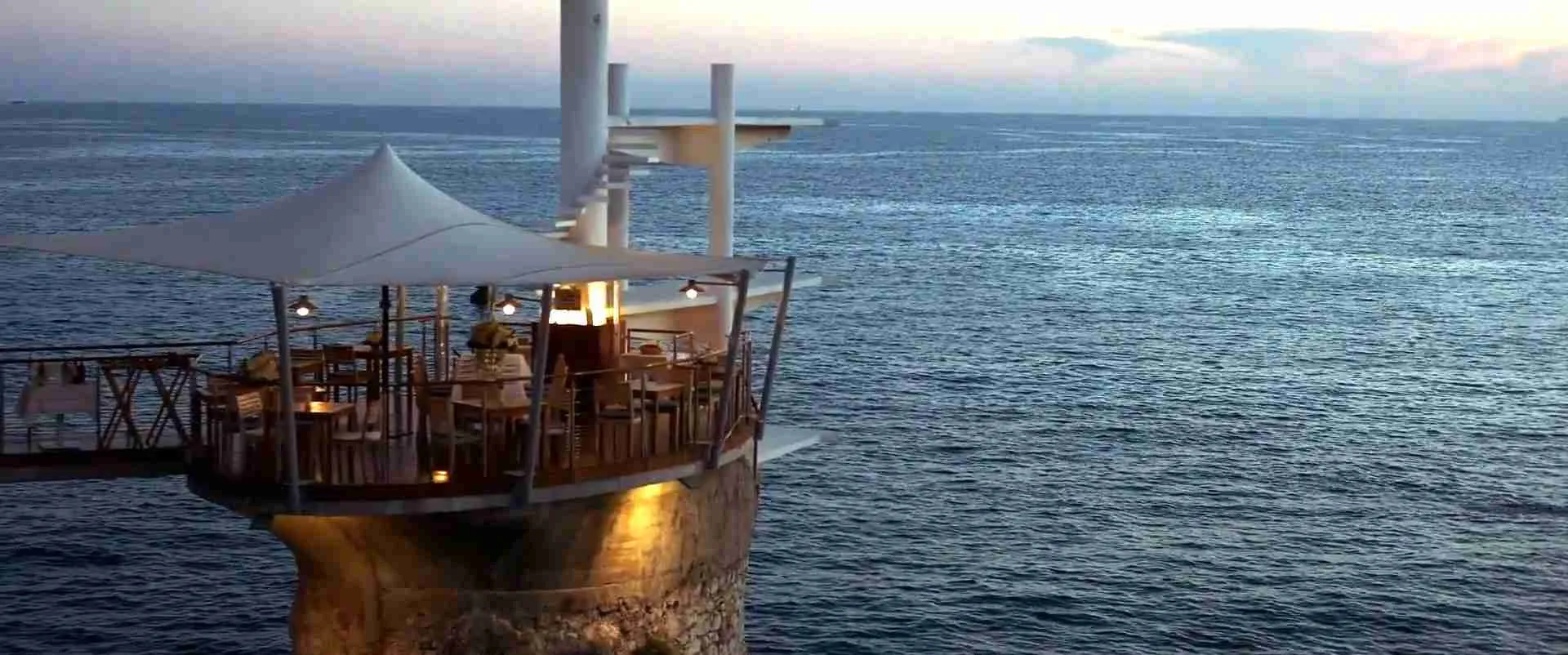
Inverness Food Guide: Highland Cuisine, Whisky & Best Restaurants
Inverness, the Highland capital of Scotland, offers a culinary landscape shaped by centuries of tradition, exceptional local ingredients, and Scotland’s world-renowned whisky heritage. From riverside restaurants serving the freshest Atlantic seafood to cosy pubs offering traditional haggis and neeps, the city blends authentic Highland flavours with contemporary Scottish cuisine. Whether sampling single malt whiskies at historic distilleries or discovering modern interpretations of classic dishes, Inverness provides food experiences that reflect both Highland tradition and culinary innovation.
Key Takeaways: Inverness Food Culture
- Highland Culinary Heritage: Inverness cuisine centres on locally-sourced ingredients including Scottish salmon, Highland beef, venison, langoustines, and seasonal produce from nearby farms and waters. Traditional dishes like Cullen skink, haggis, and cranachan appear alongside contemporary interpretations in the city’s restaurants.
- Whisky Capital Positioning: As gateway to Scotland’s whisky regions, Inverness provides access to renowned distilleries including Tomatin, Glen Ord (The Singleton), and Uilebheist — the first distillery built in the city in over 130 years. The Malt Room whisky bar stocks over 350 single malts representing all Scottish whisky regions.
- Restaurant Scene Diversity: The Victorian Market food hall anchors casual dining with multiple vendors under one restored roof, while riverside establishments like The Mustard Seed (converted church), River House (seafood specialist), and Rocpool offer elevated dining experiences featuring seasonal Scottish menus.
- Seasonal Ingredient Focus: Top Inverness restaurants emphasise traceability and seasonality, with establishments like Café 1 raising their own Hebridean lamb and Highland beef on Black Isle farms. Game meats including venison, pheasant, and grouse feature prominently during autumn and winter months.
- Traditional Scottish Breakfast Culture: Full Scottish breakfasts include distinctive elements like tattie scones (potato flatbreads), black pudding, white pudding, and Lorne sausage alongside eggs, bacon, and beans. Scottish porridge made with oats and salt (not sugar) remains a breakfast staple throughout the Highlands.
- Coastal Seafood Excellence: Inverness restaurants showcase Scotland’s exceptional seafood including Shetland scallops, west coast langoustines, smoked haddock, Atlantic salmon, and rope-grown mussels. River House offers dedicated oyster hours with freshly shucked oysters at reduced prices.
People Also Ask About Inverness Food and Dining
What Are the Traditional Highland Dishes to Try in Inverness?
Traditional Highland dishes available throughout Inverness include haggis (sheep’s pluck with oats, onions, and spices), Cullen skink (creamy smoked haddock soup with potatoes), Scottish salmon (poached, grilled, or smoked), venison (from Highland red deer), neeps and tatties (mashed turnips and potatoes), cranachan (whisky-soaked oats with cream and raspberries), and Scotch broth (barley soup with root vegetables and lamb). The Mustard Seed, Café 1, and Castle Tavern all feature comprehensive traditional menus alongside contemporary Scottish cuisine. Black pudding from Stornoway appears on breakfast menus and as an accompaniment to scallops in fine dining establishments.
Which Whisky Distilleries Can Be Visited from Inverness?
Inverness provides direct access to multiple whisky distilleries within 30 minutes’ drive. Uilebheist Distillery operates in central Inverness along the River Ness, offering tours and tastings of other Scottish whiskies while their own spirit matures. Glen Ord Distillery (The Singleton), located 15 miles north, recently completed major refurbishment and provides comprehensive whisky experiences including warehouse cask sampling. Tomatin Distillery sits 16 miles south in the Monadhliath Mountains, offering multiple tour levels and rare cask-filling opportunities. Glenmorangie and Balblair distilleries operate along the eastern coast within one hour’s drive, while Speyside’s concentration of distilleries (Glenfiddich, Glenlivet, Macallan) lies 90 minutes south.
Where Are the Best Restaurants for Scottish Seafood in Inverness?
River House on Huntly Street specialises exclusively in fresh fish and shellfish from Scottish waters, offering Shetland scallops, langoustines, oysters, mussels, sea bass, and daily fish stew. The restaurant features dedicated oyster hours each afternoon with freshly shucked oysters at reduced prices. The Mustard Seed includes Scottish salmon, lemon sole, and seafood specials in its riverside location. Fig & Thistle showcases seasonal seafood alongside Highland meats in daily rotating specials. For traditional preparations, Castle Tavern and Number 27 serve classic fish and chips using North Sea haddock in beer batter. The Victorian Market food hall includes seafood vendors offering fresh catches and prepared dishes for casual dining.
What Makes Inverness Different from Other Scottish Food Destinations?
Inverness occupies a unique culinary position as Highland capital with direct access to both coastal seafood and inland game, straddling multiple Scottish food regions. The city combines traditional Highland preparations with contemporary Scottish cuisine innovation, while its location provides day-trip access to Speyside whisky country, coastal distilleries, and island producers. Unlike Edinburgh or Glasgow’s urban food scenes, Inverness maintains stronger connections to agricultural production, with restaurants sourcing directly from Black Isle farms, west coast fisheries, and Highland estates. The Victorian Market food hall represents Scotland’s food hall renaissance, while Uilebheist Distillery’s 2023 opening ended Inverness’s 130-year distillery absence, creating new culinary tourism opportunities within the city itself.
Extended multi-day tours – 5+ days
Featured Inverness Multi-Day Tour Packages
2 days
2-day Outlander Tour (Small Group)
- ✓ Comprehensive Inverness tour
- ✓ Expert local guides included
- ✓ All accommodation arranged
- ✓ Transportation provided

3 days
From Inverness: 3 Day Lewis, Harris & the Outer Hebrides
- ✓ Comprehensive Inverness tour
- ✓ Expert local guides included
- ✓ All accommodation arranged
- ✓ Transportation provided

6 days
Scotland (13 destinations)
- ✓ Comprehensive Inverness tour
- ✓ Expert local guides included
- ✓ All accommodation arranged
- ✓ Transportation provided
2 days
Loch Ness, Inverness & The Highlands – from Edinburgh
- ✓ Comprehensive Inverness tour
- ✓ Expert local guides included
- ✓ All accommodation arranged
- ✓ Transportation provided
Multi-day tour packages powered by TourRadar. Prices and availability subject to change.
Introduction: Highland Culinary Capital
Food culture in Inverness reflects the city’s position as economic and cultural centre of the Scottish Highlands, where centuries of tradition meet contemporary culinary innovation. The Highland capital’s restaurants draw upon exceptional local resources — Atlantic seafood landed at nearby ports, game from vast Highland estates, beef and lamb from Black Isle farms, and vegetables from market gardens scattered across fertile river valleys. This abundance of quality ingredients has shaped a dining scene that honours Scottish culinary heritage while embracing modern techniques and global influences.
The city’s relationship with food extends beyond restaurant dining to encompass whisky culture, farmers markets, artisan producers, and traditional food events. Inverness serves as gateway to Scotland’s whisky regions, with distilleries producing some of the world’s most prized single malts within short driving distance. The 2023 opening of Uilebheist Distillery — the first new distillery built in Inverness since 1892 — has strengthened the city’s whisky credentials, creating opportunities for distillery experiences within the urban centre itself.
Traditional Highland dishes maintain strong presence on Inverness menus, from haggis served with neeps and tatties to Cullen skink enriched with smoked haddock and cream. Yet the city’s chefs also reinterpret these classics, creating dishes that respect tradition while incorporating contemporary techniques and presentations. This balance between preservation and innovation characterises Inverness’s culinary identity, making it a destination where visitors encounter authentic Highland flavours alongside Scotland’s evolving food culture.
The Victorian Market’s transformation into a vibrant food hall demonstrates Inverness’s commitment to accessible, diverse dining. Under one beautifully restored roof, vendors offer everything from traditional Scottish dishes to Mexican-influenced cuisine, fresh seafood to artisan baking. This democratic approach to food — where quality matters more than formality — reflects Highland hospitality traditions while accommodating modern dining preferences and dietary requirements.
Seasonal eating patterns shape Inverness restaurant menus throughout the year. Spring brings the first lamb from Highland flocks and wild garlic from riverside woodlands. Summer delivers raspberries for cranachan, fresh salmon runs, and langoustines from west coast waters. Autumn introduces game season with venison, grouse, and pheasant appearing on menus alongside wild mushrooms. Winter embraces hearty preparations — slow-cooked stews, smoked fish soups, and warming puddings that sustain against Highland weather.
Understanding Inverness food culture requires recognising how geography, history, and climate have shaped Highland cuisine. The region’s cool, wet climate favoured hardy crops like oats and root vegetables while limiting fruit cultivation. Vast uninhabited landscapes supported game populations and sheep farming rather than intensive agriculture. Long preservation traditions — smoking, salting, drying — emerged from practical necessity in isolated communities. These historical patterns continue influencing contemporary Highland cuisine, even as modern transportation and refrigeration expand ingredient availability.
Traditional Highland Dishes and Scottish Cuisine Fundamentals
Highland cuisine rests upon ingredients that thrive in Scotland’s temperate maritime climate and rugged geography. Oats form the foundation of numerous traditional dishes, from morning porridge to haggis filling, oatcakes, and cranachan. Scottish porridge differs fundamentally from international versions through its savoury preparation — rolled oats cooked with water and pinch of salt, never sugar. This breakfast staple sustained Highland communities for centuries, providing slow-releasing energy for physical labour in harsh conditions.
Haggis represents Scotland’s most famous culinary export despite its humble origins as peasant food. The dish combines sheep’s pluck (heart, liver, lungs) with oats, onions, suet, and spices, traditionally encased in sheep’s stomach. Modern preparations use synthetic casings while maintaining authentic flavour profiles. Inverness restaurants serve haggis in multiple forms — traditional presentations with neeps (mashed turnips) and tatties (mashed potatoes), haggis bon bons as appetisers, haggis-stuffed chicken, and contemporary fusion dishes like haggis pakora. Vegetarian haggis using beans, vegetables, and spices has become widely available, allowing broader access to this cultural icon.
Cullen skink occupies revered status in Scottish cuisine as the definitive smoked fish soup. Originating in the fishing village of Cullen on the Moray Firth coast northeast of Inverness, this creamy soup combines smoked haddock, potatoes, onions, and milk or cream. Quality versions use Finnan haddie (cold-smoked haddock from Findon) or Arbroath smokies (hot-smoked haddock), creating rich, smoky depth. The soup’s thick, hearty consistency makes it ideal starter or light meal, particularly during cooler months. Inverness restaurants including The Mustard Seed and traditional pubs serve Cullen skink with crusty bread for dipping.
Scottish salmon holds international prestige as premium seafood product, farmed extensively along Scotland’s west coast and islands. Wild Atlantic salmon runs occur in Highland rivers, though most restaurant salmon comes from carefully managed farms in sea lochs. Preparation methods span poached salmon with hollandaise sauce, pan-seared fillets with seasonal vegetables, cold-smoked salmon for breakfast or appetisers, and hot-smoked salmon flaked into salads. The fish’s firm texture and rich flavour suit multiple cooking techniques while its omega-3 content contributes nutritional value.
Venison from Highland red deer appears on Inverness menus during game season (August through February), though farmed venison extends availability year-round. This lean, flavourful meat typically appears as loin steaks, slow-cooked shoulder, or minced for pies and casseroles. Restaurants pair venison with traditional accompaniments like juniper berries, redcurrant jelly, and root vegetables, or modern preparations featuring whisky reductions and seasonal garnishes. The meat’s popularity reflects Highland landscape management, where deer populations require culling to prevent overgrazing and crop damage.
Neeps and tatties — mashed turnips (swedes) and potatoes — serve as classic accompaniment to haggis and other meat dishes. The turnips (called neeps in Scotland, distinct from white turnips used elsewhere) provide sweetness and bright orange colour when mashed with butter and black pepper. Potatoes mashed separately with cream and butter complete the traditional pairing. Some cooks combine the vegetables into clapshot (Orkney style) by mixing mashed potato, turnip, chives, and butter into single dish.
Black pudding (blood sausage) appears throughout Scottish cuisine, from full breakfast plates to fine dining preparations. Stornoway black pudding from the Isle of Lewis holds Protected Geographical Indication status, distinguished by specific spice blends and production methods. Inverness chefs serve black pudding sliced and grilled for breakfast, crumbled over scallops as flavour contrast, or incorporated into modern Scottish dishes. White pudding — similar preparation using oatmeal, suet, and onions without blood — provides milder alternative on breakfast menus.
Scotch broth represents traditional Highland soup made with barley, root vegetables (carrots, turnips, leeks), and lamb or mutton stock. The barley provides thickness and substance while vegetables add nutrition and flavour. Historically made from tough older sheep meat requiring long cooking, modern versions use lamb shoulder or neck. The soup appears on pub menus throughout Inverness as warming winter dish, often served as starter before main courses.
Cranachan serves as quintessential Scottish dessert, particularly during summer raspberry season. The dish layers whisky-soaked toasted oats, whipped cream, honey, and fresh raspberries in glass or bowl. Some versions incorporate whisky directly into whipped cream rather than soaking oats. The dessert celebrates Scottish ingredients — whisky, oats, heather honey, and berries — in simple preparation that highlights quality components. Restaurants serve cranachan during summer months when Scottish raspberries reach peak ripeness, though frozen fruit extends availability.
Shortbread represents Scotland’s most internationally recognised baked good, made from just three ingredients: butter, sugar, and flour. The biscuit’s crumbly texture and buttery richness come from high butter content and careful handling to prevent gluten development. Traditional shapes include rounds (petticoat tails), fingers, and individually moulded biscuits. Walkers Shortbread from Speyside exports worldwide, while local bakeries in Inverness produce fresh shortbread for afternoon tea service and gift sales. The biscuit pairs particularly well with whisky or strong tea.
Sticky toffee pudding, while not exclusively Scottish, appears ubiquitously on Inverness dessert menus. This moist sponge cake studded with chopped dates gets drenched in warm toffee sauce and served with vanilla ice cream or clotted cream. The dessert’s comfort food appeal and Highland pub associations have made it near-mandatory offering in traditional establishments. Despite uncertain origins (possibly Cumbria or Lancashire), sticky toffee pudding has become Highland dining staple.
Inverness Restaurant Scene: Riverside Dining and Historic Venues
The Mustard Seed occupies a converted church along the River Ness, creating one of Inverness’s most atmospheric dining settings. Floor-to-ceiling windows overlook the river and city centre while original church architecture — high ceilings, stone walls, arched details — provides dramatic backdrop. The restaurant’s seasonal menu emphasises Scottish ingredients in contemporary preparations: teriyaki-glazed Scottish salmon, venison loin with whisky reduction, pan-seared Shetland scallops, and deep-fried Clava brie. The terrace becomes highly sought after during summer months, offering outdoor dining with river views. Reservations prove essential for dinner service, particularly weekends and summer evenings.
River House specialises exclusively in fresh Scottish seafood and shellfish, operating from intimate premises on Huntly Street with River Ness views. The restaurant’s daily-changing menu reflects morning fish market purchases, featuring anchovies, smoked mackerel, pan-seared Shetland scallops, halibut, sea bass, and fish stew combining land and sea ingredients. Afternoon oyster hour offers freshly shucked oysters at reduced prices, attracting seafood enthusiasts and curious newcomers. The restaurant’s small size (limiting table count) and high demand make reservations essential, with seatings limited to two hours per table to accommodate multiple services.
Café 1 on Castle Street demonstrates farm-to-table commitment by raising its own Hebridean lamb and Highland beef at Holly House farm on the Black Isle. The restaurant’s open-plan kitchen allows diners to watch preparations while seasonal menu highlights Scottish produce. Signature dishes include Highland beef with garlic butter and thick-cut chips, Hebridean lamb with seasonal vegetables, and daily specials featuring ingredients from the farm or local suppliers. The dining room maintains casual atmosphere despite high-quality food, with views toward Inverness Castle from front windows. Pricing positions higher than typical Inverness establishments though remains reasonable compared to Edinburgh or Glasgow fine dining.
Rocpool restaurant on Ness Walk offers contemporary Scottish bistro dining across three riverside floors. The frequently changing menu showcases Highland ingredients through modern preparations: Angus beef carpaccio, Speyside venison loin, west coast scallops, and seasonal seafood specials. Vegetarian options appear throughout the menu though seafood and meat dishes dominate. The extensive wine list features Scottish selections alongside international bottles chosen to complement menu flavours. Early dining deals (lunch and early evening) provide two-course or three-course options at reduced prices, making the restaurant accessible for different budgets.
The Victorian Market food hall represents Inverness’s most versatile dining destination, bringing together multiple vendors under one restored Victorian roof. The redeveloped market offers street food, traditional Scottish dishes, seafood, vegan options, international cuisine, artisan baking, and coffee shops. Unlike traditional restaurants requiring reservations and table service, the food hall operates on casual walk-in basis with communal seating areas. Vendors include XOKO (Mexican-influenced plates for lunch and brunch), seafood counters with fresh catches, traditional Scottish food stalls, and international options. The market’s central location and varied offerings make it popular destination for quick meals, casual lunches, and visitors wanting sampling opportunities without formal dining commitment.
Castle Tavern operates as traditional Scottish pub near Inverness Castle, featuring extensive menu of classic pub dishes and popular beer garden. The pub specialises in traditional recipes including haggis bon bons, North Sea haddock and chips, chicken lollipops, barbecue chicken pizza, and macaroni and cheese. The beer garden attracts crowds during sunny days, requiring early arrival to secure outdoor tables. The pub’s location near major hotels and shopping areas makes it convenient stop for casual meals, while late hours accommodate after-work crowds and evening diners. The menu balances Scottish classics with international pub favourites at moderate prices.
Number 27 bar and restaurant combines classic Scottish dishes with extensive beverages list in location adjacent to live music venue. Menu highlights include beer-battered fish and chips, slow-cooked braised lamb rump, Highland chicken with Parma ham, and traditional sides. The restaurant attracts pre-show diners heading to nearby entertainment venues while also serving neighbourhood regulars seeking reliable Scottish cooking. The bar stocks wide selection of whiskies, local beers, and cocktails alongside wine list. Casual atmosphere and moderate pricing position the establishment as everyday dining option rather than special occasion destination.
Fig & Thistle on Stephen’s Brae Street (behind Eastgate Shopping Center) offers modern interpretations of traditional Scottish recipes using quality local produce. The restaurant’s commitment to seasonal ingredients appears in daily rotating specials featuring market-fresh finds alongside core menu items. Walking distance from city centre attractions makes it convenient lunch or dinner stop during sightseeing days. The restaurant combines contemporary décor with Scottish touches, creating environment equally suitable for business meals or casual dining. Prices reflect ingredient quality and central location while remaining accessible for regular dining.
La Tortilla Asesina holds distinction as Scotland’s oldest tapas bar, operating since 2003 and establishing itself among Inverness’s most popular restaurants. The establishment developed unique selection of paellas including classic Spanish preparations and original local variations incorporating Scottish ingredients. The extensive tapas menu allows diners to construct meals from multiple small plates or use tapas as starters before paella mains. The restaurant offers delivery service extending its reach beyond walk-in customers. Spanish wine list and sherry selection complement the Mediterranean-focused menu in this unexpected Highland outpost.
Aspendos brings Mediterranean and Turkish cuisine to central Inverness, offering alternatives to Scottish-focused establishments. The restaurant serves authentically prepared Turkish and Mediterranean dishes including kebabs, mezes, grilled meats, and vegetarian options. The stylish dining room and commitment to authentic flavours have built following among locals seeking international cuisine. The restaurant’s spice-forward preparations provide contrast to traditional Highland cooking while maintaining emphasis on quality ingredients and careful preparation. Moderate pricing and generous portions make it popular choice for groups and families.
Whisky Culture: Distilleries, Tasting Experiences, and Whisky Bars
Uilebheist Distillery opened in 2023 along the River Ness as first new distillery built in Inverness since 1892. This modern, low-carbon facility combines craft brewery and distillery operations, using advanced copper stills from renowned German manufacturer Kaspar Schulz. The distillery produces both single malt whisky (requiring three years minimum aging before release) and craft beers using locally grown barley, Scottish oats, and River Ness water. Tours operate daily, offering visitors opportunities to observe whisky production methods while tasting other Scottish whiskies and Uilebheist’s craft beers. Special experiences include whisky-and-cheese pairings, whisky-and-chocolate tastings, and educational sessions on distillation science. The on-site restaurant provides full dining alongside tours and tastings.
Glen Ord Distillery (The Singleton brand) operates 15 miles north of Inverness following major visitor centre refurbishment completed recently. The distillery produces The Singleton single malt whisky range, known for balanced, approachable character suitable for newcomers and enthusiasts. Tours range from standard distillery visits with tastings to premium experiences including warehouse cask sampling and rare expression tastings. The exclusive “Malt to Task” tour (Thursday mornings, eight-person maximum) provides access to on-site drum maltings, guided distillery exploration, personal cask sampling, and tutored tasting of unique Singleton expressions. Advance booking proves essential for all experiences, particularly specialty tours with limited capacity.
Tomatin Distillery sits 16 miles south of Inverness in sheltered Monadhliath Mountains, producing whisky since 1897. The distillery creates soft-character single malts with fruit notes alongside contributions to famous blends including J&B, Chivas Regal, and Johnnie Walker. Multiple tour options accommodate different interest levels, from basic Legacy Tour (distillery visit plus three single malt tastings) to comprehensive experiences exploring production methods and warehouse operations. The distillery’s rare cask-filling opportunity allows visitors to bottle whisky directly from cask, creating personalised souvenirs. Tours operate seven days weekly from mid-morning to mid-afternoon, with advance booking recommended particularly during summer and weekends.
Glenmorangie Distillery overlooks the Dornoch Firth approximately 40 minutes north of Inverness, renowned for Scotland’s tallest copper stills (height of adult giraffe). These unusually tall stills produce particularly pure, fruity spirit that forms Glenmorangie’s signature character. The distillery pioneered cask finishing techniques, aging whisky in bourbon barrels before transferring to port, sherry, or wine casks for final maturation. Tours include standard distillery visits and two tasting experiences — Classic (core range) and Innovator (wider selection including limited releases). The coastal location and historic facility make Glenmorangie popular destination combining whisky education with scenic Highland landscapes.
Balblair Distillery operates along the eastern coast near Edderton, established 1790 as one of Scotland’s oldest distilleries. The remote hillside location overlooking Dornoch Firth provides ideal environment for whisky production using water from Allt Dearg burn. Traditional production methods combined with quality ingredients create distinctive single malt expressions. The distillery offers various experiences, with “The Balblair Definitive Experience” catering to serious enthusiasts through comprehensive tastings and production insights. The coastal setting and historic character attract visitors seeking authentic Highland distillery atmosphere away from heavily touristed locations.
Dalwhinnie Distillery sits approximately one hour south of Inverness at Scotland’s highest altitude for operational visitor centre (355 metres above sea level). The distillery produces Highland single malt known for heather honey, citrus, and vanilla notes, positioned within stunning Cairngorms National Park scenery. Dalwhinnie pioneered whisky-and-chocolate pairings, matching different expressions with selected chocolates to enhance flavour perception. Standard tours include 45-minute distillery visits with tastings, while premium experiences explore production methods in greater depth. The remote mountain location and dramatic landscape make Dalwhinnie ideal addition to Cairngorms National Park visits.
Highland Malt Whisky Experience operates at MacGregors Bar in central Inverness six evenings weekly (Sunday through Friday) from mid-April through mid-October. This hosted tasting event showcases Highland single malts from distilleries including Glenmorangie, The Dalmore, Tomatin, Glen Ord, Dalwhinnie, Balblair, and Clynelish. The experience combines whisky tasting with Scottish history, legend, and traditional music, creating entertainment beyond pure spirits education. The evening format allows visitors to sample multiple Highland expressions without requiring distillery visits, making it convenient option for those with limited time or preferring urban setting.
The Malt Room represents Inverness’s first dedicated whisky bar, stocking over 350 single malt whiskies spanning all six Scottish whisky regions plus bourbon and rye selections. The bar’s knowledgeable staff provide guidance through extensive collection, helping newcomers identify approachable drams while assisting enthusiasts in discovering rare expressions. Private tasting events and whisky gig nights (combining music with spirits) create regular programming beyond standard bar service. The intimate, cosy space encourages conversation and exploration rather than rushed drinking. The Malt Room’s central location makes it accessible evening destination following dinner or as dedicated whisky-focused outing.
Ness Walk Hotel offers self-guided whisky flight experiences in riverside setting with stunning views. The hotel’s bar team has curated multiple flight collections representing different whisky styles: local drams from nearby distilleries, coastal expressions, Islay peated malts, and North Coast 500 selections. Guests book specific time slots to enjoy flights at their own pace in leather armchairs with whisky collection backdrop. Optional guided experiences provide expert commentary on each dram. The flights accommodate up to six guests, with larger groups requiring direct booking. The elegant environment and flexible timing attract both hotel guests and local whisky enthusiasts.
Speyside whisky region sits approximately 90 minutes south of Inverness, concentrating nearly half of Scotland’s distilleries in compact area. The Malt Whisky Trail connects eight distilleries open to public — Glenfiddich, Glenlivet, Macallan, Glen Grant, Cardhu, Benromach, Glenfarclas, and Strathisla — alongside Speyside Cooperage (barrel-making facility). Day trips from Inverness typically visit two or three distilleries, with guided tours eliminating designated driver requirement. Speyside whiskies generally demonstrate elegant, complex character with fruit notes and delicate profiles, contrasting with smokier island whiskies or robust Highland expressions. Multiple tour operators offer Speyside trips from Inverness, ranging from small group tours to private luxury car experiences.
Seafood and Coastal Ingredients in Highland Cuisine
Scottish seafood excellence stems from cold, clean Atlantic waters and careful harvesting practices. Shetland scallops from northern waters represent premium product prized by Inverness restaurants for sweet flavour and tender texture. Hand-dived scallops command premium prices due to selective harvesting that avoids seabed damage and ensures only mature scallops reach market. Pan-seared preparations showcase scallop quality with minimal intervention — seared briefly in hot pan, served with simple accompaniments like pea purée, crispy pancetta, or black pudding crumb.
West coast langoustines (also called Dublin Bay prawns or Norway lobsters) thrive in sea lochs along Scotland’s western seaboard and Hebrides islands. These sweet, delicate crustaceans require careful handling and quick transport to maintain freshness. Restaurants serve langoustines whole (grilled or boiled), shelled in pasta dishes, or featured in seafood platters. Peak season runs spring through autumn, though availability extends year-round from deeper waters. The langoustine’s premium positioning makes it special occasion choice rather than everyday dining option.
Smoked haddock appears throughout Scottish cuisine in multiple preparations. Cold-smoked haddock (Finnan haddie) provides the foundation for Cullen skink while also appearing poached in milk for traditional breakfast dishes or kedgeree. Hot-smoked Arbroath smokies deliver more intense smoky flavour and firmer texture, served whole or flaked into salads and fish cakes. The smoking process preserves fish while adding complexity, transforming fresh haddock into distinctive ingredient with historical roots in coastal preservation techniques.
Oysters from Scottish waters reach Inverness restaurants daily, primarily from west coast and island farms. River House’s dedicated oyster hour showcases freshly shucked oysters at accessible prices, introducing newcomers to raw oyster consumption while providing regular option for enthusiasts. Oysters appear with traditional accompaniments — lemon wedges, shallot vinegar, Tabasco — allowing pure flavour appreciation. Some restaurants incorporate oysters into cooked preparations, though raw consumption on half-shell remains preferred format for quality specimens.
Mussels cultivated on ropes in west coast waters provide sustainable, flavourful option appearing on menus year-round. Traditional preparation features mussels steamed with white wine, garlic, and herbs, served with crusty bread for soaking aromatic broth. The mussels’ plump, sweet flesh and clean flavour reflect Scotland’s pristine marine environment. Casual establishments serve “pints of mussels” — generous portions in bowl with bread — as accessible introduction to shellfish dining at moderate prices.
Atlantic salmon farming concentrates along Scotland’s west coast and island sea lochs, producing fish exported globally. While wild salmon receives greater prestige, farmed salmon provides consistent quality year-round at accessible prices. Responsible farming practices including lower stocking densities and antibiotic restrictions have improved farmed salmon quality in recent decades. Inverness restaurants feature salmon in multiple preparations: whole sides poached for buffets, individual fillets pan-seared or grilled, cold-smoked for breakfast and appetisers, hot-smoked for flaking into salads and terrines. The fish’s versatility, nutritional profile, and Scottish identity maintain its menu prominence.
Monkfish from Scottish waters provides firm, meaty white fish suitable for robust preparations. The fish’s texture holds up in curries, stews, and pasta dishes where flakier species would disintegrate. Restaurants pair monkfish with bold flavours — chorizo, tomatoes, saffron — that complement rather than overwhelm the fish. The tail provides virtually boneless meat, making it user-friendly option for diners cautious about fish bones. Monkfish availability fluctuates seasonally, appearing as special when available rather than permanent menu fixture.
Crab and lobster from Scottish waters appear on upscale Inverness menus, though local availability depends on coastal proximity. Brown crab provides white claw meat and rich brown body meat for different applications — white meat in salads and cocktails, brown meat in pâtés and dressed preparations. Lobster typically appears whole (boiled or grilled), in thermidor preparations, or featured in luxury seafood platters. Both species command premium prices reflecting limited supply and labour-intensive preparation, positioning them as special occasion choices.
Game Meats and Highland Farming Traditions
Venison from Highland red deer represents Scotland’s most significant wild game resource. Deer populations require management through controlled culling to prevent habitat damage and crop losses, making venison both sustainable and necessary. The lean, flavourful meat contains less fat than beef while providing rich, distinctive taste. Restaurants serve various cuts — tender loin and haunch steaks cooked rare to medium, tougher shoulder and neck slow-braised for tenderness, minced venison in pies and casseroles. Traditional accompaniments include juniper berries (echoing deer’s woodland diet), redcurrant jelly (providing sweetness against rich meat), root vegetables, and game chips. Modern preparations incorporate whisky reductions, chocolate notes, or fruit compotes.
Game season runs August through February, when grouse, pheasant, partridge, and other wild birds appear on Inverness menus. Grouse shooting’s August 12th opening (the “Glorious Twelfth”) marks British food calendar annually, with first grouse reaching restaurants within hours of harvest. The small birds provide intense gamey flavour and dark meat, typically roasted whole and served with bread sauce, game chips, and watercress. Pheasant offers milder game flavour in larger portions, suitable for roasting or braising. Wild duck, woodcock, and other species appear based on seasonal availability and chef preferences.
Highland beef comes from traditional breeds including Highland cattle (shaggy, long-horned, hardy) and Aberdeen Angus (black, hornless, renowned for marbling). These breeds thrive in Scotland’s climate and terrain, producing beef with distinctive flavour from grass-based diets and outdoor rearing. Café 1’s commitment to raising its own Highland beef demonstrates some restaurants’ dedication to complete supply chain control. The beef’s marbling provides tenderness and flavour while grass feeding contributes nutritional benefits and environmental sustainability compared to grain-finished alternatives.
Hebridean lamb and Highland sheep produce meat distinct from lowland breeds through diet, climate exposure, and genetics. Island lamb grazes on herb-rich machair grassland and seaweed-influenced pastures, contributing unique flavour notes. The animals’ slower growth in harsh conditions produces denser meat with concentrated flavour. Restaurants feature lamb in multiple preparations — rack of lamb with herb crust, slow-cooked shoulder with root vegetables, lamb shank braised in whisky and stock, minced lamb in shepherd’s pie. Spring lamb (tender, mild) contrasts with mature mutton (stronger flavour, requiring slow cooking), both finding places in traditional Highland cooking.
Casual Dining, Cafés, and Quick Meals in Inverness
The Victorian Market food hall provides Inverness’s most diverse casual dining under one roof. The restored Victorian building houses multiple food vendors representing different cuisines and price points. XOKO delivers Mexican-influenced plates focusing on bold, flavour-packed preparations for lunch and brunch crowds. The casual, buzzing atmosphere attracts locals and visitors seeking quick meals without table service formality. Other vendors cover traditional Scottish food, international street food, artisan baking, and specialty coffee. The communal seating arrangement encourages social interaction and sampling from multiple vendors during single visit.
Birch café offers expertly brewed coffee using beans from Skye roasters alongside pastries and unfussy sourdough-style breakfast dishes. The café’s focus on quality coffee and simple, well-executed food appeals to morning crowds seeking substantial breakfast or mid-morning refreshment. The casual environment suits laptop workers, meeting friends, or quick stops during shopping excursions. Prices remain moderate while ingredient quality and preparation standards meet contemporary café culture expectations.
Rendezvous Café has built reputation for best breakfast in Inverness through generous portions and movie star memorabilia décor. The quirky, fun atmosphere combines with excellent food offerings including Full Scottish Breakfast — eggs, bacon, sausages, black pudding, white pudding, tattie scones, baked beans, mushrooms, and tomatoes. The substantial meal provides fuel for sightseeing days while introducing visitors to Scottish breakfast traditions. The café’s popularity creates queues during peak breakfast hours, particularly weekends and summer mornings.
Black Isle Brewery operates restaurant and bar serving wood-fired pizzas featuring local ingredients alongside their craft beer selection. The venison salami pizza showcases Highland game in unexpected format, demonstrating creative use of regional ingredients in contemporary preparations. The brewery’s commitment to organic ingredients and traditional brewing methods aligns with Scotland’s growing artisan food and drink movement. The casual dining format and moderate prices position it as everyday option rather than special occasion destination, with beer garden providing outdoor seating during favourable weather.
Dores Inn occupies scenic location on Loch Ness shore, offering traditional pub food with spectacular views. The establishment’s fish and chips receives particular praise, serving North Sea haddock in crispy batter with proper chips. The waterside setting creates destination atmosphere despite simple pub menu, with outdoor seating providing Loch Ness panoramas. The location approximately 15 minutes from Inverness makes it popular lunch stop during Loch Ness excursions or afternoon drive destination. Staff friendliness and welcoming atmosphere enhance the experience beyond food quality alone.
Breakfast Culture and Scottish Morning Traditions
Full Scottish Breakfast represents substantial morning meal designed to sustain physical labour through Highland day. The plate typically includes two eggs (fried or scrambled), multiple rashers of bacon, pork or Lorne sausage (square sliced sausage), black pudding, white pudding, tattie scones (potato flatbreads griddled until crispy), baked beans, grilled mushrooms, and grilled tomatoes. Some establishments add haggis slices or smoked haddock for comprehensive Scottish breakfast experience. The generous portions reflect agricultural traditions where farm workers needed substantial energy before long workdays.
Tattie scones distinguish Scottish breakfast from English equivalents through these potato-based flatbreads. Made from mashed potato, flour, and butter, the scones get griddled on both sides until golden and crispy. Their slightly chewy texture and potato flavour provide different element from toast or regular scones. Tattie scones soak up egg yolk effectively while adding carbohydrate substance to breakfast plate. The preparation demonstrates Scottish resourcefulness in utilising leftover mashed potato in new format.
Scottish porridge preparation differs fundamentally from international versions through savoury approach. Traditional recipes use rolled oats cooked with water and pinch of salt, never sugar. The salt enhances oat flavour rather than creating sweet porridge associated with instant varieties. Proper Scottish porridge requires slow cooking with regular stirring to achieve smooth, creamy consistency without lumps. Contemporary variations allow personal customisation with toppings — honey, fresh berries, nuts, cream — though purists maintain that salt-only preparation represents authentic Highland tradition. The slow-release carbohydrates provide sustained energy, explaining porridge’s historical importance in Highland diet.
Kippers (split, smoked herring) appear on traditional Scottish breakfast menus, offering alternative protein to bacon and sausage. The intensely smoky fish provides distinctive flavour that polarises diners — enthusiasts appreciate the strong character while newcomers may find it overwhelming. Kippers typically come grilled or poached, served with butter and lemon. The fish requires careful deboning during eating, creating more involved breakfast experience than simpler proteins. Some restaurants offer Arbroath smokies (hot-smoked haddock) as milder smoked fish option for breakfast plates.
Eggs in Scottish breakfast preparations follow English traditions — fried, scrambled, or poached based on preference. Black pudding slices get griddled until crispy exterior forms while interior remains soft. White pudding (oatmeal, suet, onions without blood) provides milder alternative for those avoiding black pudding. Lorne sausage’s square shape allows easy sandwich construction or neat plate arrangement, distinguishing it from round link sausages. The complete assembly creates plate requiring substantial appetite and time to consume, positioning full Scottish breakfast as weekend treat or special occasion meal rather than weekday routine.
Scottish Desserts, Baking, and Sweet Traditions
Cranachan represents quintessential Scottish dessert celebrating Highland ingredients in simple preparation. The dish layers whisky-soaked toasted oats, whipped cream sweetened with honey, and fresh raspberries. Some versions incorporate whisky directly into cream rather than soaking oats, while others add toasted almonds for textural contrast. Traditional preparation served the dessert in communal bowl with components separated, allowing diners to mix according to preference. Modern restaurant presentations use individual glasses or bowls with layered components creating visual appeal. The dessert appears primarily during summer raspberry season (June through September) when Scottish berries reach peak ripeness, though frozen fruit extends availability year-round.
Sticky toffee pudding dominates Inverness dessert menus despite uncertain Scottish origins. The moist date sponge gets drenched in warm toffee sauce and served with vanilla ice cream, clotted cream, or custard. The pudding’s intensely sweet, rich character provides comfort food appeal that resonates with Highland pub culture. Some restaurants add whisky to toffee sauce for Scottish twist, while others incorporate salted caramel notes or serve with whisky ice cream. The dessert’s ubiquity on traditional restaurant menus reflects its crowd-pleasing nature and ability to satisfy sweet cravings after hearty Highland meals.
Shortbread maintains position as Scotland’s most famous baked export, found in gift shops, bakeries, and restaurant dessert menus throughout Inverness. Traditional recipes use one part sugar, two parts butter, three parts flour — no eggs, no leavening, no additional flavourings. The high butter content creates crumbly, melt-in-mouth texture while simple ingredient list allows butter quality to shine. Walkers Shortbread from nearby Speyside represents internationally recognised brand, though local bakeries produce fresh shortbread with variations including chocolate chips, lavender, or citrus zest. Shortbread pairs exceptionally with whisky or strong tea, making it popular afternoon accompaniment or post-dinner petit four.
Dundee cake originates in the city of Dundee but appears throughout Scotland including Inverness bakeries and tea rooms. The rich fruit cake distinguishes itself through whole blanket of almonds covering the top surface and inclusion of Seville orange marmalade in batter. The cake contains sultanas, currants, and candied peel mixed into buttery base, creating dense texture and complex fruit flavours. Unlike heavily decorated celebration cakes, Dundee cake’s simple almond topping and rustic appearance reflect practical Scottish baking traditions. The cake improves with age as flavours meld, making it suitable for advance preparation and gifting.
Tablet represents Scottish confection similar to fudge but harder and more granular in texture. Made from sugar, condensed milk, and butter boiled to precise temperature, tablet’s characteristic crumbly-yet-smooth texture comes from beating mixture as it cools. The intense sweetness and buttery richness make tablet popular gift item and nostalgic treat for Scots. Flavour variations include vanilla (classic), whisky, tablet with sea salt, or chocolate coating. Inverness sweet shops and farmers markets stock locally made tablet, with some producers offering multiple flavours and gift packaging.
Clootie dumpling derives its name from “cloot” (cloth) used for steaming this traditional pudding. The dense, dark fruit pudding contains dried fruits, spices, treacle, and suet, wrapped in cloth and boiled or steamed for several hours. The exterior develops characteristic skin during cooking, which gets crisped in oven before serving. Traditionally associated with celebrations and special occasions, clootie dumpling appears on Inverness restaurant dessert menus particularly during winter months. Served warm with custard or cream, the pudding provides substantial, warming dessert suitable for cold Highland evenings.
Farmers Markets, Artisan Producers, and Local Food Sources
Farmers markets across the Highlands region provide direct access to local producers, with markets typically operating monthly or bi-weekly in towns including Inverness. These markets bring together farmers, growers, bakers, cheesemakers, and artisan food producers selling directly to consumers. Offerings include freshly cured Scottish cheeses from Highland dairies, boutique-brewed craft beers and spirits, quality meats from local farms, homemade breads and preserves, seasonal vegetables from market gardens, and handcrafted arts and crafts. The markets create opportunities for consumers to meet producers, learn about production methods, and purchase ingredients unavailable in standard retail channels.
Black Isle farms and food producers contribute significantly to Inverness restaurant supply chains. The fertile peninsula north of the city supports mixed farming including livestock rearing, vegetable production, and specialist crops. Café 1’s Holly House farm exemplifies direct farm-to-restaurant connection, with the establishment raising its own Hebridean lamb and Highland beef specifically for restaurant service. This vertical integration ensures consistent supply of known-provenance meat while allowing precise control over animal welfare and feeding regimes. Other Black Isle producers supply vegetables, dairy products, and specialty items to Inverness restaurants prioritising local sourcing.
Highland Fine Cheeses near Tain produces award-winning Scottish cheeses including Morangie Brie (cow’s and sheep’s milk brie-style cheese) and Caboc (Scotland’s oldest cheese, double-cream cheese rolled in toasted oats). These artisan cheeses appear on Inverness restaurant cheese boards and in prepared dishes, showcasing Scottish dairy excellence. The company’s commitment to traditional methods and quality milk creates products competing with French and Italian cheese traditions while maintaining distinctive Scottish character.
Speyside cooperage operations produce the oak casks essential for whisky maturation, representing crucial element in Scottish whisky industry. Tours of cooperage facilities demonstrate skilled coopers crafting and repairing barrels using centuries-old techniques. Understanding cooperage craft enhances appreciation for whisky’s complexity, as wood choice, barrel treatment, and previous contents significantly influence final spirit character. Some whisky tours from Inverness incorporate cooperage visits, providing comprehensive view of whisky production from grain to glass.
Artisan bakeries throughout Inverness produce traditional Scottish baked goods alongside contemporary breads and pastries. Oatcakes (crisp oat biscuits), bannocks (flatbreads), morning rolls (soft white rolls), and Scotch pies (double-crusted meat pies) represent traditional items found in Highland bakeries. Contemporary offerings include sourdough breads, artisan pastries, and specialty items reflecting current baking trends. Local bakeries supply restaurants, cafés, and direct consumers, maintaining bread-making traditions while adapting to evolving tastes.
Seasonal Eating Patterns and Highland Food Calendar
Spring in the Highlands brings first lamb from flocks lambed in March and April, providing tender, mild-flavoured meat for Easter celebrations and spring menus. Wild garlic carpets riverside woodlands during April and May, foraged by restaurants for pestos, soups, and garnishes. Sea vegetables including sea lettuce and dulse become accessible during spring tides, used by innovative chefs exploring coastal flavours. Rhubarb from Highland gardens appears in desserts and preserves, its tart flavour balanced with sugar or honey. Spring seafood includes langoustines from west coast waters and first salmon runs in Highland rivers.
Summer represents peak season for Scottish produce, particularly soft fruits. Raspberries achieve perfect ripeness during June through August, forming essential component of cranachan and appearing in pavlovas, tarts, and preserves. Strawberries, tayberries (raspberry-blackberry hybrid), and gooseberries follow, creating abundant soft fruit period for desserts and preserves. Wild mushrooms emerge in woodlands during late summer, foraged for restaurant specials. Salad greens and herbs from Highland gardens reach peak production, featured in fresh preparations. Summer also brings tourist season, with restaurant demand peaking and outdoor dining becoming viable in favourable weather.
Autumn marks game season opening with grouse shooting on August 12th, followed by pheasant, partridge, and venison throughout September and October. This wild harvest appears prominently on restaurant menus, with game featured in traditional preparations and modern interpretations. Wild mushrooms continue through autumn, with varieties including chanterelles, ceps, and field mushrooms. Apples from Highland orchards reach maturity for desserts, cider production, and preserves. Root vegetables — turnips, carrots, parsnips — begin harvest, forming foundation of autumn and winter dishes. Autumn represents abundance period before winter scarcity, historically critical for preservation and winter preparation.
Winter in Highlands relies heavily on preserved, stored, and hearty ingredients suited to cold conditions. Slow-cooked stews featuring beef, lamb, or game provide warming meals against harsh weather. Smoked fish — haddock, salmon, mackerel — demonstrates traditional preservation techniques while offering flavourful protein sources. Root vegetables from storage feature in soups, roasts, and sides. Citrus fruits absent from Scottish production become valued imports for brightening winter menus. Traditional winter celebrations including Christmas and Hogmanay (New Year’s Eve) feature special foods — roasted meats, rich puddings, whisky-based drinks — that punctuate dark, cold months with festive abundance.
Dietary Accommodations and Modern Food Considerations
Vegetarian options have expanded significantly across Inverness restaurants, moving beyond token salads to comprehensive plant-based menus. Traditional dishes adapt well to vegetarian interpretation — vegetable Cullen skink using smoked tofu or cheese replaces haddock, vegetarian haggis combines beans and vegetables with traditional spices, mushroom-based preparations substitute for game in pies and stews. Contemporary restaurants including XOKO and The Victorian Market vendors offer vegetarian-focused menus reflecting growing demand for plant-based dining. However, traditional Scottish cuisine’s heavy reliance on meat and fish means vegetarian diners still face more limited choices at conventional Highland establishments compared to plant-based-forward venues.
Vegan dining presents greater challenges in Inverness given Scottish cuisine’s traditional dependence on dairy, eggs, and meat. Progressive restaurants have developed vegan offerings including plant-based haggis, dairy-free cranachan using coconut cream, and vegetable-based versions of traditional dishes. The Victorian Market’s diverse vendors include some focusing specifically on vegan preparations. Coffee shops and cafés generally stock plant-based milk alternatives for beverages. However, vegans dining in traditional Scottish restaurants may find limited options beyond sides and salads, making advance research and restaurant selection important for satisfactory dining experiences.
Gluten-free requirements receive increasing accommodation as coeliac awareness grows. Many restaurants indicate gluten-free options on menus or adapt dishes upon request. Scottish cuisine includes naturally gluten-free elements — fish and shellfish, game and meat, potatoes, vegetables — that form foundation for gluten-free meals. However, traditional preparations often incorporate flour or oats (oatcakes, haggis, battered fish), requiring modification. Dedicated gluten-free bakeries remain rare in Inverness, though some cafés offer gluten-free baked goods. Cross-contamination concerns in shared kitchens require diners with coeliac disease to communicate needs clearly and select restaurants with dedicated preparation areas or strong allergen protocols.
Food allergies and intolerances receive serious attention in Inverness restaurants following UK allergen legislation requiring clear allergen information. Menus typically indicate major allergens (dairy, eggs, fish, shellfish, nuts, soy, wheat) using symbols or notes. Staff training on allergen awareness means servers can provide ingredient information and communicate special requirements to kitchen staff. However, small establishments with limited menus may struggle to accommodate multiple or uncommon allergies. Diners with severe allergies should contact restaurants in advance to discuss accommodation possibilities and kitchen capabilities.
Children’s dining considerations vary by establishment type. Family-friendly restaurants including Castle Tavern, Black Isle Brewery, and casual cafés welcome children with dedicated children’s menus featuring familiar items alongside Scottish options. Traditional establishments and fine dining restaurants generally accommodate children but may lack specific children’s menus, instead offering smaller portions of regular menu items. The Victorian Market’s casual format and diverse vendors make it particularly suitable for families with varied preferences and ages. High chairs, changing facilities, and family-friendly atmosphere vary considerably between venues, with advance enquiry recommended for families with young children.
Dining Logistics, Reservations, and Practical Considerations
Reservations prove essential for popular Inverness restaurants, particularly during summer season (May through September) and weekends year-round. The Mustard Seed, River House, Rocpool, and Café 1 require advance booking for dinner service, with same-day availability rare during peak periods. Booking several days ahead ensures table availability, while last-minute diners may face disappointment or inconvenient dining times. Some restaurants accept walk-ins for lunch service or early evening dining (before 6pm), though calling ahead confirms current policy. Online booking systems through restaurant websites or platforms like OpenTable facilitate reservation process for tech-savvy diners.
Dining hours in Inverness generally follow British patterns with lunch service running noon to 2:30pm and dinner from 5:30pm or 6pm until 9pm or 10pm. Kitchen closing times mean last orders occur 30-60 minutes before stated closing, particularly for food service. Pubs often serve food all afternoon between lunch and dinner, filling gap for travellers wanting meals outside conventional times. The Victorian Market vendors operate on varied schedules, with most opening mid-morning and closing early evening. Sunday dining sees reduced hours at many establishments, with some restaurants closed entirely. Advance checking of specific restaurant hours prevents disappointment.
Pricing in Inverness restaurants spans wide range from budget-friendly pub meals to fine dining experiences. Casual establishments including Castle Tavern and Victorian Market vendors offer mains from £8-15, while mid-range restaurants like The Mustard Seed and Rocpool charge £15-28 for main courses. Fine dining establishments and seafood specialists command £20-35+ for mains, reflecting ingredient quality and preparation sophistication. Lunch menus and early dining deals provide access to quality restaurants at reduced prices, with two-course or three-course set menus offering value compared to à la carte evening dining. Whisky tasting experiences range from £25-50 for bar flights to £250+ for exclusive distillery experiences.
Tipping practices in Scotland follow British customs rather than American expectations. Service charges appear on some restaurant bills (typically 10-12.5%), indicated clearly at bottom of receipt. When service charge is included, additional tipping remains optional based on exceptional service. When no service charge applies, 10% represents standard tip for good service, with 12-15% for exceptional experiences. Tipping in cash ensures amount reaches service staff rather than being processed through restaurant accounting. Pubs and casual establishments don’t expect tips for bar service, though leaving coins from change or rounding up bills shows appreciation. Taxi drivers expect £1-2 tips or rounding up fares to nearest pound.
Dress codes in Inverness restaurants remain generally casual, reflecting Highland informality and outdoor recreation culture. Smart casual attire suits most dining situations, with jeans and neat tops acceptable in all but most formal establishments. Fine dining restaurants may prefer more formal dress (collared shirts for men, dresses or smart trousers for women), though strict dress codes remain rare. Outdoor clothing including waterproofs and hiking boots receive understanding given Highland weather and active tourism focus, particularly at casual establishments and pubs. Inverness’s relaxed atmosphere prioritises comfort and practicality over formal dress expectations.
Accessibility varies considerably between Inverness restaurants, with modern establishments generally providing better access than historic conversions. The Mustard Seed’s church conversion includes stairs to upper levels, potentially limiting mobility-impaired access to certain dining areas. Ground-floor restaurants and The Victorian Market food hall offer easier access, though individual vendor stalls may present challenges. Advance contact with restaurants regarding specific accessibility needs (wheelchair access, ground-floor seating, accessible toilets) ensures appropriate accommodation. Some traditional establishments in historic buildings face structural limitations preventing full accessibility modification, making pre-visit enquiry particularly important for diners with mobility requirements.
Food Tours, Culinary Experiences, and Whisky Education
Guided food tours in Inverness combine restaurant visits, food market exploration, and cultural education into structured experiences. These tours typically visit multiple establishments, providing small tastings while sharing stories about Scottish food history, Highland culinary traditions, and Inverness’s food scene evolution. Tours may focus on specific themes — traditional Scottish cuisine, modern restaurant scene, whisky and food pairings — or provide comprehensive overview of city’s culinary landscape. Professional guides with food industry knowledge enhance experience through insider information, restaurant access, and context that independent diners might miss.
Whisky education extends beyond distillery tours through dedicated tasting experiences and educational sessions. The Highland Malt Whisky Experience at MacGregors Bar combines whisky sampling with Scottish music and storytelling, creating entertainment alongside spirits education. The Malt Room offers private tastings exploring specific whisky regions, production methods, or comparative themes. Ness Walk Hotel’s self-guided flights allow independent exploration of curated whisky selections. These experiences cater to various knowledge levels from complete beginners to experienced enthusiasts seeking rare expressions or deeper technical understanding.
Cooking classes and culinary workshops occasionally operate in Inverness, teaching traditional Scottish cooking techniques and recipes. These hands-on experiences cover dishes like haggis preparation, Cullen skink from scratch, cranachan assembly, or shortbread baking. Participants learn ingredient selection, traditional methods, and cultural context while creating dishes to consume or take home. Class availability varies seasonally and requires advance booking, with some restaurants offering periodic workshops as supplements to regular service.
Whisky and food pairing dinners combine fine dining with whisky education, matching courses with complementary drams. These special events feature multi-course menus with whisky selected to enhance or contrast each dish’s flavours. Pairing principles demonstrated include matching intensity (robust whiskies with strong flavours, delicate expressions with subtle dishes), complementing flavour profiles (smoky whisky with smoked salmon), and contrasting elements (sweet whisky with salty cheese). Expert guidance from whisky ambassadors or restaurant sommeliers provides educational context alongside indulgent dining experience.
Foraging experiences in Highland countryside teach identification and sustainable harvesting of wild foods. Guided foraging walks explore edible plants including wild garlic, nettles, mushrooms, berries, and sea vegetables. Participants learn seasonal availability, sustainable collection practices, and culinary applications for wild ingredients. Some experiences include cooking components where foraged ingredients get prepared into meals, connecting harvest with consumption. These activities appeal to food enthusiasts interested in ingredient sourcing, sustainable eating, and reconnecting with traditional food gathering practices.
Frequently Asked Questions About Inverness Food and Dining
What Is Haggis and How Does It Taste?
Haggis consists of sheep’s pluck (heart, liver, lungs) minced with oats, onions, suet, and spices including black pepper, coriander, and nutmeg, traditionally encased in sheep’s stomach though modern versions use synthetic casings. The texture resembles coarse pâté or stuffing with nutty oat notes, while flavour combines savoury richness from organ meats with warming spice complexity. The dish tastes less extreme than many expect — earthy and peppery rather than overwhelmingly organ-flavoured. Restaurants serve haggis with neeps and tatties (mashed turnip and potato) which balance the rich meat with mild, slightly sweet accompaniments. Vegetarian haggis using beans, vegetables, and traditional spices provides similar texture and spice profile without meat, allowing those avoiding offal to experience Scotland’s national dish.
Are Inverness Restaurants Expensive Compared to Other UK Cities?
Inverness restaurant pricing generally falls below London, Edinburgh, and Glasgow levels while exceeding prices in smaller Scottish towns. Mid-range restaurant mains cost £15-25, with casual establishments charging £8-15 and fine dining venues £25-35. These prices compare favourably to Edinburgh (where equivalent meals cost 20-30% more) and significantly undercut London pricing (often double Inverness rates). The Victorian Market food hall and casual cafés provide budget-friendly options from £5-10 for substantial meals. Whisky tasting experiences range £25-50 for bar flights to £250+ for exclusive distillery tours, comparable to whisky experiences elsewhere in Scotland. Overall, Inverness offers good value for quality Scottish dining while avoiding premium pricing of major tourist destinations.
Can I Find Good Vegetarian and Vegan Food in Inverness?
Vegetarian options exist throughout Inverness’s restaurant scene, with most establishments offering several meat-free dishes beyond basic salads. The Victorian Market includes vegetarian-focused vendors, while restaurants like XOKO feature plant-forward menus. Vegetarian haggis appears widely, allowing non-meat-eaters to experience Scotland’s signature dish. However, traditional Scottish cuisine’s meat-centricity means vegetarian diners face more limited selection at conventional Highland establishments compared to vegetable-focused restaurants. Vegan dining presents greater challenges — plant-based milk appears in cafés for beverages, some restaurants offer vegan adaptations of traditional dishes, and dedicated vegan vendors operate in food halls, but traditional Scottish restaurants provide minimal vegan options. Vegans should research restaurant menus in advance and communicate dietary requirements clearly when booking to ensure satisfactory dining experiences.
How Do I Choose Which Whisky Distillery to Visit from Inverness?
Whisky distillery selection depends on available time, specific interests, and whisky knowledge level. For city-centre convenience without driving, Uilebheist Distillery in central Inverness offers modern facility tours and craft beer alongside whisky education. For classic Highland distillery experience within 30 minutes, Glen Ord (The Singleton) provides comprehensive tours with recent visitor centre upgrades, while Tomatin offers mountain setting and rare cask-filling opportunities. Glenmorangie and Balblair along the eastern coast suit visitors wanting coastal scenery with distillery visits, located 40-60 minutes from Inverness. Speyside’s concentration of famous distilleries (Glenfiddich, Glenlivet, Macallan) requires 90-minute drive but provides access to world-renowned names and multiple distillery options in single day. Beginners benefit from distilleries offering comprehensive introductory tours, while enthusiasts might prefer premium experiences with rare tastings and warehouse access.
What Should I Order for Authentic Highland Dining Experience?
Authentic Highland dining experience includes traditional dishes showcasing Scottish ingredients and preparation methods. Start with Cullen skink soup (smoked haddock, potato, cream) as warming appetiser demonstrating Scottish seafood expertise. For main course, choose haggis with neeps and tatties to experience Scotland’s national dish, or select Highland venison if game season (August-February), or opt for Scottish salmon prepared simply to appreciate quality fish. Accompany meal with traditional sides including tattie scones or oatcakes. Finish with cranachan (whisky-soaked oats, cream, raspberries) during summer or sticky toffee pudding during cooler months. Pair meal with Scottish craft beer or single malt whisky from nearby distilleries. This progression covers signature Highland flavours while demonstrating traditional ingredient combinations and regional specialties unavailable elsewhere.
Do Inverness Restaurants Require Reservations or Accept Walk-Ins?
Popular Inverness restaurants including The Mustard Seed, River House, Rocpool, and Café 1 require reservations for dinner service, particularly during summer season (May-September) and weekends year-round. Booking several days in advance ensures table availability during peak periods. Some restaurants accept walk-ins for lunch service or early evening dining (before 6pm), though availability varies by day and season. The Victorian Market food hall, casual cafés, and pub restaurants generally accommodate walk-ins throughout service hours, providing flexibility for spontaneous dining. Small, high-demand establishments like River House limit seatings to two hours per table due to space constraints, making advance booking essential. Online reservation systems through restaurant websites facilitate booking process, while phone calls work for establishments without online systems.
What Time Do Restaurants Serve Dinner in Inverness?
Inverness restaurants typically begin dinner service between 5:30pm and 6pm, continuing until 9pm or 10pm with last orders accepted 30-60 minutes before closing. This schedule follows general British dining patterns rather than continental European late dining customs. Pubs often serve food continuously from lunch through evening, providing meals between conventional lunch (noon-2:30pm) and dinner times. Some restaurants offer early dining deals with reduced prices for seatings before 6:30pm or 7pm, providing value option for budget-conscious diners or those preferring earlier meals. Sunday dining sees reduced hours at many establishments, with some restaurants closed entirely. Kitchen closing times mean food orders must be placed before stated closing hours — arriving at 9pm closing time typically results in turned-away service. Checking specific restaurant hours in advance prevents disappointment, particularly for Sunday dining or off-season visits.
Where Can I Try Multiple Whiskies Without Visiting Distilleries?
The Malt Room whisky bar in central Inverness stocks over 350 single malt whiskies representing all six Scottish whisky regions plus bourbon and rye selections. Knowledgeable staff provide guidance through extensive collection, helping identify expressions matching taste preferences and budget constraints. The bar offers curated flights exploring specific regions or themes, allowing systematic comparison of different styles. Ness Walk Hotel provides self-guided whisky flight experiences in elegant riverside setting, with curated collections representing local drams, coastal expressions, peaty Islay malts, and North Coast 500 selections. Highland Malt Whisky Experience at MacGregors Bar offers structured evening tasting events (mid-April through mid-October) combining multiple Highland whiskies with Scottish music and storytelling. These urban tasting options eliminate designated driver requirement while providing access to diverse whisky selections impossible to experience through individual distillery visits.
Is Tipping Expected in Inverness Restaurants?
Tipping in Inverness restaurants follows British customs where service charges sometimes appear on bills (typically 10-12.5%, clearly indicated at receipt bottom) but additional tipping remains discretionary. When service charge is included, extra tipping stays optional based on exceptional service quality. When no service charge applies, 10% represents standard tip for satisfactory service, with 12-15% for outstanding experiences. Cash tips ensure amount reaches service staff directly rather than being processed through restaurant accounting. Pubs and casual establishments don’t expect tips for bar service, though leaving small change or rounding up bills shows appreciation for good service. Fine dining restaurants receive higher percentage tips reflecting increased service sophistication. Tipping ultimately remains optional in UK, unlike mandatory American tipping culture, though good service generally warrants recognition through gratuity.
What Makes Scottish Salmon Different from Other Salmon?
Scottish salmon’s distinctive characteristics stem from cold, clean Atlantic waters and careful farming practices along Scotland’s west coast and island sea lochs. The fish develops firm texture and rich flavour from active swimming in strong currents, while controlled diets ensure consistent quality and appropriate fat content for different culinary applications. Scottish salmon farming emphasises environmental sustainability through lower stocking densities, reduced antibiotic use, and integrated pest management compared to some international salmon production. Wild Scottish salmon from Highland rivers represents premium product during seasonal runs, though most restaurant salmon comes from farmed sources due to wild stock conservation concerns. The salmon’s versatility allows multiple preparation methods — poached, grilled, pan-seared, cold-smoked, or hot-smoked — while maintaining quality and flavour. Scotland’s reputation for seafood excellence positions Scottish salmon as premium product commanding higher prices than competing origins.