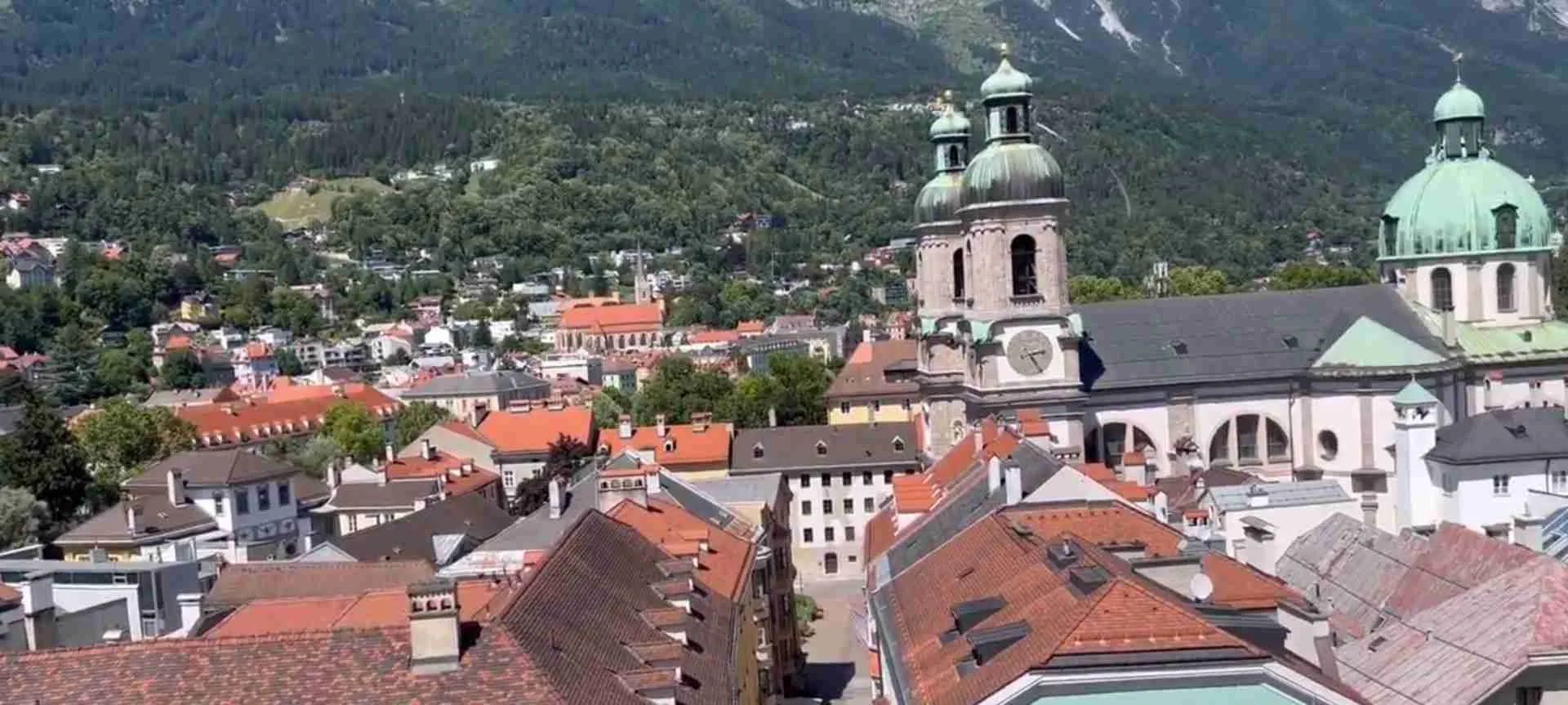
Innsbruck Travel Guide 2026: Ultimate Planning Resource
Key Takeaways:
- Innsbruck combines alpine adventures with imperial Austrian heritage, surrounded by 2,300-meter peaks accessible via urban funicular systems
- Budget €100-150 per person daily in 2026 for mid-range experience including accommodation, meals, mountain transport, and attractions
- June-September delivers optimal summer conditions for hiking and sightseeing, while December-March provides world-class skiing access
- Innsbruck Card costs €53 for 24 hours, €63 for 48 hours, €73 for 72 hours in 2026, covering public transport, cable cars, and museum entries
- Central accommodation near Altstadt (Old Town) costs €90-150 per night for mid-range hotels with mountain views and historic atmosphere
- Direct trains connect Munich (1.75 hours), Vienna (4 hours), Zurich (3.5 hours), and Verona (3.75 hours) making Innsbruck ideal for alpine itineraries
Introduction: Planning Your 2026 Innsbruck Alpine Experience
Innsbruck stands as Europe’s most dramatically situated city, where medieval streets meet modern alpine infrastructure against a backdrop of 2,300-meter peaks rising directly from urban edges. The Tyrolean capital hosted Winter Olympics twice (1964, 1976), establishing world-class mountain sports facilities accessible via public transport from city center. This unique combination allows visitors to experience Habsburg palace architecture in morning, ski championship slopes by afternoon, and return to historic cafes for evening Sachertorte without requiring rental cars or lengthy transfers.
The compact Altstadt (Old Town) preserves remarkably intact medieval character with colorful Tyrolean facades, Gothic arcades, and baroque churches clustering around the Goldenes Dachl (Golden Roof), a 15th-century oriel window decorated with 2,657 fire-gilded copper tiles. Emperor Maximilian I commissioned this architectural showpiece in 1500 as imperial viewing box for ceremonies in the square below. Today the Golden Roof anchors the pedestrian zone where visitors browse traditional shops, sample regional specialties at outdoor cafes, and access surrounding attractions on foot.
Mountain access defines Innsbruck’s exceptional character. The Nordkettenbahnen funicular and cable car system ascends from Congress station near city center to 2,256-meter Hafelekar peak in 20 minutes, providing instant alpine access without driving mountain roads. From top stations, marked hiking trails range from easy family walks to challenging summit routes. Winter transforms the system into ski area connectivity, linking urban base with pristine slopes. This infrastructure creates possibilities unavailable in most mountain destinations where accessing alpine terrain requires extended approaches.
Imperial heritage manifests throughout the city beyond the Golden Roof centerpiece. Hofburg Palace showcases Habsburg residential quarters with baroque state rooms and rococo decoration. The adjacent Hofkirche houses Emperor Maximilian’s cenotaph surrounded by 28 larger-than-life bronze statues representing ancestors and contemporaries. Schloss Ambras, a Renaissance palace on the city’s outskirts, displays armor collections, portrait galleries, and Spanish Hall with elaborate wooden ceiling. These attractions demonstrate Innsbruck’s historical importance as Habsburg administrative center controlling critical alpine trade routes between northern and southern Europe.
Modern Innsbruck balances tradition with contemporary culture through student energy and international sporting events. The university enrolls 30,000 students creating vibrant nightlife, affordable dining, and cultural programming beyond typical resort town offerings. Regular international competitions at Olympic facilities bring world-class athletes and enthusiastic crowds. Contemporary architecture including Zaha Hadid’s Bergisel Ski Jump tower demonstrates commitment to design innovation respecting but not imitating historic context. This combination creates dynamic atmosphere appealing to diverse travelers beyond dedicated skiers and hikers.
People Also Ask About Innsbruck 2026
How much does it cost to visit Innsbruck in 2026?
Budget travelers manage on €60-80 per person daily staying in hostels (€25-35), eating at student cafes and supermarkets (€15-25), limiting mountain activities to free hiking from lower cable car stations (€10-15), and using public transport passes (€5-8). This budget requires self-catering for many meals, selecting free or low-cost activities, and avoiding winter ski expenses which dramatically increase costs.
Mid-range visitors budget €100-150 daily for three-star hotels (€90-140 for double occupancy shared), restaurant meals featuring Tyrolean specialties (€35-50), Innsbruck Card covering transport and attractions (€53-73 depending on length), and one mountain activity like Nordkette cable car or ski day pass. Check booking platforms for current hotel rates and innsbruck.info for Innsbruck Card pricing as rates vary. This range provides comfortable alpine experience with quality dining, comprehensive sightseeing, and mountain access without luxury indulgences.
Luxury travelers allocate €250+ daily for four-star alpine hotels (€200-350+ per room), fine dining at Michelin-starred restaurants (€80-120), private mountain guides (€250-400 for full day), and premium ski experiences at exclusive resorts (€100-150 for lift tickets plus equipment). This budget ensures superior accommodations with spa facilities and mountain views, gourmet Tyrolean cuisine, personalized outdoor experiences, and convenient access to best skiing and hiking without crowds or wait times.
What is the best time to visit Innsbruck in 2026?
Winter high season (December-March) delivers optimal skiing conditions with reliable snow coverage, world-class slopes within easy reach, and festive alpine atmosphere. Christmas markets (late November through December) add cultural programming, while January-February bring coldest temperatures but excellent snow quality and reduced accommodation costs compared to holiday peaks. Ski areas operate full capacity, though February school holiday weeks bring European family crowds. Book accommodations 3-4 months ahead for Christmas and February breaks, 6-8 weeks for other winter periods.
Summer season (June-September) provides ideal conditions for hiking, mountain biking, and sightseeing without winter cold or ski-focused atmosphere. June wildflowers blanket alpine meadows with peak blooming mid-June through early July. July-August bring warmest weather and longest daylight hours though afternoon thunderstorms occur regularly in the mountains. September delivers stable weather, autumn colors transforming larch forests to golden yellow, and reduced crowds as schools resume. Summer accommodation costs run 20-30% below winter peaks.
Shoulder seasons offer distinct advantages: April-May transition from skiing to hiking with lower elevation trails accessible while higher peaks retain snow. Many ski areas operate through April with spring skiing conditions—warm temperatures, corn snow, and extended daylight. October brings crisp weather, clear mountain views, and minimal tourism before winter season begins in December. Shoulder season hotel rates drop 30-40% compared to peak winter, though some mountain facilities close for maintenance between seasons (typically May and November).
Do you need advance bookings for Innsbruck attractions in 2026?
Innsbruck Card purchases require no advance booking as cards remain available at tourist information offices, hotels, and online (innsbruck.info) year-round. Purchase upon arrival and activate when first used, providing flexibility for trip planning. The card covers all public transport including mountain cable cars, hop-on-hop-off sightseeing bus, and admission to major attractions including Hofburg Palace, Hofkirche, and museums.
Mountain cable cars operate walk-up ticket sales though lines form during peak summer weekends (July-August) and winter ski season. The Nordkettenbahnen funicular reaches capacity during perfect weather weekends; arrive at opening (8:30 AM summer, 9 AM winter) or after 2 PM when crowds thin. Innsbruck Card holders bypass ticket queues accessing turnstiles directly, providing significant time savings during busy periods. Other cable cars including Patscherkofel and Stubai Glacier maintain better crowd management with fewer bottlenecks.
Ski area advance bookings prove unnecessary for most Innsbruck-area resorts except during peak Christmas-New Year week and February school holidays when some resorts implement online-only ticket sales preventing last-minute purchases. Multi-day passes purchased online typically cost 5-10% less than daily walk-up rates. Ski rental equipment benefits from advance online booking ensuring proper sizing and availability during peak periods. Ski school lessons require 3-7 days advance booking during high season, especially for English-speaking instructors with limited availability.
Restaurant reservations prove essential for Michelin-starred establishments (Lichtblick panorama restaurant, Die Wilderin) during winter season and summer weekends. Book 2-4 weeks ahead for Friday-Saturday dinner service. Traditional Tyrolean restaurants near Altstadt accept walk-ins for lunch and weekday dinners but fill during 7-9 PM peak hours on weekends. Student-oriented restaurants and casual dining spots operate first-come-first-served with minimal wait times except during university semester periods (October-January, March-June).
Can you ski from Innsbruck city center in 2026?
The Nordkette Seegrube ski area provides limited skiing accessed directly from Congress station via Hungerburgbahn funicular and Nordkettenbahn cable car reaching slopes in 20 minutes from city center. The area features 11 kilometers of runs with 70% rated difficult or expert-only, making it unsuitable for beginners. Advanced skiers enjoy challenging terrain and remarkable city views, though limited extent means most skiers exhaust available runs within 2-3 hours. The area closes during avalanche risk and high winds affecting reliability.
Serious skiing requires traveling to larger ski areas surrounding Innsbruck: Stubai Glacier (45 minutes via free ski bus) offers Austria’s largest glacier ski area with guaranteed snow October-June and 110 kilometers of runs. Axamer Lizum (30 minutes via ski bus) hosted Olympic alpine events with 40 kilometers of varied terrain. Kühtai (40 minutes) sits at 2,020 meters ensuring excellent snow reliability with 40 kilometers of runs. These destinations require morning departures and afternoon returns, dedicating full days to skiing rather than mixing with urban sightseeing.
The Olympia SkiWorld Innsbruck pass (€249 for 3 days in 2026, check innsbruck.info for current pricing) covers nine ski areas totaling 300 kilometers of runs within 30-60 minutes of city center. This pass provides variety preventing boredom from skiing the same limited terrain repeatedly. Complimentary ski buses depart from multiple city locations beginning 7:30-8:30 AM with returns 4-5 PM, eliminating rental car needs. Plan ski days strategically based on weather forecasts and crowd predictions, focusing on higher elevations during uncertain weather and lower areas during clear conditions.
Extended multi-day tours – 5+ days
Featured Innsbruck Multi-Day Tour Packages
3 days
Innsbruck 3-Day Discovery Tour
- ✓ Comprehensive Innsbruck experience
- ✓ Expert local guides included
- ✓ All accommodation included
- ✓ Transportation provided
5 days
Innsbruck 5-Day Highlights Experience
- ✓ Comprehensive Innsbruck experience
- ✓ Expert local guides included
- ✓ All accommodation included
- ✓ Transportation provided

7 days
Innsbruck 7-Day Cultural Journey
- ✓ Comprehensive Innsbruck experience
- ✓ Expert local guides included
- ✓ All accommodation included
- ✓ Transportation provided
10 days
Innsbruck 10-Day Complete Adventure
- ✓ Comprehensive Innsbruck experience
- ✓ Expert local guides included
- ✓ All accommodation included
- ✓ Transportation provided
Multi-day tour packages powered by TourRadar. Prices and availability subject to change.
Essential Planning Information 2026
Current Costs and Pricing Breakdown
The Innsbruck Card provides excellent value for comprehensive sightseeing: 24-hour card costs €53, 48-hour €63, and 72-hour €73 in 2026 (check innsbruck.info for current official rates). The card includes unlimited public transport (buses, trams, regional trains to Seefeld and Hall in Tirol), one ascent of Nordkettenbahn cable car, Patscherkofel cable car, Glungezer cable car, hop-on-hop-off sightseeing bus, and admission to Hofburg Palace, Hofkirche, Ambras Castle, Alpine Zoo, and 20+ museums. Calculate break-even based on planned activities: Nordkette cable car alone costs €38.50 round-trip, Hofburg entry €12.50, and public transport day pass €8.60.
Mountain cable car pricing for non-card holders: Nordkettenbahn to Seegrube €38.50 round-trip, Hafelekar summit €44 round-trip, Patscherkofel €33 round-trip. Combination tickets save 10-15% when purchasing multiple cable cars together. Children ages 6-14 receive approximately 50% discounts, under-6 free. Family tickets (2 adults + children under 15) reduce per-person costs 20-30% compared to individual adult tickets. Summer cable cars operate June-October, some extending into November for autumn hiking.
Winter ski area day passes: Stubai Glacier €64, Axamer Lizum €59, Kühtai €56.50, Nordkette Seegrube €52 for single-area tickets in 2026. Multi-day Olympia SkiWorld Innsbruck passes cost €207 for 2 days, €249 for 3 days, €306 for 4 days, €359 for 5 days, €411 for 6 days, representing significant savings over daily purchases for extended ski trips. Equipment rental costs €35-50 daily for quality skis, boots, and poles at reputable shops near Altstadt; online advance booking reduces rates 15-20%.
Museum and attraction admission: Hofburg Palace €12.50, Hofkirche €10, Ambras Castle €14, Swarovski Crystal Worlds €22 (located in Wattens, 20 minutes by bus). Combined tickets for multiple imperial attractions save 15-20%. Students with valid international student ID receive 20-40% discounts. Audio guides cost €3-5 extra at major sites; multilingual guided tours €8-12 supplemental to admission.
Restaurant pricing spans wide range: student cafes and quick lunch spots charge €8-14 for hearty meals including soup, main course, and beverage. Traditional Tyrolean restaurants in Altstadt price main courses €16-28, three-course dinners with local wine €40-55 per person. Mountain restaurants at cable car stations charge premium prices €18-32 for main courses reflecting remote locations and delivery costs. Fine dining establishments start €70-100 per person for tasting menus, wine pairings adding €40-60.
Documentation and Entry Requirements
Austria maintains Schengen Area membership eliminating border controls for travelers from EU/EEA countries and Schengen visa waiver nations. US, Canadian, Australian, New Zealand, Japanese, and South Korean citizens enter visa-free for tourism stays up to 90 days within 180-day period. Valid passport required with minimum three months validity beyond intended departure date. ETIAS (European Travel Information and Authorization System) implementation timing remains uncertain for 2026; monitor official sources as online pre-registration may become mandatory requiring €7 fee and online application 96 hours before travel.
Travelers from countries requiring Schengen visas apply through Austrian embassy or consulate in home country, allowing travel throughout Schengen zone including Austria, Germany, Switzerland (non-EU but Schengen), Italy, and other member states. Processing requires 15 days minimum, potentially 60 days during peak summer periods. Required documentation includes completed application, passport photos, proof of accommodation bookings, return transport tickets, travel insurance covering €30,000 medical expenses, and sufficient financial means (minimum €120 per day). Submit applications 3-6 months before planned travel dates.
COVID-19 entry requirements vary based on public health conditions. As of 2026, Austria maintains no COVID-specific requirements for most travelers, though outbreaks in specific countries may trigger testing or documentation requirements. Monitor Austrian Federal Ministry for Europe, Integration and Foreign Affairs official website for current regulations updating based on epidemiological conditions. Travel insurance covering COVID-related medical expenses and trip interruption remains strongly recommended even without mandatory requirements.
Climate and Mountain Weather Patterns
Innsbruck’s alpine climate features significant temperature variations between valley floor and mountain elevations. Summer valley temperatures (June-August) reach 25-30°C during afternoon, dropping to 12-15°C overnight. Mountain elevations above 2,000 meters remain 10-15°C cooler with temperatures rarely exceeding 15°C even during summer heat. Afternoon thunderstorms develop frequently in July-August mountains between 2-5 PM; plan alpine activities for morning hours, descending before weather deteriorates. Lightning strikes pose serious danger above treeline; immediate descent becomes necessary when thunderstorms approach.
Winter valley temperatures (December-February) hover around freezing, typically -2°C to +4°C during daytime, dropping to -5°C to -10°C overnight. Mountain temperatures at ski elevations (1,800-2,500 meters) range -8°C to -2°C during daytime, colder during cold fronts and clear nights. Föhn winds periodically bring dramatic warming, raising temperatures 15-20°C within hours while creating spectacular cloud formations. These warm periods melt snow at lower elevations though higher slopes retain coverage. Wind chill significantly affects perceived temperatures; plan clothing layers for actual conditions rather than raw temperature readings.
Spring transition (April-May) brings highly variable conditions with warm sunny days alternating with late-season snowfall. Lower elevation hiking trails become accessible in May though higher routes remain snow-covered into June. Ski areas extend seasons through April with excellent spring skiing—warm temperatures creating soft snow conditions and extended daylight allowing longer slope time. Avalanche risk increases during spring warming as snow stability decreases; check current conditions before backcountry excursions.
Autumn weather (September-October) delivers statistically most stable conditions with lower precipitation than summer months and clearer mountain views. September temperatures remain pleasant for hiking, typically 15-22°C in valleys, though nights cool significantly requiring warm layers. October brings first valley frost and increasing precipitation, though sunny periods between storms provide exceptional photography conditions with early snow dusting high peaks. Larch forests transform to brilliant yellow in late September creating spectacular scenery throughout Stubai Valley and surrounding ranges.
Best Time to Visit Innsbruck 2026
Winter Season Analysis 2026
Early winter (December 1-20) offers pre-Christmas atmosphere with Advent markets, decorated streets, and building excitement toward holiday celebrations. Ski areas open mid-November through early December depending on early-season snowfall, though coverage remains limited until mid-December. Accommodation rates run 20-30% below Christmas peaks providing value-focused ski trips. Mountain restaurants operate limited hours before full winter season begins. Snow reliability improves through December with consistent coverage by month’s end.
Christmas and New Year period (December 21 – January 6) brings festive peak season with maximum crowds, highest accommodation rates (2-3x normal winter pricing), and vibrant atmosphere. Christmas markets close December 24 though winter activities continue through New Year’s celebrations. Ski areas operate full capacity with excellent snow conditions though lift lines increase significantly during 10 AM-2 PM peak hours. Book accommodations 4-6 months ahead for this period as availability becomes severely limited by November. Consider arriving December 26-28 when Christmas visitors depart but New Year crowds haven’t arrived.
Mid-winter (January 7 – February 15) delivers optimal skiing with excellent snow coverage, full lift operations, and reduced crowds compared to holiday periods. Accommodation rates drop 30-40% from Christmas peaks while ski conditions remain superb. Cold temperatures and shorter daylight compared to spring create traditional winter atmosphere. Late January through mid-February typically brings season’s best powder snow, though avalanche conditions require careful assessment for backcountry activities. Book 6-8 weeks ahead for standard mid-winter visits.
Late winter (February 16 – March 31) includes European school holiday weeks bringing increased crowds during specific country vacation schedules (check Austrian, German, Dutch, and UK school calendars). Spring skiing begins in March with warmer temperatures, longer daylight, and transformation from dry powder to heavier snow conditions. Lower-elevation ski areas may show bare patches by late March though higher resorts including Stubai Glacier maintain excellent coverage. March brings ideal combination of reliable snow and pleasant temperatures for skiing without extreme cold. Accommodation rates vary dramatically based on school holiday timing.
Summer Season Analysis 2026
Early summer (June 1-30) marks transition from ski season with high-elevation snow remaining though lower hiking trails becoming accessible. Wildflower blooming begins in valleys, progressing up mountain slopes as snowmelt advances. Cable cars switch from winter to summer operations, some closing briefly for annual maintenance (check specific facility schedules). Accommodation rates remain moderate as July-August peak hasn’t arrived. June weather proves somewhat unpredictable with cool periods and higher precipitation than July-August, though dry spells bring perfect hiking conditions. Book 4-6 weeks ahead for June visits.
Peak summer (July 1 – August 31) delivers warmest weather, longest daylight (sunset after 9 PM), and maximum tourist activity. High alpine hiking trails become fully accessible with snowmelt complete at all but highest elevations. Mountain huts operate full capacity serving hikers and mountaineers. Afternoon thunderstorms develop regularly requiring early morning departures for ambitious alpine routes. Accommodation rates reach summer peaks, though still 20-30% below winter high season. The Innsbruck Festival of Early Music (late July-August) brings international classical music performers and enthusiastic audiences. Book 8-12 weeks ahead for July-August weekends.
Late summer (September 1-30) provides arguably best weather for hiking with stable conditions, warm temperatures, and reduced afternoon thunderstorm frequency compared to July-August. Tourist crowds diminish significantly after mid-August when European school terms resume. Larch forests begin changing color late September creating photogenic golden slopes. Mountain huts close progressively through September as hiking season concludes; check operating schedules for specific routes. Accommodation rates drop 25-35% from peak summer while weather remains excellent. September represents optimal value combining good weather, fewer crowds, and lower costs.
Shoulder Season Opportunities 2026
Spring shoulder (April-May) delivers variable conditions requiring flexibility and weather monitoring. Many ski areas extend operations through April with excellent spring skiing conditions—warm temperatures, soft snow, and strong sun requiring high-SPF sunscreen. Lower elevation hiking trails become accessible in May though higher routes remain snowy. Alpine wildflower season begins in valley meadows during May. Accommodation rates run 30-40% below winter peaks. Some mountain facilities close for spring maintenance between ski and summer seasons. This period suits experienced mountain travelers comfortable adapting plans to current conditions rather than rigid itineraries.
Autumn shoulder (October 1-31) brings crisp weather, brilliant larch colors in Stubai Valley and surrounding ranges, and exceptional value with accommodation 40-50% below summer peaks. Cable cars maintain summer schedules through early October, some extending into November for autumn hiking. Mountain huts close progressively through October limiting multi-day hiking options. First significant valley snowfall occurs typically mid-to-late October signaling season transition. Crowds virtually disappear after mid-September creating peaceful mountain experiences. This period rewards flexible travelers prepared for variable conditions and willing to adjust plans based on weather forecasts.
Winter shoulder (November, early December) sees minimal tourism as ski season hasn’t fully begun. Advent markets open late November (typically November 23-24 in 2026) bringing festive atmosphere though ski conditions remain uncertain until mid-December. Accommodation rates reach annual minimums, though many hotels close for annual renovations. Cultural attractions and museums maintain full operations. This period suits budget-conscious travelers prioritizing urban sightseeing over mountain activities, accepting weather limitations in exchange for exceptional value and empty attractions.
Accommodation Strategies 2026
Altstadt Historic Center: Premium Location
Grand Hotel Europa maintains elegant position near Hofburg Palace combining Belle Époque grandeur with modern amenities. Standard double rooms cost €140-200 per night, superior rooms with mountain views €200-280, suites €300-450. The hotel features spa facilities, indoor pool, and refined restaurant serving Tyrolean and international cuisine. Location within walking distance of all central attractions, yet quiet enough for restful nights. Book directly for occasional packages including breakfast and Innsbruck Card. Winter rates increase 40-60% during Christmas and peak ski season compared to summer pricing.
Hotel Grauer Bär, occupying 500-year-old building near Golden Roof, provides boutique atmosphere with historic character and modern comfort. Doubles range €110-170, junior suites €180-250. The family-operated property emphasizes personal service and local knowledge with staff providing detailed hiking and skiing recommendations. Breakfast features regional specialties including Tyrolean cheeses, cured meats, and fresh-baked bread. Central location allows walking to restaurants, museums, and Congress station for mountain cable cars. Advance booking 8-10 weeks recommended for summer weekends and winter ski season.
Penz Hotel, contemporary design hotel in pedestrian zone, combines minimalist aesthetics with functional comfort. Rooms cost €120-180 for doubles with modern bathrooms and design furnishings. The rooftop bar provides stunning Nordkette views and attracts locals creating social atmosphere. Location on Maria-Theresien-Strasse main shopping boulevard places guests at heart of urban activity. Underground parking available €18 daily. The hotel’s modern approach appeals to travelers preferring contemporary design over traditional Tyrolean atmosphere.
Mid-Range Options: Value and Comfort Balance
Hotel Maximilian occupies converted 16th-century building near Inn River combining historic architecture with three-star comfort. Doubles cost €80-130 depending on season and room category. Rooms vary in size reflecting organic building layout; specify larger room preferences when booking. Substantial breakfast buffet included with room rates. Location slightly removed from Altstadt core (10-minute walk) trades convenience for quiet residential atmosphere and lower rates. Free WiFi, bike storage, and helpful staff create pleasant base for active travelers.
Pension Paula, family-run guesthouse in residential area, provides Austrian hospitality and exceptional value. Doubles with private bathrooms cost €65-95 including breakfast, shared-bathroom rooms €50-70. Simple, very clean rooms with traditional furnishings appeal to budget-conscious travelers prioritizing value over luxury. The owner provides personalized hiking recommendations and assists with ski area transport logistics. Location requires 15-minute tram ride or 25-minute walk to Altstadt, compensated by authentic neighborhood experience and budget-friendly pricing.
Hotel Schwarzer Adler maintains traditional Tyrolean atmosphere near train station. Standard doubles cost €85-140, family rooms €130-200. The hotel’s convenient location near Hauptbahnhof allows easy arrivals and departures while remaining walkable to central attractions (12 minutes). Sauna and small wellness area provide relaxation after mountain activities. Restaurant serves reliable Tyrolean cuisine with daily specials. Book online for rates 15-20% below walk-in pricing, especially for multi-night stays.
Budget and Youth Hostels: Affordable Social Atmosphere
Marmota Hostel occupies modern facility near university creating social budget accommodation with private rooms and dormitories. Dorm beds cost €28-38, private doubles €70-90. The hostel features common areas with mountain views, guest kitchen, bar, and regular social events attracting international backpackers and young travelers. Staff organize group hiking trips and pub crawls creating easy social connections. Location in student quarter provides access to affordable restaurants and casual bars. The modern, purpose-built facility maintains superior cleanliness compared to converted-building hostels.
Nepomuk’s Hostel, smaller independent property near Hofkirche, provides intimate atmosphere in historic building. Dorm beds €25-35, private doubles €65-85 including breakfast. The owner-operated hostel emphasizes community through shared meals and personalized mountain activity recommendations. Common kitchen allows budget travelers to prepare meals reducing daily food costs. Central location within Altstadt eliminates transport needs for sightseeing. The hostel’s small size (25 beds total) creates quieter environment than larger party hostels.
Youth Hostel Innsbruck, official HI-affiliated property on Reichenauer Strasse, offers institutional reliability with basic private rooms and multi-bed dormitories. Dorm beds €23-30, family rooms €80-120 sleeping 4-5 people. The facility features game rooms, bike storage, and organized activities including guided hikes during summer months. Location 2 kilometers from center requires bus connection (10 minutes) though public transport passes render this minor inconvenience. Membership discounts available for HI cardholders; non-members pay €3 supplement.
Mountain Hotels and Lodges
Mountain hotels at mid-elevation cable car stations provide immersive alpine experiences: Seegrube Restaurant Hotel at 1,905 meters offers overnight accommodation with sunrise viewing and evening mountain atmosphere after day visitors descend. Simple doubles cost €90-120 including breakfast and dinner (required due to remote location). Access via Nordkette cable cars, last upward service 5 PM, first downward 8:30 AM. These experiences suit adventurous travelers seeking authentic mountain lodge atmosphere beyond standard hotel offerings.
Stubai Valley lodges, 30-40 minutes from Innsbruck, provide family-run guesthouses combining village authenticity with easy ski area access. Doubles cost €70-110 including breakfast, half-pension (breakfast and dinner) adding €25-35 per person daily. Free ski buses operate from villages to Stubai Glacier and other ski areas. This option requires rental car for independent exploration though delivers peaceful mountain village experience and value pricing compared to Innsbruck city center. Book directly with properties for best rates and possibility of extended-stay discounts.
Transportation Guide 2026
Reaching Innsbruck: International and Domestic Connections
Innsbruck Airport (INN) serves primarily seasonal leisure flights, British Airways from London, Austrian Airlines from Vienna, and charter services from UK and Netherlands during ski season. The compact airport sits 4 kilometers west of center accessible via bus F (€2.50, 20 minutes) operating every 15 minutes 5:30 AM-11 PM. Taxis cost €15-20 to central hotels. Limited flight options require most international travelers to route through larger hubs, though convenient for UK visitors accessing Tyrolean ski resorts directly.
Munich Airport (MUC) provides major international gateway 160 kilometers north of Innsbruck. Direct trains depart every two hours from Munich Airport station to Innsbruck Hauptbahnhof requiring 1 hour 45 minutes. Tickets cost €49-65 standard class purchased in advance online, €75-85 for flexible same-day tickets. Book 3-6 months ahead securing Sparschiene discounted fares as low as €19-29 for non-refundable travel on specific trains. The scenic route through Bavarian Alps showcases dramatic mountain scenery superior to highway bus alternatives.
Vienna provides alternative arrival for travelers combining capital visit with alpine exploration. Direct ÖBB railjet trains operate hourly requiring 4 hours Vienna Hauptbahnhof to Innsbruck. Standard tickets cost €69-89 advance purchase, €95-115 flexible same-day. First-class upgrades add €25-35 providing more space and quieter environment. The route traverses Austrian countryside transitioning from Danube valley through Alpine foothills to Inn Valley, creating scenic journey justifying longer travel time compared to flights.
International train connections link Innsbruck with Zurich (3.5 hours, €59-79), Verona (3.75 hours, €39-55), and Munich (1.75 hours, €29-45) creating exceptional rail-based itinerary possibilities. Night trains connecting with Germany, Switzerland, and Italy provide sleeper options for overnight travel maximizing daytime sightseeing. Rail passes including Eurail and Interrail cover these routes though advance seat reservations (€10-15) required on international trains during peak summer and winter seasons.
Public Transportation Within Innsbruck
Innsbruck Verkehrsbetriebe (IVB) operates integrated bus and tram network serving the city comprehensively. Four tram lines (1, 2, 3, 6) and multiple bus routes provide coverage from train station through Altstadt to outlying residential areas and nearby villages. Trams operate 5:30 AM-midnight weekdays with extended weekend hours and reduced Sunday schedules. Real-time arrival information displays at stops and through smartphone apps showing accurate service predictions.
Ticket options include single rides €2.50 valid 60 minutes from validation, 24-hour passes €8.60, weekly passes €21, and monthly passes €62. Purchase tickets from machines at major stops, tobacco shops (Tabak Trafik), or via IVB smartphone app. Tickets require validation in orange machines aboard vehicles before travel; unvalidated tickets result in €105 fines if inspectors discover violations. The Innsbruck Card provides unlimited public transport eliminating individual ticket purchases during card validity period.
Key routes for tourists: Tram 1 connects Bergisel ski jump, train station, Altstadt, and Congress station (Nordkette cable car base). Tram 3 serves train station, university area, and residential districts. Bus lines connect to Ambras Castle, Alpine Zoo, and outlying villages including Igls (site of 1964/1976 Olympic bobsled run). Regional trains included with Innsbruck Card reach Hall in Tirol (medieval salt-trading town) and Seefeld (ski resort) providing easy day-trip options without additional transport costs.
Free ski buses operate during winter season from multiple city locations to surrounding ski areas: Stubai Glacier, Axamer Lizum, Kühtai, Patscherkofel, and other Olympia SkiWorld areas. Buses depart 7:30-8:30 AM with afternoon returns 4-5 PM. Reservations not required though arrive 10-15 minutes early during peak periods ensuring space on preferred departure. Schedules and routes available at tourist offices and online at innsbruck.info. This service eliminates rental car needs for ski-focused trips.
Cycling and Active Transportation
Inn River cycle path provides flat, scenic route extending along both riverbanks through Innsbruck and connecting to regional trails reaching Hall in Tirol eastward (15 kilometers) and Austrian-German border westward. The dedicated path separates cyclists from motor traffic creating safe, pleasant riding suitable for families and casual cyclists. Numerous access points from Altstadt reach riverside paths within 5-10 minutes.
City bike rental shops near Altstadt charge €15-22 daily for quality city bikes with lights, locks, and baskets. Multi-day rentals (3+ days) reduce daily rates 20-30%. E-bikes cost €35-45 daily providing motor assistance for hilly terrain and longer distances. Many hotels partner with rental shops offering discounted rates or complimentary basic bikes for guests. Reserve bikes ahead during July-August peak season ensuring availability and proper sizing.
Mountainous terrain surrounding Innsbruck limits practical cycling to valley floor routes and dedicated bike paths. Steep grades approaching surrounding mountains require strong fitness or e-bike assistance. The city maintains expanding network of dedicated bike lanes on major streets though integration with motor traffic demands vigilance and comfort with European cycling culture where cars pass closely and lane-sharing occurs frequently.
Rental Cars and Driving Considerations
Rental cars prove unnecessary for visitors focusing on Innsbruck city and ski areas accessible via public transport and ski buses. Cars become valuable for exploring remote valleys, visiting small villages without bus service, and traveling flexible itineraries across Tyrol and neighboring regions. Rental rates cost €40-70 daily for economy cars, €70-110 for SUVs suitable for winter mountain driving. Book 4-8 weeks ahead for winter season ensuring availability and competitive rates.
Winter driving requires snow tires (mandatory November-April) or all-season tires with adequate tread depth. Rental cars include winter tires during winter season as legal requirement. Carry chains in vehicle trunk as some mountain passes require chains during heavy snowfall even with snow tires. Austrian highway vignette (toll sticker) costs €96.40 for annual, €28.90 for 10-day validity; rental cars include vignette though verify with rental agent before departure.
Parking in Altstadt proves challenging with limited street parking (€2-3 per hour, 2-hour maximums) and expensive garages (€18-25 daily). Most hotels offer parking for guests at €15-20 daily, though many central boutique properties lack facilities requiring nearby garage use. Free parking appears in residential areas outside center though requires 15-20 minute walks to attractions. Visitors planning car-free Innsbruck visits avoid parking costs and complications altogether.
Budget Planning for 2026
Daily Budget Scenarios and Cost Breakdowns
Budget traveler (€60-80 daily per person): Hostel dormitory €28-35, breakfast included or at bakery €5-7, lunch at student cafe or supermarket €10-14, dinner at budget restaurant or self-catered €12-18, free hiking or minimal attractions €5-10, public transport day pass €8.60, coffee or beer €3.50-5. This budget requires hostel accommodation, self-catering for some meals, focusing on free hiking and walking tours, and limiting cable car usage to one budget option. Winter skiing increases costs dramatically with lift tickets and equipment rental adding €80-100 daily.
Mid-range traveler (€100-150 daily per person, double occupancy): Three-star hotel €90-140 per room (€45-70 per person sharing), breakfast at hotel or cafe €8-14, lunch at traditional restaurant €16-24, dinner at quality Tyrolean restaurant €28-40, Innsbruck Card €53-73 depending on length, one mountain cable car or activity included with card, coffee and snacks €8-14. This budget provides comfortable experience with quality meals, comprehensive sightseeing including mountain access, and flexibility for occasional splurges. Winter skiing adds €60-80 for lift tickets beyond base budget.
Luxury traveler (€250+ daily per person): Four-star hotel €200-350+ per room, breakfast included, lunch at mountain restaurant €25-40, dinner at Michelin-recommended establishment €80-120, private mountain guide €250-400 (split among group), premium ski area lift ticket €65-75, fine wine and cocktails €40-60, spa treatments €80-150. This budget ensures superior accommodations with wellness facilities, gourmet dining featuring Tyrolean specialties, personalized outdoor experiences, and priority access avoiding crowds through guides and off-peak timing.
Money-Saving Strategies and Value Maximization
The Innsbruck Card delivers exceptional value for intensive sightseeing: 24-hour card (€53) breaks even with Nordkette cable car (€38.50), Hofburg Palace (€12.50), and public transport day pass (€8.60), totaling €59.60 in separate purchases. The 48-hour card (€63) adds additional cable car, multiple museums, and second day unlimited transport. The 72-hour card (€73) suits comprehensive three-day visits including Ambras Castle, Alpine Zoo, and multiple mountain cable cars. Purchase immediately upon arrival activating when first used, maximizing benefit during remaining trip hours.
Lunch specials (Mittagsmenü) at traditional restaurants provide two or three courses with beverages for €12-18, substantially less than evening menu pricing at same establishments. Many restaurants near Maria-Theresien-Strasse and university areas advertise daily specials on sidewalk boards. Arrive during 11:30 AM-1:30 PM service windows; outside these hours full à la carte menus apply. This strategy allows experiencing quality Tyrolean cuisine without premium dinner pricing.
University cafeterias (Mensa) serve students and public with complete meals at heavily subsidized prices: €6-10 for lunch including soup, main course, sides, and salad bar. Facilities operate Monday-Friday during academic terms (October-January, March-June), closing during semester breaks. Locations near main campus and student union (walking distance from Altstadt) provide easiest access. Institutional atmosphere and limited menu variety trade against significant cost savings enabling budget-conscious travelers to allocate resources toward mountain activities.
Supermarkets including Spar, Hofer (Aldi), and M-Preis offer prepared foods, salads, and hot meals at fraction of restaurant costs. Spend €5-9 for substantial lunch or dinner from supermarket delis. Many locations near Altstadt maintain extended hours 7 AM-8 PM Monday-Saturday. Combine supermarket provisions for some meals with restaurant experiences for others, balancing budget control and culinary exploration. Mountain hut lunches cost €18-32; carrying summit picnic from valley supermarkets creates significant savings.
Free attractions provide rich experiences without admission costs: hiking accessible from valley floor without cable car charges, exploring Altstadt architecture and window shopping along pedestrian streets, attending churches including Hofkirche courtyard exterior (€10 entry for interior), browsing farmers’ markets in squares (Saturdays), and enjoying street performers and musicians near Golden Roof. These activities create authentic Innsbruck experience without museum ticket expenses.
Multi-day ski passes reduce daily costs compared to single-day purchases: 3-day Olympia SkiWorld pass costs €249 (€83 per day) versus €64 single-day Stubai Glacier tickets, saving €117 over three days. Six-day pass (€411, €68.50 per day) reduces per-day costs further. Commit to multi-day skiing before arrival, purchasing passes online for occasional additional online-only discounts. Equipment rental costs decrease with multi-day packages: €35 daily single-day versus €130 for 4-day packages (€32.50 per day), representing 10-15% savings.
Sample 2026 Itineraries
One-Day Summer Intensive: City and Mountains
Begin at Maria-Theresien-Strasse (8:30 AM) observing baroque architecture and Annasäule column before crowds arrive. Walk through Altstadt pedestrian zone to Golden Roof, photographing medieval buildings and examining gilded copper tiles. Purchase 24-hour Innsbruck Card at tourist office near Golden Roof (€53).
Ascend Nordkette via Congress station funicular and cable car (9:30 AM, included with Innsbruck Card) reaching Seegrube station at 1,905 meters. Continue to Hafelekar summit (2,256 meters) for panoramic views across Inn Valley and surrounding peaks. Easy walks from top station explore alpine terrain; more ambitious hikers tackle summit routes with proper equipment and mountain experience. Allow 2.5-3 hours for ascent, summit exploration, and return descent via cable cars.
Lunch at Altstadt traditional restaurant (12:30 PM, €16-24) selecting lunch special featuring Tyrolean specialties like Käsespätzle (cheese noodles) or Wiener Schnitzel with potato salad. Budget 60-75 minutes for relaxed meal.
Afternoon visit Hofburg Palace (2 PM, included with Innsbruck Card) exploring Habsburg state rooms with baroque and rococo decoration. Audio guide (€3 extra) provides historical context and room-by-room explanations. Adjacent Hofkirche (€10 or included with combination ticket) houses Emperor Maximilian’s cenotaph surrounded by impressive bronze statues. Combined visit requires 90-120 minutes for thorough exploration.
Coffee break (4 PM) at historic cafe Café Central or Café Sacher sampling traditional pastries with views of Golden Roof and passing crowds (€8-12 per person). Allow 45 minutes for refreshment and people-watching.
Evening walk along Inn River (5 PM) crossing bridges for riverside perspectives of colorful Altstadt facades reflecting in water. Continue to viewing points for Nordkette mountain sunset illumination. Return to Altstadt for dinner at quality restaurant featuring regional wines and cuisine (€35-50 per person for three courses). End with evening stroll through illuminated historic center.
Daily cost summary: Innsbruck Card €53, lunch €20, coffee and pastry €10, dinner €42. Total: €125 per person (excluding accommodation).
Three-Day Winter Ski Adventure 2026
Day One: Arrival and Nordkette skiing. After hotel check-in and purchasing 72-hour Innsbruck Card (€73), take Congress station funicular to Seegrube ski area (11 AM, included with card). Advanced skiers enjoy challenging terrain with city views, though limited 11-kilometer extent suits half-day skiing. Afternoon Altstadt exploration visiting Golden Roof, shopping along Maria-Theresien-Strasse, and coffee break. Evening traditional Tyrolean dinner introducing regional cuisine (€35-45).
Day Two: Stubai Glacier full-day skiing. Free ski bus departs 8 AM from multiple city pickup points reaching glacier base station 45 minutes later. Purchase day lift ticket €64, rent equipment if needed €35-50. The glacier’s 110 kilometers of runs and reliable snow conditions provide full-day skiing with lunch at mountain restaurant (€18-28). Return ski bus departs 4 PM arriving Innsbruck 5 PM. Evening casual dinner at student-oriented restaurant saving budget for mountain activities (€20-30).
Day Three: Axamer Lizum or Kühtai skiing followed by departure. Morning ski bus (8 AM) to either Axamer Lizum (Olympic slopes, day pass €59) or Kühtai (high-altitude resort, day pass €56.50). Half-day skiing morning and early afternoon, return bus 2 PM allowing afternoon Innsbruck hotel checkout, luggage collection, and departure preparation. Quick lunch at mountain cafeteria rather than sit-down restaurant saving time (€15-20). Evening train or flight departure.
Three-day cost summary per person: 72-hour Innsbruck Card €73 (covers all three days plus transport), Day 1 lunch €18 + dinner €40, Day 2 Stubai Glacier lift ticket €64 + equipment rental €42 + mountain lunch €24 + dinner €25, Day 3 Kühtai lift ticket €56.50 + mountain lunch €18. Total: €360.50 per person for three days (excluding accommodation €270-420 for 3 nights mid-range double occupancy). Three-day total approximately €630-780 per person including mid-range accommodation.
Four-Day Summer Comprehensive Experience 2026
Day One: Gentle Altstadt introduction with self-guided walking tour exploring Golden Roof, pedestrian zones, and baroque churches (9 AM-12 PM). Purchase 72-hour Innsbruck Card (€73). Lunch at traditional restaurant (€16-24). Afternoon Hofburg Palace and Hofkirche visit (2 hours total, included with card). Coffee break at historic cafe (€10-12). Evening riverside walk and dinner (€35-45).
Day Two: Nordkette mountain adventure. Funicular and cable car to Hafelekar summit (9 AM, included with card). Summit hike or walk to mountain lake based on fitness and weather (3-4 hours). Pack summit picnic from valley supermarket (€8-12) saving restaurant costs. Return valley mid-afternoon. Visit Alpine Zoo on descent route (included with card, 1.5 hours). Evening dinner at quality restaurant (€40-50).
Day Three: Ambras Castle and Swarovski Crystal Worlds. Morning bus to Ambras Castle (9:30 AM, included with card) exploring Renaissance palace, armor collection, and Spanish Hall (2-3 hours). Bus to Wattens for Swarovski Crystal Worlds (admission €22 not included with Innsbruck Card), elaborate art installation and crystal museum created by multimedia artist André Heller. Return Innsbruck late afternoon. Casual dinner in student quarter (€25-35).
Day Four: Hall in Tirol day trip and departure. Regional train to Hall (25 minutes, included with card still valid) visiting medieval old town, Mint Tower museum, and charming squares. Compact historic center allows comprehensive visit in 3-4 hours. Return Innsbruck early afternoon for hotel checkout and departure preparations. Final lunch at Hall or Innsbruck (€14-20) before evening train or flight departure.
Four-day cost summary per person: 72-hour Innsbruck Card €73 (covers Days 1-3, Day 4 also covered if activated late Day 1), Day 1 lunch €20 + coffee €11 + dinner €40, Day 2 picnic €10 + dinner €45, Day 3 Swarovski entry €22 + lunch €18 + dinner €30, Day 4 lunch €16. Total: €285 per person for four days (excluding accommodation €360-540 for 4 nights mid-range double occupancy). Four-day total approximately €645-825 per person including mid-range accommodation.
Booking and Reservations 2026
Accommodation Booking Timeline
Book winter peak season (Christmas-New Year, February school holidays) 4-6 months ahead as best properties sell out completely by November for December-February high season. Mid-range hotels maintain limited availability closer to dates though rates increase significantly for last-minute bookings. Budget hostels fill during peak ski season requiring advance planning for dormitory beds and private rooms. Flexible travelers monitoring cancellations occasionally find deals 2-3 weeks before arrival though this strategy risks limited options.
Summer season requires 8-12 weeks advance booking for July-August weekends and Innsbruck Festival of Early Music period (late July-August). Weekday summer availability remains better with 4-6 week booking windows providing reasonable selection. September shoulder season allows 3-4 week booking timelines with excellent availability and better rates. Mountain lodges in surrounding valleys maintain greater availability than city center properties throughout summer months.
Direct hotel booking often provides better value than third-party platforms: phone or email properties inquiring about packages including breakfast, parking, or Innsbruck Card combinations. Multi-night stays sometimes receive discounted rates or complimentary upgrades unavailable through booking aggregators. Compare prices across booking platforms, official hotel websites, and direct communication before finalizing reservations. Free cancellation policies vary; budget chains typically allow cancellation 24-48 hours before arrival while boutique hotels may require non-refundable deposits.
Ski Equipment and Lessons
Ski equipment rental advance online booking ensures proper sizing, preferred equipment quality, and 10-20% discounts compared to walk-in rates. Reputable rental shops near Altstadt include Sport Glatz, Hofherr Sport, and Sport Patscheider offering quality equipment with knowledgeable staff. Reserve 2-4 weeks ahead for Christmas and February peaks, 1-2 weeks for other winter periods. Specify ability level, preferred ski type (all-mountain, carving, freeride), and any special requirements (wider boots, adjustable poles).
Ski school lessons require advance booking during peak season ensuring English-speaking instructor availability and preferred group size or private instruction. Group lessons (4-6 people) cost €55-70 per person for 3-hour session, private lessons €80-120 per hour depending on instructor experience and season. Book 1-2 weeks ahead for group lessons, 2-3 weeks for private instruction during high season. Many ski schools operate booking through resort websites or central reservation systems covering multiple ski areas.
Beginners should consider lessons at gentler ski areas (Axamer Lizum, Muttereralm) rather than challenging Nordkette or remote Kühtai. Children’s ski schools operate at most family-friendly areas with specialized instruction, appropriate terrain, and patient instructors. Full-day programs including lunch supervision allow parents to ski independently. Book children’s programs 3-4 weeks ahead during school holiday periods when demand peaks.
Restaurant and Cultural Event Reservations
Fine dining establishments (Lichtblick panorama restaurant, Die Wilderin, Sitzwohl) require advance booking especially Friday-Saturday dinner service and any day during ski season peaks. Reserve 2-4 weeks ahead for winter high season, 1-2 weeks for summer weekends. Some restaurants maintain online reservation systems, others require phone contact (English generally spoken). Hotel concierges assist guests with restaurant bookings, sometimes securing tables at otherwise full establishments through professional relationships.
Traditional Tyrolean restaurants near Altstadt accept walk-ins for lunch and weekday dinners but fill during 7-9 PM peak dinner hours on weekends. Arrive early (6-6:30 PM) or late (after 8:30 PM) improving walk-in success. Same-day phone reservations often secure tables for popular spots. Student-oriented and casual dining operates first-come-first-served with minimal wait times except during university semester peaks (October-December, March-May).
Cultural events including concerts at Hofburg Congress Center, performances at Tiroler Landestheater, and Innsbruck Festival of Early Music require advance tickets for popular programs. Check event calendars 2-3 months ahead booking tickets immediately for internationally renowned performers. Many classical music concerts in churches operate donation-basis or nominal €10-20 charges with tickets available at door, though arriving 20-30 minutes early ensures seating during summer season. Tourist offices maintain comprehensive event listings including free concerts and cultural programming.
2026 Updates and Current Information
Recent Developments and Infrastructure Changes
Nordkettenbahn cable car system completed technical upgrades in 2025 improving reliability and reducing weather-related closures. The modernized infrastructure maintains larger capacity during peak weekend periods though morning queues still form during optimal weather weekends. The Seegrube mid-station restaurant underwent renovation expanding seating and improving menu quality with greater emphasis on regional Tyrolean specialties rather than generic mountain restaurant fare.
New pedestrian zone expansion along Inn River creates additional car-free areas connecting historic center with riverside paths. The enhanced infrastructure improves cycling safety and provides more public gathering spaces with mountain views. Summer evening programming including open-air concerts and markets takes advantage of new riverside venues creating vibrant atmosphere beyond traditional Altstadt core.
Stubai Glacier completed expansion of terrain parks and family zones during 2024-2025, enhancing appeal for freestyle skiers and families with children. The infrastructure investments maintain the glacier’s position as Austria’s premier year-round skiing destination with guaranteed snow October-June. Environmental monitoring programs address climate change impacts on glacier skiing with ongoing assessment of long-term sustainability.
Innsbruck Card pricing increased modestly (3-5%) from 2025 reflecting general inflation though value proposition remains strong compared to purchasing individual tickets and transport separately. New participating attractions added including expanded coverage of regional museums in surrounding villages accessible via included regional train transport. The card’s smartphone app functionality improved with better real-time transport information and digital ticket validation at some attractions.
Practical Tips for 2026 Visitors
Mountain weather changes rapidly requiring layered clothing and preparedness regardless of valley conditions. Carry waterproof jacket, warm layer, sun protection (hat, sunglasses, sunscreen SPF 50+), and adequate water even for short cable car excursions. Afternoon thunderstorms develop quickly in summer mountains; descend immediately if storms approach as lightning poses serious danger above treeline. Check mountain weather forecasts (bergfex.com, zamg.ac.at) before ascending, adjusting plans based on predictions.
Altitude affects visitors unaccustomed to mountain elevations: Nordkette summit (2,256 meters) and ski areas (1,800-2,600 meters) may cause mild altitude symptoms including headache, fatigue, and shortness of breath. Acclimatize gradually, stay hydrated, avoid excessive alcohol first day at elevation, and descend if symptoms worsen. Most visitors adapt within 24-48 hours without serious issues though individual sensitivity varies.
Austrian retail hours maintain traditional schedules: shops close Saturday evenings (typically 5-6 PM) and remain closed Sundays except for tourist areas near Golden Roof where some establishments maintain Sunday hours. Supermarkets close 7-8 PM weekdays, 5-6 PM Saturdays, closed Sundays. Plan shopping and essential purchases during weekday business hours. Restaurants, cafes, and tourist attractions operate seven days weekly year-round.
Credit cards accepted widely at hotels, restaurants, and major attractions though small mountain huts, markets, and cable car summit stations may operate cash-only or prefer cash due to unreliable connectivity. ATMs appear throughout Altstadt dispensing euros; withdraw larger amounts minimizing transaction fees if your bank charges per withdrawal. Some establishments implement €10 minimum purchase requirements for credit cards; maintain small cash amounts for minor expenses including mountain hut refreshments.
Tipping follows European standards: round up restaurant bills or add 5-10% for excellent service rather than mandatory 15-20% North American practice. Service charges appear in prices making tips appreciation rather than expected income supplement. Tip taxi drivers by rounding to nearest euro or two. Mountain guides receive 10-15% of day rate for excellent service. Hotel porters receive €1-2 per bag if assistance provided. Table water isn’t automatically served; request “Leitungswasser” (tap water) for free drinking water though some servers reluctantly serve non-revenue items.
Frequently Asked Questions 2026
How many days should I spend in Innsbruck?
Three full days provide comprehensive experience combining city sightseeing, mountain cable car excursions, and day trips to nearby attractions including Ambras Castle, Swarovski Crystal Worlds, and Hall in Tirol. Winter ski trips benefit from 4-7 days allowing multiple ski areas exploration without exhausting any single resort. Two-day visits work for travelers prioritizing only top highlights but sacrifice depth and mountain atmosphere immersion. Consider Innsbruck as 3-4 night destination within broader Austrian or alpine itinerary combining with Vienna, Salzburg, or Swiss/Italian destinations.
Is Innsbruck worth visiting in summer versus winter?
Summer and winter offer completely different experiences, both worthwhile depending on interests. Winter delivers world-class skiing, festive Christmas markets, and snowy alpine atmosphere appealing to winter sports enthusiasts and Christmas-season travelers. Summer provides hiking access to alpine terrain, warm weather for outdoor cafes, and lower accommodation costs appealing to hikers, mountaineers, and travelers avoiding crowds. Year-round cable car access ensures mountain experiences regardless of season. Choose based on preferred activities: snow sports favor winter, hiking and outdoor exploration favor summer, cultural attractions and imperial sights function excellently both seasons.
Can non-skiers enjoy Innsbruck in winter?
Absolutely. Winter non-skiing activities include cable car scenic rides to mountain viewpoints, toboggan runs accessible via cable cars, winter hiking marked trails at lower elevations, Christmas markets (November-December), imperial palaces and museums independent of weather, traditional cafes and restaurants showcasing Tyrolean cuisine, spa facilities at many hotels, cultural performances at theaters and concert halls, and ice skating at outdoor rinks. The Innsbruck Card covers most activities eliminating per-activity costs. Mountain scenery proves spectacular during winter with snow-covered peaks providing dramatic backdrops for photography and sightseeing.
What makes Innsbruck different from other Alpine destinations?
Innsbruck uniquely combines compact historic city with immediate high-mountain access unavailable in larger cities (Vienna, Salzburg) or pure ski resorts lacking cultural attractions. The Habsburg imperial heritage creates rich cultural offerings including palaces, churches, and museums rivaling major European cities. Urban infrastructure allows exploring historic center on foot while accessing 2,300-meter peaks via 20-minute funicular rides. This combination enables diverse itineraries mixing cultural sightseeing, mountain adventures, and urban dining/nightlife impossible in destinations offering only one element. The two-time Olympic city maintains world-class sports facilities accessible to recreational visitors rather than exclusive professional-only infrastructure.
How expensive is Innsbruck compared to other Austrian cities?
Innsbruck costs prove comparable to Salzburg and 15-25% less than Vienna for accommodation and dining. Mid-range hotels cost €90-150 in Innsbruck versus €120-200 in Vienna. Meal prices align with Austrian averages: lunch €15-25, dinner €30-50 at quality restaurants. Mountain-specific costs (cable cars, ski passes, equipment rental) add expenses beyond purely urban destinations but remain competitive with other Alpine resorts. Budget travelers find Innsbruck manageable through hostel accommodation, student cafes, and free hiking. Overall, Innsbruck delivers better value than Vienna or Salzburg while maintaining comparable quality of experiences and attractions.
What are the signature Tyrolean foods to try?
Tiroler Gröstl, traditional dish using leftover beef or pork fried with potatoes, onions, and topped with fried egg, represents hearty mountain cuisine perfect after skiing or hiking. Käsespätzle, egg noodles with melted cheese and crispy onions, provides comfort-food satisfaction. Speckknödel, bread dumplings with bacon, appears in soups or as side dish. Apfelstrudel, apple strudel served warm with vanilla sauce or ice cream, delivers classic Austrian dessert experience. Tyrolean bacon (Speck) features in numerous dishes and appears on cheese platters with local mountain cheeses. Sample these specialties at traditional gasthäuser (inns) rather than tourist-focused establishments for authentic preparations and fair pricing.
How difficult is it to get around without speaking German?
Tourist infrastructure maintains strong English proficiency: hotels, major attractions, tourist offices, and cable car operators communicate in English effectively. Restaurant menus often provide English translations or servers explain dishes in basic English. Younger Austrians typically speak English more fluently than older generations. University presence creates international atmosphere where English appears commonly. Overall, English speakers navigate Innsbruck successfully though learning basic German courtesy phrases improves interactions and demonstrates cultural respect. Mountain rescue and medical services maintain multilingual capabilities ensuring English support during emergencies.
What are the best day trips from Innsbruck?
Hall in Tirol (25 minutes by train, included with Innsbruck Card) offers perfectly preserved medieval old town with mint tower museum and charming squares. Swarovski Crystal Worlds in Wattens (25 minutes by bus) showcases elaborate art installations and crystal exhibitions created by renowned multimedia artists. The Stubai Valley provides access to pristine alpine scenery, glacier skiing year-round, and traditional mountain villages. Achensee lake region (60 minutes) combines Austria’s largest alpine lake with surrounding mountains for swimming, sailing, and hiking. Kufstein fortress town (60 minutes) features impressive medieval fortress and baroque town center. Italian South Tyrol including Vipiteno/Sterzing crosses border (90 minutes) offering bilingual Italian-German culture and Mediterranean influences.
When do ski areas open and close for the 2026 season?
Stubai Glacier operates year-round with only brief maintenance closures in May and November, providing skiing October-June consistently. Traditional ski areas including Axamer Lizum, Kühtai, and Patscherkofel typically open mid-December and operate through April depending on snow conditions. Higher elevation resorts extend into late April or early May with spring skiing. Lower elevation areas close earlier in March-April as snow melts. Exact opening and closing dates vary annually based on snowfall and temperature patterns; check specific resort websites in November for confirmed winter season dates and April for spring extension announcements. Stubai Glacier provides reliable backup if other areas face poor snow conditions.
How accessible is Innsbruck for travelers with mobility limitations?
Modern infrastructure maintains good accessibility: low-floor trams and buses with ramp access, elevators in major attractions including Hofburg Palace, cable car stations with elevator access (though some mountain trails from top stations prove challenging for wheelchairs), and accessible facilities at hotels built or renovated recently. Historic Altstadt cobblestones create uneven surfaces though main pedestrian streets maintain relatively smooth pavement. Some Renaissance buildings and baroque churches lack elevator access due to historic preservation constraints. Hotels vary in accessibility; contact properties directly confirming specific needs before booking. Overall, Innsbruck provides better accessibility than many alpine destinations though mountain terrain inherently limits access to highest elevations and most challenging trails.