India Budget Guide 2026: Costs & Money-Saving Tips
India offers exceptional value for travelers in 2026, with daily costs ranging from ₹1,200 ($14) for budget backpackers to ₹13,500+ ($162+) for luxury experiences. Understanding these costs across accommodation, food, transportation, and attractions enables precise financial planning for one of the world’s most affordable yet culturally rich destinations.
Key Takeaways for India Travel Budget 2026
- Budget travelers spend ₹1,200-3,500 ($14-42) daily including hostel dormitories, street food, public transportation, and free activities across India’s cities
- Mid-range comfort costs ₹3,000-5,000 ($36-60) daily with private guesthouse rooms, restaurant meals, occasional taxis, and monument entry fees
- Luxury experiences exceed ₹6,000 ($72) daily featuring palace hotels, fine dining, private drivers, and business-class domestic flights
- India e-Tourist visa costs $10-40 for 30-day validity, $40 for one-year multiple entry, and $80 for five-year access (check official site for current rates)
- Regional price variations significantly impact budgets: Mumbai and Delhi cost 40-60% more than Varanasi, Hampi, or smaller heritage cities
- Seasonal timing affects costs substantially, with November-March peak season prices 30-50% higher than April-June shoulder season rates
People Also Ask About India Budget 2026
How much does India cost per day in 2026?
India costs ₹1,200-3,500 ($14-42) per day for budget travelers, ₹3,000-5,000 ($36-60) for mid-range comfort, and ₹6,000-13,500+ ($72-162+) for luxury experiences in 2026. Budget travelers stay in hostel dormitories at ₹200-600 ($3-8) nightly, eat street food and local restaurants at ₹200-400 ($3-6) daily, use public buses and trains at ₹100-300 ($1-4) daily, and visit free attractions or monuments with ₹10-50 ($0.15-0.75) entry fees. Mid-range travelers book private guesthouse rooms at ₹1,500-3,500 ($20-45) nightly, dine at comfortable restaurants at ₹700-1,200 ($8-14) daily, combine public transport with occasional taxis at ₹300-600 ($4-7) daily, and pay standard monument fees. Luxury travelers reserve 5-star hotels at ₹12,000-30,000+ ($160-400+) nightly, enjoy fine dining at ₹1,500-3,500+ ($18-42+) daily, hire private drivers at ₹3,500+ ($45+) daily, and book premium tours. Geographic location significantly affects these ranges, with Mumbai and Delhi costing 40-60% more than Varanasi or Hampi.
What is the average accommodation cost in India 2026?
Accommodation in India 2026 costs ₹200-1,500 ($3-20) nightly for budget options, ₹1,500-6,000 ($20-80) for mid-range hotels, and ₹12,000-60,000+ ($160-800+) for luxury properties. Budget hostels offer dormitory beds at ₹200-600 ($3-8) in major cities, while private rooms in basic guesthouses cost ₹500-1,000 ($7-15) and budget hotels charge ₹800-1,500 ($10-20). Mid-range includes clean 3-star hotels at ₹1,500-3,500 ($20-45), boutique properties at ₹3,000-6,000 ($40-80), and heritage guesthouses at ₹2,500-5,000 ($30-65). Luxury encompasses 5-star chain hotels at ₹12,000-30,000 ($160-400), heritage palace hotels at ₹25,000-60,000+ ($300-800+), and premium resorts at ₹20,000-50,000 ($250-650). Mumbai represents the most expensive city with budget options starting at ₹1,500 ($20), while Varanasi and Hampi offer quality guesthouse rooms from ₹400 ($5). Seasonal variations add 30-50% to these prices during November-March peak season.
How much does food cost per day in India 2026?
Food in India 2026 costs ₹200-400 ($3-6) daily for budget street food and local restaurants, ₹700-1,200 ($8-14) for mid-range dining mixing street food with comfortable restaurants, and ₹1,500-3,500+ ($18-42+) for fine dining experiences. Budget travelers eat street food meals at ₹30-80 ($0.40-1) per serving, local restaurant thalis at ₹60-150 ($0.75-2), and chai tea at ₹10-20 ($0.15-0.25). Mid-range dining includes breakfast at nice cafes for ₹200-300 ($3-4), lunch at mid-range restaurants for ₹300-500 ($4-6), dinner at quality establishments for ₹300-500 ($4-6), and occasional Western food at ₹400-800 ($5-10). Luxury dining features 5-star hotel restaurants at ₹800-2,000+ ($10-25+) per meal, international cuisine at ₹600-1,500 ($7-18), premium ingredients, and alcohol adding ₹300-1,000 ($4-12) daily. Regional specialties like Kerala seafood or Rajasthani thalis offer exceptional value at ₹150-400 ($2-5) in local establishments. These costs exclude packaged Western snacks and imported items which cost 2-5 times local equivalents.
What is the cheapest way to travel around India in 2026?
Public buses and trains represent the cheapest transportation in India 2026, with local buses costing ₹10-50 ($0.15-0.75) per trip, sleeper-class trains at ₹300-800 ($4-10) for 8-24 hour journeys, and government buses at ₹600-2,000 ($7-24) for overnight routes. Metro systems in Delhi, Mumbai, Bengaluru, and Hyderabad charge ₹15-60 ($0.20-0.75) per ride with monthly passes at ₹225-2,000 ($3-25). Second-class train tickets cost 30-50% less than sleeper class but offer basic wooden benches without sleeping arrangements. Auto-rickshaws cost ₹10-15 ($0.15-0.20) per kilometer for short urban trips, while cycle-rickshaws charge ₹20-50 ($0.25-0.60) for nearby destinations. Uber and Ola provide transparent pricing at ₹8-12 ($0.10-0.15) per kilometer, eliminating bargaining and offering air-conditioned comfort. Walking remains free and practical in compact heritage areas like Old Delhi, Varanasi ghats, and Jaipur’s walled city. Avoid tourist taxis and hotel cars which cost 3-5 times public transport rates for identical routes.
Extended multi-day tours – 5+ days
Featured India Multi-Day Tour Packages

3 days
India 3-Day Discovery Tour
- ✓ Comprehensive India experience
- ✓ Expert local guides included
- ✓ All accommodation included
- ✓ Transportation provided
5 days
India 5-Day Highlights Experience
- ✓ Comprehensive India experience
- ✓ Expert local guides included
- ✓ All accommodation included
- ✓ Transportation provided

7 days
India 7-Day Cultural Journey
- ✓ Comprehensive India experience
- ✓ Expert local guides included
- ✓ All accommodation included
- ✓ Transportation provided

10 days
India 10-Day Complete Adventure
- ✓ Comprehensive India experience
- ✓ Expert local guides included
- ✓ All accommodation included
- ✓ Transportation provided
Multi-day tour packages powered by TourRadar. Prices and availability subject to change.
Introduction to India Travel Costs 2026
India stands as one of the world’s most affordable destinations while simultaneously offering experiences ranging from budget backpacking to palace luxury. The country’s exceptional value proposition derives from its enormous domestic economy, abundant local production, and competitive service sector, all of which keep costs substantially below Western equivalents across every category. A ₹150 ($2) thali meal delivers nutritionally complete dining that would cost $15-20 in Europe or North America. A ₹2,500 ($30) heritage guesthouse room provides character and comfort matching $120 boutique hotels elsewhere. Even luxury experiences like palace hotels and private drivers cost a fraction of comparable services in most developed nations.
This comprehensive budget guide details actual 2026 costs across accommodation, food, transportation, attractions, and activities. Each expense category presents budget, mid-range, and luxury options with specific prices, strategic advice, and money-saving techniques. Understanding these costs enables precise financial planning whether traveling for one week or several months, whether backpacking through ashrams and trains or touring heritage sites with private guides. India rewards both shoestring travelers and luxury seekers, with the flexibility to mix approaches based on preferences, comfort needs, and available budget.
Regional variations significantly impact costs. Mumbai and Delhi function as expensive outliers with prices 40-60% above national averages, while Varanasi, Hampi, Pushkar, and Kerala backwater villages offer extraordinary value at 30-50% below typical rates. Seasonal timing matters equally, with November-March peak season commanding premium prices while April-June shoulder season delivers identical experiences at substantial discounts. This guide provides the financial foundation for maximizing every rupee while experiencing India’s 44 UNESCO World Heritage Sites, ancient temples, vibrant cities, and diverse landscapes that span Himalayan peaks to tropical beaches.
Accommodation Costs India 2026
Accommodation in India 2026 ranges from ₹200 ($3) hostel dormitories to ₹60,000+ ($800+) palace suites, with quality and value exceeding Western equivalents at every price tier. The accommodation sector offers remarkable diversity spanning youth hostels, family guesthouses, heritage properties, modern hotels, and converted royal palaces. Budget travelers access clean, safe dormitories with shared facilities, mid-range guests enjoy private rooms with en-suite bathrooms and air conditioning, while luxury seekers book properties featuring marble courtyards, rooftop pools, and personalized butler service.
Budget Accommodation India (₹200-1,500 / $3-20 Per Night)
Hostel dormitories cost ₹200-600 ($3-8) per night in major cities like Delhi, Mumbai, Jaipur, and Varanasi, providing bunk beds, shared bathrooms, common areas, and often complimentary breakfast. Popular chains include Zostel, Moustache, and GoStops offering consistent quality, security lockers, social atmosphere, and organized activities. Private rooms in basic guesthouses run ₹500-1,000 ($7-15) with simple furnishings, fans or basic air conditioning, and attached or shared bathrooms. Budget hotels charge ₹800-1,500 ($10-20) for private rooms with air conditioning, en-suite bathrooms, and minimal amenities.
Quality varies significantly within budget categories. Research reviews carefully on Hostelworld, Booking.com, and Google Maps, prioritizing cleanliness, safety, and location over lowest absolute price. Budget properties in tourist areas like Paharganj Delhi, Colaba Mumbai, or Hampi bazaar offer convenience but charge 20-30% premiums compared to neighborhoods 1-2 kilometers away. Smaller heritage cities like Orchha, Mandu, or Khajuraho provide exceptional budget guesthouses at ₹300-600 ($4-8) with character and quiet surpassing expensive urban hostels.
Seasonal fluctuations affect budget accommodation minimally, with shoulder season discounts of 10-20% compared to peak pricing. Always inspect rooms before committing, checking cleanliness, water pressure, air conditioning function, and bedding quality. Negotiate multi-night stays for 10-15% discounts, particularly in shoulder season. Budget accommodation rarely includes breakfast in quoted prices, unlike mid-range and luxury categories.
Mid-Range Accommodation India (₹1,500-6,000 / $20-80 Per Night)
Mid-range hotels and guesthouses provide comfortable private rooms with reliable air conditioning, en-suite bathrooms with hot water, WiFi, and often breakfast for ₹1,500-3,500 ($20-45) nightly. Three-star chain properties like Treebo, OYO Premium, and Fab Hotels maintain consistent standards across cities, while independent boutique hotels offer unique character at ₹3,000-6,000 ($40-80). Heritage guesthouses in Rajasthan, Kerala, and historic cities combine traditional architecture with modern comfort at ₹2,500-5,000 ($30-65), featuring courtyards, period furnishings, and personalized service.
This category delivers optimal value for travelers seeking comfort without luxury premiums. Rooms include quality mattresses, functional bathrooms, daily housekeeping, and reception assistance with tour bookings. Many properties provide rooftop restaurants, swimming pools, or garden seating adding experience beyond basic accommodation. Locations in mid-range properties often surpass budget options, placing guests within walkable distances of major attractions while avoiding tourist area chaos.
Advance booking through Booking.com, Agoda, or MakeMyTrip secures 15-25% discounts compared to walk-in rates, with additional platform promotions during shoulder season. Mid-range properties offer substantial peak season price increases of 40-60%, making November-March bookings significantly more expensive than April-June. Choose properties with breakfast included, as this saves ₹150-300 ($2-4) daily compared to separate restaurant meals. Quality mid-range accommodation exists abundantly throughout India, eliminating need for budget compromises while avoiding luxury expenses.
Luxury Accommodation India (₹12,000-60,000+ / $160-800+ Per Night)
Luxury accommodation encompasses 5-star chain hotels at ₹12,000-30,000 ($160-400), heritage palace properties at ₹25,000-60,000+ ($300-800+), and premium resorts at ₹20,000-50,000 ($250-650) nightly. Major chains including Taj Hotels, Oberoi, ITC, and Leela offer international standards with multiple restaurants, spa facilities, concierge services, and business centers. Heritage palaces converted to hotels like Umaid Bhawan Jodhpur, Taj Lake Palace Udaipur, or Rambagh Palace Jaipur provide royal accommodations with period furnishings, courtyards, and historical atmosphere.
Luxury properties include complimentary breakfast buffets featuring international and regional cuisine, turndown service, premium toiletries, high-thread-count linens, and attentive staff. Many heritage properties offer unique experiences like private museum tours, traditional music performances, cooking classes, and customized excursions. Resort properties in Goa, Kerala, and Himalayan regions combine natural settings with luxury amenities including infinity pools, private beaches, yoga pavilions, and adventure activities.
These rates represent remarkable value compared to equivalent luxury properties globally, with ₹25,000 ($300) securing palace accommodations that would cost $800-1,200 in Europe. Book directly through hotel websites for best available rates and loyalty program benefits, or use luxury travel agencies specializing in India for package deals including meals, transfers, and experiences. Shoulder season yields 30-40% discounts on luxury properties, making April-June and July-September ideal for palace hotel experiences at reduced costs.
Food and Dining Expenses India 2026
Food costs in India 2026 span from ₹30 ($0.40) street food plates to ₹2,000+ ($25+) fine dining meals, with exceptional quality available at all price points. Indian cuisine’s diversity encompasses regional specialties from Kashmiri wazwan to Kerala seafood, Rajasthani thalis to Bengali sweets, each offering authentic flavors at accessible prices. The dining landscape includes street vendors, local dhabas, mid-range restaurants, rooftop cafes, hotel buffets, and fine dining establishments, ensuring options matching every budget and preference.
Budget Dining India (₹200-400 / $3-6 Per Day)
Street food and local restaurants provide nutritious, delicious meals at ₹30-80 ($0.40-1) per serving in budget dining. Street food staples include samosas at ₹10-20 ($0.15-0.25) for 2-3 pieces, dosas at ₹40-80 ($0.50-1), chaat varieties at ₹30-60 ($0.40-0.75), and pani puri at ₹20-40 ($0.25-0.50) per plate. Local dhaba restaurants serve complete thalis with rice, dal, vegetables, roti, and accompaniments for ₹60-150 ($0.75-2), providing nutritionally balanced meals with unlimited refills on rice and roti. Simple breakfast options like poha, upma, or idli-sambar cost ₹30-60 ($0.40-0.75).
Budget dining daily costs break down as breakfast ₹40-80 ($0.50-1), lunch ₹80-150 ($1-2), dinner ₹80-150 ($1-2), with chai tea at ₹10-20 ($0.15-0.25) and snacks adding ₹20-40 ($0.25-0.50). Total daily food costs of ₹200-400 ($3-6) provide satisfying, culturally authentic dining without health compromises. Prioritize busy street stalls and dhabas with high customer turnover ensuring fresh preparation, and observe food handling practices before ordering.
Regional specialties offer exceptional budget value. Kerala meals cost ₹60-120 ($0.75-1.50) for fish curry, rice, and coconut chutneys. Rajasthani dals and vegetable curries come at ₹50-100 ($0.65-1.25) with unlimited refills. Varanasi kachori breakfast costs ₹30-50 ($0.40-0.65). Mumbai street food like vada pav runs ₹15-30 ($0.20-0.40). These prices enable extended travel periods on minimal food budgets while experiencing authentic regional cuisines unavailable in tourist restaurants.
Mid-Range Dining India (₹700-1,200 / $8-14 Per Day)
Mid-range dining combines quality restaurants, rooftop cafes, and occasional international cuisine at ₹700-1,200 ($8-14) daily. Breakfast at comfortable cafes costs ₹200-300 ($3-4) for dishes like masala dosa with coffee, continental options, or south Indian filter coffee with snacks. Lunch at mid-range restaurants runs ₹300-500 ($4-6) for regional specialties, tandoori dishes, or biryani with sides. Dinner at similar establishments costs ₹300-500 ($4-6), while occasional Western food like pizza or pasta adds ₹400-800 ($5-10).
This category includes clean, air-conditioned restaurants with printed menus, table service, and hygienic food handling. Quality exceeds street food with premium ingredients, wider menu variety, and comfortable seating, while prices remain far below Western equivalents. Mid-range restaurants in heritage areas like Udaipur lakeside, Jaipur heritage hotels, or Kerala backwaters offer atmospheric dining with cultural performances or scenic views adding experience value beyond food quality.
Balance mid-range dining with budget options to optimize both costs and experiences. Eat breakfast and lunch at quality local restaurants saving ₹200-400 ($3-5) daily compared to tourist establishments, then splurge on dinner at rooftop restaurants or heritage hotels for ₹500-800 ($6-10). Street food snacks between meals add authentic experiences while maintaining mid-range daily budgets. Avoid hotel restaurants unless staying at the property, as these charge 30-50% premiums over equivalent quality street-level establishments.
Fine Dining India (₹1,500-3,500+ / $18-42+ Per Day)
Fine dining experiences at 5-star hotels, renowned restaurants, and international establishments cost ₹1,500-3,500+ ($18-42+) daily. Individual fine dining meals run ₹800-2,000+ ($10-25+) at hotel restaurants featuring multi-course presentations, premium ingredients, professional service, and refined atmospheres. International cuisines like Italian, French, Japanese, or fusion cooking cost ₹600-1,500 ($7-18) per meal at specialized restaurants in major cities. Wine and alcohol add ₹300-1,000 ($4-12) to daily costs, with imported spirits commanding substantial premiums over domestic options.
Fine dining in India offers exceptional value compared to equivalent global restaurants, with ₹1,200 ($15) securing multi-course meals that would cost $50-80 elsewhere. Heritage palace hotels provide royal dining experiences at ₹1,000-2,500 ($12-30) with period settings, traditional music, and elevated regional cuisine. Mumbai and Delhi offer the most extensive fine dining scenes, while Goa, Bangalore, and other metros increasingly feature international cuisine options.
Reserve fine dining for special occasions or rest days between budget travel periods. Many luxury hotels offer afternoon high tea at ₹800-1,500 ($10-18) providing excellent value through substantial food portions in refined settings. Buffet dinners at 5-star properties run ₹1,200-2,500 ($15-30) with unlimited food, drinks, and variety justifying costs for hearty eaters. Choose fine dining strategically rather than daily to balance budget and experience goals.
Transportation Costs India 2026
Transportation costs in India 2026 range from ₹10 ($0.15) local bus rides to ₹15,000 ($180) domestic flights, with trains, metros, and app-based taxis offering comfortable middle options. India’s extensive transportation network enables movement across 3.3 million square kilometers through railways, highways, domestic aviation, and urban transit systems. Budget travelers utilize local buses and sleeper trains, mid-range visitors combine trains with occasional taxis and short flights, while luxury travelers book private drivers and business-class air travel.
Local Transportation India (₹100-600 / $1-7 Per Day)
Metro systems in Delhi, Mumbai, Bengaluru, Hyderabad, Chennai, and Kolkata cost ₹15-60 ($0.20-0.75) per ride with monthly passes at ₹225-2,000 ($3-25) depending on zone coverage. Local buses charge ₹10-50 ($0.15-0.75) per trip within cities, providing cheapest urban transport despite crowding and route complexity. Auto-rickshaws cost ₹10-15 ($0.15-0.20) per kilometer with minimum charges of ₹20-30 ($0.25-0.40), requiring negotiation or meter usage before departure.
Uber and Ola app-based services provide transparent pricing at ₹8-12 ($0.10-0.15) per kilometer, eliminating negotiation hassles while offering air-conditioned comfort and GPS tracking. These services cost 20-40% more than auto-rickshaws but deliver superior convenience and safety, particularly for solo travelers and night journeys. Share options reduce costs by 30-50% through pooling with other passengers heading similar directions.
Daily local transport costs of ₹100-300 ($1-4) suffice for budget travelers using metros and buses, while mid-range budgets of ₹300-600 ($4-7) accommodate Uber/Ola comfort and flexibility. Walking remains practical and free in compact heritage areas, old quarters, and temple complexes. Rent bicycles at ₹50-150 ($0.75-2) daily in cycle-friendly cities like Jaipur, Pondicherry, or Hampi for economical, enjoyable local exploration.
Intercity Train Travel India (₹300-2,500 / $4-30 Per Journey)
Indian Railways operates the world’s fourth-largest railway network with trains connecting virtually every region at remarkably affordable rates. Sleeper class costs ₹300-800 ($4-10) for 8-24 hour journeys providing bunk beds without air conditioning, representing the most economical long-distance option. AC 3-tier class charges ₹600-1,500 ($7-18) adding air conditioning and curtained berths with slightly more space. AC 2-tier class runs ₹1,000-2,500 ($12-30) offering superior comfort with only two berths per row and better bedding.
Book tickets through official Indian Railways website (www.irctc.co.in) or authorized apps like Cleartrip and MakeMyTrip 30-60 days before travel for guaranteed availability, as popular routes sell out rapidly during peak season. Waitlist tickets often confirm as cancellations occur, with Tatkal emergency quota opening 24 hours before departure for last-minute bookings at premium rates. Overnight trains eliminate accommodation costs while covering long distances, combining transport and lodging in single expenses.
Popular routes include Delhi-Agra at ₹200-600 ($3-7) for 3-4 hours, Delhi-Jaipur at ₹300-900 ($4-11) for 5-6 hours, Mumbai-Goa at ₹500-1,500 ($6-18) for 12 hours, and Delhi-Varanasi at ₹600-2,000 ($7-25) for 12-14 hours. Carry food and water as train meals cost ₹50-150 ($0.75-2) with variable quality. Sleeper class requires tolerance for crowds, noise, and basic facilities, while AC classes provide comfort approaching mid-range hotels.
Domestic Flights India (₹3,000-15,000 / $36-180 Per Flight)
Domestic flights save time over long distances, with budget airlines like IndiGo, SpiceJet, and Air India offering routes between major cities at ₹3,000-8,000 ($36-96) for 1-3 hour journeys. Book flights 3-4 weeks advance during Tuesday-Wednesday for lowest fares, as weekend bookings and last-minute purchases cost 50-100% more. Budget carriers charge extra for checked baggage at ₹500-1,500 ($6-18) per 15kg bag, seat selection at ₹200-800 ($3-10), and meals at ₹150-400 ($2-5).
Popular routes include Delhi-Mumbai at ₹3,500-7,000 ($42-84), Delhi-Goa at ₹4,000-9,000 ($48-108), Mumbai-Bangalore at ₹3,000-6,000 ($36-72), and Delhi-Kerala at ₹5,000-12,000 ($60-144). Compare flight costs against overnight train alternatives considering time value and budget constraints. A ₹6,000 ($72) flight saves 20-30 hours over equivalent train journey, justifying expense for travelers with limited time or specific schedules.
Full-service carriers like Air India and Vistara cost 30-50% more but include checked baggage, meals, and seat selection without extra charges. Business class adds minimal value on short domestic routes, with economy providing identical travel time and safety. Consider flights for distances exceeding 1,000 kilometers or routes crossing challenging terrain like Himalayas or Western Ghats where train travel proves slow and uncomfortable.
Private Drivers and Car Rentals India (₹2,000-8,000 / $24-96 Per Day)
Hiring drivers with cars costs ₹2,000-3,500 ($24-42) daily for local sightseeing in sedans, ₹3,000-5,000 ($36-60) for intercity transfers, and ₹4,000-8,000 ($48-96) for multi-day tours including driver accommodation and fuel. This option provides maximum flexibility, comfort, and convenience particularly for groups of 3-4 people sharing costs. Drivers navigate traffic, handle parking, suggest restaurants, and often provide informal guiding about local attractions.
Book drivers through reputable tour operators, hotels, or platforms like Savaari.com ensuring licensed vehicles, professional drivers, and transparent pricing. Rates include fuel for specified routes with additional charges for extra kilometers at ₹10-15 ($0.15-0.20) per kilometer. Driver accommodation costs ₹200-400 ($3-5) nightly in budget properties, with some tourists providing food allowances of ₹200-300 ($3-4) daily though not mandatory.
Compare driver costs against combination of trains, taxis, and local transport for multi-city itineraries. A driver costs ₹3,500 ($42) daily while public transport might total ₹800-1,500 ($10-18), making drivers economical only for groups sharing expenses or travelers prioritizing convenience over savings. For Golden Triangle tours (Delhi-Agra-Jaipur), Rajasthan circuits, or Kerala backwaters, drivers enhance experiences through flexibility stopping at roadside attractions, villages, and viewpoints impossible with fixed public transport schedules.
Monument and Attraction Entry Fees India 2026
Entry fees for India’s monuments, museums, and attractions range from free temple access to ₹1,300 ($16) for premier UNESCO sites like Taj Mahal. The Archaeological Survey of India (ASI) manages major historical monuments with differential pricing for Indian citizens and foreign visitors, while state governments and private trusts operate additional sites with varied fee structures. Understanding these costs enables budget planning across itineraries spanning multiple destinations and monument categories.
Major Monument Entrance Fees India 2026
Taj Mahal charges foreigners ₹1,300 total (₹1,100 complex entry + ₹200 mausoleum access) and Indians ₹250 (₹50 entry + ₹200 mausoleum), representing India’s most expensive monument admission. Check the official ASI website for current rates as pricing may vary. Agra Fort costs ₹650 for foreigners and ₹50 for Indians, while Fatehpur Sikri charges ₹610 for foreigners and ₹50 for Indians. Delhi’s Red Fort and Qutub Minar each cost ₹500-600 for foreigners and ₹30-50 for Indians.
Jaipur monuments including Amber Fort, City Palace, and Hawa Mahal charge ₹200-500 for foreigners and ₹50-100 for Indians, with combination tickets offering 10-15% savings when visiting multiple sites. Hampi’s monument complex costs ₹600 for foreigners as single ticket covering all ASI sites within the UNESCO zone, while Indians pay ₹40. Mumbai’s Elephanta Caves charge ₹600 for foreigners and ₹40 for Indians including ferry costs.
UNESCO World Heritage Sites generally command higher fees than secondary monuments, though many sites like Konark Sun Temple, Khajuraho Temples, and Mahabalipuram charge ₹600 for foreigners and ₹40 for Indians following standard ASI rates. Student discounts of 50% apply to foreign students with valid ISIC cards at select monuments, though implementation varies by site. Children under 15 years enter free at all ASI monuments regardless of nationality.
Free and Low-Cost Attractions India 2026
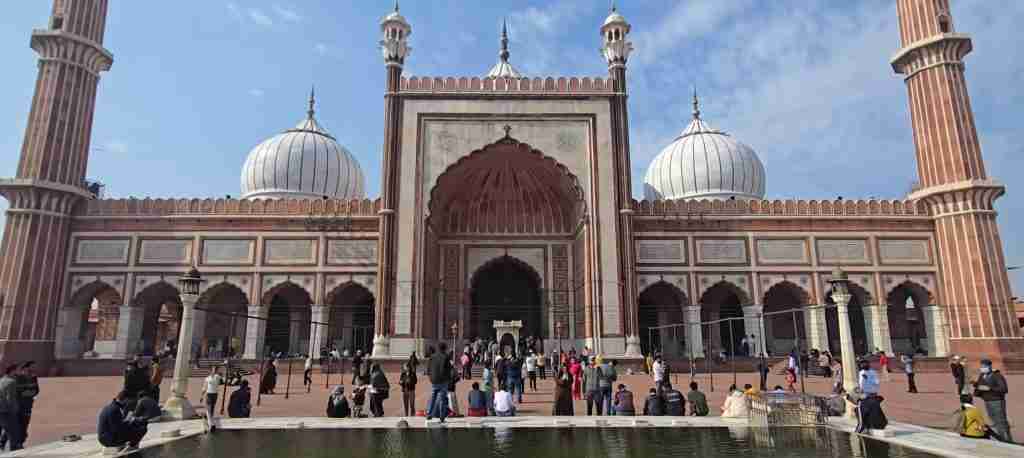
Countless temples, ghats, bazaars, and natural attractions offer free access throughout India. Varanasi’s ghats provide free access for sunrise prayers, evening aarti ceremonies, and riverside walks capturing India’s spiritual essence without entry fees. Delhi’s Gurudwara Bangla Sahib, Jama Masjid, and Lotus Temple welcome visitors free with modest dress codes. Mumbai’s Marine Drive, Gateway of India plaza, and Colaba causeway offer free access to iconic landmarks.
Many museums charge nominal ₹10-50 ($0.15-0.75) entry for Indians with foreigner rates at ₹100-300 ($1-4), providing affordable cultural education. National parks like Kaziranga, Ranthambore, and Jim Corbett charge safari fees of ₹1,000-3,000 ($12-36) for foreigners and ₹200-800 ($3-10) for Indians per safari, with jeep sharing among 6 passengers reducing individual costs. Beach towns like Goa, Kovalam, and Gokarna offer free beach access with costs limited to food, drinks, and water sports activities.
Walking tours, heritage walks, and self-guided exploration of old quarters cost nothing beyond time investment. Download offline maps and audio guides for popular sites, many available free through Google Arts & Culture, UNESCO apps, and travel blogs. Attend free cultural events, festivals, and public celebrations throughout the year providing authentic experiences without entry fees. Budget ₹100-500 ($1-6) daily for monument fees visiting 2-3 paid attractions, or eliminate this category entirely by focusing on free temples, ghats, markets, and natural sites.
Sample Daily Budgets India 2026
These comprehensive daily budgets combine accommodation, food, transportation, and activities providing realistic cost expectations for different travel styles across India in 2026. Each budget represents sustainable spending maintaining quality experiences without extreme compromises or unnecessary luxuries. Adjust these baselines based on specific destinations, seasonal timing, and personal preferences.
Budget Backpacker Daily Costs India 2026
Accommodation ₹400-600 ($5-8) for hostel dormitory beds in major cities or private rooms in smaller towns. Food ₹250-400 ($3-5) combining street food breakfast at ₹50-80 ($0.75-1), local dhaba lunch at ₹80-150 ($1-2), and street dinner at ₹80-150 ($1-2) with chai tea at ₹20-40 ($0.25-0.50). Transportation ₹150-300 ($2-4) using metro, local buses, and walking for urban exploration. Activities ₹100-300 ($1-4) for occasional monument entry fees, prioritizing free attractions, temples, ghats, and markets. Daily total ₹900-1,600 ($11-20) per person (excluding accommodation ₹1,300-2,200 / $16-27 including accommodation).
This budget enables extended travel across India for weeks or months, experiencing authentic local life through street food, public transport, and community interactions. Budget travelers stay in social hostel environments, eat where locals eat, and spend time in free cultural spaces rather than paid tourist attractions. The budget fluctuates based on destination, with Mumbai and Delhi costing 30-50% more than Varanasi, Hampi, or Rajasthan’s smaller cities.
Money-saving strategies include cooking occasional meals in hostel kitchens, accepting longer travel times via slowest train classes, walking 3-5 kilometers daily instead of taking transport, and timing visits to monuments on free days or attending external areas only. Join free walking tours operating in major cities, typically concluding with optional tips to guides. Share accommodation costs with travel partners reducing per-person expenses by 40-50%. This budget proves sufficient for nutrition, safety, and rich cultural experiences without deprivation.
Mid-Range Comfort Daily Costs India 2026
Accommodation ₹2,000-3,500 ($25-43) for private rooms in clean 3-star hotels or boutique guesthouses with air conditioning and breakfast included. Food ₹800-1,200 ($10-15) mixing quality local restaurants at ₹300-500 ($4-6) per meal with occasional street food and comfortable cafes. Transportation ₹400-800 ($5-10) combining Uber/Ola rides, intercity train AC classes, and occasional short flights. Activities ₹300-600 ($4-7) covering multiple monument entries, museums, and paid experiences. Daily total ₹3,500-6,100 ($43-75) per person (excluding accommodation ₹1,500-2,600 / $18-32 including accommodation ₹3,500-6,100 / $43-75).
Mid-range budgets deliver comfortable travel without luxury premiums, balancing authentic experiences with reliable amenities. Travelers enjoy private bathrooms, air conditioning, quality meals in clean restaurants, and flexibility choosing activities based on interest rather than cost constraints. This budget suits travelers with 2-4 weeks in India seeking comfort between budget adventures and occasional splurges on unique experiences.
Optimize mid-range budgets by booking accommodation through online platforms 2-4 weeks advance, eating breakfast at hotels then lunching at local spots saving ₹200-400 ($3-5) daily, using overnight trains combining transport and lodging costs, and visiting 2-3 monuments daily maximizing entry fee value. Share private drivers or cars among groups reducing transportation costs 50-70%. Mid-range budgets provide optimal experiences for first-time India visitors, digital nomads requiring reliable WiFi, and travelers prioritizing comfort over absolute budget minimization.
Luxury Traveler Daily Costs India 2026
Accommodation ₹15,000-40,000 ($185-490) for 5-star hotels, heritage palace properties, or premium resorts including breakfast buffets and premium amenities. Food ₹2,000-4,000 ($25-50) featuring hotel restaurants, fine dining experiences, international cuisine, and beverages including alcohol. Transportation ₹3,500-8,000 ($43-98) with private drivers for local sightseeing and intercity transfers, business class domestic flights, and premium service. Activities ₹1,500-3,000 ($18-37) including private guides, exclusive tours, spa treatments, and unique experiences. Daily total ₹22,000-55,000 ($270-675) per person (excluding accommodation ₹7,000-15,000 / $86-184 including accommodation ₹22,000-55,000 / $270-675).
Luxury travel in India delivers exceptional value compared to equivalent global experiences, with ₹30,000 ($370) daily budgets securing palace accommodations, private guides, fine dining, and exclusive access that would cost $800-1,200 elsewhere. Heritage hotels provide royal experiences in functioning palaces with period furnishings, courtyards, and personalized service. Private drivers eliminate logistics stress while enabling spontaneous stops at roadside attractions, artisan workshops, and scenic viewpoints.
Luxury budgets allow focus on experiences rather than costs, booking cooking classes with renowned chefs, sunrise hot air balloon rides, private boat cruises, wildlife safari jeeps, and traditional performance bookings. Many luxury travelers combine palace hotels with heritage properties, boutique resorts, and premium chains creating varied accommodation experiences. Shoulder season yields 30-40% discounts on luxury properties making April-June optimal for palace experiences at reduced costs without compromising quality or service.
Regional Price Variations India 2026
India’s vast geographic and economic diversity creates substantial price variations between regions, cities, and destination types. Understanding these differences enables strategic itinerary planning maximizing value by sequencing expensive and affordable destinations throughout trips. Mumbai represents the country’s most expensive city, while rural heritage sites and smaller cities offer exceptional value at 30-60% below metropolitan rates.
Most Expensive Destinations India 2026
Mumbai leads India’s cost hierarchy with budget accommodation starting at ₹1,500-2,000 ($18-25), meals ranging ₹500-1,500 ($6-18) at decent restaurants, and local transport at ₹100-300 ($1-4) daily. Mid-range hotels cost ₹4,000-8,000 ($50-98) nightly, while fine dining reaches ₹2,000-4,000+ ($25-50+) per meal. Total daily costs in Mumbai run ₹4,000-12,000 ($50-147) covering basics without luxuries, driven by India’s highest real estate costs, urban density, and corporate economy.
Delhi ranks second in expenses with accommodation at ₹1,200-1,800 ($15-22) budget and ₹3,000-6,000 ($37-74) mid-range, though prices dip 20-30% in neighborhoods like Paharganj or Karol Bagh. Meals cost ₹400-1,200 ($5-15) at quality restaurants with street food remaining affordable at ₹200-400 ($3-5) daily. Agra’s proximity to Delhi creates elevated prices despite smaller size, with budget rooms at ₹800-1,500 ($10-18) and tourist restaurants charging ₹300-800 ($4-10) per meal.
Goa varies dramatically between backpacker areas and luxury resorts, with South Goa commanding ₹4,000-8,000 ($50-98) nightly for beachfront properties while North Goa offers budget guesthouses at ₹800-2,500 ($10-30). Beach shacks charge ₹300-800 ($4-10) per meal with alcohol premiums. Overall Goa costs run 30-50% above national averages during peak November-March season but align with typical mid-range budgets during monsoon months.
Best Value Destinations India 2026
Varanasi provides exceptional value with clean guesthouse rooms at ₹400-1,000 ($5-12), authentic meals at ₹150-400 ($2-5), and minimal transport costs given walkable old city layout. Total daily costs of ₹1,500-3,000 ($18-37) cover comfortable accommodation, quality food, and rich cultural experiences including free ghat access and temple visits. The city’s spiritual economy prioritizes accessibility over profit maximization, keeping prices aligned with local rather than tourist economies.
Hampi stands among India’s cheapest heritage destinations with dormitory beds at ₹200-400 ($3-5), private rooms at ₹500-1,200 ($6-15), and thali meals at ₹60-120 ($0.75-1.50). UNESCO World Heritage Site access costs ₹600 ($7) total for foreigners covering entire monument zone. Bicycle rentals cost ₹50-100 ($0.75-1.25) daily enabling free exploration of boulder-strewn landscape. Daily budgets of ₹1,200-2,500 ($15-30) prove sufficient for multi-week stays exploring Vijayanagara ruins.
Kerala backwater villages like Alappuzha, Kumarakom, and Kollam offer homestays at ₹800-2,000 ($10-25) including homestyle meals, traditional boats rent at ₹500-1,500 ($6-18) for 2-4 hours, and local transport costs minimal amounts. Avoid expensive houseboat rentals at ₹8,000-25,000 ($98-307) by choosing village homestays with canoe access providing authentic experiences at 70-80% lower costs. Total daily expenses of ₹2,000-4,000 ($25-50) deliver comfort and cultural immersion impossible at similar prices elsewhere in India.
Money-Saving Regional Strategies 2026
Begin trips in expensive cities like Mumbai or Delhi for orientation then relocate to affordable destinations maximizing budget sustainability over extended periods. Spend 3-4 days in metropolitan areas absorbing urban energy, visiting major museums, and establishing India familiarity before moving to budget-friendly heritage cities or rural areas. This approach prevents both culture shock and budget shock by gradually transitioning from high to low cost environments.
Combine expensive destinations with budget locations balancing overall trip costs. Follow expensive Goa beach time with affordable Hampi ruins, or pair Delhi monuments with budget Rajasthan cities like Pushkar, Bundi, or Orchha. Calculate average daily costs across entire itineraries rather than destination-by-destination, accepting Mumbai’s ₹6,000 ($74) daily expenses when followed by Varanasi’s ₹2,000 ($25) average.
Book expensive city accommodations in neighborhoods 2-3 metro stops from tourist centers saving 30-40% on identical room quality while maintaining access through reliable public transport. Delhi’s Hauz Khas or Mumbai’s Bandra offer mid-range comfort at prices 40% below Connaught Place or Colaba equivalents. Research local knowledge through travel forums, India-focused blogs, and recent traveler reviews identifying value areas within expensive cities.
Seasonal Cost Variations India 2026
Seasonal timing dramatically impacts India travel costs, with peak season November-March commanding 30-50% premiums across accommodation, tours, and some transportation compared to shoulder season April-June and monsoon July-September. Understanding these seasonal patterns enables strategic trip timing maximizing value or accessing ideal weather based on budget priorities.
Peak Season Costs India (November-March 2026)
Peak season November-March delivers optimal weather across most of India with comfortable temperatures, minimal rainfall, and clear skies perfect for sightseeing and outdoor activities. This weather advantage drives massive tourist influx both domestic and international, creating premium pricing across accommodation, tours, and experiences. Mid-range hotels charge 40-60% more than shoulder season rates, with ₹2,500 ($30) properties jumping to ₹3,500-4,000 ($43-49). Luxury palace hotels increase 50-70% with ₹25,000 ($307) shoulder season rooms reaching ₹40,000-45,000 ($490-552).
Advance booking becomes essential during peak season, with popular destinations like Jaipur, Udaipur, Goa, and Kerala selling out 2-3 months ahead. Walk-in rates cost 20-30% more than advance online bookings during peak periods. Tour operators charge premiums of 30-40% for identical experiences offered in shoulder season, while wildlife safaris, hot air balloons, and specialized activities command peak pricing with limited availability.
Balance peak season costs by booking accommodation 6-8 weeks advance securing better rates, eating at local restaurants rather than tourist establishments saving ₹200-500 ($3-6) per meal, and using public transport eliminating tour operator premiums. Accept peak season expenses for destinations where weather truly matters like Himalayan treks, Ladakh visits, or Rann of Kutch access, while scheduling budget destinations like museums, urban heritage, and temple cities for shoulder season.
Shoulder Season Value India (April-June 2026)
Shoulder season April-June offers exceptional value with 30-50% discounts across accommodation, though heat intensifies particularly in central and northern plains reaching 40-45°C (104-113°F). This weather challenge deters many tourists creating pricing opportunities for heat-tolerant travelers willing to plan activities around morning and evening schedules. Mid-range hotels offering ₹3,500 ($43) peak season rooms drop to ₹2,000-2,500 ($25-30), while luxury properties provide 40-50% discounts with ₹40,000 ($490) palaces available at ₹20,000-25,000 ($245-307).
Tours, guides, and transportation maintain stable pricing with minor seasonal discounts of 10-20%, making shoulder season optimal for experience-heavy itineraries where accommodation represents major budget components. Hill stations like Shimla, Manali, Darjeeling, and Ooty offer comfortable shoulder season weather while coastal areas like Kerala and Goa grow hot but remain accessible with beach and backwater respites.
Maximize shoulder season value by visiting Himalayan destinations including Himachal Pradesh, Uttarakhand, and Sikkim where warm weather proves pleasant at altitude, exploring Karnataka and Tamil Nadu’s temple cities like Hampi, Madurai, and Thanjavur with early morning monument visits avoiding midday heat, and scheduling Rajasthan’s desert cities where air-conditioned accommodation provides refuge during hottest hours. Shoulder season enables luxury palace experiences at mid-range budgets, premium safaris at standard rates, and private guides available without advance booking.
Monsoon Season Considerations India (July-September 2026)
Monsoon season July-September creates lowest annual prices with 40-60% discounts on accommodation and tours, though rainfall disrupts some activities and destinations. Western Ghats, Kerala, and Goa receive heavy rainfall making beach activities challenging but creating lush green landscapes ideal for nature lovers. Northern plains and Rajasthan receive moderate rainfall refreshing landscapes after summer heat while maintaining tourist accessibility.
Budget travelers maximize monsoon advantages with ₹3,500 ($43) peak season hotels available at ₹1,500-2,000 ($18-25), luxury properties offering 50-60% discounts, and empty monuments permitting private exploration impossible during crowded peak season. Wildlife parks close during monsoon except select areas, while trekking becomes hazardous in Himalayas though lower altitude areas remain accessible.
Embrace monsoon season in Kerala for Ayurvedic treatments reaching peak effectiveness during wet months, Rajasthan cities gaining green transformation and cooler temperatures, and cultural cities like Varanasi, Kolkata, and Mumbai maintaining year-round appeal despite rainfall. Carry lightweight rain gear, waterproof bags for electronics, and flexible schedules accepting occasional weather-related delays. Monsoon season rewards adaptable travelers with exceptional value, authentic experiences, and crowd-free monuments justifying minor weather inconveniences.
Money-Saving Strategies India 2026
Strategic planning and informed choices reduce India travel costs 30-60% without compromising experience quality or cultural authenticity. These proven money-saving techniques combine insider knowledge, local practices, and smart booking strategies maximizing value across accommodation, food, transportation, and activities.
Accommodation Money-Saving Techniques 2026
Book online through Booking.com, Agoda, or Hostelworld 2-4 weeks advance securing 15-25% discounts over walk-in rates, with additional platform promotions during shoulder season adding 10-20% savings. Compare prices across multiple platforms as properties maintain different rates on various sites, with MakeMyTrip often offering India-specific deals. Choose accommodations with breakfast included saving ₹150-300 ($2-4) daily over separate restaurant breakfasts, particularly valuable for mid-range and luxury categories.
Negotiate multi-night stays for 10-20% discounts particularly during shoulder season or at walk-in bookings, asking “What’s your best rate for 3-5 nights?” rather than accepting first quoted prices. Many family guesthouses and budget hotels offer unofficial discounts for extended stays unmentioned in online listings. Contact properties directly via WhatsApp or email requesting better rates than online platforms, as commission-free bookings enable owners to reduce prices 10-15%.
Consider homestays through platforms like Airbnb or local networks reducing costs 20-40% compared to commercial hotels while providing cultural immersion, home-cooked meals, and local insider knowledge. Negotiate longer stays of 1-2 weeks for monthly rates 30-50% below nightly pricing. Stay in neighborhoods 2-3 kilometers from tourist centers using metro or short Uber rides reaching attractions, saving 30-40% on identical accommodation quality available in high-traffic areas.
Food Budget Optimization Strategies 2026
Eat breakfast and lunch at local restaurants or street stalls patronized by Indians rather than tourist-oriented establishments, saving 40-60% on identical food quality and authenticity. A local dhaba charges ₹80-120 ($1-1.50) for complete thalis while tourist restaurants demand ₹250-400 ($3-5) for lesser portions. Observe restaurant turnover before ordering, choosing busy establishments ensuring fresh preparation and food safety through high customer volumes.
Fill water bottles from hotel filtered systems or purchase 20-liter cans for ₹40-80 ($0.50-1) rather than buying 1-liter bottles at ₹20-40 ($0.25-0.50) each, saving ₹100-200 ($1-3) daily on hydration. Carry reusable bottles and water purification tablets for areas without reliable filtered sources. Avoid hotel mini-bars and tourist area shops charging 50-100% premiums, instead shopping at local markets or supermarket chains like Big Bazaar, Reliance Fresh, or More for snacks, fruits, and drinks.
Schedule one splurge meal daily at quality restaurants or rooftop cafes while eating other meals at budget spots, balancing costs with experiential dining. Share dishes family-style reducing per-person costs 30-40% while sampling wider menu variety, as Indian portions typically serve 1-2 people abundantly. Request half portions at restaurants often available at 60% of full plate prices providing sufficient quantities for modest appetites.
Transportation Cost Reduction Methods 2026
Book train tickets 30-60 days advance through IRCTC website securing confirmed berths rather than accepting waitlist uncertainty or last-minute Tatkal premiums costing 30-50% more. Choose overnight trains eliminating accommodation expenses while covering long distances, with ₹600-1,500 ($7-18) AC 3-tier berths combining transport and lodging costs. Travel in groups of 3-4 sharing private drivers reducing per-person costs 50-70%, making ₹3,500 ($43) daily driver expenses comparable to combined individual train and taxi costs.
Use Uber and Ola share options reducing ride costs 30-50% through pooling with similar-direction passengers, particularly effective for airport transfers and common tourist routes. Book domestic flights on Tuesdays and Wednesdays during afternoon hours avoiding weekend and prime-time premiums, saving 20-40% on identical routes. Set price alerts through Skyscanner or Google Flights monitoring fare drops for flexible travel dates.
Walk 2-3 kilometers daily between nearby attractions rather than taking transport for every movement, simultaneously saving ₹50-150 ($0.75-2) and experiencing street life impossible from vehicles. Rent bicycles at ₹50-150 ($0.75-2) daily in cycle-friendly cities like Jaipur old city, Hampi ruins, or Pondicherry French quarter combining economical transport with enhanced exploration. Download offline Google Maps before travel enabling navigation without data charges or guide dependence.
Activity and Experience Value Optimization 2026
Prioritize free attractions including temples, ghats, markets, and public spaces providing cultural experiences without entry fees, then budget paid activities strategically for UNESCO monuments and unique experiences unavailable elsewhere. Many cities offer free walking tours concluding with optional tips to guides at ₹200-500 ($3-6) per person, providing quality introductions to history and neighborhoods. Join these tours early in trips gathering local knowledge, restaurant recommendations, and orientation reducing subsequent expenses through informed choices.
Purchase combination tickets at multi-monument complexes like Jaipur palaces or Hampi ruins saving 10-15% over individual entries, with some cities offering 48-72 hour tourist cards bundling attractions, transport, and discounts. Research monument free days occurring monthly or during specific festivals when ASI properties waive foreign visitor fees, though crowds increase substantially. Visit monuments during early morning or late afternoon avoiding midday heat while capturing optimal photography light, with identical entry fees throughout operating hours.
Book tours and activities through local operators rather than international platforms like GetYourGuide or Viator, saving 30-50% on commission-free direct bookings. Compare multiple providers for cooking classes, village visits, or specialized experiences, as identical offerings vary 40-60% between premium and value operators. Negotiate group rates for activities like private tours, cooking classes, or transport when traveling with 3-4 people, reducing per-person costs 20-40% through bulk bookings.
Hidden Costs and Budget Traps India 2026
Beyond obvious accommodation, food, and transport expenses, numerous hidden costs and budget traps catch unprepared travelers increasing actual spending 20-40% above planned budgets. Understanding these additional expenses enables realistic budgeting avoiding financial surprises or mid-trip budget crises.
Visa and Entry Requirements India 2026
India e-Tourist visa costs $10-40 for 30-day validity (seasonal pricing), $40 for one-year multiple entry, and $80 for five-year access depending on nationality, with additional 2.5-3% bank transaction fees (check official site for current rates). Process e-visa applications at least 4-7 days before arrival allowing processing time and avoiding urgent fee premiums. Traditional visa through embassies costs $100-160 with longer processing requiring in-person appointments or mail submissions. Include visa expenses in pre-trip budgets rather than daily costs as one-time fixed expenses.
Airport immigration charges no additional fees beyond visa costs, though passenger facility fees and fuel surcharges embed within airline tickets. Ensure passport validity extends six months beyond intended departure with minimum two blank pages for entry stamps. Budget additional $50-100 for passport photos, document photocopies, and travel insurance required for visa applications.
Travel Insurance and Health Expenses 2026
Travel insurance costs $25-150 covering medical emergencies, evacuation, trip cancellation, and baggage protection for 1-4 week trips. Budget travelers choose basic medical coverage at $25-50, while comprehensive policies including adventure activities, high-value electronics, and generous medical limits run $100-150. India’s healthcare costs remain affordable with doctor consultations at ₹300-800 ($4-10), basic medications at ₹50-300 ($0.75-4), and even private hospital treatments substantially below Western rates, though insurance provides peace of mind for serious emergencies requiring evacuation.
Vaccinations recommended for India include Hepatitis A, Typhoid, and routine boosters costing $100-300 total depending on existing immunization status and healthcare access. Malaria prophylaxis costs $30-100 for anti-malarial medications if visiting endemic areas during monsoon season. Budget these health expenses as pre-trip fixed costs separate from daily budgets. Carry basic first-aid supplies including anti-diarrheal medication, rehydration salts, pain relievers, and antibacterial ointment costing ₹300-800 ($4-10) total.
Communications and Connectivity Costs 2026
Indian SIM cards cost ₹200-600 ($3-7) for tourist plans providing 1-2 GB daily data with unlimited calls for 28-84 day validity. Airtel, Jio, and Vodafone-Idea offer reliable networks nationwide, though purchasing SIM cards requires passport, visa copy, and passport photos with activation taking 24-48 hours. International roaming costs $10-30 daily making local SIMs economically essential for stays exceeding 3-4 days. Budget ₹400-1,000 ($5-12) for SIM card and recharges covering entire trip duration.
WiFi availability varies by accommodation quality, with mid-range and luxury properties providing free reliable connectivity while budget hostels offer slower speeds or charge ₹50-150 ($0.75-2) daily. Many cafes and restaurants provide free WiFi requiring purchase to access passwords. Download offline maps, travel guides, and entertainment before arrival reducing data consumption during trip. VPN services cost $5-10 monthly enabling secure browsing on public networks while accessing geo-restricted content.
Shopping, Souvenirs, and Unexpected Expenses 2026
Souvenir shopping costs vary dramatically based on items, quality, and negotiation skills, with textiles, handicrafts, jewelry, and art available at every price point. Budget ₹1,000-5,000 ($12-60) for quality souvenirs including pashmina shawls, block-printed textiles, miniature paintings, or silver jewelry, with prices negotiable 20-40% from initial quotes. Fixed-price government emporiums eliminate negotiation hassles while ensuring quality and fair pricing 10-30% above bargained street prices.
Laundry costs ₹50-150 ($0.75-2) per kilogram at local services offering 24-hour turnaround, with hotels charging 300-500% premiums for identical service. Budget ₹200-600 ($3-7) weekly for laundry expenses depending on clothing volume and frequency. Tipping remains discretionary rather than mandatory, with restaurant tips at 10% for excellent service, tour guides receiving ₹200-500 ($3-6) daily, and drivers getting ₹100-300 ($1-4) daily for multi-day services.
Equipment rentals for specialized activities add costs: trekking gear rents at ₹200-800 ($3-10) daily per item, motorcycles cost ₹400-1,200 ($5-15) daily, and scooters run ₹250-600 ($3-7) daily in popular tourist areas. Budget these rental expenses when planning adventure activities rather than discovering costs upon arrival. Emergency expenses including lost items, extra nights due to delays, or medical consultations typically total ₹2,000-8,000 ($25-100) for multi-week trips, warranting ₹5,000-10,000 ($60-125) emergency buffer in overall budgets.
Currency Exchange and Money Management India 2026
Effective currency management reduces costs 5-10% through favorable exchange rates, minimal fees, and strategic ATM usage. Understanding India’s payment landscape combining cash-heavy traditional economy with growing digital adoption enables smooth financial operations throughout travels.
Best Currency Exchange Options India 2026
Airport currency exchanges offer worst rates with 5-8% margins above mid-market rates plus flat fees of ₹100-300 ($1-4) per transaction, making them suitable only for minimal initial needs like taxi fares. Exchange $50-100 at airports covering first 24 hours, then use ATMs or city exchanges for subsequent cash needs. City authorized money changers provide competitive rates 2-4% above mid-market rates, with established operators in tourist areas like Delhi’s Connaught Place or Mumbai’s Colaba offering better rates than hotels or small shops.
ATMs deliver best overall value with rates 1-3% above mid-market when using cards without foreign transaction fees, though Indian bank ATM fees of ₹100-300 ($1-4) per withdrawal apply regardless of amount. Withdraw ₹10,000-20,000 ($125-250) per transaction minimizing fee impact, choosing bank-operated machines like ICICI, HDFC, or State Bank over generic ATMs in shops. International travel cards from providers like Wise or Revolut eliminate foreign transaction fees and offer competitive exchange rates, though acceptance varies with Visa/Mastercard logos most widely recognized.
Bring USD or EUR cash as backup currency exchangeable throughout India, avoiding less common currencies requiring multiple conversions and poor rates. Never exchange currency at hotels charging 10-15% premiums over city rates, or with unlicensed street vendors offering attractive rates but delivering counterfeit notes or shortchanging tourists through distraction techniques.
Cash Versus Digital Payments India 2026
Cash remains essential in India despite digital payment growth, with street food vendors, local transport, small shops, and rural areas operating exclusively in physical currency. Carry ₹2,000-5,000 ($25-60) daily in mixed denominations including ₹100, ₹500 notes for routine transactions, as ₹2,000 notes face acceptance challenges at small establishments lacking change. Credit cards work at mid-range and luxury hotels, upscale restaurants, and organized tours, while budget establishments, street vendors, and local transport require cash exclusively.
Digital payment apps like Paytm, Google Pay, and PhonePe dominate Indian commerce, though tourist adoption proves challenging without Indian bank accounts or local phone numbers. UPI payments require Indian registration making them inaccessible for short-term visitors, though some platforms now offer limited tourist functionality. International credit cards incur 2-3.5% foreign transaction fees unless specifically waived, making cash withdrawals more economical for daily expenses despite ATM fees.
Budget 70-80% of expenses in cash covering accommodation deposits, street food, local transport, market shopping, and tipping, with remaining 20-30% via cards for hotel final bills, restaurant meals, and online bookings. Carry backup payment methods including two different cards on separate networks (Visa and Mastercard) preventing total access loss if one card faces issues. Notify banks before India travel avoiding fraud holds on cards, and store emergency cash separately from daily-use money reducing loss impact from theft or pickpocketing.
Frequently Asked Questions About India Budget 2026
Is ₹5,000 ($60) per day enough for comfortable travel in India in 2026?
Yes, ₹5,000 ($60) per day provides very comfortable mid-range travel in India covering private air-conditioned hotel rooms at ₹2,500-3,500 ($30-43), quality restaurant meals totaling ₹1,000-1,500 ($12-18), Uber/Ola transport at ₹400-600 ($5-7), and monument entries plus activities at ₹400-800 ($5-10). This budget enables reliable WiFi, hot showers, clean dining, and flexibility choosing activities by interest rather than cost. Only expensive cities like Mumbai or peak season Goa challenge ₹5,000 daily comfort, requiring upgrades to ₹6,000-8,000 ($74-98) for equivalent quality.
Can I travel India on ₹1,000 ($12) per day in 2026?
Traveling on ₹1,000 ($12) daily proves extremely challenging even for experienced budget travelers, requiring dormitory accommodation at ₹200-400 ($3-5), exclusive street food and local restaurants at ₹200-400 ($3-5) total, walking or basic buses at ₹50-150 ($0.75-2), and free activities only. This budget works in very affordable destinations like Varanasi, Hampi, or Pushkar for extended stays, but excludes monument entries, any comfort amenities, and contingency expenses. Realistic sustainable budget minimum runs ₹1,500-2,000 ($18-25) daily enabling basic nutrition, safe accommodation, and occasional paid attractions without constant deprivation.
How much does a 2-week India trip cost in 2026?
A 2-week India trip costs $400-600 total for budget backpackers, $800-1,200 for mid-range comfort, and $2,000-4,000+ for luxury experiences. Budget travelers spend ₹1,500-2,500 ($18-30) daily for 14 days totaling ₹21,000-35,000 ($260-430) plus international flights, visa ($10-40), and insurance ($25-50). Mid-range costs run ₹4,000-6,000 ($50-74) daily totaling ₹56,000-84,000 ($690-1,035) plus pre-trip expenses. Luxury travelers exceed ₹15,000 ($185) daily totaling ₹210,000+ ($2,590+) for palace hotels, private guides, and premium experiences. These estimates exclude international airfare varying $400-1,500 from major cities.
Are credit cards widely accepted in India in 2026?
Credit cards gain acceptance at mid-range and luxury hotels, upscale restaurants, organized tours, and modern retail, but remain limited at budget accommodations, street food, local transport, markets, and rural areas. Visa and Mastercard work most reliably, while American Express faces acceptance challenges outside major international hotels and restaurants. Foreign credit cards incur 2-3.5% transaction fees unless specifically waived, and some merchants add 2-3% surcharges for card payments. Cash remains essential for 60-70% of transactions requiring daily ATM withdrawals of ₹5,000-10,000 ($60-125) covering routine expenses.
What hidden costs should I budget for India travel 2026?
Hidden costs include visa fees $10-80 depending on duration, travel insurance $25-150, vaccinations $100-300, Indian SIM card ₹400-1,000 ($5-12), laundry ₹200-600 ($3-7) weekly, souvenirs ₹1,000-5,000 ($12-60), tips for guides ₹200-500 ($3-6) daily and drivers ₹100-300 ($1-4) daily, ATM fees ₹100-300 ($1-4) per withdrawal, and equipment rentals for trekking or activities ₹200-800 ($3-10) daily. Budget ₹10,000-20,000 ($125-250) beyond primary accommodation, food, and transport costs covering these additional expenses plus ₹5,000-10,000 ($60-125) emergency buffer for unexpected situations.
Is bargaining expected in India markets and shops?
Bargaining remains expected and culturally accepted in markets, street shops, auto-rickshaws, and unmetered transport, with initial asking prices typically 40-100% above final negotiated amounts. Start negotiations at 40-50% of quoted prices, gradually increasing to 60-70% through friendly, respectful conversation. Fixed-price shops, government emporiums, chain stores, restaurants, and hotels with posted rates don’t accept bargaining. Auto-rickshaw and taxi fares negotiate before entering vehicles, while Uber and Ola provide transparent fixed pricing eliminating bargaining entirely. Bargaining adds cultural interaction and savings of 30-60% on souvenirs, textiles, handicrafts, and local transport.
How much should I tip tour guides and drivers in India 2026?
Tour guides receive ₹300-800 ($4-10) per day for full-day services, with ₹200-400 ($3-5) for half-day tours and ₹500-1,000 ($6-12) for specialized experts or exceptional service. Private drivers earn ₹200-500 ($3-6) daily for multi-day trips, paid at journey conclusion as cumulative amount rather than daily installments. Restaurant tips run 5-10% for good service at mid-range and upscale establishments, while street food and basic restaurants don’t expect tips. Hotel bellhops receive ₹20-50 ($0.25-0.60) per bag, housekeeping ₹50-100 ($0.75-1.25) daily left in rooms. Tipping remains discretionary based on service quality, not mandatory obligation.
What seasonal price differences exist in India 2026?
Peak season November-March commands 30-60% premiums on accommodation, with mid-range hotels costing ₹3,500-4,500 ($43-55) compared to shoulder season ₹2,000-2,500 ($25-30). Luxury palace hotels increase 50-70% from ₹25,000 ($307) to ₹40,000-45,000 ($490-552). Shoulder season April-June delivers 30-40% discounts during hot weather, while monsoon July-September offers 40-60% savings despite rainfall. Tours and activities maintain stable pricing with minor 10-20% seasonal variations. Food and local transport costs remain constant year-round. Strategic trip timing during shoulder season enables luxury experiences at mid-range budgets through substantial accommodation savings.
Can I use US dollars or euros directly in India?
Indian rupees serve as exclusive legal tender requiring currency exchange for all transactions, with USD and EUR not accepted for direct payments except at select luxury hotels quoting room rates in foreign currencies. Airport currency exchanges, city money changers, and hotel desks convert USD and EUR to rupees, though rates vary 3-15% with city exchanges offering best value. ATMs provide optimal exchange rates 1-3% above mid-market when using fee-free cards, while avoiding airport exchanges charging 5-8% premiums. Bring USD or EUR as backup currency easily exchangeable nationwide, with other currencies like AUD, CAD, or GBP facing limited exchange options outside major cities.
Are ATMs widely available throughout India in 2026?
ATMs exist abundantly in cities, towns, and tourist areas with bank-operated machines from ICICI, HDFC, State Bank of India, and Axis providing reliable service 24/7. Rural areas and remote destinations feature limited ATM access requiring cash preparation before departure from urban centers. Indian bank ATM fees run ₹100-300 ($1-4) per withdrawal regardless of amount, making large withdrawals of ₹10,000-20,000 ($125-250) economical minimizing fee impact. Daily ATM withdrawal limits cap at ₹10,000-40,000 ($125-490) depending on bank and card type. Use bank-operated ATMs inside branches or shopping malls avoiding standalone machines in small shops prone to skimming devices and technical issues.