Inca Trail vs Short Inca Trail 2026: Complete Comparison Guide
Key Takeaways
- Classic Inca Trail spans 4 days/3 nights covering 26 miles with permits at $800-900 in 2026, while Short Inca Trail completes in 2 days/1 night over 6.8 miles at $650-750 per person
- Both trails require advance booking 5-6 months ahead for 2026 peak season (May-September), with Short Inca Trail offering more last-minute availability
- Classic trail reaches maximum altitude of 13,828 feet at Dead Woman’s Pass, demanding higher fitness levels than Short trail’s 8,924 feet maximum elevation
- Short Inca Trail allows combination with other Cusco activities in a week-long trip, while Classic requires dedicated 5-7 day Peru itinerary including acclimatization
- Both trails culminate at Machu Picchu’s Sun Gate entrance, but Classic provides 4 days of archaeological immersion versus Short trail’s condensed single-day experience
- Budget travelers save $150-200 choosing Short trail, but miss 75% of archaeological sites and cultural experiences available on Classic route
- Contact us by filling out the trip planner form, and our partner’s expert travel advisors will work closely with you to create your tailor-made itinerary (Free Service)
Introduction: Choosing Your Inca Trail Experience in 2026
Peru’s most iconic trekking routes present distinct experiences for 2026 travelers. The Classic Inca Trail and Short Inca Trail both lead to Machu Picchu through ancient stone pathways built by Incan engineers six centuries ago, but serve dramatically different travel styles, fitness levels, and time constraints. Understanding the fundamental differences between these UNESCO World Heritage routes determines which trek aligns with your physical capabilities, available vacation days, and cultural exploration priorities for your 2026 Peru adventure.
The Classic Inca Trail represents the complete pilgrimage experience that Incan royalty and priests traversed to reach the sacred citadel. This 4-day expedition covers 26 miles through cloud forests, alpine tundra, and subtropical valleys, passing 30+ archaeological sites that tell the story of Tawantinsuyu empire expansion. Trekkers camp at designated sites, cross three mountain passes above 12,000 feet, and arrive at Machu Picchu through the Sun Gate at dawn on day four—the same ceremonial entrance used by Incan elite.
The Short Inca Trail condenses this experience into a 2-day journey covering the final 6.8 miles of the ancient route. Starting at kilometer 104 on the railway line to Aguas Calientes, this abbreviated trek climbs through Chachabamba and Wiñay Wayna archaeological complexes before reaching the Sun Gate for sunset views over Machu Picchu. Hikers descend to Aguas Calientes for overnight accommodation, then explore Machu Picchu citadel the following morning with fresh legs and significantly lighter packs.
Your 2026 decision hinges on three primary factors: available time for your Peru trip, physical fitness and altitude acclimatization capacity, and desire for archaeological immersion versus Machu Picchu-focused efficiency. Classic trail demands 7-9 days total including Cusco acclimatization and post-trek recovery, while Short trail fits comfortably within a 5-day Cusco itinerary alongside Sacred Valley exploration. Fitness requirements differ substantially—Classic requires hiking 6-8 hours daily with 15-pound packs at elevations exceeding 13,000 feet, while Short trail involves one challenging 8-hour day followed by leisurely Machu Picchu exploration.
Budget considerations factor prominently in 2026 planning. Classic Inca Trail permits through authorized operators cost $800-900 per person including guides, porters, camping equipment, and meals. Short Inca Trail permits run $650-750 per person with hotel accommodation in Aguas Calientes adding $80-150 for the overnight stay. Transportation costs remain identical—both routes require train tickets from Ollantaytambo or Cusco to access trail starting points, plus return journey from Aguas Calientes.
Permit availability creates the most significant planning constraint for 2026. Classic Inca Trail permits sell out 5-6 months ahead for May through September high season, requiring booking by November 2025 for June 2026 departures. Short Inca Trail maintains better last-minute availability due to higher daily permit allocations (250 permits daily versus Classic’s 200), though prime dates still require 3-4 month advance reservations. Both trails close annually throughout February for trail maintenance and ecological restoration.
People Also Ask About Inca Trail vs Short Inca Trail 2026
How much does the Inca Trail cost compared to Short Inca Trail in 2026?
Classic Inca Trail costs $800-900 per person in 2026 for all-inclusive 4-day treks with authorized operators (check Peru’s Ministry of Culture website for current official permit rates and operator regulations). This price includes permits, professional guides, porters, camping equipment, meals from lunch day one through breakfast day four, and trail entrance fees. Short Inca Trail runs $650-750 per person for 2-day treks, including permits, guides, lunch on hiking day, and Machu Picchu entrance, but excludes Aguas Calientes hotel accommodation ($80-150 additional). Both require train tickets from Ollantaytambo to trail access points ($75-95 round trip) and pre-trek hotel nights in Cusco for acclimatization. Budget travelers save approximately $150-200 choosing Short trail when factoring accommodation differences, though miss three days of archaeological exploration and cultural immersion available on Classic route.
Which is better for beginners in 2026 – Inca Trail or Short Inca Trail?
Short Inca Trail serves beginners significantly better in 2026 due to compressed difficulty over one challenging day versus four consecutive days of physical exertion. The condensed route covers 6.8 miles with 3,280 feet elevation gain in approximately 8 hours, allowing complete recovery in comfortable Aguas Calientes hotel before Machu Picchu exploration. Classic trail demands 26 miles over four days with three passes above 12,000 feet including Dead Woman’s Pass at 13,828 feet—elevation that causes acute mountain sickness symptoms in 40-50% of trekkers without proper acclimatization. Beginners choosing Short trail hike one strenuous day then enjoy Machu Picchu with fresh legs, while Classic requires maintaining performance across consecutive challenging days with cumulative fatigue. First-time high-altitude hikers should prioritize Short trail unless completing multi-week Peru itineraries allowing extended Cusco acclimatization before Classic trek.
Do both trails require advance booking in 2026?
Both trails require advance booking in 2026, though timelines differ substantially. Classic Inca Trail permits sell out 5-6 months ahead for May through September peak season, requiring reservations by November 2025 for June 2026 departures and December 2025 for July-August 2026 treks. Shoulder season months (April, October) fill 3-4 months early, while November-December-January wet season maintains availability 6-8 weeks before departure. Short Inca Trail offers more flexibility with permits available 2-3 months ahead even during high season, and last-minute bookings possible 2-4 weeks before departure in shoulder seasons. Both trails close entirely throughout February for annual maintenance. Book through Peru Ministry of Culture authorized operators only—approximately 200 licensed companies operate both routes with verified permits and proper guide certifications for 2026 season.
What’s the difference in difficulty between the trails in 2026?
Classic Inca Trail rates as strenuous-to-extreme difficulty requiring strong cardiovascular fitness and multi-day endurance capacity, while Short Inca Trail qualifies as moderate-to-challenging with difficulty concentrated in one intensive day. Classic route demands hiking 6-8 hours daily for four consecutive days carrying 12-15 pound daypacks, ascending three mountain passes with Dead Woman’s Pass reaching 13,828 feet—higher than most Colorado ski resorts. Cumulative elevation gain totals approximately 9,800 feet over 26 miles with steep stone staircases causing knee strain on descents. Short trail compresses challenge into one 8-hour day covering 6.8 miles with 3,280 feet elevation gain, maximum altitude of 8,924 feet, and no multi-day fatigue accumulation. Recovery differs dramatically—Classic trekkers arrive at Machu Picchu after four hard days with depleted energy reserves, while Short trail hikers explore the citadel after full night’s sleep in comfortable beds with restoration capacity.
Extended multi-day tours – 5+ days
Featured Inca Trail Multi-Day Tour Packages
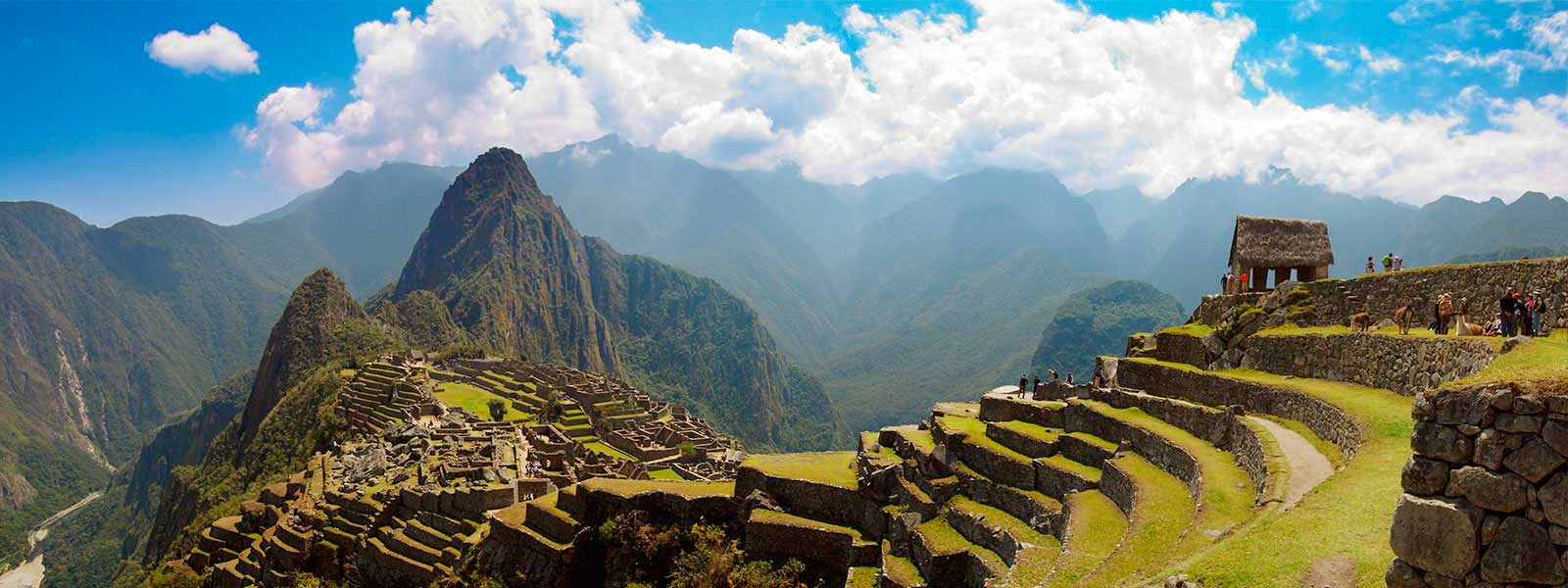
3 days
Inca Trail 3-Day Discovery Tour
- ✓ Comprehensive Inca Trail experience
- ✓ Expert local guides included
- ✓ All accommodation included
- ✓ Transportation provided
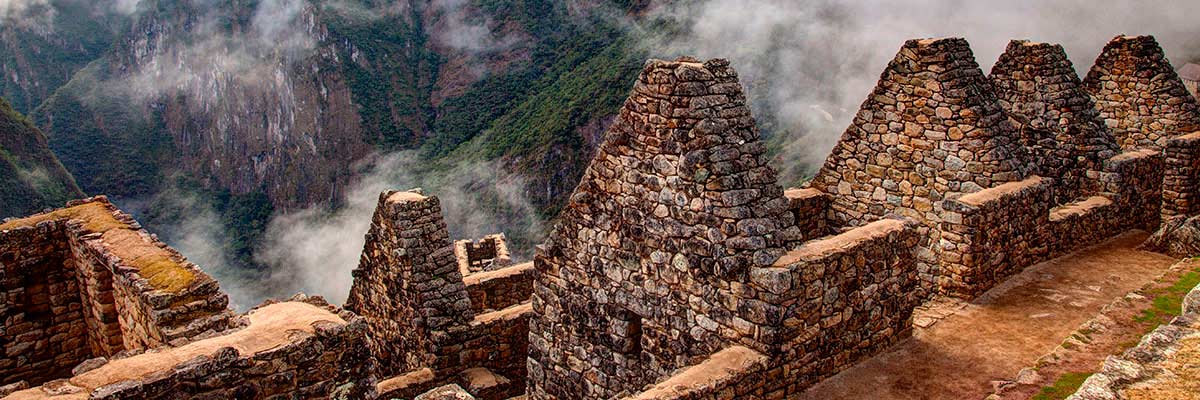
5 days
Inca Trail 5-Day Highlights Experience
- ✓ Comprehensive Inca Trail experience
- ✓ Expert local guides included
- ✓ All accommodation included
- ✓ Transportation provided

7 days
Inca Trail 7-Day Cultural Journey
- ✓ Comprehensive Inca Trail experience
- ✓ Expert local guides included
- ✓ All accommodation included
- ✓ Transportation provided

10 days
Inca Trail 10-Day Complete Adventure
- ✓ Comprehensive Inca Trail experience
- ✓ Expert local guides included
- ✓ All accommodation included
- ✓ Transportation provided
Multi-day tour packages powered by TourRadar. Prices and availability subject to change.
Essential Planning Information 2026
Peru’s government restricts both Inca Trail routes to 500 people daily including guides and porters, creating intense competition for 2026 permits during May-September dry season. Classic trail allocates 200 trekking permits daily with each permit supporting one trekker plus approximately 1.5 support staff (guides, porters, cooks), while Short trail permits 250 trekkers daily with lower porter ratios due to abbreviated duration and hotel-based logistics.
Booking timeline proves critical for 2026 success. Permits release 6-7 months ahead, with June-July-August dates selling completely within 48-72 hours of availability. Smart travelers target April-May or September-October shoulder seasons offering 70% permit availability 3-4 months ahead, stable weather conditions, and reduced crowds at archaeological sites. November through March wet season maintains excellent availability but brings daily afternoon thunderstorms, muddy trail conditions, and occasional snow at high passes.
Health and fitness preparation differs substantially between routes. Classic trail demands 8-12 weeks of cardiovascular training including weekly long hikes with weighted packs, stair climbing simulations, and altitude acclimatization if arriving from sea level. Short trail requires moderate fitness achievable through 4-6 weeks of regular hiking, though altitude awareness remains crucial—Cusco sits at 11,150 feet and Short trail maximum elevation reaches 8,924 feet at Inti Punku (Sun Gate).
Insurance coverage represents mandatory planning for 2026. Both trails require emergency evacuation insurance covering high-altitude rescue operations costing $3,000-8,000 if medical emergency necessitates helicopter extraction. Travel insurance policies must specifically cover trekking activities above 6,000 meters and include trip cancellation protection—permits become non-refundable 30 days before departure regardless of personal circumstances.
Equipment rental availability in Cusco reduces international baggage requirements. Classic trail needs sleeping bags rated to 15°F, trekking poles, and four-season camping gear (provided by tour operators), while Short trail requires only daypack, hiking boots, and rain protection. Rental shops in Cusco’s San Blas neighborhood provide quality equipment at $5-12 daily, though booking confirmation ensures sizing availability during 2026 peak season.
Classic Inca Trail Overview 2026
The Classic Inca Trail represents South America’s most celebrated multi-day trek, combining spectacular Andean scenery with unparalleled archaeological immersion across 26 miles of ancient stone pathways. The route follows original Incan royal road (Qhapaq Ñan) from kilometer 82 near Ollantaytambo through three ecological zones—cloud forest, alpine tundra, and subtropical valleys—ascending three mountain passes before descending to Machu Picchu through the ceremonial Sun Gate entrance.
Day one covers 7.5 miles from kilometer 82 trailhead to Wayllabamba camp at 9,840 feet, introducing trekkers to Incan engineering through Llactapata ruins and agricultural terracing systems. The relatively gentle introduction allows altitude adjustment while guides explain Tawantinsuyu expansion strategies and Qhapaq Ñan road network connecting empire territories. Camp setup occurs mid-afternoon, with porters erecting dining and sleeping tents while trekkers explore surroundings and photograph Urubamba Valley vistas.
Day two presents the trek’s greatest physical challenge—ascending from Wayllabamba to Dead Woman’s Pass (Warmiwañusca) at 13,828 feet, then descending 1,970 feet to Pacaymayo camp. The 7.5-mile day involves 3,280 feet elevation gain through increasingly sparse vegetation as hikers climb above tree line into puna grasslands. Reaching the pass summit typically occurs late morning, with spectacular 360-degree views of Vilcabamba and Urubamba mountain ranges rewarding the 3-4 hour ascent. Afternoon descent to Pacaymayo tests knees and balance on steep stone staircases, arriving at camp around 4-5 PM for tea service and multi-course dinner.
Day three traverses two additional passes—Runkurakay at 12,960 feet and Phuyupatamarca at 12,070 feet—while visiting the trek’s most impressive archaeological sites. Morning begins with 1,640-foot climb to Runkurakay pass and ruins, continuing through cloud forest to Sayacmarca temple complex accessible only via narrow stone causeway. The trail reaches maximum beauty at Phuyupatamarca (“Town Above the Clouds”), an elaborate ceremonial center with fountain systems and panoramic Vilcabamba views. Afternoon descent covers 3,000 vertical feet through original Incan stone staircases to Wiñay Wayna camp, the trek’s final overnight stop featuring hot showers and restaurant service.
Day four begins at 3:30-4:00 AM for sunrise arrival at Inti Punku (Sun Gate) overlooking Machu Picchu citadel. The 3.1-mile pre-dawn hike takes 1.5-2 hours along relatively flat trail sections, reaching the Sun Gate around 5:30-6:00 AM as first light illuminates Huayna Picchu peak and main plaza structures. Trekkers descend final mile into Machu Picchu for 2-hour guided tour before afternoon train return to Cusco, completing the 4-day pilgrimage that Incan elite traversed six centuries earlier.
Physical demands accumulate across consecutive days. Average daily hiking time runs 6-8 hours covering 6-7.5 miles, though day two extends to 8-9 hours with Dead Woman’s Pass ascent-descent. Trekkers carry 12-15 pound daypacks containing water, snacks, rain gear, and personal items while porters transport camping equipment, food supplies, and main luggage (limited to 15 pounds per trekker). Altitude reaches maximum 13,828 feet at Dead Woman’s Pass, with three nights spent above 10,000 feet—elevation requiring 2-3 days Cusco acclimatization before trek start.
Archaeological education intensifies daily as guides explain Incan urban planning, agricultural innovation, and religious practices at 30+ ruin sites. Major complexes include Llactapata (agricultural center), Runkurakay (messenger checkpoint), Sayacmarca (fortress temple), Phuyupatamarca (ceremonial bathing complex), Wiñay Wayna (agricultural terracing masterpiece), and Intipata (extensive farming terraces). Each site demonstrates sophisticated Incan engineering—precise stone cutting, earthquake-resistant construction techniques, advanced hydraulic systems, and astronomical alignments reflecting Andean cosmology.
Short Inca Trail Overview 2026
The Short Inca Trail provides condensed access to the Classic route’s final and most spectacular section, beginning at kilometer 104 railway stop and covering 6.8 miles to Machu Picchu over one intensive hiking day. This abbreviated option suits travelers with limited vacation time, moderate fitness levels, or preference for hotel comfort over camping, while still experiencing authentic stone pathways, major archaeological sites, and Sun Gate arrival that defines the Inca Trail mystique.
Morning begins with 6:00-6:30 AM train departure from Ollantaytambo or Poroy station near Cusco, arriving kilometer 104 checkpoint around 8:00-8:30 AM after scenic Urubamba River valley journey. Hikers pass through permit control and begin immediate ascent toward Chachabamba ruins, the first archaeological site offering agricultural terracing demonstrations and introduction to Incan stonework quality. The trail climbs steadily through subtropical vegetation with Urubamba River audible 1,000 feet below, crossing several Incan bridges and aqueduct systems still functional after six centuries.
Mid-morning reaches Wiñay Wayna, the Short trail’s archaeological highlight and one of Machu Picchu region’s most impressive ceremonial complexes. The terraced city cascades down mountainside in 10+ levels of precise agricultural platforms, with residential structures, ceremonial fountains, and temple areas demonstrating urban planning sophistication. Most tour groups allocate 60-90 minutes for Wiñay Wayna exploration and lunch service, with guides explaining site function within Incan agricultural production and religious practices.
Afternoon continues through cloud forest terrain with increasing orchid diversity and exotic bird species including Andean cock-of-the-rock and various hummingbird varieties. The final ascent to Inti Punku (Sun Gate) involves approximately 50 minutes of steady climbing through original stone staircases, emerging at the same ceremonial entrance that Classic trekkers reach at dawn. Late afternoon arrival at Sun Gate provides dramatic first views of Machu Picchu citadel with Huayna Picchu peak backdrop, though afternoon cloud formations sometimes obscure complete vistas.
Descent from Sun Gate to Machu Picchu citadel covers approximately 45 minutes along well-maintained pathways, arriving around 4:00-4:30 PM when day visitor crowds have departed and late afternoon light creates excellent photography conditions. Short trail permits include timed Machu Picchu entrance for brief introductory exploration before boarding shuttle buses to Aguas Calientes town for hotel check-in, dinner, and overnight rest. Day two involves return to Machu Picchu citadel for comprehensive 2-3 hour guided tour with fresh legs and optimal morning lighting conditions, followed by afternoon train return to Cusco.
Physical challenge concentrates in one 8-hour hiking day covering 6.8 miles with 3,280 feet cumulative elevation gain from kilometer 104 trailhead (6,890 feet) to Inti Punku (8,924 feet). The single-day format allows maximum effort without concern for multi-day endurance or next-day performance requirements. Hikers carry only daypacks with water, snacks, rain gear, and camera equipment—significantly lighter loads than Classic trail’s multi-day camping necessities. Maximum altitude of 8,924 feet at Sun Gate remains below critical acute mountain sickness threshold for most properly acclimatized trekkers.
Archaeological exposure covers three major sites—Chachabamba, Wiñay Wayna, and Machu Picchu itself—representing approximately 30% of Classic trail’s ruin quantity but including two of the most impressive complexes. Guides provide condensed historical context focused on Incan expansion into Antisuyu (jungle territory), agricultural innovation through advanced terracing systems, and ceremonial practices connecting mountain worship (Apu veneration) with agricultural productivity. The abbreviated format sacrifices breadth for depth, with extended time at major sites versus brief stops at numerous smaller ruins.
Detailed Comparison 2026: Trail by Trail Analysis
Distance and duration represent the most obvious differentiator between routes. Classic trail spans 26 miles over 4 days with 3 nights camping at designated sites, requiring 5-7 days total Peru itinerary including pre-trek Cusco acclimatization and post-trek recovery. Short trail covers 6.8 miles in one intensive hiking day followed by second-day Machu Picchu exploration, fitting comfortably within 4-5 day Cusco itineraries alongside Sacred Valley and city tours. Trekkers with 2-week Peru vacations easily incorporate Classic trail, while travelers with 7-10 days find Short trail enables superior time utilization.
Elevation profiles differ substantially in maximum altitude and altitude exposure duration. Classic route reaches 13,828 feet at Dead Woman’s Pass with three consecutive nights above 10,000 feet (Wayllabamba 9,840 feet, Pacaymayo 11,811 feet, Wiñay Wayna 8,694 feet), requiring robust altitude acclimatization and increasing acute mountain sickness risk. Short trail maximum elevation reaches only 8,924 feet at Inti Punku, with single-day exposure limiting altitude illness development even for moderately acclimatized trekkers. The 4,904-foot elevation difference proves decisive for travelers concerned about high-altitude performance or those unable to complete 3-4 day Cusco acclimatization before trekking.
Archaeological immersion varies dramatically in site quantity and educational depth. Classic trail passes 30+ documented Incan ruins including major complexes (Llactapata, Runkurakay, Sayacmarca, Phuyupatamarca, Wiñay Wayna, Intipata) plus numerous smaller agricultural platforms, messenger checkpoints, and ceremonial centers. Four days with professional guides allows comprehensive historical education covering Tawantinsuyu expansion, Qhapaq Ñan engineering, agricultural innovation, and religious cosmology. Short trail concentrates on three sites—Chachabamba, Wiñay Wayna, and Machu Picchu—with abbreviated historical context focused on jungle territory integration and ceremonial practices. Classic provides university-level archaeological course, while Short delivers concentrated highlights seminar.
Physical fitness requirements separate casual hikers from serious trekkers. Classic demands cardiovascular conditioning supporting 6-8 hours daily hiking across four consecutive days with cumulative fatigue effects, plus capacity for 3,280-foot single-day ascent to Dead Woman’s Pass. Multi-day endurance, strong knees for steep descents, and altitude performance above 12,000 feet represent mandatory capabilities. Short trail needs moderate fitness for one challenging 8-hour day, manageable by anyone maintaining regular hiking practice and comfortable with sustained uphill effort. Recovery timelines differ proportionally—Classic trekkers often rest 1-2 days post-trek, while Short trail hikers explore Machu Picchu with minimal fatigue.
Comfort and logistics present stark contrasts. Classic trail involves camping in shared tents at designated sites with sleeping bag requirements, portable toilet facilities, and basic washing arrangements. Porters carry camping equipment and supplies, but trekkers still manage daypacks and adapt to outdoor living conditions. Dining occurs in mess tents with multi-course meals prepared by trek cooks—quality food but camping-style service. Short trail substitutes Aguas Calientes hotel accommodation with private bathrooms, hot showers, and restaurant dining options ranging from budget to upscale. Single-night hotel costs $80-150 but provides comfort level attracting travelers unwilling to commit to camping conditions.
Group dynamics and social experience differ based on duration. Classic trail creates intense bonding among trekking groups sharing four days of physical challenge, camping proximity, and archaeological discovery. Evening campfire conversations, porter appreciation ceremonies, and shared achievement at Machu Picchu arrival generate lifelong friendships and powerful memories. Short trail limits social depth to one hiking day, though still facilitates connections through shared physical challenge and cultural exploration. Solo travelers seeking community often prefer Classic trail’s extended group interaction.
Flexibility and spontaneity vary inversely with trail length. Classic trail locks trekkers into fixed 4-day itinerary with minimal route variation or optional activities. Poor weather, altitude sickness, or physical exhaustion cannot be escaped—commitment requires seeing the trek through regardless of conditions. Short trail allows Cusco-based trip modification up until departure morning, with ability to cancel, reschedule, or substitute alternative activities if weather deteriorates or travelers feel unprepared. The one-day format provides psychological comfort of known endpoint versus multi-day uncertainty.
Photographic opportunities expand with Classic trail’s varied terrain and lighting conditions. Four days provide dawn, midday, and sunset photography across diverse ecological zones from cloud forest to alpine tundra to subtropical valleys. Multiple mountain passes offer panoramic vistas, while extended archaeological site time allows careful composition and optimal lighting. Short trail compresses photography into one day with afternoon Sun Gate arrival potentially obscured by clouds, though second-day Machu Picchu exploration occurs during optimal morning light. Serious photographers preferring Classic trail’s varied conditions must balance desire for exceptional images against limited energy for heavy camera equipment across four challenging days.
Cost Analysis 2026: Breaking Down Trek Economics
Classic Inca Trail all-inclusive packages through authorized operators cost $800-900 per person in 2026 for standard service levels, with premium operators charging $1,000-1,200 for enhanced camping equipment, superior meals, and smaller group sizes (check Peru Ministry of Culture website for current permit rates and authorized operator lists). This price covers Inca Trail permits ($70 per person paid to government), Machu Picchu entrance tickets ($50), professional bilingual guides, porters carrying camping equipment and supplies, all meals from lunch day one through breakfast day four, camping gear including tents and sleeping mats, and trail entrance fees. Trekkers provide only personal sleeping bags (rental $20-30 in Cusco), trekking poles (rental $8-12), and personal gear.
Short Inca Trail packages run $650-750 per person for standard operators, with premium services reaching $850-950 for private tours or enhanced guiding. Included components cover Short Inca Trail permits ($50), Machu Picchu entrance ticket for day two, professional guides, lunch during hiking day, and all trail fees. Notable exclusions include Aguas Calientes hotel accommodation ($80-150 per night depending on category), dinner day one, breakfast day two, and second-day Machu Picchu guide service (optional $40-60 for extended private guiding). Total Short trail investment reaches $730-900 per person including accommodation, approaching Classic trail costs without camping experience benefits.
Transportation expenses remain identical across both routes. Round-trip train service from Ollantaytambo to Aguas Calientes costs $75-95 per person for Expedition class on Peru Rail or Inca Rail, with Vistadome panoramic window upgrades running $120-145. Classic trekkers board trains from Aguas Calientes after completing the trek, while Short trail hikers take outbound trains to kilometer 104 trailhead. Both routes require Cusco-Ollantaytambo transfers via shared van ($15-20) or private taxi ($45-60), plus shuttle bus from Aguas Calientes to Machu Picchu citadel ($12 per person each way) for those not walking the switchback road.
Pre-trek preparation costs add $50-150 depending on equipment needs. Sleeping bag rentals run $20-30 for four-day Classic trek periods, trekking poles $8-12, headlamps $5-8, and supplemental warm layers $15-25 if arriving from tropical climates. Short trail trekkers avoid camping equipment rentals but may need hiking boots ($40-60 rental) and rain jackets ($15-20 rental) if not bringing personal gear. Cusco outdoor shops in San Blas and Plaza de Armas neighborhoods stock quality rental equipment with booking confirmation ensuring size availability during 2026 peak season.
Insurance represents mandatory non-negotiable expense for both routes. Travel insurance covering high-altitude trekking activities, emergency evacuation, and trip cancellation costs $80-150 for typical week-long Peru trips depending on coverage limits and traveler age. Policies must specifically include helicopter rescue coverage for altitude sickness or injury scenarios requiring emergency extraction—services costing $3,000-8,000 without insurance coverage. Reading policy fine print ensures trekking activities above 6,000 meters receive coverage and that trip cancellation includes non-refundable permit fees if booking cancellation occurs 30+ days before departure.
Porter and guide tipping constitutes expected cultural practice adding $70-100 per trekker to final costs. Classic trail groups typically contribute $60-80 for porter team tips distributed collectively, plus $15-25 for lead guides and $10-15 for assistant guides. Short trail involves smaller support teams with $30-40 porter tips and $20-30 guide gratuities representing appropriate appreciation. Tips provide crucial income supplementing base wages for support staff—many guides and porters support extended families on trekking season earnings.
Hidden costs emerge in Aguas Calientes accommodation and dining for both routes. Classic trekkers often overnight post-trek in Aguas Calientes ($60-120 per night) before morning train departures, while Short trail requires mandatory hotel stay ($80-150). Restaurant meals in Aguas Calientes cost $15-25 per person for dinner and $10-15 for breakfast—tourist town pricing substantially higher than Cusco rates. Budget-conscious travelers minimize Aguas Calientes expenses through early morning train departures immediately after Machu Picchu exploration.
Total investment comparison reveals narrow cost difference despite surface pricing gaps. Classic trail all-inclusive at $875 plus trains $85, tips $90, insurance $120, rentals $50 totals $1,220 per person. Short trail package $700 plus Aguas Calientes hotel $120, meals $40, trains $85, tips $50, insurance $120 reaches $1,115 per person—only $105 savings for 75% less trekking time and archaeological exposure. Budget travelers achieve greater savings through shoulder season discounts and operator price competition, though permit costs remain fixed government rates regardless of negotiation.
Booking and Permits 2026: Securing Your Trek Slot
Peru’s Ministry of Culture controls all Inca Trail access through permit system limiting daily trekkers to 500 people including guides and support staff. Classic trail allocates 200 permits daily for hikers plus approximately 300 support personnel, while Short trail provides 250 trekker permits with smaller support ratios due to day-hiking format. Permits become non-transferable once issued and require passport information matching exactly with travel documents—name spelling errors necessitate permit cancellation and rebooking at additional cost.
Booking timeline proves critical for 2026 success, particularly during May-September high season. Permits release approximately 6-7 months ahead, with June-July-August dates selling within 48-72 hours of availability. October 2025 permit releases for April 2026 depart, November 2025 for May 2026, continuing monthly through the season. Smart travelers target shoulder seasons—April-May and September-October—offering stable weather, reduced crowds, and permit availability 3-4 months ahead versus 5-6 month requirements for peak summer months.
Authorized operator selection determines trek quality and permit acquisition success. Peru licenses approximately 200 operators for Inca Trail services, with tier one companies like Alpaca Expeditions, G Adventures, and Llama Path maintaining excellent safety records, porter welfare practices, and permit allocation relationships. Research operator credentials through Ministry of Culture authorized lists, verify membership in Peru’s tour operator association (APTAE), and confirm porter payment policies following Peru’s porter protection laws. Budget operators charging $600-700 for Classic trail often exploit porters through underpayment and excessive load weights.
Deposit and payment structures vary by operator but typically require 30-50% deposits at booking confirmation to secure permits, with balance due 30-60 days before departure. Most operators accept credit cards through PayPal or Stripe payment processors adding 3-4% foreign transaction fees, though wire transfers avoid processing charges at expense of less consumer protection. Cancellation policies become increasingly strict approaching departure—permits refunded minus $150-200 administration fees if cancelled 60+ days ahead, 50% refunds 30-60 days out, and zero refunds within 30 days of trek start.
Alternative dates provide backup options when primary choices sell out. Classic trail experiences lower demand during November-December-January wet season, with permits available 4-6 weeks ahead and operator prices dropping 10-15% to stimulate bookings. Afternoon thunderstorms occur daily during wet season, though mornings typically remain clear for hiking and archaeological exploration. February closures for trail maintenance eliminate this option entirely, creating booking deadlines around February departure plans.
Private treks versus group departures involve tradeoff between cost and customization. Private Classic trail arrangements for 2-4 people cost $1,200-1,500 per person but provide flexibility in hiking pace, photography stops, and archaeological site time. Scheduled group departures at standard $800-900 rates create social dynamics through shared experience but require conforming to group pace and guide scheduling. Short trail private arrangements run $900-1,100 per person versus $650-750 group rates—narrower premium reflecting single-day format with less logistics complexity.
Porter protection regulations implemented in 2020 raised minimum porter wages and maximum load weights, increasing trek costs but ensuring ethical treatment. Reputable operators comply with 20-kilogram (44-pound) maximum porter loads including personal equipment and supplies, pay minimum daily wages of $75-90, and provide proper camping equipment and meals. Budget operators violating regulations face permit suspension and legal consequences, though enforcement varies in practice. Travelers supporting fair porter treatment should verify operator compliance through independent reviews and industry association memberships.
Best Time to Hike 2026: Seasonal Planning Strategies
May through September constitutes peak dry season delivering optimal conditions for 2026 Inca Trail trekking. Clear morning skies and minimal precipitation create ideal hiking weather, though afternoon clouds frequently develop at higher elevations. Daytime temperatures reach 65-75°F in valleys with nighttime dropping to 35-45°F at camps, requiring layers for temperature management across daily fluctuations. Visibility remains excellent for mountain photography and archaeological documentation, with June-July-August providing longest daylight hours supporting early morning Sun Gate arrivals and late afternoon camp activities.
April and October represent shoulder seasons balancing favorable weather against reduced crowds and better permit availability. April marks transition from wet to dry season with decreasing precipitation probability—approximately 5-7 rainy days per month versus 1-3 days in June-July peak. October experiences opposite transition with rainfall increasing toward November, though early October maintains dry season conditions. Both months offer 40-50% fewer trekkers than high season, reducing trail congestion and competition for campsite spaces and Machu Picchu photography positions.
November through March wet season brings daily afternoon thunderstorms but maintains excellent morning conditions for hiking and site exploration. Strategic planning leverages predictable weather patterns—departing camps early morning for maximum dry hiking hours, reaching destinations before 2-3 PM storm onset, and utilizing afternoon downpours for rest and shelter activities. Wet season permits remain available 4-6 weeks ahead with operator prices dropping 10-15%, creating value opportunities for flexible travelers comfortable with rain gear dependence and muddy trail segments.
February closure eliminates mid-wet season trekking, as Peru’s Ministry of Culture closes both Classic and Short trails throughout the month for maintenance, ecological restoration, and infrastructure repairs. Trail crews repair stone staircases damaged by wet season erosion, replace handrails and signage, clean campsite facilities, and conduct environmental monitoring. Travelers planning February Peru trips must substitute alternative Machu Picchu access routes like Salkantay Trek or Lares Trek, or utilize train services directly to Aguas Calientes.
Crowd management strategies optimize experience regardless of season selection. Peak season (June-August) sees 150-180 trekkers daily on Classic trail with multiple groups camping at each designated site, creating congested conditions at narrow trail sections and popular photography viewpoints. Strategic departure timing mitigates crowds—groups departing at 5:00-5:30 AM avoid slower-paced teams and reach Dead Woman’s Pass summit before midday congestion. Shoulder season reduces daily trekkers to 80-120, noticeably improving trail experience and campsite atmosphere.
Temperature patterns require layering systems adaptable to dramatic diurnal fluctuations. Valley sections and lower elevations reach 70-75°F during midday hiking with intense solar radiation at altitude, while high passes expose trekkers to 40-50°F temperatures with wind chill effects. Nighttime camping temperatures drop to 30-40°F during dry season and 35-45°F in shoulder seasons, requiring quality sleeping bags rated to 15-20°F. Wet season adds precipitation cooling effect reducing daytime comfort but moderating nighttime extremes.
Snow considerations factor into high pass crossings during shoulder and wet seasons. Dead Woman’s Pass and other 12,000+ foot elevations occasionally receive overnight snowfall April-May and September-October, creating spectacular landscape photography but introducing trail hazards. Fresh snow obscures stone staircases and creates slippery conditions requiring careful footing and trekking pole support. June-July-August eliminates snow probability, while November-January wet season occasionally produces high-elevation snow events during intense storm systems.
Wildlife and botanical diversity peak during wet season when cloud forests explode with orchid blooms, hummingbird activity, and exotic bird species visibility. The Inca Trail traverses diverse ecological zones supporting 200+ orchid species, 400+ bird species, and numerous endemic plant varieties. Dry season reduces flowering intensity but maintains excellent bird watching opportunities—Andean cock-of-the-rock, mountain caracaras, giant hummingbirds, and Andean condors frequent trail corridors. Naturalist guides identify species and explain ecological relationships during hiking breaks.
Physical Requirements Comparison 2026: Fitness and Training
Classic Inca Trail demands robust cardiovascular conditioning supporting 6-8 hours daily hiking across four consecutive days with minimal recovery opportunity between efforts. Trekkers must comfortably hike 7-8 miles daily carrying 12-15 pound daypacks while managing altitude effects above 10,000 feet, with day two presenting extreme challenge—ascending 3,280 feet to Dead Woman’s Pass at 13,828 feet then descending 1,970 feet to camp. Multi-day endurance proves equally important as single-day strength, as cumulative fatigue affects day three and four performance despite technically easier terrain.
Training protocols for Classic trail should begin 8-12 weeks before departure for moderately fit individuals, 12-16 weeks for those starting from sedentary baselines. Recommended regimen includes weekly long hikes increasing from 4-5 miles to 8-10 miles with 10-15 pound weighted packs, stair climbing sessions simulating Dead Woman’s Pass elevation gain (3,280 feet total), and cardiovascular cross-training through running, cycling, or swimming maintaining heart rate in aerobic zones. Weekend hiking trips to elevations above 8,000 feet prepare leg muscles for sustained uphill effort and downhill knee stress.
Short Inca Trail requires moderate fitness achievable through 4-6 weeks consistent hiking practice for reasonably active adults. The condensed route compresses challenge into one 8-hour day covering 6.8 miles with 3,280 feet elevation gain, manageable by anyone comfortable with sustained uphill hiking and strong enough to maintain effort throughout full day. Training protocol emphasizes single-day endurance rather than multi-day capacity—weekly practice hikes of 6-8 miles with 2,000+ feet elevation gain build necessary leg strength and cardiovascular fitness. Stair climbing sessions prepare quadriceps and cardiovascular systems for 3-4 hour sustained ascent to Wiñay Wayna and Sun Gate.
Altitude acclimatization represents non-negotiable requirement for both routes, though Classic trail demands more extensive preparation due to higher maximum elevation and extended altitude exposure. Cusco sits at 11,150 feet requiring 2-3 days acclimatization before attempting either trek—spending first days exploring city attractions, visiting Sacred Valley sites at lower elevations (Pisac 9,751 feet, Ollantaytambo 9,160 feet), and gradually increasing physical activity. Classic trekkers benefit from 3-4 days Cusco acclimatization including day hikes to 12,000+ feet (Rainbow Mountain, Humantay Lake) preparing bodies for Dead Woman’s Pass demands.
Acute mountain sickness (AMS) affects 40-50% of Classic trail trekkers without proper acclimatization, manifesting through headaches, nausea, fatigue, and sleep disturbances. Symptoms typically develop above 10,000 feet with severity increasing at higher elevations—Dead Woman’s Pass at 13,828 feet represents critical threshold where insufficient acclimatization produces debilitating effects. Preventive strategies include gradual altitude gain, adequate hydration (4-5 liters daily), avoiding alcohol during acclimatization phase, and considering acetazolamide (Diamox) prophylaxis under medical supervision. Short trail maximum elevation of 8,924 feet reduces AMS probability significantly, affecting only 10-15% of moderately acclimatized trekkers.
Knee strength and joint stability determine downhill performance—Classic trail descent sections total approximately 6,500 feet across stone staircases with uneven surfaces challenging balance and shocking knee joints. Day two descent from Dead Woman’s Pass generates most significant joint stress over 1,970 vertical feet in 2-3 hours, while day three drop to Wiñay Wayna covers 3,000 feet through ancient staircase systems. Training should include downhill hiking with trekking poles providing stability support, plus strength exercises targeting quadriceps and stabilizer muscles protecting knee integrity.
Core strength and balance influence pack carrying comfort and energy efficiency throughout multi-day trekking. Strong core muscles stabilize spine under daypack loads preventing lower back fatigue, while good balance reduces energy expenditure maintaining footing on uneven stone pathways. Training protocols should incorporate core strengthening exercises—planks, side planks, rotational movements—plus balance work on unstable surfaces preparing proprioceptive systems for trail conditions.
Age and fitness baselines affect trek feasibility more than absolute age numbers—well-conditioned 60-70 year-olds successfully complete Classic trail annually, while sedentary 30-40 year-olds struggle with day two demands. Realistic self-assessment proves crucial for route selection. Individuals exercising regularly 3-4 times weekly with hiking experience possess baseline fitness for Classic trail with proper training progression. Occasional exercisers or those new to hiking should consider Short trail’s compressed challenge or complete extended training protocols before committing to Classic route’s multi-day demands.
Sample 2026 Itineraries: Planning Your Trek Timeline
Classic Inca Trail 7-Day Itinerary
Day 1 – Cusco Arrival and Acclimatization: Arrive Cusco (11,150 feet) via Lima flight, transfer to hotel in San Blas or Plaza de Armas district. Afternoon walking tour of central Cusco visiting Plaza de Armas, Qorikancha Temple, and San Pedro Market for trek snack purchases. Evening trek briefing with guide covering equipment check, trail overview, and questions. Light dinner avoiding alcohol for altitude adjustment. Hotel accommodation €80-120.
Day 2 – Sacred Valley Acclimatization Day Trip: Full-day Sacred Valley tour visiting Pisac ruins (9,751 feet), artisan market, and Ollantaytambo fortress (9,160 feet). Lower elevation exposure facilitates gentle acclimatization while exploring Incan agricultural terracing and urban planning. Return Cusco evening, final equipment preparations, early bedtime before trek start. Tour €45-65, lunch €15-20, dinner €20-30.
Day 3 – Classic Trail Day 1 (Kilometer 82 to Wayllabamba): Depart hotel 5:00 AM for Ollantaytambo transfer and kilometer 82 trailhead. Begin hiking 8:30-9:00 AM after permit checkpoint, covering 7.5 miles to Wayllabamba camp (9,840 feet). Visit Llactapata ruins, cross Kusichaka River, gentle uphill hiking introducing Incan engineering concepts. Arrive camp 3:30-4:00 PM, tea service, dinner, briefing for day two challenges. Included in trek package.
Day 4 – Classic Trail Day 2 (Dead Woman’s Pass): Wake 5:00 AM, breakfast, depart camp 6:00-6:30 AM for day’s greatest challenge. Ascend 3,280 feet to Dead Woman’s Pass summit (13,828 feet) reached 10:00-11:00 AM, panoramic mountain views. Descend 1,970 feet to Pacaymayo camp (11,811 feet) via steep stone staircases, arrive 4:00-5:00 PM. Total distance 7.5 miles, 8-9 hours hiking. Included in trek package.
Day 5 – Classic Trail Day 3 (Two Pass Day): Depart 6:00-6:30 AM ascending to Runkurakay pass (12,960 feet) and ruins, continuing to Phuyupatamarca pass (12,070 feet) and ceremonial complex. Afternoon descent through cloud forest to Wiñay Wayna camp (8,694 feet), visiting impressive terraced ruins. Total distance 10 miles including archaeological stops, arrive camp 4:00-5:00 PM. Hot showers available, celebratory dinner. Included in trek package.
Day 6 – Classic Trail Day 4 and Machu Picchu: Wake 3:30 AM, depart camp 4:00-4:30 AM for 3.1-mile hike to Sun Gate (Inti Punku). Arrive 5:30-6:00 AM for sunrise over Machu Picchu, descend final mile to citadel. Guided tour 8:00-10:00 AM covering main plaza, Temple of the Sun, Intihuatana, agricultural terraces. Shuttle bus to Aguas Calientes, lunch, afternoon train to Ollantaytambo, transfer to Cusco. Hotel accommodation €80-120, meals €30-40.
Day 7 – Cusco Departure or Extension: Morning free for souvenir shopping San Blas artisan workshops, afternoon flight to Lima for international connections. Alternatively extend itinerary for Rainbow Mountain day trip, Amazon jungle exploration, or Lake Titicaca cultural experiences. Total classic itinerary cost: Trek package €875 + accommodation €240-360 + meals €120-170 + trains €85 + transfers €50 + tips €90 = €1,460-1,630 per person.
Short Inca Trail 5-Day Itinerary
Day 1 – Cusco Arrival and Acclimatization: Arrive Cusco via Lima flight, hotel check-in San Blas neighborhood. Afternoon gentle walking tour Plaza de Armas, Cathedral, Qorikancha, avoiding strenuous activity during initial altitude adjustment. Evening trek briefing with guide, equipment check, questions about Short trail logistics. Light dinner, adequate hydration, early bedtime. Hotel accommodation €80-120.
Day 2 – Sacred Valley Exploration: Full-day Sacred Valley tour visiting Pisac archaeological park and artisan market, Ollantaytambo fortress exploration, and Maras salt mines. Lower elevation exposure (9,000-10,000 feet) supports acclimatization while experiencing Incan engineering and agricultural innovation. Return Cusco evening, final preparations for trek. Tour €45-65, lunch €15-20, dinner €20-30, hotel €80-120.
Day 3 – Short Inca Trail Hike: Depart hotel 4:30-5:00 AM for train station, board 6:00-6:30 AM train to kilometer 104. Begin hiking 8:30 AM after permit checkpoint, ascending through Chachabamba ruins to Wiñay Wayna complex. Lunch break mid-day, continue to Sun Gate (Inti Punku) for late afternoon Machu Picchu views. Descend to citadel, shuttle bus to Aguas Calientes, hotel check-in, dinner. Short trail package €700, hotel €80-150, dinner €20-30.
Day 4 – Machu Picchu Exploration: Wake 5:00-5:30 AM for early shuttle bus to Machu Picchu citadel, 2-3 hour guided tour covering main archaeological zones. Optional Huayna Picchu or Machu Picchu Mountain climb for additional perspectives (separate permits required, €50 additional). Lunch Aguas Calientes, afternoon train to Ollantaytambo, transfer to Cusco, evening free for celebration dinner. Breakfast €10-15, lunch €15-25, train €85, transfer €15-20, dinner €25-40, hotel €80-120.
Day 5 – Cusco Departure: Morning free for last-minute shopping, visit San Blas artisan workshops for alpaca textiles and ceramics. Afternoon flight to Lima for international connections. Total short trail itinerary cost: Trek package €700 + accommodation €320-510 + meals €105-160 + trains €85 + transfers €35 + tips €50 = €1,295-1,540 per person.
Making Your Decision for 2026: Choosing Your Trail
Route selection fundamentally hinges on available vacation time, physical fitness capacity, and desired depth of archaeological immersion. Travelers with 7-10 days total Peru vacation time and moderate fitness levels find Short Inca Trail delivers optimal Machu Picchu experience within compressed timeline, while those with 10-14 days and strong conditioning achieve maximum cultural value through Classic trail’s comprehensive four-day journey. Budget differences prove minimal once factoring total costs—$105 savings for Short trail hardly justifies route selection purely on price considerations.
Altitude sensitivity and acclimatization capacity drive medical decision-making. Travelers arriving from sea level with limited high-altitude experience face significant acute mountain sickness risk on Classic trail’s 13,828-foot Dead Woman’s Pass crossing, while Short trail’s 8,924-foot maximum reduces symptoms probability dramatically. Those with prior altitude illness history, cardiovascular conditions, or age-related health considerations should consult physicians before committing to Classic route, while Short trail presents minimal medical contraindications for generally healthy adults.
Archaeological and cultural interests inform educational value assessment. History enthusiasts and culture-focused travelers maximize learning through Classic trail’s 30+ ruin sites, four days of guided interpretation, and comprehensive exposure to Incan engineering, agricultural innovation, and religious practices. Efficiency-oriented travelers primarily interested in Machu Picchu citadel rather than journey find Short trail’s condensed format delivers sufficient archaeological context without multi-day time investment. Classic provides PhD-level education, Short offers focused master’s seminar.
Comfort preferences and camping tolerance affect experience satisfaction. Outdoor enthusiasts comfortable with tent camping, sleeping bags, and basic washing facilities embrace Classic trail’s traditional trekking format, while luxury-oriented travelers prefer Short trail’s hotel accommodation, hot showers, and restaurant dining. Single women, older travelers, or families with teenagers often select Short trail for safety and comfort considerations alongside archaeological exposure.
Photographic ambitions influence route choice for serious photographers. Classic trail’s four-day duration provides sunrise, midday, and sunset lighting across varied terrain from cloud forests to alpine passes, supporting comprehensive photographic portfolios. Multiple mountain passes deliver panoramic vistas, while extended archaeological site time allows careful composition and optimal lighting conditions. Short trail compresses photography into one afternoon at Sun Gate—potentially cloud-obscured—plus second morning at Machu Picchu, though fresh legs and light packs support better equipment management.
Physical confidence and multi-day endurance capacity determine realistic trek selection. Honest self-assessment proves crucial—overestimating fitness leads to miserable Classic trail experiences requiring evacuation or group pace delays, while underestimating capacity results in missed archaeological depth choosing Short trail unnecessarily. Individuals hiking regularly at elevation with strong cardiovascular fitness and proven multi-day performance possess prerequisites for Classic success, while occasional hikers should build confidence through Short trail experience.
Social experience preferences factor for solo travelers and group dynamics enthusiasts. Classic trail’s four-day shared challenge, camping proximity, and group bonding activities create intense friendships and lasting connections, while Short trail’s abbreviated timeline limits relationship depth. Solo travelers seeking community and shared adventure find Classic maximizes social benefits, while those comfortable with limited interaction achieve sufficient connection through one-day Short trail format.
Future planning flexibility and commitment tolerance affect final decisions. Classic trail represents non-refundable commitment locking travelers into specific dates 5-6 months ahead with minimal flexibility for weather, health, or itinerary changes. Short trail permits available 2-3 months ahead provide superior spontaneity and easier rescheduling if circumstances shift. Risk-averse planners prefer Short trail’s flexibility, while committed adventurers accept Classic trail’s advance booking requirements for superior archaeological rewards.
Frequently Asked Questions 2026
Can I do the Classic Inca Trail without a guide in 2026?
No independent trekking is permitted on either Classic or Short Inca Trail routes—Peru regulations mandate participation in authorized group tours with licensed guides and support staff. All permits process through registered tour operators who provide professional guides, porters, and camping infrastructure. This regulation protects trail infrastructure, ensures archaeological site respect, and supports local employment in trekking industry. Independent hikers seeking self-guided Machu Picchu access should consider Salkantay Trek, Lares Trek, or Inca Jungle Trail alternatives allowing autonomous trekking.
What happens if I can’t complete the Classic Inca Trail due to altitude sickness in 2026?
Severe altitude sickness requiring evacuation results in helicopter extraction to Cusco hospitals costing $3,000-8,000 without proper insurance coverage. Tour operators carry emergency oxygen supplies and altitude sickness medications, with guides trained in recognition and initial treatment. Mild symptoms respond to rest, hydration, and medication allowing trek continuation, while moderate-to-severe cases necessitate immediate descent to lower elevations. Travel insurance covering high-altitude trekking activities and emergency evacuation proves mandatory—policies excluding mountain activities provide zero coverage for rescue operations. No refunds apply for medical evacuations, though comprehensive insurance reimburses trek costs under trip interruption provisions.
How difficult is the Short Inca Trail compared to Kilimanjaro or Everest Base Camp in 2026?
Short Inca Trail rates significantly easier than both Kilimanjaro and Everest Base Camp due to lower maximum elevation (8,924 feet versus 19,341 feet Kilimanjaro summit and 17,598 feet EBC) and single-day duration versus multi-day altitude exposure. Kilimanjaro summit attempts push trekkers to extreme altitude with severe oxygen deprivation, while Everest Base Camp requires 12-14 days gradual acclimatization trekking through harsh Himalayan conditions. Short trail difficulty compares more closely to day hikes in Colorado’s Rocky Mountains or California’s Sierra Nevada ranges—challenging single-day effort manageable by moderately fit adults with basic altitude acclimatization.
Can children hike either Inca Trail route in 2026?
Peru regulations permit children ages 8+ on both Classic and Short Inca Trail routes with parental supervision and appropriate fitness assessment. Short trail better serves families with children 8-13 due to condensed single-day format, hotel accommodation comfort, and lower maximum elevation reducing altitude sickness risk. Classic trail suits teenagers 14+ with proven multi-day hiking experience and strong physical conditioning—four consecutive challenging days with camping conditions exceed most pre-teens’ endurance and comfort levels. Family tours through specialized operators provide age-appropriate pacing, child-friendly meals, and experienced guides handling young trekker needs.
What’s the maximum age for attempting the Classic Inca Trail in 2026?
No official age limits apply for either trail—fitness level and medical clearance determine eligibility rather than chronological age. Well-conditioned trekkers in their 60s and 70s successfully complete Classic trail annually, while sedentary 40-year-olds struggle with day two demands. Older adults should complete thorough medical evaluations including cardiovascular stress testing, obtain physician clearance for high-altitude exertion, and honestly assess multi-day endurance capacity. Short trail provides age-friendly alternative with single challenging day, hotel comfort, and lower altitude exposure serving active seniors seeking Machu Picchu experience without extreme physical demands.
How do I choose between Classic Inca Trail and Salkantay Trek in 2026?
Classic Inca Trail emphasizes archaeological immersion through 30+ Incan ruin sites with cultural-historical focus, while Salkantay Trek prioritizes spectacular mountain scenery including views of 20,574-foot Salkantay peak with minimal archaeological content. Classic requires permits booked 5-6 months ahead and prohibits independent trekking, while Salkantay allows flexible booking and independent hiking options. Salkantay reaches higher maximum elevation (15,213 feet at Salkantay Pass versus 13,828 feet Dead Woman’s Pass) but permits camping flexibility and route variations. History and archaeology enthusiasts choose Classic trail, while mountain scenery lovers and spontaneous travelers prefer Salkantay’s natural beauty and booking flexibility.
What photography equipment should I bring for Classic vs Short Inca Trail in 2026?
Classic trail photographers manage tradeoff between comprehensive equipment and pack weight across four demanding days—mirrorless camera systems with 24-70mm and 70-200mm lenses provide versatility without excessive weight, plus lightweight tripod for dawn Sun Gate compositions. Bring extra batteries (cold nighttime temperatures drain power), lens cleaning supplies for cloud forest moisture, and weather protection bags. Short trail’s single-day format allows heavier equipment since fresh legs and lighter overall packs support DSLR systems, multiple lenses, and substantial tripods for optimal Machu Picchu photography second morning. Both routes benefit from polarizing filters reducing glare on ancient stonework and enhancing cloud definition in mountain landscapes.
Can I combine both trails in one trip to Peru in 2026?
Combining both trails within single Peru trip proves logistically impossible due to identical endpoints (Machu Picchu) and permit restrictions. Both routes consume Machu Picchu entrance allocations, with Classic including citadel exploration on trek day four and Short providing second-day guided tours. Attempting both within one vacation creates redundant Machu Picchu visits without added value. Travelers seeking extended trekking should combine one Inca Trail option with alternative routes—Salkantay Trek, Lares Trek, or Choquequirao expedition—for varied scenery and archaeological experiences across different regions of Cusco department.
How much advance training do I need for Short Inca Trail if I’m moderately fit in 2026?
Moderately fit adults exercising regularly 2-3 times weekly require 4-6 weeks focused training for Short Inca Trail preparation. Training protocol should include weekly practice hikes increasing from 4-5 miles to 8 miles with 1,500-2,500 feet elevation gain, simulating the trail’s 6.8-mile distance and 3,280-foot ascent. Supplement hiking with stair climbing sessions (30-40 minutes on StairMaster or outdoor stadium stairs) building quadriceps strength for sustained uphill effort. Include one long practice hike 7-10 days before departure testing boots, pack configuration, and hydration strategy—this final dress rehearsal identifies equipment issues requiring last-minute adjustments before Peru travel.
What’s the porter-to-trekker ratio on Classic vs Short Inca Trail in 2026?
Classic Inca Trail maintains approximately 1.5 porters per trekker due to camping equipment requirements—personal tents, dining tents, cooking gear, food supplies, and trekker duffel bags (15 pounds maximum per person) necessitate substantial support staff. A typical 12-person Classic trek employs 18-20 porters plus 2-3 guides and 2 cooks totaling 22-25 total team members. Short Inca Trail requires minimal porter support—0.3-0.5 porters per trekker—since hotel accommodation eliminates camping gear and trekkers carry only daypacks. Twelve-person Short trek employs 4-6 porters for lunch supplies and emergency equipment plus 2 guides, creating more intimate 18-person total group versus Classic’s 37-person trail population.