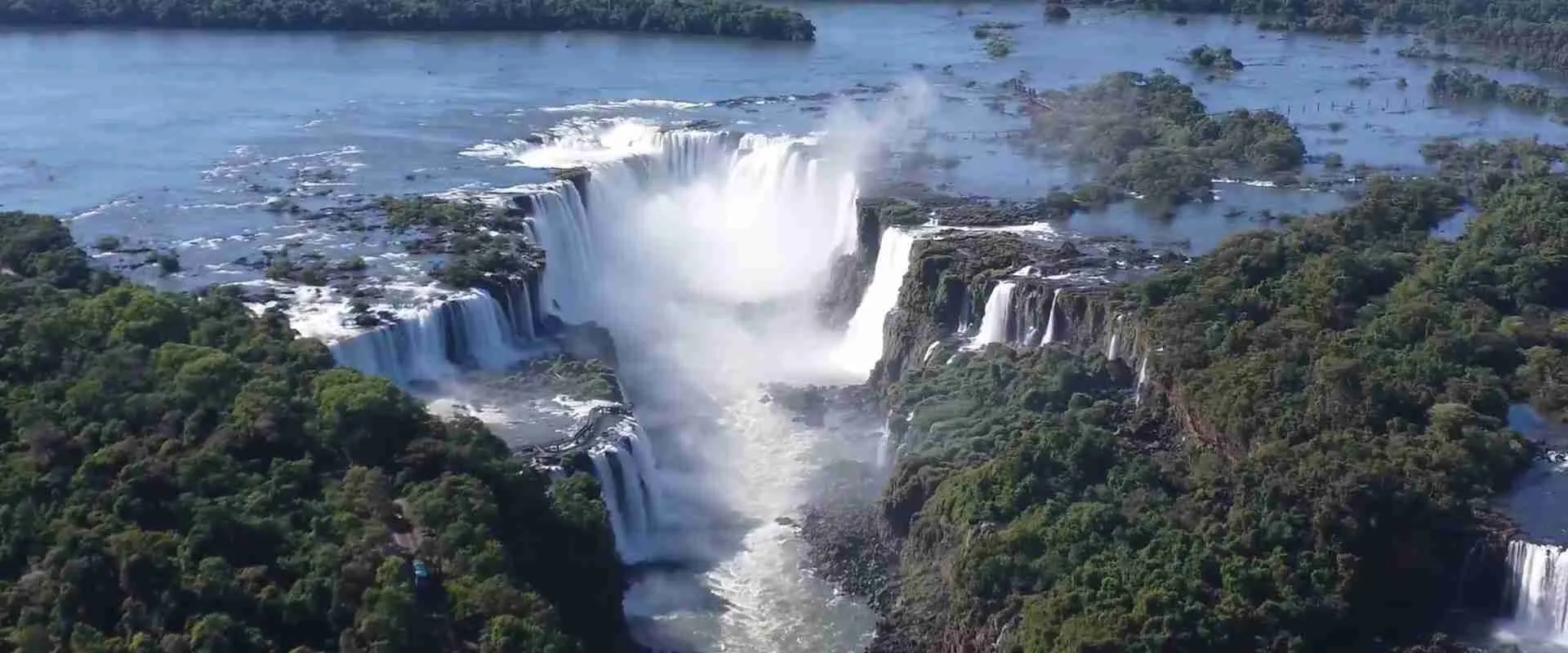
Iguazu Falls Travel Tips 2026: Essential Practical Guide
This comprehensive guide addresses every practical aspect of your Iguazu Falls visit, from pre-arrival documentation to on-site navigation strategies, weather preparation to wildlife safety protocols, photography optimization to physical readiness requirements. Master these essential tips to transform potential frustrations into seamless experiences across one of the world’s most spectacular natural wonders.
Key Takeaways
- Dual-Country Experience: Navigate both Argentina and Brazil sides efficiently with proper documentation and border crossing strategies for complete waterfall access
- Weather Preparedness: Pack waterproof gear for intense mist exposure, sun protection for tropical conditions, and appropriate footwear for extensive walking on metal walkways
- Strategic Timing: Arrive at park opening (8 AM) to avoid crowds at Devil’s Throat, visit Brazil side in afternoon for optimal lighting, and plan 2-3 full days for comprehensive exploration
- Wildlife Safety: Understand coati behavior protocols, protect belongings from persistent wildlife, and maintain safe distances from all animals in this active rainforest ecosystem
- Photography Optimization: Bring waterproof camera protection, multiple batteries for humid conditions, and polarizing filters for water photography across 275 individual cascades
- Physical Requirements: Prepare for 3-5 miles daily walking, metal walkway navigation, boat ride intensity, and humid subtropical conditions with temperatures reaching 95°F (35°C)
Introduction: Mastering Your Iguazu Falls Experience in 2026
Visiting Iguazu Falls requires more than basic planning—this UNESCO World Heritage site spanning the Argentina-Brazil border presents unique logistical challenges, environmental conditions, and opportunities that demand informed preparation. With 275 individual waterfalls cascading across nearly 2 miles of subtropical rainforest, your experience quality depends on understanding practical realities that standard guidebooks overlook.
The 2026 season brings refined visitor infrastructure, updated border crossing protocols following recent bilateral agreements, enhanced park services on both sides, and improved technological resources for navigation and wildlife observation. However, fundamental challenges remain: intense humidity averaging 80-90%, unpredictable subtropical weather patterns, persistent wildlife interactions requiring vigilance, and physical demands that test even experienced travelers.
People Also Ask About Iguazu Falls Travel Tips 2026
Do I Need a Visa to Visit Both Sides of Iguazu Falls?
Visa requirements depend on your nationality and which sides you plan to visit. US citizens do not need visas for tourist visits to Argentina or Brazil under 90 days as of 2026. European Union citizens enjoy similar visa-free access to both countries. However, Canadian citizens need an electronic visa (e-Visa) for Brazil, obtainable online within 24-48 hours for approximately $40.
Chinese, Indian, and Australian citizens need visas for both Argentina and Brazil, requiring advance processing through consulates or approved visa service centers. Processing times range 5-15 business days depending on nationality and application location. Check current requirements at your nearest Argentine and Brazilian consulates 6-8 weeks before travel, as bilateral agreements occasionally modify visa policies.
Regardless of visa status, bring your passport for border crossings between the Argentine and Brazilian park sides. Immigration checkpoints operate at the Tancredo Neves Bridge connecting Puerto Iguazú (Argentina) and Foz do Iguaçu (Brazil). Border crossing takes 15-30 minutes depending on traffic and inspection procedures. Entry stamps are mandatory for formal border crossings, though some nationalities receive automatic stamps at airport arrival.
How Much Cash Should I Carry at Iguazu Falls?
Carry $100-150 USD equivalent in local currency for daily park expenses. Argentine park entrance costs 18,000 pesos (approximately $18-20 USD at 2026 exchange rates), while Brazilian park entrance costs 89 reais (approximately $17-19 USD). Check official park websites for current rates as pricing adjusts quarterly for inflation.
Credit cards work at park entrances, major restaurants, and hotel properties, but cash remains essential for smaller vendors, tips, lockers, snack stands, and emergency purchases. ATMs operate in Puerto Iguazú and Foz do Iguaçu town centers, but park-adjacent ATMs frequently run empty during peak seasons. Withdraw sufficient cash before park visits to avoid mid-day returns to town.
Currency exchange rates favor withdrawing local currency (Argentine pesos and Brazilian reais) over using US dollars directly. Exchange houses in both border towns offer competitive rates, though official exchange rates through banks and ATMs provide better transparency. Keep small denominations (20-50 peso notes, 10-20 real notes) for vendors who frequently lack change for larger bills.
What Should I Pack for Iguazu Falls Weather Conditions?
Pack waterproof gear as your absolute priority—the Devil’s Throat walkway alone produces mist equivalent to heavy rainfall, soaking clothing within minutes. Bring waterproof jacket or poncho (not umbrella, which proves useless in mist), waterproof bag for electronics and documents, quick-dry clothing for multiple daily changes, and waterproof footwear or water shoes for boat rides.
Sun protection ranks equally critical in subtropical conditions. Pack sunscreen SPF 50+ (reapply every 2 hours despite cloud cover), wide-brimmed hat secured with chin strap against waterfall breezes, polarized sunglasses with retainer strap, and lightweight long-sleeve sun shirts. UV intensity peaks 11 AM – 3 PM even during overcast periods common in humid seasons.
Additional essentials include insect repellent containing 30% DEET or higher for rainforest mosquitoes, reusable water bottle (refill stations available throughout parks), small daypack for gear protection, microfiber towel for post-waterfall drying, and extra batteries for cameras (humidity drains power rapidly). Leave valuables in hotel safes—wildlife particularly targets accessible bags and pockets.
Can I Visit Both Argentina and Brazil Sides in One Day?
You can visit both sides in one day, but this rushes two experiences that deserve separate full days. The Argentina side features 4-5 miles of walking trails including Upper Circuit (1 hour), Lower Circuit (2 hours), Devil’s Throat walkway (2-3 hours with queue time), and optional Great Adventure boat ride (1.5 hours). Add transportation time (30-40 minutes each way from hotels) and you need 8-9 hours minimum for comprehensive Argentine side exploration.
The Brazil side requires 3-4 hours for the main panoramic trail, optional helicopter tours (weather permitting), Parque das Aves bird park (1.5 hours), and potential Macuco Safari boat ride (2 hours). Border crossing adds 30-45 minutes each direction including immigration procedures and potential delays. Total single-day coverage demands 12-14 hours of intense activity with minimal rest breaks.
Optimize your experience by dedicating one full day to the Argentina side (arriving at 8 AM opening) and a second full day to the Brazil side plus Parque das Aves. This pacing allows proper photography timing, wildlife observation opportunities, meal breaks without rushing, and physical recovery between extensive walking sessions. Three-day visits add buffer for weather delays, repeat visits to favorite viewpoints, or extended wildlife observation in surrounding rainforest trails.
Extended multi-day tours – 5+ days
Featured Iguazu Falls Multi-Day Tour Packages

3 days
Iguazu Falls 3-Day Discovery Tour
- ✓ Comprehensive Iguazu Falls experience
- ✓ Expert local guides included
- ✓ All accommodation included
- ✓ Transportation provided

5 days
Iguazu Falls 5-Day Highlights Experience
- ✓ Comprehensive Iguazu Falls experience
- ✓ Expert local guides included
- ✓ All accommodation included
- ✓ Transportation provided

7 days
Iguazu Falls 7-Day Cultural Journey
- ✓ Comprehensive Iguazu Falls experience
- ✓ Expert local guides included
- ✓ All accommodation included
- ✓ Transportation provided

10 days
Iguazu Falls 10-Day Complete Adventure
- ✓ Comprehensive Iguazu Falls experience
- ✓ Expert local guides included
- ✓ All accommodation included
- ✓ Transportation provided
Multi-day tour packages powered by TourRadar. Prices and availability subject to change.
Essential Pre-Visit Documentation & Requirements
Passport and Visa Preparation
Ensure your passport maintains validity for at least 6 months beyond your intended departure date from South America. This requirement applies regardless of your nationality or length of stay. Immigration officials at both Argentine and Brazilian checkpoints strictly enforce the 6-month validity rule, denying entry to travelers with passports expiring within this window.
Photocopy your passport identification page and visa pages if applicable. Store copies separately from original documents in hotel safes or with travel companions. Digital copies uploaded to secure cloud storage provide additional backup for emergency replacement procedures. Include copies of onward travel tickets and accommodation confirmations, which immigration occasionally requests during entry procedures.
Citizens requiring visas for Argentina or Brazil must complete applications 6-8 weeks before travel. Brazilian e-Visas for eligible nationalities process within 3-5 business days, costing $40-80 depending on nationality. Argentine visas require consular appointments in most cases, with processing times varying 10-20 business days. Visa application fees range $50-160 based on reciprocity agreements between your country and Argentina.
Health Documentation and Vaccinations
Yellow fever vaccination receives strong recommendation for Iguazu Falls region visits, though neither Argentina nor Brazil currently mandates proof of vaccination for entry from most countries as of 2026. The World Health Organization and CDC recommend yellow fever protection for all travelers to Misiones Province (Argentina) and Paraná State (Brazil) due to active mosquito populations in subtropical rainforest zones.
Receive yellow fever vaccination at least 10 days before departure for full immunity development. The vaccine provides lifetime protection according to current WHO guidelines. Carry your International Certificate of Vaccination (yellow card) as proof, though border officials rarely request verification. Some onward destinations from Argentina or Brazil require yellow fever proof, making vaccination practical for multi-country South American itineraries.
Standard travel vaccinations including hepatitis A, typhoid, and routine boosters (tetanus, measles, mumps, rubella) provide additional health protection. Consult travel medicine specialists 4-6 weeks before departure for personalized recommendations based on your health history and planned activities. No antimalarial medication receives recommendation for Iguazu Falls region visits under normal circumstances.
Travel Insurance Coverage
Purchase comprehensive travel insurance covering medical emergencies, evacuation, trip cancellation, and baggage loss. Medical evacuation coverage proves particularly important given the remote location—evacuation from Iguazu Falls to Buenos Aires or São Paulo medical facilities costs $15,000-35,000 without insurance. Policies should include coverage for adventure activities if you plan boat rides, helicopter tours, or hiking beyond main tourist trails.
Verify your insurance policy covers both Argentina and Brazil explicitly. Some policies exclude coverage in certain countries or require additional premiums for South American destinations. Minimum recommended medical coverage amounts to $100,000 per person, with $250,000 preferred for families or travelers with pre-existing conditions. Check whether your policy covers COVID-19 related disruptions if pandemic protocols remain active in 2026.
Keep insurance policy documents, emergency contact numbers, and claim procedures readily accessible in both digital and printed formats. Program insurance company emergency numbers into your phone before departure. Share insurance details with travel companions who can initiate claims on your behalf if you become incapacitated. Review policy exclusions carefully—many standard policies exclude coverage for pre-existing conditions without advance disclosure and premium adjustments.
Border Crossing Strategies Between Argentina and Brazil
Understanding the Tri-Border Region
Iguazu Falls occupies a unique position where Argentina, Brazil, and Paraguay converge at the Triple Frontier (Tres Fronteras/Tríplice Fronteira). The waterfall system straddles the Argentina-Brazil border exclusively, but Paraguay’s Ciudad del Este lies just 7 miles from Puerto Iguazú via the Friendship Bridge. This geographical complexity creates both opportunities and challenges for visitors navigating between park sides and border towns.
Puerto Iguazú (Argentina) serves as the primary base for most visitors, offering extensive accommodation options, restaurants, and tour operators. Foz do Iguaçu (Brazil) provides the larger city infrastructure with international airport connections and shopping centers. The two cities connect via the Tancredo Neves Bridge (also called International Brotherhood Bridge), a 1,640-foot span crossing the Iguazu River. Border crossing procedures occur at checkpoints on both ends of this bridge.
Understanding this geography helps optimize your visit logistics. Stay in Puerto Iguazú for proximity to the Argentine side’s extensive trail network, or choose Foz do Iguaçu for better flight connections and broader dining options. Some visitors split accommodation between both cities, though this adds logistical complexity and packing requirements. Single-city bases work efficiently with daily cross-border trips taking 45-60 minutes door-to-door including crossing time.
Border Crossing Procedures and Requirements
Cross the Argentina-Brazil border at the Tancredo Neves Bridge checkpoint operating 24 hours daily. However, practical crossing times concentrate 6 AM – 10 PM when public transportation runs regularly and immigration staff maintain full presence. Crossing procedures require exiting one country officially and entering the other, even for day trips—skipping immigration stamps creates problems for subsequent border crossings and departure from South America.
Present your passport at the Argentine immigration checkpoint (Migraciones) when departing Argentina toward Brazil. Officers issue exit stamps in your passport. Continue across the bridge to the Brazilian Federal Police (Polícia Federal) checkpoint for entry stamps. The reverse process applies when returning to Argentina. Each checkpoint crossing takes 5-15 minutes during normal periods, extending to 30-45 minutes during peak hours (8-10 AM, 4-6 PM) when tour buses and commuter traffic concentrate.
Bring your passport for every border crossing—no other identification suffices for international immigration procedures. Keep immigration cards completed during initial entry to Argentina or Brazil, as you may need to present them at border checkpoints. Some officials request proof of onward travel or accommodation confirmation, though these checks occur infrequently. Maintain courteous demeanor with immigration officers, who hold authority to deny entry or question travelers extensively.
Transportation Options for Border Crossing
Multiple transportation modes connect Puerto Iguazú and Foz do Iguaçu across the international border. Public buses operate every 20-30 minutes during daylight hours (6 AM – 8 PM), costing 100-150 Argentine pesos or 8-12 Brazilian reais for the 20-minute journey including border crossing time. Buses stop at both immigration checkpoints, allowing passengers to exit, complete immigration procedures, and reboard the same bus.
Taxis and ride-sharing services (Uber, 99, Cabify) provide direct door-to-door service across the border. Expect costs of 800-1,200 pesos ($8-12 USD equivalent) from Puerto Iguazú center to Foz do Iguaçu center, or 40-60 reais in the reverse direction. Drivers familiar with border procedures stop automatically at immigration checkpoints. However, you must complete immigration procedures independently while the driver waits—allow 45-60 minutes total travel time including immigration processing.
Organized tours typically include border crossing logistics in their itineraries, with guides managing group immigration procedures. This streamlines the process but limits flexibility for independent exploration. Some hotels offer shuttle services to the opposite country’s park entrance, incorporating border crossing time in their schedules. These shuttles usually operate on fixed morning departure times (8-9 AM) with afternoon returns (4-5 PM), restricting your park visit duration.
Common Border Crossing Pitfalls to Avoid
Never skip immigration stamps even for short day trips. Some travelers mistakenly believe day trips don’t require formal immigration procedures, but both Argentina and Brazil mandate entry/exit stamps for all border crossings regardless of duration. Missing stamps creates serious complications during final departure from South America, potentially triggering illegal stay fines, overstay penalties, or future entry denials.
Track which country you’re legally present in at all times. Confusion arises because you can physically enter the Brazilian park from Argentine territory via tour operators who manage immigration procedures as part of organized tours. However, independent travelers must ensure proper stamping. If unsure about your immigration status, visit the nearest immigration office immediately to rectify stamp omissions—Buenos Aires or São Paulo airport immigration can’t resolve stamp issues efficiently.
Carry sufficient cash in both currencies for transportation and park entrance fees. Border area merchants accept both pesos and reais, but exchange rates at tourist facilities heavily favor the merchant. ATMs exist on both sides of the border, but the bridge crossing itself has no ATM access. Withdrawal fees accumulate quickly when using foreign ATMs—withdraw larger amounts to minimize transaction costs, keeping small bills for transportation and incidental purchases.
Paraguay Day Trip Considerations
Some visitors add day trips to Paraguay’s Ciudad del Este for shopping, particularly for electronics and imported goods. This requires an additional border crossing at the Friendship Bridge connecting Puerto Iguazú (Argentina) with Ciudad del Este (Paraguay). Unlike the Argentina-Brazil crossing, the Argentina-Paraguay border handles significantly higher commercial traffic, creating congestion and longer wait times (30-90 minutes each direction).
Assess whether Paraguay excursions merit the time investment given the immigration procedures, travel time (45-60 minutes each way), and shopping focus that may not interest all travelers. If you do cross to Paraguay, follow the same immigration procedures—obtain exit stamps from Argentina, entry stamps to Paraguay, and reverse the process returning to Argentina. Keep receipts for any purchases if they exceed duty-free allowances ($300-500 USD equivalent depending on your home country).
Security conditions in Ciudad del Este require elevated awareness. While the city operates as a legitimate commercial center, petty theft, pickpocketing, and scams target tourists in shopping districts. Decline offers from unofficial money changers, store valuable items securely out of sight, use only official taxi services, and avoid displaying expensive electronics or jewelry. Consider whether organized tours to Paraguay provide sufficient value to justify the additional logistical complexity.
Park Navigation and Logistics
Argentina Side Navigation Strategy
The Argentine park (Parque Nacional Iguazú) opens daily at 8 AM, closing at 6 PM. Arrive at opening time to experience Devil’s Throat with minimal crowds—the iconic platform becomes uncomfortably crowded by 10 AM during peak seasons. The park entrance sits 11 miles from Puerto Iguazú town center, requiring 20-25 minutes by bus or taxi. Public buses depart Puerto Iguazú every 20 minutes from 7 AM onward, costing 150-200 pesos.
After entering, take the Ecological Jungle Train (Tren Ecológico de la Selva) to access the main trail circuits. The narrow-gauge train operates every 15-20 minutes from 8 AM – 5:30 PM, included in park admission. The system has three stations: Central Station at park entrance, Cataratas Station serving Upper and Lower Circuits, and Devil’s Throat Station for the iconic viewpoint. The train ride to Devil’s Throat takes 18 minutes, while Cataratas Station sits 8 minutes from park entrance.
Plan your circuit sequence strategically. Most visitors ride directly to Devil’s Throat Station first, walk the 0.6-mile metal boardwalk to the viewing platform (30-40 minutes round-trip), then return to Cataratas Station for Upper and Lower Circuit exploration. This sequence takes advantage of morning light at Devil’s Throat and allows afternoon completion of remaining trails when waterfall mist provides refreshing cooling.
Brazil Side Navigation Strategy
The Brazilian park (Parque Nacional do Iguaçu) opens daily at 9 AM, closing at 5 PM (6 PM during Brazilian daylight saving time October-February). The park entrance sits 8 miles from Foz do Iguaçu city center, requiring 15-20 minutes by bus or taxi. Public buses depart from Foz do Iguaçu’s urban transport terminal every 20-30 minutes from 7:30 AM onward, costing 6-8 reais.
The Brazilian side features a more straightforward navigation system than Argentina. A single main trail extends 0.8 miles from the visitor center to the final viewing platform directly facing Devil’s Throat. Shuttle buses transport visitors from park entrance to trail head in 5-10 minutes. The paved trail descends gradually along the canyon rim, offering progressively closer views of the waterfall complex.
Allocate 2-3 hours minimum for the Brazilian side panoramic experience. The trail proceeds at a natural pace for photography and observation, with multiple viewpoint platforms along the route. The final walkway extends over the Iguazu River directly adjacent to Devil’s Throat, providing the most immersive waterfall experience in the entire park system. Expect complete soaking from mist at this final platform—waterproof gear becomes essential, not optional.
Physical Trail Conditions and Accessibility
Both parks feature predominantly paved or metal walkway trails, but “accessible” doesn’t mean “easy.” The Argentine Upper Circuit involves 1.2 miles of walking with minimal elevation change, taking 60-75 minutes at a moderate pace. The Lower Circuit extends 1.4 miles with 200 feet of elevation change via staircases, requiring 90-120 minutes. Devil’s Throat walkway adds 1.2 miles round-trip on metal grating that can be slippery when wet (which is constantly).
Metal walkways on both sides create unique challenges. The grated surfaces allow water drainage but prove uncomfortable for thin-soled shoes during extended walking. Gaps in the grating require attention for those with mobility aids or small children. The walkways move slightly underfoot due to engineering flexibility, creating mild instability that some visitors find disconcerting. Railings provide secure handholds throughout all walkway sections.
Wheelchair accessibility exists but faces limitations. The Argentine park provides wheelchair-accessible routes to select viewpoints including partial Upper Circuit access, but Devil’s Throat walkway and Lower Circuit staircases remain inaccessible. The Brazilian side offers better wheelchair access along the main paved trail to most viewpoints, though the final walkway’s narrow construction and crowds create difficulties. Both parks provide wheelchairs free of charge at visitor centers with advance request.
Locker and Storage Facilities
Both parks offer locker facilities for valuables, backpacks, and items you don’t want exposed to waterfall mist. Argentine side lockers sit near the Cataratas Station, costing 500-800 pesos for daily rental. Brazilian side lockers locate at the main visitor center, costing 15-25 reais. Lockers accommodate standard backpacks but not large luggage—check oversized items at park entrances if necessary.
Use lockers strategically to protect electronics, extra clothing, and valuables during boat rides or Devil’s Throat visits. However, lockers create logistical inconvenience requiring backtracking to retrieve items. Consider bringing minimal gear in waterproof bags instead—a dry bag allows you to carry cameras, phones, and essentials while providing complete water protection without locker returns.
Never leave valuables unattended on park benches or viewing platforms. Wildlife, particularly coatis, investigate unattended bags and can open zippers, pockets, and loose containers. Theft from inattentive tourists occasionally occurs despite park security presence. Keep wallets, passports, and electronics secured in person at all times, using cross-body bags worn in front where you maintain visual contact.
Food and Beverage Facilities
The Argentine park operates several food outlets including a full-service restaurant near Cataratas Station and snack bars at Central Station and Devil’s Throat Station. Expect costs of 3,500-6,000 pesos for restaurant meals, or 1,500-2,500 pesos for sandwiches, empanadas, and snacks at kiosks. Quality ranges from acceptable to mediocre—park food serves primarily functional purposes rather than culinary experiences.
The Brazilian park features a large restaurant complex near the main visitor center with sit-down dining, buffet options, and fast food outlets. Costs run 35-65 reais for full meals, 15-25 reais for snacks. Quality generally exceeds Argentine park food, but prices reflect captive audience economics. Outside food is technically prohibited in both parks, but enforcement remains inconsistent.
Bring your own water and snacks for cost savings and dietary control. Water refill stations operate throughout both parks at frequent intervals—bring reusable bottles to avoid expensive bottled water purchases (300-400 pesos or 8-12 reais per bottle). Pack energy bars, dried fruit, and packaged snacks that withstand humidity and heat. Avoid bringing foods that attract wildlife (coatis particularly target sweet foods and anything in crinkly packaging).
Restroom Facilities and Hygiene
Both parks maintain restroom facilities at major stations and trail intersections. Argentine side facilities locate at Central Station, Cataratas Station, Devil’s Throat Station, and several points along Upper and Lower Circuits. Brazilian side facilities concentrate at the visitor center and multiple points along the main trail. Cleanliness and maintenance vary—morning facilities tend toward better condition than afternoon facilities during peak seasons.
Bring personal toilet paper, hand sanitizer, and wet wipes as backup. While facilities usually maintain supplies, heavy traffic depletes paper products by midday during busy periods. Hand soap availability is inconsistent—carry small bottles of hand sanitizer for hygiene after restroom use, wildlife encounters, or handling wet railings.
Plan bathroom breaks strategically around trail circuits. The Devil’s Throat walkway offers no facilities for the entire 0.6-mile boardwalk—use restrooms at Devil’s Throat Station before starting. The Brazilian final walkway similarly lacks facilities for 15-20 minutes in each direction. Hydration management balances necessary water intake against bathroom frequency, particularly important for visitors with medical conditions affecting bladder control.
Weather Preparation and Seasonal Strategies
Understanding Iguazu’s Subtropical Climate
Iguazu Falls experiences a humid subtropical climate with hot, wet summers (December-February) and mild, drier winters (June-August). However, “drier” remains relative—the region receives 70-80 inches of annual rainfall spread throughout the year. No true dry season exists, meaning rain can occur any day regardless of month. This unpredictability demands flexible planning and comprehensive weather preparation.
Summer temperatures reach 85-95°F (29-35°C) with humidity levels of 80-90%. The combination creates intense heat index values exceeding 105°F (40°C), challenging physical stamina during extended outdoor activity. Winter temperatures moderate to 60-75°F (15-24°C), creating more comfortable exploration conditions but still maintaining high humidity. Spring (September-November) and fall (March-May) offer transitional weather with temperatures ranging 70-85°F (21-29°C).
Water flow varies dramatically by season based on upstream rainfall in the Iguazu River watershed. Flow rates range from 12,000 cubic feet per second during low-water periods (typically June-November) to 450,000 cubic feet per second during exceptional floods. Average flow settles around 60,000 cubic feet per second, creating the iconic waterfall experience. Check current flow conditions via park websites before finalizing visit dates—extremely low flow diminishes visual impact, while floods close certain trails.
Rain Gear and Waterproof Protection
Invest in quality waterproof protection as your single most important gear purchase for Iguazu Falls. Standard rain jackets suffice for general park exploration, but Devil’s Throat and boat rides demand military-grade waterproofing. The mist exposure at Devil’s Throat platform equals standing in moderate rainfall for 5-10 minutes—”water-resistant” gear fails completely, leaving you thoroughly soaked.
Bring hooded rain jacket or poncho with full coverage to knees or below. Ponchos provide better protection for backpacks and bags, while jackets offer superior mobility on walkways. Some visitors bring both, using jackets for trail walking and ponchos for stationary viewing at heavy-mist locations. Avoid umbrellas—wind at waterfall locations makes umbrellas unusable, and crowd density on narrow walkways creates collision hazards.
Protect electronics and documents with waterproof bags or cases rated for submersion. Basic ziplock bags provide minimum protection but can leak at seams during extended exposure. Invest in proper dry bags with roll-top closures for cameras, phones, passports, and money. Test waterproofing before departure by submersing sealed bags in bathtub water for 10 minutes—discovering leaks at Devil’s Throat comes too late.
Sun Protection in Subtropical Conditions
UV intensity at Iguazu Falls remains high year-round due to lower latitude position (25°S) and high humidity that reduces perceived temperature while maintaining solar radiation. Cloud cover provides false security—UV rays penetrate clouds effectively, causing sunburn even on overcast days. Plan comprehensive sun protection regardless of weather forecasts or visible conditions.
Apply broad-spectrum sunscreen SPF 50+ liberally to all exposed skin 30 minutes before sun exposure. Reapply every 2 hours without exception, and more frequently after heavy sweating or waterfall mist exposure. Water-resistant formulations provide better protection in high-humidity conditions, but no sunscreen is truly waterproof despite marketing claims. Bring travel-size bottles for midday reapplication—park stores sell sunscreen at premium prices ($15-20 for small bottles).
Wear protective clothing including wide-brimmed hats, long-sleeve shirts with UPF rating, and lightweight pants or long skirts. Synthetic fabrics dry faster than cotton after waterfall soaking, making quick-dry materials superior for Iguazu conditions. Polarized sunglasses reduce glare from water surfaces and provide eye protection from intense UV exposure. Secure glasses with retainer straps to prevent loss during boat rides or in strong waterfall breezes.
Hydration and Heat Management
Dehydration develops rapidly in Iguazu’s humid heat, particularly during summer months. Most visitors underestimate water requirements given the extensive walking in tropical conditions. Plan for 2-3 liters of water consumption per person during full park days. Symptoms of dehydration include headache, dizziness, reduced urine output, and fatigue—all easily mistaken for normal travel tiredness.
Bring reusable water bottles and refill at stations throughout both parks. Water quality meets potable standards at all park facilities. Electrolyte replacement becomes important during extended activity in high heat—bring electrolyte tablets or powder to add to water for sodium and potassium replenishment. Sports drinks are available at park stores but cost 400-600 pesos or 10-15 reais per bottle.
Recognize heat exhaustion symptoms and take immediate action: move to shade, remove excess clothing, drink cool water slowly, and rest until symptoms subside. Heat exhaustion progresses to heat stroke without treatment, creating medical emergencies requiring evacuation. Take frequent breaks in shaded areas, particularly along the Argentina Upper Circuit which offers limited shade. The Brazilian trail provides better tree coverage and natural cooling from persistent mist.
Seasonal Weather Adaptations
Summer visits (December-February) demand aggressive sun and heat protection. Start park visits at opening time (8 AM) to complete maximum trail distance before midday heat peaks. Take extended lunch breaks in air-conditioned restaurants or visitor centers during 12 PM – 2 PM when heat index reaches dangerous levels. Resume activities in late afternoon when temperatures moderate slightly. Expect daily thunderstorms during summer, typically occurring 3 PM – 6 PM with sudden onset and intense rainfall.
Winter visits (June-August) allow more flexible scheduling due to moderate temperatures. However, occasional cold fronts from Patagonia bring unexpected temperature drops to 45-50°F (7-10°C), creating discomfort when combined with waterfall mist. Pack light fleece or windbreaker for these conditions. Winter also brings highest probability of clear skies and optimal photography lighting, compensating for slightly reduced water flow in some years.
Shoulder seasons (March-May, September-November) offer excellent compromise conditions with moderate temperatures, manageable crowds, and reliable water flow. Spring (September-November) features increasing temperatures and rainfall, creating lush rainforest conditions with active wildlife. Fall (March-May) brings decreasing heat while maintaining robust water flow from summer rains. Both periods occasionally experience unexpected weather extremes—pack versatile clothing layers for rapid condition changes.
Wildlife Safety and Interaction Protocols
Understanding Coati Behavior and Risks
Coatis (coatimundis) represent the most common—and problematic—wildlife encounter at Iguazu Falls. These raccoon relatives inhabit both parks in large numbers, becoming habituated to human presence and food availability. While appearing cute and approachable, coatis are wild animals with sharp claws, powerful jaws, and aggressive behavior toward tourists who feed them or handle bags carelessly.
Never feed coatis under any circumstances. Park regulations prohibit feeding wildlife, with fines reaching 50,000-100,000 pesos in Argentina or 500-1,000 reais in Brazil. Feeding creates aggressive behavior that endangers subsequent visitors. Coatis who receive food become increasingly bold, approaching humans closely, investigating bags, and even climbing on people to access food. This behavior leads to bites, scratches, and bag damage.
Secure all food items completely out of sight in closed backpacks or pockets. Coatis have learned to open zippers, unfasten buckles, and rip into poorly secured bags. They target crinkly packaging sounds, sweet smells, and visible food items. Never leave bags unattended on benches or viewing platforms—coatis can strip a backpack of contents in under 60 seconds. If a coati approaches aggressively, maintain calm, back away slowly, and alert park rangers if the animal persists.
Managing Coati Encounters Safely
Keep 6-10 feet distance from all coatis regardless of their apparent friendliness. Mother coatis with young become particularly aggressive if they perceive threats to offspring. Male coatis can weigh 15-20 pounds with jaw strength capable of inflicting serious injuries. Park rangers treat coati bites as potential rabies exposures requiring medical evaluation and post-exposure prophylaxis—avoid bites through smart prevention.
Photograph coatis from safe distances using zoom lenses or phone cameras. Never attempt to touch, pet, or hand-feed coatis for photo opportunities. Their claws carry bacteria from foraging in soil and organic matter, creating infection risks even from minor scratches. If a coati grabs your bag or clothing, release the item immediately rather than engaging in tug-of-war contests that escalate aggression.
Children require close supervision in coati areas. Teach kids to stay calm if coatis approach, avoid sudden movements, and call adults immediately. Small children’s food containers and snacks create primary targets for coati theft. Consider leaving children’s snacks in lockers or secured in adult backpacks until picnic areas away from heavy coati activity.
Other Wildlife Observation Guidelines
The subtropical rainforest surrounding Iguazu Falls supports diverse wildlife including toucans, parrots, butterflies, caimans, monkeys, and over 400 bird species. Most wildlife maintains distance from humans, but some species habituate to park visitors. The Parque das Aves (Bird Park) adjacent to the Brazilian falls offers controlled wildlife observation for visitors wanting close encounters without wild animal risks.
Observe all wildlife from designated trails and viewing areas. Straying off trails damages sensitive rainforest ecosystems and increases encounters with potentially dangerous wildlife including snakes (though encounters are rare). South America’s fer-de-lance pit vipers inhabit the region, requiring immediate medical attention for bites. Stay on marked paths, watch where you place hands and feet, and wear closed-toe shoes covering ankles.
Never attempt to touch or collect any wildlife, plants, or natural objects. Argentine and Brazilian national park regulations strictly prohibit removing any biological materials from park boundaries. This includes picking flowers, collecting seeds, capturing insects, or disturbing nests. Violations trigger substantial fines and potential criminal charges depending on species and quantities involved.
Insect Protection and Management
Mosquitoes, gnats, and other biting insects thrive in Iguazu’s humid rainforest environment. While yellow fever mosquitoes exist in the region (prompting vaccination recommendations), most mosquito encounters prove merely annoying rather than disease-transmitting. However, dengue fever, Zika virus, and chikungunya all circulate in the area through Aedes mosquito vectors active during daytime hours.
Apply insect repellent containing 25-30% DEET to all exposed skin before entering parks. Reapply every 3-4 hours or after heavy sweating and waterfall exposure. Picaridin-based repellents provide DEET-free alternatives with comparable effectiveness. Avoid combination sunscreen-insect repellent products—apply sunscreen first, wait 10-15 minutes for absorption, then apply repellent over sunscreen.
Wear lightweight long pants and long-sleeve shirts as physical barriers against mosquitoes, particularly during dawn and dusk feeding periods. Treat clothing with permethrin spray before travel for additional protection—permethrin remains effective through multiple washings. Light-colored clothing makes mosquito detection easier and attracts fewer insects than dark clothing. Avoid fragranced soaps, lotions, and perfumes that attract mosquitoes.
Emergency Wildlife Incident Response
Report all wildlife injuries or aggressive animal behavior to park rangers immediately. Both parks maintain first aid stations with trained personnel and medical supplies. Ranger stations locate at main visitor centers, major trail junctions, and train stations. Rangers speak English and Portuguese/Spanish, facilitating communication during emergencies.
For animal bites or scratches, wash wounds immediately with soap and clean water for 5-10 minutes. Apply antibiotic ointment if available and cover with clean bandages. Seek medical evaluation within 24 hours for any wildlife bites regardless of severity—rabies exposure protocol requires prompt medical assessment. Photograph the animal if possible for species identification assisting medical treatment decisions.
Carry basic first aid supplies including adhesive bandages, antibiotic ointment, antiseptic wipes, and pain relievers. Add antihistamine tablets for potential allergic reactions to insect stings. Know emergency contact numbers: 911 (Argentina), 190 (Brazil police), 192 (Brazil medical). Save these numbers in your phone before park visits. Travel insurance information should remain readily accessible for emergency medical care authorization.
Photography Optimization Strategies
Waterproof Camera Protection
Protecting camera gear from waterfall mist determines photography success at Iguazu Falls. Standard camera bags fail in heavy mist exposure at Devil’s Throat and boat ride locations. Invest in professional waterproof housing for DSLR/mirrorless cameras if shooting in heavy-mist areas. Underwater camera housings rated to 30-50 feet depth provide overkill protection for mist but ensure complete security.
For point-and-shoot cameras and smartphones, waterproof pouches with touchscreen compatibility allow continued operation while protecting devices. Test pouches thoroughly before relying on them at Devil’s Throat—cheap pouches leak at seals, destroying electronics. Better solution: bring a dedicated waterproof camera (GoPro, Olympus Tough, etc.) for heavy-mist locations while keeping primary cameras protected in dry bags for other photography.
Carry microfiber cleaning cloths for constant lens and sensor cleaning. Mist creates water droplets on lenses that ruin photos if not wiped immediately. Humidity condenses on cold glass surfaces when moving between air-conditioned buildings and outdoor heat. Allow 10-15 minutes for gear temperature equalization before removing cameras from bags to prevent condensation formation.
Managing Humidity Impact on Equipment
Iguazu’s 80-90% humidity creates equipment challenges beyond waterfall mist. Electronic batteries drain 30-40% faster in high humidity due to increased electrical resistance. Bring 2-3 spare camera batteries for full-day shooting—your normal single spare battery won’t suffice. Keep spare batteries in sealed plastic bags with silica gel packets to minimize humidity exposure before use.
Memory cards can develop read/write errors in extreme humidity. Bring multiple smaller cards (32-64GB) rather than single large cards—if one card fails, you don’t lose all photos. Back up photos nightly to cloud storage or portable hard drives with hotel WiFi. Some hotels offer business centers with USB ports for direct photo transfers if you lack personal backup drives.
Store camera gear in air-conditioned hotel rooms with silica gel packets in camera bags overnight. Empty and refill silica gel packets daily—they saturate quickly in high humidity. Room air conditioning reduces ambient humidity dramatically, allowing gear to dry thoroughly between shooting days. Never leave cameras in hot vehicles where temperatures exceed 120°F (49°C), potentially damaging LCD screens and electronic components.
Optimal Lighting Conditions by Location
Devil’s Throat photography benefits from morning light (8 AM – 11 AM) when sun illuminates the canyon from optimal angles. Afternoon backlighting creates silhouettes rather than detailed waterfall features. However, rainbow formation peaks during midday (11 AM – 2 PM) when sun angle produces maximum light refraction through mist—choose between architectural detail (morning) or rainbow drama (midday).
The Brazilian side panoramic viewpoints work best with afternoon light (2 PM – 5 PM) when sun illuminates the Argentine falls face-on. Morning light creates harsh shadows on the waterfall faces visible from Brazil. Late afternoon golden hour (one hour before sunset) produces exceptional warm lighting, though clouds frequently build during afternoon limiting golden hour reliability.
Overcast days provide excellent diffused lighting for waterfall photography, eliminating harsh shadows and blown highlights common in bright sun. Don’t dismiss cloudy weather—some of the best waterfall images capture dramatic clouds, moody atmosphere, and even lighting across the entire scene. Rainbows disappear on overcast days, but waterfall detail and forest colors appear richer without harsh sunlight.
Technical Camera Settings for Waterfalls
Shoot in RAW format for maximum post-processing flexibility with highlight and shadow recovery. Waterfall scenes present extreme dynamic range challenges—bright white water against dark forest backgrounds exceed most camera sensor capabilities. RAW files allow 2-3 stops of additional latitude compared to JPEG, recovering blown highlights and blocked shadows in editing.
Use fast shutter speeds (1/500 – 1/1000 second) to freeze water motion for dramatic impact showing individual water droplets and spray patterns. Alternatively, use slow shutter speeds (1-4 seconds) with neutral density filters to blur water into smooth, ethereal flows. The slow-shutter approach requires tripods for stability—bring lightweight travel tripods or monopods for support. Most visitors prefer frozen-water dramatic impact over artistic blur effects.
Select aperture based on depth-of-field requirements. Wide apertures (f/2.8 – f/5.6) isolate waterfall elements against blurred backgrounds, while narrow apertures (f/11 – f/16) maximize sharpness throughout the scene. Waterfall photography generally benefits from deeper depth-of-field showing both foreground walkways and distant cascades in focus. Watch for diffraction softening at f/16 or smaller—f/11 provides sweet spot for most lenses.
Composition Strategies for Waterfalls
Include foreground elements like walkway railings, vegetation, or rocks to provide scale and depth. Iguazu’s massive scale becomes difficult to convey without reference objects showing human-size comparisons. Include people in distant positions to demonstrate waterfall enormity—a person at Devil’s Throat platform appears tiny against the cascading water, illustrating the falls’ immense size.
Look for unique perspectives beyond standard viewpoint platforms. Argentina’s Upper Circuit offers top-down views of waterfall edges rarely seen in typical photos. Lower Circuit provides base-level perspectives showing waterfall height and power. The Macuco Trail accessed from the Brazilian side leads to secluded viewpoints with minimal tourist presence. Scout locations during first visits, then return during optimal lighting for refined photography.
Capture details alongside grand vistas. Close-up shots of water patterns, rainforest flora, wildlife encounters, and architectural elements (walkways, railways) tell complete visual stories. A photo essay balances wide establishing shots, medium-range compositions showing interaction scale, and tight details revealing textures and patterns. Vary your photographic approach throughout the visit rather than shooting only wide-angle waterfall views.
Drone Photography Restrictions
Both Argentine and Brazilian parks strictly prohibit recreational drones within park boundaries. Commercial drone operations require advance permits obtained through complex application processes requiring 3-6 months. Park regulations protect wildlife from drone disturbance and prevent accidents in crowded tourist areas. Attempting to fly drones in parks results in confiscation and substantial fines (20,000+ pesos or 1,000+ reais).
Some tour operators offer helicopter flights over the falls from the Brazilian side, providing aerial perspectives legally and safely. These flights cost 350-450 reais per person for 10-15 minute tours. Helicopter operations may be suspended during high water flow periods or specific environmental protection campaigns. Book helicopter tours in advance during peak seasons—flights sell out quickly during optimal weather windows.
If aerial photography is essential to your project, research commercial drone permit requirements 6+ months before travel. Requirements include liability insurance, detailed flight plans, park authority approval, and sometimes biological impact assessments. Recreational drone permits are essentially unavailable regardless of application effort. Respect these regulations—they protect the fragile UNESCO World Heritage ecosystem and visitor safety.
Health and Physical Preparation
Fitness Requirements for Trail Walking
Comprehensive Iguazu Falls exploration demands moderate to high fitness levels. Expect 3-5 miles of daily walking across multiple trail circuits with elevation changes, staircase navigation, and extended periods on your feet. The Argentine park’s three main circuits total approximately 4.5 miles combined, while the Brazilian trail adds 1.5 miles. Most visitors complete both sides over 2-3 days, requiring 6-8 miles total walking distance.
Elevation changes present the greatest physical challenge. The Argentine Lower Circuit descends approximately 200 feet via metal staircases, requiring subsequent 200-foot climb to return to main level. Each staircase flight contains 15-25 steps with landings for rest breaks. Visitors with knee problems or cardiovascular conditions should assess whether the Lower Circuit merits the physical effort—Upper Circuit provides excellent waterfall views without staircase requirements.
Build cardiovascular endurance through daily walks or moderate exercise 4-6 weeks before travel. Practice staircase climbing to prepare knee and quadricep muscles for repeated elevation changes. Improve your comfort level walking 3-4 miles continuously at moderate pace on consecutive days. This preparation prevents mid-visit exhaustion and allows you to enjoy the experience rather than merely survive it.
Footwear Selection and Preparation
Footwear quality directly impacts your Iguazu Falls experience. Bring broken-in walking shoes or hiking boots with good arch support, non-slip soles, and water resistance. “Broken-in” means 20-30 miles of wear before your trip—new shoes cause blisters, hotspots, and foot pain during extended walking. Canvas shoes, flip-flops, and fashion sneakers fail under the wet, humid conditions encountered at waterfall viewpoints.
Consider waterproof hiking shoes or boots with Gore-Tex or similar waterproof-breathable membranes. Completely waterproof shoes won’t keep your feet dry at Devil’s Throat (nothing does), but they dry faster afterward and provide better protection during trail walking in general humidity. Bring extra pairs of socks and change wet socks during midday breaks to prevent blisters and maintain foot comfort.
For boat rides and heavy-mist areas, water shoes or amphibious sandals (Keen, Teva, Chaco) provide dedicated wet-environment footwear. These specialized shoes protect feet while allowing water drainage, preventing the discomfort of walking in soaked regular shoes for hours afterward. Many visitors bring both hiking boots for dry trail sections and water shoes for wet zones, changing footwear strategically based on planned activities.
Preventing and Managing Blisters
Blister prevention begins before leaving home. Apply moleskin or athletic tape to known hotspot locations (heels, toes, ball of foot) before symptoms develop. Once blisters form, treatment becomes reactive and painful. Wear moisture-wicking socks made from merino wool or synthetic fibers—cotton socks retain moisture, creating friction that generates blisters in humid conditions.
Carry blister treatment supplies including moleskin, athletic tape, antibiotic ointment, and adhesive bandages. If you feel hotspots developing during walking, stop immediately and apply moleskin or tape before blisters form. Continuing to walk on developing blisters exponentially worsens the problem. Most visitors can prevent 80% of blisters through early intervention at first sensation of friction or pain.
For formed blisters, avoid popping them unless absolutely necessary—intact blisters heal faster with lower infection risk. If blisters must be drained due to size or pain, sterilize a needle with flame, puncture blister edge, drain fluid, apply antibiotic ointment, and cover with blister bandages designed for extended wear. Change bandages daily and monitor for infection signs (increasing redness, warmth, pus). Serious blister problems may require rest days that impact your itinerary—prevention saves both discomfort and travel time.
Altitude and Humidity Adaptation
Iguazu Falls sits at approximately 600 feet elevation, presenting no altitude acclimatization requirements. However, the 80-90% humidity creates physiological challenges for visitors from dry climates. Humid air feels thicker, breathing requires more effort during physical exertion, and body temperature regulation becomes less efficient as sweat evaporates slowly.
Allow 24-48 hours for partial humidity adaptation after arrival. Your first full park day will feel more challenging than subsequent days as your body adjusts to moisture-saturated air. Start with shorter, easier circuits on day one, progressing to more demanding trails on days two and three. Hydrate aggressively during this adaptation period—your body requires more water in humid conditions even though you may feel less thirsty.
Visitors with respiratory conditions including asthma, COPD, or bronchitis may experience increased symptoms in humid environments. Bring prescribed inhalers and medications in larger quantities than normal usage patterns suggest. Consult your physician before travel about adjusting medication dosages for tropical humid conditions. Consider bringing portable nebulizers if you rely on regular breathing treatments—some hotels provide electrical outlets compatible with medical devices.
Managing Pre-Existing Medical Conditions
Cardiovascular conditions require careful assessment before committing to extensive waterfall exploration. The combination of heat, humidity, physical exertion, and altitude changes (staircases) stresses cardiovascular systems. Consult your cardiologist about visit feasibility and obtain clearance for the expected activity level. Bring all cardiac medications plus extras in case of travel delays—South American pharmacies may not stock your specific formulations.
Diabetic travelers must plan carefully around irregular meal timing inherent in full-day park visits. Pack emergency glucose sources (glucose tablets, candy, juice boxes) accessible in waterproof bags. Monitor blood glucose more frequently in hot, humid conditions where insulin absorption rates vary. Bring extra testing supplies and insulin (kept cool in insulated bags with ice packs). Inform travel companions about diabetes management and emergency response procedures.
Mobility limitations require honest assessment of trail feasibility. While wheelchair-accessible routes exist, they access limited viewpoints compared to able-bodied visitor experiences. Consider whether partial access satisfies your goals or whether alternative activities provide better value for your limited mobility. Some visitors hire park guides who can arrange alternative transportation or escort services for disabled visitors—inquire about these services when booking park entries.
Prescription Medication Management
Bring all prescription medications in original labeled containers with quantities exceeding your trip duration by 5-7 days. This excess covers potential travel delays and ensures you won’t run out during extended vacations. Keep medications in carry-on luggage, never checked baggage—lost luggage with essential medications creates serious health emergencies in foreign countries.
Carry copies of all prescriptions including generic drug names (not just brand names) for emergency replacement if medications are lost or damaged. Take photographs of prescription labels and medication packaging as additional documentation. Create a list of all medications with dosages, frequencies, and prescribing physician contact information—useful for emergency medical care if you become incapacitated.
Store medications in cool, dry conditions when possible. Hotel room safes provide secure storage preventing theft or accidental mixing with other travelers’ medications. Some medications require refrigeration—verify that your hotel has refrigerators before arrival, or bring small coolers with ice packs for proper storage. Extreme heat in vehicles or luggage compartments can degrade medication effectiveness.
Security and Personal Safety
Understanding Regional Security Context
The tri-border region surrounding Iguazu Falls experiences higher crime rates than many South American tourist destinations due to its position at the Argentina-Brazil-Paraguay convergence. While the parks themselves maintain good security, surrounding towns experience petty theft, pickpocketing, bag snatching, and occasional more serious crimes targeting tourists. Understanding these risks allows appropriate precautions without paranoia.
Puerto Iguazú (Argentina) and Foz do Iguaçu (Brazil) are generally safe for tourists who exercise standard urban precautions. Violent crime against tourists remains rare, but opportunistic theft happens frequently in crowded areas, bus stations, markets, and tourist zones. Ciudad del Este (Paraguay) presents higher crime risk with more aggressive theft tactics and scams—limit Paraguay visits to essential purposes with heightened awareness.
Most security incidents result from tourist carelessness rather than sophisticated criminal operations. Unattended bags, visible expensive items, conspicuous wealth display, and isolated nighttime walking create theft opportunities. Simple precautions eliminate 90% of security risks: secure valuables, maintain awareness, stay in populated areas, and avoid displaying wealth through jewelry, expensive cameras, or large cash amounts.
Protecting Valuables and Documents
Leave unnecessary valuables at home—expensive jewelry, luxury watches, and designer accessories serve no purpose during waterfall visits and create theft targets. Bring functional items only: basic watch for timekeeping, simple camera adequate for your photography goals, minimal cash for daily expenses. Your most valuable items should be your passport and credit cards, which require maximum security.
Use hotel safes for passport storage when not needed for border crossings. Carry passport photocopies for identification during park visits—these suffice for ticket purchases and general identification requirements. Keep credit cards and large cash amounts in hotel safes, withdrawing only daily spending amounts. Distribute cash between multiple locations (wallet, pocket, bag) so theft doesn’t access all funds simultaneously.
Money belts or neck wallets worn under clothing provide secure storage for passports during travel days and border crossings. However, these solutions prove uncomfortable during hot, humid park visits. Cross-body bags worn in front where you maintain visual contact offer better security than backpacks. Lock backpack zippers with small padlocks or cable ties to prevent surreptitious opening in crowded areas or on public transportation.
Transportation Safety Protocols
Use official taxis from designated taxi stands at hotels, airports, and bus stations. Avoid unmarked vehicles or drivers soliciting passengers informally—these “pirate taxis” operate illegally with higher crime association and no insurance coverage. Official taxis display company names, phone numbers, and driver identification prominently. Note taxi numbers when boarding for accountability if problems arise.
Ride-sharing services (Uber, 99, Cabify) operate in both Puerto Iguazú and Foz do Iguaçu with generally good safety records. Verify driver identity and vehicle description match app information before entering. Share your ride details with travel companions or family members using app sharing features. Sit in rear seats maintaining distance from drivers, and exit immediately if you feel uncomfortable with driver behavior or route selection.
Public buses present moderate theft risk during crowded periods. Keep bags secured in front where you can see them, hold valuables tightly, and avoid displaying phones or cameras near windows (snatching through bus windows occurs). Store bags in overhead racks only if you can maintain visual contact—bags stored behind you create theft opportunities. Be particularly vigilant during boarding and exiting when crowding provides cover for pickpockets.
Park-Specific Security Considerations
Both parks maintain security staff and surveillance, but they can’t monitor all areas constantly. The most common park theft involves wildlife (coatis) raiding unattended bags, followed by human opportunistic theft of items left on benches or viewing platforms. Never leave bags, cameras, phones, or personal items unattended for any reason—taking them with you or asking travel companions to watch them remains your only reliable security.
Crowded viewing platforms create pickpocket opportunities during peak seasons. Keep wallets and phones in front pockets or secure internal bag compartments. Avoid placing valuables in easily accessible external bag pockets. Be aware of people creating deliberate distractions or crowding you unnecessarily—these may be pickpocket tactics. If someone bumps you repeatedly or spills something on you, secure your valuables immediately while dealing with the situation.
Park lockers provide secure storage for items you don’t need during trail circuits. However, locker theft occasionally occurs through lock picking or key duplication. Don’t rely entirely on locker security for irreplaceable items like passports. Some travelers photograph valuable item serial numbers and store photos separately from the items—this assists police reports and insurance claims if theft occurs.
Emergency Contacts and Response Procedures
Program emergency numbers into your phone before park visits: 911 (Argentina general emergency), 101 (Argentina police), 190 (Brazil police), 192 (Brazil medical), 193 (Brazil fire). Add your country’s embassy or consulate numbers for Buenos Aires (Argentina) and Brasília or São Paulo (Brazil). Include your travel insurance emergency contact number with policy number readily accessible.
Know your hotel name and address in local language format. If emergency responders don’t speak English, you can show written information ensuring they understand your location and needs. Carry a basic translation app downloaded for offline use—connectivity may be limited during emergencies. Learn essential emergency phrases in Spanish and Portuguese: “necesito ayuda/preciso ajuda” (I need help), “llamar policía/ligar polícia” (call police), “hospital” (universal term).
If you’re victim of crime, report it to park rangers immediately if it occurs within park boundaries, or local police if in town areas. Obtain police reports (denuncia in Spanish, boletim de ocorrência in Portuguese) for insurance claims and passport replacement procedures. Contact your embassy if your passport is stolen—they can issue emergency travel documents for return home. Most embassies require police reports before processing emergency passport applications.
Women Travelers Safety Considerations
Women traveling solo or in female-only groups generally find Iguazu Falls safe with standard precautions. However, South American culture includes more direct verbal interactions than some visitors expect. Catcalling and comments occur, though most remain non-threatening. Respond with firm indifference and continued movement—engagement encourages persistence.
Dress conservatively when not in park areas to minimize unwanted attention. While shorts and tank tops work fine within parks, more covered clothing in towns reduces attention. This isn’t about “deserving” attention based on clothing—it’s practical risk reduction in different cultural contexts. Save beachwear for pool areas, opting for longer shorts and covered shoulders in public urban spaces.
Solo women travelers should avoid isolated areas after dark, including secluded park trails, unlit streets, and empty park parking areas. Join group tours for activities like boat rides or evening wildlife tours rather than isolated exploration. Stay in reputable accommodations with good security and 24-hour reception. Inform hotel staff of your daily plans and expected return times—this creates accountability if you fail to return as scheduled.
Budget Optimization and Money Management
Daily Cost Planning
Budget realistic daily costs of $80-120 per person for mid-range Iguazu Falls visits covering accommodation, meals, park entries, and transportation. Budget travelers spending $50-70 daily sacrifice comfort through hostel dormitories, self-catered meals, and public transportation exclusively. Luxury visitors spending $200-400 daily access premium hotels, guided tours, and restaurant dining without price concerns.
Park entrance fees represent fixed costs: Argentine side 18,000 pesos ($18-20), Brazilian side 89 reais ($17-19). Check official websites for current rates as pricing varies. Add transportation costs of 300-500 pesos or 15-25 reais daily for bus transfers between town and parks. Include food expenses of 5,000-8,000 pesos or 40-80 reais for three meals at basic restaurants, or half these amounts for self-catered meals from supermarkets.
Build budget buffers of 20-30% above projected costs for unexpected expenses, souvenirs, emergency medical needs, or spontaneous tour opportunities. Currency exchange rate fluctuations create pricing uncertainty—Argentine peso volatility particularly affects budget planning. Monitor exchange rates during the week before travel, adjusting cash withdrawal amounts based on favorable rate movements.
ATM and Currency Exchange Strategies
Withdraw local currency from bank ATMs rather than using exchange houses or hotel exchange services. ATM withdrawal fees total $3-6 per transaction (your bank’s fee plus local bank’s fee), making larger withdrawals more economical than multiple small amounts. However, security concerns limit practical withdrawal sizes to $200-300 equivalent at once—larger amounts increase theft risk and may exceed daily ATM limits.
Notify your bank before travel to prevent fraud blocks on foreign transactions. Multiple South American withdrawals trigger security systems flagging potential card theft. Bring backup credit/debit cards from different banks in case primary cards are blocked or damaged. Store backup cards separately from primary cards—if your wallet is stolen, backup cards in hotel safes allow continued access to funds.
US dollars work as backup currency accepted at many hotels, tour operators, and exchange houses. Bring clean, undamaged bills in current design—old-style US currency or damaged bills face rejection or poor exchange rates. Small denominations ($20s, $50s) provide more flexibility than $100 bills, which many smaller merchants refuse due to counterfeit concerns. However, exchange rates for dollars usually disadvantage tourists compared to using local currency directly.
Credit Card Usage and Limitations
Credit cards work at park entrances, major hotels, established restaurants, and tour operator offices. However, cash remains king for smaller vendors, markets, local transportation, tips, and many accommodation options. Visa and Mastercard enjoy broad acceptance, while American Express and Discover face limited acceptance outside major hotels and international chains.
Be aware of foreign transaction fees (typically 1-3% of purchase amount) charged by most credit cards. Some travel-focused credit cards waive foreign transaction fees—check your card’s terms before travel. Dynamic currency conversion (DCC) offers to process transactions in your home currency rather than local currency—always decline DCC as the exchange rates severely disadvantage cardholders compared to standard conversion by your card issuer.
Monitor credit card statements during and after travel for fraudulent charges. Card skimming occurs at some merchants and ATMs in tourist areas. Use ATMs inside banks during business hours when possible, avoiding street-level ATMs in isolated locations. Cover PIN entry with your hand when using ATMs or making purchases—hidden cameras capture PIN entry for fraud schemes. Report suspicious charges to your card issuer immediately upon discovery.
Tipping Customs and Expectations
Tipping practices differ between Argentina and Brazil. In Argentina, restaurant tips of 10% are customary for acceptable service, though not mandatory for poor service. Many restaurants add service charges (servicio or cubierto) to bills—verify whether tips are included before adding additional gratuity. Brazilian restaurant culture expects 10% service charges included in bills automatically, though adding 5-10% extra for exceptional service is appreciated.
Tip tour guides 100-200 pesos (Argentina) or 20-40 reais (Brazil) per person for half-day tours, doubling for full-day tours. Boat ride operators and nature guides work largely on tips—budget 50-100 pesos or 10-20 reais per person for these activities. Hotel bellhops and housekeeping receive 50-100 pesos or 10-20 reais per service/day. Taxi drivers don’t expect tips beyond rounding up to convenient change amounts.
Carry small bills for tipping—service workers often lack change for large denominations. Breaking large bills at supermarkets or parks before tipping occasions prevents awkward situations. Some visitors prepare tip envelopes with appropriate amounts for different services, eliminating calculation and change-making needs. However, over-tipping establishes unrealistic expectations that disadvantage budget travelers following you.
Free and Low-Cost Experiences
Maximize free or low-cost experiences to extend budget allocations. The Argentina park’s Macuco Trail (Sendero Macuco) accesses secluded viewpoints and rainforest observation for free beyond park entrance. Puerto Iguazú’s Three Borders Landmark (Hito Tres Fronteras) offers free panoramic views where Argentina, Brazil, and Paraguay converge. Foz do Iguaçu’s Parque Nacional do Iguaçu entrance area includes free forest trails before reaching the main waterfall zone.
Self-guided exploration costs far less than organized tours while providing equal or superior experiences for independent travelers. Armed with research, maps, and flexible schedules, you can navigate both parks thoroughly without guide expenses. However, specialized activities like boat rides require tour operator services—these lack free alternatives. Balance DIY exploration with selective tour investments in unique experiences unavailable independently.
Pack picnic meals from supermarkets rather than relying on expensive park restaurants. Supermarkets in Puerto Iguazú and Foz do Iguaçu stock bread, cheese, fruits, snacks, and drinks at 40-60% below restaurant prices. This strategy saves $15-25 per person daily while often providing better food quality than mediocre park concessions. Reusable containers and utensils eliminate waste while maintaining food freshness in humid conditions.
Communication and Connectivity
Language Preparation and Resources
Spanish dominates in Argentina (Puerto Iguazú area) while Portuguese prevails in Brazil (Foz do Iguaçu area). English proficiency varies—hotel staff, tour operators, and park information centers usually employ English speakers, but restaurants, shops, and transportation services often lack English capability. Basic Spanish and Portuguese phrases significantly improve your experience quality and problem-solving abilities.
Download translation apps (Google Translate, Microsoft Translator) with offline language packs before travel. Offline functionality proves essential when cellular connectivity fails or data limits restrict usage. Practice using photo translation features that convert menu text, signs, and written information through smartphone cameras—this technology eliminates language barriers for basic comprehension.
Learn essential travel phrases before departure: “Where is…?” (¿Dónde está…?/Onde fica…?), “How much?” (¿Cuánto cuesta?/Quanto custa?), “I need help” (Necesito ayuda/Preciso de ajuda), “Bathroom” (Baño/Banheiro), numbers 1-20, and basic courtesies (please, thank you, excuse me). Locals appreciate language attempts even when imperfect—effort matters more than fluency in tourist interactions.
Mobile Phone and Data Solutions
International roaming through your home carrier costs $5-15 per day with data limits, totaling $30-100 for week-long visits. This convenience comes at premium pricing compared to local solutions. Verify your plan’s South American coverage and costs before relying on roaming—some carriers exclude Argentina or Brazil from standard international plans, triggering much higher per-megabyte charges.
Purchase local SIM cards for unlocked smartphones at mobile carrier shops in Puerto Iguazú or Foz do Iguaçu. Argentine SIM cards from Claro, Movistar, or Personal cost 1,500-2,500 pesos with 5-10GB data packages. Brazilian SIM cards from Claro, TIM, or Vivo cost 30-60 reais with similar data allowances. SIM card purchases require passport presentation and may involve 30-60 minute shop visits for activation and account setup.
Consider eSIM services (Airalo, Holafly) for dual-country connectivity without physical SIM card swaps. eSIM data plans covering both Argentina and Brazil cost $15-35 for 5-10GB valid 7-15 days. Installation requires eSIM-compatible smartphones (iPhone XS or newer, recent Android flagships) and internet connectivity for initial activation. This solution works best for travelers visiting both countries without wanting to manage physical SIM cards.
WiFi Availability and Quality
Most hotels provide WiFi in rooms and common areas, though quality and reliability vary dramatically. Budget accommodations often suffer from slow speeds (1-5 Mbps) adequate for messaging but frustrating for photo uploads or video calls. Mid-range and luxury hotels typically deliver 10-50 Mbps speeds supporting normal internet activities including video streaming and video calls.
Parks offer limited WiFi in main visitor centers and select viewing areas, but coverage remains spotty and speeds poor during peak visitation. Don’t rely on park WiFi for essential communication or navigation—download maps and information beforehand. Some restaurants and cafes in Puerto Iguazú and Foz do Iguaçu provide customer WiFi, useful for planning and communication during meal breaks.
Use VPN services when connecting to public WiFi networks for security protection against data interception. Free WiFi networks in hotels, restaurants, and transportation hubs create opportunities for hackers monitoring traffic to steal passwords, credit card information, and personal data. VPN apps (NordVPN, ExpressVPN, Surfshark) encrypt your traffic for $5-10 monthly subscriptions, protecting sensitive information during travel.
Staying Connected with Home
WhatsApp dominates South American communication, with most locals, tour operators, and service providers using it as primary contact method. Install WhatsApp before departure and verify it works with your phone number. WhatsApp functions over WiFi without cellular data, allowing free international communication from hotel WiFi to friends and family at home.
Video calling apps (WhatsApp, FaceTime, Skype, Zoom) work well over hotel WiFi for virtual connections with home. Schedule calls during hotel WiFi access periods rather than attempting them from parks or public locations with unreliable connectivity. Time zone differences complicate scheduling—Iguazu Falls operates on Argentina Time (GMT-3) year-round without daylight saving time (check current local time as policies occasionally change).
Set up automated updates for concerned family members: share Google Maps location periodically, post daily social media updates showing you’re safe and enjoying the trip, or send quick WhatsApp messages confirming your status. This proactive communication prevents worried calls when you’re engaged in activities without phone access. However, disconnect enough to enjoy experiences rather than constant home communication that diminishes presence in the moment.
Park Information and Updates
Check official park websites and social media before daily visits for current conditions updates, trail closures, weather alerts, and special events. Argentine park maintains Spanish/English websites and Facebook page with regular updates. Brazilian park similarly provides Portuguese/English information online. Bookmark these resources before travel for quick reference.
Download official park apps if available (offerings change periodically). These apps may provide interactive maps, audio guides, wildlife identification tools, and real-time updates on wait times or crowding levels. However, app functionality requires cellular data or WiFi, so they work best with local SIM cards or eSIMs rather than relying on intermittent park WiFi.
Park information centers at main entrances provide maps, brochures, and staff assistance in multiple languages. Stop here before beginning exploration to collect current information about trail conditions, recommended routes, and special programs. Rangers speak English and can answer specific questions about photography locations, wildlife viewing opportunities, or accessibility concerns for your particular needs.
Environmental Responsibility and Conservation
Leave No Trace Principles
Practice Leave No Trace ethics throughout your visit to preserve Iguazu Falls for future generations. Pack out all trash—no littering exceptions exist regardless of trash bin proximity or perceived biodegradability. Carry small trash bags in your daypack for accumulating waste until proper disposal locations. Wildlife ingests human food packaging with fatal consequences, making every discarded wrapper a potential animal death.
Stay on designated trails exclusively. Cutting switchbacks or creating shortcuts damages fragile rainforest understory vegetation that requires years to recover. The metal walkways protect both you and the environment—straying onto surrounding soil compacts root zones of ancient trees and destroys delicate plant communities. Photography desires never justify environmental damage through off-trail access.
Avoid touching plants, collecting seeds, or disturbing natural features. Taking “just one” flower or seed becomes thousands when all visitors adopt this attitude. Oils from human hands damage plant tissues and introduce pathogens. Many rainforest plants are endangered species protected by national and international law—ignorance of species identification doesn’t exempt you from prosecution for collection violations.
Wildlife Interaction Ethics
Never feed wildlife regardless of how habituated animals appear. Feeding creates dependency on human food sources, alters natural behaviors, spreads disease, and can lead to animal euthanasia when they become aggressive. The coatis at Iguazu Falls already suffer from feeding habituation creating dangerous interactions—don’t contribute further to this problem despite how cute or insistent the animals appear.
Maintain recommended observation distances from all wildlife. Use telephoto lenses or zoom features for close-up photography rather than approaching animals physically. Your desire for better photos doesn’t justify stressing wildlife, interrupting feeding or mating behaviors, or separating parents from offspring. If an animal changes behavior in response to your presence, you’re too close—back away immediately.
Never use flash photography near wildlife, particularly birds and nocturnal species. Flash can cause temporary blindness, disorient animals, and create panic responses leading to injury. Modern cameras perform excellently in low light without flash—adjust ISO settings rather than relying on artificial lighting. If light is too low for photos without flash, enjoy the observation without photography rather than harming animals for images.
Water Conservation and Pollution Prevention
Bring reusable water bottles instead of purchasing single-use plastics. Water refill stations throughout both parks support this sustainable practice. One week’s worth of single-use bottles creates waste persisting in the environment for 450+ years—your convenience isn’t worth multi-century pollution. Quality reusable bottles with filtration features allow refilling from any water source if you’re concerned about water quality.
Use reef-safe, biodegradable sunscreen and insect repellent. Chemical sunscreens containing oxybenzone and octinoxate damage aquatic ecosystems even in minute concentrations. While you won’t be swimming at Iguazu Falls, mist exposure washes sunscreen into the river system affecting downstream aquatic life. Mineral sunscreens using zinc oxide or titanium dioxide provide effective protection without environmental harm.
Dispose of all chemicals, medications, and toiletries properly—never dump anything into rivers, streams, or soil. This includes gray water from washing clothes or dishes if you’re camping. Use designated wastewater disposal locations at campgrounds and facilities. Chemicals entering waterways accumulate up food chains, affecting species throughout the ecosystem including the endangered jaguar and harpy eagle populations in the broader Iguazu region.
Supporting Conservation Efforts
Your park entrance fees directly fund conservation programs, infrastructure maintenance, and species protection initiatives. Additional voluntary donations to park foundations enhance conservation beyond baseline operations. Both Argentine and Brazilian parks operate conservation funds accepting contributions—even small amounts ($5-20) accumulate into meaningful project funding when many visitors participate.
Choose tour operators demonstrating environmental commitment through sustainable practices, guide training, and conservation contributions. Responsible operators limit group sizes reducing trail impact, educate clients about Leave No Trace ethics, and donate portions of profits to conservation organizations. Research operator credentials before booking—certifications from rainforest conservation organizations indicate legitimate commitment versus greenwashing marketing.
Share conservation messages with fellow travelers and on social media to amplify awareness. Your travel photos can inspire others to visit responsibly or contribute to conservation remotely. However, avoid sharing specific locations of sensitive wildlife nesting sites or rare species sightings—public disclosure can attract crowds causing disturbance or attracting poachers to vulnerable populations.
Climate Impact Considerations
International travel to Iguazu Falls involves significant carbon emissions from flights, ground transportation, and accommodation energy use. While you shouldn’t avoid this extraordinary experience due to climate concerns, consider carbon offset purchases balancing your impact. Offset programs cost $20-50 to neutralize typical Iguazu Falls vacation emissions through verified forestry projects, renewable energy investments, or methane capture initiatives.
Minimize transportation emissions during your visit by combining multiple park activities into single trips, using public buses instead of private taxis, and walking when practical. A week of public bus usage versus private taxis reduces per-person emissions by approximately 30 pounds CO2 equivalent—small individual choices accumulate into meaningful collective impact.
Choose accommodations with demonstrated environmental practices including renewable energy, water conservation, waste reduction, and local employment. While eco-lodges charge premium rates, even budget options can implement basic conservation measures. Ask hotels about their environmental programs—this signals to management that guests value sustainability, encouraging broader adoption across the hospitality sector.
FAQ: Iguazu Falls Travel Tips 2026
How many days do I need for Iguazu Falls?
Plan minimum 2-3 full days for comprehensive Iguazu Falls exploration. Day one covers the Argentina side’s extensive trail network including Devil’s Throat, Upper Circuit, and Lower Circuit (8-9 hours with breaks). Day two explores the Brazilian side panoramic viewpoint, optional Parque das Aves, and potential helicopter tour (4-6 hours). Day three provides buffer for weather delays, repeat visits to favorite locations, or additional activities like Macuco Safari boat rides. Single-day visits rush the experience and miss significant waterfall perspectives. Four-day visits allow relaxed pacing, extended wildlife observation, and exploration of surrounding rainforest trails beyond main tourist circuits.
What should I absolutely not forget to pack?
The five essential items you cannot forget: (1) Waterproof protection for electronics including cameras and phones—Devil’s Throat soaks everything without proper protection; (2) Sunscreen SPF 50+ and insect repellent with DEET—subtropical sun and mosquitoes create misery without protection; (3) Broken-in waterproof walking shoes—new shoes cause blisters, and non-waterproof shoes remain wet all day after morning waterfall visits; (4) Passport—you cannot cross borders between Argentina and Brazil without it, limiting your waterfall experience to one side only; (5) Reusable water bottle—dehydration develops quickly in humid heat, and bottled water costs add up during multi-day visits. Everything else can be purchased locally if forgotten, though at premium tourist-area prices.
Can I visit Iguazu Falls if I’m afraid of heights?
Yes, but some experiences will challenge you more than others. The walkways at Devil’s Throat extend over the Iguazu River on metal grating where you can see water flowing below—this unnerves many visitors with height sensitivity. However, solid railings provide secure handholds, walkway width accommodates passing safely, and the incredible views often overcome fear through distraction. The Argentine Upper Circuit remains relatively low with minimal exposure, while the Lower Circuit involves steep staircases but doesn’t require exposure to significant heights. The Brazilian main trail is mostly ground-level until the final walkway. Discuss your concerns with park rangers who can suggest routes minimizing height exposure while still accessing major viewpoints.
Is tap water safe to drink in Iguazu Falls area?
Tap water quality varies between locations. Puerto Iguazú (Argentina) tap water meets safety standards but tastes strongly of chlorine—technically safe but unpleasant. Foz do Iguaçu (Brazil) tap water quality is generally good in the city center but inconsistent in outlying areas. Most travelers use bottled water for drinking or bring water filter bottles for cost savings and environmental benefits. Park water fountains provide potable water meeting health standards—use these for bottle refills rather than purchasing bottled water. Hotels usually provide information about their water quality, with many offering filtered or bottled water for guest use. When in doubt, stick to bottled water from sealed containers to prevent gastrointestinal issues that could ruin your vacation.
What if it rains during my visit?
Rain doesn’t cancel Iguazu Falls visits—you’re getting soaked at Devil’s Throat regardless of weather. Light rain actually enhances the experience through dramatic clouds, reduced crowds, and excellent diffused lighting for photography. However, heavy thunderstorms force temporary trail closures for safety. During weather delays, wait in covered visitor centers, restaurants, or train stations until conditions improve. Afternoon thunderstorms in summer typically pass within 1-2 hours. Pack your waterproof gear and embrace the rain as part of the subtropical rainforest experience. Severe weather forcing extended closures is rare—check weather forecasts before departure and maintain flexibility to adjust visit days if major storms approach. Most insurance policies don’t cover weather-related itinerary changes unless you purchase weather cancellation coverage.
Are there restrooms and facilities for people with medical needs?
Both parks maintain regular restroom facilities at visitor centers, train stations, and major trail intersections. However, long walkway sections (Devil’s Throat boardwalk, Brazilian final trail) lack facilities for 30-60 minutes in each direction. Plan bathroom breaks before these sections. Facilities generally maintain acceptable cleanliness with running water and soap, though toilet paper supplies sometimes run low during peak periods—carry backup supplies. Neither park advertises dedicated accessible restrooms beyond standard wheelchair-accessible stalls at major facilities. Visitors with specific medical needs (ostomy care, diabetes management, etc.) should plan around facility locations and carry necessary supplies. Some visitors with mobility issues arrange private tours with specialized guides who can provide additional support and access to staff-only facilities in emergencies.
Can I bring my own food and drinks into the parks?
Official policies technically prohibit outside food and beverages, but enforcement is minimal and inconsistent. Rangers rarely check bags for food, though they may mention the policy if they see obvious picnic supplies. Bringing your own snacks and water makes practical sense given park food quality and prices—just package everything securely against wildlife access and pack out all trash. Avoid bringing strong-smelling foods (meats, cheeses) that attract coatis aggressively. Discrete consumption in picnic areas or on benches away from main crowds avoids potential policy enforcement. Both parks sell water, soft drinks, and basic snacks throughout trail circuits, but costs run 2-3 times convenience store prices. Reusable water bottles using park refill stations provide the most practical and economical solution.
How physically demanding is the visit?
Moderate fitness allows comfortable completion of all main circuits. Expect 3-5 miles daily walking across metal walkways and paved trails with elevation changes via staircases. The Argentine Lower Circuit presents greatest challenge with approximately 200 feet descent and subsequent climb. Heat and humidity increase exertion levels beyond what similar distance walking in temperate climates requires. Most visitors in reasonable health complete all circuits with rest breaks and proper hydration. However, pre-existing conditions (cardiovascular disease, knee problems, severe obesity) may limit circuit completion. Start with easier Upper Circuit or Brazilian trail to assess your capabilities before committing to more demanding Lower Circuit or Devil’s Throat walkway. No shame exists in using wheelchairs or mobility aids for accessible portions, or in choosing selected circuits rather than attempting comprehensive coverage that exceeds your physical abilities.
What’s the best photo opportunity I shouldn’t miss?
The final walkway platform at Devil’s Throat from the Argentina side provides Iguazu Falls’ most iconic and powerful photographic opportunity. This location puts you directly above the main cascade where the Iguazu River plunges into a horseshoe-shaped chasm. The combination of roaring water, perpetual mist creating rainbows, and overwhelming scale creates images impossible to replicate elsewhere. Visit early morning (8-9 AM) for best light and minimal crowds. Bring waterproof camera protection as you’ll be completely soaked within minutes. The Brazilian side’s final walkway offers the second-best opportunity, providing frontal views of Devil’s Throat from the opposite rim. These two perspectives complement each other—Argentina gives you the power and proximity, while Brazil delivers the panoramic context and overall grandeur. Don’t fixate on just these spots though—some of the most memorable images come from quieter Upper Circuit locations, rainforest details, or wildlife encounters along less-traveled trails.
Should I be worried about crime or safety?
Exercise standard urban precautions rather than paranoia. The parks themselves maintain good security with low serious crime rates. Surrounding towns experience petty theft targeting careless tourists—unattended bags, visible expensive cameras, and isolated nighttime walking create opportunities for criminals. Most visitors complete Iguazu Falls trips without incidents through simple awareness: secure valuables in hotel safes, carry only necessary cash, maintain awareness in crowded areas, use official taxis, and avoid flashing wealth. Violent crime against tourists remains rare. The greatest “security” risks actually come from wildlife interactions (coati aggression), weather-related accidents (slipping on wet walkways), and health issues (dehydration, sunburn). Focus your safety attention on these realistic concerns rather than overestimating crime risk. Trust your instincts—if situations feel wrong, remove yourself immediately and seek assistance from authorities or your hotel.
Conclusion: Planning Your 2026 Visit
Success at Iguazu Falls depends more on practical preparation than on elaborate planning. The waterfalls themselves deliver extraordinary experiences regardless of your itinerary—but inadequate weather protection, insufficient physical preparation, or cultural misunderstandings create preventable frustrations that diminish your enjoyment.
Prioritize these critical preparation elements: obtain proper documentation (passport validity, visas if needed), pack waterproof protection for electronics and clothing, ensure moderate fitness for extensive walking, research border crossing procedures, and establish realistic daily budgets. These fundamentals enable everything else to work smoothly.
Remember that Iguazu Falls rewards flexibility and adaptability. Weather changes, crowd fluctuations, wildlife encounters, and spontaneous opportunities all shape your experience in ways rigid planning cannot predict. Build buffer time into your schedule, maintain multiple contingency options, and embrace unexpected developments as part of the adventure rather than frustrating deviations from perfect plans.
Your Iguazu Falls visit represents a once-in-lifetime opportunity for many travelers. The combination of natural grandeur, diverse ecosystems, and cross-cultural experience creates memories that persist long after you return home. Invest the preparation effort these tips outline, then relax and fully engage with one of Earth’s most spectacular natural wonders. The waterfalls have flowed for millennia before your visit and will continue for millennia after—your responsibility is simply to experience them fully, protect them carefully, and carry their majesty forward in your memories and photographs.