Iceland Photography Guide: Mastering Light, Landscapes & Northern Lights
Iceland presents photographers with some of Earth’s most dramatic subjects—glacial lagoons studded with sculptural ice, volcanic black sand beaches, cascading waterfalls illuminated by Arctic light, and the aurora borealis dancing across winter skies. This subarctic island nation sits beneath the auroral oval and straddles the Mid-Atlantic Ridge, creating a concentration of photographic opportunities found nowhere else on the planet.
Key Takeaways
- Unique Light Quality: Iceland’s extreme latitude creates extended golden hour periods during summer (lasting 3-4 hours) and soft, directional light during winter months when the sun barely rises above the horizon, producing conditions ideal for landscape photography without harsh midday shadows.
- Northern Lights Season: Aurora borealis visibility runs from late August through mid-April, with peak activity during September and March equinoxes when solar wind interactions intensify, and darkest conditions during December-February providing up to 20 hours of night for aurora hunting.
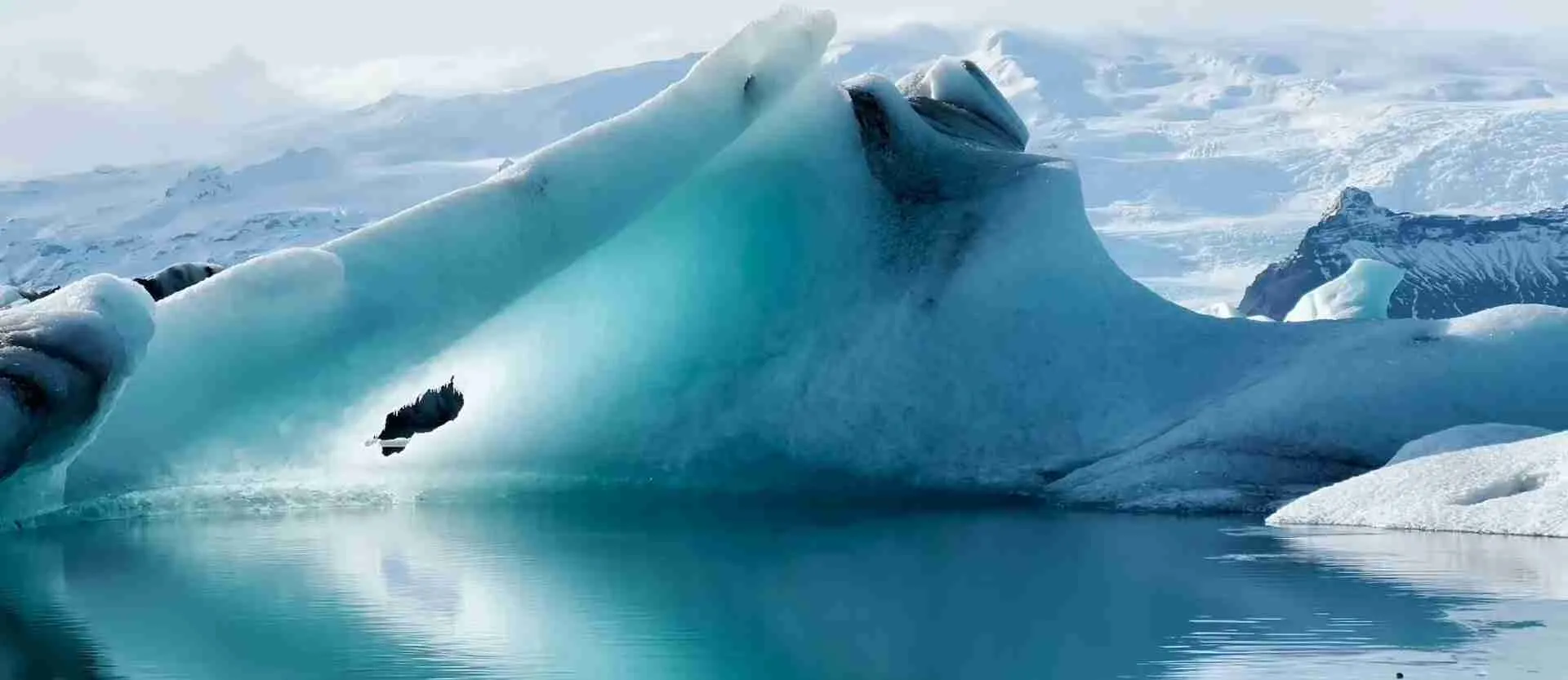
- Glacial Photography Essentials: Jökulsárlón Glacier Lagoon and Diamond Beach offer year-round ice photography with constantly changing compositions as icebergs calve from Breiðamerkurjökull glacier, drift through the lagoon, and wash ashore on black volcanic sand creating translucent blue sculptures.
- Weather Adaptability: Iceland’s rapidly changing weather systems create dramatic cloudscapes and storm photography opportunities, with conditions shifting multiple times daily requiring flexible shooting plans and weather-sealed camera equipment to capture moody atmospheric conditions that define Icelandic landscapes.
- UNESCO World Heritage Subjects: Iceland’s three UNESCO sites—Þingvellir National Park (tectonic rift valley), Surtsey (volcanic island), and Vatnajökull National Park (Europe’s largest ice cap)—provide geologically significant photography subjects representing Earth’s formation processes and ongoing volcanic-glacial interactions.
- Midnight Sun Advantage: Summer solstice period (late May through July) delivers nearly 24-hour daylight enabling all-night photography sessions, with the sun circling the horizon creating continuous golden and blue hour lighting conditions impossible to replicate at lower latitudes.
People Also Ask About Iceland Photography
What camera settings work best for northern lights photography in Iceland?
Northern lights photography in Iceland requires manual mode settings with wide aperture (f/1.4 to f/2.8), high ISO (1600-3200), and shutter speeds between 5-15 seconds depending on aurora movement speed. Faster-moving auroras demand shorter exposures (5-8 seconds) to capture curtain details rather than blurred green smears, while slower auroras permit 10-15 second exposures for more light gathering. Focus manually on infinity using live view magnification on a bright star, as autofocus fails in darkness. Shoot RAW format to preserve maximum dynamic range for processing aurora colors and foreground details. Use a sturdy tripod and remote release or 2-second timer to eliminate camera shake during long exposures. White balance set to 3500-4000K captures natural green and purple aurora hues, though many photographers shoot auto white balance and adjust in post-processing for creative color interpretation.
When does Iceland receive the best light for landscape photography?
Iceland receives exceptional landscape photography light during two distinct periods. Summer months (May through August) deliver extended golden hours lasting 3-4 hours before and after the midnight sun, with the sun skimming the northern horizon all night creating soft, warm directional light ideal for capturing textures in lava fields, mountains, and coastal formations without harsh shadows. Winter months (November through February) provide low-angle sunlight throughout the brief 4-5 hour daylight period, producing continuous golden hour and blue hour conditions with rich color saturation and dramatic long shadows that emphasize topography. The equinox months (March-April and September-October) offer balanced daylight duration (12-14 hours) with both sunrise and sunset golden hours at reasonable times, making them versatile for photographers wanting both daylight shooting and aurora opportunities after dark.
What makes Jökulsárlón Glacier Lagoon essential for photography?
Jökulsárlón Glacier Lagoon ranks among Earth’s most photogenic locations because constantly calving icebergs from Breiðamerkurjökull glacier create ever-changing compositions impossible to replicate. Each iceberg possesses unique shapes, sizes, and blue coloration ranging from crystal-clear to deep azure depending on ice density and air bubble content. The lagoon’s still waters produce mirror reflections of icebergs against Öræfajökull volcano and surrounding mountains, while seals swimming among ice formations add wildlife elements. Across the highway, Diamond Beach presents icebergs washed ashore on black volcanic sand, where translucent blue ice contrasts dramatically with dark basalt and white surf, creating graphic compositions enhanced by wave motion and changing tides. Light conditions vary hourly as sun angles shift, producing different color temperatures and reflection patterns throughout the day, making Jökulsárlón productive for photography during any season and lighting condition.
How does Iceland’s weather affect photography opportunities?
Iceland’s dynamic weather systems create both challenges and exceptional photography opportunities through rapid atmospheric changes driven by Arctic air masses meeting warmer Gulf Stream currents. Clouds formations shift multiple times daily, producing dramatic skies with storm light, crepuscular rays, and rainbow conditions that enhance landscape compositions beyond static blue skies. Rain squalls pass quickly, leaving water droplets on vegetation and rocks that catch light beautifully during brief clear periods between storms. Winter storms deposit fresh snow on mountains and lava fields overnight, transforming familiar landscapes into monochromatic compositions by morning. Photographers who embrace weather variability rather than waiting for perfect conditions capture Iceland’s authentic character—moody, atmospheric, and constantly evolving. Weather-sealed camera bodies and lens protection systems prove essential for shooting in wind-driven rain and sea spray common along coastal locations, while lens cloths and rocket blowers handle condensation and water spots that accumulate during changing conditions.
Extended multi-day tours – 5+ days
Featured Iceland Multi-Day Tour Packages
7 days
7 Day – Iceland Ring Road & Snæfellsnes Peninsula Small-Group Tour
- ✓ Comprehensive Iceland tour
- ✓ Expert local guides included
- ✓ All accommodation arranged
- ✓ Transportation provided
7 days
7-Day Small Group Journey Around Iceland with Premium Hotels
- ✓ Comprehensive Iceland tour
- ✓ Expert local guides included
- ✓ All accommodation arranged
- ✓ Transportation provided
5 days
5-Day Small Group Northern Lights Hunt & Glacier Lagoon Tour
- ✓ Comprehensive Iceland tour
- ✓ Expert local guides included
- ✓ All accommodation arranged
- ✓ Transportation provided
5 days
5 Days Land of Northern Lights
- ✓ Comprehensive Iceland tour
- ✓ Expert local guides included
- ✓ All accommodation arranged
- ✓ Transportation provided
Multi-day tour packages powered by TourRadar. Prices and availability subject to change.
Introduction to Iceland Photography
Iceland occupies a unique position at the intersection of Arctic climate, volcanic geology, and cultural heritage that produces photographic subjects unmatched anywhere on Earth. The island straddles the Mid-Atlantic Ridge where the North American and Eurasian tectonic plates diverge, creating active volcanoes, geothermal features, and raw landscapes still forming through ongoing geological processes. Massive ice caps cover 11% of Iceland’s surface, feeding glaciers that grind their way toward the coast while carving valleys and producing glacial rivers laden with suspended sediment that colors them turquoise and gray.
The country’s position just south of the Arctic Circle at 64-66°N latitude creates extreme seasonal light variations that define photography conditions. Summer brings the midnight sun phenomenon with nearly 24 hours of daylight during solstice, allowing photography sessions that span entire nights as the sun circles the horizon without setting. Winter delivers the opposite—4-5 hours of low-angle daylight that never reaches overhead position, creating continuous golden hour and blue hour conditions from late morning sunrise through early afternoon sunset. This extreme latitude also places Iceland directly beneath the auroral oval, the ring around Earth’s magnetic poles where northern lights appear most frequently and intensely.
Iceland’s sparse population of 370,000 people concentrated primarily in Reykjavík leaves vast territories essentially uninhabited, eliminating light pollution across most of the island. The Ring Road circles the country connecting major photography destinations, while unpaved F-roads penetrate the uninhabited interior highlands accessible only during summer months. Three UNESCO World Heritage Sites—Þingvellir National Park’s tectonic rift valley, Surtsey volcanic island, and Vatnajökull National Park’s glacial expanse—represent globally significant geology visible on epic scales.
Weather patterns driven by North Atlantic storm systems create rapidly changing conditions that shift from clear skies to rain to snow and back within hours, producing dramatic cloudscapes and atmospheric light that photographers either embrace or struggle against. The country receives substantial precipitation, especially along the south coast where moisture-laden winds meet coastal mountains, creating dozens of major waterfalls and hundreds of smaller cascades that provide motion elements for long-exposure photography.
Understanding Iceland’s seasonal light characteristics, weather patterns, and geological features allows photographers to anticipate conditions and capture images that convey the raw power and ethereal beauty of this volcanic island perched at the edge of the Arctic.
Understanding Iceland’s Unique Light Conditions
Iceland’s extreme northern latitude creates light conditions fundamentally different from temperate zones, with sun angles, day length, and color temperature varying dramatically between seasons. The midnight sun period from late May through July produces nearly continuous daylight with the sun circling the horizon, never dropping more than a few degrees below it even at “night.” This creates extended golden hour and blue hour periods that last for hours rather than minutes, allowing landscape photographers to work with soft, directional light throughout the entire night without ever experiencing true darkness.
During summer solstice in late June, Reykjavík receives approximately 21 hours of daylight with only 3 hours of dim twilight rather than complete darkness. Northern Iceland experiences even longer daylight periods, with the sun remaining visible above the horizon for 24 hours straight in locations north of the Arctic Circle. This continuous illumination means photographers can shoot all night, watching light quality shift gradually as the sun moves around the northern horizon, creating warm light in the north—an impossibility at lower latitudes where sunset colors only appear in western skies.
The extended golden hours during summer produce warm, directional light ideal for emphasizing textures in lava fields, highlighting patterns in basalt columns, and creating long shadows that reveal topography. Colors saturate intensely during these periods, with green moss on lava fields glowing luminously and black sand beaches displaying rich tonal gradations rather than appearing flat. Water surfaces reflect warm sky colors, turning waterfalls and rivers golden and creating mirror-like reflections in calm lakes and glacial lagoons.
Winter brings the opposite extreme with the sun barely rising above the southern horizon during the shortest days. December solstice delivers only 4-5 hours of daylight in Reykjavík, with the sun reaching maximum elevation of just 2-3 degrees above the horizon before descending again. This creates all-day golden hour and blue hour conditions with soft, low-angle light that never produces harsh overhead shadows. Snow-covered landscapes glow with reflected light during the brief daylight period, while extended twilight before sunrise and after sunset provides hours of blue hour photography with pastel colors in the sky.
The low winter sun angle creates long shadows that emphasize topographic features, making relatively subtle elevation changes appear dramatic. Mountains cast shadows for miles across valleys, ice formations catch backlight beautifully, and coastal features stand out in sharp relief. Color temperature remains warm throughout the brief daylight period, eliminating the need to wait for specific sunrise or sunset times—the entire day offers favorable light quality for landscape photography.
Equinox periods in March-April and September-October provide balanced daylight durations of 12-14 hours with both sunrise and sunset occurring at reasonable hours. These transitional seasons offer traditional golden hour periods lasting 1-2 hours morning and evening, along with standard midday light conditions familiar to photographers from lower latitudes. September and March also coincide with increased aurora borealis activity due to the Russell-McPherron effect, where Earth’s magnetic field orientation relative to solar wind allows more efficient particle transfer, creating more frequent and intense northern lights displays.
Cloud cover, which occurs frequently in Iceland’s maritime climate, acts as a giant diffuser creating soft, even light ideal for waterfall photography, close-up work with textures and patterns, and moody atmospheric landscape images. Overcast conditions eliminate harsh shadows and reduce dynamic range challenges, though they also suppress dramatic skies that enhance many landscape compositions. Storm light—brief periods of illumination between cloud layers during unstable weather—produces some of Iceland’s most dramatic photography conditions with spotlit mountains, rain-darkened skies, and vivid rainbows.
Northern Lights Photography Mastery in Iceland
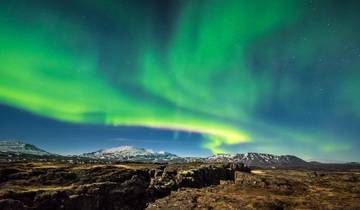
Iceland’s position beneath the auroral oval makes it one of Earth’s premier northern lights photography destinations, with aurora borealis visibility occurring from late August through mid-April when nights provide sufficient darkness for the phenomenon to appear against the sky. The aurora results from charged particles in solar wind interacting with Earth’s magnetosphere, creating ionization in atmospheric gases that emit characteristic green, red, and purple light primarily at altitudes between 100-300 kilometers above Earth’s surface.
The northern lights season in Iceland corresponds to the period when astronomical darkness returns after the midnight sun months. Late August marks the first opportunities for aurora sightings as nights lengthen sufficiently for complete darkness during peak hours. September through April provides progressively longer dark periods, with December-February offering up to 20 hours of night for extended aurora hunting opportunities. The season concludes in mid-April as lengthening daylight eliminates darkness necessary for aurora visibility.
September and March rank among the most productive aurora months due to the equinox effect, where Earth’s magnetic field orientation relative to the interplanetary magnetic field allows more efficient magnetic reconnection, enabling greater numbers of charged particles to enter the atmosphere. This creates more frequent geomagnetic storms and consequently more intense aurora displays during equinox periods compared to solstice months. February emerges as many photographers’ preferred month, balancing long dark nights (16-18 hours) with relatively stable weather patterns and frequent clear evenings compared to stormier November-January period.
Successful aurora photography requires three conditions to align: darkness, clear skies, and solar activity. Darkness proves straightforward to predict based on season and time of night, with optimal viewing occurring between 10 PM and 2 AM when the sky reaches maximum darkness. Clear skies present the primary challenge in Iceland’s frequently cloudy maritime climate, requiring photographers to monitor weather forecasts continuously and drive to areas with predicted clear conditions. Solar activity varies based on 11-year solar cycles, with current solar maximum period through 2025-2026 producing elevated activity levels that increase both aurora frequency and intensity.
The Kp index measures global geomagnetic activity on a scale from 0-9, with values of 3 or higher indicating favorable conditions for aurora viewing at Iceland’s latitude. However, even Kp 2 activity can produce spectacular displays under ideal dark sky conditions, while Kp 5+ storms create auroras bright enough to photograph despite some light pollution or moonlight. Real-time aurora forecasts combine Kp predictions with cloud cover data, allowing photographers to identify optimal viewing windows and locations on specific nights.
Camera settings for northern lights photography require manual control to handle the extreme low-light conditions and moving subject matter. Wide aperture lenses (f/1.4 to f/2.8) gather maximum light while creating sharp focus across the sky when focused at infinity. ISO settings between 1600-3200 provide sufficient sensor sensitivity without introducing excessive noise in modern camera systems, with higher ISO values (4000-6400) reserved for faint auroras or when faster shutter speeds are needed. Shutter speed selection balances light gathering with freezing aurora movement—faster-moving displays require 5-8 second exposures to capture curtain details and corona structures, while slower auroras permit 10-15 second exposures for more light collection.
Focusing presents challenges in complete darkness where autofocus systems fail. Manual focus set to infinity using live view magnification on a bright star produces sharp results, with the focus point locked before beginning the photography session. Some photographers pre-focus during twilight on distant mountains, then tape the focus ring to prevent accidental shifts during night shooting. Testing exposures and reviewing images at high magnification confirms accurate focus before committing to a full shooting session.
Composition for aurora photography balances sky coverage with foreground interest. Pure aurora images filling the frame work when displays show exceptional structure and color intensity, but most compelling images include landscape elements that provide scale, context, and visual anchors. Iceland’s distinctive features—glaciers, volcanic peaks, lava fields, waterfalls, and coastal formations—create powerful foregrounds that ground aurora compositions. Ice-covered lakes and calm lagoons add reflection elements that double the visual impact of aurora displays.
Foreground lighting requires careful consideration as natural darkness renders landscape elements as black silhouettes. Light painting with headlamps or flashlights selectively illuminates foreground features, though this technique demands subtlety to avoid overpowering the aurora or creating artificial appearance. Moonlight provides natural foreground illumination when moon phases align with aurora activity, creating balanced exposures that capture both sky and landscape without additional lighting. Many photographers prefer moonless nights despite darker foregrounds because auroras appear more vivid against truly dark skies.
White balance selection affects color rendering significantly. Auto white balance often interprets green auroras as incorrect color cast and compensates by adding magenta tints, while daylight white balance (5500K) or custom settings between 3500-4000K preserve natural aurora colors more accurately. Many photographers shoot auto white balance for in-camera preview purposes, knowing they can adjust color temperature precisely during RAW processing to achieve desired color interpretation ranging from naturalistic to creatively enhanced.
Optimal aurora photography locations combine dark skies away from city light pollution with compelling foreground elements and accessibility during winter conditions. Þingvellir National Park northeast of Reykjavík offers dramatic rift valley topography with minimal light pollution, combining geological significance with excellent aurora viewing. Jökulsárlón Glacier Lagoon provides icebergs as foreground elements with the aurora reflecting in still water between ice formations. Kirkjufell mountain on the Snæfellsnes Peninsula ranks among Iceland’s most photographed aurora locations, with the distinctive peak creating a recognizable foreground element. The black sand beach at Reynisfjara combines sea stacks and basalt columns with aurora opportunities, though coastal fog can reduce visibility.
Weather monitoring proves essential for aurora photography success, as cloud cover blocks aurora visibility regardless of solar activity levels. Iceland’s weather forecast website (vedur.is) provides detailed cloud cover predictions by region and time, allowing photographers to identify areas with forecast clear skies. Mobile aurora forecast apps combine solar activity predictions with cloud cover data, sending alerts when favorable conditions align. Successful aurora photographers maintain flexible plans, willing to drive 1-3 hours from lodging to reach clear sky areas when forecasts indicate regional weather variations.
Geomagnetic storm alerts from observatories like the Leirvogur Magnetic Observatory in Iceland provide real-time data on auroral activity levels, with sudden spikes in magnetic field measurements indicating imminent displays. Monitoring these live graphs allows photographers to respond quickly when activity intensifies, maximizing chances of capturing strong displays. The aurora can appear suddenly and intensify rapidly, making responsive monitoring more effective than passive waiting.
Glacial Landscape Photography at Jökulsárlón and Beyond
Jökulsárlón Glacier Lagoon on Iceland’s southeast coast represents the country’s most photographed glacial feature, where icebergs calving from Breiðamerkurjökull glacier drift through a deep lagoon before passing under a bridge and entering the North Atlantic. The lagoon formed beginning in the 1930s as the glacier retreated rapidly, creating a water-filled basin that now reaches depths exceeding 250 meters, making it Iceland’s deepest lake. Continuous calving ensures constantly changing compositions as icebergs break away from the glacier terminus, slowly drift through the lagoon driven by wind and currents, and eventually exit to the ocean.
Each iceberg presents unique shapes, sizes, and blue coloration depending on ice density, crystal structure, and air bubble content. Dense, compressed ice appears deep azure or sapphire blue when light penetrates and scatters within the ice structure, while ice containing numerous air bubbles appears white or pale blue due to light scattering from bubble surfaces. Translucent sections glow when backlit by sun, creating luminous sculptures that change appearance as light angles shift throughout the day. Weathering and melting create sculptural forms with arches, caves, and organic shapes impossible to predict or replicate.
The lagoon’s still waters during calm conditions produce mirror reflections of icebergs against the backdrop of Öræfajökull volcano and surrounding mountains, doubling visual impact and creating symmetrical compositions. Reflections work best during early morning and late evening when winds typically decrease, creating glass-like water surfaces. Slight breezes create ripples that fragment reflections into impressionistic patterns, offering alternative compositional approaches to static mirror images.
Seal populations inhabit the lagoon year-round, hauling out on icebergs to rest and hunt for fish in the cold waters. Patient photographers can capture wildlife elements as seals swim among ice formations or observe their surroundings from iceberg perches. Telephoto lenses compress distance between seals and icebergs, creating layered compositions that combine wildlife with glacial environment.
Across the Ring Road from Jökulsárlón, Diamond Beach presents icebergs washed ashore on black volcanic sand after drifting from the lagoon into the North Atlantic. Ocean currents and tides carry ice chunks back onto the beach, where they rest on dark basalt sand creating high-contrast graphic compositions. The translucent blue ice contrasts dramatically with black sand and white surf, producing images that immediately identify Iceland even without recognizable landmarks.
Wave action and tides constantly rearrange ice formations on Diamond Beach, depositing new icebergs with each tidal cycle while carrying others back to sea. This creates ever-changing beach conditions where compositions present themselves unexpectedly, requiring photographers to walk the beach searching for promising ice formations rather than planning specific shots in advance. Long-exposure photography captures wave motion as white blur surrounding static ice, adding dynamic elements to compositions.
Light conditions dramatically affect glacial ice appearance and color saturation. Overcast skies produce soft, even illumination that emphasizes the inherent blue color in dense ice without harsh shadows or blown highlights. Direct sunlight creates sparkling highlights on ice surfaces and intense blue tones in shadowed areas, though high contrast can challenge dynamic range. Backlit ice glows translucently, revealing internal structure and creating rim lighting around ice edges. Storm light—brief illumination during unstable weather—produces spectacular conditions with dark skies highlighting illuminated icebergs.
Shooting RAW format proves essential for glacial photography as ice presents extreme tonal ranges from deep shadows within crevasses to bright highlights on sunlit surfaces. RAW files preserve highlight and shadow detail that allows recovery during processing, preventing blown whites or blocked blacks that occur with in-camera JPEG processing. Bracketing exposures captures extended dynamic range for HDR processing or exposure blending when single exposures cannot handle the contrast range.
Beyond Jökulsárlón, Iceland’s numerous glaciers and ice caps provide additional glacial photography opportunities. Vatnajökull National Park encompasses Europe’s largest ice cap covering 8% of Iceland’s land area, with numerous outlet glaciers flowing from the central ice cap toward coastal areas. Svínafellsjökull glacier near Skaftafell offers accessible glacier tongues with dramatic ice formations visible from viewing areas, while guided glacier walks allow closer access to ice features with proper safety equipment and expert guidance.
Fjallsárlón, a smaller glacial lagoon adjacent to Jökulsárlón, provides similar iceberg photography with fewer crowds and closer proximity to the glacier terminus. The smaller lagoon allows more intimate compositions with icebergs filling the frame against the glacier background. Zodiac boat tours operate on Fjallsárlón during summer months, enabling water-level photography among icebergs from unique perspectives impossible from shore.
Sólheimajökull glacier on the south coast presents dramatic crevassed ice accessible via short hiking trails, with black volcanic ash layers visible within the ice revealing past eruptions. The heavily fractured surface creates chaotic ice sculptures and deep blue crevasses that demonstrate glacial movement and stress. Close-up photography reveals ice crystal structures, ash bands, and the interplay between ice and volcanic rock that characterizes Iceland’s glaciers.
Glacial rivers colored milky gray or turquoise by suspended rock flour (finely ground sediment from glacial erosion) provide foreground elements or primary subjects for landscape photography. The Jökulsá á Fjöllum river system flowing from Vatnajökull creates powerful waterfalls including Dettifoss, Europe’s most powerful waterfall, where glacial meltwater thunders over basalt cliffs. Aerial photography reveals braided river patterns across outwash plains where multiple channels shift constantly across the broad valley floors.
Waterfall Photography Techniques in Iceland
Iceland contains thousands of waterfalls ranging from roadside cascades to remote wilderness falls accessible only by hiking, created by abundant precipitation meeting steep topography and resistant basalt bedrock. The most photographed waterfalls—Seljalandsfoss, Skógafoss, Goðafoss, Dettifoss, and Svartifoss—each offer distinctive characteristics and compositional opportunities that reward dedicated photography.
Seljalandsfoss on the south coast provides the unique opportunity to walk behind the waterfall curtain, photographing the falls from inside the cavern with the landscape visible through the water curtain. This perspective creates backlit water drops, rainbow formations when sunlight penetrates at appropriate angles, and foreground framing elements as water cascades past the viewing position. Wide-angle lenses capture the full scene including surrounding landscape visible through the falls, while closer compositions emphasize water texture and light transmission. Spray creates challenging shooting conditions requiring weather-sealed equipment and frequent lens cleaning, though the moisture adds atmospheric elements to images.
Skógafoss drops 60 meters over a former coastal cliff now located inland due to coastal erosion and glacial rebound, creating a powerful single drop that generates massive spray clouds visible from kilometers away. The falls width of 25 meters creates a balanced composition without needing to include surrounding landscape, allowing tight framing that emphasizes water texture and power. Rainbows form frequently in the spray during sunny conditions, particularly during morning when eastern sun angle creates favorable light refraction. Stairs to the cliff top provide elevated perspectives looking down on the falls and across the coastal plain toward the ocean.
Long-exposure techniques smooth water motion into silky textures that emphasize flow patterns while maintaining detail in rocky surroundings. Neutral density filters reduce light transmission, permitting exposures of 1-5 seconds even in bright conditions where base exposure would be 1/125 second or faster. Graduated neutral density filters balance exposure between bright sky and darker foreground rocks, though many photographers prefer capturing separate exposures for blending during processing to avoid the artificial appearance of strong GND filters.
Shutter speed selection dramatically affects water appearance and mood. Exposures of 1/4 to 1 second partially freeze water motion while showing directional flow, creating dynamic appearance with visible droplets and turbulent texture. Exposures of 1-5 seconds smooth water into silky flows while retaining some texture and detail in foam patterns. Exposures exceeding 10-30 seconds create ethereal, completely smoothed water that appears almost fog-like, eliminating individual drops and flow patterns in favor of minimalist representation. Choosing appropriate shutter speed depends on artistic intent, with no universally correct approach—each produces valid interpretations emphasizing different aspects of water movement.
Polarizing filters prove valuable for waterfall photography by reducing glare from wet rocks, increasing color saturation in foliage, and darkening skies without affecting overall exposure balance. Rotating the polarizer while observing through the viewfinder reveals the maximum effect angle, typically 90 degrees from sun direction. Polarizers reduce light transmission by 1-2 stops, partially replacing neutral density filters while providing additional benefits through glare reduction and saturation enhancement.
Goðafoss in northern Iceland presents a horseshoe-shaped waterfall splitting around a central rock island, creating multiple water channels that photograph well from various angles along the accessible basalt shoreline. The falls appear manageable in scale compared to massive Dettifoss, allowing compositions that include foreground rocks and surrounding landscape while maintaining waterfall prominence. Winter conditions freeze spray onto basalt formations, creating ice sculptures that complement flowing water in the center channel that remains unfrozen year-round.
Dettifoss in Vatnajökull National Park ranks as Europe’s most powerful waterfall measured by volume, dropping glacial meltwater 45 meters into Jökulsárgljúfur canyon with thunderous force that shakes the ground. The falls’ immense scale challenges composition as single images cannot convey the massive volume of water plunging over the edge. Wide-angle perspectives from the western rim show the canyon context and downstream cascades, while eastern viewpoint provides closer approach to the falls edge where spray soaks photographers and equipment. The glacial river’s gray color from suspended sediment creates subtle tones in long exposures compared to the white water typical of clear-water waterfalls.
Svartifoss in Skaftafell (part of Vatnajökull National Park) cascades over hexagonal basalt columns that frame the falls with distinctive geometric architecture. The black basalt columns contrast with white water, creating graphic compositions that emphasize geological structure as much as water motion. A 45-minute uphill hike accesses viewpoints across from the falls, with the trail gaining approximately 150 meters elevation through birch forest and across moorland. Seasonal variations affect flow volume dramatically, with summer glacial melt producing powerful flows while winter reduces water to modest ribbons highlighting the basalt column architecture.
Háifoss ranks among Iceland’s tallest waterfalls at 122 meters, located in a remote canyon requiring rough road access and hiking to reach viewpoints. The falls drop from the edge of a high plateau into a narrow gorge, with neighboring Granni waterfall creating a twin-falls composition from certain angles. The challenging access eliminates crowds, providing solitary photography opportunities in dramatic wilderness settings that convey Iceland’s raw, uninhabited character.
Lesser-known waterfalls scattered across Iceland reward exploration and offer unique subjects without famous location recognition. The Westfjords contain numerous waterfalls including Dynjandi’s multi-tiered cascade and countless roadside falls along fjord roads. The highland interior (accessible only during summer via 4WD F-roads) features remote waterfalls in volcanic desert landscapes devoid of vegetation, creating stark compositions of water against black sand and volcanic rock.
Black Sand Beach Photography at Reynisfjara and Beyond
Iceland’s volcanic coastline creates numerous black sand beaches where basalt fragments eroded from lava flows form dark beaches contrasting dramatically with white surf and creating high-contrast scenes enhanced by sea stacks, basalt columns, and powerful North Atlantic waves. Reynisfjara near Vík ranks as Iceland’s most photographed black beach, combining distinctive geological features with accessible location near Ring Road routing.
The beach features three prominent elements that define compositions: Reynisdrangar sea stacks rising from the ocean just offshore, basalt column formations along the cliff face resembling organ pipes, and black pebble beach extending along the coast. The sea stacks create vertical elements against horizontal ocean and sky, with Icelandic folklore identifying them as trolls caught by sunrise and turned to stone. Compositional approaches include tight framing on individual stacks against waves, wider perspectives showing all three stacks with beach foreground, or dramatic close-ups of waves crashing around the stack bases.
The basalt column cave along the beach provides shelter from wind while offering striking geometric patterns as foreground elements framing views toward the sea stacks. Hexagonal columns create repetitive patterns ideal for wide-angle compositions that emphasize perspective and depth, leading the viewer’s eye from foreground columns toward the ocean. Light entering the cave during certain times creates rim lighting on column edges and reveals the three-dimensional structure of the basalt formations.
Wave photography at Reynisfjara captures the power of North Atlantic surf as waves crash against black sand and retreat in white foam patterns. Long exposures smooth wave motion into misty flows while maintaining the dark sand’s graphic quality, creating high-contrast images of white motion against black static elements. Shutter speeds of 1-5 seconds partially freeze wave structure while showing directional flow, while 10-30 second exposures completely smooth water into ethereal fog-like appearance.
Timing wave interactions requires patience and multiple attempts as waves arrive in sets with varying heights and force. Larger waves in each set create the most dramatic impacts, though they also pose safety risks by reaching further up the beach than typical waves. Sneaker waves—unexpectedly large waves arriving without warning—present serious hazards at Reynisfjara and all Icelandic beaches, having caused multiple drownings when waves swept unwary visitors off their feet. Photographers must maintain constant ocean awareness, never turning their back on waves and retreating when larger sets approach.
The black sand provides neutral to cool color temperature that contrasts beautifully with warm sunset and sunrise light. During golden hour, the sand appears almost navy blue while sky colors shift through orange and pink tones, creating complementary color schemes. Overcast conditions produce moody, atmospheric images where dark sand and gray skies merge tonally, with white surf and sea stacks providing the only bright elements.
Diamond Beach near Jökulsárlón combines black sand with glacial ice, creating the ultimate black and white contrast as translucent blue icebergs rest on dark volcanic sand. This location represents Iceland’s dual character—volcanic fire and glacial ice—within single compositions. Wave action moves ice chunks continuously, requiring photographers to work quickly when promising compositions present themselves as tides and waves rearrange ice placement every few minutes.
Djúpalónssandur on the Snæfellsnes Peninsula offers a more remote black sand beach experience with less crowding than Reynisfjara, featuring rusted shipwreck remains scattered across the beach and distinctive rock formations offshore. The beach’s setting beneath Snæfellsjökull glacier creates compositional opportunities combining coastal and glacial elements. Historical lifting stones used to test fishermen’s strength provide cultural foreground elements that add human-scale context to landscape images.
Stokksnes black sand beach beneath Vestrahorn mountain combines arguably Iceland’s most dramatic peak with expansive black sand flats that flood during high tide, creating mirror reflections when conditions align. The mountain’s distinctive horned ridgeline creates instantly recognizable silhouettes, while the beach’s flat expanse provides minimalist foreground space that doesn’t compete with the peak’s dramatic profile. Abandoned traditional turf houses near the beach add cultural elements to landscape compositions.
Photographing Iceland’s UNESCO World Heritage Sites
Iceland’s three UNESCO World Heritage Sites represent globally significant geological and cultural landscapes that provide photographers with subjects of exceptional visual and scientific importance. These locations combine natural beauty with geological processes visible on epic scales, creating opportunities for images that convey Earth’s formation and Iceland’s unique position astride tectonic plate boundaries.
Þingvellir National Park, inscribed as a UNESCO World Heritage Site in 2004, occupies a rift valley where the North American and Eurasian tectonic plates diverge at approximately 19 millimeters annually. This gradual separation creates ever-widening fissures, dramatic cliff faces, and a continuously evolving landscape that demonstrates plate tectonics in action. The Almannagjá gorge presents vertical basalt cliffs marking the eastern edge of the North American plate, with walking trails descending into the rift valley between the plates.
Photography at Þingvellir emphasizes geological scale and tectonic drama through wide-angle perspectives that show the rift valley’s breadth and depth. Standing within Almannagjá gorge with basalt walls rising vertically on both sides creates perspective that demonstrates the plate boundary’s physical presence. The Öxarárfoss waterfall cascading into the gorge adds motion elements to geological compositions, with long exposures smoothing water against static basalt formations.
Þingvellir’s cultural significance as the site of Iceland’s first parliament (Alþingi) established in 930 AD adds historical layers to landscape photography. Stone and turf structures remain from the centuries when Iceland’s chieftains gathered annually at this location to establish laws and settle disputes. Photographing these cultural remnants within the dramatic geological setting creates images that connect human history to geological timescales.
The Silfra fissure within Þingvellir offers underwater photography opportunities in water filtered through porous lava for decades before emerging into the fissure, creating visibility exceeding 100 meters and revealing vivid blue water between the tectonic plates. Snorkeling and diving photographers capture unique perspectives looking up toward the surface between basalt walls, with the crack between continents visible as divers swim through it.
Vatnajökull National Park, designated UNESCO World Heritage status in 2019, encompasses Europe’s largest ice cap and the volcanic systems beneath it, demonstrating the ongoing interaction between fire and ice that defines Iceland’s character. The park covers approximately 14% of Iceland’s total area, including eight central volcanoes (several subglacial), outlet glaciers, glacial rivers, jökulhlaup flood plains, and volcanic landscapes.
Photographing Vatnajökull’s scale challenges traditional landscape techniques as the ice cap extends beyond single-frame comprehension. Aerial perspectives reveal the massive ice coverage and the patterns created by outlet glaciers flowing from the central ice cap, with crevasse fields, ice falls, and nunataks (peaks protruding through ice) creating texture across the white expanse. Ground-level photography focuses on accessible outlet glaciers like Svínafellsjökull and Falljökull, emphasizing ice textures, crevasses, and the blue ice exposed where glacial ice flows create tension and fracturing.
The park’s volcanic features complement glacial subjects, particularly around Askja caldera in the northern section where volcanic desert landscapes surround a water-filled crater. Kverkfjöll ice caves beneath the ice cap’s edge demonstrate the direct interaction between geothermal heat and glacial ice, creating caves that melt and reform annually. These caves glow blue when sunlight penetrates thin ice sections, though accessing them requires proper guidance and safety precautions due to collapse risks.
Surtsey, Iceland’s third UNESCO World Heritage Site inscribed in 2008, presents unique challenges for photographers as the volcanic island remains strictly protected from public access to preserve its pristine ecosystem developing since the island’s formation in 1963-1967 volcanic eruptions. Scientific monitoring documents plant and animal colonization of new land, creating a natural laboratory for studying ecological succession on virgin territory.
Photography of Surtsey occurs exclusively from boats or aircraft as landing requires special permits granted only to scientists conducting approved research. The island rises dramatically from the ocean as a black volcanic cone, with sea birds beginning to establish nesting colonies on the new land. Telephoto lenses from boats positioned at safe distances capture the island’s profile and visible geological features, while aerial perspectives reveal the crater, erosion patterns, and the island’s gradually diminishing size as wave action erodes soft volcanic materials.
The Westman Islands archipelago near Surtsey provides accessible photography of similar volcanic formations, with inhabited Heimaey island featuring volcanic cones from historical eruptions including the 1973 Eldfell eruption that nearly destroyed the island’s town. Photographing Heimaey’s volcanic features while viewing Surtsey in the distance creates compositional connections between accessible volcanic landscapes and the protected scientific reserve.
Volcanic Landscape and Geothermal Photography
Iceland’s volcanic character creates landscape subjects unmatched elsewhere, from active geothermal areas with steaming vents and colorful mineral deposits to vast lava fields frozen mid-flow and volcanic craters displaying Earth’s internal forces. Photographing these features requires understanding geological processes while protecting equipment from corrosive volcanic gases and extreme temperatures near active geothermal features.
The Landmannalaugar region in the southern highlands presents Iceland’s most colorful volcanic landscapes, where rhyolite mountains display bands of red, yellow, orange, and green created by volcanic minerals and geothermal alteration. The mountains rise above black lava fields creating dramatic color contrast, with geothermal hot springs adding steam elements to compositions. Access requires 4WD vehicles navigating rough F-roads, with the area accessible only during summer months (typically late June through early September).
Photographing rhyolite mountains emphasizes color saturation and pattern through careful light angle selection and polarizer use. Side lighting reveals texture and emphasizes the colored bands through shadow and highlight contrast, while backlighting creates rim light on mountain ridges against darker valley shadows. The colorful minerals appear most vivid when wet from rain or geothermal steam, with moisture intensifying reds and yellows that appear subdued when dry.
Geothermal areas like Hverir near Mývatn present alien landscapes of bubbling mud pots, steaming fumaroles, and mineral-stained earth in shades of red, yellow, and white. The sulfurous steam creates atmospheric effects as it rises and condenses, while the barren, cratered terrain resembles extraterrestrial surfaces. Long exposures smooth steam into soft plumes, while faster shutter speeds freeze individual steam bursts and capture motion in bubbling mud pools.
Safety considerations prove critical when photographing active geothermal areas as thin crusts over boiling mud can collapse, and volcanic gases including hydrogen sulfide pose respiratory hazards. Photographers must remain on marked paths and boardwalks, avoiding unstable ground around hot springs and fumaroles. Wind direction affects exposure to sulfur gases, with photographers positioning themselves upwind of major steam vents to avoid breathing corrosive vapors that also damage camera equipment over time.
The Krafla volcanic system demonstrates recent volcanic activity through the Leirhnjúkur lava field from 1970s-80s eruptions, where black lava remains largely unvegetated and displays flow patterns, pressure ridges, and collapse features created during eruption. The vivid colors around Víti crater—a water-filled explosion crater with turquoise water surrounded by red and yellow volcanic deposits—create striking color combinations against black lava. Steam rising from fissures across the lava field reveals ongoing geothermal activity beneath the surface.
Askja caldera in the remote highland interior contains Öskjuvatn lake (Iceland’s second-deepest) and the Víti explosion crater with milky blue geothermal water warm enough for bathing. The caldera’s massive scale—formed during a catastrophic eruption in 1875—creates desolate landscapes photographed by NASA as Mars analog environments for astronaut training. The challenging access via rough F-roads and river crossings ensures limited crowds compared to easily accessible southern coast locations.
Lava field photography captures Iceland’s volcanic productivity through different lava types and ages. Fresh black lava appears barren and sharp-edged, while older flows support moss coverage that creates vibrant green carpets across the black rock. The Eldhraun lava field in the south represents Earth’s largest lava flow from a single eruption (Laki 1783-84), now covered in thick moss that glows luminously during golden hour. Photographing moss-covered lava emphasizes texture through close-up and macro techniques, revealing the living surface coating the dead rock beneath.
Volcanic craters ranging from perfectly circular explosion craters to elongated fissure craters provide distinctive subjects. Grábrók crater near Borgarfjörður features a hiking trail circling the rim, with views into the crater bowl and across surrounding lava fields. The red and black cinder slopes create tonal variations, while low vegetation adds texture to otherwise barren surfaces. Mývatn’s pseudo-craters formed when lava flowed over wetlands, creating steam explosions that built low cones without deep magma sources. These smaller features photograph well with wide-angle lenses emphasizing their forms against the lake and surrounding landscape.
Wildlife and Puffin Photography in Iceland
Iceland’s wildlife photography centers primarily on seabirds, with Atlantic puffins ranking as the most sought-after subjects during their nesting season from May through August. Limited terrestrial mammals restrict wildlife opportunities compared to continental locations, though Arctic foxes, seals, and reindeer provide occasional subjects. The emphasis falls on coastal birds where massive colonies create both photography opportunities and challenges managing crowds and protecting nesting sites.
Atlantic puffins nest in burrows on coastal cliffs and offshore islands around Iceland’s coast, with major colonies accessible for photography including Látrabjarg cliffs in the Westfjords, Dyrhólaey near Vík, and the Westman Islands. Puffins arrive in mid-April and depart by mid-August, with peak activity during June-July when adults shuttle between ocean fishing grounds and cliff burrows feeding chicks. The brief nesting season creates compressed photography windows, with timing crucial for encountering maximum puffin numbers and activity.
Photographing puffins requires telephoto lenses in the 300-500mm range to capture frame-filling images without disturbing nesting birds or approaching dangerously close to cliff edges. Puffins tolerate human presence reasonably well when photographers move slowly and avoid sudden movements, often allowing approaches within 5-10 meters at heavily visited colonies where birds habituate to visitor presence. The colorful beak during breeding season creates the iconic puffin appearance, with the beak’s bright orange and yellow plates making individuals immediately identifiable in images.
Behavior photography captures puffins landing at burrow entrances with beaks full of fish, pairs engaged in billing (rubbing beaks together), and take-offs from cliff edges that require precise timing and continuous shooting modes. Landing approaches occur repeatedly throughout the day as adults return from fishing, providing numerous opportunities to anticipate and capture the critical moment when puffins transition from flight to landing with feet extended and wings spread for braking.
Light conditions dramatically affect puffin photography quality, with overcast skies providing soft, even illumination that eliminates harsh shadows on white chest plumage while maintaining detail in black back feathers. Direct sunlight creates exposure challenges balancing bright white and deep black plumage, often requiring exposure compensation toward underexposure to preserve white detail, accepting that black areas will block up. Early morning and late evening light during summer’s extended golden hours creates warm illumination that enhances the orange beak and feet colors while providing directional light that models the bird’s form.
Background selection separates competent puffin images from exceptional ones, with clean backgrounds (ocean, sky, or distant landscape) emphasizing the subject while busy backgrounds (other puffins, rocks, vegetation) create distracting elements. Positioning relative to puffin burrows determines background composition, with low angles placing puffins against sky backgrounds while higher vantage points may show ocean or coastal landscape behind subjects. Selective focus using wide apertures (f/4-f/5.6) blurs backgrounds further, though cliff photography often occurs in bright light requiring higher shutter speeds that necessitate narrower apertures.
The Westman Islands (Vestmannaeyjar) host Iceland’s largest puffin colonies, with boat tours and cliff-top viewing areas providing access during nesting season. The islands’ steep cliffs create dramatic backdrops for puffin photography, while the concentrated population ensures numerous subjects within photographic range. Late evening during summer brings extended golden hour light that enhances the volcanic landscape while illuminating puffins returning to burrows.
Látrabjarg cliffs in the Westfjords represent Europe’s largest bird cliff, extending 14 kilometers with sections reaching 440 meters height. Puffins nest at lower cliff levels accessible from the cliff-top viewing area, with calm summer days allowing close approaches to cliff edges for photography directly above nesting areas. The remote location reduces crowds compared to southern coast colonies, providing solitary photography opportunities in pristine wilderness settings.
Arctic terns nest throughout Iceland’s coastal areas, aggressively defending nesting territories through dive-bombing attacks on perceived threats including photographers. The birds’ aerial agility and aggressive behavior create exciting action photography opportunities for those willing to accept occasional head strikes from defensive parents. Long lenses allow safer working distances, capturing terns in flight against clean backgrounds without provoking maximum aggression that occurs at close range.
Seabirds beyond puffins include razorbills, guillemots, fulmars, and kittiwakes that nest on the same cliffs, often in mixed colonies where multiple species occupy different cliff levels and niches. The variety creates opportunities for comparison images showing different species in similar environments, while also challenging photographers to identify target species among the masses of birds.
Iceland’s seal populations concentrate in certain coastal areas including Jökulsárlón Glacier Lagoon where seals hunt for fish among icebergs and rest on ice floes. Harbor seals and gray seals appear commonly, hauling out on ice or rocks to rest between hunting sessions. Photographing seals requires patience as the animals remain wary of human approach, though individuals resting on icebergs tolerate closer approaches from shore than those on accessible beaches. Telephoto lenses capture seals from respectful distances without causing disturbance that might drive animals back into water.
Seasonal Photography Planning and Weather Considerations
Iceland’s dramatic seasonal variations create distinctly different photography experiences requiring specific planning, equipment, and approaches tailored to each period’s unique conditions. Understanding seasonal characteristics allows photographers to align visit timing with specific subject priorities, whether midnight sun landscapes, northern lights, puffin colonies, or ice cave access.
Summer (June-August) delivers nearly 24-hour daylight with the midnight sun creating extended golden hour conditions throughout the night. The sun circles the northern horizon without setting, providing continuous soft, directional light ideal for landscape photography. Highland F-roads open by late June, granting 4WD access to interior regions including Landmannalaugar’s colorful rhyolite mountains, Askja caldera, and remote highland routes traversing volcanic deserts. Puffin colonies remain active through early August, combining seabird photography with landscape opportunities.
Summer’s primary limitation involves the complete absence of aurora borealis visibility due to continuous daylight, eliminating northern lights photography opportunities entirely. The season attracts peak tourist numbers, creating crowding at popular locations that can challenge photographers seeking solitary landscape perspectives. Midnight sun photography requires adaptation to unusual light timing, with traditional sunrise and sunset replaced by continuous golden hour as the sun skims the northern horizon all night.
Autumn (September-October) marks the transition to aurora season as darkness returns, while temperatures remain moderate compared to winter months. September and October provide balanced conditions with both daylight landscape photography and nighttime aurora opportunities, making these months highly versatile for photographers wanting diverse subjects. The autumn equinox effect intensifies aurora activity during September, creating favorable conditions for northern lights displays. Highland roads close by mid-September as snow accumulates, restricting access to interior regions while southern coast locations remain accessible year-round.
Winter (November-February) delivers Iceland’s darkest months with only 4-5 hours of daylight during December-January solstice period. The extreme darkness creates maximum northern lights visibility with up to 20 hours of night for aurora hunting, though cloud cover frequently limits actual viewing opportunities. Low sun angles throughout the brief daylight period produce continuous golden hour and blue hour conditions ideal for snowy landscape photography with warm light and long shadows. Ice caves beneath glaciers become accessible during winter as meltwater reduces, allowing guided tours into blue ice caves that collapse during summer melt seasons.
Winter challenges include severe weather with frequent storms, strong winds, and heavy precipitation that can close roads and cancel tours. Coastal areas receive rain more often than snow, creating miserable conditions for extended outdoor photography, while interior and northern regions accumulate substantial snow that transforms landscapes but also increases access difficulty. Daylight brevity compresses landscape photography windows, requiring efficient planning to maximize productivity during the 10 AM to 3 PM window when usable light exists.
Spring (March-May) extends daylight duration rapidly with the equinox in late March providing balanced day/night hours, then progressing toward 18-20 hour days by late May. Aurora season continues through mid-April before increasing daylight eliminates viewing opportunities. Late winter snow coverage persists through March-April, maintaining winter landscape aesthetics while temperatures moderate. Highland roads remain closed until June, though lowland areas shed snow and green up through April-May.
March benefits from the spring equinox effect that intensifies aurora activity similar to September’s autumn equinox, creating strong northern lights displays during this transitional month. The combination of extended daylight for landscape photography with remaining darkness for aurora work makes March exceptionally versatile, offering photographers varied opportunities within single trips.
Weather monitoring proves essential for photography success in Iceland’s notoriously variable climate. The Icelandic Meteorological Office website (vedur.is) provides detailed forecasts including wind speed and direction, precipitation, cloud cover, and temperature predictions by location and time. Mobile apps deliver alerts for changing conditions, allowing responsive adjustments to photography plans when weather shifts unexpectedly.
Wind represents Iceland’s most consistent weather challenge, with coastal areas and highland plateaus experiencing sustained winds exceeding 15-20 meters per second during storms. These winds challenge tripod stability, requiring weighting with camera bags or rocks to prevent toppling. Photographers positioned near cliff edges face serious safety risks during high winds, with gusts capable of causing loss of balance or blowing equipment over edges.
Rain gear proves essential for camera protection, with rain covers, waterproof bags, and lens cloths maintaining equipment functionality during inevitable precipitation. Weather-sealed camera bodies and lenses resist water intrusion better than consumer equipment, though no camera system tolerates sustained heavy rain without protection. Coastal locations generate salt spray that corrodes equipment over time, requiring thorough cleaning after beach photography sessions.
Camera Equipment Selection for Iceland Photography
Iceland’s diverse photographic subjects and challenging environmental conditions demand versatile equipment capable of handling everything from northern lights in sub-zero darkness to glacier photography in bright midday sun, while withstanding wind, rain, spray, and temperature extremes. Selecting appropriate camera gear balances capability against weight and complexity, as Iceland photography often involves hiking to locations while carrying equipment.
Camera body selection prioritizes weather sealing, high ISO performance, and dynamic range to handle extreme contrast scenes common in glacial and volcanic landscapes. Full-frame sensors provide superior low-light capability for aurora photography and better dynamic range for scenes containing both dark lava and bright ice. Mirrorless systems offer size and weight advantages for travel and hiking, though DSLR systems remain fully capable for all Iceland subjects. Dual card slots provide backup security for irreplaceable travel images.
Lens selection determines photographic capabilities and dictates which subjects become accessible. Wide-angle lenses in the 14-24mm range prove essential for landscape photography, capturing vast vistas, aurora displays filling the sky, and glacier lagoon compositions requiring broad coverage. Mid-range zooms (24-70mm or 24-105mm) handle general landscape work and many waterfall compositions, providing versatility for varied subject scales. Telephoto lenses (70-200mm or 100-400mm) isolate distant details, compress perspective in layered landscape compositions, and enable puffin and wildlife photography.
Prime lenses offer maximum image quality and widest apertures for aurora photography, with f/1.4 to f/2.8 lenses gathering substantially more light than f/4 zooms. A 14mm f/1.8 or 20mm f/1.4 prime excels for northern lights work, capturing maximum sky coverage with sufficient aperture for ISO 1600-2500 settings rather than pushing to ISO 6400-12800 required with slower lenses. However, prime lenses require lens changes in field conditions including darkness, wind, and precipitation—a significant practical disadvantage compared to zoom convenience.
Tripod selection balances stability against weight, as aurora and long-exposure photography require solid support while hiking to locations with gear on back. Carbon fiber tripods provide excellent stability-to-weight ratios, though at premium prices compared to aluminum alternatives. Tripod height determines whether photographer can achieve desired compositions without uncomfortable positions, with tripods extending to eye level enabling comfortable viewing through viewfinder when composing. Tripod feet appropriate to terrain—spiked feet for ice and frozen ground, rubber feet for rocks—prevent slipping on varied surfaces.
Ball heads or 3-way pan-tilt heads provide different operational characteristics, with ball heads offering quick adjustments and compact size while pan-tilt heads enable precise incremental adjustments for panorama photography and careful composition refinement. The head must support the combined weight of camera and heaviest lens without creeping or slipping during exposures.
Filter selection includes circular polarizers for reducing glare on wet rocks and intensifying sky colors, neutral density filters for long-exposure waterfall photography in daylight, and graduated neutral density filters for balancing exposure between bright skies and darker foregrounds. Variable ND filters provide adjustable density for flexible exposure control, though image quality typically suffers compared to fixed-density filters. Square filter systems allow stacking multiple filters and precise positioning of graduated filters relative to horizon lines.
Remote releases prevent camera shake during long exposures, with wired or wireless options triggering shutter without touching camera body. Interval timer functionality enables time-lapse sequences and reduces need for continuous shutter button interaction during aurora photography sessions. Many cameras include built-in interval timers, reducing accessory requirements.
Extra batteries prove essential for aurora photography and winter shooting when cold temperatures rapidly drain battery capacity. Lithium batteries lose charge quickly at freezing temperatures, requiring photographers to carry spare batteries kept warm in interior pockets and rotated when active battery depletes. Solar chargers or portable power banks enable battery charging during multi-day trips without grid access, extending shooting capability in remote areas.
Memory card capacity should exceed single day’s shooting volume with safety margin, as Iceland’s photographic richness produces high frame counts. Fast cards (95 MB/s write speed minimum) handle burst photography and prevent buffer delays during action sequences. Dual card slots enable real-time backup recording, protecting against card failure that could lose entire trip’s images.
Lens cleaning supplies including microfiber cloths, rocket blowers, and lens pens prove essential for maintaining optical quality when working in spray, rain, and dusty conditions. Spray from waterfalls and ocean waves deposits water droplets on front lens elements every few minutes, requiring frequent cleaning to maintain image sharpness. Lens hoods reduce flare and provide physical protection for front elements.
Camera bags appropriate to shooting style range from backpacks for hiking with gear to shoulder bags for quick access when working from vehicles. Waterproof bags or rain covers protect equipment during precipitation, while padding prevents damage during rough road travel common on gravel routes and F-roads. Carry-on sized bags ensure cameras remain accessible during flights rather than risking checked baggage handling.
Composition and Creative Techniques for Iceland Landscapes
Iceland’s dramatic landscapes present composition challenges and opportunities distinct from gentler environments, with vast scales, graphic geological features, and extreme contrast requiring thoughtful approaches to create compelling images beyond simple documentation. Strong compositions direct viewer attention, convey scale, and create emotional impact through considered element placement and technical execution.
Foreground interest anchors wide-angle landscape compositions by providing visual entry points that lead eyes into the scene toward midground and background elements. Iceland’s textured lava rocks, ice formations, beach elements, and geological features create natural foreground subjects that add depth and dimension to compositions. Positioning foreground elements close to camera using wide-angle lenses exaggerates their size through perspective distortion, creating dynamic compositions with strong depth cues.
Leading lines created by lava flow patterns, glacial river channels, roads, and geological formations guide viewer eyes through compositions toward intended focal points. Iceland’s linear features—cliff lines, horizon intersections, waterfall flows—create natural compositional elements that organize visual space and create directional movement within static images. Diagonal lines produce more dynamic energy than horizontal or vertical orientations, though all linear elements contribute to compositional structure.
Scale indicators help viewers comprehend the massive dimensions of Iceland’s geological features that otherwise lack familiar reference points. Human figures positioned strategically within compositions demonstrate the true size of waterfalls, ice caves, glaciers, and volcanic formations that appear ambiguous without scale context. Distant buildings, vehicles, or recognizable objects serve similar purposes when human figures are unavailable or inappropriate to subject matter.
Minimalist compositions emphasize simplicity by reducing scenes to essential elements, eliminating distracting details that compete for attention. Iceland’s graphic black sand beaches, ice fields, and desert-like highlands create opportunities for minimalist approaches focusing on shape, form, and tonal relationships rather than complex detail. Negative space surrounding isolated subjects creates breathing room and emphasizes subject importance through isolation.
Color contrast compositions leverage Iceland’s vivid natural color juxtapositions—blue ice against black sand, green moss on black lava, white surf on dark beaches, orange lichen on gray rock. Complementary color schemes (blue/orange, green/red) create visual tension that attracts attention and energizes compositions. Monochromatic approaches using limited color palettes create cohesive images unified by color relationships.
Symmetry and reflection compositions exploit Iceland’s numerous water bodies including glacial lagoons, calm fjords, and flooded coastal flats that produce mirror reflections during still conditions. Perfect reflections create symmetrical compositions divided by the waterline, while partial reflections maintain reality through slight distortions. Centered compositions work well for symmetrical subjects, contradicting traditional rule-of-thirds guidance that often produces weaker results with symmetrical scenes.
Layering creates depth through foreground, midground, and background elements positioned at different distances from camera. Iceland’s topography facilitates layering through coastal cliffs creating foreground levels, distant mountains providing background elements, and various features occupying intermediate distances. Depth of field selection determines whether all layers appear sharp (small apertures like f/11-f/16) or only specific layers achieve focus (large apertures like f/2.8-f/5.6).
Panoramic stitching extends frame coverage beyond single-shot capabilities, capturing Iceland’s vast landscapes that exceed normal lens fields of view. Shooting sequences of overlapping vertical-format images provides material for stitching wide horizontal panoramas, while horizontal overlapping frames create vertical panoramas that capture waterfall full height or aurora displays from horizon to zenith. Consistent exposure across frames prevents banding, while maintaining level horizon ensures clean stitching without curved distortion.
Long-exposure techniques create motion blur effects that smooth water, streak clouds, and smooth aurora movements, contrasting dynamic elements against static landscape features. Neutral density filters enable long exposures during daylight that would otherwise overexpose, while nighttime aurora and star photography achieves long exposures naturally through low light levels. Exposure lengths determine motion rendering degree, with 1-5 seconds creating partial motion blur and 30-300 seconds producing extreme smoothing effects.
Intentional camera movement during exposure creates abstract interpretations of landscapes through controlled motion blur, dragging camera vertically, horizontally, or rotationally while shutter remains open. This experimental technique produces painterly effects from realistic scenes, though successful results require practice identifying appropriate subjects and movement patterns. Iceland’s strong vertical elements including waterfalls and basalt columns work well for vertical ICM, while horizontal landscapes suit lateral movement.
Post-Processing Workflow for Iceland Photography
Iceland photographs benefit from thoughtful post-processing that enhances inherent qualities while maintaining realistic representation, correcting technical limitations of camera sensors that cannot match human vision’s dynamic range and color perception. Processing amplifies what existed in the scene rather than creating artificial aesthetics disconnected from the actual location and conditions.
RAW format captures maximum image data from camera sensors, preserving highlight and shadow detail that JPEG processing discards through in-camera compression. RAW files allow extensive exposure adjustment, white balance modification, and color grading without image degradation, while JPEG edits rapidly destroy image quality through repeated compression. All serious landscape photography should utilize RAW capture despite larger file sizes and processing requirements.
Basic adjustments establish overall tonal rendering through exposure, highlights, shadows, whites, and blacks sliders that expand tonal range and recover detail in extreme values. Iceland’s high-contrast scenes often require significant shadow recovery to reveal detail in dark lava while simultaneously reducing highlights to prevent blown skies. The goal maintains natural tonal relationships while expanding visible detail across the histogram.
White balance adjustment corrects color casts created by varied lighting conditions, neutralizing overly warm or cool tones for realistic color rendering. Iceland’s weather produces complex light including mixed cool overcast and warm golden hour conditions, often within single scenes as storms pass and sun breaks through. White balance set to achieve natural appearance in dominant light source prevents color casts that distract from subject matter.
Saturation and vibrance sliders increase color intensity, though overuse produces garish, unrealistic results that characterize amateur processing. Iceland’s natural colors appear vivid under proper lighting conditions without requiring extreme saturation boosts—green moss genuinely glows, blue ice authentically displays intense color, black sand truly appears deep charcoal. Subtle vibrance increases (10-20 points) enhance natural colors without crossing into artificial territory.
Clarity and texture adjustments emphasize detail and perceived sharpness through localized contrast enhancement, particularly effective for revealing texture in lava rock, ice formations, and basalt columns. Moderate clarity increases create crisp, detailed renderings, while excessive values produce haloed, over-sharpened appearance that degrades image quality. Texture slider provides finer detail enhancement than clarity, affecting smaller-scale surface details.
Selective adjustments using gradient filters, radial filters, and masking tools enable targeted processing of specific image areas without affecting entire frame. Graduated filters darken skies while leaving foregrounds untouched, replicating traditional graduated neutral density filter effects. Radial filters lighten or darken specific areas to direct viewer attention, while masking permits precise selection of elements for independent processing.
Noise reduction addresses graininess in shadow areas and high-ISO aurora photographs, smoothing digital noise while preserving legitimate detail. Luminance noise reduction handles brightness variations while color noise reduction eliminates color speckling, with balance required to prevent overprocessing that creates plastic, detail-free appearance. Aurora images often tolerate more visible noise than daylight landscapes as viewers accept some grain in night sky photography.
Sharpening enhances apparent detail and compensates for slight focusing errors or lens softness, applied as final processing step after all other adjustments. Output sharpening varies by intended use—screen display requires less sharpening than large prints where viewing distance and print surface affect perceived sharpness. Over-sharpening creates haloing artifacts and harsh, digital appearance that degrades image quality.
Panorama stitching combines multiple overlapping frames into single wide-format images, with software automatically aligning and blending frames while correcting perspective distortion. Shooting technique determines stitching success—consistent exposure across frames, adequate overlap (30-50%), and level camera orientation prevent stitching failures and visible seams. Modern software handles most stitching automatically, though manual intervention corrects problematic areas where automatic algorithms struggle.
HDR and exposure blending combine multiple exposures of identical scenes captured at different exposure values, merging them to create final images with extended dynamic range exceeding single-exposure capability. True HDR processing tone-maps the combined exposures into displayable range, while exposure blending manually combines different exposures using masks. Both techniques handle Iceland’s extreme contrast scenes where single exposures cannot capture detail in both bright skies and dark shadows simultaneously.
Ethical Photography and Leave No Trace Principles
Iceland’s fragile ecosystems and increasing tourism pressures require photographers to practice ethical techniques that minimize environmental impact and respect both natural environments and local communities. Popular locations show visible damage from visitor traffic, with trampled vegetation, erosion around photography viewpoints, and disturbance to wildlife creating lasting impacts that degrade the very features photographers seek to capture.
Stay on designated trails and paths rather than creating new routes to unique vantage points, as Iceland’s vegetation regenerates extremely slowly in the harsh climate with trampled areas remaining visible for decades. Moss-covered lava fields appear deceptively sturdy but consist of fragile living organisms damaged irreparably by foot traffic, requiring 100+ years to regrow after destruction. Photographing from established viewpoints produces familiar angles but protects sensitive areas from destructive foot traffic.
Respect wildlife by maintaining appropriate distances that prevent behavior changes or stress responses, never approaching so closely that animals alter their activities or flee. Puffins, Arctic terns, and other nesting seabirds abandon nests or fail to feed chicks adequately when photographers intrude too closely during nesting season. Seals disturbed while hauled out on beaches or ice may stampede into water, expending energy reserves unnecessarily and separating nursing mothers from pups. Telephoto lenses enable quality wildlife photography from respectful distances that avoid disturbance.
Private property boundaries require respect even when accessing photographic subjects visible from public areas. Farmers’ fields, marked private roads, and restricted areas exist throughout Iceland despite the common misconception that all landscapes remain publicly accessible. Trespassing damages landowner relationships with photographers and tourists generally, potentially resulting in access restrictions that affect all future visitors. Always confirm access legality before entering areas where ownership remains unclear.
Drone photography regulations restrict unmanned aircraft operation near crowds, over private property without permission, and above nature reserves including national parks and protected areas. Iceland’s Civil Aviation Authority requires drone registration and pilot certification for commercial operation, with specific altitude and distance limitations even for recreational use. Respect these regulations rather than risking penalties and contributing to negative perceptions of drone photographers that may lead to broader restrictions.
Geothermal area safety involves staying on boardwalks and marked paths around hot springs, mud pots, and steam vents where thin crusts over boiling pools can collapse unexpectedly, causing severe burns or death. The desire for unique angles or closer perspectives does not justify risking serious injury in hazardous geothermal environments. Photographing from safe designated viewpoints produces compelling images without unnecessary risk.
Light pollution from photography equipment affects others’ experiences at popular aurora viewing locations, with bright headlamps, camera LCD screens, and flashlights destroying dark-adapted vision for nearby photographers and tourists. Use red-filtered headlamps that preserve night vision, dim LCD screens to minimum visible brightness, and coordinate light painting efforts with others present to avoid ruining exposures. Communicate with fellow photographers when planning to use continuous light sources that may affect their images.
Parking regulations prevent road blockage and ensure emergency vehicle access, particularly along Ring Road sections with limited shoulders near popular attractions. Pulling completely off pavement onto gravel or grass prevents traffic obstruction, though driving off designated roads is illegal throughout Iceland to protect fragile vegetation and soil. Accept that some locations may require longer walks from legal parking areas rather than creating new parking spots in inappropriate locations.
Pack out all trash including food wrappers, water bottles, and photography accessories that might be dropped accidentally. Iceland’s limited biodegradation rates mean trash persists for years in the cold climate, accumulating at popular locations where visitors fail to practice leave-no-trace principles. Carry bags specifically for collecting trash, including items left by previous visitors when encountered.
Frequently Asked Questions
What is the best season for first-time photographers visiting Iceland?
September or early October offers the most versatile conditions for first-time Iceland photographers, balancing moderate weather with both daylight landscape opportunities and returning aurora season. These shoulder season months provide 12-14 hours of daylight for exploring and photographing landscapes during comfortable conditions, while darkness returns sufficiently for northern lights hunting each evening. Temperatures remain moderate (5-10°C) compared to winter extremes, and the autumn equinox effect during September intensifies aurora activity for more frequent displays. Tourism numbers decrease after August peak season, reducing crowds at popular photography locations while all major sites remain accessible before winter road closures affect highland routes. The combination of varied subjects, favorable weather, and balanced light conditions makes autumn the most forgiving season for photographers new to Iceland’s challenging environment.
How do I protect camera equipment from Iceland’s weather conditions?
Weather-sealed camera bodies and lenses provide the foundation for weather protection, resisting moisture intrusion during rain and spray exposure that quickly damages non-sealed equipment. Rain covers designed for camera/lens combinations protect against sustained precipitation while allowing continued shooting, with clear panels enabling viewfinder or LCD monitoring. Keep microfiber cloths and rocket blowers readily accessible for frequent lens cleaning, as spray from waterfalls and ocean accumulates on front elements every few minutes at coastal locations. Store cameras in sealed bags with silica gel packets when transitioning between cold outdoor conditions and warm indoor environments to prevent condensation forming on sensors and optical elements. Bring spare batteries kept warm in interior pockets, as cold temperatures rapidly drain battery capacity with exposed batteries losing charge much faster than those maintained at body temperature. Clean equipment thoroughly after coastal photography sessions, removing salt spray residue that corrodes metal components and damages electronic contacts over time. Never change lenses in rain, wind, or near spray sources where moisture or debris can enter camera bodies during the exchange process.
Can I photograph northern lights from Reykjavík or must I leave the city?
Northern lights appear visible from Reykjavík city center during strong geomagnetic storms (Kp 4+) when aurora intensity overcomes urban light pollution, though displays appear dimmer and less colorful than from dark-sky locations. For optimal aurora photography capturing vivid colors and detailed curtain structures, drive 30-60 minutes outside Reykjavík to areas with minimal artificial lighting. Þingvellir National Park, located 40 kilometers east of the city, provides excellent dark-sky conditions within reasonable driving distance, combining aurora viewing with dramatic rift valley topography. The Reykjanes Peninsula west and south of the city offers coastal locations with dark skies and ocean foregrounds, accessible within 45 minutes. Checking real-time aurora forecasts and cloud cover predictions determines whether local viewing from city outskirts suffices or whether longer drives to guaranteed dark-sky areas justify the effort. Many successful aurora photographers base themselves in Reykjavík and drive to different locations each night based on forecast conditions, maintaining flexibility to chase clear skies wherever they appear across the region. The city’s compact size means escaping light pollution requires minimal driving compared to larger metropolitan areas where dark skies lie hours away.
What focal length lens is most essential for Iceland landscape photography?
A wide-angle lens in the 16-24mm range (full-frame equivalent) proves most essential for Iceland landscape photography, capturing vast vistas, waterfall scenes, and aurora displays that require broad coverage to convey scale and drama. Iceland’s expansive landscapes, massive glaciers, and sweeping coastal views benefit from wide perspectives that include dramatic foregrounds while maintaining distant backgrounds. Most iconic Iceland photographs utilize wide-angle coverage to emphasize depth through foreground elements positioned close to the camera, creating layered compositions spanning from immediate foreground to distant mountains or glaciers. However, a versatile 24-70mm or 24-105mm zoom provides greater flexibility for photographers carrying limited equipment, handling both wide landscape needs and tighter compositions isolating specific features. If budget and carrying capacity permit only one lens, the 24-70mm range balances wide-angle landscape capability with medium telephoto reach for waterfall details and compressed-perspective compositions. Photographers able to carry multiple lenses benefit from combining wide-angle (14-24mm) for epic landscapes with telephoto (70-200mm) for detailed studies, geological patterns, and wildlife subjects including puffins and seals. Prime lenses offer maximum image quality and wider apertures (f/1.4-f/2.8) beneficial for aurora photography, though the inability to zoom requires more lens changes in challenging field conditions including darkness, wind, and precipitation.
Is glacier hiking necessary for photographing Iceland’s ice formations?
Glacier hiking is not necessary for photographing impressive ice formations, as major accessible locations including Jökulsárlón Glacier Lagoon, Diamond Beach, and Sólheimajökull glacier viewpoints provide spectacular ice photography opportunities from safe, easily accessed positions requiring no specialized equipment or guided tours. Jökulsárlón offers constantly changing iceberg compositions visible from the parking area and shoreline, while Diamond Beach presents beached icebergs on black sand accessible by simply walking across the beach. These locations provide professional-quality ice photography subjects without the time commitment, cost, or physical demands of glacier hiking tours. However, glacier hiking and ice cave tours access features impossible to photograph otherwise, including crevasse interiors, blue ice formations deep within glaciers, and ice caves that form beneath glacier margins during winter. Photographers seeking these unique perspectives and willing to invest several hours plus tour costs (typically €100-150 per person) gain access to otherworldly blue environments and ice structures that represent Iceland’s glacial character in ways visible nowhere else. Guided tours require no prior experience though basic fitness for walking on uneven ice surfaces proves necessary. The decision depends on subject priorities—casual landscape photographers find sufficient ice subjects at easily accessed locations, while photographers focusing specifically on glacial features benefit substantially from guided access to glacier interiors and ice caves. Winter ice cave tours operate December through March when caves remain stable, while summer glacier walks access crevasse fields and ice formations visible year-round.
How much time should I allocate for photographing each major location?
Jökulsárlón Glacier Lagoon and Diamond Beach deserve minimum 3-4 hours combined for photographers wanting to explore both sides thoroughly, capture changing light conditions, and wait for optimal wave and ice interactions. The locations sit immediately adjacent across the Ring Road, allowing easy movement between them as light and conditions shift. Serious photographers often spend entire mornings or afternoons here, returning multiple times during multi-day stays to photograph different tidal conditions and light angles. Major waterfalls including Seljalandsfoss, Skógafoss, and Goðafoss require 1-2 hours each for thorough photography exploring different perspectives and waiting for favorable light. Reynisfjara black sand beach and sea stacks merit 2-3 hours for working various compositions and capturing wave interactions, with careful attention to tide timing affecting beach access and wave patterns. Þingvellir National Park warrants half-day or full-day allocation for photographers interested in capturing the rift valley comprehensively, with numerous viewpoints, Öxarárfoss waterfall, and Silfra fissure providing varied subjects. Aurora photography sessions require flexibility as displays appear unpredictably and may last anywhere from 20 minutes to several hours, necessitating open-ended evening schedules rather than fixed time allocations. The most productive approach involves identifying several nearby locations beforehand, then committing time to whichever displays strongest aurora activity and clearest skies on specific nights. Generally, allocate more time than initially seems necessary for each location, as Iceland’s constantly changing light creates new photographic opportunities throughout extended stays. Locations that appear fully photographed during overcast afternoon conditions transform completely when storm light appears or sunset illuminates features differently, rewarding patient photographers who remain flexible.
What are the key differences between summer and winter Iceland photography?
Summer Iceland photography (June-August) features nearly 24-hour daylight with midnight sun creating extended golden hour conditions throughout the night, enabling continuous landscape photography sessions as the sun circles the northern horizon without setting. Highland F-roads open by late June granting 4WD access to interior volcanic landscapes including Landmannalaugar, Askja, and remote regions inaccessible during other seasons. Puffin colonies remain active through early August, combining seabird photography with landscape opportunities. Green vegetation covers lowlands, waterfalls flow at maximum volume from glacial melt, and weather generally proves more stable with less extreme precipitation and wind. However, aurora borealis remains completely invisible due to continuous daylight, eliminating northern lights photography opportunities entirely, while peak tourist crowds concentrate at popular locations. Winter Iceland photography (November-February) delivers only 4-5 hours of daylight during December-January solstice, with low sun angles producing continuous golden hour and blue hour conditions ideal for snow-covered landscape photography. Aurora borealis visibility extends up to 20 hours nightly during darkest months, creating maximum northern lights photography opportunities with frequent displays under clear skies. Ice caves beneath glaciers become accessible as meltwater reduces, allowing guided tours into blue ice chambers that collapse during summer. Snow coverage transforms landscapes into monochromatic compositions, while ice formations develop on waterfalls and coastal features. However, severe weather including frequent storms, strong winds, and heavy precipitation closes roads periodically and challenges outdoor photography comfort. Highland roads remain closed, limiting access to coastal and lowland locations only. Puffins and other nesting seabirds depart entirely, eliminating wildlife photography opportunities. The choice depends on subject priorities—summer maximizes landscape variety and accessibility while winter specializes in aurora photography and atmospheric snow conditions.
Do I need a 4WD vehicle for Iceland photography locations?
A standard 2WD vehicle provides adequate access to 90% of Iceland’s most photographed locations during summer months (May-September) including all Ring Road attractions, major waterfalls, Jökulsárlón Glacier Lagoon, black sand beaches, and popular viewpoints. The paved Ring Road circles Iceland connecting virtually all major photography destinations accessible without 4WD capability. However, 4WD vehicles become necessary for accessing highland interior F-roads, most winter driving conditions, and unpaved roads where gravel surfaces deteriorate into rough, rutted conditions. Highland routes including roads to Landmannalaugar, Askja, and Þórsmörk require 4WD with high clearance for river crossings and volcanic ash roads that destroy standard vehicle suspensions and void rental insurance. Winter conditions (November-March) make 4WD essential even on paved roads where ice, snow, and severe weather create hazardous driving that 2WD vehicles cannot handle safely. Many Iceland car rental companies prohibit 2WD vehicles on F-roads year-round, with insurance explicitly excluding coverage for damage sustained on these routes in non-4WD vehicles. Photographers planning summer trips focused on accessible Ring Road locations can confidently rent economical 2WD vehicles, maximizing budget for other expenses. Those planning highland interior exploration or winter travel must rent 4WD vehicles despite higher costs (typically double 2WD rates), as attempting F-roads or winter conditions in inappropriate vehicles risks vehicle damage, insurance voidance, and personal safety. Research specific locations in advance to determine whether your intended photography destinations require 4WD access, allowing informed vehicle selection that matches planned itinerary rather than either over-spending on unnecessary 4WD or under-preparing with inadequate 2WD when 4WD proves necessary.
What camera settings should I use for Iceland’s bright glacial landscapes?
Bright glacial ice and snow require exposure compensation typically +0.7 to +1.5 stops beyond meter-indicated exposure to prevent underexposure that renders white ice as middle gray. Camera meters calibrated for middle-gray tones systematically underexpose scenes dominated by bright subjects, requiring manual override to achieve accurate tonal rendering where white ice appears white in final images rather than dull gray. Evaluate results using histogram display rather than LCD preview, ensuring highlight distribution reaches toward the right edge without clipping (creating blown, detail-less whites). Shoot RAW format to preserve maximum highlight detail for recovery during processing if slight overexposure occurs. Aperture selection between f/8 and f/13 balances depth of field requirements for landscapes spanning foreground to distant glaciers with maintaining adequate shutter speeds for handheld shooting or freezing subject motion. Lower apertures (f/8-f/9) work when shooting from tripod with static subjects, while higher values (f/11-f/13) ensure sharpness across extreme depth ranges from close foreground elements to distant peaks. ISO 100-400 maintains minimum noise and maximum dynamic range in bright conditions where high ISO sensitivity proves unnecessary. Shutter speeds depend on subject movement and camera stability, with 1/125 second minimum for handholding and 1/500 second or faster for stopping moving ice chunks in surf or calving glacier events. Polarizing filters reduce glare from ice surfaces and water, increasing color saturation in blue ice while darkening skies for enhanced contrast. Rotate polarizer while observing effect strength, noting that maximum polarization occurs 90 degrees from sun direction while minimal effect appears when shooting toward or away from sun. Graduated neutral density filters balance exposure between bright glacial subjects and darker sky or foreground elements, though many photographers prefer exposure bracketing for subsequent blending rather than relying on GND filters that sometimes create unnatural appearance.
Are guided photography tours worth the investment for Iceland?
Guided photography tours provide substantial value for photographers unfamiliar with Iceland who want expert guidance on locations, timing, and techniques specific to the country’s unique conditions, though self-guided travel proves equally viable for experienced photographers willing to conduct thorough advance research. Professional photography guides know optimal viewpoints, understand seasonal light patterns, monitor weather and aurora forecasts, and access locations requiring local knowledge or private permissions that independent photographers struggle to discover. Multi-day workshops provide intensive instruction on northern lights photography, glacier shooting techniques, and compositional approaches specific to Iceland’s dramatic landscapes, compressing learning curve significantly compared to trial-and-error independent shooting. The social aspects of group tours connect photographers with like-minded individuals sharing similar interests, creating camaraderie and learning opportunities through peer interaction. However, tours restrict creative freedom through predetermined schedules and locations, preventing spontaneous exploration when unexpected opportunities appear. Group dynamics require accommodating varying skill levels and physical capabilities, potentially limiting more capable photographers to slower pace matching least experienced participants. Tour costs typically range €2,000-4,000 for week-long workshops excluding flights and personal expenses, representing significant investment beyond independent travel costs. Self-guided photographers using comprehensive online resources, location guides, and photography apps access the same locations at their own pace for substantially lower costs, maintaining complete flexibility to adjust plans based on weather, personal energy, and evolving interests. The decision depends on budget, confidence level, and learning priorities—photographers new to Iceland or night photography benefit substantially from expert guidance, while experienced landscape photographers may prefer independence despite requiring more advance planning to identify optimal locations and timing.