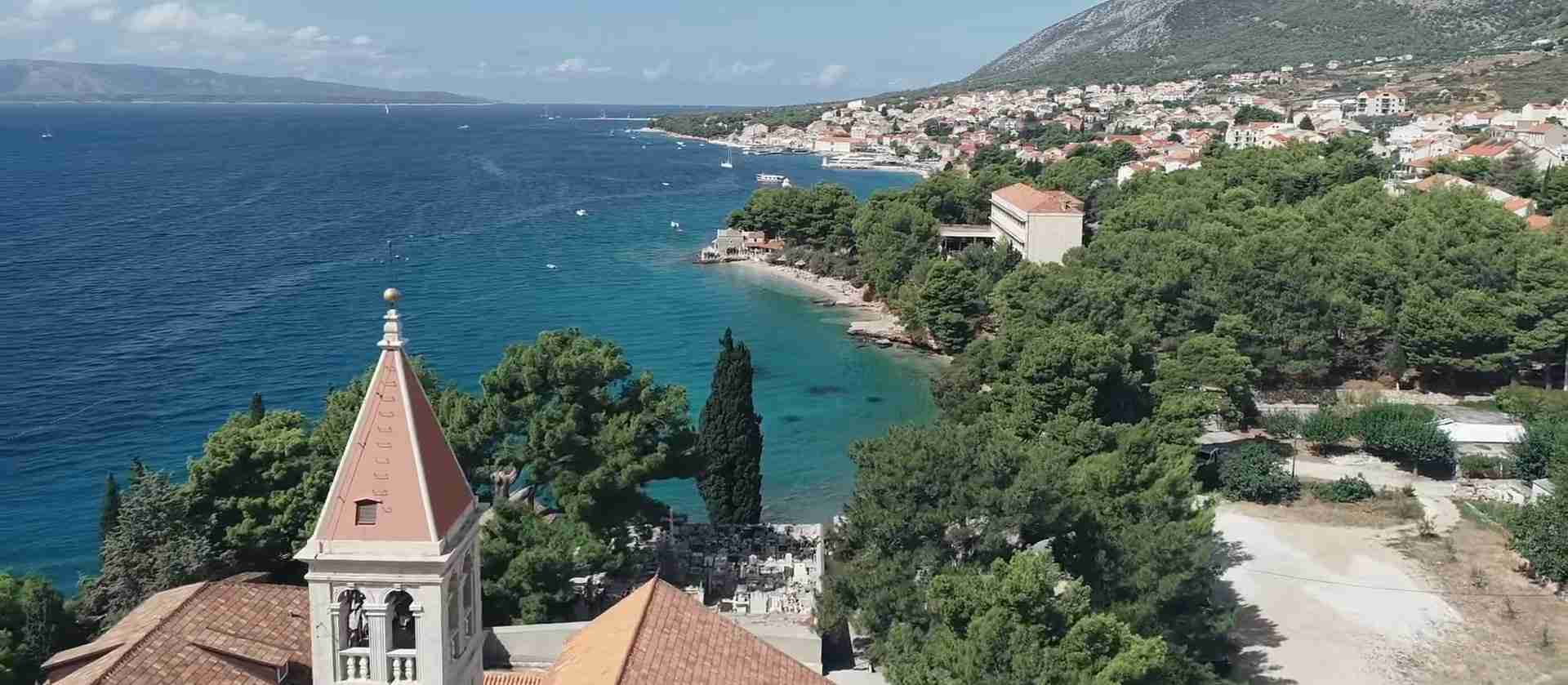
Hvar Photography Guide: Mastering Iconic & Hidden Perspectives
Hvar earns its reputation as Croatia’s most photogenic island through a combination rarely matched in the Mediterranean—2,700+ hours of annual sunshine bathing Venetian architecture in perfect light, lavender fields creating purple horizons against azure seas, and a coastline where medieval fortresses frame panoramic vistas of scattered Adriatic islands. Every elevation change, every turn down narrow stone streets, every secluded cove reveals compositions that transform smartphone snapshots into portfolio-worthy images.
Key Takeaways
- Fortica Spanish Fortress: The definitive panoramic viewpoint captures Hvar Town’s red-tiled roofs, Pakleni Islands archipelago, and distant Vis island from 16th-century ramparts accessible via 20-minute uphill walk
- Golden Hour Dominance: Hvar’s exceptional sunshine record creates consistently stunning conditions during the hour after sunrise and hour before sunset, with warm light transforming stone architecture and coastal landscapes
- Seasonal Diversity: Spring wildflowers, June-July lavender blooms, autumn’s softer light, and winter’s crystal-clear visibility each offer distinct photographic opportunities beyond summer’s peak tourist season
- Dubovica Beach Icon: The island’s most photographed location combines 18th-century stone villa, white pebble cove, and turquoise water in a composition accessed via 10-minute steep descent from roadside parking
- Hidden Interior Landscapes: Abandoned stone villages, UNESCO-protected agricultural plains with 2,400-year-old Greek field patterns, and terraced lavender hillsides provide photographic subjects invisible to beach-focused visitors
- Equipment Considerations: Wide-angle lenses capture architectural squares and panoramic vistas, telephoto compression emphasizes layered coastal geography, and polarizing filters enhance the Adriatic’s characteristic blue tones
People Also Ask About Hvar Photography
What is the best time of day to photograph Hvar?
The hour immediately after sunrise and the hour before sunset provide optimal light for Hvar photography. Dawn typically occurs between 5:30-6:30 AM depending on season, offering soft, directional light that illuminates Hvar Town’s eastern facades while the harbor remains in gentle shadow. The fortress and elevated viewpoints receive first light, creating opportunities for dramatic silhouettes against colorful eastern skies. Sunset occurs between 7:00-8:30 PM seasonally, with the Spanish Fortress positioned perfectly to photograph the town bathed in golden light against western sky color. Midday’s overhead sun creates harsh shadows and washed-out skies unsuitable for landscape photography, though this period works for detail shots in shaded areas. Blue hour—the 20-30 minutes after sunset when ambient light remains but sun has set—produces soft, even illumination ideal for architectural photography and twilight harbor scenes.
Where is the Spanish Fortress located and how do I access it for photography?
The Spanish Fortress (Fortica or Tvrđava Španola) sits atop the hill directly north of Hvar Town’s main square, visible from most locations in the town center. Access begins at the northeastern corner of St. Stephen’s Square where stone steps marked with directional signs begin the ascent. The primary route follows approximately 250 stone steps climbing steeply through residential areas before transitioning to a paved path for the final approach to the fortress entrance. The walk requires 15-20 minutes for moderately fit visitors, with several rest points offering progressively expanding views during the climb. An alternative vehicular route allows driving partway up the hill, reducing the walk to 5-10 minutes, though parking is limited. The fortress maintains extended hours during summer months, typically opening at 8:00 AM and closing around sunset to accommodate golden hour photography. An entrance fee applies, providing access to the ramparts, interior exhibitions, and the full 360-degree viewpoint.
What are the most photogenic beaches on Hvar?
Dubovica Beach ranks as Hvar’s most photographed coastal location, combining an 18th-century Kasandrić family stone villa, white pebble beach, and turquoise water in a sheltered cove framed by pine forests. Located 8 kilometers east of Hvar Town via the main coastal road, the beach requires a 10-minute steep descent from roadside parking, limiting crowds while maintaining accessibility. The villa’s weathered stone walls and red-tiled roof provide foreground interest for wide compositions, while the cove’s sheltered position creates exceptionally clear water ideal for aqua tones. Zaraće’s twin coves—Malo Zaraće and Velo Zaraće—feature dramatic limestone cliff formations creating natural frames for compositions. Malo Zaraće’s smaller, more enclosed eastern-facing bay offers protection from afternoon sun ideal for softer light, while Velo Zaraće’s larger expanse includes small stone structures adding human scale. Both coves display the intense turquoise water characteristic of Hvar’s southern coastline. Mekićevica cove near Hvar Town features two white pebble beaches against crystal-clear water, accessible by boat or scenic 30-minute walk from Pokonji Dol.
When do lavender fields bloom for photography on Hvar?
Lavender fields on Hvar display peak purple color from mid-June through early July, with the most vibrant displays typically occurring during the third and fourth weeks of June. Early May shows only green plants with developing buds, late May brings initial purple hints as flowers begin opening, mid-June achieves full bloom when entire hillsides transform into purple carpets, and by late July harvest has removed flowers returning fields to green. The exact timing shifts 7-10 days earlier or later depending on that year’s spring rainfall and temperature patterns—wet, cool springs delay bloom while dry, warm conditions advance it. The annual Lavender Festival in Velo Grablje, typically held the final weekend of June, times its celebration to coincide with peak visual display. Primary photography locations include Velo Grablje village surrounded by terraced lavender fields at 280 meters elevation, Brusje village 6 kilometers from Hvar Town with accessible roadside fields, and the hills above Jelsa and Stari Grad where extensive plantations create purple horizons. Morning and late afternoon provide directional light that emphasizes the terraced landscape structure while avoiding midday’s flattening overhead sun.
Extended multi-day tours – 5+ days
Featured Hvar Island Multi-Day Tour Packages
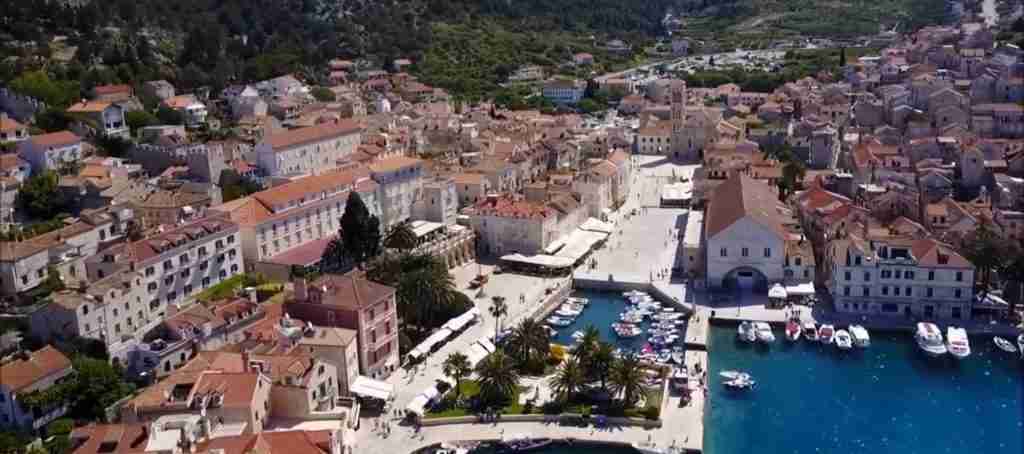
3 days
Hvar Island 3-Day Discovery Tour
- ✓ Comprehensive Hvar Island experience
- ✓ Expert local guides included
- ✓ All accommodation included
- ✓ Transportation provided
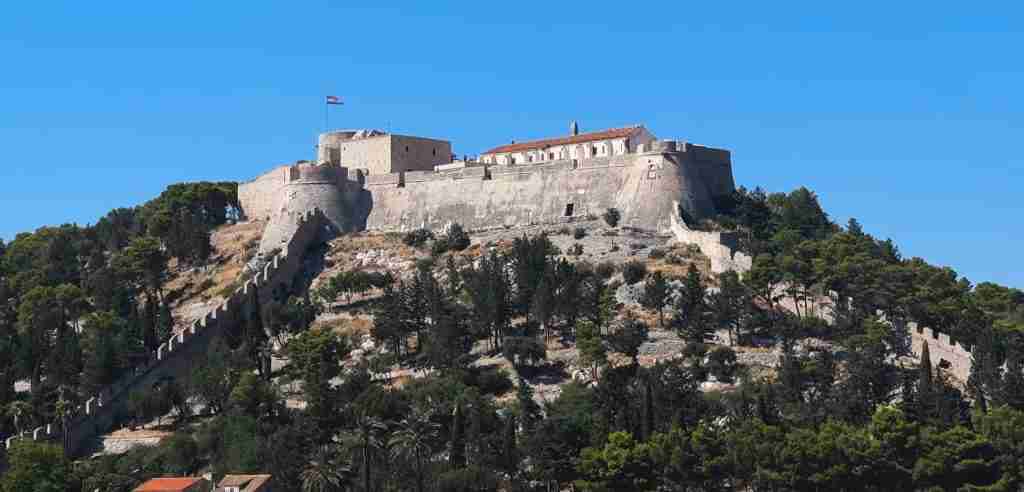
5 days
Hvar Island 5-Day Highlights Experience
- ✓ Comprehensive Hvar Island experience
- ✓ Expert local guides included
- ✓ All accommodation included
- ✓ Transportation provided
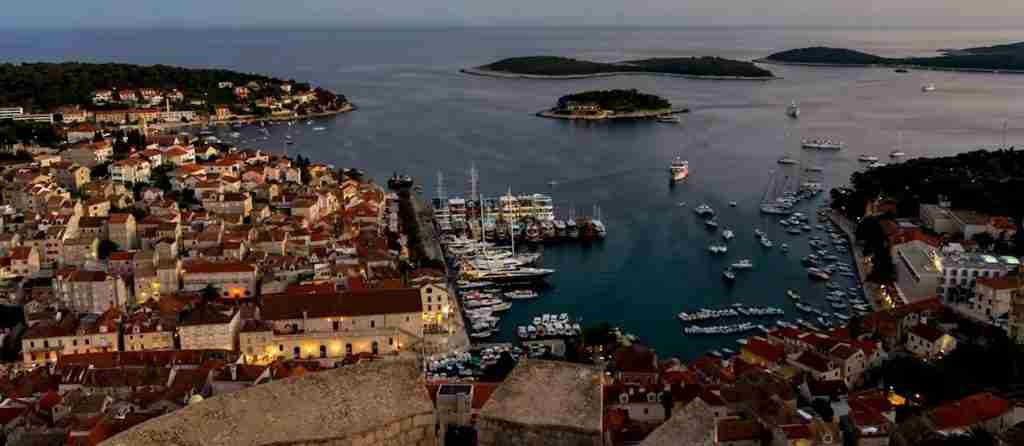
7 days
Hvar Island 7-Day Cultural Journey
- ✓ Comprehensive Hvar Island experience
- ✓ Expert local guides included
- ✓ All accommodation included
- ✓ Transportation provided
10 days
Hvar Island 10-Day Complete Adventure
- ✓ Comprehensive Hvar Island experience
- ✓ Expert local guides included
- ✓ All accommodation included
- ✓ Transportation provided
Multi-day tour packages powered by TourRadar. Prices and availability subject to change.
Introduction: Visual Richness on Croatia’s Sunniest Island
Hvar’s designation as the Adriatic’s sunniest island carries photographic implications extending beyond simple weather statistics. The island’s 2,700+ hours of annual sunshine—exceeding the Mediterranean average by 300+ hours—creates consistent light conditions that transform even mediocre compositions into compelling images. This exceptional solar exposure combines with the island’s topography, architectural heritage, and coastal geography to produce photographic opportunities spanning multiple genres: landscape, architecture, seascape, cultural documentation, and nature photography.
The island’s visual identity rests on several distinctive elements. Venetian architecture dominates Hvar Town and Stari Grad, with limestone facades, terracotta roofs, and narrow cobblestone streets creating the archetypal Dalmatian aesthetic. The contrast between warm stone tones and the Adriatic’s cobalt blue produces color combinations that define Mediterranean photography. Stone buildings weathered by centuries of sun and salt spray show textures and patinas impossible to replicate in newer construction, providing ready-made subjects for detail photography.
The Spanish Fortress, perched 90 meters above Hvar Town, functions as the island’s signature viewpoint. From its 16th-century ramparts, photographers capture sweeping vistas encompassing the town’s red-roofed buildings clustered around the harbor, the Pakleni Islands archipelago scattered across the foreground waters, and on clear days, the island of Vis floating on the southern horizon 40 kilometers distant. The fortress’s elevation and positioning relative to the town create compositions impossible from sea level, with the ability to compress layers of geography—harbor, town, islands, open sea—into single frames.
Beyond the well-documented coastal settlements, Hvar’s interior landscapes offer photographic subjects largely unknown to casual visitors. The Stari Grad Plain, inscribed as a UNESCO World Heritage Site for preserving its 2,400-year-old Greek agricultural layout, displays geometric field patterns visible from elevated roads crossing the valley. Dry stone walls create a lattice extending from valley floor to hillside, particularly striking when photographed with telephoto compression that stacks the linear divisions into dense patterns. Abandoned stone villages including Malo Grablje and Velo Grablje provide atmospheric ruins where nature gradually reclaims human construction—vegetation growing through roofless buildings, weathered stone showing centuries of exposure, empty window frames framing distant landscapes.
Lavender cultivation, though dramatically reduced from the 1970s when Hvar produced 8-10% of global lavender oil, still creates purple landscapes during June and early July bloom. The terraced hillsides around Velo Grablje, Brusje, and areas above Jelsa transform into horizontal purple stripes following the contours carved by generations of farmers. These fields photograph best with directional morning or late afternoon light that emphasizes the three-dimensional terrace structure through shadow and highlight, creating more dynamic compositions than midday’s flat overhead illumination.
The Pakleni Islands archipelago, scattered immediately offshore from Hvar Town, adds depth and interest to coastal compositions. These small, pine-covered islands create foreground and middle-ground elements that prevent compositions from becoming simple sky-water divisions. Their varied shapes and distances allow photographers to create layered scenes where each successive island sits slightly behind and lighter in tone than the previous, demonstrating atmospheric perspective. Water taxis and sailboats moving between islands add motion and human activity to otherwise static landscape scenes.
This guide explores how to photograph Hvar’s diverse subjects effectively—identifying the specific locations where compositions work best, understanding how light interacts with different landscapes at different times, selecting appropriate equipment for various subjects, and developing workflows that maximize the limited hours of optimal light during each day. The information prioritizes practical application over theoretical discussion, providing the specific details needed to capture compelling images rather than general photography principles applicable anywhere.
Fortica Spanish Fortress: Panoramic Vista Photography
The Spanish Fortress occupies Hvar’s definitive elevated viewpoint, positioned 90 meters above sea level on the hill directly north of the main town. Built during the 16th century as part of Hvar’s defensive system against Ottoman raids, the fortress combines military architecture with natural topography to create observation points commanding 360-degree views. Photographers access rampart walls, interior courtyards, and the highest tower, each offering distinct perspectives and compositional possibilities.
The primary vista faces south across Hvar Town toward the Adriatic and Pakleni Islands. This viewpoint captures the full sweep of the town’s layout—the main harbor with its Riva waterfront promenade, St. Stephen’s Square with the cathedral’s bell tower, the densely packed red-tiled roofs of the old town, and the modern marina extending westward. The Pakleni archipelago appears in the middle distance, with individual islands identifiable: Jerolim closest to shore, Marinkovac with Carpe Diem beach club, and Sveti Klement’s larger landmass dominating the western horizon. On exceptionally clear days, particularly after rain systems clear the atmosphere, Vis island becomes visible as a dark line 40 kilometers south.
Compositional approaches from this viewpoint vary by focal length and creative intent. Wide-angle lenses (16-35mm) capture the full panorama, including foreground fortress walls or vegetation as framing elements. A 24mm lens allows including portions of the fortress structure in the lower third of the frame while encompassing the entire town and island vista, creating context that establishes the elevated perspective. Ultra-wide 16mm focal lengths risk distortion but enable including both immediate foreground fortress details and distant horizons in single exposures.
Telephoto compression creates entirely different visual effects. A 70-200mm lens isolates specific sections—compressing the town’s rooflines into dense patterns, stacking the Pakleni Islands to emphasize their layered arrangement, or focusing on the cathedral bell tower rising above surrounding buildings. Long lenses flatten perspective, making distant Vis appear closer and larger relative to foreground elements. This compression works particularly well during golden hour when warm light rakes across the scene, creating strong contrast between illuminated surfaces and shadowed areas.
Light direction changes dramatically through the day, fundamentally altering the scene’s character. Early morning sees sunrise occurring over the eastern mountains, with first light illuminating the fortress and town’s eastern facades while the harbor remains in shadow. This creates strong side-lighting that emphasizes architectural texture and three-dimensional form. By mid-morning, overhead sun flattens the scene, washing out colors and creating harsh shadows unsuitable for landscape work. Late afternoon brings side-lighting from the west, illuminating the Pakleni Islands while throwing the town into progressively deeper shadow as sunset approaches.
The hour before sunset represents peak photography time at Fortica. The sun’s western position backlights the Pakleni Islands, creating silhouettes against golden-hour sky color while warm light bathes the town in tones ranging from yellow to orange to red. The red-tiled roofs intensify in color, appearing almost luminous against the deepening blue of the Adriatic. This light quality lasts approximately 45-60 minutes, beginning when the sun drops to 10-15 degrees above the horizon and continuing through sunset until civil twilight fades. Photographers should arrive at least 30 minutes before this period begins to scout compositions and establish positions before optimal light arrives.
Blue hour, the period after sunset when ambient light remains but direct sun has set, creates a different aesthetic. The sky transitions through deep blues and purples, while artificial lights in the town begin illuminating streets, building exteriors, and the harbor. This twilight period, lasting 20-30 minutes depending on season, allows capturing the town with both natural sky color and artificial light creating a balanced exposure. Long exposures of 2-10 seconds record moving boats as light trails across the harbor, while the deepening sky provides rich blue tones contrasting with warm yellow-orange light from sodium vapor street lamps.
The northern perspective from the fortress looks inland toward the island’s mountainous spine and the lavender-growing highlands. This view includes less dramatic geography than the southern coastal panorama but captures a different aspect of Hvar’s landscape—the agricultural interior with its terraced hillsides, scattered villages, and the UNESCO-protected plain visible in the distance. Photographing this direction works best during morning when eastern light illuminates the inland topography, or during winter when lower sun angles create interesting shadow patterns across the ridges.
Access timing affects crowd management and light quality. Summer months see the fortress crowded during late afternoon as tour groups and independent visitors converge for sunset. Arriving at dawn avoids crowds entirely—most summer mornings see fewer than a dozen photographers at the fortress during sunrise hours. The trade-off involves photographing with light coming from behind the primary coastal view, creating backlit conditions less ideal than golden hour’s side-lighting. However, morning’s solitude and cooler temperatures often outweigh the lighting compromise, particularly during peak season when afternoon crowds make tripod placement and composition selection difficult.
Equipment recommendations center on versatility. A standard zoom covering 24-70mm handles most situations, providing wide-angle for panoramas and moderate telephoto for detail shots. Adding a 70-200mm telephoto enables isolation of specific elements and compression effects. A polarizing filter enhances the Adriatic’s blue tones and reduces haze that obscures Vis island, though it must be used carefully during golden hour when it can neutralize the warm light that makes this period valuable. A sturdy tripod proves essential for blue hour exposures and allows precise composition during golden hour when light changes rapidly. Graduated neutral density filters help balance bright sky against darker foreground during transition periods between day and twilight.
Hvar Town Architecture and Street Photography
Hvar Town’s Venetian architecture creates photographic subjects at every scale—from the cathedral dominating St. Stephen’s Square to the narrow alleys threading through the old town where weathered stone doorways and overhanging balconies frame glimpses of distant sea. The town’s layout concentrates photogenic elements within a compact walkable area, making it possible to photograph multiple distinct locations during single morning or evening sessions when light quality peaks.
St. Stephen’s Square (Trg Svetog Stjepana) serves as the architectural centerpiece and primary gathering space. This elongated plaza, measuring approximately 45 x 8 meters, ranks among the largest public squares in Dalmatia. The limestone pavement, polished by centuries of foot traffic, creates a reflective surface that mirrors the buildings flanking both sides. The Cathedral of St. Stephen anchors the eastern end, its bell tower rising 40 meters and visible from throughout the town and harbor. The western end opens to the harbor, creating a visual axis that connects the square directly to the Adriatic and Pakleni Islands beyond.
Photographing the square requires considering time of day carefully. Midday overhead sun creates harsh shadows and highlights that overwhelm the limestone’s subtle tones, washing out detail and creating unflattering contrast. Early morning, beginning around 7:00-8:00 AM, provides soft light with the eastern sun illuminating the buildings’ western facades along the square’s southern edge. The limestone pavement remains in shadow, preventing blown highlights while maintaining detail in the building faces. Late afternoon reverses this pattern, with western sun lighting the northern facades while shadows extend from the southern buildings.
The cathedral’s bell tower offers both subject and viewpoint. Photographed from the square, the tower provides vertical emphasis in horizontal compositions, its height drawing the eye upward and adding architectural grandeur. Climbing the tower provides an alternative elevated perspective on the town, though at lower elevation than the Spanish Fortress and with more restricted views due to the tower’s position within the dense old town rather than above it. The climb involves approximately 100 narrow stone steps, rewarding photographers with rooftop-level views across the red-tiled landscape and into the courtyards hidden from street level.
The narrow streets radiating from the main square create intimate photographic opportunities emphasizing texture, detail, and human scale. These passages, typically 2-3 meters wide, feature weathered stone walls, wooden shutters painted in faded blues and greens, hanging laundry adding color against neutral stone, and cats occupying sunny spots on worn stone steps. The compressed perspective created by parallel walls creates natural leading lines that draw viewers into images, while the overhead openings between buildings create dramatic light-dark contrasts when sun penetrates into otherwise shadowed spaces.
Photographing these alleys requires embracing the constrained spaces and dramatic light contrasts. Wide-angle lenses (24mm or wider) capture the full height and sense of enclosure, though care must be taken to avoid excessive distortion that makes walls appear to lean unnaturally. Exposing for highlights preserves detail in sunlit areas while allowing shadows to fall nearly black, creating high-contrast images that emphasize the geometric patterns of stone walls and cobblestone pavings. Alternatively, exposing for shadows reveals detail in the stonework while accepting blown highlights in the narrow slivers of visible sky, creating moodier images that emphasize texture over bright contrast.
The harbor waterfront (Riva) provides another distinct photographic zone. This promenade, lined with restaurants, cafes, and palm trees, faces south across the harbor toward the Pakleni Islands. The walkway’s orientation creates changing light patterns throughout the day. Morning light comes from behind photographers facing the harbor, creating front-lit conditions that reduce depth and flatten the scene. Afternoon and evening bring side-lighting and back-lighting that create more dimensional images, with boats in the harbor and the islands beyond silhouetted against western sky color during golden hour.
The contrast between traditional architecture and modern tourism creates documentary opportunities. Superyachts moored in the harbor against the backdrop of medieval stone buildings, restaurant staff setting tables for dinner service in squares that have hosted similar activities for centuries, locals shopping at the morning market while tourists photograph the colorful produce displays—these juxtapositions document contemporary Hvar’s dual identity as both living community and international destination.
Detail photography throughout the town rewards careful observation. Ornate door knockers showing centuries of patina, stone masonry joints revealing construction techniques, iron balconies with potted geraniums creating color accents, stone wells in small squares, weathered boat ropes and mooring hardware in the harbor—these elements tell stories of craftsmanship, daily life, and maritime culture. A macro or short telephoto lens (60-100mm) allows isolating these details while maintaining comfortable working distance, particularly useful when photographing people going about daily activities without intrusive close approach.
Seasonal variations affect both aesthetics and practical considerations. Summer brings crowds that complicate street photography, though the bustling activity adds energy and human interest to scenes. Spring and autumn offer similar light quality with dramatically fewer people, making it easier to photograph architectural details without tourists in every frame. Winter sees the fewest visitors, allowing nearly empty street scenes that emphasize architecture over human activity, though many businesses close and the town assumes a sleepier character quite different from summer’s vibrancy.
Dubovica Beach: Iconic Coastal Composition
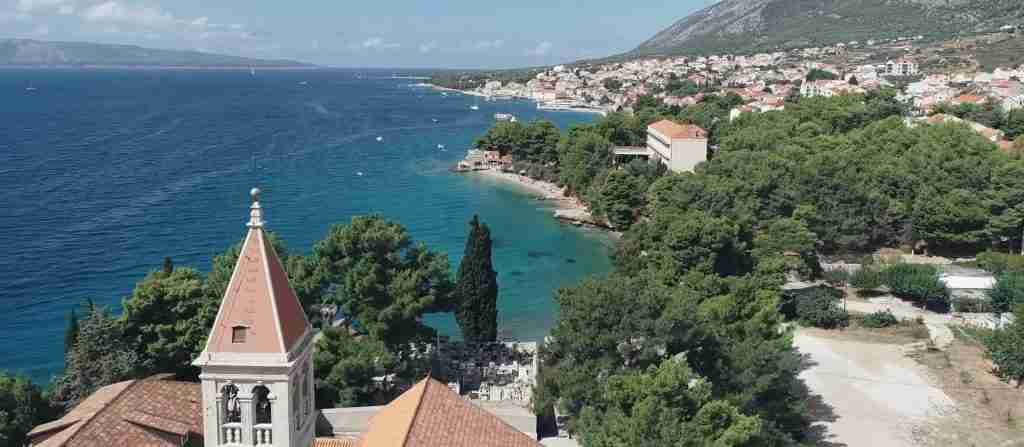
Dubovica Beach occupies a unique position in Hvar photography—simultaneously the island’s most photographed coastal location and a genuinely beautiful cove that transcends its Instagram fame through authentic visual appeal. The composition’s elements—an 18th-century stone villa, white pebble beach, turquoise cove, and surrounding pine forest—combine in proportions that create naturally balanced frames requiring minimal compositional intervention beyond appropriate positioning and light.
The beach sits 8 kilometers east of Hvar Town along the main coastal road D116, accessible after a 15-minute drive. Roadside parking accommodates approximately 20-30 vehicles in informal pullouts along the highway, filling early during July-August but generally available during shoulder seasons. From the parking area, a steep footpath descends approximately 60 vertical meters over 10 minutes, zigzagging through vegetation before emerging at the beach. The descent’s steepness and loose stones make proper hiking footwear advisable—flip-flops create both discomfort and safety concerns.
The Kasandrić family villa, a two-story stone structure with red-tiled roof, occupies the beach’s eastern edge. Built during the 18th-19th centuries as a summer residence, the building shows weathering that adds rather than detracts from its visual appeal—faded plaster revealing underlying stonework, roof tiles showing varied tones from replacement repairs, shutters in stages of paint deterioration creating texture variations. The villa’s positioning creates the key compositional element: the juxtaposition of human architecture against natural coastal landscape.
Optimal viewpoints for photographing the full scene cluster along the western beach edge and the approach path’s lower sections. These positions place the villa in the middle-right of horizontal frames, with the pebble beach curving from lower-left foreground toward the villa, and the cove’s water filling the left and center portions. This arrangement creates a natural flow from foreground beach through water to the villa, with pine-covered hillsides providing background closure. Wide-angle lenses (16-24mm) capture the full sweep, while 35mm provides a tighter composition that emphasizes the villa-beach relationship while minimizing surrounding vegetation.
Light direction dramatically affects the scene’s mood and color. Morning light, arriving from the east behind the villa, creates backlit conditions where the building appears in silhouette while the water catches direct illumination. This produces vibrant turquoise tones in the water but reduces architectural detail to dark shapes. By mid-morning (9:00-10:00 AM), the sun’s position provides side-lighting that reveals the villa’s texture while maintaining good water color. Midday overhead sun creates the strongest turquoise tones through penetration depth but flattens the overall scene and creates harsh contrast.
Late afternoon (4:00-6:00 PM depending on season) brings western sun that front-lights the villa, revealing its weathered stonework, red roof tiles, and architectural details while the water remains illuminated. This represents the optimal lighting for capturing both architectural detail and water color simultaneously. The hour before sunset sees warm light that intensifies the roof’s red tones and adds golden hues to the limestone walls, creating the most dramatic color palette though with increasingly directional shadows.
Water clarity and color depend on weather patterns preceding the visit. Calm conditions following several days without wind produce the clearest, most vibrant turquoise tones as suspended particles settle. Recent storms or strong bora winds churn sediment, temporarily reducing clarity and shifting colors toward milky blue-green. These variations, while reducing the postcard-perfect aesthetic, create opportunities for different moods—the wilder, less controlled beauty of an active Adriatic rather than the glassy-calm tourist ideal.
The beach’s pebble composition affects foreground treatment. Unlike sand beaches where smooth textures allow clean, simple foregrounds, Dubovica’s white pebbles create texture that can overwhelm compositions if not controlled. Using shallow depth of field (f/2.8-f/5.6) softens the immediate foreground while maintaining sharpness on the villa and water, preventing the pebbles from becoming distractingly detailed. Alternatively, embracing the texture by shooting at f/11-f/16 for extended depth of field creates different aesthetic where the pebbles’ physical presence adds tactile quality.
Crowd management presents challenges during peak season. The beach’s limited size and single konoba (traditional restaurant) create concentrated visitor presence during midday hours in July-August. Early morning (before 9:00 AM) and late afternoon (after 5:00 PM) see significantly fewer people, allowing cleaner compositions without multiple swimmers, sunbathers, and boats in every frame. June, September, and October maintain good weather while reducing crowds substantially.
Alternative angles expand creative possibilities beyond the classic villa-beach-water composition. Climbing slightly above the beach on the surrounding hillsides provides elevated perspectives that compress the cove’s geography, making it appear more enclosed and intimate. Photographing from the water, whether swimming out with a waterproof camera or using a small boat or kayak, reverses the conventional viewpoint by showing the beach and villa from the sea perspective. Macro opportunities exist in the tide pools forming among rocks at the cove’s edges, where crystal-clear water creates magnification effects for small marine life and pebbles.
The neighboring Zaraće coves—Malo and Velo Zaraće—offer similar aesthetic appeal with different compositional elements. Malo Zaraće’s smaller, more enclosed eastern-facing bay features dramatic limestone cliff walls creating natural frames and protection from afternoon sun. The cliff formations photograph well with wide-angle lenses that emphasize their height and enclosing effect, creating compositions where rock walls dominate rather than serving as mere background. Velo Zaraće’s larger expanse includes small stone structures and boats drawn up on the beach, providing human-scale elements and implied narratives about coastal life.
Pakleni Islands Archipelago Photography
The Pakleni Islands archipelago, scattered in a roughly 10-kilometer chain west-southwest of Hvar Town, provides both photographic subjects in their own right and essential compositional elements for photographs taken from Hvar. Understanding how to incorporate these islands into compositions separates snapshot-level harbor views from images that demonstrate depth, scale, and the relationship between land and sea that defines Adriatic geography.
The archipelago comprises approximately 20 small islands and islets, though only a handful have sufficient size and distinctive shape to register clearly in photographs from Hvar. Jerolim, the closest to shore at roughly 1 kilometer distance, appears as a low, pine-covered landmass with a lighthouse at its western end. Stipanska sits slightly farther, while Marinkovac, recognizable by its distinctive curved bay housing Carpe Diem beach club, occupies the middle distance. Sveti Klement, the largest island, dominates the western horizon at 5-6 kilometers from Hvar Town, its substantial mass and 94-meter high point providing strong visual weight.
Photographing from elevated Hvar viewpoints—the Spanish Fortress, elevated harbor edges, or hillside roads—allows using the islands to create compositional depth through atmospheric perspective. This optical phenomenon causes distant objects to appear progressively lighter and bluer than near objects due to atmospheric scattering. In practice, this means Jerolim appears in full color and detail, Marinkovac shows slightly muted tones and softer detail, and Sveti Klement manifests as lighter still with minimal detail visible. This progressive lightening creates natural depth cues that make two-dimensional photographs read as three-dimensional space.
Telephoto compression (70-200mm lenses) exaggerates this layering effect by stacking the islands closer together in the frame than they appear to the naked eye. A 200mm lens from the Spanish Fortress can create compositions where the islands appear as overlapping layers of progressively lighter tones, creating almost abstract patterns of land and sea. These compressed views eliminate the open water expanses between islands that wide-angle lenses emphasize, instead creating dense arrangements that showcase the archipelago’s geography.
Light direction fundamentally changes how the islands appear. Front-lighting, when sun illuminates the islands from behind the photographer, reveals their pine forests’ green tones and maintains color saturation. This occurs during morning photography from Hvar looking west, or afternoon photography from western beaches looking east toward town. Side-lighting emphasizes three-dimensional form through the interplay of illuminated slopes and shadowed areas, creating more dynamic images than flat front-lighting. Back-lighting, particularly during golden hour, silhouettes the islands against luminous sky and water, reducing them to dark shapes but creating dramatic contrast and color.
Photographing from the islands themselves requires boat access from Hvar Town harbor. Regular water taxis operate during summer months, while private boat rental provides more flexibility for timing and location selection. The reverse perspective—photographing Hvar Town from the islands—creates compositions unavailable from land, with the town rising from the waterline up to the fortress against the mountainous island interior. Sveti Klement’s elevated western edge provides the most dramatic reverse angle, particularly during late afternoon when western sun front-lights the entire town facade.
Individual islands offer distinct photographic subjects. Palmižana on Sveti Klement combines upscale beach clubs, pine forest, and excellent swimming coves, creating opportunities for lifestyle photography blending natural beauty with summer luxury. The contrast between rustic pine forest paths and sophisticated beach establishments tells stories about contemporary Adriatic tourism. Smaller uninhabited islands like Jerolim provide unspoiled natural landscapes where pine forest meets rocky coastline without human development, ideal for pure landscape work.
Boat-based photography from the water between Hvar and the islands creates dynamic compositions impossible from static land positions. Photographing Hvar Town while underway captures the harbor approach that has greeted visitors for centuries, with the Spanish Fortress and cathedral tower providing orientation points against the rising hillside. The relative motion between boat and land creates perspective changes that reveal the town’s three-dimensional layout more completely than static viewpoints. However, the boat’s movement complicates technical execution—requiring faster shutter speeds (1/500 second or faster) to freeze motion, accepting higher ISO settings for adequate exposure, and using continuous autofocus to maintain sharpness as distance changes.
Sunset photography from the islands or from boats positioned between the islands and Hvar creates opportunities for silhouette compositions. As the sun sets west of the archipelago, the islands’ dark shapes against golden-orange sky create strong graphic compositions. Including boats, swimmers, or other human elements as additional silhouettes adds scale and narrative while maintaining the dramatic simplicity of dark shapes against luminous background. These silhouette opportunities last approximately 20-30 minutes, beginning when the sun drops to 10 degrees above the horizon and continuing until it sets.
Seasonal variations affect both accessibility and aesthetic character. Summer provides guaranteed boat service, calm seas, and maximum daylight hours, but also brings crowds to popular islands like Palmižana and Marinkovac. Spring and autumn offer similar light quality with fewer people, though boat schedules become more limited and sea conditions less predictable. Winter transforms the archipelago into a stark, unpopulated landscape visible from Hvar but largely inaccessible due to suspended boat services, creating minimalist compositions of dark islands against winter’s steel-gray seas.
Lavender Fields and Interior Landscape Photography
Hvar’s lavender fields transform from green agricultural landscape into purple photographic subject for approximately six weeks annually, with peak bloom occurring during the final two weeks of June and first week of July. Understanding the bloom progression, optimal locations, and how to photograph terraced hillsides covered in purple flowers requires different approaches than Hvar’s better-known coastal subjects.
The primary lavender photography zone encompasses several interior villages at 200-300 meter elevations. Velo Grablje, positioned at approximately 280 meters near the island’s ridgeline, sits surrounded by the most extensive and accessible terraced fields. The village’s elevation provides panoramic views southward across lavender terraces to the Adriatic and Vis island on the horizon, creating compositions that layer purple foreground, blue water, and distant island in single frames. Brusje, 6 kilometers from Hvar Town along the main road, offers roadside fields easily accessible without hiking, ideal for photographers with limited mobility or time. The hills above Jelsa and Stari Grad contain additional plantations visible from roads crossing the island’s northern sections.
Terraced lavender creates distinctive visual patterns unavailable in flat agricultural landscapes. The horizontal lines following hillside contours create rhythmic repetition across the frame, with each terrace level marked by stone retaining walls. When photographed with directional light that casts the walls into shadow while illuminating the purple flowers, this terrace structure becomes dramatically visible, creating striped patterns of purple and dark linear stone boundaries. Wide-angle lenses exaggerate the perspective, making terraces appear to converge toward the horizon and emphasizing the three-dimensional landscape depth.
Light direction proves critical for lavender photography. Overhead midday sun creates flat, washed-out purple that lacks depth and saturation. Morning light from the east (6:00-9:00 AM) provides side-lighting that creates shadow and highlight on the terraced slopes, revealing their three-dimensional structure while maintaining rich purple tones. The same quality returns during late afternoon (5:00-7:00 PM) when western sun provides similar directional emphasis. Golden hour, typically 7:00-8:00 PM during late June, bathes the fields in warm light that shifts the purple toward magenta-pink tones while creating long shadows that dramatically emphasize terrace structure.
Overcast conditions create entirely different aesthetic—soft, even light without shadows that saturates colors while eliminating contrast. These conditions work particularly well for detail photography of individual lavender stems and flowers, where harsh sun creates excessive contrast that obscures the subtle purple variations and texture of flower clusters. Overcast light also allows mid-day shooting without the quality compromises that clear overhead sun creates.
Compositional approaches vary from wide landscape establishing shots to intimate details. Wide-angle lenses (16-35mm) capture the full sweep of terraced hillsides, ideally including additional elements for scale and context—the distant Adriatic, a stone shepherd’s shelter, or the village buildings of Velo Grablje against lavender foreground. Standard focal lengths (35-70mm) tighten the composition to focus on specific terrace patterns or individual field sections. Telephoto compression (70-200mm) stacks terraces into dense striped patterns while flattening perspective to emphasize the graphic qualities over three-dimensional depth.
Macro photography reveals lavender’s intricate beauty at flower level. Individual stems carry dozens of small purple flowers in characteristic spike formation, with each flower showing fine detail when examined closely. Macro lenses (60-100mm focal length, 1:1 magnification capability) allow photographing single stems filling the frame, revealing detail invisible to the naked eye. Bees working the flowers add motion and narrative to macro shots, though their activity requires faster shutter speeds (1/500 second or faster) to freeze movement. Morning hours when bees begin foraging activity but air remains cool provide best combination of bee presence and calm conditions that allow precise macro focusing.
The bloom’s progression affects photographic planning. Early June shows developing color as flowers open progressively from bottom to top of each stem, creating fields of mixed green and purple. By mid-June, full bloom displays maximum purple saturation across entire hillsides. Late June maintains peak color while the annual Lavender Festival in Velo Grablje adds human activity to the agricultural landscape—demonstrating traditional harvesting methods, distilling lavender oil, and celebrating the crop’s cultural significance. Early July sees harvest beginning, with cut lavender bundles creating additional compositional elements though reducing the purple expanse. By late July, most fields return to green as harvest concludes.
The broader interior landscape beyond lavender offers year-round subjects. The UNESCO-protected Stari Grad Plain, visible from roads crossing the valley, displays its ancient Greek field divisions most clearly from elevated viewpoints. The geometric pattern of rectangular plots bounded by stone walls creates abstract compositions when photographed with telephoto compression that stacks the linear walls into dense patterns. Abandoned stone villages including Malo Grablje provide atmospheric ruins where nature reclaims human construction—vegetation growing through roofless buildings, empty window frames, and collapsed structures creating subjects that document both traditional architecture and the passage of time.
Accessing interior locations requires transportation beyond Hvar Town. Rental cars, scooters, or bicycles (electric bicycles make the climbs manageable) provide flexibility to visit multiple locations and time visits for optimal light. Organized photography tours operate during lavender season, providing transportation and local knowledge though limiting flexibility in timing and composition selection. The roads to interior villages see minimal traffic, making roadside stops for photography safe and practical, though parking areas at villages like Velo Grablje fill during peak season requiring early arrival.
Seascape and Coastal Detail Photography
Hvar’s 254-kilometer coastline creates photographic opportunities extending far beyond the well-documented beaches and harbors. Rocky shorelines, hidden coves, coastal vegetation, and the characteristic clear water that defines the Adriatic all provide subjects for photographers willing to explore beyond the primary tourist zones. Understanding how to photograph these elements requires different techniques and approaches than landscape or architectural work.
The southern coastline between Hvar Town and the island’s eastern end features dramatic geography where mountains meet the sea. Vertical limestone cliffs drop directly into deep water, creating compositions of stark vertical rock faces against horizontal sea. These formations photograph best with side-lighting that emphasizes the rock’s texture and three-dimensional relief—morning light coming from the east, or afternoon light from the west, both creating shadow and highlight that reveals every crack and protrusion. Midday overhead light flattens these surfaces, eliminating the depth cues that make the cliffs visually dramatic.
Water color and clarity vary by location and conditions. Shallow coves over white pebbles or sand display the iconic turquoise that defines Adriatic imagery—light penetrating relatively shallow water (2-5 meters) and reflecting off light-colored bottom creates the luminous blue-green tones. Deeper water over dark rock or vegetation appears darker blue or blue-purple, while areas near river or stream outlets show greener tones from increased organic content. These color variations create opportunities for compositions that showcase tonal gradations across single frames.
Photographing water color requires understanding polarizing filters’ effects. A circular polarizing filter (CPL) reduces reflections from the water surface, allowing greater color saturation and increased underwater visibility. The effect varies by sun angle—maximum polarization occurs when photographing at 90 degrees to the sun’s direction, while looking directly toward or away from the sun produces minimal effect. Rotating the filter while viewing through the viewfinder reveals how the water’s appearance changes, allowing selection of the desired balance between surface reflection and underwater visibility.
Rocky coastline details provide macro and close-up subjects often overlooked in favor of grand vistas. Tide pools forming in depressions among coastal rocks create miniature ecosystems where sea urchins, small fish, and various mollusks inhabit crystal-clear water. Photographing these pools works best with overhead sun that penetrates the water and illuminates the bottom, contrary to the preference for directional light in landscape work. A polarizing filter eliminates surface reflections that would obscure pool contents, while a macro lens allows capturing detail of individual organisms.
Coastal vegetation creates texture and color contrasts against stone and water. Mediterranean maquis—low shrubs including rosemary, sage, and various aromatic plants—grows in clusters among rocks, its green foliage and occasional flowers providing organic shapes against the geometric lines of stratified limestone. Pine trees, particularly the Aleppo pine common throughout the Adriatic islands, extend branches over cliff edges, creating natural frames that can enclose views of sea and distant islands. These vegetation elements add depth to compositions by providing foreground or mid-ground layers that prevent images from becoming simple two-dimensional sky-water divisions.
Long exposure techniques transform the Adriatic’s movement into smooth, ethereal surfaces. Using neutral density filters to enable shutter speeds of 30 seconds to several minutes records waves and water motion as milky-smooth surfaces rather than frozen detail. This technique works particularly well for rocky coastlines where waves wash over and around large rocks—the long exposure smooths the water while the rocks remain sharply defined, creating strong contrast between solid static stone and fluid motion. Successful long exposures require sturdy tripods capable of resisting wind, careful composition to ensure static elements are positioned effectively, and post-processing to manage the high dynamic range between bright sky and darker rocks.
Sunset photography along the western coast creates opportunities for silhouette compositions and sky color reflection. As the sun drops toward the horizon west of the Pakleni Islands, the sky develops warm tones that reflect in calm water, creating mirror-like effects. Rocks, boats, and other elements positioned against this luminous background become dark silhouettes, creating simple, powerful compositions based on shape rather than detail. These conditions last approximately 20-30 minutes, beginning when the sun reaches 10 degrees above horizon and continuing through sunset into early blue hour.
The challenge of coastal photography involves accessing shoreline locations that aren’t developed beaches or harbors. Much of Hvar’s coastline consists of private property or difficult terrain without maintained paths. Boat access provides the most flexible approach—renting a small boat or kayak allows exploring coves and cliff faces inaccessible from land. Swimming with waterproof camera equipment enables shooting from water level, creating perspectives impossible from shore or boat. However, these approaches require comfort with marine environments, understanding of local conditions and regulations, and appropriate safety precautions.
Seasonal variations dramatically affect coastal photography. Summer’s calm seas create mirror-smooth water ideal for reflections and color display but reduce the dramatic wave action that creates dynamic coastal scenes. Autumn and winter bring rougher seas with larger waves, creating opportunities for photographing the sea’s power and movement though with more challenging and potentially dangerous conditions. Spring offers moderate conditions with wildflowers blooming on coastal slopes, adding color to the typical blue-green-gray coastal palette.
Equipment Recommendations and Technical Considerations
Photographing Hvar’s diverse subjects—from panoramic landscapes to architectural details, from coastal seascapes to lavender macro work—benefits from versatile equipment capable of handling multiple photographic situations. While professional gear provides advantages, thoughtful use of more modest equipment often produces comparable results when fundamental principles of light, composition, and timing are properly applied.
Camera body selection prioritizes weather resistance, image quality, and operational reliability over specialized features. Hvar’s climate combines intense sun, salt spray near coasts, occasional rain, and dusty conditions on interior roads—elements that test equipment durability. Weather-sealed bodies withstand these conditions better than consumer-grade cameras, though basic protection (keeping equipment in bags when not actively shooting, using rain covers during precipitation, cleaning exposed elements regularly) extends any camera’s functional life. Full-frame sensors provide advantages in dynamic range that help manage the high-contrast situations common in coastal photography, though modern APS-C sensors produce excellent results when properly exposed.
Lens selection should cover from wide-angle through moderate telephoto. A 16-35mm or 17-40mm wide-angle zoom handles architectural interiors, panoramic landscapes from elevated viewpoints, and situations requiring inclusion of extensive foreground to establish context. A 24-70mm or 24-105mm standard zoom serves as the primary walkabout lens, appropriate for most street photography, architectural exteriors, and general landscape work. A 70-200mm telephoto enables isolation of distant details, compression effects that stack landscape elements, and wildlife or activity photography requiring greater working distance. This three-lens combination (wide zoom, standard zoom, telephoto zoom) covers approximately 90% of photographic situations encountered on Hvar.
Prime lenses offer advantages in specific situations. A 50mm f/1.8 or f/1.4 provides excellent low-light capability for blue-hour architectural work and interior photography in churches and museums. An 85mm f/1.8 creates beautiful background blur for environmental portraits and isolates architectural details with shallow depth of field. A macro lens (60mm, 90mm, or 100mm focal length) enables close-up work on lavender flowers, coastal tide pool organisms, and architectural texture details. However, the added weight and reduced flexibility of carrying multiple prime lenses often outweigh their optical advantages, particularly when walking extensive distances in Hvar Town’s compact old town.
Filters remain relevant despite digital post-processing capabilities. A circular polarizing filter reduces reflections from water and increases color saturation, effects that cannot be fully replicated in post-processing. The polarizer proves particularly valuable for Adriatic seascapes where reducing surface glare reveals underwater detail and enhances the characteristic blue tones. Graduated neutral density filters help balance bright sky against darker foreground in high-contrast situations, though bracketing exposures for later processing provides more flexibility. Neutral density filters of 3-10 stops enable long exposures that smooth water and cloud motion even in bright daylight.
Tripod selection balances stability against portability. Hvar’s compact old town and steep paths favor lighter tripods that don’t create burden during extended walking, while exposed coastal locations and the Spanish Fortress require sufficient weight and robust construction to resist wind. Carbon fiber tripods provide the optimal strength-to-weight ratio though at premium cost. A ball head with quick-release plate allows rapid composition adjustment and camera attachment, essential when chasing optimal light during brief golden hour windows. Maximum height should reach at least eye level to avoid awkward stooping during composition, while minimum height should allow positioning near ground level for low-perspective foreground emphasis.
Camera bags and carrying systems require weather protection and comfortable weight distribution. Shoulder bags provide quick access but create uneven weight distribution that becomes uncomfortable during extended shooting sessions. Backpacks distribute weight more effectively and offer better weather protection but require removal to access equipment, creating delays when light changes rapidly. Sling bags provide compromise solutions—worn across body for security and weight distribution, yet able to swing around for quick access without complete removal. Regardless of style, waterproof construction or included rain cover protects against sudden weather changes common in Mediterranean climates.
Technical execution considerations begin with exposure management. Hvar’s bright sunlight creates high-contrast situations that challenge camera dynamic range. The zone system approach—exposing for highlights to avoid blown-out bright areas, then lifting shadow detail in post-processing—generally produces better results than exposing for shadows and accepting blown highlights. Evaluative or matrix metering modes handle most situations adequately, though spot metering provides precise control when photographing subjects against bright sky or sea.
White balance selection affects the emotional character of images. Daylight white balance (approximately 5500K) renders scenes neutrally, while slightly warmer settings (5800-6200K) enhance the golden tones during sunrise and sunset. Auto white balance generally produces acceptable results but may neutralize the warm character of golden hour light. Shooting RAW format preserves maximum flexibility for white balance adjustment during post-processing, allowing experimentation without image quality degradation.
Focus technique varies by subject. Landscape photography generally benefits from hyperfocal distance focusing that maximizes depth of field from near foreground through distant background. The hyperfocal distance varies by focal length and aperture—wider lenses and smaller apertures (f/11-f/16) create greater depth of field, allowing foreground focus at relatively close distances while maintaining background sharpness. Architectural detail and macro work require precise focus on specific elements, often using manual focus or single-point autofocus to ensure critical areas achieve perfect sharpness while less important elements fall into controlled blur.
Image stabilization technology, whether in-body or lens-based, provides significant advantages for handheld photography in marginal light conditions. Modern stabilization systems enable sharp images at shutter speeds 3-5 stops slower than traditionally required, expanding the range of situations where tripods can be avoided. However, stabilization cannot freeze subject motion—only camera shake—making it ineffective for moving boats, walking people, or wind-blown lavender requiring fast shutter speeds regardless of stabilization capability.
Seasonal Light and Weather Patterns
Hvar’s designation as the Adriatic’s sunniest island reflects consistent patterns that photographers can leverage for trip planning. Understanding how light quality, weather conditions, and seasonal characteristics change throughout the year allows selecting optimal timing for specific photographic goals, whether prioritizing golden hour coastal work, dramatic storm light, or the guaranteed sunshine of peak summer.
Summer (June through August) delivers the sunshine that built Hvar’s reputation—cloudless days extending weeks at a time, sunrise around 5:30 AM, sunset near 8:30 PM, and 14+ hours of potential shooting time daily. The extended daylight creates scheduling flexibility but also means golden hour occurs late in the evening when many photographers prefer dinner. The sun’s high arc across the sky creates strong overhead illumination that produces harsh shadows and washed-out colors from approximately 11:00 AM through 3:00 PM, limiting midday shooting to shade or detail work. The intense heat, regularly exceeding 30°C, makes physical exertion uncomfortable and creates heat haze that reduces distant visibility, particularly affecting views toward Vis island from elevated viewpoints.
Summer’s advantages include guaranteed beach weather, operating schedules for boats to the Pakleni Islands, lavender bloom during June and early July, and maximum daylight hours. The disadvantages involve crowds at primary locations (Spanish Fortress sees hundreds of visitors during sunset in July-August), heat that limits comfortable hiking times, and the flat, predictable light that lacks the variation and drama of shoulder seasons. Photographers prioritizing lavender fields must visit during this period despite the compromises, while those focused on architectural and coastal work find spring or autumn more favorable.
Spring (April and May) brings variable weather mixing sunny periods with cloud and occasional rain. The cloud cover that frustrates beach visitors creates opportunities for photographers—overcast light provides soft, even illumination ideal for architectural detail work and reduces the harsh contrast that summer sun creates. Partly cloudy skies add visual interest to seascapes and landscapes, creating dynamic compositions where cloud shadows move across water or land. The occasional dramatic weather—dark storm clouds, rain showers passing through with sun illuminating the scene from breaks in clouds, rainbows arching over the Adriatic—creates atmospheric conditions impossible during summer’s endless blue skies.
Spring daylight extends from approximately 6:30 AM to 8:00 PM, providing generous shooting hours without summer’s extreme heat. Temperatures ranging 15-24°C allow comfortable all-day outdoor work without heat exhaustion concerns. Wildflowers bloom across meadows and coastal zones, adding color splashes to compositions—red poppies, yellow chamomile, purple wild lavender creating natural foreground interest. Tourist numbers remain moderate, making prime locations accessible without the crowd management issues of high season.
Autumn (September and October) parallels spring’s advantages while offering different seasonal character. September maintains summer-like weather with slightly reduced heat, though lavender fields have returned to green and beach-focused tourism begins declining. October brings more variable weather, earlier sunsets (around 6:30-7:00 PM), and the first potential for stormy periods that create dramatic light conditions. The Mediterranean occasionally produces intense autumn storms with dark, threatening clouds and turbulent seas that photograph dramatically if safety precautions are observed.
Autumn light demonstrates noticeably lower sun angles than summer despite similar temperatures. The sun’s path across the sky remains lower throughout the day, creating longer-lasting golden hour conditions and reducing the period of harsh overhead illumination. This extends the useful photography hours and creates more interesting light patterns across architectural surfaces. Grape harvest occurs during September and early October, adding agricultural activity to interior landscapes as families pick grapes from small vineyards throughout the island.
Winter (November through March) transforms Hvar into a dramatically different photographic subject. The tourist infrastructure largely closes—many hotels and restaurants shut down, boat services to Pakleni Islands cease, and Hvar Town assumes a quiet, local-focused character. For photographers, this creates opportunities to photograph the island without crowds, though at the cost of reduced services and significantly shorter days. December sees sunrise around 7:15 AM and sunset near 4:30 PM, leaving limited hours for optimal light conditions.
Winter weather varies from crystalline-clear days with exceptional visibility to periods of rain and strong wind. The bora wind, blowing from the northeast, brings cold, dry air that creates remarkably clear atmospheric conditions—Vis island stands out sharply on the horizon, and the coastal mountains of mainland Croatia become visible to the north. These conditions produce the year’s best clarity for distant photography, though the wind creates challenges for tripod stability and makes exposed locations uncomfortable. Rain systems arrive from the west, bringing dramatic cloud formations and occasional opportunities for rainbow photography if sun breaks through storm clouds.
The Mediterranean light during winter demonstrates warm, almost golden quality even during midday hours due to the sun’s low arc. This creates attractive illumination throughout the day rather than limiting quality light to morning and evening. The trade-off involves reduced overall light intensity requiring higher ISO settings or slower shutter speeds to achieve proper exposure. Winter’s minimal vegetation—deciduous plants dormant, grass dried to brown, agricultural fields bare—reveals stone walls and landscape structure that summer foliage obscures, creating stark, minimalist compositions.
Storm photography during any season requires balancing dramatic visual opportunities against safety concerns and equipment protection. Dark clouds, turbulent seas, rain-washed streets reflecting light, and the occasional rainbow create atmospheric images impossible during calm weather. However, salt spray damages camera equipment, rain threatens electronics unless cameras are well-sealed, and lightning presents genuine safety risks. Monitoring weather forecasts, choosing shooting locations with shelter options, using rain covers or underwater housings for cameras, and maintaining awareness of approaching weather systems allows capturing dramatic conditions while managing risks.
Post-Processing Workflow for Hvar Images
Digital processing transforms raw captures into finished images that realize the photographer’s creative vision while maintaining authenticity to the actual scene. For Hvar photography, post-processing typically focuses on enhancing the natural qualities that make the island photogenic—the vibrant Adriatic blue, warm limestone tones, dramatic sky color during golden hour—rather than creating artificial effects that distort reality into fantasy.
The workflow begins with RAW file processing in software such as Adobe Lightroom, Capture One, or similar applications that provide non-destructive editing capabilities. RAW format preserves maximum image data from the camera sensor, allowing significant adjustments to exposure, color, and tone without degrading image quality. JPEG files, while more convenient, discard information during in-camera processing that cannot be recovered later, limiting adjustment flexibility.
Exposure optimization addresses the high dynamic range common in Hvar photography—bright sky and sea against darker stone architecture, or bright golden hour sky against shadowed foreground. The highlight/shadow controls available in RAW processors allow recovering detail from overexposed bright areas and lifting detail from underexposed shadows, effectively compressing the scene’s dynamic range into the display range of prints or screens. Care must be taken to avoid over-processing that creates unnatural-looking results—halos around high-contrast edges, blocked shadows rendered as muddy gray rather than true black, or blown highlights with no detail.
Color correction ensures accurate representation of Hvar’s characteristic tones. The Adriatic’s blue benefits from careful saturation and vibrance adjustment—increasing saturation strengthens all colors equally, while vibrance selectively boosts less-saturated tones while protecting already-saturated colors from oversaturation. The limestone architecture shows warm tones ranging from cream to golden-brown, colors that can shift toward yellow or orange if white balance or color temperature settings drift too far from neutral. Using the eyedropper tool on areas that should appear neutral gray (shadows on white walls, storm clouds) helps establish accurate neutral tones as a baseline for other color adjustments.
The characteristic Mediterranean light creates warm golden tones during golden hour that should be preserved or enhanced rather than neutralized. Images captured during the hour before sunset naturally show warm color casts—this represents accurate color not an error to be corrected. Many photographers slightly exaggerate this warmth during processing to emphasize the emotional character of golden hour, accepting that technical color accuracy becomes secondary to aesthetic impact. Conversely, blue hour images benefit from cooling adjustments that emphasize the blue tones that define this period, creating images that evoke twilight’s specific character.
Contrast adjustment affects both overall image impact and specific tonal relationships. Moderate contrast increases—typically adjustments of +10 to +25 on Lightroom’s contrast slider—add punch to images that appear flat after RAW conversion. However, excessive contrast creates blocked shadows and blown highlights while producing unnatural-looking results. The tone curve provides more nuanced contrast control, allowing brightening of mid-tones while protecting highlights and shadows, or creating specific tonal relationships that serve creative goals.
Clarity and texture controls modify micro-contrast—the contrast between adjacent fine details that affects perceived sharpness and texture emphasis. Moderate clarity increases (+10 to +30) enhance the texture of limestone architecture, rough stone walls, and rocky coastlines without creating excessive crunchiness. Texture adjustments (+15 to +30) emphasize surface detail while avoiding the halo artifacts that excessive clarity can produce. Both controls should be used with restraint—overuse creates the over-processed appearance characteristic of amateur HDR work.
Lens corrections address optical imperfections inherent in photography. Enabling profile corrections in RAW processors automatically compensates for lens vignetting (darkening at frame edges), distortion (barrel or pincushion curvature of straight lines), and chromatic aberration (color fringing at high-contrast edges). Modern lenses generally require minimal correction, though wide-angle lenses often benefit from distortion correction that straightens architectural verticals.
Local adjustments allow selective processing of specific image areas without affecting the entire frame. Graduated filters brighten or darken portions of images—darkening bright sky while leaving foreground unchanged, or brightening shadowed buildings without affecting properly exposed sky. Radial filters and brushes enable targeting specific elements for adjustment—brightening eyes in environmental portraits, enhancing color saturation in lavender fields while keeping sky neutral, or dodging and burning to direct viewer attention to specific compositional elements.
Panorama stitching combines multiple overlapping images into wide-format compositions that exceed single-frame capabilities. Hvar’s panoramic viewpoints—the Spanish Fortress, elevated coastal roads, hilltops in the interior—often benefit from multi-frame panoramas that capture the full vista extending beyond even wide-angle lenses’ fields of view. Software including Adobe Photoshop, PTGui, or dedicated panorama applications automatically align and blend multiple frames, handling exposure variations and lens distortion to produce seamless results. Shooting panoramas requires maintaining consistent exposure across all frames (using manual exposure mode), overlapping frames by 30-40%, and keeping the camera level to minimize distortion during stitching.
Black and white conversion offers an alternative aesthetic that emphasizes form, texture, and tonal relationships over color. Hvar’s architecture photographs effectively in monochrome, with limestone’s varied tones creating rich grayscale range and the contrast between stone and shadow producing graphic compositions. Effective black and white processing involves more than simple desaturation—using channel mixing or color filter simulations to control how different colors convert to gray tones, adjusting contrast to compensate for the absence of color separation, and sometimes adding subtle split toning that introduces warm or cool tints to shadows and highlights.
Export settings determine final file characteristics for different uses. Web sharing requires resolution reduction to approximately 2000 pixels on the long edge for balance between quality and file size, sRGB color space for accurate display on most devices, and JPEG quality settings of 80-90% to minimize artifacts while controlling file size. Print output demands full resolution, Adobe RGB or ProPhoto RGB color space for maximum color gamut, and higher JPEG quality (95-100%) or TIFF format for maximum quality. Social media platforms require specific aspect ratios and dimensions—Instagram’s square 1:1 or vertical 4:5 formats, Facebook’s horizontal preferences—necessitating cropping decisions during export.
Ethical Photography and Respecting Local Communities
Photography in Hvar, as in any location balancing tourism with permanent community, requires awareness of how image-making affects residents, environments, and cultural sites. Responsible photographers recognize their activities occur within communities where people live year-round, not theme parks existing solely for tourist enjoyment. Understanding appropriate behavior, respecting regulations and private property, and considering the impact of photography on both subjects and locations distinguishes thoughtful practitioners from those who treat destinations as mere backdrops.
Private property respect begins with understanding that much of Hvar’s photographed architecture consists of privately owned homes and businesses, not public monuments. Residents tolerate tourists photographing exterior building facades as part of normal street photography, but entering private courtyards, peering through windows, or using doorways and private spaces as backgrounds without permission crosses acceptable boundaries. The narrow alleys threading through Hvar Town’s old town lead to people’s homes—photographing these spaces requires discretion that avoids making residents feel like exhibit subjects in their own neighborhoods.
When photographing people—whether residents going about daily activities or tourists—considerations of privacy and dignity apply. Candid street photography capturing people in public spaces generally falls within acceptable practice, though photographers should be prepared to delete images if subjects object. Approaching close or using telephoto lenses to capture detailed portraits without permission creates discomfort and violates reasonable privacy expectations. If a composition requires featuring specific individuals prominently, asking permission demonstrates respect and often results in more natural, relaxed expressions than surreptitious shooting produces.
Religious sites including churches and monasteries welcome visitors but exist primarily as places of worship rather than tourist attractions. Photography inside churches should occur discretely without flash that disturbs services or contemplation, respecting any posted photography restrictions, and recognizing that some areas may be off-limits to photography entirely. During religious services or ceremonies, photography becomes particularly sensitive—attending services primarily to photograph them rather than participate treats sacred occasions as performances for tourists’ benefit.
Environmental responsibility in coastal and natural areas prevents the cumulative damage that thousands of photographers can inflict on fragile ecosystems. Staying on established paths rather than trampling vegetation for better angles, avoiding disturbing wildlife or tide pool organisms, and carrying out any waste (including food scraps that attract pests) maintains the natural beauty that attracted photographers initially. The practice of moving rocks, flowers, or other natural elements to improve compositions, then leaving them displaced rather than returning them to original positions, degrades natural landscapes for subsequent visitors.
Popular photography locations face pressure from overuse during peak times. The Spanish Fortress during sunset, Dubovica Beach during midday summer hours, and lavender fields during the annual festival see concentrations of photographers that create competition for prime positions and potential conflict over tripod placement and composition blocking. Arriving early, maintaining awareness of others trying to photograph the same scenes, and accepting that perfect positioning may not always be available demonstrates consideration for fellow photographers. During extremely crowded conditions, recognizing when further jockeying for position creates more frustration than value allows graceful acceptance of limitations.
Drone photography, increasingly popular for aerial perspectives impossible from ground level, faces regulatory restrictions and practical considerations. Croatian aviation regulations require drone registration and impose restrictions on flight near people, buildings, and certain protected areas. UNESCO sites including the Stari Grad Plain may prohibit drone use entirely. Beyond legal requirements, ethical drone operation considers noise impacts (drones create significant buzzing audible to those below), privacy concerns (aerial perspectives can peer into private spaces), and safety (malfunctions can cause property damage or injury). When drone use is legal and appropriate, maintaining altitude that minimizes disturbance, avoiding flights over people, and respecting any requests to cease operation maintains positive relations with communities.
Social media posting of location-specific images carries responsibility for potential consequences. Sharing precise locations of uncrowded beaches, hidden viewpoints, or secluded areas can drive excessive visitation that damages the characteristics that made locations special initially. The “Instagram effect” has demonstrably harmed numerous locations worldwide through overuse following viral exposure. Photographers must balance sharing their work against contributing to the degradation of the subjects they photographed. General location tagging (“Hvar Island”) rather than precise coordinates, delaying posting until after leaving a location, and occasionally choosing not to share the most pristine, vulnerable spots allows photographers to maintain some locations’ special character.
Commercial photography involving models, assistants, extensive equipment, or production activities requires advance permission from relevant authorities and property owners. What constitutes “commercial” varies, but generally includes any photography intended for direct sale, advertising use, or professional publication. Tourist-level photography for personal use, even if later sold through stock agencies or exhibited, typically falls outside commercial restrictions, while organized professional shoots require permits, liability insurance, and often location fees. Understanding and respecting these distinctions prevents conflicts with authorities and property owners.
Cultural sensitivity extends to representing Hvar accurately rather than perpetuating stereotypes or creating misleading impressions. The island exists as a complex, multifaceted community, not simply the sun-drenched paradise that tourism marketing portrays. Photographs showing only perfect weather, pristine conditions, and idealized scenes create unrealistic expectations that serve neither photographers’ credibility nor potential visitors’ understanding. Including occasional images that acknowledge rain, winter’s quieter character, or the workaday reality behind tourist facades creates more honest, ultimately more valuable documentation.
Frequently Asked Questions
What camera settings work best for photographing Hvar’s architecture and coastline?
Aperture priority mode (A or Av) provides optimal control for most architectural and landscape photography on Hvar. Set aperture to f/8-f/11 for landscapes requiring extensive depth of field from foreground through distant background, allowing the camera to select appropriate shutter speed based on available light. ISO should remain at base value (typically 100 or 200) whenever possible for maximum image quality, increasing only when light levels drop below what reasonable shutter speeds can accommodate. For coastal seascapes during bright midday, ISO 100 with f/11 might yield shutter speeds of 1/250-1/500 second. During golden hour, the same aperture settings might require ISO 400-800 to maintain 1/125 second or faster for handheld sharpness. Evaluative or matrix metering handles most situations adequately, though spot metering on mid-tones provides more precise control when photographing high-contrast scenes with bright sky against dark stone architecture. Shoot RAW format for maximum post-processing flexibility, and enable auto white balance as a starting point while understanding you can refine color temperature during RAW processing.
Can I fly a drone to photograph Hvar from aerial perspectives?
Drone operation on Hvar is legal with appropriate registration and adherence to Croatian aviation regulations, though significant restrictions apply. All drones regardless of weight must be registered with the Croatian Civil Aviation Agency before operation. Flight is prohibited within 150 meters of assemblies of people, over crowds, and near buildings without explicit permission from property owners. The Stari Grad Plain UNESCO site may impose additional drone restrictions to protect the cultural heritage landscape. Many areas of Hvar Town including the Spanish Fortress and harbor zone fall within restrictions due to proximity to people and buildings. Before flying, research current regulations through the Croatian Civil Aviation Agency website, respect any no-fly zone designations, maintain visual line of sight with the aircraft, and avoid flights that disturb residents or other visitors. Given the complex regulatory environment and potential for rule changes, many photographers find that ground-based photography using elevated viewpoints like the Spanish Fortress provides comparable perspectives without regulatory complications.
Is it possible to photograph the sunrise from the Spanish Fortress?
The Spanish Fortress opens sufficiently early during summer months to allow sunrise photography, typically unlocking gates around 8:00 AM, though this arrives after sunrise which occurs near 5:30-6:00 AM during June-July. However, the fortress is often accessible before official opening through gates that remain unlocked or paths around the ticket checkpoint, allowing photographers to reach the ramparts for sunrise. The eastern sunrise direction means photographing away from the primary coastal vista the fortress is known for—instead of seeing the town and Pakleni Islands illuminated, photographers capture the town and harbor in relative shadow while the eastern mountains receive first light. This creates different aesthetic than the classic golden hour sunset views, with cooler tones and softer light that some photographers prefer. Autumn, winter, and spring bring earlier opening hours that better align with later sunrise times. Arriving 30-45 minutes before sunrise allows establishing position and composition before optimal light arrives. The fortress sees virtually no crowds during sunrise hours, providing solitary conditions impossible during sunset periods when dozens or hundreds of photographers compete for positions.
What are the best locations for photographing lavender fields close to Hvar Town?
Brusje village offers the most accessible lavender fields for photographers based in Hvar Town, located just 6 kilometers away via the main road climbing into the island’s interior. Roadside fields along the route allow parking pullouts for photography without extensive hiking, ideal for those with limited time or mobility constraints. The drive takes 15-20 minutes, making multiple visits during different light conditions practical. Velo Grablje, though farther at approximately 9 kilometers from Hvar Town, provides more extensive terraced lavender fields with the added attraction of the village’s stone architecture and panoramic views south toward the Adriatic. The road to Velo Grablje climbs steadily, offering several elevated viewpoints where photographers can capture lavender foreground against coastal background. Both locations see peak bloom during the final two weeks of June and first week of July. For optimal light, arrive during morning (7:00-9:00 AM) when eastern sun provides directional light across the terraced slopes, or late afternoon (5:00-7:00 PM) when western sun creates similar quality. Midday overhead sun washes out the purple tones and creates flat lighting unsuitable for landscape work, though it remains acceptable for detail shots of individual lavender stems and flowers.
How do I get to Dubovica Beach for photography?
Dubovica Beach sits 8 kilometers east of Hvar Town along the main coastal road D116, accessible by car, scooter, or bicycle in approximately 15-20 minutes of driving time. Watch for signs indicating “Dubovica” and a sharp left turn off the main road. Limited roadside parking accommodates approximately 20-30 vehicles in informal pullouts—arriving before 9:00 AM during summer or visiting during shoulder seasons (May-June, September-October) improves parking availability. From the parking area, a steep footpath descends approximately 60 vertical meters to the beach, requiring 8-12 minutes depending on fitness and whether carrying photography equipment. The path includes loose stones and uneven surfaces making hiking boots or sturdy athletic shoes advisable over sandals or flip-flops. A walking stick or trekking pole helps balance while descending with camera backpack. The return ascent takes 12-18 minutes and proves more strenuous than the descent. For early morning photography, account for the hike time and arrive at least 45 minutes before planned shooting time to allow descent and position establishment before optimal light. The beach faces southeast, receiving direct morning sun that creates the vibrant turquoise water color while front-lighting the distinctive stone villa. Late afternoon (4:00-6:00 PM) provides side-lighting that reveals architectural detail while maintaining good water color.
What is the best time of year to visit Hvar for photography?
May, June, September, and October provide optimal balance of favorable weather, manageable crowds, and quality light conditions for general Hvar photography. May brings spring wildflowers, moderate temperatures (18-24°C), variable weather that creates interesting clouds and occasional dramatic storm light, and tourist numbers well below summer peaks. June offers reliable sunshine, lavender fields beginning bloom (reaching peak in final two weeks), warm but not excessive temperatures, and increasing but still moderate tourist presence. September maintains summer-like weather with slightly softer light due to lower sun angles, grape harvest adding agricultural activity to interior landscapes, and declining tourist numbers as families with school-age children depart. October brings more variable weather mixing sunny periods with clouds and occasional rain, earlier golden hour (around 6:00-6:30 PM sunset), dramatically fewer tourists, and autumn’s clear air that enhances distant visibility. July-August guarantee sunshine and allow photographing peak lavender bloom but bring intense heat, maximum crowds at prime locations, and flat overhead midday light. November-March offer solitude, crystal-clear winter air, and warm light quality even during midday, though with significantly shorter days, reduced services, and substantial risk of rain or wind preventing photography during multi-day periods. Photographers prioritizing lavender must visit June-early July despite summer’s compromises, while those focused on architecture, coastline, and avoiding crowds find shoulder seasons superior.
Are tripods allowed at the Spanish Fortress and other major viewpoints?
Tripods are permitted at the Spanish Fortress and most outdoor viewpoints on Hvar without special permission, though practical considerations affect their use during crowded periods. The fortress ramparts provide adequate space for tripod placement during uncrowded morning hours or shoulder season visits, but the limited viewing area becomes contested during summer sunset hours when dozens of photographers compete for positions. In these situations, arriving at least 45-60 minutes before sunset allows establishing and holding position before the crowd arrives. Small, compact tripods that occupy minimal floor space create less obstruction than large professional models, making cooperation with other photographers easier. Alternative viewpoints including elevated spots along the road to the fortress, hillside locations north of town, or the cathedral bell tower offer additional perspectives without the fortress’s concentration of photographers. Museums, churches, and indoor cultural sites generally prohibit tripods due to space constraints and potential interference with other visitors—check posted rules or ask staff before deploying tripods indoors. Commercial photography requiring extensive equipment setup, assistants, or extended occupation of specific locations may require advance permission and permits from municipal authorities or site managers.
What post-processing is typical for Hvar photographs?
Effective post-processing for Hvar photography enhances the natural characteristics that make the island photogenic rather than creating artificial effects. Start with lens corrections to remove vignetting and distortion, particularly important for wide-angle architectural shots. Adjust exposure to recover detail from bright highlights (sky, water) and lift shadows (stone architecture, shaded areas) while maintaining natural contrast. Enhance the Adriatic’s blue through careful saturation and vibrance increases of +10 to +20, using a polarizing filter during capture reduces the need for excessive digital saturation that can create unnatural tones. Warm golden hour images benefit from slight color temperature increases toward 6000-6500K to emphasize the emotional warmth, while blue hour images move toward cooler 4500-5000K to enhance twilight’s characteristic blue tones. Moderate clarity increases (+15 to +25) enhance the texture of limestone architecture and stone walls without creating over-processed appearance. Use graduated filters in Lightroom or similar software to darken bright sky while leaving foreground unchanged, managing the high dynamic range common in coastal photography. Subtle dodging and burning directs viewer attention to compositional focal points—brightening the fortress ramparts against darker surrounding sky, enhancing lavender field color while keeping sky neutral, or revealing detail in shadowed architectural elements. The goal remains natural-looking enhancement that realizes the photographer’s vision while maintaining credibility as documentary representation of an actual place rather than fantasy construction.
How can I photograph Hvar Town without crowds in my images?
Early morning hours before 8:00 AM provide the most reliable crowd avoidance, with streets nearly empty, restaurants setting up for the day rather than filled with diners, and the harbor showing moored boats without constant water taxi traffic. Sunrise occurs between 5:30-6:30 AM depending on season, allowing photography during the hour after sunrise when golden light illuminates eastern facades while the town remains quiet. The trade-off involves photographing with light coming from less favorable directions for some subjects, and missing the warm golden hour that occurs before sunset when crowds peak. Shoulder season visits (May, October) reduce overall tourist presence dramatically while maintaining acceptable weather—a midday hour in October that would see dozens of tourists in July might show only handful. Winter months (November-March) offer virtually empty streets though with significantly reduced services and shorter daylight hours. Long exposure techniques smooth crowds into ghostly semi-transparent figures or eliminate them entirely—exposures of 30 seconds to several minutes using neutral density filters record moving people as blur that blends into backgrounds while static architecture remains sharp. This works best during blue hour when ambient light levels allow long exposures without excessive neutral density filtration. Alternatively, focus on architectural details, textures, and close-up subjects where excluding people from frame becomes easier than with wide establishing shots. Accept that some level of human presence authentically represents Hvar as a living town rather than an empty museum, and consider how to incorporate people effectively rather than always fighting to exclude them.
What photography apps or tools are useful for planning Hvar shoots?
The Photographer’s Ephemeris (desktop and mobile app) provides sunrise, sunset, moonrise, moonset times and positions for any location, allowing precise planning of when and where light will arrive for specific compositions. Input the Spanish Fortress coordinates to see exactly when golden hour begins, or determine which lavender fields receive morning versus afternoon light based on slope orientation. PhotoPills (mobile app) offers similar functionality plus augmented reality features that overlay sun and moon paths on the phone’s camera view, enabling visualization of how light will interact with landscape before optimal shooting times arrive. Weather apps including Windy.com or yr.no provide detailed wind, cloud, and precipitation forecasts essential for planning coastal photography or determining whether conditions will produce dramatic storm light versus flat overcast. Google Earth allows virtual scouting of locations before visits, examining terrain, identifying potential viewpoints, and understanding how different areas relate spatially. Sun Surveyor (mobile app) shows sun and moon positions throughout the day on an interactive map. For tidal and marine conditions, though less critical in the Adriatic’s minimal-tide environment, windfinder.com provides wind and wave forecasts useful for planning boat-based photography. Social media location tags on Instagram, though requiring critical evaluation of posting dates and truthfulness, show what others have photographed from specific locations and can reveal viewpoints or compositions worth exploring. Offline maps (downloaded Google Maps sections or dedicated apps like Maps.me) enable navigation without mobile data connection, important when exploring interior areas with limited signal coverage.