
Husky Safari in Rovaniemi: Complete Guide to Dog Sledding
Husky safaris represent one of Lapland’s most authentic Arctic experiences, combining the thrill of dog sledding through snow-covered wilderness with meaningful connections to these remarkable working animals. Rovaniemi serves as Finnish Lapland’s premier husky safari destination, hosting family-run kennels and professional operations that maintain traditional mushing practices while accommodating modern tourism. This comprehensive guide explores every aspect of husky safaris, from selecting the right tour length to understanding the dogs’ welfare and mastering sledding techniques.
Key Takeaways
- Safari Length Options: Tours range from brief 2-kilometer introductions (8-12 minutes) to extensive 22-kilometer wilderness expeditions (90+ minutes), with 5-10 kilometer safaris offering optimal balance of experience depth and time commitment
- Pricing Structure: Short Santa Claus Village rides cost €60-65 per adult, mid-length 5-7 kilometer safaris range €110-190, and comprehensive 10-22 kilometer expeditions reach €169-270 per person (check official operator sites for current rates)
- Self-Drive vs. Guided: Most safaris allow participants to drive their own sleds (two adults sharing, alternating as musher and passenger), while some shorter tours feature professional mushers driving with guests as passengers
- Season Duration: Husky safari season operates from late November/early December through early April, dependent on snow coverage and trail conditions, with some operators offering wheeled cart alternatives during snow-free months
- Dog Welfare Standards: Ethical operators maintain working dog populations bred for sledding, provide year-round care including off-season exercise, limit daily work hours, and retire dogs to family homes ensuring lifelong welfare
- Complete Experience: Full safaris include kennel visits meeting the entire pack, mushing instruction and safety briefings, campfire gatherings with hot beverages, guide stories about husky breeding and training, and comprehensive photo opportunities
People Also Ask About Husky Safaris in Rovaniemi
How long do husky safaris last?
Husky safari durations vary from 30-minute express experiences to full-day expeditions lasting 5-6 hours including kennel visits and campfire activities. The actual sledding portion ranges from 8-12 minutes for short 2-kilometer rides at Santa Claus Village to 90 minutes or more for 22-kilometer wilderness journeys. Most popular mid-range safaris feature 5-10 kilometer sledding distances taking 25-50 minutes on the trail, embedded within 2-3 hour total programs that include meeting the dogs, receiving mushing instruction, and gathering around campfires for hot beverages and stories. Tour duration directly correlates with distance covered, trail terrain complexity, and whether programs include additional elements like kennel tours, photography sessions, or cultural education components about traditional dog sledding in Lapland.
Do you drive the sled yourself on husky safaris?
Most Rovaniemi husky safaris allow participants to drive their own sleds, with two adults sharing a sled and team of 4-6 dogs while alternating positions as musher (standing on runners directing the sled) and passenger (sitting inside the sled basket). Operators provide comprehensive mushing instruction before departures, teaching steering techniques, braking procedures, commands for the dogs, and safety protocols. Very short commercial rides (2-kilometer Santa Claus Village tours) typically feature professional mushers driving while guests sit as passengers, as the brief duration and high-traffic routes don’t allow time for driver training and position switches. Longer wilderness safaris (5+ kilometers) almost universally offer self-drive experiences, with guides leading the sled train on their own teams while participants follow, switching driver/passenger positions at the halfway point during trail breaks. Children under 15-17 years (age varies by operator) cannot drive sleds themselves and ride as passengers in adult-driven sleds or guide sleds.
Is husky sledding ethical and safe for the dogs?
Ethical husky safari operations maintain high animal welfare standards through purpose-bred working dog populations, appropriate work-rest balance, year-round care programs, and retirement systems ensuring lifelong quality of life. Huskies are bred specifically for sledding work and genuinely enjoy running, with properly managed dogs showing excitement and enthusiasm when harnessed for tours. Responsible operators limit dogs to 1-2 runs daily with rest days between intensive work periods, provide professional veterinary care, maintain spacious kennel facilities with shelter and enrichment, and ensure proper nutrition supporting athletic performance. Warning signs of questionable operations include exhausted dogs during tours, overcrowded or dirty kennel conditions, very short tours (under 5 kilometers) that don’t provide adequate exercise for working breeds, and commercial operations running continuous back-to-back tours without appropriate rest periods. The best operators maintain relatively small dog populations relative to tour volume, transparent kennel operations welcoming visitor observation, and clear policies about dog retirement to family homes rather than euthanization when working careers end. Safety for dogs is maintained through trail selection avoiding dangerous obstacles, weight limits preventing overloading, and experienced guides monitoring dog health throughout tours.
What’s the difference between short and long husky safaris?
Short husky safaris (2-3 kilometers) offer quick introductions to dog sledding ideal for time-limited travelers or those uncertain about extended cold exposure, typically operating as passenger experiences with professional mushers driving, completing in 30-60 minutes total including brief kennel visits, and costing €60-90 per person. These abbreviated tours provide taste of sledding but limited interaction with dogs and minimal wilderness immersion. Mid-length safaris (5-10 kilometers) represent the most popular category, allowing self-drive experiences where participants control their own sleds, including comprehensive kennel visits and campfire gatherings, lasting 2-3 hours total with 25-50 minutes actual sledding, and providing balanced experiences between time commitment and meaningful dog interaction at €110-190 per person. Long wilderness safaris (15-22 kilometers) offer extensive mushing experiences through remote forest trails, sometimes reaching wilderness camps for extended breaks, lasting 4-6 hours total with 60-90 minutes sledding time, and attracting serious enthusiasts willing to invest €200-270 for immersive experiences. The length difference impacts not just sledding duration but also depth of dog interaction, wilderness setting remoteness, guide attention availability (shorter tours accommodate larger groups, longer safaris maintain small intimate groups), and overall connection to traditional Lappish dog sledding culture.
Extended multi-day tours – 5+ days
Featured Rovaniemi Multi-Day Tour Packages
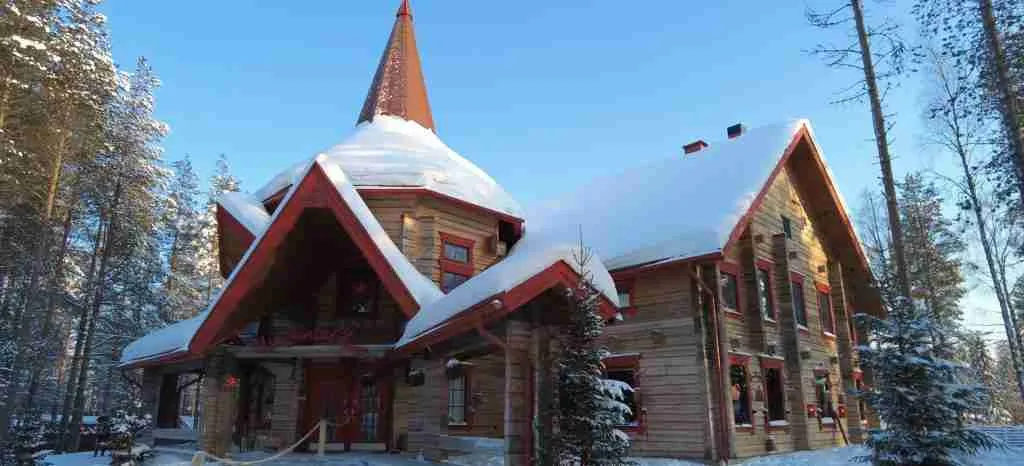
3 days
Rovaniemi 3-Day Discovery Tour
- ✓ Comprehensive Rovaniemi experience
- ✓ Expert local guides included
- ✓ All accommodation included
- ✓ Transportation provided
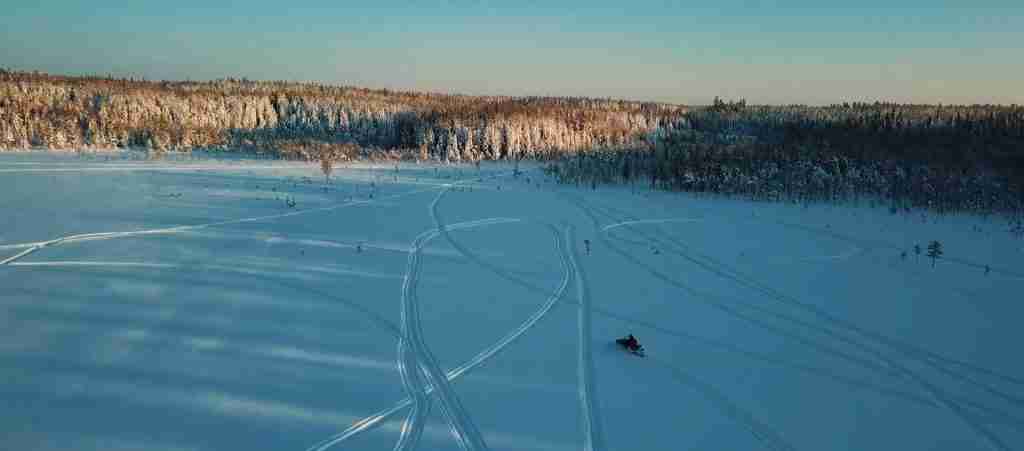
5 days
Rovaniemi 5-Day Highlights Experience
- ✓ Comprehensive Rovaniemi experience
- ✓ Expert local guides included
- ✓ All accommodation included
- ✓ Transportation provided

7 days
Rovaniemi 7-Day Cultural Journey
- ✓ Comprehensive Rovaniemi experience
- ✓ Expert local guides included
- ✓ All accommodation included
- ✓ Transportation provided

10 days
Rovaniemi 10-Day Complete Adventure
- ✓ Comprehensive Rovaniemi experience
- ✓ Expert local guides included
- ✓ All accommodation included
- ✓ Transportation provided
Multi-day tour packages powered by TourRadar. Prices and availability subject to change.
Introduction to Husky Safaris in Rovaniemi
Dog sledding in Finnish Lapland traces its origins to practical Arctic transportation, with indigenous Sami people and early settlers developing husky teams as essential winter mobility before snowmobiles emerged in the mid-20th century. While modern Rovaniemi relies on motorized transportation for daily life, husky safaris preserve this traditional skill and cultural practice while providing sustainable winter tourism experiences that benefit working dog populations. The dozens of kennels operating around Rovaniemi range from small family-run farms with 20-30 dogs to larger commercial operations maintaining 100+ sled dogs, all contributing to preserving Alaskan husky breeding lines specifically adapted to Lapland conditions.
Understanding the husky safari landscape requires recognizing distinctions between commercial quick-ride operations serving mass tourism and authentic wilderness kennels prioritizing dog welfare and cultural preservation. The most rewarding experiences combine meaningful animal interaction, genuine wilderness settings, knowledgeable guide education, and appropriate tour lengths that benefit both participants and the working dogs. Rovaniemi’s position as Lapland’s largest city creates accessibility advantages while proximity to pristine wilderness areas ensures authentic trail experiences away from urban influence.
The seasonal nature of snow-based husky safaris concentrates activity between December and April, when accumulated snow coverage allows sled operation and temperature ranges (-10°C to -30°C) maintain optimal conditions for dog performance. Outside this core season, some operators offer kennel visits and summer cart tours using wheeled rigs, though the authentic sledding experience requires winter conditions. Selecting appropriate safari types involves understanding the trade-offs between tour length, group size, price points, and experience authenticity.
Understanding Alaskan Huskies and Sled Dogs
Alaskan huskies used in Rovaniemi’s safari operations represent purpose-bred working dogs rather than purebred show animals, developed through generations of selective breeding prioritizing stamina, speed, cold tolerance, and cooperative temperament over appearance standards. These dogs differ significantly from Siberian huskies (a recognized breed focused on consistent appearance) and Alaskan malamutes (larger freight-hauling dogs), combining genetic contributions from various Nordic and Arctic breeds to create optimal sledding performance. Adult Alaskan huskies typically weigh 18-27 kilograms, stand 50-60 centimeters at shoulder height, and exhibit varied coat colors and patterns reflecting their mixed heritage.
The physical adaptations enabling husky performance in extreme conditions include double-layer fur coats with dense undercoat insulation and weather-resistant guard hairs, compact paws with fur between toe pads preventing snow buildup and frostbite, efficient metabolism converting food into sustained energy for endurance running, and cardiovascular systems supporting continuous exertion at -30°C temperatures. Contrary to popular belief, these dogs thrive in cold conditions and actually struggle in warm temperatures above 15°C, making them ideally suited to Arctic work but requiring special care during Lapland’s brief summers.
Husky temperament characteristics include strong pack social structures requiring careful team composition, high energy levels demanding substantial daily exercise beyond tourist rides, friendly dispositions toward humans when properly socialized, and intense motivation to run making sledding feel like play rather than work. Understanding these traits helps safari participants appreciate why dogs show such enthusiasm when being harnessed, why they vocalize excitedly before runs, and why they require year-round training and exercise programs even outside tourist season.
Team composition for safari sleds typically involves 4-6 dogs for standard tourist loads (two adult passengers plus sled weight of approximately 150-200 kilograms total), with specific dogs assigned to lead positions (intelligent individuals responding well to directional commands), swing positions (backing up leaders and helping turn the team), and wheel positions (strong dogs positioned nearest the sled managing power and weight). Guides carefully match dog personalities to create harmonious teams, avoiding conflicts between dominant individuals and ensuring compatible work dynamics that produce smooth, enjoyable safari experiences.
Types of Husky Safari Experiences
Short Commercial Rides at Santa Claus Village
Santa Claus Village hosts several husky ride operations offering brief 2-2.5 kilometer experiences costing €60-65 per adult for approximately 8-12 minutes of sledding. These quick rides operate as passenger experiences where professional mushers drive while guests sit in sled baskets, departing at 15-30 minute intervals throughout the day during peak season. The commercial nature creates assembly-line efficiency moving large numbers of tourists through standardized experiences, with minimal dog interaction beyond brief pre-ride viewing and limited wilderness immersion due to proximity to village infrastructure.
The advantages of Santa Claus Village rides include convenient location accessible by city bus from central Rovaniemi, no advance booking requirements during most periods (though peak Christmas season may require reservations), and budget-friendly pricing suitable for travelers on tight schedules or uncertain about committing to longer safaris. The experience provides authentic taste of dog sledding allowing first-time visitors to decide whether extended safaris warrant investment during current or future Lapland visits.
Limitations of short commercial rides involve very brief sledding duration (some travelers report feeling rushed before fully settling into the experience), crowded atmosphere with multiple sleds departing simultaneously, lack of personal control as passengers rather than mushers, and minimal educational component about dog care, training, or Lappish sledding culture. Reviews frequently note the commercial feeling versus intimate wilderness experiences offered by dedicated safari operators, with short rides serving as introduction rather than comprehensive husky experience.
Mid-Length Self-Drive Safaris
Five to ten kilometer self-drive safaris represent Rovaniemi’s most popular husky experience category, balancing meaningful sledding time (25-50 minutes on trails) with practical duration commitments (2-3 hours total including kennel visits and activities) at moderate prices (€110-190 per person). These tours allow participants to drive their own sleds under guide supervision, typically sharing sleds between two adults who alternate driver/passenger positions at mid-point breaks. The experience includes comprehensive mushing instruction covering steering techniques, braking procedures, and verbal commands for the dog team.
Standard mid-length safari programs begin with kennel visits where guides introduce the entire dog population, explain breeding programs and training methods, and allow participants to interact with dogs before harnessing. The actual safari follows wilderness trails through snow-covered forests, across frozen lakes, and occasionally over small hills providing varied terrain and scenic landscapes. Mid-point breaks offer position switching, photo opportunities, and sometimes quick snacks or hot beverages depending on operator and tour length.
Post-safari activities typically include campfire gatherings at the kennel with hot berry juice or coffee, traditional Lappish cookies or snacks, and extended time with the dogs for photographs and cuddles as they rest from the run. Guides share stories about individual dogs’ personalities, training experiences, and occasionally racing backgrounds if the kennel participates in competitive mushing events. This comprehensive format creates satisfying experiences for most travelers, providing authentic wilderness sledding without the extreme time commitment or physical demands of longer expeditions.
Extended Wilderness Expeditions
Extended husky safaris covering 15-22 kilometers appeal to serious dog sledding enthusiasts seeking immersive wilderness experiences, operating for 4-6 hours total with 60-90 minutes actual sledding time through remote forest trails far from civilization. These expeditions cost €169-270 per person reflecting extended guide time, specialized routing to pristine wilderness areas, and enhanced services often including wilderness camp visits or heated rest facilities. The longer distances allow deeper penetration into Lapland wilderness, accessing locations impossible to reach during shorter safaris.
Wilderness expedition formats often include travel to remote starting points via transport vehicles, longer pre-safari briefings covering extended mushing techniques and wilderness safety, and more challenging trail conditions with steeper grades, sharper turns, and varied terrain requiring greater physical involvement from mushers. The extended time on sleds develops genuine connection with the dog teams as participants learn individual dogs’ personalities, quirks, and working styles through prolonged interaction.
Some extended safaris incorporate wilderness camp components where teams pause at traditional Lappish kota structures or modern heated cabins for substantial breaks featuring hot meals, extended photography sessions, and deeper cultural education about historical dog sledding practices. These premium experiences suit travelers with strong cold tolerance, physical capability for extended standing on sled runners, and desire for profound wilderness immersion beyond typical tourist experiences. The small group sizes (typically 4-8 participants maximum) create intimate atmospheres where guides can provide detailed personalized instruction and attention.
Combination Tours and Specialty Programs
Combination safari programs pair husky sledding with other Arctic activities, creating comprehensive Lapland experiences in efficient single-day packages. Husky and reindeer combinations (€160-220) offer morning reindeer sleigh rides followed by afternoon husky safaris, contrasting the gentle pace of reindeer sledding with energetic husky team dynamics. Snowmobile and husky packages (€200-280) provide motorized exploration followed by traditional dog-powered travel, appealing to adventure enthusiasts seeking varied transportation experiences.
Northern Lights and husky combinations structure afternoon dog sledding followed by evening aurora hunting, maximizing limited vacation time through dual-purpose excursions. Ice fishing and husky programs teach traditional Arctic fishing techniques before or after sledding experiences, while photography-focused husky tours emphasize capturing professional-quality images of dogs in action, with guides skilled in both mushing and photography providing technical assistance.
Family-oriented husky programs adapt standard safaris for children through shorter distances (3-5 kilometers suitable for younger participants), enhanced educational components with age-appropriate explanations, and additional activities like husky puppy playtime when available. Multi-day husky adventures allow serious enthusiasts to participate in extended expeditions combining overnight wilderness camping with consecutive days of sledding, though these intensive programs require advanced skills and significant physical fitness.
Selecting the Right Husky Safari Experience
Choosing appropriate husky safari lengths depends on balancing time availability, physical capabilities, experience objectives, and budget constraints. First-time dog sledders uncertain about their interest level might consider starting with mid-length 5-7 kilometer safaris providing authentic experiences without overwhelming time or financial commitments. These tours allow genuine assessment of personal enjoyment levels, informing decisions about booking longer safaris during current trips or future Lapland visits.
Travelers with limited Rovaniemi time (1-2 days) face trade-offs between experiencing multiple different activities through short tours versus focusing on fewer activities with greater depth through extended safaris. The short Santa Claus Village rides allow husky experience alongside Northern Lights tours, reindeer farms, and other attractions within compact schedules, though the brief duration may feel unsatisfying for those discovering strong passion for dog sledding during the experience itself.
Physical fitness considerations influence appropriate safari lengths, as standing on sled runners requires balance, core strength, and leg endurance increasing with tour duration. While guides emphasize that average fitness levels suffice for standard safaris, individuals with balance issues, knee problems, or limited standing tolerance should opt for shorter experiences or discuss adaptations with operators. Some tours allow more frequent position switches or modified passenger arrangements accommodating specific physical needs when communicated in advance.
Age appropriateness varies by tour style, with short commercial rides welcoming all ages (including small children riding as passengers with parents), mid-length safaris typically setting minimum ages around 4-6 years for child participants, and extended wilderness expeditions often restricting participation to teenagers and adults due to physical demands and cold exposure duration. Family groups should verify age policies and child accommodations when booking, as operators’ approaches vary significantly.
Budget optimization strategies include booking mid-length safaris offering best value for time and experience quality (€110-145 range delivers authentic wilderness sledding with comprehensive kennel visits), avoiding very short commercial rides unless severe time constraints dictate minimal experiences, and considering that premium extended safaris provide incrementally better experiences but at substantially higher per-kilometer costs. Group bookings sometimes enable private tour pricing competitive with shared tours, creating personalized experiences at modest cost increases.
What to Expect During Your Husky Safari
Husky safari experiences begin with arrivals at kennel facilities, typically reached via hotel transfers included in tour pricing or self-drive for visitors with rental vehicles. Upon arrival, participants receive thermal clothing if not already dressed (most operators provide or rent Arctic-rated gear), use facilities for final bathroom stops (as wilderness trails lack amenities), and gather for preliminary safety briefings covering basic sledding principles and tour procedures.
Kennel visits precede sledding, allowing participants to meet the entire dog population ranging from puppies to retired veterans. Guides introduce individual dogs, explain their personalities and roles, and encourage gentle interaction under supervision. This pre-safari connection helps participants appreciate the dogs as individual animals rather than anonymous work teams, enhancing emotional engagement with the subsequent sledding experience. Photography opportunities abound during kennel visits, with friendly dogs often posing naturally as they seek attention and affection.
The harnessing process demonstrates the dogs’ enthusiasm for sledding work, with experienced teams vocalizing excitedly and pulling toward their designated positions as guides attach harnesses. This excitement proves contagious, building participant anticipation while illustrating the dogs’ genuine enjoyment of their work. Guides explain the harness system, gangline (main line connecting dogs to sled), and individual dog positions while completing the complex process of attaching 4-6 energetic animals to each sled.
Mushing instruction immediately precedes departure, with guides demonstrating proper standing positions on sled runners, weight distribution techniques for cornering, braking procedures using runner-mounted brake bars, and verbal commands for the dogs (“hike” for go, “whoa” for stop, “gee” for right turns, “haw” for left turns). Participants practice these techniques on stationary sleds before departure, though most acknowledge that actual trail experience differs significantly from parking lot practice once dogs begin running at 15-25 kilometers per hour.
The safari itself follows wilderness trails with lead guide sleds setting pace while participant teams follow in organized lines. Initial segments often feel chaotic as first-time mushers adjust to balancing on moving sleds, steering around trees and obstacles, and managing energetic dog teams pulling forcefully. Most participants find their rhythm within 10-15 minutes, settling into the experience and beginning to appreciate the landscape, dog team dynamics, and unique perspective of silent travel through pristine wilderness.
Midpoint breaks allow driver-passenger position switches, brief rests for the dogs (who immediately roll in snow cooling themselves after sustained running), and photo opportunities with guides capturing images of participants with their teams. Some tours include quick snacks or hot beverages at this stage, though most reserve substantial refreshments for post-safari campfire gatherings. The return journey often feels more confident as participants apply learned mushing techniques with improved competence.
Post-safari activities center around campfire gatherings at the kennel, where guides prepare hot berry juice, coffee, or hot chocolate alongside traditional cookies or snacks. This social period allows participants to decompress from the physical activity, ask questions about dog training and care, and interact with resting dogs who often seek continued attention and affection. Many operators encourage extended stays at the kennel after official program conclusions, allowing passionate visitors to spend additional time with the dogs without feeling rushed to depart.
Dog Welfare and Ethical Husky Tourism
Ethical husky safari operations prioritize dog welfare through comprehensive care programs, appropriate work-rest balance, and long-term commitment to animals beyond their working careers. The best operators maintain transparent kennels where visitors can observe living conditions, veterinary care facilities, and off-season exercise programs demonstrating year-round animal welfare rather than seasonal tourism focus. Dogs should appear healthy, energetic, and enthusiastic about work rather than exhausted, underweight, or reluctant to harness.
Appropriate work schedules for safari dogs involve 1-2 tours daily maximum during peak season, rest days scheduled between intensive work periods, and seasonal variation matching natural dog energy patterns (highest work levels in coldest months when dogs perform optimally). Operators running continuous back-to-back tours without visible rest periods raise concerns about overwork, particularly when tours lack sufficient distance to provide adequate exercise for high-energy working breeds. Ethical operations often limit daily tour numbers deliberately, prioritizing dog health over maximum revenue generation.
Living conditions significantly impact dog welfare, with quality kennels providing individual or small-group housing with weatherproof shelter, clean water access, appropriate nutrition supporting athletic demands, and environmental enrichment preventing boredom during off-season downtime. Red flags include overcrowded kennels, dirty conditions, lack of shelter from elements, or dogs showing fear/aggression toward handlers suggesting poor socialization or mistreatment.
Retirement policies represent critical welfare components, as working sled dogs typically retire around 8-10 years when physical capabilities decline. Ethical operators maintain clear retirement programs placing dogs in family homes (often with kennel staff who developed bonds with specific animals), continuing veterinary care throughout retirement, and ensuring euthanization occurs only for medical reasons rather than economic convenience. Operators willing to discuss retirement policies transparently generally demonstrate stronger overall welfare commitments.
Breeding practices in responsible kennels emphasize working capability, health, and temperament rather than maximizing puppy production for profit. Careful breeding programs maintain genetic diversity, screen for hereditary health issues, and socialize puppies extensively preparing them for both working roles and potential family placements if they don’t develop into successful sled dogs. Operators allowing visitors to interact with puppies when available demonstrate confidence in their socialization programs and kennel conditions.
Identifying questionable operations requires attention to multiple factors including dog physical condition and behavior, kennel cleanliness and organization, staff knowledge and attitudes toward animals, transparency about care practices, and willingness to answer welfare questions. Travelers concerned about ethical implications should research operators before booking, prioritize smaller family-run kennels over large commercial operations, and trust instincts if something feels wrong during kennel visits.
Preparing for Your Husky Safari
Physical preparation for husky safaris involves minimal special training for standard tours, though basic fitness improving balance and leg strength enhances experiences. Standing on moving sled runners for 25-90 minutes requires core stability and leg endurance, with runners measuring approximately 10 centimeters wide creating narrow balance platforms. Individuals with regular walking routines or basic recreational activity possess adequate fitness for most safaris, though extended wilderness expeditions benefit from enhanced preparation.
Clothing considerations depend significantly on tour operators’ provisions, as most provide complete thermal outerwear (insulated coveralls, boots, mittens) suitable for Arctic conditions. Participants need appropriate base layers underneath provided gear, including thermal long underwear (merino wool or synthetic, never cotton), warm mid-layers (fleece or light down), wool socks, and warm hats. Hand warmers and toe warmers provide additional comfort insurance during extended cold exposure, particularly during stationary kennel visits before body heat from sledding increases.
Footwear provided by operators typically includes oversized insulated boots worn over participants’ own socks and shoes, creating layered insulation systems. Some travelers prefer bringing their own winter boots if properly rated for -20°C to -30°C conditions, though most find operator-provided footwear adequate and specifically designed for sled runner standing positions. Boot traction systems help prevent slipping on icy kennel surfaces, though smooth-soled boots work better on sled runners where grip isn’t required.
Photography equipment recommendations include cameras with cold-weather battery performance (or multiple spare batteries kept warm against body), simplified controls allowing gloved operation, and protective cases preventing condensation damage when moving between temperature extremes. Smartphone photography works adequately for casual documentation, though dedicated cameras produce superior quality in challenging low-light winter conditions. Wrist straps or neck lanyards prevent dropped equipment during bumpy sled rides.
Pre-safari mental preparation involves understanding that first-time mushing feels awkward initially, with most participants requiring 10-15 minutes to develop comfortable balance and steering competence. Expectations of immediate expert control often lead to frustration, while accepting initial clumsiness as normal learning process creates enjoyable experiences as skills gradually develop throughout tours. Guides expect first-timers to struggle initially and structure tours accommodating learning curves rather than demanding immediate proficiency.
Safety considerations include following guide instructions precisely regarding sled operation, maintaining appropriate spacing between sleds preventing team entanglement, and communicating immediately if physical difficulties or concerns arise. Most accidents result from overconfidence leading to excessive speed or inadequate braking rather than actual danger from properly operated sleds. The brake bar represents the musher’s primary safety tool, allowing speed control and complete stops when necessary.
Photography Tips for Husky Safaris
Capturing compelling husky safari photographs requires understanding movement, lighting challenges, and compositional opportunities unique to dog sledding experiences. Action photography from moving sleds proves challenging, with camera shake, rapidly changing scenes, and focus difficulties combining to frustrate inexperienced photographers. Using fast shutter speeds (1/500 second or faster) freezes dog motion during running, preventing blur from their rapid leg movements, while continuous autofocus modes help maintain sharp focus on moving subjects.
Composition strategies for dynamic sledding photos include positioning cameras low (near runner level) showing dog perspectives and emphasizing speed through ground blur, capturing mushers from behind showing their viewpoint down the trail, and using wide-angle lenses encompassing entire dog teams with wilderness backgrounds. Panning techniques following dogs’ movement while using slower shutter speeds (1/125 to 1/250 second) create motion blur in backgrounds while keeping dogs relatively sharp, conveying speed and energy effectively.
Portrait photography during kennel visits and breaks produces intimate character studies of individual dogs, with close-up facial shots highlighting distinctive markings, expressions, and personalities. Natural light during daytime safaris provides flattering illumination, though harsh midday sun creates strong shadows requiring careful positioning. Overcast days produce even lighting ideal for portraits, eliminating harsh contrasts while maintaining adequate brightness for clean exposures.
Group photos including participants with their dog teams work best during mid-safari breaks or post-tour kennel gatherings, when dogs rest calmly allowing composed arrangements rather than constant motion. Guides typically assist with these photos, using participants’ cameras to capture memories while handling dogs and ensuring good positioning. The challenge involves photographing while wearing heavy gloves, requiring either touch-screen-compatible glove tips or briefly exposing bare hands to operate camera controls.
Video photography captures safari experiences comprehensively, with mounted cameras (GoPro-style action cameras attached to helmets or sled front positions) recording continuous runs from mushers’ perspectives. These videos effectively convey motion, sound (dogs’ breathing and paw impacts on snow), and landscape passing that still photography cannot capture. Stabilization features in modern cameras reduce shake from sled vibrations, producing surprisingly smooth footage even from handheld recording.
Protecting equipment in extreme cold requires keeping batteries warm (spare batteries inside jacket pockets against body heat), avoiding rapid temperature changes causing condensation inside cameras, and using cold-rated equipment designed for Arctic conditions when possible. Most modern cameras tolerate brief cold exposure adequately, though extended winter photography benefits from specialized cold-weather gear. Memory cards occasionally fail in extreme cold, making multiple smaller cards safer than single large cards risking total photo loss if malfunction occurs.
Understanding Safari Pricing and Value
Husky safari pricing structures reflect multiple cost factors including sled distance and duration (longer tours requiring more guide time and dog work), group size (private tours commanding premium pricing versus shared group rates), included services (basic sledding versus comprehensive packages with meals and activities), kennel operation costs (dog care, training, veterinary services, facilities maintenance), and transportation logistics (hotel transfers, remote location access). Understanding these factors helps travelers assess value rather than simply comparing base prices.
The economics of ethical husky operations reveal why quality safaris cannot compete at rock-bottom pricing. Each sled dog represents ongoing costs of approximately €1,500-2,500 annually including food, veterinary care, kennel facilities, training, and labor, with kennels maintaining 2-3 dogs per sled to allow rotation and prevent overwork. A 30-dog kennel supporting 10-12 simultaneous sleds incurs €45,000-75,000 annual dog care costs before considering guide salaries, insurance, transportation, marketing, and business overhead. Tours priced below €100 per person for 5+ kilometer experiences rarely support comprehensive animal welfare programs, suggesting cost-cutting through overwork, reduced care, or minimal staff training.
Value assessment involves comparing experience components rather than price alone, with €145 comprehensive 5-kilometer safaris including kennel visits, campfire activities, hot beverages, photography assistance, and extended dog interaction providing better value than €65 brief rides offering 10 minutes of passenger-only sledding without meaningful animal connection. The incremental cost difference (€80) translates to substantially enhanced experiences worth the investment for most travelers prioritizing quality over minimum expenditure.
Price variations among seemingly similar tours often reflect subtle differences in quality, with more expensive operators typically offering smaller groups (6-8 participants versus 12-16), longer actual sledding time (operators may advertise “5 kilometer tour” but 3 kilometers represents actual sledding while 2 kilometers covers kennel approach paths), better-maintained equipment and facilities, more experienced guides, and enhanced welfare standards. Reading detailed tour descriptions and recent reviews helps identify genuine value leaders versus operators charging premium prices without corresponding service improvements.
Seasonal pricing fluctuations affect safari costs, with peak Christmas and February periods commanding highest rates (some operators charge 20-30% premiums during these weeks), shoulder season months offering modest discounts, and last-minute bookings sometimes available at reduced rates when tours need additional participants to run. Booking in advance (2-4 months for peak season) secures preferred departure times and operators while occasionally accessing early-booking discounts, though most operators maintain stable pricing throughout seasons.
Cultural Context: Dog Sledding in Lapland History
Dog sledding in Lapland evolved as practical necessity rather than recreational activity, with early Sami settlers and frontier communities developing husky teams for essential winter transportation across vast distances before snowmobiles emerged in the 1960s. Historical sledding served multiple purposes including moving goods between settlements, running trap lines across expansive wilderness territories, transporting mail and supplies to remote locations, and providing emergency medical transportation when frozen conditions made other travel impossible. The working relationship between mushers and their dogs represented genuine partnerships where survival depended on mutual trust and capability.
Traditional Lappish dog sledding practices differed from contemporary safari tourism through larger teams (8-12 dogs for freight hauling versus 4-6 for tourist loads), longer daily distances (50-100 kilometers when necessary versus tourist safaris’ 5-20 kilometers), and survival-focused mindset where equipment failure or poor navigation could prove fatal. Mushers developed intimate knowledge of individual dogs’ capabilities, trail conditions, and weather patterns through daily dependence on these skills rather than recreational interest.
The transition from utilitarian transportation to tourism began in the 1980s-1990s as snowmobile adoption eliminated most practical sledding needs while growing international interest in Arctic experiences created tourist demand. Early safari operators were often former working mushers who maintained dog teams through nostalgia and cultural preservation before recognizing tourism potential. This heritage influences contemporary operations, with the best kennels maintaining traditional practices, breeding standards, and cultural knowledge rather than purely commercial tourism focus.
Modern competitive mushing preserves elements of historical sledding through races testing endurance, navigation, and dog team management. Finland hosts several prestigious races including Rovaniemi 150 (150-kilometer endurance race), with some safari kennels participating to maintain competitive fitness levels and breeding quality. Tourist interactions with racing kennels provide connections to this competitive tradition, offering insights into the athletic capabilities and training regimens required for serious mushing beyond tourist applications.
Sami cultural connections to dogs extend beyond sledding into broader Indigenous relationships with working animals, traditional knowledge about Arctic animal behavior, and sustainable resource use patterns. While contemporary safari tourism operates primarily through non-Sami businesses, some operators incorporate Sami cultural education into programs, share traditional stories about human-dog partnerships, and acknowledge the Indigenous knowledge foundation underlying modern husky sledding practices.
Alternative Husky Experiences Beyond Standard Safaris
Kennel visits without sledding appeal to travelers interested in meeting dogs and learning about husky breeding and care without participating in actual safaris. These tours cost €30-60 per person for 1-2 hour programs including guided kennel tours, individual dog introductions, training demonstrations, and educational presentations about dog care, breeding, and the kennel’s history. Some kennels welcome drop-in visitors during specific hours, while others require advance reservations ensuring staff availability for guided experiences.
Husky therapy programs offer stress reduction and emotional wellness experiences through structured animal interaction, with some Rovaniemi kennels specializing in therapeutic applications. These programs range from basic cuddle sessions with friendly adult dogs to more intensive multi-day programs incorporating sledding, training participation, and extended kennel time. Therapeutic husky experiences suit travelers seeking relaxation and animal connection rather than adventure-focused activities, with calm environments and patient dogs selected specifically for temperament rather than sledding performance.
Multi-day mushing courses teach serious enthusiasts comprehensive sledding skills through intensive 3-7 day programs including dog training basics, advanced mushing techniques, trail navigation and wilderness skills, equipment maintenance and repair, and race preparation for those interested in competitive participation. These courses cost €800-2,000 depending on duration and content depth, attracting participants planning to establish their own kennels, enter mushing competitions, or simply develop serious hobby-level capabilities beyond tourist experiences.
Photography workshops focused on action dog sledding combine sledding experiences with intensive instruction in wildlife and action photography, teaching participants to capture professional-quality images of dogs in motion, master challenging lighting conditions, and compose compelling narrative stories through photographs. These specialized programs cost €200-400 per person for day-long workshops including both classroom instruction and practical field sessions, appealing to serious photography enthusiasts wanting expertise beyond basic safari snapshots.
Summer kennel visits operate during snow-free months (May-November) when traditional sledding becomes impossible, offering opportunities to meet dogs during their off-season rest periods. Some kennels provide cart tours using wheeled rigs allowing dogs to run despite lacking snow, though these experiences differ significantly from authentic winter sledding. Summer visits work best for travelers interested primarily in animal interaction rather than sledding experiences, with lower pricing (€40-80 for kennel tours and cart rides) reflecting reduced operational costs and activity limitations.
Combining Husky Safaris with Other Rovaniemi Activities
Activity coordination strategies maximize limited Rovaniemi vacation time through efficient daily scheduling combining multiple experiences. Husky safaris operate primarily during daylight hours (10:00 AM – 4:00 PM), allowing pairing with evening Northern Lights tours, late afternoon reindeer farm visits, or morning/late afternoon activities like Santa Claus Village exploration. Most travelers find 2-3 significant activities daily represents manageable scheduling without excessive rushing or fatigue accumulation.
Thematic day combinations create cohesive experiences, with “Arctic Animals Day” pairing morning husky safaris with afternoon reindeer sledding and evening Northern Lights hunting, “Adventure Day” combining snowmobiling with husky sledding, or “Cultural Immersion Day” featuring husky safaris, traditional Lappish lunch, and Sami museum visits. These themed approaches provide narrative coherence to vacation days rather than random activity collections.
Rovaniemi’s compact geography facilitates activity combinations, with most kennels located 10-30 minutes from city center, Northern Lights tour departures from central hotels, and reindeer farms scattered throughout the region at similar distances. Transportation coordination becomes critical, with rental cars offering maximum flexibility for self-directed scheduling while tour packages provide coordinated transfers between activities eliminating individual navigation requirements.
Rest and recovery periods between activities prevent exhaustion from over-scheduling, particularly given the physical demands of sledding, snowmobiling, and cold weather exposure. Building 2-3 hour gaps between major activities allows hotel returns for warming up, equipment changes, and brief rests maintaining energy levels across multi-activity days. Many travelers find alternating intensive activity days with lighter cultural days (museums, shopping, restaurants) creates sustainable vacation pacing.
Frequently Asked Questions
What is the best time of year for husky safaris in Rovaniemi?
The optimal husky safari period runs from mid-December through March when reliable snow coverage, moderate temperatures (-15°C to -25°C creating comfortable working conditions for dogs), and extended daylight hours (increasing from 4 hours in December to 12 hours by late March) combine to create ideal sledding experiences. Early season (late November-early December) and late season (late March-early April) periods offer discounted pricing and fewer tourists but face snow coverage uncertainties and temperature extremes (either insufficient snow or unseasonably warm conditions affecting trail quality). February represents the single best month, balancing deep snow coverage, manageable temperatures, and increasing daylight while avoiding the extreme Christmas-New Year crowds and premium pricing. Dogs perform best in colder temperatures when their thick coats provide comfort rather than overheating risk, making midwinter (January-February) ideal from canine welfare perspective despite being more challenging for human participants managing extreme cold.
Can young children participate in husky safaris?
Children can participate in husky safaris from approximately age 4-6 years depending on operator policies and specific tour types, with very young children (under 4) sometimes permitted as free-of-charge lap-held passengers on parent sleds. Short commercial rides at Santa Claus Village welcome all ages as passenger experiences, mid-length safaris (5-10 kilometers) typically require minimum ages of 4-6 years with children riding as passengers in adult-driven sleds or guide sleds, and extended wilderness expeditions often restrict participation to ages 12+ due to physical demands and cold exposure duration. Family-oriented operators offer specialized children’s programs with shorter distances, enhanced educational components, age-appropriate activities, and flexible pacing accommodating shorter attention spans. Parents should honestly assess individual children’s cold tolerance, ability to sit still for extended periods, and comfort with animals before booking, as struggling children diminish experiences for entire tour groups. The most successful family safaris involve selecting operators specifically marketing family-friendly services rather than expecting standard adult tours to accommodate young children’s needs.
How physically demanding are husky safaris?
Husky safari physical demands vary significantly by tour length and participant role, with passenger positions requiring minimal effort (sitting in sled baskets while being pulled by dogs), musher positions demanding moderate balance, leg strength, and core stability standing on sled runners for sustained periods, and extended wilderness safaris adding endurance components through longer standing durations and more challenging terrain. Average fitness levels prove adequate for standard 5-10 kilometer safaris, with standing on moving runners comparable to standing on moving public buses or trains requiring similar balance and leg engagement. Mushing becomes more physically challenging on hilly terrain where runners must push uphill assisting the dogs, during sharp turns requiring weight shifting and active steering, and when braking frequently on variable trails. Most participants report mild leg muscle soreness the following day similar to moderate hiking or extended standing activities, rather than severe athletic fatigue. Individuals with balance issues, knee problems, or limited standing tolerance should communicate these concerns with operators before booking, as alternative arrangements (more frequent position switches, modified passenger roles) can often accommodate specific limitations when planned in advance.
What happens if I fall off the sled?
Falling from sleds occurs occasionally during husky safaris, particularly for first-time mushers navigating sharp turns or unexpected obstacles, though well-maintained trails and guide supervision minimize actual fall risk. When falls occur, the sled typically stops within 10-20 meters as dogs slow without ongoing musher control, snow provides soft landing surface preventing serious injuries in most cases, and guides immediately assist fallen participants ensuring no injuries occurred before continuing. Standard safety briefings teach “fall protocol” including maintaining sled contact if possible (reducing distance dogs travel before stopping), protecting head and face during falls, and calling for guide assistance rather than attempting independent sled retrieval. Most falls result from overconfidence leading to excessive speed or inadequate braking rather than unavoidable obstacles or mechanical failures, emphasizing the importance of conservative speed choices and prompt brake use when uncertain about upcoming trail sections. Operators maintain first aid certifications and communication equipment contacting emergency services if serious injuries occur, though such incidents remain extremely rare with properly operated tourist safaris versus the higher risks associated with competitive racing or unsupervised sledding.
How are dog teams selected and matched?
Guides select and match dog teams based on multiple factors including individual dog temperament and compatibility, relative strength and energy levels balancing power across the team, experience levels matching tourist loads to capable teams, and specific role assignments placing lead dogs with directional responsiveness in front positions. Team composition considers social dynamics between individual dogs, as personality conflicts or incompatible pack hierarchies create friction affecting performance and potentially causing mid-run conflicts. Guides typically maintain standard team pairings working well together rather than constantly reorganizing combinations, though they adjust teams for specific tour requirements (larger tourist groups requiring stronger wheel dogs, challenging terrain needing more experienced lead dogs). The morning kennel visits and dog introductions allow guides to assess participants’ weights, experience levels, and confidence, informing final team assignments that match dog capabilities to specific sled requirements. Most safari dogs work regularly with the same teammates, developing synchronized running patterns and cooperative relationships that enhance both performance and enjoyment for the dogs themselves.
What should I do if dogs seem overworked or mistreated?
Observing concerning dog welfare situations requires careful assessment distinguishing normal working dog behavior from actual distress or mistreatment. Signs of overwork include obvious exhaustion (dogs lying down during breaks unable or unwilling to stand, difficulty maintaining running pace, excessive panting continuing long after runs end), physical condition concerns (visible ribs beyond normal athletic leanness, limping or favoring specific legs, untreated injuries), or behavioral indicators (fear responses to handlers, reluctance to harness, aggressive interactions between dogs suggesting poor socialization). However, normal working dog behaviors often misinterpreted by unfamiliar observers include enthusiastic vocalization before runs (excitement not distress), lying down during breaks (normal recovery behavior), moderate panting during and after runs (healthy cooling mechanism), and eating snow (hydration not desperate thirst). If genuine welfare concerns arise, travelers should communicate observations to tour guides and kennel managers allowing immediate response to legitimate issues, document concerns with photos if appropriate, submit detailed reports to tour booking platforms (Viator, GetYourGuide) and review sites triggering operator investigations, and contact Finnish animal welfare authorities (Eläinsuojeluyhdistys) if suspected abuse or severe neglect occurs. Most concerning situations result from insufficient understanding of working dog behavior rather than actual mistreatment, though legitimate welfare violations do occur requiring responsible reporting from observant tourists.
Can I book a private husky safari for my group?
Private husky safaris accommodate exclusive groups ranging from couples to family groups or friend gatherings up to approximately 10-12 participants depending on kennel capacity. Private tours cost €400-800 total for 2-6 person groups on standard 5-10 kilometer routes, providing exclusive guide attention, flexible pacing adapted to group preferences, and scheduling freedom choosing preferred departure times. The per-person cost for private tours decreases with larger groups (couples pay €200-400 each, groups of 6 pay €70-135 each), making private options increasingly competitive with shared tours as group size grows. Benefits of private booking include customized experience pacing without accommodating strangers’ preferences, enhanced photography opportunities with guides dedicating full attention to group photos, and potential route modifications based on group interests or capabilities. Some operators offer semi-private tours limiting groups to single booking parties (typically 4-8 people) without fully private exclusive services, creating middle-ground options between open shared tours and premium private experiences. Private safari bookings require advance notice (1-2 weeks minimum, longer during peak season) allowing operators to coordinate guide availability and reserve appropriate number of dog teams exclusively for the booking party.
Are husky safaris available during summer months?
Traditional sled-based husky safaris require snow coverage operating from late November through early April, with summer months (May-September) lacking necessary conditions for conventional sledding. However, some Rovaniemi kennels offer summer alternatives including kennel tours allowing visitors to meet dogs during off-season rest periods, cart tours using wheeled rigs attached to harnesses allowing dogs to run pulling carts rather than sleds, and husky hiking programs where participants walk forest trails accompanied by leashed dogs. Summer kennel visits cost €30-60 per person for 1-2 hour tours featuring dog introductions, breeding and training explanations, and educational presentations about husky care, while cart tours range €80-140 for experiences approximating winter sledding through wheeled alternatives. Summer activities differ fundamentally from authentic winter sledding experiences, with cart tours generating less excitement from both dogs and participants, kennel visits lacking the active engagement of actual safaris, and overall experiences appealing primarily to travelers specifically interested in huskies rather than those seeking winter adventure activities. Dogs often appear less energetic during warm months as their heavy coats create discomfort above 15°C, making winter observation of dogs in their element far more impressive than summer encounters with heat-stressed animals.
What is the difference between Alaskan huskies and Siberian huskies?
Alaskan huskies and Siberian huskies represent fundamentally different categories despite similar names and apparent appearance similarities, with Alaskan huskies developed as purpose-bred working dogs prioritizing performance over appearance standards, while Siberian huskies represent recognized purebred show breeds emphasizing consistent physical characteristics defined by breed standards. Alaskan huskies result from multi-generational selective breeding combining various Nordic breeds (Siberian husky, Alaskan malamute, various European hunting and working breeds) creating dogs optimized for sledding speed, endurance, and cold tolerance without regard to uniform appearance. This breeding approach produces highly variable looks (coat colors, ear shapes, sizes) among Alaskan huskies, unified by functional capability rather than aesthetic consistency. Siberian huskies maintain standardized appearance (distinctive facial markings, erect triangular ears, specific size ranges, recognized color patterns) defined by kennel clubs, bred primarily for show competitions and companion animals rather than working performance. Most Rovaniemi safari operations use Alaskan huskies due to superior sledding capabilities, though some kennels maintain Siberian husky populations or mixed teams combining both types. The practical differences for safari tourists remain minimal, as both types perform well in tourist applications with similar friendly temperaments and Arctic adaptations.
How do I choose between different husky safari operators?
Selecting quality husky safari operators requires evaluating multiple factors including recent review analysis (reading 15-20 most recent reviews across TripAdvisor, Google, and booking platforms identifying consistent patterns), kennel welfare transparency (operators willing to discuss dog care, breeding, retirement policies suggest stronger welfare commitments), group size policies (smaller groups of 6-10 participants receive more attention than large 16+ groups), and included experience components (comprehensive packages with kennel visits and campfire activities versus basic sledding-only programs). Tour length and distance verification proves important, as advertised “5 kilometer tours” sometimes include kennel approach paths in total distance rather than actual wilderness sledding kilometers. Pricing analysis should consider value rather than minimum cost, with €130-170 mid-range tours from quality operators generally providing better experiences than €90 budget options cutting costs through reduced services, larger groups, or questionable welfare standards. Specific operator research includes checking websites for welfare policy statements, contacting operators with questions assessing response quality and professionalism, and verifying insurance coverage and safety certifications. Family-specific considerations favor operators explicitly marketing family programs rather than expecting standard adult tours to accommodate children’s needs, while serious enthusiasts might prioritize operators with competitive racing backgrounds or advanced mushing course offerings. Location convenience matters less than quality, as most kennels provide hotel transfers eliminating transportation concerns, allowing selection based on experience quality rather than proximity to central Rovaniemi.