
Hungary Photography Guide: Mastering Iconic & Hidden Perspectives
Hungary presents photographers with extraordinary diversity spanning Budapest’s architectural grandeur along the Danube, rural villages frozen in time, Lake Balaton’s atmospheric shores, and Baroque towns preserving centuries of European heritage. The interplay of Neo-Gothic parliament buildings, Art Nouveau facades, thermal bath palaces, and UNESCO World Heritage sites creates visual narratives that reward both technical mastery and creative interpretation.
Key Takeaways
- Hungarian Parliament Building photographs best from Buda side viewpoints early morning when sunrise backlighting creates reflections on calm Danube waters
- Fisherman’s Bastion offers fairytale Neo-Romanesque architecture with panoramic perspectives toward Parliament, though early arrival essential for crowd-free compositions
- Blue hour photography transforms Budapest’s bridges and riverside architecture with illumination creating dramatic color contrasts against twilight skies
- Lake Balaton’s northern wine regions provide layered landscapes combining vineyards, volcanic hills, and water horizons for compelling foreground-background relationships
- Understanding Budapest’s architectural timeline helps photographers identify and emphasize distinct periods from medieval through Art Nouveau to modernist elements
- Hungarian rural photography reveals authentic cultural heritage in villages maintaining traditional architecture and agricultural practices unchanged for generations
People Also Ask About Hungary Photography
What are the most photogenic locations in Budapest?
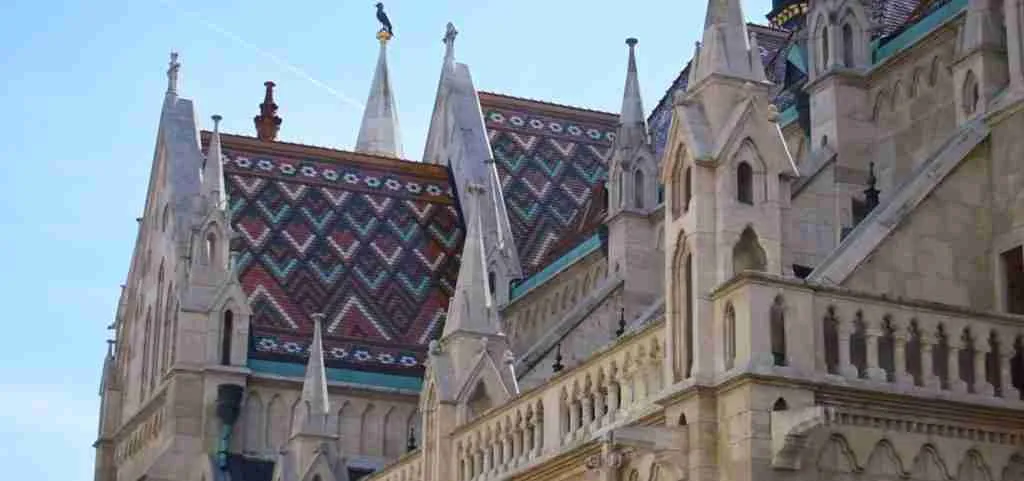
Hungarian Parliament Building dominates Budapest photography with its massive Neo-Gothic structure best captured from Fisherman’s Bastion, Margaret Bridge midpoint, or Buda riverside promenades where distance allows full architectural scale. Fisherman’s Bastion itself provides fairytale Neo-Romanesque turrets framing Parliament views, with Schulek Staircase’s mirrored design creating natural framing elements. Chain Bridge from either riverbank captures iconic 19th-century suspension architecture, particularly beautiful during blue hour when illumination begins against fading daylight. St. Stephen’s Basilica presents neoclassical grandeur with 96-meter dome photographable from both street level emphasizing vertical scale and rooftop viewing platform providing city panoramas. Buda Castle complex combines medieval, baroque, and neoclassical elements across extensive grounds with Hungarian National Gallery’s domed structure adding architectural interest. Matthias Church’s colorful Zsolnay tile roof creates vibrant contrast against limestone walls, with interior featuring elaborate frescoes and stained glass requiring different photographic approaches than exterior. Great Market Hall’s ornate brick structure and colorful interior produce stalls showcase both architectural and cultural subject matter. Gellért Hill’s Liberty Statue and Citadella provide elevated viewpoints capturing Budapest’s Danube layout and urban sprawl. These locations span architectural periods and photographic subjects from grand vistas to intimate architectural details.
What is the best time of day for Budapest photography?
Sunrise (approximately 5-6 AM summer, 7-8 AM winter) delivers soft golden light from east illuminating Parliament Building and Pest architecture from Buda viewpoints, with Danube often calm creating mirror reflections before boat traffic begins. Early morning eliminates tourist crowds at Fisherman’s Bastion and Castle District allowing unobstructed architectural photography and genuine capture of locations without modern interruptions. Golden hour before sunset (approximately 1-2 hours before sunset depending on season) bathes western-facing structures in warm directional light emphasizing architectural texture and dimension, with low sun angle creating long shadows adding depth to two-dimensional images. Blue hour (20-40 minutes after sunset) combines artificial illumination of buildings and bridges with residual twilight creating balanced exposures where neither sky nor architecture overpowers composition. Night photography requires tripod for long exposures capturing light trails from Chain Bridge traffic, illuminated Parliament reflections on Danube, and city lights from Gellért Hill viewpoint. Overcast days provide diffused lighting eliminating harsh shadows, ideal for architectural detail photography where strong contrast would obscure ornamental elements. Midday harsh light (11 AM-2 PM) generally avoided for landmark photography though acceptable for high-contrast black and white conversions emphasizing geometric architectural patterns.
What camera equipment works best for Hungarian photography?
Wide-angle lens (16-35mm full frame equivalent) captures Budapest’s grand architecture and expansive river scenes where buildings’ full scale requires broad perspective, with ultra-wide (14mm or wider) useful for interior photography in churches and thermal baths where space constraints limit distance from subject. Standard zoom (24-70mm) provides versatility covering most architectural photography and street scenes without constant lens changes. Telephoto zoom (70-200mm) compresses perspective in layered landscapes at Lake Balaton vineyards or isolates architectural details like Parliament spires from distance. Prime lenses (35mm, 50mm) offer superior image quality and low-light performance for evening photography though require photographer movement to adjust framing. Tripod essential for blue hour and night photography enabling long exposures (1-30 seconds) for light trails, reflections, and low-light architecture without introducing camera shake. Circular polarizing filter reduces reflections on Danube water and glass surfaces while enhancing sky saturation, though requires removal for blue hour photography where maximum light gathering needed. Neutral density graduated filter balances bright sky against darker foreground in sunset riverside compositions. Full-frame camera bodies provide better low-light performance and dynamic range useful in high-contrast situations like photographing bright exteriors through dark archways. Camera weather sealing protects against unexpected rain and thermal bath humidity exposure.
How can photographers capture unique perspectives in frequently photographed locations?
Early morning arrival (6-7 AM) at iconic locations provides crowd-free compositions impossible during peak hours, with soft morning light offering additional aesthetic benefits beyond mere access. Exploring secondary viewpoints like rooftops, side streets, and elevated positions reveals alternative angles to standard tourist perspectives – Parliament photographed through Chain Bridge cables creates foreground interest distinguishing composition from typical wide shots. Seasonal variations transform familiar locations where autumn foliage adds warm tones to park scenes, winter snow creates monochromatic minimalism, and spring cherry blossoms frame architectural subjects. Extreme weather conditions including fog, storm clouds, and dramatic skies replace typical blue-sky photography with atmospheric mood conveying emotional narratives beyond documentary representation. Detail photography focusing on architectural ornament, doorway ironwork, window patterns, or decorative tiles creates abstract compositions distinct from establishing shots. Including human elements such as locals at markets, musicians performing, or thermal bath visitors (where permitted) adds scale, context, and cultural storytelling. Long exposure techniques blur moving elements like Danube boat traffic and pedestrians while keeping architecture sharp, creating sense of passage of time. Black and white conversion emphasizes architectural form, texture, and contrast while removing color distractions in complex scenes. Vertical compositions for towers and spires contradict typical horizontal landscape format, drawing viewer attention through compositional choice. Post-processing techniques including dodging and burning, perspective correction, and careful color grading enhance raw captures into final artistic interpretations reflecting photographer’s vision.
Extended multi-day tours – 5+ days
Featured Hungary Multi-Day Tour Packages
3 days
Hungary 3-Day Discovery Tour
- ✓ Comprehensive Hungary experience
- ✓ Expert local guides included
- ✓ All accommodation included
- ✓ Transportation provided

5 days
Hungary 5-Day Highlights Experience
- ✓ Comprehensive Hungary experience
- ✓ Expert local guides included
- ✓ All accommodation included
- ✓ Transportation provided

7 days
Hungary 7-Day Cultural Journey
- ✓ Comprehensive Hungary experience
- ✓ Expert local guides included
- ✓ All accommodation included
- ✓ Transportation provided

10 days
Hungary 10-Day Complete Adventure
- ✓ Comprehensive Hungary experience
- ✓ Expert local guides included
- ✓ All accommodation included
- ✓ Transportation provided
Multi-day tour packages powered by TourRadar. Prices and availability subject to change.
Introduction to Hungarian Photography
Hungarian photography encompasses remarkable architectural diversity concentrated in manageable geographic area, allowing photographers to capture Gothic churches, Ottoman baths, Baroque palaces, Art Nouveau masterpieces, and Soviet-era monuments within single city while rural regions preserve traditional village architecture and agricultural landscapes unchanged for centuries. Budapest’s position astride the Danube River creates natural division between Buda’s medieval castle hill and Pest’s 19th-century boulevards, with bridges spanning the river serving as both photographic subjects and vantage points for cityscape compositions. The country’s thermal bath culture produces ornate palace-like structures where architecture meets functional design, creating unique photographic opportunities combining grand spaces with human activity.
Understanding Hungarian architectural history enhances photographic interpretation beyond mere documentation. Medieval foundations appear in castle complexes and church crypts, though most visible structures date from later reconstructions following Ottoman occupation and subsequent Austrian rule. Baroque period (17th-18th centuries) produced elaborate churches and palaces recognizable through ornate decoration, curved facades, and theatrical spatial organization. Neo-styles (Neo-Gothic Parliament, Neo-Romanesque Fisherman’s Bastion) emerged during Hungarian Millennium celebrations (1896) creating historicist architecture intentionally evoking earlier periods. Art Nouveau (Hungarian Secession) flourished early 20th century with Gresham Palace, Geological Museum, and numerous apartment buildings featuring organic motifs and innovative materials. This layered architectural heritage presents photographers with varied subject matter requiring different technical approaches and aesthetic considerations.
Beyond Budapest’s concentration of photographic subjects, Hungarian countryside offers contrasts worth exploring. Lake Balaton’s 75-kilometer expanse creates horizon-dominated landscapes where water, sky, and distant shore interact in minimal compositions, with northern volcanic hills providing elevated viewpoints and layered vineyard perspectives. Tokaj wine region combines UNESCO-recognized cellars carved into volcanic tuff with autumn vineyard colors creating warm-toned agricultural landscapes. Hortobágy National Park’s puszta (Great Plain) presents endless horizons where traditional shepherds and livestock maintain centuries-old pastoral practices. Medieval towns like Eger and Sopron preserve compact historic centers with cobblestone streets and painted facades creating European charm away from capital city scale.
Budapest Iconic Photography Locations
Hungarian Parliament Building
Hungarian Parliament Building stands as Budapest’s most recognizable landmark and most frequently photographed structure, with its massive Neo-Gothic design featuring 691 rooms, 96-meter central dome, and 268-meter riverside facade creating challenges and opportunities for photographers seeking distinctive interpretations. The building sits on Pest side of Danube with primary facades facing river, meaning best photography occurs from Buda side viewpoints where distance allows capturing full structure without extreme wide-angle distortion. Margaret Bridge midpoint provides centered composition with symmetrical approach, though this standard view appears in countless photographs requiring creative differentiation through unique lighting, foreground elements, or weather conditions.
Sunrise photography from Buda riverside between Chain Bridge and Margaret Bridge places sun behind Parliament creating silhouette opportunities against colorful dawn skies, with calm early morning Danube often producing mirror reflections doubling visual impact. Position varies seasonally as sunrise point moves along eastern horizon – summer sunrises occur further north requiring adjustment from winter positions for optimal backlighting. Foreground interest through riverside railing, moored boats, or overhanging trees frames Parliament while adding depth to two-dimensional image. Tripod essential for long exposures extending into blue hour where Parliament illumination balances against brightening eastern sky.
Blue hour (20-40 minutes after sunset) transforms Parliament into glowing architectural jewel against deep blue twilight sky, with careful exposure balancing artificial building lights against residual daylight creating postcard-perfect conditions without harsh contrast of full night. Automatic camera settings typically underexpose night scenes – use exposure compensation (+1 to +2 stops) or manual mode ensuring sky retains detail rather than appearing black void. Reflections on Danube require calm water conditions uncommon when boat traffic operates – very early morning or late evening after commercial vessels cease movement provides best reflection opportunities.
Detail photography shifts from grand establishing shots to architectural ornament including Gothic spires, statuary, decorative stonework, and period lighting fixtures requiring telephoto lens isolating elements from overwhelming context. Interior photography requires prior booking for guided tours, with specific photography rules including no flash and restricted positions – check current regulations before relying on interior access for planned portfolio work. Seasonal variations include Christmas market period when temporary structures and decorations surround Parliament, autumn when Danube riverside trees create colorful foreground, and rare winter when Danube freezes creating unique ice formation compositions.
Fisherman’s Bastion
Fisherman’s Bastion presents Neo-Romanesque fairytale architecture constructed 1895-1902 for Hungary’s Millennial celebration, with seven towers representing seven Magyar tribes who founded Hungary and connecting terraces providing Parliament viewpoints across Danube. The deliberate medieval styling creates romantic aesthetic appealing to wide photography audiences, though popularity means crowds interfere with clean architectural photography except during very early morning hours before 7 AM when access remains free and tourists absent. White limestone construction photographs beautifully against blue skies creating strong color contrast, while overcast conditions produce softer tonality emphasizing architectural detail over dramatic color separation.
Schulek Staircase features mirrored design with ornate railings and archways creating natural framing elements for tower compositions, with tunnels underneath stairs providing foreground framing for Parliament views beyond. Positioning photographers in archways looking through to Parliament creates layered composition with immediate architectural context rather than simple distant cityscape. These framing opportunities work best with moderate telephoto (70-100mm) compressing perspective and isolating Parliament through architectural “window” while minimizing unrelated background elements.
Sunrise photography from Fisherman’s Bastion targets Parliament across river with golden morning light illuminating Pest-side architecture while Bastion itself remains shaded, creating exposure challenges between bright distant subject and dark immediate surroundings. Graduated neutral density filter or HDR techniques balance this extreme dynamic range, though simpler approach involves accepting silhouetted foreground architecture framing illuminated Parliament. Blue hour after sunset reverses lighting conditions with Bastion’s artificial illumination creating warm architectural subject against cooling twilight sky, though popular viewpoint attracts crowds making tripod use difficult and composition complicated by constant human movement.
Detail photography emphasizes ornamental stonework including carved capitals, decorative arches, and stone balustrades showcasing stonemason craftsmanship, with side-lighting (morning or afternoon depending on bastion section) creating texture-revealing shadows across three-dimensional carvings. Statue of St. Stephen in front courtyard provides human-scale subject with Bastion architecture as background, requiring careful positioning to separate statue from busy architectural backdrop. Night photography captures Bastion’s illumination system though tourist presence remains significant – accept people as compositional elements showing monument in use rather than sterile architectural study, or commit to very early morning/late night shooting avoiding crowds entirely.
Chain Bridge and Danube Bridges
Széchenyi Chain Bridge (completed 1849) functions as both iconic subject and photographic platform, with suspension bridge design creating strong geometric lines leading eye toward Buda Castle hill and St. Stephen’s Basilica dome. Bridge photography from either riverbank captures full suspension structure with stone lions guarding approaches, ornate chains, and 19th-century engineering aesthetic. Low viewpoints from riverside embankments emphasize bridge’s span against sky while elevated positions from nearby buildings or Gellért Hill compress perspective showing bridge within broader cityscape context.
Blue hour photography transforms bridges into light-streamed subjects where vehicle headlights create continuous light trails across suspension spans during long exposures (10-30 seconds), with bridge illumination and surrounding architecture creating balanced artificial light composition. Tripod mandatory for these extended exposures, with remote shutter release or self-timer eliminating camera shake from manually pressing shutter button. Experiment with different exposure lengths creating varying light trail density – longer exposures (20-30 seconds) produce continuous light ribbons while shorter exposures (4-8 seconds) maintain some vehicle definition within trails.
Margaret Bridge’s unique angled design (originally connecting both Buda and Pest to Margaret Island before island spur’s destruction and subsequent reconstruction) creates unusual perspective opportunities unavailable at other Danube crossings. Bridge’s midpoint provides symmetrical Parliament composition mentioned earlier, while photographing along bridge length toward either shore creates strong leading lines and perspective convergence. Liberty Bridge’s green-painted Art Nouveau ironwork distinguishes it from other crossings, with ornamental Turul birds (mythical Hungarian symbol) atop pillars adding cultural symbolism to engineering subject.
Night photography from bridges requires careful timing avoiding vehicle headlight glare directly into lens while capturing surrounding illuminated architecture. Position perpendicular to traffic flow photographing alongside rather than into approaching vehicles, with body and camera bag blocking direct headlight exposure. Safety considerations include remaining aware of bicycle traffic sharing pedestrian paths and avoiding interference with pedestrian flow during setup. Winter fog occasionally transforms bridges into atmospheric subjects where partial visibility and diffused light create moody minimalist compositions contrasting with typical clear-weather grand vistas.
Buda Castle District
Buda Castle complex sprawls across Castle Hill with Royal Palace, Hungarian National Gallery, Budapest History Museum, and extensive courtyards providing varied architectural photography opportunities from baroque to neoclassical styles. The massive palace structure photographs best from Pest riverside showing full facade against elevated hilltop position, though this requires considerable distance (200+ meters) necessitating moderate telephoto lens capturing architectural detail. Closer approaches from within castle district shift to detail photography of doorways, windows, decorative elements, and courtyard spaces where human scale relates to monumental architecture.
Matthias Church’s distinctive Zsolnay ceramic tile roof creates colorful visual anchor within otherwise limestone-dominated district, with intricate geometric patterns and glazed surface catching light differently than surrounding structures. Church roof photographs best from elevated positions – either Fisherman’s Bastion terraces providing slight elevation or Gellért Hill across Danube allowing telephoto compression isolating colorful roof against sky. Church interior features neo-Gothic frescoes and original medieval elements requiring high ISO settings or tripod for available light photography, with flash typically prohibited protecting historical surfaces.
Cobblestone streets throughout Castle District create authentic medieval urban atmosphere perfect for atmospheric street photography, with narrow lanes, arched passages, and historic facades providing European charm. Early morning or evening light raking across cobblestones emphasizes texture and three-dimensionality, while diffused overcast light eliminates harsh shadows allowing detail retention across tonal range. Human elements including street musicians, café scenes, and tourists ascending Buda Castle hill add life to architectural photography, though their inclusion represents aesthetic choice between pure architectural documentation and lived urban photography.
Tóth Árpád sétány (promenade) along castle district western edge provides elevated city viewpoints less crowded than Fisherman’s Bastion, with similar Parliament perspectives from different angles creating alternative interpretations. Benches and landscaping create foreground elements for layered compositions, while unobstructed sections allow clean horizon lines when desired. Sunset photography from western-facing positions captures city lights beginning against fading daylight, with Pest architecture silhouetted before artificial illumination fully activates.
Budapest Architecture Photography Techniques
Art Nouveau and Historic Architecture
Budapest preserves remarkable Art Nouveau (Hungarian Secession) architecture concentrated in Districts V, VI, and VII, with Gresham Palace representing pinnacle of style combining ornate facade, intricate ironwork, colorful mosaics, and organic motifs characteristic of movement. Palace facade photographs best during soft morning or afternoon light when side-angle sun creates shadows revealing three-dimensional decorative elements – flat midday overhead light flattens ornamental depth reducing visual impact. Detail photography focusing on doorway mosaics, window ironwork, and decorative panels requires moderate telephoto (70-135mm) isolating elements from surrounding context while maintaining sufficient working distance from street level.
Former Post Office Savings Bank (Hold Street) features Ödön Lechner’s distinctive use of Zsolnay ceramics creating colorful facade with Hungarian folk motifs integrated into Art Nouveau design vocabulary. Building’s roofline decoration (bees, flowers, hexagonal patterns) references building’s original savings bank function through symbolic visual language, though these details require elevated viewpoint or telephoto lens for proper appreciation. Photographing these architectural details teaches careful observation distinguishing between decorative and symbolic elements while developing compositional skills isolating significant features from architectural whole.
Museum of Applied Arts combines Oriental influences with Art Nouveau creating eclectic facade dominated by green and gold Zsolnay ceramic roof, with interior featuring equally impressive glass-roofed central hall supported by ornamental columns. Interior photography requires permission and typically encounters challenging lighting conditions where bright skylight center contrasts with darker peripheral galleries – HDR technique or careful exposure blending captures full dynamic range without blown highlights or blocked shadows. Vertical composition emphasizes hall’s height and skylight dome while horizontal framing shows spatial extent and architectural relationships.
Perspective correction remains essential for architectural photography preventing converging verticals when photographing tall structures from ground level – tilt-shift lenses provide in-camera correction maintaining parallel lines, while software correction in post-processing achieves similar results with potential image quality costs. Understanding when to maintain natural perspective (emphasizing building height through converging lines) versus correcting to architectural drawing accuracy (maintaining parallel verticals) represents aesthetic choice informing viewer interpretation.
Thermal Bath Architecture
Hungarian thermal baths combine functional bathing facilities with palatial architecture creating unique photography subject where grand spaces accommodate human activity, presenting compositional challenges absent from pure architectural photography. Széchenyi Thermal Bath exemplifies bath palace architecture with Neo-Baroque exterior featuring yellow facade, ornamental details, and symmetrical layout, while interior spaces include ornate pools, decorative columns, and historical fixtures. Photography policies vary by establishment – some permit photography in public areas while restricting or prohibiting images in bathing zones protecting visitor privacy.
Photographing active thermal baths requires balancing architectural documentation with human presence – either accept bathers as integral element showing spaces in use, or time visits during less crowded early morning hours when empty pools allow pure architectural study. Steam rising from thermal water (36-40°C) in winter creates atmospheric conditions where moisture-laden air softens light and obscures distant details, producing moody environmental portraits different from crisp architectural documentation. Waterproof camera protection essential near pools where splashing and high humidity threaten non-sealed equipment.
Gellért Thermal Bath (closed for renovation through 2028) represented pinnacle of Art Nouveau bath architecture with decorative pool surrounds, stained glass skylights, and ornamental columns creating cathedral-like bathing environment. Other historic baths including Rudas (Ottoman foundations), Király (Turkish bath architecture), and Lukács (mixed historical periods) offer alternative architectural styles reflecting Budapest’s layered cultural history. Each bath presents distinct photography challenges from dim Turkish dome interiors requiring high ISO settings to brightly lit modern facilities where excessive artificial light creates color temperature management issues.
Detail photography in thermal baths isolates decorative tile work, fountain sculptures, period fixtures, and architectural ornament from overwhelming spatial context, with macro lens revealing craftsmanship quality impossible to appreciate in wider environmental views. Water reflections, steam effects, and light refraction through thermal water create abstract compositional opportunities distinct from straightforward architectural documentation, encouraging experimental approaches beyond literal representation.
Urban and Street Photography
Budapest street photography captures contemporary urban life against historical architectural backdrop, with locals and tourists interacting in spaces combining centuries of cultural heritage with modern city functions. Great Market Hall provides concentrated subject matter where vendors arrange colorful produce displays, customers negotiate purchases, and traditional Hungarian foods create cultural specificity beyond generic European market scenes. Upper floor food stalls and craft vendors offer additional subjects while elevated position allows overview photography showing market hall’s spatial organization and crowd patterns.
Jewish Quarter (District VII) combines street art, ruin bars, boutique shops, and historical synagogue architecture creating eclectic visual environment where graffiti-covered courtyards contrast with elaborate 19th-century facades. Dohány Street Synagogue’s massive Moorish Revival architecture dominates neighborhood, with ornate interior (permission required for photography) featuring elaborate decorative programs and significant Holocaust memorial in rear courtyard. Street scenes throughout quarter show gentrification’s visual impact where contemporary cafes and shops occupy historical buildings maintaining facades while transforming interior functions.
Budapest trams (particularly routes 2, 4, 6) provide mobile photography platforms and subjects simultaneously – photographing iconic yellow trams navigating city streets captures recognizable Budapest elements while riding trams offers window-framed city perspectives changing continuously. Ring road boulevards feature grand apartment buildings with ornate facades, tree-lined streets, and urban life scenes showing Budapest beyond tourist monument photography. Andrássy Avenue (UNESCO World Heritage Site) connects downtown to City Park through continuous architectural ensemble where successive building periods create coherent historical streetscape.
Human elements in street photography include café scenes, market interactions, street musicians performing, tourists ascending castle hill stairs, and locals navigating daily activities, with each subject requiring different ethical and technical considerations. Candid photography captures authentic moments but raises privacy concerns requiring respectful distance and avoiding intrusive presence, while arranged street portraits gain subject cooperation sacrificing spontaneity. Understanding local cultural norms (Hungarians generally camera-aware in tourist areas, less comfortable with random photography in residential neighborhoods) guides appropriate photographic behavior balancing artistic goals with ethical considerations.
Natural Landscapes and Regional Photography
Lake Balaton Photography
Lake Balaton stretches 75 kilometers creating horizon-dominated landscape photography where water, sky, and distant shore interact in minimal compositions emphasizing horizontal divisions and subtle tonal variations. Southern shore’s shallow approach extends water to horizon creating uninterrupted blue expanse punctuated only by sailboats, swimmers, or waterbirds, with northern shore’s deeper water and hilly backdrop providing landscape layers impossible from opposite bank. Photographing across lake captures atmospheric perspective where distant shore fades into haze, demonstrating how air density and moisture affect light transmission over distance.
Sunrise photography at Lake Balaton benefits from eastern positioning along southern or eastern shores where sun rises over water creating long light paths reflecting on surface, with early morning calm producing mirror reflections doubling sky colors and cloud formations. Late summer and autumn fog creates ethereal conditions where partial visibility transforms familiar landscapes into minimalist compositions emphasizing nearest elements while distant features disappear into white void. These conditions require exposure care as fog’s reflectivity fools camera meters toward underexposure – use exposure compensation ensuring proper histogram distribution.
Northern shore wine regions combine Lake Balaton water views with foreground vineyards and volcanic hills creating layered compositions impossible along flat southern shore. Badacsony and Szent György-hegy offer elevated viewpoints where vineyard rows create leading lines toward lake, with seasonal color changes from spring green through autumn gold providing natural variation. Wine harvest period (late September-early October) includes traditional activities photographically documenting cultural heritage alongside landscape beauty, though permissions required when photographing on private vineyard property.
Pier and dock structures extending into lake provide compositional elements interrupting water’s horizontal expanse, with wooden weathered construction creating texture and human-scale reference within vast natural environment. Long exposure photography (60+ seconds using 10-stop ND filter) smooths water surface into glass-like plane while maintaining stationary elements sharp, creating surreal minimalism different from literal representation. Storm photography captures dramatic weather approaching across open water with dark clouds, wind-swept waves, and changing light conditions, though safety requires retreating before conditions become dangerous.
Rural Villages and Agricultural Landscapes
Hungarian villages particularly in eastern regions preserve traditional architecture and agricultural practices providing cultural heritage photography beyond Budapest’s urban monumentality. Hollókő UNESCO World Heritage village maintains Palóc ethnic architecture with whitewashed houses, wooden verandas, and hand-carved decorative elements showcasing folk building traditions. Village photography captures entire streetscapes showing architectural consistency and layout patterns alongside detail shots of doorways, windows, and ornamental features demonstrating craftsmanship.
Great Hungarian Plain (Alföld/Puszta) presents vast treeless grasslands where traditional pastoral activities including horseback shepherding and livestock grazing continue using historical methods, with Hortobágy National Park protecting these cultural landscapes. Horizon-dominated compositions emphasize endless space and big sky country aesthetic similar to American Great Plains, with draw-wells, traditional farm buildings, and livestock providing focal points within expansive emptiness. Summer heat haze creates wavy distortions and atmospheric effects while autumn clear skies allow sharp detail extending to distant horizons.
Tokaj wine region combines UNESCO-recognized wine cellars carved into volcanic tuff with hillside vineyards creating autumn color spectacle when leaves turn golden-orange before harvest. Cellars themselves offer subterranean photography environments where dim natural light, wine barrel storage, and moldy walls (noble rot essential for Tokaji sweet wines) create atmospheric conditions different from surface vineyard photography. Village wine cellars in Szent György-hegy and Badacsony similarly provide cultural heritage subjects documenting centuries-old wine production traditions maintained by family operations.
Traditional festivals including Easter celebrations, harvest festivals, and religious processions provide cultural photography opportunities showing living traditions rather than museum reconstructions, though participation requires advance research identifying event locations and dates. Folk costume photography captures embroidered textiles, traditional dress, and regional variations in clothing design showcasing textile crafts and cultural identity expressions, with permission essential before photographing individuals in traditional dress avoiding appropriation or disrespect.
Seasonal Photography Opportunities
Spring photography (April-May) captures blooming trees and flowers transforming parks and gardens into colorful subjects, with Margaret Island’s Japanese Garden and City Park particularly photogenic during cherry blossom season. Fresh green foliage creates vivid color saturation different from summer’s darker mature greens, while longer shadows from lower sun angle add depth to landscape photography. Spring weather variability requires flexibility as sudden rain showers interrupt outdoor photography though clearing storm light often produces dramatic atmospheric conditions with dark clouds, sunbeams, and rainbow possibilities.
Summer photography benefits from extended daylight hours allowing both early sunrise and late sunset photography without extreme early/late scheduling, though midday heat haze reduces distant detail sharpness. Lake Balaton reaches peak activity with sailboats, beachgoers, and water sports providing human activity subjects within landscape context. Thunderstorm photography captures dramatic weather approaching across open plains or lake, with lightning and shelf clouds creating spectacular images requiring both preparation and safety awareness – never remain in exposed locations or near water during electrical storms.
Autumn photography (September-October) delivers peak color conditions as vineyard leaves turn golden and deciduous forests display seasonal change, with countryside agriculture harvesting creating temporary cultural landscape features including stacked hay, harvested fields, and traditional activities. Lower sun angle creates warmer light throughout day extending golden hour conditions beyond brief sunrise/sunset windows, while cooler temperatures produce occasional morning fog in valleys creating atmospheric landscape conditions. Autumn also provides clear weather periods between summer heat haze and winter gray skies allowing crisp distant detail retention.
Winter photography challenges include short daylight hours (sunrise after 7 AM, sunset before 5 PM in December-January), frequent overcast conditions limiting dramatic lighting, and cold temperatures affecting battery performance and photographer comfort. However, rare snow conditions transform Budapest into winter wonderland where familiar monuments gain fresh appearance, with Christmas markets adding festive decorations and warm artificial light against cold winter darkness. Danube freezing (uncommon in recent mild winters but historically regular occurrence) creates unique ice formation photography opportunities unavailable during normal flow conditions.
Photography Equipment and Technical Considerations
Essential Camera Gear
Full-frame DSLR or mirrorless camera provides optimal image quality for serious architectural and landscape photography, with larger sensor capturing greater dynamic range managing high-contrast scenes common when photographing illuminated buildings against dark skies. Crop-sensor cameras deliver excellent results though require focal length adjustment for equivalent field of view (multiply marked focal lengths by 1.5 or 1.6 depending on sensor). Weather-sealed body protects against unexpected rain and thermal bath humidity, while dual card slots provide backup security for important shoots.
Wide-angle zoom (16-35mm full frame, 10-24mm crop) handles grand architectural subjects and tight urban spaces where distance from subject limited, with ultra-wide capabilities (14mm or wider) useful for interior photography in churches, thermal baths, and museum spaces. Standard zoom (24-70mm) covers most general photography providing portrait-length perspectives for detail work and moderate wide angle for environmental contexts. Telephoto zoom (70-200mm) compresses perspective in layered landscapes, isolates architectural details from distance, and provides working distance for candid street photography respecting subject personal space.
Prime lenses sacrifice zoom convenience for superior optical quality and larger maximum apertures (f/1.4, f/1.8) enabling low-light photography without excessive ISO settings. 35mm prime provides classic reportage perspective balancing environmental context with subject emphasis, 50mm approximates human eye perspective creating natural-looking compositions, and 85mm delivers ideal portrait focal length with flattering compression and comfortable working distance. Fast primes particularly valuable for interior photography where flash prohibited and natural light insufficient for standard zoom apertures.
Sturdy tripod rated for camera and lens weight supports long exposure photography essential for night scenes, blue hour architecture, and creative techniques including light trails and water smoothing. Carbon fiber construction reduces weight for travel while maintaining stability, with ball head providing quick adjustment and panoramic base enabling level horizon maintenance. Remote shutter release or smartphone app control eliminates camera shake from manually pressing shutter, with 2-second self-timer providing alternative triggering method when remote unavailable.
Filters and Accessories
Circular polarizing filter reduces reflections on water and glass surfaces while enhancing sky saturation and cloud contrast, with rotation adjusting polarization strength for desired effect. Maximum polarization occurs 90 degrees from sun position – point arm perpendicular to sun indicating maximum effect direction. Polarizers reduce light transmission by 1-2 stops requiring exposure compensation, with careful handling avoiding fingerprints on optical surfaces maintaining image quality. Remove polarizer for blue hour and night photography where maximum light gathering essential and polarization effects minimal.
Neutral density graduated filter balances bright sky against darker foreground in landscape photography, with gradual transition blending naturally when positioned at horizon line. Different gradient strengths (1-stop, 2-stop, 3-stop) suit varying light ratios between sky and ground, with soft-edge graduates providing more forgiving transitions than hard-edge versions. Square filter systems enable vertical positioning adjustment matching horizon placement, while circular screw-on graduates limit positioning flexibility. Digital blending techniques in post-processing achieve similar results with greater control though require disciplined exposure bracketing during capture.
Solid neutral density filters reduce light transmission enabling long exposures in bright conditions, with 3-stop (ND8) allowing moderate shutter extension, 6-stop (ND64) enabling creative blur effects, and 10-stop (ND1000) producing extreme smoothing transforming moving water into mist and clouds into streaks. Calculate exposure through filter by shooting without filter at desired settings, then increasing shutter time by filter factor while maintaining aperture and ISO – smartphone apps simplify this calculation accounting for various filter strengths and base exposures.
Additional accessories include lens cleaning kit for removing dust and smudges (particularly important near thermal baths and waterside locations), spare batteries as cold weather reduces capacity and long-exposure photography drains power quickly, large-capacity memory cards storing RAW files for serious work, and camera bag protecting equipment from bumps and weather while remaining comfortable during extended walking. Lightweight rain cover protects camera during unexpected showers allowing continued shooting rather than interrupting session, while lens hood reduces flare from off-axis light sources improving contrast and color saturation.
Post-Processing Approaches
RAW format capture preserves maximum image information allowing extensive post-processing adjustments without quality degradation, with 14-bit RAW files recording 16,384 brightness levels per color channel versus JPEG’s 256 levels. This extra data enables recovering detail from overexposed highlights and underexposed shadows impossible with limited JPEG information. RAW processing software (Adobe Lightroom, Capture One, DxO PhotoLab) provides non-destructive editing maintaining original file while applying adjustments through separate instruction files.
Perspective correction straightens converging verticals in architectural photography using automated tools recognizing building edges or manual adjustments via transform controls. Maintain perspective in images emphasizing building height through upward convergence while correcting when architectural accuracy desired showing parallel vertical lines matching architectural drawings. Lens correction profiles automatically compensate for geometric distortion, vignetting, and chromatic aberration inherent in specific lens designs, with most modern lenses having embedded correction data.
Dynamic range optimization through highlight/shadow adjustment recovers detail from high-contrast scenes where single exposure cannot capture full brightness range, with careful application avoiding unnatural-looking results where shadows appear artificially lifted or highlights unnaturally recovered. Local adjustment tools including graduated filters, radial filters, and brush adjustments selectively modify specific image areas – darken bright sky independently from foreground, lighten shadowed architectural details without affecting already well-exposed areas, or enhance specific color ranges without affecting entire image.
Color grading establishes mood and atmosphere through selective color adjustments, with split toning adding color to highlights and shadows independently creating sophisticated color relationships beyond simple saturation adjustments. Understanding color theory guides effective grading – complementary colors (orange/blue, yellow/purple) create visual tension and drama while analogous colors (blues and greens, oranges and reds) produce harmonious unity. White balance adjustment neutralizes color casts from mixed lighting or intentionally shifts color temperature creating warm golden tones or cool blue moods supporting artistic interpretation.
Hidden Photography Gems Beyond Tourist Routes
Lesser-Known Budapest Locations
Gül Baba’s Tomb in Buda’s Rose Hill district represents northernmost Islamic pilgrimage site in Europe, with Ottoman-era domed tomb surrounded by rose gardens creating peaceful cultural heritage site rarely appearing in mainstream photography guides. Site combines architectural photography of distinctive Islamic dome structure with garden photography during spring-summer blooming season, with elevated position providing alternative Danube views away from crowded castle district viewpoints. Cultural sensitivity required when photographing religious site – remove shoes before entering tomb, avoid photographing during prayer times, and respect visitors engaged in spiritual practice.
Cave Church (Gellért Hill Rock Chapel) combines natural cave setting with Catholic chapel creating unique architectural photography challenge where natural rock formations integrate with religious artwork and altar. Church operates as active worship space requiring respectful behavior and photography restrictions – verify current policies before planning photographic visit. Exterior entrance features dramatic Art Deco facade carved into hillside, with waterfall and landscaping creating natural framing elements. Photographing from across Danube captures church entrance within broader Gellért Hill landscape context showing integration of architecture and natural topography.
New York Café represents peak Art Nouveau café design with ornate interior featuring frescoed ceilings, marble columns, crystal chandeliers, and gilded decorative elements creating overwhelming visual richness. Café operates as functioning restaurant/coffee house welcoming photography though business hours create challenges with table occupancy and patron presence – consider purchasing coffee and pastry securing table for extended photography session respecting establishment’s commercial nature. Interior photography requires high ISO settings or image stabilization as tripods impractical in active dining environment, with careful white balance managing mixed incandescent/daylight lighting.
Wekerle Estate showcases early 20th century garden city planning with Art Nouveau and folk-influenced architecture creating cohesive residential neighborhood far from typical tourist routes. Photography captures planned community’s architectural consistency and layout patterns, with details including decorative facades, wrought ironwork, and landscaped public spaces. Residential area requires respectful photography avoiding intrusion on private property or resident privacy, with public streets and squares providing ample subject matter without trespassing.
Regional Photography Destinations
Eger combines baroque architecture, medieval castle, thermal baths, and wine culture creating concentrated photography destination manageable within day trip from Budapest. Castle complex provides elevated viewpoints over city’s baroque buildings and church spires, with fortress walls, towers, and underground casements offering varied architectural subjects from military heritage. Town’s baroque cathedral, Lyceum (astronomical museum with camera obscura), and ornate Archbishop’s Palace showcase religious architecture, while thermal bath complex represents functional architectural photography opportunity. Valley of Beautiful Women (Szépasszony-völgy) wine cellar district creates cultural heritage subject documenting traditional wine production in carved stone cellars.
Szentendre beyond its popular status as day-trip destination rewards deeper exploration with Orthodox churches featuring onion domes and Byzantine-influenced decoration unusual in predominantly Catholic Hungary, cobblestone lanes creating authentic historic streetscapes, and Danube riverside views toward Visegrád castle ruins upstream. Open Air Museum (Skanzen) preserves complete village assemblages representing different Hungarian regions’ architectural traditions, though photography policies may restrict commercial use of images while permitting personal photography. Museum provides concentrated cultural heritage photography without traveling to remote villages maintaining authentic examples in situ.
Pécs in southern Hungary near Croatian border combines Roman ruins, Ottoman Turkish architecture including mosques and bathhouses, and UNESCO World Heritage Early Christian cemetery creating layered cultural heritage spanning two millennia. Mosque-turned-church of Pasha Gazi Kassim retains Ottoman architectural features including mihrab and Turkish calligraphy despite Christian adaptation, creating unique hybrid religious architecture. Zsolnay Cultural Quarter showcases distinctive Zsolnay ceramic production including colorful eosin-glazed pieces and architectural applications decorating numerous buildings, with working factory museum providing industrial heritage photography opportunities.
Specialized Photography Interests
Railway photography opportunities include historic stations like Budapest Nyugati with Eiffel-designed iron structure and Keleti with neo-renaissance architecture, Children’s Railway in Buda Hills operated by young conductors, and Hungarian Railway Museum preserving vintage locomotives and rolling stock. Active railways require safety awareness maintaining distance from tracks and overhead electrical lines, while museum settings permit closer access documenting mechanical details and period decorations.
Cemetery photography at Kerepesi Cemetery reveals elaborate tomb architecture including Art Nouveau monuments, neo-classical mausoleums, and memorials to Hungarian cultural figures, with overgrown sections creating melancholic atmosphere of decay and abandonment. Cultural sensitivity essential in active cemetery spaces balancing photographic documentation with respect for mourners and families visiting graves. Morning or late afternoon side-lighting emphasizes sculptural elements and architectural detail, while overcast conditions provide diffused light eliminating harsh shadows on white marble monuments.
Industrial heritage photography documents abandoned factories, power stations, and manufacturing facilities throughout Budapest and industrial towns, with safety concerns and property access requiring careful planning – never trespass on private property and always obtain permissions from property owners before entering potentially dangerous structures. Active industrial sites including power plants, steel mills, and manufacturing facilities offer functioning industrial photography though access restrictions and safety requirements typically prevent casual photography without formal arrangements or guided tours.
Frequently Asked Questions
Are there photography restrictions at Hungarian cultural sites?
Hungarian museums, churches, and historic sites implement varying photography policies from complete prohibition to unrestricted access with commercial restrictions. Flash photography universally prohibited protecting light-sensitive historical materials, while tripod use typically restricted preventing obstruction in crowded spaces and potential damage to floors or exhibits. Interior church photography often requires purchase of photography permit (1,000-3,000 HUF typical) supporting maintenance costs while permitting documentation for personal use. Some sites prohibit photography entirely protecting copyright of contemporary exhibitions or religious sanctity of active worship spaces. Always check current policies at entrance or website before assuming photography permitted – policies change and vary between institutions even within same organization.
What are the best photography apps for Hungary travel?
Sun Seeker or PhotoPills calculate sunrise/sunset times and sun position throughout day enabling planning for optimal lighting conditions at specific locations, with augmented reality view showing sun path overlaid on camera view. These apps essential for architectural photography requiring specific lighting angles or golden hour timing. Weather forecast apps including Windy provide detailed conditions including cloud cover, wind, and precipitation chances affecting photography planning decisions. Google Maps offline download allows navigation without cellular data, while Maps.me provides alternative with better pedestrian path detail. ViewRanger or AllTrails help locate hiking paths and viewpoints in countryside locations. Adobe Lightroom Mobile enables RAW capture on smartphones and basic editing maintaining workflow consistency between camera and phone photography.
How can photographers respect local culture while shooting in Hungary?
Obtain permission before photographing individuals especially in non-tourist contexts like residential neighborhoods, markets, or religious ceremonies, with gesture or verbal request followed by genuine respect for refusal without argument or persistence. Photograph cultural practices and religious ceremonies from respectful distance avoiding intrusion or disruption, with awareness that some moments inappropriate for photography regardless of technical opportunity. Dress appropriately when photographing in churches or religious sites covering shoulders and knees even if site permits photography. Avoid photographing Roma communities without specific invitation and cultural understanding as historical persecution and current discrimination create sensitivities around representation and exploitation. Learn basic Hungarian phrases including photography request and thank you demonstrating cultural respect beyond expecting English accommodation everywhere. Support local businesses patronizing cafés and restaurants where you photograph rather than treating locations as free studios without purchasing anything.
What time of year provides the best photography conditions in Hungary?
Spring (April-May) offers blooming flowers, fresh green foliage, pleasant temperatures, and fewer crowds than summer though weather variability requires flexibility adapting to changing conditions. Summer (June-August) provides extended daylight hours, vibrant activity at Lake Balaton and outdoor venues, warm temperatures enabling comfortable extended shooting sessions, though tourist crowds interfere with architectural photography at popular locations and midday heat haze reduces distant detail. Autumn (September-October) delivers peak color in vineyards and forests, harvest activities documenting cultural practices, lower sun angle extending golden hour quality light throughout day, and clear weather between summer humidity and winter cloudiness. Winter (November-February) presents challenges including short days, frequent overcast, cold temperatures affecting equipment and photographer, though rare snow transforms familiar scenes, Christmas markets add festive subjects, and dramatically reduced tourist crowds enable unobstructed monument photography.
What safety considerations apply to photography in Budapest?
Equipment security concerns center on pickpocketing in crowded tourist areas and public transport where expensive cameras attract attention – use camera strap maintaining continuous contact with equipment, avoid displaying gear unnecessarily when not actively shooting, and consider less ostentatious camera bags not advertising valuable contents. Traffic awareness essential when photographing from streets or bridges as Budapest drivers generally respect traffic laws but pedestrians crossing carelessly risk accidents – always use designated crossings and remain alert for approaching vehicles. River photography requires awareness that embankment walls lack railings in some sections presenting fall risk especially when concentrating on viewfinder rather than footing. Night photography safety involves remaining in well-lit public areas and traveling as group when possible, with awareness that isolated viewpoints become vulnerable after dark regardless of daytime safety.
Can photographers sell images of Hungarian landmarks commercially?
Public space photography including streets, buildings, monuments, and landscapes viewed from public access areas generally permitted for commercial use under Hungarian freedom of panorama laws, though specific restrictions apply to some contemporary architecture and commissioned artwork requiring permission from copyright holders. Interior photography in museums, churches, and private properties requires explicit permission for commercial use even when personal photography permitted, with licensing fees and usage restrictions varying by institution. Model releases required when identifiable individuals appear in commercial photographs regardless of location, with street photography intended for editorial versus advertising use having different legal requirements. Consulting legal expert regarding specific commercial usage ensures compliance as photography law varies between jurisdictions and specific circumstances.
What post-processing style suits Hungarian photography?
Architectural photography benefits from perspective correction maintaining parallel verticals, moderate contrast enhancement emphasizing detail and texture, and careful white balance ensuring accurate color representation especially in mixed lighting situations common in historic interiors. Landscape photography of Lake Balaton and rural areas suits natural color rendering avoiding over-saturated unrealistic interpretations, with subtle graduated adjustments balancing sky and foreground without artificial appearance. Urban street photography allows more interpretive processing including strong black and white conversions emphasizing geometry and light, split toning creating mood through color, and selective desaturation focusing attention on key elements. Blue hour architecture responds well to color grading emphasizing warm artificial lights against cool twilight blues, with careful exposure balancing illuminated buildings against sky. Develop consistent personal style rather than chasing processing trends, with edits supporting rather than overwhelming photographic content.
Are there photography workshops or tours available in Budapest?
Several operators offer photography tours and workshops targeting different skill levels and interests, from beginner smartphone photography to advanced architectural photography requiring specialized equipment. Early morning tours capitalize on empty streets and optimal light before tourist crowds arrive, while evening tours focus on blue hour and night photography techniques. Specialized workshops covering specific subjects including street photography, architectural detail, or creative techniques provide concentrated learning within shorter timeframes than general tours. Private instruction tailors pace and content to individual learning needs though costs significantly higher than group workshops. Online research identifies reputable operators with instructor credentials and student testimonials indicating quality teaching, with advance booking essential during peak tourism season when popular workshops fill months ahead.
What makes Hungarian photography distinct from other European destinations?
Hungarian architecture combines influences from Ottoman, Austrian, and indigenous Magyar cultures creating distinctive aesthetic unlike purely Western European traditions, with thermal bath palaces representing unique building type absent from most European cities. Danube River’s course through Budapest creates dramatic natural division between Buda and Pest enabling reciprocal photography impossible in cities without significant waterways, with bridges serving as both subjects and platforms. Lake Balaton’s enormous freshwater expanse creates horizon-dominated landscape photography unusual for landlocked European country. Art Nouveau/Secession architecture incorporates Hungarian folk motifs and Zsolnay ceramics creating national variant of broader European movement. Eastern regions preserving traditional village architecture and pastoral practices provide cultural heritage subjects increasingly rare in developed Europe. These distinctive elements combined with Hungary’s complex history create photographic opportunities communicating specific Hungarian identity beyond generic European urban or landscape photography.
How do seasonal light conditions affect photography planning in Hungary?
Summer solstice (late June) provides sunrise before 5 AM and sunset after 8:30 PM enabling extended morning and evening photography sessions, though midday sun angle reaches 65+ degrees creating harsh overhead lighting less suitable for most subjects. Winter solstice (late December) constrains daylight to sunrise after 7:30 AM and sunset before 4:30 PM limiting photography windows though lower maximum sun angle (approximately 20 degrees) produces directional sidelight throughout day creating modeling shadows and texture emphasis. Equinoxes (March 21, September 21) balance day and night hours with moderate sun angles providing compromise between summer extremes and winter limitations. Cloud cover patterns vary seasonally with November-February experiencing frequent overcast producing diffused lighting ideal for architectural detail photography, while July-August typically offers clearer skies creating dramatic sunrise/sunset conditions though midday heat haze reduces atmospheric transparency.