Nestled between Cusco and Machu Picchu, the Sacred Valley captivates travelers with its dramatic Andean landscapes and living Incan heritage. This region serves as a cultural crossroads, blending ancient archaeological wonders with vibrant local traditions. For those seeking a seamless journey, strategic planning unlocks its full potential.
The valley’s terraced ruins and colonial villages tell stories of empires and conquests. Modern explorers can navigate cobblestone markets by morning and relax in boutique lodges by evening. Our guide focuses on maximizing time while honoring the area’s spiritual significance.
From transportation options to hidden gems, these insights help travelers craft personalized itineraries. Discover how to align your trip with seasonal festivals or quieter off-peak days. We prioritize experiences that connect visitors with Quechua communities while ensuring comfort.
Key Takeaways
- Optimal location between Cusco and Machu Picchu enhances multi-destination itineraries
- Ancient ruins coexist with authentic cultural encounters
- Altitude-adjusted pacing prevents fatigue during exploration
- Combined train/bus routes offer scenic flexibility
- Local-guided tours reveal untold historical narratives
- Advance bookings secure prime accommodations and entry permits
- Contact us for a comfortable and personalized itinerary (Free Service)
Overview of the Sacred Valley Experience
At the heart of Inca civilization, this region merges history with breathtaking vistas. Snow-capped peaks frame fertile plains where ancient engineering meets natural grandeur. The Urubamba River snakes through terraced slopes, creating a mosaic of ecosystems that sustained empires.
What Makes This Landscape Exceptional?
Geological forces shaped a valley floor 600 meters lower than Cusco, offering gentler altitudes for exploration. Inca-designed agricultural terraces cling to mountainsides, demonstrating advanced soil conservation techniques still studied today. These stone-walled platforms create microclimates perfect for diverse crops.
Echoes of an Empire
Three sites define the valley’s archaeological significance:
| Site | Key Feature | Cultural Significance |
|---|---|---|
| Pisac | Multi-level terraces | Ceremonial & agricultural hub |
| Ollantaytambo | Fortified stone complex | Last Inca stronghold |
| Chinchero | Textile traditions | Living Andean culture |
Local markets brim with handwoven textiles and heirloom potatoes, connecting visitors to ancestral practices. The valley’s crowning jewel, Machu Picchu, lies just beyond these slopes – a testament to Inca urban planning. Dry-stone walls here fit without mortar, surviving centuries of earthquakes.
Planning Your Sacred Valley Trip from the United States
Organizing a journey from the U.S. to Peru’s cultural heartland requires balancing adventure with practicality. Early arrangements ensure access to limited-entry sites while maintaining flexibility for spontaneous discoveries.
Travel Logistics and Booking Tips
Most travelers fly into Cusco via Lima. Book flights 4-6 months ahead for better fares and seat selection. Ground transfers from Cusco to the valley take 1.5 hours by car or 2 hours via public bus.
Key cities like Urubamba offer boutique hotel options blending modern comfort with Andean charm. Secure reservations 90 days before peak seasons (June-August). Many properties provide altitude-adjusted itineraries upon request.
| Transportation Option | Best For | Booking Timeline | Price Range |
|---|---|---|---|
| Domestic Flights | Time-sensitive travelers | 3-4 months | $80-$150 |
| Shared Buses | Budget explorers | 1-2 weeks | $5-$15 |
| Private Taxis | Group flexibility | 48 hours | $40-$70 |
| Tour Vans | Guided experiences | 30 days | $25-$50/day |
Machu Picchu entry permits often sell out 6-8 weeks early. Pair these with train tickets to Aguas Calientes for seamless connections. Apps like Rome2Rio help coordinate day-of transfers between archaeological sites.
Seasoned visitors recommend packing layered clothing and electrolyte tablets. One traveler noted, “Booking a tour with bilingual guides transformed our understanding of Inca engineering marvels.”
How to Visit the Sacred Valley Efficiently?
Strategic transportation choices transform fragmented journeys into seamless cultural immersions. Travelers gain hours of extra exploration by aligning schedules with site opening times and local patterns.
Smart Mobility Solutions
Three options dominate valley navigation:
- Private transfers (90-minute average between sites) with bilingual drivers
- Collectivo buses ($3-7 fares) following set village routes
- Hybrid packages combining morning trains with afternoon guided walks
Early risers bypass midday crowds at major ruins. One recent visitor shared: “Leaving Urubamba by 6:30 AM let us photograph Pisac’s terraces in golden light before tour groups arrived.”
Precision Timing Tactics
| Mode | Speed | Cost | Best Use |
|---|---|---|---|
| Private Car | Fastest | $$$ | Multi-site days |
| Local Bus | Slow | $ | Single-destination trips |
| Guided Tour | Moderate | $$ | First-time visitors |
Reserve Machu Picchu tickets 10 weeks ahead to secure preferred entry slots. WhatsApp coordination with drivers saves 15-20 minutes at pickup points versus email chains. Certified guides provide shortcut paths through Ollantaytambo’s cobblestone streets.
Midweek travel avoids Sunday market traffic jams near Chinchero. Evening train departures to Aguas Calientes align perfectly with next-day sunrise viewings at the iconic stone citadel.
Exploring Top Archaeological Sites and Local Towns
The Sacred Valley’s ancient stones whisper tales of empires while vibrant towns showcase living traditions. This region offers unmatched access to Inca engineering marvels alongside authentic cultural exchanges. Travelers navigate between time-worn ruins and bustling plazas where centuries-old crafts thrive.
Pisac Ruins and Market Experiences
Pisac’s multi-level terraces cascade down mountainsides like stone staircases. These agricultural marvels demonstrate Inca mastery of slope cultivation. Nearby, the market bursts with color on Sundays and Thursdays. Artisans sell handwoven alpaca textiles and ceremonial corn varieties unchanged for generations.
One visitor remarked, “Bargaining for pottery here felt like participating in a 500-year-old ritual.” The site’s hilltop temples provide panoramic views of the Urubamba River valley. Early arrivals avoid crowds and capture morning light on weathered stonework.
Ollantaytambo and Chinchero Highlights
Ollantaytambo’s fortress-like ruins guard a town where Inca-era irrigation channels still function. Massive pink granite blocks form the Temple of the Sun, resisting both time and Spanish conquest. From here, trains depart toward Machu Picchu through cloud-kissed valleys.
Chinchero’s colonial church sits atop imperial foundations, its walls adorned with Cusco School paintings. Weekly weaving demonstrations reveal ancestral dyeing techniques using cochineal insects. Nearby, the Maras salt mines create a shimmering mosaic across mountain slopes—a working relic of pre-Columbian industry.


Seasonal Considerations and Weather Insights
Timing shapes every Sacred Valley journey, with seasonal shifts dramatically altering exploration conditions. Visitors encounter two distinct climate patterns that influence crowd levels, trail accessibility, and photographic opportunities. Strategic planning around these variations enhances comfort while maximizing cultural immersion.
Dry Season vs. Rainy Season Benefits
May through October brings sun-drenched days with average temperatures of 68-72°F. Clear skies reveal panoramic mountain vistas, ideal for photographing archaeological sites. One hiker noted, “September light made the Maras salt pools sparkle like crushed diamonds.”
November to April transforms the landscape with emerald-green valleys and blooming orchids. Though afternoon showers occur, mornings often provide 3-4 dry hours for exploration. This period sees 40% fewer visitors, allowing unhurried ruin visits.
| Season | Months | Key Advantage | Consideration |
|---|---|---|---|
| Dry | May-Oct | Reliable site access | Peak crowds |
| Rainy | Nov-Apr | Authentic cultural immersion | Flexible scheduling |
Understanding Temperature Variations
Daily thermal swings demand layered clothing strategies. Daytime warmth plummets 25-30°F after sunset, with night temperatures often dipping to 45°F. Site visits between 9-11 AM or 2-4 PM avoid both midday heat and morning chill.
Microclimates create localized weather patterns. Higher-altitude locations like Chinchero run 5-8°F cooler than Urubamba. Travelers spending multiple days should pack moisture-wicking base layers and windproof jackets for comfort during rapid transitions.
Accommodation and Culinary Delights
The Sacred Valley’s hospitality scene perfectly complements its archaeological wonders. Travelers discover welcoming hotel options nestled among terraced hills and vibrant town centers. These stays range from converted colonial mansions to eco-lodges with panoramic mountain views.
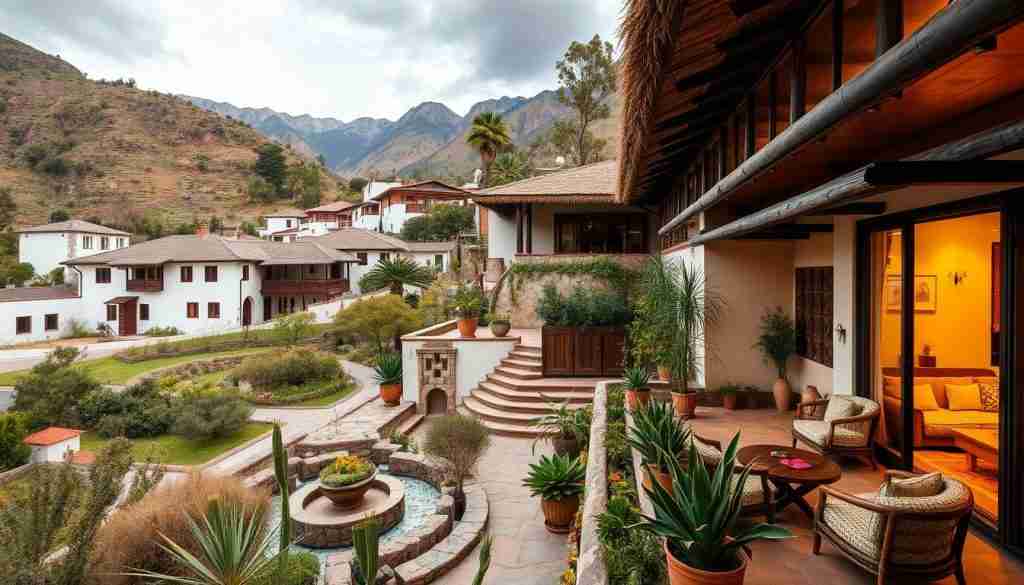
Boutique Hotels and Rustic Resorts
Urubamba’s valley floor hosts elegant properties blending modern amenities with traditional design. One guest praised their stay: “Waking up to sunrise over Inca ruins from our private balcony was unforgettable.” Rustic retreats near Pisac offer farm-to-table dining experiences using ancient crop varieties.
Local Cuisine and Must-Try Markets
Andean flavors shine at family-run picanterías serving roasted cuy (guinea pig) and quinoa stews. The Urubamba market bursts with purple corn drinks and fresh tamales – ideal for a quick lunch between site visits. Food enthusiasts recommend trying chicha de jora, a fermented corn beverage dating to Inca times.
Staying overnight in smaller towns like Ollantaytambo allows early access to nearby ruins. Many hotels provide packed lunches for full-day explorations. This option beats returning to Cusco, preserving valuable time for cultural immersion.
Adventure Activities and Guided Tours in the Valley
Beyond ancient ruins and markets, this Andean region thrills with adrenaline-pumping adventures and hands-on cultural exchanges. Visitors balance heart-racing outdoor pursuits with immersive workshops that preserve ancestral traditions. These experiences create lasting connections between travelers and local communities.
Thrilling Outdoor Excursions
White-water rafting on the Urubamba River challenges adventurers with Class III rapids framed by canyon walls. Zip-lining circuits near Maras offer bird’s-eye views of agricultural terraces dating to Inca times. One recent participant noted: “Soaring over the valley at sunrise felt like flying through history.”
Guided hikes reveal hidden trails connecting lesser-known archaeological sites. Multi-day treks often include camping under star-filled skies near Machu Picchu. Certified operators provide safety gear and historical context, transforming physical challenges into educational journeys.
Cultural Workshops and Artisan Experiences
Textile workshops in Chinchero teach natural dye techniques using cochineal insects and native plants. Visitors collaborate with Quechua weavers to create traditional patterns on backstrap looms. These sessions often conclude with ceremonial coca tea rituals, deepening cultural understanding.
Local-led pottery classes in Pisac demonstrate pre-Columbian ceramic methods unchanged for centuries. Tours led by community members access private studios rarely seen by independent travelers. Many budget-conscious travelers find these workshops offer richer insights than standard site visits.
Seasoned guides recommend combining morning adventures with afternoon cultural activities. This rhythm allows time to absorb both the valley’s natural grandeur and living heritage. Evening storytelling sessions at rural lodges often feature oral histories passed through generations.
Navigating the Sacred Valley: Transportation Insights
Mobility defines exploration in this Andean region, where smart transit choices unlock hidden cultural treasures. Three primary systems connect archaeological wonders with traditional towns, each offering distinct advantages for time-conscious travelers.

Public Bus, Taxi, and Private Transfer Options
Shared bus networks follow set routes between Pisac and Ollantaytambo. These budget-friendly vehicles cost $3-7 but require flexibility – departures align with local schedules rather than tourist timetables. One rider shared: “Our collectivo left Urubamba 15 minutes early, proving why apps like Moovit are essential for real-time tracking.”
Private transfers save hours on multi-site days. Bilingual drivers navigate cobblestone streets and share insights about stone architecture along the way. Taxis work best for direct trips between major hubs like Cusco and Chinchero, with fixed fares averaging $25-40.
| Option | Speed | Comfort | Best For |
|---|---|---|---|
| Public Bus | Slow | Basic | Solo travelers |
| Taxi | Moderate | Good | Small groups |
| Private Van | Fastest | Premium | Families |
The train to Machu Picchu remains unmatched for scenic journeys. Departures from Ollantaytambo reach Aguas Calientes in 90 minutes, winding past stone terraces and misty peaks. Book early-morning rides to secure window seats facing the Urubamba River’s rapids.
Well-maintained roads reduce transfer stress between archaeological sites. Recent paving projects cut travel minutes from Cusco to Maras by 20%. For optimal safety, verify that drivers use registered services with visible permits displayed on windshields.
Practical Travel Tips and Essential Packing Advice
Preparing for the region’s dramatic climate shifts ensures smoother exploration of its cultural treasures. Smart packing strategies balance comfort with practicality, letting travelers focus on experiences rather than logistics.
What to Pack for Variable Andean Weather
Layering proves essential for temperature swings between sunny daytime hikes and chilly evenings. Start with moisture-wicking base layers, add insulating fleece, and top with windproof outerwear. One seasoned traveler advised: “My packable down jacket saved me during sudden mountain storms.”
| Clothing Layer | Purpose | Material Tip |
|---|---|---|
| Base | Temperature regulation | Merino wool |
| Mid | Insulation | Fleece or synthetic |
| Outer | Weather protection | Waterproof breathable |
Sturdy hiking shoes with ankle support handle uneven site terrain. Lightweight rain pants fold into daypacks without bulk. Machu Picchu train restrictions limit carry-ons to 11 lbs – prioritize versatile items.
Carry reusable water bottles – filling stations appear every 1-2 hours at major attractions. Energy bars supplement hotel breakfasts during full-day excursions. Keep tickets and permits in waterproof sleeves, with digital copies on your phone.
Exchange USD to soles before arrival for market purchases and bus fares. Guides recommend carrying small soles denominations for quick transactions. Packing cubes organize outfits by activity, saving 15-20 minutes daily.
Conclusion
Mastering the Sacred Valley’s treasures requires blending ancient wisdom with modern travel strategies. This region rewards those who balance archaeological exploration with cultural immersion, where terraced ruins meet thriving Quechua traditions. Strategic itineraries unlock panoramic views of Andean peaks while preserving energy for market discoveries and culinary adventures.
A well-planned trip transforms stone citadels and woven textiles into chapters of a living history book. Our guide emphasizes smart transitions between trains, buses, and guided walks – ensuring each day flows seamlessly from mountain vistas to cozy lodges. Travelers gain deeper connections through hands-on workshops and locally-led tours unavailable through standard packages.
From Urubamba’s boutique hotels to Machu Picchu’s sunrise spectacles, every detail matters. Prioritize advance bookings for prime site access while leaving room for spontaneous market encounters. The valley’s true magic lies beyond checklists, in moments where past and present converge amid cornfields and cloud forests.
Let this expertise-driven approach shape your journey through Peru’s cultural heartland. With thoughtful preparation, the Sacred Valley becomes more than a destination – it evolves into a dialogue with civilizations that mastered these slopes centuries ago.
