Planning a trip to Peru’s iconic Inca citadel? With its sprawling terraces and sacred temples, Machu Picchu offers endless wonder—but its size can overwhelm first-time visitors. Recent changes to the site’s management now require travelers to follow designated circuits, making advance preparation essential for a fulfilling experience.
Local authorities introduced these routes to preserve the UNESCO site while improving visitor flow. Choosing the right circuit determines which landmarks you’ll see, from the Sun Gate to the Temple of the Condor. This guide breaks down each option, pairing ticket insights with route highlights to help craft your ideal itinerary.
Beyond logistics, we’ll share tips for capturing postcard-worthy photos and avoiding crowds. Whether you’re drawn to sunrise views or hidden archaeological gems, understanding the system ensures you make the most of your visit to Machu Picchu. Let’s map your adventure.
Key Takeaways
- Machu Picchu now uses mandatory circuits to manage foot traffic and protect the site
- Your chosen route determines which iconic landmarks you can access
- Tickets must align with your selected circuit—advance booking is critical
- Higher-altitude circuits offer panoramic views but require physical stamina
- Morning slots provide better lighting for photography enthusiasts
- Combination passes allow access to adjacent sites like Huayna Picchu
- Contact us for a comfortable and personalized itinerary (Free Service)
Introduction to Machu Picchu’s Circuit System
Machu Picchu’s circuit system represents a modern solution to an age-old challenge. As visitor numbers climbed past sustainable levels, authorities implemented structured routes to protect the UNESCO World Heritage Site. These pathways balance exploration with preservation, ensuring the iconic ruins endure for future generations.
Purpose of the Established Circuits
The primary goal of Machu Picchu’s circuits is twofold: safeguard fragile archaeological structures and improve visitor experiences. Before 2024, unrestricted access led to erosion and overcrowding at popular spots like the Temple of the Sun. The current system directs travelers along specific paths, reducing foot traffic pressure on vulnerable areas.
Different ticket types correspond to circuit variations, allowing customization based on interests and fitness levels. A hiker seeking panoramic views might choose Circuit 1, while history enthusiasts often opt for Circuit 2’s temple-focused route. This tiered approach manages crowd density while offering diverse experiences.
The Evolution of Visitor Management
Machu Picchu’s management strategies have evolved dramatically since its UNESCO designation in 1983. Early policies focused on basic conservation, but the 21st-century tourism boom necessitated stricter measures. The 2024 circuit overhaul introduced timed entries, route diversification, and advanced monitoring systems.
| Year | Policy Update | Impact on Preservation |
|---|---|---|
| 1983 | UNESCO Recognition | Initial protections |
| 2017 | Timed Entry System | 12% reduction in damage |
| 2024 | Mandatory Circuits | Balanced visitor flow |
These changes reflect a global shift toward sustainable tourism models. By understanding this system, travelers contribute to preserving Machu Picchu’s magic while enjoying a more organized visit.
Understanding the New Machu Picchu Circuits for 2025
Machu Picchu’s 2025 circuit updates refine preservation efforts while enhancing exploration opportunities. Building on 2024’s foundational changes, these adjustments address visitor feedback and environmental needs. Travelers will encounter improved route markers and expanded access to lesser-known ruins.
Overview of Circuit Changes and Updates
Three key updates define the 2025 experience. First, timed entry slots now align with circuit difficulty levels—morning hours prioritize challenging routes like the Sun Gate ascent. Second, ticket categories include mandatory return times for high-traffic areas, reducing bottlenecks at popular photo spots.
Seasonal adjustments add flexibility during Peru’s dry season (May-September). “From June to August, Circuit 3’s royal temple access expands to afternoon entries,” notes a Ministry of Culture bulletin. Rainy season visitors (November-March) gain exclusive pathways to prevent erosion on steep trails.
| Aspect | Pre-2024 System | 2025 Updates |
|---|---|---|
| Route Flexibility | Single path for all visitors | 4 specialized circuits |
| Ticket Types | General admission only | Circuit-specific passes |
| Seasonal Access | Limited adjustments | Dynamic route allocations |
New tour options let travelers combine circuits over multiple days. The Explorer Pass allows Circuit 1’s panoramic views one day and Circuit 2’s archaeological deep dive the next. These changes demand advance planning—70% of 2025 tickets sold out within 48 hours of release.
Smartphone users benefit from real-time updates through Machu Picchu’s official app. It alerts visitors about weather-related route changes, ensuring safer exploration. With these innovations, the 2025 system balances conservation with immersive discovery.
How to navigate between different sections of Machu Picchu?
The ancient citadel divides into three primary zones connected by stone pathways. Agricultural terraces form the lower levels, while urban and religious sectors occupy higher elevations. Clear signage marks each route, with color-coded arrows matching circuit numbers.
To move between areas, follow these steps:
- Start at the main entrance checkpoint—your ticket determines initial access points
- Use elevated walkways to transition between terraced fields and ceremonial plazas
- Look for numbered markers at junctions to confirm you’re on the correct path
| Zone | Key Features | Connecting Pathways |
|---|---|---|
| Agricultural | Terraces, Storehouses | Central Staircase |
| Urban | Residential Areas | Main Plaza Access |
| Religious | Temples, Altars | Sacred Stone Corridor |
Guides recommend studying the official map before arrival. “The eastern way leads to panoramic viewpoints, while western paths connect to water springs,” explains a Cusco-based tour operator. Digital maps available through the site’s app update in real-time during weather changes.
Secure access gates prevent backtracking, so plan your route sequentially. Morning visitors often follow sunlight patterns—explore shaded areas first, then sunlit temples later. With thoughtful preparation, even first-time travelers can confidently visit Machu Picchu like seasoned explorers.
Exploring the Panoramic Circuit (Circuit 1)
Circuit 1 unveils Machu Picchu’s grandeur through elevated pathways and breathtaking overlooks. Designed for photographers and vista seekers, this route prioritizes wide-angle perspectives of the citadel’s most iconic formations. Four sub-routes (1A-1D) cater to varied fitness levels while maintaining panoramic access.
Key Routes and Unique Vistas
Route 1A delivers the classic view Machu Picchu postcard scene from the Guardian’s House. This 1.2-mile path winds past agricultural terraces before revealing the citadel’s full splendor. Route 1B extends the journey with access to the Inca Drawbridge, while 1C’s steeper climb rewards hikers with cloud-forest panoramas.
| Route | Key Features | View Highlights |
|---|---|---|
| 1A | Guardian’s House overlook | Full citadel vista |
| 1B | Drawbridge access | Valley perspectives |
| 1C | Cloud Forest Trail | Andean peaks |
| 1D | Combined access | 360-degree views |
Side Hike Options and Conditions
Adventurous travelers can extend their circuit Machu Picchu experience with two signature add-ons:
- Machu Picchu Mountain: 3-hour return hike requiring separate ticket ($20 adults, free under 12)
- Sun Gate (Inti Punku): 1.5-hour walk along original Inca trails
Both hikes operate 7 AM-1 PM with strict turnaround times. Sturdy shoes and water are mandatory—elevations exceed 8,000 feet. Morning light creates ideal view Machu Picchu conditions, particularly at the Sun Gate’s sunrise alignment.
Diving into the Classic Circuit (Circuit 2)
Circuit 2 reveals the architectural genius of the Inca citadel through its sacred landmarks. This route serves as a time capsule, guiding travelers past ceremonial plazas and stone-carved temples. Over 65% of first-time visitors select this path for its balanced mix of history and accessibility.
Main Inca Structures and Religious Sites
The journey begins at the Temple of the Sun, where precisely aligned windows frame solstice sunbeams. “This solar observatory demonstrates the Inca’s advanced understanding of astronomy,” notes a Ministry of Culture guide. The Sacred Rock, shaped like the surrounding mountains, offers prime photo opportunities against cloud-forest backdrops.
Further along, the Temple of the Condor showcases intricate rock carvings resembling the Andean bird’s wingspan. Visitors spend 20-30 minutes here exploring adjacent ruins of ancient workshops and storage buildings.
Comparing Route Variations
Circuit 2 splits into two distinct paths:
| Route | Distance | Key Features |
|---|---|---|
| Designed Route | 1.8 miles | Direct access to royal residences |
| Lower Terrace | 2.3 miles | Extended agricultural sector views |
Morning tickets (6 AM-12 PM) suit photography enthusiasts capturing the Temple Sun’s golden-hour glow. Afternoon passes (12 PM-5:30 PM) often include combo access to Circuit 3’s royal sector. Guides recommend budgeting 3 hours minimum to fully appreciate this tour of Inca spiritual and urban spaces.
Unveiling the Royal Circuit (Circuit 3)
Circuit 3 immerses travelers in Machu Picchu’s regal heritage through its lesser-explored lower ruins. This route winds past exclusive royal temples and ceremonial spaces once reserved for Inca nobility. Visitors encounter the Temple of the Three Windows and the Royal Palace, structures showcasing advanced dry-stone masonry techniques.
Highlights of Lower Ruins and Royal Temples
The circuit Machu Picchu experience peaks at the Hall of Mirrors, an astronomical observatory with polished stone surfaces. “This site served as both spiritual center and royal retreat,” explains a Peruvian Ministry of Culture archaeologist. Unique features include:
- Intihuatana Stone: Solar alignment altar
- Royal Tomb: Ceremonial burial chamber
- Sacred Plaza: Heart of Inca rituals
Optional Add-On Routes and Hike Opportunities
Adventurous travelers enhance their visiting Machu Picchu experience with two iconic extensions:
| Add-On | Duration | Key Features |
|---|---|---|
| Huayna Picchu | 2.5 hours | 360° summit views |
| Inca Bridge | 45 minutes | Cliffside pathways |
The Huayna Picchu ascent rewards hikers with panoramic vistas of the Urubamba River. Steep stone steps require sturdy footwear and moderate fitness. For thrill-seekers, the Inca Bridge route traverses original pathways carved into sheer cliffs.
Guided tours provide historical context for these ruins, while self-guided options offer flexible pacing. Morning hike slots minimize afternoon cloud cover, ensuring clearer views of Picchu Mountain’s slopes.


Navigating and Booking Tickets Online
Securing entry to Machu Picchu requires strategic planning as demand surges for 2025 visits. The digital booking system streamlines access while protecting this archaeological treasure. Travelers who master these steps gain priority access to preferred circuits and time slots.
Securing Your 2025 Machu Picchu Pass
Online reservations through Peru’s Ministry of Culture website guarantee the smoothest experience. Benefits include:
- Real-time circuit availability updates
- Secure payment processing in USD
- Instant electronic ticket delivery
| Booking Method | Processing Time | 2025 Advantage |
|---|---|---|
| Online Portal | Immediate | Circuit selection lock |
| Cultural Center | 3-5 days | Local agent support |
High season (June-August) tickets sell out 6 months advance. The Ministry releases passes quarterly—mark these 2025 dates:
- January 15: April-June slots
- April 10: July-September access
- July 8: October-December availability
Match your ticket type to planned activities. Circuit 4 passes (new for 2025) combine sunrise access with afternoon temple tours. Verify entry times align with train schedules and guided tour commitments.
Pro tip: Create accounts on both booking platforms during low-traffic hours. This dual approach increases success rates during high season rushes. With preparation, your dream Machu Picchu adventure awaits.
Timing Your Visit and Managing Crowd Flow
Mastering Machu Picchu’s rhythms transforms a good visit into an extraordinary one. Nearly 70% of travelers report better experiences when aligning their schedules with crowd patterns and seasonal shifts. Strategic timing unlocks quieter pathways and golden-hour photography opportunities.
Understanding Peak Hours and Seasonal Changes
Visitor numbers fluctuate dramatically across time slots and seasons. Morning entries (6-8 AM) see 45% fewer crowds than midday arrivals. Dry season (May-September) brings 5,000 daily visitors, while rainy months average 2,800.
| Time Slot | Avg. Visitors | Recommended Circuits |
|---|---|---|
| 6-8 AM | 900 | 1 & 4 (Panoramic) |
| 9-11 AM | 1,700 | 2 & 3 (Cultural) |
| 12-2 PM | 2,100 | Combo passes |
“Arriving early lets you explore sacred sites like the Temple of the Sun with minimal interruptions,” advises a Cusco-based guide. Most circuits take 2-3 hours, though Circuit 1’s extended routes may require 4.
Seasonal strategies vary significantly:
- Dry season: Book 6 AM slots for fog-free views
- Wet season: Target 10 AM entries after rain showers
Combo tour passes help maximize limited time. Pair a morning circuit with afternoon Huayna Picchu access. Evening slots (after 3 PM) offer 30% shorter queues but risk afternoon storms.
“November visitors often get temple access usually restricted in busier months.”
Smart timing balances preservation efforts with personal discovery. By syncing your visit with Machu Picchu’s natural cadence, you’ll witness its magic unfold seamlessly.
Key Insider Tips for a Smooth Machu Picchu Journey
Smart travelers know that avoiding crowds transforms a rushed tour into a serene exploration. With 1.5 million annual visitors, strategic planning becomes your greatest ally. These proven tactics help you experience the citadel’s wonders without competing for space.

Mastering the Art of Quiet Exploration
Early birds win at Machu Picchu. Arriving with the first 6 AM entry group reduces encounters with 83% of daily visitors. Guides recommend these crowd-beating strategies:
- Combine Circuit 2’s temples with a late-afternoon Circuit 1 return pass
- Use restroom breaks strategically when people cluster at photo spots
- Book Wednesday-Thursday slots (20% fewer travelers than weekends)
| Time Slot | Avg. Visitors | Recommended Action |
|---|---|---|
| 6-8 AM | Under 1,000 | Photograph key landmarks first |
| 10 AM-12 PM | 2,100+ | Explore peripheral ruins |
| 2-4 PM | 1,400 | Revisit popular sites |
Multi-circuit tickets unlock hidden patterns. “Morning visitors cluster near the Sun Gate, while afternoons see crowds at the Temple of the Condor,” notes a Cusco-based guide. Shift between zones using real-time app updates showing people density.
For maximum flexibility, pair a guided tour of main attractions with self-guided exploration during quieter periods. This approach lets you absorb history without jostling through packed pathways. Remember: patience and adaptability turn potential frustrations into unforgettable discoveries.
Comparing Circuit Options and Building Your Itinerary
Crafting the perfect itinerary requires matching your interests with the site’s structured pathways. Below, we break down key differences between circuits and provide actionable planning strategies.
Circuit Showdown: Features at a Glance
| Circuit | Focus | Time Needed | 2025 Cost |
|---|---|---|---|
| 1 | Panoramic views | 3-4 hours | $50 |
| 2 | Cultural landmarks | 2.5-3 hours | $45 |
| 3 | Royal complex | 4-5 hours | $65 |
Smart Ticket Combinations
Maximize coverage with these proven route pairings:
- Classic+Royal: Combine Circuits 2 & 3 over two days ($100)
- Sunrise Special: Circuit 1 morning + Huayna Picchu afternoon ($85)
- Deep Dive: All three circuits across 48 hours ($140)
Multi-ticket packages save 15-20% versus individual purchases. Morning slots cost 10% more but offer better crowd management.
Budgeting Time and Money
| Itinerary Type | Days | Total Cost | Coverage |
|---|---|---|---|
| Express | 1 | $65-85 | 1-2 circuits |
| Standard | 2 | $120-160 | All main areas |
| Premium | 3 | $200+ | Full access + hikes |
Consider these factors when planning:
- Circuit 3 requires separate tickets for royal sector access
- Guided routes add $30-50/day but enhance historical context
- Off-peak visits (Nov-Mar) offer 15% discount on multi-day passes
Early birds secure the best time slots—book 6-8 months ahead for peak season. With thoughtful pairing, you’ll experience Machu Picchu’s diversity without rushing or overspending.
Essential Preparation for Your Machu Picchu Tour
Proper preparation transforms a challenging trek into a rewarding adventure at Machu Picchu. High-altitude trails and unpredictable weather demand strategic planning to ensure comfort and safety. Thoughtful preparation lets travelers focus on the site’s wonders rather than logistical hiccups.
Physical Readiness and Gear Recommendations
Machu Picchu’s mountain terrain requires moderate fitness. Begin cardio exercises 6-8 weeks before your tour, focusing on stair climbing and hill walks. Guides recommend:
- Breaking in hiking shoes with ankle support
- Practicing 3-5 mile walks with elevation gains
- Training with a daypack weighted to 10-15 lbs
| Essential Gear | Purpose | Pro Tip |
|---|---|---|
| Moisture-wicking layers | Manages temperature shifts | Pack lightweight merino wool |
| UV-blocking hat | Prevents sunburn | Choose wide-brim styles |
| Collapsible trekking poles | Reduces knee strain | Check airline carry-on rules |
Altitude affects even fit travelers. Arrive in Cusco 2-3 days early to acclimatize. Hydrate frequently and consider prescribed altitude medication.
“Chewing coca leaves helps many visitors adjust—just avoid caffeine during adaptation days.”
Weather changes rapidly in the Andes. Pack a waterproof shell and quick-dry pants. Morning fog often clears by 10 AM, revealing iconic places like the Sun Gate. For multi-circuit days, use compression sacks to organize gear efficiently.
Steep sections near Huayna Picchu demand extra caution. Secure footing and mindful pacing help conserve energy for full-day exploration. With smart preparation, the mountain’s challenges become part of the adventure.
The Role of Guided Tours vs. Self-Guided Experiences
Choosing between expert-led excursions and independent exploration shapes how travelers engage with Machu Picchu. Guided tours unlock historical insights, while self-guided options offer pacing freedom. This decision impacts both budget and the depth of your visit.
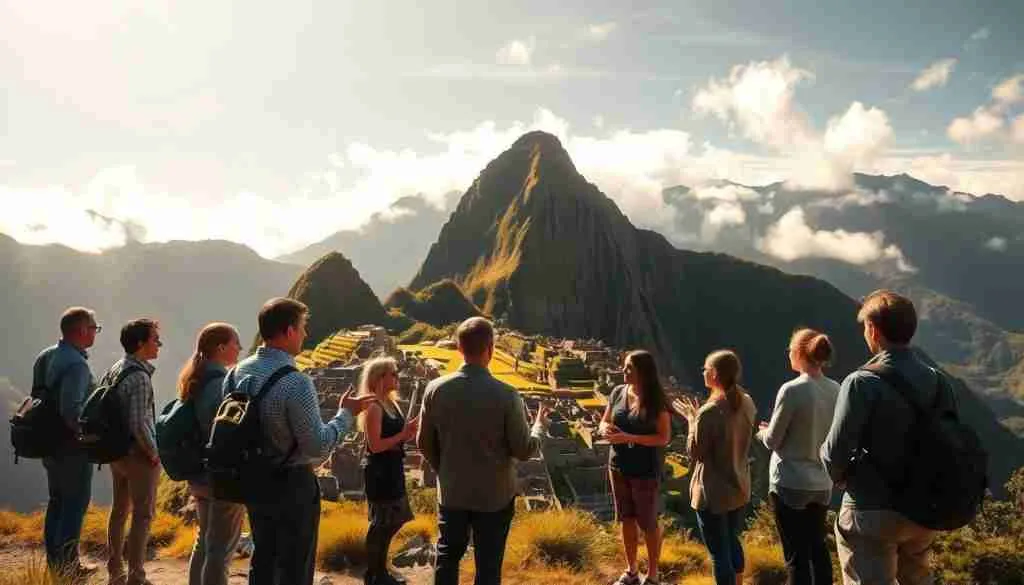
Pros and Cons of Hiring a Guide
Licensed guides transform stone walls into storytelling canvases. “Our guide revealed hidden symbols in the Temple of the Condor we’d never notice alone,” shares recent visitor Amanda Reyes. However, group tours cost $40-$80 extra per person—nearly matching base ticket prices.
| Factor | Guided Tour | Self-Guided |
|---|---|---|
| Cost | +$50 average | Base ticket only |
| Flexibility | Fixed route | Custom pacing |
| Depth | Expert analysis | Personal discovery |
History enthusiasts often prefer guided walks to decode Machu Picchu’s mysteries. Independent explorers relish photographing terraces at golden hour without time constraints. Fitness matters too—guides pace groups for varied abilities, while solo hikers set their rhythm.
Hybrid approaches work well. Join a 2-hour morning tour of key temples, then explore peripheral ruins independently. This balances structured learning with spontaneous adventure in Picchu Machu’s labyrinthine pathways.
Additional Considerations for a Seamless Experience
Staying informed about ticket policies ensures your journey to Peru’s iconic site remains stress-free. Recent adjustments to entrance protocols emphasize sustainability while improving access for international travelers.
Important Ticketing Updates and Restrictions
New 2025 rules require advance reservations for all visitors, including free-admission groups like children under 12. Key changes include:
- Digital ID verification at entrance gates
- Strict 30-minute entry windows for booked time slots
- No on-site upgrades between circuits
| Ticket Type | 2024 Access | 2025 Changes |
|---|---|---|
| General Admission | Open circuit choice | Circuit-specific only |
| Premium Pass | Unlimited re-entry | Single daily access |
| Student Discount | Walk-up availability | Online verification required |
Guided tours now face stricter regulations. All groups exceeding six people must hire licensed guides through approved agencies. Independent explorers can still access main routes but may encounter restricted zones during peak hours.
Last-minute changes occur frequently due to weather or preservation needs. Travelers receive alerts through the official app when trail closures affect their booked entrance time. Always check the Ministry of Culture website 48 hours before your visit for updates.
“Flexible planning and digital tools make navigating these updates manageable—the magic remains undiminished for prepared visitors.”
Conclusion
Machu Picchu‘s structured pathways unlock its ancient wonders while protecting fragile history. By choosing circuits aligned with your interests and stamina, you craft a personalized journey through terraced fields and sacred temples. Smart planning transforms logistical challenges into seamless discovery.
Early ticket bookings secure preferred routes like Circuit 1’s sunrise vistas or Circuit 3’s royal sanctuaries. Morning entries offer quieter exploration, while multi-day passes reveal hidden perspectives. Whether opting for guided insights or self-paced wandering, each path tells stories etched in stone.
Remember: your visit directly supports preservation efforts. With camera-ready timing and circuit knowledge, you’ll capture iconic photos without disrupting delicate ecosystems. The citadel rewards those who respect its rhythms with moments of awe-inspiring connection.
Let this guide illuminate your path through the Andes. As you walk ancient trails, you become part of Machu Picchu‘s living legacy—one careful step at a time. Ready your boots, secure your pass, and embrace history’s call.
