Returning to Cusco after exploring the ancient wonders of Machu Picchu requires careful planning. Nestled in the Andes, this iconic archaeological site draws thousands of travelers yearly. The journey begins in Aguas Calientes, the gateway town that serves as the sole access point for visitors leaving the ruins.
Once the capital of the Inca Empire, Cusco remains a cultural treasure trove. Its cobblestone streets and colonial architecture blend seamlessly with pre-Columbian history. Travelers often prioritize efficient routes back to this UNESCO World Heritage Site to maximize their time exploring its legacy.
Multiple transportation options connect Aguas Calientes to Cusco. Trains like Inca Rail offer scenic rides through the Sacred Valley, while buses and shared vans cater to budget-conscious explorers. This guide compares luxury and economical choices, ensuring every traveler finds their ideal path.
From navigating the Inca Trail’s endpoint to securing last-minute tickets, our expert advice simplifies the return process. Whether you seek comfort or adventure, understanding these routes transforms a logistical challenge into part of the journey itself.
Key Takeaways
- Aguas Calientes is the primary departure hub for journeys back to Cusco
- Train services like Inca Rail provide panoramic views of the Sacred Valley
- Combined bus and van routes offer affordable alternatives
- Cusco’s historical significance enhances the return trip’s cultural value
- Advance booking ensures smoother transitions between destinations
- Contact us by filling out the trip planner form, our expert travel advisors will work closely with you to create your tailor-made itinerary (Free Service)
Overview of Return Options from Machu Picchu
Navigating the journey from the cloud-kissed ruins requires understanding available routes. Aguas Calientes serves as the central hub, offering multiple pathways to reconnect with Cusco’s vibrant energy.
Exploring Transportation Modes
Two dominant rail operators shape the experience: PeruRail and Inca Rail. The former’s Hiram Bingham service elevates travel with white-glove service and live music, while Inca Rail’s Voyager Premium balances comfort with affordability. Both feature panoramic windows framing the Urubamba River’s serpentine path.
Budget-conscious travelers often combine buses and shared vans via the winding Hidroeléctrica route. Adventurers completing the Salkantay Trek might extend their journey on foot through lesser-known trails. “Book early during peak seasons,” advises a seasoned tour operator. “Trains sell out faster than alpaca sweaters at a mercado.”
Key Considerations for Your Journey
Three factors dominate decision-making:
- Time: Trains take 3.5 hours versus 6+ hours for bus-van combos
- Cost: Luxury services cost 4x standard fares
- Experience: Open-air observation cars versus crowded shuttle buses
Rainy season (November-March) impacts road reliability, making rail services preferable. Evening departures allow sunset views over the Sacred Valley, transforming transit into a highlight of the trip itself.
How to get back to Cusco from Machu Picchu?
Selecting the ideal return method balances time, comfort, and cultural immersion. Rail routes deliver swift transitions through postcard-perfect landscapes, while road journeys reveal authentic Peruvian highland life. Both options connect Aguas Calientes to Cusco’s historical core, completing the Andean adventure.
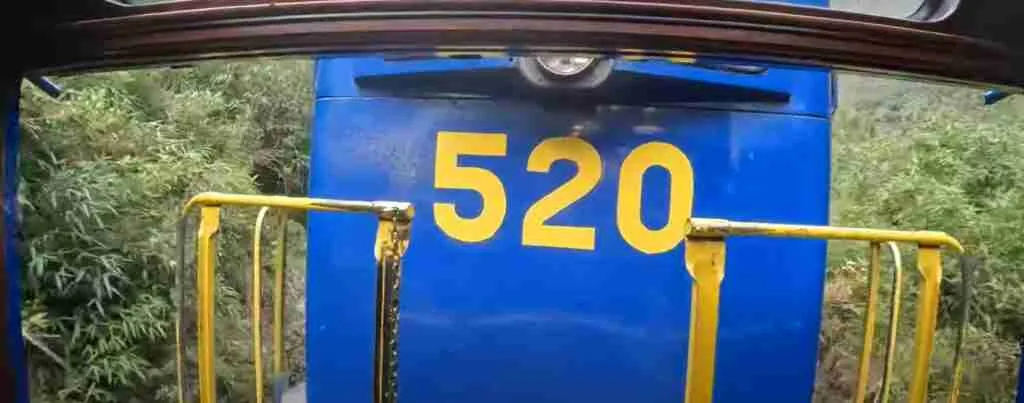
By Train: Fast and Scenic Choices
Rail services dominate as the preferred option, completing the 3.5-hour journey with cinematic valley vistas. Modern carriages feature panoramic windows framing the Urubamba River’s twists. Key stations like Ollantaytambo and Poroy simplify transfers through coordinated shuttle connections.
| Feature | Train | Car/Bus |
|---|---|---|
| Travel Time | 3.5 hours | 6-7 hours |
| Cost Range | $70-$500 | $15-$40 |
| Scenic Quality | Premium valley views | Mountain passes |
| Comfort Level | Reclining seats | Basic seating |
Sunrise departures showcase mist-shrouded peaks, while twilight rides glow with alpenglow hues. Luxury services include artisanal snack platters and live Andean music performances. Advance bookings secure preferred time slots during peak tourist seasons.
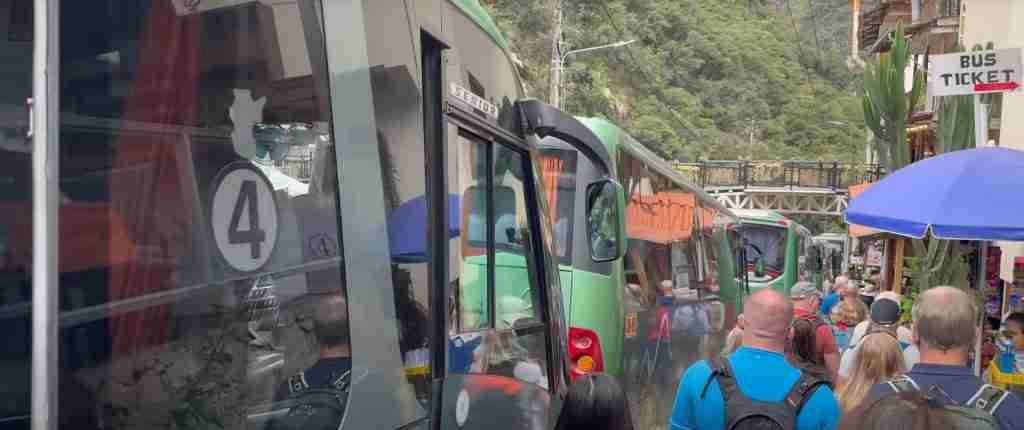
By Car and Bus: Budget-Friendly Alternatives
Combined van-and-bus routes appeal to frugal explorers, stretching the trip to 6-7 hours. Shared vehicles traverse the Hidroeléctrica road, stopping at rural markets and thermal springs. Though less direct, this path suits travelers prioritizing local interactions over speed.
Tourist buses frequently partner with regional operators for seamless transfers. Roughly 40% of visitors choose this economical route annually, according to Peru’s Ministry of Transportation. Evening departures allow daytime exploration of Aguas Calientes’ artisan workshops before the journey.
Ultimately, the decision hinges on personal priorities. Time-conscious travelers embrace rail efficiency, while budget-focused adventurers discover hidden gems along winding mountain roads. Both routes culminate in Cusco’s colonial embrace, enriching the overall experience.
Detailed Train Services and Comparisons
Rail services between Machu Picchu and Cusco transform travel into an immersive experience. PeruRail and Inca Rail dominate the tracks, offering distinct journeys tailored to diverse preferences. Their fleets range from no-frills budget cars to glass-domed luxury carriages, each framing the Sacred Valley’s dramatic landscapes through expansive windows.
Peru Rail Options and Their Features
PeruRail’s Expedition service appeals to practical travelers with reclining seats and panoramic windows. The mid-tier Vistadome adds live cultural performances and complimentary snacks. At the pinnacle, the Hiram Bingham carriages feature polished wood interiors, gourmet meals, and an open-air observation deck.
Inca Rail and Luxury Train Experiences
Inca Rail’s Voyager Premium combines affordability with oversized windows for unobstructed photography. Their First Class service elevates the journey with alpaca wool blankets and curated Pisco sour tastings. Both operators prioritize early ticket purchases, especially during peak seasons when seats vanish faster than morning mist.
| Service | Windows | Amenities | Best For |
|---|---|---|---|
| Expedition | Standard | Snack service | Budget-focused people |
| Vistadome | Panoramic | Live music | Cultural immersion |
| Hiram Bingham | Oversized | 4-course meals | Luxury case travelers |
| Voyager Premium | Floor-to-ceiling | Artisanal drinks | Small groups |
These trains prove that practical travel need not sacrifice wonder. Whether sipping local coffee in a plush seat or chatting with artisans in a standard car, passengers consistently rank the rail experience as a highlight. As one conductor notes, “Our windows don’t just show scenery—they frame Andean soul.”


Exploring Alternative Trekking and Walking Routes
For adventurous spirits, the journey to Machu Picchu becomes part of the destination itself through rugged mountain paths. These trails blend physical challenge with cultural discovery, offering alternatives to standard transit methods.
Highlights of the Inca Trail and Salkantay Trek
The classic Inca Trail remains the crown jewel of Andean treks. This 26-mile route traces ancient stone pathways through cloud forests and past archaeological sites. Permits sell out months in advance due to strict capacity limits protecting the trail’s integrity.
Adventurers seeking higher altitudes often choose the Salkantay Trek. This 5-day route crosses 15,000-foot passes with glacier views before descending into tropical terrain. “It’s not just a way to reach ruins—it’s a transformative experience,” notes a local guide.
Other Unorthodox Routes and Experiences
Shorter options like the day Inca Trail provide condensed adventures for time-limited travelers. Luxury tours elevate the experience with heated tents and gourmet meals, while self-guided treks reduce costs by 40-60%.
Consider these factors when planning:
- Physical preparation for altitude changes and uneven terrain
- Booking window requirements (Inca Trail permits open 6+ months ahead)
- Balance between comfort and authenticity in tour packages
Whether opting for a rugged expedition or a curated luxury tour, these paths transform transportation into an unforgettable chapter of the Machu Picchu experience. Proper planning ensures the journey matches the destination’s grandeur.
Understanding Transportation Logistics and Costs
Mastering return logistics ensures travelers maximize their Andean adventure while minimizing stress. Efficient planning transforms transit into an extension of the cultural journey, with train Machu Picchu services offering one of the most reliable connections.
Ticket Booking Tips and Schedules
Peak travel seasons (June-August, December-January) demand reservations 3-6 months ahead. Trains from Machu Picchu Cusco routes operate 15+ daily departures, with prices reflecting service tiers:
| Option | Price Range | Travel Time |
|---|---|---|
| PeruRail Expedition | $80-$150 | 3.5 hours |
| Inca Rail Voyager | $70-$130 | 3.5 hours |
| Bus/Van Combo | $15-$25 | 6-7 hours |
Key strategies for securing tickets:
- Book directly through operator websites for real-time availability
- Prioritize morning departures to avoid afternoon crowds
- Confirm shuttle connections when purchasing rail tickets
Local Transfers from Train Stations
Arrival stations determine final leg logistics. Ollantaytambo requires 90-minute shuttle rides to Cusco ($10-$20), while Poroy Station sits just 20 minutes from the city center via taxi ($5-$10). Most services include luggage storage, though compact bags streamline transfers.
Pro tips for seamless transitions:
- Download offline maps for navigation between stations
- Carry small bills for last-minute taxi negotiations
- Verify transfer schedules during rainy season (November-March)
These return trip Cusco strategies help travelers balance iconic views with practical needs. By understanding costs and connections, explorers can allocate more resources to experiencing Cusco’s UNESCO World Heritage places.
Traveler Tips for a Smooth Return Journey
Completing your Andean adventure requires thoughtful preparation beyond reaching the archaeological wonder. Smart planning transforms the return cusco machu segment into a comfortable continuation of your cultural immersion.
Strategic Preparation Enhances Experiences
Altitude impacts everyone differently. Spend 24 hours in Aguas Calientes before departure to adjust. Hydrate with coca tea and prioritize light meals. “Your body needs recovery time after trekking,” notes a local mountain guide.
Those completing the day inca trail should schedule evening departures. This allows muscle recovery while exploring Aguas Calientes’ artisan markets. Rail services like Inca Rail offer flexible bookings for last-minute adjustments.
Consider these factors when selecting options return cusco:
- Energy levels after exploring the trail machu picchu routes
- Luggage storage availability at train stations
- Weather patterns affecting road conditions
Adventure-seekers often combine transportation modes. Pair a morning rail inca rail journey with an afternoon visit to Moray’s circular terraces. Balance activity with relaxation by booking hotels near Cusco’s Plaza de Armas for easy access upon arrival.
Conclusion
The journey from Machu Picchu back to Cusco marks the final chapter of an unforgettable Andean adventure. Travelers can choose between efficient train services offering valley panoramas or budget-friendly bus-van combos revealing rural landscapes. Aguas Calientes remains the strategic hub for all departures, with its train station serving as the gateway to seamless transitions.
Rail options like PeruRail and Inca Rail prioritize comfort and cultural immersion, while alternative routes reward flexibility with authentic local encounters. Early bookings ensure preferred schedules, especially for popular return trip evening services showcasing sunset-lit peaks.
Practical planning transforms logistics into opportunities. Confirm shuttle connections from arrival stations, allow time for altitude adjustment, and pack light for smoother transfers. Whether savoring luxury amenities or mingling with villagers en route, each picchu cusco journey deepens appreciation for the Sacred Valley’s wonders.
Trust in thorough preparation—the right choice balances personal priorities with regional rhythms. Let the return trip become not just a commute, but a curated finale to your Peruvian exploration.

FAQ
What’s the fastest way to return to Cusco from Machu Picchu?
The quickest option is taking a train from Aguas Calientes to Ollantaytambo or Poroy, followed by a 1.5–2-hour drive. Peru Rail and Inca Rail offer direct services with panoramic views, reaching Cusco in under 4 hours combined.
Which train services operate between Aguas Calientes and Cusco?
Peru Rail (Expedition, Vistadome, Hiram Bingham) and Inca Rail (Voyager, 360°, First Class) provide routes. Most trains stop in Ollantaytambo, where travelers transfer to buses or private cars for the final leg to Cusco.
Are there budget-friendly alternatives to trains for returning?
Yes. Shared buses or colectivos from Aguas Calientes to Hidroeléctrica, followed by a 6–7-hour drive via Santa Teresa, cost less but require stamina. This route suits adventurous travelers comfortable with longer travel times.
What luxury train experiences are available for the journey back?
Belmond Hiram Bingham (Peru Rail) offers gourmet meals, live music, and open-air observation cars. Inca Rail’s First Class includes premium dining and exclusive lounges, blending comfort with Andean landscapes.
Can I combine trekking routes like Salkantay with the return trip?
Trekkers often descend to Aguas Calientes via the Salkantay Trek or Inca Trail, then take trains back. These multi-day adventures require permits and guided support but reward travelers with unmatched scenic diversity.
How far in advance should I book train tickets?
Reserve 3–6 months ahead for peak season (May–September). Last-minute bookings risk limited availability, especially for premium services like Hiram Bingham or First Class trains.
What’s the cost difference between train classes and bus options?
Budget buses cost $15–$25, while standard trains like Expedition start at $60. Luxury options like Vistadome or Hiram Bingham range from $200 to $1,000, depending on amenities and exclusivity.
Why is acclimatization important before traveling back to Cusco?
Cusco sits at 11,152 feet (3,399 meters). Returning travelers should hydrate, avoid heavy meals, and rest to minimize altitude sickness risks, especially after trekking at lower elevations near Machu Picchu.
Why is acclimatization important before traveling back to Cusco?
Cusco sits at 11,152 feet (3,399 meters). Returning travelers should hydrate, avoid heavy meals, and rest to minimize altitude sickness risks, especially after trekking at lower elevations near Machu Picchu.