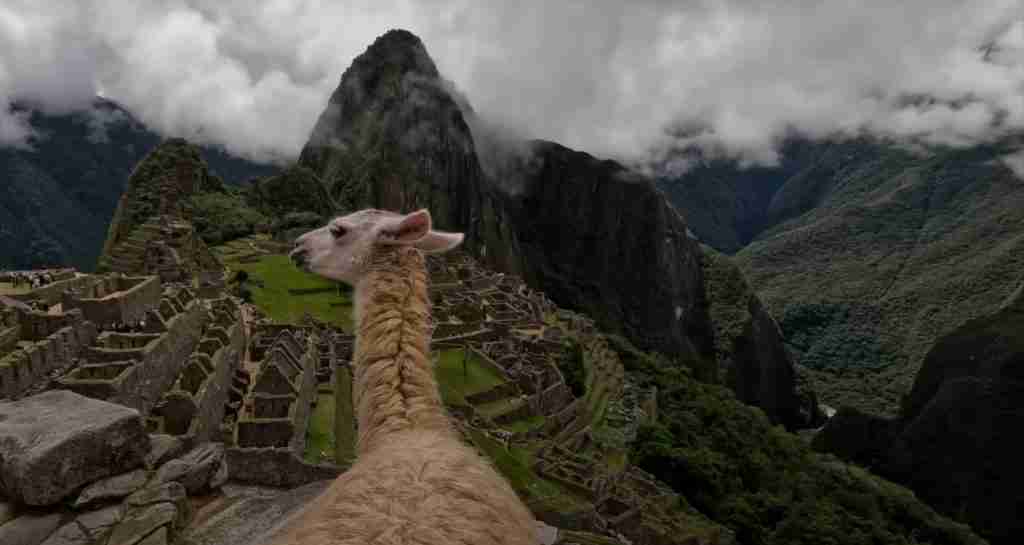
Nestled high in Peru’s Andes Mountains, Machu Picchu remains one of the world’s most enchanting destinations. Its ancient stone structures blend seamlessly with mist-shrouded peaks, creating a photographer’s paradise. Among its many wonders, certain viewpoints have gained recognition for offering unforgettable photo opportunities featuring the site’s free-roaming camelid residents.
Discovering these strategic locations transforms ordinary snapshots into extraordinary visual stories. The right angles showcase both architectural brilliance and natural beauty, while the presence of indigenous animals adds cultural depth. This guide reveals insider strategies for navigating the UNESCO site and expert photography techniques that elevate travel memories.
More than just a photographic journey, exploring these vantage points connects visitors with Inca history. Terraced slopes and ceremonial plazas tell stories of a sophisticated civilization. By understanding their context, travelers gain richer experiences beyond surface-level sightseeing.
Key Takeaways
- Machu Picchu combines cultural heritage with unparalleled photographic potential
- Strategic positioning enhances both composition and historical storytelling
- Local wildlife integration creates uniquely Andean visual narratives
- Elevated terraces offer panoramic views for impactful imagery
- Expert tips help balance technical skill with creative exploration
- Contact us for a comfortable and personalized itinerary (Free Service)
Understanding Machu Picchu’s Iconic Llama Spots
The allure of Andean landscapes lies in their ability to merge human history with untamed nature. At this UNESCO World Heritage Site, camelids have roamed freely for centuries, becoming living symbols of Inca resilience. Their presence near ancient stonework creates striking contrasts between wild beauty and architectural mastery.
https://www.youtube.com/watch?v=uhf7qLOabe4
History and Cultural Significance
Inca builders designed terraces and plazas to harmonize with sacred geography. Llamas, revered as spiritual guardians, still traverse paths once walked by royalty. Local legends describe these animals as messengers between earthly and divine realms—a belief echoed in modern-day Quechua traditions.
Archaeologists note that specific viewpoints align with celestial events celebrated by the Inca. These areas often feature panoramic backdrops where fog-draped peaks frame grazing herds. Such intersections of cultural narrative and natural drama explain their enduring photographic appeal.
What Makes a Spot ‘Famous’
Iconic viewpoints share three traits: unobstructed vistas, symbolic landmarks, and frequent wildlife activity. Elevated platforms near the Sun Gate, for instance, offer sweeping perspectives of ruins nestled against Huayna Picchu’s slopes. Less-trafficked areas may lack this layered storytelling potential.
“The best locations tell dual stories—one of ancient ingenuity and another of ongoing ecological balance,”
explains Peruvian historian Marisol Quispe. These sites gain fame through word-of-mouth endorsements from professional photographers and historians alike, blending scholarly validation with visual magnetism.
Essential Tips and Techniques for Capturing Perfect Machu Picchu Photos
Mastering Andean photography requires balancing technical precision with creative vision. High-altitude conditions and shifting weather demand adaptable strategies to immortalize the site’s grandeur.

Optimal Camera Settings and Composition
Start with aperture priority mode (f/8 to f/11) to maintain sharpness across terraced landscapes. For dynamic animal shots, switch to shutter speeds above 1/500s. Keep ISO between 100-400 to minimize noise in bright mountain light.
| Scenario | Aperture | Shutter Speed | ISO |
|---|---|---|---|
| Panoramic Ruins | f/11 | 1/250s | 100 |
| Moving Wildlife | f/5.6 | 1/800s | 400 |
| Misty Sunrise | f/8 | 1/60s | 200 |
Frame shots using the rule of thirds, positioning stone walls along gridlines. Include winding paths to create depth, guiding viewers through ancient architecture.


Utilizing Natural Light and Timing
Dawn’s golden hour bathes ruins in warm hues while reducing harsh shadows. Afternoon clouds often diffuse light evenly across terraces. Avoid midday sun by focusing on shaded ceremonial platforms.
“Arrive 45 minutes before sunrise—the interplay of fog and first light creates magical depth,”
High-altitude UV rays require polarizing filters to enhance sky contrast. Capture sudden weather changes by keeping gear protected and settings pre-adjusted.
How to find the famous “llama spots” for perfect Machu Picchu photos
Strategic exploration transforms casual visits into purposeful photographic expeditions. While the site’s layout seems intuitive, uncovering prime animal-inclusive compositions demands local insights and smart timing.
Insider Navigation Tips
Early arrivals prove essential. Visitors with morning entry tickets access the citadel before crowds gather. Guides recommend starting at the Caretaker’s Hut—a lesser-known path leading to terraces frequented by grazing camelids.
Three proven strategies elevate success rates:
- Follow eastern trails near the Sun Gate for panoramic backdrops
- Coordinate visits with ranger-led feeding times near agricultural zones
- Use offline maps like Maps.me to locate secluded viewing platforms
Professional photographer Carlos Mendez shares:
“Weekday afternoons between 2-4 PM offer soft light and thinning crowds. Combine this with knowledge of herd movement patterns for unbeatable shots.”
Mobile apps providing real-time visitor density updates help avoid congested areas. Local guides often share shortcuts to elevated lookouts where ancient pathways intersect modern trails.
Remember: Purchasing tickets months in advance ensures access to optimal time slots. Respect sacred spaces by staying on marked routes—preservation efforts depend on mindful exploration.
Conclusion
Exploring the UNESCO World Heritage Site’s most picturesque angles becomes effortless with strategic planning. By blending historical context, technical photography skills, and crowd-navigation tactics, travelers craft images that transcend typical vacation snapshots. Each captured moment tells a story of ancient civilizations coexisting with vibrant ecosystems.
This guide equips adventurers with tools to transform visits into culturally rich visual journeys. Early arrivals, proper equipment settings, and respect for sacred spaces ensure meaningful interactions with Andean landscapes. Remember: patience rewards photographers with golden-hour lighting and spontaneous wildlife cameos.
Ready to elevate your travel portfolio? Book tickets early, study terrain maps, and embrace the unpredictable mountain weather. Share your unique perspectives using #AndeanAdventures—we’d love to feature your discoveries. Every frame you create honors both Inca heritage and modern exploration ethics.
For deeper cultural insights, explore our curated guides on Andean traditions. Your journey through these storied ruins becomes more than a trip—it’s a bridge between past and present, crafted through informed, intentional travel.
