Machu Picchu stands as one of history’s most breathtaking achievements, drawing over 4,000 daily visitors to its ancient stone terraces. While this UNESCO site captivates with its mist-shrouded peaks and Incan engineering marvels, its popularity creates a lively atmosphere that contrasts with the serene setting many adventurers imagine.
The citadel’s compact layout – featuring narrow walkways and limited open spaces – naturally concentrates foot traffic. Early arrivals once offered peaceful exploration, but this strategy has become common knowledge among experienced explorers. Today’s visitors often find sunrise brings shared moments of awe rather than solitude.
Strategic navigation remains vital for those seeking meaningful connections with the site’s spiritual legacy. Observing crowd patterns reveals quieter windows between mid-morning surges and late-day tours. Some sections, slightly removed from iconic photo spots, provide opportunities for reflection amid the whispers of history.
Key Takeaways
- Over 4,000 people explore Machu Picchu daily, creating dynamic crowd patterns
- The site’s historic architecture naturally channels visitors into concentrated areas
- Traditional timing strategies require modern adaptations for best results
- Subtle variations in walking routes can lead to more personal experiences
- Balanced planning enhances opportunities for both iconic views and quiet discovery
- Contact us for a comfortable and personalized itinerary (Free Service)
Understanding the Machu Picchu Experience
Machu Picchu’s status as a UNESCO World Heritage Site reflects both its cultural significance and the challenges of preserving history amid growing global interest. Over 1.5 million annual visitors walk its sacred paths, testing the balance between accessibility and conservation.
Rhythms of Exploration
Peak months from June to August see dry weather ideal for hiking, but also create bottlenecks at key sites. Mid-morning congestion peaks as trains from Cusco arrive simultaneously. Narrow staircases designed for Incan foot traffic now accommodate thousands of daily explorers, creating natural crowd channels.
Preservation Through Numbers
Recent capacity increases to 5,600 daily entries during high season reveal tourism’s double-edged sword. While supporting local economies, foot traffic erodes ancient mortar and stresses fragile ecosystems. “Every visitor leaves an imprint,” notes a Cusco-based archaeologist. Morning dew on terraced fields now mixes with sunscreen mist along popular photo routes.
Smart scheduling remains crucial. Early arrivals still beat worst crowds, but strategic pauses during lunch hours reveal hidden vantage points. Understanding these patterns transforms a checkbox visit into meaningful engagement with Andean history.
How to find quieter, less traveled areas within the Machu Picchu complex
Exploring Machu Picchu’s secret spaces requires blending strategy with curiosity. While most visitors cluster around iconic viewpoints, thoughtful travelers uncover quieter zones through intelligent routing and timing awareness.
Identifying Hidden Sections of the Ruins
Cerro Machu Picchu Mountain rewards adventurous hikers with 360-degree vistas surpassing its famous neighbor Huayna Picchu. This challenging trail sees 80% fewer visitors, offering solitary moments with Andean condors soaring above ancient stone pathways.
Route 1-D leads explorers to the Inca Bridge through moss-covered cliffs. This engineering marvel remains blissfully uncrowded, with morning light revealing intricate dry-stone masonry techniques. Nearby agricultural terraces showcase sophisticated Incan hydrology systems often missed in rushed itineraries.
Benefits of Off-Peak Visits
December through February transforms the citadel into a misty sanctuary. While afternoon showers occur, reduced visitor numbers allow unhurried examination of celestial alignment markers and ceremonial platforms. “Rainy season reveals water management genius,” observes a local historian.
Late afternoon explorers discover golden light illuminating seldom-photographed ruins near the eastern perimeter. These moments showcase Machu Picchu’s duality – both bustling wonder and contemplative retreat – for those willing to venture beyond conventional routes.
Exploring Alternative Trekking Routes
Venturing beyond the classic Inca Trail reveals hidden pathways where ancient traditions meet untouched landscapes. While the iconic route captivates many, savvy explorers uncover richer cultural exchanges and panoramic scenery through alternative routes.
The Lares Trek Advantage
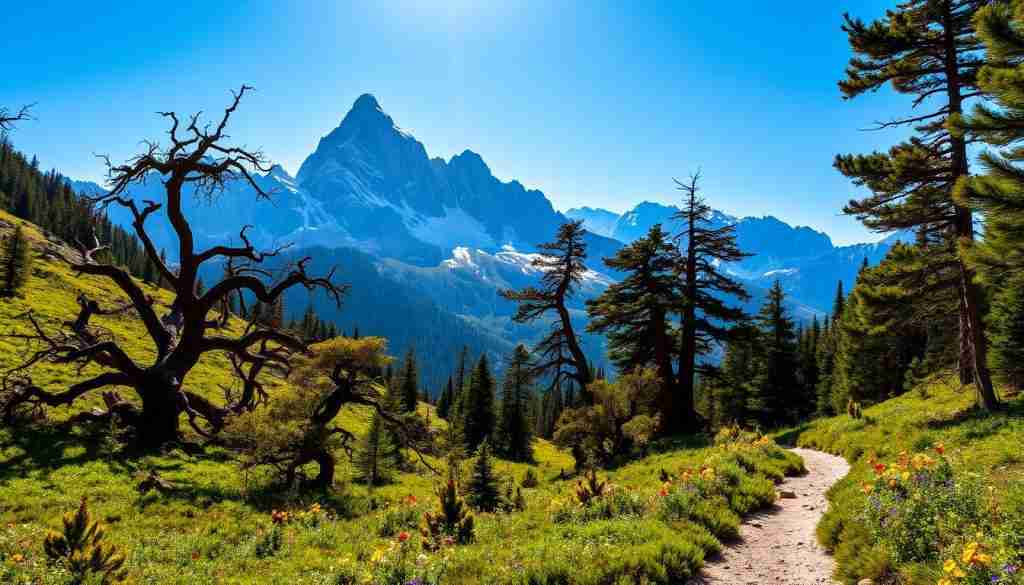
This high-altitude journey trades crowded trails for encounters with alpaca herders near Ipsaycocha Lake. Unlike the permit-restricted Inca Trail, the Lares route lets hikers customize their adventure across mountain passes and weaving villages. “You’re not just trekking – you’re stepping into living Andean culture,” shares a Cusco-based guide.
Morning mists reveal glacial lakes while afternoons bring interactions with artisans demonstrating centuries-old textile techniques. The trail’s flexibility allows spontaneous detours to hidden waterfalls or thermal baths absent from rigid itineraries.
Discovering Lesser-Known Trails
Adventurous spirits find solitude on routes branching from Lares to Patacancha. These paths showcase terraced farms unchanged since Incan times and lead to Ollantaytambo’s stone fortress. Evening light bathes remote ruins in gold, rewarding those who embrace unconventional trekking schedules.
Seasoned explorers recommend combining multiple trail variations for a personalized journey. This approach balances physical challenge with cultural immersion, creating memories far removed from crowded photo stops along main routes.
Insider Tips for Avoiding Tourist Hotspots
Strategic timing transforms Machu Picchu visits from crowded encounters to meaningful explorations. While sunrise arrivals remain popular, modern travelers need layered approaches to navigate shifting crowd dynamics.
Timing Your Visit for Fewer Crowds
Early risers should target 5:30 AM buses to reach gates before 6:00 AM openings. Though lines form quickly, this window still offers 45-90 minutes of lighter foot traffic before peak hours intensify. Mid-morning brings congestion spikes as trains from Cusco unload visitors between 9:00 AM and 2:00 PM.
Dry season (June-August) delivers clear skies but attracts 60% more travelers. “We recommend accepting busier conditions for unparalleled photography light,” advises a Peruvian tour operator. Rainy months (December-February) trade misty vistas for 40% fewer visitors – ideal for unhurried ruin examinations.
Afternoons after 2:00 PM reveal hidden advantages. Departing day-trippers create space to study celestial markers near the Temple of the Sun. Shoulder seasons (April-May, September-October) balance manageable crowds with stable weather, though advance bookings remain critical.
Savvy explorers combine timing tactics: early entries followed by strategic breaks during peak hours, then extended stays as crowds thin. This rhythm honors the site’s spiritual essence while navigating modern visitation realities.
Navigating the New Ticketing and Route System
Recent updates to Machu Picchu’s visitor management system have introduced strategic pathways for personalized exploration. Ten organized routes now guide travelers through distinct zones, balancing preservation with access. This structured approach helps distribute crowds while maintaining the site’s mystical atmosphere.
Understanding Circuit Options and Sub-Routes
Three primary circuits cater to different interests. Circuit 1 prioritizes panoramic views from elevated terraces, perfect for photographers capturing Andean peaks. While it limits direct ruin access, morning light creates stunning contrasts between stonework and cloud forests.
Circuit 2 delivers the classic experience, combining iconic overlooks with intimate ruin exploration. First-time visitors often choose this route for its balanced mix of photo ops and historical immersion. Midday crowds here can be avoided with early entry tickets.
Those drawn to spiritual heritage favor Circuit 3. This path winds through sacred royal quarters like the Temple of the Condor. “These spaces still echo with Incan rituals,” shares a local guide. Limited daily slots enhance contemplative experiences.
Strategies to Bypass Overcrowded Areas
Standard tickets grant four hours – sufficient for focused itineraries. Combining a Machu Picchu Mountain ticket extends access to seven hours, enabling visits to multiple circuits. Morning arrivals on Circuit 1 often find quieter conditions before peak photo crowds arrive.
Seasoned explorers recommend pairing less popular routes with extended entry windows. For example, starting with Circuit 3’s spiritual sites at dawn, then transitioning to Circuit 2’s central areas as day-trippers depart. This approach maximizes both solitude and comprehensive discovery.
Incorporating Cultural and Historical Attractions
The true essence of Machu Picchu lies in its sacred sites and living heritage. As a UNESCO World Heritage sanctuary, every stone whispers stories of celestial worship and agricultural innovation. The Temple of the Sun exemplifies this legacy – its winter solstice alignment reveals Incan mastery of astronomy through sunlight illuminating sacred rocks.
Expert guides transform visits into masterclasses on Andean cosmology. They decode hidden meanings in trapezoidal doorways and hydraulic systems most tour participants overlook. “These structures aren’t ruins – they’re textbooks in stone,” shares a Cusco-based archaeologist.
Living Connections to Ancient Traditions
Cultural immersion extends beyond the citadel. Nearby Quechua communities preserve textile techniques unchanged since Incan times. Many UNESCO World initiatives partner with these groups, offering authentic homestays that fund heritage preservation.
In South America‘s Andes, the past pulses through present-day rituals. Dawn visits to the Temple of the Sun pair perfectly with afternoon markets where natural dyes color alpaca wool. This synergy between ancient sites and living culture creates profound connections for thoughtful travelers.
Guided tour extensions often include Pisac’s terraced farms or Moray’s agricultural laboratories. These South America highlights contextualize Machu Picchu’s genius, proving that understanding requires both seeing and listening to the land’s enduring wisdom.
