The ancient Incan citadel of Machu Picchu is a bucket-list destination for travelers worldwide. While its iconic ruins captivate visitors, many seek to extend their journey beyond this archaeological marvel. This guide unlocks the potential of blending Peru’s crown jewel with lesser-known cultural treasures and natural wonders nearby.
Most travelers dedicate one or two days to exploring the stone terraces and temples of this UNESCO World Heritage Site. However, the surrounding region offers equally compelling adventures. From the lush landscapes of the Sacred Valley to historic villages steeped in Andean traditions, these destinations create a richer, more immersive experience.
Careful planning transforms a standard visit into an unforgettable expedition. Whether adding day trips to archaeological sites or crafting multi-day routes through cloud forests, strategic itinerary design maximizes time and cultural connection. Our experts recommend balancing iconic highlights with hidden gems for a truly authentic Peruvian journey.
Key Takeaways
- Extend your Peruvian adventure beyond the citadel’s boundaries
- Discover hidden archaeological sites in the Sacred Valley
- Optimize travel time with strategic route planning
- Balance iconic landmarks with authentic cultural experiences
- Choose between day excursions or extended itineraries
- Enhance your trip with expert-curated activity combinations
- Contact us for a comfortable and personalized itinerary (Free Service
How to combine Machu Picchu with other nearby attractions?
Strategic itinerary design transforms a standard visit into a multi-layered exploration of Peru’s heartland. Travelers often discover that blending high-altitude treks with cultural immersion creates lasting memories. Prioritizing key locations ensures efficient use of time while maintaining energy for diverse experiences.
Building the Perfect Route
Allocate 3-4 days for mountain routes like the Salkantay Trek, reserving equal time for Cusco’s colonial architecture. Alternate challenging hikes with relaxed city strolls to prevent altitude fatigue. “Pair high-energy mornings exploring ancient sites with afternoons savoring local markets,” recommends Andean travel specialist Elena Quispe.
Smart Travel Strategies
- Book train tickets 90 days ahead for peak season
- Use Ollantaytambo as a base for Sacred Valley day trips
- Pack layers – mountain weather shifts rapidly
Morning arrivals at popular places like Moray’s circular terraces beat crowds. Evening walking tours reveal Cusco’s stone streets in golden light. This balanced approach lets visitors absorb Peru’s essence without rushing.
Quick Day Trips: A Glimpse of Laguna Humantay and Huacachina
Peru’s diverse landscapes offer thrilling escapes beyond the ancient citadel. Two contrasting sites deliver unforgettable experiences within a day’s reach – glacial mountain lakes and rolling desert sands.
Laguna Humantay: A Day of Hiking and Stunning Views
This turquoise jewel nestled in the Vilcabamba range rewards hikers with panoramic views. The 3-hour trek winds through valleys where condors soar above snow-capped peaks. “It’s the perfect way to experience Andean ecosystems without multi-day commitments,” notes local guide Marco Tapia.
Huacachina: Experiencing a Desert Oasis Adventure
Just hours from Aguas Calientes, this palm-fringed lagoon surrounded by dunes offers adrenaline-packed tours. Visitors race across golden waves in dune buggies before trying sandboarding at sunset. The oasis maintains authentic charm despite its growing popularity.
| Feature | Laguna Humantay | Huacachina |
|---|---|---|
| Travel Time from Cusco | 3.5 hours | 6 hours |
| Key Activity | High-altitude hike | Dune exploration |
| Best Time to Visit | Dry season (May-Sept) | Year-round |
Most tour operators combine both sites with stops at lesser-known villages. Early departures from Aguas Calientes maximize time, while private guides offer flexible pacing. These excursions prove Peru’s magic extends far beyond its iconic ruins.
Discovering the Sacred Valley’s Rich Incan Heritage
Nestled among Andean peaks, the Sacred Valley whispers tales of Incan ingenuity through its stone terraces and vibrant markets. This living museum blends ancient history with thriving traditions, offering travelers a timeless journey through Peru’s cultural heartland.
Exploring Ollantaytambo, Pisac, and Sacsayhuamán
Ollantaytambo’s fortress towers reveal advanced Incan engineering, while Pisac’s agricultural terraces showcase sustainable farming techniques. Sacsayhuamán’s zigzagging walls near Cusco display precision stonework that puzzles modern architects. “These sites form an open-air classroom of pre-Columbian innovation,” explains historian Carlos Mendoza.
Morning visits avoid crowds at these popular ruins. Afternoons allow time to explore cobblestone streets in nearby towns, where Quechua-speaking people preserve ancestral customs. Local markets brim with handwoven textiles and chicha corn beer.
Mountain Biking and Local Cultural Encounters
Thrill-seekers find adventure on Sacred Valley bike trails winding past maize fields and adobe villages. Half-day routes connect Moray’s circular terraces to Maras’ salt ponds, offering panoramic views of the Urubamba River.
| Site | Key Feature | Time Needed | Cultural Highlight |
|---|---|---|---|
| Ollantaytambo | Sun Temple | 2 hours | Living Incan town |
| Pisac | Terrace Complex | 3 hours | Sunday Market |
| Sacsayhuamán | Monolithic Walls | 1.5 hours | Inti Raymi Festival Site |
Evenings invite cultural exchanges in communities like Chinchero. Visitors learn natural dye techniques from weavers or help harvest quinoa. This balance of exploration and interaction creates meaningful connections to Peru’s living heritage.
Smart scheduling allocates time between archaeological wonders and spontaneous encounters. Many destination experts recommend three days minimum to fully absorb the valley’s layered history and contemporary traditions.
Exploring Lima’s Cultural and Culinary Marvels
Peru’s coastal capital transforms stopover hours into cultural revelations. While many travelers rush through Lima en route to mountain adventures, the region boasts world-class museums and innovative gastronomy. This vibrant metropolis serves as the perfect bookend to Andean explorations, blending colonial grandeur with contemporary creativity.


Museum Tours and Art Galleries
Lima’s cultural institutions tell stories spanning millennia. The Larco Museum displays 5,000 years of pre-Columbian history through gold artifacts and intricate ceramics. Contemporary spaces like MAC Lima showcase cutting-edge South American art. “Morning tours offer quieter moments to absorb these collections,” advises curator Ana Fernández.
Historic Barranco district dazzles with galleries in pastel-colored mansions. Visitors can join guided walks through this bohemian neighborhood, where street art murals contrast with 19th-century architecture. Plan 2-3 hours to fully experience major exhibitions.
Culinary Classes and Fine Dining Experiences
Peruvian cuisine’s global rise shines brightest in Lima. Hands-on cooking tours reveal secrets behind ceviche and pisco sours using local markets’ fresh ingredients. Top-ranked Maido merges Japanese techniques with Amazonian flavors, while Central’s tasting menus celebrate altitude-based ecosystems.
Food enthusiasts should reserve evening hours for degustation experiences. “Our dishes connect diners to every region of Peru,” explains chef Mariana Navarro of award-winning Kjolle. Pair meals with visits to boutique pisco bars for complete immersion in Lima’s culinary culture.
Smart scheduling balances gastronomic adventures with museum visits. Many tours combine morning gallery explorations with afternoon cooking sessions. This fusion of flavors and history elevates Lima from transit hub to essential destination, enriching any Peruvian journey.
Adventurous Escapes: Lake Titicaca and Paracas
Peru’s diverse waterways and coastal wonders offer travelers unparalleled opportunities to blend exploration with cultural discovery. These destinations deliver striking contrasts – from high-altitude lakes to marine ecosystems – while enriching any itinerary with authentic encounters.
Visiting the Floating Islands of Lake Titicaca
The world’s highest navigable water cradles the Uros people’s iconic reed islands. Visitors walk across buoyant totora platforms while learning ancient construction techniques. “This living history lesson connects modern travelers to pre-Incan traditions,” shares cultural guide Luz Quispe.
Extended journeys often include homestays on Taquile Island. Families demonstrate textile weaving under starlit skies, preserving ancestral artistry. Morning boat rides reveal sunrises painting the Andes in gold.
Wildlife and Scenic Boat Tours in Paracas
Coastal adventures unfold along Peru’s Pacific shoreline. Speedboats glide past the Candelabra geoglyph, a mysterious pre-Columbian site. The Ballestas Islands teem with sea lions and Humboldt penguins, earning their “Poor Man’s Galápagos” nickname.
Afternoon excursions explore Paracas National Reserve’s desert-meets-ocean landscapes. Rust-red cliffs contrast with turquoise bays, creating photographer’s paradise. Many itineraries pair this with visits to local wineries producing pisco grapes.
| Feature | Lake Titicaca | Paracas |
|---|---|---|
| Key Experience | Cultural immersion | Wildlife watching |
| Travel Time from Lima | 90-minute flight | 4-hour drive |
| Unique Activity | Reed boat building | Desert coastline hikes |
Extended Journeys: Beyond Machu Picchu to Kuélap, Huaraz, and Manu
Peru’s northern highlands and cloud forests hold archaeological marvels rivaling its famous citadel. For travelers seeking deeper connections, extended itineraries unveil stone fortresses older than the Inca Empire and trails traversing glacial valleys. These regions reward those willing to venture beyond conventional tourism routes.
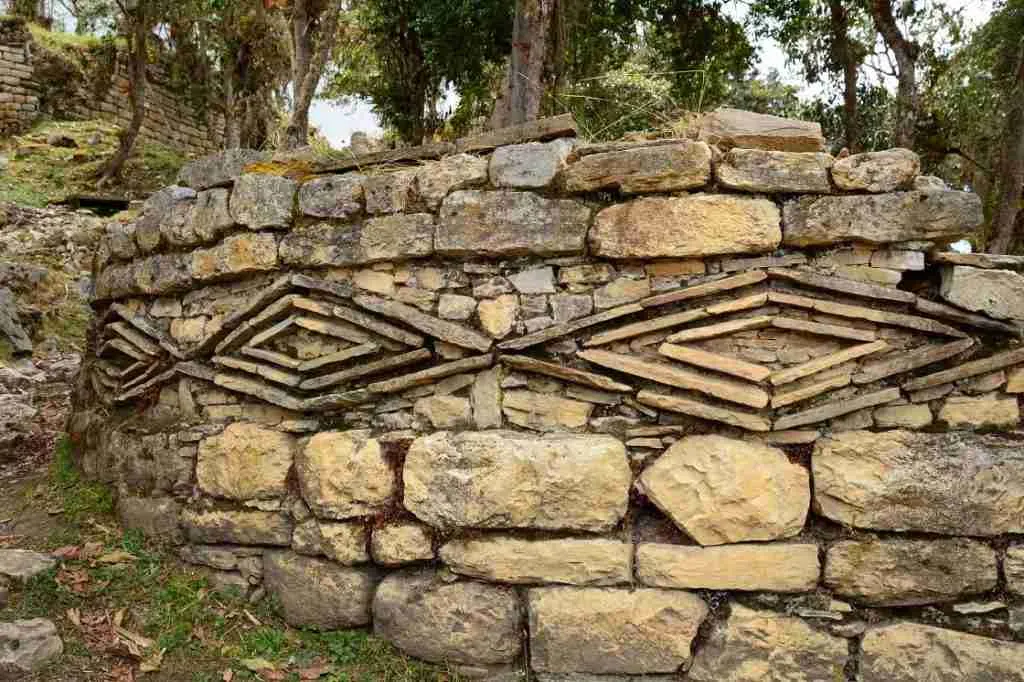
Mystical Ruins at Kuélap and Alternative Inca Sites
Kuélap’s massive stone walls predate Machu Picchu by six centuries, guarding ancient Chachapoya culture. Known as the “Machu Picchu of the North,” this fortress offers mist-shrouded vistas without crowds. “Understanding its original name, ‘Kuélap’ meaning ‘cold place,’ reveals how geography shaped these civilizations,” explains archaeologist Dr. Inés Sánchez.
Trekking Adventures and High-Altitude Hikes
Huaraz’s Cordillera Blanca range presents some of the world‘s most dramatic alpine scenery. The Santa Cruz Trek challenges hikers with 15,000-foot passes beside turquoise glacial lakes. Multi-day routes require careful planning – many adventurers spend months preparing for these Andean odysseys.
- Kuélap access: Cable car or 4-hour hike
- Huaraz highlights: Pastoruri Glacier, Laguna 69
- Manu Biosphere Reserve: 15-day wildlife expeditions
| Destination | Key Feature | Best Season |
|---|---|---|
| Kuélap | Cloud Forest Citadel | April-October |
| Huaraz | Snow Peak Treks | May-September |
| Manu | Amazon Biodiversity | Dry season |
This part of Peru demands more time but delivers unmatched rewards. Regional tourism specialists craft 3-week journeys combining archaeology with ecology. Learning local names and legends transforms stone ruins into living history books, completing South America’s ultimate adventure trilogy.
Local Charms of Aguas Calientes and Hidden Inca Trails
Tucked beneath misty peaks, Aguas Calientes reveals Peru’s authentic soul beyond its famous neighbor. This lively town serves as both logistical hub and cultural destination, where steaming thermal waters meet vibrant Quechua traditions.
Relaxing at Hot Springs and Exploring Local Markets
The town’s namesake thermal baths offer mineral-rich pools surrounded by lush vegetation. Locals have soaked here for years, believing the waters hold healing properties. Nearby markets burst with handwoven alpaca textiles and carved retablos (story boxes).
Artisans demonstrate ancient dyeing techniques using cochineal insects and native plants. “These markets preserve traditions that modern Peru risks losing,” shares cultural guide Rosa Mamani. Evening visits reveal fewer tourists and more authentic exchanges with vendors.
Off-the-Beaten-Path Inca Trails and Sacred Mountains
Beyond the crowded citadel path, stone trails wind toward Putucusi Mountain’s panoramic viewpoints. The Mandor Gardens route leads to hidden waterfalls and orchid forests, frequented by hummingbirds. These lesser-known hikes provide solitude amid Andean spirituality.
Adventure options range from gentle walks to challenging ascents of Salkantay’s sister peaks. Local outfitters offer guided treks to sacred Apus (mountain spirits), blending physical activity with cultural immersion.
The town center surprises with diverse dining options. From family-run picanterías serving lomo saltado to upscale restaurants showcasing Amazonian ingredients, culinary delights await. Many eateries source ingredients from nearby villages, creating farm-to-table experiences rare in mountain tourist hubs.
Mixing Adventure with Relaxation: Alternative Itineraries in the Cusco Region
Cusco serves as both gateway and destination, offering diverse experiences that satisfy thrill-seekers and culture enthusiasts alike. Thoughtfully designed itineraries here balance ancient pathways with modern comforts, creating journeys as rewarding as the destinations themselves.

Cultural Discovery Meets Mountain Exploration
Morning treks along the Inca Trail lead to lesser-known archaeological sites like Huchuy Qosqo. Afternoons transition seamlessly to Cusco’s San Blas district, where artisans demonstrate centuries-old weaving techniques. “This rhythm lets travelers absorb Andean culture through multiple senses,” notes local guide Javier Quispe.
The best time to visit these blended routes falls between May and September. Dry conditions ensure clear mountain views while cultural festivals enliven urban spaces. Key combinations include:
- Sunrise at Rainbow Mountain followed by Chinchero textile workshops
- Sacred Valley rafting adventures paired with Ollantaytambo market visits
- Moonlit Q’eswachaka bridge tours concluding with Cusco jazz bar evenings
Machu Picchu Pueblo (Aguas Calientes) often serves as the perfect basecamp. Travelers can ascend to the citadel at dawn, then unwind in thermal baths by dusk. Extended itineraries might incorporate Lake Titicaca homestays before returning to Cusco’s colonial charm.
Seasonal highlights enhance these experiences. June brings Inti Raymi sun celebrations, while November offers quieter trails amid blooming orchids. Expert guides recommend allocating 5-7 days to fully embrace Cusco’s dual nature as adventure playground and living museum.
Conclusion
Crafting the perfect Peruvian journey requires blending iconic landmarks with hidden wonders. Visitors enhance their experience by pairing visiting Machu Picchu with cultural gems like Sacred Valley markets or Paracas’ coastal ecosystems. The best time to explore falls during dry seasons (May–September), when mountain trails and archaeological sites shine brightest.
From day trips to Laguna Humantay’s glacial waters to extended expeditions in Manu’s rainforests, Peru offers layered adventures. Local guides often recommend balancing active hikes with leisurely afternoons in Picchu Pueblo, where thermal baths soothe tired muscles. Flexibility proves key—morning ruins tours pair beautifully with evening culinary discoveries.
Smart travelers save time visiting multiple regions by using Cusco as a hub. Those planning their visit Machu Picchu-centered trip gain depth through add-ons like Lake Titicaca homestays or Lima’s gastronomic tours. Seasonal shifts matter: shoulder months offer quieter trails while maintaining favorable conditions.
Ultimately, Peru’s magic lies in its diversity. Whether marveling at Kuélap’s ancient walls or sandboarding desert dunes, every addition enriches the journey. Start designing your itinerary today—the Andes await with open arms and endless possibilities.
