Traveling to one of the world’s most iconic destinations brings excitement—and unique challenges. At 2,430 meters (7,972 ft) above sea level, Machu Picchu’s elevation can trigger altitude-related discomfort for unprepared visitors. But with thoughtful planning, travelers can minimize risks and focus on enjoying this breathtaking UNESCO site.
High-altitude environments demand respect. Symptoms like headaches or fatigue often appear above 2,000 meters, and altitude sickness prevention starts with proper acclimatization. Our expert guides recommend gradual ascents, hydration, and avoiding alcohol during the first 48 hours. For many, remedies like coca tea or prescribed medications provide additional support.
This guide shares proven strategies from seasoned tour leaders who navigate these conditions daily. From packing essentials to pacing your itinerary, every tip prioritizes safety without sacrificing adventure. Whether exploring Cusco’s 3,399-meter heights or hiking the Inca Trail, preparation transforms potential hurdles into manageable steps.
Key Takeaways
- Machu Picchu’s elevation (2,430 meters) requires gradual acclimatization to prevent altitude sickness.
- Hydration and avoiding alcohol are critical during the first two days at high altitudes.
- Local remedies like coca tea and medications such as acetazolamide can ease symptoms.
- Expert-guided tours prioritize pacing and safety for a seamless experience.
- Pre-trip preparation, including fitness and packing, enhances comfort during your journey.
- Contact us for a comfortable and personalized itinerary (Free Service)
Introduction: The Challenge of High Altitude Travel
High-altitude destinations demand physical readiness to fully enjoy their grandeur. At elevations above 2,500 meters (8,200 ft), the body responds to thinner air by accelerating breathing and heart rates. This natural adjustment helps oxygenate blood but can leave travelers feeling winded or fatigued.
Understanding the Impact of Altitude on Your Body
Cusco, the gateway to Machu Picchu, sits at 3,399 meters (11,152 ft)—high enough to trigger altitude sickness symptoms like headaches or dizziness. The body produces extra red blood cells over days to adapt, but rushing this process risks discomfort. Travelers often notice these effects during steep walks or while climbing stairs.
Why Machu Picchu Poses Unique Challenges
Though Machu Picchu’s 2,430-meter elevation is lower than Cusco’s, most visitors arrive after exposure to higher altitudes. This sudden shift between elevations underscores the need for careful acclimatization. Gradual adjustment remains critical, whether exploring ancient ruins or hiking nearby trails.
Seasoned travelers prioritize slow-paced itineraries. They allow their bodies time to adapt while still experiencing Peru’s cultural treasures. This balanced approach transforms potential hurdles into opportunities for awe-inspiring discovery.
Understanding Altitude Sickness: Symptoms and Causes
Recognizing the body’s signals at high elevations can transform a challenging journey into an empowering adventure. Many travelers first notice discomfort 12–24 hours after arrival, as thinner air alters oxygen circulation. These reactions vary widely—some experience mild fatigue, while others face debilitating effects.
What Does Altitude Sickness Feel Like?
A throbbing headache often serves as the first warning sign. Combined with nausea or dizziness, it mimics a severe hangover without the fun memories. Other common symptoms include:
- Persistent fatigue, even after rest
- Loss of appetite or digestive discomfort
- Shortness of breath during light activity
“Altitude sickness isn’t about fitness—it’s how your body adapts to less oxygen. Even marathon runners can struggle at 3,000 meters.”
Why Elevation Changes Disrupt the Body
At higher elevation, air pressure drops, reducing oxygen molecules per breath. The heart pumps faster to compensate, straining untrained systems. This table shows how key metrics shift:
| Altitude (meters) | Oxygen Availability | Average Heart Rate Increase |
|---|---|---|
| 2,400 (Machu Picchu) | 75% of sea level | 10-15% |
| 3,400 (Cusco) | 66% of sea level | 20-25% |
These changes explain why climbing stairs in Cusco feels like running a sprint. Listening to your body and pacing activities becomes critical. Mild symptoms often resolve with rest, but worsening conditions require immediate attention—a natural segue to proactive prevention strategies.


Essential Steps: How to avoid getting sick in Machu Picchu?
Your first hours in the Andes directly influence how well your body adapts to elevation changes. Seasoned travelers and local guides agree: strategic actions during this critical window help prevent altitude sickness before symptoms escalate.
First-Day Protocol for New Arrivals
Upon reaching Cusco or Aguas Calientes, prioritize these immediate steps:
- Rest for 2-3 hours upon arrival—avoid sightseeing immediately
- Drink 1 liter of water within your first 90 minutes
- Skip alcohol and heavy meals for 24 hours
Tour leader Marco Quispe shares: “We advise guests to mimic local practices—sip coca tea slowly and walk at half their usual pace. This gives the body time to adjust.” Many lodges offer oxygen cylinders for acute cases, though proper hydration often reduces the need.
For those considering medication, acetazolamide (Diamox) can aid acclimatization when taken 24 hours before ascent. Always consult a doctor about dosage and side effects. Travelers with heart or lung conditions should obtain medical clearance pre-trip.
These tips prevent altitude-related disruptions effectively:
- Schedule light activities for days 1-2
- Use hotel stairs sparingly—opt for elevators
- Wear layered clothing to regulate body temperature
By following expert guidance and respecting elevation’s impact, visitors lay the foundation for an enriching Andean adventure.
Acclimatization: Adjusting to High Altitudes
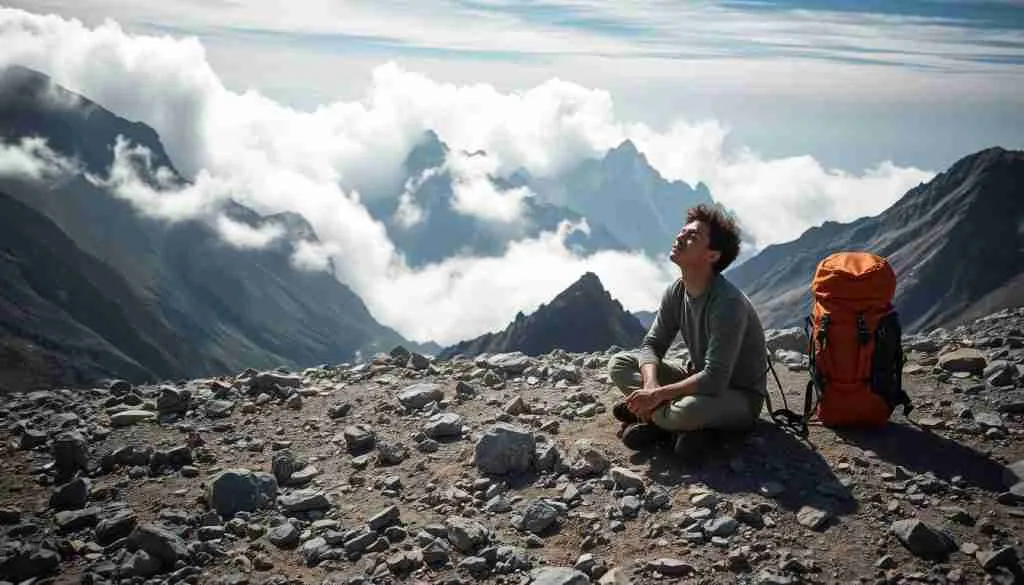
Successful adaptation to thinner air transforms challenging journeys into rewarding adventures. Acclimatization—the body’s gradual adjustment to oxygen scarcity—requires strategic planning. Experts recommend dedicating 2-3 days to this process before tackling steep trails or ruins.
Smart Strategies for Elevation Adaptation
Seasoned trekkers follow a golden rule: ascend slowly. Popular itineraries like the 4-Day Inca Trail build in rest days at intermediate elevations. Key practices include:
- Spending nights at lower altitudes than daytime hikes (“walk high, sleep low”)
- Limiting daily elevation gains to 300-500 meters
- Alternating active days with light exploration
The Science Behind Elevation Cycling
This table shows how strategic altitude exposure improves oxygen absorption:
| Activity Day | Daytime Elevation | Night Elevation | Oxygen Intake Gain |
|---|---|---|---|
| 1 | 3,400m | 2,800m | 12% |
| 2 | 3,600m | 3,000m | 18% |
| 3 | 3,800m | 3,200m | 24% |
Guides emphasize listening to your body’s signals. A lack of improvement after 72 hours may indicate needed medical consultation. Mild headaches often resolve with hydration, while persistent symptoms warrant descending to lower altitudes.
This phased approach empowers travelers to explore confidently. As Andean trekker Rosa Méndez notes: “Respecting elevation isn’t weakness—it’s the key to unlocking Machu Picchu’s magic.”
Hydration and Nutrition: Key to a Healthy Trip
Maintaining peak energy at high elevations hinges on two pillars: hydration and smart nutrition. The body loses fluids faster in dry mountain air, making water consumption non-negotiable. Combined with strategic food choices, this approach helps travelers combat fatigue and oxygen deprivation effectively.
Why Water Is Your Best Travel Companion
At elevations above 2,400 meters, dehydration accelerates. Experts recommend drinking 3-4 liters daily—twice sea-level needs. Carry a reusable bottle and sip frequently, even without thirst signals. Avoid alcohol entirely during the first 48 hours, as it exacerbates dehydration.
Morning hydration proves critical. Start each day with 500ml of water before breakfast. Pair this with potassium-rich foods like bananas or avocado to maintain electrolyte balance. Light snacks every 2-3 hours stabilize energy levels during explorations.
Local Wisdom: Nature’s Altitude Allies
For centuries, Andean cultures have used coca tea to ease elevation adjustments. This mild stimulant improves circulation without caffeine crashes. Most hotels offer it free—limit intake to 3 cups daily for optimal benefits. Pair with honey for added glucose.
In emergencies, portable Oxishot oxygen cylinders—available at Cusco pharmacies—provide instant relief. Guides recommend carrying one during strenuous hikes. Nutritionally, focus on complex carbs like quinoa and avoid heavy meats that strain digestion.
“Hydration isn’t just about quantity—it’s timing. Small, consistent sips throughout the day work better than gulping large amounts at once.”
Managing Physical Activity and Trekking Safely
Exploring Andean trails demands thoughtful preparation to balance adventure with well-being. Local guides emphasize that pacing determines success in mountain environments—rushing leads to exhaustion, while steady rhythms unlock breathtaking vistas.

Strategies for Sustainable Exploration
Begin by selecting routes matching your fitness level. Trails like the Inca Trail’s final stretch to Sun Gate gain 300 meters—manageable with hourly breaks. Guides recommend this way of progression:
| Trail Section | Elevation Gain | Recommended Breaks |
|---|---|---|
| Sun Gate to Machu Picchu | 290m | Every 45 minutes |
| Salkantay Pass | 600m | Every 30 minutes |
| Huayna Picchu Summit | 270m | Every 20 minutes |
Even seasoned people benefit from scheduled rests. Deep breathing during pauses enhances oxygen absorption—try inhaling for 4 counts, holding for 7, exhaling for 8. Avoid alcohol 24 hours before hikes; its dehydrating effects compound altitude stress.
Portable oxygen canisters provide quick relief during steep climbs. Older travelers often pair these with shaded rest stops. As guide Luis Fernández advises: “The mountains reward patience—listen to your body, not your watch.”
By aligning activity plans with elevation realities, travelers transform physical challenges into triumphs. Every step becomes a celebration of resilience amid Peru’s iconic landscapes.
Local Expert Advice and Doctor Recommendations
Navigating high-altitude health concerns requires combining modern medicine with ancestral wisdom. Local medical professionals and seasoned guides offer time-tested strategies for recognizing when self-care ends and professional intervention begins.
Critical Signs Requiring Medical Attention
While mild headaches often resolve with rest, these symptoms altitude sickness demand immediate care:
| Symptom | Action | Facility Access |
|---|---|---|
| Persistent vomiting | Visit clinic within 2 hours | Cusco city clinics |
| Confusion/disorientation | Use emergency oxygen | Tour group medics |
| Blue-tinged lips/skin | Descend immediately | Railway medevac services |
Dr. Ana Quispe, Cusco-based physician, advises: “Medications like Diamox work best when started 24 hours before ascent. But consult a doctor before departure—it’s not suitable for everyone.”
Andean Wisdom Meets Modern Practices
Local guides emphasize these protocols:
- Monitor blood oxygen levels hourly using pulse oximeters (available at hotels)
- Combine coca tea with deep belly breathing techniques
- Sleep with windows slightly open for better airflow
Travelers worldwide find reassurance in Cusco’s 24/7 tourist medical centers. Most hotels partner with English-speaking doctors for swift consultations. Always compare advice from certified professionals—your safety deserves multiple expert perspectives.
Conclusion
Mastering high-altitude travel transforms potential hurdles into unforgettable discoveries. By understanding altitude sickness symptoms like headaches or nausea, travelers gain power to act swiftly. Gradual acclimatization—spending 2-3 days adjusting to elevations—remains the gold standard for exploring Cusco’s 3,399-meter heights or Machu Picchu’s ancient wonders.
Key strategies ensure success: hydrate with 3-4 liters of water daily, embrace coca tea’s natural benefits, and pace activities. Medical experts emphasize consulting a doctor about preventive medications like acetazolamide before departure. Listen to your body—rest when fatigue strikes and descend if symptoms worsen.
Every traveler’s journey thrives on preparation. Pack layered clothing, monitor oxygen levels, and prioritize light meals. Guides recommend balancing adventure with wisdom—whether sipping herbal infusions or pausing to absorb mountain vistas.
With these tips, the Andes become accessible rather than intimidating. Plan thoughtfully, respect elevation shifts, and let expert insights illuminate your path. The reward? A vibrant, health-conscious exploration of one of the world’s most awe-inspiring destinations.
