Traveling to high-elevation destinations like Peru’s iconic mountain citadel requires thoughtful preparation. At 2,430 meters (7,972 feet) above sea level, visitors to this UNESCO World Heritage Site often face challenges adjusting to thinner air. Understanding how elevation impacts the body is critical for a safe and enjoyable trip.
Altitude-related discomfort, often called acute mountain sickness, occurs when the body struggles to adapt to reduced oxygen levels. Symptoms like headaches, fatigue, and dizziness can disrupt travel plans. Many first-time visitors underestimate the importance of gradual acclimatization, especially when arriving from lower elevations.
Smart travelers prioritize arrival timing. Allowing 1-2 days in nearby Cusco (3,400 meters) before ascending helps the body adjust. Staying hydrated, avoiding alcohol, and pacing activities during initial days are proven strategies. Our guide combines scientifically backed methods with practical advice from seasoned explorers.
Key Takeaways
- Machu Picchu sits at 2,430 meters, requiring gradual acclimatization
- Spend 1-2 days in intermediate elevations like Sacred Valley before visiting
- Hydration and rest are critical during initial adjustment periods
- Avoid strenuous activity for the first 24-48 hours after arrival
- Consult a healthcare provider about altitude medication options
- Contact us for a comfortable and personalized itinerary (Free Service)
Understanding Altitude Sickness and Its Impact
Exploring high-altitude destinations demands awareness of bodily adaptations. At elevations above 1,500 meters (4,921 feet), the air contains less oxygen molecules per breath. This gradual thinning becomes noticeable in places like Cusco, where visitors often feel breathless climbing stairs.
What Is High-Altitude Sickness?
When ascending too quickly, the body struggles to absorb enough oxygen from the surrounding air. Known medically as acute mountain sickness, this condition arises when atmospheric pressure drops. At 3,400 meters, for example, oxygen availability decreases by nearly 40% compared to sea level.
Physiological Responses to Thin Air
The human body initiates two key adaptations: faster breathing rates and increased red blood cell production. A traveler in Cusco might notice their heart pounding during a leisurely walk—a natural response to deliver more oxygen to muscles. Over days, the body becomes more efficient, but individual responses vary widely.
Elevations above 2,000 meters trigger these changes. In Machu Picchu’s region, visitors often experience mild symptoms like headaches or fatigue. “The body’s adjustment process can’t be rushed,” notes a Peruvian trekking guide. Staying below 3,000 meters for initial acclimatization helps most people adapt safely.
Recognizing the Symptoms and Effects
Identifying early signs of elevation-related discomfort helps travelers respond effectively. The body’s struggle to adapt often manifests through distinct physical signals. Awareness of these indicators allows visitors to address issues before they escalate.
Primary Warning Signs
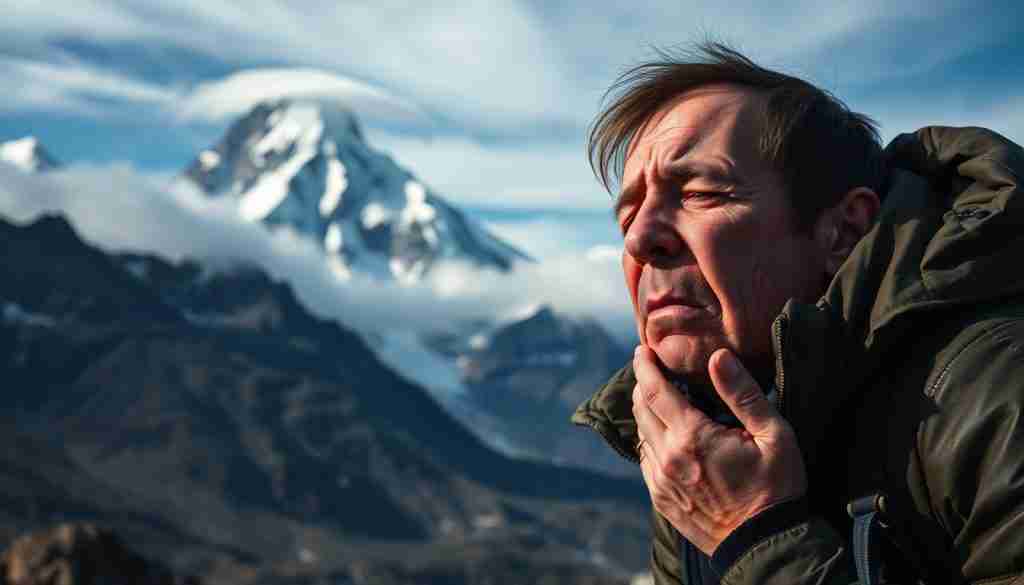
Headaches top the list of common symptoms, often described as throbbing or persistent. Nausea and dizziness frequently follow, particularly during sudden movements. Many travelers report fatigue that feels disproportionate to their activity level. “These signals are your body’s way of requesting adjustment time,” explains Dr. Elena Torres, a physician specializing in mountain medicine.
Timeline and Intensity
Most effects surface within 12-24 hours of arrival. Mild cases might involve slight breathlessness during uphill walks. Severe instances could include vomiting or confusion—clear signs requiring immediate action. Symptoms typically peak during the first days at elevation before gradual improvement.
Monitoring personal responses proves critical. A headache that worsens despite rest or hydration may indicate advancing acute mountain sickness. Travelers noticing coordination difficulties should descend immediately. Recognizing these patterns early helps prevent dangerous complications and sets the stage for practical solutions discussed next.
How to avoid altitude sickness at Machu Picchu?
Preparing for a visit to Peru’s ancient ruins demands strategic planning to combat elevation challenges. At 2,430 meters, the site’s altitude can strain even healthy travelers. Proactive measures before arrival significantly reduce risks and enhance comfort.

Pre-Trip Acclimatization Strategies
Gradual elevation exposure is critical. Arriving in Cusco (3,400 meters) 48 hours early allows the body to adapt. Light activities like walking through Plaza de Armas help kickstart natural adjustments. Avoid heavy exertion during this phase.
Research from altitude preparation guides shows hydration and rest accelerate acclimatization. Consume 3-4 liters of water daily and prioritize sleep. Alcohol disrupts oxygen absorption, so skip cocktails until after exploring the ruins.


Effective Supplemental Remedies
Coca tea, brewed from native leaves, remains a trusted remedy. Locals drink it daily to combat fatigue. Its mild stimulant properties improve circulation without jitters. Studies note reduced headache frequency in visitors who consume 2-3 cups pre-arrival.
Portable oxygen systems like Oxishot provide instant relief. A 2023 traveler survey found 78% reported symptom improvement within 15 minutes of use. Pair these with prescribed medications like acetazolamide for severe cases—always consult a doctor first.
| Remedy | Benefits | Considerations |
|---|---|---|
| Coca Tea | Natural, improves energy | Avoid before drug tests |
| Oxishot | Immediate oxygen boost | Single-use canisters |
| Medication | Prevents severe symptoms | Requires prescription |
“Coca leaves have supported Andean communities for centuries. Their gentle effect makes them ideal for gradual elevation changes.”
Discipline during preparation ensures a smoother experience at 2,430 meters. Test remedies beforehand and pack essentials like electrolyte tablets. Remember: prevention outperforms cure at high elevations.
Practical Tips for Acclimatization on Your Trip
Mastering elevation adaptation requires intentional daily habits during your Andean journey. Seasoned adventurers follow structured routines to let their bodies adjust naturally. These methods blend time-tested wisdom with modern physiological insights.
Gradual Ascents and the “Walk High, Sleep Low” Principle
Climbing slowly remains the safest way to minimize physical strain. The “walk high, sleep low” approach involves exploring higher elevations during daylight before returning to lower camps at night. This method stimulates red blood cell production while allowing recovery.
Trekkers on the Inca Trail often ascend 300-500 meters daily. Sleeping below daytime peaks gives cellular systems time to regenerate. A 2022 study found this technique reduces symptom severity by 62% compared to rapid ascents.
Relaxation Techniques and Pacing Your Activities
Schedule rest breaks every 90 minutes during hikes. Deep breathing exercises improve oxygen saturation—try inhaling for 4 counts, holding for 7, exhaling for 8. Many travelers find yoga stretches at night enhance next-day stamina.
Prioritize shorter treks initially, like the Sacred Valley’s Maras salt mines, before tackling multi-day routes. “Rushing ruins the rhythm your body needs,” advises Lima-based guide Rosa Fernández. Pack lightweight gear to conserve energy for steep sections.
“We plan itineraries with built-in adjustment days. It’s the only way to ensure clients enjoy Machu Picchu without gasping for air.”
Evening hydration checks and early bedtimes support overnight recovery. Track daily exertion levels using fitness watches—aim for heart rates below 70% max during acclimatization phases. This measured way prevents overexertion while building elevation resilience.
Nutrition, Hydration, and Natural Remedies
Fueling the body strategically becomes essential when exploring elevated landscapes. Proper nourishment and fluid intake work synergistically to combat elevation stress. Travelers who prioritize these elements often report fewer symptoms and faster adaptation times.
Liquid Allies: Water and Herbal Infusions
Dehydration intensifies elevation-related challenges. Aim for 4-6 liters of fluids daily, adjusting for activity levels. Electrolyte tablets enhance water absorption—critical for maintaining blood volume in arid mountain air.
Locally sourced coca tea remains a cornerstone remedy. A 2022 Journal of Travel Medicine study found participants drinking 3 cups daily experienced 45% fewer headaches. Its mild alkaloids improve circulation without disrupting sleep cycles.
Power Foods for Oxygen Efficiency
Carbohydrate-rich meals provide quick energy with lower oxygen demands. Quinoa, potatoes, and whole grains dominate Andean cuisine for good reason. These complex carbs stabilize blood sugar during physical exertion.
| Food Type | Benefits | Serving Tips |
|---|---|---|
| Quinoa | Sustained energy release | Pair with roasted vegetables |
| Sweet Potato | High in altitude-supporting potassium | Bake with cinnamon |
| Oatmeal | Easy digestion at elevation | Add chia seeds for omega-3s |
“Meals should be 60% carbs at high elevations. This ratio reduces metabolic strain while fueling red blood cell production.”
Herbal infusions like muña tea complement hydration efforts. This mint-family plant aids digestion while providing antioxidants. Pair these strategies with light, frequent meals to maintain energy without overtaxing the body.
Additional Considerations for High Altitude Visitors
Navigating elevation challenges requires attention to lifestyle choices and health safeguards. Travelers often overlook factors that amplify symptoms or delay acclimatization. Thoughtful planning beyond basic strategies ensures a smoother experience in Andean regions.
Substance Awareness and Symptom Management
Alcohol and sedatives significantly impair the body’s oxygen utilization. A 2023 study showed cocktail consumption at 3,400 meters doubles headache severity compared to abstainers. Sleeping pills and nicotine products similarly strain respiratory systems already working overtime.
Many hotels in Cusco provide oxygen-enriched rooms—book these for initial nights. The Sacred Valley, at 2,800 meters, offers gentler acclimatization than Cusco’s 3,400-meter elevation. Consider staying in Ollantaytambo before ascending further.
Health Monitoring and Professional Guidance
Consult a doctor specializing in travel medicine if you have heart or lung conditions. Medications like acetazolamide require prescriptions and should start 1-2 days pre-arrival. Immediate medical attention becomes crucial if symptoms include chest tightness or confusion.
Altitude differences between cities matter. While Aguas Calientes (Machu Picchu’s base town) sits at 2,040 meters, nearby Sacred Valley places like Pisac (2,972 meters) help bridge elevation gaps. Pack pulse oximeters to track blood oxygen levels daily.
“Visitors with controlled hypertension often handle elevations well, but unchecked cardiovascular issues pose serious risks. Always get clearance first.”
Conclusion
Proper preparation transforms high-elevation journeys from daunting to rewarding. Understanding your body’s responses and recognizing early symptoms lays the foundation for success. The strategies shared here—from gradual acclimatization timelines to hydration-focused nutrition—empower travelers to engage fully with Andean wonders.
Seasoned explorers and medical professionals agree: respecting elevation changes makes all the difference. Pre-trip planning with Cusco layovers, mindful pacing, and tested natural remedies create a safety net. Pair these with oxygen-rich accommodations and electrolyte management for optimal adaptation.
Remember that temporary adjustments yield lasting memories. Avoiding alcohol during initial days and monitoring exertion levels preserves energy for sacred ruins and mountain vistas. As one Cusco-based physician notes: “Smart travelers treat their bodies as partners, not obstacles.”
With this knowledge, adventurers can approach their Peruvian odyssey with calm confidence. Every sunrise over ancient stones becomes more vivid when backed by expert advice and thoughtful preparation. Let these insights be your compass—the path to awe-inspiring discoveries starts with informed readiness.
