Machu Picchu is a symbol of Peru’s rich culture and economic growth. This ancient Incan city is a major source of tourism income. It sits high in the Andes Mountains, drawing millions of visitors each year.
This influx of tourists boosts local economies and opens up new opportunities for sustainable development. The tourism around Machu Picchu is more than just entrance fees. In 2019, it welcomed 1.5 million visitors, making it a key player in Peru’s tourism industry.
It brings in about $40 million a year through different sources. Machu Picchu is not just a historical site. It’s a major economic force that supports local communities, creates jobs, and brings in taxes for the Peruvian government.
Key Takeaways
- Machu Picchu generates $30 million annually from entrance tickets
- The site attracts 1.5 million visitors per year
- Tourism creates substantial economic opportunities for local communities
- Revenue extends beyond entry fees into transportation and hospitality sectors
- The site represents a critical component of Peru’s tourism infrastructure
Understanding Machu Picchu’s Economic Significance
Machu Picchu is a symbol of Peru’s rich culture and economic growth. This ancient Incan city has become a major tourist spot. It now drives economic growth for the area.
Historical Background of Tourism Development
The story of Machu Picchu tourism started in the early 1900s. American explorer Hiram Bingham discovered it in 1911. Since then, it has grown a lot:
- Visitor numbers jumped from 80,000 in 1991 to 1.5 million in 2018
- About 4000 tourists visit every day as average
- Tourism is a key economic driver for Peru
UNESCO World Heritage Site Status Impact
In 1983, UNESCO made Machu Picchu a World Heritage Site. This made it famous worldwide. Now, millions of people would like to visit to experience its culture.
Current Visitor Statistics
Recent numbers show how popular and important Machu Picchu is:
| Metric | Value |
|---|---|
| Annual Visitors | Approximately 1,500,000 |
| Daily Visitors | Around 4000 |
| Tourism’s GDP Contribution | 9.8% (Over $20.9 billion) |
The UNESCO impact has turned Machu Picchu into a famous spot. It still attracts travelers from all over.
Direct Tourism Revenue Sources
Machu Picchu is a big money-maker for Peru. It welcomes about one million and half visitors each year. This brings a lot of money to local people and the government.
Ticket sales are a key part of this income. For about $20, visitors get to see this amazing site. This brings in about $30 million a year. It also helps keep the site safe for everyone.
- Entrance ticket revenue: $30 million per year
- Inca Trail tour packages: $10 million annually
- Local commerce in surrounding towns: Significant economic boost
Local businesses also get a big boost. Places like Urubamba and Ollantaytambo sell lots of souvenirs and food. The Threads of Peru initiative helps local artisans, with most of the money going to them.
Tour packages are another big help. They give visitors a deep look into the culture. They also pay jobs for local guides and others. Even with low wages, tourism is very important for the area.
Tourism is transforming local economies, connecting ancient heritage with modern economic opportunities.
How Much Money Does Machu Picchu Make?
Machu Picchu is a big money-maker for Peru. It brings in a lot of cash because of its history and culture. Every year, almost one million and half tourists visit, making it a key source of income.
The citadel makes about $40 million a year. This money comes from different sources. Let’s look at how it makes money:
Entrance Fee Revenue Breakdown
Ticket sales are a big part of Machu Picchu’s income. Each ticket costs about $20. This means the site makes around $30 million a year from tickets. This money helps keep the site in good shape.
Inca Trail Profits and Tourism Impact
The famous Inca Trail adds another $10 million to the local economy each year. This trail not only brings in money but also helps local businesses and creates jobs.
| Revenue Source | Annual Income |
|---|---|
| Entrance Fees | $30 million |
| Inca Trail | $10 million |
| Total Site Revenue | $40 million |
Employment and Economic Significance
Machu Picchu’s tourism does more than just bring in money:
- 36,000 jobs in tourism-related industries
- $16 million in wages and direct household income
- Supporting local communities and regional development
“Machu Picchu is more than a historical site; it’s an economic lifeline for thousands of Peruvians.” – Tourism Research Institute
Economic Impact on Local Communities
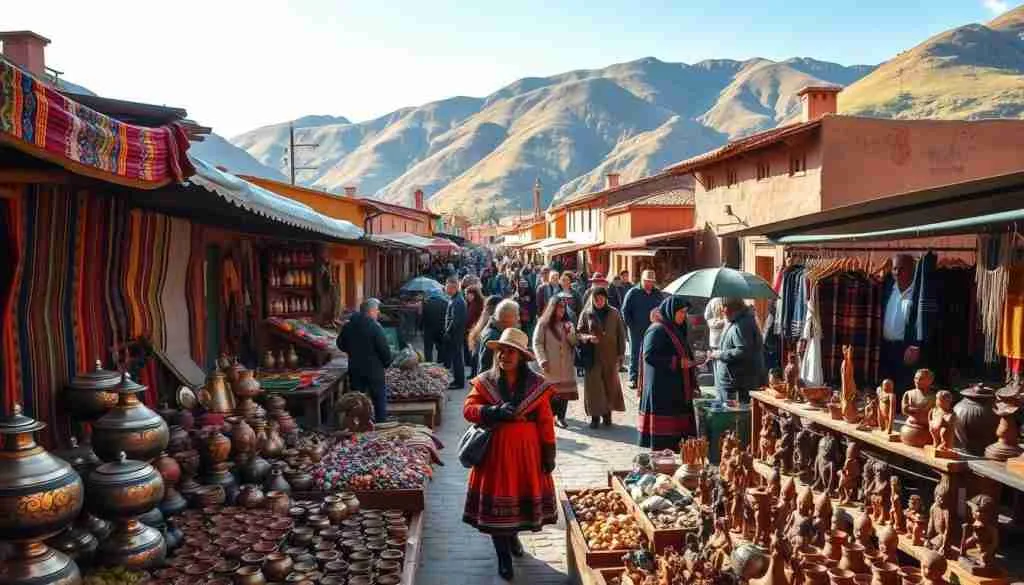
The tourism industry in Machu Picchu has changed the Cusco region’s economy a lot. It has created about 36,000 jobs around the site. This has led to a big increase in the local economy’s growth and development.
Jobs in tourism are very important for the Indigenous communities near Machu Picchu. The local economy depends a lot on jobs in tourism. These include:
- Tour guides and cultural interpreters
- Hospitality workers in hotels and restaurants
- Transportation service providers
- Artisan craft producers and sellers
- Support staff for archaeological site maintenance
The site makes about $40 million a year from entry fees. This money helps many communities in ways that go beyond just jobs. Local businesses also do well because of the tourists. They make money from things like transportation, places to stay, and food.
“Tourism has become the economic heartbeat of our region, transforming traditional livelihoods and creating unprecedented opportunities,” says a local community leader in Cusco.
Even though there are ups and downs, tourism is still very important for the economy. The number of visitors has grown a lot. From 80,000 in 1992 to 1.5 million in 2019, showing how tourism has grown and helped the local economy.
Government Tax Revenue from Machu Picchu
The Peruvian government makes a lot of money from Machu Picchu’s tourism. Over 1.5 million visitors people visit every year. This makes it a key part of the country’s and local areas’ budgets.
Taxes from Machu Picchu come from many areas, not just entrance fees. The government gets money from different places:
- Accommodation sector taxes
- Restaurant and dining establishment levies
- Transportation and airport tax collections
- Employee income tax contributions
Accommodation and Restaurant Taxes
Hotels and restaurants near Machu Picchu help the government a lot. Visitors spend about $1,000 on average. This brings in a lot of taxes.
Airport and Transportation Taxes
Travelers pay extra taxes at airports and for transport. About 25% of international visitors go to Machu Picchu. This means more taxes for the government.
Employee Income Tax Collection
The people working in tourism also pay taxes. Ecotourism brings in 40 times more money than what the government spends on protected areas. This shows how important Machu Picchu’s tourism is.
“Tourism is not just about visitors, but about creating sustainable economic opportunities for local communities and government infrastructure development.”
Tourism Investment Return Analysis
The tourism investment in Machu Picchu is a huge economic chance with great returns. Peru has turned this ancient site into a global economic leader. The Machu Picchu ROI shows unmatched economic success in managing cultural heritage.
Looking into tourism investment, we find several important points:
- Visitor growth from 380,000 to 1.5 million annually over 20 years
- Estimated annual tourism revenue exceeding $50 million for 2025/2026
- Infrastructure investments generating substantial economic returns
Our study shows Machu Picchu tourism investment brings a 40:1 return for protected natural areas. This means every dollar invested creates $40 in economic activity. Such high economic performance shows the power of sustainable cultural tourism.
The economic model of Machu Picchu shows how smart investment can turn cultural heritage into a big economic asset.
The government’s efforts in tourism infrastructure, conservation, and visitor management have built a strong economic system. Sustainable tourism strategies have made Machu Picchu a top global spot while keeping its culture and nature safe.
Future tourism investment will likely include:
- Improved visitor experience technologies
- Sustainable infrastructure development
- Conservation and preservation initiatives
The economic success of Machu Picchu’s tourism model is a guide for cultural heritage sites everywhere. It shows that careful investment can bring both financial and cultural gains.
Environmental Cost vs. Economic Benefit
Tourism’s impact on the environment is huge. It’s responsible for about 8% of all CO2 emissions worldwide. Peru, with Machu Picchu, adds about 5% to this total. The site is tackling these issues with new ways to make money sustainably.
- Circular economy model with four waste processing plants
- Carbon footprint reduction of 18.77% from 2019 baseline
- Carbon-neutral certification achieved in 2021
Protecting nature is a big goal. Machu Picchu keeps over 900 species safe, like the Andean bear and special birds. Strategic environmental projects help balance money-making with saving the planet.
Some important projects include:
- Waste recycling that also makes money
- Pyrolysis technology for planting trees
- Plastic waste compacting machines
These steps show that tourism can be good for the economy and the environment. Peru’s focus on a circular economy makes Machu Picchu a top example of responsible tourism.
Tourism Management Strategies
Machu Picchu’s tourism management is a big challenge to keep this ancient site safe. The Peruvian government has come up with detailed plans. These plans aim to protect the site while keeping it economically important.

Sustainable tourism needs careful planning and new ways to manage visitors. The site has put in place several key strategies. These strategies aim to balance conservation with giving visitors a good experience:
- Limiting daily visitors to 5600 people in the peak season and 4500 in the low season
- Implementing strict entry regulations
- Developing advanced visitor flow management techniques
Visitor Capacity Controls
The tourism management plan includes strict controls on visitor numbers. UNESCO suggested cutting visitor numbers, they also recommend wearing soft shoes to protect the ruins.
Time-slot Ticketing System
A new time-slot ticketing system has been set up to manage tourists better. This system helps spread out visitors throughout the day. It reduces congestion and protects the site from damage.
Tourism Flow Management
Advanced techniques have been used to protect Machu Picchu. Key measures include:
- Limiting group sizes to 15 visitors
- Requiring authorized guides for all visits
- Promoting off-peak tourism options
The Programa Machu Picchu, funded by a debt-swap with Finland, has boosted preservation efforts. These strategies show a strong commitment to protecting cultural heritage while still earning from tourism.
By using these visitor controls, Machu Picchu can still offer an amazing experience. It also ensures its historical value is preserved for the future.
Revenue Distribution System
The income from Machu Picchu goes beyond just ticket sales. It brings in about $40 million each year. This money helps both local and national groups.
The way this money is shared involves several important players:
- National Government: Gets most of the tourism income
- Local Cusco Municipalities: Get direct benefits
- Conservation Preservation Efforts: Help protect the environment
- Indigenous Community Programs: Fund social projects
Looking into how this money is spent shows how tourism helps the area grow. It makes sure local benefits are a top priority.
| Revenue Recipient | Percentage Allocation | Annual Contribution |
|---|---|---|
| National Government | 45% | $18 million |
| Cusco Regional Authority | 25% | $10 million |
| Conservation Programs | 15% | $6 million |
| Community Development | 15% | $6 million |
The way Machu Picchu handles its money shows a strong focus on sustainable tourism. It makes sure everyone gets a fair share. This helps improve local areas and protect the site.
Economic Challenges and Solutions
Machu Picchu is facing tough economic challenges. It needs new ways to keep tourism going for the long haul. The site’s money-making plans must tackle many problems that affect both local people and the ancient site itself.
Some big economic hurdles for Machu Picchu are:
- Seasonal tourism ups and downs
- Risks from too many tourists
- Not enough different ways to make money
- High costs for keeping the environment safe
The pandemic showed how weak Machu Picchu’s tourism system is. In 2020, visitor numbers fell by 72%, from 1.5 million in 2019 to about 450,000. This big drop made it clear that Machu Picchu needs strong plans for economic stability.
“Tourism resilience requires adaptive economic models that protect both cultural heritage and local livelihoods.”
Here are some ways to tackle Machu Picchu’s tourism problems:
- Creating tourism all year round
- Showing off other places to visit
- Using smart systems to manage visitors
- Finding new ways to make money
The new airport project could be a big help. It might welcome up to eight million travelers a year. This could boost the local economy, create jobs, and help small businesses grow thanks to tourism.
By trying new economic ideas, Machu Picchu can turn its problems into chances for growth and keeping its culture alive.
Conclusion
The Machu Picchu economic impact shows a key balance between keeping culture alive and making money. Peru’s famous site is more than a place to visit—it’s a mix of economic chances and protecting nature. Studies show it brings in a lot of money but also faces big challenges for its future.
Learning from Machu Picchu helps other historic sites around the world. It shows how tourism can create jobs and income. The site’s recognition as endangered in 2008 highlights the need to balance visitors and preservation.
UNESCO’s warning could push Peru to better manage tourism. It’s important to keep the site’s history safe while still making money. Peru’s way of handling this might set a good example for others.
In short, Machu Picchu is a lesson in managing historic sites. It shows how to keep culture and nature safe while making money. As travel changes, the lessons from Machu Picchu will help make tourism better everywhere.

FAQ
How much revenue does Machu Picchu generate annually?
Machu Picchu makes about 30 million from entrance fees. It also gets 10 million from the Inca Trail.
Is Machu Picchu a UNESCO World Heritage Site?
Yes, Machu Picchu is a UNESCO World Heritage Site. This has helped make it famous worldwide. It has also brought more tourists.
How many visitors does Machu Picchu receive each year?
Hundreds of thousands visit Machu Picchu every year. Now, there are limits on how many can visit. This is to protect the site from too many tourists.
How does tourism impact local communities around Machu Picchu?
Tourism helps local people find jobs in hotels, guiding, and more. It brings in money for them. But, it can also cause problems like jobs only being available during certain times and prices going up.
What is the government’s return on investment for Machu Picchu tourism?
The government gets a big return on its investment. For every dollar spent, they get back . Tourism makes a lot more money than it costs to manage and protect the site.
How are visitors managed at Machu Picchu?
To manage visitors, Machu Picchu has limits on how many can come. There are special tickets and paths to follow. This helps keep the site safe and beautiful for everyone.
What challenges does Machu Picchu face from tourism?
Tourism can harm Machu Picchu. It can damage the environment, paths, and ancient buildings. There’s a need to balance making money from tourism with protecting the site.
How are tourism revenues distributed?
Money from tourism goes to the national government, local areas, and conservation. It helps create jobs and supports the local economy. It also helps keep the site in good condition.
What is the ticket price for Machu Picchu?
Tickets to Machu Picchu cost about $20 per person. This brings in about 30 million each year. It helps with upkeep and preservation of the site.
How does Machu Picchu contribute to Peru’s economy?
Machu Picchu does more than just bring in money. It also helps the local and national economies through taxes and jobs. It’s a famous cultural spot that attracts visitors from all over.