Peru’s Colca Canyon is a top choice for those looking for a big trekking adventure. It’s incredibly deep, at 3,400 meters, and offers tough terrain and stunning views. This trek is a 2 day challenge that pushes your limits but rewards you with amazing sights.
Located near Arequipa, this canyon is a chance to see one of the deepest places on Earth. Hikers face big changes in elevation, from 3,300 meters to 2,100 meters. This makes for a tough hike that needs good preparation and fitness.
Key Takeaways
- Colca Canyon is the world’s third deepest canyon
- Trek difficulty ranges from moderate to challenging
- Total trek distance covers approximately 42.5 kilometers
- Elevation changes demand good physical conditioning
- Average daily trekking time is up to 6 hours
- Winter temperatures hover around 20°C during daytime
- Recommended for experienced hikers with prior mountain trekking experience
- Contact us for a comfortable and personalized itinerary (Free Service)
Overview of Colca Canyon Trek
The Colca Canyon is a stunning trekking spot in southern Peru. It attracts adventurers from all over. This natural wonder has a breathtaking landscape that challenges and inspires trekkers.
The Colca Canyon is a remarkable geological marvel. It’s about 4 hours from Arequipa. Trekkers will find a dramatic landscape that’s twice as deep as the Grand Canyon.
Location and Geography
The Colca Canyon is in the Arequipa region. It spans a vast terrain with elevations from 2,265 to 3,323 meters. The canyon’s unique topography makes it a challenging yet stunning place for adventurers.
- Total canyon depth: Approximately 3,270 meters
- Elevation range: 2,265 – 3,323 meters
- Hiking distance: 16 kilometers
Trek Popularity and Tourism
The Colca Canyon is a top trekking spot in Peru. It attracts adventurers from all over the world. Its location near Arequipa and unique ecosystem make it a must-visit for outdoor lovers.
World’s Third Deepest Canyon Facts
The Colca Canyon is not just deep. It’s also home to over 100 bird species and more than 300 plant varieties. This makes it a vibrant ecosystem that enhances the trekking experience.
| Canyon Characteristic | Specification |
|---|---|
| World Ranking | Third Deepest Canyon |
| Bird Species | Over 100 |
| Plant Species | Over 300 |
| Cactus Varieties | More than 30 |
The Colca Canyon offers more than just a trek—it provides an immersive journey through one of Peru’s most spectacular natural landscapes.
Planning Your Trek: Agency vs Independent Travel
Deciding between Colca Canyon tour operators and independent trekking is important. It depends on your travel style, budget, and comfort level. Both options offer unique ways to explore this amazing place.
Tour agencies make your adventure easy with all-inclusive packages. They include:
- Transportation from Arequipa
- Guided tours with local knowledge
- Basic lodgings for you to stay in
- Meals during the trek
- Support and safety equipment
Independent trekking is for those who want more freedom. The costs can differ a lot:
- One-day tours: $30 – $60
- Two-day tours: $40 – $80
- Three-day treks: $160 – $250
“The local economy benefits more from independent travelers who engage directly with community services.”
Independent trekking needs more planning but lets you explore more. You must arrange your own transport. This usually takes 6+ hours of public transit to Cabanaconde, where the trek starts.
For independent trekking, you need to:
- Research the trail routes
- Get the right gear
- Understand local transport
- Be ready for language challenges
Your choice between Colca Canyon tour operators and independent trekking depends on your comfort, budget, and if you want a guide or to explore on your own.


How Hard Is The 2 Day Trek To Colca Canyon?
Planning a trip to Colca Canyon means getting ready for tough challenges. You’ll need good physical shape and mental toughness. This journey takes you through Peru’s breathtaking landscapes.
Physical Demands and Fitness Requirements
The trek to Colca Canyon is physically demanding. You’ll need strong heart health and stamina. Most people need to be fairly fit to make it through.
- Total trekking time: Approximately 7 hours over two days
- Elevation change: 1,200 meters vertical climb on the second day
- Recommended fitness: Regular exercise and hiking experience
Altitude Considerations
Altitude is a big factor in the trek’s difficulty. The camp is at about 2,000 meters, which can be hard to adjust to.
| Altitude Point | Elevation | Potential Challenge |
|---|---|---|
| Starting Point | 3,200 masl | Initial altitude adjustment |
| Overnight Oasis | 2,000 masl | Reduced altitude stress |
| Final Ascent | 3,200 masl | Significant physical challenge |
Trail Difficulty Assessment
The trek is considered moderately to challenging. The toughest part is the second-day climb, which takes under 3 hours.
“Preparation is key. The trek rewards those who are physically and mentally ready for the challenge.” – Experienced Trekking Guide
- Start a cardiovascular training program 2-3 months before the trek
- Practice hiking with a loaded backpack
- Include strength training for legs and core
- Practice walking at varying elevations
Pro tip: Hiring a mule for the ascent is an option for those who find the climb challenging, with costs ranging from 60-90 soles.
Day One Trek Breakdown: San Miguel Pampas to Oasis Sangalle

The trek from San Miguel to Sangalle is a thrilling adventure. It takes you through dramatic landscapes and offers stunning views. You’ll cover about 12 miles, going down from highlands to the canyon’s bottom.
Key highlights of the San Miguel to Sangalle route include:
- Total hiking duration: 6-7 hours
- Elevation change: From 6,500 feet to 4,500 feet
- Terrain difficulty: Moderate to challenging
- Scenic panoramas of Colca Canyon’s unique ecosystem
Start early to enjoy the day and avoid the heat. Be ready for varied terrain like steep descents and rocky paths. The trail shows off Peru’s diverse ecological zones.
| Trek Segment | Distance | Difficulty | Estimated Time |
|---|---|---|---|
| San Miguel Pampas Starting Point | 0 km | N/A | Departure |
| Initial Descent | 4 km | Moderate | 2 hours |
| Canyon Mid-Point | 8 km | Challenging | 3-4 hours |
| Oasis Sangalle Arrival | 12 km | Difficult | 6-7 hours total |
Getting ready for the trek is key. Carry light, drink plenty of water, and wear good shoes. Consider a local guide to help you through the terrain.
Day Two Trek Breakdown: The Challenging Ascent
The Colca Canyon early start is key for seasoned trekkers. It requires mental strength and physical readiness. This makes the ascent a memorable journey.
Hikers start at 4:30 AM, using headlamps and determination. The first hours are vital for keeping energy and pace during the steep climb.
Early Morning Start Strategies
- Prepare your backpack the night before
- Wear layered clothing for temperature changes
- Carry at least 1.5 liters of water
- Eat a light, energy-dense breakfast
Climbing Statistics
The ascent is tough. Hikers face a 1,200-meter climb from Sangalle (2,100 meters) to Cabanaconde (3,287 meters). This test is for the fittest adventurers.
Mule Options for Challenging Sections
For those struggling, mule transportation is a help. Local guides can arrange mules for parts of the trek. This gives relief to those tired of the steep terrain.
“The Colca Canyon doesn’t just test your physical limits – it challenges your mental resilience.” – Experienced Trekking Guide
Completing this trek needs good planning, physical shape, and a strong spirit of adventure.
Essential Gear and Packing List
Getting the right gear for your Colca Canyon trek is key. Our guide helps you pack for this amazing adventure in Peru. You’ll be ready for the challenge.
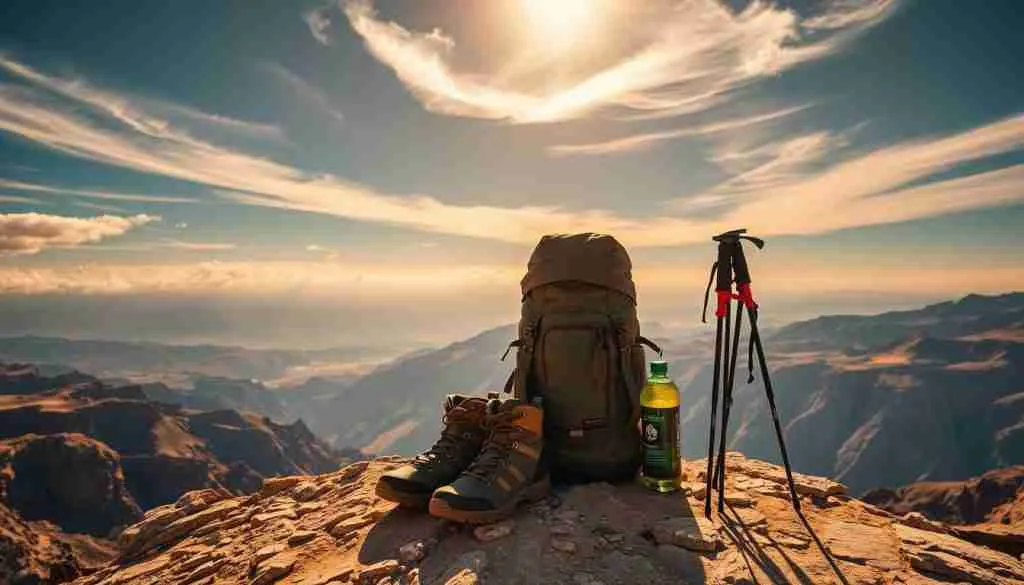
When packing for a canyon trek, smart choices are important. You want to carry light but still have comfort and safety.
Backpack and Weight Considerations
- Recommended backpack capacity: 20-40L (ideal target 20-30L)
- Maximum recommended pack weight: 8-10 kgs
- Water capacity: 1.5 liters per person + refillable filter bottle
Clothing Essentials
| Item | Quantity | Purpose |
|---|---|---|
| High-wicking vests | 2 | Moisture management |
| Hiking socks | 3-4 pairs | Blister prevention |
| Warm layers | 1-2 | Temperature regulation |
Critical Gear Items
- Solid, broken-in hiking boots
- Head torch
- Sunscreen (SPF 30 body, SPF 50 face)
- Sun hat and sunglasses
Your gear should be versatile and protective. Choose light, moisture-wicking clothes that layer well. Don’t forget cash, meds, and a first-aid kit for a safe trip.
Pro Tip: Always pack lighter than you think you’ll need – every ounce counts when climbing steep canyon trails!
Tip for trekkers: Check local regulations about plastic use and prepare non-disposable water containers to respect Peru’s environmental guidelines.
Weather and Best Time to Trek
Planning a trek in Colca Canyon needs careful thought about the climate and seasons. The weather in Colca Canyon is key for a great trekking adventure. It lets adventurers explore this amazing landscape.
The best time for trekking in Colca Canyon is from May to November. This dry season has clear skies and little rain. It makes for perfect hiking trails.
Seasonal Considerations
The canyon has different seasons that affect trekking:
- Dry Season (May to November):
- Average daytime temperatures around 65°F (18°C)
- Nighttime temperatures drop to 25°F (4°C)
- Best visibility and trail conditions
- Wet Season (January to March):
- Average daytime temperatures around 60°F (16°C)
- Nighttime temperatures average 45°F (7°C)
- More rain and trail challenges
Temperature Variations
Elevation greatly affects Colca Canyon’s weather, with big temperature changes between day and night. Hikers must be ready for these changes, even when moving between canyon levels.
While you can trek any time of year, April and May are the best months. The valley is green and beautiful after the rains. It offers great views and comfortable hiking.
Pro Tip: Always pack layers and be ready for quick temperature changes when exploring Colca Canyon’s diverse microclimates.
Accommodation and Facilities
Exploring Colca Canyon means choosing the right place to stay. The area has many lodging options for all budgets. These places offer basic but cozy rooms for adventurers.
Here’s what you can find in Colca Canyon:
- Shared dormitory-style rooms
- Basic hostels with dormitory arrangements
- Simple ecolodges near trekking routes
- Overnight accommodations in Sangalle Oasis
Accommodation prices vary from cheap to mid-range. At Oasis Paraiso Ecolodge, you can stay for about 10 soles (around $3 USD) per person. Some places even have swimming pools, perfect for relaxing after hiking.
Things to keep in mind when choosing a place to stay:
- Shared bathroom facilities are common
- Private bathrooms are available for a fee
- Rooms come with basic bedding and few extras
- There’s limited power and charging options
Pro tip: Bring a portable charger and a sleeping bag liner for more comfort in basic places.
If you’re watching your budget, Colca Canyon has affordable options. Most places cost between 10-20 soles per night. Even though they’re simple, they offer the rest you need after hiking.
Cost Breakdown and Budget Planning
Planning your Colca Canyon trek needs careful budgeting. The cost varies based on your travel style and experience. Budget travel Peru offers many options to explore this stunning place without spending too much.
Expect to spend $50 to $250 for trek experiences. Most two-day guided tours cost around $75. Here’s what you might pay for:
- Entrance fee: About S/70 (around $20)
- Guided tour: $75-$120
- Accommodation in canyon: $10-$25 per night
- Transportation from Arequipa: $15-$30
| Expense Category | Budget Option | Mid-Range Option |
|---|---|---|
| Guided Trek | $50-$75 | $100-$150 |
| Independent Travel | $30-$50 | $60-$90 |
| Total 2-Day Cost | $100-$150 | $200-$250 |
For those watching their budget, independent trekking can save money. Using collectivos and local guides is cheaper than tour packages. Don’t forget to add costs for meals, water, and mule hire for tough trek parts.
Pro tip: Book during shoulder seasons (May-June or September-October) for lower prices and fewer people. You’ll also get the best trekking weather.
Wildlife and Natural Attractions
Colca Canyon is a biodiversity hotspot in Peru. It offers amazing wildlife viewing for nature lovers. The canyon’s unique ecosystem is home to a wide range of animals and plants. These species have adapted to the canyon’s tough terrain and different climates.
Andean Condors: Majestic Sky Giants
The Andean Condor is the main attraction in Colca Canyon. These birds have wingspans of up to 3 meters (10 feet). They are among the largest flying animals on Earth.
Visitors can see these birds flying high in the canyon. The best place to watch them is at the Cruz del Condor viewpoint. This spot is perfect for seeing these birds soar in the morning and late afternoon.
- Wingspan: Up to 3 meters (10 feet)
- Best viewing location: Cruz del Condor viewpoint
- Optimal viewing times: Early morning and late afternoon
Diverse Ecosystem and Local Fauna
Colca Canyon is not just about condors. It’s also home to many other animals. Visitors might see:
| Animal Category | Species Examples | Habitat Zone |
|---|---|---|
| Mammals | Vicuñas, Alpacas, Vizcachas | High Altitude Regions |
| Birds | Andean Geese, Mountain Caracaras | Canyon Cliffs |
| Reptiles | Lizards, Mountain Rattlesnakes | Rocky Terrain |
The canyon’s ecosystem is full of life. It’s a top spot for wildlife lovers and photographers. They can experience the real Peruvian wilderness here.
Conclusion
The Colca Canyon trek is an amazing adventure in Peru. It offers stunning views and natural beauty. This canyon is 3,270 meters deep, making it a unique journey.
Our summary shows the trek’s challenges and rewards. It’s a two-day trip with tough descents and climbs. You’ll see volcanoes like Sabancaya and Ampato.
Getting ready for this trip is important. You need some fitness and can choose your path. It’s a great way to see Andean condors and local culture.
If you’re up for this adventure, plan well and be brave. The Colca Canyon has breathtaking views and wildlife. It’s a trip you’ll never forget.
