
Ho Chi Minh City Travel Guide 2026: Complete Saigon Gateway
Ho Chi Minh City—still affectionately called Saigon by locals and travelers alike—stands as Vietnam’s pulsing economic and cultural heart, where French colonial architecture meets gleaming modern skyscrapers, ancient pagodas neighbor bustling street food stalls, and wartime history intertwines with rapid 21st-century development. This comprehensive 2026 planning guide provides verified transportation costs from Tan Son Nhat International Airport, accommodation pricing across budget to luxury tiers, entrance fees for major historical sites, food expense breakdowns, and strategic neighborhood advice to help you navigate Southeast Asia’s most dynamic metropolis efficiently whether visiting for three days or three weeks.
Key Takeaways for Ho Chi Minh City Travel Planning 2026
- Transportation Economics from Airport: Budget travelers pay just 5,000-15,000 VND ($0.20-0.60) for public buses from Tan Son Nhat Airport to District 1, while Grab rides cost 100,000-170,000 VND ($4-7) for convenient door-to-door service covering the 6-8 kilometer distance in 20-45 minutes depending on traffic conditions.
- Accommodation Price Spectrum 2026: Hostels and budget hotels in District 1’s Pham Ngu Lao backpacker area start 150,000-400,000 VND ($6-16) nightly, mid-range hotels average 700,000-1,500,000 VND ($28-60), while luxury properties command 1,900,000-4,800,000+ VND ($79-200+) with rooftop pools and colonial elegance.
- Major Attraction Costs: War Remnants Museum and Reunification Palace each charge 40,000-50,000 VND ($1.60-2.10) entrance fees providing 1.5-2 hours of exploration, while Notre Dame Cathedral and Central Post Office offer free exterior viewing with the post office maintaining active operations 7 AM-7 PM daily.
- Food Budget Reality: Street food meals cost 30,000-80,000 VND ($1.20-3.20) for pho, banh mi, or rice plates, local restaurants charge 100,000-200,000 VND ($4-8) per meal, and Western-oriented establishments in expat districts reach 250,000-500,000+ VND ($10-20+) for familiar comfort food.
- District 1 Central Hub Advantages: Staying in District 1 positions travelers within 10-20 minute walks of major attractions—War Remnants Museum, Reunification Palace, Notre Dame Cathedral, Ben Thanh Market, Nguyen Hue Walking Street—eliminating transportation costs and maximizing exploration time despite 20-40% higher accommodation prices than outer districts.
- Cu Chi Tunnels Day Trip Standard: The most popular day excursion from Ho Chi Minh City visits Cu Chi Tunnels historical site 70 kilometers northwest, with organized tours priced $18-35 including transportation, guide, entrance fees (110,000 VND), and optional rifle shooting experience (400,000-600,000 VND per magazine).
People Also Ask About Ho Chi Minh City Travel 2026
How many days do I need in Ho Chi Minh City in 2026?
Three to four days provides sufficient time to experience Ho Chi Minh City’s major historical sites, culinary highlights, and signature day trip in 2026, while 5-7 days enables deeper neighborhood exploration, multiple day excursions, and unhurried cafe culture immersion characteristic of contemporary Saigon life. A focused three-day itinerary covers War Remnants Museum (1.5 hours), Reunification Palace (1.5 hours), Notre Dame Cathedral and Central Post Office cluster (1 hour), Ben Thanh Market shopping (2 hours), Nguyen Hue Walking Street evening stroll, plus Cu Chi Tunnels full-day excursion, leaving one day for district wandering, rooftop bar experiences, and street food exploration in Pham Ngu Lao or District 3. Extended 5-7 day visits accommodate additional day trips to Mekong Delta floating markets (2-day/1-night recommended for authentic experience), Vung Tau beach town (90 minutes by hydrofoil), or Can Tho deeper Mekong exploration, plus time investigating District 2’s modern Thao Dien expat enclave, District 5 Cho Lon Chinatown’s atmospheric pagodas and herbal markets, or specialized interests like contemporary art galleries clustered near Fine Arts Museum and vintage ao dai photography sessions. Travelers continuing to other Vietnamese destinations typically allocate 2-3 nights in Ho Chi Minh City as gateway arrival or departure point rather than primary focus, while those using the city as Vietnam’s sole destination maximize cultural and culinary immersion across week+ stays. The compact nature of District 1’s major sights means even single-day layover visitors between flights can squeeze in 2-3 major attractions plus street food sampling, though rushed pacing sacrifices the contemplative engagement with wartime history that War Remnants Museum deserves.
Is Ho Chi Minh City safe for tourists in 2026?
Ho Chi Minh City ranks as a safe destination for tourists in 2026 with low violent crime rates against foreigners, though petty theft including phone snatching, pickpocketing in crowded markets, and bag slashing from motorbikes requires standard urban precautions like securing valuables, avoiding phone use while walking on busy streets, and maintaining awareness in touristy areas particularly Ben Thanh Market surroundings and Bui Vien Street nightlife zone. The most common safety issues involve traffic navigation rather than crime—crossing streets through relentless motorbike flows intimidates newcomers, requiring the “slow steady pace” technique where walkers maintain constant speed allowing drivers to navigate around rather than sudden stops or direction changes causing collisions. Solo female travelers report comfortable experiences with rare harassment beyond typical vendor persistence and occasional friendly conversation attempts from locals, though standard nighttime precautions apply: using Grab instead of walking alone after dark, avoiding deserted areas, keeping someone informed of whereabouts, and trusting instincts about uncomfortable situations. Scams targeting tourists center on overcharging by unmetered taxis (solved by using Grab or ensuring meter runs from base fare), aggressive vendors at Ben Thanh Market inflating prices 300-500% for tourists (solved by knowing rough pricing and walking away), and occasional “broken meter” taxi claims requiring cash payment at inflated rates (solved by photographing taxi company details and threatening to contact police). Food safety concerns remain minimal when eating at busy street stalls with high turnover ensuring fresh ingredients, though conservative eaters should avoid raw vegetables washed in tap water and stick to cooked-to-order hot dishes until acclimated. Medical facilities in District 1 include international-standard hospitals like FV Hospital and Family Medical Practice providing English-speaking doctors and Western medical protocols, though travel insurance with medical evacuation coverage protects against major emergencies. The combination of low violent crime, developed tourist infrastructure, visible police presence in major districts, and millions of annual visitors creates generally safe environment requiring common-sense urban precautions rather than elevated security concerns.
What is the best area to stay in Ho Chi Minh City in 2026?
District 1 serves as the optimal base for first-time visitors to Ho Chi Minh City in 2026, offering walkable access to major attractions, dense restaurant and bar concentration, abundant accommodation options across all budgets, and efficient Grab pickup reliability, though specific neighborhood selection within District 1 depends on preferences between backpacker social atmosphere, upscale shopping proximity, or quieter residential pockets. The Pham Ngu Lao backpacker zone (also called De Tham area) centers budget travelers with hostel dormitories 150,000-250,000 VND ($6-10), cheap hotels 300,000-500,000 VND ($12-20), concentrated Western food options for homesick travelers, and Bui Vien Street’s pedestrianized nightlife attracting young partiers but creating noise and rowdiness extending past midnight—ideal for social 20-somethings, potentially overwhelming for families or travelers prioritizing quiet rest. The Ben Thanh Market to Notre Dame Cathedral corridor attracts mid-range to luxury travelers with elegant colonial-era hotels including Hotel Continental Saigon and Caravelle Hotel, upscale shopping along Dong Khoi Street, refined restaurants and rooftop bars, plus central positioning enabling 10-15 minute walks to virtually all major sights—though accommodation costs run 30-50% higher than comparable quality in Pham Ngu Lao, and the area clears out after business hours creating somewhat sterile nighttime atmosphere. Nguyen Hue Walking Street’s surrounding blocks provide middle-ground option combining walkability to attractions with modern hotel development, evening pedestrian activity, and slightly lower prices than premium Dong Khoi corridor while maintaining respectable surroundings unlike Bui Vien’s backpacker chaos. District 3 adjacent to District 1 offers excellent value alternative positioning visitors 10-20 minute walks from major sites while accessing significantly cheaper accommodation (20-40% discounts compared to District 1 equivalents), quieter streets with more authentic local life, and proximity to War Remnants Museum, though fewer English-speaking services and reduced restaurant density create minor inconveniences. District 2’s Thao Dien neighborhood attracts long-term visitors and expatriates seeking Western amenities including international schools, artisan cafes, organic markets, and quiet tree-lined streets, but sits 20-30 minutes from central attractions requiring Grab reliance and sacrificing convenient sightseeing for comfortable residential living. Budget backpackers prioritizing social hostels and cheap beer choose Pham Ngu Lao, mid-range travelers wanting walkable convenience select District 1’s quieter pockets or District 3, luxury seekers preferring colonial elegance book Dong Khoi Street properties, while families and extended-stay visitors appreciate District 2’s space and quiet despite transportation dependence.
How much money do I need per day in Ho Chi Minh City in 2026?
Daily costs in Ho Chi Minh City in 2026 range from 600,000-800,000 VND ($24-32) for budget backpackers eating street food and staying in hostels, to 1,500,000-2,500,000 VND ($60-100) for comfortable mid-range travelers choosing quality hotels and sit-down restaurants, to 3,500,000+ VND ($140+) for luxury visitors preferring upscale accommodations and fine dining experiences. Budget traveler breakdown totals 650,000-850,000 VND daily: hostel dormitory 150,000-250,000 VND, street food breakfast 30,000-50,000 VND (banh mi or pho), local restaurant lunch 80,000-120,000 VND (rice with toppings or noodles), street food dinner 60,000-100,000 VND, attraction entrance fees 80,000-100,000 VND (War Remnants Museum + Reunification Palace or alternative sites), local transportation via walking plus 2-3 short Grab rides 50,000-100,000 VND, bottled water and snacks 30,000-50,000 VND, with 110,000-130,000 VND cushion for beer/coffee or shopping. Mid-range traveler breakdown reaches 1,800,000-2,600,000 VND daily: private hotel room 700,000-1,200,000 VND, sit-down restaurant breakfast 100,000-150,000 VND, casual restaurant lunch 150,000-250,000 VND, nice restaurant dinner 250,000-400,000 VND, attraction entrance fees 80,000-100,000 VND, Grab transportation for 4-6 rides avoiding walking in heat 150,000-250,000 VND, coffee and drinks at air-conditioned cafes 100,000-150,000 VND, leaving 360,000-500,000 VND buffer for shopping, massages, or upgraded dining. Luxury traveler spending exceeds 4,000,000-7,000,000+ VND daily: boutique or five-star hotel 1,900,000-4,000,000+ VND, hotel breakfast buffet or upscale cafe 200,000-350,000 VND, fine dining lunch 400,000-700,000 VND, excellent dinner at French or fusion restaurant 700,000-1,500,000+ VND, guided private tours instead of entrance-only visits 1,000,000-2,000,000 VND, private car service or frequent premium Grab rides 300,000-500,000 VND, high-end shopping, spa treatments, or rooftop cocktails consuming remaining allocation. These estimates exclude major expenses like organized day trips to Cu Chi Tunnels ($18-35 per person) or Mekong Delta tours ($25-55), inter-city transportation, and international dining at Western chains matching home-country pricing. Solo travelers cannot split accommodation costs with partners, increasing daily budgets by 300,000-600,000 VND compared to couple calculations, while groups of 4+ travelers reduce per-person costs through shared hotel rooms (Vietnamese hotels often accommodate 3-4 guests in family rooms at marginal upcharge) and family-style restaurant ordering. The remarkably low costs compared to Western cities enable extended stays on modest budgets, with 30-day visitors spending 18,000,000-24,000,000 VND ($720-960) for full month of budget accommodation, meals, transportation, and activities—less than many travelers spend on single week in European capitals.
Extended multi-day tours – 5+ days
Featured Ho Chi Minh City Multi-Day Tour Packages
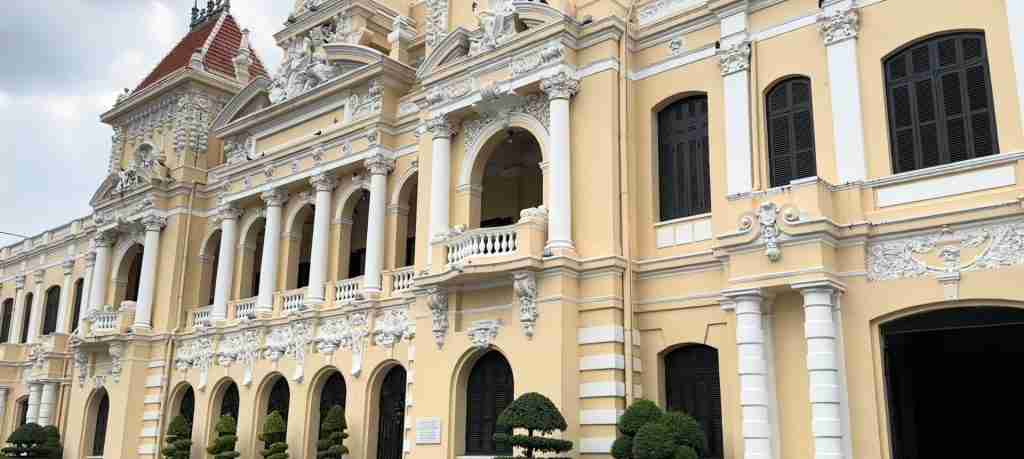
3 days
Ho Chi Minh City 3-Day Discovery Tour
- ✓ Comprehensive Ho Chi Minh City experience
- ✓ Expert local guides included
- ✓ All accommodation included
- ✓ Transportation provided
5 days
Ho Chi Minh City 5-Day Highlights Experience
- ✓ Comprehensive Ho Chi Minh City experience
- ✓ Expert local guides included
- ✓ All accommodation included
- ✓ Transportation provided
7 days
Ho Chi Minh City 7-Day Cultural Journey
- ✓ Comprehensive Ho Chi Minh City experience
- ✓ Expert local guides included
- ✓ All accommodation included
- ✓ Transportation provided
10 days
Ho Chi Minh City 10-Day Complete Adventure
- ✓ Comprehensive Ho Chi Minh City experience
- ✓ Expert local guides included
- ✓ All accommodation included
- ✓ Transportation provided
Multi-day tour packages powered by TourRadar. Prices and availability subject to change.
Introduction: Understanding Ho Chi Minh City as Vietnam’s Gateway in 2026
Ho Chi Minh City occupies a paradoxical position in contemporary Vietnam, simultaneously serving as the nation’s economic engine generating 20%+ of GDP while maintaining the “Saigon” identity distinct from northern capital Hanoi’s political authority and cultural conservatism. The city’s population officially exceeds 9 million within city limits with an estimated 13+ million in the greater metropolitan area, creating Southeast Asia’s most densely populated urban center where an estimated 7 million motorbikes create the famous traffic chaos intimidating first-time visitors yet somehow flowing with organic efficiency locals navigate intuitively. The climate remains tropical year-round with temperatures hovering 25-35°C (77-95°F) across seasons, divided into dry season (November-April) bringing clear skies and cooler mornings ideal for touring, and wet season (May-October) characterized by afternoon thunderstorms typically lasting 30-90 minutes before clearing rather than all-day deluges preventing outdoor activities. The name controversy reflects recent history—officially renamed Ho Chi Minh City in 1976 following reunification and communist victory in the American War (as Vietnamese call it), yet “Saigon” persists in casual conversation, business names, and even government contexts, with locals using both interchangeably while tourists often prefer the shorter, more romantic “Saigon” despite political incorrectness.
The city’s strategic importance stems from location at the Saigon River’s confluence with multiple waterways creating natural harbor access to the South China Sea, positioning it as the Mekong Delta’s commercial gateway since French colonial establishment in the 1860s transformed a riverside settlement into Indochina’s economic capital. French colonial architecture survives throughout District 1, most notably Notre Dame Cathedral (currently under restoration), Central Post Office designed by Gustave Eiffel’s workshop, Opera House (now Municipal Theatre), and Hotel Continental Saigon where Graham Greene penned “The Quiet American” while sipping aperitifs in the 1950s. The American War era (1955-1975) left indelible marks through sites like Reunification Palace where communist tanks crashed through gates signaling Saigon’s fall on April 30, 1975, the former US Embassy location (now US Consulate on different site), and War Remnants Museum displaying the conflict’s devastating impact from Vietnamese perspective with graphic photography and preserved military equipment. Post-1986 Doi Moi economic reforms unleashed rapid development transforming Saigon into Southeast Asia’s fastest-growing economy, creating the modern skyline dominated by Landmark 81 (currently Southeast Asia’s tallest building at 461 meters), Bitexco Financial Tower with its helipad-inspired design, and countless new developments pushing upward and outward into surrounding provinces.
District organization determines navigation strategy, with Ho Chi Minh City divided into 24 administrative districts numbered 1-12 plus outer districts bearing names like Binh Thanh, Phu Nhuan, and Go Vap. District 1 concentrates tourist attractions, colonial architecture, upscale hotels, and international dining within a compact 2-3 square kilometer core walkable for energetic visitors willing to brave heat and traffic, though most travelers rely on Grab’s ubiquitous service for air-conditioned comfort between sites. District 3 immediately adjacent offers excellent value accommodation with slightly lower prices, more authentic local restaurants, and 10-20 minute proximity to major sights, while District 5’s Cho Lon Chinatown preserves Chinese cultural identity through pagodas, herbal medicine shops, and Cantonese-speaking communities descended from centuries of Chinese immigration. District 2 across the Saigon River underwent massive development creating Thao Dien’s expatriate enclave with Western grocers, international schools, boutique cafes, and tree-lined villa neighborhoods attracting long-term foreign residents but offering limited tourist interest beyond lifestyle glimpses. Districts 7, 10, and 11 contain primarily residential developments and industrial zones rarely visited by tourists except when exploring Vietnamese daily life beyond tourist veneer.
The tourism infrastructure developed rapidly over the past decade as Vietnamese government prioritized arrivals growth, achieving 18+ million international visitors nationwide in 2019 before COVID-19 disruptions, with Ho Chi Minh City capturing approximately 40% of arrivals as primary international airport gateway. Visa policies eased substantially in 2023-2024 with Vietnam introducing e-visa system enabling 90-day stays for citizens from over 80 countries, replacing the previous 15-day visa exemption that forced travelers into expensive visa runs or cutting trips short. Tan Son Nhat International Airport serves as Vietnam’s busiest, handling 35+ million passengers annually across domestic and international terminals, with direct flights connecting to most major Asian hubs (Bangkok, Singapore, Kuala Lumpur, Hong Kong, Seoul, Tokyo) plus emerging European routes (London, Paris, Frankfurt) and trans-Pacific service to several US West Coast cities. The planned Long Thanh International Airport 40 kilometers east promises massive capacity increase when completed (potentially 2026-2027 though delays have plagued construction), future-proofing Ho Chi Minh City’s role as Vietnam’s aviation gateway even as domestic competitors like Da Nang and Phu Quoc develop international service.
The cultural environment blends Vietnamese tradition with colonial French influence and American popular culture absorbed during wartime presence and subsequent diaspora connections, creating uniquely syncretic expressions visible in architecture (Gothic cathedral beside pagoda), food (banh mi fusion sandwiches combining French baguettes with Vietnamese ingredients), and daily life (ao dai traditional dress worn to cafes serving Italian espresso). The population skews younger than Hanoi with median age around 30 years, creating energetic atmosphere and embrace of modernity contrasting with northern capital’s more conservative adherence to communist orthodoxy and Confucian social hierarchy. English proficiency exceeds other Vietnamese cities due to concentration of international business, tourism sector employment, and private English school proliferation, though fluency remains far from universal requiring patient communication and translation apps for many interactions beyond tourist industry professionals. The city’s character reflects southern Vietnamese cultural traits—supposedly more relaxed, commercially-minded, and socially liberal compared to rigid northern temperament—though such generalizations oversimplify complex regional dynamics. What remains undeniable is Saigon’s irrepressible energy, where street food vendors operate until 3 AM, rooftop bars stay packed past midnight, and the next business deal or creative collaboration seems perpetually one coffee meeting away—the optimistic hustle defining contemporary Vietnamese aspirations as the country modernizes at breakneck pace.
Airport Transfer Options and City Transportation 2026
Tan Son Nhat International Airport sits just 6-8 kilometers from District 1’s central tourist zone, making transfer logistics simple and inexpensive compared to many Asian capitals requiring 30-60 minute airport express trains or expensive taxi journeys. Grab ride-hailing service provides the optimal balance of convenience and cost for most travelers, priced 100,000-170,000 VND ($4-7) for air-conditioned private cars covering the distance in 20-45 minutes depending on traffic conditions, with surge pricing during morning (7-9 AM) and evening (5-7 PM) rush hours potentially increasing costs by 20-30%. The Grab pickup process requires exiting the international arrivals terminal, walking straight through the taxi lane, crossing both road lanes via zebra crossings, then proceeding to the large parking area with Vietnamese flag in center where fellow travelers wait with phones—following in-app instructions and tracking driver location ensures meeting the correct vehicle despite initial confusion navigating the busy arrival zone. GrabCar (private sedan) accommodates up to 4 passengers with moderate luggage, while GrabCar 7-Seater handles groups of 5-7 with multiple large bags at 30-50% premium pricing, and budget-conscious solo travelers can select GrabBike (motorcycle taxi) for 50,000-70,000 VND cutting costs in half with thrilling if slightly terrifying introduction to Vietnamese traffic culture—though luggage restrictions limit this to backpack-only travelers.
Airport Bus Route 109 operated by SATSCO provides official budget alternative at 15,000 VND ($0.60) per person, departing every 20-30 minutes from dedicated bus stop outside arrivals terminal and traveling through District 1 with stops at Ben Thanh Bus Station, 23/9 Park, and terminating at Saigon Bus Station over approximately 45-60 minute journey depending on traffic. The air-conditioned buses feature luggage racks, English signage, and tourist-friendly design including English announcements at major stops, with tickets purchased on board from conductor or at dedicated booth in arrivals area accepting only Vietnamese dong cash. Bus 109 suits budget travelers with limited luggage willing to navigate onward walking or short Grab ride from bus stops to specific hotels, though the crowded conditions during peak times (buses fill to capacity), lack of door-to-door service, and minimal time/cost savings compared to Grab’s convenience leads most travelers to opt for private ride alternatives. Budget Bus Route 152 offers even cheaper 5,000 VND ($0.20) option with more frequent departures every 15-20 minutes but longer journey time (60-90 minutes) due to increased intermediate stops, plus less tourist-friendly atmosphere and crowded local ridership carrying produce and household goods creating luggage space competition.
Traditional metered taxis remain available from official taxi rank on airport terminal ground floor, though widespread reports of rigged fast-running meters, broken meter claims requiring inflated cash payment, and circuitous routing to inflate legitimate meter readings make this option inadvisable despite superficial convenience. Reputable companies Vinasun (white cars with red/green logo) and Mai Linh (green cars) theoretically charge honest meter rates 130,000-200,000 VND ($5-8) to District 1, though even these established firms employ occasional unethical drivers exploiting tired arrivals, while no-name taxi companies operate obvious scams. Travelers insisting on traditional taxi should photograph taxi company name and vehicle number, confirm meter starts from base fare before departure, follow route on smartphone maps, and threaten police contact if problems arise—though this defensive posture undermines relaxation after long flights, explaining Grab’s overwhelming popularity eliminating negotiation stress through transparent app-based pricing. Hotel airport pickup services range 300,000-500,000 VND ($12-20) for private car with name sign meeting at arrivals, worth the premium for luxury travelers prioritizing seamless arrival experience or families with young children and multiple bags, though budget and mid-range travelers rarely find the 3-5x Grab cost worthwhile for essentially identical service.
Transportation within central Ho Chi Minh City relies primarily on Grab for air-conditioned comfort avoiding heat, rain, and traffic fumes, with typical intracity rides ranging 25,000-60,000 VND ($1-2.40) for short hops across District 1, and longer cross-district journeys rarely exceeding 100,000 VND ($4) unless traveling to distant suburbs. Walking between nearby attractions proves feasible during cooler morning hours (before 10 AM) or early evenings (after 4 PM), though midday heat and humidity combined with sidewalk obstacles (motorbike parking, vendor stalls, street food setups) frustrate pedestrian navigation requiring 30-50% more time than Google Maps walking estimates due to necessary detours and crossing delays at busy intersections. The famous street-crossing technique involves maintaining steady pace without sudden stops allowing motorbike drivers to adjust around pedestrian trajectory—abrupt halts or direction changes cause collisions as drivers anticipate continued movement, while hesitant tourists freezing mid-street create dangerous situations. Motorbike taxis including Grab’s GrabBike service offer thrilling budget alternative at approximately half car prices (15,000-35,000 VND for typical District 1 routes), with experienced travelers appreciating the speed weaving through gridlock while nervous first-timers find the close-proximity traffic interactions terrifying despite statistical safety record.
The long-delayed Metro Line 1 from Ben Thanh to Suoi Tien (formally planned to open in 2024, now potentially operational in late 2025 or 2026) will revolutionize transportation once functioning, offering air-conditioned underground/elevated rail service along 20-kilometer route with 14 stations connecting key areas including Ben Thanh Market, Opera House, and eastern suburbs at estimated 7,000-15,000 VND fares ($0.30-0.60) undercutting Grab pricing substantially. Additional metro lines remain under construction with completion dates ranging from late 2020s to early 2030s, eventually creating comprehensive network transforming car-dependent sprawl into integrated public transit city—though travelers in 2026 should plan around current transportation reality rather than optimistic timelines that have repeatedly slipped. Local buses operated by government and private companies crisscross the city with fares 5,000-7,000 VND ($0.20-0.30) per ride, but route complexity, Vietnamese-only signage, crowded conditions, and minimal air conditioning create barriers deterring foreign visitors except adventurous budget travelers willing to invest research time understanding numbered routes and bus stop locations.
Bicycle rental shops concentrated in Pham Ngu Lao backpacker area rent city bikes for 50,000-100,000 VND ($2-4) per day, enabling cycling through quieter District 1 back streets and along the Saigon River waterfront promenade, though traffic intimidation and exhaust fumes limit appeal compared to bike-friendly destinations like Hoi An or Hanoi’s Old Quarter where dedicated cycling infrastructure and manageable vehicle density create more pleasant pedaling environments. Motorbike rental requires international driving license and previous two-wheel experience, with daily rates 100,000-150,000 VND ($4-6) attracting experienced riders wanting freedom exploring outer districts and nearby provinces, though the chaotic traffic behavior including wrong-way driving, red light running, and sidewalk riding creates accident risk far exceeding Western norms. The combination of cheap Grab availability, heat/humidity deterring extended walking, and traffic stress from cycling or motorbike riding leads most tourists toward air-conditioned Grab rides as default transportation, budgeting 150,000-300,000 VND ($6-12) daily for 4-8 trips covering attractions, meals, and evening entertainment—a minor expense given overall low Vietnam costs enabling guilt-free comfort prioritization.
Accommodation Options Across Budgets 2026
Budget accommodations in Ho Chi Minh City in 2026 range from hostel dormitory beds at 150,000-300,000 VND ($6-12) per night to private rooms in guesthouses and budget hotels at 300,000-600,000 VND ($12-24), concentrated in District 1’s Pham Ngu Lao backpacker neighborhood (also called De Tham area) and spreading into adjacent District 3 streets with slightly quieter atmosphere and 10-20% lower pricing. Hostel dormitories typically accommodate 6-10 beds in mixed or gender-segregated rooms with shared bathrooms, air conditioning (essential in tropical climate), lockers for valuables, common areas facilitating traveler socialization, and basic breakfast (white bread, jam, instant coffee) included in some properties. Popular budget hostel brands include Vietnam Backpacker Hostels, Mad Monkey Hostels, and local independent properties like Saigon Inn, with online booking through Hostelworld or Booking.com showing recent guest reviews essential for filtering the significant quality variation at this price tier. Private budget rooms offer basic amenities—air conditioning, private bathroom with hot water shower, double or twin beds, minimal furniture, WiFi—without luxury touches like breakfast, elevators in walk-up buildings, or lobby services beyond front desk check-in. The budget category attracts backpackers prioritizing social atmosphere and rock-bottom costs, young couples traveling long-term across Southeast Asia, and older budget travelers maintaining shoestring expenses through extended trips.
Mid-range accommodation spanning 700,000-1,500,000 VND ($28-60) per night provides substantial quality increase with hotel-standard rooms, consistent air conditioning and hot water, daily housekeeping, breakfast buffets, elevator access, and professional reception services handling tour bookings and transportation arrangements. Three-star and boutique hotels in this category cluster around central District 1 locations including streets near Ben Thanh Market, Notre Dame Cathedral, and Nguyen Hue Walking Street, plus excellent value options throughout District 3 just 10-15 minute walks from major sites with quiet residential street settings. Room features include 25-35 square meter spaces with comfortable beds, flat-screen TVs, mini-fridges, safes, modern bathrooms with rain showers, and frequently small windows or balconies providing natural light (though noise pollution from street traffic may necessitate keeping windows closed, relying on air conditioning for ventilation). Breakfast offerings range from simple Vietnamese pho and banh mi selections at lower-tier properties to extensive buffets featuring both Western (eggs, toast, cereals, fruit) and Vietnamese options (rice porridge, spring rolls, noodles) at upper mid-range hotels. Popular mid-range hotels earning consistent positive reviews include Silverland hotels (multiple properties in District 1), M Hotel Saigon, Liberty Central Saigon hotels, and numerous French colonial-style boutique properties offering character unavailable in modern chain alternatives. This category suits travelers wanting reliable comfort without luxury pricing, couples and families needing predictable quality, and visitors spending significant time exploring rather than lounging in hotel spaces.
Luxury accommodations exceeding 1,900,000-4,800,000 VND ($79-200+) per night encompass five-star international chains, boutique heritage properties, and modern high-rises with rooftop amenities, typically concentrated along District 1’s premium Dong Khoi Street corridor and riverfront locations plus select properties in Districts 2 and 7 targeting expatriate and business traveler markets. Five-star hotels like Hotel Majestic Saigon, Hotel Continental Saigon, Caravelle Saigon, Park Hyatt Saigon, and InterContinental Saigon offer colonial-era elegance or contemporary luxury with spacious 40-60+ square meter rooms, marble bathrooms with separate tubs and rainfall showers, plush bedding, work desks, sitting areas, and balconies overlooking city or river. Facilities include rooftop pools with skyline views, fitness centers, spa services, multiple on-site restaurants ranging from French fine dining to Vietnamese authentic, lobby bars, concierge services arranging tours and restaurant reservations, and business centers with meeting rooms. The newest luxury category includes Vinpearl Landmark 81 Autograph Collection occupying floors 48-81 of Southeast Asia’s tallest building with dramatic city views, infinity pool, and modern design contrasting heritage properties’ colonial charm. Breakfast buffets at luxury tier rival international five-star standards with made-to-order stations, imported ingredients, Western and Asian cuisines, fresh juices and premium coffee, sometimes alone justifying the premium pricing for food-focused travelers. This category attracts honeymoon couples seeking indulgent romantic escapes, business travelers expensing company accounts, luxury-focused tourists prioritizing comfort over budget constraints, and special-occasion visitors celebrating anniversaries or milestone trips.
Apartment rentals through Airbnb or local services provide alternative accommodation appealing to longer-stay visitors (week+) or families wanting cooking facilities and living space, priced 700,000-2,500,000 VND ($28-100) per night depending on size, location, and amenities, with monthly rates negotiable for extended bookings. One-bedroom apartments in District 1 and 3 typically range 1,200,000-2,000,000 VND nightly short-term or 15,000,000-30,000,000 VND monthly ($600-1,200), while two-bedroom units in same areas reach 1,800,000-3,500,000 VND nightly or 25,000,000-50,000,000 VND monthly ($1,000-2,000). District 2’s Thao Dien neighborhood offers spacious villas and modern apartments at 40,000,000-100,000,000+ VND monthly ($1,600-4,000+) targeting expatriate professionals and diplomatic families requiring international schools access and quiet residential environments. The apartment option suits families preferring living room space over hotel room confinement, travelers with dietary restrictions wanting cooking control, and remote workers needing dedicated workspace impossible in budget accommodations. Platforms like Airbnb apply service fees increasing total costs 15-20% beyond listed rates, while direct booking through property managers or Facebook groups eliminates fees at expense of booking protection and standardized check-in procedures.
Booking strategies in 2026 optimize pricing through advance reservation during high season (December-February) when demand from holiday travelers and winter escapees from colder climates drives prices upward 30-50% compared to shoulder/low seasons, while last-minute bookings during low season (May-October) enable negotiation leverage as hotels prefer filling rooms at discounted rates over vacancy. Online booking platforms including Booking.com, Agoda, Hotels.com, and Expedia frequently offer property-specific promotions, early-bird discounts, or loyalty program benefits outpricing direct hotel bookings despite platform commission costs passed to consumers, though direct contact with smaller boutique hotels sometimes yields better rates through eliminated commission. Reading recent guest reviews proves essential at all price tiers given rapid property turnover and quality fluctuation—filtering results to show only reviews from past 3-6 months reveals current conditions rather than outdated 3-4 year old assessments praising properties since declined in maintenance or management. Location within District 1 commands 20-40% premiums over identical quality properties in District 3 or outer areas, though the walkability to major attractions and restaurant density may justify extra expense for short visits maximizing sightseeing efficiency over accommodation budgets.
Major Attractions and Entrance Fees 2026
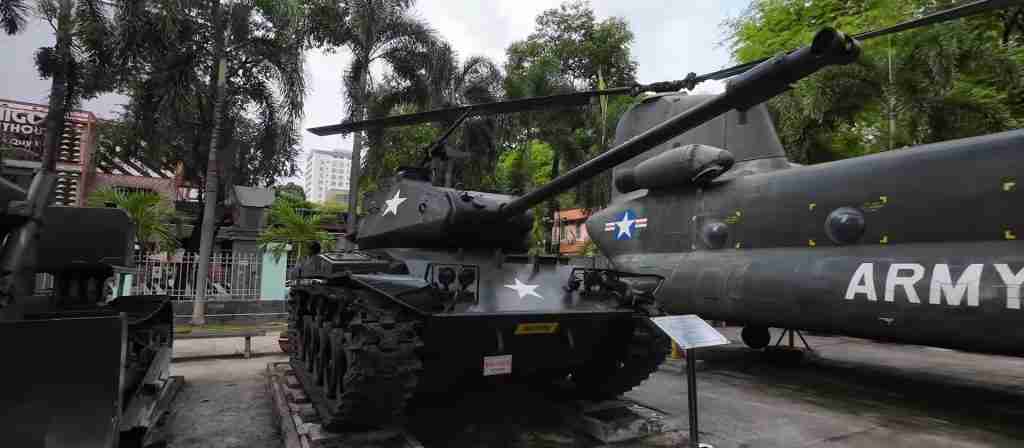
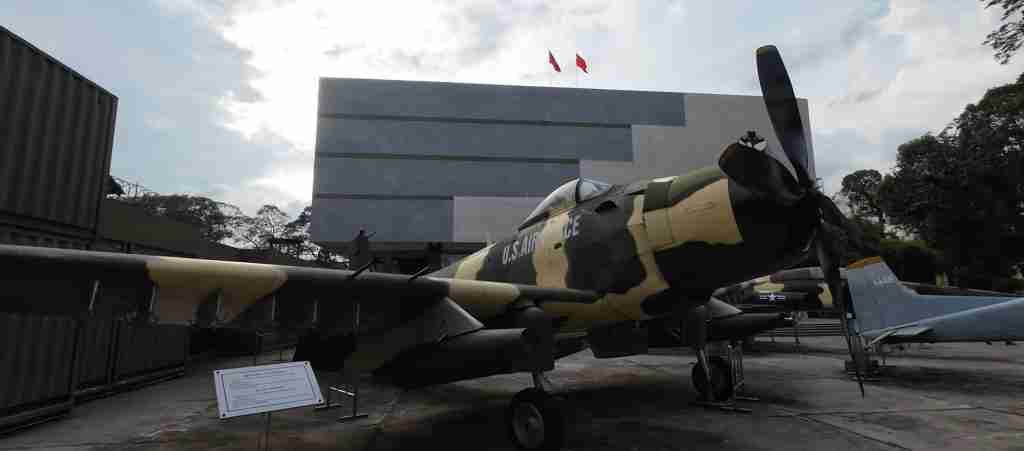
War Remnants Museum stands as Ho Chi Minh City’s most visited and emotionally impactful historical site, documenting the Vietnam War (called the American War locally) from Vietnamese perspective through graphic photography exhibitions, military equipment displays, and thematic galleries examining chemical warfare, war crimes, and civilian suffering over 30-year conflict period. The museum entrance fee costs 40,000 VND ($1.60) for adults and 20,000 VND for children as of 2026, with operational hours 7:30 AM-6:00 PM daily including weekends and holidays (ticket booth closes 5:00 PM requiring arrival before this time for entry). Allocate 1.5-2 hours for comprehensive viewing of indoor galleries distributed across three floors plus outdoor courtyard displaying captured American military hardware including tanks, helicopters, fighter aircraft, and artillery pieces. The exhibition content features disturbing photography of napalm burn victims, Agent Orange birth defects, massacre scenes, and civilian casualties presented without filtering or contextual balance to present Vietnamese war experience unmediated by Western historical narratives—this one-sided presentation proves challenging for American visitors confronting graphic depictions of their nation’s actions, though understanding Vietnamese historical trauma provides essential context for contemporary cultural dynamics. The museum’s central location in District 3 just 15 minute walk from District 1’s Ben Thanh Market makes combination visits straightforward, with early morning arrival (7:30-9:00 AM) or late afternoon (after 3:00 PM) avoiding peak tour group crowds enabling more contemplative engagement with heavy subject matter.
Reunification Palace (Independence Palace) preserves the former residence and workplace of South Vietnam’s president, most famous as site where communist tanks crashed through front gates on April 30, 1975, symbolically ending the war and initiating reunification under North Vietnamese leadership. Entrance fees cost 50,000 VND ($2.10) for adults and 20,000 VND for children in 2026, with admission including access to multiple floors showcasing preserved 1960s-70s furniture, presidential living quarters, cabinet meeting rooms, telecommunications centers, and basement bunker network complete with war room maps. Audio guides available in English, French, Chinese, and Japanese rent for additional 30,000 VND, highly recommended for understanding the palace’s historical significance beyond architectural appreciation alone. Operating hours run 7:30 AM-11:00 AM and 1:00 PM-4:00 PM daily (note midday closure 11:00 AM-1:00 PM forcing afternoon return or morning priority scheduling), with no new entry permitted after 1:00 PM creating strict afternoon visit window. Budget 1-1.5 hours exploring the five-floor complex including rooftop helipad offering District 1 cityscape views, though the preserved 1960s aesthetic feels dated rather than elegant with synthetic furnishings and garish color schemes reflecting South Vietnamese government’s American-influenced modernization rather than timeless design. The palace’s historical importance outweighs architectural merits, making this essential visit for history enthusiasts while casual tourists may find the 50,000 VND entry fee marginal value compared to more impressive palaces encountered in Thai or Cambodian contexts.
Notre Dame Cathedral Basilica of Saigon, constructed 1863-1880 using materials imported from France, represents colonial architecture’s finest Ho Chi Minh City example with twin 58-meter bell towers, neo-Romanesque style red brick facade, and interior stained glass windows. The cathedral underwent major renovation work beginning 2017 with completion repeatedly delayed, resulting in exterior scaffolding covering much of the structure through 2026 preventing the iconic photographic compositions previously drawing Instagram-focused visitors. Entry remains free when open for services and occasional visiting hours, though the construction means exterior viewing from surrounding plaza represents primary experience rather than interior exploration—the adjacent square still functions as meeting point and people-watching location despite scaffolding aesthetics. The cathedral’s central location directly in front of Central Post Office creates natural pairing for quick combo visit requiring just 30-45 minutes total including plaza photography and post office interior touring. Religious services held Sunday mornings in Vietnamese attract local Catholic community (Vietnam maintains sizeable Catholic minority descended from French colonial conversions and refugee communities), with tourist visiting generally discouraged during mass times respecting worship activities.
Saigon Central Post Office (Buu Dien Trung Tam Saigon) occupies magnificent French colonial building designed by Gustave Eiffel’s architecture workshop, featuring arched ceiling, mosaic floor map of historical Saigon and South Vietnam, antique wooden phone booths converted to tourist photo props, and grand portrait of Ho Chi Minh dominating the interior hall. Entry is completely free as this remains active postal facility where locals mail packages and letters while tourists browse souvenir shops, purchase postcards, and photograph the gorgeous architectural details during operational hours 7:00 AM-7:00 PM Monday-Sunday. The post office actively functions allowing genuine postcard mailing home—purchasing Vietnamese stamps, writing messages, and dropping cards in collection boxes inside creates authentic travel memento, with postcards typically arriving to international destinations within 2-3 weeks depending on postal efficiency. Budget 20-30 minutes for leisurely exploration and photography, or quick 10-minute pass-through if simply appreciating architecture between other scheduled activities. The building’s position directly beside Notre Dame Cathedral on Paris Square creates obvious combination though cathedral scaffolding diminishes the dual-attraction impact compared to pre-renovation glory.
Ben Thanh Market encompasses both historical landmark and commercial marketplace under iconic yellow clock tower facade visible across central District 1, operating since 1912 as French colonial market and subsequently evolving into tourist-focused shopping destination selling everything from silk clothing and lacquerware to coffee, cashews, and knock-off designer goods. Daytime market operations 7:00 AM-6:00 PM charge no entry fee, with vendors aggressively targeting tourists for overpriced goods requiring bargaining skills and willingness to walk away—quoted prices often start 300-500% above what Vietnamese locals pay, necessitating firm negotiation starting at 30-40% of initial ask and walking toward exit if vendor won’t budge, frequently resulting in chase-down offers at reasonable rates. Night market extends from market building into surrounding streets 6:00 PM-midnight, transitioning to street food stalls, beer gardens, and clothing vendors creating lively atmosphere though still tourist-focused pricing over local favorites. The market functions better as cultural experience and people-watching opportunity than serious shopping venue—savvy travelers make modest souvenir purchases for gifts while avoiding the elevated pricing and limited selection compared to specialized shops throughout District 1. Budget 1-2 hours wandering stalls, sampling street food perimeter, and practicing bargaining technique, entering with modest purchase expectations preventing disappointment from aggressive vendor behavior and tourist trap pricing.
Bitexco Financial Tower Saigon Skydeck observation deck on 49th floor of the 262-meter tower provides 360-degree city panoramas, charging 200,000 VND ($8) entrance fee in 2026 with operational hours 9:30 AM-9:30 PM daily. The viewing platform sits inside the helipad-inspired architectural feature protruding from the building’s facade, offering unobstructed views across dense urban sprawl to distant horizon with interpretive displays identifying major landmarks and directional signage. Sunset timing (roughly 5:30-6:30 PM depending on season) creates the most popular visit window when natural light gradually transitions to city lights illumination, though crowds intensify during this golden hour requiring earlier 4:00-5:00 PM arrival securing window positions before sunset rush. The observation deck includes small cafe selling overpriced beverages 100,000-150,000 VND ($4-6) and souvenir shop with standard tourist tchotchkes, though the primary value derives from aerial city perspectives and comparative skyline size appreciation seeing Saigon’s horizontal sprawl contrasting with Hong Kong or Singapore’s vertical density. Photography enthusiasts arrive daytime (10:00 AM-3:00 PM) for clear visibility without sunset glare, then return separate evening for city lights shots if willing to pay dual 200,000 VND admissions. Alternative and free skyline viewing options include hotel rooftop bars—Saigon Saigon Rooftop Bar at Caravelle Hotel, EON Heli Bar on top of Bitexco itself (though requiring expensive drink purchase 200,000-400,000 VND minimum), or Social Club Saigon with more reasonable drink pricing and comparable views without observation deck ticket expense.
Food and Dining Costs 2026
Street food represents Ho Chi Minh City’s most authentic and economical dining option, with Vietnamese staples like pho (rice noodle soup), banh mi (baguette sandwiches), com tam (broken rice with grilled meats), and bun thit nuong (grilled pork vermicelli) costing 30,000-80,000 VND ($1.20-3.20) per meal at sidewalk stalls and simple eateries throughout the city. Pho breakfast bowls price 40,000-60,000 VND for generous portions of rice noodles in beef or chicken broth with fresh herbs, achieving legendary status at institutions like Pho 2000 (where President Bill Clinton famously dined), Pho Hoa, and countless nameless neighborhood shops identified by plastic stools spilling onto sidewalks during morning rush hours. Banh mi stalls offer French-Vietnamese fusion sandwiches 20,000-40,000 VND filled with pate, grilled pork, pickled vegetables, cilantro, and chili sauce on crusty baguettes, with Banh Mi Huynh Hoa earning perpetual queues despite premium 45,000 VND pricing for overstuffed sandwiches larger than typical street versions. Com tam broken rice plates combine grilled pork chop, shredded pork skin, baked egg meatloaf, pickled vegetables, and fish sauce over broken rice grains 50,000-70,000 VND, served at specialized com tam restaurants concentrated in Districts 1, 3, and 5. Street food safety follows high-turnover principle—busy stalls with constant customer flow ensure fresh ingredients rather than items sitting in tropical heat breeding bacteria, while observing cooking methods (everything cooked to order on visible charcoal grills or gas burners) builds confidence versus mystery meat from questionable refrigeration.
Local restaurants (quan an binh dan or com binh dan meaning “common people’s rice”) charge 80,000-150,000 VND ($3.20-6) per person for rice-based meals with multiple meat and vegetable toppings, noodle soups with upgraded portions and protein selections, or stir-fry dishes with rice. These establishments bridge street food convenience with sit-down dining comfort, offering plastic or metal chairs at low tables inside shop-house interiors with minimal decor, fluorescent lighting, and Vietnamese-only menus requiring pointing at desired items or neighboring tables’ appealing dishes. Family-run restaurants populate every District 1 and 3 neighborhood serving regular clientele with predictable quality and honest pricing, though occasional tourist-focused operations inflate costs 50-100% watching for naive foreigners—checking posted prices before ordering or observing what Vietnamese diners pay prevents overcharging. Specialty regional cuisine including central Vietnamese bun bo Hue (spicy beef noodle soup), northern bun cha (grilled pork with noodles and herbs), and southern hu tieu (pork and seafood noodle soup) averages 60,000-100,000 VND per bowl at dedicated restaurants showcasing regional specialties to Saigon’s migrant population and curious travelers exploring Vietnam’s diverse food culture.
Mid-range restaurants catering to Vietnamese middle class and tourists occupy attractive shopfronts with air conditioning, printed menus (increasingly bilingual Vietnamese-English), table service, and meal pricing 150,000-300,000 VND ($6-12) per person before drinks. These establishments serve refined versions of Vietnamese dishes—clay pot fish, caramelized pork, spring rolls, fresh summer rolls, grilled seafood—plated attractively versus street food’s functional bowls and plastic plates, sometimes with subtle flavor adjustments reducing chili heat and pungent fish sauce strength for tourist palates. Popular mid-range Vietnamese chains include Quan An Ngon (traditional dishes in French villa setting), Nha Hang Ngon (upscale street food concept with multiple stations), and Cuc Gach Quan (rustic family-recipe cuisine), with independent restaurants throughout Dong Khoi Street area and quieter District 3 neighborhoods offering comparable quality and pricing. Seafood restaurants concentrated around District 4’s waterfront price by weight—selecting live seafood from tanks, agreeing on cooking method (grilled, steamed, stir-fried), and confirming per-kilogram pricing before kitchen preparation prevents bill shock, with typical costs 200,000-400,000 VND per kilogram for fish, prawns, and squid creating 500,000-1,000,000 VND ($20-40) meals for two diners sharing multiple dishes. Vietnamese beer including Saigon Export, Saigon Special, and Hanoi Beer costs 15,000-25,000 VND ($0.60-1) per bottle at local restaurants, 30,000-50,000 VND at mid-range establishments, and 80,000-150,000+ VND at upscale venues and hotel bars where mark-ups fund air conditioning, ambiance, and attentive service.
Western and international restaurants proliferate throughout District 1 and 2’s Thao Dien area, pricing 250,000-500,000+ VND ($10-20+) per person for familiar comfort foods including pizza, pasta, burgers, steaks, and various Asian cuisines from Japanese to Korean to Thai. These establishments target expatriates, homesick long-term travelers, and international business visitors seeking familiar flavors, ingredients, and dining environments after weeks eating Vietnamese food or during breaks from adventurous culinary exploration. Quality varies dramatically from mediocre approximations to genuinely excellent international cuisine rivaling offerings in origin countries, with research through Google reviews or expat Facebook groups essential for identifying the reliable versus disappointing. District 2’s Thao Dien neighborhood concentrates Western dining including Australian cafes, French bistros, Italian trattorias, craft burger joints, and New York-style delis alongside Japanese izakayas, Korean barbecue, and modern Vietnamese fusion restaurants serving cosmopolitan expatriate community. International fast food chains including McDonald’s, KFC, Burger King, Lotteria (Korean), and Jollibee (Filipino) scatter throughout central districts offering consistent quality, air conditioning, clean restrooms, and free WiFi—typically pricing 100,000-150,000 VND per combo meal matching local restaurant costs for familiarity convenience rather than budget savings. Coffee culture thrives with Vietnamese ca phe sua da (iced coffee with condensed milk) costing 15,000-25,000 VND at street stalls, 40,000-70,000 VND at local cafes, and 80,000-120,000 VND at Western-style cafes and chains like Highlands Coffee or Trung Nguyen serving espresso drinks, smoothies, and light meals in air-conditioned comfort attracting laptop-wielding digital nomads and young Vietnamese professionals.
Fine dining experiences at top-tier restaurants charge 800,000-2,000,000+ VND ($32-80+) per person for multi-course French cuisine, modern Vietnamese fusion, or international fine dining in elegant settings often occupying heritage buildings or high-rise locations. Renowned establishments including Noir (dining in dark concept with visually impaired servers), Xu (modern Vietnamese in Art Deco setting), The Refinery (French bistro in former opium factory), and Shri (contemporary Indian in colonial mansion) offer sophisticated menus, extensive wine lists, professional service, and memorable dining experiences justifying premium pricing for special occasions or luxury-focused travelers. Hotel restaurants at five-star properties typically operate French fine dining, seafood buffets, or Vietnamese specialty concepts with corresponding high pricing 1,500,000-3,000,000+ VND per person, though Sunday brunch buffets at hotels like Hotel Majestic or Park Hyatt deliver exceptional value at 800,000-1,200,000 VND including unlimited champagne, imported cheeses, sushi, desserts, and made-to-order stations—often exceeding meal value from equivalent spending on multiple regular restaurant visits. Food delivery apps including Grab Food, Baemin, Now, and ShopeeFood enable ordering to hotel rooms or apartments, charging reasonable 10,000-30,000 VND delivery fees plus optional tips, accessing everything from street food to high-end restaurants without leaving air-conditioned comfort—particularly valuable during midday heat or evening exhaustion after intensive sightseeing days.
Day Trip Options from Ho Chi Minh City 2026
Cu Chi Tunnels rank as the single most popular day trip from Ho Chi Minh City, located 70 kilometers northwest requiring 1.5-2 hour drive to visit underground network of tunnels used by Viet Cong guerrilla fighters during the American War. Organized tours dominate access with prices $18-35 per person including round-trip transportation in air-conditioned minibus, English-speaking guide, entrance fee (110,000 VND), and 4-6 hour total duration departing Saigon 8:00 AM and returning approximately 2:00-3:00 PM. The site features preserved and enlarged tunnel sections allowing tourists to crawl through claustrophobic passages (original tunnels sized for smaller-statured Vietnamese fighters requiring modification for Western visitors), displays of booby traps and guerrilla warfare tactics, tank and weapons exhibits, and optional rifle shooting range (400,000-600,000 VND per magazine of AK-47 or M16 ammunition attracting gun enthusiasts and generating revenue for site maintenance). Morning tours provide cooler temperatures for the hot, humid tunnel crawling experience, while afternoon departures sometimes pair Cu Chi with other attractions like Cao Dai Temple creating fuller day but longer tours (8-10 hours total). Independent travelers can reach Cu Chi Tunnels via public bus from Ben Thanh Bus Station (bus 13 toward Cu Chi then motorbike taxi to tunnel sites) saving tour costs but sacrificing English historical context and adding 3-4 hours transportation time versus organized tour efficiency.
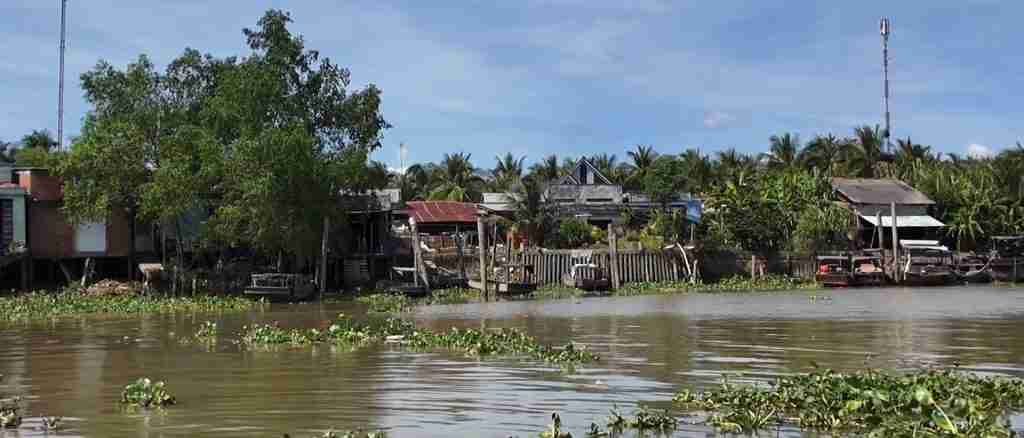
Mekong Delta tours showcase southern Vietnam’s vast river delta region with floating markets, fruit orchards, cottage industries, and traditional river life, offered as day trips though 2-day/1-night itineraries provide more comprehensive exploration avoiding the rushed pacing of same-day returns to Saigon. Standard day tours priced $25-45 per person visit My Tho or Ben Tre towns 70-90 kilometers southwest of Ho Chi Minh City, including sampan boat rides through narrow canals, visits to coconut candy workshops, honey bee farms, local fruit tastings, and sometimes modest floating markets (though major markets like Cai Rang operate exclusively pre-dawn hours impossible for day trip timing from Saigon). The 2-day/1-night option ($70-120 per person) enables early morning floating market participation in Can Tho (Vietnam’s most impressive floating market), homestay accommodation experiencing local family hospitality, cycling through riverside villages, and relaxed exploration impossible during time-compressed day trips. Independent travelers utilizing public buses from Ho Chi Minh City’s Mien Tay Bus Station reach delta towns cheaply (60,000-100,000 VND per trip) but require hiring local boats and guides upon arrival, complicated by language barriers and less reliable tour quality versus pre-arranged tours from established operators.
Vung Tau beach town offers seaside escape 125 kilometers southeast accessible via highway (2.5 hours by bus or private car), hydrofoil fast ferry (1.5 hours), or seaplane scenic flights (30 minutes). The coastal city attracts Vietnamese domestic tourists with beaches, seafood restaurants, mountain-top Christ statue (similar to Rio’s Christ the Redeemer), and lighthouse providing panoramic ocean views. Day trip tours $35-55 per person typically combine Christ statue, beaches, seafood lunch, and return to Saigon same evening, though overnight stays unlock better beach time and sunset enjoyment versus rushed one-day itineraries. The beaches themselves disappoint visitors familiar with Thailand or Indonesia’s pristine white-sand coastlines—Vung Tau’s urban beach stretches feature brown sand, occasional debris, and functional rather than postcard-perfect aesthetics, making this primarily convenient option for travelers lacking time reaching superior beach destinations Phu Quoc (1-hour flight) or Con Dao Islands (1-hour flight) requiring multi-day commitments. Hydrofoil ferries operated by Greenlines DP and Vina Express depart Ho Chi Minh City’s Bach Dang Wharf 300,000-400,000 VND one-way, enabling independent beach day trips without tour group constraints though total costs approach organized tour pricing when adding lunch and local transportation.
Cao Dai Temple in Tay Ninh province 100 kilometers northwest presents colorful syncretistic religion combining Buddhism, Taoism, Confucianism, Christianity, and Islam into unique Vietnamese belief system, with impressive temple complex featuring gaudy technicolor architecture, ornate dragon columns, and noon prayer ceremony where hundreds of followers dressed in ceremonial robes perform elaborate worship rituals. Tours commonly combine Cao Dai Temple with Cu Chi Tunnels in single full-day excursion (8-10 hours, $30-50 per person) enabling observation of noon ceremony before proceeding to underground tunnel networks, maximizing geographic efficiency visiting two sites northwest of Saigon along same general route. The ceremony theatrical spectacle appeals to tourists fascinated by religious diversity and colorful photography opportunities, though some criticize the temple-as-tourist-show dynamic with coach loads of foreigners gawking at sincere religious practice creating uncomfortable observation versus authentic spiritual engagement. Independent access via public bus to Tay Ninh town (4-hour round trip from Saigon) proves logistically challenging given timing requirements for noon ceremony observation and onward Cu Chi connections, making organized tours practical necessity for most visitors despite higher costs.
Can Gio Biosphere Reserve mangrove forest 40 kilometers south offers nature escape with monkey islands, crocodile farms, seafood restaurants, and mangrove boardwalk trails, attracting domestic tourists and adventurous travelers seeking non-historical, non-cultural activities. Day trip costs $35-50 per person include transportation, guide, entrance fees, and optional monkey feeding experiences or boat trips through mangrove channels. The reserve gained UNESCO Biosphere Reserve status recognizing ecological importance though tourism development remains modest with basic facilities creating rustic experience contrasting with Ho Chi Minh City’s urban intensity. Wildlife viewing includes long-tailed macaque monkeys habituated to human presence, crocodiles in fenced viewing areas, and various bird species among mangrove trees, though expectations should remain modest compared to national parks in other Southeast Asian countries with more diverse fauna and professional guide training. The day trip suits families with children wanting animal encounters, nature photography enthusiasts, or travelers seeking break from temple-museum-market routine dominating typical Saigon itineraries, though the 1.5-hour each-way transportation time and modest ecological significance makes this lower priority versus Cu Chi Tunnels or Mekong Delta for time-limited visitors.
Frequently Asked Questions About Ho Chi Minh City 2026
What is the difference between Ho Chi Minh City and Saigon?
Ho Chi Minh City represents the official government name adopted in 1976 following communist reunification victory ending the American War, while “Saigon” persists as the informal, historically-rooted name used interchangeably by both Vietnamese locals and international visitors, creating no practical difference in 2026 beyond naming preference and minor political connotations. The government officially renamed the southern capital to honor Communist leader Ho Chi Minh after North Vietnamese forces captured the city on April 30, 1975, eliminating the previous “Saigon” designation associated with the defeated Republic of Vietnam (South Vietnam) government. However, unlike forced ideological renaming in some post-conflict contexts, “Saigon” never truly disappeared from daily usage, appearing in business names (Saigon Beer, Saigon Times), area designations (Saigon River, Saigon Port), and casual conversation among residents who grew up with the original name. Government documents, maps, and official contexts use “Ho Chi Minh City” (often abbreviated HCMC or TP HCM in Vietnamese), while street conversation, tourist marketing, and nostalgic reference favor the shorter, more romantic “Saigon.” The persistence reflects broader southern Vietnamese cultural identity distinct from Hanoi’s northern character, with Saigon representing commercial dynamism, cultural diversity, and French colonial heritage versus the bureaucratic, traditional associations of the capital. Tourists using either name encounter no confusion or correction—both are universally understood, with many locals spontaneously mixing both in single conversations depending on context and emphasis. The only slight political sensitivity involves fervent communist ideologists preferring the official “Ho Chi Minh City” while anti-communist diaspora Vietnamese particularly in overseas communities insisting on “Saigon” as rejection of communist authority, though within Vietnam such positions rarely surface in tourist interactions focused on practical communication rather than ideological statements.
Can I drink tap water in Ho Chi Minh City in 2026?
Tap water in Ho Chi Minh City remains unsafe for direct drinking in 2026 despite government infrastructure improvements, requiring travelers to rely on bottled water priced 5,000-10,000 VND ($0.20-0.40) for 1.5-liter bottles widely available at convenience stores, hotels, restaurants, and street vendors throughout the city. The municipal water supply undergoes treatment at central facilities achieving technical standards for safety, but aging pipe networks, rooftop tank storage in buildings, and potential contamination during distribution compromise final tap quality reaching consumers, with locals themselves avoiding direct tap water consumption in favor of bottled alternatives or home filtration systems. Hotels and restaurants use filtered water for ice cubes and food washing at reputable establishments, making beverages and meals generally safe at mid-range and upscale venues, though budget-conscious travelers sometimes experience mild digestive upset from ice in questionable establishments or raw vegetables washed in tap water at street stalls—those with sensitive stomachs might request “khong da” (no ice) when ordering drinks and stick to cooked foods during initial acclimation days. Brushing teeth with tap water poses minimal risk as small quantities rarely cause issues compared to drinking full glasses, though extremely cautious travelers rinse with bottled water maintaining complete avoidance. The bottled water cost remains negligible within overall travel budgets at just 30,000-70,000 VND ($1.20-2.80) per person daily depending on heat exposure and activity level increasing consumption, making this minor expense enabling confident hydration without health concerns compromising trip enjoyment. Environmental sustainability concerns around plastic bottle waste create guilt for eco-conscious travelers, partially mitigated by Vietnamese recycling systems where plastic collectors gather bottles for recycling programs, though single-use plastic reduction remains challenging given water safety realities and limited public water fountain infrastructure in tropical developing-city context.
Do I need a visa for Vietnam in 2026?
Vietnam’s visa requirements in 2026 vary by nationality and trip duration, with citizens from 25+ countries including most Western European nations, UK, Scandinavian countries, Japan, and South Korea enjoying 45-day visa exemption for tourism purposes, while most other nationals including Americans, Canadians, Australians, and many Asian countries access Vietnam via e-visa system allowing 90-day single or multiple-entry stays for $25 application fee processed online within 3 business days. The e-visa system introduced 2017 and expanded 2023 replaced the previous 15-day visa exemption creating major convenience for travelers wanting extended 1-3 month itineraries without expensive visa runs to neighboring countries, applying online through the official government portal (evisa.xuatnhapcanh.gov.vn) requiring passport scan, photo, contact information, and intended entry/exit points submitted at least 5-7 days before departure allowing processing buffer. Approved e-visas arrive via email as PDF documents requiring printing for immigration presentation, valid for single entry or multiple entries depending on application selection, with 90-day maximum duration per visa though travelers can apply for new e-visa if extending beyond this period (though physical presence outside Vietnam required between visa activations preventing indefinite extensions while remaining in-country). The 25-country visa exemption list includes Germany, France, Italy, Spain, UK, Sweden, Norway, Denmark, Finland, Japan, South Korea, Russia, and others with exemption periods ranging 14-45 days depending on bilateral agreements, allowing short tourism visits without advance visa procurement though overstaying exemption period incurs substantial fines and potential immigration difficulties. Travelers from countries ineligible for exemption or e-visa including some African, Middle Eastern, and Asian nations must apply for traditional visas through Vietnamese embassies or consulates in their home countries before departure, typically requiring 5-10 business days processing, higher fees ($50-80), and in-person application appointments creating greater inconvenience versus the streamlined e-visa system. Business travelers and those with specialized purposes like study, journalism, or diplomatic missions require appropriate visa categories beyond tourist e-visas, obtained through embassy channels with supporting documentation from Vietnamese sponsors or organizations. The visa-on-arrival services advertised online and at airports refer to pre-approved letter systems requiring Vietnam government approval letters obtained through agencies, used primarily for business visas or emergency situations when insufficient time exists for standard e-visa processing, though the official e-visa system offers simpler, cheaper, more reliable tourist visa access rendering arrival services largely obsolete for leisure travelers.
Is Grab safe to use in Ho Chi Minh City in 2026?
Grab ride-hailing service operates safely and reliably in Ho Chi Minh City in 2026 with safety features including driver identification through in-app photos and ratings, GPS route tracking visible to users and emergency contacts, transparent fixed pricing eliminating scam opportunities, and 24/7 customer support addressing complaints or incidents, making this the strongly recommended transportation method over traditional taxis plagued by occasional meter tampering and route manipulation. The Grab app requires working smartphone with data connection (either Vietnamese SIM card purchased at airport for 100,000-200,000 VND providing 4GB+ data lasting typical week-long visit, or international roaming plan activated before arrival), credit card or local payment method registered in account (though cash payment remains option selected at booking for travelers preferring not linking financial information), and downloaded app configured with account before arrival enabling immediate airport pickup without scrambling for connectivity in arrival hall chaos. Driver quality ranges from consummate professionals with clean vehicles and courteous service to occasional individuals with limited English and older cars, though the rating system filters extremely poor drivers from active service and allows passengers to provide feedback improving future quality. Solo female travelers report comfortable safe experiences using Grab day and night with rare uncomfortable incidents, though standard precautions apply: sharing trip details with friends or hotel staff, sitting in back seat maintaining professional distance, following GPS route on personal phone confirming driver takes efficient path not circuitous detours. The occasional driver attempts conversation ranging from friendly curiosity about tourist origins and plans to unwelcome personal questions, addressed firmly by polite brief responses and returning to phone usage signaling disinterest in extended dialogue. Communication challenges arise with drivers lacking English beyond basic greetings though the GPS navigation system requires minimal verbal interaction—passengers confirm pickup location in app, driver arrives at designated spot, minimal conversation occurs during short District 1 trips, payment processes automatically for cashless transactions or simple cash exchange for trip total displayed in app. Problems including incorrect pickup locations, driver cancellations immediately after accepting rides during surge pricing, or occasionally rude driver behavior occur at rates comparable to Uber/Lyft in Western cities, with the in-app reporting system enabling complaint submission leading to driver warnings or deactivation for pattern violators. The safety record compared to traditional taxis demonstrates clear superiority given elimination of negotiation conflicts, physical cash handling creating robbery opportunities, and unmarked vehicles used in taxi scams, making Grab the default transportation recommendation for all travelers regardless of experience level navigating Asian cities.
What should I wear in Ho Chi Minh City in 2026?
Lightweight, breathable clothing in natural fabrics like cotton or linen proves most comfortable in Ho Chi Minh City’s tropical climate averaging 28-35°C (82-95°F) year-round with high humidity, though modest coverage of shoulders and knees remains advisable for temple visits and respectful cultural engagement despite the city’s relatively relaxed dress codes compared to more conservative Asian destinations. Recommended clothing includes loose-fitting t-shirts, tank tops or sleeveless blouses (paired with light cardigan or scarf for temple visits requiring shoulder coverage), knee-length or longer shorts for men, skirts or capri pants for women, breathable sandals or comfortable walking shoes with socks preventing blisters during extended sightseeing, and sunhat or cap providing sun protection during daytime outdoor activities. Air-conditioned spaces including malls, upscale restaurants, museums, and Grab rides create dramatic temperature contrasts with outdoor heat, making light jacket or long-sleeve layer useful preventing excessive chilling in over-enthusiastic air conditioning settings common throughout Vietnam. Evening attire for rooftop bars or nice restaurants requires collared shirts for men and modest dresses for women rather than daytime shorts and t-shirts, though enforcement varies with upscale establishments maintaining stricter standards than casual venues welcoming backpacker-style presentation. Specific temple and religious site dress codes mandate covered shoulders and knees at places like Jade Emperor Pagoda and Giac Lam Pagoda, enforced through entrance denials or coverup sarong rentals 10,000-20,000 VND, though Reunification Palace and War Remnants Museum impose no formal restrictions beyond general modesty expectations. Footwear requires easy removal capability given frequent shoe-off requirements entering temples, homes, and some restaurants and shops, making slip-on sandals more convenient than laced hiking shoes necessitating bend-down untying and relacing. Women’s dress draws occasional unwanted attention from male street vendors and motorbike taxi drivers, mitigated through modest coverage, confident body language, and avoiding eye contact encouraging interaction, though harassment remains far less intense than some other Asian destinations and conservative Islamic countries. Rain gear including compact umbrella or light rain jacket proves useful during wet season (May-October) when afternoon thunderstorms arrive predictably, though warm tropical rain rarely creates cold discomfort making some travelers accept getting wet during brief downpours rather than carrying rain protection throughout dry season months. Vietnamese urban fashion among young locals incorporates Western styles with skinny jeans, branded sportswear, and occasional formal business attire surprising visitors expecting traditional ao dai clothing dominating daily wear—the silk ao dai appears primarily during special occasions, weddings, and tourism industry workers creating exotic atmosphere rather than everyday Vietnamese reality, making Western casual clothing perfectly acceptable and widespread throughout modern Saigon streets.
Can I use US dollars in Ho Chi Minh City in 2026?
Vietnamese dong remains the primary currency for transactions throughout Ho Chi Minh City in 2026, though US dollars find selective acceptance at hotels, tour operators, and some tourist-focused businesses typically at unfavorable exchange rates compared to proper currency exchange creating disadvantage for travelers paying in USD rather than local currency. Major hotels accept dollar payment for room rates at posted USD prices or dong equivalent calculated using hotel’s internal exchange rate, tour companies list prices in dollars but often accept payment in both currencies, and a handful of high-end restaurants and shops quote dual pricing though the majority of businesses throughout the city demand dong for transactions. Street food vendors, local restaurants, markets, taxis, Grab rides, and most retail transactions outside luxury tier require Vietnamese dong exclusively, making currency exchange essential rather than optional for travelers wanting local dining and ground-level experiences beyond tourist bubble. Exchange rates vary significantly between official bank rates published daily around 23,500-24,500 VND per USD (January 2026 rates, subject to fluctuation), hotel exchange desks offering 5-10% worse rates creating subtle profit margins, and sketchy street money changers occasionally running scams with miscounts or counterfeit bills. Reputable exchange options include ATM withdrawals using international debit cards with Visa/Mastercard networks (most reliable method generating best exchange rates minus modest 2-4% foreign transaction fees depending on home bank policies), official gold shops in District 1 posting competitive rates slightly better than banks and hotels, or hotel front desks for convenience accepting poorer exchange rates as convenience cost. ATM availability throughout District 1 and other central areas enables easy withdrawal of 2,000,000-3,000,000 VND (approximately $80-120) per transaction with daily limits typically 10,000,000 VND ($400) depending on bank policies and card types, sufficient for several days expenses given modest local costs. Travelers should request mix of denominations during exchange avoiding excessive 500,000 VND bills difficult using at street stalls and small businesses, instead seeking 100,000 and 200,000 VND notes plus smaller 50,000 and 20,000 denominations ideal for taxis and food purchases. Credit card acceptance remains limited outside hotels, upscale restaurants, and international retailers, with 3-5% surcharges commonly added to credit transactions offsetting merchant fees, making cash king for majority of Vietnam travel despite inconvenience of carrying larger amounts than travelers accustomed to tap-payment Western countries. The dual pricing system at some tourist venues quotes both USD and VND creating confusion whether better deal lies in one currency versus other, generally resolving toward paying in dong at equivalent exchange rate avoiding hotel/tour operator margin built into dollar pricing.
What is the best time of year to visit Ho Chi Minh City in 2026?
December through April constitutes Ho Chi Minh City’s optimal visiting period in 2026 during the dry season when clear skies, lower humidity, and slightly cooler temperatures (25-32°C / 77-90°F) create more comfortable sightseeing conditions compared to wet season’s afternoon thunderstorms and intense humidity, though the year-round tropical warmth means no season proves genuinely “bad” for visitors willing to adapt to weather patterns. The dry season peak months January-February bring the highest tourist numbers coinciding with North Asian winter escapes, European Christmas/New Year holidays, and Vietnamese Tet Lunar New Year preparations, resulting in 30-50% higher accommodation costs, crowded attractions, and advanced booking requirements for quality hotels though the pleasant weather justifies popularity. March-April transition months maintain dry season weather reliability while seeing reduced tourist density as peak season concludes, offering sweet spot of favorable conditions and moderate pricing before wet season onset in May. The wet season May-October brings daily afternoon thunderstorms typically arriving 2-6 PM and lasting 30-90 minutes with intense downpours followed by clearing skies, creating predictable pattern allowing morning sightseeing (7 AM-1 PM) before rain probability increases, afternoon breaks in air-conditioned cafes or hotels waiting out storms, then dry evening activities after clearing. June-August represents Vietnamese domestic summer vacation period when local tourism peaks at beaches and resorts but fewer international visitors arrive during wet season, creating interesting dynamic where Ho Chi Minh City itself sees moderate tourist levels while beach destinations like Phu Quoc and Nha Trang encounter Vietnamese holiday crowds. The wet season advantages include lush green vegetation, dramatic afternoon storm cinematography, minimal air pollution washed from atmosphere by regular rains, deeply discounted accommodation rates (20-40% below dry season), and authentic local atmosphere without overwhelming international tourist presence—appealing to budget travelers and those prioritizing local interaction over perfect weather guarantees. September-October transitions toward dry season with decreasing rain frequency and intensity, though still experiencing occasional afternoon storms making this unpredictable period best avoided by travelers with rigid itineraries requiring guaranteed outdoor activity windows. November bridges into early dry season with improving conditions though lingering occasional rain, offering early value pricing before peak season December-January rate increases. Tet Lunar New Year (late January-February with exact dates varying annually—2026 Tet occurs January 29) creates extreme crowding with domestic Vietnamese returning to hometowns for family celebrations, causing temporary business closures (many restaurants and shops close 3-7 days), transportation challenges with fully booked buses and trains, and festival atmosphere throughout cities though some attractions scale back hours or close entirely, making this fascinating cultural experience for travelers willing to accept logistics complications or disappointing dead period for those expecting normal tourism operations.
Are there any UNESCO World Heritage Sites in Ho Chi Minh City in 2026?
Ho Chi Minh City contains no UNESCO World Heritage Sites within its administrative boundaries in 2026, though Cu Chi Tunnels historical complex 70 kilometers northwest has been proposed for potential UNESCO designation recognizing its significance in guerrilla warfare tactics during the American War and preserved underground network representing innovative military engineering under extreme adversity. Vietnam maintains 8 UNESCO World Heritage Sites as of 2026 including Ha Long Bay (natural site), Phong Nha-Ke Bang National Park (natural site), Hoi An Ancient Town (cultural site), My Son Sanctuary (cultural site), Imperial City of Hue (cultural site), Citadel of the Ho Dynasty (cultural site), Trang An Landscape Complex (mixed natural and cultural site), and Central Sector of Imperial Citadel of Thang Long-Hanoi (cultural site), with the closest to Ho Chi Minh City being Hoi An Ancient Town approximately 900 kilometers north requiring domestic flight or multi-day overland journey. The absence of UNESCO designation within Saigon itself reflects the city’s relatively recent development history—serious urbanization occurred primarily under French colonial rule post-1860s then accelerated dramatically during American War period (1960s-1970s) and subsequent economic reform era (1986-present), creating modern metropolis with scattered historical buildings rather than intact heritage districts meeting UNESCO’s authenticity and preservation criteria. War Remnants Museum and Reunification Palace possess undeniable historical significance for 20th century conflict documentation though neither meets UNESCO’s standards for architectural or cultural outstanding universal value beyond national importance. Notre Dame Cathedral’s French colonial architecture could theoretically achieve heritage status though the single building insufficient for designation without broader colonial district context, plus the ongoing restoration work reflects modification rather than pristine preservation. The Cu Chi Tunnels UNESCO proposal faces challenges including extensive tourist modifications enlarging original tunnels, modern additions including shooting ranges and souvenir shops, and questions whether underground network constitutes sufficient architectural heritage versus primarily military historical interest—though Vietnamese government continues pursuing nomination recognizing tourism and national pride benefits from UNESCO recognition. Travelers specifically seeking UNESCO World Heritage experiences from Ho Chi Minh City base must allocate multi-day trips visiting Hoi An Ancient Town (2-3 day trips with overnight recommended), Imperial Hue (2-3 day trips), or My Son Sanctuary (can combine with Hoi An visit in 3-day trip), or undertake northern itinerary segment visiting Hanoi’s Imperial Citadel, Trang An Landscape Complex in Ninh Binh, and Ha Long Bay during separate multi-day journey requiring week+ allocation for comprehensive UNESCO site collection across Vietnam’s geographic span.
How much does a Cu Chi Tunnels tour cost from Ho Chi Minh City in 2026?
Cu Chi Tunnels day trip tours from Ho Chi Minh City cost $18-35 per person in 2026 for standard group tours lasting 4-6 hours including round-trip air-conditioned transportation, English-speaking guide, entrance fee (110,000 VND / $4.50), and sometimes bottled water or light snacks, with morning departures (8:00 AM pickup) preferred for cooler tunnel crawling conditions and afternoon availability for other Saigon activities upon return. Budget group tours at the $18-22 price point utilize larger buses carrying 30-45 passengers, provide basic historical narration, and allocate minimal time at the tunnel site (1.5 hours) prioritizing efficient schedule turnover maximizing daily tour rotations, sufficient for checking the attraction off bucket lists but lacking depth for serious history enthusiasts. Mid-range tours $25-30 per person operate smaller 15-20 passenger vehicles creating more personalized atmosphere, employ experienced guides offering detailed historical context beyond basic script, and allow extended 2-2.5 hour site exploration including tunnel crawling, war rooms, displays, and educational film viewing. Premium small-group tours $35-55 cap participation at 8-12 people maximum, feature expert guides sometimes with personal war connections or academic backgrounds, and combine Cu Chi with other attractions like Cao Dai Temple creating 8-10 hour full day experiences. Private tours for couples or small groups pricing $80-120 per vehicle (not per person) seating 4-7 passengers offer maximum flexibility on departure times, site duration, and itinerary modifications stopping for photos or local restaurants versus group tour rigid schedules. The entrance fee 110,000 VND covering access to tunnel site represents standard cost regardless of tour operator, with the transportation and guide services creating price variation—DIY independent travelers utilizing public buses from Ben Thanh Bus Station save tour costs but sacrifice English explanation, convenient scheduling, and time efficiency given the 3-4 hour round-trip public transportation versus 2-3 hours in organized tour vehicles. Additional costs at Cu Chi Tunnels include optional shooting range experiences 400,000-600,000 VND ($16-24) per magazine of 10-20 bullets from AK-47, M16, or other Vietnam War-era weapons, and souvenir stalls selling T-shirts, military reproductions, and handicrafts at inflated tourist pricing. Half-day tours departing 8:00 AM return to Saigon approximately 1:00-2:00 PM enabling afternoon activities, while full-day combinations adding Cao Dai Temple noon ceremony extend returns to 5:00-6:00 PM requiring commitment of entire day but efficiently combining two northwestern sites in single journey. Booking options include hotel concierge arrangements sometimes marking up 10-20% versus direct operator booking, online platforms like GetYourGuide, Klook, Viator providing confirmed pricing and reviews though adding service fees, or direct contact with tour operators like Sinh Tourist, The Sinh Tourist, or local agencies clustered in Pham Ngu Lao backpacker area offering competitive walk-in rates for next-day departures. Reviews should be researched before booking given quality variation between operators—inadequate historical explanation reducing experience to simple tunnel crawling versus knowledgeable guides bringing war context alive through personal stories and tactical explanations.
Is Ho Chi Minh City good for families with children in 2026?
Ho Chi Minh City serves as a moderately family-friendly destination in 2026 with attractions engaging older children (ages 8+) interested in history, accessible transportation via Grab avoiding long walks in heat, abundant restaurant options including Western familiarity for picky eaters, but challenging aspects including intense traffic creating crossing stress, limited green spaces and playgrounds compared to Western cities, and heavy war history content at major museums potentially disturbing or boring younger children lacking historical context. War Remnants Museum’s graphic photography of burn victims, dead bodies, and birth defects from Agent Orange exposure proves inappropriate for sensitive children though older teens with mature understanding of war consequences find the educational value significant—parents should preview online images before deciding children’s exposure, or visit solo first then bringing kids to less graphic outdoor military equipment displays skipping brutal photography galleries. Reunification Palace appeals to families through exploration of preserved 1960s rooms, basement bunkers, and rooftop helicopter pad creating interactive historical experience beyond passive museum viewing, suitable for children 8+ with attention spans for 1-1.5 hour guided exploration. Saigon Zoo and Botanical Gardens in District 1 provides traditional family attraction with animal exhibits, playgrounds, and shaded walking paths charging 80,000 VND ($3.20) adult entry and 40,000 VND children, though facilities show age and animal enclosures appear smaller than modern Western zoos creating ethical concerns among visitors accustomed to spacious wildlife exhibits—children enjoy the experience while animal welfare conscious parents find the compromises difficult. Dam Sen Water Park in District 11 offers water slides, wave pools, and aquatic attractions 190,000-230,000 VND ($8-9) entry, popular with local families and providing full-day heat escape though the 30-minute Grab ride from District 1 and Vietnamese holiday crowding limit appeal versus dedicated beach resort visits. Kid-friendly restaurants throughout District 1 and 2 include Western chains (KFC, McDonald’s, Pizza 4Ps craft pizza), hotel breakfast buffets with familiar selections, and Vietnamese pho restaurants where mild chicken broth versions appeal to conservative palates—many mid-range and upscale restaurants accommodate children with high chairs, though budget street food stalls lack such facilities requiring creative seating solutions. Accommodation choices should prioritize larger hotel rooms, family suites, or apartments through Airbnb enabling space for children versus cramped budget hotel double rooms creating confined stress after days in humid crowded streets—many three and four-star hotels offer family rooms sleeping 3-4 people or connecting rooms for larger families at rates below booking separate doubles. Transportation via Grab proves family-friendly with car seats occasionally available though not guaranteed (bringing portable car seats recommended for young children), and private tours allowing stroller transportation and flexible bathroom/snack breaks impossible during rigid large-group tours. The challenges for families include sidewalk navigation around motorbikes and vendor obstacles making stroller pushing difficult, limited Western-style playgrounds and dedicated child attractions compared to Singapore or Tokyo, and the pervasive motorbike traffic creating constant safety concerns requiring vigilant supervision preventing children wandering into traffic. Overall, families with children ages 10+ interested in history and culture find Ho Chi Minh City manageable and educational, families with younger children (under 8) might better visit Vietnam’s beach destinations Phu Quoc or Nha Trang offering child-friendly resorts with pools and sand rather than urban intensity, while families with teenagers appreciating war history and street food exploration maximize Saigon’s educational and culinary opportunities during 3-4 day visits before continuing to more relaxation-focused beach destinations.