Helsinki Travel Guide 2026: Best Things to Do & See
Helsinki combines Nordic design, Baltic beauty, and vibrant culture into an unforgettable urban experience. Finland’s capital offers world-class architecture, fascinating museums, unique dining experiences, and easy access to surrounding islands and natural areas. This comprehensive guide provides everything you need to plan your perfect Helsinki adventure in 2026.
Key Takeaways
- Helsinki blends modern Nordic design with historic architecture, from the iconic Rock Church to Senate Square’s neoclassical grandeur
- The city offers excellent value through the Helsinki Card (from €57 for 24 hours), including public transport and museum entries
- Suomenlinna Sea Fortress, a UNESCO World Heritage Site, sits just 15 minutes from downtown by ferry
- Public transport operates efficiently with single tickets at €3.50 and day passes providing unlimited travel across zones
- Helsinki serves as an ideal base for day trips to Tallinn (Estonia), Porvoo, and Nuuksio National Park
- Summer (June-August) offers long daylight hours and outdoor activities, while winter provides authentic sauna culture and seasonal charm
People Also Ask About Helsinki Travel 2026
How many days do you need in Helsinki in 2026?
Three to four days provides enough time to experience Helsinki’s main attractions, explore Suomenlinna, take a day trip to Tallinn or Porvoo, and immerse yourself in local culture. A minimum of two full days allows you to see the essential sights including Senate Square, Temppeliaukio Church, Market Square, and take the ferry to Suomenlinna. If you have five or more days, you can add multiple day trips and explore neighborhoods like Kallio and the Design District more thoroughly.
What is the best month to visit Helsinki in 2026?
May through September offers the best weather for visiting Helsinki, with June and July providing the longest days (nearly 19 hours of daylight) and warmest temperatures averaging 17-20°C. Late May and early September provide excellent value with fewer crowds while maintaining pleasant weather. December attracts visitors for Christmas markets and festive atmosphere, though daylight lasts only 6 hours. April and October offer shoulder season advantages with lower hotel rates and authentic local experiences.
Is Helsinki expensive to visit in 2026?
Helsinki ranks among the more expensive European capitals, with average daily costs of €80-150 per person excluding accommodation. Budget travelers can manage on €60-80 daily by staying in hostels (€24-44 per night), using lunch buffets (€11-15), and visiting free attractions. Mid-range visitors typically spend €100-150 daily with hotel costs of €93-107 per night and restaurant meals at €20-30. The Helsinki Card (€57-87) provides good value for active sightseers planning to visit multiple paid attractions.
What should I not miss in Helsinki in 2026?
Essential Helsinki experiences include Suomenlinna Sea Fortress (UNESCO site accessible by 15-minute ferry), Temppeliaukio Rock Church (carved from solid bedrock), Senate Square with Helsinki Cathedral, and Market Square for Finnish food specialties. Don’t miss exploring the Design District for Nordic design, experiencing a traditional Finnish sauna at Allas Sea Pool or Löyly, and taking a canal or archipelago cruise. The Ateneum Art Museum houses Finland’s finest art collection, while a day trip to Tallinn offers an easy international excursion.
Extended multi-day tours – 5+ days
Featured Helsinki Multi-Day Tour Packages
6 days
Scandinavian Secrets
- ✓ Comprehensive Helsinki tour
- ✓ Expert local guides included
- ✓ All accommodation arranged
- ✓ Transportation provided
5 days
Estonia and Finland: Christmas Markets in Tallinn and Helsinki
- ✓ Booking needs min. 2 travelers
7 days
Jewels of Scandinavia End Helsinki (8 destinations)
- ✓ Comprehensive Helsinki tour
- ✓ Expert local guides included
- ✓ All accommodation arranged
- ✓ Transportation provided

7 days
Winter Sleep – Archipelago Winter Wellness Week
- ✓ Comprehensive Helsinki tour
- ✓ Expert local guides included
- ✓ All accommodation arranged
- ✓ Transportation provided
Multi-day tour packages powered by TourRadar. Prices and availability subject to change.
Introduction: Discovering Helsinki in 2026
Helsinki stands as one of Europe’s most livable and design-forward capitals, where modernist architecture meets Baltic coastline beauty. Founded in 1550, the city has evolved from a modest trading post into a vibrant metropolis of 660,000 people, blending Swedish and Russian influences with distinctly Finnish character. Unlike many European capitals dominated by ancient monuments, Helsinki’s architectural highlights span Art Nouveau masterpieces, neoclassical landmarks, and cutting-edge contemporary design.
The city’s location on a peninsula surrounded by nearly 300 islands creates unique opportunities for island-hopping, waterfront dining, and scenic ferry rides. Helsinki’s compact downtown allows visitors to walk between major attractions, while an efficient public transport system of trams, buses, and metro provides easy access to outlying neighborhoods and islands. The Finnish capital has gained international recognition for innovative urban planning, with the Oodi Central Library and Allas Sea Pool representing recent architectural achievements.
Helsinki’s cultural calendar spans year-round, from summer music festivals and outdoor markets to winter Christmas celebrations and New Year’s Eve fireworks over the harbor. The city serves as Finland’s culinary capital, home to four Michelin-starred restaurants and a thriving food scene emphasizing local, seasonal ingredients. Whether you’re drawn to design museums, sauna culture, Baltic seafood, or simply exploring a unique Nordic city, Helsinki rewards visitors with memorable experiences distinctly different from other European destinations.
Essential Planning Information 2026
Best Time to Visit Helsinki 2026
Summer months (June-August) provide ideal conditions for visiting Helsinki, with average temperatures of 15-20°C and nearly 19 hours of daylight in June. July represents peak season with the warmest weather but also the highest hotel prices and largest crowds. Late August offers excellent value as temperatures remain pleasant (16-18°C) but tourist numbers decrease significantly.
May and September serve as optimal shoulder season months, combining comfortable weather (10-15°C) with lower prices and fewer visitors. Spring brings longer days and blooming parks, while early autumn provides stunning foliage and harvest season dining experiences. These months offer 30-40% lower hotel rates compared to peak summer.
Winter (December-February) appeals to travelers seeking authentic Nordic winter experiences, Christmas markets, and seasonal activities like ice skating in Johannes Park. Temperatures range from -5°C to 0°C, with daylight lasting only 6 hours in December. However, winter provides opportunities for Northern Lights excursions, sauna culture experiences, and significantly lower costs. January represents the cheapest month for accommodation.
April and October present mixed conditions with unpredictable weather but excellent value for budget-conscious travelers. Spring arrives slowly in April (3-8°C), while October sees autumn colors and temperatures of 5-8°C. These months suit visitors prioritizing cultural attractions over outdoor activities.
Getting to Helsinki 2026
Helsinki-Vantaa Airport (HEL) serves as Finland’s main international gateway, located 18 kilometers north of downtown. The airport connects to over 150 destinations worldwide with direct flights from major European cities, North American hubs, and Asian capitals. Finnair operates as the primary carrier, with numerous European airlines providing competitive connections.
The Ring Rail Line provides the fastest connection between the airport and city center, with trains departing every 10 minutes during peak hours. The journey takes 30 minutes to Helsinki Central Railway Station with tickets costing €3.50 (included in HSL AB zone tickets). Airport buses (Finnair City Bus and public bus 615) offer alternative connections at similar prices, taking 35-45 minutes depending on traffic.
Taxis from the airport to downtown cost €40-50 depending on destination and time of day, with the journey taking 25-30 minutes. Ride-sharing services operate at the airport but pricing remains similar to traditional taxis due to Finnish regulations. Pre-booking private transfers provides fixed pricing of €45-55 for sedan service.
Travelers arriving from other Scandinavian countries can utilize ferry connections from Stockholm (overnight ferries operated by Tallink Silja and Viking Line) and Tallinn (2-hour crossings with Tallink Silja, Viking Line, and Eckerö Line). These ferry services provide both transportation and accommodation options, with prices ranging from €25-80 depending on cabin class and season.
Getting Around Helsinki 2026
Helsinki Regional Transport (HSL) operates an integrated public transport network including trams, buses, metro, commuter trains, and ferries. The system uses zone-based pricing, with most attractions located in zones A and B. Single tickets cost €3.50 and remain valid for 80 minutes (AB zones), allowing unlimited transfers between all transport modes.
Day tickets provide excellent value for active travelers, with 24-hour AB zone passes costing €9, 48-hour passes at €14, and 72-hour passes at €18. These tickets activate upon first use and provide unlimited travel within their validity period. Travelers can purchase tickets through the HSL mobile app, ticket machines at major stops, or from R-kiosks throughout the city.
Trams offer the most scenic and practical way to explore central Helsinki, with 10 lines covering major attractions. Lines 2 and 3 form a circular route around downtown, stopping at Senate Square, Market Square, and Esplanadi. The metro serves primarily residential areas but provides quick access to Suomenlinna ferry terminal and some outlying attractions.
Walking works well for exploring central Helsinki, with most major sights within 2-3 kilometers of each other. The compact downtown features pedestrian-friendly streets, waterfront promenades, and well-maintained sidewalks. Bicycle rentals offer another option for summer visitors, with city bikes available through the Helsinki City Bike system (day pass €5) and private rental shops providing longer-term options at €15-25 daily.
Helsinki Card 2026
The Helsinki Card combines public transport access with free entry to over 30 attractions, making it valuable for active sightseers. The card costs €57 for 24 hours, €77 for 48 hours, and €87 for 72 hours (check official site for current rates). All options include unlimited public transport in zones A and B, covering downtown Helsinki and major attractions including Suomenlinna.
Card benefits include free admission to Ateneum Art Museum (regular entry €20), National Museum of Finland (€15), Kiasma Contemporary Art Museum (€18), and Suomenlinna museums (€8-12 each). The card also provides discounts on canal cruises, restaurants, and shopping at selected locations. A free sightseeing tour typically accompanies card purchase, though availability varies by season.
The Helsinki Card proves cost-effective for visitors planning to see three or more paid attractions daily and use public transport extensively. Budget travelers focusing on free attractions (Helsinki Cathedral, Uspenski Cathedral, parks) may find better value purchasing individual tickets. Calculate potential savings based on your planned itinerary before purchasing.
The City Card variant covers zones A and B (downtown and near suburbs), while the Region Card extends coverage to zone C including some outlying attractions. Most first-time visitors find the City Card sufficient unless planning trips to Espoo or Vantaa attractions. Cards activate upon first use at any included attraction or transport validator.
Top Attractions and Things to Do 2026
Suomenlinna Sea Fortress
This UNESCO World Heritage Site ranks as Helsinki’s most popular attraction, combining military history, museums, restaurants, and scenic walking paths across six interconnected islands. Built by Sweden in 1748 as protection against Russian expansion, Suomenlinna has served Swedish, Russian, and Finnish forces throughout its 275-year history. Today, approximately 800 residents call the fortress home, creating a unique living museum atmosphere.
Ferries depart from Market Square every 20-40 minutes year-round, with the journey taking 15 minutes. HSL public transport tickets cover the ferry crossing, making Suomenlinna accessible with any day pass or Helsinki Card. The fortress itself requires no entry fee, though individual museums charge €5-12 (check official site for current rates).
The Blue Route walking trail provides an excellent introduction to Suomenlinna, covering 1.5 kilometers from the main pier to King’s Gate at the southern tip. This self-guided walk takes 1.5-2 hours and passes major historical sites including Jetty Barracks, Suomenlinna Church, Great Courtyard, and the Dry Dock. Free maps and audio guides (available at the visitor center) enhance the experience with historical context and architectural details.
Key museums include Suomenlinna Museum (fortress history and model displays), Ehrensvärd Museum (commander’s residence with period furnishings), Military Museum (Finnish defense history), and Submarine Vesikko (German-built WWII submarine). Restaurants and cafes scattered across the islands provide dining options, with advance booking recommended for weekend lunches. Winter visits offer peaceful exploration with minimal crowds, though some facilities operate on reduced schedules.
Temppeliaukio Church (Rock Church)
Carved directly into solid bedrock in 1969, Temppeliaukio Church represents one of Finland’s most distinctive architectural achievements. Architects Timo and Tuomo Suomalainen designed the church to preserve the natural rock face, creating a dramatic interior where rough stone walls rise to meet a copper dome supported by concrete beams. Natural light streams through 180 skylight windows circling the dome, creating an otherworldly atmosphere.
The church’s exceptional acoustics attract musicians worldwide, with regular concerts featuring classical, jazz, and contemporary music. Concert schedules vary seasonally, with most performances occurring between May and September. Check the official website for current concert listings and ticket prices (typically €15-30).
Entry to Temppeliaukio costs €10 for adults (check official site for current rates), with reduced rates for students and seniors. The church operates Monday-Friday 10 AM-8 PM and weekends with reduced hours, though times vary for religious services. Visit early morning or late afternoon to avoid tour group crowds. Photography is permitted but flash photography disrupts services and concerts.
The church stands in the Töölö neighborhood, accessible via tram lines 2, 3, and 4 (Sammonkatu stop). Comfortable walking shoes help navigate the rocky interior floor. The nearby Sibelius Monument (10-minute walk) combines well with Rock Church visits for an efficient morning itinerary.
Senate Square and Helsinki Cathedral
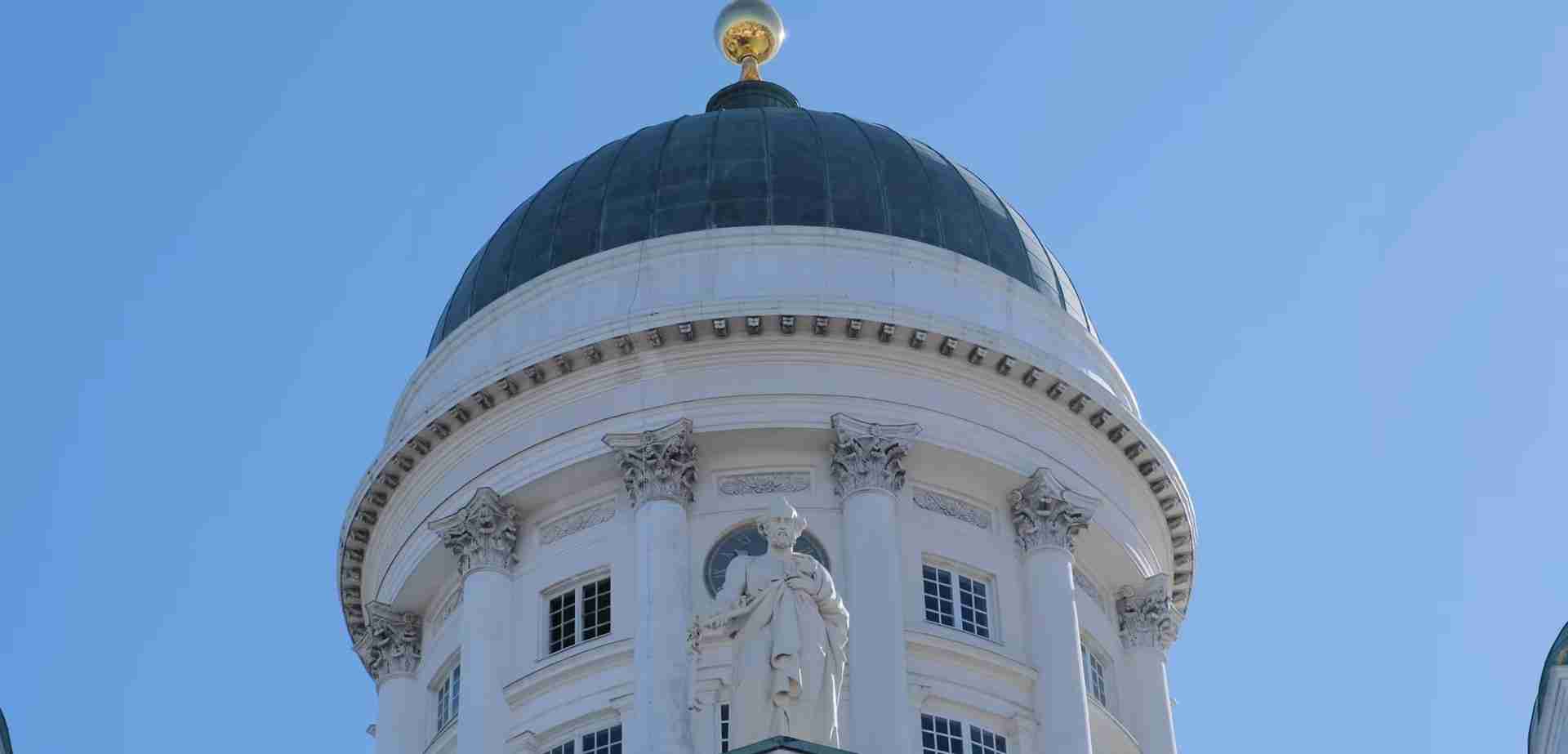
Senate Square forms the heart of neoclassical Helsinki, surrounded by buildings designed by German architect Carl Ludvig Engel in the 1820s-1840s. The square’s symmetrical layout, wide granite steps, and imposing facades create one of Europe’s most harmonious urban spaces. Helsinki Cathedral dominates the square with its distinctive white facade and green copper domes, serving as both the city’s most recognizable landmark and an active Lutheran church.
The cathedral opens daily free of charge, with visiting hours 9 AM-6 PM (reduced hours in winter). Interior highlights include the ornate altar, pipe organ, and cryptlike lower chapel used for exhibitions and events. Climbing the cathedral steps provides excellent photo opportunities overlooking the square and harbor beyond.
Senate Square hosts major events throughout the year, including New Year’s Eve celebrations, May Day festivities, and summer concerts. The square remains relatively quiet most days, perfect for appreciating the architecture and watching street performers. Surrounding buildings house government offices, the University of Helsinki main building, and the Finnish National Library.
The nearby Esplanadi park (5-minute walk) provides a pleasant tree-lined promenade connecting Senate Square to Market Square. This pedestrian boulevard features cafes, restaurants, and seasonal events, serving as Helsinki’s living room during summer months. Combined, these central landmarks create an essential first-day walking route through historic Helsinki.
Market Square and Old Market Hall
Market Square (Kauppatori) buzzes with activity as Helsinki’s primary outdoor market, stretching along the harbor opposite Presidential Palace. Vendors sell fresh produce, flowers, handicrafts, and Finnish food specialties including smoked fish, reindeer meat, and cloudberry jam. The market operates year-round with extended hours during summer (6:30 AM-4 PM weekdays, 6:30 AM-3 PM Saturdays), reducing to morning-only hours in winter.
Food stalls serve traditional Finnish specialties perfect for quick lunches. Try salmon soup (€8-10), reindeer sausage (€6-8), or Karelian pasties (€3-4). Coffee tents provide warming breaks with fresh pastries and strong Finnish coffee. Summer brings additional craft vendors selling woolens, jewelry, and souvenirs, though prices tend higher than shops elsewhere in the city.
Old Market Hall, a red-brick building at the harbor’s edge, houses permanent food vendors in a historic covered market dating to 1889. The hall specializes in Nordic delicacies including smoked fish, Finnish cheeses, and local pastries. Upstairs cafes offer seats overlooking the harbor, ideal for sampling fresh seafood or traditional Finnish coffee and cinnamon rolls. The market hall opens Monday-Saturday 8 AM-6 PM, with some vendors closing Sundays.
Ferries to Suomenlinna and other islands depart from piers adjacent to Market Square, making this an ideal starting point for island excursions. The square also serves as terminus for hop-on-hop-off tour buses and provides access to harbor cruises departing for archipelago tours.
Design District
Helsinki’s Design District encompasses 25 blocks filled with design studios, boutiques, galleries, and workshops showcasing Finnish and international design. The district centers on Uudenmaankatu and Fredrikinkatu streets in the Punavuori and Kaartinkaupunki neighborhoods, south of Esplanadi park. A self-guided walking route connects over 200 design-related businesses, marked with distinctive street signs.
Flagship Finnish design brands include Marimekko (textiles and fashion), Iittala (glassware and home goods), and Artek (furniture). These established names share the district with emerging designers, vintage shops, and craft studios. Many studios welcome visitors to watch artisans at work, particularly in jewelry-making, ceramics, and textile design.
The Design Museum (Designmuseo) provides context for Finnish design history and contemporary movements. Exhibitions explore furniture, industrial design, fashion, and graphics with emphasis on Finnish contributions to international design. Entry costs €15 (check official site for current rates), with free admission on the first Thursday of each month. The museum operates Tuesday-Sunday 11 AM-6 PM, with extended hours Wednesdays until 8 PM.
Design District shops typically open Tuesday-Friday 11 AM-6 PM and Saturday 10 AM-4 PM, with many closing Sundays and Mondays. Restaurant Day (quarterly event allowing anyone to open temporary restaurants) often sees concentrated activity in the Design District. Walking the district takes 2-3 hours with stops, though design enthusiasts easily spend a full day exploring thoroughly.
Museums and Cultural Attractions 2026
Ateneum Art Museum houses Finland’s largest art collection, with over 20,000 works spanning 1750s-1950s. Finnish Golden Age paintings, international masterworks, and rotating exhibitions occupy the museum’s grand halls. Highlights include Akseli Gallen-Kallela’s Kalevala illustrations, Ferdinand von Wright’s nature paintings, and works by Helene Schjerfbeck. Entry costs €20 (check official site for current rates), with free admission on the first Friday evening of each month. The museum opens Tuesday-Sunday 10 AM-6 PM, Wednesdays and Fridays until 8 PM.
Kiasma Museum of Contemporary Art presents cutting-edge modern art across three floors of a striking Steven Holl-designed building. Exhibitions change quarterly, featuring both Finnish and international artists working in installation, video, performance, and traditional media. The museum emphasizes experimental and challenging work, with interactive elements appealing to diverse audiences. Entry costs €18, with free admission Fridays 5-8 PM. Operating hours Tuesday-Sunday 10 AM-5 PM extend to 8 PM Fridays.
National Museum of Finland chronicles Finnish history from prehistoric times through independence to the present day. Permanent exhibitions include Stone Age artifacts, medieval church art, Russian imperial period displays, and 20th-century social history. The museum building itself represents National Romantic architecture, with tower and frescoes by Akseli Gallen-Kallela. Entry €15, free admission Fridays 4-6 PM. Open Tuesday-Sunday 11 AM-6 PM.
Helsinki City Museum offers free admission to permanent and temporary exhibitions exploring Helsinki’s urban history, daily life, and cultural development. Five historic buildings in the city center house different collections, with the main building on Aleksanterinkatu serving as primary venue. Interactive exhibits appeal to families, while historical photographs and artifacts provide depth for history enthusiasts. Open Monday-Friday 11 AM-7 PM, weekends 11 AM-5 PM.
Churches and Architecture
Uspenski Cathedral rises above Katajanokka district as the largest Orthodox church in Western Europe. Red brick exterior with gilded onion domes creates a striking contrast to Lutheran Helsinki Cathedral’s white neoclassicism. The interior features icons, Orthodox artwork, and elaborate decor reflecting Russian influence during Finland’s Grand Duchy period (1809-1917). Entry free, open Monday-Saturday 9:30 AM-4 PM, Sunday 12-3 PM. Modest dress required (shoulders and knees covered).
Kamppi Chapel of Silence provides an urban sanctuary in the heart of shopping district chaos. Completed in 2012, this contemporary wooden chapel offers visitors a quiet space for reflection regardless of religious background. The curving spruce exterior and minimalist interior exemplify Finnish wood architecture and design sensibility. Entry free, open Monday-Friday 7 AM-8 PM, weekends 10 AM-6 PM. Photography permitted but silence strictly maintained.
Old Church (Vanha kirkko) represents Helsinki’s oldest surviving church building, constructed in 1826. The Lutheran church and surrounding park provide peaceful respite from urban activity. Concerts occur regularly, particularly during summer months. Free entry during visiting hours Tuesday-Sunday 12-3 PM. The adjacent Old Church Park hosts summer events and provides green space for picnics.
Day Trips from Helsinki 2026
Tallinn, Estonia
Estonia’s capital sits just 80 kilometers across the Gulf of Finland, accessible by 2-hour ferry crossing. Multiple ferry companies (Tallink Silja, Viking Line, Eckerö Line) operate 15-20 daily departures with prices starting at €25-35 for foot passengers (check official sites for current rates). Early morning departures allow 8-10 hours in Tallinn before evening return ferries.
Tallinn’s UNESCO-listed Old Town preserves medieval architecture, cobblestone streets, and defensive walls dating to the 13th century. Major sights include Toompea Castle, Alexander Nevsky Cathedral, Town Hall Square, and St. Olaf’s Church. The compact Old Town covers easily on foot in 3-4 hours, with additional time needed for museums, restaurants, or shopping in the medieval quarter.
Organized day tours combine ferry tickets with guided walking tours and free time, priced at €50-156 depending on inclusions (check official tour sites for current rates). Independent travelers save money purchasing ferry tickets separately and exploring with free walking tour apps or hiring guides upon arrival. Budget extra time for passport control both directions, with EU citizens enjoying faster processing than non-EU travelers.
Porvoo
Finland’s second-oldest city (founded 1346) sits 50 kilometers east of Helsinki, renowned for colorful riverside warehouses, cobblestone Old Town, and artisan shops. The historic center preserves wooden architecture, narrow lanes, and medieval cathedral creating picture-perfect scenes. River cruises operate in summer, while year-round access via bus (55 minutes, hourly departures from Kamppi station) makes Porvoo easy to reach.
Porvoo Cathedral dominates the skyline, dating to 15th century with later reconstructions following fires. The church houses historic artifacts and royal connections (Emperor Alexander I convened the Diet of Porvoo here in 1809). Free entry Monday-Saturday 10 AM-6 PM, Sunday 2-5 PM (hours reduce in winter).
The Old Town rewards leisurely exploration, with craft shops, galleries, and cafes occupying historic buildings. Local specialties include Brunberg chocolates (factory shop in town center) and Porvoo toffee. Riverside restaurants serve Finnish cuisine with waterfront views, though prices exceed Helsinki averages. Half-day visits suffice for seeing main sights, while full-day trips allow thorough exploration including surrounding countryside.
Nuuksio National Park
Located 30 kilometers northwest of Helsinki, Nuuksio protects 55 square kilometers of pristine Finnish forest and lakes. Well-marked hiking trails range from 1-kilometer nature paths to 10-kilometer wilderness circuits, suitable for various fitness levels. The park emphasizes Finnish nature experiences including berry picking (seasonal), wildlife observation, and forest bathing.
Haukkalampi Nature Information Center serves as the main starting point, offering trail maps, natural history exhibits, and rental equipment. The center operates year-round with varying hours (extended summer season, weekend-only winter). Entry to the national park remains free, though parking costs €5 daily. Public transport (bus 85 from Espoo center) requires connection from Helsinki but provides affordable access.
Guided tours operate from Helsinki including transportation, hiking guide, and sometimes wilderness activities like campfire cooking or snowshoeing (winter). Prices range €70-120 for half-day excursions, €100-180 for full-day trips with meals (check tour operator sites for current rates). Independent hikers should carry water, snacks, and appropriate weather gear as facilities within the park remain minimal.
Seasonal Activities and Events 2026
Summer Activities (June-August)
Archipelago cruises showcase Helsinki’s island-studded coastline, with 1.5-hour sightseeing routes passing summer cottages, fortifications, and natural scenery. Cruises depart from Market Square multiple times daily, priced at €30-35 (check cruise operator sites for current rates). Evening cruises often include dinner service or sunset viewing opportunities.
Outdoor swimming at Hietaniemi Beach and other public beaches provides free recreation from June through August when water temperatures reach 15-18°C. Allas Sea Pool combines heated pools, cold water swimming, and saunas in a waterfront complex near Market Square. Day passes cost €26 including towel and shower facilities (check official site for current rates), with extended summer evening hours until 11 PM.
Helsinki Day (June 12) celebrates the city’s anniversary with free concerts, street parties, and cultural events throughout downtown. Midsummer Eve (third weekend in June) sees most Helsinki residents departing to summer cottages, leaving the city unusually quiet. However, some events and bonfires occur on islands and coastal areas for those remaining in town.
Winter Experiences (December-February)
Christmas markets transform Senate Square and Esplanadi into festive gathering places from late November through December. Stalls sell handicrafts, seasonal treats, and warm beverages, with Santa Claus making appearances for children. Ice skating at Helsinki Ice Park (near Töölö district) and Johannes Park provides traditional winter recreation, with skate rentals available on-site (€5-8).
Sauna culture reaches peak importance during winter months, with public saunas offering authentic Finnish experiences. Löyly sauna complex features wood-fired saunas, ice swimming, and modern architecture on the Hernesaari waterfront. Entry €26-32 depending on day and time (check official site for current rates). Traditional smoke saunas operate at Kotiharju Sauna and Kulttuurisauna, emphasizing historic sauna practices.
Northern Lights excursions depart Helsinki for viewing opportunities in Finnish Lapland, typically requiring multi-day trips to Rovaniemi or northern regions. Day trips rarely succeed in seeing aurora from Helsinki itself, though February-March offers best chances during cold, clear nights. Organized tours combine transport, arctic activities, and aurora viewing for €300-500 per person (check tour operators for current rates).
Finnish Food and Dining 2026
Traditional Finnish Cuisine
Finnish cuisine emphasizes simple preparation of high-quality local ingredients including fish, game, root vegetables, berries, and dairy products. Salmon soup (lohikeitto) represents the national comfort dish, combining fresh salmon with potatoes, cream, and dill in warming broth. Most restaurants serve salmon soup for €8-12, with Market Square stalls offering the most authentic versions.
Reindeer appears on nearly every Finnish menu, prepared as sautéed strips, burgers, or traditional stews. Restaurant preparations typically cost €20-28 for main courses, while street vendors sell reindeer sausages for €6-8. The meat’s lean, slightly gamey flavor pairs well with lingonberry sauce and mashed potatoes, the traditional accompaniment.
Karelian pasties (karjalanpiirakka) showcase Finland’s eastern influences, combining rye crust with rice or potato filling. Traditionally eaten with egg butter (hard-boiled eggs mixed with butter), these oval pastries cost €2-3 each at bakeries and markets. Other baked specialties include cinnamon rolls (korvapuusti), particularly famous at Johan & Nyström cafes throughout the city.
Restaurant Recommendations 2026
Savotta (near Senate Square) specializes in traditional Finnish dishes in a nostalgic setting evoking 1920s lumber camp atmosphere. Main courses range €20-32, with generous portions and authentic preparations. Advance booking recommended for dinner service. Open daily 11 AM-11 PM.
Farang offers modern Asian fusion cuisine with Nordic ingredients, consistently ranking among Helsinki’s best restaurants. Sharing plates cost €12-24 allowing diners to sample multiple dishes. The open kitchen and stylish dining room create energetic atmosphere. Reservations essential, book 1-2 weeks ahead for weekend dinners. Open Tuesday-Saturday 5 PM-midnight.
Old Market Hall restaurants provide excellent lunch options with authentic Finnish flavors at moderate prices. Soppakeittiö specializes in soups (€8-10) and traditional dishes, while Story serves seafood and Nordic cuisine in the upstairs dining room. Most vendors operate Monday-Saturday 8 AM-6 PM.
Lunch buffets (lounasbuffet) offer outstanding value at €11-15, with unlimited access to salads, main dishes, bread, and coffee. Most restaurants serve lunch buffets Monday-Friday 11 AM-2:30 PM. Quality varies significantly, with university and business district locations typically offering better variety than tourist-area establishments.
Coffee Culture
Finland ranks as the world’s highest per-capita coffee consumer, making cafe visits essential to local culture. Kahvila (coffee house) culture emphasizes quality coffee, pastries, and relaxed social atmosphere. Café prices typically range €3-5 for coffee, €4-7 for pastries.
Johan & Nyström operates multiple locations known for exceptional cinnamon rolls and carefully sourced coffee. Locations include Bulevardi, Kanavaranta, and Kluuvi neighborhoods. Most shops open 8 AM-6 PM weekdays, reduced weekend hours.
Good Life Coffee represents Helsinki’s specialty coffee movement, with baristas trained in coffee preparation methods and bean sourcing. The minimalist Punavuori location serves single-origin coffees and light breakfast/lunch items. Open Monday-Friday 8 AM-5 PM, weekends 9 AM-5 PM.
Practical Tips for Helsinki 2026
Money and Costs
Finland uses the euro (EUR) as official currency, with widespread acceptance of credit cards including contactless payments. Most restaurants, shops, and attractions accept cards for purchases as small as €1-2. ATMs provide euro withdrawals at standard international rates, with machines located throughout the city center.
Tipping remains optional in Finland, as service charges are included in restaurant bills. Rounding up taxi fares or leaving small change (5-10%) for exceptional restaurant service is appreciated but never expected. Cloakroom attendants typically expect €2-3, while hotel porters appreciate €2-5 depending on service level.
Student discounts apply at most attractions, typically 25-50% off adult prices with valid International Student Identity Card (ISIC). Senior discounts (65+) are common but often apply only to EU residents. Family tickets at museums and attractions usually provide savings for 2 adults plus 2-3 children.
Language and Communication
Finnish and Swedish serve as official languages, though English proficiency among Finns ranks exceptionally high. Nearly all service industry workers, museum staff, and younger Finns speak fluent English. Menus, signs, and tourist information appear in Finnish, Swedish, and English at major attractions.
Learning basic Finnish phrases enhances local interactions: “kiitos” (thank you), “hei” (hello), “anteeksi” (excuse me), and “näkemiin” (goodbye). Most Finns appreciate efforts to use Finnish greetings even if conversations continue in English. Street signs and transport announcements use Finnish primarily, with some Swedish and occasional English.
Safety and Practical Considerations
Helsinki ranks as one of Europe’s safest capitals, with low crime rates and excellent public safety standards. Standard urban precautions apply in crowded areas like Market Square and public transport during peak hours. Pickpocketing remains rare but occurs occasionally in tourist areas during summer.
Tap water quality exceeds bottled water standards throughout Finland, making refillable bottles practical for reducing waste and costs. Public restrooms typically charge €1-2 except in museums, restaurants, and shopping centers where facilities are free to customers.
Weather variability requires layered clothing year-round, with waterproof outer layers essential during spring and autumn. Summer temperatures occasionally reach 25-30°C but can drop to 10-15°C with rain. Winter demands proper cold-weather gear including insulated coats, hats, and gloves for temperatures frequently below -10°C.
Sample Helsinki Itineraries 2026
Three-Day First-Time Visitor Itinerary
Day 1: Historic Center and Suomenlinna
Begin at Senate Square, exploring Helsinki Cathedral (free) and the surrounding neoclassical buildings. Walk through Esplanadi park to Market Square, sampling Finnish pastries and coffee. Take the 10:30 AM ferry to Suomenlinna (HSL ticket required), spending 3-4 hours exploring the fortress following the Blue Route. Return to Helsinki around 3 PM.
Evening visit to Temppeliaukio Church (€10) around 5 PM when crowds thin. Walk through Töölö neighborhood to Sibelius Monument (free), then dinner at Ravintola Savotta for traditional Finnish cuisine. Day costs: Temppeliaukio €10, lunch €15-20, dinner €25-35, transport day pass €9. Total: approximately €59-74 excluding accommodation.
Day 2: Museums and Design District
Start at Ateneum Art Museum (€20) when it opens at 10 AM, spending 2 hours with Finnish and international art. Walk to Design District, browsing shops and galleries along Uudenmaankatu and Fredrikinkatu. Lunch at Design District cafe or restaurant (€15-20).
Afternoon exploration of Design Museum (€15) and surrounding boutiques. Evening experience at Allas Sea Pool (€26) combining sauna, swimming, and Baltic Sea views. Dinner at casual restaurant in Punavuori. Day costs: Museums €35, lunch €15-20, Allas €26, dinner €20-30. Total: approximately €96-111.
Day 3: Day Trip to Tallinn
Take 7:30 AM ferry to Tallinn (€30-40 round-trip), arriving 9:30 AM. Explore Tallinn Old Town independently or join walking tour (€15-20). Visit Toompea Castle, Alexander Nevsky Cathedral, and Town Hall Square. Lunch at Estonian restaurant (€15-20).
Afternoon shopping and museum visits in medieval quarter, departing Tallinn at 6:30 PM and returning to Helsinki by 8:30 PM. Day costs: Ferry €30-40, walking tour €15-20, lunch €15-20, attractions €10-15. Total: approximately €70-95.
Three-Day Total Budget: €225-280 per person excluding accommodation, plus transport day passes (€27 for three days) and miscellaneous costs.
Weekend Itinerary for Return Visitors
Saturday: Porvoo and Local Culture
Morning bus to Porvoo (€10 round-trip, 55 minutes), exploring Old Town, riverside warehouses, and Porvoo Cathedral. Lunch at traditional Finnish restaurant overlooking the river (€20-30). Return to Helsinki by 3 PM.
Evening sauna experience at Löyly (€26-32) including traditional wood-fired sauna and ice swimming. Dinner at Farang for modern Asian-Nordic fusion (€40-60 per person with drinks).
Sunday: Neighborhood Exploration and Nature
Morning visit to Kallio neighborhood, exploring Hakaniemi Market Hall and surrounding vintage shops. Brunch at local cafe (€15-20). Afternoon walk through Töölö Bay area and visit to Finlandia Hall exterior (concert hall designed by Alvar Aalto).
Optional afternoon trip to Seurasaari Open-Air Museum (summer season, €10) showcasing traditional Finnish architecture and rural life. Alternative: relaxed afternoon at Cafe Regatta, waterfront cafe known for cinnamon rolls and lakeside setting.
Accommodation Guide 2026
Where to Stay in Helsinki
Central Helsinki (Kamppi, Kluuvi) provides easy walking access to major attractions, restaurants, and public transport connections. Hotels in this area range €100-180 nightly for mid-range options, €180-300 for upscale properties (check booking sites for current rates). The area suits first-time visitors prioritizing convenience and sightseeing efficiency.
Kallio and Töölö neighborhoods offer more residential character with lower prices and excellent local dining options. Mid-range hotels cost €80-120 nightly, with good tram connections to downtown (10-15 minutes). These areas appeal to visitors seeking authentic Helsinki neighborhoods over tourist-focused zones.
Katajanokka combines quiet residential streets with waterfront location and proximity to Uspenski Cathedral. The neighborhood features limited hotel options but beautiful architecture and peaceful atmosphere. Hotels range €90-150 for mid-range properties, with easy access to Market Square and Suomenlinna ferries.
Budget Accommodation
Eurohostel Helsinki provides budget beds from €24 for dorms, €44-60 for private rooms with shared bathrooms (check hostel site for current rates). The hostel includes breakfast, sauna access, and central location near Katajanokka. Kitchen facilities allow self-catering to reduce food costs.
Omena Hotels operate automated budget hotels in multiple locations with rooms from €58-80 (check hotel site for current rates). No staff presence reduces costs, with check-in via code sent by SMS. Rooms include bathroom, basic amenities, and simple furnishings suitable for budget-focused travelers.
Hellsten Helsinki offers apartment-style accommodation in renovated buildings, with studios from €70-90 nightly (check booking sites for current rates). Kitchen facilities enable meal preparation, while central Kamppi location provides easy access to attractions and transport.
Mid-Range Hotels
Scandic Hotels operates multiple properties throughout Helsinki with consistent quality and comprehensive breakfasts. Rooms range €100-140 depending on location and season (check hotel site for current rates). Properties include free sauna access, family-friendly amenities, and loyalty program benefits.
Hotel F6 in Kruununhaka provides boutique hotel character in historic building, with rooms from €110-150 (check booking sites for current rates). The property emphasizes design elements, comfortable rooms, and breakfast highlighting local products. Walking distance to Senate Square and Uspenski Cathedral.
Scandic Simonkenttä combines central location with modern design and excellent breakfast buffet. Rooms cost €120-160, including sauna access and bike rentals (check hotel site for current rates). The Kamppi location provides easy access to shopping, dining, and transport connections.
Frequently Asked Questions
Do I need a visa to visit Helsinki in 2026?
Finland belongs to the Schengen Area, allowing visa-free entry for EU/EEA citizens and numerous other nationalities for stays up to 90 days within 180 days. US, Canadian, Australian, and UK citizens require no visa for tourism. Starting late 2026, non-EU travelers from visa-exempt countries need ETIAS authorization (€7 online application valid three years). Visitors from countries requiring Schengen visas should apply at Finnish embassies/consulates well in advance.
What is the best way to get from Helsinki Airport to the city center?
The Ring Rail Line train provides the fastest connection (30 minutes to Central Railway Station, €3.50 with standard HSL ticket). Trains depart every 10 minutes during peak hours. Bus 615 offers alternative service (35-45 minutes, same €3.50 ticket). Taxis cost €40-50 and take 25-30 minutes depending on traffic and destination. The Helsinki Card includes airport transport if purchased before arrival.
Is the Helsinki Card worth buying in 2026?
The Helsinki Card (€57 for 24 hours, €77 for 48 hours, €87 for 72 hours) provides value for visitors planning to see three or more paid attractions daily while using public transport extensively. Break-even typically requires visiting Ateneum (€20), Kiasma (€18), and Suomenlinna museums (€8-12) plus full day of transport (€9). Travelers focusing on free attractions or making selective museum visits may find better value with individual tickets.
Can you drink tap water in Helsinki?
Yes, Helsinki tap water meets the highest quality standards and tastes excellent. Restaurants provide tap water free upon request, though many offer bottled water for purchase. Bringing a refillable water bottle reduces plastic waste and costs throughout your visit.
Do I need to speak Finnish to visit Helsinki?
No, English proficiency in Helsinki ranks exceptionally high, particularly among service industry workers, younger Finns, and educated professionals. All major attractions provide English information, menus appear in English, and most Finns switch comfortably to English when addressed. Learning basic Finnish pleasantries (kiitos for thank you, hei for hello) shows respect but isn’t necessary for successful navigation.
What should I pack for Helsinki in summer 2026?
Summer in Helsinki (June-August) requires layered clothing for variable conditions. Pack light jacket or sweater for cool evenings (10-15°C), comfortable walking shoes, sunglasses for long daylight hours, and light rain jacket for frequent showers. Sunscreen and hat help during extended outdoor activities, while mosquito repellent proves useful for island visits and evening waterfront walks. Most days reach 20-25°C but occasional cool spells drop to 15°C.
What should I pack for Helsinki in winter 2026?
Winter visits (December-February) demand serious cold-weather gear as temperatures frequently drop below -10°C. Essential items include insulated winter coat, warm hat covering ears, insulated gloves or mittens, scarf, and waterproof winter boots with good traction for icy sidewalks. Thermal underlayers, warm socks, and sweaters provide necessary warmth for extended outdoor time. Indoor spaces are well-heated, requiring ability to layer clothing on/off throughout the day.
How much does food cost in Helsinki in 2026?
Lunch buffets cost €11-15 providing excellent value for substantial meals. Budget restaurant mains range €10-15, mid-range restaurants €20-30, and fine dining €30-45+. Fast food meals cost €10-12. Coffee and pastries at cafes run €8-9 total. Grocery shopping at Lidl or other supermarkets reduces costs significantly, with meal preparation in apartment accommodation. Alcohol prices remain notably high, with beer (0.5L) costing €7-9 in restaurants.
Is Helsinki safe for solo travelers?
Yes, Helsinki ranks among Europe’s safest cities with extremely low violent crime rates. Standard urban precautions apply, particularly in crowded tourist areas during summer. Solo travelers, including women, generally feel comfortable walking alone at night in well-lit areas. Public transport remains safe at all hours, though quieter evening services see fewer passengers. Emergency number 112 operates throughout Finland with English-speaking operators.
Can I see the Northern Lights from Helsinki?
Northern Lights rarely appear in Helsinki due to southern latitude (60°N) and light pollution. Occasional auroras occur during extremely strong solar activity, typically 2-3 times yearly. Serious Northern Lights viewing requires trips to Finnish Lapland (Rovaniemi or farther north) during winter months (September-March). Organized tours from Helsinki typically require multi-day commitments to reach optimal viewing areas 700+ kilometers north.