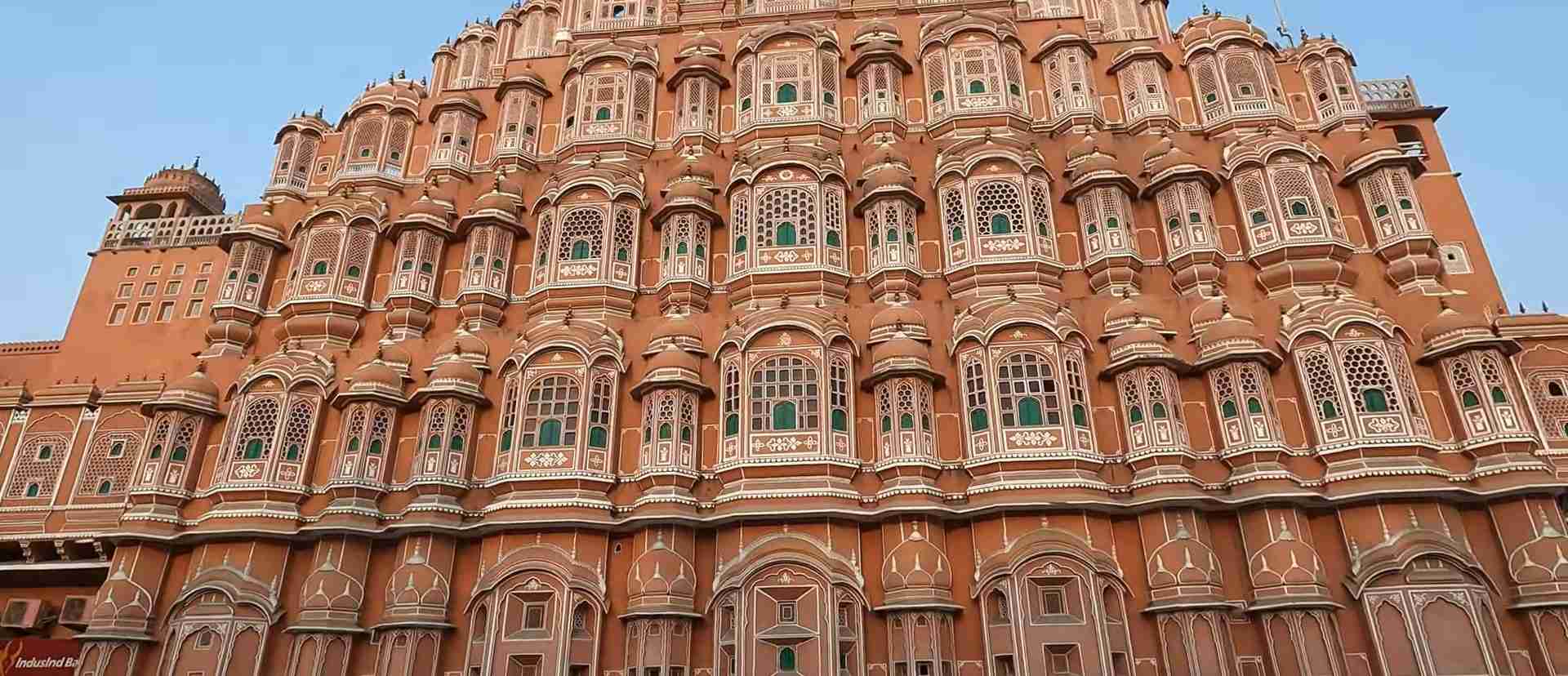
Hawa Mahal Jaipur: Palace of Winds Photography Guide
Hawa Mahal stands as Jaipur’s most photographed monument, offering photographers an extraordinary subject combining intricate Rajput architecture, honeycomb-facade design, and perfect pink sandstone tones that embody the Pink City’s character. This five-story palace of 953 windows creates endless compositional possibilities, from wide shots capturing the entire pyramid-shaped facade to intimate details of carved latticework and architectural elements that reveal the genius of 18th-century Rajasthani craftsmanship.
Key Takeaways
- Hawa Mahal’s distinctive honeycomb facade with 953 jharokha windows provides exceptional photographic subjects from multiple angles and perspectives throughout the day
- Early morning golden hour from 6:30-8:00 AM offers the best natural lighting for the eastern-facing facade, creating warm tones and dramatic shadows across the intricate stonework
- The Wind View Café rooftop directly opposite the palace provides the ultimate vantage point for full facade shots without street obstructions or pedestrian interference
- Interior photography opportunities include the central courtyard, carved pillars, latticed windows, and upper-floor chambers offering unique perspectives of Jaipur’s streets and cityscape
- Architectural details like mirror work, painted ceilings, geometric patterns in floor tiles, and the 953 individual window frames reward macro photography and close-up compositions
- Street-level photography around Hawa Mahal captures vibrant bazaar life, traditional markets, and the monument’s integration within Jaipur’s old city urban fabric
People Also Ask About Hawa Mahal Photography
What is the best time of day to photograph Hawa Mahal?
Early morning from 6:30-8:00 AM provides optimal lighting conditions for photographing Hawa Mahal’s facade. The eastern orientation catches direct sunrise light, creating warm golden tones on the pink and red sandstone while casting dramatic shadows that emphasize the honeycomb window structure and architectural details. Morning light remains relatively soft during these hours, avoiding the harsh contrast and blown highlights that occur during midday.
Late afternoon from 4:30-6:00 PM offers the second-best lighting window when the facade transitions to indirect light while surrounding buildings and streets receive warm sunset glow. Blue hour immediately after sunset creates atmospheric shots with the illuminated palace against deepening sky colors. Each lighting condition produces distinct moods and photographic opportunities—morning freshness and clarity, afternoon warmth and urban context, evening drama and architectural illumination.
Where are the best vantage points for photographing the entire Hawa Mahal facade?
The Wind View Café rooftop terrace directly opposite Hawa Mahal provides the premier vantage point for full facade photography. This elevated position aligns perfectly with the palace’s vertical structure, offering unobstructed views of all five stories and the complete honeycomb window pattern. The café allows extended photography sessions with refreshment breaks, making it ideal for capturing different lighting conditions from a single optimal position. Arrive early during peak seasons as rooftop space is limited.
Street-level positions along the main road in front of Hawa Mahal offer alternative perspectives including ground-up compositions emphasizing the palace’s height and vertical architecture. These street angles include the bustling bazaar context and Jaipur’s urban character, though pedestrian traffic and vehicles create compositional challenges. Side streets flanking the palace provide three-quarter views showing both facade and depth, revealing the palace’s shallow structure extending back from the ornate front wall. Each vantage point produces distinct compositions suited to different photographic goals.
What camera settings work best for Hawa Mahal photography?
For facade photography in morning golden hour light, use ISO 100-400 for clean images with minimal noise, aperture f/8-f/11 for sufficient depth of field capturing the facade’s multiple planes, and shutter speeds of 1/125-1/500 second depending on ambient light. A wide-angle lens in the 16-35mm range captures the entire structure from street positions, while standard zoom lenses 24-70mm work well from the Wind View Café rooftop at moderate distances.
Interior photography requires different approaches due to lower light levels. Increase ISO to 800-1600 maintaining acceptable image quality, open aperture to f/4-f/5.6 for sufficient light gathering while retaining some depth of field, and slow shutter speeds requiring tripod or image stabilization. For architectural detail shots, use aperture priority mode at f/8-f/16 ensuring maximum sharpness across the frame, focus on the critical elements like window latticework or carved details, and bracket exposures capturing highlight and shadow detail for potential HDR processing.
Can I use drones to photograph Hawa Mahal from above?
Drone photography around Hawa Mahal faces significant restrictions and requires official permissions from multiple authorities. Jaipur’s old city area surrounding Hawa Mahal is classified as a no-fly zone due to proximity to government buildings, security concerns, and airspace regulations protecting heritage monuments. Operating drones without proper authorization risks confiscation of equipment, fines, and legal consequences under Indian aviation regulations.
Photographers seeking aerial perspectives should pursue legal alternatives including hiring licensed commercial drone operators with proper permits, accessing elevated positions in surrounding buildings with permission, or using long focal length lenses from distant high-ground positions. The Nahargarh Fort overlooking Jaipur provides distant elevated views of the city skyline including Hawa Mahal, though the palace appears small in wide cityscape compositions from this distance. Respect all regulations protecting heritage sites and public safety while pursuing creative photographic visions.
Extended multi-day tours – 5+ days
Featured Jaipur Multi-Day Tour Packages
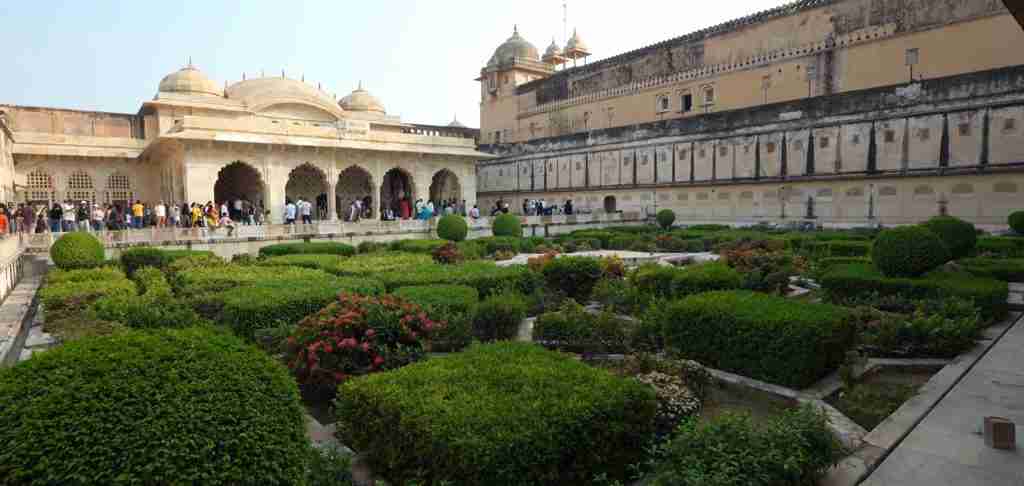
3 days
Jaipur 3-Day Discovery Tour
- ✓ Comprehensive Jaipur experience
- ✓ Expert local guides included
- ✓ All accommodation included
- ✓ Transportation provided
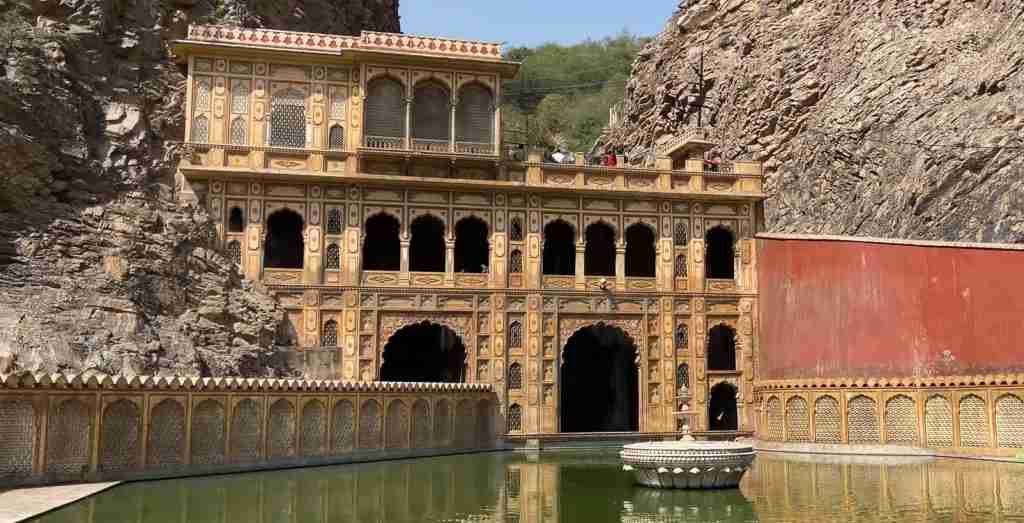
5 days
Jaipur 5-Day Highlights Experience
- ✓ Comprehensive Jaipur experience
- ✓ Expert local guides included
- ✓ All accommodation included
- ✓ Transportation provided
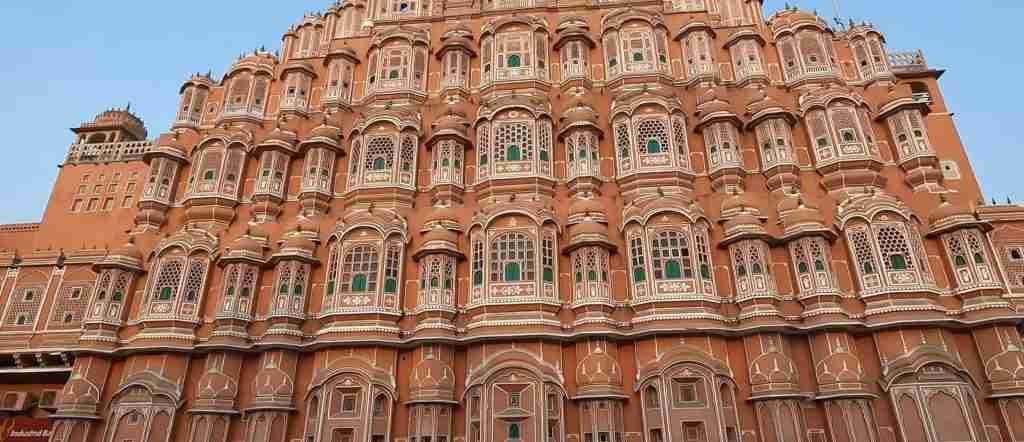
7 days
Jaipur 7-Day Cultural Journey
- ✓ Comprehensive Jaipur experience
- ✓ Expert local guides included
- ✓ All accommodation included
- ✓ Transportation provided
10 days
Jaipur 10-Day Complete Adventure
- ✓ Comprehensive Jaipur experience
- ✓ Expert local guides included
- ✓ All accommodation included
- ✓ Transportation provided
Multi-day tour packages powered by TourRadar. Prices and availability subject to change.
Introduction: Photographing Jaipur’s Iconic Monument
Hawa Mahal—the Palace of Winds—captivates photographers with its unique architectural design, intricate craftsmanship, and perfect embodiment of Jaipur’s Pink City aesthetic. Built in 1799 by Maharaja Sawai Pratap Singh and designed by architect Lal Chand Ustad, this five-story palace facade rises like an ornate honeycomb from the bustling streets of Jaipur’s old city. The structure’s 953 small windows, each framed with elaborate jharokha designs, create an extraordinary photographic subject offering endless compositional possibilities from wide architectural shots to intimate details of Rajasthani stonework.
The palace’s distinctive pyramid shape and pink sandstone construction make it one of India’s most recognizable monuments, appearing in countless photographs, postcards, and tourism materials representing Rajasthan’s architectural heritage. Yet despite this familiarity, Hawa Mahal continues to reward photographers who invest time understanding its best angles, optimal lighting conditions, and unique architectural features. The interplay of light and shadow across the honeycomb facade changes dramatically throughout the day, while different vantage points reveal aspects of the palace that standard tourist snapshots miss entirely.
Photography at Hawa Mahal extends beyond the iconic facade to include interior spaces, surrounding street life, architectural details, and the palace’s integration within Jaipur’s urban fabric. The narrow depth of the structure—essentially a decorative wall with small chambers behind—creates interesting three-dimensional relationships when photographed from side angles. Interior courtyards, carved pillars, painted ceilings, and latticed windows provide diverse subjects for photographers exploring beyond the famous facade. The bustling markets and streets surrounding the palace offer additional context, capturing Hawa Mahal as a living monument within a vibrant city rather than an isolated architectural specimen.
This comprehensive photography guide explores techniques, locations, timing, and creative approaches for capturing exceptional Hawa Mahal images. Whether shooting with professional camera equipment or smartphone devices, understanding the monument’s architecture, optimal lighting conditions, and best vantage points enables photographers to create images that transcend typical tourist photography, revealing the palace’s beauty, historical significance, and role in contemporary Jaipur. The guide addresses practical considerations including access restrictions, camera settings, composition strategies, and seasonal variations that affect photographic opportunities.
Understanding Hawa Mahal Architecture for Photography
The Honeycomb Facade Structure
Hawa Mahal’s defining architectural feature—its honeycomb facade of 953 small windows—creates a complex three-dimensional surface that responds dramatically to light and shadow. Each window consists of a projecting jharokha with carved latticework, miniature domed roof, and decorative details, forming an ornate frame around the opening. These windows stack in five stories following the palace’s pyramid shape, creating intricate geometric patterns and rhythmic repetition that photographers can exploit through composition, framing, and selective focus.
Understanding the facade’s structure helps photographers anticipate how light will interact with the surface throughout the day. Morning sun striking the eastern-facing facade creates strong directional lighting that emphasizes the windows’ three-dimensional projection and carved details through shadow patterns. As the sun rises higher, light becomes more perpendicular to the facade, reducing shadows and creating flatter illumination that emphasizes color and overall pattern rather than depth and texture. Late afternoon brings indirect light from the western sky, providing soft even illumination ideal for capturing color and details without harsh contrast.
The honeycomb pattern creates opportunities for both full facade shots emphasizing repetition and pattern, and selective compositions isolating smaller sections of windows creating abstract architectural studies. Vertical compositions naturally suit the palace’s height and pyramid shape, while horizontal framings can emphasize the rhythmic window patterns across individual floors. Diagonal compositions add dynamic energy, particularly when incorporating street-level activity or surrounding urban context.
Pink Sandstone and Color Qualities
Hawa Mahal’s pink and red sandstone construction gives the monument its characteristic warm tones that vary significantly depending on lighting conditions and time of day. The stone’s natural color saturation peaks during golden hour when warm sunlight enhances the pink tones, creating rich coral and salmon hues that epitomize Jaipur’s Pink City identity. Understanding these color shifts enables photographers to plan shooting times that produce specific color palettes matching their creative vision.
The sandstone’s texture and grain become visible in close-up photography, revealing the material’s natural variations, weathering patterns, and the stonemasons’ craftsmanship. These surface qualities add depth and interest to architectural detail shots, particularly when photographed during hours when raking light emphasizes texture through side illumination and shadow. The stone’s response to different light temperatures—warm during sunrise and sunset, cooler during midday—affects overall image color balance and mood.
Photographers should consider white balance settings carefully when shooting Hawa Mahal. Daylight or sunny white balance presets enhance the warm pink tones during golden hour, while shade or cloudy presets may overcorrect, creating unnaturally orange results. Custom white balance calibrated to the actual lighting conditions provides the most accurate color rendition, though creative white balance adjustments can emphasize or reduce the characteristic pink tones depending on artistic preferences. Shooting in RAW format allows extensive white balance adjustments during post-processing without image quality degradation.
Architectural Details Worth Capturing
Beyond the famous facade, Hawa Mahal contains numerous architectural details rewarding close examination and photography. The jharokha windows feature intricate latticework carved from sandstone in geometric and floral patterns, demonstrating the skill of Rajasthani stone carvers. Each window’s miniature domed chattri creates small-scale architectural forms worth photographing individually, revealing craftsmanship often lost when viewing the entire facade from distance.
Interior spaces, though limited due to the palace’s shallow depth, include a central courtyard with carved pillars, painted ceilings showing floral motifs and geometric patterns, and floors featuring traditional tile work and marble inlays. These decorative elements photograph well with appropriate interior lighting techniques—higher ISO settings, wider apertures, or tripod-supported longer exposures capturing detail without motion blur. The latticed screens called jali work allowed royal women to observe street activity while remaining unseen, creating interesting visual layers when photographed from inside looking out.
Architectural elements including carved brackets supporting the jharokhas, decorative cornices defining floor levels, arched doorways and passages, and the palace’s connection to adjoining City Palace structures provide diverse subjects for photographers exploring beyond the iconic facade. The building’s roofline with its multiple chattris and pinnacles creates interesting silhouettes against sky backgrounds, particularly during blue hour when the palace is illuminated and the sky retains color. Water features, though minimal, add reflective surfaces and cooling elements to courtyard compositions.
Optimal Lighting Conditions and Time Planning
Golden Hour Excellence: Morning Light
Early morning golden hour from approximately 6:30-8:00 AM provides the premier lighting conditions for Hawa Mahal photography. The palace’s eastern orientation catches direct sunrise light that illuminates the facade with warm golden tones enhancing the pink sandstone’s natural color. This directional side lighting creates strong shadows emphasizing the three-dimensional quality of the jharokha windows, carved details, and the honeycomb structure’s depth. The relatively soft quality of early morning light avoids the harsh contrast of midday while providing sufficient intensity for clean low-ISO images.
Arriving before sunrise allows photographers to capture the transition from pre-dawn blue hour through sunrise to full morning light, documenting how the palace’s appearance transforms with changing illumination. Pre-dawn shooting when the palace remains dark but the eastern sky brightens creates dramatic silhouettes, while the first rays of direct sunlight striking the facade’s upper levels produce spectacular golden highlights against shadow areas still in shade. This progression offers diverse photographic opportunities within a concentrated timeframe.
Morning light conditions are particularly favorable for facade photography from street level and the Wind View Café rooftop, as the sun illuminates the entire structure uniformly without the complex shadow patterns created by surrounding buildings during other times. The relatively cooler morning air temperature also means less atmospheric haze compared to afternoon conditions, producing sharper images with better clarity and color saturation. For photographers seeking the best possible facade photographs, early morning shooting during golden hour represents the optimal time investment.
Midday Challenges and Solutions
Midday lighting from approximately 10:00 AM to 3:00 PM presents significant challenges for Hawa Mahal photography. The high sun angle creates nearly perpendicular lighting on the eastern facade, eliminating the shadows that reveal the honeycomb structure’s three-dimensional quality and flattening the architectural details. The intense light produces high contrast between bright highlights on sandstone surfaces and deep shadows in window recesses, exceeding most camera sensors’ dynamic range and making proper exposure difficult without HDR techniques.
Despite these challenges, midday conditions offer opportunities for specific photographic approaches. The overhead lighting eliminates most directional shadows, allowing color and pattern to dominate compositions without shadow complexity. This lighting suits architectural documentation shots requiring even illumination and accurate color rendition. Increased ambient light levels permit lower ISO settings producing maximum image quality, while fast shutter speeds freeze any motion in busy street scenes around the palace.
Photographers shooting during midday hours should consider alternative subjects and approaches. Interior photography benefits from the brighter ambient light filtering through jharokha windows, reducing the extreme lighting challenges of darker interior spaces. Detail shots of carved elements photograph well when the photographer controls framing to avoid excessive contrast, focusing on evenly lit architectural features. Street photography around Hawa Mahal captures the vibrant market activity that peaks during midday trading hours, incorporating the palace as background context within larger urban scenes.
Afternoon and Evening Opportunities
Late afternoon from 4:30-6:00 PM offers a second golden hour opportunity, though lighting conditions differ significantly from morning. The palace’s eastern facade receives indirect light reflected from the western sky and surrounding buildings rather than direct sunlight, creating softer, more even illumination. This diffused lighting reduces contrast and shadow complexity while maintaining warm color temperatures that enhance the pink sandstone tones. The quality suits photographers seeking softer, more subtle images than the dramatic morning light produces.
As the sun sets and blue hour begins around 6:00-6:30 PM, Hawa Mahal becomes particularly photogenic. The palace’s exterior illumination activates, creating warm artificial light that glows within the honeycomb windows while the sky retains deep blue tones before full darkness. This brief window produces atmospheric images with strong color contrast between warm palace lights and cool sky tones. Longer exposures necessary during blue hour smooth any motion in streets and sky, creating dreamlike effects when combined with sharp architectural details.
Evening photography extends beyond blue hour into full darkness when the illuminated palace dominates compositions against black sky backgrounds. The artificial lighting emphasizes the facade’s structure and patterns while eliminating many surface details visible during daylight, creating simplified graphic compositions. Night photography requires tripod support for longer exposures, typically 1-8 seconds depending on lighting intensity and desired aperture. These low-light conditions offer creative freedom to control motion blur, light trails from traffic, and atmospheric effects impossible during daytime shooting.
Seasonal Variations in Light Quality
Rajasthan’s seasonal weather patterns significantly affect lighting conditions and photographic opportunities at Hawa Mahal. Winter months from November through February provide the clearest atmospheric conditions with minimal haze, producing sharp images with excellent color saturation and contrast. Cooler temperatures reduce heat shimmer that can degrade image sharpness during summer months, while frequent clear skies ensure consistent good weather for planned shooting sessions. Winter’s shorter days shift golden hour timing earlier in the afternoon, condensing the window between optimal morning and evening light.
Summer from April through June brings extreme heat and often hazy conditions that soften contrast and reduce color saturation in photographs. The intense sunlight creates very high contrast during midday, while atmospheric haze particularly affects distant views and cityscape shots including Hawa Mahal. However, summer weather occasionally produces dramatic cloud formations and storms that create dynamic skies adding visual interest to architectural compositions. Dust storms, though disruptive, can create unique atmospheric effects when photographed safely from protected positions.
Monsoon season from July through September introduces variable weather with periodic heavy rains, overcast skies, and improved air clarity following rain showers. Overcast conditions eliminate harsh shadows creating even lighting beneficial for certain architectural photography approaches, though the gray skies often appear dull in images. Post-rain periods offer exceptional clarity with vibrant colors and dramatic cloud formations, though predicting these conditions requires monitoring weather forecasts and flexibility in shooting schedules. The greener surroundings and cleaner atmosphere following monsoon rains provide seasonal variation to the typically arid landscape surrounding the palace.
Prime Photography Locations and Vantage Points
Wind View Café Rooftop: The Premier Position
The Wind View Café rooftop terrace located directly across the street from Hawa Mahal provides the single best vantage point for facade photography. This elevated position approximately 15 meters above street level aligns perfectly with the palace’s vertical structure, offering unobstructed views of all five stories and the complete honeycomb window pattern without perspective distortion from ground-level angles. The rooftop’s distance from the facade—roughly 30-40 meters—allows wide-angle to standard zoom lenses to capture the entire structure comfortably within the frame.
Access to the Wind View Café requires purchasing refreshments from the establishment, a minimal expense justified by the exceptional photographic opportunities. The café opens early enough to accommodate sunrise photographers, while its extended hours allow blue hour and evening photography sessions. Multiple visits during different lighting conditions are possible, enabling photographers to document how the palace transforms throughout the day from a single optimal position. The terrace includes seating areas allowing comfortable breaks between shooting sessions without losing the premium vantage point.
From this rooftop position, photographers can employ various focal lengths to create diverse compositions. Wide-angle lenses 16-24mm capture the entire facade with surrounding urban context, showing the palace’s relationship to adjacent buildings and street activity below. Standard zoom ranges 24-70mm frame the palace more tightly, emphasizing architectural details while eliminating distracting peripheral elements. Longer telephoto lenses 70-200mm isolate specific sections of the honeycomb facade, creating abstract architectural patterns from the repetitive window structures. The elevated angle also minimizes foreground clutter from street-level obstacles, vehicles, and pedestrians that complicate ground-level compositions.
Street-Level Perspectives
Street-level photography along the main road fronting Hawa Mahal offers dynamic urban context impossible from elevated positions. These ground vantage points include the vibrant bazaar activity, traditional market vendors, pedestrian traffic, and vehicle flow that characterizes Jaipur’s old city, creating images that show Hawa Mahal as a functioning part of the urban fabric rather than an isolated monument. The street perspective emphasizes the palace’s impressive height and vertical reach, particularly when composed with wide-angle lenses that exaggerate perspective and scale.
Ground-level photography faces challenges from pedestrian and vehicle traffic constantly moving through compositions, power lines and street infrastructure cluttering frames, and varying shade patterns from surrounding buildings affecting lighting consistency. Patient timing allows photographers to capture moments when the street activity complements rather than distracts from the palace, such as passing vehicles, market vendors with traditional goods, or groups of tourists providing human scale. Longer focal lengths help isolate the palace from street clutter, though they compress perspective and reduce the dramatic height emphasis that wide-angles achieve.
Early morning shooting from street level benefits from reduced traffic and fewer pedestrians, allowing cleaner compositions without excessive human activity. The fresh morning light also creates long shadows from street vendors’ stalls and market structures that add depth and visual interest to urban compositions. Evening street photography captures the transition between daytime market activity and evening illumination when the palace lights activate, offering opportunities to document the changing character of the area surrounding Hawa Mahal through the day’s progression.
Side Street Views and Alternative Angles
Side streets flanking Hawa Mahal provide three-quarter views revealing both the famous facade and the palace’s shallow depth extending back from the ornate front wall. These perspectives show the building’s true structure—essentially a decorative screen rather than a massive palace complex—creating interesting visual relationships between the elaborate facade and the simpler rear structures. The oblique viewing angles also allow simultaneous capture of adjacent buildings, creating architectural context that wide facade shots from direct frontal positions cannot achieve.
Narrow lanes and alleys around the palace offer intimate urban photography opportunities capturing the monument’s integration within Jaipur’s dense old city fabric. These confined spaces create framing opportunities where foreground buildings, overhead wires, and urban infrastructure frame partial views of Hawa Mahal, producing layered compositions that convey the complexity of the urban environment. The tight quarters and varied building heights create complex lighting with areas of bright sun and deep shade, requiring careful exposure management and potentially HDR techniques.
Elevated positions in buildings surrounding Hawa Mahal occasionally provide unique vantage points, though access depends on building owners’ permission and is unreliable for planned shooting. Rooftops of nearby structures may offer aerial perspectives showing the palace roof structure, surrounding building relationships, and broader cityscape context. Photographers should always seek proper permissions before accessing private buildings and respect residents’ privacy when shooting from elevated urban positions.
Interior Photography Opportunities
Interior photography within Hawa Mahal focuses on the central courtyard, carved pillars, decorative ceilings, and latticed window views of the external streets. These interior spaces receive limited natural light filtering through the jharokha windows, creating challenging low-light conditions requiring higher ISO settings (800-3200), wider apertures (f/2.8-f/5.6), and potentially tripod support for slower shutter speeds. The confined spaces and multiple floors connected by narrow staircases limit equipment options, making versatile zoom lenses more practical than multiple prime lenses requiring frequent changes.
The view from inside looking out through the latticed jharokha windows creates layered compositions showing the intricate stonework of the jali screens with the busy street activity beyond. These shots demonstrate the palace’s original purpose—allowing royal women to observe public life while remaining concealed from external view. Photographing these views requires balancing exposure between the darker interior screen elements and the brighter exterior scenes, often requiring exposure bracketing and HDR processing or careful manual exposure adjustment favoring exterior detail while accepting darker interior elements.
Upper floor chambers and passages offer views looking down into the central courtyard and across to opposing sections of the palace interior, creating architectural perspectives impossible from ground level. The carved decorative elements on ceilings, walls, and pillars showcase Rajasthani craftsmanship in close detail, suitable for macro photography or careful detail shots emphasizing textures, patterns, and artistic execution. The palace’s limited visitor capacity means interior spaces are rarely as crowded as the exterior vicinity, allowing more control over compositions without unwanted people in frames.
Camera Settings and Technical Considerations
Exposure Settings for Different Conditions
Optimal camera settings for Hawa Mahal photography vary significantly depending on lighting conditions, shooting location, and creative goals. For early morning golden hour facade photography, start with ISO 100-200 ensuring maximum image quality with minimal noise. Aperture settings of f/8-f/11 provide sufficient depth of field to keep the entire facade sharp from foreground details to background elements, while allowing enough light gathering for reasonable shutter speeds. In good morning light, expect shutter speeds around 1/125-1/500 second, fast enough to eliminate camera shake when handholding and freeze any motion from passing vehicles or pedestrians.
Midday bright light allows even lower ISO settings around 100 with smaller apertures like f/11-f/16 for maximum depth of field and sharpness across the entire frame. The abundant light permits fast shutter speeds exceeding 1/500 second, eliminating any camera shake concerns and freezing motion even from fast-moving vehicles. However, the extreme brightness and high contrast may require exposure compensation adjustments, typically -0.3 to -1.0 EV, to prevent blown highlights on the bright sandstone surfaces while accepting some shadow areas will be quite dark.
Evening and blue hour photography requires progressive adjustment as ambient light decreases. Begin with moderate ISO around 400-800 and aperture around f/8, allowing shutter speeds to drop as needed to maintain proper exposure. As light continues fading, increase ISO to 1600-3200 and open aperture to f/4-f/5.6, accepting reduced depth of field in exchange for maintaining reasonable shutter speeds. Once shutter speeds drop below 1/60 second, tripod support becomes necessary to avoid camera shake blur. For night photography with the illuminated palace, use base ISO 100-400, aperture f/8-f/11 for sharpness, and longer exposures from 1-8 seconds depending on lighting intensity.
Lens Selection and Focal Length Choices
Wide-angle lenses in the 16-35mm range excel for capturing Hawa Mahal’s entire facade from street level or nearby positions, emphasizing the building’s height and architectural presence. These focal lengths include surrounding urban context, showing the palace’s relationship to adjacent buildings and street activity. The wide perspective can exaggerate the palace’s vertical reach when composed from low angles, creating dramatic architectural compositions. However, wide-angles require careful attention to perspective distortion, ensuring vertical lines remain parallel rather than converging excessively.
Standard zoom lenses covering 24-70mm or 24-105mm ranges offer the most versatile option for Hawa Mahal photography, suitable for full facade shots, partial compositions emphasizing specific sections, and detail photography of architectural elements. These focal lengths work well from the Wind View Café rooftop position, providing flexibility to frame the palace tightly or include surrounding context without lens changes. The moderate telephoto end around 70mm compresses perspective slightly, creating pleasing architectural proportions without extreme wide-angle distortion.
Telephoto lenses from 70-200mm or longer isolate specific architectural features, creating abstract compositions from the repetitive honeycomb window patterns, individual jharokha details, or decorative elements. These longer focal lengths compress perspective, making the facade appear flatter and emphasizing pattern and texture over three-dimensional form. Telephotos also provide creative flexibility to exclude unwanted elements like power lines, street clutter, or modern signage that cannot be avoided with wider angles. For interior photography, moderate wide-angles 24-35mm work best in confined spaces where longer focal lengths cannot provide sufficient coverage.
Focus Techniques and Depth of Field
Achieving proper focus across Hawa Mahal’s facade requires attention to depth of field and focus point selection. For full facade shots aiming to maintain sharpness throughout the frame, use apertures from f/8 to f/11 providing sufficient depth of field without diffraction reducing sharpness at very small apertures like f/16 or f/22. Focus approximately one-third into the scene depth, a traditional technique ensuring both foreground and background elements fall within the depth of field’s sharp zone. Most modern cameras’ autofocus systems can accurately focus on the facade’s architectural details, though manual focus verification ensures critical sharpness.
Detail and architectural element photography often benefits from selective focus isolating specific features while allowing background areas to blur softly. Wider apertures from f/2.8 to f/5.6 create shallow depth of field effects, making the focused element stand out against softer surroundings. This technique works well for individual jharokha windows, carved details, or decorative elements where selective emphasis enhances the compositional intent. Focus manually or use single-point autofocus on the exact element requiring sharpest rendering, reviewing images carefully to verify focus accuracy.
Focus stacking techniques can overcome depth of field limitations when photographing from close distances or using very wide apertures for creative effect. This involves capturing multiple images focused at different distances, then combining them in post-processing to create a final image with extended depth of field beyond what single exposures achieve optically. While primarily a studio technique, focus stacking can prove valuable for architectural detail photography where maximum sharpness throughout the frame matters more than shooting efficiency.
Dealing with High Contrast Scenes
Hawa Mahal photography frequently encounters high contrast lighting exceeding camera sensors’ dynamic range, particularly during midday or when photographing the illuminated palace at dusk against darker sky backgrounds. This contrast creates exposure challenges where properly exposing for bright sandstone highlights leaves shadow areas too dark, while exposing for shadow detail blows out highlights to pure white. Several techniques help manage these high-contrast situations and capture acceptable detail throughout the tonal range.
Exposure bracketing creates a series of images at different exposure levels—typically one stop over, correct, and one stop under—allowing selection of the best single exposure or combination into an HDR image during post-processing. Most cameras offer automatic bracketing modes capturing three to seven exposures with a single shutter press, ensuring you don’t miss the decisive moment while managing exposure variations. HDR processing combines the bracket series, taking highlights from the underexposed frame, shadows from the overexposed frame, and mid-tones from the correct exposure to create a final image with extended dynamic range.
Graduated neutral density filters provide a traditional solution for high-contrast scenes when the bright and dark areas divide roughly horizontally, though Hawa Mahal’s complex facade doesn’t always allow clean divisions. These filters darken the upper portion of the frame, typically the sky, while leaving the lower portion unaffected, reducing the contrast range to fit within the sensor’s dynamic range. Modern digital techniques often prove more flexible than physical filters, though filters offer the advantage of getting the exposure right in camera without requiring extensive post-processing.
Composition Strategies and Creative Approaches
Working with the Honeycomb Pattern
The honeycomb facade’s 953 windows create extraordinary opportunities for pattern-based compositions emphasizing geometric repetition and architectural rhythm. Full facade shots capture the complete pattern from ground to roofline, showing how the window arrangement creates the pyramid shape and overall structural design. These comprehensive compositions work best with even lighting minimizing shadow complexity, allowing the pattern itself to dominate the visual impact without competing three-dimensional elements.
Selective cropping isolates smaller sections of the honeycomb pattern, creating abstract architectural compositions where the viewer may not immediately recognize Hawa Mahal but responds to the geometric beauty and repetitive forms. Framing individual floors showing horizontal window rows emphasizes the linear pattern, while vertical compositions capturing window columns create strong upward movement. Diagonal crops across the facade create dynamic energy and break the horizontal/vertical dominance, adding visual tension to the geometric order.
Breaking the pattern through selective focus or inclusion of contrasting elements creates visual interest within the repetitive structure. Focusing sharply on one window while allowing others to blur creates depth and highlights specific architectural details. Including people viewing from jharokha windows, birds perched on window ledges, or flags or fabric hanging from windows adds organic contrast to the geometric precision. These pattern interruptions create focal points that draw viewer attention and provide scale reference within the architectural pattern.
Incorporating Urban Context
Hawa Mahal exists within Jaipur’s vibrant old city fabric, and compositions including this urban context create images showing the monument’s relationship to contemporary life rather than presenting it as an isolated historical object. Street-level shots including market vendors, colorful textiles displayed on stalls, traditional transport like auto-rickshaws, and pedestrian activity create dynamic foreground elements leading the eye toward the palace facade in the background. These layered compositions tell richer stories than pure architectural documentation, showing how heritage and daily life coexist in Jaipur’s streets.
The bazaar surrounding Hawa Mahal offers visual richness—bright fabrics, traditional crafts, spices creating color masses, ornate jewelry displays—that can serve as foreground interest or complementary visual elements balancing the architectural mass of the palace. Composing with market elements in the foreground creates depth through layering, while the vibrant colors of goods contrast effectively with the palace’s pink sandstone tones. Timing these compositions requires patience, waiting for moments when market activity, pedestrian positions, and vehicle traffic create pleasing arrangements rather than chaotic clutter.
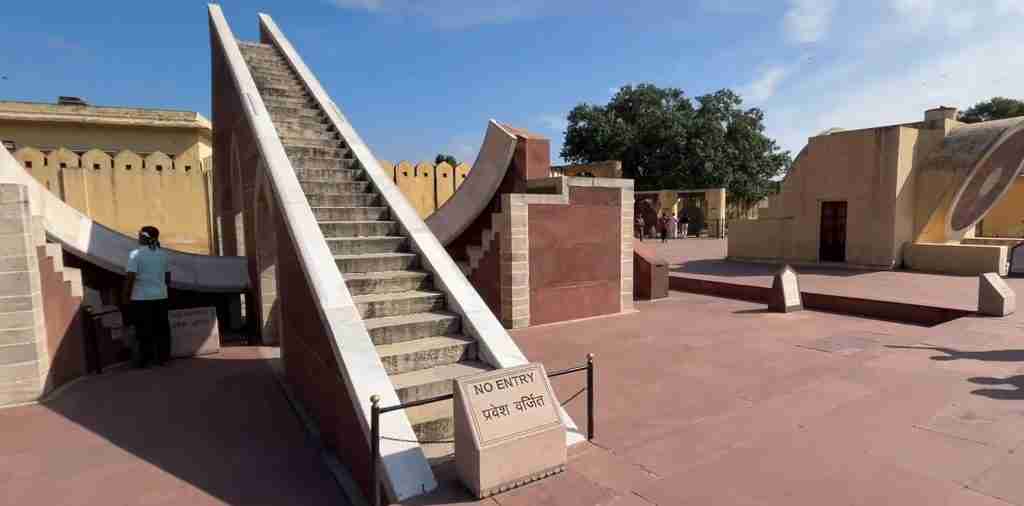
Wider perspectives including adjacent buildings like the City Palace complex, Jantar Mantar observatory visible in the distance, or the surrounding pink buildings that define Jaipur’s character place Hawa Mahal within its architectural and urban context. These contextual shots may reduce the palace to a smaller element within larger cityscape compositions, but they communicate the monument’s role as part of an integrated historic urban center. Evening cityscape photography from elevated positions like Nahargarh Fort shows Hawa Mahal as a illuminated point within the sprawling city lights, creating atmospheric urban landscape images.
Detail Photography and Close-ups
Moving beyond wide architectural shots to focus on specific details reveals aspects of Hawa Mahal often overlooked in standard tourism photography. Individual jharokha windows photographed in isolation showcase the craftsmanship of carved latticework, the miniature architectural elements of each window’s dome and supports, and the three-dimensional projection creating shadow patterns. These detail compositions work best during hours when raking side light emphasizes texture and depth, avoiding flat frontal illumination that reduces the three-dimensional quality to two-dimensional pattern.
Decorative carved elements including floral motifs, geometric patterns in the jali screens, architectural brackets, and ornamental details on cornices and window frames demonstrate the stone carvers’ skill and artistic vision. Macro photography or close framing with longer lenses isolates these details, creating images about craftsmanship and artistry rather than monumental architecture. The weathering and patina on these carved elements adds historical character, showing the palace’s age and the effects of Rajasthan’s climate over two centuries.
Interior details including painted ceiling patterns, carved pillars, traditional floor tiles, and architectural features like arched doorways and passages provide diverse subjects keeping detail photography sessions varied and interesting. The interplay of light filtering through latticed windows creates shifting patterns on interior surfaces, changing throughout the day as the sun’s angle varies. These light patterns themselves become photographic subjects, documenting the ephemeral qualities of natural light interacting with architectural forms and spaces.
Silhouettes and Night Photography
Silhouette photography during sunrise or sunset captures Hawa Mahal’s distinctive profile against colorful sky backgrounds, reducing the complex honeycomb detail to a bold graphic shape. This approach emphasizes the palace’s pyramid form and overall architectural outline rather than surface details, creating dramatic simplified compositions. Exposing for the bright sky background renders the palace as a dark silhouette, losing all architectural detail but gaining powerful graphic impact. The honeycomb windows appear as numerous small points allowing sky light to shine through, creating a delicate quality within the solid silhouette.
Blue hour photography after sunset combines the illuminated palace with deep blue sky tones before full darkness, creating atmospheric images with strong color relationships between warm palace lights and cool sky colors. The palace’s exterior illumination emphasizes the honeycomb structure while simplifying many surface details invisible in artificial lighting. Longer exposures smooth sky tones and motion in streets, creating painterly effects contrasting with the sharp architectural details. This brief blue hour window requires quick work, as the optimal light balance between sky and palace lights lasts only 15-20 minutes.
Night photography presents the fully illuminated palace against black sky backgrounds, creating dramatic high-contrast images focusing entirely on the architectural form and its lighting design. The warm artificial lights glowing within the honeycomb windows create an inviting quality, while the absence of surrounding context due to darkness emphasizes the palace as a jewel-like object. Long exposures from 2-10 seconds create light trails from passing vehicles on the street, adding motion and contemporary activity to the architectural subject. Star trails in the sky background require even longer exposures or multiple exposure stacking, creating cosmic context for the earthly architecture.
Smartphone Photography at Hawa Mahal
Maximizing Smartphone Camera Capabilities
Modern smartphones produce excellent photographs of Hawa Mahal when users understand their capabilities and limitations. The wide-angle lenses standard on smartphone cameras work well for full facade shots, though perspective distortion requires careful composition keeping the camera level to prevent converging vertical lines. Smartphone computational photography features including HDR modes, portrait modes with depth effects, and night modes extend photographic capabilities beyond the physical camera hardware limitations, producing results that can rival dedicated camera equipment when conditions suit the technology.
Smartphone HDR modes automatically capture and combine multiple exposures, managing high-contrast scenes more effectively than single exposures. This capability proves particularly valuable for Hawa Mahal photography where bright sandstone and shadow areas often exceed the dynamic range of single exposures. However, HDR processing can create unnatural results with excessive shadow lifting or highlight compression, so comparing HDR and standard captures allows selection of the most pleasing result. Some smartphone camera apps allow manual control over HDR strength and processing, providing creative control over the final appearance.
Focus and exposure control on smartphone cameras require understanding touch screen controls. Tapping the screen sets focus point and exposure metering area, allowing precise control over where sharpness and proper exposure appear in the frame. Many camera apps allow separate focus and exposure control through additional gestures or interface elements. For consistent exposures during series shooting, use exposure lock features preventing the camera from recalculating exposure as scenes change, maintaining consistent brightness across multiple frames.
Smartphone-Specific Composition Strategies
Smartphone photography benefits from compositional approaches that work with the cameras’ characteristics rather than fighting their limitations. The wide-angle perspective encourages close-approach compositions incorporating strong foreground elements leading to Hawa Mahal in the background, creating depth through layering. The lack of optical zoom on most smartphones means physically moving closer or farther rather than zooming, which often improves composition by forcing photographers to consider vantage points more carefully rather than relying on zoom convenience.
Portrait modes on dual-camera smartphones create artificial depth of field effects, blurring backgrounds while keeping foreground subjects sharp. This works for detail shots of individual architectural elements where background blur isolates the subject, though the computational edge detection sometimes creates artifacts around complex shapes like the honeycomb windows. Testing and reviewing results helps understand where portrait mode succeeds and where normal photo mode works better for architectural subjects.
Smartphone screens’ brightness and glare outdoors can make composition evaluation difficult during shooting. Using screen brightness at maximum helps, though image review should include zooming to check critical sharpness and focus accuracy, something difficult to assess on small screens in bright sunlight. Taking extra shots provides insurance against focus or exposure problems invisible on the smartphone screen but apparent when viewing images later on larger displays.
Apps and Accessories Enhancing Results
Third-party camera apps provide manual control over exposure settings unavailable in standard smartphone camera apps. Applications allowing manual ISO, shutter speed, and white balance adjustment enable photographic techniques like long exposures for motion blur, precise white balance for accurate color rendering, and controlled exposure for high-contrast situations. These advanced controls make smartphone photography more comparable to dedicated camera capabilities, though the smaller sensors and fixed lenses remain inherent limitations.
Editing apps transform smartphone images through adjustments to exposure, contrast, color balance, and specialized effects. Applications offering selective editing tools allow localized adjustments enhancing specific image areas without affecting the entire frame—brightening shadow areas, increasing color saturation in specific tones, or applying graduated filters to sky regions. These editing capabilities make smartphones complete mobile photography studios where capture and processing happen on the same device without requiring computer-based workflow.
Simple accessories dramatically improve smartphone photography quality. Small tripods or smartphone mounts enable stable long exposures and self-timer shooting impossible when handholding. External lenses attaching to smartphone cameras provide telephoto, ultra-wide, or macro capabilities beyond the built-in optics. These lens accessories vary in quality, but better options produce excellent results expanding creative possibilities. Smartphone gimbals provide stabilization for video capture and smooth panning shots of the palace facade.
Post-Processing Techniques
Basic Adjustments for Architecture Photography
Post-processing begins with basic global adjustments affecting the entire image. Exposure correction compensates for overly bright or dark captures, while contrast adjustment controls the tonal separation between highlights and shadows. For Hawa Mahal images, moderate contrast increases typically enhance the architectural details and three-dimensional quality, though excessive contrast creates harsh unnatural appearance. Highlights and shadows sliders allow targeted adjustment of extreme tonal values without affecting mid-tones, useful for recovering detail in bright sandstone areas or lifting detail from window recesses.
White balance correction ensures accurate color rendering of the pink sandstone tones. Images shot during golden hour may benefit from slightly warmer white balance emphasizing the natural warm tones, while midday shots might require cooling to prevent overly orange appearance. The sandstone’s actual color provides a reference point—if the processed image shows tones significantly different from your visual memory of the palace, white balance likely needs adjustment. Saturation and vibrance controls affect color intensity, with vibrance providing more subtle adjustment protecting already saturated colors from becoming garish.
Sharpening enhances apparent detail and texture in architectural elements, particularly important for images that will be viewed large or printed. However, excessive sharpening creates haloing artifacts around high-contrast edges and emphasizes noise in smooth areas. Apply sharpening judiciously using masking tools limiting effects to edges and detail areas while protecting smooth surfaces like sky backgrounds. Many editing applications provide separate luminance and color noise reduction, useful for images shot at higher ISO settings where noise becomes visible.
Perspective Correction and Distortion
Architectural photography frequently requires perspective correction to eliminate converging vertical lines caused by tilting the camera upward to include tall building tops within the frame. This convergence makes buildings appear to fall backward, creating unnatural appearance particularly noticeable with Hawa Mahal’s strong vertical structure. Most editing applications provide perspective correction tools through automatic detection, manual adjustment, or guided alignment based on actual building lines.
The correction process involves identifying vertical or horizontal lines that should appear parallel in the corrected image, then allowing the software to adjust perspective making those lines truly vertical or horizontal. This transformation often requires cropping to eliminate empty areas at frame edges created by the perspective shift, reducing the final image’s resolution. Shooting with extra space around the subject anticipates this cropping, ensuring the corrected image retains sufficient resolution for intended uses.
Lens distortion correction addresses barrel or pincushion distortion inherent in wide-angle lenses, straightening lines that bow outward or curve inward. Many applications include lens profiles automatically correcting distortion based on the specific lens used to capture the image, accessible through metadata. Manual distortion correction allows custom adjustment when automatic profiles are unavailable or produce imperfect results. For critical architectural photography, combining perspective and distortion corrections creates images with accurate geometry matching the subject’s actual appearance.
Advanced Techniques and Creative Processing
Selective adjustment tools enable localized modifications affecting specific image areas without altering the entire frame. Gradient filters darken bright skies while leaving the palace unaffected, creating balanced exposures in high-contrast scenes. Radial filters or adjustment brushes highlight specific architectural features through targeted brightness, contrast, or saturation increases. These selective adjustments direct viewer attention to important elements and create sophisticated tonal relationships impossible with global adjustments alone.
HDR processing combines bracketed exposures into single images with extended dynamic range showing detail throughout the tonal scale from deep shadows to bright highlights. Modern HDR software provides control over tone mapping determining how the extended dynamic range compresses into displayable images, from naturalistic rendering to heavily processed artistic effects. For Hawa Mahal photography, moderate HDR processing revealing detail in both bright sandstone and shadow areas maintains architectural integrity while showcasing the monument’s full tonal range.
Black and white conversion transforms color images into monochrome compositions emphasizing form, texture, light, and shadow without color’s influence. Architectural subjects often translate beautifully to black and white where strong lines, geometric patterns, and three-dimensional forms dominate. Sophisticated black and white conversions use channel mixing controlling how original colors map to grayscale tones, allowing creative interpretation emphasizing specific qualities. The pink sandstone that defines Hawa Mahal’s character translates to specific gray tones depending on conversion approach, with possibilities ranging from light, almost white tones to darker, more dramatic grays.
Planning Your Photography Visit
Optimal Season and Weather Conditions
Winter months from November through February provide the best overall conditions for Hawa Mahal photography combining pleasant weather, clear atmospheric conditions, and comfortable temperatures for extended outdoor shooting sessions. The cooler climate reduces heat haze affecting image sharpness, while frequent clear skies ensure good light and attractive blue sky backgrounds. Winter’s comfortable temperatures allow early morning and late afternoon photography without the extreme heat characterizing other seasons, making extended golden hour sessions feasible.
Spring months of March and April transition toward summer heat but often maintain acceptable weather before May-June extremes. Early spring mornings remain pleasant, though afternoons become increasingly warm. The changing season sometimes produces interesting cloud formations adding visual interest to skies, though increasing atmospheric haze can reduce image clarity. Spring festivals including Holi bring colorful celebrations to Jaipur’s streets, creating potential photographic opportunities combining Hawa Mahal with cultural activities, though the crowds and chaos may complicate architectural photography.
Monsoon season from July through September brings variable weather with periodic heavy rains interrupting photography sessions. However, the post-rain atmospheric clarity and dramatic cloud formations create exceptional conditions when weather cooperates. The greener surroundings and cleaner air provide seasonal variation to typically arid landscapes, though gray overcast skies during rainy periods often produce flat uninspiring light. Flexibility in scheduling allows opportunistic photography during favorable weather windows while accepting that monsoon conditions make guaranteed shooting success unlikely.
Time of Day Strategy
A comprehensive photography visit to Hawa Mahal ideally includes multiple sessions at different times capturing the monument’s transformation through changing light. Early morning from sunrise through mid-morning provides golden hour facade lighting, clear atmosphere before daily heat and pollution accumulate, and reduced crowds improving compositional control. This morning session represents the priority for limited-time visitors seeking the single best shooting opportunity.
Midday hours from late morning through early afternoon, despite challenging lighting, offer opportunities for interior photography, detail work in shaded areas, and street photography documenting market activity when trade peaks. This period serves as a productive bridge between morning and evening golden hours rather than a photography gap, particularly for photographers interested in diverse subjects beyond the illuminated facade. The reduced tourist activity during afternoon heat sometimes provides better access to interior spaces and cooperation from palace staff.
Late afternoon through evening encompasses the second golden hour, blue hour transition, and night photography possibilities. This extended session captures the facade in soft afternoon light, the dramatic blue hour combination of palace illumination and colored skies, and full night photographs with the monument glowing against dark backgrounds. The progressive changes through this period reward patience and systematic documentation, creating a series showing the palace’s evening transformation.
Equipment Preparation and Logistics
Preparing equipment before the photography visit ensures readiness for all anticipated shooting situations. Cameras should have fully charged batteries with at least one spare, as cold mornings and extended shooting sessions drain power faster than normal use. Memory cards with sufficient capacity accommodate large RAW files from extended shooting, while card readers or laptop computers allow backup if shooting multiple sessions produces enormous file volumes. Cleaning supplies including lens cloths and air blowers maintain optical quality when dust accumulates on lenses and filters.
Lens selection depends on intended shooting approaches, though versatile zoom lenses covering wide-angle through moderate telephoto ranges minimize equipment changes while maintaining creative flexibility. A sturdy tripod enables low-light photography during evening and night sessions, though its bulk creates carrying challenges during multi-hour visits. Small tabletop tripods or beanbags provide compact stabilization alternatives, while high-quality image stabilization in lenses or camera bodies may eliminate tripod necessity for some shooting situations.
Practical considerations include comfortable walking shoes for navigating Jaipur’s streets, sun protection during daytime shooting, and hydration especially during warmer seasons. A backpack carries equipment safely while keeping hands free for photography and navigation. Local currency covers small purchases like café access to rooftop positions, though increasingly digital payment options work at tourist facilities. Respecting photography restrictions, particularly in temple areas and for interior palace spaces where prohibited, maintains good relations with authorities and preserves access for future photographers.
Ethical Photography and Cultural Sensitivity
Respecting People and Privacy
Photography in the crowded streets surrounding Hawa Mahal inevitably includes local residents, merchants, and other visitors within frames. Ethical practice requires awareness of when photographing people crosses boundaries from documenting public scenes to invasive personal photography. Market vendors and street workers conducting business in public spaces generally tolerate photography, though requesting permission demonstrates respect and often results in more cooperative, natural-looking images than surreptitious candid photography.
Taking portraits of individuals requires explicit permission, particularly for close-up photographs clearly featuring specific people as primary subjects. Many people object to photography for religious, cultural, or personal privacy reasons that photographers should respect regardless of legal rights to photograph in public spaces. Children require particular sensitivity, as many cultures and families object to stranger photographing their children regardless of context. When permission is declined, graciously accept the refusal and move to other subjects rather than persisting or attempting covert photography.
Interior photography within Hawa Mahal’s temple areas may be restricted or prohibited for religious reasons. These restrictions deserve respect even when not strictly enforced, as sacred spaces hold special significance for devotees that tourism photography should not compromise. When photography is permitted in religious contexts, maintaining appropriate behavior—quiet demeanor, modest dress, no flash in sensitive areas—demonstrates cultural awareness and consideration. Religious festivals and ceremonies present exceptional photographic opportunities but also moments when discretion and restraint should guide photography decisions, prioritizing religious observance over photographic ambitions.
Environmental Impact and Sustainable Tourism
Photography tourism contributes to heritage site preservation through revenue generation, employment creation, and raising awareness of cultural significance, but also creates environmental pressures through visitor traffic, infrastructure demands, and behavior impacts. Photographers can minimize negative impacts through responsible behavior during visits to Hawa Mahal and similar monuments. Staying on designated paths prevents erosion and damage to vulnerable areas, while avoiding contact with architectural elements protects delicate carvings and decorative surfaces from oils and wear from repeated touching.
The desire for distinctive photography sometimes leads visitors to restricted areas or unsafe positions creating both personal danger and potential damage to monuments. Respecting barriers and access restrictions maintains safety and protects heritage fabric from visitor impact. The quest for unique vantage points should never justify trespassing on private property, climbing on monument structures, or entering closed areas without authorization. These prohibited activities not only cause damage but create negative perceptions of photographers that can result in increased restrictions limiting access for responsible visitors.
Supporting local communities through patronizing legitimate businesses—cafés providing rooftop access, licensed guides, registered tour operators, traditional craftsmen—ensures tourism economic benefits reach people with direct connections to Hawa Mahal and Jaipur’s heritage. Avoiding unlicensed touts, negotiating fair prices without excessive haggling that demeans service providers’ livelihoods, and tipping appropriately for services create positive relationships between tourists and host communities. These ethical economic choices contribute to sustainable tourism models where heritage site communities benefit from visitor interest while maintaining incentives to preserve cultural authenticity.
Frequently Asked Questions
What are the entrance fees and visiting hours for Hawa Mahal?
Hawa Mahal opens daily from 9:00 AM to 4:30 PM throughout the year including public holidays. Entry fees are ₹50 for Indian citizens and ₹200 for foreign tourists, with student discounts available upon presentation of valid student identification. Camera fees of ₹50 apply for still photography using dedicated cameras, though smartphone photography is included in general admission. Video cameras require an additional ₹200 fee. Composite tickets covering multiple Jaipur monuments including Hawa Mahal, Jantar Mantar, and Amber Fort are available at ₹300 for Indians and ₹600 for foreigners, providing cost savings when visiting multiple sites. Tickets are purchased at the monument entrance, with online booking options available through official Rajasthan tourism websites.
Can I fly a drone to photograph Hawa Mahal from aerial perspectives?
Drone photography around Hawa Mahal and Jaipur’s old city is heavily restricted and requires official permissions from multiple government authorities including civil aviation, police, and heritage departments. The area surrounding Hawa Mahal is classified as a no-fly zone due to proximity to government buildings, security concerns, and airspace regulations protecting populated areas and heritage monuments. Operating drones without proper authorization risks equipment confiscation, substantial fines, and legal prosecution under Indian aviation regulations. Photographers seeking aerial perspectives should explore legal alternatives including hiring licensed commercial drone operators with necessary permits, accessing elevated positions in surrounding buildings with owner permission, or capturing distant views from elevated locations like Nahargarh Fort. Respect all regulations protecting heritage sites, public safety, and restricted airspace.
What are the best camera settings for photographing Hawa Mahal’s honeycomb facade?
For early morning golden hour facade photography, use ISO 100-200 for optimal image quality, aperture f/8-f/11 providing sufficient depth of field to keep the entire facade sharp, and shutter speeds around 1/125-1/500 second depending on light intensity. Wide-angle lenses 16-35mm capture the full facade from street level, while standard zooms 24-70mm work well from the Wind View Café rooftop. Shoot in RAW format allowing extensive post-processing adjustments, and use matrix or evaluative metering for overall facade exposures. For interior photography in lower light, increase ISO to 800-1600, open aperture to f/4-f/5.6, and consider tripod support for slower shutter speeds preventing camera shake. During blue hour and night photography, use base ISO 100-400, aperture f/8-f/11 for sharpness, and longer exposures from 2-10 seconds on tripod support.
Where is the Wind View Café and how much does rooftop access cost?
The Wind View Café is located directly across the main street from Hawa Mahal’s facade, easily identifiable by signs advertising rooftop access. The establishment operates from early morning through evening hours, opening early enough to accommodate sunrise photographers. Rooftop access requires purchasing food or beverages from the café, with minimum purchases typically around ₹100-200 per person for basic refreshments. This modest expense is justified by the exceptional photographic vantage point and comfortable seating allowing extended photography sessions. The rooftop provides unobstructed views of Hawa Mahal’s complete five-story facade from the ideal frontal angle and elevation. During peak tourist seasons, the rooftop can become crowded, so arriving during early morning or late afternoon ensures better access to prime positions for tripod setup and extended shooting sessions.
Is tripod use allowed at Hawa Mahal for photography?
Tripod use is generally permitted at Hawa Mahal both for exterior facade photography from public areas and interior photography within the palace, though restrictions may apply during very crowded periods when tripods create obstruction hazards for other visitors. Photographers planning tripod photography should bring compact travel tripods or tabletop models rather than large professional tripods that create more interference in confined spaces. Monopods offer an alternative providing some stabilization for slower shutter speeds while occupying minimal space and creating less obstruction than full tripods. Evening and night photography from the Wind View Café rooftop usually accommodates tripods as the lower visitor traffic provides adequate space. When using tripods in any location, maintain awareness of other visitors, respond to staff requests if asked to relocate or remove equipment temporarily, and never block access to entrances, stairs, or other critical circulation paths.
What lenses are recommended for Hawa Mahal photography?
A versatile zoom lens covering wide-angle through moderate telephoto range, such as 24-70mm or 24-105mm, provides the most practical solution for comprehensive Hawa Mahal photography from various positions and distances. This focal length range captures full facade shots from the Wind View Café rooftop, partial compositions emphasizing specific sections, and detail photography of architectural elements without requiring frequent lens changes. For photographers prioritizing the complete facade from street level, an ultra-wide lens 16-35mm emphasizes the palace’s height and includes surrounding urban context. Telephoto lenses 70-200mm isolate specific architectural details and compress perspective creating abstract compositions from the repetitive honeycomb pattern. Prime lenses including 24mm, 35mm, or 50mm offer superior optical quality and wider maximum apertures beneficial for low-light interior photography, though they sacrifice the compositional flexibility that zoom lenses provide. For smartphone photography, external lens attachments can provide ultra-wide or telephoto capabilities beyond the built-in camera.
How do seasonal weather variations affect Hawa Mahal photography?
Winter months from November through February provide optimal conditions with clear atmospheric clarity, comfortable temperatures, and minimal heat haze, producing sharp images with excellent color saturation and attractive blue skies. Summer from April through June brings extreme heat, hazy conditions reducing contrast and color saturation, and intensely bright sunlight creating challenging high-contrast lighting, though occasional dramatic cloud formations and storms provide unique atmospheric opportunities. Monsoon season from July through September introduces variable weather with periodic heavy rains disrupting shooting sessions, though post-rain periods offer exceptional clarity with vibrant colors and dramatic clouds when weather cooperates. Each season creates distinct visual characteristics in photographs—winter’s crisp clarity and rich colors, summer’s softer atmospheric quality, monsoon’s green surroundings and dramatic skies—allowing photographers to create varied images depending on seasonal visits. Plan flexibility into monsoon season visits to take advantage of favorable weather windows while accepting that rainy conditions may limit photography opportunities.
Can I photograph Hawa Mahal’s interior decorative elements without flash?
Interior photography at Hawa Mahal is permitted including the decorative ceilings, carved pillars, latticed windows, and architectural details, though the limited natural light creates challenging conditions requiring specific techniques. Flash photography may be restricted in areas with delicate painted surfaces or religious significance where bright light could cause damage over time through repeated exposure. Without flash, increase camera ISO to 800-3200 accepting some image noise in exchange for proper exposure, open aperture to f/2.8-f/5.6 allowing maximum light gathering though reducing depth of field, and use slower shutter speeds requiring tripod support or very steady handholding technique with image stabilization. The window light filtering through jharokhas provides some ambient illumination, though the contrast between bright window areas and darker interior spaces creates exposure challenges requiring careful metering or HDR bracketing. Smartphone cameras with computational night mode features can produce surprisingly good interior results, combining multiple exposures to create well-exposed images showing detail throughout the tonal range. Respect any photography restrictions in temple areas and follow staff guidance regarding flash and tripod use in specific locations within the palace complex.
What is the best strategy for photographing both Hawa Mahal and the surrounding street life?
Capturing both the monument and vibrant street context requires patience, timing, and compositional awareness balancing architectural and human elements. Use wide-angle lenses including foreground market vendors, colorful textile displays, or traditional transport like auto-rickshaws leading the eye toward Hawa Mahal in the background, creating layered compositions showing the palace’s integration within Jaipur’s daily life. Timing captures when street activity complements rather than overwhelms the architectural subject—pausing for moments when pedestrian and vehicle positions create pleasing arrangements rather than chaotic clutter. Early morning hours before markets fully activate provide opportunities for street photography including Hawa Mahal with reduced crowds, while evening sessions capture the transition between daytime commercial activity and illuminated nighttime character. Selective focus using wider apertures blurs busy street activity into atmospheric context emphasizing the sharp palace facade, or conversely focuses on street subjects with the palace providing recognizable background establishing location. Respect people’s privacy and customs when photographing street scenes, requesting permission for portraits and remaining aware of religious and cultural sensitivities regarding photography in public spaces.
Are there any photography workshops or guided photo tours focused on Hawa Mahal?
Photography workshops and guided photo tours in Jaipur frequently include Hawa Mahal as a primary subject, offering instruction in architectural photography techniques, guidance to optimal vantage points, and insider access to locations not easily discovered independently. These workshops range from half-day sessions focused specifically on Hawa Mahal and nearby City Palace to multi-day programs covering Jaipur’s major monuments and street photography opportunities. Experienced local photography guides provide knowledge of best timing, lighting conditions, and alternative perspectives developed through extensive work photographing the monument. Workshop formats include group sessions with professional photographers teaching composition, exposure, and creative approaches, or private customized tours adapted to individual skill levels and specific interests. Online research through photography tour companies, Jaipur tourism websites, and photography communities reveals current offerings with varying schedules, costs, and focuses. The investment in guided instruction often produces significant skill development and image quality improvements beyond what self-directed photography achieves, particularly for photographers new to architectural subjects or unfamiliar with Jaipur’s locations and logistics.