
Hanoi Travel Guide 2026: Complete Northern Vietnam Gateway
Vietnam’s dynamic capital blends thousand-year heritage with contemporary energy across its Old Quarter labyrinth, French colonial boulevards, and lakefront promenades. Hanoi serves as Northern Vietnam’s primary gateway, offering authentic street food culture, UNESCO World Heritage sites, and direct access to Halong Bay’s limestone karsts within 2.5 hours.
Key Takeaways for Planning Hanoi 2026
- Budget-Friendly Capital: Daily costs range $25-40 for budget travelers, $60-100 mid-range, with accommodation from $7 hostels to $150+ luxury hotels
- Transportation Mastery: Grab rides cost $2-5 for city center trips, while airport transfers run $2 (bus) to $15 (taxi) from Noi Bai International Airport
- Major Attractions Access: Temple of Literature entrance $1.20, Ho Chi Minh Mausoleum free, with most UNESCO sites concentrated in walkable Ba Dinh district
- Halong Bay Gateway: Day trips starting $38 include transportation, lunch, and cave exploration from Hanoi’s Old Quarter
- Visa Requirements 2026: E-visa costs $25 single entry or $50 multiple entry, valid up to 90 days with 3-7 day processing time
- Optimal Visit Timing: October through April offers dry, cooler weather (15-25°C), while May-September brings heat, humidity, and afternoon thunderstorms
People Also Ask About Hanoi Travel 2026
How Much Does Hanoi Cost Per Day in 2026?
Daily expenses in Hanoi for 2026 average $25-40 for budget travelers eating street food and staying in hostels, $60-100 for mid-range visitors choosing air-conditioned restaurants and 3-star hotels, and $150-250 for luxury travelers preferring fine dining and 5-star accommodations. Budget travelers spend approximately $7-15 on dormitory beds, $5-10 on three street food meals, $3-5 on local transportation via Grab bikes and buses, and $8-10 on attraction entrance fees. Mid-range travelers allocate $30-50 for boutique hotel rooms, $20-35 for restaurant dining, $10-15 for Grab car transportation, and $15-20 for guided tours and activities. Luxury travelers budget $100-200 for heritage hotel suites, $60-100 for fine dining experiences, $20-40 for private car services, and $50-100 for premium tours and spa treatments.
What is the Best Time to Visit Hanoi in 2026?
Hanoi’s optimal visiting window runs October through April 2026 when dry season brings comfortable temperatures of 15-25°C, clear skies, and minimal rainfall perfect for walking tours and outdoor exploration. November through February offers the coolest weather with occasional drizzle and morning mist, ideal for visitors avoiding tropical heat but requiring light jackets. March and April provide warm, pleasant conditions before summer’s intense heat arrives. May through September constitutes monsoon season with temperatures reaching 30-35°C, high humidity levels above 80%, and daily afternoon thunderstorms that can disrupt outdoor activities but offer dramatic cloud formations over Hoan Kiem Lake and lower accommodation prices with fewer tourists.
Is Hanoi Safe for Solo Travelers in 2026?
Hanoi maintains strong safety standards for solo travelers in 2026 with low violent crime rates, well-lit tourist areas, and extensive public transportation networks operating until midnight. Solo visitors should exercise standard urban precautions including using registered Grab services rather than street taxis, keeping valuables secured in hotel safes, avoiding isolated areas after dark, and remaining alert to common scams targeting tourists such as overcharging at markets, fast-running taxi meters, and street vendors using old banknotes. Women traveling alone report feeling comfortable walking through the Old Quarter and around Hoan Kiem Lake during evening hours, though should avoid accepting drinks from strangers and inform hotel staff of daily plans. Emergency services respond rapidly in central districts, with tourist police stationed near major attractions speaking English and offering assistance with navigation, translation, and reporting incidents.
How Do I Get from Hanoi to Halong Bay in 2026?
Transportation from Hanoi to Halong Bay in 2026 operates via shuttle buses included with cruise bookings departing Old Quarter hotels 7:30-8:30 AM for the 2.5-3 hour journey, private car transfers costing $60-80 for 4 passengers offering flexible departure times and hotel pickups, or public buses from My Dinh station running hourly for $8-10 per person requiring travel to the station via taxi. Most travelers select cruise packages starting $38-120 that bundle round-trip transportation from Hanoi hotels, eliminating independent booking complexity and ensuring coordination between transfer timing and cruise departure schedules. The drive crosses Red River flatlands with rice paddies and limestone karst formations appearing 90 minutes into the journey, with rest stops at roadside facilities offering refreshments and restrooms approximately halfway through the route.
Extended multi-day tours – 5+ days
Featured Hanoi Multi-Day Tour Packages

3 days
Hanoi 3-Day Discovery Tour
- ✓ Comprehensive Hanoi experience
- ✓ Expert local guides included
- ✓ All accommodation included
- ✓ Transportation provided
5 days
Hanoi 5-Day Highlights Experience
- ✓ Comprehensive Hanoi experience
- ✓ Expert local guides included
- ✓ All accommodation included
- ✓ Transportation provided
7 days
Hanoi 7-Day Cultural Journey
- ✓ Comprehensive Hanoi experience
- ✓ Expert local guides included
- ✓ All accommodation included
- ✓ Transportation provided

10 days
Hanoi 10-Day Complete Adventure
- ✓ Comprehensive Hanoi experience
- ✓ Expert local guides included
- ✓ All accommodation included
- ✓ Transportation provided
Multi-day tour packages powered by TourRadar. Prices and availability subject to change.
Introduction to Hanoi: Northern Vietnam’s Cultural Heart
Hanoi sprawls across the Red River Delta as Vietnam’s political capital and cultural nucleus, where 8.4 million residents navigate streets filled with motorbikes weaving between French colonial villas, ancient pagodas, and modern glass towers. The city’s 1,000-year history manifests in the Old Quarter’s 36 guild streets maintaining traditional craft specializations, the Imperial Citadel’s excavated foundations revealing successive dynasties, and lakefront temples hosting daily incense offerings alongside morning tai chi practitioners.
Vietnam’s second-largest metropolitan area functions as Northern Vietnam’s primary international gateway through Noi Bai International Airport, welcoming travelers bound for Sapa’s terraced mountains, Halong Bay’s limestone islands, and Ninh Binh’s karst valleys. The capital’s central position enables day trips reaching UNESCO World Heritage sites within 2-4 hours, while the city itself contains multiple heritage zones including the Temple of Literature Vietnam’s first university and Ho Chi Minh’s preserved mausoleum complex.
Hanoi’s culinary landscape defines Vietnamese food culture more comprehensively than southern Ho Chi Minh City, with breakfast pho steaming on every corner, bun cha grilled pork attracting lunchtime crowds, and egg coffee cafes serving Hanoi’s signature beverage invention. Street food stalls operate from dawn through midnight across the Old Quarter’s narrow lanes, while French-influenced bakeries distribute fresh baguettes for banh mi sandwiches filled with pate, pickled vegetables, and cilantro.
The capital’s distinct seasonal rhythm shapes travel experiences throughout 2026, with autumn’s golden light illuminating tree-lined boulevards during September-November, winter’s cool mist settling over Hoan Kiem Lake December-February, spring festivals celebrating Tet Lunar New Year, and summer’s intense heat driving locals to lakeside parks and air-conditioned shopping centers. Each season offers different advantages for photography, outdoor activities, and cultural immersion, though all periods maintain Hanoi’s characteristic energy and accessibility for international visitors.
Understanding Hanoi’s Geography and Districts in 2026
Hanoi’s urban core divides into distinct districts each offering different atmospheres, accommodation options, and visitor experiences across the city’s 3,359 square kilometers. The Old Quarter (Hoan Kiem District) concentrates backpacker hostels, street food vendors, and souvenir shops within its labyrinthine 36 streets originally organized by craft guilds, while Ba Dinh District houses government buildings, diplomatic compounds, and major historical sites including Ho Chi Minh Mausoleum and the Imperial Citadel. Tay Ho (West Lake) District attracts expatriates and upscale travelers with lakefront restaurants, boutique hotels, and morning jogging paths circling Vietnam’s largest urban lake spanning 500 hectares.
The French Quarter southeast of Hoan Kiem Lake preserves colonial architecture along tree-shaded Trang Tien Boulevard and Hai Ba Trung Street, featuring the Opera House, National Museum of Vietnamese History, and luxury heritage hotels occupying restored 1920s buildings. Dong Da District extends southwest from the city center containing the Temple of Literature, Van Mieu cultural park, and residential neighborhoods where authentic local restaurants serve customers on plastic stools rather than catering to tourist preferences with English menus and inflated prices.
Hanoi’s districts connect through major thoroughfare including Tran Hung Dao Street linking the Old Quarter to the train station, Giang Vo Boulevard running west toward West Lake’s southern shore, and Nguyen Thai Hoc Street accessing Ba Dinh Square and the mausoleum complex. The Red River forms the eastern boundary with Long Bien Bridge’s iron framework dating to French colonial construction in 1902 carrying trains, motorbikes, and pedestrians between central Hanoi and suburban Gia Lam District.
Understanding district geography helps travelers select optimal accommodation locations based on priorities, with Old Quarter proximity maximizing walking access to attractions and nightlife but ensuring noise levels from street activity, West Lake locations providing quieter luxury experiences requiring transportation to central sites, and Ba Dinh positioning visitors near major monuments while maintaining residential neighborhood character with limited dining and entertainment options within walking distance.
Best Time to Visit Hanoi 2026: Seasonal Planning Guide
Hanoi’s tropical monsoon climate creates distinct wet and dry seasons significantly impacting outdoor activities, accommodation availability, and overall travel experiences throughout 2026. The dry season spanning October through April delivers comfortable conditions for extended walking tours, outdoor dining, and photography with minimal rainfall disrupting plans, while monsoon season May through September brings afternoon thunderstorms, high humidity, and intense heat balanced by lower hotel rates and thinner tourist crowds at major attractions.
Winter Season Planning December 2025 – February 2026
Hanoi’s winter months deliver the year’s coolest temperatures ranging 12-20°C with occasional drizzle, morning fog settling over lakes and boulevards, and locals wearing jackets unusual in tropical Southeast Asia. This period attracts travelers seeking comfortable walking conditions without summer’s oppressive heat, though visitors should pack light layers for cool mornings and evenings while midday sun brings warmth to outdoor cafes. Tet Lunar New Year typically falls late January or early February, creating both opportunities to witness Vietnam’s most important cultural celebration and challenges including closed businesses, fully booked hotels, and transportation disruptions during the week-long holiday when millions travel to ancestral villages.
Winter accommodation prices peak during December holidays and Tet celebrations, requiring advance bookings 2-3 months ahead for preferred hotels in the Old Quarter and West Lake districts. The season favors photography with soft diffused light filtering through clouds, though persistent gray skies can limit vibrant color capture compared to autumn’s golden hour intensity. Cultural performances increase around Tet with traditional dragon dances, flower markets, and temple festivals offering immersive experiences unavailable during other seasons, while many restaurants and attractions maintain reduced hours or close entirely during the holiday week.
Spring Conditions March – April 2026
Spring transitions Hanoi from winter’s cool dampness toward summer heat with temperatures climbing 20-28°C, increasing humidity levels, and occasional afternoon showers as monsoon season approaches. March and April represent optimal visiting months combining comfortable weather, fully operational businesses post-Tet closures, and blooming flowers including flame trees lining boulevards with red-orange blossoms. Visitors enjoy extended daylight hours for sightseeing, warm evenings perfect for rooftop bars overlooking Hoan Kiem Lake, and ideal conditions for day trips to Halong Bay’s limestone formations under clear skies.
Hotel availability improves significantly after Tet festivities conclude, with mid-range and luxury properties offering competitive rates before summer vacation season drives families toward beach destinations. The period suits travelers prioritizing outdoor activities including cycling tours through rural villages outside Hanoi, hiking Ba Vi National Park’s forest trails, and exploring botanical gardens without winter’s chill or summer’s oppressive heat causing discomfort during midday excursions.
Monsoon Season Strategy May – September 2026
Summer monsoon transforms Hanoi into a hot, humid city with temperatures consistently exceeding 30°C, afternoon thunderstorms arriving 2-4 PM daily, and humidity levels reaching 85-90% creating challenging conditions for extended outdoor exploration. Budget travelers benefit from 30-40% lower accommodation rates at quality hotels desperate for bookings during slow season, fewer tourists creating intimate experiences at major attractions, and authentic local atmosphere as domestic Vietnamese rather than international visitors dominate the Old Quarter’s restaurants and shops.
Successful monsoon season visits require strategic daily planning starting activities early morning 6-11 AM when temperatures remain manageable and skies stay clear, retreating to air-conditioned museums, cafes, or hotels during midday heat and afternoon storms, then resuming outdoor exploration once evening rains pass and temperatures drop slightly. Waterproof bags protect cameras and electronics from sudden downpours, while quick-dry clothing and sandals handle inevitable wet conditions better than heavy fabrics and closed shoes retaining moisture for hours.
Autumn Peak Season October – November 2026
Autumn delivers Hanoi’s finest weather conditions with temperatures ranging 20-28°C, humidity dropping to comfortable 60-70% levels, clear skies dominating most days, and golden light creating photographer’s paradise during sunrise and sunset hours. October and November represent peak tourist season commanding highest hotel rates, requiring advance bookings for popular properties, and creating crowds at major attractions though the superior weather conditions justify premium pricing for many visitors.
The period coincides with harvest season in surrounding countryside, offering opportunities to witness rice harvesting in Red River Delta villages, taste fresh tropical fruits at peak ripeness including dragon fruit and mangosteen, and experience agricultural festivals celebrating successful crops. City parks display autumn foliage unusual in tropical climates, with deciduous trees imported during French colonial era turning yellow and orange around West Lake’s perimeter and along Phan Dinh Phung Street’s ancient tamarind canopy.
Accommodation Options in Hanoi 2026
Hanoi’s accommodation landscape spans dormitory beds starting $7 nightly to heritage suites exceeding $400, with over 3,000 properties competing for travelers across budget hostels, boutique hotels, international chains, and luxury establishments occupying restored French villas. The Old Quarter concentrates budget and mid-range options within walking distance of major attractions, while West Lake and French Quarter districts house upscale properties targeting business travelers and luxury tourists seeking quieter environments with resort-style amenities.
Budget Accommodation Hanoi ($7-25 Per Night)
Hanoi’s backpacker scene centers on the Old Quarter’s southern streets including Ma May, Hang Bac, and Ta Hien where hostels offer dormitory beds $7-12 nightly with air conditioning, lockers, shared bathrooms, and common areas facilitating traveler interaction. Private rooms in these budget properties cost $15-25 including basic amenities like Wi-Fi, towels, and breakfast, though space constraints mean compact rooms sometimes lacking windows opening to exterior rather than interior courtyards. Notable budget options include Vietnam Backpacker Hostels chain providing organized pub crawls and day trip bookings, Hanoi Rendezvous Hotel offering rooftop bars with Hoan Kiem Lake views, and Old Quarter View Hanoi Hostel maintaining cleanliness standards exceeding typical budget accommodation expectations.
Budget hotels outside the Old Quarter in Dong Da and Hai Ba Trung districts provide private rooms $20-30 with more spacious accommodations, elevator access, and quieter streets, though requiring 10-15 minute walks or short Grab rides reaching central attractions. These properties cater primarily to domestic Vietnamese travelers and Asian tourists, meaning English proficiency among staff varies significantly compared to Old Quarter establishments specifically targeting Western backpackers with multilingual reception desks and tour booking services.
Mid-Range Hotels Hanoi 2026 ($30-80 Per Night)
Mid-range accommodation dominates Hanoi’s 3-star and boutique hotel category, offering private rooms $30-50 in family-run properties featuring traditional Vietnamese design elements including dark wood furniture, silk paintings, and decorative lanterns. These hotels typically occupy narrow tube houses characteristic of Old Quarter architecture, with reception on ground level, guest rooms stacked vertically across 5-7 floors accessed by stairs or small elevators, and rooftop breakfast areas providing city views over terracotta tile roofs and temple spires.
Superior mid-range options $50-80 include international 3-star chains like Ibis Styles and local boutique brands such as La Siesta hotels, delivering consistent service standards, English-speaking concierges arranging tour bookings and restaurant reservations, and convenient locations within 5-minute walks of Hoan Kiem Lake. These properties often feature small swimming pools, spa services, and restaurant dining beyond basic breakfast buffets, appealing to travelers prioritizing comfort and convenience over budget minimization while avoiding luxury pricing tiers.
Luxury Accommodations Hanoi ($100-400+ Per Night)
Hanoi’s luxury segment divides between historic heritage hotels occupying French colonial buildings and modern 5-star properties offering contemporary resort amenities. The Sofitel Legend Metropole Hanoi anchors the heritage category at $200-400 nightly, with a 1901 colonial edifice housing 364 rooms featuring period furnishings, multiple restaurants including Michelin-recognized Le Beaulieu, swimming pool, full-service spa, and central location near the Opera House. Similarly, Hotel du Parc Hanoi ($150-250) and Apricot Hotel ($120-200) preserve historical architecture while integrating modern luxury amenities meeting international hospitality standards.
West Lake’s luxury properties including InterContinental Hanoi Westlake ($180-320) and Pan Pacific Hanoi ($150-280) deliver resort experiences with lakefront pools, extensive spa facilities, multiple dining venues, and spacious rooms overlooking water views, though locations require 10-15 minute drives reaching Old Quarter attractions. These hotels cater to business travelers, luxury tourists, and visitors seeking relaxation environments separate from Old Quarter’s constant motorbike traffic and street vendor activity.
Booking strategies for Hanoi accommodation in 2026 include advance reservations 1-2 months ahead during peak season October-November and Tet holidays, utilizing aggregator sites comparing rates across Booking.com, Agoda, and Hotels.com while checking hotel direct websites for exclusive promotions, and reading recent guest reviews on TripAdvisor identifying service quality issues, noise levels, and accurate facility descriptions beyond promotional marketing photography.
Food and Dining Costs Hanoi 2026
Hanoi’s culinary scene delivers Vietnam’s most authentic Northern cuisine at prices ranging $1-4 for street food meals to $30-60 for upscale restaurant dining, with the capital’s food culture emphasizing fresh herbs, subtle flavors balanced between sweet-sour-salty-spicy notes, and communal dining traditions where multiple dishes share table space encouraging sampling diverse preparations. The city serves as pho’s birthplace, grilled pork bun cha’s origin point, and egg coffee’s invention site, creating essential food experiences unavailable with comparable authenticity elsewhere in Vietnam or internationally.
Street Food and Local Eateries Pricing 2026
Hanoi’s street food vendors and basic local restaurants occupying shopfront spaces with plastic stools on sidewalks charge $1-4 per meal including substantial portions satisfying hungry travelers after walking tours through the Old Quarter’s labyrinthine lanes. Breakfast pho costs 30,000-60,000 VND ($1.20-2.50) for beef or chicken versions served steaming with fresh herbs including Thai basil, cilantro, lime wedges, and chili peppers allowing diners customizing spice levels and flavor profiles. Bun cha lunch plates combining grilled pork patties, rice vermicelli noodles, fish sauce dipping broth, and vegetable platter run 40,000-70,000 VND ($1.60-3.00), with larger portions and premium meat quality commanding higher prices at popular establishments near Hang Manh Street and around Hoan Kiem Lake.
Banh mi sandwiches from street carts cost 15,000-35,000 VND ($0.60-1.50) depending on fillings ranging from vegetarian with pickled vegetables and pate to premium versions adding grilled chicken, pork belly, or eggs. Fresh spring rolls (goi cuon) wrapped with shrimp, pork, herbs, and vermicelli cost 20,000-35,000 VND ($0.80-1.40) for two-piece orders, while fried spring rolls (nem ran) average similar pricing with crispier texture from deep frying. Budget travelers eating exclusively street food and local eateries maintain daily food costs $5-10 covering breakfast, lunch, dinner, and snacks while experiencing Hanoi’s most authentic flavors locals consume daily rather than tourist-oriented presentations.
Mid-Range Restaurant Dining Hanoi 2026
Mid-range restaurants offering air-conditioned dining rooms, table service, English menus, and slightly elevated presentations charge appetizer prices 60,000-120,000 VND ($2.40-4.80), main courses 100,000-200,000 VND ($4.00-8.00), and traditional Vietnamese dishes 80,000-150,000 VND ($3.20-6.00) creating meal totals $12-20 per person before beverages. These establishments cluster around the French Quarter’s Trang Tien Boulevard, Old Quarter’s tourist-frequented streets including Ta Hien and Ma May, and West Lake’s lakefront dining strip where Vietnamese cuisine mixes with international options catering to expatriate residents and luxury travelers.
International fusion restaurants experimenting with Vietnamese ingredients in contemporary preparations charge 120,000-250,000 VND ($4.80-10.00) for innovative dishes combining local flavors with Western techniques, Japanese precision, or French refinement. Notable mid-range venues include Cha Ca Thang Long specializing in turmeric fish with dill and scallions, Quan An Ngon recreating regional Vietnamese specialties in courtyard garden settings, and Green Tangerine occupying a restored French villa with chef-driven Vietnamese-French fusion menus.
Fine Dining and Upscale Experiences 2026
Hanoi’s fine dining tier delivers multi-course tasting menus $65-130 per person at establishments like Madame Hien (Vietnamese heritage cuisine in colonial mansion), La Verticale (French-Vietnamese fusion), and El Gaucho Steakhouse (imported beef with international wine selections). These restaurants require reservations especially weekend evenings, maintain dress codes discouraging shorts and sandals, and typically add 5-10% service charges plus 10% VAT to final bills. Wine selections predominantly feature French, Australian, and Chilean bottles with significant import markups creating $30-80 pricing for mid-range selections and $100+ for premium vintages.
Rooftop bars and hotel restaurants charge premium pricing for atmosphere and views over Hanoi’s skyline, with cocktails $8-15, craft beers $5-8, and small plates $12-20 at venues including the Sofitel Metropole’s Bamboo Bar, Hanoi Social Club’s trendy expatriate scene, and Summit Lounge at Pan Pacific Hotel overlooking West Lake sunsets. These venues attract mixture of tourists, expatriates, and affluent Vietnamese creating cosmopolitan atmospheres distinct from street-level local establishments.
Beverages and Cafe Culture Costs 2026
Vietnamese coffee culture dominates Hanoi’s social scene with traditional ca phe sua da (iced coffee with condensed milk) costing 15,000-25,000 VND ($0.60-1.00) at local cafes, while egg coffee (ca phe trung) Hanoi’s signature beverage invention runs 30,000-50,000 VND ($1.20-2.00) for the frothy egg yolk topping whisked with condensed milk creating dessert-like consistency. Western-style coffee shops including Highlands Coffee and Starbucks charge 60,000-120,000 VND ($2.40-4.80) for lattes, cappuccinos, and specialty drinks appealing to air-conditioned comfort seekers and digital nomads requiring Wi-Fi connectivity for extended laptop sessions.
Local bottled beer brands (Bia Hanoi, Bia Saigon, 333) cost 20,000-30,000 VND ($0.80-1.20) at local eateries and 30,000-60,000 VND ($1.20-2.50) at tourist-oriented restaurants, while imported beers (Heineken, Tiger) run 40,000-80,000 VND ($1.60-3.20). Bia hoi (fresh draft beer) represents Hanoi’s unique drinking culture at 8,000-15,000 VND ($0.30-0.60) per glass from street-corner establishments brewing daily batches served unpasteurized creating light, refreshing beverages accompanying afternoon socializing on miniature plastic stools.
Major Attractions and Entrance Fees Hanoi 2026
Hanoi concentrates Vietnam’s most significant historical and cultural sites within walking and short Grab-ride distances, with entrance fees ranging from free admission at Ho Chi Minh Mausoleum to modest charges $1-3 at temples, museums, and heritage properties creating affordable sightseeing budgets even for extended multi-day exploration covering dozen major attractions across the capital’s districts.
Temple of Literature and Imperial Academy 2026
Vietnam’s first university established 1070 AD maintains entrance fees 30,000 VND ($1.20) for adults and 15,000 VND ($0.60) for students with valid identification, with operating hours 8:00 AM – 5:00 PM daily allowing 60-90 minute visits exploring five courtyards, 82 UNESCO-recognized Doctoral Steles mounted on stone turtles, Confucian altars, and reconstructed examination halls where imperial scholars studied Chinese classics. The complex located 58 Quoc Tu Giam Street in Dong Da District requires 10-minute taxi rides from the Old Quarter costing 60,000-70,000 VND ($2.50-2.90), though many visitors combine visits with nearby attractions including Ho Chi Minh Mausoleum and One Pillar Pagoda creating efficient half-day itineraries covering Ba Dinh District’s major sites.
Photography remains permitted throughout the temple grounds with the exception of certain altar areas displaying clear signage prohibiting images, while audio guides available 50,000 VND ($2.00) in English, Vietnamese, and other languages provide historical context and architectural explanations enhancing self-guided visits beyond basic attraction descriptions. The site attracts Vietnamese students praying for academic success before university entrance examinations, creating cultural observations unavailable at purely touristic attractions without ongoing local spiritual significance.
Ho Chi Minh Mausoleum Complex 2026
The preserved body of Vietnam’s revolutionary leader lies in climate-controlled granite mausoleum offering free admission Tuesday-Thursday and Saturday-Sunday mornings 8:00-11:00 AM, with strict protocols prohibiting photography, requiring respectful attire covering shoulders and knees, mandating silence during viewing procession, and storing bags/cameras at security checkpoints before entering. The mausoleum closes Mondays and Fridays for maintenance, plus extended closures September-December annually when the preserved remains undergo conservation treatments in Russia, creating scheduling considerations requiring advance research confirming operational status during planned visit dates.
The surrounding complex includes Ho Chi Minh’s Stilt House and Presidential Palace grounds with separate entrance fees, One Pillar Pagoda offering free admission, and the Museum of Ho Chi Minh charging 40,000 VND ($1.60) displaying revolutionary history exhibits, personal artifacts, and biographical information chronicling the independence leader’s life from French colonial resistance through Vietnam War victory. Combined visits exploring the entire complex require 2-3 hours including security processing time, with early morning arrivals before 9:00 AM avoiding largest tour group crowds.
Hoan Kiem Lake and Ngoc Son Temple 2026
Hanoi’s central lake provides free public access for walking the perimeter path, observing morning tai chi practitioners, watching couples photographing pre-wedding portraits, and feeding turtles swimming near shore, while Ngoc Son Temple on island accessed via iconic red Huc Bridge charges 30,000 VND ($1.20) entrance exploring the 18th-century Taoist temple dedicated to national heroes including legendary general Tran Hung Dao. The lake area functions as Hanoi’s social center especially weekend evenings when Walking Street pedestrian zone activates closing surrounding streets to vehicles, creating street performer stages, food vendor concentrations, and family-friendly atmosphere attracting thousands of locals and tourists.
Night markets operate Friday-Sunday evenings 6:00 PM-midnight around lake perimeter selling souvenirs, handicrafts, clothing, and snack foods, though prices require negotiation and quality varies significantly across vendors with many items manufactured in China rather than Vietnam despite vendor claims. The area offers optimal people-watching, photography opportunities particularly sunrise and sunset reflections on lake surface, and atmospheric evening strolls through French Quarter streets lined with colonial architecture housing cafes, galleries, and boutique shops.
Thang Long Imperial Citadel UNESCO Site 2026
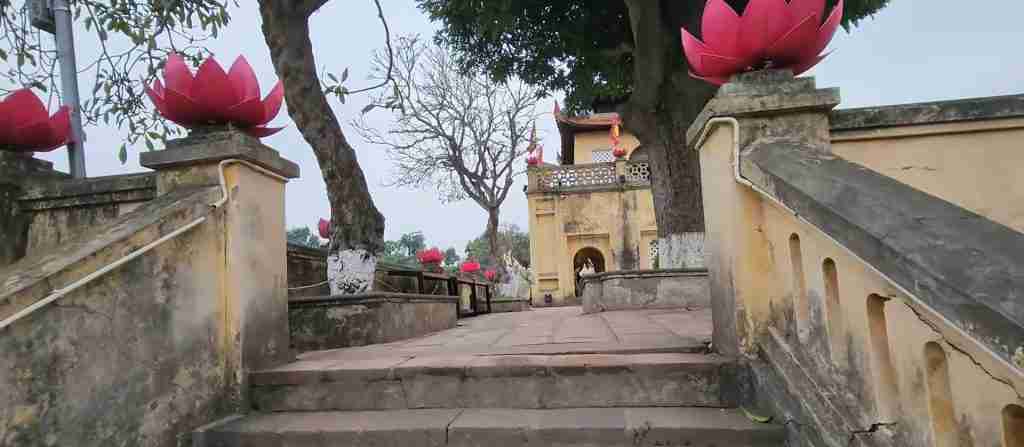
The excavated foundations and preserved gates of Vietnam’s capital citadel spanning eight dynasties charge entrance fees 30,000 VND ($1.20) with operating hours 8:00 AM-5:00 PM daily, offering 90-minute exploration through archaeological excavations revealing palace foundations, ceremonial halls, military headquarters, and flag tower climbing stairs to panoramic city views. The UNESCO World Heritage site located 19C Hoang Dieu Street in Ba Dinh District sits 1.5 kilometers from Temple of Literature enabling combined visits, though limited English signage and minimal historical context displays mean hiring guides or reading comprehensive materials beforehand maximizes educational value from archaeological remains sometimes challenging for casual visitors interpreting without expert explanations.
Vietnam Museum of Ethnology 2026
Northern Vietnam’s premier anthropological museum located Nguyen Van Huyen Street in Cau Giay District charges entrance 40,000 VND ($1.60) showcasing 54 ethnic minority cultures through traditional costumes, household implements, agricultural tools, musical instruments, and outdoor village reconstructions featuring authentic architecture from different regions. The extensive facility requires 2-3 hours thoroughly exploring indoor galleries and outdoor displays spanning 3 hectares, with English labels providing context for artifacts and cultural practices helping visitors understand Vietnam’s ethnic diversity beyond Kinh majority representing 85% of national population.
The museum sits 8 kilometers from Old Quarter requiring Grab rides costing 80,000-120,000 VND ($3.20-4.80) for 20-30 minute journeys depending on traffic conditions, making it less convenient than central attractions though rewarding for travelers interested in anthropological depth and cultural understanding beyond surface-level tourist experiences at temples and historical sites. Guided tours available at modest additional fees provide expert commentary connecting artifacts to contemporary minority communities maintaining traditional practices in mountainous regions including Sapa, Ha Giang, and Mai Chau.
Getting Around Hanoi 2026: Transportation Guide
Hanoi’s transportation network combines modern ride-hailing apps, traditional taxis, public buses, and expanding metro system creating multiple options for navigating the capital’s sprawling urban area with costs significantly lower than Western cities while requiring cultural adaptation to chaotic traffic patterns dominated by millions of motorbikes weaving through intersections without strict lane discipline or traffic light observance creating intimidating first impressions for newly arrived international visitors.
Grab and Ride-Hailing Services Hanoi 2026
Grab dominates Hanoi’s ride-hailing market offering GrabBike motorbike taxis starting 8,000 VND base fare plus 12,000-14,000 VND per kilometer and GrabCar four-seat sedans starting 15,000 VND base fare plus 15,000-18,000 VND per kilometer, with typical Old Quarter to Ba Dinh District trips costing 40,000-80,000 VND ($1.60-3.20) and Old Quarter to West Lake running 60,000-100,000 VND ($2.40-4.00). The smartphone app eliminates language barriers, displays upfront pricing before confirming rides, tracks drivers through GPS preventing detours or overcharging, and accepts credit card payments avoiding cash handling and change-making complications.
GrabBike services provide fastest transportation through Hanoi’s congested streets with motorbike drivers expertly navigating traffic jams, though passengers must wear provided helmets, secure bags and cameras against potential snatch theft, and accept exposure to weather, exhaust fumes, and traffic proximity creating experiences unsuitable for nervous riders or those carrying excessive luggage. GrabCar alternatives offer air-conditioned comfort and luggage space at approximately double motorbike pricing, appealing to travelers prioritizing safety and comfort over cost minimization and transit speed.
Alternative ride-hailing platforms including Be, Gojek, and Xanh SM compete with Grab offering comparable pricing and service quality, though smaller driver networks create longer pickup wait times in some districts and fewer vehicle options during peak demand periods. Downloading multiple apps enables price comparisons and backup options when primary service shows no available drivers, particularly useful late nights, early mornings, and during heavy rainfall when demand surges overwhelming single platform capacity.
Traditional Taxi Services and Costs 2026
Metered taxis from reputable companies including Mai Linh (green vehicles), Vinasun (white/green), and Taxi Group (orange) charge starting fares 10,000-15,000 VND with per-kilometer rates 12,000-16,000 VND creating comparable pricing to GrabCar while offering street-hail convenience without smartphone requirements. Short trips within Old Quarter cost 40,000-60,000 VND ($1.60-2.40), while longer journeys Old Quarter to West Lake run 80,000-120,000 VND ($3.20-4.80), with drivers expecting meter usage rather than fixed-price negotiations except airport transfers where predetermined rates apply.
Taxi scams targeting foreign tourists include fast-running rigged meters, deliberately extended routes through unnecessary detours, claiming no change for large bills forcing tip acceptance, and displaying similar company names/colors copying legitimate taxi brands confusing passengers into entering unauthorized vehicles. Travelers minimize scam risks by photographing taxi identification numbers before entering, confirming meter activation immediately upon starting, using smartphone GPS tracking route validity, and carrying small denomination bills eliminating change-related complications.
Public Bus Network Hanoi 2026
Hanoi’s extensive public bus system operates 100+ routes connecting all districts with single-ride fares 7,000 VND ($0.28) for distances under 30 kilometers paid in cash to conductors aboard vehicles, offering budget transportation though requiring route knowledge, Vietnamese language basics for destination confirmation, and tolerance for crowding during rush hours 7:00-9:00 AM and 5:00-7:00 PM. Key tourist routes include Bus 86 connecting Noi Bai Airport with Old Quarter via 45-minute journeys costing 45,000 VND ($1.80), and Bus 09 circling major attractions including Temple of Literature, Ho Chi Minh Mausoleum, and Old Quarter.
Buses operate 5:00 AM-10:00 PM with 10-20 minute frequencies on major routes, displaying Vietnamese-only signage requiring Google Maps navigation assistance identifying correct stops and transfer points. The system serves primarily local Vietnamese commuters and budget backpackers rather than mainstream tourists preferring Grab’s convenience and English interface, though adventurous travelers enjoy authentic local experiences, rock-bottom transportation costs, and neighborhood insights unavailable from isolated taxi and ride-hailing journeys between tourist sites.
Hanoi Metro System 2026
The Hanoi Metro’s Cat Linh-Ha Dong elevated line and under-construction additional routes provide limited coverage in 2026 primarily serving residential areas rather than tourist districts, with single-journey tickets 8,000-15,000 VND ($0.32-0.60) depending on distance and operating hours 5:30 AM-11:00 PM. Future expansions planned through 2028 will connect Noi Bai Airport, Old Quarter, and major residential districts, though current limited network means most tourists never utilize metro services during short visits focusing on central area attractions within walking distance or brief Grab rides.
Airport Transportation to Hanoi City Center 2026
Noi Bai International Airport sits 35 kilometers north of Hanoi’s Old Quarter with multiple transportation options including Airport Bus 86 departing every 30 minutes 6:00 AM-11:30 PM for 45,000 VND ($1.80) per person with 60-90 minute journey times to Old Quarter stops, metered taxis charging fixed 300,000-350,000 VND ($12-14) for the 45-minute drive, and pre-booked Grab rides costing 220,000-280,000 VND ($9-11) depending on surge pricing and vehicle type. Budget travelers selecting bus services save significant costs though managing luggage on crowded vehicles and navigating final walking distance from bus stops to hotels creates minor inconveniences compared to door-to-door taxi convenience.
Private transfer services booked through hotels or online platforms charge $20-40 for airport pickups including driver holding name sign at arrival hall, luggage assistance, and direct hotel delivery eliminating navigation stress particularly valuable for late-night arrivals or travelers with substantial baggage. Airport shuttle buses operated by hotels typically cost $15-25 per person requiring advance reservations and scheduled departure times less flexible than on-demand taxi/Grab services.
Day Trips from Hanoi 2026: Essential Excursions
Hanoi’s central Northern Vietnam position enables day trip access to UNESCO World Heritage sites, natural wonders, and cultural destinations within 2-4 hour driving distances, with organized tours handling transportation logistics, entrance fees, and guide services creating hassle-free excursions from the capital while independent travelers utilizing public buses and trains achieve significant cost savings accepting longer travel times and navigation challenges.
Halong Bay Day Cruise from Hanoi 2026
Day trip cruises to Halong Bay’s limestone karsts start $38-120 depending on vessel quality, included amenities, and group size, with budget tours departing Hanoi 7:30 AM returning 8:00 PM including shuttle bus round-trip from Old Quarter hotels, 4-5 hour cruise exploring bay highlights, buffet seafood lunch, kayaking through caves, and Titop Island beach stop. Mid-range cruises $60-90 offer smaller group sizes (maximum 20-30 passengers), superior vessels with sun decks and air-conditioned cabins, and additional activities including cooking demonstrations or sunset parties. Luxury day cruises $100-120 deliver premium experiences aboard boutique boats featuring spa services, multiple-course plated meals, and exclusive route itineraries visiting less-crowded caves and islands.
All day trips involve 2.5-3 hour highway transfers each direction creating 5-6 hours driving compared to 6-7 hours actual bay exploration including cruise time and activities, leading some travelers preferring overnight cruises (starting $80-300) enabling extended bay immersion, sunrise photography opportunities, and relaxed schedules eliminating rushed feeling characterizing day trip itineraries. Halong Bay environmental fees ($5-7) apply regardless of tour operator, typically presented separately from cruise pricing though unavoidable for all visitors entering the UNESCO World Heritage site.
Ninh Binh Landscape Complex Day Trip 2026
The “Halong Bay on Land” located 100 kilometers south of Hanoi offers day tours $25-50 combining bamboo boat rides through Tam Coc’s limestone gorges, Bai Dinh Pagoda temple complex housing Southeast Asia’s largest bronze Buddha, and Trang An UNESCO landscape featuring cave systems navigable by rowboat. Independent travelers reach Ninh Binh via 2-hour trains departing Hanoi Railway Station costing 80,000-120,000 VND ($3.20-4.80) then hiring motorbike taxis or bicycles exploring sites independently at slower pace with greater flexibility than organized tour schedules.
Entrance fees at Ninh Binh attractions include Tam Coc boat rides 150,000 VND ($6.00) per person, Trang An boat tours 250,000 VND ($10.00), and Bai Dinh Pagoda free admission though electric cart transport 30,000 VND ($1.20) navigating the sprawling complex. Combined with meals and local transportation, independent day trips total $15-25 compared to organized tour convenience but higher pricing, appealing to budget travelers comfortable navigating without English-speaking guides and predetermined schedules.
Perfume Pagoda Pilgrimage Site 2026
Buddhist pilgrimage destination 60 kilometers southwest of Hanoi attracts domestic Vietnamese especially around Tet Lunar New Year, requiring boat transfers along Yen River followed by cable car ascent (or 2-hour mountain hike) to cave temples carved into Huong Tich Mountain. Day tours cost $30-45 including transportation, boat rides, cable car tickets, and lunch, with operating seasons November-April when dry weather permits safe mountain access while summer monsoons create hazardous trail conditions and flooding preventing boat operations.
The spiritual site functions primarily for Vietnamese Buddhist pilgrims rather than international tourists, creating authentic cultural immersion opportunities observing prayer rituals, incense offerings, and fortune-telling practices unavailable at commercialized tourist attractions, though limited English information and potential crowding during pilgrimage season may frustrate visitors expecting pristine nature experiences and comprehensive historical explanations.
Mai Chau Valley Ethnic Minority Homestays 2026
The Thai ethnic minority valley 135 kilometers from Hanoi offers day visits ($35-55) exploring traditional stilt houses, rice paddies, and craft villages, though overnight homestays ($25-40 per person including dinner and breakfast) enable deeper cultural engagement experiencing family hospitality, home-cooked meals, and evening cultural performances featuring traditional dance and music. The 3-4 hour drive through mountain passes delivers scenic valley views and roadside stops at Hoa Binh Province lookout points photographing terraced rice fields and rural landscapes representing northern upland regions distinct from Red River Delta flatlands surrounding Hanoi.
Sample Daily Budgets Hanoi 2026
Planning realistic daily expenses for Hanoi in 2026 requires understanding costs across accommodation, food, transportation, and activities create total budgets varying significantly based on traveler preferences for luxury versus economy, group size enabling cost-sharing, and seasonal timing affecting hotel rates and tour pricing.
Budget Traveler Daily Costs ($25-40)
Accommodation in hostel dormitory bed costs $7-12 per night, breakfast pho from street vendor $1.50, lunch banh mi sandwich $1, dinner at local restaurant $3-5, two Grab bike rides $2-3, one museum entrance fee $1.20, bottled water and snacks $2. Total daily cost $25-35 excluding major tours or nightlife spending, rising to $40 including one alcoholic beverage session at local bia hoi establishment and small souvenir purchases. This budget level requires accepting basic facilities, street food dining exclusively, Vietnamese food rather than Western alternatives, walking substantial distances supplementing paid transportation, and foregoing guided tours in favor of self-exploration using online resources and maps.
Mid-Range Traveler Daily Costs ($60-100)
Accommodation in private room at boutique hotel $40-60, breakfast at hotel buffet included, lunch at mid-range restaurant $8-12, coffee at Western cafe $3, dinner at nicer restaurant $15-20, snacks and drinks $5, three Grab car rides $8-12, two attraction entrance fees $3, one evening beer at rooftop bar $6. Total daily cost $75-95 providing comfortable travel standards, air-conditioned dining, convenient transportation, and relaxed pacing without constant budget consciousness, rising above $100 on days including organized tours (Halong Bay $60-90) or premium dining experiences at upscale restaurants.
Luxury Traveler Daily Costs ($150-250+)
Accommodation at 5-star heritage hotel $150-250, breakfast buffet included, lunch at French-Vietnamese fusion restaurant $25-35, afternoon spa treatment $40-60, dinner tasting menu at fine dining establishment $65-90, premium cocktails $30, private car with driver $60-80, guided private tour $80-120, luxury Halong Bay day cruise $100-120. Luxury travel in Hanoi easily exceeds $250 daily when combining top-tier accommodation, multiple premium dining experiences, spa services, private guides, and first-class tours, though costs remain considerably lower than equivalent luxury experiences in Western destinations or even regional competitors like Singapore and Hong Kong.
Hanoi Food Experiences and Culinary Highlights 2026
Hanoi’s culinary heritage defines Vietnamese food culture through dishes evolved over centuries incorporating Chinese influences, French colonial impacts, and indigenous ingredients creating flavor profiles balancing sweet-sour-salty-spicy elements without single note domination. The capital’s street food scene operates dawn through midnight across the Old Quarter’s interconnected lanes where vendors specialize in single dishes perfected through generations rather than offering extensive menus diluting quality and authenticity.
Essential Hanoi Dishes to Try 2026
Pho bo (beef noodle soup) represents Hanoi’s most famous culinary export, served traditionally for breakfast with rare beef slices cooking in boiling broth, rice noodles, herbs including sawtooth coriander and Thai basil, lime wedges, and chili peppers enabling customization to personal taste preferences. Quality pho requires bone broth simmered 12+ hours extracting collagen and minerals creating rich foundation for delicate flavors, with best bowls found at specialist vendors including Pho Gia Truyen (49 Bat Dan Street), Pho Thin (13 Lo Duc Street), and Pho 10 (10 Ly Quoc Su Street) where locals queue before 7:00 AM indicating authentic quality.
Bun cha (grilled pork with rice vermicelli) originated in Hanoi and remains concentrated in the capital rather than widely available throughout Vietnam, featuring charcoal-grilled fatty pork patties and pork belly strips served with cool rice noodles, herb platter including perilla and Vietnamese coriander, and fish sauce dipping broth balanced between sweet-sour notes. The dish gained international fame when President Obama and Anthony Bourdain shared bun cha at simple local restaurant during 2016 visit, with that specific venue (Bun Cha Huong Lien) now displaying preserved table and serving “Obama Combo” though nearby alternatives offer comparable quality without tourist markup pricing.
Banh cuon (steamed rice rolls) represent Northern Vietnam’s delicate breakfast preparation featuring paper-thin rice sheets filled with minced pork and wood ear mushrooms, topped with fried shallots and Vietnamese pork sausage, eaten with fish sauce enhanced by chili and lime creating textural contrast between smooth rolls and crispy toppings. Cha ca (turmeric fish with dill) represents Hanoi’s signature fish dish with chunks of catfish marinated in turmeric and galangal, grilled tableside with abundant fresh dill and scallions, served over rice vermicelli with roasted peanuts and shrimp paste creating unique flavor combination unavailable in southern Vietnamese cuisine.
Egg Coffee and Cafe Culture 2026
Ca phe trung (egg coffee) represents Hanoi’s unique cafe invention created 1946 when milk shortages prompted cafe owner whipping egg yolks with condensed milk and coffee creating frothy, dessert-like beverage balancing bitter coffee base with sweet egg foam topping. Original Cafe Giang (39 Nguyen Huu Huan Street) maintains family recipe from inventor Nguyen Van Giang, serving egg coffee in small cups requiring spoon to scoop creamy foam before sipping strong coffee underneath, with pricing 30,000-50,000 VND ($1.20-2.00) reflecting tourist popularity and historical significance beyond simple beverage cost.
Hanoi’s cafe scene spans tiny plastic-stool sidewalk operations charging $0.60 for traditional Vietnamese coffee to Instagram-worthy specialty coffee shops serving single-origin Vietnamese beans in latte art presentations for $3-5, with intermediate options including established local chains (Highlands Coffee, Cong Ca Phe) offering air-conditioned spaces, Wi-Fi connectivity, and comfortable seating ideal for escaping midday heat or rainy weather while maintaining affordable pricing below Western cafe standards.
Street Food Safety and Hygiene 2026
Hanoi street food poses minimal health risks when selecting vendors demonstrating high customer turnover ensuring ingredient freshness, visible food preparation allowing observation of cooking practices, and locals rather than exclusively tourists indicating authentic quality rather than tourist-trap operations charging inflated prices for inferior meals. Avoid vendors displaying pre-cooked food sitting at room temperature for extended periods, establishments with empty tables suggesting slow sales and stale ingredients, and locations lacking running water for dish washing and hand cleaning.
Tropical climate heat and humidity accelerate food spoilage, making midday and afternoon the riskiest periods for consuming street food compared to morning freshly prepared dishes and evening renewed batches for dinner crowds. Travelers with sensitive stomachs should allow 2-3 days initial adjustment period before consuming adventurous items like raw herbs, uncooked vegetables, and ice in beverages, with probiotic supplements and anti-diarrheal medications providing insurance against minor digestive disruption common during first weeks exploring unfamiliar cuisines and local bacteria strains.
Shopping and Souvenirs Hanoi 2026
Hanoi’s shopping landscape divides between modern air-conditioned malls selling international brands, traditional markets offering local goods at negotiable prices, and specialized craft villages producing authentic Vietnamese handicrafts including silk, lacquerware, ceramics, and embroidery representing regional artisan traditions maintained through generations.
Dong Xuan Market and Old Quarter Shopping 2026
Dong Xuan Market occupies massive four-story building in the Old Quarter’s northern section, selling wholesale quantities of clothing, shoes, household goods, and souvenirs at prices requiring aggressive negotiation starting 40-50% below asking price and gradually compromising toward 60-70% original quote. The chaotic market overwhelms first-time visitors with narrow aisles, aggressive vendors, pickpocket risks, and inconsistent quality requiring careful inspection before purchase, though offers authentic local shopping experience and rock-bottom pricing unavailable at tourist-oriented boutiques and hotel gift shops.
Old Quarter streets maintain historical craft specializations with Hang Gai Street concentrating silk shops selling ready-made clothing, custom tailoring services, and fabric by the meter, while Hang Bac Street features silver jewelry, Hang Ma Street offers paper goods and decorations, and Hang Quat Street specializes in religious items and lacquerware. Prices run 20-40% higher than Dong Xuan Market reflecting smaller quantities, better quality control, and tourist-friendly English-speaking staff, though still significantly below Western retail pricing for comparable silk garments, custom embroidery, and handcrafted items.
Night Markets and Weekend Walking Street 2026
Weekend night markets operate Friday-Sunday evenings 6:00 PM-midnight around Hoan Kiem Lake closing streets to vehicle traffic creating pedestrian zones filled with vendors selling t-shirts, handicrafts, accessories, and snack foods appealing to domestic Vietnamese families and international tourists seeking casual browsing atmosphere without aggressive sales tactics characterizing daytime markets. Prices trend 20-30% above daytime market rates reflecting weekend premium and tourist concentration, though relaxed browsing environment, street performer entertainment, and lakefront atmosphere justify modest markups for travelers prioritizing experience over absolute minimal pricing.
Authentic Handicraft Shopping Villages 2026
Specialized craft villages outside Hanoi offer factory-direct pricing on ceramics (Bat Trang Village 13 kilometers southeast), silk (Van Phuc Village 10 kilometers southwest), and wood furniture (Dong Ky Village 30 kilometers north), with organized tours $25-40 including transportation, factory visits, and shopping time, while independent travelers hiring Grab cars reach villages independently eliminating tour guide commissions though losing expert product knowledge and negotiation assistance. Bat Trang ceramic village enables pottery wheel try-yourself experiences, kiln observation, and purchasing bowls, vases, and decorative items 30-50% below Hanoi retail pricing with authentic village atmosphere rather than tourist market environment.
Cultural Etiquette and Local Customs Hanoi 2026
Vietnamese cultural norms emphasize harmony, respect for age and authority, indirect communication avoiding confrontation, and community orientation over individualism creating social contexts requiring foreign visitors adapting behavior and communication styles ensuring positive interactions with locals while avoiding unintentional offense through ignorance of cultural expectations.
Temple and Religious Site Behavior 2026
Buddhist temples, Confucian sites, and Taoist shrines require modest dress covering shoulders and knees, with entrance areas often providing wrap skirts and shawls for underdressed visitors though bringing appropriate clothing avoids delays and awkward enforcement interactions. Shoes must be removed before entering temple buildings with footwear left on racks or carried in provided bags, requiring easily removable sandals rather than laced boots creating inconvenience during multiple temple visits. Photography generally permits exterior and courtyard areas while prohibiting interior altar spaces, with signage indicating restrictions and monks or attendants enforcing rules sometimes inconsistently creating confusion among foreign visitors unfamiliar with specific site regulations.
Silence and reverent behavior demonstrate respect at active worship sites where Vietnamese visitors pray, light incense, and make offerings, with boisterous conversation, inappropriate laughter, and physical contact between couples appearing disrespectful to local worshippers even when foreign tourists intend no offense. Incense purchase and offering (5,000-10,000 VND) enables participation in traditional practices, with observing Vietnamese worshippers demonstrating proper technique lighting three sticks, holding above head while bowing, and placing in ash-filled urns before altars.
Dining Customs and Table Manners 2026
Vietnamese meals emphasize communal dining with multiple dishes sharing table center and individual rice bowls, requiring chopstick skills transferring food from shared plates to personal bowls before eating rather than eating directly from communal dishes Western buffet style. Chopsticks should rest on provided holder between bites rather than sticking vertically in rice bowl creating funeral ritual imagery associated with death and mourning, while passing items with two hands rather than one demonstrates respect especially when interacting with elders or superiors.
Tipping remains uncommon at local Vietnamese restaurants and street food stalls where prices include service, though upscale restaurants catering to foreign tourists increasingly add 5-10% service charges to bills with additional tips appreciated but not mandatory. Rounding up bills to nearest convenient denomination (paying 50,000 VND for 45,000 VND purchase) represents polite gesture without obligatory tipping percentages expected in Western service culture.
Photography Etiquette and Permissions 2026
Photography regulations vary by location with military installations, government buildings, and security checkpoints strictly prohibiting images enforced through confrontation and camera confiscation, while tourist attractions generally permit photography excluding specific altar areas, museum collections, and cultural performances displaying “no photography” signage. Street photography requires sensitivity asking permission before photographing individuals especially ethnic minorities, monks, and children, with polite gestures requesting consent and accepting refusals gracefully rather than surreptitiously capturing images creating discomfort and perpetuating tourist behavior locals rightfully resent.
Vietnamese people often request tourist photographs creating reciprocal expectations that foreigners photograph them in return, particularly in rural areas where Western visitors remain novelty attractions rather than daily occurrences, with sharing contact information via Facebook or Instagram enabling later image transmission appreciated by Vietnamese subjects wanting documentation of tourist interactions for social media sharing.
Money, Currency, and Banking Hanoi 2026
Vietnam’s official currency Vietnamese Dong (VND) operates in denominations from 1,000 to 500,000 VND notes creating large numbers requiring mental calculation converting prices to familiar currencies, with approximate exchange rates in 2026 running 25,000 VND per US Dollar, 27,000 VND per Euro, and 20,000 VND per British Pound subject to daily fluctuations and spread differences between official rates, bank exchange rates, and street money changer margins.
Currency Exchange and ATM Access 2026
International airports provide 24-hour currency exchange though rates run 2-3% below city bank equivalents, making minimal initial exchanges $50-100 sufficient for taxi/Grab transportation to hotels where better rates exist at commercial banks including Vietcombank, BIDV, and Techcombank operating extensive ATM networks accepting international Visa, Mastercard, and some UnionPay cards. ATM withdrawal limits typically max 3,000,000-5,000,000 VND ($120-200) per transaction with 2-3 transaction daily limits, requiring multiple withdrawals for larger cash needs while incurring 20,000-50,000 VND ($0.80-2.00) fees per transaction from Vietnamese banks plus home bank international withdrawal charges.
Avoid hotel currency exchange and tourist area money changers offering convenience at 5-10% rate penalties compared to banks and official exchange services, with counterfeit note risks increasing when conducting street transactions outside regulated institutions providing legal recourse for fraudulent currency. US Dollars find widespread acceptance at hotels, tour operators, and some restaurants though exchange rates typically disadvantage foreign currency direct payment compared to VND transactions at official exchange equivalents.
Credit Card Acceptance and Digital Payments 2026
Major hotels, upscale restaurants, and tour operators accept Visa and Mastercard with 2-4% transaction fees sometimes passed to customers through dual pricing or additional charges, while street food vendors, local restaurants, markets, and transportation services operate cash-only requiring substantial VND reserves for daily expenses. Mobile payment platforms including MoMo and ZaloPay dominate domestic Vietnamese digital transactions though require Vietnamese bank accounts and phone numbers preventing foreign tourist access, leaving credit cards and cash as primary payment methods for international visitors throughout 2026.
Budgeting Tips and Cost Management 2026
Hanoi’s dual pricing occasionally charges foreigners higher rates than Vietnamese locals at some attractions, restaurants, and services, requiring price verification, advance research confirming standard rates, and polite negotiation when confronted with obvious markups targeting tourist status. Carrying exact change facilitates small purchases avoiding “no change available” claims forcing acceptance of unfavorable rounding or unwanted products as change substitutes, while photographing large bills before making payments creates evidence trail discouraging intentional shortchanging especially when receiving 500,000 VND notes easily confused with 50,000 VND denominations by unfamiliar visitors.
Practical Information and Entry Requirements 2026
International visitors to Vietnam must obtain valid visas before arrival unless qualifying for visa exemption programs based on nationality and visit duration, with 2026 requirements varying significantly across passport types creating essential pre-departure research confirming current regulations applicable to specific travel documents and planned stay lengths.
Vietnam Visa Requirements and E-Visa System 2026
Vietnam’s e-visa system accessible at evisa.gov.vn accepts applications from all nationalities for single-entry visas costing $25 or multiple-entry visas costing $50, valid up to 90 days with 3-7 working day processing times requiring passport scans, digital photographs meeting specific format requirements, entry/exit point selections, and online payment via credit card. The electronic visa eliminates embassy visits and courier fees associated with traditional visa sticker processes, arriving via email as PDF documents requiring printing and presentation at immigration counters alongside physical passports containing minimum 6-month validity and two blank pages.
Visa exemptions apply for specific nationalities including 45-day visa-free entry for citizens of Western European nations, Japan, South Korea, and Russia, while ASEAN citizens receive 30-day exemptions and some countries maintain bilateral agreements creating 14-21 day exemption periods requiring verification based on passport nationality. Phu Quoc Island offers 30-day visa exemption for all nationalities arriving directly to the island and remaining within Phu Quoc boundaries, though departing to mainland Vietnam requires valid visa regardless of time spent on island.
Health Precautions and Medical Facilities 2026
Hanoi requires no mandatory vaccinations for international entry though CDC and WHO recommend hepatitis A, typhoid, and routine immunizations (MMR, tetanus-diphtheria) for Southeast Asia travel, with additional considerations for hepatitis B, Japanese encephalitis, and rabies depending on rural exposure risk, trip duration, and planned activities. Malaria remains absent from Hanoi and major cities though prophylaxis recommended for rural mountainous regions including Sapa and Ha Giang where mosquito-borne diseases including dengue fever occur sporadically especially during rainy season May-October.
International-standard medical facilities in Hanoi include Vinmec International Hospital, Family Medical Practice, and Hanoi French Hospital providing English-speaking doctors, modern equipment, and Western treatment protocols at costs significantly below European and North American equivalents though requiring travel insurance coverage or upfront cash payment before treatment initiation. Pharmacies stock common medications including antibiotics, anti-diarrheals, and pain relievers available over-counter without prescriptions, though travelers should bring adequate supplies of regular prescriptions as specific brands and formulations may be unavailable in Vietnam despite pharmaceutical equivalents existing under different names.
Internet Access and Communication 2026
Tourist SIM cards available at Noi Bai Airport and mobile phone shops throughout Hanoi provide 4G data coverage from providers Viettel, Mobifone, and Vinaphone at prices $5-15 for 30-day plans including 20-100GB data allowance, unlimited domestic calls, and varying international calling packages. The SIM cards require passport registration complying with Vietnamese telecommunications regulations, with activation typically completing 1-2 hours after purchase enabling immediate internet access for navigation apps, translation software, and communication platforms replacing expensive international roaming charges.
Wi-Fi availability spans hotels, cafes, and restaurants throughout Hanoi’s tourist areas with varying connection speeds and reliability, though cybersecurity risks suggest avoiding sensitive financial transactions or password entries on public networks lacking VPN encryption. International calling apps including WhatsApp, Skype, and FaceTime function normally over data connections, while Facebook, Instagram, and YouTube operate without restrictions unlike some regional neighbors implementing social media blocking or throttling.
Safety Considerations and Emergency Services 2026
Hanoi maintains low violent crime rates with tourist safety concerns primarily involving petty theft, traffic accidents, and minor scams rather than serious personal security threats, requiring standard urban precautions including securing valuables in hotel safes, maintaining awareness in crowded areas, avoiding isolated locations after dark, and exercising caution crossing streets where traffic rarely yields to pedestrians despite marked crosswalks and traffic signals.
Emergency numbers include 113 for police, 114 for fire brigade, and 115 for ambulance services, though English language support varies requiring Vietnamese speakers or hotel staff assistance facilitating communication with emergency operators. Tourist police maintain offices near major attractions including Hoan Kiem Lake offering English-speaking officers, assistance with lost passports and theft reports, and basic navigation help, though limited investigative capacity means stolen items rarely recover and reports primarily serve insurance claim documentation purposes.
Frequently Asked Questions About Hanoi Travel 2026
Do I need travel insurance for Hanoi in 2026?
Travel insurance remains strongly recommended for Hanoi visits covering medical emergencies requiring hospital treatment or evacuation, trip cancellations due to illness or natural disasters, baggage loss or theft, and activity-specific coverage for adventure sports including motorbiking and water sports. Comprehensive policies cost $40-80 for 2-week trips providing $50,000-100,000 medical coverage, $500-1,500 baggage protection, and 24-hour emergency assistance services coordinating hospital admissions and family notifications. Vietnam requires no mandatory insurance for visa approval though policies provide financial protection against unexpected expenses exceeding thousands of dollars without coverage, particularly important given high medical evacuation costs potentially reaching $50,000+ for serious conditions requiring transfer to Bangkok or Singapore advanced facilities.
Can I drink tap water in Hanoi 2026?
Hanoi’s tap water fails drinking safety standards containing bacteria, parasites, and chemical contaminants requiring boiling or filtration before consumption, with bottled water costing 8,000-15,000 VND ($0.30-0.60) representing safer, more convenient option for hydration needs throughout Vietnam travel. Hotels provide complimentary bottled water daily, restaurants serve bottled or boiled water, and street vendors sell sealed bottles though travelers should verify cap seals remain intact preventing refilling scams where empty bottles get filled with tap water and resold. Ice in upscale restaurants and hotels typically uses filtered water while street vendor ice carries contamination risks, creating decisions balancing authentic experience against minor health hazard acceptance.
What language is spoken in Hanoi and do people speak English?
Vietnamese serves as Hanoi’s primary language with tonal pronunciation creating challenges for English speakers attempting basic phrases, though tourism industry workers including hotel staff, tour guides, and upscale restaurant servers generally speak functional English facilitating basic communication and transaction completion. Old Quarter businesses catering to backpackers maintain English menus, English-speaking staff, and simplified communication systems minimizing language barriers, while local restaurants and markets outside tourist zones require pointing, calculator price displays, and smartphone translation apps bridging communication gaps. Learning basic Vietnamese phrases including “xin chào” (hello), “cảm ơn” (thank you), and “bao nhiêu tiền” (how much) demonstrates cultural respect and sometimes facilitates better service and pricing from locals appreciating effort despite imperfect pronunciation.
How long should I spend in Hanoi 2026?
Optimal Hanoi duration spans 3-5 days enabling thorough Old Quarter exploration, major attraction visits including Temple of Literature and Ho Chi Minh Mausoleum, one day trip to Halong Bay or Ninh Binh, and relaxed pacing without rushed scheduling or attraction fatigue. Two-day minimum visits cover essential sites though feel hurried, while week-long stays enable deeper neighborhood immersion, multiple day trips, cooking classes, and authentic experiences beyond surface tourist activities. Travelers incorporating Northern Vietnam destinations including Sapa, Ha Giang, or Mai Chau typically allocate 2-3 days in Hanoi for arrival orientation and departure buffer while dedicating extended time to mountain regions offering distinct experiences from urban capital.
Is Hanoi polluted and how is the air quality in 2026?
Hanoi experiences moderate to unhealthy air pollution levels particularly during dry season November-March when PM2.5 particulates from vehicle emissions, construction dust, and agricultural burning concentrate without monsoon rains providing natural cleansing. Air Quality Index readings frequently reach 100-150 (moderate-unhealthy for sensitive groups) with occasional spikes exceeding 200 (unhealthy for all) during pollution events, requiring travelers with respiratory conditions, elderly visitors, and young children monitoring daily AQI forecasts via AirVisual app and limiting outdoor exposure during poor air quality periods. Pollution impacts remain lower than regional peers Beijing and Delhi though exceed WHO safe exposure guidelines most days, creating decisions balancing authentic urban exploration against health protection especially for extended stays exceeding 2-3 weeks.
What should I pack for Hanoi in 2026?
Essential Hanoi packing includes lightweight, breathable clothing for tropical humidity, modest temple-appropriate outfits covering shoulders and knees, comfortable walking shoes with good arch support navigating uneven sidewalks and cobblestone streets, rain jacket or compact umbrella handling sudden downpours, and light sweater for air-conditioned restaurants and winter evening coolness. Electronics should include international power adapter (Vietnam uses Type A, C, and D plugs at 220V), portable battery pack maintaining smartphone charge during full-day explorations, and camera equipment for photography enthusiasts capturing architectural details and street scenes. Medical kit basics encompass anti-diarrheal medication, rehydration salts, insect repellent containing 20-30% DEET, sunscreen SPF 30+, and any prescription medications in original containers with pharmacy labels facilitating customs clearance.
Are there ATMs in Hanoi and do they accept foreign cards?
Hanoi maintains extensive ATM networks from major banks including Vietcombank, BIDV, Techcombank, and Sacombank accepting international Visa, Mastercard, Maestro, and Cirrus cards at machines clearly displaying compatible network logos. ATMs concentrate around the Old Quarter, commercial districts, shopping centers, and tourist areas with 24-hour access though occasional cash shortages occur weekends and holidays requiring trying multiple machines. International withdrawal fees include Vietnamese bank charges 20,000-50,000 VND ($0.80-2.00) per transaction plus home bank foreign transaction fees and currency conversion charges potentially totaling 3-5% of withdrawal amount, making larger less-frequent withdrawals more economical than multiple small transactions accumulating repeated fees.
Can I use US Dollars in Hanoi or should I use Vietnamese Dong?
Vietnamese Dong serves as official currency with mandatory usage for street food, local restaurants, markets, public transportation, and small purchases, while US Dollars find acceptance at hotels, tour operators, upscale restaurants, and some shops though typically at exchange rates 2-5% below official rates disadvantaging dollar payments. Carrying VND cash for daily expenses while maintaining small dollar reserve for emergencies or large tour bookings creates flexible payment options, with currency exchange at commercial banks providing better rates than hotels, airports, or tourist-area exchangers. Credit cards supplement cash for major purchases at establishments accepting plastic payment, though 2-4% processing fees and unreliable card terminals mean cash remains primary payment method throughout Vietnam travel.
What are the best restaurants in Hanoi for authentic Vietnamese food in 2026?
Authentic Hanoi dining requires seeking establishments where locals outnumber tourists, with recommendations including Bun Bo Nam Bo (67 Hang Dieu Street) for iconic beef noodle salad, Quan An Ngon (multiple locations) for regional Vietnamese specialties in colonial courtyard settings, Cha Ca Thang Long (multiple branches) for traditional turmeric fish with dill, and Com Pho Co (multiple locations) for home-style Vietnamese rice dishes and soups. Street food excellence concentrates around Dong Xuan Market, Hang Buom Street for banh cuon (steamed rice rolls), and Ta Hien Street for evening draft beer and grilled meats, while avoiding heavily touristed areas around Hoan Kiem Lake’s north shore where quality declines and prices inflate despite proximity to accommodations and attractions. Food tours operated by Hanoi Street Food Tours and similar companies provide guided introduction to authentic vendors, cultural context, and navigation assistance worth $25-40 especially for first-time Vietnam visitors uncertain navigating street food independently.
Is Hanoi suitable for families with children in 2026?
Hanoi accommodates family travel with children-friendly attractions including Water Puppet Theater traditional performances, Hoan Kiem Lake walking paths feeding turtles and watching street performers, West Lake boat rides and parks, and Vietnam Museum of Ethnology’s outdoor village reproductions offering educational cultural exposure. Hotels ranging mid-range to luxury provide family rooms, interconnecting suites, and kids’ facilities including swimming pools though budget hostels typically restrict children creating accommodation selection requirements. Restaurant dining handles children though high chairs remain uncommon except upscale venues, while street food hygiene requires parental judgment balancing authentic experience against sensitive childhood immune systems more vulnerable to foodborne illness than adult travelers. Transportation via Grab cars provides safer alternative to motorbike taxis for families, while chaotic traffic patterns demand constant vigilance preventing children wandering into vehicle paths particularly crossing streets and navigating crowded markets.