
Hampi 2-Day Tour from Bangalore 2026: UNESCO Ruins Guide
Hampi, the spectacular UNESCO World Heritage Site showcasing the ruins of the mighty Vijayanagara Empire, makes an exceptional 2-day excursion from Bangalore, offering travelers access to 1600+ monuments spanning ancient temples, royal palaces, and architectural marvels set amid dramatic boulder-strewn landscapes. This comprehensive guide provides everything you need to plan your 2026 Hampi adventure from Bangalore, including transportation options, budget breakdowns, detailed two-day itineraries, and booking strategies ensuring you maximize your experience exploring India’s most impressive archaeological wonder.
Key Takeaways
- Distance and Duration 2026: Hampi lies 340-350 kilometers from Bangalore, requiring 6-9 hours travel time by bus, train, or private vehicle with overnight journeys providing morning arrival
- Transportation Options: Buses cost ₹449-1800, trains ₹300-2000, private taxis ₹8000-12,000 round-trip, with Hampi Express overnight train offering most convenient timing for 2-day trips
- Package Costs 2026: Organized 2-day tours range ₹3999-8000 per person including transport, accommodation, guide, and major site entries, providing excellent value versus independent travel
- Must-See Sites: Two days allows comprehensive coverage of Vittala Temple (Stone Chariot), Virupaksha Temple, Royal Enclosure, Lotus Mahal, Elephant Stables, and Matanga Hill viewpoints
- UNESCO Recognition: Hampi received UNESCO World Heritage designation in 1986, protecting over 4100 hectares of Vijayanagara Empire ruins dating 1336-1565
- Optimal Timing 2026: October through March offers ideal weather (18-32°C), with November-February providing perfect conditions for extensive outdoor monument exploration without excessive heat
People Also Ask About Hampi 2-Day Tour from Bangalore 2026
How much does a 2-day Hampi tour from Bangalore cost in 2026?
Organized tour packages cost ₹3999-8000 per person for 2-day experiences including round-trip transport, one night accommodation, breakfast, guided sightseeing, and monument entries. Budget independent travel costs ₹2500-4000 (bus ₹900-1600 round-trip, budget accommodation ₹800-1200, food ₹600-1000, guide ₹500), while mid-range independent trips total ₹5000-8000 with better hotels and private guide. Luxury private tours with dedicated vehicle and premium accommodation range ₹12,000-18,000 per person. Group bookings (4+ people) often receive 10-15% discounts from operators.
What is the best way to reach Hampi from Bangalore for a 2-day trip in 2026?
Hampi Express overnight train (departure 10 PM, arrival 7:10 AM at Hospet Junction) provides optimal timing, allowing full Day 1 exploration after morning arrival and maximizing two-day itineraries. The train costs ₹300-600 for sleeper class, ₹800-1200 for AC classes. Alternative overnight buses (departure 8-11 PM, arrival 5-7 AM) cost ₹600-1800 depending on service level. Private vehicles (6-7 hours driving) offer flexibility but require early morning departure (5-6 AM) to reach Hampi by noon. From Hospet Junction or bus stand, Hampi lies 13 kilometers requiring auto-rickshaw (₹200-300) or local bus (₹20-30) transfer.
Can Hampi be covered properly in just 2 days from Bangalore?
Two days provides adequate time to cover Hampi’s major monuments across both monument zones – Hampi Bazaar area (Day 1: Virupaksha Temple, Hemakuta Hill, Vittala Temple complex) and Royal Center (Day 2: Lotus Mahal, Elephant Stables, Queen’s Bath, Royal Enclosure). The 2-day timeframe allows unhurried exploration with photography opportunities, though 3-4 days would permit deeper immersion including Anegundi village and minor monuments. Strategic planning with early morning starts (6:30-7 AM) and organized itineraries ensures comprehensive coverage of UNESCO-recognized highlights within 48 hours.
What should I book in advance for a Hampi 2-day tour in 2026?
Book Hampi Express train tickets 30-60 days advance (opens 120 days prior) as this popular route sells out quickly, particularly Friday-Sunday departures. Reserve accommodation 2-3 weeks ahead during peak season (November-February), 1 week for moderate seasons. Tour packages require 10-14 days advance booking ensuring vehicle and guide availability. Private vehicle arrangements need 7-10 days notice. Walk-in bus tickets available but advance online booking through KSRTC website or RedBus recommended for seat selection and confirmed reservations. Guide services can be arranged on arrival in Hampi, though advance booking guarantees English-speaking licensed guides (₹1000-1500 per day).
Extended multi-day tours – 5+ days
Featured Hampi Multi-Day Tour Packages
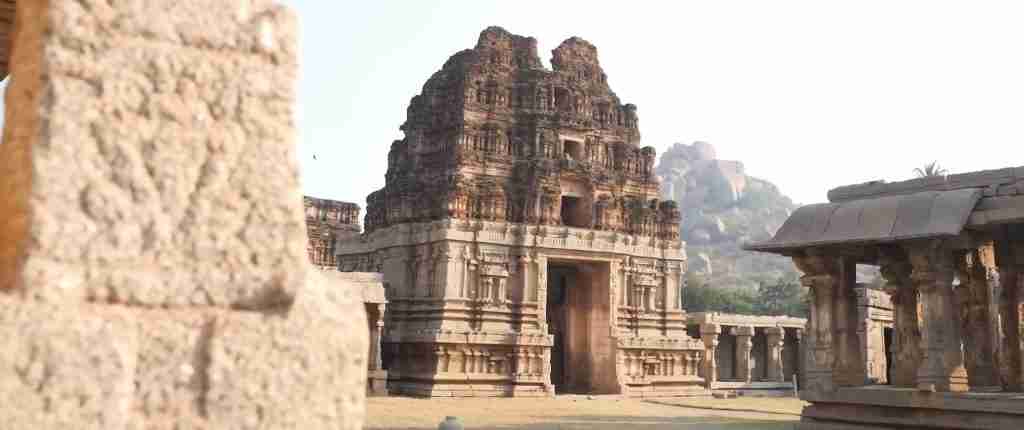
3 days
Hampi 3-Day Discovery Tour
- ✓ Comprehensive Hampi experience
- ✓ Expert local guides included
- ✓ All accommodation included
- ✓ Transportation provided
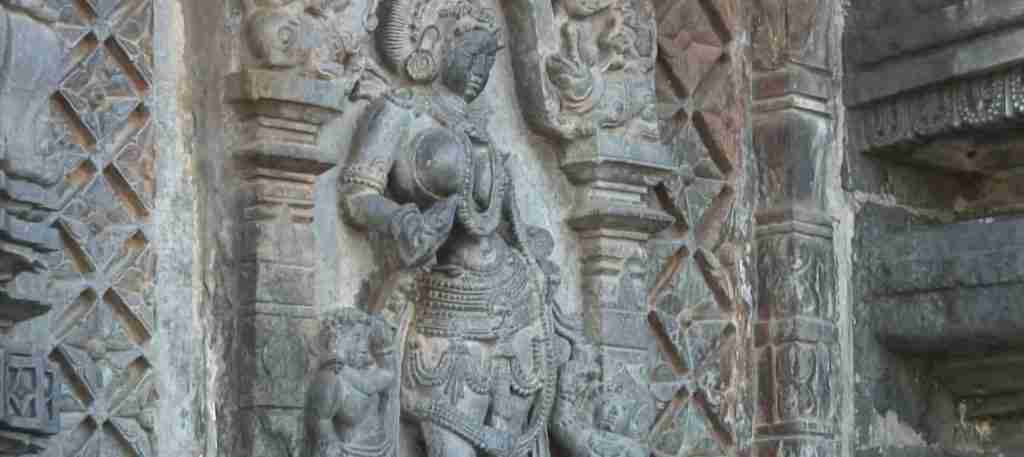
5 days
Hampi 5-Day Highlights Experience
- ✓ Comprehensive Hampi experience
- ✓ Expert local guides included
- ✓ All accommodation included
- ✓ Transportation provided

7 days
Hampi 7-Day Cultural Journey
- ✓ Comprehensive Hampi experience
- ✓ Expert local guides included
- ✓ All accommodation included
- ✓ Transportation provided
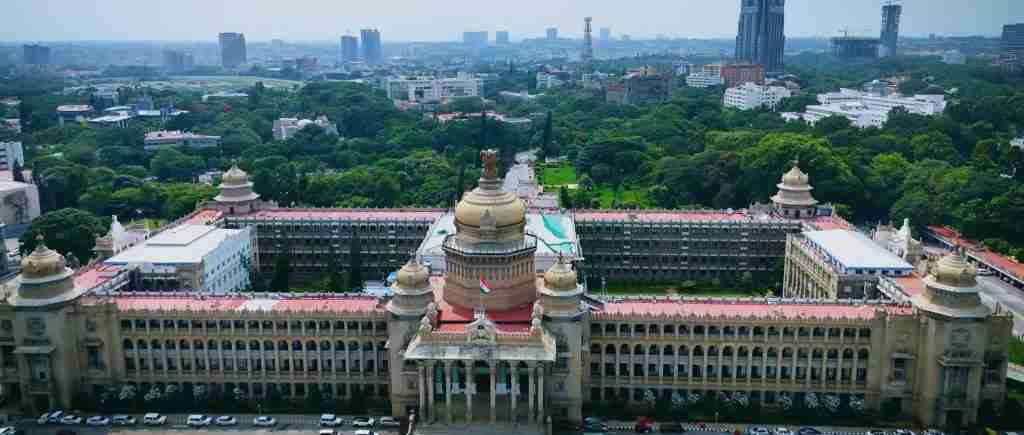
10 days
Hampi 10-Day Complete Adventure
- ✓ Comprehensive Hampi experience
- ✓ Expert local guides included
- ✓ All accommodation included
- ✓ Transportation provided
Multi-day tour packages powered by TourRadar. Prices and availability subject to change.
Introduction: Discovering Hampi’s UNESCO Heritage from Bangalore in 2026
Hampi stands among India’s most extraordinary archaeological sites, where the remnants of the once-magnificent Vijayanagara Empire spread across 26 square kilometers of dramatic landscape studded with massive granite boulders and ancient ruins. As the capital of South India’s most powerful Hindu kingdom from 1336 to 1565, Hampi witnessed unparalleled artistic, architectural, and cultural achievements before suffering catastrophic destruction following the Battle of Talikota.
UNESCO recognition in 1986 acknowledged Hampi’s outstanding universal value, protecting over 1600 surviving structures including magnificent Dravidian temples with towering gopurams, royal pavilions displaying Indo-Islamic architectural fusion, sophisticated water management systems, and massive defensive fortifications. The site’s austere grandeur combines monumental architecture with stunning natural beauty, creating an unforgettable destination for history enthusiasts, architecture admirers, and cultural explorers.
Bangalore’s proximity makes Hampi an accessible weekend escape, with improved transportation infrastructure enabling comfortable 2-day tours. The 2026 tourism landscape features enhanced facilities including better accommodation options near monument zones, expanded guide services in multiple languages, and improved pathway systems connecting major sites. Whether joining organized tours or planning independent exploration, a well-executed 2-day trip from Bangalore provides comprehensive introduction to Hampi’s archaeological treasures and captivating history.
Essential Planning Information for 2-Day Hampi Tours 2026
Understanding Hampi’s Layout
Hampi’s monuments cluster in two primary zones separated by approximately 3 kilometers. The Sacred Center (Hampi Bazaar area) encompasses the active Virupaksha Temple, Hemakuta Hill temples, Vittala Temple complex, Achyutaraya Temple, and riverside sites along the Tungabhadra. The Royal Center near Kamalapuram village contains palaces, administrative structures, and ceremonial platforms including Lotus Mahal, Elephant Stables, Hazara Rama Temple, and Queen’s Bath.
Two-day itineraries typically allocate Day 1 to Sacred Center exploration and Day 2 to Royal Center monuments, though variations exist based on accommodation location and personal preferences. The Tungabhadra River divides ancient Hampi from Anegundi village (considered Hampi’s original settlement), accessible via coracle boats or bridge routes. Walking between monuments involves 3-8 kilometers daily depending on routes chosen, with bicycle and auto-rickshaw options reducing distances.
Best Time for Hampi 2-Day Trips 2026
October through March provides optimal visiting conditions with comfortable daytime temperatures (22-32°C) and cool evenings perfect for extended outdoor monument exploration. November and February offer ideal weather balances – warm sunshine without excessive heat, minimal rainfall, and clear skies enhancing photography. December-January peak season brings maximum tourists and slightly higher accommodation rates but guarantees excellent weather conditions.
April-May summer months feature intense heat (35-42°C) making midday monument visits uncomfortable, though early morning (6-9 AM) and late afternoon (4-7 PM) remain viable with adequate water and sun protection. June-September monsoon season delivers intermittent rainfall transforming landscapes to lush green but creating potential schedule disruptions. Monsoon visitors benefit from reduced crowds and lower accommodation costs despite weather unpredictability.
What to Pack for 2-Day Hampi Tours
Comfortable walking shoes with good traction essential for navigating uneven boulder-strewn terrain, stone pathways, and temple steps. Lightweight, breathable clothing covering shoulders and knees respects temple dress codes while providing sun protection. Wide-brimmed hats, sunglasses, and SPF 50+ sunscreen protect against intense tropical sun during full-day monument exploration.
Carry 2-3 liters water per person daily, as extensive walking in heat generates significant thirst and dehydration risk. Small backpacks accommodate water bottles, cameras, snacks, and purchased items. Flashlights or phone lights help explore darker temple interiors and underground structures. Power banks keep phones charged for photography, navigation, and communication throughout long exploration days. Light jackets suffice for December-January evening temperatures cooling to 15-18°C.
Accommodation Options 2026
Hampi village (Virupaksha Temple area) offers budget guesthouses (₹800-1500 per night) and mid-range hotels (₹2000-3500) with walking access to Sacred Center monuments. Hospet town (13 kilometers away) provides wider accommodation range including business hotels (₹2500-4500) and budget lodges (₹600-1200) with better facilities but requiring daily transport to monuments.
Kamalapuram village near Royal Center features limited guesthouses (₹1000-2000) convenient for Royal monuments but farther from Sacred Center. Organized tour packages typically include mid-range hotels in Hampi or Hospet with breakfast, air conditioning, and attached bathrooms. Advance booking (2-3 weeks peak season, 1 week moderate season) secures preferred locations and room types. December-January and major Indian holidays warrant earliest possible reservations.
Transportation Options from Bangalore to Hampi 2026
Train – Hampi Express (Recommended for 2-Day Tours)
Hampi Express (Train 16592) departs Bangalore City Junction 10 PM, arriving Hospet Junction 7:10 AM after 9-hour overnight journey. This timing perfectly suits 2-day trips, providing full Day 1 for monument exploration after morning arrival. Sleeper class costs ₹300-600, AC 3-tier ₹800-1200, AC 2-tier ₹1200-1800.
Book 30-60 days advance through IRCTC website or Cleartrip, as popular departure days (Friday-Saturday) sell out quickly. From Hospet Junction, auto-rickshaws charge ₹200-300 to Hampi village (30 minutes), local buses ₹20-30 (45 minutes departing every 30 minutes). Return Hampi Express departs Hospet Junction evening, arriving Bangalore early morning, completing round-trip cycle.
Bus – KSRTC and Private Operators
Karnataka State Road Transport Corporation (KSRTC) operates direct Bangalore-Hampi services departing 8-11 PM, arriving 5-7 AM. Non-AC sleeper buses cost ₹600-900, AC sleeper ₹1200-1500, premium Volvo ₹1500-1800. Private operators like Sugama Tourist, Kukkeshree Travels, and GreenLine offer similar timings at ₹449-1800 depending on bus type and service level.
Book through RedBus, KSRTC website, or operator websites enabling seat selection and advance payment. Buses drop passengers at Hampi bus stand or Hospet, depending on service. Overnight buses provide cost savings versus hotels but offer less comfortable sleep than trains. Return buses depart Hampi evening (7-9 PM) arriving Bangalore early morning (4-6 AM).
Private Vehicle – Car or Taxi
Private vehicles cover Bangalore-Hampi 340-350 kilometers in 6-7 hours via NH48 and NH50 through Tumkur and Chitradurga. Rental cars with drivers cost ₹8000-12,000 for 2-day round-trip including driver accommodation and fuel. Outstation services from Ola, Uber, or specialized operators like Savaari and GetMeCab provide transparent pricing and professional drivers.
Private transport offers maximum flexibility with customizable departure times, en-route stops at Chitradurga Fort or other attractions, and direct monument access without local transport dependency. Groups of 4-5 people find private vehicles economical when splitting costs (₹1600-2400 per person). Early morning departure (5-6 AM) enables afternoon Hampi arrival maximizing Day 1 exploration time.
Organized Tour Packages – All-Inclusive Options
Tour operators offer comprehensive 2-day Hampi packages from Bangalore including round-trip transport (bus or tempo traveler), accommodation, breakfast, monument entries, and professional guides. Packages cost ₹3999-8000 per person depending on vehicle type (regular bus vs air-conditioned tempo), accommodation standard, and group size.
Popular operators include Thrillophilia, BanBanjara, MyHolidayHappiness, and TrekEnTrip offering different itineraries and service levels. Packages eliminate planning stress, provide expert guides explaining monument history and architecture, and ensure efficient time management covering maximum sites. Book 10-14 days advance through operator websites or platforms like TripAdvisor and GetYourGuide. Group departures run weekends year-round, daily during peak season.
Detailed 2-Day Hampi Itinerary from Bangalore
Day 1: Sacred Center and Vittala Temple Complex
6:00-7:00 AM: Arrive Hospet Junction (if Hampi Express) or Hampi bus stand. Transfer to accommodation, freshen up, breakfast. If arriving Hampi village guesthouse, immediate walking access to monuments. Hospet accommodation requires auto-rickshaw to Hampi (₹200-300).
7:30-9:00 AM: Begin at Virupaksha Temple, Hampi’s oldest continuously active shrine dedicated to Lord Shiva. The towering 9-story gopuram dominates Hampi Bazaar, with intricately carved pillars, shrines, and a camera obscura phenomenon projecting inverted exterior views inside temple chambers. Photography permitted in outer courtyard, restricted inside sanctum. Entry free (donations welcome ₹20-50), temple opens 6 AM.
9:00-10:30 AM: Climb Hemakuta Hill (15 minutes from Virupaksha) for panoramic Hampi views and cluster of early Jain and Hindu temples. The hilltop provides excellent sunrise photography (arrive 6:30 AM if prioritizing photos) overlooking Tungabhadra River and monument-studded landscape. Explore Sasivekalu Ganesha and Kadalekalu Ganesha monolithic sculptures near hill base.
10:30 AM-12:30 PM: Vittala Temple complex represents Vijayanagara architectural pinnacle. The iconic Stone Chariot (Karnataka tourism symbol) sits in temple courtyard alongside musical pillars producing tonal sounds when tapped (now protected, no longer permitted). Ornate carved pillars, Kalyana Mandapa (marriage hall), and Ranga Mandapa showcase exemplary craftsmanship. Entry ₹40 Indian nationals, ₹600 foreigners. Allow minimum 90 minutes for comprehensive exploration.
12:30-1:30 PM: Lunch at Mango Tree Restaurant or similar riverside establishments offering South Indian thali, North Indian dishes, and continental options (₹200-400 per person). Restaurants cluster near Virupaksha Temple and along Tungabhadra riverbank.
1:30-3:30 PM: Afternoon options include Achyutaraya Temple (magnificent 16th-century complex with extensive bazaar street and intricate carvings), Underground Shiva Temple (unique subterranean shrine often water-filled), or riverside coracle boat rides (₹100-200 per person, 20-30 minutes). Heat peaks 1-3 PM making shaded temple interiors or boat rides preferable to open monument areas.
4:00-6:30 PM: Matanga Hill climb for sunset panoramas (30-40 minutes ascent, moderate fitness required). The 360-degree views encompass entire monument landscape bathed in golden light, creating spectacular photography opportunities. Alternatively, Hemakuta Hill offers easier sunset viewing. Descend carefully as darkness falls quickly after sunset.
7:00-8:30 PM: Dinner at hotel or Hampi Bazaar restaurants. Evening stroll through illuminated Virupaksha Temple courtyard (exterior only, interior closes sunset). Return accommodation by 9 PM for rest before Day 2 early start.
Day 2: Royal Center and Return Journey
6:30-7:30 AM: Breakfast and checkout (if staying Hampi village). Arrange auto-rickshaw or bicycle transport to Royal Center monuments near Kamalapuram (3 kilometers, auto ₹150-200, bicycle rental ₹100-150 full day).
7:30-9:00 AM: Queen’s Bath showcases Indo-Islamic architectural fusion with arched corridors, ornate balconies, and sophisticated water channels. The square structure once filled with perfumed water for royal bathing rituals. Mahanavami Dibba (Great Platform) nearby served ceremonial functions during Dasara celebrations, with intricate stone carvings depicting royal processions, hunting scenes, and festival activities.
9:00-10:30 AM: Lotus Mahal in Zenana Enclosure exemplifies graceful Indo-Islamic style with lotus-bud domed pavilions. The symmetrical structure provided royal women’s retreat with natural ventilation maintaining cool interiors. Adjacent Elephant Stables – massive domed chambers housing royal elephants – demonstrate utilitarian architecture’s monumental scale. Combined ticket ₹40 covers both sites.
10:30 AM-12:00 PM: Hazara Rama Temple features exquisite bas-relief sculptures narrating Ramayana epic across entire outer walls. Though smaller than Vittala or Virupaksha temples, the artistic quality rivals any Vijayanagara monument. Royal Enclosure nearby contains palace foundations, throne platform, and secret underground chambers accessible via steep stairs.
12:00-1:00 PM: Lunch at Kamalapuram or return Hampi Bazaar area (₹200-400 per person). Archaeological Museum in Kamalapuram displays sculptures, inscriptions, and artifacts (entry ₹25, closed Fridays), though time constraints may necessitate skipping for transport connections.
1:00-3:00 PM: Final monument visits based on remaining time and interest: Pattabhirama Temple complex, Daroji Bear Sanctuary (15 kilometers, sloth bear viewing), or additional Royal Center structures. Alternatively, shopping for Hampi souvenirs (handicrafts, clothing) at bazaar shops before departure.
3:00-4:00 PM: Return Hospet for train/bus departure or begin return drive if private vehicle. Hampi Express typically departs evening (check current schedule), buses 7-9 PM. Hospet town offers final meal opportunities before overnight journey.
Evening-Next Morning: Overnight return journey arriving Bangalore early morning (5-7 AM), completing 2-day Hampi circuit from Bangalore.
Budget Breakdown for 2-Day Hampi Tours 2026
Independent Travel Costs
Transportation: Train round-trip ₹600-1200 (sleeper) or ₹1600-3600 (AC classes), bus ₹900-1600 (non-AC) or ₹2400-3600 (AC/Volvo), private vehicle ₹8000-12,000 total (₹1600-2400 per person if 4-5 passengers). Hospet-Hampi local transport ₹400-600 (auto-rickshaws and monument transfers).
Accommodation: Budget guesthouse ₹800-1500 per night, mid-range hotel ₹2000-3500, premium hotel ₹4000-6000. Single night required for 2-day trip.
Food: Breakfast ₹100-200, lunch ₹200-400, dinner ₹250-500, snacks/beverages ₹100-200. Daily food budget ₹650-1300 per person, 2-day total ₹1300-2600.
Monuments: Major sites charge ₹40 per location for Indian nationals (Vittala Temple, Lotus Mahal, Archaeological Museum), 5-6 paid monuments total ₹200-250. Foreign nationals pay ₹600 per major monument, significantly higher total.
Guide (Optional): Licensed guides charge ₹1000-1500 per full day. Splitting among group reduces per-person cost (₹250-375 each for 4-person group).
Independent Budget Total: ₹4000-6500 per person budget travel, ₹7000-11,000 mid-range comfort, ₹12,000-18,000 premium experience.
Organized Tour Package Costs
2-day packages from reputable operators: ₹3999-5500 budget packages (regular bus, basic hotel, group guide), ₹5500-7000 standard packages (AC bus/tempo, mid-range hotel, professional guide), ₹7000-8000+ premium packages (luxury tempo, superior hotel, expert guide, additional inclusions).
Package typically includes: Round-trip transport from Bangalore pickup points, 1-night accommodation with breakfast, monument entry fees (major sites), professional guide services, some packages include additional meals or special experiences (coracle rides, cultural performances).
Exclusions: Lunch/dinner (unless specified), personal expenses, monument photography fees where applicable, tips for guide/driver (₹200-300 recommended), travel insurance.
Package Value Analysis: Organized tours provide excellent value versus independent travel, saving ₹500-2000 per person while eliminating planning stress and ensuring efficient itineraries maximizing limited 2-day timeframe.
Money-Saving Strategies
Travel off-peak (March-May, June-September) securing 10-20% lower accommodation rates and occasional tour package discounts. Book transport and accommodation well advance (30-60 days) capturing early bird promotions. Share private vehicle costs among 4-5 friends reducing per-person transport to bus/train levels while retaining flexibility benefits.
Pack food from Bangalore for train/bus journey and some Hampi meals reducing dining costs ₹400-600 daily. Bicycle rental (₹100-150 full day) versus auto-rickshaws saves ₹300-500 daily while providing independent mobility. Skip optional museum and less significant monuments focusing on major UNESCO sites reducing entry costs ₹100-150.
Self-guided exploration using downloaded maps and guidebook information eliminates guide expense (₹1000-1500), though sacrificing historical/architectural insights enhancing site appreciation. Join existing small groups for guide cost-sharing when arriving independently.
Practical Tips for 2-Day Hampi Tours 2026
Monument Access and Timing
Major monuments open sunrise to sunset (approximately 6 AM-6 PM), with Virupaksha Temple extending hours to 8-9 PM as active worship site. Archaeological Survey of India (ASI) monuments close one hour before sunset for visitor safety on unlit grounds. Plan morning starts (7-8 AM) maximizing daylight exploration hours, particularly important during shorter winter days.
Friday closures affect Archaeological Museum only – temples and outdoor monuments remain accessible all week. Major monuments distribute ticket counters at entrance gates; retain tickets for possible checking at site exits. Photography generally permitted outdoor areas, restricted inside temple sanctums – respect signage and guard instructions.
Getting Around Monument Zones
Walking remains primary transport between closely clustered monuments, with Sacred Center sites within 1-2 kilometers allowing comfortable pedestrian exploration. Royal Center monuments spread 2-3 kilometers requiring bicycles or auto-rickshaws for efficient coverage. Bicycle rental available Hampi Bazaar shops (₹100-150 daily), ideal for independent monument-to-monument transport at personal pace.
Auto-rickshaws charge ₹200-400 for half-day monument tours or ₹50-100 short point-to-point transfers. Negotiate prices before departure avoiding disputes. Some monuments involve boulder scrambling or steep climbs (Matanga Hill, Hemakuta Hill) requiring careful footing on uneven terrain – wear proper footwear and assess physical capability before attempting.
Food and Water Safety
Hampi restaurants serve vegetarian South Indian, North Indian, and continental cuisine generally safe for tourist consumption. Mango Tree, Laughing Buddha, and Gopi Guesthouse Restaurant receive consistent positive reviews. Stick to freshly prepared hot food, avoid street vendors lacking visible hygiene standards, and choose bottled water over tap water.
Carry 2-3 liters water per person daily, purchasing bottled water (₹20-40 per liter) at shops throughout Hampi Bazaar and near major monuments. Dehydration risk increases during hot months and extensive walking – drink regularly rather than waiting for thirst. Basic medical facilities exist Hampi village; serious health issues require Hospet hospital (13 kilometers).
Photography Tips
Golden hour lighting (6:30-8 AM, 5-6:30 PM) provides optimal conditions for monument photography, with warm light enhancing boulder landscapes and ancient architecture. Sunset from Matanga Hill or Hemakuta Hill creates spectacular silhouette opportunities. Midday harsh light washes out details – focus afternoon photography on shaded temple interiors or detailed carvings.
Wide-angle lenses capture expansive monument complexes and landscape contexts, telephoto lenses isolate architectural details and distant structures. Tripods permitted most locations though may draw guide attention in ticketed monuments. Drone photography requires special permission from ASI – unauthorized drone use prohibited throughout UNESCO site.
Cultural Etiquette and Temple Rules
Active temples (Virupaksha, Achyutaraya) require modest dress covering shoulders and knees, shoes removed before entering shrines. Photography restrictions vary – always ask priests or guards before photographing inside sanctums. Participating in worship (offering prayers, receiving prasad) welcomed but not mandatory for tourists.
Respect monument preservation by not climbing on restricted structures, touching ancient carvings (oils damage stone), or removing any artifacts as souvenirs (illegal under ASI regulations). Maintain quieter voices near active worship areas avoiding disrupting devotees. Monkey populations around Virupaksha Temple can be aggressive – avoid carrying visible food and maintain safe distance from troops.
UNESCO World Heritage Significance
Inscription History and Criteria
UNESCO inscribed Hampi on the World Heritage List in 1986, recognizing outstanding universal value under three criteria: artistic achievement representing unique artistic creation integrating planned city with monumental architecture and natural setting; exceptional testimony to vanished Vijayanagara civilization reaching its peak under Krishna Deva Raya (1509-1530); and masterpiece of human creative genius evident in sophisticated urban planning, water management, and architectural innovation.
The protected area encompasses 4187.24 hectares in Bellary District, Karnataka, containing over 1600 surviving structures illustrating Vijayanagara Empire’s architectural evolution from 14th to 16th centuries. The site demonstrates advanced multi-religious society incorporating Hindu, Jain, and Islamic architectural elements reflecting cosmopolitan character of South India’s greatest medieval kingdom.
Conservation Challenges and Efforts
Hampi faces ongoing conservation challenges including natural weathering of ancient structures, vegetation growth damaging monuments, encroachment pressures from surrounding villages, and tourism impact on fragile archaeological remains. Recent concerns involve illegal mining operations threatening site integrity, prompting UNESCO monitoring and government intervention.
Archaeological Survey of India (ASI) conducts ongoing stabilization work, structural reinforcement, and conservation projects protecting priority monuments. Partnership programs involving Deccan Heritage Foundation, international conservation organizations, and local communities support preservation efforts through documentation, research, and sustainable tourism initiatives. Visitor fees contribute to conservation funding, though adequate resources remain perpetual challenge for site spanning 26 square kilometers.
Vijayanagara Empire Historical Context
Brothers Harihara I and Bukka Raya I founded Vijayanagara Empire in 1336 under guidance of sage Vidyaranya, establishing Hampi as capital city. The empire expanded over two centuries controlling most of South India, reaching zenith under Krishna Deva Raya (1509-1530) when Hampi rivaled Rome in size and splendor with population exceeding 500,000.
Contemporary chronicles by Persian, Portuguese, and Italian travelers describe the city’s fabulous wealth, magnificent architecture, sophisticated administration, and vibrant trade networks connecting East Africa, Arabia, Persia, and Southeast Asia. The empire’s catastrophic defeat at Battle of Talikota (1565) led to six-month sacking destroying much infrastructure before final abandonment. Centuries of neglect followed until British archaeological surveys (19th century) revealed the site’s extraordinary significance.
Extending Your Hampi Experience Beyond 2 Days
3-Day Itinerary Additions
Additional day permits deeper exploration including Anegundi village across Tungabhadra River (believed older settlement site, legendary Kishkindha from Ramayana epic), complete Vittala Temple complex photography in optimal lighting, Daroji Bear Sanctuary visit (sloth bear habitat 15 kilometers), and less-visited monuments like Pattabhirama Temple, Chandramouleshwara Temple, and ancient aqueducts.
Third day allows more leisurely pace reducing walking fatigue, permits sunrise photography sessions at multiple viewpoints, and includes cultural experiences like traditional coracle making demonstrations or village interactions impossible during rushed 2-day schedules. Three days from Bangalore requires extra vacation day but significantly enhances Hampi appreciation.
Combined Karnataka Heritage Circuits
Extend Hampi trip incorporating nearby UNESCO and heritage sites: Badami cave temples and Pattadakal monuments (120 kilometers, additional 1-2 days), Aihole ancient temple complex (100 kilometers), or Bijapur’s Islamic monuments (200 kilometers). Combined circuits create comprehensive 4-7 day Karnataka heritage tours covering multiple historical periods and architectural styles.
Tour operators offer extended packages combining Hampi-Badami-Pattadakal (4-5 days) or Hampi-Goa coastal extensions (5-7 days). Self-driving allows custom routing through smaller heritage towns like Hospet, Gadag, and regional sites creating personalized historical journeys across Karnataka’s archaeological treasures.
Frequently Asked Questions About Hampi 2-Day Tours from Bangalore 2026
Is 2 days enough to see Hampi’s main attractions?
Two days provides adequate time covering Hampi’s major UNESCO monuments including Vittala Temple complex, Virupaksha Temple, Royal Enclosure structures (Lotus Mahal, Elephant Stables, Queen’s Bath), Hazara Rama Temple, and key viewpoints (Matanga Hill or Hemakuta Hill). The timeframe requires efficient planning with early morning starts and strategic monument sequencing maximizing limited hours. Three to four days allows more comprehensive exploration including minor monuments, Anegundi village, and deeper architectural appreciation, but well-organized 2-day itineraries successfully cover primary highlights satisfying most first-time visitors’ expectations.
What is the best month to visit Hampi from Bangalore in 2026?
November through February offers optimal Hampi weather with comfortable temperatures (20-30°C), clear skies, and minimal rainfall ideal for extensive outdoor monument exploration. January provides absolute best conditions – perfect weather, excellent visibility for photography, and manageable tourist crowds post-December peak. October and March serve as excellent shoulder months with good weather and fewer visitors than mid-winter. Avoid April-May extreme heat (38-42°C) making midday exploration uncomfortable, and June-August monsoon bringing unpredictable rainfall potentially disrupting sightseeing schedules.
Do I need a guide for Hampi or can I explore independently?
Independent exploration remains feasible using guidebooks, downloaded maps, or smartphone apps providing monument information and navigation. However, professional guides significantly enhance understanding explaining architectural symbolism, historical context, dynastic chronologies, and stories behind monuments invisible to untrained eyes. Licensed guides cost ₹1000-1500 full day (shareable among groups reducing per-person expense to ₹250-375 for 4-person group). First-time visitors particularly benefit from guide expertise transforming visual sightseeing into educational cultural immersion. Book guides in advance through tour operators or arrange arrival at popular monuments where licensed guides congregate offering services.
What should I wear when visiting Hampi temples and monuments?
Wear modest clothing covering shoulders and knees respecting temple dress codes and conservative rural sensibilities. Lightweight, breathable cotton or moisture-wicking fabrics provide comfort during hot weather walking. Sturdy closed-toe shoes with good traction essential for navigating uneven boulder terrain, stone steps, and monument pathways – avoid sandals or flip-flops lacking ankle support. Wide-brimmed hats and sunglasses protect against intense sun during full-day exploration. Carry lightweight scarf or shawl for women potentially requiring additional head/shoulder coverage at certain temples. Remove shoes before entering temple sanctums, so easily removable footwear simplifies frequent on-off transitions.
Is Hampi safe for solo travelers and women travelers?
Hampi generally maintains safe environment for solo and women travelers with low crime rates and hospitable local population accustomed to international tourism. Standard precautions apply: avoid isolated monument areas after dark, stay in established accommodation near Hampi Bazaar or Hospet town center, use registered auto-rickshaws and tour operators, and maintain awareness in crowded areas. Women travelers should dress modestly respecting local cultural norms, consider joining small group tours providing companionship, and choose accommodation with good security and reviews from solo female travelers. The compact tourist zone enables easy orientation reducing navigation concerns and isolation risks.
Can I visit Hampi as a day trip from Bangalore in 2026?
Day trips from Bangalore prove extremely challenging requiring 12-14 hour round-trip transport leaving minimal time for actual monument exploration. Private vehicle departures 5 AM reach Hampi by noon, allow 4-5 hours sightseeing, require 6 PM departure returning Bangalore midnight or later. Such rushed schedules sacrifice Hampi’s essence – leisurely monument appreciation, atmospheric sunrise/sunset viewing, and relaxed historical immersion. Overnight stays dramatically improve experience providing full days for comprehensive exploration without exhausting transport. Day trips viable only for repeat visitors targeting specific monuments or travelers with severe time constraints accepting superficial overview versus meaningful cultural engagement.
What are the accommodation options in Hampi for 2-day tours?
Hampi village offers guesthouses and budget hotels (₹800-2500 per night) with walking access to Sacred Center monuments – convenient locations reducing daily transport needs. Hospet town (13 kilometers) provides wider options including business hotels (₹2000-4500) and budget lodges (₹600-1500) with better facilities, restaurants, and services but requiring auto-rickshaw transport to monuments (₹200-300 each way). Kamalapuram village near Royal Center has limited guesthouses suitable for Day 2 base but less convenient for overall 2-day stays. Book 2-3 weeks advance during peak season (November-February) securing preferred properties. Most accommodation includes breakfast, basic amenities (fans/AC, attached bathrooms), and informal travel assistance.
How much walking is involved in a 2-day Hampi tour?
Two-day itineraries involve 8-15 kilometers total walking depending on monument selections, transport choices, and exploration depth. Day 1 Sacred Center exploration covers 5-8 kilometers including Virupaksha Temple to Vittala Temple walk (2 kilometers), Hemakuta Hill climb, and riverside areas. Day 2 Royal Center monuments involve 3-7 kilometers if using bicycles or autos for inter-monument transport, more if walking entire route. Matanga Hill climb adds 1.5 kilometers uphill (300 meters elevation gain). Terrain includes uneven stone pathways, boulder-strewn ground, and temple steps requiring moderate fitness. Reduce walking distance using bicycles (₹100-150 daily rental) or auto-rickshaws for longer connections between monument zones.
What food options are available in Hampi?
Hampi restaurants predominantly serve vegetarian South Indian cuisine (dosas, idlis, thalis), North Indian dishes (curries, rotis, rice preparations), and continental options (pasta, pizza, sandwiches) catering to international travelers. Popular establishments include Mango Tree (riverside setting, varied menu), Laughing Buddha (rooftop views, extensive options), and various guesthouse restaurants. Breakfast costs ₹100-200, lunch ₹200-400, dinner ₹250-500. Food quality generally acceptable for tourist consumption though hygiene standards vary – choose busy restaurants with visible kitchens. Alcoholic beverages prohibited throughout Hampi village (religious site restrictions); Hospet town offers alcohol-serving establishments. Carry snacks and water for monument exploration as limited refreshment facilities exist within archaeological zones.
Are there any travel restrictions or permits required for visiting Hampi in 2026?
No special permits or advance permissions required for standard tourist visits to Hampi monuments. Indian and foreign nationals can freely access archaeological sites purchasing entry tickets at monument gates (₹40 Indians, ₹600 foreigners for major sites). Drone photography requires Archaeological Survey of India permission submitted weeks advance – unauthorized drone use strictly prohibited throughout UNESCO World Heritage Site. Some monuments restrict tripod photography or charge nominal photography fees (₹25-50) separate from entry tickets. Standard Indian visa requirements apply for international visitors – ensure valid visa covers travel dates with sufficient remaining validity. Hampi lies in Karnataka state requiring no special state permits or registrations for domestic Indian tourists.