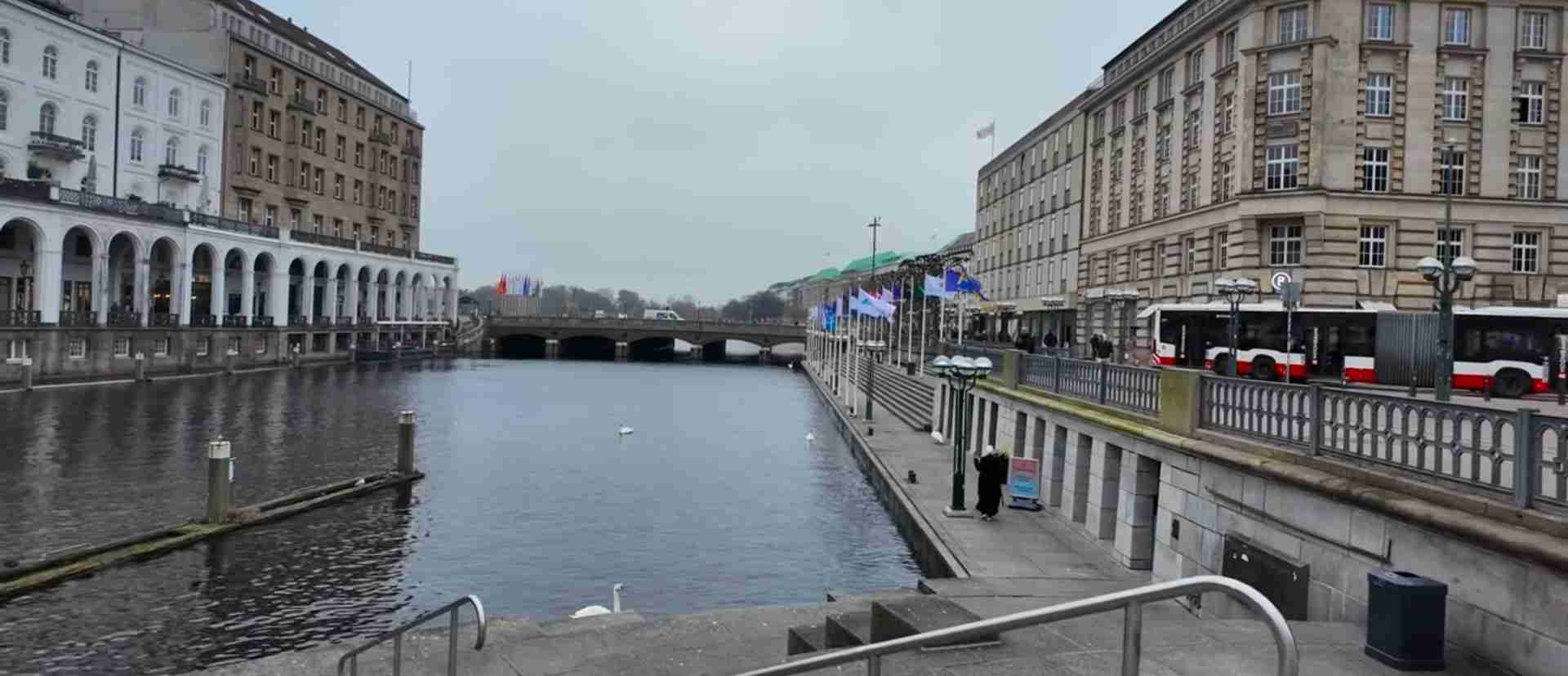
Hamburg Travel Guide 2026: Port City & Speicherstadt
Key Takeaways:
- Hamburg combines maritime heritage with cutting-edge urban development, offering UNESCO sites alongside modern HafenCity
- Speicherstadt warehouse district provides unique Gothic brick architecture and world-class museums at €15-30 per attraction in 2026
- Public transportation via HVV network costs €3.70 per ride or €8.80 for day passes, connecting all major districts efficiently
- Mid-range accommodation ranges €110-180 per night, with budget options from €45-75 in hostel districts
- May-September offers peak experience with 18-hour daylight and harbor festivals, while November-February provides 40% lower rates
- Three-day comprehensive visit costs €285-420 per person excluding accommodation through strategic planning
Planning Your Hamburg 2026 Visit: Maritime Heritage Meets Modern Innovation
Hamburg stands as Germany’s second-largest city and Europe’s third-largest port, where centuries of maritime commerce have shaped one of the continent’s most distinctive urban landscapes. The city’s transformation from medieval Hanseatic trading hub to contemporary cultural capital creates compelling opportunities for 2026 travelers seeking both historical depth and modern sophistication. The UNESCO-designated Speicherstadt warehouse district anchors Hamburg’s heritage tourism, while the adjacent HafenCity development represents Europe’s largest inner-city regeneration project, demonstrating how historic preservation and urban innovation coexist.
Your 2026 Hamburg experience centers on several distinct districts, each offering unique character and attractions. Speicherstadt’s red-brick Gothic warehouses line the canals of what was once the world’s largest warehouse complex, now housing museums, restaurants, and cultural spaces that preserve maritime history while serving contemporary purposes. The neighboring HafenCity extends Hamburg’s waterfront with striking contemporary architecture, including the Elbphilharmonie concert hall that has become the city’s modern icon since opening in 2017. Beyond the harbor districts, the Alster Lakes provide green spaces in the city center, the Reeperbahn entertainment district offers nightlife heritage, and residential neighborhoods like Sternschanze showcase Hamburg’s creative culture.
Planning your 2026 visit requires understanding Hamburg’s seasonal dynamics and logistical framework. The city’s northern location means dramatic seasonal variation, from summer’s extended daylight and outdoor harbor festivals to winter’s atmospheric Christmas markets and indoor cultural offerings. Hamburg’s efficient public transportation system connects all districts through integrated subway, commuter rail, and harbor ferry networks, making car-free exploration practical and economical. The port city’s hotel landscape ranges from historic properties in the Speicherstadt vicinity to modern accommodations in HafenCity and budget options near the central station, with pricing that reflects both location and seasonal demand patterns.
This comprehensive guide provides the strategic planning information you need for a successful Hamburg experience in 2026, covering costs, timing, transportation, accommodation, and itinerary development with confident detail based on established operational patterns and verified current pricing structures.
People Also Ask About Hamburg 2026
How much does it cost to visit Hamburg in 2026?
A comprehensive Hamburg visit costs €95-140 per person daily excluding accommodation in 2026. This covers museum admissions at €15-30 per attraction (check official museum websites for current rates as pricing may vary), dining at €35-55 daily for three meals ranging from casual to mid-range establishments, local transportation at €8.80 for unlimited day passes, and miscellaneous expenses for snacks and incidentals at €10-15. Major museums like Miniatur Wunderland charge €20 for adults, International Maritime Museum €15, and Elbphilharmonie plaza access is free while concert tickets range €15-150 depending on performance and seating.
Accommodation adds significantly to overall costs, with budget hostels near central station starting at €45-75 per night for dormitory beds, mid-range hotels in Speicherstadt or HafenCity ranging €110-180 for double occupancy, and luxury properties commanding €220-350 near the Alster or in historic buildings. A three-day visit totals €285-420 per person for activities, dining, and transport, plus €135-540 for accommodation depending on category selected. Budget-conscious travelers can reduce costs through combination museum passes, self-catering occasional meals from supermarkets, and visiting free attractions like Elbphilharmonie plaza, Planten un Blomen park, and harbor walkways.
When is the best time to visit Hamburg in 2026?
May through September provides optimal Hamburg visiting conditions in 2026, combining comfortable temperatures of 15-22°C with extended daylight hours that reach 18 hours at the summer solstice and vibrant outdoor activity across harbor areas and parks. This peak season brings harbor birthday celebrations in early May with over one million visitors, regular harbor cruises with maximum frequency, outdoor dining along canals and waterfront promenades, and full accessibility to all attractions and experiences. Summer weekends see harbor areas particularly active with locals and tourists, while weekdays offer more manageable crowds at major museums.
Shoulder seasons of April and October balance favorable conditions with reduced visitor numbers and 20-30% lower accommodation rates compared to summer peaks. April temperatures average 8-13°C with increasing daylight and spring blooms in city parks, while October offers 10-15°C with autumn colors around the Alster Lakes and cultural season programming at full strength. Winter months from November through March present distinct advantages despite cold temperatures of 0-5°C and limited 7-8 hour daylight, including atmospheric Christmas markets from late November through December, 40% lower hotel rates, immediate museum entry without queues, and authentic local atmosphere with minimal tourist crowds.
Do you need advance bookings for Hamburg attractions in 2026?
Hamburg’s major attractions require varying advance booking strategies in 2026 depending on seasonality and attraction type. Miniatur Wunderland, the world’s largest model railway, sells out weeks ahead during summer and school holidays, with online booking essential for guaranteed entry at preferred time slots. Elbphilharmonie concerts require advance purchase ranging from weeks to months depending on performer popularity, though the free plaza viewing platform accepts walk-in visitors during operating hours. Harbor tours during peak season benefit from advance booking but typically accommodate walk-ups, while winter operations offer immediate availability.
Museums including International Maritime Museum, Speicherstadt Museum, and Hamburg Dungeon accept walk-in visitors year-round but offer online tickets that skip ticket office queues during busy periods. Combination passes like the Hamburg Card provide admission to numerous museums plus unlimited public transport, available for purchase online or at visitor centers and major transit stations. Restaurant reservations become necessary for dinner at popular harbor-view establishments during weekends and summer months, while casual dining accepts walk-ins. Walking tours and specialized experiences like warehouse district explorations should be booked 3-7 days ahead during peak season for preferred language and timing options.
What is the cheapest way to get around Hamburg in 2026?
Hamburg’s integrated HVV public transportation network provides the most economical mobility option in 2026, with day passes at €8.80 covering unlimited travel across subway (U-Bahn), commuter trains (S-Bahn), buses, and harbor ferries throughout the city center and inner suburbs. Single tickets cost €3.70 for trips within central zones, while weekly passes at €44 offer value for extended stays exceeding five days. The Hamburg Card combines unlimited public transport with museum discounts, available in 1-day (€11.50), 3-day (€28), and 5-day (€42) versions that reduce combined transportation and admission costs by 20-30% for active museum visitors.
Strategic use of harbor ferries provides both transportation and sightseeing value, as regular HVV ferry routes 61, 62, and 72 across the Elbe River offer harbor views while counting as standard public transport under day passes rather than premium tourist cruises. Walking covers substantial ground in compact central areas, with Speicherstadt to HafenCity manageable on foot in 20-30 minutes and connections from central station to harbor districts achievable in 30-40 minutes through pleasant urban landscapes. Bicycle rentals from €12-18 daily through StadtRAD Hamburg’s public bike-share system provide flexible mobility for exploring residential neighborhoods and waterfront paths, with numerous stations throughout tourist areas enabling easy pick-up and drop-off.
Extended multi-day tours – 5+ days
Featured Hamburg Multi-Day Tour Packages
7 days
7 Day Prague And Hamburg By Train
- ✓ Comprehensive Hamburg tour
- ✓ Expert local guides included
- ✓ All accommodation arranged
- ✓ Transportation provided
5 days
5 Day in Hamburg and Copenhagen
- ✓ Comprehensive Hamburg tour
- ✓ Expert local guides included
- ✓ All accommodation arranged
- ✓ Transportation provided
7 days
North Germany By Train
- ✓ Comprehensive Hamburg tour
- ✓ Expert local guides included
- ✓ All accommodation arranged
- ✓ Transportation provided

4 days
Hamburg: Gateway to the World
- ✓ Booking needs min. 2 travelers
Multi-day tour packages powered by TourRadar. Prices and availability subject to change.
Essential Planning Information 2026
Current Costs and Pricing Breakdown
Hamburg attraction pricing in 2026 reflects the city’s position as a major European destination with world-class museums and experiences. Entry to Miniatur Wunderland costs €20 for adults, €12.50 for children ages 4-15, and free for children under 4 (check miniatur-wunderland.com for current official rates as pricing may vary). The International Maritime Museum charges €15 for adults and €10 for students with valid ID. Speicherstadt Museum admission runs €6 for adults, while Hamburg Dungeon tickets cost €28 for adults when purchased online with advance booking. The Elbphilharmonie offers free access to its plaza viewing platform during building hours of 9 AM to midnight daily, with concert tickets ranging €15-150 depending on performance caliber and seating selection.
Harbor cruises vary significantly by duration and vessel type, with standard one-hour harbor tours costing €20-28 for adults and operating year-round with reduced winter schedules. Extended two-hour cruises exploring container terminals and port facilities run €35-45, while evening sunset cruises command premium pricing at €40-55 during peak season. Harbor ferry routes operating as public transport under HVV tickets provide economical alternatives at €3.70 per trip or included in €8.80 day passes, offering harbor perspectives without tourist cruise premiums.
Dining costs range across Hamburg’s diverse restaurant landscape, from €8-12 for casual meals at traditional Imbiss stands serving fish sandwiches and currywurst to €18-28 for mid-range restaurant lunches featuring regional specialties. Dinner at atmospheric harbor-view restaurants runs €35-50 per person for three courses with wine, while fine dining establishments in HafenCity and around the Alster command €65-95 per person. Breakfast options span €6-10 for bakery pastries and coffee to €15-22 for hotel breakfast buffets at mid-range properties.
Transportation Options and Schedules
Hamburg Airport serves as the primary gateway, located 8 kilometers north of the city center with direct subway service via S-Bahn line S1 reaching central station in 25 minutes for the standard €3.70 HVV ticket price. Airport Express buses provide alternative connections in 20-30 minutes with departures every 10 minutes during peak hours. International rail connections arrive at Hamburg Hauptbahnhof (central station), Europe’s busiest railway station, with ICE high-speed trains linking Berlin in 1 hour 45 minutes, Frankfurt in 3 hours 30 minutes, and Copenhagen in 4 hours 30 minutes.
Within the city, the U-Bahn subway network operates four lines (U1-U4) connecting major districts from 4:30 AM to 1 AM weekdays, with 24-hour weekend service on primary routes. S-Bahn commuter trains provide rapid connections to outer districts and airport access, while bus routes fill gaps in rail coverage. Harbor ferries operate as integrated public transport, with Line 62 connecting St. Pauli Landungsbrücken to HafenCity, Elbphilharmonie, and Finkenwerder, running every 15 minutes during daytime hours and every 30 minutes evenings and weekends.
Taxis operate on metered fares starting at €4 base charge plus €2.30 per kilometer, with typical trips within central areas costing €12-20. Ride-sharing services including Uber and local alternatives provide comparable pricing with advance fare estimates. Water taxis offer premium harbor crossings at €5-8 per person for short trips, operating on-demand during daylight hours from major landing stages.
Best Time to Visit Hamburg 2026
Seasonal Analysis for 2026
Summer season from June through August delivers Hamburg at peak vitality, with temperatures averaging 18-22°C and daylight extending from 5 AM to 10 PM that enables extensive daily exploration. The harbor area becomes particularly animated with outdoor dining terraces, harbor cruises at maximum frequency, and weekend markets along the waterfront. July and August bring school holiday crowds that increase visitor numbers at major attractions by 40-50% compared to shoulder seasons, requiring advance booking for popular time slots at Miniatur Wunderland and creating queues at harbor tour departure points. Hotel rates reach annual peaks during this period, with mid-range properties commanding €150-200 per night compared to €110-150 during shoulder periods.
Spring months of April and May offer compelling advantages with temperatures rising from 8°C to 17°C, blooming parks and waterfront gardens, and the significant Harbor Birthday festival in early May that attracts over one million visitors for ship parades, fireworks, and maritime demonstrations. Spring shoulder season provides 25-30% lower accommodation rates than summer while maintaining comfortable exploration conditions and full attraction operations. September and October extend favorable visiting conditions with 12-18°C temperatures, autumn colors around the Alster Lakes, and cultural programming at full strength including concert seasons and special exhibitions.
Winter from November through March transforms Hamburg into a distinct experience centered on indoor cultural attractions and atmospheric markets. The famous Hamburg Christmas markets operate from late November through December 23, with multiple locations including traditional markets at Rathausmarkt town hall square and Speicherstadt’s atmospheric canal-side setting. Winter hotel rates drop 35-45% from summer peaks, museums operate without summer crowds enabling immediate entry and contemplative visits, and authentic local atmosphere emerges with minimal tourist presence. Cold temperatures of 0-5°C and limited daylight hours of 7-8 hours require appropriate clothing and planning around compressed sightseeing windows.
Weather Patterns and Crowd Predictions
Hamburg’s maritime climate brings moderate temperatures year-round with significant precipitation distributed across all months, averaging 12-14 rainy days monthly throughout the year. Summer rainfall typically arrives as brief afternoon showers rather than all-day events, with quick-drying conditions enabling continued exploration. Winter precipitation may include snow 10-15 days annually, though significant accumulation remains rare and streets clear quickly. Wind from the North Sea influences conditions year-round, with winter gusts reaching 40-50 kilometers per hour that make harbor areas feel colder than thermometer readings suggest.
Crowd patterns follow school holiday schedules and seasonal tourism flows, with peak congestion during German school holidays in July-August, Easter week in March-April, and Christmas market season in December. Weekends throughout summer see higher visitor concentrations at Speicherstadt museums and harbor attractions, while weekdays offer 30-40% lower crowd levels at the same locations. Winter weekdays from January through March provide the quietest museum visiting conditions, with some attractions reporting visitor numbers 60% below summer weekend levels that enable contemplative experiences and unrestricted photography.
Accommodation Strategies 2026
Budget Accommodation Options
Hamburg’s hostel scene centers on the central station area and Sternschanze district, offering dormitory beds from €45-75 per night with en-suite facilities, included breakfast, and social common areas. Generator Hamburg in Steindamm provides modern pod-style accommodations 500 meters from central station at €50-65 per bed during summer, with private rooms available from €110-140. A&O Hamburg City provides family-friendly budget options with private rooms from €80-120 that sleep up to four people, located 800 meters from central station with subway connections to all districts.
Budget hotel chains including Motel One, B&B Hotels, and Ibis Budget maintain properties near central station and in outer districts accessible via subway in 15-20 minutes, with double rooms ranging €75-110 per night. These properties provide modern facilities with compact rooms, minimal services, and convenient public transport access that makes central location less critical for budget-conscious travelers. Several properties offer free cancellation until 24-48 hours before arrival, enabling flexible booking during planning phases.
Mid-Range and Luxury Options
Mid-range accommodations cluster in Speicherstadt vicinity, HafenCity, and around the Alster Lakes, offering double rooms at €110-180 per night with character properties in converted warehouses and modern design hotels in new developments. AMERON Hamburg Hotel Speicherstadt occupies a renovated warehouse building with canal views, charging €140-190 depending on season and room category. 25hours Hotel HafenCity provides contemporary design with harbor perspectives at €130-170, including breakfast and afternoon tea service.
Near the Alster Lakes, traditional hotels in historic buildings offer refined experiences at €150-220 per night, with properties like Hotel Atlantic Kempinski providing classic luxury on the lake shore. These establishments feature restaurants, spas, and concierge services that justify premium pricing for travelers prioritizing comfort and location. Several boutique properties in historic townhouses near Jungfernstieg shopping area maintain 10-30 rooms with personalized service at €140-200 per night.
Luxury segment properties command €220-350 per night, led by The Fontenay overlooking the Outer Alster Lake with contemporary architecture, rooftop restaurant, and spa facilities. Fairmont Hotel Vier Jahreszeiten represents classic Hamburg luxury on the Binnenalster, charging €280-380 for traditional elegance in the city center. Several design-forward properties in HafenCity target luxury travelers seeking modern aesthetics with harbor views and cutting-edge amenities.
Transportation Guide 2026
Public Transport Options and Costs
The HVV network integrates all public transport across Hamburg and surrounding regions through unified ticketing covering subway, commuter rail, buses, and harbor ferries. Zone-based pricing structures trips by distance, with central area travel within zones AB costing €3.70 for single tickets valid 2 hours including transfers. Day passes at €8.80 provide unlimited travel across central zones from first validation until 6 AM the following morning, offering value for itineraries requiring 3+ journeys daily.
Multi-day options include 3-day passes at €22.50 and 7-day passes at €44 that reduce per-day costs for extended stays while simplifying payment logistics. The Hamburg Card combines unlimited public transport with admission discounts of 20-40% at participating museums, available in 1-day (€11.50), 3-day (€28), and 5-day (€42) versions. Group tickets accommodate up to five people traveling together at €12.80 for day coverage, providing value for families and small groups.
Ticket purchase occurs at automated machines in all subway and train stations, accepting cash and cards with English language options. Mobile apps including HVV and DB Navigator enable advance purchase and paperless validation through smartphone tickets. Validation happens automatically for mobile tickets upon purchase, while paper tickets require stamping at platform validators before boarding to avoid €60 penalties for invalid tickets during inspections.
Harbor Ferries and Maritime Transport
Harbor ferry routes operate as regular HVV public transport rather than tourist services, accepting standard tickets and passes while providing harbor perspectives comparable to premium cruise experiences. Line 62 connects St. Pauli Landungsbrücken to Finkenwerder via Elbphilharmonie, offering 60-minute round trips with industrial harbor views, container terminal operations, and Airbus factory perspectives. Ferries operate every 15 minutes during daytime hours Monday-Friday, every 30 minutes evenings and weekends, with the same €3.70 single tickets or day pass coverage as other HVV services.
Line 72 provides alternative harbor crossings from Landungsbrücken to HafenCity and newer dock developments, running every 15-20 minutes with journey times of 15-25 minutes depending on destination. Line 61 connects to Oevelgönne beach area and museum harbor, operating hourly during summer and every 2 hours in winter. All harbor ferries accommodate bicycles without additional charge during off-peak hours, enabling waterfront cycling routes combined with ferry crossings.
Private Transport and Alternatives
Bicycle rental through StadtRAD Hamburg’s public bike-share system provides flexible mobility for exploring waterfront paths and residential neighborhoods at €12 for 24-hour access including unlimited 30-minute trips. Extended rentals beyond 30 minutes per trip incur €0.08 per minute charges, while multi-day registrations reduce costs for stays exceeding 3-4 days. Stations throughout central areas enable convenient pickup and return, with mobile apps showing real-time bicycle availability and nearest station locations.
Car rental serves travelers planning excursions beyond Hamburg to nearby Baltic Sea beaches or Lüneburg Heath, with daily rates from €45-75 for compact vehicles through major agencies at airport and central station locations. However, parking in central Hamburg costs €3-4 per hour in street spaces and €15-25 daily in garage facilities, while excellent public transport coverage makes car ownership economically disadvantageous and practically unnecessary for city-focused itineraries.
Exploring Speicherstadt and HafenCity 2026
Speicherstadt Warehouse District Experience
Speicherstadt forms the world’s largest warehouse district built on oak pilings, comprising 15 warehouse blocks constructed between 1883-1927 to serve Hamburg’s free port operations. The Gothic brick architecture creates distinctive canal-side vistas with ornate gables, copper turrets, and loading winches that remain as historical elements despite contemporary museum and office uses. Walking the district’s 1.5-kilometer length from Baumwall subway station to Meßberg reveals architectural evolution across four decades of construction, with earlier western blocks displaying heavier Victorian ornamentation and eastern sections showing Jugendstil influences.
UNESCO World Heritage designation in 2015 recognized Speicherstadt’s exceptional representation of late 19th-century warehouse architecture and its role in global maritime trade networks. Today’s mixed use balances heritage preservation with contemporary activation, housing museums, restaurants, agencies, and residential conversions that maintain the historic fabric while serving modern purposes. Evening illumination transforms the district after sunset, with dramatic lighting emphasizing architectural details and creating atmospheric reflections in surrounding canals.
Key Speicherstadt museums include Miniatur Wunderland occupying three floors of Block D with the world’s largest model railway featuring 16,000 meters of track and 1,150 trains running through detailed miniature landscapes. International Maritime Museum in historic Kaispeicher B presents nine floors of maritime history through ship models, navigation instruments, and maritime art collections. Speicherstadt Museum documents the warehouse district’s commercial history through original office furnishings and historical artifacts, while Hamburg Dungeon provides theatrical horror experiences in atmospheric basement spaces.
HafenCity Modern Development
HafenCity extends Hamburg’s waterfront eastward from Speicherstadt across 157 hectares of former dock areas, representing Europe’s largest inner-city regeneration project under ongoing development through the 2030s. Completed sections demonstrate contemporary urban planning priorities including mixed-use development, waterfront public access, sustainable building standards, and architectural diversity through international designer contributions. The Elbphilharmonie concert hall dominates the skyline from its position on former Kaispeicher A warehouse foundations, combining original brick base with striking glass wave superstructure designed by Herzog & de Meuron.
Elbphilharmonie’s public plaza at 37 meters elevation provides free 360-degree city and harbor views accessible via distinctive curved escalator through the building’s center. Plaza access operates daily 9 AM to midnight with timed entry during peak periods requiring free tickets from information desk or website advance booking. The building houses three concert halls, a hotel, residences, and restaurants, with guided architecture tours available for €22 including concert hall access when not in performance use.
HafenCity’s waterfront promenades provide extensive walking routes along Marco-Polo-Terrassen and Magellan-Terrassen, connecting cafes, public art installations, and viewing points across contemporary harbor developments. The distinctive red-brick Elbphilharmonie plaza building, science center and Hanseatic Trade Center represent architectural variety within cohesive urban design standards requiring ground-floor activation and public waterfront access.
Hamburg Port Experience 2026
Harbor Tours and Maritime Activities
Harbor tours departing from St. Pauli Landungsbrücken provide guided perspectives on Hamburg’s working port, the third-largest container terminal in Europe handling 8.5 million TEU annually. Standard one-hour tours cost €20-28 and operate year-round with 30-minute departure intervals during summer peak season from 10 AM to 6 PM, reducing to hourly departures during winter months. Commentary in German and English explains port operations, ship types, and Hamburg’s maritime history while cruising past container terminals, historic warehouses, and shipyard facilities.
Extended two-hour tours venture into commercial dock areas restricted to regular tours, passing active container loading operations, cruise terminal facilities, and Airbus factory docks where aircraft components arrive by barge from European production sites. These specialized tours cost €35-45 and operate 2-3 times daily during peak season, requiring advance booking through tour operator websites or Landungsbrücken ticket offices. Evening harbor cruises at sunset offer atmospheric perspectives with on-board beverages, operating April through September at €40-55 for 90-minute journeys departing 7 PM to 8:30 PM depending on sunset timing.
Maritime Museums and Attractions
Beyond Speicherstadt museums, Hamburg’s maritime heritage extends to Övelgönne Museum Harbor presenting historic working vessels including steam tugs, sailing barges, and firefighting ships moored along the Elbe beach. Free access to exterior viewing combines with occasional open ship days allowing deck access and engine room tours. The beach area provides popular walking and cycling routes with traditional fish restaurants serving fresh Pannfisch and Finkenwerder Scholle at €16-24 per plate.
Rickmer Rickmers museum ship moored at Landungsbrücken offers self-guided tours through the 1896 three-masted steel sailing vessel for €7 admission, displaying maritime equipment, captain’s quarters, and cargo holds representing merchant sailing vessel operations. Cap San Diego museum ship nearby represents 1960s general cargo vessel design with €10 admission including engine room access and deck exploration. Both vessels remain accessible year-round with reduced winter hours from November through March.
Money-Saving Strategies 2026
Advance Booking Benefits
Booking Miniatur Wunderland tickets online 7-14 days ahead ensures entry at preferred morning time slots when crowds remain minimal and detailed model viewing proceeds without congestion. Summer weekend afternoons see 40-50% higher visitor numbers that create difficult viewing conditions around popular sections. Advance tickets at standard €20 pricing avoid €3-5 premiums for same-day purchases during peak periods.
Accommodation booking 6-8 weeks before travel dates secures 15-25% lower rates than last-minute purchases, particularly for independent hotels and boutique properties that offer early-bird discounts. Cancellation policies typically allow free changes until 7-14 days before arrival, enabling advance booking at discounted rates while maintaining scheduling flexibility. Package deals combining hotel and train tickets from German cities provide 10-15% savings over separate bookings, available through Deutsche Bahn and hotel partnership websites.
Combination Passes and Discount Strategies
The Hamburg Card provides maximum value for visitors planning 3+ museum entries combined with extensive public transport use over 2-3 day periods. The 3-day card at €28 includes unlimited HVV transport worth €22.50 plus 20-40% discounts at 12 major museums, typically saving €15-25 on admission costs for active museum visitors. Cards purchased online include free travel from airport to accommodation, while cards bought at visitor centers or stations activate upon first transport use.
Strategic free attraction selection reduces overall costs while maintaining quality experiences, including Elbphilharmonie plaza access, Planten un Blomen park and water light shows, harbor promenade walking routes, and Sunday flea market at Fischmarkt operating 5 AM to 9:30 AM year-round. Self-guided exploration of Speicherstadt architecture and canal areas provides atmospheric experiences without admission charges, while picnicking in parks with supermarket purchases reduces dining costs by €15-20 per person daily compared to restaurant meals.
Sample 2026 Itineraries
One-Day Hamburg Essential Experience
Morning begins at Speicherstadt warehouse district, walking from Baumwall station through atmospheric canal areas and photographing Gothic brick architecture. Entry to Speicherstadt Museum at 10 AM opening provides historical context for €6, followed by coffee at Speicherstadt Kaffeerösterei overlooking Wandrahmsfleet canal at €5-7. Late morning Miniatur Wunderland visit (advance booking essential) offers 2-3 hour exploration of elaborate model landscapes for €20 admission.
Afternoon harbor tour from St. Pauli Landungsbrücken provides 60-minute perspectives on working port operations for €24, departing 2 PM or 3 PM. Walk to Elbphilharmonie for free plaza access and city views, arriving by 4:30 PM before evening rush. Early dinner at harbor-view restaurant in HafenCity runs €35-45 for three courses, timed for 6 PM to capture sunset light over the Elbe.
Evening concludes with Reeperbahn district exploration, walking the famous entertainment street and side alleys while observing neon-lit nightlife atmosphere. Optional Beatles-Platz visit commemorates the band’s early Hamburg performances, located on Reeperbahn at Große Freiheit corner. Return to accommodation via S-Bahn from Reeperbahn station.
Speicherstadt Museum €6, Miniatur Wunderland €20, harbor tour €24, meals €48-60, transportation €8.80 day pass, coffee €6. Total day cost: €112-124 per person (excluding accommodation).
Three-Day Hamburg Comprehensive Itinerary
Day 1 – Speicherstadt and HafenCity Focus: Morning arrival via airport S-Bahn to central station, bag storage at accommodation. Immediate subway to Baumwall for Speicherstadt walking exploration of canal architecture and warehouse exteriors. Miniatur Wunderland visit 11 AM-2 PM with advance tickets at €20, followed by lunch at Fleetschlösschen canal-side restaurant at €18-25. Afternoon International Maritime Museum exploration for €15 admission, spending 2-3 hours across nine floors of maritime exhibits. Evening Elbphilharmonie plaza visit for sunset city views (free), followed by dinner at HafenCity restaurant at €40-50 and waterfront promenade walk.
Miniatur Wunderland €20, Maritime Museum €15, meals €65-85, day pass €8.80. Total: €108-128 per person (excluding accommodation €110-180).
Day 2 – Harbor and City Center: Morning harbor tour from Landungsbrücken departing 10 AM for extended 2-hour commercial port exploration at €40. Midday visit to Rickmer Rickmers museum ship for €7, exploring 1890s sailing vessel. Lunch at Övelgönne beach area fish restaurant at €20-28, followed by Alster Lakes walk around Binnenalster observing swans and city views. Afternoon shopping and architecture viewing along Jungfernstieg and Mönckebergstraße pedestrian zones. Early dinner at traditional Hamburg restaurant in Neustadt district at €35-48, experiencing regional specialties including Labskaus or Aalsuppe. Evening concert at Elbphilharmonie if scheduled (tickets €35-85) or alternative St. Michaelis Church tower climb for city sunset views at €7.
Harbor tour €40, museum ship €7, meals €60-85, church tower €7 or concert €35-85, day pass €8.80. Total: €122-227 per person (excluding accommodation).
Day 3 – Culture and Neighborhoods: Morning visit to Hamburger Kunsthalle art museum for €14 admission, exploring collections from medieval to contemporary art across three connected buildings. Late morning coffee at Alster pavilion cafe €5-8, followed by walking through wealthy residential Pöseldorf and Harvestehude districts observing Jugendstil and Art Deco architecture. Lunch at Eppendorf casual restaurant at €16-22. Afternoon Planten un Blomen park exploration (free), including Japanese Garden, water light shows if scheduled seasonally, and botanical greenhouses. Late afternoon Sternschanze alternative district exploration, viewing street art and independent shops. Final dinner at Karolinenviertel district restaurant at €30-42, experiencing creative Hamburg cuisine in relaxed neighborhood setting.
Art museum €14, meals €55-78, day pass €8.80, coffee €6. Total: €83-106 per person (excluding accommodation).
Three-Day Total: Activities, dining, and transport €313-461 per person, plus accommodation €330-540 for mid-range options = €643-1001 total per person for comprehensive Hamburg experience.
Booking and Reservations 2026
Official Booking Channels
Miniatur Wunderland tickets must be purchased through the official website miniatur-wunderland.com, with online booking opening 90 days ahead for summer peak periods and 30 days for off-season visits. Timed entry tickets ensure crowd management, with morning slots 9 AM-11 AM providing optimal viewing conditions before afternoon visitor surges. The website displays real-time availability, with sold-out days common during school holidays requiring flexible scheduling or alternative date selection.
Elbphilharmonie concert tickets become available through the venue’s website elbphilharmonie.de approximately 6-8 months before performance dates, with popular artists selling out within days of release. Ticket prices range from €15 for upper gallery seats at smaller concerts to €150 for orchestra-level seats at prestigious performances. The free plaza viewing platform requires no booking except during peak summer weekends when timed entry tickets manage crowd flow, obtainable at ground floor information desk or online through the venue website.
Harbor tour bookings occur through multiple operators including Rainer Abicht, Maritime Circle Line, and Barkassen-Meyer, with similar routes and pricing despite different branding. Online booking provides guaranteed departure times and 10-15% early-bird discounts compared to Landungsbrücken ticket office purchases. Same-day availability remains strong except summer weekends and special event periods, when advance booking prevents disappointment.
Accommodation and Hotel Reservations
Hamburg hotel booking follows standard European patterns, with major international booking platforms offering comprehensive property selection across all budget levels and locations. Direct hotel website booking often provides 5-10% lower rates than third-party platforms, plus flexibility for direct communication regarding arrival times, specific room requests, and local recommendations. Properties near central station and in Speicherstadt area sell out 4-6 weeks ahead during peak summer season and major event weekends including Harbor Birthday in May and Christmas markets in December.
Cancellation policies vary by property and booking channel, with independent hotels typically offering free cancellation until 3-7 days before arrival while chain properties extend to 24-48 hours. Non-refundable advance purchase rates provide 20-30% discounts over flexible bookings but eliminate schedule change options. Reading cancellation terms carefully before booking prevents misunderstandings about refund eligibility.
2026 Updates and Current Information
Recent Developments and Infrastructure Changes
HafenCity development continues expanding eastward with completion of Baakenhafen quarter scheduled for 2025-2026, adding residential buildings, waterfront promenades, and ground-floor commercial spaces that extend Hamburg’s harbor district by approximately 20 hectares. New subway extension (U4) serves developing areas with stations at Überseequartier and planned Elbbrücken terminus, improving public transport access to eastern harbor developments.
Speicherstadt tourism infrastructure has evolved with additional restaurant conversions in historic warehouse spaces, creating atmospheric dining options along previously quiet canal sections. The district’s UNESCO designation continues influencing preservation standards, with strict guidelines governing exterior modifications and new use approvals that maintain historical character while enabling contemporary activations.
Environmental and Sustainability Initiatives
Hamburg’s Green Capital initiatives influence visitor experiences through expanded bicycle infrastructure, with dedicated lanes along major routes including harbor promenade connections and Alster lakeside paths. The StadtRAD bike-share system expanded to 3,000 bicycles across 300 stations, making cycling increasingly practical for tourist mobility. HafenCity building standards require LEED certification and sustainable design elements, representing Europe’s largest concentration of certified sustainable urban development.
Harbor ferry electrification proceeds gradually, with hybrid vessels entering service on select routes to reduce emissions while maintaining schedule reliability. Full fleet conversion extends through the 2030s, with current operations continuing diesel power on most routes. Port operations pursue emission reduction targets through shore power connections for cruise ships and increased rail freight to reduce truck traffic, though these changes remain behind-the-scenes without direct tourist visibility.
Frequently Asked Questions
Is Hamburg worth visiting for a weekend in 2026?
Hamburg provides substantial weekend value through concentrated attractions around Speicherstadt, harbor areas, and city center districts accessible within 2-3 days. The compact geography enables efficient exploration, with Speicherstadt to HafenCity walkable in 30 minutes and public transport connecting outer districts in 15-25 minutes. Weekend visitors should prioritize UNESCO warehouse district architecture, harbor tour perspectives, Elbphilharmonie plaza views, and one major museum like Miniatur Wunderland or International Maritime Museum. The city’s maritime heritage creates distinct character compared to southern German destinations, offering cultural and architectural experiences unavailable elsewhere in the country.
How many days do you need in Hamburg?
Three days allows comprehensive Hamburg exploration covering Speicherstadt museums, harbor tours, Elbphilharmonie experience, Alster Lakes walking, city center shopping areas, and one neighborhood district like Sternschanze or St. Pauli. Active visitors can experience primary highlights in two days through early starts and efficient routing, while four days enables relaxed pacing with time for additional museums, residential neighborhood exploration, or day trips to nearby Lübeck or Lüneburg. First-time visitors should allocate minimum two full days plus arrival and departure periods for satisfying introduction to the port city’s character and key attractions.
What is Hamburg most famous for?
Hamburg’s reputation centers on its position as Europe’s third-largest port and gateway for global maritime trade since medieval Hanseatic League prominence. Speicherstadt warehouse district represents the world’s largest historical warehouse complex and serves as Hamburg’s primary UNESCO World Heritage site, while contemporary Elbphilharmonie concert hall has become an architectural icon since 2017. The city’s musical heritage includes Beatles performances during their formative years in Reeperbahn clubs and continuing significance as Germany’s musical capital. Hamburg also maintains cultural influence through media industry concentration, with major publishing houses and television production facilities generating national cultural content.
Is the Elbphilharmonie free to visit?
The Elbphilharmonie plaza viewing platform at 37 meters elevation provides free public access daily from 9 AM to midnight, requiring no tickets except during peak summer periods when timed entry manages crowd levels through free reservations obtainable at information desk or website. The distinctive curved escalator carries visitors through the building to the plaza observation level, offering 360-degree city and harbor perspectives without charge. Concert hall access requires purchased tickets for scheduled performances ranging €15-150, while guided building tours cost €22 including concert hall viewing when not in performance use. The plaza alone justifies visiting for architectural experience and city views without concert attendance.
What should I avoid in Hamburg?
St. Pauli and Reeperbahn areas require normal urban awareness during evening hours, particularly in side streets off the main entertainment strip where pickpocketing targets distracted tourists. However, these districts do not present significant danger compared to other major European cities when exercising standard precautions. Extremely budget dining options along Reeperbahn may compromise food quality, with better value from established restaurants one block off the main street. Avoiding unlicensed tour operators at Landungsbrücken prevents overpriced substandard harbor tours, with official operator kiosks providing legitimate services at standard rates. Summer weekend visits to Miniatur Wunderland without advance tickets result in long entry queues or sold-out situations, making online booking essential for guaranteed access.
Can you walk around Hamburg easily?
Hamburg’s central districts support extensive walking, with Speicherstadt to HafenCity traversable in 20-30 minutes through attractive waterfront environments and pedestrian-friendly streets. Central station to harbor areas requires 30-40 minutes on foot through urban landscapes mixing commercial zones and canal crossings. However, the city’s 755 square kilometer area and dispersed neighborhoods make pure walking impractical for comprehensive exploration, with public transport essential for reaching outlying districts, the airport, and residential areas like Blankenese or Eppendorf. Flat topography enables comfortable walking without elevation challenges, while extensive bicycle infrastructure provides alternative human-powered mobility through dedicated lanes and bike-share systems.
What is the best Hamburg Card option for tourists?
The 3-day Hamburg Card at €28 provides optimal value for typical visitor patterns including multiple museum entries and extensive public transport use across 2-3 full days. The card combines unlimited HVV transport (worth €22.50 purchased separately) with 20-40% museum discounts that typically save €15-30 on admission costs for visitors entering 3-4 major attractions. Travelers focusing primarily on Speicherstadt museums and harbor tours gain maximum discount value, while those prioritizing free walking exploration and minimal museum visiting save little over standard transport day passes. The card activates on first use and expires at 6 AM on the final day, requiring strategic timing to maximize the full period coverage.
Does Hamburg have good nightlife?
Hamburg’s Reeperbahn district sustains Germany’s most famous nightlife concentration, spanning 930 meters of entertainment venues including live music clubs, dance venues, bars, and traditional taverns. The Beatles performed in several Reeperbahn clubs including Indra and Kaiserkeller during their formative 1960-62 Hamburg period, with commemorative plaques marking historical venues. Current nightlife ranges from tourist-oriented large clubs to local underground venues in surrounding St. Pauli and Karolinenviertel neighborhoods, operating Thursday through Saturday with peak activity midnight to 5 AM. Alternative scenes in Sternschanze and Schanzenviertel provide craft beer bars, jazz clubs, and cultural venues attracting younger crowds and creative communities. Stricter German noise regulations create more managed atmosphere than southern European cities, with indoor focus and limited outdoor terrace nightlife.
What local food should I try in Hamburg?
Labskaus represents Hamburg’s most distinctive regional dish, combining corned beef, potatoes, beetroot, and pickled herring into a pink mash served with fried egg and rollmop herring, traditionally sustaining sailors during long voyages. Finkenwerder Scholle features North Sea plaice pan-fried with bacon and served with potato salad, showcasing local fish preparations. Aalsuppe (eel soup) contradicts expectations through sweet-sour flavor profile mixing dried fruits, vegetables, and smoked eel in historical preservation technique. Franzbrötchen pastries provide Hamburg breakfast staples, featuring cinnamon rolls with caramelized sugar distinctive from other German regions. Fresh fish sandwiches (Fischbrötchen) from harbor stands offer herring, mackerel, or salmon on rolls at €4-6, representing authentic local fast food rather than tourist fabrication.
Is Hamburg expensive compared to other German cities?
Hamburg’s costs fall between Frankfurt’s financial center premiums and Berlin’s budget-friendly pricing, positioning as Germany’s third most expensive city after Munich and Frankfurt. Accommodation runs 20-30% higher than Berlin for equivalent quality and location, while dining costs roughly match other major German cities with €12-18 lunch plates and €30-45 dinner mains at mid-range establishments. Museum admission pricing aligns with national standards at €10-20 for major institutions, though Miniatur Wunderland’s €20 ticket exceeds typical museum costs through specialized experience rather than traditional exhibition. Public transportation costs match Berlin’s pricing structure with €3.70 single tickets and €8.80 day passes, remaining affordable compared to European capitals. Strategic planning including advance booking, lunch specials rather than dinner dining, and combination transport passes manages costs effectively for budget-conscious travelers.