
Hallstatt Salt Mine Experience 2026: Complete Visitor Travel Guide & Costs
Key Takeaways
- Salt mine admission costs €34 for adults in 2026, includes funicular, guided tour, and miners’ slide experience
- Advanced booking recommended 2-4 weeks ahead during summer peak season to guarantee preferred time slots
- Complete mine tour lasts 90 minutes underground exploring 7,000 years of salt mining history
- Funicular operates every 15 minutes from village center, ascending 360 meters to mine entrance
- Combined tickets with Skywalk viewing platform cost €38, offering panoramic valley views
- Tours operate April through November with extended hours during summer months
Planning Your Hallstatt Salt Mine Visit in 2026
The Hallstatt Salt Mine offers one of Europe’s most extraordinary underground experiences, combining 7,000 years of mining heritage with modern visitor facilities and spectacular Alpine scenery. Planning your 2026 visit requires understanding seasonal variations, booking strategies, and transportation logistics that ensure a seamless experience at the world’s oldest salt mine still in operation. The mine welcomes visitors from April through November, with peak season from June through September demanding advance reservations to secure preferred time slots.
The 2026 visitor experience includes a funicular railway journey ascending the mountain, a comprehensive 90-minute guided underground tour, demonstrations of historical mining techniques, underground lake boat rides, and thrilling wooden miners’ slides that transport you between mining levels. The combination of educational content, physical engagement, and unique underground environment creates memorable experiences that appeal to diverse audiences from families with children to history enthusiasts and geology professionals.
Understanding the complete costs, booking procedures, and logistical requirements enables efficient planning that maximizes your salt mine experience while managing your travel budget effectively. The mine’s location above Hallstatt village requires coordination with transportation options, accommodation arrangements, and other regional activities to create comprehensive travel plans. The seasonal operating schedule influences both pricing and crowd levels, making timing selection crucial for optimal visitor experience.
The 2026 season brings enhanced visitor facilities including improved interpretation materials, expanded language options for guided tours, and upgraded underground lighting that showcases geological features and historical mining infrastructure. These improvements enhance the visitor experience while maintaining the authentic character of historical mining environments that make the Hallstatt mine exceptional among European heritage attractions.
People Also Ask About Hallstatt Salt Mine 2026
How much does the Hallstatt Salt Mine cost in 2026?
Salt mine admission costs €34 for adults in 2026, which includes round-trip funicular transportation, 90-minute guided underground tour, and all mine experiences including the wooden miners’ slides and underground lake boat ride. Check the official Salzwelten website for current rates as pricing may vary. Children ages 4-15 pay €17, while family tickets for two adults and up to three children cost €79. Seniors over 65 receive discounted admission at €30. The combined ticket including both salt mine and Skywalk viewing platform costs €38 for adults. All tickets include the funicular railway from the valley station to the mine entrance.
Do you need to book Hallstatt Salt Mine tickets in advance for 2026?
Advanced booking is strongly recommended for visits between June and September when the mine operates at capacity most days. Reserve tickets 2-4 weeks ahead during peak summer months to guarantee your preferred time slot. Spring months (April-May) and autumn (October-November) offer more flexibility with availability, though weekend reservations remain advisable. Online booking through the official Salzwelten website provides guaranteed entry times and eliminates waiting at the ticket office. Walk-up tickets remain available based on capacity, but summer visitors risk sold-out time slots or extended waits for available tours.
What should you wear to visit the salt mine in 2026?
Wear warm clothing as underground temperatures remain constant at 8-10°C (46-50°F) year-round regardless of surface weather. Closed-toe shoes with good grip are required for safety on mine walkways and stairs. The mine provides protective overalls for all visitors before the underground tour, which protects clothing from salt deposits and moisture while facilitating use of the wooden miners’ slides. Bring a light jacket or sweater to wear under the provided overalls. Avoid loose accessories or jewelry that could snag on mine infrastructure during the tour.
How long does the complete salt mine experience take in 2026?
The complete experience from funicular departure to valley return takes approximately 2.5-3 hours total. The underground guided tour lasts 90 minutes, while funicular rides add 10 minutes ascent and 10 minutes descent. Allow additional time for ticket collection, changing into protective overalls, optional Skywalk platform visit, and browsing the mine shop. Visitors combining the salt mine with Skywalk and nearby hiking trails should allocate 4-5 hours minimum. Tour departure times run every 30 minutes during peak season, creating natural scheduling points for planning your day.
Extended multi-day tours – 5+ days
Featured Hallstatt Austria Multi-Day Tour Packages

7 days
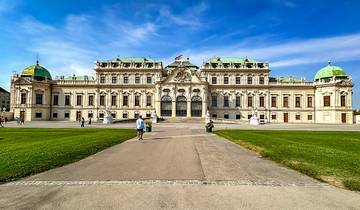
Austria in a Week (Best of Vienna, Salzburg and Innsbruck)- starting and ending in Vienna
- ✓ Comprehensive Hallstatt Austria tour
- ✓ Expert local guides included
- ✓ All accommodation arranged
- ✓ Transportation provided
7 days
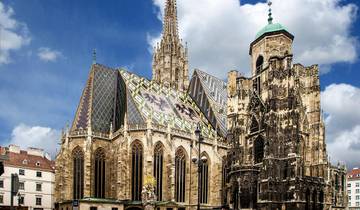
Tailor-made 7 Day Austria Culture and Nature Tour, Private Guide & Driver
- ✓ Comprehensive Hallstatt Austria tour
- ✓ Expert local guides included
- ✓ All accommodation arranged
- ✓ Transportation provided
7 days
7 Day Prague and Vienna by train
- ✓ Comprehensive Hallstatt Austria tour
- ✓ Expert local guides included
- ✓ All accommodation arranged
- ✓ Transportation provided
7 days
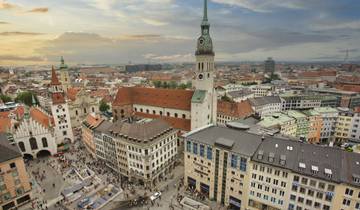
7 Day Munich And Vienna By Train
- ✓ Comprehensive Hallstatt Austria tour
- ✓ Expert local guides included
- ✓ All accommodation arranged
- ✓ Transportation provided
Multi-day tour packages powered by TourRadar. Prices and availability subject to change.
Essential Planning Information 2026
Current Costs and Pricing Breakdown 2026
The 2026 pricing structure for Hallstatt Salt Mine reflects its status as a premium heritage attraction offering exceptional underground experiences. Adult admission at €34 includes all elements of the mine tour: funicular transportation from valley station at 511 meters elevation to the mine entrance at 871 meters, 90-minute guided tour through historical mining chambers, demonstrations of traditional extraction techniques, boat ride across the underground salt lake, descent via wooden miners’ slides spanning 64 meters, and return funicular to the valley. The comprehensive ticket price represents excellent value considering the duration, educational content, and unique experiences included.
Family tickets at €79 accommodate two adults and up to three children (ages 4-15), providing significant savings for families versus individual tickets. This pricing structure makes the salt mine accessible for family travel while encouraging multi-generational visits that enhance educational value. Senior discounts (€30 for ages 65+) and youth rates (€17 for ages 4-15) create tiered pricing that considers different visitor demographics. Children under 4 years cannot enter the mine for safety reasons related to slide use and walking requirements.
The Skywalk combination ticket at €38 adds access to the viewing platform extending from the mountain above the mine entrance, offering panoramic views across Hallstatt valley and Lake Hallstatt. The €4 premium over standard admission provides photography opportunities and scenic appreciation that complement the underground experience. The Skywalk remains accessible without entering the mine, with separate tickets available at €8 for visitors only wanting the viewing platform.
Parking at the valley station funicular costs €5 for cars and €12 for larger vehicles including RVs and buses. The parking fee applies for full-day access regardless of visit duration. Public transportation users arriving by bus or train avoid parking costs while benefiting from the valley station’s central location near Hallstatt village. Photography inside the mine is permitted without additional fees, though flash photography is restricted in certain chambers to preserve sensitive salt formations and historical artifacts.
Operating Schedule and Seasonal Variations 2026
The 2026 operating season runs from early April through early November, with the mine closed during winter months when weather conditions limit safe access and visitor demand decreases substantially. The seasonal closure allows necessary maintenance work on funicular systems, underground infrastructure, and visitor facilities that requires extended access periods. The specific opening date typically falls in the first week of April, with closing scheduled for early November depending on weather conditions and visitor patterns.
Summer operating hours (June-September) extend from 9:00 AM to 6:00 PM daily, with the last tour departure at 4:30 PM to ensure completion before closing. Spring hours (April-May) run 9:00 AM to 5:00 PM, while autumn hours (October-November) match spring timing. Tours depart at regular 30-minute intervals during peak hours, increasing to 15-minute frequency on busy summer days when visitor volume requires additional capacity. The schedule flexibility ensures efficient visitor flow while maintaining tour quality through appropriate group sizes.
The peak visitation period extends from late June through late August when summer holidays bring maximum visitor numbers to the Salzkammergut region. During these peak weeks, the mine operates at full capacity with advance reservations essential for securing preferred time slots. Shoulder seasons in May and September offer advantages including moderate crowds, comfortable weather for the mountain setting, and autumn colors (September) that enhance the scenic beauty. October visits provide lowest visitor density while maintaining good weather conditions, though shorter days limit afternoon visit options.
Special event days throughout the season feature extended hours, themed tours, or cultural programs that enhance standard offerings. The mine coordinates with Hallstatt village festivals including the Corpus Christi celebration (June) and autumn harvest events, creating opportunities for combined cultural experiences. Checking the events calendar when planning your 2026 visit enables participation in special programs that add cultural depth to the mine experience.
Underground Tour Experience and Highlights 2026
Comprehensive Tour Route and Features
The 90-minute guided tour descends through multiple mining levels, showcasing 7,000 years of salt extraction history from Bronze Age beginnings to modern operations. The journey begins with an introduction to mining geology and the formation of Alpine salt deposits during the Triassic period 250 million years ago. Guides explain how prehistoric miners discovered salt springs and developed techniques to follow deposits deep into the mountain, creating the world’s oldest documented mining operation.
The tour route includes authentic Bronze Age mining chambers where archaeologists discovered preserved wooden tools, leather equipment, and organic materials that survived in the salt environment for 3,500 years. Reproductions of these artifacts demonstrate prehistoric mining technology, while displays of actual preserved objects showcase the exceptional archaeological value of the mine. The guides explain how salt preservation prevented decay of organic materials, creating unique archaeological resources that provide unprecedented insights into Bronze Age technology and daily life.
The highlight for many visitors comes with the wooden miners’ slides, traditional transportation devices that connected different mining levels. The slides span 64 meters total across two sections, providing thrilling descents that authentically recreate how miners moved through the mountain. Modern safety adaptations including smooth surfaces and padded landing areas ensure visitor safety while maintaining the essential character of historical mine transportation. The slides accommodate visitors of varying ages and confidence levels, with guides providing instruction and encouragement.
The underground salt lake chamber showcases a flooded former mining area where extraction ceased when water infiltration made continued work impractical. Visitors board a small boat for a short crossing that demonstrates the challenges miners faced from groundwater and the engineering solutions they developed for drainage. The lake’s crystal-clear water and unique lighting create an otherworldly atmosphere enhanced by acoustic effects from the enclosed chamber. The chamber also features a multimedia show projecting historical images and information onto the rock walls and water surface.
Educational Content and Interpretation
The tour guides provide comprehensive interpretation covering geological, archaeological, historical, and cultural aspects of salt mining. The educational content addresses multiple interest levels from children learning basic mining concepts to adults interested in detailed historical and technical information. Guides adapt their presentation based on group composition, emphasizing engaging storytelling for family groups while providing technical depth for specialist audiences. The multilingual capability of guides ensures accessibility for international visitors, with tours available in German, English, Italian, and other languages based on demand and guide availability.
The interpretation explains the economic importance of salt throughout history, from prehistoric trade networks to medieval monopolies controlled by ecclesiastical authorities. The tour examines how salt wealth funded the Hallstatt culture of the Iron Age, creating the archaeological resources that gave the period its name. The connection between salt extraction, trade routes, and cultural development provides context for understanding European prehistory and economic history. The guides emphasize how the continuous operation from Bronze Age to present creates unique heritage combining archaeological, industrial, and cultural values.
Interactive elements enhance the educational experience, including opportunities to touch salt crystals, examine mining tools, and experience the physical demands of working underground. These hands-on components create memorable learning that engages multiple senses beyond visual and auditory information. The combination of narrative interpretation, physical artifacts, authentic environments, and interactive experiences creates comprehensive educational opportunities that serve diverse learning styles and interests.
The tour concludes with information about current mining operations, conservation efforts, and the mine’s designation as part of the Hallstatt-Dachstein UNESCO World Heritage site. This connection to living heritage and international recognition reinforces the exceptional values preserved through continued operation and careful management. The educational content thus spans from geological deep time through prehistoric archaeology to contemporary heritage conservation, creating comprehensive understanding of the mine’s significance.
Transportation and Access Logistics 2026
Funicular Railway System
The Salzbergbahn funicular provides the primary access to the salt mine entrance, ascending 360 vertical meters from the valley station to the mountain terminus. The funicular operates in conjunction with mine opening hours, running continuously from 9:00 AM until the last visitors descend following the final tour. The railway cars accommodate approximately 30 passengers each, departing every 15 minutes during standard operations and increasing to continuous shuttling during peak periods when visitor flow demands maximum capacity.
The valley station sits in Lahn, a district of Hallstatt located approximately 1.5 kilometers from the village center. The station features parking facilities, restrooms, ticketing office, and a shop selling regional products and souvenirs. The location’s accessibility from the main road makes it convenient for drivers while bus connections serve visitors using public transportation. The funicular journey lasts approximately 3 minutes, providing scenic views across the valley during the ascent. The enclosed cabins protect passengers from weather while large windows ensure visibility of the surrounding landscape.
The mountain station provides access to both the salt mine entrance and the Skywalk viewing platform. Facilities include changing rooms where visitors don protective overalls before mine tours, restrooms, a café serving refreshments, and outdoor terrace areas offering valley views. The mountain station connects to hiking trails extending across the Salzberg mountain, enabling visitors to combine mine tours with walking experiences. Trail maps available at the station show routes ranging from easy 30-minute walks to challenging multi-hour hikes accessing higher elevations.
Return funicular service runs continuously until 30 minutes after the last mine tour concludes, ensuring all visitors can descend to the valley safely. The ticketing system includes return transportation in the admission price, eliminating need for separate funicular tickets. During peak summer days when multiple tours run simultaneously, the funicular prioritizes departing tour groups to manage visitor flow efficiently while minimizing wait times.
Getting to Hallstatt Valley Station 2026
Visitors driving to Hallstatt access the valley station via the B166 road running along Lake Hallstatt’s eastern shore. The journey from Salzburg takes approximately 75 minutes covering 80 kilometers through scenic lake district countryside. From Vienna, the drive spans 290 kilometers requiring 3.5 hours via the A1 motorway to Salzburg then regional roads through the Salzkammergut. Parking at the valley station costs €5 for full-day access, with spaces typically available except during peak summer midday hours when overflow parking may be required.
Public transportation to Hallstatt combines train and bus services, with the nearest railway station located in Hallstatt village center. Trains from Salzburg to Hallstatt run hourly during peak season, requiring a transfer at Attnang-Puchheim junction. The complete journey takes approximately 2.5 hours with connections. From the Hallstatt train station, bus route 542 operates to the valley funicular station, running every 30-60 minutes during the day. The bus journey takes 5 minutes and costs €2.40 per ride. Walking from Hallstatt village center to the valley station takes 20-25 minutes along the lakeside road.
Tour operators throughout the Salzkammergut region offer organized excursions including salt mine visits combined with other regional attractions. These packages provide transportation from accommodation bases in Salzburg, Bad Ischl, or Gmunden, eliminating need for rental cars or complex public transportation connections. Tour costs range €85-120 per person including mine admission, transportation, and guide services. The convenience appeals to visitors prioritizing efficiency over independent exploration, particularly those with limited time in the region.
Taxi services from Hallstatt village to the valley station cost €8-12 depending on pickup location and time of day. Taxis provide flexibility for visitors with mobility limitations or those preferring door-to-door service over public transportation. Advance booking ensures availability, particularly during peak season when demand exceeds supply for afternoon return trips. Hotel concierge services can arrange taxi transportation and may offer preferential rates through established relationships with local operators.
Accommodation Strategies Near Hallstatt 2026
Hallstatt Village Accommodation Options
Hallstatt village offers limited accommodation concentrated in historic guesthouses and small hotels adapted from traditional buildings. The compressed settlement pattern between mountain and lake restricts expansion, creating high demand for available rooms during peak season. Heritage Hotel Hallstatt occupies a prime lakeside position, offering rooms €180-280 per night in summer depending on size and view. The historic property features traditional Alpine architecture, modern amenities, and direct lake access. Advance reservations 3-6 months ahead are essential for summer stays.
Gasthof Zauner represents traditional Austrian hospitality, providing comfortable rooms at €140-190 per night with breakfast included. The family-operated guesthouse maintains character features including wood-paneled rooms and traditional furnishings while offering modern bathrooms and WiFi connectivity. The central location enables walking access to shops, restaurants, and the lakeside promenade. The attached restaurant serves regional cuisine using local ingredients, creating authentic dining experiences without leaving the property.
Budget travelers find limited options within Hallstatt village itself, with most affordable accommodation located in surrounding communities. The few village guesthouses offering rooms under €100 per night book months in advance for summer peak season. Private room rentals through vacation platforms occasionally provide alternatives at €90-140 per night, though availability varies and quality differs substantially between properties. The village’s UNESCO heritage status and limited building space prevent expansion of accommodation supply, maintaining upward pressure on pricing.
The most exclusive properties include Seehotel Grüner Baum with lakeside suites at €250-400 per night providing panoramic water views, balconies, and luxury appointments. The historic hotel hosted Habsburg royalty and maintains traditions of elegant service and refined comfort. The premium pricing reflects both historical significance and exceptional location within the compact village center. Spa facilities, fine dining restaurant, and concierge services create comprehensive luxury experiences for guests prioritizing comfort and convenience.
Regional Accommodation Alternatives 2026
Bad Ischl, located 20 kilometers from Hallstatt, offers broader accommodation options at generally lower prices than the heritage village. Hotels range €80-160 per night for mid-range properties providing modern amenities, parking, and breakfast. The former imperial spa town features thermal facilities, shopping, and cultural attractions creating destination interest beyond serving as a Hallstatt accommodation base. The 25-minute drive or 30-minute bus connection makes Bad Ischl practical for visitors with rental cars or comfortable using public transportation.
Obertraun, the community immediately adjacent to Hallstatt across the lake, provides accommodation alternatives with Hallstatt proximity but less intense tourist pressure. Hotels and guesthouses charge €100-180 per night for rooms comparable to Hallstatt properties but with greater availability during peak season. The village serves as access point for Dachstein ice caves and cable car, enabling combination visits to multiple UNESCO heritage elements. The lakeside location offers swimming opportunities and walking trails while maintaining the Alpine atmosphere that attracts visitors to the Salzkammergut region.
Gosau, positioned in the valley beyond the Dachstein massif, creates an alternative base for exploring the UNESCO heritage region from the southern approach. Accommodation ranges €70-150 per night in family-run hotels and guesthouses serving both summer hikers and winter skiers. The distance to Hallstatt increases to 30-35 minutes driving, but the positioning enables access to Dachstein attractions while providing village atmosphere at lower costs than prime lakeside locations. The valley’s meadows and mountain backdrop appeal to visitors seeking quieter settings away from peak tourist concentrations.
Salzburg, while 75 minutes from Hallstatt, functions as an accommodation hub for visitors exploring multiple Salzkammergut destinations. The city offers hundreds of properties across all price ranges from hostels at €35-50 per person in dormitory rooms to luxury hotels at €200-400 per night. The extensive accommodation supply, transportation connections, and attraction options make Salzburg viable for visitors planning day trips to Hallstatt rather than overnight stays in the heritage village. The approach trades proximity for accommodation choice, urban amenities, and potentially lower overall costs.
Sample 2026 Itineraries and Cost Breakdowns
Half-Day Salt Mine Visit from Hallstatt
Morning departure enables completion of mine tour before midday, freeing afternoon for village exploration or onward travel. Depart Hallstatt accommodation at 8:30 AM for the 20-minute walk or 5-minute bus ride to the valley funicular station. Collect pre-booked tickets and board the 9:00 AM funicular ascending to the mine entrance. Change into protective overalls and join the 9:30 AM guided tour through the underground mining chambers, experiencing the miners’ slides, underground lake boat ride, and comprehensive interpretation of 7,000 years of salt mining history. Return to the valley station via funicular at 11:30 AM.
The afternoon allows exploration of Hallstatt village including the market square, lakeside promenade, and parish church with its famous charnel house. Optional activities include the Hallstatt Museum (admission €10) showcasing archaeological finds from the prehistoric cemetery, or a lake swimming break at designated access points. Lunch at a village restaurant costs €15-25 for typical Austrian fare including soup, main course, and non-alcoholic beverage. Return to accommodation by 3:00 PM or continue with afternoon activities based on personal preferences and energy levels.
Salt mine admission €34, bus transportation €2.40 each way if needed, lunch €15-25, museum €10 optional. Total day cost: €51-71 per person (excluding accommodation).
Full-Day Heritage Experience Including Skywalk 2026
This comprehensive itinerary combines salt mine exploration with Skywalk platform visits and hiking opportunities on Salzberg mountain. Depart accommodation at 8:45 AM for arrival at the valley station by 9:15 AM. Purchase the combination ticket including mine and Skywalk access. Board the 9:30 AM funicular to the mountain station, proceeding directly to the Skywalk viewing platform for morning photography when eastern light illuminates the valley. Spend 30 minutes on the platform capturing panoramic views across Lake Hallstatt and surrounding peaks.
Join the 10:30 AM mine tour for the complete underground experience, returning to the mountain station at 12:00 PM. Enjoy lunch at the mountain café where meals cost €12-18 for traditional Austrian dishes including goulash soup, Wiener schnitzel, or pasta options. After lunch, follow the marked hiking trail to the Rudolfsturm tower ruins and viewing area, a 45-minute moderate walk offering additional perspectives across the heritage landscape. Return to the mountain station by 2:30 PM for the funicular descent.
Afternoon in Hallstatt village allows relaxed exploration without time pressure. Visit the parish church and charnel house (combined admission €4.50), walk the medieval streets photographing traditional architecture, or relax at a lakeside café with coffee and cake (€6-9). Early evening departure enables dinner at accommodation or en route to next destination. Combined mine/Skywalk ticket €38, café lunch €12-18, church admission €4.50, afternoon café €6-9, bus transportation €4.80 if required. Total day cost: €65-79 per person (excluding accommodation).
Two-Day Comprehensive UNESCO Heritage Experience 2026
This extended itinerary enables thorough exploration of Hallstatt’s UNESCO heritage elements without rushing. Day one focuses on the salt mine experience using the full-day itinerary above including Skywalk and hiking. Evening accommodation in Hallstatt village allows experiencing the atmospheric streets after day-trippers depart, with dinner at a traditional restaurant (€25-40 for three courses including local wine or beer). Evening stroll along the lamplit lakeside promenade creates memorable experiences of the heritage village atmosphere.
Day two explores additional heritage elements beginning with morning visits to the Hallstatt Museum showcasing prehistoric archaeological finds including grave goods from the Iron Age cemetery. The museum’s comprehensive displays require 1.5-2 hours to appreciate fully. Exit the museum to explore the prehistoric cemetery site on the mountainside above the village, accessible via walking trail requiring 30-40 minutes moderate ascent. The cemetery location offers insights into the archaeological landscape while providing elevated views across the cultural landscape.
After descending from the cemetery site, visit the Catholic parish church featuring Gothic and Baroque elements and the adjacent charnel house containing decorated skulls representing local funerary traditions. Lunch at a lakeside restaurant costs €18-28 for quality regional cuisine with lake views. Afternoon options include a boat tour of Lake Hallstatt (€12 for 30-minute scenic cruise) or free time for shopping local crafts and souvenirs before departure. Accommodation €120-180 per night (mid-range double occupancy). Day one costs: mine/Skywalk €38, lunch €12-18, church €4.50, café €6-9, dinner €25-40. Total: €85-109 per person. Day two costs: museum €10, lunch €18-28, boat tour €12, snacks €8-12. Total: €48-62 per person (excluding accommodation €120-180).
Booking Strategies and Advance Planning 2026
Online Reservation Systems and Procedures
The official Salzwelten website provides the primary booking platform for salt mine tickets, offering guaranteed entry times and advance purchase benefits. The online system displays real-time availability for upcoming dates, enabling selection of specific tour times that align with broader travel plans. The booking process requires selecting date, preferred tour time, ticket type (adult, child, senior, family), and optional Skywalk upgrade. Payment accepts major credit cards and PayPal, with confirmation emails providing QR codes or reference numbers for ticket collection.
Advance purchase through the website saves time during your visit by eliminating queuing at the ticket office, an advantage during peak summer days when line waits exceed 30 minutes. The online platform offers slight discounts for advance bookings made 7+ days ahead, typically €1-2 per ticket representing modest savings that accumulate for families or groups. More significantly, advance booking guarantees entry during your preferred time window, eliminating risk of sold-out tours or inconvenient available times that disrupt daily plans.
The cancellation policy allows free cancellation up to 24 hours before scheduled tour time, providing flexibility for travelers whose plans may change due to weather, health issues, or itinerary adjustments. Cancellations within 24 hours forfeit the ticket price, creating incentive for careful planning while acknowledging the realities of travel. The policy strikes balance between protecting the operator’s revenue from no-shows while accommodating reasonable traveler needs for flexibility.
Group bookings for parties of 10+ people require special arrangements through the group reservations office, which can be contacted via email or phone listed on the website. Group rates provide modest discounts while guaranteeing sufficient capacity for larger parties traveling together. School groups and educational organizations receive enhanced discounts subject to advance booking and documentation of educational purpose. The group booking system operates separately from individual online sales, requiring direct communication to finalize arrangements.
Optimal Timing and Seasonal Considerations
The shoulder seasons of May and September offer optimal conditions balancing favorable weather, moderate crowds, and comfortable visiting experience. These months avoid both the extreme summer visitor density and the winter closure, providing access to the mine with significantly better crowd conditions than July-August peak. Daytime temperatures in May and September range 15-22°C at valley level, creating pleasant surface conditions while the constant underground temperature maintains comfortable touring environment. The reduced visitor numbers create more intimate tour experiences with better opportunities for questions and guide interaction.
Summer peak season from late June through August brings maximum visitor volume but also extended operating hours and most frequent tour departures. The advantages include greatest scheduling flexibility and longest available days for coordinating mine visits with other activities. The disadvantages include crowded tours, potential waits for funicular transportation, and premium pricing for accommodation in Hallstatt village. Visitors committed to summer travel should book mine tickets 3-4 weeks ahead and secure accommodation 3-6 months in advance to ensure availability.
Early season visits in April or late October experience variable weather conditions but benefit from minimal crowds and maximum availability for spontaneous visit planning. April brings spring snowmelt and changeable mountain weather, with occasional tour cancellations due to severe conditions though such occurrences are rare. October offers autumn color in the forests surrounding Hallstatt, creating exceptional photographic opportunities while visitor numbers decline dramatically after September school holidays end. These edge-season months suit flexible travelers willing to accept modest weather uncertainty in exchange for uncrowded conditions.
Weekday visits throughout the season encounter fewer visitors than weekends and Austrian public holidays when domestic tourism peaks. Tuesday, Wednesday, and Thursday represent optimal weekdays, with Monday attracting some weekend overflow and Friday beginning the weekend rush. The difference becomes most pronounced during summer when weekend tours sell out days in advance while midweek slots remain available for next-day booking. Scheduling flexibility to visit on weekdays creates better experiences even during peak season months.
Money-Saving Strategies for 2026 Visits
Combination Tickets and Regional Passes
The Salzkammergut Region Card provides discounted admission to multiple attractions across the lake district including the Hallstatt Salt Mine, Dachstein ice caves, local museums, and boat services. The card costs €89 for adults providing 14 consecutive days of benefits, breaking even if visiting 4-5 attractions included in the network. For travelers exploring the broader Salzkammergut region over several days, the card delivers substantial savings while simplifying ticketing at individual attractions. The card can be purchased online or at participating tourism offices throughout the region.
The combination ticket bundling salt mine admission with Skywalk access costs €38 versus €34 + €8 (€42) for separate purchases, saving €4 per person. This modest saving encourages visitors to experience both attractions while simplifying ticketing logistics. Similar combinations exist for coordinating salt mine visits with Dachstein cable car and ice cave tours, enabling multi-attraction savings for comprehensive heritage experiences. The combination products work best for visitors allocating full days to UNESCO heritage exploration rather than brief salt mine-only visits.
Family tickets provide the most significant per-person savings, with the €79 family rate covering two adults and up to three children. Comparing this to individual tickets totaling €85 for two adults and one child, €102 for two adults and two children, or €119 for two adults and three children demonstrates savings of €6-40 depending on family composition. Families traveling with children meeting the age requirements benefit substantially from the family ticket structure versus other visitor demographics paying full individual rates.
Accommodation packages combining hotel stays with attraction tickets occasionally offer better overall value than separate bookings, particularly during shoulder season when hotels seek to attract visitors through value-added offerings. Contact hotels directly to inquire about current packages including salt mine admission, as these arrangements may not appear on standard booking platforms. The packages work best for multi-night stays where the hotel can negotiate preferred rates from attraction operators based on volume commitments.
Budget Optimization Through Strategic Planning
Visiting during shoulder season (May or September-October) reduces accommodation costs by 20-35% compared to July-August peak pricing while maintaining good weather conditions and full attraction access. The savings accumulate quickly for multi-night stays, potentially funding additional experiences or upgrading meal choices. The moderate crowds during shoulder season additionally enhance experience quality through more intimate tours and better photo opportunities without throngs of people in every frame.
Self-catering accommodation including apartments or rooms with kitchenettes enables meal cost control by preparing breakfasts and some dinners independently. Restaurant meals average €15-25 for lunch and €25-40 for dinner per person, so preparing even 50% of meals creates savings of €30-50 per person per day. The approach particularly benefits families where restaurant costs multiply rapidly, though it requires access to grocery stores and willingness to dedicate time to food preparation versus dining out.
Public transportation from Salzburg via regional trains and buses costs approximately €20-25 per person roundtrip versus fuel, parking, and potential rental car costs exceeding €40-50 per day. For solo travelers or couples, public transportation delivers significant savings while eliminating driving stress on mountain roads and parking challenges in compact Hallstatt. Groups of three or more may find rental car costs competitive with multiple train tickets while providing schedule flexibility and ability to visit multiple destinations efficiently.
Packing warm clothing eliminates the need to purchase last-minute items if arriving unprepared for underground temperatures. Tourist shops near the mine entrance stock jackets and sweaters at inflated prices targeting visitors who underestimated the temperature difference between sunny summer surface conditions and constant 8-10°C underground environment. A simple fleece jacket or wool sweater packed from home eliminates this potential €30-50 impulse purchase while ensuring comfort throughout the underground tour.
Practical Information and Visitor Guidelines 2026
Physical Requirements and Accessibility
The mine tour requires moderate physical fitness for navigating stairs, uneven surfaces, and the miners’ slides. The route includes approximately 400 steps throughout the tour, some steep or with irregular treads following historical mining passages. Visitors with mobility limitations should assess personal capabilities honestly before booking, as the underground environment offers no alternative routes once tours begin. The mine operators cannot accommodate wheelchairs or walkers in the underground sections due to infrastructure constraints and safety requirements.
The miners’ slides represent mandatory elements of the tour route with no bypass options. Visitors must use the slides to descend between mining levels, as the historical access stairs have been removed or blocked for safety reasons. The slides require seating position with legs extended and hands gripping side rails, creating challenges for individuals with hip, knee, or back problems. While not dangerous for people with normal mobility, the slides may cause discomfort for those with joint issues or anxiety about loss of control during the descent.
Pregnant women receive specific guidance to avoid the tour due to miners’ slide use and physical demands of underground walking. The mine environment’s unchangeable nature prevents modifications that would enable participation, creating absolute restrictions unlike many attractions that can provide alternative access. Families traveling with pregnant members should plan accordingly, potentially arranging for some party members to visit the mine while others explore surface attractions in Hallstatt village.
The minimum age requirement of 4 years reflects both physical demands and safety considerations around slide use. Children under 4 cannot be accommodated even with parental assistance, creating planning challenges for families with younger children. Families with children near the age boundary should consider the individual child’s physical abilities and comfort with dark environments before booking. The tour’s educational content and duration may exceed the attention span of younger children even when meeting the age requirement.
Weather Preparation and Seasonal Considerations
The constant underground temperature of 8-10°C (46-50°F) creates comfortable touring conditions regardless of surface weather, though visitors must dress appropriately for the temperature difference. Summer visitors experiencing 25-30°C surface temperatures need layers to avoid discomfort during the 90-minute underground tour. The mine provides protective overalls that offer some insulation, but a warm shirt, fleece jacket, or light sweater underneath ensures comfort. The overalls protect against moisture and salt deposits rather than providing significant warmth.
Surface weather affects the mountain station experience and hiking opportunities more than mine tours themselves. Summer thunderstorms common in Alpine regions can create dramatic weather changes, with clear morning conditions deteriorating to afternoon rain and lightning. The funicular operates in most weather conditions, but the Skywalk platform may close during severe thunderstorms when lightning risk increases. Visitors combining mine tours with surface activities should monitor weather forecasts and plan flexibility for weather-dependent elements.
Spring visits in April and May encounter variable conditions with possible snow at higher elevations and cool temperatures requiring warm clothing for surface activities. The underground tour’s consistent conditions buffer against surface weather variability, making mine visits reliable activities during changeable spring weather when outdoor plans may need adjustment. The shoulder season’s weather uncertainty trades against the benefits of reduced crowds and lower accommodation prices.
Autumn visits benefit from generally stable weather in September and early October, though mountain conditions can change rapidly throughout the year. The autumn color in surrounding forests creates exceptional photo opportunities around the mountain station and hiking trails. Later October visits face increasing risk of early season snow and reduced daylight hours that limit afternoon activities. The mine’s controlled underground environment remains accessible regardless of these surface conditions, maintaining its appeal as an all-weather activity.
Enhanced Experiences and Additional Activities 2026
Photography Opportunities and Techniques
Underground photography presents technical challenges due to low light conditions despite supplementary lighting installed throughout the tour route. Visitors using smartphones should activate night mode features for best results, while DSLR or mirrorless camera users benefit from fast lenses (f/2.8 or wider) and high ISO capability. Tripods are prohibited during tours due to space constraints and safety requirements, necessitating camera stabilization through bracing against surfaces or using high shutter speeds that may introduce noise from increased ISO.
The salt lake chamber provides the most spectacular underground photo opportunity, with calm water creating mirror reflections and theatrical lighting enhancing the otherworldly atmosphere. Visitors have approximately 5-10 minutes in the chamber including the boat crossing, allowing time for multiple compositions. Wide-angle lenses capture the chamber’s scale while standard focal lengths enable detailed shots of salt formations and lighting effects. The multimedia show projected during some tours creates additional photographic interest through dynamic lighting and imagery.
The Skywalk platform offers exceptional photography opportunities for capturing Hallstatt village and Lake Hallstatt from elevated perspective. Morning light from the east illuminates the valley beautifully from 8:00-11:00 AM, while afternoon backlighting creates challenges for photography. The platform’s western orientation favors morning shots, with late afternoon and evening light potentially creating dramatic conditions when the sun approaches the horizon. Wide-angle lenses encompass the panoramic view while telephoto options enable compression of landscape elements and village detail shots.
Flash photography is restricted in certain underground chambers to preserve sensitive salt formations and historical artifacts from light damage. Signs indicate where flash is prohibited, with guides reinforcing these restrictions during tours. The limitations require technical solutions through available light photography, which can actually create more atmospheric results than flash illumination that flattens the dramatic underground environment. Respecting photographic restrictions demonstrates consideration for heritage preservation while challenging photographers to develop skills for difficult lighting conditions.
Hiking and Trail Options from Mountain Station
The Rudolfsturm trail provides a 45-minute moderate hike from the mountain funicular station to a 13th-century tower ruins and viewpoint offering panoramic perspectives across the Hallstatt cultural landscape. The well-maintained path ascends through forest before emerging onto open slopes with wildflower meadows during summer months. The tower ruins themselves allow climbing to viewing platforms that extend visibility across the UNESCO heritage region. The trail difficulty suits most fitness levels with steady but not extreme grades, requiring sturdy walking shoes but not technical hiking equipment.
The Salzberg ridge trail extends further from the mountain station for hikers seeking longer excursions. The 2-3 hour circuit traverses high meadows offering continuous views across the Salzkammergut lake district. The trail connects to a network of mountain paths enabling customization of route length and difficulty based on time availability and fitness levels. Trail markings follow Austrian Alpine Club standards with clear signage at junctions. Hikers should carry water, snacks, and layers for changing mountain weather conditions even during summer months.
The mountain station’s café provides refreshments before or after hikes, offering traditional Austrian mountain hut fare including goulash soup, sausages, apple strudel, and beverages. Meals cost €8-15 for hearty portions suited to hungry hikers. The outdoor terrace enables al fresco dining with valley views when weather permits. The café operates concurrent with mine hours, ensuring availability for visitors on any tour time. The facility’s location makes it convenient for post-hike refreshment before descending via funicular to the valley.
Trail maps available at the mountain station show the complete hiking network with difficulty ratings, estimated times, and key waypoints. The information enables informed decisions about hiking ambitions based on available time, weather conditions, and fitness levels. Some trails connect to long-distance routes crossing the Dachstein region, creating opportunities for multi-day trekking for properly equipped and experienced mountain hikers. Most visitors opt for shorter excursions that complement rather than dominate their heritage site visit.
Cultural Context and Educational Value 2026
Understanding Salt Mining Heritage
The Hallstatt salt mine represents humanity’s oldest documented industrial operation, with evidence of systematic extraction dating to 1500 BCE during the Late Bronze Age. The mine tour provides direct connection to this extraordinary heritage through authentic mining environments where prehistoric workers extracted salt using techniques developed through trial and error. Understanding the physical challenges miners faced—working in confined spaces, moving heavy loads through narrow passages, and managing underground water—creates appreciation for the determination and ingenuity required to sustain mining across millennia.
The economic importance of salt in human civilization cannot be overstated, with the mineral serving essential roles in food preservation, ceremonial practices, and currency systems throughout history. The tour interpretation explains how Hallstatt’s salt wealth enabled trade networks extending across prehistoric Europe, creating cultural influences that define the Hallstatt period of European Iron Age. The archaeological evidence from the prehistoric cemetery reveals social hierarchies and wealth accumulation made possible by controlling access to essential salt resources.
The continuous operation from Bronze Age to present creates unique heritage value where visitors can comprehend technical evolution across 3,500 years. The progression from Bronze Age wooden tools to Roman iron implements, medieval improvements in timber engineering, and modern extraction technology demonstrates human ingenuity applied to enduring challenges. The mine preserves this layered history through both archaeological remains and living traditions maintained by contemporary mining workers who connect to ancient practices through their underground labor.
The UNESCO World Heritage designation recognizes the mine as part of a broader cultural landscape where human activity and natural environment interacted to create exceptional heritage values. Understanding the mine requires appreciating its connections to the village settlement pattern, the lake’s role in transportation and trade, and the forest management practices developed to provide mining timber. The tour interpretation positions the mine within this larger cultural landscape rather than treating it as an isolated monument, enhancing educational value through contextual understanding.
Archaeological Significance and Prehistoric Heritage
The archaeological resources preserved in the Hallstatt salt mine represent some of Europe’s most important evidence for understanding Bronze and Iron Age technology, economy, and daily life. The salt environment prevented organic material decay, preserving wooden tools, leather equipment, textile fragments, and even food remains that normally decompose in archaeological contexts. These preserved artifacts enable unprecedented insights into prehistoric material culture and technical capabilities.
The mine tour showcases replicas of archaeological finds including a complete Bronze Age wooden staircase, leather backpacks used for salt transport, rope made from plant fibers, and miners’ clothing preserved for 3,500 years. The displays explain how these artifacts inform understanding of prehistoric mining techniques, social organization, and economic systems. The actual preserved objects remain in museum collections where controlled environments ensure long-term preservation, while the high-quality replicas in the mine enable visitor engagement with this extraordinary heritage.
The connection between mine archaeology and cemetery findings creates comprehensive understanding of Hallstatt society during its cultural zenith from 800-450 BCE. The wealth visible in grave goods including gold jewelry, bronze vessels, and imported amber and ivory objects derived directly from salt trade profits. The mine tour interpretation connects underground labor to surface displays of wealth, explaining how salt extraction funded the cultural achievements that gave the Hallstatt period its name. This integrated interpretation enhances educational value beyond what either mine or cemetery alone could provide.
Ongoing archaeological research continues revealing new information about prehistoric mining at Hallstatt, with recent excavations discovering additional Bronze Age tunnels and work areas. The mine remains an active archaeological site where scientific investigation proceeds alongside tourism and contemporary salt extraction. The tour guides communicate this dynamic quality of archaeological knowledge, explaining how new discoveries modify understanding and create fresh questions about prehistoric society. The educational value thus extends beyond static facts to encompass scientific process and evolving interpretation.
Planning Your 2026 Visit: Final Recommendations
Booking Timeline and Preparation Checklist
Begin planning your Hallstatt salt mine visit 3-6 months before your intended travel date, particularly for summer visits when both mine tours and accommodation book solid. This timeline enables securing preferred tour times, hotel reservations at best available rates, and transportation arrangements before options become limited. The advance planning also allows researching additional Salzkammergut attractions and building comprehensive itineraries that maximize the value of travel to the region.
Book accommodation first during the planning sequence, as lodging options in Hallstatt village itself remain extremely limited with the most desirable properties filling 6+ months ahead for peak season. Secure accommodation before finalizing specific activity schedules, as hotel location influences transportation logistics and daily planning. Consider alternative locations including Bad Ischl or Obertraun if Hallstatt village exceeds budget or shows no availability for desired dates. The accommodation decision affects overall trip costs more than any other single factor given the price ranges between locations.
Reserve salt mine tickets 2-4 weeks before your visit through the official Salzwelten website, selecting specific tour times that coordinate with broader daily plans. The advance booking guarantees entry and eliminates ticket office queuing, though it requires commitment to specific dates and times. Balance the certainty of advance purchase against the slight inflexibility it creates, particularly relevant for visitors whose broader itineraries may shift due to weather or changing interests. The 24-hour cancellation policy provides reasonable protection against needing to modify plans.
Prepare appropriate clothing and equipment at least a week before departure to ensure you have necessary items without last-minute shopping stress. The essential list includes warm layers for underground touring (fleece jacket or wool sweater), closed-toe shoes with good grip, camera equipment for underground photography if interested, and weather-appropriate surface clothing for the mountain environment. Pack a small daypack for carrying layers and personal items between valley and mountain stations. Verify all items are packed the evening before departure to avoid morning rush discoveries of forgotten essentials.
Combining with Other Regional Attractions
The Dachstein ice caves and cable car create natural combination with the salt mine for visitors allocating multiple days to UNESCO heritage exploration. The Giant Ice Cave and Mammoth Cave located on the Dachstein massif’s opposite side require separate visits but coordinate well with overnight stays in Obertraun. The combined UNESCO elements of salt mine, ice caves, and cultural landscape enable comprehensive heritage experiences that justify multi-day regional stays. Plan 2-3 full days minimum for thorough exploration of the interconnected heritage sites.
Bad Ischl offers imperial history and spa culture creating cultural diversity within Salzkammergut itineraries. The Kaiservilla, Emperor Franz Joseph’s summer residence, provides insights into Habsburg monarchy and 19th-century aristocratic life. The combination of Hallstatt’s prehistoric and medieval heritage with Bad Ischl’s imperial attractions creates chronological depth spanning from Bronze Age to early 20th century. The 20-kilometer distance enables day trip visits or overnight stays depending on time allocation and interest levels.
St. Wolfgang and St. Gilgen on Wolfgangsee lake provide picturesque Alpine villages with less intense tourist pressure than Hallstatt while maintaining cultural interest and scenic appeal. The Sound of Music filming locations in Salzburg and Salzkammergut attract fans of the classic film, with organized tours or self-guided exploration options. These additional destinations enable varied itineraries that balance UNESCO heritage focus with broader Salzkammergut cultural landscape experiences. Plan 5-7 days for comprehensive regional exploration versus 2-3 days for Hallstatt-focused visits.
Salzburg city serves as both gateway and destination, justifying 1-2 nights for exploring the historic center’s Baroque architecture, Mozart heritage, and fortress. The combination of Salzburg’s urban cultural attractions with Salzkammergut’s natural beauty and heritage sites creates diverse itineraries appealing to varied interests. The coordination of city and mountain experiences, imperial culture and prehistoric heritage, urban sophistication and Alpine tradition produces memorable Austria experiences that extend beyond single-site visits.
Frequently Asked Questions
Can you visit Hallstatt Salt Mine without a tour in 2026?
Independent exploration of the salt mine is not permitted; all visitors must join guided tours for safety reasons and heritage protection. The underground environment presents genuine hazards including unstable areas, deep shafts, and complex passageways that require expert guidance. The guided tour format also ensures appropriate interpretation of archaeological and geological significance while controlling visitor impact on sensitive heritage elements. Tours depart at regular intervals throughout operating days, providing scheduling flexibility while maintaining required supervision.
What languages are available for salt mine tours in 2026?
Tours operate primarily in German and English with the schedule indicating language for each departure time. Italian tours run during peak season on select days based on demand. Other languages including Spanish, French, or Japanese may be available through advance arrangement for groups, though individual visitors should expect German or English options. Audio guide supplements provide additional language options for visitors whose preferred language isn’t available for live tours. Check the booking system for language-specific tour times when making reservations.
Is the Hallstatt Salt Mine suitable for young children in 2026?
Children ages 4-15 can participate in mine tours with family tickets providing economical pricing. The tour’s 90-minute duration and physical requirements including stairs and miners’ slides may challenge very young children or those with short attention spans. Families should assess individual children’s abilities regarding walking endurance, comfort with underground environments, and interest in historical content. The tour provides engaging elements including slides and boat rides that appeal to children, though the educational content targets older audiences. Children under 4 cannot be accommodated under any circumstances due to safety requirements.
What happens if you miss your booked tour time at Hallstatt Salt Mine in 2026?
Late arrivals cannot join tours that have already departed due to safety protocols and the guided nature of underground experiences. Missing your booked time typically means forfeiting admission as the mine operates at capacity during peak season with no available slots for rescheduling. Arrive at the valley funicular station 20-30 minutes before your tour time to allow for ticket collection, funicular ride, and changing into protective overalls. The operators generally show limited flexibility for late arrivals given safety requirements and impacts on scheduled tour departures. Plan extra time buffer to avoid this situation.
Can you bring food or drinks into the salt mine in 2026?
Food and beverages are prohibited in underground mining areas to protect the heritage environment from contamination and maintain safety. Water bottles can be carried but not consumed during tours. The 90-minute tour duration remains comfortable without food access for most visitors. The mountain station café provides refreshments before or after tours for visitors wanting to eat or drink before descending to the valley. This restriction protects both visitor safety (no choking hazards in confined spaces) and the archaeological and geological resources from organic material that could promote biological growth or deterioration.
Are there storage facilities for luggage at Hallstatt Salt Mine in 2026?
The valley funicular station provides limited luggage storage lockers for day visitors with bags or suitcases. The service costs €3-5 depending on locker size and enables mine visits during travel days between destinations. The mountain station offers no luggage storage, so items must remain at valley level during your visit. For larger luggage volumes or extended storage periods, Hallstatt village hotels and tourist information centers may provide alternatives. Travelers should minimize luggage when visiting the mine as mobility through village streets, funicular loading, and mountain station areas becomes difficult with multiple bags.
What is the cancellation policy for Hallstatt Salt Mine tickets in 2026?
Tickets booked through the official website can be cancelled without penalty up to 24 hours before the scheduled tour time, with full refunds issued to the original payment method. Cancellations made less than 24 hours before the tour forfeit the full ticket price as the operator cannot resell slots on such short notice. The policy protects operator revenue while providing reasonable flexibility for travelers whose plans change due to weather, illness, or itinerary modifications. Third-party ticket sellers may apply different cancellation terms, making direct booking through Salzwelten advantageous for flexibility.
Can you access the Skywalk without visiting the salt mine in 2026?
The Skywalk viewing platform can be accessed independently of mine tours by purchasing a Skywalk-only ticket for €8 rather than the €38 combined ticket. This option suits visitors interested in panoramic views but not underground mining heritage, or those unable to participate in mine tours due to physical limitations. The funicular ride to the mountain station is included in the Skywalk ticket, providing the same scenic ascent as mine visitors experience. The Skywalk’s western orientation offers best light conditions during morning hours when the sun illuminates the valley from the east.
How much time should you allocate for visiting Hallstatt Salt Mine in 2026?
Allocate 2.5-3 hours minimum for the complete mine experience including funicular rides, changing into protective overalls, the 90-minute guided tour, and returning to the valley. Visitors adding the Skywalk platform or mountain hiking should plan 4-5 hours total. Factor additional time for photography, café refreshments, or browsing the mine shop. Starting earlier in the day enables combining the mine visit with afternoon village exploration or other regional activities. The experience’s duration and physical engagement create natural scheduling as a half-day activity within broader Hallstatt or Salzkammergut itineraries.
What makes Hallstatt Salt Mine worth visiting in 2026?
The mine offers unique access to 7,000 years of human history in authentic environments where prehistoric miners worked extracting salt that shaped European civilization. The combination of archaeological significance, dramatic underground landscapes, engaging physical experiences including miners’ slides and boat rides, and spectacular Alpine setting creates memorable experiences unavailable elsewhere. The UNESCO World Heritage designation confirms the site’s outstanding universal value, while the continuous operation from Bronze Age to present preserves living traditions connecting contemporary visitors to ancient practices. The educational value, physical engagement, and cultural significance justify the time and cost investment for travelers interested in heritage, archaeology, or unique experiences.