Halifax Museums & Galleries 2026: Complete Cultural Guide
Halifax’s museum landscape spans maritime heritage at the waterfront, immigration stories at Pier 21, and art collections showcasing everything from folk painter Maud Lewis to contemporary Indigenous works. The city’s cultural institutions preserve military history at the hilltop Citadel fortress, natural history specimens, and artifacts from the Titanic disaster. Visitors can explore world-class collections through guided tours, hands-on exhibits, and seasonal programming while enjoying admission passes that bundle multiple attractions for significant savings.
Key Takeaways: Halifax Museums 2026
- Budget Planning 2026: Individual museum admission ranges $5-19 CAD ($4-14 USD), with free admission available Tuesday evenings at Maritime Museum and Thursday evenings at Art Gallery. Youth under 17 enter Halifax Citadel free year-round.
- Multi-Attraction Savings 2026: Halifax Experience Pass offers 24-hour ($140 CAD adult), 48-hour ($180 CAD), and 72-hour ($190 CAD) options providing access to multiple museums, tours, and restaurant discounts. Nova Scotia Museum Pass ($46 CAD adult, $92 CAD family) grants 12-month unlimited admission to 16 provincial museum sites.
- Canada Strong Pass 2026: Free admission June 19-September 7, 2026 for all ages at Halifax Citadel and Pier 21, plus free or discounted admission for visitors 24 and under at participating national museums. This summer program provides substantial savings during peak tourist season.
- Essential Maritime Heritage: Maritime Museum of the Atlantic houses the world’s foremost Titanic artifact collection alongside Halifax Explosion exhibits, naval history displays, and restored vessel CSS Acadia. Canadian Museum of Immigration at Pier 21 occupies the historic terminal where nearly one million immigrants entered Canada 1928-1971.
- Art Collection Highlights: Art Gallery of Nova Scotia presents 19,000+ works including the world’s largest Maud Lewis collection, her preserved painted house, Mi’kmaw contemporary art in the Mi’kma’ki Artists’ Spotlight, and rotating exhibitions from regional and international artists.
- Optimal Visiting Strategy 2026: Plan 2-3 hours per major museum, arrive early morning before cruise ship crowds (May-October peak season), utilize free admission evenings to stretch cultural budgets, and combine waterfront museums (Maritime, Pier 21, Discovery Centre) in single walking route.
People Also Ask About Halifax Museums 2026
How much does it cost to visit Halifax museums in 2026?
Individual admission prices range $5-19 CAD ($4-14 USD) per museum in 2026. Maritime Museum of the Atlantic charges $10 CAD ($7 USD) for adults during peak season May-October, dropping to $5 CAD ($4 USD) November-April. Canadian Museum of Immigration at Pier 21 costs $19 CAD ($14 USD) for adults. Art Gallery of Nova Scotia admission runs $12 CAD ($9 USD) adults, with free entry Thursday evenings 5pm-9pm. Halifax Citadel National Historic Site charges $9-13 CAD ($7-10 USD) peak season for adults, while youth under 17 enter free year-round. The Halifax Experience Pass ($140-190 CAD for 24-72 hours) and Nova Scotia Museum Pass ($46 CAD adult annual) provide better value for multiple museum visits.
Which Halifax museum has the best Titanic collection?
Maritime Museum of the Atlantic holds the world’s foremost Titanic artifact collection, housed in its waterfront location at 1675 Lower Water Street. The museum’s Titanic gallery displays wooden deck chairs recovered from the disaster site, personal belongings of passengers and crew, cables documenting the sinking, and Halifax’s role in recovering bodies and conducting burials. Halifax served as the closest major port when Titanic sank April 15, 1912, resulting in the city receiving most recovered artifacts and victims. The permanent Titanic exhibit occupies significant gallery space and attracts visitors worldwide who consider it superior to larger Titanic museums due to its authentic artifacts rather than replicas. The museum pairs Titanic history with Halifax Explosion exhibits, creating comprehensive disaster heritage interpretation.
Are there free museum days in Halifax 2026?
Halifax offers regular free admission opportunities in 2026 beyond special program dates. Maritime Museum of the Atlantic provides free entry Tuesday evenings 4pm-8pm year-round. Art Gallery of Nova Scotia grants free admission Thursday evenings 5pm-9pm thanks to BMO sponsorship. The Canada Strong Pass program offers free admission June 19-September 7, 2026 for all ages at Halifax Citadel National Historic Site and Canadian Museum of Immigration at Pier 21, plus free or discounted admission for visitors 24 and under at participating national museums. These free admission periods allow budget-conscious visitors to experience Halifax’s major cultural institutions without admission costs. Provincial heritage sites occasionally offer free admission on Heritage Day (February) and Canada Day (July 1), though specific sites and dates should be verified directly with individual museums.
How many museums should I visit in Halifax in one day?
Plan 2-3 major museums maximum in one day to avoid cultural exhaustion and allow proper time for quality exploration. Each major Halifax museum (Maritime Museum, Pier 21, Art Gallery, Citadel) requires 2-3 hours for thorough visiting including exhibits, films, guided tours, and gift shop browsing. The waterfront cluster (Maritime Museum, Pier 21, Discovery Centre) works well together given their proximity within 10-minute walking distance. Alternatively, combine Art Gallery downtown with a Citadel visit 15 minutes uphill. Attempting more than three museums creates rushed experiences where exhibits blur together and visitor fatigue diminishes enjoyment. The Halifax Experience Pass validates this approach by offering 24-hour, 48-hour, and 72-hour durations rather than single-day passes, acknowledging that quality museum visits require spreading attractions across multiple days for optimal cultural absorption and physical stamina.
Extended multi-day tours – 5+ days
Featured Halifax Multi-Day Tour Packages

6 days
A Taste of the Maritimes
- ✓ Comprehensive Halifax tour
- ✓ Expert local guides included
- ✓ All accommodation arranged
- ✓ Transportation provided

7 days
Wonders of the Bay of Fundy
- ✓ Comprehensive Halifax tour
- ✓ Expert local guides included
- ✓ All accommodation arranged
- ✓ Transportation provided

5 days
Prince Edward Island Discovery – 5 days
- ✓ Comprehensive Halifax tour
- ✓ Expert local guides included
- ✓ All accommodation arranged
- ✓ Transportation provided

5 days
Best of Prince Edward Island
- ✓ Comprehensive Halifax tour
- ✓ Expert local guides included
- ✓ All accommodation arranged
- ✓ Transportation provided
Multi-day tour packages powered by TourRadar. Prices and availability subject to change.
Introduction: Halifax Cultural Heritage 2026
Halifax’s museum landscape reflects the city’s maritime heritage, military significance, and cultural evolution across 275 years of history. The waterfront district concentrates major institutions within walking distance, creating a cultural corridor where visitors move seamlessly between Titanic artifacts at Maritime Museum of the Atlantic, immigration stories at Pier 21, and interactive science exhibits at Discovery Centre. Uphill from the harbor, Halifax Citadel dominates the skyline as a star-shaped fortress museum, while Art Gallery of Nova Scotia anchors the downtown cultural district with Atlantic Canada’s largest art collection.
The 2026 museum season brings enhanced visitor experiences through expanded programming, special exhibitions, and improved accessibility. Museums have refined their offerings based on post-pandemic visitor patterns, emphasizing hands-on experiences, digital interpretation, and flexible scheduling. The Canada Strong Pass program (June 19-September 7, 2026) provides free or discounted admission to national museums, encouraging cultural tourism during peak summer months. Provincial and municipal museums maintain regular admission prices while offering strategic free evening hours and annual pass options that reward repeat visitors.
Halifax’s unique position as Atlantic Canada’s largest city and historic gateway creates museum collections unavailable elsewhere. The city’s role in Titanic recovery operations, World War convoy assembly, 1917 Halifax Explosion, and decades of immigration processing generates primary source materials and artifacts that national museums elsewhere cannot replicate. This authentic connection to historical events elevates Halifax museums beyond typical regional institutions into world-class interpretive centers. The Maritime Museum’s Titanic collection surpasses facilities in Belfast and Southampton through its wooden artifacts preserved in Halifax’s cold North Atlantic waters. Pier 21’s physical location in the actual immigration terminal where nearly one million people entered Canada creates emotional resonance no purpose-built museum can match.
Practical considerations shape successful Halifax museum visits in 2026. Cruise ship season (May-October) brings crowds to waterfront museums weekdays 10am-2pm, making early morning or late afternoon visits preferable. Winter months (November-April) offer reduced crowds and lower admission prices but limited seasonal programming and shorter hours at outdoor sites like Citadel. Multi-attraction passes provide substantial savings for visitors planning three or more museum visits, though single-admission visitors benefit from free evening hours at Maritime Museum (Tuesday) and Art Gallery (Thursday). Most major museums offer guided tours included with admission, enhancing interpretation beyond self-guided exploration. Family-friendly features including children’s activity areas, hands-on exhibits, and age-appropriate programming make Halifax museums accessible for visitors across all age groups.
Maritime Museum of the Atlantic 2026
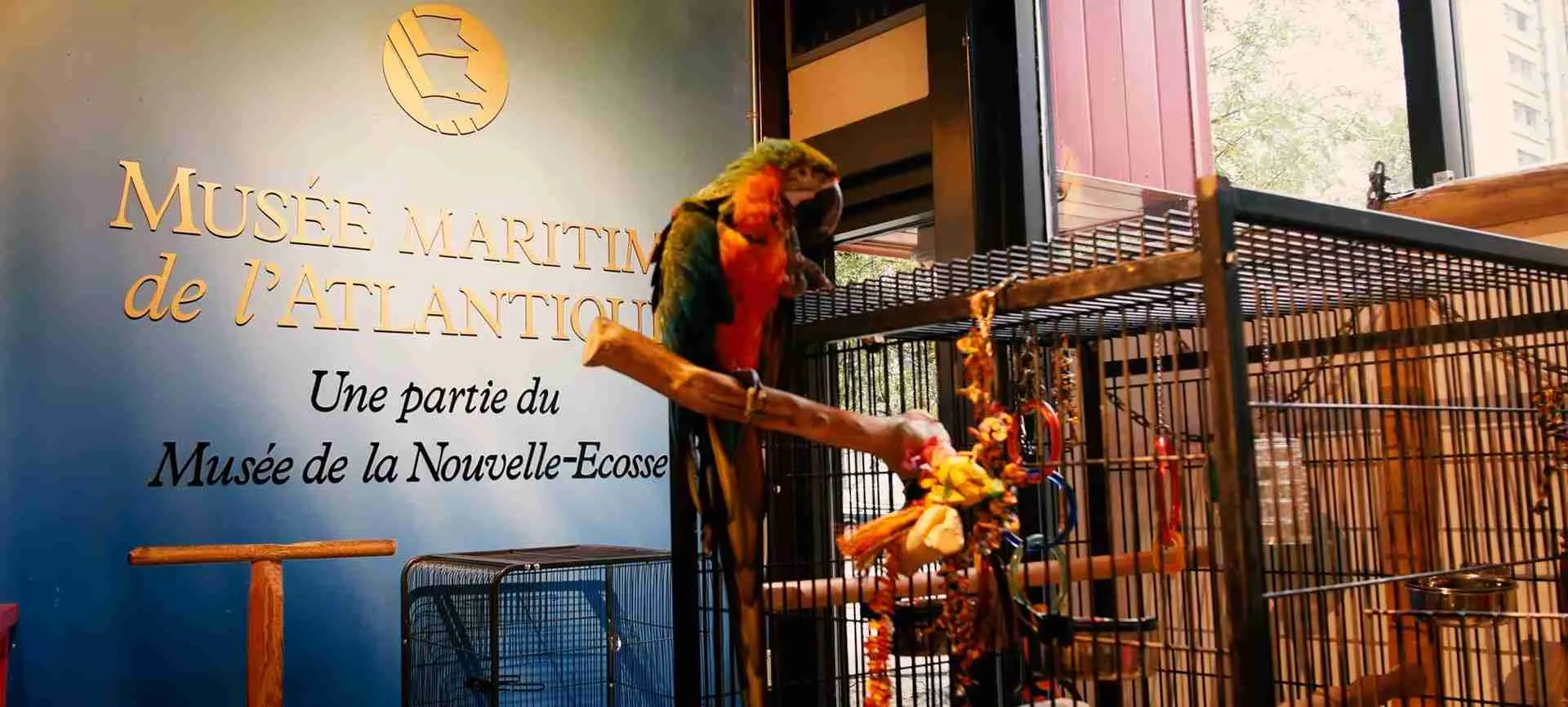
Maritime Museum of the Atlantic commands Halifax’s waterfront at 1675 Lower Water Street, operating in a former ship chandlery building extended along the harbor boardwalk. As Canada’s oldest and largest maritime museum, the institution houses comprehensive collections documenting Atlantic Canadian naval history, merchant shipping, small craft traditions, and the region’s relationship with the sea spanning four centuries. The museum’s physical presence on the working waterfront creates authentic context where visitors view exhibits while watching modern vessels pass outside the windows, maintaining Halifax’s continuous maritime identity.
Admission in 2026 costs $10 CAD ($7 USD) for adults during peak season May-October, reducing to $5 CAD ($4 USD) November-April. Seniors 65+ pay $8 CAD peak season, students and youth 6-17 pay $5 CAD, children 5 and under enter free. Family admission (two adults plus children under 18) costs $25 CAD peak season, $12 CAD off-season. These prices include all permanent galleries, special exhibitions, access to CSS Acadia ship when docked alongside, and daily interpretive programming. Check the official Maritime Museum website for current rates as pricing adjusts annually.
The museum opens Tuesday-Saturday 9:30am-5pm (extended to 5:30pm summer months), Sunday 1pm-5pm, closed Mondays except statutory holidays. Tuesday evenings 4pm-8pm offer free admission year-round, providing budget-conscious access to all galleries and exhibits. This popular program fills the museum with local families and savvy tourists who time visits to avoid admission costs. Plan 2-3 hours minimum for thorough exploration, longer if attending special programs or exploring CSS Acadia in detail.
The Titanic gallery anchors the museum as its most renowned exhibit, displaying the world’s foremost collection of artifacts from the 1912 disaster. Halifax’s proximity to the sinking site (approximately 700 kilometers southeast) positioned the city as the primary recovery and burial location, with ships dispatched to retrieve bodies and wreckage. The museum preserves wooden deck chairs remarkably intact after Atlantic immersion, passenger luggage and personal effects, cables documenting the tragedy’s unfolding, shoes belonging to an unknown child victim, and mortuary bags used in victim identification. The exhibit contextualizes Halifax’s role through photographs of recovery ships, burial records from three Halifax cemeteries holding Titanic victims, and narratives from local residents who witnessed the aftermath. Visitors can sit in a replica deck chair positioned for photographs, though original chairs remain behind protective barriers. The exhibit’s power derives from authentic artifacts rather than reproductions, distinguishing it from larger but replica-heavy Titanic museums in Belfast and Branson.
Halifax Explosion exhibits document the December 6, 1917 disaster when ammunition ship Mont-Blanc collided with relief vessel Imo in Halifax Harbour, creating the largest man-made explosion before atomic weapons. The blast killed 2,000 people, injured 9,000 including 200 blinded by flying glass, and flattened 25 square kilometers of Halifax’s North End. The museum displays artifacts recovered from explosion sites, photographs documenting devastation and reconstruction, survivor testimonies recorded over decades, and scientific analysis of the blast’s mechanics. A detailed diorama recreates the harbor at collision moment, allowing visitors to understand how navigation errors in the Narrows channel led to catastrophe. The exhibit emphasizes Halifax’s resilience through recovery narratives and documents Boston’s immediate aid response, establishing the annual Christmas tree gift Halifax sends Boston in gratitude. This lesser-known disaster receives comprehensive treatment unavailable in most history museums, providing international visitors their first detailed exposure to the event.
The Age of Sail galleries showcase Nova Scotia’s shipbuilding prominence when wooden vessels dominated Atlantic commerce. Full-scale small craft including dories, boats, and working vessels hang from ceilings or rest on gallery floors, demonstrating construction techniques and regional variations. Ship model collections span from intricate miniatures built by mariners during long voyages to large-scale builder’s models used for client presentations. Exhibits trace the transition from sail to steam power, documenting how Halifax’s shipyards adapted to changing technologies or closed when competitive advantages disappeared. Maritime trade route maps illustrate Halifax’s position on transatlantic shipping lanes, explaining the city’s prosperity during the age of sail and decline when steamship routes shifted to larger ports.
Canadian Navy galleries document naval history from colonial British presence through modern Canadian Forces operations. Uniforms span three centuries of naval service, weapons displays include ship cannons and small arms, and artifacts from significant vessels tell individual ship stories. World War convoy exhibits emphasize Halifax’s role as North American convoy assembly point, where hundreds of merchant ships gathered under naval escort for dangerous Atlantic crossings. The museum preserves the corvette HMCS Sackville alongside its building as Canada’s last surviving World War II corvette, though the ship’s interior access operates seasonally May-October. Navy galleries also address peacekeeping missions, search and rescue operations, and Canada’s current fleet composition.
Special exhibitions rotate quarterly, addressing maritime themes through temporary loans and traveling exhibits. Recent exhibitions have explored submarine technology, lighthouse keeping, fishing industry evolution, and marine archaeology. The museum’s curatorial approach emphasizes storytelling through personal narratives rather than artifact-heavy displays, making technical maritime subjects accessible to general audiences. Interactive elements including ship helms visitors can turn, navigation instruments to manipulate, and computer stations exploring shipwreck databases engage younger visitors and maintain interest across age groups.
The museum shop offers maritime-themed books, model ships, local crafts, Titanic memorabilia, and nautical clothing. Proceeds support museum programming and acquisitions. A small café serves coffee, pastries, and light lunches during peak season, though waterfront restaurants 2-5 minutes walking distance provide more substantial dining options. The museum building fully accessible via elevator to all floors, with accessible washrooms and assisted listening devices available for guided tours.
Canadian Museum of Immigration at Pier 21 – 2026
Canadian Museum of Immigration at Pier 21 occupies the historic ocean liner terminal at 1055 Marginal Road where nearly one million immigrants entered Canada between 1928 and 1971. As one of nine national museums administered by the Canadian federal government, Pier 21 holds status comparable to Ellis Island in American immigration history. The physical site’s authenticity creates powerful emotional resonance – visitors walk the same halls where nervous immigrants underwent medical inspections, customs processing, and railway booking to destinations across Canada. The museum transformed from a grassroots heritage society in 1999 to national museum status in 2011, reflecting growing recognition of immigration’s central role in Canadian identity.
Admission in 2026 costs $19 CAD ($14 USD) for adults, with discounts for seniors, students, and youth. Children under 6 enter free. Check official Pier 21 website for current pricing as rates adjust annually. The Canada Strong Pass program provides free admission June 19-September 7, 2026 for all ages, with extended free admission December 12-January 15, 2026 for visitors 24 and under. These programs significantly reduce costs during peak tourist seasons and holiday periods, making the national museum accessible to broader audiences. Family rates and group discounts apply year-round for parties of 10 or more booking in advance.
The museum opens daily 10am-5pm year-round except Christmas Day and New Year’s Day. Plan 2-3 hours minimum for comprehensive visits including guided tour (45 minutes), both permanent exhibitions, In Canada documentary film (20 minutes), and Scotiabank Family History Centre if researching personal immigration connections. Summer months see higher visitor volumes, particularly when cruise ships dock nearby, making early morning visits preferable for avoiding crowds. Winter visits offer quieter experiences though some outdoor elements (views from pier) prove less appealing in harsh weather.
The Pier 21 Story Exhibition recreates the immigration experience chronologically from ocean voyage through processing to onward train journey. Visitors begin in a ship cabin mockup furnished as transatlantic voyages appeared in various accommodation classes – cramped third-class berths contrasting with comfortable first-class cabins. Audio recordings play testimonies from immigrants describing seasickness, fear, anticipation, and the moment of seeing Halifax Harbour after week-long crossings. The immigration hall reproduction includes medical inspection stations where nurses checked for contagious diseases, luggage examination areas where customs officers searched for prohibited items, and railway booking desks where immigrants purchased tickets to prairie farms, Ontario factories, or British Columbia fisheries.
Personal story elements transform dry administrative history into human narratives. Children’s trunks displayed open reveal items immigrant families packed – clothing, photographs, religious objects, and treasured possessions fitting within strict luggage limits. Wall panels quote letters written by immigrants to families left behind, describing first impressions of Canada, employment challenges, cultural adjustments, and hopes for reunification. A replica colonist train car allows visitors to experience cramped conditions during multi-day journeys from Halifax to western Canada, complete with wooden benches that converted to sleeping platforms and small windows offering views of unfamiliar landscapes. The sensory approach – touching trunk contents, sitting in train cars, hearing first-person accounts – makes abstract immigration history tangible and memorable.
The Canadian Immigration Story Exhibition provides broader historical context beyond Pier 21’s specific 1928-1971 operating period. Interactive multimedia maps visualize 400 years of migration patterns from European colonial periods through present-day refugee resettlement. The exhibition addresses uncomfortable topics including racist Chinese Immigration Act exclusions, Japanese internment during World War II, turning away Jewish refugees on MS St. Louis, and indigenous residential school policies affecting internal migration of First Nations children. This unflinching approach distinguishes the museum from celebratory immigration narratives common in many national heritage sites, acknowledging that Canadian immigration policy has embraced both humanitarian welcome and discriminatory exclusion across different eras.
The BMO Oral History Gallery preserves nearly 200 recorded testimonies from immigrants, refugees, war brides, evacuee children, and displaced persons who entered Canada through various Atlantic ports. Visitors browse stories by theme (journey, arrival, belonging, impact), geographic origin, or time period using touchscreen interfaces. The recordings emphasize diversity of immigration experiences – a Hungarian refugee fleeing 1956 Soviet invasion describes vastly different circumstances than a British war bride following Canadian soldier husband in 1945, yet both passed through same processing halls. The gallery updates regularly as museum staff record additional testimonies from aging immigrants willing to share stories before memories fade.
The special exhibition “eat make share: a taste of immigration” runs through January 18, 2026, exploring how immigrants transformed Canadian cuisine through introducing ingredients, recipes, and food traditions from origin countries. Interactive displays allow visitors to explore how dishes considered quintessentially Canadian – butter tarts, poutine, tourtière – actually reflect hybrid cultural influences. The exhibition addresses food’s role in maintaining cultural identity, family bonds across generations, and community formation in new environments. Cooking demonstrations, recipe sharing, and taste samplings occur on select dates, creating multisensory experiences beyond typical museum exhibits.
Scotiabank Family History Centre provides genealogical research services for visitors tracing ancestors who immigrated through Canadian ports. While the museum does not maintain original immigration records (held by Library and Archives Canada), experienced researchers assist visitors accessing digitized passenger manifests, ship arrival lists, and border entry documents covering 1865-1935. Appointments are recommended but walk-in assistance is available when staff schedules permit. The service is free with museum admission, though detailed research requests may incur additional fees for extended staff time. Many visitors describe emotional experiences discovering ancestors’ names in passenger lists, matching family stories passed down through generations with documentary evidence.
Guided tours included with admission run throughout the day, typically 30-40 minutes, led by costumed interpreters or museum staff. Tours emphasize the physical spaces – immigrants stood in this hall awaiting medical inspection, children waited on these benches during processing, families received documentation at these desks before proceeding to trains. The spatial authenticity makes tours more impactful than exhibit-only visits, as guides connect physical locations with historical functions. Some visitors report emotional reactions when guides explain that this specific spot housed separation areas where medically rejected family members said goodbye to relatives proceeding to Canada, or where children temporarily lost track of parents in crowded processing halls.
The museum boutique offers Canadian-made crafts, immigration-themed books, documentary films, and products celebrating cultural diversity. Proceeds support museum programming and educational initiatives. A small café serves coffee, pastries, and light meals, with some menu items reflecting immigrant food traditions. The museum building is fully accessible with ramps, elevators, accessible washrooms, and assistive devices available for visitors with hearing or vision impairments. Multilingual interpretation available in French alongside English, with additional languages provided through mobile device audio guides visitors can download to personal phones.
Art Gallery of Nova Scotia 2026
Art Gallery of Nova Scotia occupies two connected historic buildings at 1723 Hollis Street in downtown Halifax – the 1868 Dominion Building and adjacent Provincial Building. As Atlantic Canada’s largest art museum, the gallery houses over 19,000 works spanning regional Nova Scotian art, Canadian historical and contemporary pieces, Indigenous perspectives, and selected international works. The institution combines provincial museum status with active contemporary exhibition programming, balancing preservation of Nova Scotia’s artistic heritage with presentation of challenging new work that pushes creative boundaries.
Admission in 2026 costs $12 CAD ($9 USD) for adults, $10 CAD seniors 65+, $7 CAD students with valid ID, $5 CAD youth ages 6-17, free for children 5 and under. Family admission (two adults plus children under 18) costs $25 CAD. These prices include access to all permanent galleries, special exhibitions, and any programming scheduled that day included with admission. Free admission Thursday evenings 5pm-9pm thanks to BMO Bank of Montreal sponsorship provides weekly opportunities for budget-conscious visits. The gallery’s free evening program attracts both regular local visitors who time weekly visits to avoid admission costs and tourists extending their cultural hours into evening. Annual memberships ($65 CAD individual, $100 CAD family) pay for themselves after 6-8 visits, making them valuable for Halifax residents and extended-stay visitors.
Gallery hours in 2026 run May 18-November 1 daily 10am-5pm, open late Thursdays until 9pm. November 2, 2026-May 23, 2027 operates Tuesday-Sunday 10am-5pm (closed Mondays), with Thursday late hours maintained. These seasonal variations reflect lower winter visitor volumes and staffing adjustments. Plan 1.5-2.5 hours for general visits, longer if attending guided tours, artist talks, or spending significant time in favorite galleries. The building’s compact footprint prevents overwhelming museum fatigue common in sprawling institutions, allowing visitors to see entire collection in single visit without exhaustion.
The Maud Lewis exhibition ranks as the gallery’s most visited permanent display, featuring the world’s largest public collection of works by Nova Scotia’s beloved folk artist. Lewis (1903-1970) painted cheerful scenes of rural life, animals, and landscapes despite severe physical disabilities and poverty. Her distinctive style – bright colors, simplified forms, childlike perspective – creates immediately recognizable aesthetic that appeals across age groups and artistic knowledge levels. The exhibition’s centerpiece presents Lewis’s actual tiny house from Marshalltown, Nova Scotia, transported to the gallery in 1996 and restored. Lewis painted every interior surface – walls, doors, windows, furniture – transforming the small dwelling into an immersive artwork. Visitors cannot enter the house but view interior through windows and doorway, seeing how Lewis’s artistic vision extended beyond canvases to encompass her complete living environment.
Twenty-seven original Lewis paintings hang in the gallery surrounding her house, ranging from her signature Three Black Cats to oxen plowing fields, horses pulling sleighs, and coastal harbors with boats. Interpretive panels provide biographical context about Lewis’s life with rheumatoid arthritis that severely limited her mobility and manual dexterity, her marriage to Everett Lewis, their impoverished circumstances selling paintings roadside for $2-3 each, and posthumous recognition that now values her work at $15,000-20,000 per painting. The exhibition addresses class and disability in Canadian society, documenting how severe poverty and physical challenges did not prevent Lewis from producing hundreds of works that brought joy to herself and viewers. Many visitors report emotional responses to Lewis’s story – triumph of creative spirit despite circumstances that would have defeated less determined individuals.
Mi’kma’ki Artists’ Spotlight provides ongoing exhibition space for contemporary Mi’kmaw artists, refreshed regularly with new work. The Mi’kmaq people inhabited Nova Scotia for millennia before European contact, developing rich artistic traditions in quillwork, basketry, beadwork, and other media. Contemporary Mi’kmaw artists blend traditional techniques with modern themes, creating works addressing identity, land relationships, cultural survival, and experiences within Canadian society. The spotlight format allows individual artists extended exhibition periods (typically 3-6 months) rather than group shows, providing depth impossible in shorter exhibitions. Past featured artists have included Alan Syliboy’s bold acrylic paintings fusing Mi’kmaw legends with contemporary imagery, and textile artists working in traditional techniques to create modern statement pieces.
Historical Canadian art galleries span colonial period through modern movements, documenting how Canadian artists developed distinctive national identity while influenced by European and American trends. Maritime-themed works reflect Nova Scotia’s relationship with the sea – shipping scenes, coastal landscapes, fishing villages, and harbor activity. The gallery owns significant Group of Seven paintings, though the Toronto-centric movement never fully engaged Atlantic Canadian landscapes. Instead, regional artists like William deGarthe, Jack Humphrey, and Alex Colville receive prominent attention, their work documenting Nova Scotia life through 20th century transitions from traditional maritime economy to modern diversification.
Contemporary galleries showcase challenging recent work by emerging and established Canadian artists, with exhibitions rotating every 3-4 months. The gallery’s curatorial approach embraces conceptual art, installation pieces, video works, and experimental media alongside traditional painting and sculpture. This commitment to contemporary practice makes the gallery relevant to art world conversations rather than purely historical preservation. Some visitors unfamiliar with contemporary art movements report confusion or dislike of abstract or conceptual works, though interpretive materials and occasional artist talks provide context for understanding challenging pieces.
The European and International collection includes selected works demonstrating art historical movements and providing comparative context for Canadian art development. Holdings span Renaissance through modern periods, though collection depth cannot match major international museums. The gallery acquired 2,070 photographs by Annie Leibovitz in 2013 through major donation, creating exhibition opportunities for this celebrity photographer’s portraits of musicians, actors, and cultural figures spanning four decades.
Special exhibitions change quarterly, bringing traveling shows, thematic exhibitions from permanent collection, and commissioned contemporary projects. Recent exhibitions have explored Atlantic Canadian women artists, responses to environmental change, Indigenous perspectives on land and water, and retrospectives of significant regional artists. The gallery publishes exhibition catalogs for major shows, available for purchase in museum shop and later valued by collectors as authoritative references.
Educational programming includes guided tours for school groups, artist talks and demonstrations, family programs with hands-on art-making activities, and adult education courses in art history and appreciation. The gallery maintains active community presence beyond its physical building through traveling exhibitions sent to smaller Nova Scotia communities lacking art museum access, and digital programming reaching province-wide audiences.
The gallery shop offers art books, exhibition catalogs, prints, local crafts, jewelry, and Maud Lewis merchandise including cards, magnets, and clothing featuring her paintings. Quality exceeds typical museum gift shops, with carefully curated selection of Canadian-made products and artist-designed items. No café operates within gallery, though numerous coffee shops and restaurants function within 2-3 blocks downtown.
Accessibility features include elevators to all floors, ramps where needed, accessible washrooms, wheelchairs available for loan, and assistive listening devices for tours. The compact building layout proves easier to navigate than sprawling multi-wing institutions. Gallery attendants in each room provide information, answer questions, and ensure artwork protection while maintaining welcoming rather than intimidating atmosphere. Photography permitted in most galleries without flash, though some temporary exhibitions prohibit photography due to loan agreements.
Halifax Citadel National Historic Site 2026
Halifax Citadel National Historic Site crowns the hill dominating Halifax’s downtown core at 5425 Sackville Street, a star-shaped fortress completed 1856 representing the fourth military fortification on this strategic hilltop since 1749. Parks Canada operates the site as one of Atlantic Canada’s premier historic attractions, combining preserved military architecture, costumed historical interpretation, panoramic harbor views, and Army Museum exhibits documenting Halifax’s defense role in British and Canadian military history. The fortress never faced attack despite 200+ years of military readiness, perhaps testament to its effectiveness as deterrent against potential American invasion or naval assault.
Admission in 2026 varies by season. Peak season June 1-September 15 costs $13 CAD ($10 USD) adults, $11 CAD seniors, free for youth under 17. Shoulder season May 1-31 and September 16-October 31 reduces to $9 CAD adults, $8 CAD seniors. Winter/spring November-April charges $8 CAD adults, $7 CAD seniors. Youth under 17 enter free year-round – a Parks Canada policy encouraging family visits and introducing children to Canadian heritage. The Canada Strong Pass provides free admission June 19-September 7, 2026 for all ages, eliminating admission costs during peak summer weeks. Check Parks Canada’s Halifax Citadel website for current official rates as pricing adjusts annually.
The Citadel grounds remain open year-round dawn to dusk for walking paths and exterior exploration, though interior buildings, museum, and programming operate seasonally. Peak season May-October offers full services daily 9am-5pm including costumed interpreters, guided tours, noon gun firing, Army Museum access, and special programs. Winter November-April provides limited hours Monday-Friday 9am-5pm, Saturday-Sunday 9am-4pm (January-March) with interior access but no costumed interpretation or special programming. The fortress hilltop location creates weather exposure – summer visits provide pleasant outdoor experience while winter brings harsh winds and snow requiring warm clothing for rampart walks.
The noon gun firing ceremony ranks as the Citadel’s most popular daily event, attracting crowds to the parade square at 11:50am for historical demonstration. Costumed artillery interpreters representing 3rd Brigade Royal Artillery prepare a reproduction 12-pound muzzle-loading cannon using period techniques – measuring powder charge, ramming wadding, inserting blank round (no projectile), and firing precisely at noon synchronized with city time signals. The cannon’s report echoes across Halifax, heard downtown and in harbor areas, continuing tradition begun 1857 when noon gun provided time reference for ships setting chronometers before sailing. The demonstration takes 8-10 minutes including safety briefing and historical explanation, followed by interpreter availability for questions. Visitors should arrive early for good viewing positions as crowds grow 15-20 minutes before firing. The loud report startles unprepared visitors – hands over ears recommended, particularly for young children sensitive to noise.
Costumed interpreters dressed as 78th Highland Regiment soldiers (kilted Highlanders) and British Army regulars populate the fortress May-October, demonstrating military drills, musket handling, period crafts, and daily garrison life. Interpreters welcome questions, pose for photographs, and engage visitors in discussions about 1860s military service. Some interpreters specialize in specific roles – sergeant drilling recruits, chaplain discussing religious observances, surgeon explaining 1860s medical practices, or officer commanding sentry duty. The immersive costumed interpretation transforms empty stone fortress into living history experience, helping visitors imagine the fort during operational periods.
Guided tours included with admission run throughout the day May-October, typically 45-60 minutes, exploring ramparts, defensive positions, interior rooms, and strategic features. Tours emphasize the fortress’s defensive design – thick stone walls resisting cannon fire, angled bastions providing overlapping fields of fire, dry moat preventing direct assault, and underground passages connecting defensive positions. Guides explain why the Citadel was built despite no imminent military threat – British concerns about American expansionism following 1812 war and Crimean War tensions with Russia prompted fortress construction as insurance against possible attack on Royal Navy’s important North Atlantic base.
The Army Museum occupies restored barracks rooms within the fortress, displaying military artifacts, uniforms, weapons, and exhibits documenting Halifax’s defense role from 18th century colonial period through World War II and modern Canadian Forces. Collections include muskets, rifles, swords, artillery shells, soldier’s personal effects, communication equipment, and scale models showing fortress evolution. Exhibits address Halifax’s role as World War I and II convoy assembly point, the 1917 Halifax Explosion’s impact on military infrastructure, and transition from British garrison to Canadian military control. The museum provides climate-controlled shelter during inclement weather, though its compact size typically requires only 30-40 minutes to explore thoroughly.
The rampart walk circuit provides spectacular 360-degree views across Halifax – harbor and shipyards to east, downtown towers to north, residential neighborhoods to west, and Northwest Arm inlet to south. Interpretive panels along ramparts identify visible landmarks and explain defensive sight lines. The elevated position (245 feet above sea level) clarifies Halifax’s geography and strategic advantages – sheltered harbor with narrow entrance easily defended, sufficient depth for large warships, and protected from Atlantic storms. Photographers find excellent vantage points throughout day, with morning light favoring harbor views and afternoon sun illuminating downtown cityscape. The climb from downtown to Citadel involves steep uphill walk (15-20 minutes) which discourages some visitors, though fitness reward includes views and historical significance.
Special events and programs throughout year include military tattoo performances, heritage demonstrations, living history weekends, and educational programs for school groups. Ghost tours run mid-July through late October on select Thursday, Friday, Saturday evenings, exploring fortress by candlelight while hearing accounts of reported paranormal activity and historical deaths. These theatrical programs appeal to visitors seeking atmospheric experiences beyond standard historical interpretation.
The Town Clock standing below the Citadel at foot of fortress hill represents Halifax’s most photographed landmark, built 1803 under orders from Prince Edward, Duke of Kent, who commanded Halifax garrison 1794-1800. The three-tiered octagonal tower houses clock mechanism visible through windows, maintaining accurate time for 220+ years. The clock connects thematically to Citadel visits as both represent military punctuality and discipline Prince Edward demanded.
On-site parking costs $3 CAD in fortress grounds, though spaces fill quickly May-October. Street parking surrounds the Citadel but requires payment during business hours. Public transit Route 7 stops at Citadel entrances. The site is partially accessible – ramparts and Army Museum reachable via accessible routes though some fortress areas require climbing stone steps. Wheelchairs available for loan. Accessible washrooms operate seasonally inside fortress. Gift shop sells historical books, military memorabilia, Halifax souvenirs, and children’s toys. Compass Distillery operates within fortress grounds offering gin tastings paired with historical tours – separate admission from Parks Canada entry, appeal to adult visitors seeking combined history and craft spirits experience.
Nova Scotia Museum of Natural History 2026
Nova Scotia Museum of Natural History occupies a modern building at 1747 Summer Street adjacent to Halifax Public Gardens, presenting natural sciences and archaeology through extensive specimen collections, habitat dioramas, fossil displays, and hands-on exhibits. As the oldest provincial museum in Nova Scotia (founded 1868), the institution combines traditional natural history cabinets with contemporary interpretive approaches engaging younger audiences. The museum’s compact size (3 floors) allows complete exploration in 1.5-2 hours, making it accessible for families with children whose attention spans preclude longer museum visits.
Admission in 2026 costs $6 CAD ($5 USD) for adults, $4 CAD ($3 USD) youth ages 6-17, free for children 5 and under. This represents one of Halifax’s most affordable major museum admission prices, reflecting provincial government support and mission to provide accessible science education. Nova Scotia Museum Pass holders enter free – the $46 CAD adult annual pass grants admission to all 16 Nova Scotia Museum sites across the province, paying for itself after 8 museum visits. Family pass ($92 CAD for two adults plus children) suits residents and extended-stay visitors planning multiple museum experiences.
The museum opens daily 9am-4:30pm year-round except Christmas Day and New Year’s Day, with extended hours during March Break and summer peak season. These consistent hours simplify planning unlike seasonal museums with varying schedules. The location next to Halifax Public Gardens creates natural combination visit – museum followed by garden stroll or vice versa. Street parking surrounds the site though meters require payment Monday-Saturday. Public transit routes serve the museum directly.
Marine Life galleries showcase Nova Scotia’s underwater biodiversity through aquarium displays, preserved specimens, interactive touch tanks, and informational panels. Live exhibits include local species – lobsters, crabs, sea stars, anemones, and small fish native to Atlantic waters. Touch tanks allow supervised hands-on contact with hardy species like sea stars and horseshoe crabs, popular with children and adults experiencing marine life texturally rather than only visually. The galleries address ocean ecology, fishing industry impacts, marine conservation challenges, and species at risk. A leatherback sea turtle exhibit highlights these massive reptiles that migrate through Nova Scotian waters summer months – the museum’s turtle conservation research provides public engagement with ongoing scientific work rather than purely historical natural history.
Mi’kmaw culture galleries present Indigenous perspectives on Nova Scotia’s natural environment, traditional ecological knowledge, and material culture. Exhibits display birchbark canoes, quillwork, baskets, tools, and other artifacts demonstrating Mi’kmaw peoples’ sophisticated relationship with land and sea resources developed over millennia. The galleries acknowledge Indigenous presence as continuous rather than purely historical, addressing contemporary Mi’kmaw communities and cultural practices. This integration of Indigenous content throughout museum (rather than isolated in single gallery) reflects evolving museum practices recognizing First Nations as living cultures not ethnographic curiosities.
Archaeology and paleontology galleries display fossils from Nova Scotia’s prehistoric periods, including 300-million-year-old coal age specimens showing plant and early amphibian life. The province’s Joggins Fossil Cliffs (UNESCO World Heritage Site) provides significant fossil materials. Mastodon and mammoth bones document ice age megafauna that inhabited the region until 10,000 years ago. Archaeological exhibits present Indigenous artifacts spanning 11,000 years of human occupation, colonial period European materials, and historical archaeology from Halifax’s development. These galleries ground human history in geological deep time, showing environmental changes across millions of years.
Mammal and bird galleries feature taxidermy specimens in habitat dioramas depicting Nova Scotia ecosystems – coastal zones, boreal forests, wetlands, and highland barrens. Moose, black bear, bobcat, beaver, otter, and other mammals appear in lifelike poses within recreated environments. Bird collections include songbirds, seabirds, raptors, and waterfowl arranged systematically and in ecological groupings. While traditional diorama approaches feel dated compared to interactive modern exhibits, the specimens provide authentic scale and detail impossible with photographs or videos. Children particularly engage with dioramas through seeking specific animals and comparing sizes.
The Beehive exhibit houses live honeybee colony visible through glass-walled observation hive connected to exterior via tube allowing bees to forage outside and return to colony. The exhibit demonstrates bee social organization, honey production, pollination importance, and colony dynamics. Museum staff conduct periodic beehive talks explaining bee behavior and answering questions. The working colony provides living biology lessons more engaging than static exhibits, particularly for children observing bee activity with fascination.
Temporary exhibitions change every 4-6 months, addressing natural history themes through traveling shows or original exhibitions. Recent topics have included climate change impacts on Nova Scotia ecosystems, invasive species, ocean plastics, and wildlife photography. These rotating exhibitions provide return visit incentives for locals and introduce timely environmental topics beyond permanent collection scope.
Education programs include March Break camps, summer day programs, school group visits with curriculum-aligned presentations, and public programs on weekends. The museum emphasizes hands-on learning and specimen-based education, allowing children to examine real fossils, bones, and artifacts under supervision rather than purely observational visits. This active learning approach enhances retention and creates memorable museum experiences.
The small museum shop sells natural history books, field guides, science toys, minerals, fossils (collected outside Nova Scotia to avoid depleting local sites), and Nova Scotia nature-themed items. No café operates within museum, though Halifax Public Gardens adjacent provides picnic opportunities in pleasant weather, and restaurants cluster within 5-10 minute walk. Accessibility features include elevator access to all floors, accessible washrooms, and ramps where needed. The compact building size and clear circulation make navigation straightforward for visitors with mobility limitations.
Discovery Centre Halifax 2026
Discovery Centre occupies a modern waterfront building at 1215 Lower Water Street, operating as Atlantic Canada’s premier interactive science center. Unlike traditional museums emphasizing artifact collections, Discovery Centre focuses on hands-on experimentation, scientific principles demonstrations, and engaging exhibits encouraging visitors to touch, manipulate, and explore rather than observe passively. The institution targets families with children ages 4-14, though adults appreciate the interactive approach making science accessible to non-specialist audiences. The waterfront location positions Discovery Centre conveniently near Maritime Museum and Pier 21, allowing combined visits exploring different knowledge domains.
Admission in 2026 costs approximately $10-12 CAD ($7-9 USD) for adults, with reduced rates for youth and seniors. Check Discovery Centre’s official website for current pricing as rates adjust annually and promotional periods offer discounted admission. The Halifax Experience Pass includes Discovery Centre along with other major attractions, providing value for multi-attraction visits. Some exhibits or special programs carry additional fees beyond general admission. Plan 2-3 hours for thorough exploration allowing time for hands-on experimentation rather than rushing through exhibits.
The center opens Tuesday-Saturday 10am-5pm, Sunday noon-5pm, closed Mondays. Summer months extend hours and add Monday operations accommodating higher visitor volumes. March Break and school holidays bring program intensification and extended hours. The interactive nature creates higher noise levels than traditional quiet museums – families with young children fit comfortably while visitors seeking contemplative museum experiences may find the environment too stimulating.
Physics and engineering exhibits demonstrate fundamental principles through hands-on experimentation. Visitors build structures testing weight distribution, experiment with levers and pulleys moving heavy objects with minimal force, explore electricity and magnetism through interactive displays, and manipulate light and sound in perceptual experiments. The design philosophy emphasizes discovery through play rather than didactic instruction – children learn physics concepts by experiencing them physically rather than reading explanations. Ball machines, chain reactions, and building challenges engage problem-solving skills while teaching engineering principles.
The Dome immersive theater presents planetarium shows, full-dome science films, and multimedia presentations projecting onto hemispherical ceiling creating 360-degree visual environment. Shows typically run 30-45 minutes covering topics like solar system exploration, deep sea environments, Antarctic ecosystems, or astronomical phenomena. The Dome programs change seasonally, providing return visit incentives and addressing varied topics. Some visitors report motion discomfort from immersive projections, though seating arrangements allow peripheral viewing reducing intensity for sensitive individuals.
Biology and health exhibits explore human body systems, optical illusions, perception challenges, and life sciences through interactive displays. Visitors test reaction times, explore skeletal anatomy, examine microorganisms through microscopes, and participate in health and nutrition demonstrations. The exhibits emphasize science relevance to daily life rather than abstract concepts, helping children connect scientific knowledge to personal experiences.
Maritime and environmental exhibits leverage Halifax’s coastal location, addressing ocean science, climate, weather patterns, and Atlantic ecosystems. Touch tanks contain local marine species, weather demonstration stations create mini-tornadoes and cloud formations, and exhibits explore renewable energy technologies relevant to Nova Scotia’s wind and tidal power developments. These regional connections make science locally relevant rather than purely abstract.
Special exhibitions rotate annually, bringing traveling science shows or original exhibitions addressing specific topics. Recent exhibitions have explored robotics, space exploration, mathematics in daily life, and sound science. Temporary exhibitions typically carry additional admission fees beyond general admission, though quality justifies premium pricing for major shows.
Educational programs include school group visits with facilitator-led workshops, science camps during school breaks, birthday party packages, and public science demonstrations throughout day. The center employs science communicators who circulate through exhibits assisting visitors, explaining concepts, and leading demonstrations. This human interaction enhances pure exhibit exploration, providing guidance when visitors encounter confusing displays or want deeper explanations.
The gift shop offers science toys, educational kits, books, puzzles, and STEM-themed products. Quality exceeds typical tourist gift shops, with carefully selected items supporting science learning beyond museum visit. A small café serves snacks, sandwiches, coffee, and beverages, though waterfront restaurants nearby provide more substantial meal options.
The building fully accessible with elevators, ramps, accessible washrooms, and wheelchair-friendly exhibit design. The interactive nature suits diverse learning styles and abilities, as hands-on exploration accommodates different cognitive approaches. Some exhibits require fine motor control or physical manipulation that may challenge visitors with certain disabilities, though staff provide adaptations when possible. Free Wi-Fi throughout building allows visitors to research topics of interest or share experiences on social media during visits.
Smaller Specialty Museums 2026
Beyond major institutions, Halifax supports smaller specialty museums addressing niche topics, local history, and cultural communities. These compact facilities typically require 30-60 minutes visiting time and often operate with volunteer staff on limited schedules. Admission generally costs $2-6 CAD or operates by donation, making them budget-friendly additions to Halifax itineraries.
Africville Museum at 5795 Africville Road documents the historically Black community forcibly relocated during 1960s urban renewal projects. The museum occupies a replica of Seaview United Baptist Church that served as Africville’s community center. Exhibits address the settlement’s history from early 1800s through controversial demolition, resistance efforts, and ongoing reconciliation initiatives. The museum provides crucial counter-narrative to sanitized Halifax history, documenting systemic racism and community resilience. Open Thursday-Saturday summer months, by appointment off-season. Admission by donation. The site’s location on Bedford Basin requires vehicle access as public transit service is limited.
Museum of Natural History Aviation and Space Museum (formerly called Shearwater Aviation Museum) operates at Shearwater military base showcasing military aviation history. The collection includes aircraft, engines, uniforms, photographs, and artifacts documenting Royal Canadian Navy and Canadian Armed Forces aviation from World War I through modern operations. Admission free though donations accepted. Open weekdays 10am-5pm, closed weekends. Located 20 minutes drive from downtown Halifax, requiring vehicle access.
Cole Harbour Heritage Farm preserves agricultural history at a working heritage farm 25 minutes from Halifax. The site includes restored farmhouse, barns, heritage breeds of livestock, vegetable gardens, and costumed interpreters demonstrating period farming techniques. Open Wednesday-Sunday May-October, admission by donation. The rural setting requires vehicle access, though the farm’s active programming – animal interactions, heritage crafts, seasonal celebrations – appeals strongly to families with children seeking outdoor historical experiences.
Scott Manor House Museum interprets 18th century colonial life in Georgian-style house built circa 1770. Period furnishings, costumed interpreters, and guided tours recreate domestic life for upper-class colonial families. Open Wednesday-Sunday 10am-4pm May-October, admission by donation. The house’s architecture provides tangible connection to Halifax’s colonial period, complementing Citadel’s military focus with civilian domestic history.
Black Cultural Centre for Nova Scotia in Dartmouth (across harbor from Halifax) documents African Nova Scotian history from Loyalist migrations through present communities. Exhibits address Black Loyalists who arrived 1783 after American Revolution, later migrations, establishment of historic Black communities, experiences of racism and segregation, and cultural contributions. The center hosts cultural events, genealogical research services, and educational programs. Open Tuesday-Saturday, admission $5 CAD adults. Halifax Harbour Ferry plus short bus ride provides public transit access, or 15 minutes drive from downtown.
Halifax Central Library, while not technically a museum, functions as cultural attraction through its architecture (2014 building by Schmidt Hammer Lassen Architects won international design awards), public art collection, and cultural programming. The 5-floor building offers free admission, rooftop terrace with harbor views, café, and rotating art exhibitions. Open daily with evening hours, providing free cultural access complementing paid museum visits. The modern design contrasts deliberately with Halifax’s historic stone buildings, creating architectural landmark visited for building itself beyond library services.
Multi-Attraction Passes and Money-Saving Strategies 2026
Halifax offers several multi-attraction passes providing bundled admission to museums, tours, and activities at prices below individual ticket totals. These passes suit visitors planning three or more paid attractions, converting potential savings into practical budgeting tools. However, passes require strategic planning to maximize value – unused components represent wasted money regardless of theoretical savings.
Halifax Experience Pass operates as all-access pass to major Halifax attractions, museums, and tours, plus discounts at participating restaurants. The pass comes in three durations valid May 12, 2025-October 31, 2026. Twenty-four-hour adult pass costs $140 CAD, child pass (ages 6-12) $95 CAD. Forty-eight-hour adult pass $180 CAD, child $130 CAD. Seventy-two-hour adult pass $190 CAD, child $140 CAD. HST and booking fees apply additionally. The clock starts at first attraction check-in, running 24/48/72 consecutive hours regardless of business hours – using pass at 3pm Thursday for 48-hour duration provides access until 3pm Saturday.
Participating attractions include Halifax Citadel, Maritime Museum of the Atlantic, Canadian Museum of Immigration at Pier 21, Nova Scotia Museum of Natural History, Discovery Centre, Art Gallery of Nova Scotia, Harbour Hopper amphibious tours, Tall Ship Silva sailing, various walking tours, and other experiences. Restaurant discounts provide 10-15% off at select establishments. The pass purchased electronically, delivered by email, and presented on smartphone or printed at attraction entrances. Some attractions require advance reservations even with pass – check requirement before visit to avoid scheduling conflicts.
The 48-hour adult pass costs $180 CAD and includes access to numerous attractions. A realistic itinerary covering Maritime Museum ($10 CAD peak admission), Pier 21 ($19 CAD), Art Gallery ($12 CAD), Citadel ($13 CAD), and one paid tour such as Harbour Hopper ($45 CAD typical price) would total approximately $100 CAD in individual admissions. The pass requires completing additional included activities beyond these five items to achieve value exceeding the $180 CAD pass cost. The pass suits visitors planning intensive tourism days with multiple paid tours and premium experiences, but represents poor value for leisurely travelers visiting 2-3 museums over several days who would spend less buying individual tickets.
Nova Scotia Museum Pass costs $46 CAD for adults, $92 CAD for families (two adults plus children), valid 12 months from purchase. The pass grants unlimited admission to all 16 Nova Scotia Museum sites across the province including Halifax’s Maritime Museum of the Atlantic and Museum of Natural History, plus Fisheries Museum in Lunenburg, Highland Village in Iona, Uniacke Estate near Halifax, and other provincial museums. The pass proves excellent value for Nova Scotia residents and visitors exploring beyond Halifax. Individual day admission at most sites ranges $2-9 CAD per adult, meaning the pass pays for itself after 6-8 museum visits. However, the pass covers only provincial Nova Scotia Museum network sites, excluding national museums (Pier 21, Halifax Citadel), municipal museums, and private attractions. Passes purchased at any participating museum or online through Nova Scotia Museum website.
Parks Canada Discovery Pass costs $72.25 CAD annually for individuals, $145.25 CAD for families/groups (up to seven people in single vehicle), providing unlimited admission to all Parks Canada national historic sites, national parks, and national marine conservation areas across Canada. For Halifax visitors, the pass covers Halifax Citadel, Prince of Wales Tower, York Redoubt, Fort McNab, and Georges Island national historic sites forming Halifax Defence Complex. The pass proves valuable for visitors exploring multiple Parks Canada sites during Canadian travels beyond Halifax, but offers limited value for Halifax-only visitors as Citadel represents the sole high-traffic Parks Canada site within easy Halifax access. Peak season Citadel admission ($13 CAD adult) means individual pass requires 6+ visits to break even, unlikely unless living in Halifax or visiting repeatedly.
Free admission opportunities provide strategic cost reduction without passes. Maritime Museum offers free entry Tuesday evenings 4-8pm year-round, allowing budget-conscious comprehensive visits saving $10 CAD per adult. Art Gallery grants free admission Thursday evenings 5-9pm, saving $12 CAD per adult. These free periods operate weekly, enabling visitors with flexible schedules to access both institutions free over two evenings. Halifax Citadel provides free grounds access year-round even when interior buildings charge admission – visitors can walk ramparts, enjoy views, and photograph exterior without paying, though missing costumed interpretation and Army Museum. Smaller museums operating by donation (Africville Museum, Cole Harbour Heritage Farm, Scott Manor House) accept any contribution, allowing visits on extremely tight budgets.
The Canada Strong Pass program June 19-September 7, 2026 provides free admission for all ages at Halifax Citadel and Pier 21, plus 25% camping discounts at Parks Canada campgrounds. Additionally, visitors 24 and under receive free or discounted admission at participating museums beyond these dates. This federal program significantly reduces summer cultural tourism costs for families and young adults, eliminating admission charges at two expensive Halifax institutions. Visitors planning summer Halifax trips should structure itineraries around this free admission window when possible, saving $32 CAD per adult for Citadel and Pier 21 combined.
Strategic visiting timing exploits seasonal pricing variations. Maritime Museum reduces admission November-April to roughly half peak season rates, allowing budget winter visits. Halifax Citadel’s shoulder season May and late September offers lower prices than June-August peak. Museum operating hours and programming reduce off-season, but admission savings compensate for reduced services if visitor priorities emphasize collection viewing over seasonal programs.
Group discounts apply at most museums for parties of 10 or more booking in advance. School groups, tour operators, and organized parties receive 10-20% discounts depending on institution. Families or friend groups unable to meet 10-person minimums sometimes combine with other visitors at attraction entrances to qualify for group rates, though museums officially discourage this practice and may refuse entry at group rate to obviously unrelated parties combining for discount purposes.
Planning Your Halifax Museum Itinerary 2026
Effective Halifax museum itineraries balance cultural density with physical stamina, matching museum concentration to visitor interests while avoiding exhaustion from excessive exhibits and walking. Museum fatigue – the physical and cognitive drain from sustained viewing – typically sets in after 2-3 hours regardless of interest level, making multi-museum days challenging without strategic breaks.
A recommended waterfront cluster itinerary combines Maritime Museum of the Atlantic, Canadian Museum of Immigration at Pier 21, and Discovery Centre in single day given their proximity within 10-minute walking distance. Start Maritime Museum at opening (9:30am Tuesday-Saturday) avoiding cruise ship crowds arriving 10:30am-11am. Plan 2-2.5 hours exploring Titanic and Halifax Explosion galleries thoroughly, viewing ship models, and visiting CSS Acadia if accessible. Walk 8 minutes south along boardwalk to Pier 21, arriving 11:45am-noon. The 2-2.5 hour Pier 21 visit includes guided tour (45 minutes), both permanent exhibitions, In Canada film (20 minutes), and Scotiabank Family History Centre if researching ancestry. Lunch at Pier 21 café or nearby Garrison Brewery (3 minutes walk) creates midday break preventing museum fatigue. Afternoon visit Discovery Centre (5 minutes walk north from Pier 21) for 1.5-2 hours hands-on science exploration providing different experiential mode after morning’s historical focus. This itinerary totals approximately 6-7 hours including lunch, covering three distinct institutions without overwhelming cognitive load.
Downtown cultural itinerary pairs Art Gallery of Nova Scotia with Halifax Citadel. Begin Art Gallery at 10am opening Tuesday-Sunday, exploring Maud Lewis exhibit, Mi’kma’ki Artists’ Spotlight, and permanent collections for 1.5-2 hours. Walk 15 minutes uphill (or take taxi/rideshare reducing climb) to Citadel, arriving by 11:45am for noon gun ceremony at 12pm. The uphill walk is steep but manageable for moderate fitness levels, taking approximately 15-20 minutes from Art Gallery to Citadel entrance. Post-noon gun timing provides lunch option at Citadel Coffee Bar or returning downtown to restaurants 10-15 minutes away. Afternoon Citadel exploration includes guided tour (45-60 minutes), Army Museum visit, rampart walk, and costumed interpreter interactions, totaling 2-3 hours. This itinerary combines indoor art gallery viewing with outdoor historic site exploration, providing sensory variety preventing single-mode fatigue.
Specialized interest itineraries focus depth over breadth. Maritime history enthusiasts might spend entire day at Maritime Museum (2.5-3 hours), Pier 21 (2-3 hours), plus Maritime Museum-operated CSS Sackville docked at HMC Dockyard when accessible (1 hour), creating comprehensive understanding of Halifax’s naval and immigration heritage. Art focused visitors could combine Art Gallery visit (2-3 hours) with Halifax Central Library’s public art collection (1 hour), and smaller craft galleries in downtown area. Military history concentration encompasses Citadel (3 hours including extended exploration), Army Museum within Citadel, and potential visit to Shearwater Aviation Museum (1.5 hours) if vehicle access available.
Family itineraries with children balance educational institutions with attention span realities. Museum of Natural History (1.5 hours) provides hands-on exhibits and live animals engaging younger visitors, followed by Halifax Public Gardens adjacent for outdoor play and lunch. Afternoon Discovery Centre visit (2 hours) maintains hands-on interactive focus. This child-friendly itinerary avoids lengthy historical exhibitions and artifact-heavy museums favoring experiential learning modes. Alternatively, combine Pier 21 (children respond to train car replica and interactive immigration story) with Maritime Museum’s ship models and Titanic deck chair (photo opportunity), followed by waterfront boardwalk ice cream and playground time at nearby Bishop’s Landing.
Multi-day strategies distribute museums across separate days preventing concentration fatigue. Day One addresses waterfront museums (Maritime, Pier 21) as outlined in cluster itinerary. Day Two explores Citadel morning plus Art Gallery afternoon. Day Three incorporates smaller specialty museums (Museum of Natural History, Africville Museum, or Cole Harbour Heritage Farm depending on interests and vehicle access), providing variety in scale and topic. This paced approach allows deeper exploration of individual institutions rather than rushed surface visits attempting everything in compressed timeframe.
Weather contingency planning proves essential given Halifax’s maritime climate where fog, rain, and wind create unpredictable conditions. Keep indoor museums (Art Gallery, Museum of Natural History, Discovery Centre) as poor weather alternatives, reserving Citadel visit for clear days when rampart views and outdoor spaces shine. Waterfront museums (Maritime, Pier 21) function well regardless of weather given interior focus, though board walk connecting them proves less pleasant in rain or harsh wind. Winter visitors should prioritize indoor museums and schedule Citadel only for mild weather days as fortress hilltop exposure makes winter visits uncomfortable despite interior building access.
Practical logistics impact itinerary success. Most major museums cluster within 15-20 minute walking radius downtown, but distances combined with exhibition viewing create significant walking totals – easily 6-8 kilometers daily for multi-museum itineraries plus exhibition hall pacing. Comfortable walking shoes prove essential. Citadel’s uphill location presents accessibility challenge for mobility-limited visitors, though taxi service to fortress entrance eliminates climb. Public transit serves most museums adequately, though vehicle access expands options to suburban facilities like Cole Harbour Heritage Farm and Shearwater Aviation Museum.
Admission cost planning should account for actual visits rather than optimistic assumptions. Visitors frequently overestimate museum capacity, purchasing multi-attraction passes then completing only half included attractions due to fatigue, weather changes, or discovering certain museums lack personal interest. Budget using individual admission prices for must-see museums, adding passes only when confident of completing sufficient attractions to exceed individual ticket costs. The Canada Strong Pass free admission period (June 19-September 7, 2026) eliminates entry fees at Citadel and Pier 21, potentially saving $32 CAD per adult – structure summer Halifax visits around this window when possible for maximum cultural budget efficiency.
Accessibility and Family Considerations 2026
Halifax museums demonstrate strong commitment to accessibility, though individual institutions vary in physical accessibility and programmatic accommodations based on historic building constraints and facility design. Most major museums comply with contemporary accessibility standards, providing barrier-free access to exhibitions and services, while smaller heritage sites housed in historic structures face limitations from building age and preservation requirements.
Physical accessibility features at major museums include elevator access to all floors at Maritime Museum of the Atlantic, Canadian Museum of Immigration at Pier 21, Art Gallery of Nova Scotia, Museum of Natural History, and Discovery Centre. These institutions provide accessible washrooms, ramps where needed, automatic door operators, and wheelchair-friendly circulation routes. Halifax Citadel presents greater challenges given 1856 fortress design with stone steps between levels, though accessible routes reach main parade square, Army Museum, and primary exhibits. The fortress ramparts require climbing steps at bastions and defensive positions, limiting full accessibility but providing partial site experience for wheelchair users. On-site wheelchairs available for loan at most museums, reducing visitor need to transport personal mobility aids between institutions.
Sensory accommodations include assisted listening devices for guided tours at Maritime Museum, Pier 21, and Citadel, amplifying guide voices for visitors with hearing impairments. Some museums provide large-print interpretive materials and Braille labels for key artifacts, though comprehensive tactile interpretation remains limited. Discovery Centre’s hands-on approach inherently suits diverse learning styles and abilities, allowing kinesthetic and tactile exploration beyond visual-dependent museum experiences. Art Gallery permits close viewing of artworks (within protective barriers) and provides magnifying glasses for examining fine details in paintings and drawings.
Cognitive accessibility varies by institution. Museum of Natural History and Discovery Centre target family audiences with straightforward interpretive language and concrete presentations, while Maritime Museum and Pier 21 address general public through accessible writing without assuming specialized knowledge. Art Gallery presents greater interpretive challenges for visitors unfamiliar with contemporary art concepts, though docents and written materials provide context. Most museums avoid overly academic tone, writing at approximately grade 8-10 reading level balancing comprehension with content depth.
Service animal policies permit guide dogs and certified service animals at all major museums. Emotional support animals without service certification generally prohibited inside museum buildings but welcome on outdoor grounds. Visitors should notify staff upon arrival about service animals to avoid confusion and ensure animal’s presence documented if questions arise.
Family facilities include nursing rooms or private spaces for breastfeeding at Pier 21, Maritime Museum, and Discovery Centre. Public nursing permitted throughout museums though some visitors prefer privacy. Diaper changing stations operate in accessible washrooms at major institutions. Most museums permit bringing strollers through galleries, though tight spaces in some exhibits require folding strollers temporarily. Stroller parking areas provided at museum entrances for visitors preferring carrier baby wearing through exhibitions. Discovery Centre actively encourages stroller use given target family audience, while Art Gallery and Maritime Museum see fewer strollers due to older child/adult visitor focus.
Children’s programming ranges from passive (activity sheets, scavenger hunts) to active (hands-on workshops, summer camps, school programs). Museum of Natural History provides family activity backpacks containing tools for exploring exhibits – magnifying glasses, measurement tools, identification guides, and activity cards directing families to specific specimens and interactive elements. Discovery Centre’s entire mission centers on hands-on family engagement, eliminating distinction between children’s activities and general exhibits. Maritime Museum offers children’s gallery with dress-up costumes, ship’s wheel to turn, and tactile artifacts children can handle under supervision, though this represents small portion of total museum space primarily addressing adult interests. Pier 21 includes children’s trunks in immigration exhibit containing items immigrant families might have packed, allowing hands-on exploration of material culture.
Age appropriateness varies by museum and exhibit topic. Discovery Centre explicitly targets ages 4-14, with content calibrated to elementary/middle school understanding. Museum of Natural History suits ages 5+ through adult, though very young children (under 5) enjoy animal exhibits and interactive elements without comprehending full scientific content. Maritime Museum addresses ages 8+ through adult for most content, though Titanic gallery’s subject matter resonates with younger children familiar with disaster story. Some Halifax Explosion photographs and Titanic victim descriptions prove emotionally intense for sensitive children – parents should preview galleries before directing children to potentially disturbing historical content. Pier 21’s immigration themes engage ages 10+ who grasp displacement and cultural adjustment concepts, while younger children enjoy physical elements (ship cabin, train car) without fully understanding historical significance. Art Gallery content varies by exhibition – folk art and representational works engage younger viewers while conceptual contemporary art requires cognitive development appreciating abstract ideas. Citadel combines child-friendly elements (noon gun, soldiers in kilts, rampart views) with military history requiring maturity understanding warfare and defensive architecture.
Birthday party packages available at Discovery Centre provide structured educational celebrations combining science demonstrations, exhibit access, and party space rental. Museum of Natural History offers group programs for birthday parties and special events. Maritime Museum and Art Gallery less commonly host birthday parties given content focus, though private event rentals available for groups booking spaces after hours.
Museum fatigue affects children more dramatically than adults, requiring shorter visit durations and activity breaks. Plan 60-90 minutes maximum museum time for children under 8, extending to 2 hours for ages 8-12, and 2-3 hours for teenagers willing to engage deeply. Intersperse museum visits with outdoor activities – Halifax Public Gardens adjacent to Museum of Natural History, waterfront boardwalk between Maritime Museum and Pier 21, Citadel grounds for running and exploring. Bring snacks unless museum cafés operate, as hunger accelerates behavioral deterioration during educational outings.
School group programs operate at all major museums, providing curriculum-aligned workshops, guided tours, and hands-on activities designed for specific grade levels. Teachers should book months ahead for popular spring visit periods (April-June) when demand peaks. Most museums offer reduced group rates and some provide transportation subsidies for schools facing budget constraints. Educational resource kits available for teachers preparing students before visits or continuing learning after museum experiences.
Seasonal Considerations and Weather Planning 2026
Halifax’s maritime climate creates distinct seasonal museum experiences affecting visitor comfort, operating hours, admission prices, and crowd levels. Understanding seasonal patterns enables strategic trip planning maximizing museum experiences while minimizing weather-related frustrations.
Summer (June-August) represents peak museum season with maximum operating hours, full programming, higher admission prices at some institutions, and largest crowds. Cruise ships dock at Halifax waterfront May-October, disgorging thousands of passengers into waterfront museums weekdays 10am-2pm creating crushing crowds at Maritime Museum and Pier 21. Independent travelers should visit these institutions early morning (opening time 9:30am Maritime Museum, 10am Pier 21) before cruise passengers arrive, or late afternoon after tour groups return to ships. Summer weather proves most reliable for Citadel visits when rampart walks and outdoor spaces function optimally, though July-August humidity occasionally reaches uncomfortable levels during midday hours. Summer also activates Canada Strong Pass free admission June 19-September 7, 2026, eliminating entry costs at Citadel and Pier 21 during highest-demand period.
Shoulder seasons (May, September, October) offer better museum experiences than summer for visitors with flexible schedules. Cruise ship traffic begins May and continues through October but at reduced intensity compared to peak July-August weeks. Museum hours extend compared to winter though not reaching full summer schedules. September weather provides pleasant museum visiting – comfortable temperatures, lower humidity, reduced crowds – making it optimal timing for Halifax cultural tourism. Fall foliage late September through mid-October adds aesthetic bonus for Citadel rampart views overlooking city. October brings increasing rain probability and earlier darkness limiting afternoon outdoor activities. Admission prices typically transition from peak summer rates to off-season pricing in November.
Winter (November-March) delivers lowest museum crowds, reduced admission prices at some institutions, but limited hours and programming. Maritime Museum reduces winter admission to approximately half summer rates ($5 CAD vs $10 CAD for adults), making November-April visits budget-friendly. Citadel operates reduced hours and eliminates costumed interpretation, though fortress buildings remain accessible and noon gun continues weather permitting. Art Gallery and Museum of Natural History maintain consistent year-round hours, making them reliable winter museum options unaffected by seasonal variations. Winter visits suit visitors prioritizing collection viewing over programs and events, seeking quiet intimate museum experiences rather than bustling cultural activities. Halifax winters bring significant snow, freezing rain, and harsh winds – Citadel hilltop location becomes genuinely unpleasant December-February except mild weather days. Indoor museums (Art Gallery, Museum of Natural History, Maritime Museum interior, Pier 21) function perfectly regardless of exterior conditions, actually benefiting from winter weather driving visitors indoors toward cultural activities.
Spring (April-May) transitions from winter doldrums to summer activity levels, though precise timing varies annually by several weeks. Museums expand hours gradually April-May, add seasonal programming, and prepare for summer visitor influx. April weather remains unpredictable – snow possible early month, pleasant sunshine later month – requiring flexible itineraries. May proves excellent museum visiting month combining extended spring hours without summer crowds, though timing before late-May long weekend (Victoria Day) optimizes uncrowded experiences. Spring also brings school group season peak as teachers schedule year-end field trips, filling museums with children weekday mornings 10am-noon and early afternoons. Independent adult visitors should target late afternoons (after 2pm) to avoid school group concentrations, or visit weekends when school groups absent.
Halifax weather volatility demands itinerary flexibility regardless of season. Fog rolls in from ocean creating dramatic atmospheric effects but reducing Citadel rampart visibility to near-zero. Rain arrives suddenly on maritime air masses, transforming pleasant boardwalk stroll between waterfront museums into wet slog. Wind gusts common along exposed harbor areas and Citadel hilltop, making outdoor exploration uncomfortable even when precipitation absent. Successful Halifax museum visitors maintain indoor backup plans – switching from planned Citadel visit to Art Gallery when weather deteriorates, combining indoor Maritime Museum with nearby indoor Pier 21 rather than inserting outdoor activities between them, and accepting that some Citadel rampart views will remain fog-obscured regardless of planning.
Seasonal events affect specific museums. Maritime Museum hosts Natal Day (August civic holiday) programs, heritage vessel visits bringing tall ships and historic boats to waterfront alongside museum, and winter ghost story evenings capitalizing on dark season atmospheric possibilities. Pier 21 coordinates Canada Day (July 1) programming celebrating immigration contributions to Canadian identity. Citadel presents extensive summer programming with daily noon gun, costumed interpretation, military demonstrations, and guided tours every day, contrasting sharply with reduced winter operations. Art Gallery rotates major exhibitions quarterly, often timing blockbuster shows for summer visitor peaks though significant exhibitions occur year-round. Discovery Centre intensifies programming during school breaks – March Break, summer vacation, Christmas holidays – when children available for weekday visits rather than only weekends.
Photography planning factors seasonal light conditions. Summer provides extended daylight hours through 9pm, allowing late-day museum visits still capturing good natural light. Winter shortens usable daylight dramatically – by 4:30pm November-February darkness falls, limiting afternoon outdoor photography at Citadel or waterfront areas. Most museums permit photography without flash in permanent galleries, though some temporary exhibitions prohibit photography due to loan agreements or artist restrictions. Citadel rampart views photograph beautifully any season though summer green hillsides and fall foliage provide more colorful foregrounds than winter browns and whites. Maritime Museum waterfront location offers photographic opportunities incorporating harbor vessels and boardwalk activity, most vibrant during summer active season.
Practical Information: Hours, Transportation, and Dining 2026
Practical logistics significantly impact Halifax museum experiences, with transportation access, operating hours, and nearby dining options determining visit success. Understanding operational details prevents wasted travel time and scheduling conflicts.
Museum operating hours vary by institution and season. Maritime Museum of the Atlantic operates Tuesday-Saturday 9:30am-5pm (5:30pm summer), Sunday 1pm-5pm, closed Mondays except statutory holidays. Tuesday evening 4-8pm provides free admission. Canadian Museum of Immigration at Pier 21 opens daily 10am-5pm year-round except major holidays. Art Gallery of Nova Scotia operates May 18-November 1, 2026 daily 10am-5pm with Thursday late hours until 9pm; November 2, 2026-May 23, 2027 operates Tuesday-Sunday 10am-5pm (closed Mondays) maintaining Thursday evening hours. Free admission Thursday 5-9pm. Museum of Natural History maintains consistent year-round hours daily 9am-4:30pm. Halifax Citadel hours vary seasonally – peak season May-October daily 9am-5pm, winter reduced hours Monday-Friday 9am-5pm, Saturday-Sunday 9am-4pm. Discovery Centre opens Tuesday-Saturday 10am-5pm, Sunday noon-5pm, closed Mondays, with extended summer hours. Visitors should verify current hours on museum websites before visiting as schedules adjust annually and special closures occur for maintenance, private events, or statutory holidays.
Public transportation serves major museums adequately through Halifax Transit bus system. Routes 1, 2, 10 serve waterfront area near Maritime Museum and Pier 21. Route 7 stops at Halifax Citadel base (still requires uphill walk to fortress entrance). Art Gallery and Museum of Natural History accessible via downtown routes. Standard adult fare $2.75 CAD exact change required or contactless payment, seniors/youth reduced. Day passes $7 CAD provide unlimited travel, suitable for multi-museum itineraries using transit between sites. Transit service operates approximately 6am-midnight weekdays, reduced weekend schedules. Some Sunday routes begin later and end earlier – verify schedule for weekend museum visits requiring transit. Halifax Transit offers trip planning app and printed schedules at major transit terminals. Transit proves less practical for suburban museums (Cole Harbour Heritage Farm, Shearwater Aviation Museum) requiring vehicle access or expensive taxi rides.
Walking remains primary transportation mode between downtown and waterfront museums given compact distances. Maritime Museum to Pier 21 covers 800 meters (8-10 minutes) along waterfront boardwalk. Art Gallery to Citadel spans 1.2 kilometers (15-20 minutes) uphill climb testing moderate fitness but manageable for most visitors. Museum of Natural History sits adjacent to Halifax Public Gardens at downtown’s southern edge, 10-15 minutes walk from Art Gallery. Discovery Centre positions between Maritime Museum and Pier 21 on waterfront. The downtown-waterfront museum cluster allows car-free museum days for visitors staying downtown accommodations, walking between institutions while avoiding parking fees and navigation challenges.
Parking proves challenging downtown Halifax with limited street spaces, meter fees Monday-Saturday 9am-6pm ($3 per hour typical), and parkades charging $3-5 per hour, $12-20 daily maximum. Maritime Museum lacks dedicated parking – street meters surround area or use nearby parkades (Bishop’s Landing parkade 3 minutes walk). Pier 21 has no dedicated visitor parking – use street meters on Marginal Road or parkades at nearby Waterfront Development ($15-18 daily). Art Gallery downtown location means street meters or parkades (Scotia Square parkade 5 minutes walk). Citadel provides on-site parking inside fortress West Ditch ($3 CAD), though spaces fill midday peak hours requiring street parking on Citadel area roads. Museum of Natural History offers metered street parking surrounding building or use nearby residential areas with longer walk. Discovery Centre shares waterfront parking challenges with Maritime Museum. Weekend parking proves easier as downtown business parking pressure reduces, and many meters free Sundays. Visitors planning multiple museums should consider single parkade location then walking between institutions rather than driving and reparking at each museum, saving parking fees and search time.
Rideshare services (Uber operates in Halifax) provide practical solution for Citadel access avoiding uphill climb, with rides from downtown to fortress entrance costing $6-10 CAD typically. Rideshare also enables suburban museum access (Cole Harbour Heritage Farm, Africville Museum, Shearwater Aviation Museum) without vehicle rental commitment. Taxis function similarly though typically cost slightly more than rideshare equivalent trips. Both services face surge pricing during high-demand periods (cruise ship arrival times, event dismissals).
Dining near museums ranges from museum cafés to waterfront restaurants. Maritime Museum operates small seasonal café serving coffee, pastries, and light lunches. Pier 21 café provides similar light fare. Art Gallery and Museum of Natural History lack on-site food service but sit within 5-10 minutes walk of numerous downtown restaurants and cafés. Discovery Centre serves snacks and beverages but not substantial meals. Citadel Coffee Bar operates May-October offering sandwiches, pastries, and beverages, though downtown restaurants 15 minutes downhill provide better meal options. For substantial dining near waterfront museums, consider Murphy’s on the Water (seafood), The Bicycle Thief (Italian), Five Fishermen (upscale seafood), or Waterfront Warehouse (pub fare) all within 5-10 minutes walk. Downtown near Art Gallery, options include Stories (fine dining), Cafe Chianti (Italian), Brooklyn Warehouse (eclectic), or numerous casual cafés. Lunch timing 11:30am-1:30pm sees peak restaurant crowds – arrive 11am or after 1:30pm to avoid waits at popular spots.
Halifax offers limited museum late-night options. Maritime Museum free Tuesday evenings 4-8pm allows dinner followed by museum visit. Art Gallery free Thursday evenings 5-9pm similarly accommodates evening museum visits after dinner. Otherwise, museums close by 5pm (Discovery Centre, Museum of Natural History) or 5:30pm summer (Maritime Museum), limiting after-dinner cultural activities. Evening entertainment shifts from museums to theater, live music venues, and harbor attractions rather than extended museum hours common in larger cities.
Storage lockers operate at major museums for securing belongings during visits. Maritime Museum and Pier 21 provide complimentary lockers. Art Gallery requires coat and bag check for large items (backpacks, oversized purses) though small bags permitted in galleries. Museums prohibit large bags, backpacks, umbrellas in exhibition spaces to protect artifacts, providing coatrooms or lockers for secure storage. Valuables should remain with visitors rather than stored in unsecured coat check areas – use lockers requiring key or code access for expensive items.
Rest facilities including washrooms and seating areas exist throughout major museums. Maritime Museum provides benches in most galleries plus harbor views from windows creating pleasant rest spots. Pier 21 maintains seating throughout exhibitions and dedicated theater space for In Canada film providing 20-minute seated break. Art Gallery includes gallery seating for artwork contemplation. Museum of Natural History offers benches near major exhibits. Citadel provides limited interior seating given fortress design, though rampart walls create sitting spots outdoors weather permitting. Discovery Centre maintains less seating given hands-on active visit model, though café area provides rest space. Museum visitors should pace exploration allowing rest breaks preventing exhaustion – attempting marathon sessions without breaks leads to deteriorating attention and reduced enjoyment.
Frequently Asked Questions About Halifax Museums 2026
What is the best museum pass for tourists visiting Halifax in 2026?
The Halifax Experience Pass provides best value for tourists planning intensive 2-3 day Halifax visits with multiple paid attractions and tours. The 48-hour pass ($180 CAD adult, $130 CAD child) covers Maritime Museum, Pier 21, Art Gallery, Discovery Centre, Halifax Citadel, Harbour Hopper tour, Tall Ship Silva, and additional experiences plus restaurant discounts, potentially saving $40-80 CAD per person versus individual tickets if completing 5-6 included activities. However, realistic museum visits typically cover 2-3 institutions daily maximum due to time and fatigue constraints, meaning many pass-holders fail to use sufficient included attractions to exceed individual ticket costs. The pass suits ambitious itineraries with multiple paid tours beyond museum visits. Budget-conscious visitors planning leisurely museum exploration over several days save money buying individual admission tickets ($5-19 CAD per museum) rather than multi-attraction passes. Strategic use of free admission times (Maritime Museum Tuesday evenings, Art Gallery Thursday evenings) combined with Canada Strong Pass free admission June 19-September 7, 2026 at Citadel and Pier 21 reduces costs to near-zero for properly timed visits. The Nova Scotia Museum Pass ($46 CAD adult annual) proves valuable only for visitors exploring multiple provincial museums across Nova Scotia beyond Halifax or returning to Halifax repeatedly over 12 months.
How long should I spend at the Maritime Museum of the Atlantic?
Plan 2-3 hours minimum for thorough Maritime Museum exploration allowing proper time for Titanic gallery, Halifax Explosion exhibit, Age of Sail collections, Navy galleries, and CSS Acadia ship when accessible alongside building. The Titanic gallery alone warrants 45-60 minutes examining artifacts, reading victim stories, and understanding Halifax’s recovery role. Halifax Explosion exhibit requires 30-40 minutes comprehending disaster scope and aftermath. Remaining galleries distribute across 45-60 minutes viewing ship models, small craft, naval history, and rotating special exhibitions. Visitors with deep maritime interest or naval history background easily spend 3-4 hours examining collection details, while general audience tourists complete satisfying visits in 2-2.5 hours covering major highlights without exhaustive exploration. Families with young children should budget 1.5-2 hours maximum as limited hands-on elements and text-heavy interpretation exceed typical child attention spans. The free Tuesday evening 4-8pm admission period provides 4-hour window sufficient for complete museum exploration without time pressure. Combining Maritime Museum with nearby Pier 21 (8-minute walk) creates full-day waterfront museum itinerary totaling 4.5-5.5 hours across both institutions plus walking time and lunch break.
Is Canadian Museum of Immigration at Pier 21 worth visiting if my family didn’t immigrate through Halifax?
Yes, Pier 21 provides valuable Canadian immigration history education relevant regardless of personal family connections to the site. While visitors tracing ancestors who entered through Pier 21 1928-1971 experience additional emotional resonance using Scotiabank Family History Centre research services, the museum’s Canadian Immigration Story exhibition addresses 400 years of migration patterns affecting entire country from Atlantic to Pacific coasts. The exhibition documents Chinese Immigration Act exclusions, Japanese internment, Indigenous residential schools, refugee policies, and multicultural evolution – national stories transcending Pier 21’s specific geographic role. The physical site’s authenticity as actual immigration terminal where nearly one million people entered Canada creates powerful spatial connection to history that purpose-built museums cannot replicate – standing in halls where nervous immigrants underwent medical inspections proves viscerally different from viewing photographs and artifacts in generic museum building. International visitors from countries supplying immigrants to Canada (Britain, Eastern Europe, Middle East, Asia) gain perspective on Canadian settlement patterns and ethnic community formation. The museum’s unflinching approach to discriminatory immigration policies provides counter-narrative to celebratory national heritage presentations, addressing uncomfortable historical realities many countries avoid confronting in public museums. Educational value justifies $19 CAD admission even without personal ancestry connections, though free admission June 19-September 7, 2026 via Canada Strong Pass eliminates cost considerations during that window.
Can I visit Halifax Citadel for free in 2026?
Yes, multiple free access options exist at Halifax Citadel in 2026. The fortress grounds remain open year-round for exterior exploration including rampart walks, harbor views, and parade square photography without admission charges, though interior buildings, Army Museum, and costumed programming require paid admission. Canada Strong Pass provides free admission for all ages June 19-September 7, 2026, eliminating entry fees during peak summer season when programming operates at full capacity. Youth under 17 enter free year-round as Parks Canada policy – families with children pay only adult admission ($13 CAD peak season per adult) while children access site free. Free grounds access allows budget-conscious visitors experiencing fortress exterior and views while saving $13 CAD per adult admission, though missing historical interpretation, Army Museum artifacts, and costumed demonstrations that justify paid entry. The noon gun ceremony visible from various downtown locations, though best viewed inside fortress where artillery interpreters provide historical context. Visitors arriving 11:50am for noon gun then departing technically access fortress for ceremony without paying admission, though Parks Canada discourages this practice and may require admission for staying beyond brief ceremony viewing. For complete Citadel experience including guided tours, Army Museum, costumed interpretation, and interior exploration, paid admission or free Canada Strong Pass dates provide proper access.
What is the least crowded time to visit Halifax museums in 2026?
Winter months November-March deliver lowest museum crowds but reduced programming and shorter hours at some institutions, while early morning opening times year-round provide uncrowded experiences even during peak summer season. For summer visits when Halifax cultural tourism peaks, arrive at Maritime Museum when doors open 9:30am Tuesday-Saturday, before cruise ship passengers flood waterfront 10:30am-noon. Similarly, reach Pier 21 at 10am opening avoiding tour group arrivals 11am onwards. Art Gallery proves least crowded Tuesday-Wednesday mornings, with Thursday mornings also quiet before free evening admission draws locals 5-9pm. Museum of Natural History sees lowest traffic weekday mornings except March Break and summer vacation when children fill exhibits. Halifax Citadel experiences reduced crowds weekday mornings May-October, with weekends attracting local families and cruise passengers. Shoulder seasons (May, September, October) offer substantially better crowd conditions than peak July-August without sacrificing weather or programming. September particularly balances pleasant fall weather, full museum operations, but dramatically reduced cruise ship traffic compared to summer peak. Late afternoon visits (after 3pm) see diminishing crowds as tour groups depart and day visitors tire, though museums closing 5pm limit late-day options. Free admission evenings at Maritime Museum (Tuesday 4-8pm) and Art Gallery (Thursday 5-9pm) actually draw larger crowds as locals and budget travelers concentrate visits during no-cost windows – these evenings provide free access but not uncrowded experiences.
Are Halifax museums suitable for young children?
Suitability varies dramatically by museum and child age. Museum of Natural History excels for ages 4-12 through taxidermy animals in habitat dioramas, live beehive, touch-friendly specimens, and compact size preventing exhaustion. Discovery Centre specifically targets families with children ages 4-14 using hands-on interactive exhibits making science tactile rather than observational – children explore physics, engineering, and biology through manipulation rather than reading, maintaining engagement for 1.5-2 hours. Maritime Museum suits ages 8+ for most content though Titanic deck chair photo opportunity and large ship models attract younger children despite text-heavy interpretation exceeding their comprehension. Halifax Explosion photographs and some Titanic victim descriptions prove emotionally intense for sensitive children – parents should preview before directing children to potentially disturbing historical material. Pier 21 engages ages 10+ who grasp displacement and immigration concepts, though younger children enjoy train car replica and ship cabin without understanding historical significance. Art Gallery proves challenging for children under 10 except folk art and Maud Lewis house which maintain appeal across ages – contemporary abstract art typically bores children lacking cognitive development appreciating conceptual work. Citadel combines child-friendly elements (noon gun, soldiers in kilts, rampart running space) with military history requiring maturity understanding warfare. The fortress hilltop allows outdoor energy release between interior exhibits, making it more manageable for active children than purely indoor museums. Parents should plan 60-90 minutes maximum museum time for children under 8, extending to 2 hours for ages 8-12, with activity breaks preventing behavioral deterioration. Combining museum visits with outdoor time (Halifax Public Gardens, waterfront boardwalk, Citadel grounds) maintains young children’s cooperation across longer cultural days.
Do Halifax museums offer guided tours in 2026?
Yes, most major Halifax museums include guided tours with regular admission at no additional charge. Maritime Museum provides guided tours throughout day covering major exhibitions, typically 45 minutes, led by staff or trained volunteers explaining Titanic collection, Halifax Explosion, and naval history. Tours depart regularly from information desk – check schedule upon arrival. Canadian Museum of Immigration at Pier 21 offers excellent guided tours included with admission, 30-40 minutes, led by costumed interpreters recreating immigration officer roles or knowledgeable guides sharing processing procedures and personal immigrant stories. These Pier 21 tours dramatically enhance visit value, transforming abstract immigration history into human narratives – strongly recommended over self-guided exploration. Halifax Citadel runs guided tours every hour May-October included with admission, 45-60 minutes, led by costumed interpreters or Parks Canada staff exploring fortress architecture, defensive systems, and military history. Art Gallery offers guided tours weekends and some weekdays depending on docent availability – inquire at admission desk for daily tour schedule. Museum of Natural History and Discovery Centre provide self-guided exploration as primary model though staff-led programs and demonstrations occur on scheduled basis. Private guided tours available at most museums for groups booking in advance, typically 10+ people, sometimes accommodating smaller parties for premium fees. Audio guide options remain limited in Halifax museums compared to major international institutions, though some museums provide mobile device apps with self-guided content visitors download to personal phones. Tour quality varies by guide knowledge and presentation skills – exceptional guides transform museum visits into memorable educational experiences while mediocre tours cover material adequately without inspiration. The tour inclusion with admission represents excellent value requiring only time investment to enhance understanding beyond self-guided viewing.
What special exhibitions are showing at Halifax museums in 2026?
Special exhibitions rotate quarterly or seasonally at major Halifax museums, with specific 2026 programming announced by individual institutions throughout the year. Canadian Museum of Immigration at Pier 21 presents “eat make share: a taste of immigration” through January 18, 2026, exploring immigrant food traditions’ transformative effects on Canadian cuisine through interactive displays, cooking demonstrations, and multisensory experiences. Art Gallery of Nova Scotia rotates major exhibitions approximately quarterly, typically featuring contemporary Canadian artists, thematic shows from permanent collection, or traveling international exhibitions – check gallery website for current exhibitions during specific 2026 visit dates. Maritime Museum of the Atlantic presents rotating special exhibitions every 4-6 months addressing maritime themes through temporary loans and traveling shows – recent topics included submarine technology, lighthouse keeping, fishing industry evolution, and marine archaeology. Museum of Natural History changes temporary exhibitions every 4-6 months covering natural history themes like climate change impacts, invasive species, ocean plastics, and wildlife photography. Discovery Centre brings traveling science exhibitions annually, typically running 6-12 months, addressing topics like robotics, space exploration, mathematics, or sound science. Museums announce upcoming exhibitions through websites, social media, email newsletters, and local media 2-3 months before opening, allowing advance trip planning around specific exhibitions. Major blockbuster exhibitions often carry additional admission surcharge beyond regular entry fee, though permanent collections always include with base admission. Visitors planning Halifax trips around specific temporary exhibitions should verify exact dates as exhibitions occasionally extend, shorten, or reschedule due to loan logistics, installation challenges, or institutional decisions.
Can I take photographs inside Halifax museums?
Photography policies vary by museum and specific exhibition. Most Halifax museums permit photography without flash in permanent galleries for personal non-commercial use, though some temporary exhibitions prohibit photography due to loan agreements, artist restrictions, or copyright concerns. Maritime Museum of the Atlantic allows photography throughout permanent galleries including Titanic collection and Halifax Explosion exhibits – flash prohibited to protect light-sensitive artifacts. The museum encourages photography in CSS Acadia ship and at Titanic deck chair for visitor engagement. Canadian Museum of Immigration at Pier 21 permits photography in most areas including immigrant train car and ship cabin reconstructions, though some temporary exhibitions restrict photos. Halifax Citadel encourages photography throughout fortress including ramparts, Army Museum, parade square, and with costumed interpreters who often pose for photos with visitors. Art Gallery of Nova Scotia prohibits photography in most galleries to protect artworks and respect artist copyrights, with specific exhibitions occasionally permitting photography when artists consent – check with gallery staff before photographing. Museum of Natural History allows photography of exhibits and dioramas without flash. Discovery Centre permits photography for personal use. Visitors should always inquire at admission desk about photography policies for current exhibitions before shooting, as policies change based on temporary loan requirements. Flash photography universally prohibited to prevent artifact damage from cumulative light exposure. Commercial photography, professional equipment (tripods, lighting), and videography require advance permission and sometimes fees regardless of museum. Social media sharing encouraged at most museums for personal vacation documentation, though some institutions request photo credits tagging museum accounts. Selfie sticks prohibited at most museums as safety hazards in crowded galleries. Drone photography prohibited within museum buildings and on museum grounds except with specific institutional permission for professional projects.
What food options are available at Halifax museums in 2026?
Halifax museums offer limited on-site dining, with museum cafés providing light refreshments rather than substantial meals, requiring nearby restaurant visits for lunch or dinner. Maritime Museum of the Atlantic operates small seasonal café May-October serving coffee, tea, pastries, muffins, and light sandwiches – adequate for beverage breaks or small snacks but insufficient for lunch. Waterfront restaurants within 5-10 minutes walk (Murphy’s on the Water, The Bicycle Thief, Waterfront Warehouse, Five Fishermen) provide proper meal options. Canadian Museum of Immigration at Pier 21 café offers similar light fare – beverages, pastries, sandwiches – with some menu items reflecting immigrant food traditions. Nearby Garrison Brewery 3 minutes walk serves lunch and dinner in brewpub atmosphere. Halifax Citadel Coffee Bar operates May-October offering sandwiches, pastries, soup, and beverages – sufficient for lunch though downtown restaurants 15 minutes downhill provide better quality and variety. Art Gallery of Nova Scotia and Museum of Natural History lack on-site food service but position within 5-10 minutes walk of numerous downtown restaurants, cafés, and coffee shops including Stories, Cafe Chianti, Brooklyn Warehouse, and dozens of casual options. Discovery Centre provides snacks, beverages, and light items but not substantial meals – waterfront dining 2-5 minutes walk. Museum visitors should plan meal timing around museum closures – most museums close 5pm limiting afternoon snack/early dinner options, requiring lunch during museum visits or departing museums 3-4pm for proper sit-down meals before evening activities. Museum cafés accept credit/debit cards though cash occasionally required at smaller operations – verify payment options before ordering. Some museums permit bringing outside food for consumption in designated areas (typically outdoor spaces or cafeterias) – inquire at admission desk if planning to bring packed lunches. Vending machines absent from most museums except Discovery Centre. Water fountains available throughout major museums for refilling personal water bottles.