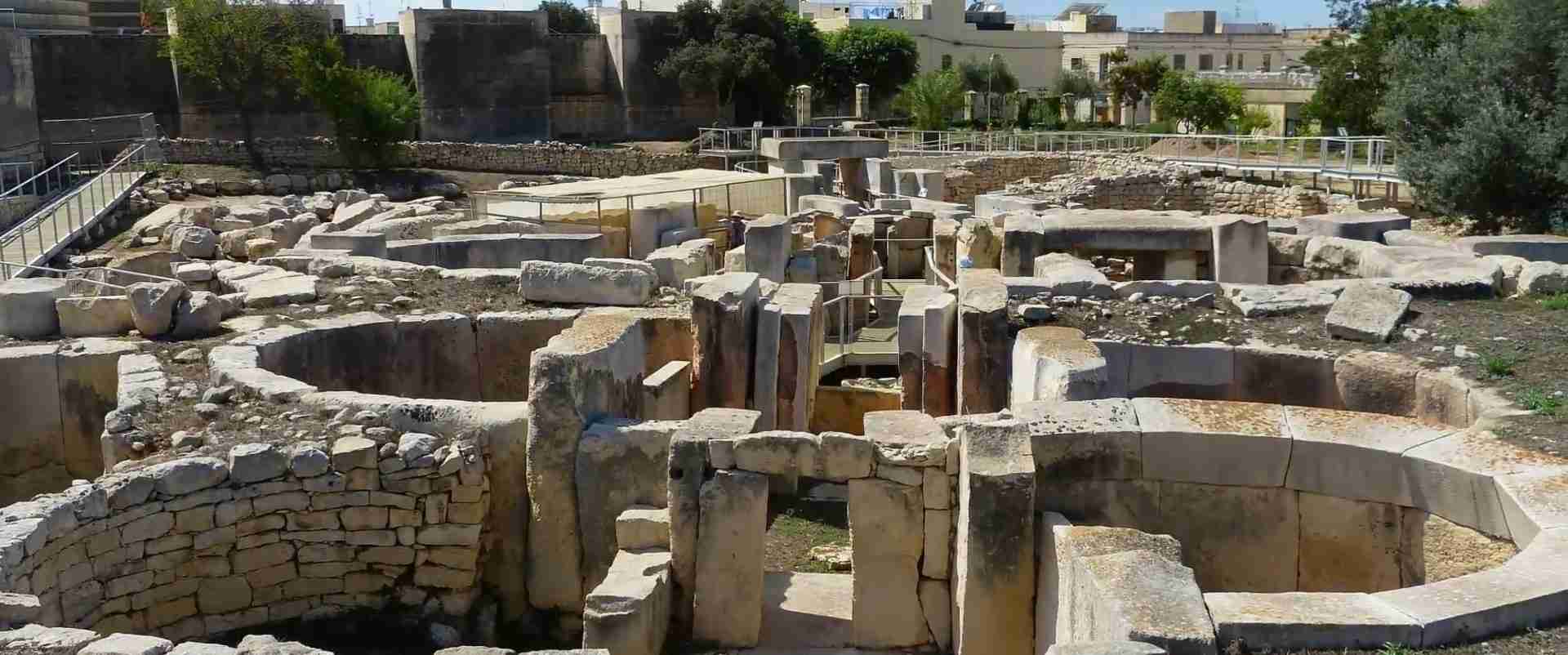
Hal Saflieni Hypogeum Malta: UNESCO Underground Temple Booking Guide
The Ħal Saflieni Hypogeum represents the world’s only known prehistoric underground temple, carved entirely from limestone bedrock between 3600 and 3000 BC in the Maltese town of Paola. Securing admission to this UNESCO World Heritage Site requires strategic planning, as Heritage Malta restricts access to just 80 visitors daily through mandatory advance booking, with tickets typically selling out two to three months before the visit date.
Key Takeaways About Visiting the Hypogeum
- Daily visitor capacity caps at 80 people divided into eight hourly tours of 10 visitors each, creating intense competition for tickets
- Standard admission costs €35 for adults through advance booking, with last-minute tickets available at €50 the day before your visit
- Tours operate hourly from 9:00 to 16:00 except noon, with each 45-minute guided experience including multilingual audio guides and an introductory audiovisual presentation
- Children under six years cannot enter due to safety considerations in the underground environment, and the archaeological chambers are not wheelchair accessible
- Photography and filming remain strictly prohibited throughout the site to preserve the delicate microclimate that protects 5,600-year-old painted decorations
- Heritage Malta opens booking windows three months in advance, with cancellations occasionally appearing closer to visit dates during winter months
People Also Ask About the Ħal Saflieni Hypogeum
How far in advance should I book Hypogeum tickets?
Book Hypogeum tickets two to three months before your intended visit date. Heritage Malta opens the booking window exactly three months in advance through their official website, and popular time slots disappear within days of release during peak travel seasons from April through October. Winter months from November through February see slightly better availability, with tickets sometimes remaining available four to six weeks before the visit date. The booking system operates on a first-come, first-served basis with no waitlist option, so securing tickets requires checking the Heritage Malta website the moment your travel dates fall within the three-month booking window.
Can I visit the Hypogeum without advance booking?
Visiting without advance booking requires purchasing last-minute tickets at €50, available only for the following day at three Heritage Malta locations. Before noon, Fort St Elmo in Valletta and the Gozo Museum of Archaeology in Victoria sell these walk-up tickets on a first-come, first-served basis, with Fort St Elmo opening at 9:00 providing the best chance of securing spots before they sell out. After noon, the National Museum of Archaeology in Valletta, Domus Romana, and the Hypogeum visitor center itself also sell remaining last-minute tickets. Heritage Malta releases approximately 20 last-minute tickets daily, though availability varies significantly by season and day of week, with weekends and summer months selling out fastest.
What happens during the Hypogeum tour?
The 45-minute Hypogeum tour begins with a five-minute multilingual audiovisual presentation in the visitor center explaining the site’s discovery and archaeological significance. Visitors then receive multilingual audio guides before descending into the underground chambers in groups of 10, moving through carefully lit pathways that showcase the three excavated levels reaching 10.6 meters below street level. The audio guide provides synchronized commentary as the group progresses through the Upper Level burial chambers, the architecturally elaborate Middle Level featuring the Oracle Room with its extraordinary acoustics, and views into the deepest Lower Level chambers where ancient water management systems remain visible.
Why are Hypogeum tickets so expensive and limited?
Hypogeum tickets carry premium pricing at €35 due to extraordinary conservation requirements and severely restricted capacity necessary to preserve the underground environment. Every visitor exhales moisture and carbon dioxide that threatens the prehistoric painted decorations on chamber walls, forcing Heritage Malta to limit daily admissions to just 80 people while continuously monitoring temperature, humidity, and air quality levels. The site closed for extensive restoration from 1990 to 2000 and again in 2016-2017 for environmental management system upgrades costing over €1 million, with strict visitor controls implemented to prevent the microclimate deterioration that nearly destroyed the paintings in the decades following the 1902 discovery.
Extended multi-day tours – 5+ days
Featured Malta Multi-Day Tour Packages
3 days
Malta 3-Day Discovery Tour
- ✓ Comprehensive Malta experience
- ✓ Expert local guides included
- ✓ All accommodation included
- ✓ Transportation provided
5 days
Malta 5-Day Highlights Experience
- ✓ Comprehensive Malta experience
- ✓ Expert local guides included
- ✓ All accommodation included
- ✓ Transportation provided
7 days
Malta 7-Day Cultural Journey
- ✓ Comprehensive Malta experience
- ✓ Expert local guides included
- ✓ All accommodation included
- ✓ Transportation provided
10 days
Malta 10-Day Complete Adventure
- ✓ Comprehensive Malta experience
- ✓ Expert local guides included
- ✓ All accommodation included
- ✓ Transportation provided
Multi-day tour packages powered by TourRadar. Prices and availability subject to change.
Introduction: Planning Your Visit to Malta’s Underground Wonder
The Ħal Saflieni Hypogeum stands as one of humanity’s most enigmatic architectural achievements, an entirely subterranean temple complex hewn from living rock more than 5,000 years before the present era. Discovered accidentally in 1902 when construction workers broke through its ceiling while excavating cisterns for a housing development in Paola, this underground necropolis and sanctuary reveals the sophisticated capabilities of Malta’s Neolithic temple-building civilization that flourished between 5000 and 2500 BC before mysteriously vanishing from the archaeological record.
Unlike the island’s celebrated above-ground megalithic temples at Ħaġar Qim, Mnajdra, and Tarxien, the Hypogeum remained sealed beneath accumulated soil for millennia after its abandonment around 2500 BC, creating preservation conditions that protected its painted decorations and carved architectural details from weathering while simultaneously making modern conservation extraordinarily challenging. The underground environment’s sensitivity to human presence transformed the Hypogeum into Malta’s most exclusive archaeological attraction, where Heritage Malta’s strict visitor limitations create booking challenges unmatched by any other Mediterranean prehistoric site.
Inscribed on the UNESCO World Heritage List in 1980 as the world’s only known prehistoric underground temple, the Hypogeum receives recognition under criterion (iii) as a site bearing unique testimony to a disappeared civilization. This designation acknowledges both its architectural uniqueness and its archaeological significance as the final resting place for more than 7,000 individuals whose remains, along with distinctive pottery, personal ornaments, and the famous “Sleeping Lady” figurine now housed in Valletta’s National Museum of Archaeology, provide crucial insights into Maltese Neolithic society’s spiritual beliefs and burial practices.
Visiting the Hypogeum requires understanding that standard tourist expectations about spontaneous sightseeing do not apply here. The 80-visitor daily capacity means that on any given day, fewer people enter the Hypogeum than visit most major museums in a single hour, creating a booking environment where preparation and flexibility determine success. This guide provides the strategies, timing considerations, and procedural details needed to secure admission to a site where simply arriving at the entrance without tickets guarantees disappointment.
Understanding the Hypogeum Booking System
Heritage Malta operates the Hypogeum booking system through a centralized online platform that controls all advance reservations, opening the booking window exactly three months before each visit date. The system releases tickets for a single date at midnight Maltese time three months prior, creating a competitive environment where popular time slots for peak season visits disappear within 24 to 72 hours of becoming available.
Eight tour times operate daily at 9:00, 10:00, 11:00, 13:00, 14:00, 15:00, and 16:00, with the noon slot deliberately kept vacant to reduce cumulative environmental stress on the underground chambers. Each tour accommodates exactly 10 visitors, meaning the 9:00 and 10:00 morning slots often sell first as visitors seek to combine the Hypogeum with other Paola-area attractions like the nearby Tarxien Temples before afternoon heat peaks during summer months.
The booking platform requires selecting a specific tour time rather than offering general admission with flexible entry windows, and tickets cannot be transferred to different dates after purchase. Heritage Malta’s no-refund, no-exchange policy means booking errors or travel plan changes result in complete ticket loss, making careful calendar verification essential before finalizing any reservation.
Maximum purchase limits cap at four tickets per transaction except for families exceeding four members, who must provide identification documentation for each family member when booking. This restriction prevents ticket scalping while allowing genuine family groups to visit together, though it complicates logistics for larger tour groups or educational visits requiring coordination across multiple separate bookings.
Current Ticket Prices and Categories
Standard advance booking through Heritage Malta’s official website costs €35 for adults aged 18 through 59 years (check the Heritage Malta website for current rates). This base admission includes the multilingual audiovisual introduction, personal audio guide device, and the 45-minute guided tour through accessible portions of the three underground levels.
Reduced admission applies to several categories. Youths aged 12 through 17 years and university students with valid identification pay €20, as do senior citizens aged 60 years and above. Children aged 6 through 11 years enter at €15, representing substantial family savings when visiting with school-age children. Children under six years cannot enter the Hypogeum under any circumstances due to safety considerations in the confined underground environment where narrow passages, uneven floors, and steep steps create hazards for very young visitors.
Last-minute tickets carry a premium price of €50 regardless of visitor age category, reflecting their limited availability and the administrative complexity of day-before sales through multiple Heritage Malta locations. These walk-up tickets represent the only option for visitors who arrive in Malta without advance reservations, though securing them requires early morning effort and acceptance that they may not be available at all during peak summer weekends.
Heritage Malta does not offer combination tickets that bundle the Hypogeum with other sites, keeping it separate from the multi-site passes that provide economical access to Malta’s other prehistoric temples, fortifications, and museums. This pricing structure reflects the Hypogeum’s unique status and conservation requirements that distinguish it from all other Heritage Malta properties.
Advance Booking Procedures
Advance booking begins by accessing Heritage Malta’s official ticketing platform at heritagemalta.mt, where the Hypogeum maintains a dedicated booking page separate from general Heritage Malta attractions. The platform displays a calendar showing the three-month booking window, with available dates marked in green and sold-out dates in gray, allowing quick assessment of which days still have capacity.
Selecting an available date reveals the hourly tour schedule from 9:00 to 16:00 excluding noon, with each time slot showing remaining capacity. Tours displaying “Only X tickets remaining” signals require immediate decision-making, as popular slots during peak season can sell out while hesitant browsers contemplate options. The system holds selected tickets in a shopping cart for 15 minutes before releasing them back to available inventory if purchase is not completed.
Ticket purchase requires providing visitor names, contact information, and Malta accommodation details, with the system generating email confirmation containing QR codes for each ticket. These digital tickets must be presented on smartphones or printed paper at the Hypogeum entrance, where staff scan codes before admitting visitors to begin the pre-tour audiovisual presentation.
Payment processing accepts major credit cards and debit cards, with transactions charged in euros regardless of card origin. The confirmation email arrives within minutes of successful payment, though travelers should save email screenshots as backup in case connectivity issues prevent email access at the visitor center. Heritage Malta does not mail physical tickets nor hold will-call reservations, making the digital confirmation the sole proof of purchase that grants site admission.
Strategic Timing for Booking Success
Securing Hypogeum tickets requires understanding seasonal demand patterns that make certain months dramatically harder to book than others. Peak summer season from June through September creates the most intense competition, with tickets for July and August weekends selling out within 24 hours of the three-month booking window opening. Visitors planning summer travel should mark calendars to book exactly three months in advance, checking the Heritage Malta website at midnight Maltese time when new dates release.
Shoulder season months of April, May, October, and early November offer better booking flexibility, with tickets remaining available up to six weeks before visit dates, particularly for weekday tours. These periods combine pleasant weather with reduced tourist pressure, making mid-morning tours at 10:00 or 11:00 significantly easier to secure than equivalent time slots during peak summer months.
Winter visits from December through March present the least booking difficulty, with tickets sometimes available just two to three weeks in advance. Winter touring offers advantages beyond easier booking: cooler above-ground temperatures make the walk from Paola town center more comfortable, and the constant 15-18°C underground temperature feels pleasantly warm compared to January surface conditions. However, shorter winter daylight hours mean 16:00 tours exit into darkness, affecting post-visit exploration of Paola and nearby Tarxien.
Weekday tours consistently show better availability than weekend slots across all seasons, as weekend visitors from neighboring Sicily and mainland Italy compete with Malta-based tourists for Saturday and Sunday capacity. Thursday and Friday tours strike an optimal balance, allowing visitors to secure tickets more easily than Saturdays while still aligning with typical vacation schedules that span Friday through Sunday.
Last-Minute Ticket Strategies
Last-minute tickets provide the only access option for visitors arriving in Malta without advance reservations, though securing them requires dedication and early morning effort. Heritage Malta releases approximately 20 walk-up tickets daily at €50, distributed across three sales windows at Fort St Elmo, the Gozo Museum of Archaeology, and after noon at additional locations including the Hypogeum itself.
Fort St Elmo in Valletta offers the best last-minute ticket opportunity, with its ticket office opening at 9:00 providing a full hour before the Hypogeum’s 10:00 opening. Arriving at Fort St Elmo by 8:45 to position yourself near the entrance when doors open maximizes chances of securing the limited walk-up tickets before they sell out. The fortress location in Valletta’s eastern tip means travelers staying in Sliema or St Julian’s should allow 30 minutes for early morning bus travel to ensure punctual arrival.
The Gozo Museum of Archaeology in Victoria provides an alternative last-minute ticket source, though its location on Malta’s sister island makes it impractical for most visitors unless already staying on Gozo. The ferry crossing from Cirkewwa to Mġarr adds 30 minutes each way plus bus transfers, consuming valuable morning hours better spent attempting Fort St Elmo purchases or exploring alternative Paola-area attractions if Hypogeum tickets prove unavailable.
After noon, last-minute tickets become available at three additional Heritage Malta locations: the National Museum of Archaeology in Valletta, Domus Romana in Rabat, and the Hypogeum visitor center in Paola. The noon release means tickets for that afternoon’s 13:00, 14:00, 15:00, and 16:00 tours may still be available, though summer weekends typically see all last-minute inventory exhausted during the pre-noon Fort St Elmo and Gozo sales window.
Last-minute ticket success rates vary dramatically by season and day of week. Summer weekend attempts face poor odds, with demand routinely exceeding the 20-ticket daily allocation. Winter weekday attempts show significantly higher success rates, sometimes finding availability as late as mid-afternoon for final daily tours. Visitors willing to spend multiple mornings attempting last-minute purchases should prioritize Tuesday, Wednesday, and Thursday efforts when competition remains lowest.
Tour Times and Daily Schedule
Hypogeum tours operate on a precise hourly schedule from 9:00 to 16:00, with each 45-minute tour beginning exactly on time regardless of late-arriving ticket holders. Heritage Malta’s strict punctuality policy means visitors must arrive at the Paola entrance 15 minutes before their scheduled tour time, with 8:45 arrival mandatory for 9:00 tours and 15:45 arrival required for 16:00 tours.
The 9:00 morning tour provides several advantages for photographers and detail-oriented visitors. Early arrival means minimal disruption from above-ground Paola street noise during the audiovisual introduction, and morning light through the visitor center’s windows creates better conditions for examining the small exhibit displays before descending underground. The 9:00 tour also allows maximum remaining daylight for post-visit exploration of nearby Tarxien Temples, located just 10 minutes’ walk from the Hypogeum entrance.
Mid-morning tours at 10:00 and 11:00 represent the most popular time slots, consistently selling out first during advance booking windows. These times allow visitors to enjoy hotel breakfasts without rushed departures while still completing the Hypogeum before midday heat peaks during summer months. The 11:00 tour exits shortly before noon, perfectly timing lunch in Paola’s restaurants or the short bus ride back to Valletta for afternoon museum visits.
The deliberate noon gap serves conservation purposes, giving the underground chambers a full hour without human presence to allow temperature and humidity levels to stabilize between morning and afternoon tour groups. This interval reflects Heritage Malta’s commitment to environmental protection that governs all operational decisions at the site.
Afternoon tours beginning at 13:00, 14:00, and 15:00 suit travelers combining multiple same-day destinations, allowing morning visits to Valletta’s museums before afternoon Hypogeum tours. These slots also see slightly better availability during shoulder season booking, as many visitors prefer morning schedules that leave afternoons free for beach time or hotel pools.
The 16:00 final tour presents mixed advantages. Late afternoon timing provides maximum schedule flexibility for visitors touring other sites earlier in the day, and this slot often shows last availability during competitive booking periods. However, winter sunset around 17:00 means tours exit into darkness, and the lack of subsequent tours means missing the 16:00 departure through late arrival eliminates any possibility of joining a later group that day.
Arrival Procedures and Check-In Requirements
Hypogeum visitor check-in begins 15 minutes before each scheduled tour time at the entrance on Triq iċ-Ċimiterju in Paola. Staff verify tickets by scanning QR codes on smartphones or printed confirmations, cross-checking names against booking records before admitting visitors to the reception area where personal belongings must be secured in provided lockers.
The mandatory locker system reflects the Hypogeum’s strict no-photography policy and conservation requirements. All cameras, mobile phones, backpacks, and bags larger than a small purse must be stored before tour commencement, with only essential items like wallets, medication, and car keys permitted into the underground chambers. The lockers operate on a simple key system with no charge for use, though visitors should carry minimal belongings to Paola to avoid the inconvenience of securing unnecessary items.
Late arrivals face absolute entry refusal, with Heritage Malta enforcing this policy without exceptions regardless of traffic delays, bus problems, or navigation difficulties. Tours depart underground precisely at the scheduled time, and the locked door system prevents joining groups already inside the chambers. This strict timing protects both the environmental monitoring schedule that governs chamber access and the tour experience for punctual visitors whose 45-minute guided journey should not be disrupted by stragglers arriving mid-tour.
Tour group assembly occurs in the visitor center’s small theater where the introductory audiovisual presentation plays, followed by audio guide distribution with instructions for the numbered-station system that provides synchronized commentary throughout the underground route. The entire pre-descent process consumes approximately 10 minutes, meaning the actual underground chamber time totals 35 minutes of the 45-minute total tour duration.
Essential Visitor Rules and Restrictions
Footwear requirements for Hypogeum tours mandate closed, comfortable shoes with non-slip soles, as the underground floors remain constantly damp from natural limestone seepage and careful climate control systems. High heels, sandals, flip-flops, and any open-toed footwear result in automatic entry refusal at the security checkpoint, forcing visitors to forfeit their paid tickets and scheduled tour time. The policy exists because the polished limestone floors and uneven steps between levels create genuine slip hazards that comfortable, closed shoes significantly reduce.
The absolute photography ban throughout the underground chambers protects the site’s delicate microclimate from camera flash damage to prehistoric pigments and prevents the inevitable human delays that occur when photographers pause to frame shots, disrupting tour flow. Staff monitor visitors continuously during tours, and any attempt to use cameras or mobile phones results in immediate escort from the chambers without refund. The official guidebook and Heritage Malta website provide professional photographs for those seeking visual records of the underground architecture.
Minimum age restrictions exclude children under six years from Hypogeum entry, balancing safety concerns in the confined underground environment against the site’s educational value. The narrow passages, steep steps, low ceilings in certain areas, and complete absence of natural light create conditions unsuitable for very young children who cannot reliably follow guide instructions or navigate independently. Heritage Malta enforces this age minimum strictly, checking identification for any child whose age appears borderline.
Accessibility limitations mean the archaeological chambers remain completely inaccessible to wheelchair users, though the surface-level visitor center, audiovisual theater, and small exhibition area meet modern accessibility standards. The underground tour route includes multiple stairways with 15 to 20 steps between levels, uneven floor surfaces following natural rock contours, and passages requiring stooping in several locations. Visitors with mobility impairments should honestly assess their ability to navigate stairs and uneven surfaces before booking, as no alternative accessible route exists through the chambers.
Claustrophobia considerations deserve serious evaluation before booking Hypogeum tickets. The underground environment places visitors in confined spaces carved from solid rock, reaching depths of 10.6 meters below street level with no natural light and limited air circulation beyond the carefully controlled ventilation systems. Some chambers feature low ceilings under two meters, and the tour route follows narrow passages where groups must move single-file. Individuals with diagnosed claustrophobia or anxiety in enclosed spaces should consider whether the confined environment will allow them to comfortably complete the 35-minute underground tour.
Conservation and Environmental Controls
Hypogeum conservation represents one of archaeology’s most complex challenges, as the underground environment that preserved the structure for 5,000 years proved simultaneously vulnerable to modern human visitation. When excavators first opened the chambers in 1902, the constant underground temperature and humidity had maintained painted decorations in remarkable condition, but the introduction of visitors, electric lighting, and surface air exchange triggered rapid deterioration that nearly destroyed the prehistoric artwork within decades.
Heritage Malta’s strict 80-visitor daily limit directly responds to scientific studies demonstrating that every person entering the chambers exhales moisture and carbon dioxide that destabilizes the microclimate essential for preservation. Each visitor’s breath, body heat, and simple presence increases humidity and temperature, creating conditions where microorganisms thrive on painted surfaces and calcium carbonate deposits form over ancient pigments. The 10-person tour groups and hourly schedule with a noon gap allow environmental monitoring systems to track temperature, humidity, and air quality changes, triggering automated responses when readings approach conservation thresholds.
Two major conservation closures punctuate the Hypogeum’s modern history. From 1991 to 2000, Heritage Malta sealed the site completely to install environmental control systems and reverse damage from decades of unregulated tourism that had allowed thousands of visitors annually during the mid-20th century. A second closure from September 2016 to April 2017 upgraded climate control technology using €1.1 million in funding from Iceland, Norway, and Liechtenstein, implementing real-time monitoring systems that can immediately suspend tours if environmental readings indicate deterioration risks.
The visible impact of these conservation measures includes the sophisticated lighting system that minimizes heat emission while providing adequate illumination for safe tour navigation. LED technology replaced older incandescent bulbs that generated excessive heat, and motion sensors now activate lights only when tour groups occupy specific chambers, reducing cumulative thermal load on the underground environment. The audio guide system with personal devices and numbered stations throughout the route similarly reduces the time guides must keep lights activated for group explanations.
Photography prohibition serves multiple conservation functions beyond the obvious flash damage concerns. Every pause for photographs increases the time visitors spend in chambers, extending exposure to human-generated humidity and carbon dioxide. The continuous tour flow that audio guides enable, with groups moving steadily through the route without stopping for extended periods in any single chamber, minimizes environmental impact while allowing the maximum number of visitors consistent with preservation requirements.
What to Expect During Your Tour
Hypogeum tours follow a carefully scripted 45-minute format beginning with the five-minute audiovisual presentation in the surface visitor center. This introduction provides essential context about Malta’s Neolithic temple-building civilization, the Hypogeum’s 1902 discovery, and the archaeological significance of the three-level underground complex carved between 3600 and 3000 BC.
After receiving multilingual audio guides set to your chosen language from the available options including English, Maltese, Italian, French, German, and Spanish, the group descends the modern entrance stairway that Heritage Malta constructed to protect the ancient entry route from visitor traffic. The temperature drops noticeably as you move underground, settling at a constant 15-18°C maintained year-round regardless of surface conditions, making light jackets or long sleeves comfortable during the tour.
The Upper Level forms the tour’s first major stop, where natural caves expanded during the earliest construction phase created burial chambers radiating from a central hollow once open to the sky. Audio guide commentary synchronized to numbered stations throughout the route explains how archaeologists identified this level’s initial use around 3600 BC, with subsequent generations expanding downward as burial space filled. Original red ochre decorations remain visible in several chambers, their preservation miraculous given 5,600 years of limestone seepage and the decades of environmental instability following the site’s discovery.
Moving to the Middle Level reveals the Hypogeum’s architectural sophistication, with carved chambers mimicking the trilithon doorways, corbelled ceilings, and decorative spirals found in contemporary above-ground megalithic temples. The Oracle Room presents the tour’s acoustic highlight, where a small oval niche amplifies low-frequency male voices throughout the interconnected chambers while suppressing higher-frequency sounds. Guides demonstrate this phenomenon, allowing visitors to experience the reverberating effect that ancient priests likely employed during rituals, creating an otherworldly sonic environment that would have profoundly impressed Neolithic worshippers.
The Holy of Holies chamber represents the Middle Level’s architectural climax, featuring an intricately carved ceiling showing how the above-ground temples’ distinctive facades may have appeared when complete. The chamber’s positioning suggests astronomical alignment, with evidence indicating winter solstice light once penetrated through the original surface entrance to illuminate this sacred space. Tour groups spend several minutes here, though the small viewing platform accommodates only half the 10-person group at once, requiring rotation to give everyone optimal viewing angles.
The Lower Level lies 10.6 meters below street level, reached via steep carved steps that demonstrate the builders’ ambition to create vertical sacred space unique in prehistoric Mediterranean architecture. This deepest zone contains storage chambers and burial niches where archaeologists documented remains from later periods of the Hypogeum’s use, along with sophisticated water management channels that collected and diverted the constant limestone seepage that would otherwise flood the lowest chambers.
The tour concludes by reversing the route back to the surface, with audio guides providing additional archaeological details about the 7,000-plus individuals whose remains filled the chambers, the distinctive pottery styles found in various levels indicating centuries of continuous use, and the mysterious collapse of Malta’s temple-building civilization around 2500 BC that left the island apparently uninhabited for the next several thousand years.
Getting to the Hypogeum in Paola
The Hypogeum occupies a residential location in Paola’s Ħal Saflieni neighborhood, approximately three kilometers south of Valletta and reachable via multiple public transport routes. The entrance on Triq iċ-Ċimiterju lies about 400 meters from Paola’s parish church, with Heritage Malta signage marking the final approach through residential streets.
Bus travel from Valletta provides the most straightforward public transport option, with routes 81, 82, 83, 84, and 88 all serving Paola from the main bus terminus outside Valletta’s City Gate. Journey time averages 15 to 20 minutes depending on traffic and specific route, with buses operating at 10 to 15 minute frequency during peak morning hours when 9:00 and 10:00 tour visitors travel. Disembark at either the “Pjazza” stop heading toward Valletta or the “Ipogew” stop heading south, both located within five minutes’ walk of the entrance.
Travelers staying in Sliema or St Julian’s should take buses 81, 82, or 88, which provide direct service to Paola’s bus stops near the Hypogeum. The journey from Sliema ferry terminal takes 25 to 30 minutes, while St Julian’s departures require 30 to 35 minutes, making early departure essential for 9:00 tour arrivals that mandate 8:45 check-in times.
Taxi services offer more reliable timing than buses but cost significantly more, with rides from Valletta averaging €10 to €15 and Sliema trips running €15 to €20 depending on traffic. Ride-hailing apps including Bolt operate in Malta, providing convenient digital booking and payment though surge pricing during morning peak hours can increase costs substantially.
Driving to the Hypogeum proves challenging during peak tourist season when on-street parking in Paola’s residential neighborhoods reaches capacity by mid-morning. Free white-line parking spaces near the entrance disappear quickly, forcing arrivals after 9:30 to search increasingly distant streets or risk parking violations in resident-only zones. Winter months see dramatically better parking availability, with spaces often available within two blocks of the entrance throughout the day. Visitors who choose to drive should arrive 30 minutes before their tour time to allow for parking searches and the mandatory 15-minute pre-tour check-in.
Nearby Attractions and Combined Itineraries
Tarxien Temples stand just 900 meters from the Hypogeum entrance, making the two prehistoric sites perfect companions for half-day archaeological exploration. These above-ground megalithic temples dating from 3600 to 2500 BC demonstrate the architectural expertise that Neolithic Maltese builders translated underground at the Hypogeum, with similar trilithon doorways, spiral decorations, and evidence of the same temple-building culture that mysteriously disappeared around 2500 BC. Walking between the sites takes 10 to 12 minutes, and Tarxien’s larger space, natural lighting, and less restrictive photography policies provide a complementary experience after the confined Hypogeum tour.
Paola’s parish church and town square offer pleasant 15-minute strolls from the Hypogeum, with several cafes and restaurants providing lunch options after morning tours. The local establishments cater primarily to Maltese residents rather than tourists, meaning more authentic cuisine at lower prices than equivalent Valletta or Sliema options, though English language menus may not be available and service proceeds at a relaxed Mediterranean pace unsuited to visitors with tight afternoon schedules.
The National Museum of Archaeology in Valletta houses the majority of artifacts excavated from the Hypogeum, including the iconic “Sleeping Lady” figurine, distinctive “Fat Lady” statuettes, pottery collections spanning the three construction phases, and personal ornaments including beads and amulets recovered from burial contexts. Visiting the museum before or after the Hypogeum tour provides crucial context for understanding what the chambers contained when archaeologists first opened them in 1902-1903, though the Hypogeum tour itself remains comprehensible without this background knowledge.
Ħaġar Qim and Mnajdra temples on Malta’s southern coast represent the island’s most impressive above-ground megalithic architecture, located approximately 20 minutes by car or 45 minutes via bus from Paola. These coastal temple complexes feature better preservation than Tarxien’s urban-surrounded ruins, with spectacular clifftop settings overlooking the Mediterranean. Visitors combining the Hypogeum with southern temples should plan full-day itineraries, as the sequential bus connections required for public transport consume three to four hours of travel time independent of actual site visitation.
Valletta’s compact historic center lies just 15 to 20 minutes from Paola by bus, making same-day combinations of morning Hypogeum tours with afternoon Valletta museum visits highly practical. St John’s Co-Cathedral, the Grand Master’s Palace, and the Upper Barrakka Gardens represent must-see Valletta attractions easily reached via the same bus routes that serve Paola, with frequent return service until late evening allowing flexible schedule planning.
Photography and Documentation Options
The absolute photography ban inside Hypogeum chambers means visitors cannot create personal image records of the underground tour experience. Heritage Malta enforces this prohibition strictly, with staff monitoring tour groups throughout the route and security systems detecting unauthorized device usage that results in immediate escort from the chambers without refund.
The official Hypogeum guidebook sold at the visitor center gift shop provides professionally photographed documentation of all major chambers, architectural details, and prehistoric decorations, serving as the primary means for visitors to retain visual memories of the tour. Priced at €15 with a 15% discount sometimes available for ticket holders, the comprehensive 80-page publication includes historical context, archaeological findings, and conservation details supplementing the audio guide commentary.
Digital resources through Heritage Malta’s official website and dedicated Hypogeum information pages offer free access to selected professional photographs, 360-degree virtual tour elements, and detailed chamber descriptions. These online materials allow pre-visit familiarization with the site’s layout and post-visit review of details that may have been unclear during the rapid-paced 45-minute tour.
The visitor center’s small exhibition area permits photography, featuring interpretive displays about the discovery history, excavation techniques, and major artifact finds. The audiovisual theater showing the pre-tour introduction also allows filming, though the low-light conditions and projection screen reflections limit image quality. Exterior photography of the unassuming entrance building and surrounding Paola streetscape proceeds without restriction, though the mundane modern architecture offers little photographic interest beyond simple documentation of having visited Malta’s most exclusive archaeological site.
Special Considerations for International Visitors
Language accessibility at the Hypogeum extends beyond English to include audio guides in Maltese, Italian, French, German, and Spanish, accommodating the major linguistic groups visiting Malta. The multilingual audiovisual introduction features subtitles in these languages, ensuring all visitors receive equivalent background information before descending underground. Visitors requiring languages beyond these standard options can request written English scripts at least one week before their tour date, though this accommodation provides text only without synchronized audio commentary at numbered stations.
Booking from outside Malta requires international credit or debit cards capable of processing euro transactions through the Heritage Malta online platform. The system accepts major international card networks including Visa, Mastercard, and American Express, though some banks flag these transactions for fraud verification due to the Malta origin, potentially causing payment authorization delays. Travelers should notify their card issuers about Malta travel dates to prevent security holds that block Heritage Malta bookings attempted from foreign IP addresses.
Time zone considerations affect three-month advance booking strategies for travelers planning from Asia, the Americas, or Australia. Heritage Malta releases new booking dates at midnight Maltese time, meaning peak season Saturday and Sunday slots may sell out before American morning hours arrive or while Asian visitors sleep. International travelers targeting competitive summer weekend time slots should convert midnight Maltese time to their home zone and set alarms to access the booking platform the moment the three-month window opens.
Travel insurance rarely covers non-refundable attraction tickets, meaning Hypogeum reservations booked months before travel dates face complete loss if flight cancellations, illness, or other disruptions force Malta trip cancellation. The €35 per-person cost remains modest compared to hotel and airfare losses in these scenarios, but visitors booking for large family groups or expensive last-minute tickets should understand that Heritage Malta’s no-refund policy eliminates any possibility of recovering costs through insurance claims or administrative appeals.
Heritage Malta Multi-Site Passes
Heritage Malta offers multi-site passes covering access to numerous museums, temples, and fortifications across Malta and Gozo, but these passes explicitly exclude the Hypogeum due to its unique booking and conservation requirements. The standard multi-site pass priced at €30 provides entry to locations including the Tarxien Temples, Ħaġar Qim, Mnajdra, the National Museum of Archaeology, the Grand Master’s Palace, Fort St Elmo, and approximately 20 additional Heritage Malta properties.
Visitors planning comprehensive archaeological tourism in Malta should purchase both the multi-site pass for general attractions and separate Hypogeum tickets, recognizing that the specialized underground site operates outside normal Heritage Malta access structures. The multi-site pass represents excellent value for travelers visiting three or more included locations, as individual site admissions range from €5 to €12, meaning the pass achieves cost-effectiveness rapidly while providing flexible spontaneous visits without advance booking requirements that govern Hypogeum access.
Multi-site pass purchases occur online through Heritage Malta’s website, at any staffed Heritage Malta location including Fort St Elmo and the National Museum of Archaeology, or at most included sites upon arrival. The passes activate on first use and remain valid for 30 days, accommodating both short visits concentrating multiple sites in several days and extended Malta stays with leisurely spread-out archaeological exploration.
Student, senior, and youth discounts apply to multi-site passes using the same age categories and reduced pricing structures as individual Hypogeum tickets, though the multi-site pass requires showing valid identification at each visited location whereas Hypogeum tickets verify identity only during initial purchase. Families traveling with children aged 6 through 11 years see substantial savings through child-rate multi-site passes combined with reduced-price Hypogeum tickets, making Heritage Malta archaeological tourism remarkably affordable for family groups willing to invest time in advance Hypogeum booking.
Alternative Underground Experiences in Malta
St Paul’s Catacombs in Rabat provide Malta’s most extensive accessible underground burial complex, featuring Roman-era tombs dating from the 3rd to 8th centuries AD carved from limestone in styles reflecting Christian, Jewish, and pagan traditions. Unlike the Hypogeum’s prehistoric mystery, these catacombs offer well-documented historical context with Latin inscriptions, architectural styles traceable to Roman funerary practices, and artifacts clearly linking the burial grounds to Malta’s early Christian communities. The site permits photography, requires no advance booking, and maintains wheelchair accessibility for main chambers, making it suitable for visitors unable to secure Hypogeum tickets or requiring more accessible underground archaeological experiences.
The Ġgantija Underground in Gozo features natural cave systems beneath the megalithic temple site, though access remains limited to specialized archaeological tours rather than general tourist visits. These caves provided shelter during various prehistoric and historical periods, with evidence of habitation spanning from Neolithic through medieval eras, but conservation concerns and safety limitations prevent the regular tourist access that characterizes the formal Hypogeum tours.
Għar Dalam Cave near Birżebbuġa represents Malta’s premier natural cave system, containing fossilized animal remains dating back 180,000 years including extinct dwarf elephants and hippopotami that reached Malta during ice age land bridge periods. The cave operates as a museum with boardwalk access through the main chamber and an excellent on-site exhibition explaining Malta’s geological and prehistoric animal history. While not comparable to the Hypogeum’s prehistoric human architecture, Għar Dalam offers underground exploration opportunities requiring only same-day admission without advance booking complications.
Seasonal Considerations and Weather Independence
The Hypogeum’s underground location creates complete weather independence, making tours proceed identically during scorching August afternoons, winter rainstorms, or windy spring days that disrupt open-air archaeological site visits. The constant 15-18°C underground temperature contrasts sharply with surface conditions, requiring light jackets or long sleeves during summer tours when arrivals swelter in 35°C heat, while winter visitors find the underground chambers pleasantly warm compared to 12-15°C January surface temperatures.
Summer tourist season from June through September brings booking challenges but offers advantages in combined-itinerary planning. Extended daylight hours mean 16:00 tours still exit in sunshine, allowing post-Hypogeum walks to Tarxien Temples or Paola town center with ample remaining daylight for exploration. Early morning 9:00 tours capitalize on pre-noon coolness for the walk from bus stops to the entrance, avoiding the intense midday heat that makes August pedestrian navigation genuinely uncomfortable in Malta’s Mediterranean climate.
Winter visits from November through February trade easier ticket availability and better pricing on accommodations against shorter daylight hours that limit flexible itinerary construction. The 16:00 final tour exits around sunset during December and January, effectively ending same-day sightseeing options and pushing dinner reservations later than travelers accustomed to Northern European winter schedules might expect. However, winter’s reduced tourist crowds throughout Malta create a more relaxed travel experience where bus seats remain available, restaurant reservations prove easier, and popular Valletta attractions see dramatically shorter queues.
Spring months of March, April, and May present optimal combinations of moderate booking competition, comfortable surface temperatures, and extended daylight that supports ambitious same-day itineraries pairing the Hypogeum with Valletta museums, southern coastal temples, or comprehensive Paola-area prehistoric site marathons. Easter week creates a brief surge in bookings and visitor numbers, while the remainder of spring sees consistently good availability for weekday tours and manageable competition for weekend time slots.
Educational Value and Archaeological Significance
The Hypogeum represents irreplaceable archaeological evidence documenting Neolithic social organization, religious practices, and technical capabilities that left no written records for modern scholars to study. The burial chambers containing more than 7,000 individuals demonstrate sophisticated funeral rituals that honored the dead with grave goods including pottery vessels, personal ornaments, and animal figurines, while the Oracle Room’s acoustic properties suggest religious ceremonies deliberately employed sound manipulation to create spiritual experiences for worshippers.
Architectural analysis reveals construction techniques that parallel the above-ground megalithic temples while solving unique challenges posed by underground excavation. The builders used only stone tools of flint, chert, and obsidian plus antler picks to carve chambers and passages from solid globigerina limestone, a soft but durable rock that allowed relatively rapid excavation while maintaining structural stability without the wooden supports or stone pillars required in contemporary mining operations. The corbelled ceilings, decorative spirals, and trilithon doorways visible throughout the Middle Level demonstrate that underground spaces received equivalent architectural attention as the celebrated temple facades at Ħaġar Qim and Mnajdra.
The question of lighting during original construction and use fascinates archaeologists, as the complete absence of charcoal deposits in chambers suggests lit torches entered briefly for specific purposes rather than illuminating extended work periods or ceremonies. This lighting limitation implies either extraordinary adaptation to darkness during multi-hour rituals or sophisticated sequential construction techniques where natural light penetrating through the then-open Upper Level guided work in shallow chambers before deeper excavation extended beyond daylight reach.
The 2500 BC abandonment that ended the temple-building period and left Malta apparently uninhabited for over 1,000 years remains archaeology’s enduring mystery. The Hypogeum preserves the final centuries of this vanished civilization’s burial practices, with the deepest Lower Level chambers containing the most recent interments before whatever catastrophe, emigration, or cultural collapse caused the population to disappear. No evidence indicates violent destruction, epidemic disease, or environmental catastrophe, yet a sophisticated society capable of monumental architecture and organized religious practices simply ceased to exist, leaving Malta’s landscape dotted with abandoned temples including the sealed Hypogeum that accidentally survived destruction through burial beneath accumulated soil.
The Famous Sleeping Lady Figurine
The Hypogeum’s most celebrated artifact remains the terracotta “Sleeping Lady” figurine discovered during the 1902-1903 excavations and now displayed in Valletta’s National Museum of Archaeology. This small sculpture measuring just 12 centimeters long depicts a corpulent female figure reclining on her right side on an ornately carved bed or couch, her distinctive pose inspiring the nickname that identifies her among Malta’s prehistoric art masterpieces.
Archaeological interpretation suggests the Sleeping Lady represents the practice of ritual incubation, where supplicants slept within sacred spaces seeking prophetic dreams or divine healing through contact with the spiritual realm. The figurine’s recovered location within the Hypogeum’s burial chambers and her association with the cult of Mother Earth indicates belief systems where death represented temporary return to the primordial womb before spiritual rebirth, with the underground temple serving as the physical manifestation of this cosmic gateway.
The Sleeping Lady’s artistic sophistication demonstrates Neolithic craftspeople’s technical capabilities in terracotta modeling, with the figure’s naturalistic proportions, detailed facial features, and elaborate couch decoration revealing aesthetic sensibilities that produced genuine art rather than crude symbolic representations. Her placement among Malta’s temple-period art alongside the distinctive “Fat Lady” statuettes found at multiple temple sites suggests a shared religious iconography spread throughout the archipelago’s Neolithic population.
Visitors should note that the Sleeping Lady remains in Valletta’s museum rather than at the Hypogeum visitor center, requiring separate museum visits to view this famous artifact. The National Museum of Archaeology displays comprehensive collections from all Malta temple sites, providing context for understanding the Hypogeum’s role within the broader Neolithic cultural landscape. Museum admission requires Heritage Malta multi-site passes or separate €12 entrance fees, with photography permitted in most galleries including the Sleeping Lady’s display case.
Conservation Challenges and Future Access
The Hypogeum’s long-term survival faces ongoing tensions between public access desires and conservation imperatives that may eventually force further visitor restrictions or complete closure to tourist traffic. Every tour group damages the underground environment incrementally through unavoidable breath moisture, body heat, and carbon dioxide exhalation, meaning the current 80-visitor daily limit represents the maximum sustainable access rather than an arbitrary restriction subject to future relaxation as tourism demand increases.
Heritage Malta’s 2016-2017 environmental management system upgrades addressed immediate conservation concerns, but the fundamental conflict between human visitation and microclimate stability remains unresolved. The painted decorations that survived 5,000 years of sealed burial deteriorated dramatically during the 80 years following discovery when thousands of unregulated visitors annually flooded chambers with moisture and heat, and current strict controls aim to prevent further damage rather than reverse existing deterioration.
Emerging technologies including virtual reality tours and high-resolution 3D documentation may eventually provide alternative access options that deliver educational benefits without environmental impact. Heritage Malta has begun preliminary 3D scanning projects, though comprehensive capture of the entire three-level complex requires sophisticated equipment capable of operating in confined, low-light conditions while respecting the same environmental protocols that govern human tours. These digital preservation efforts serve dual purposes: creating access alternatives that reduce visitation pressure while generating permanent records of current conditions that document any future deterioration.
Climate change impacts on Malta’s groundwater levels, sea level rise affecting coastal limestone stability, and changing precipitation patterns that alter moisture infiltration into underground chambers present emerging threats beyond Heritage Malta’s direct control. The organization’s conservation research monitors these broader environmental changes, implementing adaptive management strategies that may include reducing daily visitor limits, shortening tour durations, or installing additional climate control systems as conditions require.
Travelers booking Hypogeum visits should recognize that access represents a privilege that future generations may not enjoy, making current opportunities to experience this unique prehistoric monument particularly valuable. The strict booking requirements and limited availability that frustrate many visitors exist precisely because Heritage Malta prioritizes long-term preservation over maximizing tourism revenue, ensuring that the Hypogeum survives for future study and appreciation rather than degrading under unrestricted visitation that would generate short-term economic benefits while destroying irreplaceable archaeological heritage.
Frequently Asked Questions
What happens if I miss my scheduled tour time?
Missing your scheduled Hypogeum tour time results in automatic forfeiture of your tickets without refund, exchange, or opportunity to join a later tour that day. Heritage Malta’s strict punctuality policy requires arrival 15 minutes before tour commencement, with locked doors preventing late entry once tours descend underground. The policy exists because underground environmental monitoring systems operate on precise schedules where mid-tour group additions would disrupt both conservation protocols and the experience for punctual visitors. Travelers concerned about arrival timing should target tours at 10:00 or later, allowing buffer time for unexpected traffic, bus delays, or navigation difficulties. No appeals process or special circumstances exemptions exist for this policy, and Heritage Malta staff cannot override the automated timing systems that control chamber access.
Can I bring my baby or toddler if they don’t take up a tour slot?
Children under six years cannot enter the Hypogeum under any circumstances, regardless of whether they require their own tickets. The prohibition reflects safety considerations in the confined underground environment where narrow passages, steep steps, uneven floors, and complete darkness beyond artificial lighting create genuine hazards for very young children. Additionally, young children’s inability to remain quiet during audio guide presentations disrupts other visitors’ experience in the acoustically sensitive chambers where even whispers carry throughout interconnected spaces. Heritage Malta’s family ticket arrangements accommodate children aged six through 11 years at reduced rates, but families with younger children must arrange separate childcare or alternate site visits during the tour time. The 45-minute tour duration makes Paola-area babysitting impractical for most visitors, meaning parents should plan adult-only Hypogeum visits separate from broader family travel days that include child-friendly attractions.
Is the Hypogeum worth the booking effort and high ticket price?
The Hypogeum’s status as the world’s only prehistoric underground temple justifies both the booking complexity and €35 admission price for visitors with genuine interest in archaeology, ancient civilizations, or unique historical experiences. The site’s complete uniqueness means no comparable alternative exists anywhere on Earth, making it genuinely irreplaceable rather than merely rare. Visitors who appreciate seeing artifacts in their original contexts rather than museum displays, who find underground environments fascinating, and who value witnessing sophisticated 5,600-year-old architecture will consider the effort worthwhile. However, travelers seeking dramatic visual spectacles comparable to Petra or Machu Picchu may find the Hypogeum’s confined carved chambers and limited dramatic lighting less impressive than anticipated. The honest assessment requires matching personal travel priorities against the Hypogeum’s specific qualities: intimate rather than monumental, mysterious rather than explicitly grand, and archaeologically significant rather than aesthetically overwhelming.
What if all tours are sold out for my travel dates?
Complete sellouts during your Malta visit require either attempting last-minute tickets at €50 through early-morning Fort St Elmo purchases or accepting that this visit will not include the Hypogeum. The last-minute strategy works better during winter and shoulder seasons when daily 20-ticket allocations face less competition, but summer weekends see these walk-up tickets exhaust quickly. Alternative approaches include flexible travel dates that shift Malta visits to periods when Hypogeum availability exists, or advance planning that books Hypogeum tickets three months out before finalizing accommodation reservations and secondary site visits. The reality that many travelers cannot secure Hypogeum access reflects genuine capacity constraints rather than artificial scarcity, and Heritage Malta’s refusal to increase visitor limits demonstrates prioritization of conservation over tourism revenue. Travelers who find all advance slots filled should explore Malta’s above-ground megalithic temples, which offer partially comparable architectural insights without booking complications, recognizing that the Hypogeum’s underground setting creates its uniqueness but other sites illuminate the same Neolithic civilization’s capabilities.
Can I visit both the Hypogeum and Tarxien Temples in one morning?
Combining Hypogeum and Tarxien Temples in a single morning proves easily achievable given the 10-minute walk between sites and Tarxien’s open-admission policy requiring no advance booking. The 9:00 Hypogeum tour finishes by 9:45, leaving comfortable time for the short walk to Tarxien with arrival around 10:00 when the site opens. Alternatively, 10:00 or 11:00 Hypogeum tours complete by 11:45 or 12:45, allowing Tarxien visits before or after depending on schedule preferences. Tarxien requires 45 minutes to one hour for comprehensive exploration including the small on-site museum, meaning the combined itinerary consumes three hours total including walking time between locations. Travelers should visit the Hypogeum first regardless of tour time, as Tarxien’s flexible access accommodates variable arrival times while the Hypogeum’s fixed schedule demands punctuality. This pairing represents the optimal half-day archaeological itinerary in Malta, showcasing both underground and surface examples of the island’s unique Neolithic temple-building culture through sites located within comfortable walking distance.
How physically demanding is the underground tour?
The Hypogeum tour requires moderate physical capability to navigate multiple stairways totaling 40 to 50 steps between the three levels, walk on uneven limestone floors that remain constantly damp, and stoop or duck in several passages where ceiling heights drop below standard doorway dimensions. The route includes no technical climbing or squeezing through extremely tight spaces, but visitors should honestly assess their ability to manage stairs and uneven surfaces before booking tickets. The underground temperature averaging 15-18°C feels cool but not cold, requiring light jackets or long sleeves for comfort during the 35-minute chamber portion of the tour. Visitors with minor mobility limitations who can navigate stairs slowly with handrail assistance usually complete tours successfully, though the pace keeps groups moving steadily without extended rest stops. The tour involves minimal physical exertion beyond stair climbing and walking, with standing rather than sitting during audio guide presentations and chamber viewings. Travelers recovering from injuries, experiencing temporary mobility limitations, or unsure about their physical capabilities should consider postponing Hypogeum visits until full mobility returns, as the underground environment offers no shortcuts or alternative routes that bypass challenging sections.
Are guides live or is everything audio-based?
Hypogeum tours operate exclusively through multilingual audio guides providing synchronized commentary at numbered stations throughout the underground route, with no live human guides offering explanations during the chamber portions of the visit. This audio-based system serves multiple conservation purposes: it eliminates guide voices that would require groups to cluster in chambers for extended periods listening to explanations, reduces the time visitors spend stationary in any single location, and allows continuous tour flow that minimizes cumulative environmental impact. Heritage Malta staff accompany groups during descent and ascent to manage safety and ensure visitors follow proper routes, but they do not provide historical or archaeological narration that supplements the audio content. The pre-recorded audio guides offer professionally produced content with consistent accurate information across all languages, though they lack the spontaneity and interactive question-answering that live guides provide. Visitors who thrive on engaging guides in discussion or asking clarifying questions may find the audio-only format less satisfying than traditional guided tours, though the system’s standardization ensures all visitors receive equivalent high-quality content regardless of which tour time or date they attend.
What’s the difference between the Hypogeum and Malta’s above-ground temples?
The Hypogeum differs from Malta’s above-ground megalithic temples primarily through its underground location, which created unique preservation conditions that protected painted decorations and architectural details while presenting modern conservation challenges that above-ground sites never face. Above-ground temples like Ħaġar Qim, Mnajdra, and Tarxien feature massive limestone megaliths arranged in characteristic apsidal layouts with corbelled roofing techniques, offering visitors dramatic architectural scale and setting with Mediterranean views that the confined Hypogeum chambers cannot match. However, weathering has destroyed much decorative detail on surface temples, while the Hypogeum’s sealed underground environment preserved red ochre paintings and carved spirals for 5,000 years until 20th-century discovery. Both temple types date from the same 3600-2500 BC period and demonstrate the same civilization’s architectural capabilities, but the Hypogeum’s combination of burial function with temple architecture, its acoustic peculiarities in the Oracle Room, and its three-level vertical design create experiences fundamentally different from walking through outdoor temple precincts. Visitors seeking to understand Malta’s Neolithic heritage should experience both categories, recognizing that above-ground temples provide monumental scale while the Hypogeum offers intimacy and preservation quality that illuminate different aspects of the vanished temple-building culture.
Can I request a private tour or book the entire site?
Heritage Malta does not offer private Hypogeum tours to individual visitors or small groups, maintaining the standard 10-person group format for all hourly departures. The rigid system reflects conservation priorities where environmental impact calculations and climate control programming assume consistent 10-person groups on predictable hourly schedules, with smaller private tours generating no conservation benefit while reducing daily capacity that allows fewer total visitors access to this unique site. Educational institutions, academic researchers, and specialized archaeological organizations may arrange after-hours access through formal applications submitted months in advance to Heritage Malta’s research department, but these arrangements require demonstrated scholarly purpose and insurance against potential environmental damage. Standard tourists cannot purchase exclusive site access regardless of willingness to pay premium prices, as the Hypogeum’s management philosophy prioritizes democratic access that distributes limited availability fairly rather than creating luxury experiences for wealthy visitors. Travelers seeking intimate small-group experiences should target winter weekday tours when daily capacity often falls below the 80-visitor maximum, meaning tour groups may include fewer than the maximum 10 people due to incomplete ticket sales rather than deliberate small-group curation.
How does the Hypogeum compare to other underground archaeological sites worldwide?
The Hypogeum occupies a unique category as the only prehistoric underground temple carved before historical records began, distinguishing it from the numerous subterranean tombs, catacombs, and cave dwellings found throughout Europe, Asia, and the Americas. Prehistoric cave art sites like Lascaux and Altamira feature older paintings dating back 17,000 years, but these natural caves utilized existing formations rather than demonstrating the architectural excavation skills visible in the Hypogeum’s deliberately carved chambers, passages, and decorative elements. Roman-era catacombs in Rome, Naples, and Syracuse postdate the Hypogeum by 3,000 years and serve purely burial functions without the temple architecture and acoustic design that distinguish Malta’s underground complex. Turkey’s Cappadocia underground cities demonstrate impressive prehistoric excavation but lack the Hypogeum’s architectural refinement and decorative details. Petra and Lalibela represent later underground architectural achievements from historical periods with written records documenting their construction, whereas the Hypogeum emerged from a preliterate society leaving no texts explaining its purpose or construction methods. The combination of prehistoric dating, temple function rather than simple burial or habitation, acoustic engineering in the Oracle Room, and painted decorations preserved through 5,000 years of underground sealing creates an archaeological profile genuinely unique worldwide rather than merely rare among similar sites.
What artifacts remain in the Hypogeum versus removed to museums?
All portable artifacts discovered during excavations now reside in Valletta’s National Museum of Archaeology, leaving the Hypogeum chambers empty of the pottery vessels, personal ornaments, carved figurines, and human remains that once filled the burial niches. Early excavators between 1902 and 1911 removed everything movable for museum study and display, with the famous Sleeping Lady figurine, Fat Lady statuettes, and ceramic vessels comprising the most celebrated relocated items. The modern tour experience thus focuses on architecture, carved decorations, painted spirals, and the spatial qualities of chambers rather than viewing artifacts in situ, making the Hypogeum fundamentally different from archaeological sites where objects remain in original contexts. The red ochre paintings on chamber walls and ceilings represent the primary artifacts still occupying their original locations, protected by the environmental controls and visitor restrictions that govern site access. This artifact removal reflects early 20th-century archaeological practices that prioritized museum display and scientific study over contextual preservation, though modern archaeology would likely maintain more material in original locations to preserve spatial relationships that inform burial ritual interpretation. Visitors seeking comprehensive understanding of Hypogeum archaeology should combine the site tour with National Museum visits where extracted artifacts provide material culture context for the empty chambers encountered underground.