
Hagia Sophia Travel Guide 2026: Complete Planning & Visitor Information
Hagia Sophia stands as Istanbul’s most iconic monument, where a 1,500-year history unfolds through layers of Byzantine mosaics, Ottoman calligraphy, and architectural innovation that changed the course of building design worldwide. This massive structure—featuring a 31-meter dome that appears to float unsupported above the nave, marble columns sourced from ancient temples across the Mediterranean, and golden mosaics depicting Christ, the Virgin Mary, and Byzantine emperors—operates as an active mosque while welcoming tourists to its upper galleries. Planning a 2026 visit requires understanding the €25 entrance fee (check official sources for current rates as pricing may vary), navigating dress code requirements including mandatory head coverings for women, timing visits around the Friday 12:00-14:30 prayer closure, and strategically arriving either at 09:00 opening or after 17:00 to minimize queues at this UNESCO World Heritage Site that attracts over 3 million annual visitors.
Key Takeaways
- Hagia Sophia charges €25 entrance fee for tourist access to upper galleries as of 2026, with children under 8 entering free; the Museum Pass Istanbul is not valid at this site
- Opening hours are 09:00-19:00 daily (08:00-20:00 during April-October summer season), with mandatory closure Fridays 12:00-14:30 for congregational prayers
- Strict dress code applies: women must cover hair with scarves, all visitors wear modest clothing covering shoulders and knees, and shoes are removed before entering carpeted prayer areas
- The monument operates as an active mosque with tourist access limited to upper galleries, where visitors view Byzantine mosaics including the famous Deesis mosaic, Seraphim angels, and Virgin and Child apse composition
People Also Ask About Hagia Sophia 2026
How much does it cost to visit Hagia Sophia in 2026?
Hagia Sophia costs €25 (approximately $27 USD) for adult tourist entrance in 2026. This fee grants access to the upper galleries where Byzantine mosaics and architectural features are visible. Children under 8 years old enter free when accompanied by adults and presenting identification. The entrance fee was implemented in January 2024 when the Ministry of Culture established separate tourist access following the building’s 2020 reconversion to an active mosque. The Museum Pass Istanbul, which covers many other major monuments including Topkapi Palace and the Istanbul Archaeological Museums, is not valid at Hagia Sophia—visitors must purchase separate tickets specifically for this site.
What are the visiting hours for Hagia Sophia in 2026?
Hagia Sophia operates with season-dependent visiting hours in 2026. Standard hours (November-March) are 09:00-19:00 daily, while summer hours (April-October) extend to 08:00-20:00 to accommodate increased visitor demand and longer daylight. Every Friday the site closes from 12:00-14:30 for Jumu’ah (Friday congregational prayers), the most important weekly prayer service in Islam. Visitors should avoid planning Friday midday visits during this mandatory closure period. Last entry occurs 30 minutes before closing time. The ground floor prayer area operates 24/7 for Muslim worshippers, but tourist access remains restricted to the designated upper gallery visiting hours and requires the entrance fee.
Can non-Muslims visit Hagia Sophia in 2026?
Non-Muslims can absolutely visit Hagia Sophia in 2026, with access specifically designed for tourists of all faiths and backgrounds. Since the 2020 reconversion to mosque status, the Ministry of Culture established a dual-function system where the ground floor serves as an active prayer space for Muslim worshippers (free entry for prayer purposes only), while the upper galleries operate as a tourist area accessible to everyone upon payment of the €25 entrance fee. Visitors of all religions can explore the Byzantine mosaics, architectural features, and historical elements in the upper galleries. Respectful behavior is expected—this includes following the dress code, removing shoes in designated areas, avoiding loud conversations, and not photographing worshippers during prayer times. The tourist visiting system accommodates both the building’s religious function and its status as a globally significant cultural monument.
What is the dress code for visiting Hagia Sophia in 2026?
Hagia Sophia enforces strict Islamic dress code requirements for all visitors in 2026 due to its status as an active mosque. Women must cover their hair completely with headscarves—unlike some tourist mosques, Hagia Sophia does not provide complimentary scarves, though they can be purchased at the entrance. Both men and women must wear clothing covering shoulders and extending below the knees—long pants or ankle-length skirts for women, knee-covering shorts (though long pants are safer) for men, and shirts with sleeves for all visitors. Avoid tight or revealing clothing. All visitors remove shoes before entering carpeted areas, with designated shoe storage provided. Headscarves and modest robes are available for purchase at ticket counters, but purchasing these causes delays for those with skip-the-line tickets. Visitors should bring appropriate covering to avoid these additional costs and entry complications.
Extended multi-day tours – 5+ days
Featured Istanbul Multi-Day Tour Packages
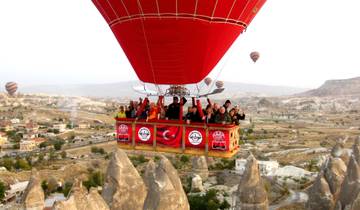
3 days
3 Days – Cappadocia Tour from Istanbul
- ✓ Comprehensive Istanbul tour
- ✓ Expert local guides included
- ✓ All accommodation arranged
- ✓ Transportation provided

2 days
2 Days Gallipoli & Troy Tour
- ✓ Comprehensive Istanbul tour
- ✓ Expert local guides included
- ✓ All accommodation arranged
- ✓ Transportation provided
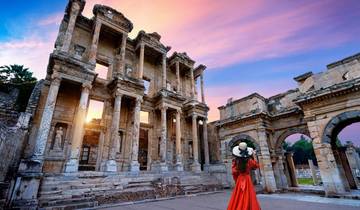
2 days
2 Days Ephesus And Pamukkale Tour from İstanbul by plane
- ✓ Comprehensive Istanbul tour
- ✓ Expert local guides included
- ✓ All accommodation arranged
- ✓ Transportation provided
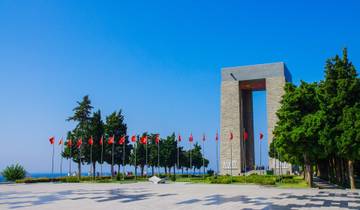
3 days
Western Ballads | 3 days
- ✓ Comprehensive Istanbul tour
- ✓ Expert local guides included
- ✓ All accommodation arranged
- ✓ Transportation provided
Multi-day tour packages powered by TourRadar. Prices and availability subject to change.
Introduction: Hagia Sophia’s Significance and 2026 Visitor Context
Hagia Sophia represents one of humanity’s supreme architectural achievements, a structure that defined monumental building design for over a millennium and continues shaping how architects approach sacred spaces today. Completed in 537 AD under Byzantine Emperor Justinian I, this building served as the world’s largest cathedral for nearly 1,000 years, functioning as the spiritual center of Orthodox Christianity and the coronation site for Byzantine emperors. Its revolutionary engineering—particularly the massive 31-meter diameter dome appearing to float unsupported above the nave—influenced Islamic architecture profoundly after Sultan Mehmed II converted it to a mosque in 1453 following the Ottoman conquest of Constantinople.
The building’s complex identity stems from its layered history: 916 years as an Orthodox cathedral (537-1453), 481 years as an Ottoman mosque (1453-1934), 85 years as a secular museum (1935-2020), and its current status since July 2020 as an active mosque with regulated tourist access. Each period left physical marks—Byzantine mosaics depicting Christ and the Virgin Mary coexist with Ottoman calligraphic medallions bearing the names of Allah and Muhammad, while four massive minarets surround the original Byzantine structure. This architectural palimpsest creates a unique monument where Christian and Islamic heritage intertwine inseparably, recognized through its designation as part of the UNESCO Historic Areas of Istanbul World Heritage Site.
Visiting Hagia Sophia in 2026 requires navigating its dual function as both sacred prayer space and global tourist destination. The 2024 introduction of the €25 entrance fee and formal separation between worship and tourism areas marked a significant policy shift after six years of free access following the mosque reconversion. Tourists now access only the upper galleries where Byzantine mosaics remain visible, while the ground floor operates exclusively as prayer space for Muslim worshippers. This arrangement necessitates understanding mosque protocols—dress codes, shoe removal, photography restrictions during prayer times, and respectful silence—while providing continued access to one of the world’s most historically significant interiors.
The monument attracts over 3 million annual visitors, creating crowd management challenges particularly during summer peak season (June-August) and on weekends. Strategic timing—arriving at opening hour or late afternoon after 17:00—reduces wait times significantly compared to midday peak periods when queues can extend 30-45 minutes. The building’s location in the heart of Sultanahmet district, directly across from the Blue Mosque and within walking distance of Topkapi Palace and the Basilica Cistern, makes it the centerpiece of Istanbul’s historic core and typically the first or second site most visitors prioritize during their stay.
Ticket Prices and Entry Information 2026
Hagia Sophia implemented structured tourist entrance fees in January 2024, continuing this pricing system throughout 2026 following the building’s 2020 reconversion from museum to active mosque. The €25 entrance fee applies to all international and domestic tourists seeking to access the upper gallery viewing areas where Byzantine mosaics and architectural details remain visible. This fee represents a significant change from the 2020-2023 period when the building operated with free tourist access alongside its mosque functions, and from the 1935-2020 museum era when nominal entry charges applied.
Current Pricing Structure 2026
Adult tourists pay €25 (approximately $27 USD, though exchange rate fluctuations affect dollar equivalents) for entrance tickets granting access to the upper galleries and designated tourist viewing areas. Children under 8 years old enter free when accompanied by paying adults, though identification (passport or national ID) must be presented to verify age. The pricing structure makes no distinctions between Turkish citizens and foreign visitors—all tourists regardless of nationality pay the same €25 fee, unlike some Turkish monuments that offer reduced rates for residents.
The Museum Pass Istanbul, which provides bundled access to major monuments including Topkapi Palace (₺1,500), Istanbul Archaeological Museums (₺300), and Turkish and Islamic Arts Museum (₺250), explicitly excludes Hagia Sophia. Visitors must purchase separate individual tickets for Hagia Sophia regardless of museum pass ownership. This exclusion stems from Hagia Sophia’s unique status as an active religious site with separate administrative oversight from the Ministry of Culture’s museum directorate managing other monuments.
Student discounts do not apply at Hagia Sophia—the €25 fee remains constant regardless of student status, age beyond the under-8 exemption, or International Student Identity Card possession. Senior citizen discounts similarly do not exist. The flat pricing structure simplifies ticketing but eliminates the cost reductions available at many other Turkish cultural sites for students and seniors.
Ticket Purchase Options and Skip-the-Line Access
Tickets can be purchased through two primary channels: on-site ticket counters adjacent to the tourist entrance on the building’s eastern side, or advance online purchase through authorized vendors offering skip-the-line services. On-site ticket counters accept cash (Turkish Lira or major foreign currencies) and credit cards, though queues during peak hours (10:00-15:00, especially summer months) can require 20-45 minute waits before reaching the window.
Online skip-the-line tickets purchased through authorized vendors cost marginally more (typically €28-32 depending on provider) but enable bypassing ticket office queues entirely. However, most skip-the-line tickets operate differently than traditional print-at-home or mobile QR codes—many authorized vendors require ticket collection from dedicated offices near the Hippodrome (across from the Egyptian Obelisk) rather than direct entrance with printed confirmations. Visitors should verify collection requirements when purchasing online tickets to avoid confusion on arrival day.
Some tour operators offer combination packages bundling Hagia Sophia entrance with Blue Mosque tours, Basilica Cistern admission, or comprehensive Sultanahmet district walking tours. These packages typically cost €80-150 per person depending on inclusions and group size, providing guided interpretation alongside entrance fees. Small group tours (8-15 participants) and private tours command premium pricing but deliver more personalized attention and flexible pacing compared to larger groups.
Free Prayer Access Versus Paid Tourist Access
A critical distinction exists between free prayer access and paid tourist entry that confuses many visitors. Muslim worshippers entering for prayer purposes use the south-facing main entrance adjacent to the park and square, accessing the ground floor prayer area without charge at any time. This free access applies strictly to those genuinely entering for worship—attempting to use the prayer entrance for tourism purposes or entering during tourist visiting hours without praying violates mosque protocols and will result in redirection to the paid tourist entrance.
The paid €25 tourist entrance provides access to the upper galleries specifically, not the ground floor prayer area where Friday congregational prayers and daily worship occur. Tourists view the building from elevated gallery perspectives offering excellent sight lines to the dome, mosaics, and nave, but cannot access or walk through the ground floor prayer space where worshippers gather. This separation maintains religious sanctity while accommodating tourism, though it does limit viewing perspectives compared to the pre-2020 museum era when all areas were accessible.
Opening Hours and Best Times to Visit 2026
Hagia Sophia maintains season-dependent operating hours in 2026 reflecting both liturgical requirements (Friday prayer closure) and practical considerations (longer summer daylight enabling extended access). Understanding these schedules and timing visits strategically minimizes wait times and optimizes viewing conditions inside the monument.
Daily Operating Schedule 2026
Standard winter season hours (November through March) operate 09:00-19:00 daily for tourist access to the upper galleries. Summer season hours (April through October) extend opening to 08:00 while maintaining the 19:00 closing time, creating 08:00-19:00 summer access windows. Last entry occurs 30 minutes before closing—18:30 final admission regardless of season. These hours apply to the paid tourist galleries only; the ground floor prayer area operates 24/7 for Muslim worshippers throughout the year.
Every Friday, Hagia Sophia closes tourist access from 12:00-14:30 for Jumu’ah (Friday congregational prayers), the week’s most important Islamic prayer service that attracts large worshipper attendance. This 2.5-hour closure is mandatory and non-negotiable—no tourists can access the building during this period regardless of pre-purchased tickets or tour schedules. Visitors should avoid scheduling Friday visits during midday hours, instead planning morning arrivals before 11:30 or afternoon visits after 15:00 to accommodate the closure. The Friday prayer closure does not affect other weekday schedules, which maintain normal operating hours.
Five daily Islamic prayer times (Fajr/dawn, Dhuhr/midday, Asr/afternoon, Maghrib/sunset, Isha/evening) occur throughout the day following Islamic lunar calendar timing that shifts gradually across solar calendar months. While tourist access continues during these regular daily prayers, visitors may notice increased prayer activity on the ground floor and should maintain particularly respectful silence during prayer call (adhan) periods. Only the Friday midday prayer creates a complete tourist closure.
Optimal Visiting Times for Crowd Avoidance 2026
Early morning arrival at 09:00 opening (08:00 during April-October summer season) provides the best crowd avoidance strategy. Arriving 15-20 minutes before opening allows joining the initial entry queue that processes quickly once doors open, with visitors encountering minimal crowds inside during the first 45-60 minutes before mid-morning tour groups arrive. The upper galleries feel remarkably peaceful during this early window, enabling unhurried mosaic viewing and photography without constant human traffic.
Late afternoon visits after 17:00 offer secondary crowd reduction benefits as day-trippers and tour groups depart. The final 90 minutes before 18:30 last entry create relatively calm conditions compared to midday peaks, though lighting conditions inside the building can diminish as natural sunlight through windows decreases toward closing time. Summer late afternoon visits benefit from extended daylight maintaining better interior illumination through 18:00-18:30 compared to winter months when diminishing natural light affects viewing quality after 17:00.
Peak crowding occurs 10:00-15:00 daily, particularly during summer months (June-August) when tourist volumes maximize. Weekends see increased domestic tourism adding to international visitor numbers, while weekdays offer marginally better crowd conditions. Tuesday through Thursday represent the optimal weekdays for visiting as Monday handles weekend overflow and Friday faces the prayer closure complication. The weeks surrounding major Turkish holidays (particularly Ramadan Eid and Sacrifice Eid) see domestic tourism surges, while European summer vacation period (mid-July through August) brings peak international crowds.
Seasonal Considerations for 2026 Planning
Spring (April-May) and autumn (September-October) provide ideal visiting conditions combining comfortable temperatures (15-25°C), manageable crowds, and good interior lighting from moderate sunshine angles. Summer (June-August) brings maximum crowds and potential queue times of 30-45 minutes during peak midday hours, though extended operating hours (08:00 opening) help distribute visitor flow. Winter (November-February) sees minimal crowds and immediate entry even during midday, but shorter days and limited natural light through the building’s windows can make interior viewing less dramatic, particularly for photography.
The Istanbul Tulip Festival in April creates modest crowding increases in the Sultanahmet district generally but doesn’t specifically impact Hagia Sophia more than other spring weeks. The summer tourism peak (July-August) represents the most challenging period for comfortable visiting, while the winter low season (January-February) offers the easiest access conditions despite less favorable weather and lighting.
Location and Transportation to Hagia Sophia 2026
Hagia Sophia occupies a central position in Istanbul’s Sultanahmet district on the European side, forming the historic core alongside the Blue Mosque, Topkapi Palace, and Basilica Cistern. The monument’s address is Sultan Ahmet, Ayasofya Meydanı No:1, 34122 Fatih/İstanbul, with the tourist entrance located on the eastern side of the building facing toward the Bosphorus and adjacent to Topkapi Palace’s monumental gate.
Public Transportation Access
The T1 tram line provides the most convenient public transportation access, with two stations serving the Sultanahmet area. Gülhane station sits 400 meters (5-minute walk) from Hagia Sophia’s entrance, requiring a walk through Gülhane Park or along the street to reach the monument. Sultanahmet station positions itself 500 meters (7-minute walk) from the entrance, approaching through Sultanahmet Square where both Hagia Sophia and the Blue Mosque dominate the skyline. Both stations work equally well—choose based on connections from your starting point.
From Taksim Square and modern Istanbul districts, take the F1 funicular from Taksim down to Kabataş, then board the T1 tram toward Bağcılar, exiting at either Gülhane or Sultanahmet stations. Journey time totals 35-45 minutes including connections. The İstanbulkart rechargeable transit card reduces single journey costs to ₺15 ($0.45) compared to ₺25 ($0.75) for single-use tokens, making the card essential for multiple daily trips.
The M2 metro line connects to the T1 tram at Vezneciler station for travelers coming from districts north of the Golden Horn. Take M2 to Vezneciler, walk 5 minutes to the adjacent T1 tram station at Laleli-Üniversite, then ride 3 stops to Sultanahmet. This route suits travelers staying in Şişli, Mecidiyeköy, or northern European districts requiring metro access to reach the historic peninsula.
Walking from Nearby Monuments
Hagia Sophia’s central Sultanahmet location enables easy walking connections to Istanbul’s other major monuments. The Blue Mosque (Sultan Ahmed Mosque) stands directly across Sultanahmet Square, requiring only a 2-minute walk across the park separating the two monuments. Topkapi Palace’s first courtyard and ticket entrance lie 400 meters (5-minute walk) from Hagia Sophia’s tourist entrance, with the two buildings sharing adjacent positions along the historic palace complex’s western boundary.
The Basilica Cistern entrance positions itself 300 meters (4-minute walk) from Hagia Sophia, located slightly downhill toward the tram line. The Grand Bazaar’s Nuruosmaniye Gate sits 800 meters (10-12 minute walk) from Hagia Sophia, requiring a moderate uphill walk through the commercial district between Sultanahmet and the bazaar. Most visitors easily walk between these major sites in a continuous touring pattern, with Hagia Sophia serving as the natural starting or ending point for comprehensive Sultanahmet sightseeing.
Taxi and Rideshare Service
Official yellow taxis provide direct service to Hagia Sophia from anywhere in Istanbul, though traffic congestion in the Sultanahmet area often makes taxis slower and more expensive than tram service during daytime hours. Taxi drivers should be instructed to “Ayasofya” (Turkish pronunciation) with the clarification “Sultanahmet’te” (in Sultanahmet) to avoid confusion with other locations. Metered fares from Taksim Square run ₺200-300 ($6-9) depending on traffic, while Istanbul Airport taxi service costs ₺800-1,200 ($24-36) for the 45-60 minute journey.
Rideshare services including BiTaksi and Uber operate in Istanbul, though their availability in Sultanahmet can be limited compared to modern districts like Beyoğlu. These services typically cost 10-20% less than traditional taxis while providing fixed pricing that eliminates meter concerns. However, traffic restrictions around Sultanahmet often prevent drivers from approaching the monument entrance directly, requiring short walks from drop-off points on surrounding streets.
What to See: Architecture and Interior Features
Hagia Sophia’s architecture represents the pinnacle of Byzantine engineering, combining innovative structural solutions with decorative programs that blend Christian and Islamic artistic traditions. Tourist access to the upper galleries provides viewing perspectives that showcase the building’s most significant features while maintaining separation from the active prayer areas below.
The Revolutionary Dome and Structural System
The central dome dominates Hagia Sophia’s interior, measuring 31 meters (102 feet) in diameter and rising 55.6 meters (182 feet) above the floor at its apex. This massive hemisphere appears to float unsupported above the nave, an optical illusion created by the ring of 40 windows at the dome’s base that flood the interior with light while visually separating the dome from its supporting structure. The windows serve dual purposes—reducing the dome’s weight by eliminating solid masonry in the drum area while creating the ethereal lighting effects that gave the building its reputation as divinely illuminated.
Four massive pendentives—spherical triangular sections curving from the square base upward—transfer the dome’s weight to four enormous piers positioned at the nave’s corners. This pendentive dome system was revolutionary in 537 AD, enabling the first successful combination of a circular dome over a square base at monumental scale. Two semi-domes on the east and west sides buttress the main dome while extending the nave’s interior volume, creating the vast uninterrupted central space that defined Byzantine architecture and influenced Ottoman mosque design for the next millennium.
The current dome dates from the 558 AD rebuilding after the original collapsed during an earthquake in 557 AD. Byzantine engineers raised the dome profile, making it slightly more pointed than the original hemispherical design to reduce lateral thrust on the supporting piers. Massive buttresses added during Ottoman renovations, particularly the exterior flying buttresses visible on the building’s western side, further stabilize the structure. Famous Ottoman architect Mimar Sinan reinforced the dome and arches during 16th-century renovations that saved the building from collapse, adding structural support that remains essential to the monument’s stability today.
Byzantine Mosaics in the Upper Galleries
The upper galleries contain Hagia Sophia’s most significant surviving Byzantine mosaics, created between the 9th and 14th centuries following the Iconoclastic period’s conclusion. The Deesis mosaic in the south gallery represents the finest example of late Byzantine art remaining in the building—Christ Pantocrator (Christ as All-Powerful) appears between the Virgin Mary and John the Baptist who intercede on humanity’s behalf. Despite significant damage to the lower portions, the figures’ faces show remarkable artistic sophistication with subtle modeling and emotional expression that marks this as a Renaissance-anticipating masterpiece from approximately 1261 AD.
The apse semi-dome features the Virgin and Child mosaic created in 867 AD as the first major figurative work installed after Iconoclasm’s defeat. The Virgin sits on a jewel-encrusted throne holding the Christ child, surrounded by golden background tesserae that catch and reflect light dramatically. This image marked the restoration of figural religious art in Byzantine churches after more than a century of prohibition, making it both artistically significant and historically pivotal.
Four Seraphim—six-winged angels positioned in the pendentives beneath the main dome—represent another major mosaic survival. Two eastern pendentives retain original mosaic Seraphim from the 14th century, while the western pendentives feature painted Seraphim added during Ottoman-era renovations after the originals deteriorated. During the Ottoman period, the Seraphim faces were covered with star-shaped gilded plates respecting Islamic aniconism, though these covers were removed during 2009 renovations revealing the angel faces again.
The Imperial Gate mosaic above the main entrance shows Byzantine Emperor Leo VI prostrating before Christ enthroned, a powerful image of imperial submission to divine authority. Additional mosaics include the southwestern vestibule’s Virgin and Child flanked by Emperors Constantine and Justinian, and various cross and geometric patterns from the earliest Byzantine period. Many mosaics remain partially hidden under plaster applied during the Ottoman era, while others suffered irreversible damage from earthquakes, fires, and the 1204 Crusader sacking of Constantinople.
Ottoman Architectural Additions
Four minarets surrounding the building represent the most visible Ottoman additions, constructed in stages after the 1453 conversion to mosque status. The southeast minaret built in red brick dates from Sultan Mehmed II’s reign immediately following the conquest. The northeastern minaret was added by Sultan Bayezid II in the late 15th century using white limestone. The two identical western minarets—the tallest at 60 meters height—were designed by Mimar Sinan and constructed during Sultan Selim II’s reign in the 16th century. These minarets transformed Hagia Sophia’s exterior profile while announcing the building’s new Islamic function to the surrounding city.
Eight enormous circular medallions (levha) hang from the nave columns and pier faces, bearing Arabic calligraphy of the names Allah, Muhammad, the first four Caliphs (Abu Bakr, Umar, Uthman, Ali), and Muhammad’s grandsons Hasan and Husayn. Created by renowned 19th-century calligrapher Kazasker Mustafa İzzet Efendi during the 1847-1849 Fossati restoration, these 7.5-meter diameter wooden discs represent masterworks of Islamic calligraphic art. Their massive scale and prominent positioning make them equally important visual elements as the Byzantine mosaics, creating the building’s distinctive blend of Christian and Islamic artistry.
The mihrab (prayer niche indicating Mecca’s direction) and minbar (pulpit for sermons) occupy the southeastern section of the ground floor, slightly offset from the building’s central axis because Hagia Sophia’s orientation as a church (east-west) doesn’t align precisely with qibla (Mecca’s direction from Istanbul). Ottoman craftsmen created these marble elements with intricate carving and geometric patterns characteristic of classical Islamic decoration. The sultan’s gallery (hünkar mahfili) on the northwestern side provided the Ottoman sultan’s private prayer space, decorated with elaborate marble screens and Ottoman-Baroque architectural details.
Marble Columns and Interior Surfaces
Hagia Sophia’s interior features over 100 marble columns sourced from across the Mediterranean world, including porphyry columns from Egypt, green Thessalian marble from Greece, and white Proconnesian marble from the nearby Sea of Marmara island quarries. The ground floor’s massive nave columns measure over 20 meters high, while smaller columns in the galleries create the building’s multi-level spatial organization. Byzantine builders reused columns from earlier Roman buildings and temples, making Hagia Sophia a repository of ancient materials assembled into a new monumental synthesis.
The floor features geometric patterns in opus sectile (cut marble inlays) using various colored marbles arranged in repeating motifs. Ottoman additions include the omphalion—a circular marble platform where Byzantine emperors were crowned—and various marble panels added during restoration periods. The Fossati brothers’ 1847-1849 restoration added decorative paint schemes in the dome and vaults, applying Islamic geometric patterns and floral motifs that complement rather than replace the Byzantine architectural framework.
Dress Code and Mosque Etiquette 2026
Hagia Sophia’s status as an active mosque requires all visitors to follow Islamic dress codes and behavioral protocols regardless of their own religious background. These requirements apply strictly to tourist areas including the upper galleries, creating stricter standards than most secular museums but consistent with mosque visiting practices throughout Turkey.
Required Clothing Standards
Women must cover their hair completely using headscarves or shawls that cover from the hairline to below the shoulders, with no hair visible from any angle. Unlike the nearby Blue Mosque which provides complimentary scarves, Hagia Sophia does not offer free coverings—women should bring their own scarves or purchase them at the entrance for approximately ₺50-100 ($1.50-3). Lightweight scarves work best in summer heat, while warmer options suit winter visits. The head covering requirement applies to all women regardless of age beyond young children, including teenagers and elderly visitors.
Both men and women must wear modest clothing covering shoulders and extending below the knees. For women, this means long pants, ankle-length skirts, or dresses with sleeves (short sleeves acceptable, but shoulders must be covered). Leggings are permissible when paired with long tops or tunics extending below the hips. For men, long pants are strongly recommended though knee-covering shorts technically meet minimum standards—however, long pants eliminate any ambiguity during entrance inspection. Tank tops, sleeveless shirts, and short shorts are prohibited for all visitors.
Avoid tight or body-hugging clothing even if it covers required areas—the spirit of modest dress includes avoiding attention-drawing garments. Clothing with offensive slogans, excessive skin exposure, or transparent fabrics will be rejected at entrance. Women wearing dresses or skirts should ensure they extend fully to ankles when sitting, as gallery seating and stairs can cause shorter garments to rise above knee level.
Shoe Removal and Designated Areas
All visitors remove shoes before entering areas with carpeting, primarily affecting the ground floor prayer space that tourists don’t access and certain transitional areas. The upper galleries where tourists primarily circulate allow shoes in most sections, though specific areas may require removal—follow signage and staff instructions. Designated shoe storage areas provide plastic bags and shelving for secure footwear storage during mosque portions of visits.
Wear clean socks or bring slip-on shoes that facilitate easy removal and replacement when transitioning between carpeted and non-carpeted zones. Avoid complicated lacing systems or boots requiring extensive unlacing time, as this slows movement through entrance screening and creates bottlenecks. Sandals and slip-on loafers work ideally for mosque visits throughout Istanbul. Ensure socks are in good condition without holes, as walking in stocking feet through tourist areas with damaged socks creates discomfort and appears disrespectful.
Photography Rules and Restrictions
Photography is permitted throughout Hagia Sophia’s tourist areas with important limitations: no flash photography is allowed anywhere in the building to protect fragile mosaics and prevent disturbance to worshippers, no tripods or professional lighting equipment without special permission, and absolutely no photographing worshippers during prayer times or in prayer areas. These rules protect both artistic heritage and religious privacy.
Disable camera flashes before entering to avoid accidental activation that could result in warnings or temporary photography prohibition. The building’s interior lighting comes primarily from windows and ambient electrical fixtures, requiring higher ISO settings (800-1600) and slower shutter speeds for handheld photography. Image stabilization becomes essential given the dim conditions, while wide-angle lenses (16-35mm range) capture the dome and nave’s spatial drama better than standard focal lengths.
Avoid photographing the ground floor prayer area where worshippers gather, particularly during prayer times when photographing people in worship violates Islamic privacy principles. The upper galleries provide excellent photography positions overlooking the nave, dome, and mosaics without requiring ground floor access. Video recording follows the same flash-prohibition and worshipper-respect rules as still photography.
Behavioral Expectations During Visit
Maintain quiet, respectful behavior throughout the building—this is an active house of worship, not solely a museum. Avoid loud conversations, shouting across galleries, or disruptive behavior that disturbs worshippers or other visitors. During the five daily prayer calls (adhan), pause conversations and show respect while the call to prayer sounds through the building. Prayer times last 15-30 minutes, during which extra silence and stillness are appreciated.
Do not eat, drink, or smoke anywhere inside the building. Water bottles should remain stored in bags rather than consumed in the galleries. Public displays of affection beyond hand-holding are inappropriate in mosque settings—avoid kissing or embracing inside the building. Parents should supervise children closely, preventing running, climbing on barriers, or loud play that disrupts the sacred atmosphere.
Entry denial or removal from the building can result from dress code violations, disruptive behavior, or disrespect toward religious practices. Staff and security personnel enforce these standards consistently, though politely worded. Visitors showing genuine effort to comply with requirements while inadvertently making minor mistakes typically receive courteous correction rather than immediate removal, but deliberately flouting rules results in exit requirement.
Guided Tours Versus Self-Guided Visits 2026
Hagia Sophia can be experienced through professional guided tours providing historical context and architectural explanation, or self-guided visits using audio guides, printed materials, or independent exploration. Each approach offers distinct advantages depending on visitor priorities, time constraints, and interest in detailed historical information.
Guided Tour Options and Benefits
Small group guided tours (8-15 participants) range €80-120 per person for 60-90 minute Hagia Sophia-focused experiences, often bundled with Blue Mosque and Basilica Cistern visits in comprehensive Sultanahmet tours priced €120-180. Professional guides provide historical narratives explaining the building’s transformation from Byzantine cathedral through Ottoman mosque to its current status, architectural details like the pendentive dome system and structural innovations, mosaic identification and artistic significance, and the interplay between Christian and Islamic elements throughout the interior.
The primary advantage of guided tours involves expert interpretation that transforms architectural observation into historical understanding—guides explain why specific mosaics survived Iconoclasm while others were destroyed, how Mimar Sinan’s Ottoman structural reinforcements saved the building from collapse, and what daily life in Byzantine Constantinople would have entailed for worshippers attending services in the cathedral. This contextual knowledge enriches the visual experience substantially for visitors without extensive architectural or Byzantine history background.
Small group tours maintain manageable sizes allowing question-asking and personal interaction with guides, while private tours (€200-350 for 1-6 people) provide completely customized pacing and content focus. Private tours suit travelers with specific interests (Byzantine art, Ottoman architecture, religious transformation narratives) or those wanting photography time without group schedule constraints. Both tour types typically include skip-the-line entrance, though groups still process through security screening and may experience delays during peak visitation periods.
Self-Guided Visit Strategies
Self-guided visits provide maximum flexibility and budget savings—just the €25 entrance fee without additional tour costs—while enabling personalized pacing. Audio guides available through smartphone apps (many free or low-cost €3-5) deliver professional narration synchronized to specific locations throughout the building, creating a middle ground between fully independent visits and live guided tours. These apps typically include 30-45 minute narrated routes with historical explanations at each stop.
Comprehensive guidebooks dedicated to Hagia Sophia provide room-by-room descriptions, mosaic identifications, and architectural analysis for serious students wanting detailed reference material. General Istanbul guidebooks include Hagia Sophia chapters with essential information though less depth than specialized publications. Online resources including the official Hagia Sophia website and academic articles offer pre-visit research enabling informed independent exploration.
Self-guided visitors should budget 60-90 minutes for thorough exploration including both levels of the upper gallery, careful mosaic viewing, and time for photography and contemplation. Rushing through in 30-40 minutes captures basic impressions but misses much architectural detail and artistic subtlety. The building’s complexity rewards slow observation—the dome appears different from various viewing positions, mosaic details emerge with extended looking, and the relationship between Byzantine and Ottoman elements becomes clearer through sustained attention.
Accessibility Considerations
Wheelchair accessibility at Hagia Sophia remains limited due to the historic building’s multi-level structure and preservation constraints. The ground floor prayer area features ramp access from the entrance, making it theoretically wheelchair-accessible for worshippers. However, tourist access focuses on the upper galleries reached via stone staircases without elevator alternatives, effectively excluding wheelchair users from viewing the building’s most significant Byzantine mosaics and architectural vantage points.
Visitors with mobility limitations who can manage stairs with assistance should recognize that the upper gallery stairs are steep, narrow, and numerous—the climb involves 50+ steps with intermediate landings. Handrails provide support, though the historical stone construction means uneven treads and worn surfaces require careful footing. These limitations represent preservation necessities rather than oversight, as installing modern elevators would require structural modifications incompatible with UNESCO World Heritage protection standards.
Combining Hagia Sophia with Nearby Attractions 2026
Hagia Sophia’s central Sultanahmet location enables efficient combination with Istanbul’s other major monuments in concentrated touring patterns that maximize time efficiency while minimizing transportation between sites. Strategic sequencing and realistic time budgeting create satisfying multi-site days without exhausting rushing.
Blue Mosque and Sultanahmet Square
The Blue Mosque (Sultan Ahmed Mosque) sits directly across Sultanahmet Square from Hagia Sophia, requiring only a 2-minute walk between the monuments. This 17th-century Ottoman mosque deliberately positioned itself facing Hagia Sophia as an architectural response and Islamic complement to the Byzantine masterpiece. Visiting both in sequence provides powerful architectural comparison—observe how Ottoman architect Mehmet Ağa adapted Hagia Sophia’s central dome and semi-dome system while creating a distinctly Ottoman interior featuring blue İznik tiles that give the building its popular name.
The Blue Mosque operates as an active mosque with free entrance outside prayer times (approximately 90 minutes daily closure for the five prayer periods). Dress code requirements mirror Hagia Sophia—head coverings for women, modest clothing for all visitors, shoe removal before entering. The building typically allows tourist visits 08:30-11:30, 13:00-14:30, and 15:30-16:45, with exact times varying based on seasonal prayer schedules. Check current prayer times before visiting to avoid closure periods.
Combining both mosques in a single morning works efficiently: arrive at Hagia Sophia at 09:00 opening for 75-90 minute visit, exit around 10:30-10:45, walk across the square to the Blue Mosque for 30-45 minute visit before the midday prayer closure at 11:30-12:00. This sequence front-loads the paid €25 Hagia Sophia entrance early while maximizing mosque-visiting time before prayer closures limit access. Budget 2.5-3 hours total for both sites including transition time.
Topkapi Palace and Hagia Sophia
Topkapi Palace—the Ottoman sultans’ primary residence from 1465-1856—occupies extensive grounds immediately adjacent to Hagia Sophia’s eastern side. The palace entrance sits 400 meters (5-minute walk) from Hagia Sophia’s tourist exit, creating natural flow for combined visits. The palace complex requires 2-3 hours minimum for basic coverage including the Second and Third Courtyards, Imperial Harem (separate ₺900 fee), and Treasury containing the Topkapi Dagger and Spoonmaker’s Diamond.
Topkapi Palace charges ₺1,500 ($45) entrance fee with the Harem requiring an additional ₺900 ($27), totaling ₺2,400 ($72) for complete access. The Museum Pass Istanbul covers Topkapi Palace including Harem, making the pass worthwhile for visitors planning multiple major monuments despite its exclusion from Hagia Sophia. Operating hours are 09:00-18:00 (last entry 17:00) daily except Tuesdays when the palace closes for maintenance.
Combining Hagia Sophia and Topkapi Palace requires realistic full-day planning: Hagia Sophia 09:00-10:30 (90 minutes), Topkapi Palace 11:00-14:00 (3 hours including lunch break in palace gardens or Fourth Courtyard cafeteria), then optional afternoon additions like the Basilica Cistern or Istanbul Archaeological Museums. This pacing allows thorough rather than rushed exploration while building in breaks preventing museum fatigue.
Basilica Cistern Underground Chambers
The Basilica Cistern (Yerebatan Sarnıcı), a 6th-century underground water storage chamber featuring 336 marble columns in atmospheric subterranean setting, lies 300 meters downhill from Hagia Sophia toward the tram line. This Byzantine engineering marvel requires 30-45 minutes for standard visits, offering cool underground refuge from summer heat and atmospheric photography opportunities with illuminated columns reflected in shallow water covering the floor.
Entrance costs ₺800 ($23) for daytime visits (09:00-18:30), with evening visits (19:00-22:30) priced at ₺1,300 ($37) for enhanced lighting and reduced crowds. The cistern operates year-round without weekly closures, providing reliable accessibility regardless of day. Skip-the-line tickets available online reduce wait times during peak summer periods when midday queues can extend 20-30 minutes.
The Cistern fits efficiently into Hagia Sophia-Blue Mosque touring patterns as a morning conclusion (after both mosques before lunch) or afternoon addition (post-Topkapi Palace on return toward tram). Its underground location provides weather protection during rain while the temperature-stable cool environment offers summer heat relief between aboveground monument visits.
Grand Bazaar Shopping and Architecture
The Grand Bazaar (Kapalı Çarşı), one of the world’s oldest covered markets with 4,000+ shops arranged in labyrinthine covered streets, sits 800 meters (10-12 minute uphill walk) from Sultanahmet. This Ottoman-era market complex combines shopping opportunities for carpets, ceramics, jewelry, and textiles with architectural interest in its vaulted ceiling network and historic han (caravanserai) structures. Budget 1-2 hours for bazaar exploration depending on shopping interest versus architectural touring focus.
The bazaar operates Monday-Saturday 09:00-19:00, closing Sundays and on major Turkish holidays. Free entrance with shopping completely optional—many visitors browse without purchasing while appreciating the architectural space and commercial energy. Strategic bazaar visits occur late afternoon (16:00-18:00) after completing Hagia Sophia, Blue Mosque, and potentially Topkapi Palace earlier in the day, creating a shopping-focused conclusion to monument-heavy mornings.
Practical Visit Information and Tips 2026
Successful Hagia Sophia visits require attention to practical details beyond basic entrance information, including strategic planning for various visitor circumstances and understanding common challenges that affect touring experiences.
Time Required and Visit Duration
Budget minimum 60 minutes for basic Hagia Sophia exploration covering the ground floor viewing areas accessible from the upper gallery and both levels of the gallery itself with cursory mosaic observation. Thorough visits examining mosaics carefully, reading informational placards, photographing architectural details, and absorbing the building’s atmosphere require 75-90 minutes. Visitors with particular interest in Byzantine art or architecture may extend to 2 hours for detailed study, while rushed tours can compress to 40-45 minutes though this sacrifices depth significantly.
The building’s scale and visual complexity reward slower pacing—initial impressions focus on the dome’s overwhelming presence, but extended observation reveals mosaic details, marble column variations, calligraphic medallion artistry, and spatial relationships between architectural elements that aren’t immediately apparent during rapid touring. Photography alone consumes substantial time given the challenging lighting conditions requiring multiple exposures and positions to capture the interior effectively.
Facilities and Amenities
Restroom facilities are available outside the main entrance area, requiring exit from the building to access. No restrooms exist inside the tourist galleries, making pre-visit bathroom use advisable. Coat check or bag storage services are not provided—visitors carry all belongings throughout their visit. Large backpacks and suitcases are prohibited, though standard daypacks and camera bags are permitted after security screening.
No cafeteria or food service operates inside Hagia Sophia. Water bottles must remain stored in bags rather than carried visibly or consumed inside the building. The surrounding Sultanahmet district offers extensive restaurant and café options for pre-visit meals or post-visit refreshments, with establishments ranging from budget street food vendors to upscale restaurants catering to tourist clientele.
Weather and Seasonal Considerations
Hagia Sophia’s interior provides climate refuge during weather extremes—the massive masonry structure maintains relatively cool conditions during summer heat (though not air-conditioned) and protection from rain year-round. Winter visits involve minimal outdoor exposure beyond walking between entrance and nearby monuments. However, the upper gallery areas can feel chilly during winter months given the building’s vast interior volume and limited heating, making layers advisable for cold-season visits.
Summer visitors should recognize that Istanbul’s July-August heat (28-30°C) makes outdoor queuing uncomfortable, emphasizing the value of early morning or late afternoon arrival times that minimize sun exposure while waiting. The building’s stone floors and surfaces provide cooling relief once inside. Winter’s shorter daylight hours (sunset around 5:30 PM November-February) mean afternoon visits after 16:00 encounter diminishing natural light through the building’s windows, affecting photography conditions and visual impact of the interior.
Safety and Security
Security screening at the entrance includes metal detectors and bag X-ray scanning similar to airport procedures. Sharp objects, weapons, and prohibited items will be confiscated. Large bags undergo thorough inspection, slowing entrance process during peak periods. Arrive with only necessary items to expedite security clearance.
Pickpocketing can occur in crowded tourist areas including Hagia Sophia’s entrance queues and interior galleries during peak seasons. Maintain awareness of bags and belongings, use front pockets for wallets and phones, and secure camera equipment with straps. The building itself presents minimal physical danger, though the upper gallery stairs require careful attention due to worn stone treads and steep grade. Children should be supervised closely on stairs and near gallery railings.
Language and Communication
Informational placards throughout Hagia Sophia provide descriptions in Turkish and English, making basic self-guided touring feasible for English speakers. Staff at ticket counters and security checkpoints typically speak functional English adequate for basic visitor questions. However, detailed historical explanation benefits from either guided tours with professional English-speaking guides or audio guide apps providing comprehensive narration.
Free Wi-Fi is not provided inside the building, making pre-downloaded audio guides and offline maps advisable. Cellular data coverage works reliably for visitors with international roaming or Turkish SIM cards, enabling real-time translation apps and online reference materials during visits.
Frequently Asked Questions
Is Hagia Sophia free to enter in 2026?
Hagia Sophia is not free for tourist visits in 2026—the entrance fee is €25 for adults, with children under 8 entering free. This paid entry system began in January 2024 following the building’s 2020 reconversion to an active mosque. Muslim worshippers entering solely for prayer purposes can access the ground floor prayer area free of charge through the south-facing main entrance, but tourists seeking to view the architectural features and Byzantine mosaics in the upper galleries must pay the €25 fee regardless of religious background. The previous free access period (2020-2023) has ended, and visitors should budget for the entrance cost when planning Sultanahmet monument tours.
How long does it take to visit Hagia Sophia?
A thorough Hagia Sophia visit requires 75-90 minutes to explore both levels of the upper gallery, examine the Byzantine mosaics including the Deesis mosaic and Virgin and Child apse composition, observe the dome and architectural details, and allow time for photography. Quick visits can be compressed to 40-45 minutes covering only the main highlights, while visitors with particular interest in Byzantine art, architecture, or religious history may extend to 2 hours for detailed study. The building’s complexity and visual richness reward slower pacing over rushed tours, as many architectural details and mosaic subtleties only emerge with careful observation. Budget additional time for entrance queues during peak periods (10:00-15:00 in summer) which can add 20-30 minutes before reaching the ticket counter without skip-the-line access.
Can I visit both Hagia Sophia and the Blue Mosque on the same day?
Visiting both Hagia Sophia and the Blue Mosque on the same day is not only possible but recommended given their location directly across Sultanahmet Square from each other requiring only a 2-minute walk between monuments. A strategic morning sequence works efficiently: arrive at Hagia Sophia at 09:00 opening (08:00 during April-October summer season) for a 75-90 minute visit, exit around 10:30-10:45, then walk across to the Blue Mosque for a 30-45 minute visit before the midday prayer closure around 11:30-12:00. This timing maximizes both sites before prayer closures limit access. The Blue Mosque operates with free entrance outside the five daily prayer times (totaling approximately 90 minutes of closure daily), while Hagia Sophia charges €25 entrance but maintains more consistent tourist hours. Budget 2.5-3 hours total for both mosques including transition time between sites.
What should I wear to visit Hagia Sophia?
Wear modest clothing covering shoulders and knees—long pants or ankle-length skirts/dresses with sleeves for women, long pants and sleeved shirts for men. Women must bring headscarves to cover their hair completely as Hagia Sophia does not provide complimentary scarves (available for purchase at entrance for ₺50-100 if needed). Avoid tight or revealing clothing, tank tops, shorts above the knee, or transparent fabrics. Plan to remove shoes before entering certain carpeted areas, making slip-on shoes or sandals more convenient than complicated lacing boots. Bring clean socks without holes for sections requiring shoe removal. Layers help regulate temperature as the building’s massive interior can feel cool year-round despite Istanbul’s climate. The dress code applies strictly regardless of visitor religion as Hagia Sophia functions as an active mosque where Islamic modesty standards govern all entries.
Does the Museum Pass Istanbul work at Hagia Sophia?
The Museum Pass Istanbul does not work at Hagia Sophia—this is a critical planning consideration as the pass covers many other major Istanbul monuments including Topkapi Palace (₺1,500), Istanbul Archaeological Museums (₺300), and Turkish and Islamic Arts Museum (₺250) but explicitly excludes Hagia Sophia. Visitors must purchase separate €25 individual tickets for Hagia Sophia regardless of museum pass ownership. This exclusion stems from Hagia Sophia’s unique administrative status as an active mosque with separate oversight from the Ministry of Culture’s museum directorate managing other monuments. The Museum Pass Istanbul costs approximately ₺1,500 and provides excellent value for visitors seeing multiple major sites, but Hagia Sophia’s entrance fee must be budgeted separately beyond the pass cost.
Are there any free days or times to visit Hagia Sophia?
There are no free days or times for tourist visits to Hagia Sophia in 2026—the €25 entrance fee applies consistently throughout all operating hours every day of the week except during the Friday 12:00-14:30 closure when no access is available at all. Unlike some museums that offer free entry on specific days or during evening hours, Hagia Sophia maintains uniform paid entrance for all tourists. Muslim worshippers can access the ground floor prayer area free of charge at any time through the south-facing main entrance, but this access is strictly for prayer purposes and does not include tourist viewing of the upper galleries where Byzantine mosaics and architectural features are visible. The only cost-free way to experience Hagia Sophia involves viewing the exterior architecture from Sultanahmet Square without entering the building.
Can I take photos inside Hagia Sophia?
Photography is permitted throughout Hagia Sophia’s tourist areas with specific restrictions: no flash photography anywhere in the building to protect fragile Byzantine mosaics and avoid disturbing worshippers, no tripods or professional lighting equipment without special permission obtained in advance, and absolutely no photographing worshippers during prayer times or in prayer areas. Disable camera flashes before entering to prevent accidental activation that could result in warnings from security staff. The building’s interior lighting comes primarily from natural window light and ambient electrical fixtures, requiring higher ISO settings (800-1600) and image stabilization for handheld photography. Video recording follows the same restrictions as still photography. The upper galleries provide excellent photography positions overlooking the nave, dome, and mosaics. Smartphone photography works well given modern devices’ low-light capabilities, while dedicated cameras with fast lenses (f/2.8 or wider) capture the best quality images in the dim interior conditions.
Is Hagia Sophia wheelchair accessible?
Hagia Sophia has very limited wheelchair accessibility due to its historic structure and preservation constraints. The ground floor prayer area features ramp access making it theoretically wheelchair-accessible for Muslim worshippers entering for prayer. However, tourist access focuses on the upper galleries containing the Byzantine mosaics and architectural viewing positions, which are reached only via steep stone staircases with no elevator alternatives. This effectively excludes wheelchair users from viewing the building’s most significant artistic and architectural features visible from the elevated galleries. The stairs involve 50+ steps with intermediate landings, steep grade, narrow width, and uneven historical stone construction that challenges even able-bodied visitors. These limitations reflect preservation necessities rather than oversight, as installing modern elevators would require structural modifications incompatible with UNESCO World Heritage protection standards. Visitors with mobility limitations should assess their ability to manage extended stair climbing before purchasing entrance tickets.
What is the history of Hagia Sophia?
Hagia Sophia was built as a Christian cathedral in 532-537 AD under Byzantine Emperor Justinian I, designed by architects Anthemius of Tralles and Isidore of Miletus. It served as Eastern Orthodox Christianity’s most important cathedral for 916 years (537-1453), functioning as the coronation site for Byzantine emperors and spiritual center of the Orthodox Christian world. Following the Ottoman conquest of Constantinople in 1453, Sultan Mehmed II converted it to a mosque, adding minarets and Islamic features while preserving the Byzantine structure. It operated as the Ottoman Empire’s principal mosque for 481 years (1453-1934). Turkish Republic founder Mustafa Kemal Atatürk secularized the building in 1934, converting it to a museum in 1935 where it operated for 85 years showcasing both Christian and Islamic heritage. In July 2020, the Turkish government reconverted Hagia Sophia to an active mosque, though maintaining tourist access to the upper galleries with paid entrance fees implemented in January 2024. The building is recognized as part of the UNESCO Historic Areas of Istanbul World Heritage Site.
How early should I arrive at Hagia Sophia to avoid crowds?
Arrive 15-20 minutes before the 09:00 opening time (08:00 during April-October summer season) to join the initial entry queue that processes quickly once doors open. This early arrival strategy provides the most effective crowd avoidance as the building feels remarkably uncrowded during the first 45-60 minutes before mid-morning tour groups arrive around 10:00-10:30. The upper galleries remain peaceful during this early window, enabling unhurried mosaic viewing and photography without constant human traffic. Alternatively, late afternoon arrivals after 17:00 offer secondary crowd reduction benefits as day-trippers and tour groups depart before the 18:30 last entry deadline. Avoid midday peak hours (10:00-15:00) when crowds maximize, particularly during summer months (June-August) when queue times can extend 30-45 minutes for ticket purchase without skip-the-line access. Tuesday through Thursday represent optimal weekdays as Monday handles weekend overflow and Friday involves the 12:00-14:30 prayer closure complication.