Guanacaste Budget Guide 2026: How to Visit on a Budget
Key Takeaways
- Budget travelers spend $45-65 daily in Guanacaste for basic accommodation, local meals, and public transportation, while mid-range visitors allocate $90-130 covering comfortable hotels, restaurant dining, and guided activities
- Accommodation represents the largest expense at $25-45 nightly for hostels and budget hotels, $60-95 for mid-range properties, and $140-250 for luxury beachfront resorts during peak season (December-April)
- Local sodas (family restaurants) serve authentic Costa Rican meals for $6-10, while tourist-oriented restaurants charge $12-25 per entrée, making strategic dining choices save $20-40 daily per person
- Public bus transportation costs $1-4 between major Guanacaste towns, delivering 70-80% savings compared to rental cars when factoring insurance, fuel, and parking expenses
- Green season travel (May-November) reduces costs 25-35% across accommodations, tours, and activities while maintaining access to beaches, parks, and attractions during less crowded periods
- Free activities including beach access, sunset viewing, wildlife observation, and coastal trails provide substantial daily entertainment without admission costs, balancing paid tour expenses
Introduction to Budget Travel in Guanacaste
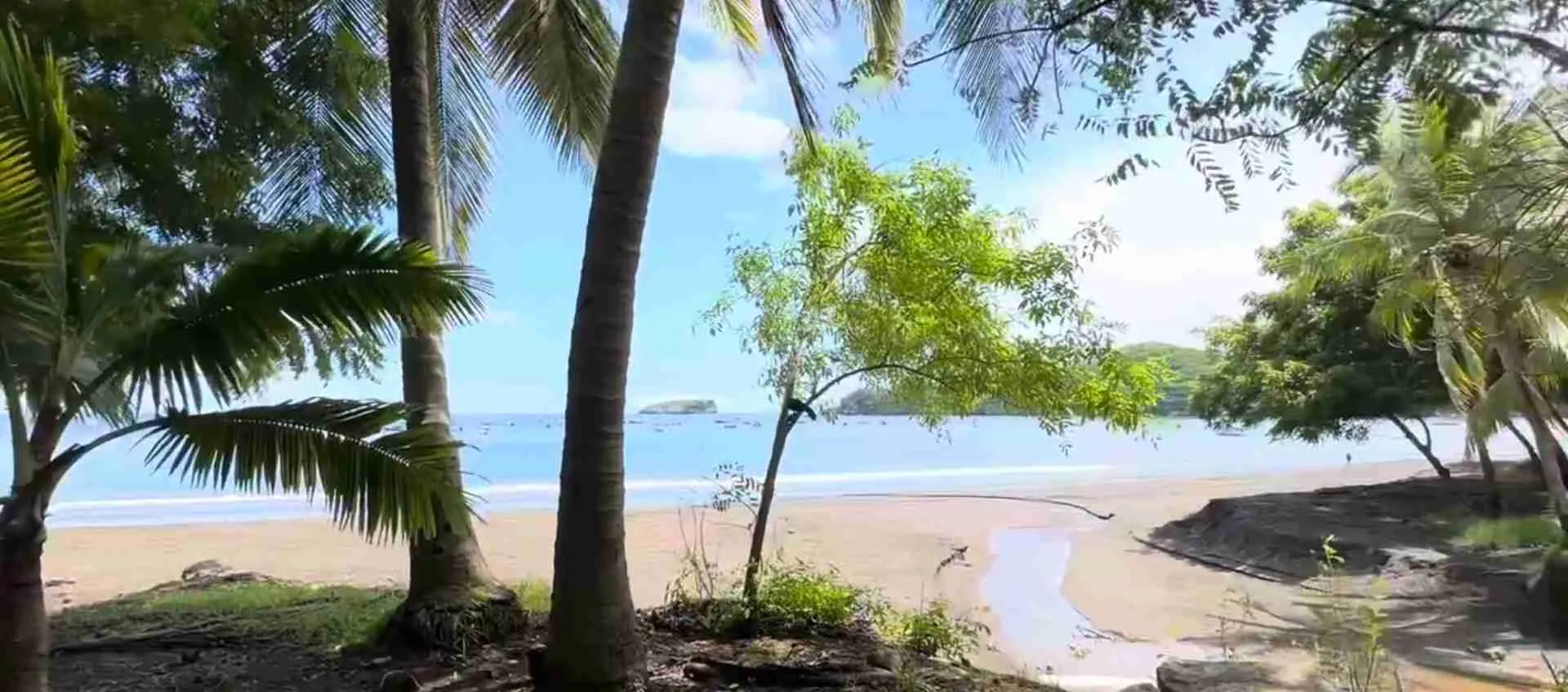
Guanacaste province spans Costa Rica’s northwestern Pacific coastline, encompassing diverse environments from pristine beaches and tropical dry forests to volcanic landscapes and marine reserves. The region attracts budget-conscious travelers through its combination of natural attractions, varied accommodation options, and accessible public transportation connecting major towns. Unlike some Costa Rican destinations requiring expensive tours for basic access, Guanacaste offers numerous free beach areas, public trails, and coastal towns walkable without vehicle rental, creating foundation for affordable exploration.
Budget management in Guanacaste requires strategic planning across accommodation location, dining choices, transportation methods, and activity selection. Peak season (December-April) commands premium pricing when North American and European tourists flood coastal areas, driving hotel rates up 40-60% and filling tour capacities at full published prices. Conversely, green season (May-November) delivers substantial savings through reduced accommodation costs, promotional tour pricing, and quieter attractions despite occasional afternoon rain showers. Understanding these seasonal dynamics allows travelers to time visits for optimal value while maintaining access to desired experiences.
The region’s tourism infrastructure supports various budget levels, from backpacker hostels charging $12-18 per dorm bed to luxury resorts exceeding $300 nightly. Budget travelers concentrate activities in towns like Tamarindo, Santa Teresa, and Nosara where hostels, local eateries, and public beaches cluster within walkable distances. Mid-range visitors spread across broader geographic area, utilizing rental vehicles or shuttle services to access more diverse locations while staying in comfortable hotels offering air conditioning, pools, and proximity to multiple beach areas. Luxury travelers focus on all-inclusive resorts or high-end boutique properties, though this guide emphasizes budget and mid-range strategies delivering maximum value.
People Also Ask About Guanacaste Budget Travel 2026
How much money do I need per day in Guanacaste in 2026?
Budget travelers spend $45-65 daily in Guanacaste covering hostel accommodation ($12-18 dorm bed), three meals at local sodas ($18-28 total), public bus transportation ($3-6), and occasional paid activities like national park entry ($15). Check specific operator and property websites for current official rates as pricing varies seasonally. This budget level requires strategic planning: staying in hostels or budget hotels, eating primarily at local restaurants rather than tourist-oriented establishments, using public buses instead of taxis or rental cars, and selecting free beach activities alongside occasional paid experiences.
Mid-range travelers allocate $90-130 daily including private room accommodation ($35-55), mix of restaurant meals and some upscale dining ($35-50), combination of public and private transportation ($10-15), and regular participation in guided tours or activities ($25-40). This budget permits comfortable hotels with air conditioning and pools, flexibility to dine at tourist restaurants occasionally, rental car use or private shuttles for convenient transportation, and joining catamaran tours, zipline adventures, or snorkeling excursions without constant budget restrictions.
These daily figures exclude international flights, pre-trip gear purchases, and optional insurance costs which vary based on departure location and individual circumstances. Budget calculations assume double occupancy for accommodation (solo travelers add 40-60% for private room premiums), sharing rental car costs between 2-4 people, and moderate alcohol consumption as excessive drinking significantly increases daily costs. Families benefit from economies of scale when sharing accommodations and rental vehicles, though child-specific costs (kids’ meals, activity fees) offset some savings.
Is Guanacaste expensive compared to other Costa Rica regions in 2026?
Guanacaste ranks as moderately expensive within Costa Rica, positioned between budget-friendly Caribbean coast areas and premium Central Pacific destinations near Manuel Antonio. Popular beach towns like Tamarindo, Nosara, and Santa Teresa command higher prices than interior Costa Rican regions due to tourism development and international visitor demand, with meal costs 30-50% above prices in San José or less-touristy provinces. However, Guanacaste remains more affordable than Manuel Antonio National Park area or Monteverde Cloud Forest where limited accommodation supply and concentrated attractions drive premium pricing.
Budget travelers find better value in less-developed Guanacaste areas: Samara, Playa Grande, or Playas del Coco offer 20-30% lower accommodation and dining costs compared to Tamarindo while maintaining beach access and activity availability. The northern Papagayo Peninsula contains primarily luxury resorts unsuitable for budget travel, while southern Nicoya Peninsula areas like Montezuma and Santa Teresa balance bohemian budget options with upscale development creating varied price points.
Strategic timing significantly impacts Guanacaste’s relative expense, as green season pricing (May-November) often undercuts Caribbean coast costs when factoring accommodation quality and beach conditions. Peak season Guanacaste (December-April) becomes expensive relative to alternatives, while off-peak visits deliver excellent value matching or beating other regions while offering superior weather and infrastructure compared to many competing destinations during same periods.
What’s the cheapest way to get around Guanacaste in 2026?
Public buses provide cheapest transportation throughout Guanacaste, with routes connecting all major beach towns and inland areas for $1-4 per journey. The Liberia-Tamarindo route costs $3.50 and runs 4-5 times daily (6:00 AM, 11:30 AM, 1:00 PM, 3:30 PM, 6:00 PM approximate schedules), while Liberia-Santa Teresa involves bus change in Nicoya ($2 + $4 = $6 total, 5-6 hours including connection). Buses depart from central terminals in each town, with schedules accommodating work commuters and tourists, though frequencies decrease on Sundays and holidays.
Colectivo shared shuttles cost $8-15 per person for popular routes, splitting difference between public bus economy and private shuttle convenience. These services require advance booking through hotels or shuttle companies, departing at fixed times (typically 8:00 AM, 1:00 PM, 4:00 PM) from central pickup points. The shared model works well for 2-3 travelers who value time savings and door-to-door service over absolute minimum cost, as $8-15 per person remains substantially cheaper than $60-90 private shuttle or $75-120 rental car daily cost when accounting for all expenses.
Hitchhiking functions as free transportation option in remote Guanacaste areas where locals assist stranded travelers, though this method requires Spanish skills, safety awareness, and significant time flexibility as waits exceed 30-60 minutes on less-traveled roads. Budget-conscious travelers combine methods strategically: public buses for main routes (Liberia to beach towns), shared shuttles for complex connections (crossing peninsula), and occasional taxis for late-night returns or heavy luggage transport when public options remain unavailable.
Can I visit Guanacaste beaches for free in 2026?
Yes, Costa Rican law mandates public beach access, ensuring free entry to all coastal areas throughout Guanacaste. Popular beaches like Tamarindo, Flamingo, Samara, and Nosara provide unrestricted access without entrance fees, though parking may cost $3-6 at attended lots near beach access points. Remote beaches like Playa Conchal, Playa Minas, or Playa Ventanas offer completely free access including parking at unmarked roadside areas, requiring only ability to navigate rough access roads and walk 5-15 minutes from parking to sand.
National park beaches charge entrance fees: Santa Rosa National Park costs $15 for international visitors accessing pristine Naranjo Beach and surfing areas, while Las Baulas National Park protecting leatherback turtle nesting sites charges $6 during daytime beach access (night turtle tours cost additional $30-40 per person). These represent exceptions to generally free beach access, with vast majority of Guanacaste coastline available without payment beyond optional parking fees.
Beachfront hotels and resorts cannot restrict public beach access, though they maintain private amenities like beach chairs, umbrellas, and food service exclusively for paying guests. Walk past resort properties to reach public beach sections where shade comes from natural palm trees instead of provided umbrellas and food requires bringing own picnic supplies or walking to nearby town sodas rather than ordering from beach restaurants. The free access allows budget travelers unlimited beach time throughout Guanacaste stay without paid tour requirements or admission costs constraining daily planning.
Extended multi-day tours – 5+ days
Featured Costa Rica Multi-Day Tour Packages
3 days
Costa Rica 3-Day Discovery Tour
- ✓ Comprehensive Costa Rica experience
- ✓ Expert local guides included
- ✓ All accommodation included
- ✓ Transportation provided
5 days
Costa Rica 5-Day Highlights Experience
- ✓ Comprehensive Costa Rica experience
- ✓ Expert local guides included
- ✓ All accommodation included
- ✓ Transportation provided
7 days
Costa Rica 7-Day Cultural Journey
- ✓ Comprehensive Costa Rica experience
- ✓ Expert local guides included
- ✓ All accommodation included
- ✓ Transportation provided
10 days
Costa Rica 10-Day Complete Adventure
- ✓ Comprehensive Costa Rica experience
- ✓ Expert local guides included
- ✓ All accommodation included
- ✓ Transportation provided
Multi-day tour packages powered by TourRadar. Prices and availability subject to change.
Essential Planning Information for 2026 Budget Travel
Understanding Guanacaste’s Cost Structure
Guanacaste’s economy operates on dual pricing system where local residents pay substantially lower costs at neighborhood businesses while tourist-oriented establishments charge international prices reflecting import costs, tourism infrastructure expenses, and market demand from foreign visitors. Sodas (family-run restaurants) frequented by Ticos serve casados (traditional plate with rice, beans, protein, salad, plantains) for $6-8, while beachfront restaurants targeting tourists charge $15-22 for similar meals with “upgraded” presentation and ocean views adding minimal nutritional value but significant cost premium.
Strategic budget travelers patronize local businesses when possible: eating at sodas in town centers rather than beachfront locations, shopping at municipal markets instead of tourist minimarkets, booking activities through local operators rather than resort concierges adding commission markups. The approach requires mild cultural immersion and basic Spanish phrases for ordering and negotiating, delivering 30-50% cost savings while supporting local economy and accessing more authentic experiences beyond tourism bubble.
Accommodation represents single largest expense category, consuming 35-45% of budget traveler’s daily costs and 40-50% of mid-range budgets. Hotel proximity to prime beach areas correlates directly with pricing: beachfront properties charge premiums of 60-100% over equivalent quality hotels located 2-3 blocks inland or in less-famous beach areas. Walking 5-10 minutes from beach to accommodation saves $15-30 nightly while maintaining easy access, as Guanacaste’s compact town layouts keep most locations within reasonable walking distance of coastal areas.
Current Costs and Pricing Breakdown for 2026
Hostel dormitory beds cost $12-18 per night in Guanacaste’s main beach towns during peak season (December-April), dropping to $9-14 during green season (May-November). Check hostel websites for current official rates as pricing varies by location and facility quality. These prices include basic bed with shared bathroom, communal kitchen access, WiFi, and common areas for socializing. Hostels in Tamarindo, Nosara, and Santa Teresa maintain highest rates within ranges, while Samara, Playa Grande, and Montezuma offer lower pricing with equivalent facilities.
Budget hotel private rooms range $25-45 nightly for basic accommodations with private bathroom, fan cooling, and minimal amenities. These no-frills properties provide clean sleeping space without luxuries like swimming pools, ocean views, or on-site restaurants, appealing to travelers prioritizing accommodation savings over comfort features. Mid-range hotels cost $60-95 per night, offering air conditioning, pool access, better locations near beaches, and improved room quality with consistent hot water and maintenance standards. Luxury beachfront resorts start at $140-250 nightly, providing full amenities, prime locations, and higher service levels beyond this guide’s budget focus.
Meal costs separate distinctly between local and tourist establishments. Sodas serve breakfast (gallo pinto with eggs, toast, coffee) for $5-7, lunch casados for $6-9, and dinner plates for $7-10, with generous portions filling hungry travelers. Tourist restaurants charge $8-12 for breakfast, $12-18 for lunch, and $15-25 for dinner entrées, often serving smaller portions with focus on presentation over value. Supermarket groceries allow self-catering at $6-10 daily per person for basic supplies (bread, cheese, fruit, snacks), though limited hostel kitchen facilities may restrict cooking capabilities.
Transportation Budget Planning
Liberia International Airport (LIR) serves as primary entry point for Guanacaste, located 45-90 minutes from major beach towns depending on destination. Shared shuttle services cost $35-55 per person for airport transfers to popular beaches, while private shuttles run $75-110 for 1-4 passengers (better value for couples or groups). Public buses depart Liberia bus terminal (20-minute taxi from airport, $15-20) to beach towns for $2-5, though requiring bus terminal navigation and schedule coordination with flight times.
Rental cars cost $35-70 daily for economy vehicles during peak season, plus mandatory insurance adding $15-25 daily regardless of personal coverage or credit card benefits. The total $50-95 daily expense includes fuel averaging $25-35 for typical week’s driving around Guanacaste, bringing weekly car costs to $400-700 split among passengers. Two travelers break even versus shuttles/buses when planning 4+ location changes weekly, while solo travelers rarely justify rental economics unless prioritizing maximum routing flexibility over cost optimization.
Within beach towns, most travelers walk to nearby beaches, restaurants, and attractions without transportation needs. Bicycle rentals cost $8-15 daily, expanding accessible radius to 3-5 miles while maintaining budget-friendly mobility. Taxis charge $4-8 for short trips within towns, $15-30 for nearby beach transfers (Tamarindo to Playa Grande, Samara to Playa Carrillo), and $60-90 for longer journeys between major destinations. Budget travelers minimize taxi use through advance planning, walking when feasible, and timing activities to align with public bus schedules.
Accommodation Strategies for 2026 Budget Travel
Hostel Selection and Booking
Guanacaste hostels cluster in major beach towns, offering dormitory beds ($12-18) and private rooms ($30-45) with shared facilities. Selina hostels operate in Tamarindo, Nosara, and Santa Teresa with modern amenities, coworking spaces, pools, restaurants, and social activities justifying higher price points ($16-20 dorms, $40-50 privates). Budget-conscious travelers choose local hostels like Tamarindo Backpackers ($12-14 dorms), Nosara Beach Hostel ($13-15 dorms), or Casa Zen in Santa Teresa ($14-16 dorms) delivering essential services without premium brand markup.
Book hostels 1-2 weeks ahead during peak season (December-April) when capacity fills rapidly, particularly during Christmas holidays, New Year’s week, and spring break periods. Green season allows last-minute bookings, with some travelers finding availability by walking into hostels same-day or booking just 2-3 days ahead. Hostel websites offer direct booking matching or beating aggregator platform prices while eliminating booking fees typically adding 8-12% to total costs.
Evaluate hostel locations carefully: properties within 2-3 blocks of beach or town center justify slight premium ($2-3 nightly) over distant locations requiring 15-20 minute walks or taxi rides to reach prime areas. Hostels offering free breakfast (basic bread, fruit, coffee) save $5-7 daily per person, effectively reducing net accommodation costs when comparing properties with similar base rates. Kitchen access enables self-catering for additional meals, critical for maintaining low daily food budgets when combined with supermarket shopping.
Budget Hotels and Alternative Accommodations
Budget hotels charging $25-45 nightly serve couples and travelers prioritizing privacy over hostel’s social atmosphere and dormitory sleeping. These properties typically offer basic private rooms with double or twin beds, private bathrooms with cold or lukewarm water, fan cooling (no air conditioning), and minimal furnishings. Wifi reliability varies, with some budget hotels maintaining strong connections while others offer spotty service. Properties located 3-5 blocks inland from prime beach areas deliver best value, as beachfront location premiums add $10-20 nightly without commensurate quality improvements.
Cabinas (small cabin-style units) represent traditional Costa Rican budget accommodation, often family-owned properties with simple construction, shared outdoor spaces, and personal host interaction. These cost $20-35 nightly for basic units, sometimes including kitchenettes enabling meal preparation and additional cost savings. Cabinas concentrate in less-developed areas like Samara, Montezuma, and Playa Grande where tourism infrastructure remains simpler than Tamarindo or Nosara’s commercial development.
Airbnb and vacation rentals work well for groups of 3-5 travelers when entire apartment or small house costs $60-90 nightly, delivering $12-18 per person with full kitchen, multiple bedrooms, and living spaces. These rentals require minimum 3-7 night stays during peak season, making them suitable for single-destination visits rather than multi-town itineraries. The accommodation style suits small groups, families with children, or travelers planning extended stays in one location with cooking capabilities and home-like environment prioritized over social hostel atmosphere.
Seasonal Accommodation Strategies
Peak season accommodation (December-April) demands advance booking 3-6 weeks ahead for budget properties as capacity fills rapidly and prices reach annual maximums. Budget hotels and hostels maintain published rack rates during these months with minimal discounting, as demand exceeds supply and properties achieve 80-100% occupancy without promotional incentives. Travelers gain slight advantage booking Sunday-Thursday stays versus Friday-Saturday when weekend tourists from San José drive occupancy higher and properties enforce minimum night requirements or charge premiums.
Shoulder season (May, November) creates optimal value window with accommodation costs dropping 15-25% as peak season concludes or green season transitions. Properties reduce rates to maintain occupancy as tourist numbers decline, yet weather remains predominantly favorable with only moderate rain risk. Budget travelers targeting shoulder months access better quality accommodations at reduced costs or maintain budget levels while upgrading from hostels to private hotel rooms at equivalent pricing.
Green season (June-October) delivers steepest discounts at 30-40% below peak rates as rainfall increases and North American tourism declines substantially. Properties negotiate rates openly during this period, with walk-in travelers sometimes securing 10-15% additional discounts by booking directly at reception desk rather than online platforms. The seasonal strategy allows budget-conscious travelers to upgrade accommodation quality: a $40 peak-season budget hotel room drops to $25-28 green season, while $70 mid-range hotels reduce to $45-50, enabling upward quality mobility while maintaining budget constraints.
Food and Dining Budget for 2026
Eating at Local Sodas and Markets
Sodas represent Costa Rica’s family-run restaurants serving traditional Tico cuisine at prices accessible to local residents. These establishments cook daily fresh meals following Costa Rican standards: rice and beans forming base of virtually every plate, accompanied by protein (chicken, fish, beef), simple salad (cabbage, tomato, cucumber), and sides like plantains or yuca. Breakfast at sodas costs $5-7 for gallo pinto (rice and beans) with scrambled eggs, toast, and coffee. Lunch and dinner casados range $6-10 depending on protein choice, with chicken cheapest and fresh fish commanding slight premium.
Budget travelers eating three daily soda meals spend $18-25 on food, though most combine soda lunches ($6-9) with supermarket breakfast ($2-3: bread, fruit, yogurt) and self-prepared light dinner ($4-6: sandwich supplies, snacks) reducing total food costs to $12-18 daily. This strategy requires hostel kitchen access or basic preparation capabilities like cutting fruit and assembling sandwiches without cooking facilities.
Municipal markets (mercados municipales) in larger towns like Liberia and Nicoya sell fresh produce, baked goods, and prepared foods at local prices substantially below supermarket costs. Markets operate morning hours (6:00 AM-1:00 PM typical), with best selection available 7:00-9:00 AM before popular items sell out. Tropical fruits cost $0.50-2 per pound, fresh bread runs $0.75-1.50 per loaf, and local cheese sells for $4-6 per pound, enabling economical self-catering for travelers with food preparation capabilities and willingness to shop locally.
Strategic Restaurant Dining
Tourist-oriented restaurants dominate beachfront areas, charging $12-25 for entrées served with minimal sides and beverage costs adding $3-6 for sodas or $5-8 for alcoholic drinks. These establishments target international visitors expecting familiar foods (burgers, pasta, salads) prepared to North American or European standards with English menus and servers. Budget travelers limit tourist restaurant frequency to 2-3 times weekly for variety or social occasions while maintaining majority meals at sodas or through self-preparation.
Lunch specials at tourist restaurants provide optimal value, with 11:30 AM-2:30 PM promotional pricing offering $9-13 complete meals including drink, appealing to lunch crowds and competing with sodas. Evening dining at same restaurants costs $15-25 for equivalent dishes without drink inclusions, demonstrating timing strategy value. The lunch special approach allows budget travelers to experience tourist restaurant quality while controlling costs through strategic timing.
Pizza and casual dining establishments deliver middle-ground pricing between sodas and upscale restaurants, with personal pizzas costing $8-12, burrito bowls running $9-14, and casual dinner plates ranging $10-16. These restaurants suit travelers seeking occasional dietary breaks from rice and beans while avoiding premium restaurant pricing. Shared appetizers (guacamole with chips $6-8, ceviche $9-12) combined with one entrée enable two diners to eat for $18-25 total, better value than ordering separate full meals at $10-16 each.
Self-Catering and Grocery Shopping
Supermarkets in major beach towns (Super Compro in Tamarindo, Auto Mercado in Nosara) charge tourist-area pricing 20-40% above San José supermarket costs for equivalent products, though providing convenience and variety impossible at small town pulperías (corner stores). Budget grocery shopping costs $35-50 weekly per person for basic supplies enabling breakfast and lunch preparation plus snacks, assuming dinner meals eaten at restaurants or sodas. Staples like bread ($2-3), local cheese ($6-8 per pound), eggs ($3-4 per dozen), seasonal fruit ($0.75-2 per pound), and sandwich meats ($8-12 per pound create foundation for simple meal preparation.
Import products (peanut butter, cereals, specialty items) cost 50-100% above equivalent U.S. prices due to transportation and import duties, making these poor value purchases for budget travelers. Substitute local alternatives when possible: fresh bakery bread instead of packaged sandwich bread, local white cheese instead of imported varieties, seasonal tropical fruits instead of imported apples or grapes. The local product strategy reduces costs 25-35% while providing authentic Costa Rican food experiences.
Cooking equipment and facilities limit self-catering capabilities, as most hostels provide only basic kitchens with 1-2 burners, limited pots and pans, and minimal storage space. Prepare simple meals requiring only cutting and assembly (sandwiches, fruit salads, yogurt parfaits) or basic cooking (eggs, pasta, rice), avoiding complex recipes requiring multiple pots, extended cooking times, or specialty equipment. The constrained cooking environment suits breakfast and lunch preparation better than elaborate dinners, with most budget travelers eating self-prepared breakfast and lunch while enjoying restaurant or soda dinners as daily social and culinary highlight.
Activity and Tour Budget Planning for 2026
Free and Low-Cost Activities
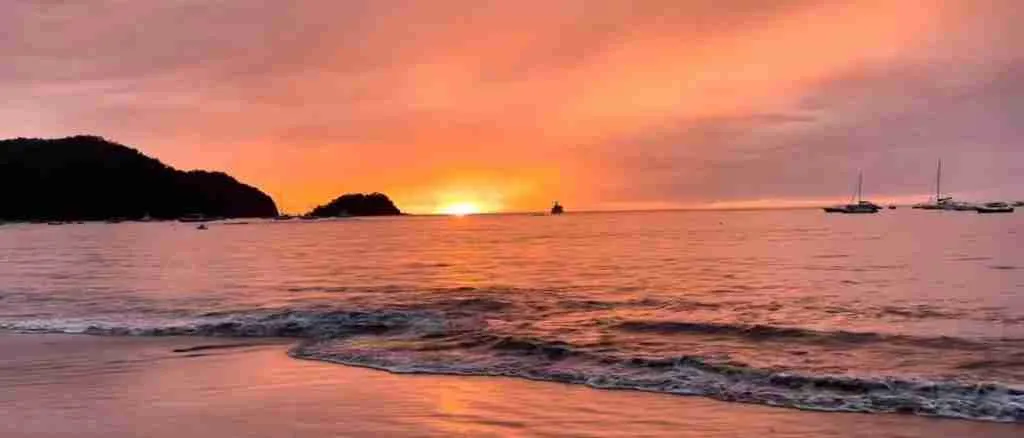
Beach access represents Guanacaste’s primary free activity, with unlimited time swimming, sunbathing, and coastal walking without admission charges. Popular beaches like Tamarindo, Flamingo, Samara, and Conchal provide free entertainment throughout daylight hours, requiring only sun protection and water for extended beach days. Sunset viewing from beaches creates natural daily event without costs beyond walking to viewing location, with dramatic Pacific sunsets occurring 5:15-6:15 PM depending on season.
Hiking trails in national parks and protected areas provide low-cost nature experiences: Santa Rosa National Park charges $15 entrance including access to multiple hiking trails, pristine beaches, and wildlife observation opportunities justifying full-day visits. Rincon de la Vieja National Park costs $15 entrance with trails leading to waterfalls, hot springs, volcanic mud pots, and diverse ecosystems supporting spider monkeys, coatis, and tropical birds. The per-day cost spreads efficiently across 5-8 hour visits, delivering excellent value for nature-oriented budget travelers.
Self-guided town exploration, local market visits, and cultural observation provide free entertainment requiring only time and curiosity. Walk through Tamarindo, Nosara, or Santa Teresa observing local life, visiting artisan shops without purchase obligations, and learning about Guanacaste’s culture through environmental immersion. Small town Sundays bring families to central parks and plazas for informal gatherings, creating opportunities to observe authentic Costa Rican social patterns beyond tourist-oriented beach activities.
Budget-Friendly Paid Activities
Surfing lessons cost $40-65 for 2-hour group sessions including board rental and instruction, providing accessible water sport introduction without expensive multi-day course commitments. Stand-up paddleboard rentals run $15-25 for 2 hours, enabling calm-water exploration of bays and estuaries with minimal skill requirements. Both activities suit budget-conscious travelers seeking active beach experiences beyond simple swimming and sunbathing.
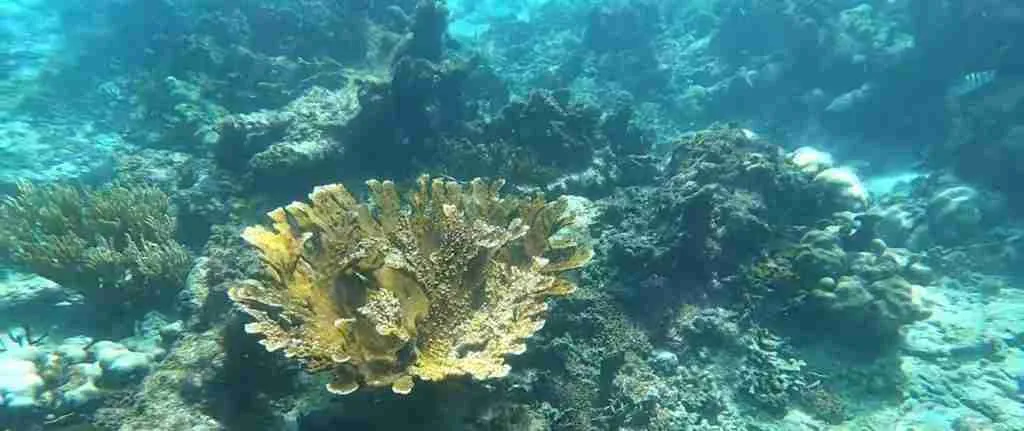
Snorkeling trips to nearby reefs or islands cost $45-75 per person for half-day excursions including equipment, boat transport, and guide services. These represent mid-tier budget activities delivering marine wildlife encounters and underwater exploration without expensive scuba certification or premium boat tour pricing exceeding $100. Select operators running smaller boats with 8-12 passengers instead of large catamarans (30-40 passengers) for more personal experiences at comparable or slightly lower costs.
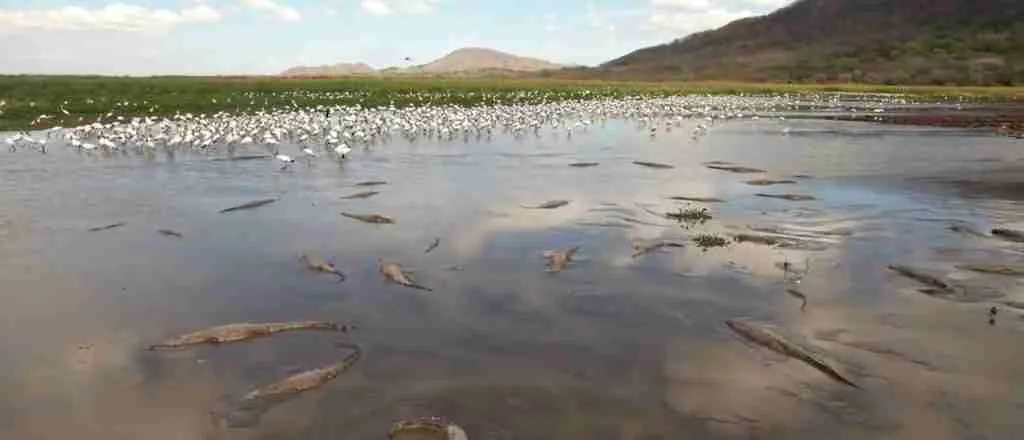
Wildlife observation at Palo Verde National Park wetlands costs $50-70 for guided boat tours observing crocodiles, waterfowl, and seasonal migratory birds in one of Central America’s most important wetland ecosystems. While exceeding free beach activities budget-wise, the specialized wildlife experience justifies occasional splurge for nature enthusiasts. Combine with independent activities and free beach time to maintain overall daily budget targets while including selective paid experiences highlighting Guanacaste’s ecological diversity.
Expensive Activities to Budget For
Zipline canopy tours command $65-95 per person for 2-3 hour experiences including multiple cable runs through forest canopy, creating popular but expensive adventure activity. Budget travelers allocate one canopy tour during Guanacaste stays, comparing operators for value rather than booking multiple similar experiences. Some operators include transportation from nearby towns, meals, or additional activities (hanging bridges, Tarzan swings) in base pricing, improving overall value proposition.
Catamaran sunset cruises cost $85-135 per person for 3-5 hour sailing experiences including snorkeling, open bar service, and sunset viewing. These represent premium budget category, suitable for special occasions or selective splurges rather than daily activities. Book directly through operators for best pricing, with green season reductions of 20-30% making luxury experiences more accessible to budget-conscious travelers.
Scuba diving certification courses ($400-500 for Open Water) or single dive trips ($80-110 for certified divers) exceed most budget travel activity spending, though dedicated diving enthusiasts justify costs for accessing underwater environments impossible through snorkeling. Budget for one major splurge activity during Guanacaste visit (canopy tour, catamaran cruise, scuba diving, or fishing charter), recognizing these premium experiences balance against multiple days of free beach activities and low-cost dining maintaining overall budget targets.
Sample 2026 Budget Breakdowns by Traveler Type
Ultra-Budget Backpacker (7 Days)
Accommodation: Hostel dorm beds 7 nights at $13 per night average = $91. Food: Supermarket breakfast $3, soda lunch $7, simple dinner $8, daily snacks $4 = $22 × 7 days = $154. Transportation: Public buses between towns $4 × 4 trips = $16, bicycle rental 2 days $10 × 2 = $20. Activities: Beach time free, one national park entry $15, one snorkeling trip $55. Total 7-day cost: $351 ($50 per day average).
This ultra-budget approach requires staying in hostel dormitories, eating primarily at sodas and through self-catering, using public buses exclusively for transportation, and selecting free beach activities with minimal paid tours. The lifestyle suits solo backpackers, young travelers comfortable with basic accommodations, and those prioritizing destination affordability over comfort or convenience. Social hostel environments and public transportation create opportunities for meeting fellow travelers and local residents, though requiring flexibility with schedules, modest privacy expectations, and tolerance for basic facilities.
Budget Traveler with Private Accommodation (7 Days)
Accommodation: Budget hotel private room 7 nights at $35 per night = $245 (double occupancy, $122.50 per person). Food: Bakery breakfast $5, soda lunch $8, mix of restaurant and soda dinners averaging $12, snacks $5 = $30 × 7 days = $210. Transportation: Rental car shared between 2 people $55 daily × 7 = $385 total, $192.50 per person, including fuel. Activities: Free beach time, two national park entries $15 × 2 = $30, one sunset catamaran cruise $95. Total 7-day cost per person: $770 ($110 per day average).
This budget level delivers private accommodation, transportation flexibility through rental vehicle, and ability to participate in selective premium activities while maintaining cost consciousness through soda dining and strategic activity selection. The approach suits couples, friends traveling together, or solo travelers valuing privacy and comfort over absolute minimum spending. Shared rental car costs between multiple travelers improve transportation value, though solo travelers should calculate whether bus/shuttle combinations prove more economical than car rental for planned itinerary.
Mid-Range Comfort Traveler (7 Days)
Accommodation: Mid-range hotel with pool and air conditioning 7 nights at $75 per night = $525 (double occupancy, $262.50 per person). Food: Restaurant breakfast $10, lunch mix of sodas and casual dining $14, restaurant dinners $20, drinks and snacks $8 = $52 × 7 days = $364. Transportation: Rental car with full coverage insurance $70 daily × 7 = $490 total, $245 per person for 2 travelers, including fuel. Activities: Free beach time, two paid tours (catamaran $95, zipline $75), three national park entries $15 × 3 = $45. Total 7-day cost per person: $1,086.50 ($155 per day average).
Mid-range budgets enable comfortable hotels with desirable amenities, regular restaurant dining without constant soda meals, rental vehicle convenience for exploring multiple locations, and participation in popular paid activities without excessive budget restrictions. This spending level suits travelers seeking balance between cost management and comfort, avoiding luxury excesses while refusing to sacrifice all conveniences for absolute budget minimization. The allocation permits spontaneous restaurant meals, occasional premium activities, and accommodation comfort supporting relaxed vacation atmosphere.
Money-Saving Strategies for 2026 Guanacaste Travel
Timing and Seasonal Optimization
Green season travel (May-November) cuts costs 25-35% across accommodations, tours, and activities compared to peak season pricing, while weather remains suitable for beach activities and outdoor exploration despite increased afternoon rain probability. Book hotels, hostels, and vacation rentals 1-2 weeks ahead during green season instead of 4-6 weeks for peak season, allowing flexibility to monitor weather forecasts and adjust plans based on atmospheric patterns. Some travelers book first few nights only, then extend or relocate based on actual weather experience rather than committing to complete itinerary before arrival.
Shoulder months (May, November) deliver optimal value combination with 15-25% discounts versus peak season while maintaining predominantly dry weather and comfortable conditions. Target early May (before serious rainy season begins) or late November (as rainy season concludes and dry season initiates) for best weather reliability at reduced costs. These transitional periods see fewer tourists than peak months, creating uncrowded beaches, easier restaurant seating, and better tour guide attention ratios without premium season pricing.
Avoid absolute peak weeks (Christmas to New Year’s, Easter week, mid-March spring break) when prices spike 20-40% above standard peak season rates and availability becomes severely constrained. Properties enforce minimum stay requirements (3-5 nights) during these periods, and tours fill weeks in advance limiting spontaneous activity options. Shift travel by even 1-2 weeks before or after these peak periods to access standard peak season pricing while avoiding absolute maximum tourist congestion and pricing.
Accommodation Booking Tactics
Book directly through property websites or phone calls instead of aggregator platforms (Booking.com, Expedia) to avoid 8-15% booking fees passed to consumers or negotiate direct booking discounts when properties compete for reservations. Many small hotels and hostels offer 5-10% reductions for direct bookings, cash payments, or extended stays (5+ nights), though requiring phone or email communication to arrange rather than instant online confirmations.
Consider properties slightly outside prime beach town centers where location premiums decrease 20-40% while maintaining reasonable 5-10 minute walks to beaches and restaurants. A hotel 3 blocks inland in Tamarindo costs $50-65 versus $80-110 for equivalent beachfront property, with saved $210-315 weekly (for couples) funding multiple paid activities or restaurant upgrades. Evaluate personal priorities: immediate beach access versus cost savings and activity budget expansion.
Extend stays in single locations rather than moving every 2-3 nights, as frequent relocations accumulate transportation costs ($35-55 per shuttle trip) and prevent extended stay discounts many properties offer for 5+ night bookings. Staying 5-7 nights in one area enables exploration of multiple nearby beaches via day trips while maintaining accommodation base, often more economical than hotel-hopping across different towns requiring repeated packing, checkout logistics, and inter-town transportation expenses.
Dining and Food Cost Management
Eat primary daily meal (lunch) at sodas when portions prove largest and prices most competitive, saving $6-12 per meal compared to tourist restaurant lunches. Use saved lunch money to upgrade occasional dinners to nicer restaurants for variety without destroying daily food budget. The strategic approach maintains $20-28 daily food costs while allowing dining flexibility and culinary exploration beyond constant budget restaurant meals.
Purchase groceries at supermarkets in larger towns (Liberia, Nicoya) rather than beach town tourist markets where prices inflate 25-40% due to limited competition and captive tourist customer base. Plan periodic supermarket trips when passing through larger towns via bus or rental car, stocking up on staples (bread, cheese, eggs, fruit, snacks, coffee) lasting several days and avoiding expensive daily purchases at beach town convenience stores charging premium prices for basic items.
Drink water from refillable bottles instead of purchasing bottled water at $1.50-2.50 per bottle, as most accommodations provide purified water dispensers or safe tap water for refilling. Bring reusable bottle from home or purchase one locally ($5-8) that pays for itself within 3-4 days versus buying disposable bottles. The simple switch saves $10-15 weekly while reducing plastic waste, with environmental benefits complementing budget savings.
Activity Selection and Booking
Mix expensive paid tours (catamaran cruises, ziplines, scuba diving) with free beach activities and low-cost options (hiking, surfing lessons, snorkeling from shore) to maintain activity variety while controlling overall tour spending. Budget one major splurge activity per week alongside 4-5 days of free or low-cost activities, creating balanced experience without constant premium tour participation straining budgets.
Book tours directly through operators instead of hotel concierges or tour desks adding 15-25% commission markups to prices. Walk into tour operator offices in beach towns, compare offerings and pricing, and book directly to eliminate intermediary fees. Some operators offer last-minute discounts 1-2 days before departure if tours run below capacity, particularly during green season when demand fluctuates unpredictably.
Organize private group tours when traveling with 4-6 people, as private boat charters, guided hikes, or transportation split among multiple participants often costs similar to individual tour pricing while delivering customized experiences and flexible scheduling. A private snorkeling boat for 6 people costs $300-400 total ($50-67 per person), comparable to $55-75 group tour pricing while providing exclusive guide attention and itinerary customization to group preferences and interests.
Seasonal Pricing Patterns and Trends for 2026
Peak Season Cost Dynamics (December-April)
Peak season pricing reaches annual maximum during late December through early January when Christmas and New Year holidays drive international tourism to highest levels. Hotels charge 50-80% premiums over shoulder season rates during December 20-January 5 period, with many properties fully booked 2-3 months ahead. Tour operators maintain published rack rates without discounting as demand exceeds capacity, and restaurants operate at maximum traffic creating longer waits and reduced service attention during absolute peak periods.
February through mid-April represents sustained peak season when North American winter weather drives consistent tourist flows to Guanacaste beaches. Pricing remains elevated but moderates slightly compared to December holidays, typically 30-50% above shoulder season rates. Availability improves as Christmas holiday visitors depart, though advance booking 3-4 weeks ahead remains advisable for preferred accommodations and popular tour dates. Late March spring break period sees brief pricing spike and availability constraints as U.S. college students and families concentrate visits during short vacation windows.
Weather reliability during peak season justifies premium pricing for travelers prioritizing guaranteed sunshine and minimal rain disruption. The 90-95% probability of clear, dry days validates higher costs for vacation-constrained travelers with limited flexibility around work schedules or school calendars. Budget travelers unable to visit during off-peak periods should accept peak season pricing while implementing cost-control strategies across accommodation selection, dining choices, and transportation methods to manage overall expenses within desired ranges.
Shoulder Season Value Windows (May, November)
May represents early green season transition when rainy weather begins but remains inconsistent, creating excellent value opportunity with 20-30% accommodation discounts and reduced tour pricing before serious rainfall establishes. Early May (first 10 days) maintains predominantly dry conditions resembling late peak season, while mid-to-late May sees increasing afternoon showers. Budget travelers targeting early May capture peak season weather quality at approaching-green-season pricing, optimal timing for cost-conscious visitors.
November marks late green season transition as rainy patterns conclude and dry season approaches. Early November maintains green season pricing despite improving weather, as tourism industry pricing lags actual meteorological conditions by 2-3 weeks. Late November delivers particularly strong value with green season discounts (25-35% below peak rates) combined with increasingly reliable weather as December dry season initiation approaches. Properties begin raising rates toward peak season levels around Thanksgiving week, making pre-Thanksgiving November visits capture final green season pricing before tourist high season cost increases.
Both shoulder months provide flexibility for last-minute bookings, spontaneous itinerary adjustments, and negotiated rates as properties maintain moderate occupancy levels and actively pursue additional business through promotional pricing. Travelers comfortable with some weather uncertainty access exceptional value during shoulder periods, often experiencing predominately favorable conditions while paying substantially reduced rates compared to guaranteed-weather peak season months.
Green Season Deep Discounts (June-October)
June through mid-August brings most consistent rainfall when afternoon storms develop regularly, though mornings typically remain clear for beach activities and early touring. Accommodation costs drop 30-40% below peak season, with budget hotels charging $18-28 versus $25-45 peak rates, and mid-range properties reducing from $70-95 to $45-65 nightly. Tour operators slash prices 25-35% to maintain bookings, with catamaran cruises dropping from $95-115 to $65-85 and activity tours reducing proportionally.
Mid-July through mid-August creates “veranillo” (little summer) when rainfall briefly moderates for 3-4 weeks, delivering improved weather conditions while maintaining green season pricing. This micro-season represents exceptional value window combining reduced rates with decreased precipitation probability, though requiring flexible timing to target specific weeks within broader July-August period. Properties and tours maintain green season pricing throughout this period despite improved conditions, as general tourism numbers remain low regardless of temporary weather improvement.
September and October mark peak rainy season when precipitation reaches annual maximum and tourism activity hits lowest levels. Discounts deepen to 35-45% below peak season as properties reduce rates aggressively to maintain minimal occupancy, with some smaller hotels closing temporarily during slowest weeks. Budget travelers willing to gamble on weather conditions access rock-bottom pricing, though accepting significant rain risk and potential activity limitations when heavy precipitation prevents boat tours, ocean swimming, or extensive outdoor exploration.
FAQ: Guanacaste Budget Travel 2026
Is it safe to travel Guanacaste on a budget?
Yes, budget travel in Guanacaste maintains similar safety profiles to mid-range and luxury travel, as security concerns stem primarily from location choices and personal awareness rather than accommodation price points. Budget hotels and hostels in main beach towns (Tamarindo, Samara, Nosara) operate safely with secure entry systems, lockers for valuables, and staff familiar with tourist safety needs. Avoid isolated budget properties in poorly lit areas or far from town centers where reduced foot traffic and limited neighborhood activity increase vulnerability to opportunistic crime.
Public transportation maintains good safety records, with intercity buses operated by regulated companies following safety protocols and route schedules. Petty theft occurs occasionally on crowded buses, requiring standard precautions like keeping bags close, avoiding flash valuables, and maintaining awareness of surroundings. Taxis in established beach towns generally operate honestly, though agreeing on fares before departure prevents disputes and potential overcharging of foreign tourists unfamiliar with standard pricing.
Budget travelers exercising normal precautions (locking valuables in hostel lockers, avoiding excessive alcohol consumption, traveling in groups during evening hours, researching unfamiliar areas before visiting) experience minimal safety incidents. Costa Rica maintains relatively low violent crime rates compared to other Central American countries, with tourist-oriented areas receiving enhanced security attention from local and national authorities recognizing tourism’s economic importance to Guanacaste province.
Can I survive on $30 per day in Guanacaste?
$30 daily proves extremely tight but achievable for ultra-budget travelers willing to accept significant compromises across accommodation, food, and activities. Hostel dorm beds cost $12-15, leaving $15-18 for food, transportation, and activities. Eating exclusively soda meals (breakfast $6, lunch $7, dinner $8 = $21) exceeds remaining budget, requiring self-catered breakfast and lunch ($3 + $5 = $8) with single soda dinner ($8) totaling $16 daily food costs. The remaining $2-5 daily covers incidental transportation and minimal entertainment beyond free beach access.
This survival budget eliminates most paid activities, restricting experiences to free beaches, hiking trails, and town exploration. Transportation becomes limited to essential bus trips between destinations, with walking serving as primary mobility method within towns. The lifestyle requires strong budget discipline, tolerance for monotonous soda meals or self-prepared food, and acceptance of free beach time constituting primary daily entertainment without expensive tours, restaurant meals, or recreational spending.
Most travelers find $40-50 daily budget more realistic for maintaining enjoyment while controlling costs, as the additional $10-20 permits occasional restaurant meals, periodic paid activities, and transportation flexibility improving overall experience quality. Ultra-budget $30 daily spending works for short visits (3-5 days) where novelty and determination sustain interest, but becomes draining during longer stays requiring more varied activities and dining options for sustained satisfaction.
Do I need travel insurance for budget Guanacaste travel?
Travel insurance remains advisable regardless of budget level, as medical emergencies, trip cancellations, or lost luggage create financial burdens exceeding insurance premiums. Basic travel medical insurance costs $30-60 for week-long Guanacaste trips, covering emergency medical care, hospital evacuation, and basic trip interruption scenarios. This modest expense protects against potential medical bills exceeding thousands of dollars if serious illness or injury requires hospital treatment or medical evacuation to advanced care facilities.
Budget travelers benefit particularly from trip cancellation and interruption coverage protecting non-refundable bookings if illness, weather, or family emergencies force itinerary changes. While budget accommodation costs remain modest individually, accumulated bookings across multi-week trips represent significant sums ($150-300) worth protecting through insurance coverage costing 10-15% of trip costs. Lost luggage coverage proves less critical for budget travelers carrying basic gear, though lost passports or stolen electronics still create expenses insurance helps offset.
Verify existing coverage through credit cards, homeowners insurance, or employer health plans before purchasing separate travel insurance, as some policies already include travel medical coverage or trip protection benefits. Review coverage details carefully, ensuring policies cover Costa Rica specifically and include sufficient medical evacuation coverage (minimum $100,000 recommended) given Costa Rica’s limited advanced medical facilities requiring potential evacuation to U.S. or Panama for serious conditions.
What’s the best base location for budget travelers in Guanacaste?
Tamarindo offers best overall value for budget travelers combining accommodation variety (multiple hostels and budget hotels), restaurant options spanning sodas to tourist establishments, public bus connections to other Guanacaste destinations, tour operator concentration enabling easy activity booking and price comparison, and walkable town layout reducing transportation needs. The developed tourism infrastructure supports budget travel while providing options to upgrade selectively for specific meals or activities, creating flexibility matching varied budget approaches.
Samara delivers superior value for travelers prioritizing relaxed atmosphere and lower costs over active nightlife and tour variety, with accommodation running 15-25% cheaper than Tamarindo while maintaining sufficient restaurants, basic tour options, and pleasant beach access. The smaller town scale suits travelers seeking quieter experiences, longer stays focusing on beach time, and authentic local atmosphere beyond Tamarindo’s developed tourism scene. Bus connections prove less frequent than Tamarindo but adequate for periodic excursions to other areas.
Santa Teresa attracts budget travelers seeking surf culture and bohemian atmosphere, though overall costs exceed Tamarindo and Samara due to remote peninsula location increasing transportation and supply expenses. The destination suits travelers willing to pay modest premiums (10-20% above Tamarindo) for excellent surf breaks, yoga communities, and distinctive cultural scene balancing upscale development with alternative lifestyles. Dirt road access and limited bus service make rental vehicle or bicycle more necessary than walkable Tamarindo, adding transportation costs offsetting some accommodation savings from competition among area properties.
Can I visit Guanacaste without speaking Spanish?
English functions adequately in main tourist areas (Tamarindo, Nosara, Flamingo) where restaurants, hotels, and tour operators maintain English-speaking staff serving international clientele. However, budget travel often involves interactions with local businesses, public transportation, and sodas where English capabilities prove limited or absent. Learning basic Spanish phrases (greetings, numbers, food terms, directions) significantly improves budget travel experiences, enabling soda ordering, price negotiations, bus schedule inquiries, and friendly local interactions enhancing cultural immersion.
Translation apps on smartphones help bridge language gaps when verbal communication fails, with Google Translate providing adequate text translation for menu reading, sign understanding, and basic written communication. The technology reduces language barrier stress, though requiring cellular data or downloaded language packs for offline functionality. Many budget travelers successfully navigate Guanacaste with minimal Spanish using combination of basic phrases, translation apps, patience, and good humor when miscommunications inevitably occur.
Traveling with Spanish-speaking companion or joining tours with bilingual guides enhances budget travel experiences by facilitating deeper local interactions and enabling access to better deals from Spanish-only businesses offering lower prices than English-oriented tourist establishments. While possible to travel Guanacaste without Spanish, basic language skills or translation resources significantly improve budget travel effectiveness, local relationship building, and ability to access authentic experiences beyond English-speaking tourist bubble.
How much cash should I bring for budget travel?
Budget travelers need $300-500 cash (mix of USD and Costa Rican colones) for week-long Guanacaste stays, covering small sodas accepting only cash, bus fares requiring exact change, occasional accommodation deposits at budget properties without card processing, and backup funds if ATM access proves difficult. Many budget establishments operate cash-only due to credit card processing fees cutting into slim profit margins, making adequate cash reserves essential for accessing lowest-cost dining and accommodation options.
ATMs exist in all major beach towns dispensing Costa Rican colones at decent exchange rates (1-3% below official rates), though charging $3-6 withdrawal fees per transaction. Budget travelers minimize fees by making larger withdrawals ($100-200) every 4-5 days rather than frequent small withdrawals accumulating excessive charges. Notify home banks of Costa Rica travel before departure to prevent fraud holds blocking ATM access, and carry multiple cards (debit and credit from different issuers) providing backup options if one card encounters issues.
Carry mix of large and small denomination bills, as small sodas and bus drivers often cannot change $20 bills and refuse $50-100 denominations entirely. Request small bills ($5, $10) when exchanging money or withdrawing cash to ensure adequate change for daily transactions at markets, buses, and budget restaurants. Keep cash distributed across multiple locations (wallet, bag, room safe) rather than concentrating in single location, providing backup funds if theft or loss occurs during travels.