
Gruyères Day Trip from Bern: Complete Guide 2026
A day trip from Bern to Gruyères delivers Switzerland’s quintessential cultural trilogy: medieval architecture crowning a hilltop village, artisanal cheese-making traditions spanning centuries, and world-renowned chocolate production. Located 49 kilometers southwest of Bern in the Pre-Alpine foothills, this perfectly preserved medieval town offers travelers an immersive journey through Swiss heritage, gastronomy, and craftsmanship within a single day’s excursion.
Key Takeaways: Gruyères Day Trip from Bern 2026
- Journey Duration and Frequency: The train journey from Bern to Gruyères takes 1 hour 12 minutes to 1 hour 29 minutes depending on routing, with approximately 21 departures daily departing every 56 minutes from early morning through late evening, providing exceptional flexibility for day trip planning.
- Complete Day Cost Budget Travelers 2026: Budget-conscious visitors spend CHF 105-135 ($115-145) per person covering round-trip train travel, admission to Gruyères Castle, La Maison du Gruyère cheese demonstration, Maison Cailler chocolate factory, and a lunch, making this one of Switzerland’s most accessible cultural excursions.
- Complete Day Cost Mid-Range Travelers 2026: Mid-range travelers invest CHF 145-190 ($155-205) per person for the same attractions plus enhanced dining at traditional Gruyères restaurants featuring regional specialties and optional guided castle tours providing deeper historical context.
- Essential Trio of Attractions: The classic Gruyères day trip combines three signature experiences: 13th-century Gruyères Castle housing eight centuries of art and history, La Maison du Gruyère demonstrating traditional cheese production with tastings, and Maison Cailler’s interactive chocolate factory tour concluding with extensive sampling.
- Optimal Timing Strategy 2026: Weekday visits outside Swiss school holidays (particularly Tuesday through Thursday in April-May or September-October) deliver the best experience with minimal crowds at attractions, shorter waiting times for chocolate factory entry, and authentic village atmosphere without peak tourist congestion.
- Transportation Logistics: The journey requires one connection at Bulle station, with coordinated schedules ensuring smooth transfers; Swiss Travel Pass holders travel free on all trains, while point-to-point tickets cost CHF 26-35 ($28-37) one way when purchased in advance.
People Also Ask About Gruyères Day Trip from Bern 2026
How much does a day trip from Bern to Gruyères cost in 2026?
A complete day trip from Bern to Gruyères costs CHF 105-135 ($115-145) per person for budget travelers or CHF 145-190 ($155-205) for mid-range comfort in 2026. Budget costs include round-trip train tickets CHF 52-70 ($56-74), Gruyères Castle admission CHF 13 ($14), cheese factory CHF 6 ($7), chocolate factory CHF 17 ($18), and lunch CHF 20-30 ($22-32). Mid-range budgets accommodate the same attractions plus enhanced dining CHF 35-50 ($37-54) at traditional restaurants and optional guided castle tours CHF 25-35 ($27-37). Swiss Travel Pass holders eliminate train costs entirely and receive free chocolate factory admission, reducing the total to CHF 19-43 ($20-46) plus meals for pass holders.
How long does the train journey take from Bern to Gruyères in 2026?
The train journey from Bern to Gruyères takes between 1 hour 12 minutes and 1 hour 29 minutes in 2026 depending on routing and connection timing at Bulle station. Approximately 21 trains depart daily from Bern starting at 5:02 AM, with services running every 56 minutes throughout the day until the final departure around 23:15. Most routes involve a single connection at Bulle, where coordinated schedules minimize transfer waiting time to 5-15 minutes. The scenic journey travels through the Canton of Fribourg’s rolling countryside and Pre-Alpine foothills, with the Chocolat Express branded service offering direct routing from Bern to Broc-Chocolaterie (chocolate factory) in approximately 1 hour 18 minutes four times daily.
Can you visit Gruyères Castle, the cheese factory, and chocolate factory in one day from Bern in 2026?
Yes, visiting all three signature attractions in a single day from Bern is entirely feasible and represents the standard Gruyères day trip itinerary in 2026. The optimal sequence starts with a morning departure from Bern around 8:00-9:00 AM, arriving in Gruyères village by 10:00-11:00 AM for castle exploration requiring 90-120 minutes. After lunch in the medieval village, travelers descend to Pringy (5-minute local bus or 20-minute walk) for La Maison du Gruyère cheese demonstration lasting 45-60 minutes, then continue to Broc-Chocolaterie station for Maison Cailler’s interactive chocolate tour requiring 60-75 minutes. This schedule allows return to Bern by 18:00-19:00, providing 7-8 hours of exploration time with comfortable pacing between attractions.
What is the best time of year to visit Gruyères from Bern in 2026?
The best months for a Gruyères day trip from Bern in 2026 are April-May and September-October, when pleasant weather combines with moderate tourist volumes creating optimal visiting conditions. Spring months showcase the castle’s French gardens in full bloom (garden open Easter through October), while autumn delivers spectacular Pre-Alpine foliage framing the medieval village. Summer months June-August offer guaranteed weather but attract peak crowds requiring advance chocolate factory reservations and resulting in longer waiting times at attractions. Winter visits December-March provide atmospheric snow-covered landscapes and reduced crowds, though the castle garden remains closed and some outdoor areas become less accessible. Weekday visits consistently outperform weekends across all seasons, with Tuesday-Thursday delivering the quietest experience at all three attractions.
Extended multi-day tours – 5+ days
Featured Bern Multi-Day Tour Packages
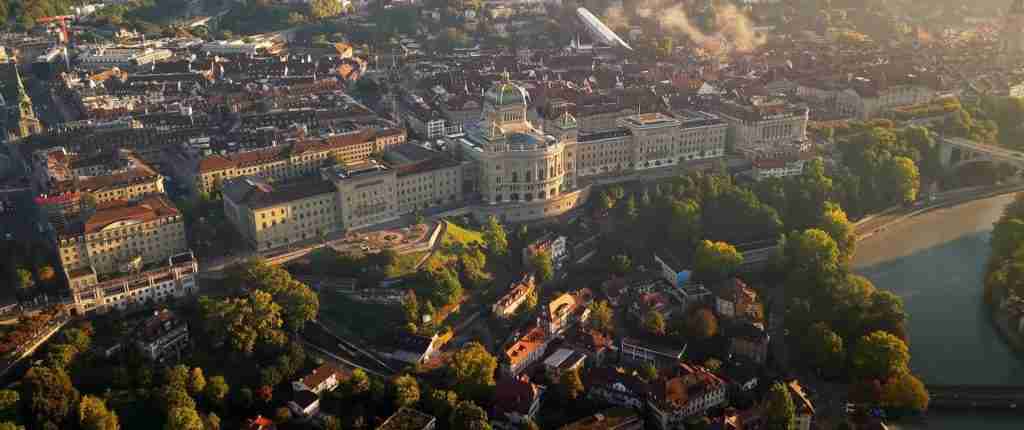
3 days
Bern 3-Day Discovery Tour
- ✓ Comprehensive Bern experience
- ✓ Expert local guides included
- ✓ All accommodation included
- ✓ Transportation provided
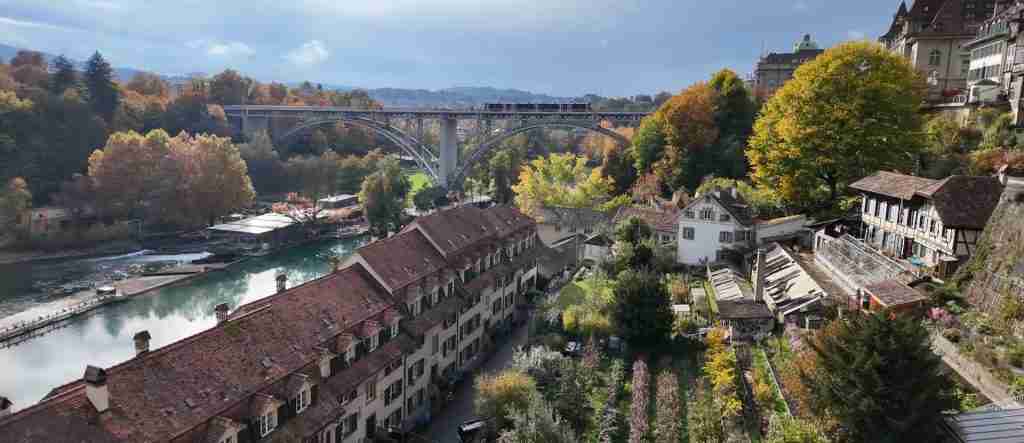
5 days
Bern 5-Day Highlights Experience
- ✓ Comprehensive Bern experience
- ✓ Expert local guides included
- ✓ All accommodation included
- ✓ Transportation provided
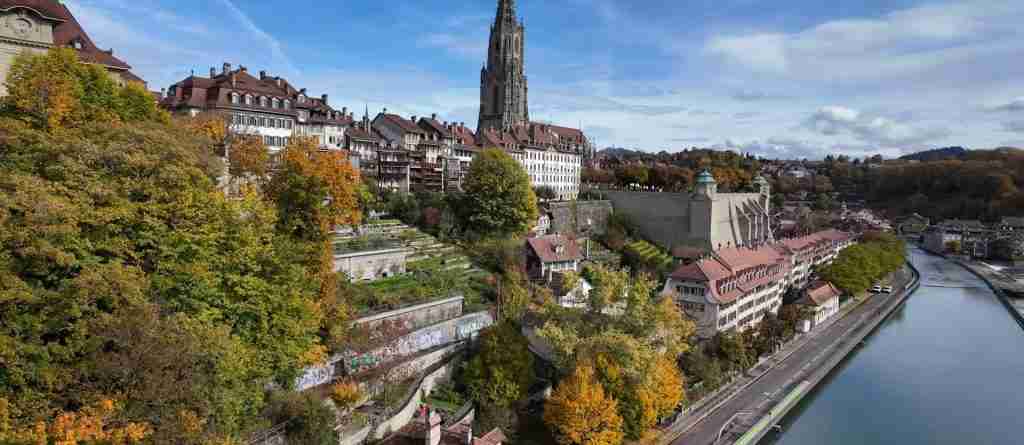
7 days
Bern 7-Day Cultural Journey
- ✓ Comprehensive Bern experience
- ✓ Expert local guides included
- ✓ All accommodation included
- ✓ Transportation provided
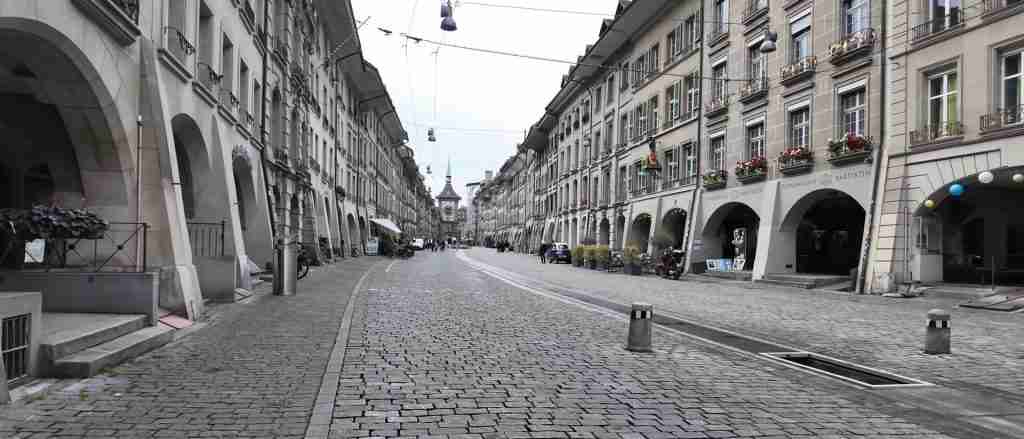
10 days
Bern 10-Day Complete Adventure
- ✓ Comprehensive Bern experience
- ✓ Expert local guides included
- ✓ All accommodation included
- ✓ Transportation provided
Multi-day tour packages powered by TourRadar. Prices and availability subject to change.
Introduction: Planning Your Gruyères Day Trip from Bern 2026
Gruyères represents the distilled essence of Swiss cultural tourism: a UNESCO-acknowledged landscape crowned by a 13th-century castle, surrounded by the cheese pastures that birthed one of Switzerland’s most exported culinary products, and complemented by Switzerland’s oldest chocolate brand still in operation. Located in the Canton of Fribourg’s Pre-Alpine region, the medieval hilltop village has preserved its architectural integrity so completely that motor vehicles remain prohibited within the historic center, forcing modern travelers to approach on foot exactly as pilgrims and merchants did centuries ago.
The journey from Bern traverses 49 kilometers of quintessential Swiss countryside, passing through the transition zone where the Central Plateau’s agricultural flatlands meet the dramatic uplift of the Pre-Alps. This geographic positioning blessed the Gruyère region with the perfect conditions for Alpine dairy farming: steep pastures forcing cattle to climb and graze, producing milk with exceptional fat content ideal for cheese production. The same landscape that enabled Count Gruyère to establish his fortress in the 1200s now draws approximately 400,000 annual visitors to Maison Cailler alone, making this compact region one of Switzerland’s most concentrated tourism destinations.
For Bern-based travelers and visitors staying in Switzerland’s capital, Gruyères offers exceptional value proposition: a complete Swiss cultural experience accessible within standard day trip parameters, requiring no overnight accommodation or extensive planning. The excellent train connectivity averaging 21 daily departures, combined with compact distances between attractions once arrived, eliminates the logistical complexity that plagues many Swiss excursions. A visitor departing Bern at 8:00 AM can be standing inside Gruyères Castle by 10:00 AM, watching cheese production at 13:00, sampling chocolate at 15:00, and returning to Bern for evening dinner.
The 2026 planning landscape presents both opportunities and considerations. Maison Cailler continues to attract substantial crowds following recent multimedia tour upgrades, making advance ticket reservations increasingly important during peak periods. The announcement of the ambitious Parc du chocolat Cailler development project (scheduled for pre-opening 2027-2028 with full opening 2030) signals the region’s commitment to chocolate tourism, though construction activities may create minor access disruptions at the Broc site during 2026. Conversely, Gruyères Castle has implemented timed entry systems that successfully distributed visitor flow, reducing the castle courtyard congestion that characterized previous peak seasons.
The financial framework for this excursion varies dramatically based on Swiss Travel Pass ownership. Pass holders travel free on all trains and receive complimentary Maison Cailler admission, reducing day costs to approximately CHF 19-43 ($20-46) plus meals for castle and cheese factory tickets only. Point-to-point ticket purchasers face CHF 52-70 ($56-74) round-trip train costs, making the day trip threshold approximately CHF 105-190 ($115-205) per person depending on dining choices and optional guided experiences. This cost structure positions Gruyères as remarkably accessible compared to other Swiss cultural destinations where admission and transport costs frequently exceed CHF 150 per person before meals.
The village’s prohibition on motor vehicle traffic creates both charm and practical challenge. Visitors arriving by train face a 15-20 minute uphill walk through cobblestone streets from any parking area or station to reach the castle, though this enforced pedestrian approach immerses travelers in the medieval townscape atmosphere immediately upon arrival. Physical mobility limitations deserve consideration: the castle’s interior requires stair navigation across three floors with limited elevator access, while the chocolate factory offers full wheelchair accessibility with accompanying person support.
This guide addresses 2026-specific planning requirements: updated train schedules reflecting seasonal service variations, current admission pricing with Swiss Travel Pass benefits clearly delineated, strategic timing recommendations accounting for chocolate factory crowd management, dining reservations becoming increasingly necessary for traditional fondue restaurants during peak periods, and realistic time allocation across all three core attractions enabling same-day completion without exhausting rush. The objective is equipping travelers with the detailed practical knowledge required to execute this classic Swiss excursion flawlessly, maximizing cultural enrichment while minimizing common frustrations that impact hastily planned day trips.
Transportation from Bern to Gruyères 2026
Train Route and Schedule Overview
The Bern to Gruyères train journey operates on Swiss Federal Railways (SBB) network with one connection at Bulle station, delivering approximately 21 daily departures spaced at 56-minute intervals throughout 2026. First morning trains depart Bern at 5:02 AM for early-start travelers, while final evening services leave around 23:15, providing exceptional scheduling flexibility uncommon for secondary tourism routes. The journey duration ranges from 1 hour 12 minutes on faster connections to 1 hour 29 minutes on routes with longer transfer windows, with most midday services completing the trip in approximately 1 hour 20 minutes.
The standard routing directs travelers from Bern through the Canton of Fribourg’s agricultural heartland to Bulle, the region’s commercial hub, where transfer to the regional line continues to Gruyères-Gare station. Connection times at Bulle typically range from 5 to 15 minutes, with coordinated schedules ensuring missed connections remain rare except during service disruptions. Weekend and holiday schedules maintain similar frequency though with minor timing adjustments, ensuring day trip viability across all days of the week throughout 2026.
Ticket Pricing and Purchase Options 2026
Point-to-point train tickets from Bern to Gruyères cost CHF 26-35 ($28-37) one way when purchased in advance in 2026, with prices varying based on travel class, purchase timing, and promotional offers. Check the official SBB website or mobile app for current rates as pricing may vary by season. Second-class standard tickets represent the baseline fare, while first-class upgrade adds approximately CHF 15-20 ($16-22) each way. Round-trip travel therefore ranges from CHF 52-70 ($56-74) for budget travelers using second-class standard tickets.
Swiss Travel Pass holders travel completely free on all Bern-Gruyères trains, including both mainline SBB services and regional connections, making pass ownership economically decisive for this excursion. A Swiss Travel Pass costs approximately CHF 272 ($290) for a continuous 3-day second-class pass or CHF 485 ($520) for 8 continuous days in 2026. Day trip cost calculation for pass holders eliminates CHF 52-70 ($56-74) in train costs plus CHF 17 ($18) Maison Cailler admission included free with the pass, recovering CHF 69-87 ($74-93) toward pass cost from this single excursion alone.
Half-Fare Card holders receive 50% discount on all point-to-point tickets, reducing round-trip costs to approximately CHF 26-35 ($28-37) total. The Half-Fare Card costs CHF 150 ($160) annually, making it cost-effective for travelers taking multiple train journeys across Switzerland during their visit. Super Saver tickets occasionally appear on the SBB platform offering additional discounts for travelers with completely flexible schedules willing to commit to specific departure times weeks in advance.
The Chocolat Express Service 2026
The Chocolat Express represents a branded regional service operating four daily direct connections from Bern to Broc-Chocolaterie station (Maison Cailler location) in approximately 1 hour 18 minutes without requiring the Bulle transfer. Part of the RER Fribourg | Freiburg regional network, these dedicated departures feature thematic carriage decoration and promotional material about the Gruyère region’s chocolate heritage. No reservations are required and the service costs identical pricing to standard regional trains, with access at no extra charge using valid tickets or Swiss Travel Pass.
The Chocolat Express routing provides direct access to Maison Cailler but bypasses Gruyères-Gare station, making it optimal for travelers prioritizing chocolate factory visits over castle exploration or those building custom itineraries. Reverse routing exists for return journeys, though most day-trippers combine attractions using local buses between Gruyères village, Pringy (cheese factory), and Broc-Chocolaterie (chocolate factory), returning to Bern via standard Bulle connection trains offering greater departure frequency.
Bulle Connection Details and Transfer Strategy
Bulle station serves as the mandatory transfer point for standard Gruyères routing, functioning as the regional hub where mainline trains from Bern meet local services continuing to smaller villages. The station features straightforward platform layout with clear signage in French and German directing passengers to Gruyères-bound regional trains. Transfer times typically range from 5 to 15 minutes, providing sufficient window for unhurried platform changes without requiring sprinting between trains.
During the Bulle connection window, travelers can access station facilities including ticket counters, restrooms, and small refreshment kiosk. The local train to Gruyères departs from clearly marked platforms, with electronic boards confirming departure time and destination. Station staff speak English and assist travelers uncertain about connections or platform assignments. Real-time train tracking via SBB Mobile app provides arrival and departure confirmation, reducing connection anxiety for first-time visitors navigating Swiss regional rail networks.
Arrival at Gruyères-Gare Station 2026
Gruyères-Gare station sits approximately 1.5 kilometers below the medieval hilltop village, requiring either uphill walk, local bus, or taxi to reach the car-free historic center. The station provides basic facilities including ticket machines, waiting area, and taxi stand, but no left-luggage services or significant commercial amenities. Most day-trippers walk the approximately 20-25 minutes uphill through the modern lower village to reach the medieval gate, though this approach involves steady incline challenging for travelers with heavy bags or mobility limitations.
The local bus service (Line 1) operates between Gruyères-Gare station and Gruyères-Ville stop at the medieval village entrance, departing approximately every 30 minutes during daytime hours. Bus fare costs CHF 3.20 ($3) per person one way. Swiss Travel Pass covers this local bus service completely. The bus journey takes 5-8 minutes, delivering passengers to the village entrance with minimal walking required to reach castle and attractions. Return bus service operates on similar schedule, with timetables posted at both Gruyères-Gare and Gruyères-Ville stops.
Alternative: Direct Car Travel from Bern 2026
Driving from Bern to Gruyères covers approximately 65 kilometers via A12 motorway and secondary roads, requiring 50-65 minutes under normal traffic conditions. The route exits A12 at Bulle, following well-marked cantonal roads through Gruyère valley to Gruyères village. Parking availability concentrates in three lots: P1 and P2 below the village (CHF 8-12 /$9-13 per day), and P3 slightly farther requiring 15-20 minute walk to medieval center. All parking areas require payment, with no free street parking available near attractions due to resident protection policies.
Car rental costs in Bern start around CHF 60-90 ($65-97) per day for compact manual transmission vehicles, plus fuel approximately CHF 15-20 ($16-22) round-trip. Private driver services offering guided excursions range from CHF 300-400 ($322-430) for full-day service including transportation and driver guide services, suitable for small groups seeking personalized commentary and scheduling flexibility. The motor vehicle prohibition within medieval Gruyères means all visitors, regardless of arrival method, complete the final approach on foot through cobblestone pedestrian streets.
Gruyères Castle: Medieval Fortress and Museum 2026
Historical Context and Architectural Significance
Gruyères Castle has commanded its hilltop position since the 13th century, serving as the ancestral seat of the Counts of Gruyère who ruled this Pre-Alpine territory throughout the Middle Ages. The fortress represents a rare surviving example of complete medieval noble residence, where successive generations expanded and embellished the original fortifications rather than abandoning them for more modern accommodations. The counts’ bankruptcy in 1554 transferred ownership to Fribourg bailiffs who occupied the castle until 1848, adding Baroque interior decorations that layered new artistic movements atop medieval foundations.
The building’s architectural evolution spans eight centuries visible across its three main floors: ground-level medieval kitchen, guard room, and chapel retain 13th-14th century structural elements; first-floor salons showcase 15th-century late medieval refinement when Michel, the last count, undertook extensive modernization; second-floor chambers display 16th-17th century bailiff additions including elaborate frescoes and wood paneling. The 19th century witnessed romantic revival when Geneva families Bovy and Balland acquired the castle, commissioning troubadour-style decorations in the Knights’ Room that reimagined medieval aesthetics through romantic lens. This accumulation of styles transforms the castle into a vertical timeline of Swiss interior design evolution.
Collections and Exhibits 2026
The castle houses prestigious collections spanning medieval through 19th-century art, with particular strengths in three areas. Medieval treasures include original stained-glass windows displaying remarkable color preservation and the Burgundy capes taken as war spoils by Swiss Confederates from Charles the Bold following the Battle of Morat in 1476. These textile pieces represent rare surviving examples of 15th-century ceremonial garments, their burgundy dye maintaining vibrancy across five centuries. Renaissance and Baroque eras contribute elaborate wall frescoes commissioned by the Fribourg bailiffs, depicting mythological and religious scenes with technical sophistication demonstrating Switzerland’s participation in broader European artistic currents.
The castle’s 19th-century transformation under private ownership brought artistic colonization by romantic painters including Jean-Baptiste Camille Corot, whose landscape works appear throughout the second-floor galleries. The Knights’ Room showcases the peak of romantic medieval revival, with elaborate wall paintings recreating imagined medieval court scenes executed by passionate artist colony that established temporary residence at Gruyères in the 1850s. These troubadour decorations, though historically inaccurate to medieval reality, document 19th-century Swiss intellectual fascination with their own medieval past.
Temporary exhibitions complement permanent collections, rotating approximately 2-3 times annually to highlight specific historical periods, artistic movements, or thematic interpretations of the castle’s heritage. The 2026 exhibition calendar (confirmed via official castle website before visiting) determines which additional display spaces open beyond standard rooms, potentially adding specialized galleries or focused installations to the visitor route.
Visitor Route and Room Highlights 2026
The self-guided tour route navigates three levels in prescribed sequence, beginning at ground floor courtyard entrance and ascending through progressively elaborate chambers culminating at second-floor tower rooms. Free paper guides in 12 languages provide room descriptions and historical context, while enhanced-reality audioguide smartphone app (downloadable via iOS/Android) offers deeper multimedia content including historical recreations and period music. The audioguide app costs no additional charge but requires personal smartphone with adequate battery and storage capacity.
Ground floor rooms establish medieval castle function: the kitchen displays original hearth and cooking implements documenting noble household food preparation; the guard room communicates defensive purpose with weapon displays and fortification explanation; the chapel demonstrates religious life integrated into noble residence. First-floor progression moves through the Counts’ Chamber displaying family lineage documentation, the Burgundy Room housing those war-trophy capes, the Corot Room featuring landscape paintings, and the Balivi Room showing bailiff-era governance artifacts. Second-floor highlights include the Music Room, Hunting Room with taxidermy and weapons, Medallion Room, and climactic Knights’ Room with its romantic wall paintings.
The French-style gardens, accessible from the castle courtyard, open Easter through October weather permitting, offering terraced walking paths with panoramic Pre-Alpine views. Winter visitors November through March can view the gardens from ramparts and castle balcony but cannot access the landscaped grounds directly. The rampart walk circles the castle exterior, providing photography perspectives of surrounding village and mountains while explaining defensive fortification design.
Practical Visiting Information 2026
Gruyères Castle admission costs CHF 13 ($14) for adults and CHF 9 ($10) for students, seniors, and visitors with disabilities in 2026. Check the official castle website for current pricing as rates may vary. Children under 6 enter free. Audio guides and paper guides incur no additional charge beyond admission. Multi-museum discount tickets offer reduced combined admission when visiting both Gruyères Castle and HR Giger Museum on the same day, applying to adult tickets only and available for purchase at either institution.
The castle opens Monday through Sunday year-round except Christmas Day (December 25) and New Year’s Day (January 1). Standard opening hours run 10:00-17:00 November through March, extending to 10:00-18:00 April through October. Last admission occurs one hour before closing time, allowing sufficient exploration window for visitors entering at threshold. Visit duration typically ranges from 90 to 120 minutes for comprehensive room-by-room exploration, though rapid surveys can complete the route in 60 minutes while devoted enthusiasts may extend visits to 150 minutes or longer.
Guided tours in multiple languages can be arranged by advance request for groups, providing specialized historical narrative beyond standard signage and audioguide content. Storytelling tours featuring costumed interpreters present castle legends and regional folklore in theatrical format, particularly engaging for family groups with children aged 7-15. Treasure hunt activities (ages 5-12) transform the castle visit into interactive game, requiring advance booking and costing additional fee beyond standard admission. The Chalamala trail for children aged 7+ and Bestiaire trail for younger visitors provide age-appropriate exploration formats mixing education with entertainment.
Photography remains permitted throughout castle interior without flash or tripod, though commercial use of images requires formal authorization. Wedding photography for parties up to 10 people receives free castle access on the esplanade, courtyard, and garden when couple and photographer present themselves at reception with photo party. The castle prohibits picnics within grounds, directing visitors to designated picnic area (Clos-aux-Cerfs) near but outside castle precinct. Animals except certified assistance dogs cannot enter castle grounds even when leashed or carried.
Accessibility limitations deserve consideration: ground floor and courtyard remain wheelchair accessible, but stair navigation requirement across three floors prevents mobility-impaired visitors from accessing first and second floor rooms containing the castle’s most significant art collections. Elevator access does not exist due to historical preservation constraints. Visitors in wheelchairs can access seasonal gardens depending on weather conditions. Lockers secure personal belongings, and large bags, backpacks, umbrellas, or hiking poles must be deposited at reception before entering exhibition rooms.
La Maison du Gruyère: Cheese Demonstration and Tasting 2026
Traditional Gruyère Cheese Production Process
La Maison du Gruyère functions as both working cheese demonstration facility and educational museum, located in Pringy village immediately adjacent to Gruyères-Gare train station approximately 1.5 kilometers downhill from the medieval village. The facility produces authentic Gruyère AOP (Appellation d’Origine Protégée) cheese using traditional methods that have defined this regional specialty since the 12th century, when Alpine herdsmen developed preservation techniques converting abundant summer milk into transportable, shelf-stable wheels.
The production process visitors observe follows strict AOP regulations governing every aspect from cow breeds and pasture types to precise temperature controls and minimum aging periods. Raw milk arrives daily from regional farms within the designated Gruyère production zone, heated in massive copper vats while cheesemakers add cultures and rennet initiating coagulation. The curd cutting, draining, and molding procedures unfold behind viewing windows, allowing visitors to witness each transformation stage from liquid milk to solid cheese wheels weighing approximately 35 kilograms each.
The demonstration schedule operates throughout business hours with actual production timing dependent on milk delivery and processing requirements. Morning visits typically coincide with active production, while afternoon tours may arrive during cleaning or preparation phases between batches. The facility’s educational emphasis ensures that even during non-production windows, multimedia exhibits, cross-section displays, and informative signage communicate the complete cheesemaking process from pasture to plate.
Museum Exhibits and Interactive Elements 2026
The “Gruyère: A Journey to the Heart of the Senses” permanent exhibition occupies dedicated gallery space surrounding the production floor, exploring cultural, agricultural, and gastronomic dimensions of Gruyère cheese heritage. Interactive displays allow visitors to smell raw ingredients, compare milk from different cow breeds, and test their knowledge about aging processes and flavor development. Historical sections document the cheese’s evolution from medieval Alpine necessity to contemporary global export, highlighting the AOP protection system that maintains quality standards and prevents international imitation.
The sensory tasting component educates visitors in flavor distinction across aging categories: Gruyère doux (mild, aged 5 months minimum) exhibits creamy, subtle character; Gruyère mi-salé (semi-salty, 7-10 months) develops moderate intensity; Gruyère surchoix (extra mature, 10+ months) delivers complex, pronounced flavors with crystalline texture. Guided tastings demonstrate how aging progressively concentrates flavors while altering texture from smooth and pliable to granular and crumbly. The comparison illuminates why restaurants specify aging category when incorporating Gruyère into dishes like fondue or raclette.
The cheese dairy path extends outdoors during favorable weather, tracing the journey from Alpine meadow to production facility through landscaped walkway featuring interpretive stations. This outdoor component remains closed during winter months or inclement conditions, with indoor exhibits providing complete educational experience regardless of season or weather.
Shop and Products 2026
La Maison du Gruyère shop stocks extensive Gruyère cheese selection across all aging categories, vacuum-sealed for travel or available in traditional wheel wedges for immediate consumption. Prices reflect aging duration and size, with 200-gram vacuum packs starting around CHF 8-10 ($9-11) for younger cheeses, extending to CHF 15-20 ($16-22) for premier aged selections. Full wheels or substantial wedges accommodate group purchases or serious cheese enthusiasts seeking restaurant-quality provisions for extended Switzerland stay.
Beyond cheese, the shop features regional specialty products including Gruyère-flavored crackers, local honey, wine pairings from Fribourg vineyards, and cheese-making equipment for home experimentation. Gift packages combining cheese with complementary products provide ready-made souvenir solutions. The shop accepts credit cards and euros (change provided in Swiss Francs), with all purchases available for immediate takeaway.
Practical Visiting Information 2026
La Maison du Gruyère admission costs CHF 6 ($7) for adults, CHF 5 ($6) for students over 12 and seniors, and CHF 3 ($3) for children under 12 in 2026. Group rates (children under 12 traveling together) reduce per-child cost slightly. Swiss Museum Pass holders, Association of Swiss Museums (ASM) members, and Raiffeisen Member Plus cardholders receive free admission. The Swiss Cheese Passport program (validity through end 2026) provides advantages across five designated demonstration cheese factories including Gruyères, offering combined visit incentives.
The facility opens daily Monday through Sunday year-round, with standard hours 10:00-18:00. Visit duration typically requires 45-60 minutes for comprehensive tour including demonstration viewing, exhibition exploration, and tasting experience. Rapid visits can compress timing to 30 minutes focusing solely on production observation, while extended visits incorporating shop browsing and outdoor cheese path may reach 75-90 minutes.
The facility offers full wheelchair accessibility with ramps, elevators, and adapted restrooms ensuring mobility-impaired visitors access all exhibition areas and production viewing windows without barrier. Audio guides provide content in 12 languages including English, French, German, Italian, and Spanish. The outdoor playground accommodates families with active children, offering spring-equipped games themed around cheese production elements (milk churns, wooden trucks, mixing carousels).
Location in Pringy directly adjacent to Gruyères-Gare train station (approximately 150-meter walk) facilitates easy integration into day trip itineraries. The 5-minute local bus connection between Gruyères village and Pringy operates regularly, though many visitors walk the downhill 20-minute route from medieval village to cheese factory, reserving bus travel for the uphill return journey. Timing visits for late morning or early afternoon positions the cheese demonstration between castle morning exploration and chocolate factory afternoon visit, creating logical geographic and thematic progression.
Maison Cailler: Interactive Chocolate Factory Experience 2026
Historical Legacy and Nestlé Connection
Maison Cailler traces its lineage to 1819 when François-Louis Cailler opened Switzerland’s first mechanized chocolate production facility, pioneering industrial chocolate manufacturing that transformed artisanal confection into mass-market commodity. The Broc factory commenced operations in 1898, establishing the current facility that now anchors Gruyère region chocolate tourism. Nestlé acquisition in 1929 integrated Cailler into Switzerland’s largest food conglomerate while maintaining the brand’s independent identity and traditional recipes that distinguish Cailler chocolate from other Nestlé products.
The factory’s chocolate production continues at industrial scale, though visitor access focuses on historical museum interpretation rather than actual manufacturing floor observation. The facility produces numerous Cailler product lines including the iconic Branche praline bars, Frigor chocolate bars, and seasonal specialties distributed throughout Switzerland and exported globally. Annual visitor numbers exceed 400,000, making this one of Switzerland’s most frequented chocolate tourism destinations and a significant economic contributor to the Gruyère region.
Multimedia Tour Experience 2026
The self-guided tour employs theatrical multimedia presentation spanning eight interactive rooms, each exploring different dimension of chocolate history, production, and Cailler brand heritage. The experience begins with Aztec chocolate origins, tracing cacao’s journey from Mesoamerican ritual beverage to European luxury commodity. Successive rooms detail Swiss chocolate innovation, Cailler family entrepreneurship, industrial production evolution, and sustainable sourcing practices Nestlé emphasizes in contemporary marketing.
Audio guides in 14 languages (English, French, German, Italian, Spanish, Portuguese, Russian, Chinese, Japanese, Thai, Korean, Arabic, Czech, Polish) provide synchronized narration as visitor groups progress through timed room sequences. Each room features combination of projected video, animatronic displays, aromatic elements releasing chocolate scents, and recorded testimonials from cacao farmers, factory workers, and chocolatiers. The presentation maintains family-friendly tone with visual effects and sound design that engage children while providing substantive content for adult visitors.
The tour climaxes with limited factory floor viewing where visitors observe actual production through viewing windows, though the perspective reveals primarily packaging and quality control operations rather than raw chocolate creation. Ingredient displays allow visitors to smell and sometimes touch raw cacao beans, cocoa butter, vanilla, and other components, connecting abstract production descriptions to tangible materials. The sensory immersion creates memorable educational experience distinguishing Maison Cailler from passive museum exhibitions.
Chocolate Tasting and Sampling 2026
The tour concludes in the legendary tasting room where unlimited chocolate sampling provides the experience highlight that justifies admission cost for many visitors. Display islands present dozens of Cailler varieties spanning milk chocolate, dark chocolate, white chocolate, and specialty flavors including lavender, sea salt, pepper, hazelnut, and seasonal innovations. Visitors can sample freely without quantity restrictions, though signage encourages moderation to prevent overconsumption causing discomfort.
The tasting environment allows comparative flavor analysis, encouraging visitors to identify differences between milk chocolate percentages, evaluate dark chocolate intensity variations, and discover unexpected flavor combinations the creative team develops. Staff members circulate answering questions and providing tasting suggestions, though the self-service format permits independent exploration at personal pace. The generous sampling policy contrasts sharply with factory tours at many competitors who limit tasting to specific products or small quantities, making the Maison Cailler experience particularly appealing for chocolate enthusiasts.
Workshop Programs and Escape Game 2026
Beyond the standard multimedia tour, Maison Cailler offers specialized chocolate workshops where participants create their own chocolate products under chocolatier instruction. Workshop options range from basic bar creation requiring 60-75 minutes to advanced praline making spanning 2-3 hours. All workshops require advance reservation via official website, with participant numbers limited to ensure adequate instruction and workspace. Workshop costs supplement standard admission, starting around CHF 45-65 ($48-70) per person depending on complexity and duration.
The chocolate-themed Escape Game transforms factory premises into puzzle environment where teams solve cocoa-related challenges to “escape” within time limit. The game accommodates 2-6 participants, requires approximately 60 minutes, and should be booked well in advance as only three time slots operate daily. Escape Game participation costs additional fee beyond standard admission, appealing primarily to families with teenagers or adult groups seeking interactive entertainment rather than passive tour experience.
Shop, Café, and Additional Amenities 2026
The expansive factory shop stocks complete Cailler product range including exclusive items available only at Broc location, gift assortments, and bulk purchasing options for serious chocolate consumers. Prices generally match or slightly undercut standard Swiss supermarket rates, making the shop viable for provisioning chocolate supplies rather than merely souvenir purchasing. Special edition products, limited-run flavors, and holiday collections appear seasonally, with knowledgeable staff providing recommendations based on flavor preferences and intended use.
Le Café Maison Cailler serves hot chocolate beverages prepared with authentic Cailler chocolate, light snacks, desserts created by Swiss chocolatiers, and full beverage menu including coffee and tea. Hot chocolate pricing runs approximately CHF 6-8 ($6-9) per serving, considered relatively expensive by some visitors but justified by quality and authentic preparation. The café provides rest area after tour completion, with window seating overlooking Pre-Alpine landscape.
The outdoor playground featuring spring games (hazelnut pod climber, cocoa pod sculpture, milk boiler slide, wooden truck, mixing carousel) entertains young children before or after factory tour, addressing the common challenge of active children’s restlessness during indoor museum experiences. Free parking accommodates several hundred vehicles, eliminating parking search anxiety common at many Swiss tourist attractions. Wheelchair accessibility throughout facility ensures mobility-impaired visitors experience identical tour route and amenities as ambulatory guests.
Practical Visiting Information 2026
Maison Cailler admission costs CHF 17 ($18) for adults, CHF 14 ($15) for students (ages 16-24 with valid ID) and seniors, CHF 7 ($8) for children ages 6-15, and free for children under 6 in 2026. Swiss Travel Pass holders receive completely free admission, representing CHF 17 ($18) value offsetting significant portion of pass cost for day-trippers from Bern. Raiffeisen Member Plus cardholders and Swiss Museum Pass holders similarly receive complimentary entry.
The factory opens Monday through Sunday year-round except December 25 (Christmas Day) and January 1 (New Year’s Day), with standard hours 10:00-18:00. Early closure occurs December 24 and 31 with last entry at 15:00. Last regular admission occurs one hour before closing time (17:00), providing sufficient window for complete tour experience. Tour duration typically requires 60-75 minutes including multimedia rooms, factory viewing, and tasting session, though visitors may extend stays indefinitely in tasting room and shop areas.
Advance online ticket reservation remains strongly recommended, particularly for weekend visits, Swiss school holidays, and July-August peak season when walk-up waiting times can reach 2-3 hours. The timed entry system admits groups every 15 minutes, preventing overcrowding in multimedia rooms and maintaining comfortable viewing conditions. Online booking secures specific entry time slot, allowing visitors to bypass ticket counter queues and enter facility directly at designated time.
The facility’s location at Broc-Chocolaterie train station (1-minute walk from platform) makes train access remarkably convenient, eliminating the uphill walking challenge characteristic of Gruyères village attractions. Trains from Bulle, Montbovon, and Bern arrive regularly throughout the day, with the Chocolat Express providing direct Bern-Broc service four times daily. Local bus connections from Gruyères village (via Broc-Village, gare) require 4-minute train connection or 15-minute walk from bus stop to factory entrance.
Complete Day Trip Itinerary Options 2026
Classic Route: Castle-Cheese-Chocolate Sequence
The traditional Gruyères day trip itinerary departs Bern around 8:00-8:30 AM on trains arriving Gruyères-Gare by 9:30-10:00 AM. The uphill walk or local bus ascent delivers travelers to the medieval village by 10:00-10:15, coinciding with Gruyères Castle’s opening hour. Allocating 90-120 minutes for comprehensive castle exploration including gardens (seasonal), ramparts, and all interior rooms allows completion by 11:45-12:15, perfectly positioned for lunch in the medieval village.
Traditional Gruyères restaurants serve regional specialties between 12:00-14:00, with moitié-moitié (half-half) fondue representing the signature dish combining Gruyère and Vacherin Fribourgeois cheeses in wine-based preparation. Lunch duration 60-75 minutes accommodates leisurely Swiss dining pace while maintaining afternoon schedule. Post-lunch descent to Pringy via downhill walk (20 minutes) or local bus (5 minutes) positions visitors at La Maison du Gruyère for 14:00-14:30 cheese demonstration arrival.
The cheese factory visit requires 45-60 minutes including production observation, exhibition exploration, and tasting experience, completing by 15:00-15:30. The 5-minute train connection from Gruyères-Gare to Broc-Chocolaterie (or 15-minute walk) delivers visitors to Maison Cailler for final attraction. Advance online reservation for 15:30-16:00 chocolate factory entry time ensures smooth admission, with the multimedia tour and extensive tasting completing by 17:00-17:30.
Return trains from Broc-Chocolaterie to Bern via Bulle operate frequently through evening, with departures around 17:00-18:00 arriving Bern by 18:30-19:30. This schedule provides 7-8 hours of exploration across three signature attractions without exhausting rush, incorporating comfortable meal breaks and inter-attraction travel at sustainable pace.
Chocolate-First Alternative: Reverse Sequence
Morning chocolate enthusiasts can reverse the traditional itinerary, departing Bern 8:00 AM and arriving Broc-Chocolaterie by 9:30 for Maison Cailler’s 10:00 opening. This approach delivers factory arrival coinciding with first admission slot, avoiding midday and afternoon crowds when waiting times peak. The multimedia tour and tasting complete by 11:00-11:30, positioning travelers for late morning/early lunch at the factory café or quick snack before continuing to cheese demonstration.
The 5-minute train from Broc-Chocolaterie to Gruyères-Gare delivers visitors to La Maison du Gruyère by 11:45-12:15 for cheese factory exploration during production hours when cheesemaking activity remains most visible. Completing cheese demonstration by 13:00-13:30 allows uphill transit to Gruyères village for 13:30-14:00 lunch at traditional restaurants. Afternoon castle visit 14:30-16:00 benefits from reduced morning tour group congestion, with late afternoon light providing excellent photography conditions on ramparts and in French gardens.
This reverse sequence particularly suits photographers seeking optimal natural light angles, families with young children who demonstrate better morning attention spans, and travelers seeking to avoid peak chocolate factory crowds. The 16:30-17:30 return train window from Gruyères-Gare delivers Bern arrival by 18:00-19:00, matching the classic itinerary’s overall timing despite inverted attraction sequence.
Abbreviated Half-Day Options
Travelers with limited time or specific interests can execute abbreviated itineraries focusing on preferred attractions. The castle-only excursion departs Bern 9:00, explores Gruyères Castle 10:30-12:30, lunches in medieval village 12:30-14:00, and returns to Bern by 15:30-16:00, creating compact 6.5-hour window suitable for travelers with afternoon commitments or reduced mobility limiting full-day excursions.
The chocolate-cheese combination eliminates the castle visit, departing Bern 10:00 for Maison Cailler arrival 11:30, completing chocolate factory by 13:00, quick lunch at factory café or Gruyères village, cheese demonstration 14:00-15:00, and return to Bern by 16:30-17:00. This 6.5-hour option emphasizes food tourism over medieval history, appealing to culinary-focused travelers or families with children demonstrating limited interest in castle exhibitions.
Extended Premium Experience with Guided Tours
Premium travelers can enhance the standard day trip with guided castle tours, private chocolate workshops, or specialized cheese tastings extending overall duration and cost while deepening educational content. Booking private guided castle tour (advance reservation required) adds CHF 150-250 ($160-270) for groups up to 15 people, providing expert historical narrative beyond standard audio guide content. Combined with basic admission costs, guided groups invest CHF 160-265 ($170-285) per person total for complete day excluding meals.
Chocolate workshop participation at Maison Cailler extends factory time by 60-120 minutes depending on program selection, requiring afternoon arrival adjustment or acceptance of later Bern return. Workshop costs CHF 45-65 ($48-70) per person supplement standard admission, creating total chocolate factory investment of CHF 62-82 ($67-88) per adult. The specialized cheese tasting seminars at La Maison du Gruyère (when available, check official website) similarly extend standard visit while providing expert-led flavor analysis instruction.
Dining in Gruyères: Traditional Restaurants and Cuisine 2026
Signature Regional Dishes and Specialties
Gruyères cuisine centers on dairy heritage, with fondue moitié-moitié representing the undisputed signature preparation combining equal portions of Gruyère AOP and Vacherin Fribourgeois AOP cheeses melted with white wine, garlic, and kirsch. Traditional restaurants prepare fondue in individual ceramic pots (caquelon) heated over portable burners, serving with bread cubes, small potatoes, and pickled vegetables. Pricing for fondue typically runs CHF 28-38 ($30-41) per person minimum order, with most establishments requiring minimum two-person orders due to preparation logistics.
Meringues with double cream represent the region’s iconic dessert, featuring oversized crispy meringue shells topped with generous portions of thick Gruyère cream exhibiting 45-50% fat content. The combination delivers intense sweetness balanced by cream’s rich, slightly sour notes, creating indulgent finale to cheese-heavy meals. Meringue portions typically cost CHF 12-18 ($13-19) and provide substantial serving easily shared between two moderate appetites.
Borne ham, a regional cured meat specialty, appears on charcuterie boards and traditional cold plates accompanied by cornichons, pickled onions, and bread. The dry-cured preparation develops concentrated pork flavor through multi-week aging process specific to Gruyère valley producers. Raclette, while more commonly associated with Valais region, features prominently on Gruyères menus using local Fribourg cheese variants melted and scraped over potatoes, pickled vegetables, and cured meats.
Restaurant Options and Pricing Tiers 2026
The medieval village contains approximately 8-12 restaurants concentrated along the main pedestrian street ascending to the castle, with pricing and atmosphere ranging from casual cafés to upscale dining rooms. Le Chalet de Gruyères occupies the premium tier, offering traditional preparations in elegant setting with spectacular castle and mountain views from outdoor terrace. Main courses range CHF 32-58 ($34-62), with complete meals including appetizer, entrée, and dessert reaching CHF 65-95 ($70-102) per person before beverages.
Mid-range establishments like Chalet de Gruyères and Café des Remparts balance authentic regional cuisine with moderate pricing, delivering fondue CHF 28-35 ($30-37) per person, main courses CHF 24-42 ($26-45), and complete meals totaling CHF 45-75 ($48-80) including dessert and non-alcoholic beverages. These restaurants accept reservations strongly recommended for weekend and peak season visits when walk-in seating becomes unavailable during 12:00-14:00 lunch rush.
Budget-conscious travelers can access cafeteria-style outlets and bakeries offering sandwiches CHF 8-14 ($9-15), salads CHF 12-18 ($13-19), and simple hot dishes CHF 16-24 ($17-26). The Maison Cailler factory café provides similar pricing with chocolate-themed desserts and beverages, while the medieval village contains several bakeries selling fresh bread, pastries, and packaged sandwiches suitable for picnic consumption in designated areas outside castle grounds.
Dining Timing and Reservation Strategy 2026
Swiss restaurant culture maintains structured meal timing with lunch service concentrated 12:00-14:00 and dinner 18:30-21:00. Most Gruyères restaurants do not serve hot food outside these windows, limiting options for travelers arriving at off-peak hours. Day-trippers following classic itinerary timing naturally align with 12:30-13:30 lunch window, though this coincides with peak demand when unreserved tables become scarce.
Advance reservation via phone or email secures seating during high-demand periods, particularly weekends April-October and all days during Swiss school holidays. Reservation requests should specify party size, preferred timing, dietary restrictions, and language preference (English, French, German). Most establishments accommodate English-speaking guests though staff French fluency exceeds English capability in some traditional restaurants.
Walk-in diners arriving early (11:45-12:15) or late (13:45-14:15) relative to peak demand face better availability than midday arrivals, though this strategy requires flexibility adjusting castle or attraction timing to accommodate off-peak meal schedules. The cheese and chocolate factory cafés operate more flexible timing, serving snacks and light meals throughout opening hours without strict meal period restrictions.
Complete Cost Breakdown: Gruyères Day Trip Budget Planning 2026
Budget Traveler Daily Costs 2026
Budget-conscious travelers complete the Gruyères day trip for approximately CHF 105-135 ($115-145) per person covering all essential components in 2026. Round-trip train travel from Bern costs CHF 52-70 ($56-74) using second-class standard tickets purchased in advance. Attraction admissions total CHF 36 ($39) comprising Gruyères Castle CHF 13 ($14), La Maison du Gruyère CHF 6 ($7), and Maison Cailler CHF 17 ($18). Lunch at budget establishments or bakeries runs CHF 18-28 ($19-30) for sandwich, salad, or simple hot dish with beverage. Incidental costs including local bus between Gruyères-Gare and village (if not walking) add CHF 3-6 ($3-6).
Budget optimization strategies include: purchasing Swiss Half-Fare Card if taking multiple train trips during Switzerland stay, reducing round-trip Bern-Gruyères cost to approximately CHF 26-35 ($28-37); packing snacks and beverages from Bern supermarkets for picnic lunch in designated areas, eliminating restaurant costs; walking all village-to-factory transitions rather than using local buses, saving CHF 6-10 ($6-11) in short-distance fares; focusing time and resources on included attraction experiences rather than optional paid upgrades like guided tours or chocolate workshops.
Mid-Range Traveler Daily Costs 2026
Mid-range travelers invest approximately CHF 145-190 ($155-205) per person for enhanced comfort and dining experiences while accessing identical core attractions in 2026. Transportation costs remain CHF 52-70 ($56-74) for second-class train tickets, while attraction admissions total the same CHF 36 ($39) as budget tier. The cost differentiation emerges from dining choices, with traditional restaurant lunch featuring fondue or regional specialties ranging CHF 45-75 ($48-80) including appetizer or dessert and beverages.
Optional enhancements available at mid-range budget include: guided castle tour adding CHF 150-250 ($160-270) split among group participants; first-class train upgrade contributing CHF 30-40 ($32-43) round-trip for more spacious seating and quieter carriages; premium meringue desserts and coffee breaks at traditional cafés adding CHF 15-25 ($16-27); souvenir cheese and chocolate purchases from factory shops ranging CHF 20-50 ($22-54) depending on quantity and selection.
Premium Traveler Daily Costs 2026
Premium travelers seeking maximum comfort and specialized experiences invest approximately CHF 210-320 ($225-345) per person for the complete Gruyères day trip in 2026. Private car service with driver from Bern costs CHF 300-400 ($322-430) for full-day service, dividing to CHF 150-200 ($160-215) per person for couples or CHF 75-100 ($80-107) per person for groups of four. Attraction admissions remain CHF 36 ($39), though premium visitors often add specialized experiences including chocolate workshop CHF 45-65 ($48-70) or private guided castle tour CHF 25-40 ($27-43) per person share.
Upscale restaurant lunch with multiple courses, wine pairings, and premium preparations reaches CHF 75-120 ($80-130) per person at establishments like Le Chalet de Gruyères offering refined interpretations of traditional cuisine alongside spectacular views. Coffee and pastry breaks at premium patisseries add CHF 15-25 ($16-27), while extensive souvenir shopping from factory outlets and village boutiques contributes CHF 75-150 ($80-160) depending on chocolate, cheese, and artisan product selections.
Swiss Travel Pass Impact on Costs 2026
Swiss Travel Pass ownership fundamentally alters day trip economics by eliminating CHF 52-70 ($56-74) train costs and CHF 17 ($18) Maison Cailler admission, creating CHF 69-87 ($74-93) immediate saving per person. A continuous 3-day Swiss Travel Pass costs approximately CHF 272 ($290) for second-class, breaking even at 3-4 excursions of Gruyères distance and attraction density. Pass holders’ total Gruyères day cost reduces to approximately CHF 36-68 ($39-73) covering only castle, cheese factory, and meals, representing approximately 50-60% saving versus point-to-point ticket purchasers.
The break-even calculation favors pass purchase for travelers planning multiple day trips from base city: three excursions to destinations like Gruyères, Interlaken, and Lucerne from Bern base accumulate CHF 150-210 ($160-225) in train costs alone, recovering majority of 3-day pass investment before considering included museum admissions and local transport. Extended 8-day or 15-day passes provide proportionally better value for travelers spending one to two weeks in Switzerland executing frequent intercity movements.
Timing Strategy: Optimal Seasons and Days for Visiting 2026
Seasonal Considerations and Weather Patterns
Gruyères experiences four distinct seasons with varying tourism patterns and attraction accessibility. Spring months April through May deliver moderate temperatures (10-18°C / 50-64°F), blooming castle gardens, and reduced tourist volumes following winter low season. Easter weekend marks season transition triggering garden opening at Gruyères Castle and increased visitor numbers, though weekday visits immediately post-Easter maintain comfortable crowd levels through late May.
Summer season June through August guarantees reliable weather (15-25°C / 59-77°F) with minimal rainfall risk, making outdoor components like castle gardens and rampart walks most enjoyable. However, summer coincides with peak international tourism and Swiss summer holiday periods when attraction crowds reach annual maximum, chocolate factory waiting times extend to 2-3 hours for walk-up visitors, and restaurant reservations become essential rather than merely advisable. July-August weekend visits should be avoided by travelers prioritizing uncrowded experiences.
Autumn months September through October combine pleasant weather (12-18°C / 54-64°F) with spectacular foliage coloring the Pre-Alpine landscape surrounding Gruyères village. September represents ideal visitation month balancing warm temperatures, functional gardens (closing in late October), reduced summer crowds, and autumn harvest atmosphere at cheese factory. October transitions toward winter with garden closure and earlier sunset times compressing afternoon activity windows, though reduced tourist numbers create peaceful village atmosphere.
Winter season November through March presents trade-offs: minimal tourist crowds delivering authentic local atmosphere, reduced chocolate factory waiting times, and atmospheric snow-covered landscapes create photographic opportunities. However, castle gardens close entirely, outdoor activities become weather-dependent, and shorter daylight hours (sunset around 17:00 December-January) compress sightseeing schedules. Winter visits suit travelers prioritizing uncrowded authenticity over complete garden access and extended exploration hours.
Weekly Patterns: Weekday Versus Weekend Visits
Weekly visitation patterns demonstrate dramatic variation, with Tuesday through Thursday representing optimal weekday window for minimal crowds across all three attractions. Monday visits follow weekend surge, while Friday marks weekend preview as Swiss domestic tourists commence early departures. Weekend visits Saturday-Sunday face maximum congestion throughout the year, with chocolate factory advance reservations essential and castle courtyard crowding impacting photography and contemplative atmosphere.
The crowd differential between Tuesday afternoon and Saturday midday can reach 300-400% at peak season, transforming the Maison Cailler tasting room from comfortable browsing environment to shoulder-to-shoulder competition for sample access. Restaurant lunch reservations transition from helpful on Tuesday to mandatory on Saturday, with popular establishments fully booked days or weeks ahead during summer months. The authentic medieval village character emerges most strongly Tuesday-Thursday when tour buses remain minimal and local residents outnumber tourists in village streets.
Daily Timing Within Visit Day
Morning arrivals 9:00-10:00 AM deliver first-entry advantage at Gruyères Castle, accessing rooms and ramparts before mid-morning tour group arrivals create congestion. The castle’s lighting conditions favor morning visits when east-facing windows in interior rooms receive natural illumination highlighting architectural details and artwork. Chocolate factory entry timing 10:00-11:00 similarly provides uncrowded tasting room access, though this requires reverse itinerary sequencing prioritizing chocolate over castle.
Afternoon periods 13:00-15:00 represent peak congestion across all attractions as morning-departure day-trippers from multiple Swiss cities converge simultaneously. Cheese factory observation benefits from morning production timing when cheesemaking activity remains most visible, making 10:00-12:00 window optimal despite creating potential castle timing conflict requiring sequence decision. Late afternoon 16:00-17:00 castle visits deliver western light through rampart-facing windows and reduced crowd density as day-trippers commence return journeys.
Special Considerations for Different Traveler Types 2026
Families with Children: Age-Appropriate Planning
Families with children ages 5-12 find Gruyères exceptionally well-suited for day trip excursions, with all three core attractions offering age-appropriate engagement. Gruyères Castle provides treasure hunt activities (ages 5-12) transforming standard museum visit into interactive game requiring advance booking and modest additional fee. The Chalamala trail (ages 7+) and Bestiaire trail (younger children) create structured exploration formats mixing education with entertainment, holding attention spans that might waver during traditional guided tours.
Maison Cailler’s multimedia chocolate tour captivates children through theatrical presentation style, though parents should prepare younger children (under 5) for darkened rooms with sound effects potentially causing brief anxiety. The unlimited chocolate sampling provides obvious appeal, though parents should monitor consumption preventing overindulgence causing stomach discomfort during return journey. The outdoor playground featuring chocolate-themed spring games offers essential energy release after indoor tour, addressing the common challenge of restless children following sedentary museum experiences.
Practical family logistics include: stroller accessibility limitations at castle requiring baby carriers for infants and toddlers; changing facilities available at chocolate factory but minimal at castle and cheese demonstration; family restroom access concentrated at Maison Cailler and limited in medieval village; reduced-price family admission tickets unavailable, requiring full child rates at all attractions; child-friendly restaurant menus featuring simplified preparations though traditional establishments emphasize adult cuisine over chicken nuggets and pizza.
Senior Travelers and Mobility Considerations
Senior travelers and visitors with mobility limitations face specific accessibility challenges at Gruyères requiring advance planning. The medieval village’s cobblestone streets, steep inclines, and stair-heavy architecture create barriers for wheelchairs, walkers, and travelers with reduced stamina. Gruyères Castle permits wheelchair access only to ground floor courtyard and seasonal gardens, with elevator absence preventing access to first and second floors housing principal art collections and historic rooms.
La Maison du Gruyère and Maison Cailler both provide full wheelchair accessibility with ramps, elevators, and adapted facilities ensuring mobility-impaired visitors experience complete tours without barrier. The chocolate factory’s single-level routing and cheese demonstration’s viewing window positioning accommodate seated viewing, making these attractions fully accessible regardless of mobility equipment. Travelers using mobility aids should prioritize cheese and chocolate factories while accepting limited castle access or arranging group member separation where ambulatory companions explore castle upper floors while mobility-limited travelers remain at courtyard level.
Transportation accessibility varies by mode: trains feature wheelchair spaces and assistance services when requested 24 hours advance via SBB accessibility hotline; local buses between village and attractions provide low-floor access though space limitations may restrict simultaneous wheelchair users; the uphill walk from Gruyères-Gare to village presents significant challenge for reduced-mobility travelers, making taxi service (bookable through hotel concierge or station information) preferable to walking or standard bus with intermediate stops.
Solo Travelers: Safety and Social Opportunities
Solo travelers find Gruyères exceptionally safe and welcoming, with Switzerland’s low crime rate extending to tourist areas and small medieval villages presenting minimal personal security concerns. Female solo travelers report comfortable exploration without harassment or unwanted attention, with village size and tourist density creating public atmosphere throughout daylight hours. Evening departure trains from Gruyères-Gare maintain safe, well-lit station environments with other passengers present through final service departures.
Social interaction opportunities emerge naturally through structured tour formats: chocolate factory multimedia experience groups visitors into timed cohorts creating shared experience foundation; cheese demonstration viewing areas concentrate observers facilitating casual conversation; castle exploration brings solo travelers into proximity enabling organic discussion of artwork and historical elements. Restaurant dining solo presents no social stigma in Switzerland, with single-table accommodation standard at all establishments and staff treating solo diners identically to couples and groups.
Photography Enthusiasts: Technical Considerations
Photography enthusiasts find Gruyères richly rewarding with composition opportunities spanning medieval architecture, Alpine landscape, and atmospheric interior spaces. The castle permits photography throughout without flash or tripod, though available light in some interior rooms challenges camera sensors requiring higher ISO settings or wider apertures. Morning light favors exterior castle photography from village approaches, while afternoon sun illuminates western-facing ramparts and Pre-Alpine background.
The medieval village pedestrian streets provide unobstructed architectural photography, with motor vehicle prohibition eliminating traffic from frame composition. Golden hour (one hour before sunset) delivers dramatic lighting across castle ramparts and village skyline, particularly spectacular during autumn when foliage colors complement stone and tile. Sunrise photography requires overnight Gruyères accommodation, rewarding early risers with completely empty village streets and soft morning light impossible during standard day trip timing.
Restrictions apply at Maison Cailler where photography remains generally permitted but commercial use restrictions prevent publication without authorization. The cheese factory allows photography of production processes through viewing windows, though reflecting glass creates technical challenges requiring polarizing filters or specific angle approaches. Wedding photography permissions exist at castle grounds under specific conditions detailed in Practical Visiting Information section above.
Alternative and Extended Activities in Gruyères Region 2026
HR Giger Museum: Surrealist Art Collection
The HR Giger Museum occupies medieval building adjacent to Gruyères Castle, housing the comprehensive collection of Swiss surrealist artist HR Giger best known for Academy Award-winning creature design in the Alien film franchise. The museum displays Giger’s biomechanical artwork spanning paintings, sculptures, furniture, and film production materials documenting his distinctive fusion of human anatomy with mechanical elements. Admission costs approximately CHF 12-14 ($13-15) for adults, with combination tickets offering discounted rates when visiting both castle and Giger Museum same day.
The museum’s subject matter skews dark and sexually suggestive, making it inappropriate for young children and requiring content awareness for families with teenagers. Adult visitors interested in surrealism, science fiction art history, or film production design find the collection fascinating, though the aesthetic diverges dramatically from the castle’s medieval art and regional cheese/chocolate tourism focus. Visit duration typically requires 45-60 minutes, adding approximately 1 hour to standard day trip schedule if incorporated.
Tibet Museum: Himalayan Art and Culture
The Tibet Museum presents Rimpoche Tibetan collection displaying Buddhist art, ritual objects, sculptures, and cultural artifacts in atmospheric exhibition space near the castle. The collection emphasizes spiritual and artistic dimensions of Himalayan Buddhism, providing contemplative counterpoint to the region’s food-focused tourism. Admission costs approximately CHF 8-10 ($9-11), with visit duration 30-45 minutes for comprehensive viewing. The museum’s specialized subject matter appeals primarily to visitors with specific interest in Buddhist art or Asian cultural collections.
Moléson Mountain: Alpine Summit Excursion
Moléson mountain (2,002 meters elevation) rises directly behind Gruyères village, accessible via funicular and cable car from Moléson-Village station. The summit delivers 360-degree panoramic views spanning Lake Geneva, Swiss Plateau, and Alpine peaks from Eiger to Mont Blanc. Round-trip access costs approximately CHF 40-45 ($43-48) for adults, with Swiss Travel Pass providing 50% discount. The complete journey requires approximately 3-4 hours including ascent, summit time, and descent, extending day trip to 10-12 hours total when combined with standard castle-cheese-chocolate itinerary.
Summer months offer summit hiking opportunities and via ferrata climbing routes for adventure-oriented travelers, while winter season November-April transforms Moléson into ski area with downhill runs and winter hiking trails. The mountain excursion suits travelers with extra day in Gruyères region, multi-day itineraries, or specific interest in Alpine summit experiences prioritized above standard tourist route completion.
Multi-Day Extension: Overnight in Gruyères
Overnight accommodation in Gruyères village enables deeper regional exploration, sunrise/sunset photography, after-hours village atmosphere when day-trippers depart, and relaxed pacing eliminating rushed attraction sequencing. Hotels within medieval village range from CHF 120-180 ($130-195) per night for budget-mid-range options to CHF 250-400+ ($270-430+) for boutique properties and premium establishments. Booking directly through hotel websites often secures better rates than third-party platforms, with seasonal pricing variations favoring winter and shoulder season dates.
Multi-day itineraries can incorporate: Moléson mountain ascent as dedicated half-day activity; regional hiking trails connecting Gruyères to neighboring villages; Charmey thermal baths located 15 kilometers southeast for spa relaxation; extended time at each core attraction rather than compressed single-day sequencing; evening dinner at traditional restaurants after day-tripper departure creates authentic local dining atmosphere; sunrise and sunset photography sessions capturing village without crowds.
Practical Tips and Common Questions 2026
Weather Preparedness and Seasonal Packing
Gruyères’ Pre-Alpine location creates unpredictable weather patterns with rapid transitions between sun, clouds, and precipitation across single day. Layered clothing approach proves essential year-round: base layer, insulating mid-layer, weather-resistant outer shell accommodate temperature fluctuations from morning cool to midday warmth to evening chill. Summer visits June-August require sun protection including hat, sunglasses, and sunscreen despite intermittent clouds, as UV exposure remains significant at moderate elevation. Rain gear (compact umbrella or packable rain jacket) belongs in day pack regardless of morning weather forecast, as afternoon thunderstorms frequently develop during summer months.
Footwear considerations prioritize comfort over style: the medieval village’s cobblestone streets, uphill approaches, and castle stair navigation demand supportive walking shoes or athletic footwear rather than fashion sandals or dress shoes. Winter visits require appropriate cold-weather gear including warm coat, gloves, and hat, as December-February temperatures frequently drop below freezing and snow accumulation impacts walking surfaces.
Language Considerations and Communication
Gruyères sits in Canton Fribourg’s French-speaking region, making French the predominant language in village restaurants, shops, and local interactions. However, tourist-focused establishments including all three core attractions maintain multilingual staff comfortable with English, German, and often Italian or Spanish. Audio guides, signage, and printed materials at castle, cheese factory, and chocolate factory appear in numerous languages ensuring English-speaking visitors access full information without French fluency.
Basic French courtesy phrases enhance local interactions: “Bonjour” (hello), “Merci” (thank you), “S’il vous plaît” (please), “Parlez-vous anglais?” (Do you speak English?) demonstrate respect for local culture while typically prompting English-language assistance from service providers. Restaurant menus include French descriptions, though servers generally translate upon request or provide English menu versions at tourist-oriented establishments.
Money and Payment Methods
Swiss Francs (CHF) represent the official currency, though many Gruyères tourist establishments accept euros (banknotes only, no coins) with change provided in Swiss Francs at exchange rates favoring the establishment. Credit cards (Visa, Mastercard) gain acceptance at restaurants, attractions, and shops, though smaller vendors and cafés may maintain cash-only policies. ATMs exist in Gruyères village for cash withdrawal, accepting international bank cards with applicable foreign transaction and withdrawal fees charged by issuing banks.
Tipping culture in Switzerland differs from American convention: service charges appear automatically included in restaurant bills, making additional tipping optional rather than mandatory. Rounding bills upward or adding 5-10% for exceptional service represents standard practice, with no obligation to tip the 15-20% American standard. Small purchases (coffee, pastries, museum admissions) rarely involve tipping expectations.
Restroom Access and Facilities
Public restroom availability in medieval village remains limited, with primary options including: restaurant restrooms accessible to dining customers; Gruyères Castle facilities within admission-ticketed area; Maison Cailler chocolate factory comprehensive facilities near tasting area and shop; La Maison du Gruyère basic facilities adjacent to exhibition space. Train station restrooms at Gruyères-Gare exist but may require small fee (CHF 1-2 / $1-2) for access.
Restroom standards in Switzerland maintain high cleanliness, with regular attendant service and modern fixtures. Family restrooms with changing tables concentrate at Maison Cailler, while castle and cheese factory offer standard gender-separated facilities. Travelers with medical conditions requiring frequent restroom access should note limited facilities during uphill village walk and inter-attraction transitions.
Luggage and Storage Options
Gruyères attractions lack luggage storage facilities, making day trip logistics challenging for travelers with suitcases or large backpacks. Bern train station offers left-luggage services (lockers CHF 5-9 / $5-10 per day depending on size, or staffed storage CHF 10-12 / $11-13 per item) enabling secure bag storage during excursion. Travelers should deposit luggage at Bern station before commencing day trip, retrieving upon evening return rather than attempting village navigation with wheeled suitcases unsuited to cobblestone streets and stair approaches.
Gruyères Castle provides lockers for small personal belongings (purses, light jackets), though capacity limitations prevent large backpack or day pack storage. The chocolate factory similarly offers limited locker space near entrance. Travelers should minimize carried items, bringing only essentials (camera, water bottle, light jacket, wallet) in small day pack or shoulder bag rather than full backpacks drawing disapproving looks in indoor museum spaces.
Frequently Asked Questions About Gruyères Day Trip from Bern 2026
Is a day trip from Bern to Gruyères worth it in 2026?
Yes, the Gruyères day trip from Bern delivers exceptional value as one of Switzerland’s most accessible cultural excursions combining medieval architecture, traditional cheese production, world-renowned chocolate, and scenic Pre-Alpine landscape within single-day timeframe. The journey’s relatively short duration (1 hour 12-29 minutes by train), concentrated attraction density requiring minimal inter-site travel, and comprehensive Swiss cultural immersion (castle history, artisanal food production, mountain scenery) provide more diverse experience than many longer excursions to single-focus destinations. Cost-effectiveness strengthens the value proposition: CHF 105-190 ($115-205) per person captures complete day including transport, three major attractions, and meals, comparing favorably to popular Swiss excursions like Jungfraujoch (CHF 200-250 / $215-270 for transport alone) or Zermatt requiring overnight accommodation. Swiss Travel Pass holders gain particular advantage with free train travel and chocolate factory admission reducing costs to CHF 19-68 ($20-73) plus meals.
How much time should I allocate for each attraction in Gruyères in 2026?
Gruyères Castle requires 90-120 minutes for comprehensive exploration including all three floors, French gardens (seasonal), ramparts, and temporary exhibitions, though rapid surveys can compress timing to 60 minutes sacrificing depth for schedule maintenance. La Maison du Gruyère cheese demonstration needs 45-60 minutes encompassing production observation, museum exhibits, and tasting experience, with visit extension to 75-90 minutes if incorporating outdoor cheese dairy path and extensive shop browsing. Maison Cailler chocolate factory demands 60-75 minutes for complete multimedia tour, factory viewing, and unlimited tasting room sampling, potentially extending to 90-120 minutes for visitors lingering extensively in tasting area or participating in optional workshops requiring advance booking. Meal breaks in traditional restaurants occupy 60-75 minutes reflecting Swiss dining pace prioritizing conversation and relaxation over rapid consumption. Total attraction time approximately 3.5-5 hours plus 1.5-2 hours inter-attraction travel and meals creates 5-7 hour active exploration window fitting comfortably within 8-10 hour Bern departure-to-return timeframe.
Can I visit Gruyères without speaking French in 2026?
Yes, English-speaking travelers navigate Gruyères successfully without French language skills, as all three core attractions provide comprehensive English-language support through audio guides (castle, chocolate factory), signage translation (cheese factory), and multilingual staff comfortable conducting transactions, answering questions, and providing directions in English. Restaurant menus at tourist-oriented establishments include English versions or staff translations, while basic food vocabulary and pointing communication suffices where language barriers exist. Train ticket purchase and navigation employ SBB Mobile app offering full English interface, though station staff throughout Bern-Gruyères route speak functional English for assistance requests. The day trip’s structured nature (clear train routing, concentrated attractions, tourist-focused services) minimizes situations requiring complex communication compared to independent village exploration or off-tourist-path activities where French fluency provides advantage. Basic courtesy phrases (“Bonjour,” “Merci,” “Parlez-vous anglais?”) demonstrate cultural respect and typically prompt English-language assistance from service providers, though expectation of universal English fluency would be inappropriate in smaller village shops or traditional restaurants serving predominantly French-speaking clientele.
What’s the best month to visit Gruyères from Bern in 2026?
September represents the optimal single month for Gruyères day trip from Bern in 2026, balancing pleasant weather (typically 12-18°C / 54-64°F with moderate precipitation), reduced tourist volumes following summer peak, functional castle gardens still accessible before late October closure, spectacular autumn foliage framing Pre-Alpine landscape, and harvest-season atmosphere at cheese factory showcasing traditional production at full capacity. April and May provide secondary choices offering spring bloom in castle gardens, mild temperatures, and pre-summer-rush crowd levels, though spring weather unpredictability creates greater rain risk than September’s more stable conditions. October delivers similar autumn advantages to September but includes garden closure after mid-month and earlier sunset times (around 18:00-18:30) compressing afternoon activity windows. Summer months June-August guarantee weather reliability but attract peak international tourism creating chocolate factory waiting times, restaurant reservation requirements, and castle courtyard congestion diminishing contemplative atmosphere. Winter visits suit travelers prioritizing uncrowded authenticity over complete accessibility, accepting garden closure and potential snow-related travel disruptions in exchange for minimal tourist presence and atmospheric winter landscapes.
Should I book chocolate factory tickets in advance for 2026?
Yes, advance online ticket reservation for Maison Cailler strongly recommended for all weekend visits year-round, summer weekdays June-August, Swiss school holiday periods, and any day when chocolate factory visit represents non-flexible itinerary priority in 2026. The timed entry system admits groups every 15 minutes with capacity limits maintaining comfortable viewing conditions, meaning sold-out time slots prevent entry regardless of willingness to wait. Peak-period walk-up visitors without reservations face 2-3 hour waiting times before available slot opens, potentially consuming entire afternoon and disrupting carefully planned attraction sequencing. Online booking costs identical to walk-up tickets while securing specific entry time, allowing confident itinerary construction coordinating castle exploration, lunch timing, cheese factory visit, and chocolate tour in logical geographic and temporal progression. Weekday visits September-May outside school holidays present lower booking urgency, though Tuesday-Thursday arrivals after 11:00 AM still benefit from advance reservation preventing midday congestion-driven delays. The booking interface (accessed via official Maison Cailler website) displays real-time availability enabling same-day reservations if capacity permits, though prudent travelers secure slots days or weeks ahead during high-demand periods.
Is Gruyères suitable for young children in 2026?
Yes, Gruyères delivers highly family-friendly environment suitable for children ages 4-12, with interactive attractions, age-appropriate programming, and compact distances minimizing exhausting transit between sites. Gruyères Castle’s treasure hunt activities (ages 5-12) transform standard museum tour into engaging game requiring puzzle-solving and exploration, though advance booking and modest additional fee apply. The Chalamala trail (ages 7+) and Bestiaire trail (younger children) provide structured educational formats holding attention spans challenged by traditional museum visits. Maison Cailler chocolate factory captivates children through theatrical multimedia presentation combining projected video, animatronics, and aromatic elements, culminating in unlimited chocolate sampling providing obvious appeal to young visitors. The outdoor playground featuring chocolate-themed spring games (hazelnut climber, cocoa pod sculpture, milk boiler slide) addresses energy release needs following indoor tour periods. La Maison du Gruyère cheese demonstration maintains moderate child interest through production observation and tasting elements, though lacking the theatrical presentation or interactive components matching chocolate factory engagement level. Practical challenges include: stroller limitations at castle requiring baby carriers for infants/toddlers; cobblestone street navigation challenging for small children requiring frequent carrying; long day duration (7-9 hours total) potentially exceeding young children’s stamina without mid-afternoon rest accommodation; restaurant meals emphasizing adult regional cuisine over simplified children’s menus though kid-friendly options generally available upon request.
Can vegetarians and vegans find suitable dining options in Gruyères in 2026?
Vegetarians navigate Gruyères restaurant scene successfully with multiple suitable options including the signature fondue moitié-moitié (inherently vegetarian though containing dairy), salads, vegetable-based soups, pasta preparations, and cheese plates featuring regional specialties. Most traditional restaurants accommodate vegetarian requests adapting standard dishes or offering dedicated vegetarian menu items, though advance communication when booking reservations ensures kitchen preparation and appropriate ingredient availability. Vegans face significantly greater challenges in Gruyères’ dairy-focused culinary landscape where cheese, cream, and butter dominate traditional preparations and restaurants emphasize regional heritage over dietary accommodation. Vegan-specific menu items remain rare at traditional establishments, requiring advance restaurant contact explaining dietary restrictions and requesting custom preparation. The medieval village contains small cafés and bakeries offering bread, fruit, and basic provisions suitable for assembling simple vegan meals, while Maison Cailler factory café provides limited vegan-friendly beverages and snacks. Travelers with strict vegan requirements should consider packing supplemental food from Bern ensuring adequate meal options during day trip, as spontaneous vegan dining in Gruyères proves challenging without advance planning and restaurant coordination.
What happens if I miss my train connection at Bulle in 2026?
Missing the Bulle connection creates minimal disruption given frequent service frequency averaging one train hourly throughout daytime on the regional Bulle-Gruyères route. The next available connection typically departs 30-60 minutes after missed train, adding modest delay to arrival timing without fundamentally compromising day trip viability. Bulle station facilities including seating areas, restrooms, and refreshment kiosk provide comfortable waiting environment during connection gap. The SBB Mobile app displays real-time alternative routing, calculating next available connections and adjusted arrival times enabling immediate itinerary recalibration. Travelers with advance chocolate factory reservations should contact facility via phone if substantial delays threaten time slot accessibility, as staff generally accommodate revised timing when notified promptly. Missed connections occasionally result from train delays on Bern-Bulle mainline leg, in which case Swiss rail protocol holds connecting regional trains briefly for transferring passengers from delayed mainline services, preventing missed connections despite schedule disruptions. The coordinated Swiss rail network minimizes connection anxiety through reliable scheduling, clear platform signage, and standardized transfer procedures familiar to domestic travelers though potentially confusing for international visitors navigating regional rail for first time.
Are there any free activities in Gruyères in 2026?
Yes, several worthwhile free activities complement paid attractions: walking the medieval village’s cobblestone streets exploring intact historical architecture, fountain squares, and atmospheric pedestrian passages costs nothing while providing authentic cultural immersion; the village ramparts and defensive walls remain accessible for exterior viewing and photography without admission charge, delivering panoramic Pre-Alpine views; window shopping at village boutiques, artisan workshops, and specialty food shops creates pleasant browsing experience without purchase obligation; picnicking in designated areas outside castle grounds using provisions from Bern supermarkets or Gruyères bakeries eliminates restaurant costs while enjoying outdoor setting; photographing the castle exterior, village streetscapes, and surrounding landscape requires no permission or fee for personal non-commercial use; attending occasional free cultural events (check local tourist office calendar) including outdoor concerts, seasonal festivals, or historical reenactments when timing aligns with visit date. The cheese factory La Maison du Gruyère offers free admission to Swiss Museum Pass holders and specific partner card owners, while Maison Cailler chocolate factory provides complimentary entry for Swiss Travel Pass holders, converting paid attractions to free experiences for travelers with appropriate passes. However, the three core attractions (castle CHF 13 / $14, cheese CHF 6 / $7, chocolate CHF 17 / $18) represent the primary draw justifying day trip investment, making free-only itinerary somewhat limited in substantive content beyond architectural appreciation and village atmosphere absorption.
What should I do if the weather is bad during my Gruyères visit in 2026?
Rain or inclement weather minimally impacts Gruyères day trip viability given all three core attractions’ predominantly indoor nature: Gruyères Castle’s three-floor interior museum occupies 90%+ of visit duration with only brief outdoor segments (gardens, ramparts) easily abbreviated or skipped during heavy precipitation; La Maison du Gruyère provides completely sheltered experience with production viewing, exhibits, and tastings occurring entirely indoors; Maison Cailler chocolate factory operates fully climate-controlled environment where exterior weather becomes irrelevant once inside facility. The medieval village’s covered arcades and building overhangs provide partial rain protection during inter-attraction walking, though umbrella or rain jacket remains advisable for uncovered street segments. Restaurants deliver warm, dry refuge during meal breaks, with extended lunch duration creating pleasant rainy-day activity independent of weather conditions. The primary weather-related limitations affect: castle gardens remaining unpleasant during rain though accessible if determined; rampart walk becoming slippery and exposed to wind/precipitation making abbreviated circuit preferable to complete perimeter; photography opportunities diminishing in flat light and rain-obscured mountain backgrounds; outdoor cheese factory path closing during wet conditions though not impacting core indoor experience. Travelers should monitor weather forecast during trip planning, accepting that spring and autumn months present moderate precipitation probability, while summer thunderstorms typically pass quickly allowing attraction visits to proceed with minor schedule adjustments. Winter snow creates atmospheric medieval village aesthetic enhancing photography despite cold temperatures, though ice accumulation on cobblestone streets demands careful walking to prevent slips.