
Green Line Crossing Nicosia: Walking from Greek to Turkish Cyprus Guide
Walking across the Green Line in Nicosia delivers one of the Mediterranean’s most extraordinary urban experiences — stepping from the Republic of Cyprus into the Turkish Republic of Northern Cyprus in minutes through the world’s last divided capital. The Ledra Street crossing transforms a simple pedestrian journey into a passage through political history, architectural contrast, and cultural difference, where Greek and Turkish Cypriot communities exist mere meters apart yet worlds away in atmosphere, language, and daily rhythm.
Key Takeaways
- Straightforward Crossing Process: Walking across the Green Line at Ledra Street requires only a valid passport or EU ID card, with immigration checks typically completed in minutes on both sides without entry stamps in most cases.
- World’s Last Divided Capital: Nicosia remains the only capital city globally still divided by an active border, with the UN-patrolled buffer zone cutting through its historic center since 1974, creating dramatically different experiences on each side.
- Open 24/7 Access: The Ledra Street pedestrian crossing operates continuously around the clock year-round, though Ledra Palace crossing hours may vary seasonally, making spontaneous crossings possible at any time.
- Immediate Cultural Transformation: Crossing from south to north shifts everything instantly — language changes from Greek to Turkish, currency from euro to Turkish lira, architecture from Greek Cypriot restoration to Ottoman heritage, and the entire urban atmosphere transforms.
- Photography Restrictions Apply: The buffer zone itself and all military installations prohibit photography, with enforcement by UN peacekeepers and both sides’ security forces, though attractions on either side welcome cameras.
- Rich Attractions Within Walking Distance: The Büyük Han caravanserai, Selimiye Mosque (former Agia Sofia Cathedral), and Ottoman quarters lie within 10 minutes’ walk north of Ledra Street, while museums and Byzantine sites anchor the southern side.
People Also Ask About Green Line Crossing Nicosia
What documents do you need to cross the Green Line in Nicosia?
EU citizens can cross using either a valid national ID card or passport, while non-EU visitors require a passport with at least six months remaining validity. Both Republic of Cyprus and Turkish Republic of Northern Cyprus immigration officials check documents at separate checkpoints approximately 50 meters apart. Most crossings result in no passport stamps, with officials often using separate entry slips for Turkish Cypriot entry that you should retain until exiting. Citizens of specific countries including Armenia, Syria, Nigeria, Turkmenistan, Nepal, and Bangladesh require special visas for Northern Cyprus entry. Always carry original documents rather than copies, as digital versions are not accepted at checkpoints.
Is it safe to cross the Green Line on foot?
Crossing the Green Line ranks among Europe’s safest border experiences, with thousands of tourists and locals completing the walk daily without incident. The UN-patrolled buffer zone maintains strict security protocols, both sides operate professional immigration controls, and the crossing areas feature constant surveillance. The greatest risks involve minor inconveniences like getting lost rather than any safety threats. Violent incidents ceased decades ago, and contemporary crossings resemble routine international borders more than conflict zones. Both Greek Cypriot and Turkish Cypriot areas maintain low crime rates and welcome visitors. The political sensitivity remains real for local communities, but manifests through administrative complexity rather than physical danger to tourists.
How long does crossing the Green Line take?
The actual crossing process typically requires 5 to 15 minutes from presenting documents at the Republic of Cyprus checkpoint to clearing Turkish Cypriot immigration and stepping into Northern Nicosia. Peak times during mid-morning and late afternoon can extend waits to 20 to 30 minutes when tour groups arrive simultaneously. The Ledra Street crossing moves fastest due to its compact layout, while Ledra Palace involves a longer walk through the buffer zone itself. Document checks take seconds when passports are ready and visible, but searching for papers or unclear documentation causes delays. Early morning crossings between 6 AM and 8 AM encounter minimal queues, while evenings after 8 PM similarly flow smoothly. Allow extra time if crossing with children, elderly companions, or large groups.
Can you freely move between North and South Nicosia multiple times?
Yes, crossing back and forth between North and South Nicosia carries no restrictions on frequency, with many visitors crossing multiple times in a single day to explore both sides thoroughly or return for specific meals and attractions. Each crossing requires the same document presentation, but officials rarely question repeated crossings by obvious tourists. Some travelers cross once to explore Northern Nicosia briefly, then return south for accommodation before crossing again the next day. The freedom to cross repeatedly transforms Nicosia into two cities accessible from one base. Keep all entry slips issued by Turkish Cypriot authorities until your final departure from the north, as these may be collected at exit. No charges apply to pedestrian crossings regardless of frequency.
Extended multi-day tours – 5+ days
Featured Nicosia Multi-Day Tour Packages
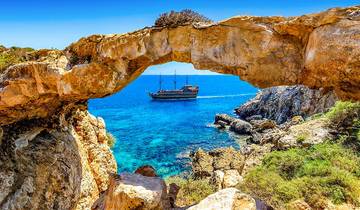
6 days
Tailor-Made 6 Days Best Private Cyprus Tour, Daily Start (Private Guide & Driver)
- ✓ Comprehensive Nicosia tour
- ✓ Expert local guides included
- ✓ All accommodation arranged
- ✓ Transportation provided
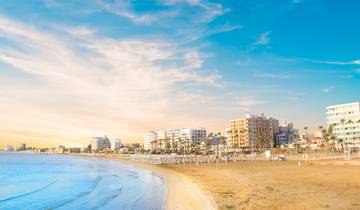
6 days
The Essence of Cyprus
- ✓ Comprehensive Nicosia tour
- ✓ Expert local guides included
- ✓ All accommodation arranged
- ✓ Transportation provided

6 days
Cyprus Highlights Experience – 6 days
- ✓ Comprehensive Nicosia tour
- ✓ Expert local guides included
- ✓ All accommodation arranged
- ✓ Transportation provided
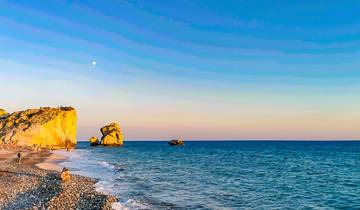
7 days
7 Days Customized Best Cyprus Family Tour, Daily Start (Private Guide & Driver)
- ✓ Comprehensive Nicosia tour
- ✓ Expert local guides included
- ✓ All accommodation arranged
- ✓ Transportation provided
Multi-day tour packages powered by TourRadar. Prices and availability subject to change.
Introduction
The Green Line dividing Nicosia represents one of history’s most peculiar borders — a demilitarized buffer zone slicing through apartment buildings, bisecting streets mid-block, and leaving entire neighborhoods frozen in 1974 time capsules. Established in December 1963 when a British commander drew a ceasefire line with a green chinagraph pencil across a map of Nicosia, the buffer zone expanded dramatically after the 1974 Turkish military intervention that partitioned Cyprus. Today, this 180-kilometer demilitarized zone stretches from Cyprus’s west coast to its east, narrowing to mere meters in Nicosia’s old town where medieval walls and modern checkpoints create the surreal geography of a divided capital.
Walking across the Green Line through central Nicosia delivers immediate immersion in this geopolitical complexity. The Ledra Street crossing — opened in 2008 after decades of complete closure — channels pedestrians through what was once a shopping street’s dead end into a short stretch of UN-controlled no-man’s-land before emerging in an entirely different country. The Turkish Republic of Northern Cyprus, recognized only by Turkey, maintains its own government, currency, language, and administrative systems despite occupying just 37% of the island. The Republic of Cyprus controls the southern 63% and holds international recognition as Cyprus’s legitimate government, creating the diplomatic tension underlying every crossing.
This division manifests physically in architecture, atmosphere, and urban fabric. South Nicosia features extensive restoration, EU-funded infrastructure, modern commercialism, and Greek Orthodox heritage preservation. North Nicosia retains Ottoman character through mosques, caravanserais, and Turkish-language signage, with less commercial polish but authentic cultural continuity. The contrast sharpens within steps of crossing — one side’s renovated pedestrian zones give way to the other’s atmospheric decay and living history. Neither side represents Cyprus entirely; together they form the island’s complex identity.
The practical experience of crossing belies its political weight. Immigration procedures resemble entering any neighboring country, document checks proceed efficiently, and both sides actively encourage tourism. What makes the crossing extraordinary is not difficulty but significance — stepping across history’s active dividing line, experiencing two distinct societies occupying one urban space, and witnessing how partition reshapes everything from language to lunch options. The Green Line crossing transforms abstract political concepts into walked geography, making Nicosia essential for understanding modern Cyprus and Mediterranean geopolitics.
Understanding the Green Line: History and Significance of Nicosia’s Division
The Green Line emerged from intercommunal violence in December 1963, when British Major-General Peter Young drew a ceasefire line with a green chinagraph pencil to separate Greek Cypriot and Turkish Cypriot fighters in Nicosia’s streets. This improvised boundary, initially meant as a temporary measure during Cyprus’s post-independence crisis, solidified into permanent division after the 1974 Turkish military intervention. Following a Greek-led coup attempting to unite Cyprus with Greece, Turkey launched Operation Attila on July 20, 1974, occupying the northern third of Cyprus within days. The August 16 ceasefire froze battle lines across the island, with the Green Line marking where opposing forces stood when fighting stopped.
The United Nations Peacekeeping Force in Cyprus (UNFICYP) has patrolled this buffer zone continuously since 1964, making it one of the UN’s longest-running missions. The zone varies dramatically in width — spanning several kilometers in rural areas but narrowing to 3.3 meters at Nicosia’s narrowest point near Paphos Gate. Within the capital, the buffer zone cuts through buildings, leaving the Ledra Palace Hotel abandoned mid-structure with bullet holes still visible in its facade. Entire neighborhoods were evacuated and remain frozen in 1974 condition, creating eerie time capsules where rusted cars sit in overgrown gardens and shop signs advertise businesses that vanished half a century ago.
The political situation remains unresolved. The Turkish Republic of Northern Cyprus declared independence in 1983, but only Turkey recognizes this state. The international community considers Northern Cyprus as territory of the Republic of Cyprus under Turkish military occupation. The Republic of Cyprus joined the European Union in 2004, but EU law remains suspended in the north pending reunification. This creates the anomaly of EU territory beyond EU control, where euros circulate alongside Turkish lira and Greek Cypriots access their own country only through what they consider occupied territory.
The human cost of division extends beyond politics. Families separated in 1974 lived decades unable to cross between north and south until checkpoints opened in 2003. Properties owned by Greek Cypriots in the north and Turkish Cypriots in the south remain disputed, with ownership claims complicating every real estate transaction. Cultural heritage suffers on both sides — Ottoman mosques decaying in the south, Orthodox churches abandoned in the north, and shared monuments caught in political crossfire. Nicosia’s division represents not just geopolitical conflict but the profound disruption of communities, heritage, and daily life that partition inflicts.
Despite this complexity, the Green Line’s existence enables the crossing experience. By maintaining separation, the buffer zone paradoxically creates the possibility of movement between both sides. The crossings opened in 2003 represented a major shift from complete isolation toward managed contact, allowing gradual normalization while preserving political positions. Today’s crossings function smoothly precisely because they acknowledge division rather than denying it, creating a unique travel experience impossible in reunified scenarios.
Main Crossing Points in Nicosia: Where and How to Cross
Nicosia offers three official crossing points within the capital area, each serving different purposes and user types. The Ledra Street crossing stands as the primary pedestrian route and most popular tourist choice, positioned at the heart of old Nicosia’s walled city. The Ledra Palace crossing provides an alternative pedestrian route with historical significance but involves a longer walk through the buffer zone. The Agios Dometios/Metehan crossing handles vehicle traffic and serves as the main car crossing point for the capital, located in Nicosia’s western suburbs outside the medieval walls.
Ledra Street Crossing: The Main Pedestrian Route
The Ledra Street crossing opened in 2008 after years of negotiation, transforming what was once a shopping street’s dead-end barricade into Nicosia’s busiest border crossing. Located at the northern terminus of Ledra Street — the Republic of Cyprus side’s main pedestrian shopping thoroughfare — this crossing sits at coordinates that place it dead center in the old walled city. The approach from the south involves walking up Ledra Street past shops, cafes, and the distinctive UN-marked dead zone barriers, arriving at a modern checkpoint building where Republic of Cyprus immigration operates.
The crossing operates 24 hours daily, 7 days weekly, year-round without seasonal closures, making spontaneous crossings possible at any hour. The actual crossing spans approximately 50 meters of buffer zone, entirely under roof and pavement, eliminating weather concerns. Immigration facilities on both sides include restrooms, though no commercial services exist within the crossing itself. The pedestrian-only nature means no vehicle exhaust, noise, or vehicular security concerns, creating a walking-pace experience that humanizes the border rather than industrializing it.
Upon clearing Republic of Cyprus immigration, the short buffer zone walk passes UN observation posts before reaching Turkish Cypriot immigration at the northern checkpoint. Emerging on the northern side places visitors directly onto Arasta Street, the Turkish Cypriot equivalent shopping thoroughfare lined with textile shops, cafes, and restaurants. The Büyük Han caravanserai stands just 150 meters northwest, and Selimiye Mosque rises 200 meters north, both within easy walking distance. This central positioning makes Ledra Street ideal for tourists planning several-hour explorations of Northern Nicosia’s main attractions.
Peak crossing times occur between 10 AM and 2 PM when tour groups and independent tourists converge, potentially creating 10 to 15 minute queues at immigration. Early morning crossings between 6 AM and 9 AM encounter almost no other crossers, while late evenings after 9 PM similarly flow without delays. The crossing infrastructure includes ramps and level access suitable for wheelchairs and strollers, though the buffer zone’s historic paving creates some surface irregularity. Security cameras monitor the entire crossing, and armed police presence on both sides remains discreet but visible.
Ledra Palace Crossing: The Historic Alternative
The Ledra Palace crossing claims distinction as the first crossing point to open after 30 years of complete closure, welcoming pedestrians again in April 2003. Located just west of the old town’s Venetian walls near the abandoned Ledra Palace Hotel, this crossing offers pedestrian access along with diplomatic and official vehicle passage. The route runs 24 hours daily in high season, though winter hours may reduce to daylight operation only depending on demand and security conditions.
Walking the Ledra Palace crossing involves significantly more distance than Ledra Street — approximately 400 meters through the buffer zone compared to Ledra Street’s 50 meters. The walk passes directly by the Ledra Palace Hotel itself, a haunting five-story structure riddled with bullet holes and frozen in 1974 condition as a UN peacekeeping force headquarters. This extended buffer zone walk provides closer observation of the division’s physical reality, including observation posts, defensive barriers, and the genuine no-man’s-land character that Ledra Street’s compact crossing conceals.
The Ledra Palace crossing attracts fewer tourists than Ledra Street, resulting in quieter immigration procedures but less frequent service at crossing hours’ extremes. The positioning outside the old town walls requires a 10 to 15 minute walk from central Nicosia attractions, making it less convenient for quick explorations. However, proximity to the Home for Cooperation — a bicommunal community center operating within the buffer zone — adds cultural and educational value to the crossing experience. The center hosts exhibitions, workshops, and events promoting reconciliation between Greek and Turkish Cypriot communities.
Agios Dometios/Metehan: Vehicle Crossing
The Agios Dometios crossing (known as Metehan on the Turkish Cypriot side) operates as Nicosia’s main vehicle crossing point, handling car, motorcycle, and pedestrian traffic in the capital’s western suburbs. Located outside the medieval walls approximately 2 kilometers west of central Nicosia, this crossing serves primarily local residents and those traveling beyond Nicosia by car. Pedestrians can cross here, but the vehicle-oriented infrastructure and suburban location make it impractical for tourists exploring the old city.
Vehicle crossings introduce insurance complications that pedestrian crossings avoid. Republic of Cyprus vehicle insurance does not cover Northern Cyprus, requiring separate mandatory insurance purchased at the border for any vehicle crossing north. Most Republic of Cyprus car rental contracts explicitly prohibit taking rental vehicles into Northern Cyprus, with GPS tracking systems flagging violations. Attempting to cross with a rental car typically results in contract breach, potential vehicle confiscation, and insurance invalidation. Travelers planning to explore both sides by car must either rent separately on each side or arrange specialized cross-border rental agreements in advance.
The Agios Dometios crossing operates extended hours but not 24/7 like Ledra Street, with typical hours running 6 AM to midnight though these vary seasonally and may change without notice. Vehicle processing takes longer than pedestrian crossing due to insurance verification, trunk inspections, and customs checks for goods. The crossing serves essential functions for Turkish Cypriot workers commuting to jobs in the south and Greek Cypriot farmers accessing land in the north, making it primarily a functional rather than tourist crossing point.
Document Requirements and Immigration Procedures
Crossing the Green Line requires valid identification accepted by both the Republic of Cyprus and the Turkish Republic of Northern Cyprus. EU citizens may present either a valid national ID card or passport, with both documents equally accepted at all crossing points. Non-EU citizens must carry a passport with at least six months remaining validity from the planned departure date from Cyprus. Some nationalities face additional visa requirements for Northern Cyprus entry, though most major tourist-generating countries including the United States, Canada, Australia, and United Kingdom require no visa for short tourist visits.
Citizens of Armenia, Syria, Nigeria, Turkmenistan, Nepal, and Bangladesh require special visas to enter Northern Cyprus, which should be arranged through Turkish diplomatic missions before travel. These restrictions apply at all Green Line crossings, not just ports and airports. Travelers from these countries cannot obtain visas at the crossing itself, making advance planning essential. Additionally, anyone entering Northern Cyprus via Ercan Airport or Kyrenia Port rather than through a Green Line crossing point may face complications when attempting to enter Republic of Cyprus territory, as these entry points lack international recognition.
The crucial document rule involves avoiding Turkish Cypriot entry stamps in passports when planning to return to Republic of Cyprus airports like Larnaca or Paphos. The Republic of Cyprus considers Ercan Airport and northern ports as illegal points of entry, and a northern entry stamp in your passport can technically create problems at southern airports. To avoid this, request a separate entry slip from Turkish Cypriot immigration officials instead of a passport stamp. Most officials provide these slips automatically at pedestrian crossings, but explicitly requesting “stamp on separate paper” ensures compliance if asked.
Both sides maintain the right to refuse entry to anyone, though actual refusals of tourist crossers remain rare. Reasons for potential refusal include invalid documents, overstayed visas, previous immigration violations, security concerns, or attempting to cross with prohibited items. Having hotel reservations, return transport tickets, and sufficient funds for the planned stay strengthens your crossing position, though these are rarely checked for obvious tourists crossing for day visits. Keep all entry documentation until final departure from whichever side you exit, as immigration may collect these papers when leaving.
No fees apply to pedestrian crossings in either direction. Vehicle crossings involve insurance purchases for Northern Cyprus coverage, but foot crossers pay nothing. Currency exchange facilities exist on both sides near crossings, though exchange rates at border locations typically offer less favorable terms than banks or exchange offices in city centers. ATMs operate on both sides accepting international cards, making it unnecessary to carry large cash amounts across the border.
Step-by-Step Guide: Walking Across the Green Line at Ledra Street
The crossing experience begins on the Republic of Cyprus side as you walk north up Ledra Street, Nicosia’s main pedestrian shopping thoroughfare. The street’s upper section narrows as shops give way to the approaching buffer zone, marked by increasing numbers of informational signs explaining the division’s history and crossing procedures. Blue-and-white signs in multiple languages identify the crossing point location approximately 100 meters before the checkpoint building. The final commercial buildings before the buffer zone include currency exchange offices and cafes where last-minute preparations occur.
Have your passport or EU ID card readily accessible before reaching the checkpoint — not packed in bags or pockets requiring searching. The Republic of Cyprus immigration checkpoint occupies a modern building with clear signage in Greek, English, and Turkish. During busy periods, queues may form, but these typically move steadily as each person’s document check takes 10 to 20 seconds. Approach the immigration window when signaled, present your document, and wait while the officer scans or examines it. Officials rarely ask questions of obvious tourists, though they may inquire about length of stay or accommodation if crossing appears unusual.
Upon clearing Republic of Cyprus immigration, you enter the buffer zone itself — a short covered walkway approximately 50 meters long connecting the southern and northern checkpoints. This stretch falls under UN control, with peacekeepers visible in observation posts along the route. Photography is strictly prohibited throughout the buffer zone, with enforcement by UN personnel and both sides’ security forces. The walking surface uses original 1960s paving in places, creating minor surface irregularity but nothing requiring special footwear. No commercial facilities, restrooms, or services exist within this stretch.
The Turkish Cypriot checkpoint appears at the buffer zone’s northern end, housed in another modern immigration facility. The document check process mirrors the southern procedure — present your passport or ID card, wait for scanning or examination, and proceed when cleared. Officials commonly provide a separate entry slip rather than stamping passports, which they hand to you along with your returned document. Keep this slip carefully, as you must present it when exiting Northern Cyprus even if departing the same day. If officials do stamp your passport instead of providing a slip, this generally causes no problems for tourists crossing back south via the same land border, though it may create complications if later entering from a southern airport.
Emerging from the northern checkpoint places you on Arasta Street in Northern Nicosia, where the atmosphere transforms immediately. Turkish-language signs replace Greek, Turkish lira prices appear alongside or instead of euros, and the architectural character shifts from Greek Cypriot restoration to preserved Ottoman heritage. The Büyük Han caravanserai stands 150 meters northwest on Asmaaltı Street, while the imposing Selimiye Mosque (former Agia Sofia Cathedral) rises 200 meters directly north. Most visitors naturally gravitate toward these landmarks as first destinations after crossing, orienting themselves in this new environment before exploring further.
Returning south follows the identical procedure in reverse — Turkish Cypriot immigration at the northern checkpoint, buffer zone walk, Republic of Cyprus immigration at the southern checkpoint. Have your northern entry slip ready for collection at Turkish Cypriot immigration when exiting. Some travelers report that exit procedures run even faster than entry, as officials primarily verify documents rather than conducting the slightly more detailed entry checks. The entire round-trip crossing process typically consumes 10 to 30 minutes total depending on queues, leaving maximum time for actual exploration on both sides.
Cultural and Practical Differences Between North and South Nicosia
Language transforms immediately upon crossing, with Greek giving way to Turkish as the dominant tongue throughout Northern Nicosia. Signage, menus, shop labels, and official documents all appear in Turkish, though English maintains reasonably wide usage in tourist areas and major establishments. The linguistic shift extends beyond mere translation — the entire rhythm of conversation, the sounds of street life, and the character of public interaction change. Greek Cypriot Nicosia sounds Mediterranean European; Turkish Cypriot Nicosia sounds Anatolian Middle Eastern despite occupying the same urban geography.
Currency operates differently on each side, creating practical challenges for crossers. The Republic of Cyprus uses euros as legal tender, with prices, ATMs, and transactions all denominated in EUR. Northern Cyprus primarily uses Turkish lira, with prices displayed in TRY though many tourist-oriented establishments accept euros at varying exchange rates. These informal euro rates typically disadvantage customers compared to proper currency exchange or ATM withdrawal in lira. ATMs exist on both sides dispensing respective currencies, but check with your bank regarding international withdrawal fees and whether Turkish Cypriot ATMs incur different charges than Republic of Cyprus machines despite both being on the same island.
Mobile phone service creates unexpected complications. Your phone may automatically switch to Turkish networks upon crossing north, potentially triggering international roaming charges even though you haven’t left Cyprus geographically. EU roaming regulations that eliminate charges within EU countries do not extend to Northern Cyprus, as it falls outside EU telecommunications frameworks. To avoid surprise charges, either enable airplane mode and rely on WiFi (widely available in cafes and restaurants on both sides), purchase a local SIM card for whichever side you’ll spend more time on, or verify with your mobile carrier what charges apply specifically for Northern Cyprus usage.
Religious heritage and architecture reflect the communities dominating each side. South Nicosia features Orthodox churches in active use, Byzantine iconography, Greek architectural aesthetics, and Christian religious festivals marking the calendar. North Nicosia centers on mosques for worship, Islamic decorative traditions, Ottoman architectural heritage, and Muslim holy days shaping the rhythm of life. Many buildings tell both stories simultaneously — the Selimiye Mosque spent 600 years as the Orthodox Agia Sofia Cathedral before Ottoman conversion, retaining Gothic architecture beneath Islamic adaptations. This architectural palimpsest repeats throughout both sides, where successive civilizations inscribed themselves on the same stones.
Commercial character diverges noticeably between north and south. South Nicosia features more international brands, EU-standard product selection, higher visible affluence, and prices reflecting eurozone cost levels. North Nicosia retains more local character, traditional Turkish products and brands, visible economic constraints in infrastructure maintenance, and generally lower prices for comparable goods and services. Neither side holds absolute advantage — the south offers polish and European integration, the north provides authenticity and Ottoman atmosphere. Together they create a complete picture of Cyprus’s complexity.
Food cultures overlap but emphasize different traditions. South Nicosia restaurants serve Greek Cypriot cuisine featuring halloumi, moussaka, souvlaki, Greek salads, and Mediterranean flavors familiar to visitors of Greece. North Nicosia emphasizes Turkish Cypriot dishes including kebabs, mezze with different emphases, Turkish coffee, and sweets like baklava made according to Anatolian rather than Greek traditions. Despite shared Mediterranean ingredients and centuries of coexistence, subtle differences in spicing, preparation, and serving styles distinguish the two sides’ cuisines. Many dishes appear on both sides under different names — the north’s şeftali köfte is functionally identical to the south’s sheftalia, both being spiced meat sausages in caul fat.
Photography Restrictions and Respectful Behavior
Photography within the buffer zone itself faces absolute prohibition, strictly enforced by UN peacekeepers and both sides’ security forces. This restriction extends to all parts of the demilitarized zone visible from either side, including the crossing walkways, UN observation posts, military positions, and any fortifications or barriers. Attempting to photograph these areas results in immediate intervention by security personnel, potential confiscation of cameras or phones, deletion of photos, and possible denial of crossing permission. The prohibition exists for security reasons related to the buffer zone’s military sensitivity despite its civilian crossing function.
Military installations on both sides similarly prohibit photography, though these are clearly marked with international “no photography” symbols and Turkish or Greek language warnings. These installations include army posts, police stations, official government buildings in some cases, and any facility serving security functions. The Ledra Palace Hotel, despite its photogenic abandoned state, falls within this prohibition due to its role as a UN facility, though some officials permit photographs from certain public angles. When in doubt about whether photography is allowed, ask nearby security personnel or simply refrain rather than risking confrontation.
Beyond the buffer zone and military installations, both sides welcome photography of civilian areas, attractions, streetscapes, and daily life. Northern Nicosia’s Ottoman heritage sites actively encourage photography, with the Büyük Han, Selimiye Mosque (outside prayer times), markets, and historic streets all freely photographable. South Nicosia’s churches, museums, Venetian walls, and pedestrian areas similarly permit photography. Respectful practices include asking permission before photographing individuals closely, avoiding intrusive photography of people’s homes or private moments, and being sensitive to the political significance underlying certain locations.
The political sensitivity of the division requires thoughtful approach to photography and behavior. While tourists may view the crossing as a curious travel experience, local communities on both sides live with partition’s daily consequences. Avoid treating the border as mere spectacle or entertainment, making light of the division’s serious political and human dimensions, or displaying overtly partisan symbols or behaviors favoring one side. Greek flags or nationalist symbols in Northern Cyprus, Turkish flags or nationalist displays in the south — both create tension and disrespect local sensitivities.
Social media posting deserves particular consideration given Cyprus’s political complexity. Photos captioned with politically charged language, inappropriate jokes about the division, or content that could be construed as mocking either community may offend not just abstract political positions but real people whose lives the partition affects. Many Cypriots on both sides maintain nuanced views about reunification, property rights, historical responsibility, and future possibilities. Simplistic narratives or insensitive content reduces their complex reality to tourist entertainment. Post thoughtfully, acknowledging the human dimensions underlying the geographical curiosity.
Inside places of worship, additional photographic restrictions may apply. Selimiye Mosque permits photography outside prayer times and welcomes respectful visitors, but photography during prayers would be inappropriate. Head covering requirements for women, modest dress for all visitors, and shoe removal before entering prayer spaces constitute basic respect regardless of photography plans. Orthodox churches on the south side similarly expect modest dress and quiet behavior, with photography restrictions varying by specific church — some permit photos freely, others restrict flash photography, and some prohibit interior photography entirely.
Main Attractions Accessible from Ledra Street Crossing
The Büyük Han stands as Northern Nicosia’s premier Ottoman monument and most photographed building, located just 150 meters northwest of the Ledra Street crossing via Arasta Street. This magnificent caravanserai dates to 1572, the year after Ottoman forces seized Cyprus from the Venetians, and represents Cyprus’s finest preserved example of Ottoman commercial architecture. The two-story structure wraps around a central courtyard where a small domed mosque occupies the center, originally serving traveling merchants who rented rooms upstairs and stored goods in ground-floor vaults. Restoration in the 1990s transformed the Büyük Han into a cultural center housing artisan workshops, galleries, craft shops, and a courtyard cafe.
The ground floor galleries showcase Cypriot handicrafts including hand-woven textiles, traditional copperwork, ceramic pottery, and contemporary art by Turkish Cypriot artists. The upstairs rooms converted into additional workshop spaces where craftspeople work visibly, demonstrating traditional techniques and selling directly to visitors. The courtyard cafe serves traditional Turkish coffee, freshly squeezed pomegranate juice, and local sweets in the atmospheric setting beneath the central mosque. The entire complex operates as a living cultural institution rather than merely a preserved monument, making it both historically significant and commercially vibrant.
The Selimiye Mosque dominates Northern Nicosia’s skyline from every approach, its twin minarets rising above the Venetian walls and visible even from the southern side. This extraordinary building began life in 1209 as the Gothic Agia Sofia Cathedral, with construction continuing until 1326 when Louis IX of France contributed French artisans during a Crusades stopover. The cathedral served Orthodox Christianity for over two centuries until Ottoman conquest in 1570, when it converted to the island’s primary mosque with minarets added to the Gothic towers. The result presents architectural fusion — Gothic pointed arches, flying buttresses, and French ecclesiastical proportions supporting Islamic prayer spaces, mihrabs, and Ottoman decorative elements.
Visitors may enter outside five daily prayer times, with modest dress required (shoulders and knees covered, women’s heads covered with provided scarves if needed). The interior reveals this architectural conversation between Christianity and Islam — Gothic vaulting overhead, Christian stone carving on columns and capitals, but Islamic calligraphy on walls and prayer carpets covering what was once the cathedral floor. The minarets open for climbing during limited hours, offering panoramic views across divided Nicosia and the surrounding Mesaoria Plain. The Selimiye’s location makes it a natural walking destination from Ledra Street, situated 200 meters directly north with clear sight lines guiding visitors.
The Bedestan stands immediately adjacent to the Selimiye Mosque, originally a 6th-century Byzantine chapel later expanded as a market hall during Ottoman times. The building currently functions as an exhibition center hosting cultural events, art shows, and occasional concerts within its medieval stone walls. The Bedestan represents the layering of Cyprus’s civilizations — Byzantine foundation, Lusignan expansion, Ottoman commercial adaptation, and contemporary cultural reuse. Entry is free when exhibitions are mounted, though opening hours vary depending on programming schedules.
The Kumarcılar Han (Gambler’s Inn) provides a quieter alternative to the busier Büyük Han, located on Asmaaltı Street near the Selimiye Mosque. This smaller caravanserai from the 17th century received its colorful name from serving as a gambling house during British colonial times. Restoration preserved the intimate courtyard and surrounding rooms, now occupied by small cafes and craft shops with fewer crowds than Büyük Han. The atmosphere feels more local and less tourist-oriented, making it excellent for observing daily life and enjoying unhurried coffee in authentic surroundings.
Arasta Street itself deserves attention as Northern Nicosia’s main shopping thoroughfare, running parallel to the Venetian walls for several hundred meters. Traditional textile shops dominate, selling Turkish fabrics, kilims, carpets, and cotton goods at prices generally lower than equivalent shops in the south. Souvenir shops intersperse among the textile merchants, offering Turkish evil eye amulets, Ottoman-style metalwork, and northern-branded tourist items. Small restaurants and coffee shops provide refueling stops between shopping explorations, with many offering traditional Turkish cuisine at economical prices.
Exploring South Nicosia Before and After Crossing
Ledra Street’s southern section functions as the Republic of Cyprus side’s primary commercial pedestrian zone, running south from the crossing point through the old walled city to Eleftheria Square. This completely pedestrianized street features international brand shops, local boutiques, cafes with outdoor seating, and the distinctive Shacolas Tower Observatory near the crossing. The street’s character shifts as you move south from the border — the northern sections near the crossing feel quieter and more contemplative, while southern sections toward Eleftheria Square pulse with commercial energy and shoppers.
The Shacolas Tower Observatory and Museum occupies the top floor of a modern building on Ledra Street, offering panoramic views across both sides of Nicosia and directly into the buffer zone below. The observation deck provides the clearest visual understanding of how the division physically manifests — abandoned buildings in no-man’s-land, the meandering path of the buffer zone through city blocks, and the different architectural characters of north and south. Interpretive displays explain the division’s history, show archive photographs from pre-1974 unified Nicosia, and provide binoculars for detailed observation. Entry costs €3, with opening hours varying seasonally but generally running 10 AM to 6 PM daily.
The Cyprus Museum stands as the Republic of Cyprus’s premier archaeological institution, located approximately 15 minutes’ walk southwest from Ledra Street along Museum Street. This comprehensive museum houses artifacts spanning Cyprus’s history from Neolithic settlements through Roman times, including extraordinary Bronze Age ceramics, sanctuary sculptures, tomb goods, and the famous Horned God statue from ancient Enkomi. The collection focuses entirely on ancient history, ending before medieval times, making it complementary to the Ottoman-focused sites in the north. Entry costs €5, with opening hours typically 8 AM to 4 PM Tuesday through Saturday, closed Sundays and Mondays.
The Venetian Walls encircling old Nicosia represent 16th-century military engineering, constructed when Venice held Cyprus and feared Ottoman expansion. These massive fortifications form an 11-pointed star pattern visible from aerial views, with each point creating a bastion for artillery placement. Several gates pierce the walls, with Famagusta Gate being the most architecturally distinguished and now serving as a cultural center. Walking the walls’ perimeter provides excellent urban perspectives and understanding of how the Green Line respects these historical boundaries — the division roughly follows the walls’ alignment in places, incorporating them into the buffer zone’s geography.
The Leventis Municipal Museum occupies a restored townhouse on Ippokratous Street, chronicling Nicosia’s history from ancient times through the 20th century. Unlike the Cyprus Museum’s archaeological focus, Leventis emphasizes urban social history — how people lived, worked, and shaped the city across centuries. Exhibits include period room settings, historical photographs, maps showing Nicosia’s evolution, and collections of everyday objects illustrating daily life. The medieval and Ottoman periods receive particular attention, providing historical context for the Ottoman monuments visible across the buffer zone in the north. Entry is free, with opening hours 10 AM to 4:30 PM Tuesday through Sunday, closed Mondays.
The Omeriye Mosque offers South Nicosia’s active Muslim place of worship, converted from an Augustinian church after Ottoman conquest. Unlike Selimiye’s grand Gothic cathedral proportions, Omeriye presents a smaller, more intimate space but similarly illustrates architectural adaptation from Christian to Islamic use. The mosque’s hammam (Turkish bath) still operates next door, providing traditional bath experiences in a 16th-century setting. The mosque stands just two blocks west of Ledra Street, making it easily accessible and demonstrating that religious diversity exists on both sides despite each area’s dominant community.
Currency, Banking, and Financial Practical Considerations
The euro serves as official currency throughout the Republic of Cyprus, including all areas south of the Green Line. ATMs dispense euros, prices display in euros, and all commercial transactions use euros according to standard eurozone practices. The Turkish lira functions as Northern Cyprus’s working currency, with prices marked in TRY and most transactions conducted in lira. However, the north’s anomalous political status creates currency complexity absent in standard international borders. Many Northern Cyprus establishments accept euros, sometimes preferentially, but at exchange rates favorable to merchants rather than customers.
Paying in euros at northern establishments generally results in unfavorable implied exchange rates — a coffee marked ₺50 might be accepted for €3 when the actual exchange rate makes it worth closer to €2.50. This “convenience charge” for euro usage varies by establishment but consistently disadvantages customers. The better financial strategy involves withdrawing Turkish lira from Northern Cyprus ATMs and conducting transactions in lira. Major banks including İşbank, Türk Bankası, and others operate ATMs throughout Northern Nicosia accepting international cards and dispensing Turkish lira.
ATM withdrawal fees and foreign exchange charges complicate the calculation. European banks charging fixed fees per withdrawal find Northern Cyprus ATMs triggering these fees just like non-eurozone international withdrawals. Some banks classify Northern Cyprus as Turkey for fee purposes, while others apply separate fee structures. Check with your bank before crossing to understand specific charges. Withdrawing larger amounts less frequently minimizes fixed fees’ impact, but carrying excessive cash introduces security concerns and loss risks.
Currency exchange facilities exist on both sides of the Ledra Street crossing, though these typically offer worse exchange rates than banks or central-city exchange offices. Border exchange services cater to necessity rather than competition, resulting in rates 5% to 10% less favorable than elsewhere. If you must exchange at the border, exchange minimal amounts for immediate needs and complete larger exchanges at better-rated establishments away from the crossing. South Nicosia’s central commercial district and Northern Nicosia’s Kyrenia Gate area both host competitive exchange offices.
Credit cards work on both sides but with varying acceptance levels. Major establishments, hotels, and tourist-oriented restaurants throughout both sides accept Visa and Mastercard. Smaller shops, traditional restaurants, markets, and street vendors often operate cash-only or strongly prefer cash to avoid processing fees. Northern Cyprus credit card acceptance lags slightly behind the south, with more cash-oriented commerce especially in traditional markets and smaller establishments. Always carry sufficient cash for anticipated expenses plus a modest reserve.
The Turkish lira’s volatility creates additional complexity for Northern Cyprus visitors. The currency has experienced significant depreciation against euros and other major currencies in recent years, making Northern Cyprus progressively less expensive for euro-holders but creating uncertainty about exactly how expensive things will be. Prices marked in lira may change frequently as merchants adjust to exchange rate movements, while euro-denominated prices may remain more stable. This volatility makes researching current exchange rates immediately before crossing worthwhile, as rates from even weeks-old information may be substantially outdated.
Crossing Etiquette and Sensitive Topics to Avoid
The Green Line represents lived reality rather than tourist attraction for Cypriots on both sides, demanding respectful behavior acknowledging the division’s human cost. Thousands of people suffered displacement in 1974, losing homes, properties, communities, and in some cases family members to partition’s violence. Both sides contain refugee communities still living in temporary housing decades later, missing family members who disappeared during the conflict, and nursing grievances about injustice and loss. Tourist fascination with the border’s uniqueness can unintentionally trivialize this pain.
Avoid political arguments or debates about who bears responsibility for the division, which side has legitimate claims, or whether reunification should occur. These topics remain deeply divisive among Cypriots themselves, with no consensus even within communities let alone between them. Foreign tourists possessing superficial understanding of the conflict’s complexity risk offensive simplifications, naive solutions, or partisan positions that insult whichever side they contradict. If local people raise political topics and seem interested in discussing them, respectful questions about their personal experiences beat confident assertions about solutions.
Property rights constitute particularly sensitive territory. Many Greek Cypriots own property in Northern Cyprus they cannot access or use, while Turkish Cypriots abandoned properties in the south during the same period. These disputed properties generate ongoing legal battles, European Court rulings, and personal anguish for owners watching their assets deteriorate or be occupied by others. Purchasing property in Northern Cyprus involves complex legal questions about original ownership, with European Court judgments finding against buyers who purchased Greek Cypriot-owned land from Turkish Cypriot authorities. These issues touch real lives and should be approached with care if they arise.
Terminology matters politically. The “Turkish Republic of Northern Cyprus” goes by different names depending on speaker — Turkish Cypriots use “TRNC” or “North Cyprus,” Greek Cypriots often say “occupied territories” or “occupied areas,” while international bodies use “northern Cyprus” without implying state recognition. Similarly, “invasion” versus “intervention” regarding 1974 events, “Nicosia” versus “Lefkoşa” for the northern city name, and numerous other terms carry political freight. Using politically neutral terms like “northern side” and “southern side” avoids inadvertently signaling partisan positions.
Photography of the division itself deserves thoughtful approach beyond just buffer zone restrictions. The partition physically manifests in abandoned buildings, sealed doorways, divided streets, and visible fortifications that make compelling images. However, these photogenic ruins represent real people’s lost homes, destroyed neighborhoods, and interrupted lives. Photographing such sites respectfully means acknowledging their human dimension rather than treating them as merely aesthetic ruins. Captions acknowledging the loss, avoiding triumphalist or partisan framing, and presenting the division as ongoing tragedy rather than quirky attraction show appropriate sensitivity.
Social interaction across the divide has gradually normalized since crossings opened in 2003, but this progress remains fragile. Greek Cypriots and Turkish Cypriots increasingly interact commercially, professionally, and socially, but deep community divisions persist. Bicommunal initiatives work toward reconciliation, but these represent committed activists rather than majority sentiment. Assuming everyone wants reunification, believing contact automatically heals division, or treating reconciliation as simple or imminent ignores the real complexity and honors neither community’s genuine concerns and fears.
Safety, Logistics, and Practical Crossing Tips
Both sides of Nicosia maintain extremely low crime rates by international standards, with violent crime exceptionally rare and petty theft uncommon even in tourist areas. The Green Line crossing itself operates under intense security scrutiny from UN forces and both sides’ authorities, making it among Europe’s safest border crossings. Standard urban precautions apply — secure valuables in inside pockets or bags, remain aware of surroundings, avoid displaying expensive jewelry or electronics unnecessarily — but paranoid security measures are unwarranted. Women traveling solo, elderly visitors, and families with children all cross routinely without incident.
Health services exist on both sides if medical needs arise. The Republic of Cyprus maintains EU-standard healthcare accessible to EU citizens through European Health Insurance Card coverage, though non-EU visitors should verify travel insurance covers Cyprus medical expenses. Northern Cyprus operates separate healthcare facilities outside EU frameworks, requiring verification that travel insurance specifically covers Northern Cyprus or Turkey (which some insurers group together). Pharmacies on both sides stock common medications, though prescription requirements and available brands may differ between north and south. Bring sufficient supplies of prescription medications for your entire stay plus reserves, as refilling prescriptions across the border adds administrative complexity.
Weather considerations affect crossing comfort primarily through summer heat and occasional winter rain. Cyprus summers (June through September) produce intense heat with midday temperatures regularly exceeding 35°C (95°F). The buffer zone crossing involves brief outdoor walking without shade, making early morning or evening crossings more comfortable than midday. Winter brings occasional rain requiring umbrellas or rainwear, though the covered crossing walkway provides partial shelter. Spring (March-May) and autumn (October-November) offer ideal crossing weather with mild temperatures and minimal precipitation.
Time requirements for meaningful exploration demand realistic assessment. Superficial “I crossed the Green Line” experiences consume minimal time — walk across, take photos, return within 30 minutes including crossing procedures. Meaningful engagement with Northern Nicosia’s attractions requires 2 to 4 hours minimum to visit Büyük Han, Selimiye Mosque, and surrounding Ottoman quarter without rushing. Full-day explorations crossing multiple times to compare markets, try restaurants on both sides, and thoroughly investigate the walled city provide richer understanding. Some visitors base themselves south and cross daily for northern lunches or coffee; others cross once for extended northern exploration before returning.
Accommodation logistics center on whether to stay north or south when visiting Nicosia. South Nicosia offers more hotel options, higher international standards, EU-level infrastructure, and easier access to the Republic of Cyprus’s southern resort areas and airports. Northern Nicosia provides more atmospheric Ottoman-era hotels, generally lower prices, authentic Turkish Cypriot experience, and convenient access to northern attractions like Kyrenia and Famagusta. Many visitors choose southern accommodation for these practical advantages while crossing daily to explore the north, avoiding the commitment and insurance complications of northern hotels.
Tour packages and guided experiences exist for visitors preferring structured exploration. Several companies based in southern Cyprus offer half-day or full-day tours that include crossing to Northern Nicosia with professional guides providing historical context, cultural interpretation, and logistical management. These tours handle immigration procedures, explain the division’s complexity, and lead visitors to main attractions while contextualizing what might otherwise seem like disconnected sites. Independent crossing offers more flexibility and spontaneity, while tours provide educational depth and eliminate navigation concerns for first-time visitors unfamiliar with divided cities.
When to Cross: Timing and Seasonal Considerations
The Ledra Street crossing’s 24-hour operation theoretically enables crossing at any time, but practical considerations make certain hours preferable. Early morning crossings between 6 AM and 9 AM encounter minimal other crossers, resulting in instant immigration processing and empty streets on the northern side. This timing suits photographers seeking atmospheric empty-street shots and travelers who enjoy cities before tourist crowds arrive. However, many northern shops and attractions don’t open until 9 or 10 AM, potentially leaving early crossers with impressive solitude but limited commercial activity.
Mid-morning to early afternoon (9 AM to 2 PM) represents peak crossing time when tour groups, cruise ship visitors, and independent tourists converge. Immigration queues during these hours can extend 10 to 20 minutes, especially when multiple tour groups arrive simultaneously at checkpoint windows designed for individual processing. Northern Nicosia’s attractions, shops, and restaurants operate fully during these hours, making them optimal for visitors prioritizing access to services over quiet atmosphere. The crowds concentrate at main attractions like Büyük Han and Selimiye Mosque, though secondary sites remain quieter.
Late afternoon and evening crossings (4 PM to 8 PM) combine operational advantages — attractions still open, restaurants serving dinner, queues diminishing as day-trippers return south. Northern Nicosia’s evening atmosphere particularly appeals during summer when brutal daytime heat gives way to pleasant Mediterranean evenings and locals emerge for passeggiate (strolling). Selimiye Mosque closes before evening prayers, but the Büyük Han, markets, and restaurants remain active. Crossing back south late evening provides empty checkpoints and the distinctive experience of walking through empty buffer zone at dusk.
Night crossings after 9 PM suit adventurous travelers comfortable with nighttime urban exploration, though northern commercial activity winds down significantly. Most shops close, restaurants begin shutting, and the old town takes on deserted character. The crossing itself remains open and safe, but limited services make night crossings more viable for returning south after northern dinners than for initial northern exploration. Some travelers cross late to experience the atmospheric contrast between the illuminated southern cafes and the quieter northern evenings.
Seasonal patterns influence crossing crowds and atmospheric differences. Summer (June-September) brings peak tourist numbers, with cruise ships docking in Limassol and coastal resort visitors adding day trips to Nicosia. The heat becomes oppressive midday, making early morning or late afternoon crossings more comfortable. Cafes and shaded areas gain value, while energetic walking tours drain energy. Winter (December-February) reduces tourist numbers substantially, creating quieter crossing experiences but also limiting some businesses’ hours as they adjust to lower demand. Spring and autumn offer ideal middle ground — pleasant temperatures, moderate crowds, and full service availability.
Greek Orthodox and Muslim holidays create distinct rhythms on respective sides. Greek Easter typically falls weeks different from Western Easter, shaping southern commercial hours and religious activities. Muslim holidays like Ramadan affect northern schedules, with restaurants closing daytime but extending evening hours for iftar (breaking fast). These religious calendars operate independently, meaning one side might celebrate while the other functions normally. Check both sides’ holiday calendars when planning visits, as crossing on major holidays may find attractions closed or operating reduced hours.
Extending Exploration: Beyond Nicosia Crossings
While Nicosia’s crossings provide the most accessible Green Line experience, several other crossing points along the buffer zone enable broader exploration. The Deryneia/Pergamos crossing serves eastern Cyprus near Famagusta, opening 7 AM to 11 PM daily for both vehicles and pedestrians. This crossing provides the most convenient access to Famagusta’s walled city, Salamis ancient ruins, and the controversial Varosha ghost town visible from southern observation points. The crossing location near Deryneia village requires own transportation or taxi, as no public transit directly serves it.
The Strovilia/Agios Nikolaos crossing operates near Dhekelia British Sovereign Base Area with restricted hours typically 10 AM to 7 PM and limited to EU citizens only. Non-EU nationals cannot use this crossing point, making it unsuitable for many international visitors. Its eastern location serves primarily locals and British base personnel rather than tourists, though theoretically EU citizens could use it for beach area access near the base.
Western Cyprus crossing points include Astromeritis/Zodhia (operating 24/7 for vehicles and pedestrians) and Kato Pyrgos/Yeşilırmak on the far northwest coast. These crossings serve primarily rural access rather than tourism, connecting Greek Cypriot and Turkish Cypriot villages and agricultural areas. The scenic mountain routes accessible from these crossings appeal to adventurous travelers with vehicles, but minimal attractions and infrastructure make them impractical for standard tourist itineraries.
The Pyla/Pergamos crossing near Pyla village offers limited hours typically 10 AM to 7 PM serving this unique mixed Greek Cypriot-Turkish Cypriot village that avoided population exchange. Pyla’s anomalous status as a functioning mixed community within the buffer zone makes it fascinating for those interested in bicommunal relations, though the village itself offers minimal tourist infrastructure. The crossing serves primarily local residents rather than international visitors.
Vehicle crossings introduce complications beyond pedestrian crossings. Rental cars from Republic of Cyprus companies generally cannot cross north due to insurance restrictions and contractual prohibitions. Attempting to cross with rental vehicles risks contract breach, GPS tracking violations, insurance invalidation, and potential vehicle confiscation. Travelers wanting vehicle access on both sides must either rent separately north and south, arrange specialized cross-border rental agreements (rare and expensive), or use taxis that can legally operate across crossings.
Northern Cyprus vehicle insurance required at crossings costs approximately €20-40 for one-month coverage depending on vehicle type. This insurance covers only Northern Cyprus and expires upon returning south. Private vehicles registered in the Republic of Cyprus require this insurance for any northern crossing, with enforcement at checkpoints. The insurance purchase occurs at the crossing point from designated offices before proceeding through immigration, adding time to the crossing process compared to pedestrian’s instant document checks.
Common Mistakes and Misconceptions
The most common mistake involves assuming the division functions like standard international borders between neighboring countries. While immigration procedures superficially resemble crossing from France to Germany, the political reality differs fundamentally. This is one divided island, not two separate nations, making the crossing simultaneously easier (no real border controls, free movement) and more complex (political sensitivities, documentation complications for certain travel patterns). Understanding this distinction prevents misapplying standard international travel assumptions to Cyprus’s unique situation.
Passport stamp concerns generate unnecessary anxiety for many visitors. The widespread warning about “never get Turkish Cypriot stamps in your passport or you can’t return south” requires nuance. For tourists crossing at land borders who will depart Cyprus from the same side they entered (most visitors), stamps cause no problems whatsoever. The actual concern applies to travelers who enter Northern Cyprus via Ercan Airport or Kyrenia Port (considered illegal entry points by the Republic of Cyprus), then attempt to enter Republic of Cyprus from the south afterward. These entries may create problems, but standard Green Line pedestrian crossings rarely do.
Currency confusion particularly affects first-time crossers who either fail to obtain Turkish lira before crossing or believe euros work equivalently on both sides. While euros are accepted in many Northern Cyprus establishments, the exchange rates applied disadvantage customers significantly. A coffee marked ₺50 accepted for €3 when the actual value is €2.50 means paying 20% premiums for euro convenience. Smart crossers withdraw Turkish lira from northern ATMs immediately after crossing, conducting all transactions in local currency to avoid these implicit markups.
Time allocation frequently proves inadequate for meaningful northern exploration. Visitors scheduling 30-minute crossing windows can technically cross and return but experience nothing beyond the novelty of walking across. Büyük Han alone deserves 30 to 45 minutes for proper exploration, Selimiye Mosque requires similar time, and allowing for walking between sites, orientation, and potential getting lost adds more time. Meaningful northern visits require minimum 2 to 3 hours, with half-day allocations enabling relaxed exploration including sit-down coffee or meals.
Photography restrictions generate repeated problems when visitors ignore clear signage, verbal warnings, and universal military photography prohibitions. The buffer zone’s no-photography rule applies throughout the crossing area, not just obvious military positions. Attempting to photograph “just the abandoned buildings” or “just the UN trucks” results in intervention because these elements exist within the prohibited buffer zone. Similarly, photographing anywhere you see armed military personnel, police positions, or security installations invites problems. The rule: if you see security forces or official installations, photography is prohibited even without explicit signs.
The misconception that Northern Cyprus is “dangerous” or “risky” due to non-recognition and political situation persists despite all evidence contradicting it. Northern Cyprus maintains lower crime rates than many fully-recognized EU countries, operates functional tourism infrastructure, and welcomes hundreds of thousands of visitors annually without incident. The political non-recognition creates administrative complications (insurance, documentation) but not safety issues. Standard urban precautions apply, but paranoia about entering Northern Cyprus is unwarranted and prevents experiencing half the island’s heritage.
The Future of the Green Line and Reunification Prospects
The Green Line’s existence as a crossable border represents relatively recent development despite Cyprus’s 50-year division. From 1974 until 2003, the line functioned as an impenetrable barrier with no civilian crossings permitted in either direction. Greek Cypriots and Turkish Cypriots lived entirely separate existences on their respective sides, unable to visit properties they owned on the opposite side, unable to contact family members across the divide, and unable to access cultural or religious sites in the other community’s territory. This total separation meant entire generations grew up knowing the other community only through political rhetoric rather than personal contact.
The 2003 crossing opening represented a seismic shift initiated by Northern Cyprus’s government despite initial Republic of Cyprus government reservations. Thousands of people crossed in the first days, many weeping as they visited homes abandoned 30 years earlier, saw childhood neighborhoods for the first time since fleeing, or reunited with separated family members. The emotional intensity of these first crossings demonstrated the human cost of partition and the hunger for contact despite political divisions. Today’s routine touristic crossings evolved from this profound human reconnection.
Reunification negotiations have occurred repeatedly since 1974 with varying degrees of progress and multiple failed settlements. The closest approach to agreement came in 2004 with the Annan Plan, proposing a bizonal bicommunal federation reuniting Cyprus under loose federal structure. Greek Cypriots rejected this plan in referendum (76% against), while Turkish Cypriots approved it (65% for), leading to continued division and Cyprus joining the EU as a divided island. Subsequent negotiation rounds in 2014-2017 approached agreement but ultimately failed over territorial adjustments, security guarantees, and property rights issues.
The political positions remain far apart on fundamental questions. Greek Cypriots generally favor stronger central government, maximum territorial concessions from Turkish Cypriots, unlimited return rights for refugees, and complete removal of Turkish military forces. Turkish Cypriots typically prefer loose federation preserving autonomous zones, security guarantees ensuring against majority rule, limitations on Greek Cypriot property rights in the north, and continued Turkish security presence. Both communities contain hardliners opposed to any compromise and moderates seeking accommodation, but finding mutually acceptable middle ground has proven elusive.
The status quo’s continuation grows increasingly likely as years pass without resolution. Younger generations on both sides never experienced unified Cyprus and show declining enthusiasm for reunification compared to older generations who remember coexistence. Economic disparities widened after southern Cyprus joined the EU and adopted the euro while the north remained isolated and dependent on Turkey, creating different material realities that complicate integration prospects. Property rights have become impossibly entangled as time passes, with current residents occupying homes they’ve lived in for five decades while original owners maintain legal claims.
The Green Line may therefore persist indefinitely as a managed border rather than temporary division awaiting reunification. The crossing points enable contact and cooperation without requiring resolution of underlying political disputes, perhaps representing the maximum integration currently achievable given incompatible political demands. Some analysts suggest this “soft partition” — maintaining political division while allowing economic and social contact — may evolve into permanent settlement despite official rhetoric favoring reunification. The Green Line crossing experience tourists enjoy today could represent not transitional state but enduring reality of Cyprus’s political geography.
Frequently Asked Questions
What happens if I lose my entry slip from Northern Cyprus immigration?
If you lose the entry slip provided by Turkish Cypriot immigration when entering Northern Cyprus, report this to Turkish Cypriot authorities at the same crossing point where you plan to exit. They maintain computer records of crossings and can verify your entry despite the missing slip. Processing may take slightly longer than standard exits while officials confirm your entry record, but loss of the slip does not prevent departure or create serious complications. To avoid this situation, keep the slip with your passport or in a secure pocket rather than loose in bags where it might fall out.
Can I buy property in Northern Cyprus and what are the legal implications?
Purchasing property in Northern Cyprus involves complex legal risks due to unresolved ownership disputes from 1974 displacement. Many properties currently sold in the north legally belong to Greek Cypriots who lost access during partition, and European Court of Human Rights rulings have found against purchasers of such disputed properties. Anyone considering northern property purchase should conduct exhaustive title research, verify the property’s ownership history through Republic of Cyprus land registry, and understand that European courts may rule the purchase illegal even if Turkish Cypriot authorities approved it. Legal advice from specialists in Cyprus property law operating under both jurisdictions is essential before proceeding.
Are there restrictions on what I can bring across the Green Line?
Standard customs regulations apply to crossings, with both sides prohibiting commercial-quantity goods importation and restricting certain agricultural products. Personal items including clothing, cameras, electronics, and toiletries cross freely in reasonable quantities. Food restrictions focus on preventing agricultural pest transmission, with particular scrutiny of fresh fruits, vegetables, plants, and unpasteurized dairy products. Alcohol and tobacco carry duty-free allowances similar to other European borders — typically 200 cigarettes or equivalent tobacco products and one liter of spirits or two liters of wine per person. Commercial goods, large quantities of any item, or unusual shipments may trigger customs inspections and potential duties on either or both sides.
Can I cross at Ledra Street and return through a different crossing point?
Yes, you can enter Northern Cyprus at one crossing point and exit through another without restrictions. Many visitors cross at Ledra Street in Nicosia, explore Northern Cyprus by rental car or taxi hired in the north, and return through coastal crossing points near their southern accommodation. The entry slip provided at your initial crossing should be presented at whichever exit crossing you choose, as this documents your legal entry to Northern Cyprus regardless of geographic entry point. This flexibility enables circular routes exploring both sides without retracing the same crossing path.
What mobile phone service works on both sides and what are the costs?
Republic of Cyprus mobile networks use EU standard GSM and LTE frequencies operating under Cypriot telecoms — primarily Cyta and Epic. Northern Cyprus operates separate Turkish-aligned networks including Turkcell and Telsim. Phones set to automatic network selection typically switch to northern networks upon crossing, potentially triggering international roaming charges even though you remain on the same island. EU roaming regulations eliminating charges within EU countries do not extend to Northern Cyprus, as it falls outside EU jurisdiction despite being EU territory legally. To minimize costs, enable airplane mode and use WiFi (widely available in cafes and hotels on both sides), purchase a local SIM card for whichever side you’ll spend more time on, or verify with your mobile carrier exactly what charges apply for Northern Cyprus usage before crossing.
Are there guided tours that cross the Green Line and what do they include?
Multiple tour operators based in southern Cyprus offer half-day and full-day tours including Green Line crossings and Northern Nicosia exploration. These typically depart from major southern cities like Limassol, Paphos, or Larnaca, include transport to Nicosia, guided crossing assistance, walking tours of northern Old Town attractions including Büyük Han and Selimiye Mosque, and return crossing. Tours cost approximately €45-70 per person depending on group size and inclusions, with some including lunch in the north while others leave meals as independent expenses. Professional guides provide historical context about the division, cultural interpretation of sites visited, and logistical management eliminating navigation concerns. Tours suit first-time visitors seeking structured introduction to the crossing and division’s complexity.
What vaccination or health documentation is required for crossing?
No vaccination requirements apply specifically to Green Line crossings, as both sides of Cyprus maintain similar public health standards and fall under European health frameworks broadly defined. COVID-19 documentation requirements ended in 2023 on both sides, with no testing, vaccination proof, or health declarations currently required at crossings. Standard travel health precautions apply — ensure routine vaccinations are current, carry any prescription medications with supporting documentation, and maintain travel health insurance covering medical expenses. EU citizens can use European Health Insurance Cards in the Republic of Cyprus for reduced-cost medical care, but Northern Cyprus operates outside EU health frameworks requiring separate coverage verification.
Can Greek Cypriots and Turkish Cypriots cross freely or do restrictions apply?
Greek Cypriots and Turkish Cypriots can both cross the Green Line freely using identity cards or passports, though the emotional and political experience differs profoundly from tourist crossings. Greek Cypriots visiting the north often see properties they owned before 1974 displacement, creating emotionally charged encounters with current occupants. Turkish Cypriots crossing south similarly may visit homes they abandoned. Both communities can access religious sites in the other side’s territory — Greek Cypriots visiting Orthodox churches now in the north, Turkish Cypriots visiting mosques in the south. However, political sensitivities, property disputes, and historical grievances make these crossings psychologically complex despite technical freedom, with some community members refusing to cross on principle while others cross regularly for work, family, or practical reasons.
What currency exchange rate should I expect when converting euros to Turkish lira?
Turkish lira exchange rates fluctuate substantially due to the currency’s volatility, making specific rate guidance quickly outdated. As a general pattern, official exchange rates at reputable banks and exchange offices on both sides of Nicosia offer rates close to international market rates, with spreads of 2% to 4% being typical. Border crossing exchange facilities typically offer 5% to 10% worse rates than city-center banks. Northern establishments accepting euros often apply informal rates 10% to 20% worse than official rates, essentially charging premium for euro convenience. For current accurate rates, check international currency converters immediately before crossing, then withdraw Turkish lira from Northern Cyprus ATMs after crossing to ensure fair market rates for all transactions.
How does the crossing work for visitors arriving by cruise ship in Limassol?
Cruise ship passengers docking in Limassol can visit both sides of Nicosia on day excursions, though time constraints make rushed experiences more likely. The journey from Limassol to Nicosia requires 60 to 80 minutes by road depending on traffic, leaving limited time for actual crossing and exploration if ships depart same-day. Many cruise shore excursion packages include Nicosia visits with Green Line crossings as organized group tours providing transport, guide services, and logistical management fitting within port call timeframes. Independent visitors from cruise ships should calculate 2 hours minimum for Limassol-Nicosia round-trip transport plus desired exploration time, ensuring return with adequate buffer before ship departure. Missing ship departure due to crossing delays or getting lost exploring remains the primary risk, suggesting either joining organized excursions or allowing conservative time margins for independent visits.