
Greek Macedonia Best Tours & Walking Routes 2026: Complete Travel Guide
Greek Macedonia — the northern heartland stretching from Thessaloniki to the slopes of Olympus and the shores of the Aegean — holds three UNESCO World Heritage Sites, the ruins of Alexander the Great’s birthplace, and one of Europe’s most rewarding walking cities, yet still sees a fraction of the crowds that descend on Athens or the islands. This guide covers every organized tour, walking route, and self-guided excursion available in 2026, from free waterfront strolls to full-day archaeological expeditions and private vineyard experiences, with verified prices and practical booking advice throughout.
Key Takeaways
- Walking routes start free and scale upward: the waterfront promenade, Byzantine walls circuit, and Roman heritage walk in Thessaloniki cost nothing; tip-based free walking tours depart twice daily in summer; and paid guided walks range from €32 for a 2-hour heritage tour to €70-78 for a small-group Ano Poli experience.
- Best organized day tour value in 2026: the Vergina and Pella full-day group tour from Thessaloniki costs €52-57 per person and covers 8.5 hours with guide and transport included — Vergina admission (€20) and Pella Museum admission (€10) are paid separately at the sites.
- Budget touring daily range (two sharing): €65-110 per person for self-guided days using public buses; mid-range travelers on organized group tours spend €160-235 per person; luxury visitors booking private guides and upscale hotels invest €290-480 per person.
- Three UNESCO World Heritage Sites form the touring backbone: the Paleochristian and Byzantine Monuments of Thessaloniki (inscribed 1988), the Royal Tombs of Aigai at Vergina (1996), and the Archaeological Site of Philippi (2016) — all accessible as day trips from a Thessaloniki base.
- Thessaloniki’s free cultural landscape is exceptional: the Arch of Galerius, Aristotelous Square, Byzantine city walls, Rotunda exterior, Church of Agios Dimitrios courtyard, and the entire Ladadika neighbourhood cost nothing to explore — making the city one of Europe’s finest free walking destinations.
- Best touring window in 2026 is April through June and September through October: mild temperatures (18–26°C), full summer opening hours at all sites, and manageable crowds create ideal conditions for both city walks and day trips.
People Also Ask About Greek Macedonia Tours 2026
How much do organized tours in Greek Macedonia cost in 2026?
Group day tours from Thessaloniki range from €48-52 per person for a 3-hour food market walk to €70-76 per person for an 11-hour Halkidiki cruise with lunch included. Archaeological day tours — Vergina and Pella (8.5 hours) and Mount Olympus with Dion (9-10 hours) — both run €52-58 per person and cover transport plus a professional guide, with site admissions paid separately at the entrance. Private full-day tours start at €120 per person for a couple and rise to €200 per person depending on itinerary and vehicle size. Planning a full touring week from Thessaloniki, budget travelers self-guiding on public transport spend €65-110 per person daily (two sharing), mid-range travelers on organized group tours pay €160-235 daily, and luxury visitors on private arrangements invest €290-480 daily.
What are the best free walking routes in Thessaloniki in 2026?
The three essential free walking routes in Thessaloniki in 2026 are the Waterfront Promenade (3 km from the White Tower to the Concert Hall, entirely free), the Ano Poli Byzantine Walls Circuit (2-3 km through Ottoman-era lanes to Trigonion Tower and Heptapyrgion, entirely free), and the Roman and Byzantine Heritage Walk (1.5 km linking the Arch of Galerius, Rotunda, and Church of Agios Dimitrios, free except for the White Tower museum at €6). Tip-based free walking tours depart from Aristotelous Square twice daily in summer and cover most landmarks in a 2-hour guided format. The €15 combined ticket (valid 3 days) covers the White Tower, Rotunda, Archaeological Museum, and Museum of Byzantine Culture — the best value for visitors planning to enter multiple paid venues.
How do you reach Vergina and Pella independently in 2026?
Independent travelers reach Vergina by taking a KTEL bus from Thessaloniki’s KTEL Macedonia terminal to Veria (approximately 45-70 minutes, around €5-7 one way), then a local bus or taxi from Veria to Vergina (15 minutes, around €2-3). The journey works but requires coordination; there is no direct Thessaloniki-to-Vergina bus service. For Pella, KTEL buses depart from the same terminal directly to Pella town (45 minutes, approximately €4-5 one way). The Archaeological Museum of Pella and the archaeological site are separated by several kilometres, so a rental car or taxi is needed between them. Most visitors find the organized group day tours (€52-57 per person) a better value given the transport complexity, since tours include transfers and a guide without requiring multiple connections.
When is the best time for day tours in Greek Macedonia in 2026?
April through June and September through October offer the best conditions for day tours across Greek Macedonia in 2026. Spring months bring mild temperatures, wildflowers on the Mount Olympus slopes, and full summer opening hours without the peak summer crowds. September and October retain warm temperatures, golden light for photography at Vergina and Philippi, and shorter queues at all sites. July and August are manageable for Thessaloniki walking tours (mornings only) and Halkidiki cruises, but exposed archaeological sites like Pella become very hot by midday. Winter (November-March) suits city walks and museum visits in Thessaloniki; most day trip operators still run tours, but site opening hours shorten and Mount Olympus hiking conditions require waterproofs and layers.
Extended multi-day tours – 5+ days
Featured Northern Greece Multi-Day Tour Packages

3 days
Northern Greece 3-Day Discovery Tour
- ✓ Comprehensive Northern Greece experience
- ✓ Expert local guides included
- ✓ All accommodation included
- ✓ Transportation provided

5 days
Northern Greece 5-Day Highlights Experience
- ✓ Comprehensive Northern Greece experience
- ✓ Expert local guides included
- ✓ All accommodation included
- ✓ Transportation provided
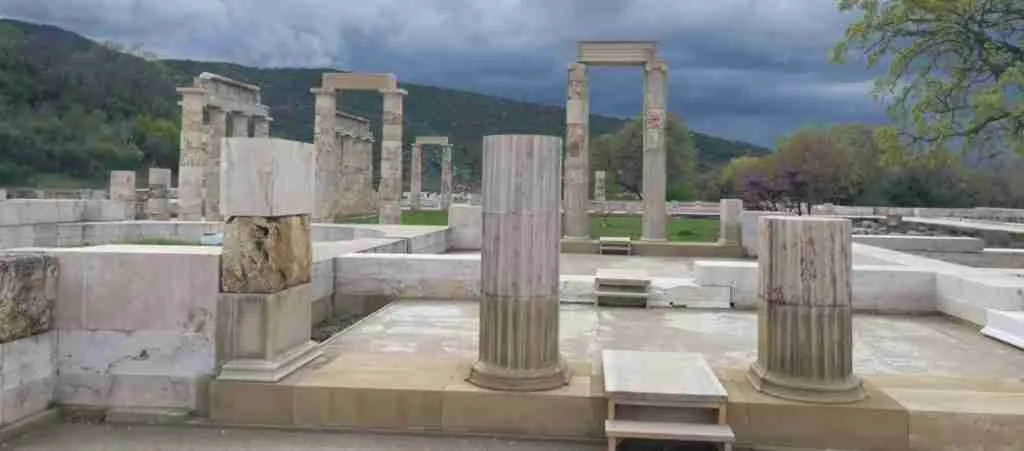
7 days
Northern Greece 7-Day Cultural Journey
- ✓ Comprehensive Northern Greece experience
- ✓ Expert local guides included
- ✓ All accommodation included
- ✓ Transportation provided
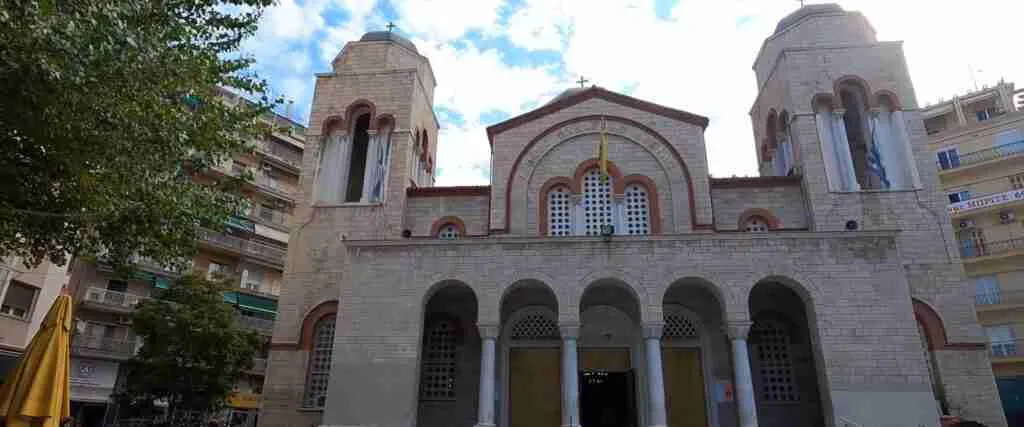
10 days
Northern Greece 10-Day Complete Adventure
- ✓ Comprehensive Northern Greece experience
- ✓ Expert local guides included
- ✓ All accommodation included
- ✓ Transportation provided
Multi-day tour packages powered by TourRadar. Prices and availability subject to change.
Why Greek Macedonia Deserves a Place in Your 2026 Travel Plans
Few regions in Europe compress so much history, landscape, and culinary richness into a single touring base as Greek Macedonia — and fewer still remain as genuinely undervisited. Where Athens lines with coach parties and Santorini prices climb each summer, Thessaloniki’s cafes fill with locals, Vergina’s underground royal tombs receive a manageable stream of visitors, and Litochoro at the foot of Olympus functions as a real mountain town rather than a tourist village. The rewards for those who come are disproportionate to the effort required to get here.
The geographical term “Greek Macedonia” encompasses the administrative regions of Central Macedonia, Eastern Macedonia and Thrace, and Western Macedonia in northern Greece — a broad arc of territory bordered by Bulgaria and North Macedonia to the north, the Aegean to the east and south, and the mountains of Epirus and Thessaly to the west. It is distinct from North Macedonia (the separate country) and from the ancient Kingdom of Macedon, though the latter’s legacy runs through every major site in the region. Thessaloniki serves as the natural touring hub: a city of one million inhabitants with direct flights from across Europe, an exceptional Byzantine monument circuit within the city limits, and day-trip access to virtually every archaeological and natural highlight within three hours’ drive.
The touring landscape divides cleanly into five categories. Walking routes within Thessaloniki cover its Roman, Byzantine, and Ottoman layers at no cost and in a single day. Organized day tours radiate outward to the three UNESCO World Heritage Sites, to Mount Olympus, and to the Halkidiki peninsula. Food and cultural tours showcase Thessaloniki’s designation as a UNESCO Creative City of Gastronomy and the Naoussa wine region’s internationally recognised Xinomavro grape. Self-guided excursions to secondary towns — Veria, Edessa, Kastoria — reward travellers who want to move away from organized groups. And multi-day tour packages string together multiple regions for those with a week or more to spare.
The infrastructure for touring has improved steadily. KTEL Macedonia, the intercity bus terminal in Thessaloniki, now offers digital ticketing and real-time departure boards, and upgraded highway sections have shortened journey times to key destinations. Tour operators have responded to rising demand by expanding daily departures: Mount Olympus tours run year-round in 2026, and Vergina-Pella combinations operate three days weekly at minimum. The net result is that Greek Macedonia in 2026 is both more accessible and more organized than at any point in the previous decade — without yet losing the quality of experience that makes it worth choosing over better-known Greek destinations.
Thessaloniki Walking Routes 2026: From Waterfront to Upper Town
Thessaloniki is fundamentally a walking city. Its landmarks sit close together across a sloped terrain running from the seafront up to the Byzantine acropolis, and the best of the city — its layered archaeology, Ottoman hamams, Byzantine churches, covered markets, and neighbourhood cafes — is only accessible on foot. Four distinct routes cover the city’s main zones; they interconnect freely and take between 90 minutes and a full day depending on pace and how many paid interiors you enter.
The Waterfront Promenade: Thessaloniki’s Essential Free Walk 2026
The Waterfront Promenade runs 3 kilometres along the shore of the Thermaic Gulf, from the White Tower in the east to the Concert Hall (Megaro Mousikis) in the west, and costs nothing to walk at any hour. It is simultaneously the city’s main public space — lined with cafes, sculpture installations, and locals strolling with coffee — and a viewing platform for Mount Olympus, which appears across the bay on clear days as an unmistakable white mass.
The route begins at the White Tower, the 15th-century Ottoman fortification that functions as Thessaloniki’s emblem. The tower’s museum (€6 per adult, check the official site for current rates) occupies six interconnected floors with multimedia displays on the city’s history from its founding in 316/15 BC through the modern era; the open terrace at the top provides the best panorama of the waterfront and gulf. Continuing west, the promenade passes the Alexander the Great equestrian statue, the Zongolopoulos Umbrellas sculpture (a collection of giant kinetic bronze umbrellas), and the statue of Eleftherios Venizelos before arriving at Aristotelous Square — a vast neoclassical plaza opening directly onto the seafront that functions as the city’s social centre. From Aristotelous, the route continues past the old port (Lιμάνι) to the Concert Hall, passing the Customs House and several Ottoman-era commercial buildings. The entire 3 km takes 45-60 minutes at a comfortable pace; plan 2-3 hours if stopping for coffee and views.
The promenade is at its best at sunset, when the light turns the gulf gold and the White Tower glows amber. Early morning (before 9 AM) suits photography with clear reflections and minimal pedestrian traffic. The route is fully flat, stroller-friendly, and accessible throughout.
Ano Poli and the Byzantine Walls: Upper Town Circuit 2026
Ano Poli — “Upper Town” — occupies the high ground north of the city centre and contains the best-preserved section of Byzantine walls in the Balkans, along with Ottoman-era timber houses, monasteries, and a perspective over Thessaloniki that no other viewpoint matches. The circuit is entirely free and covers approximately 2-3 km over terrain that rises steeply in places.
The walk begins at the Heptapyrgion (Seven Towers), the Byzantine and Ottoman fortress at the northeastern corner of the acropolis, reached by taxi or Uber from the centre (€8-12) or on foot via a long uphill climb from the city grid. From Heptapyrgion, the route follows the Byzantine walls downhill, passing through the Anna Palaiologina Gate before reaching the Trigonion Tower — the most photogenic section of the walls, where a panoramic terrace looks out over the entire city and the gulf. The Vlatadon Monastery follows immediately below; founded in the 14th century and still active, its gardens are known for a small flock of peacocks that roam the grounds. Continuing downhill, the Church of Osios David (5th century) holds one of the finest early Byzantine mosaics in existence — a 5th-century depiction of a youthful, beardless Christ in an unusual iconographic scheme that remained hidden under plaster for centuries. The route descends through cobblestoned lanes lined with traditional Macedonian houses before rejoining the modern city grid near the Church of Agios Demetrios.
Paid guided walks of Ano Poli are offered by several operators at around €70-78 per person for a small group of up to 12, covering the same route with detailed historical commentary on the Byzantine and Ottoman periods. Tip-based free walking tours also visit Ano Poli as a standard stop on their Thessaloniki routes, departing from Aristotelous Square.
Roman and Byzantine Heritage Walk: Arch of Galerius to Agios Demetrios 2026
The Roman and Byzantine Heritage Walk connects the most significant monuments of the early Christian and late Roman city in a compact 1.5-km route through the city centre, with most landmarks free to enter and the full circuit taking 2-3 hours including time inside the major buildings.
The Arch of Galerius (Kamara) anchors the eastern end of Egnatia Street — the ancient Via Egnatia, the Roman road that once ran from the Adriatic to Constantinople, still visible under the modern boulevard. The arch, built around 305 AD to celebrate Emperor Galerius’s victory over the Persians, retains intricate relief carvings across two of its four original piers and stands at full height beside the city’s main pedestrian zone. Free to view at all hours. Moving west, the Rotunda — the massive Roman circular structure originally built as Galerius’s mausoleum, converted to a Christian church in the 5th century, to a mosque in the Ottoman period, and now functioning as a museum — stands just 200 m from the arch. Admission is included in the €15 combined Thessaloniki museums ticket (valid 3 days, covers White Tower, Rotunda, Archaeological Museum, and Museum of Byzantine Culture; check the official site for current rates).
The route continues past the ruins of the Palace of Galerius (partially excavated, freely viewable), crosses through the Roman Agora (outdoor site, partially open), and arrives at the Church of Agios Demetrios — the largest church in Greece and one of the most important early Christian basilicas in existence, its nave rebuilt after the 1917 fire but the crypt dating to the Roman era intact beneath. Free entry to the church; a small fee covers the crypt. The walk ends at the Archaeological Museum of Thessaloniki on Andronikou Street (approximately €8 per adult, set independently by the museum; check its official website for current rates), which houses the finest collection of Macedonian gold jewellery and artefacts outside the royal tombs at Vergina.
Ladadika and the Historic Markets: Neighbourhood Walks 2026
The Ladadika district, a quarter of late 19th-century warehouses two blocks west of Aristotelous Square, was converted from a deteriorating market zone to a restaurant and bar neighbourhood in the 1990s while preserving its low-rise neoclassical architecture. A 30-minute walk through Ladadika reveals a neighbourhood that balances genuine historic character with active social life — the outdoor terraces fill from early afternoon and stay busy until midnight. The walk is free throughout.
Modiano Market and Kapani Market sit adjacent to each other several blocks east, occupying covered arcades built in the 1920s. Modiano, designed by Eli Modiano and built in 1922-1930, is a steel-and-glass covered hall housing meat, fish, cheese, and spice stalls still operating six days a week. Kapani, its older neighbour, is more tightly packed and less tourist-oriented, with specialty stalls selling Macedonian cheeses, halva, olive oil, and dried herbs. Both markets are free to wander; the best visiting time is weekday mornings before noon when trading is at its liveliest. Food walking tours that depart from these markets (€48-52 per person, 3 hours) provide guided tastings and cultural context for visitors who want more than visual exploration.
Best Organized Day Tours from Thessaloniki in 2026: Overview and Prices
Day tours from Thessaloniki in 2026 cover five principal destinations: Vergina and Pella, Mount Olympus and Dion, Philippi and Kavala, Halkidiki, and Meteora (not covered in this guide as it falls outside Greek Macedonia). All organized tours depart from Aristotelous Square or a nearby meeting point, include an English-speaking guide, and handle all transport. Site admission fees are almost universally excluded from the tour price and paid separately.
- Vergina and Pella (8.5 hours): €52-57 per person for group tour; admissions extra (Vergina €20, Pella Museum €10). Three to four daily departures in summer, three weekly in winter.
- Mount Olympus and Dion (9-10 hours): €53-58 per person for group tour; Dion combined admission €8. Daily departures year-round.
- Philippi and Kavala (8-9 hours): approximately €50-65 per person for group tour; Philippi site admission €6. Several weekly departures.
- Halkidiki Blue Lagoon Cruise with lunch (11 hours): €70-76 per person inclusive of boat, guide, and lunch; departures daily in summer, weekends only in shoulder season.
- Naoussa wine region (half-day or full-day): €60-100 per person including winery visits and tastings; not universally available through all operators.
- Private full-day tour (1-4 passengers, any destination): €120-200 per person depending on group size and itinerary; private vehicles with English-speaking driver-guides available daily.
Booking platforms — GetYourGuide, Viator, and local operators including Ammon Express, Sani Club, and SKG Bus — all offer tours to the above destinations. Prices are similar across platforms; the advantage of booking through the local operator directly is occasionally better pickup flexibility and direct communication about itinerary changes due to weather. Free cancellation is standard across all major platforms when cancelled more than 24 hours in advance.
Vergina and Pella: The Macedonian Kingdom Day Tour 2026
The combination of Vergina and Pella forms the most intellectually significant day trip available from Thessaloniki, connecting the royal capital of Macedon (Pella) with the burial place of its kings (Vergina). Together they establish the material context for Alexander the Great’s Macedonia in a way that no museum display of imported artefacts can replicate: you stand in the city where Alexander was born and the tomb where his father was buried, surrounded by objects they would have recognised.
The Polycentric Museum of Aigai: What to Expect at Vergina 2026
The Polycentric Museum of Aigai at Vergina, which opened in its current expanded form in December 2022, is the most sophisticated archaeological museum presentation in northern Greece. The single all-inclusive ticket (€20 per adult, €10 reduced; check aigai.gr for current rates) covers six components across the archaeological park: the Central Museum Building, the underground Royal Tombs display of treasures, the Nekropolis and Royal Cluster of Temenides, the Ancient Theater, the Palace of Aigai (uphill, accessed via a pedestrian path from the municipal car park), and the Church of Saint Demetrius Palatitsion. Allow a minimum of 3 hours; 4 hours comfortably covers everything.
The centrepiece is the underground Royal Tombs museum — architecturally built to resemble the tumulus (burial mound) above it, creating the effect of descending into the earth to meet the dead. The tomb of Philip II of Macedon (Alexander’s father, assassinated in 336 BC) is presented with its original stone façade intact; inside the display cases lie a gold larnax containing cremated bones, a golden oak wreath crown of exceptional quality, and ceremonial armour. Adjacent, the tomb of the Thracian wife sacrificed alongside Philip and the tomb believed to hold Alexander IV (Alexander’s son) are equally well preserved. The Central Museum Building, with its natural light and panoramic views, provides the contextual framework — chronological displays, film presentations, and explanatory panels — that the underground space lacks. The Palace of Aigai, a short uphill walk, offers panoramic views over the Macedonian plain and the best sense of the settlement’s scale.
Vergina opens Wednesday to Monday, 8:00-20:00 in summer (April-October), with reduced winter hours and Tuesday closures. Tour groups from Thessaloniki arrive between 10:00 AM and 1:00 PM; arriving before 9:30 AM or after 3:00 PM gives substantially quieter conditions.
Pella Archaeological Museum and Ancient City Site 2026
Ancient Pella — capital of the Macedonian Kingdom from the late 5th century BC through the Roman conquest — lies 40 km west of Thessaloniki, reached in approximately 45 minutes by KTEL bus or as the second stop on the Vergina-Pella day tour. Two separate components each charge €10 per adult (check official site for current rates): the Archaeological Museum of Pella and the archaeological site of ancient Pella, which are separated by several kilometres and require separate transport between them.
The Archaeological Museum of Pella (2009, on the main road through Pella town) is the more immediately accessible of the two and holds the finest collection of floor mosaics in Greece. These pebble mosaics — constructed from naturally coloured stones without any painting — depict the Lion Hunt, the Abduction of Helen, and the Amazonomachy with a technical precision and expressive quality that prefigures mosaic art across the Roman world. The craftsmanship, sustained across floors of private houses, demonstrates the wealth and artistic ambition of the Macedonian capital. The museum also holds everyday objects that establish the domestic life of Pella’s inhabitants: bronze vessels, terracotta figurines, jewellery, and tools from excavated houses across the site.
The archaeological site itself, located several kilometres east of the museum, exposes the grid-planned streets, houses, sanctuaries, and the great agora (civic market) of the ancient city. The famous mosaic floors are partially in situ and partially protected under shelters. The site is open-air and hot in summer; morning visits are advised from June through August. Organized day tours include the museum visit; the separate archaeological site is omitted from most itineraries as the two are several kilometres apart — clarify with your operator before booking.
Getting There: Group Tour vs. Independent Travel to Vergina and Pella 2026
The organized group day tour (€52-57 per person, 8.5 hours) is the most practical choice for most visitors. It eliminates three separate connections (Thessaloniki to Veria by bus, Veria to Vergina by local bus, Vergina back to Thessaloniki), handles timing between the two sites, and adds meaningful archaeological context from an archaeology graduate or professional guide throughout the day. Site admissions (€20 at Vergina, €10 at Pella Museum) are paid on-site and total €30 per adult, bringing the full day cost to approximately €82-87 per person before meals.
Independent travel is feasible but time-consuming. KTEL buses from Thessaloniki’s KTEL Macedonia terminal depart hourly to Veria (€5-7 one way, 45-70 minutes); from Veria station, a local bus or taxi covers the 15 km to Vergina (€2-5). The same terminal has direct service to Pella town (€4-5, 45 minutes). The complication is that Vergina and Pella require separate trips on different days unless you have a rental car, as there is no direct connection between the two sites. A rental car from Thessaloniki (€35-55 per day for a small car, check current rates at booking sites) solves this entirely and allows both sites plus Veria’s Ottoman neighbourhood in a single day.
Mount Olympus and Ancient Dion: Day Tour Guide 2026
The Mount Olympus and Dion day tour from Thessaloniki (9-10 hours, €53-58 per person, daily departures) pairs two complementary experiences: the sacred archaeological city at the foot of the mountain and the mountain itself, the mythological home of the twelve Olympian gods and the highest peak in Greece at 2,917 m. Day tours are not climbing tours — they involve a gentle walking route in the lower forested zone — but they provide genuine mountain immersion at an altitude accessible to all fitness levels.
Ancient Dion Archaeological Park and Museum 2026
Ancient Dion served as the sacred city of the ancient Macedonians, dedicated to Zeus Olympios and the site of the Olympia festival where the Macedonian kings offered sacrifices before military campaigns. Alexander the Great stopped here before setting out for Persia in 334 BC. The combined ticket for the archaeological park and museum costs €8 per adult (check the official site for current rates), making it the most affordable paid site on any Greek Macedonia day trip itinerary.
The archaeological park, spread across a flat plain beside the modern village of Dion, contains an unusual assortment of monuments for a single site: sanctuaries of Zeus, Demeter, and Isis (reflecting the Egyptian cults that spread across Macedonia after Alexander’s conquests), a fully excavated Roman-era bathhouse with intact floor mosaics, and a stretch of the original paved street running through the ancient city. The waterlogged ground has preserved organic materials that stone sites cannot: wooden objects, leather, and textiles have been recovered here. The park is largely open-air and heavily shaded by mature trees — one of the most pleasant afternoon walking environments in northern Greece.
The Archaeological Museum of Dion, a five-minute walk from the park entrance, holds the finds from the excavations including a hydraulis (water organ) from the 1st century BC — one of the earliest known musical instruments of this type — as well as the renowned mechanical sculptures recovered from the Sambeion theatre, marble statuary, mosaics, and an extensive collection of Egyptian cult objects that speak to Macedonian cosmopolitanism. Allow 90 minutes for park and museum combined.
Mount Olympus National Park: Hiking and Visitor Access 2026
Mount Olympus National Park, established in 1938 as the first national park in Greece, covers 240 square km of forested slopes, gorges, and high-altitude zones reaching the summit at 2,917 m. Day tours from Thessaloniki do not attempt the summit, which requires a minimum two-day alpine hike with an overnight stay at refuge E3 (book months in advance in summer); instead, they use the Agia Kori trail in the Enipeas Gorge — a red-marked, well-maintained route suitable for any reasonably active visitor and fully accessible in regular walking shoes.
The Enipeas Gorge trail begins at Prionia (1,100 m altitude), reached by bus from Litochoro village at the mountain’s base. From Prionia, the day-tour route covers 3-5 km of gorge walking through mixed oak and pine forest, following the Enipeas river past wooden bridges and cascades. The Agia Kori waterfall — a crystal-clear pool fed by snowmelt — serves as the standard turnaround point for day visitors. The waterfall is swimmable in summer; most tour groups allow 30-45 minutes here. Litochoro village, a charming mountain settlement with stone houses and excellent tavernas, provides the lunch stop before or after the mountain.
Independent access to Litochoro from Thessaloniki by public transport takes approximately 2 hours (KTEL bus to Katerini, €7 one way, then local bus to Litochoro, €3, approximately 25 minutes, or train from Thessaloniki to Litochoro station, €9, then taxi to the village, €8). The organized day tour (€53-58 per person) handles all of this plus Dion admissions (€8) and a guide — clear value when transport logistics are factored in. The National Park itself has no entrance fee; visitors pay only for transport to the trailhead.
Philippi and Kavala: UNESCO Heritage Day Tour 2026
Philippi sits 160 km northeast of Thessaloniki in the fertile plain below the mountains of eastern Macedonia, reached in approximately 1 hour 50 minutes by car or as a 9-hour day tour. Inscribed as a UNESCO World Heritage Site in 2016, Philippi represents a condensed history of Western civilization — Hellenistic foundations, Roman colony, and the first city in Europe where Christianity took organized hold under the Apostle Paul. The adjacent coastal city of Kavala adds Ottoman, Byzantine, and modern Greek layers to the day.
Archaeological Site of Philippi: Key Monuments and Access 2026
Philippi’s archaeological site is one of the most extensive in northern Greece, with monuments spanning eight centuries of continuous occupation visible across a wide area bisected by the ancient Via Egnatia. Admission is €6 per adult in summer (check the official site for current rates). Allow 2-3 hours for a thorough visit. Summer opening hours run 8:00-22:00; winter hours reduce to 8:30-15:30 daily.
The ancient theatre, built by Philip II of Macedon in the 4th century BC and extensively remodelled by the Romans for gladiatorial combat, still rises intact on the hillside above the site and hosts theatrical performances during the Philippi Festival in summer. The Roman Forum, the city’s civic and commercial heart during the 1st-5th centuries AD, occupies a broad area east of the Via Egnatia with temple podiums, market buildings, and a large paved square still clearly legible. The early Christian Basilicas A and B (5th-6th century) testify to Philippi’s role as a major centre of the early church; Basilica B’s partially standing apse is the most photographed element of the site.
The Prison of Apostle Paul — a small vaulted chamber in the western zone of the site traditionally identified as the cell where Paul was imprisoned after his arrival in the city around 50 AD — is a major draw for Christian heritage visitors. The site of Saint Lydia’s Baptistery, a short drive outside the main site, marks the location where Lydia of Thyatira was baptized by Paul — the first recorded European convert to Christianity. The on-site Archaeological Museum of Philippi holds portrait sculpture, coins, weapons, and inscriptions from the excavations; visit before or after the outdoor site. Many visitors find the outdoor site sufficient for the day without the museum if time is short.
Kavala: Combining Philippi with the Byzantine Coastal Town 2026
Kavala, 16 km east of Philippi, is one of the most visually distinctive towns in northern Greece — its old quarter (Panagia) occupies a compact promontory jutting into the Aegean, with Byzantine and Ottoman buildings rising in terraces above the sea. Combined day tours from Thessaloniki include both Philippi and Kavala in a single day, adding approximately 2 hours at the coast to the archaeological visit.
The Ottoman Imaret, built in 1817 by Mohamed Ali (the Albanian-born Egyptian ruler born in Kavala), is the largest Islamic charitable complex in the Balkans and now functions as a luxury boutique hotel; its exterior is freely viewed from the Panagia streets above. The Ottoman Aqueduct (Kamares), an arched Roman-style viaduct built in the 16th century to supply the city’s Ottoman quarter with water, spans the valley below the Panagia and is freely visible from the main road. The Byzantine castle above the Panagia quarter dates to the 5th-6th century and offers panoramic views over the Aegean and the islands of Thassos and Kavala Bay; access involves a short uphill walk. The Archaeological Museum of Kavala (separate admission, check the official site for current rates) holds finds from Philippi and the broader region.
Organized day tours from Thessaloniki to Philippi and Kavala run approximately €50-65 per person (admissions extra at approximately €6 for Philippi); independent travellers can reach Kavala by KTEL bus from Thessaloniki (approximately 2 hours, check current prices at ktel.org) and visit Philippi by local bus or taxi from Kavala station.
Halkidiki Peninsula Tours 2026: Beaches, Cruises, and Mount Athos
Halkidiki — the three-fingered peninsula extending into the Aegean south of Thessaloniki — sits 40-90 minutes from the city depending on destination and offers a completely different touring register from the archaeological circuit: Aegean coastline, turquoise water, pine-forested cliffs, and one of the world’s most unusual autonomous territories. Day tours from Thessaloniki to Halkidiki are primarily water-based in summer; Mount Athos boat tours operate year-round.
Blue Lagoon Cruises and Sithonia Beach Day Tours 2026
The Halkidiki Blue Lagoon cruise from Thessaloniki (11 hours, €70-76 per person including lunch and boat; check GetYourGuide for current rates) is the most popular single-day coastal excursion from the city. The route sails along the Sithonia (middle) peninsula’s western coast, stopping at several translucent bays and sea caves inaccessible by road. Lunch is served on board — grilled fish, salad, and local wine — and swim stops total 2-3 hours across the day. The scenery of Sithonia, with its pine trees reaching directly to turquoise water and near-absence of development on many stretches, is the closest Aegean equivalent to popular Croatian or Turkish coastal routes without the crowds. Departures run daily from June through September and on weekends in May and October.
Kassandra, the westernmost and most developed Halkidiki peninsula, is better reached independently for beach days than by organized tour: KTEL buses connect Thessaloniki with Nea Moudania (the main hub), Kallithea, Sani, and other coastal towns throughout the day. Sani Resort, at the northern tip of Kassandra, hosts a major international jazz and culture festival each summer. Independent beach days in Kassandra by public bus cost approximately €10-15 round trip from Thessaloniki.
Mount Athos Boat Tours: Viewing the Holy Mountain from the Sea 2026
The Athos peninsula — the easternmost of Halkidiki’s three fingers — operates as an autonomous monastic republic under Greek sovereignty, governed by the twenty Eastern Orthodox monasteries established there since the 10th century. Entry is restricted to adult male visitors holding a special diamonitirion permit (limited to 100 Orthodox and 10 non-Orthodox visitors per day, applied for months in advance); women are barred from the peninsula entirely. For visitors without permits, or for women travelling with male companions who hold permits, boat tours from Ouranoupoli (the gateway town at the peninsula’s base) provide the only access to the visual experience.
Mount Athos boat tours (3-4 hours, approximately €20-30 per adult, operating daily in season from Ouranoupoli) sail along the western coast of the peninsula, close enough to see the monastery buildings, towers, and walls rising directly from the shoreline. Seventeen of the twenty monasteries have sea frontage visible from the tour boats; the route covers the most architecturally dramatic stretch from the Great Lavra complex in the south to the Vatopedi Monastery in the north. Photography from the boat is unrestricted, and the guides provide narrative on each monastery’s history and denomination. Ouranoupoli is approximately 100 km from Thessaloniki (90 minutes by car or local bus).
Food, Wine, and Cultural Tours in Thessaloniki 2026
Thessaloniki’s designation as a UNESCO Creative City of Gastronomy (awarded 2021) reflects a culinary culture that has developed over three thousand years of layered civilizations — Greek, Roman, Byzantine, Jewish, and Ottoman — each leaving permanent traces in the city’s food traditions. Organized food tours, vineyard excursions, and the hop-on hop-off bus tour provide structured access to these dimensions for visitors who want guided engagement rather than self-exploration.
Kapani and Modiano Market Food Tours 2026
The Thessaloniki Open Market Food Tour (3 hours, €48-52 per adult; check GetYourGuide for current prices) is the highest-rated food experience in the city and regularly cited as one of the best urban food tours in Greece. The tour begins with a traditional Greek coffee at a historic café near Modiano Market before moving through Kapani and Modiano on a guided tasting circuit. Standard stops include fresh olive oil paired with sourdough bread, aged Macedonian cheeses (telemes and graviera), traditional taramosalata and tzatziki, a glass of tsipouro (Macedonian pomace spirit) with meze, freshly made bougatsa (custard-filled phyllo pastry), and a traditional koulouri (sesame-coated ring bread) from the street vendors outside the market. The tour concludes with a Greek coffee or freddo espresso — Thessaloniki claims the strongest coffee culture in Greece — and guide recommendations for independent evening dining. Maximum group size is 15 participants.
A separate food walking dinner tour operates on weekday evenings, covering the Ladadika restaurant district and some of the city’s best ouzerias. These run for approximately 3 hours and cost similarly, focusing on the meze culture for which Thessaloniki is nationally famous: small plates of octopus, fried zucchini, grilled sardines, and dips shared over multiple rounds of ouzo. Inquire with Thessaloniki Food Tours (thessalonikifoodtour.com) for current schedules and pricing.
Naoussa Wine Region: Vineyard Tours from Thessaloniki 2026
The Naoussa wine region, 75 km southwest of Thessaloniki (approximately 1 hour by car), produces PDO Naoussa wines from 100% Xinomavro grape — a late-ripening variety with high acidity and tannins that produces complex reds comparable to Nebbiolo in structure and ageing potential. The region is Greece’s most respected red wine appellation and increasingly recognised internationally for quality-to-price ratio. Half-day and full-day vineyard tours from Thessaloniki (€60-100 per person including transport and tastings, depending on number of wineries and whether lunch is included; check local operators for current schedules) visit two or three estates with English-speaking hosts.
Established producers accessible on organized or self-guided visits include Kir-Yianni (founded by Yiannis Boutaris, one of the architects of the modern Greek wine renaissance), Dalamara, Thymiopoulos Vineyards, and Alpha Estate (in the nearby Amyntaio PDO zone, producing Xinomavro from high-altitude vineyards at 650-750 m). Independent visitors with a rental car can visit the Naoussa appellation zone in a half-day from Thessaloniki, combining winery visits with lunch in Naoussa town, which has a traditional market area and several good tavernas. The region is at its most beautiful during harvest season (October), when the Xinomavro vines turn deep red and gold against the backdrop of Mount Vermio.
Thessaloniki Hop-On Hop-Off Bus Tour 2026
The Thessaloniki Hop-On Hop-Off Sightseeing Bus Tour (1 day, €18-20 per adult with optional audio guide; check GetYourGuide for current rates) covers 14-16 stops across the city on a single route that includes the White Tower, Aristotelous Square, the Archaeological Museum, the Museum of Byzantine Culture, Ano Poli, and the modern Thessaloniki waterfront. Buses operate every 30 minutes from April through September (10:00-18:00, or 20:00 in peak summer) and every 2 hours in winter (10:00-14:00). The open-top upper deck provides the best views at waterfront stops and on the ascent towards Ano Poli.
The HOHO bus is most useful as a rapid orientation tool on day one of a visit, or for visitors with limited mobility who want to access Ano Poli and the museums without the steep uphill walk. For active visitors spending multiple days in the city, walking between landmarks independently is faster and offers more spontaneous discovery. The audio guide (included in most ticket tiers) covers all 15 major stops in English, French, German, and modern Greek.
Self-Guided Walking Explorations Beyond Thessaloniki 2026
Greek Macedonia extends well beyond Thessaloniki into a landscape of Byzantine market towns, mountain waterfalls, lakeside monasteries, and Ottoman-era architecture that most tourists never reach because the sites lack the profile of Vergina or Olympus. For visitors with a rental car or the patience for KTEL connections, three secondary towns reward exploration: Veria, Edessa, and Kastoria.
Veria: Gateway Town with Byzantine Heritage 2026
Veria, 73 km southwest of Thessaloniki (45-70 minutes by car or KTEL bus at €5-7 one way), is primarily visited as the transport hub for Vergina but deserves at least a half-day exploration in its own right. The Bema of Paul — an outdoor monument on the site where the Apostle Paul preached to the Verian Jews in 49-50 AD — holds significance for Christian heritage visitors as one of the oldest identifiable Christian sites in Europe, though the current structure is a 20th-century reconstruction. The adjacent street, traditionally known as the Street of Paul, leads through the old Jewish neighbourhood (Barbouta), which was home to one of Macedonia’s major Sephardic communities until the deportations of 1943; the remaining synagogue and several traditional houses are still standing. The Byzantine Archaeological Museum of Veria holds early Christian and Byzantine finds from the wider Imathia region and is included in the special combined ticket (€15 for 3 days, covering Vergina, Veria Archaeological Museum, and Veria Byzantine Museum; check the official site for current rates).
Edessa: Waterfall Town Walking Routes 2026
Edessa, 95 km west of Thessaloniki (approximately 1 hour by car or 1.5 hours by KTEL bus), sits on a plateau edge above the plain of Central Macedonia and owes its character entirely to water: multiple streams and waterfalls drop from the plateau to the plain below, creating a park environment within the town that is unusual in any Greek city. The Edessa Waterfalls Park is freely accessible and covers a network of paths through heavily wooded terrain leading to the main Karanos waterfall (approximately 70 m, among the highest in Greece), a series of smaller falls, the Aquarium of Edessa (separate admission), and a walkway behind the main waterfall. The full park circuit takes 90-120 minutes at a relaxed pace.
The old Ottoman neighbourhood (Varosi) above the falls contains one of the best-preserved ensembles of traditional Macedonian architecture in the region — half-timbered upper stories projecting over cobbled lanes, fountains, and the ruins of a Byzantine tower visible above the tree canopy. The Archaeological Museum of Edessa holds finds from the surrounding area and is small but well-curated. Edessa works as a half-day excursion combined with Pella (50 km south) for visitors with a car, or as a standalone day trip from Thessaloniki by public bus.
Kastoria: Byzantine Churches and Lakeside Walking Trails 2026
Kastoria, 230 km west of Thessaloniki (2.5-3 hours by car or bus), is the most remote of these secondary destinations but arguably the most rewarding: a small city of 20,000 built on a peninsula projecting into Lake Orestiada, with over 50 Byzantine and post-Byzantine churches — the highest concentration per capita in Greece — distributed across its streets and hillsides. Kastoria is also the historic centre of Greece’s fur trade; the combination of Byzantine art and Ottoman merchant wealth makes for a visually rich urban walking environment.
The Byzantine Museum of Kastoria (check the official site for current admission price) in the former Apozari district concentrates the highest-quality frescoes and icons recovered from the churches in a purpose-built facility. Several churches remain active and can be visited freely; the most artistically significant are the 11th-century Agios Stefanos (complete fresco cycle), the 12th-century Taxiarchis of the Metropolis, and the early 14th-century Agii Anargyroi. A lakeside walking path circles part of the peninsula, with views across the lake to the wooded hills on the far shore; swans and herons are common year-round, and the light on the water in early morning and evening is exceptional for photography. Kastoria justifies an overnight stay for visitors who want time to walk all the churches; as a long day trip it is possible but rushed.
Multi-Day Tour Packages Across Greek Macedonia 2026
Visitors with four or more days in Greek Macedonia have the option of structured multi-day tour packages that move beyond Thessaloniki as a base and cover the region systematically. These packages are less common than in western Greece but increasingly available through specialist operators and international booking platforms.
A typical 3-day “Ancient Macedonia” package covers Thessaloniki city on day one (walking tour plus museums), Vergina and Pella on day two, and Mount Olympus with Dion on day three, with nights in Thessaloniki. Package prices from local operators run approximately €300-450 per person (two sharing, mid-range hotel) covering accommodation, guided tours, and transport, with meals and site admissions extra. This packages the three most important touring days into a format that removes all logistics while keeping flexibility for restaurant choices and evening activities.
A longer 5-day “Complete Northern Greece” itinerary adds Philippi and Kavala on day four and either Halkidiki or Kastoria on day five, covering the full geographic spread of the region’s highlights. These packages are available through operators including Ammon Express, Hello Thessaloniki, and several Athens-based multi-day tour companies that include Thessaloniki on northern Greece routes. Prices vary significantly by accommodation tier and group size; request quotes directly from operators for accurate 2026 pricing.
Self-drive multi-day touring is the most flexible option for visitors comfortable with driving on Greek roads. A compact rental car from Thessaloniki (€35-55 per day, check current rates at booking sites) allows Vergina, Pella, Dion, Litochoro, Philippi, and Kastoria to be combined in a logical loop over 4-5 days, with accommodation booked independently in each town. The KTEL intercity bus network covers all major destinations but requires patience with connections and schedule coordination; for visitors without driving experience in Greece, organized tours or a mix of tours and public buses provides adequate coverage of the main sites.
Tour Costs and Budget Planning for Greek Macedonia 2026
Greek Macedonia tours in 2026 are available across a wide cost range, from entirely free self-guided walking to private archaeological expeditions with specialist guides. The following tier calculations cover a full day of touring including accommodation, assuming two people sharing a hotel room; hotel costs are divided by two before any calculation. All figures are per person per day.
Budget Touring: €65-110 Per Person Daily (Two Sharing)
Budget touring in Greek Macedonia centres on public transport and independent site visits, using Thessaloniki’s budget hotels (double rooms €40-60 per night) or hostel beds as a base. Daily per-person costs break down as follows: accommodation €20-30 (two sharing budget hotel, room rate divided by two), meals €30-45 (breakfast at a café €4-6, gyros or souvlaki lunch €10-15, taverna dinner with a drink €16-24), transport €8-15 (city buses at €1.50 per ride plus KTEL round trip to one destination), and site admissions €6-20 (one or two sites). Total: approximately €65-110 per person daily.
This budget delivers excellent value because the free walking infrastructure in Thessaloniki — all four main walking routes, tip-based free tours, Byzantine walls circuit, Roman monuments — requires no daily spend beyond food and accommodation. On days when a KTEL excursion to Dion is the plan (€8 admissions plus approximately €16 round-trip bus), the total touring cost for the day adds just €24 to the meals and accommodation baseline. Pella by KTEL (€10 admissions plus €8-10 bus round trip) adds approximately €18-20. The most expensive independent excursion is Vergina, where bus connections add complexity but the €20 admission is the only site cost once you arrive. Budget travellers visiting Greek Macedonia for a week spend approximately €455-770 per person total (two sharing).
Mid-Range Touring: €160-235 Per Person Daily (Two Sharing)
Mid-range touring uses organized group day tours from Thessaloniki alongside mid-range hotel accommodation (double rooms €80-120 per night). Per-person daily costs: accommodation €40-60 (two sharing mid-range hotel), organized group day tour €55-75 (transport and guide included, admissions excluded), extra site admissions €10-20 (variable by destination), and meals €55-80 (breakfast at the hotel or nearby café €8-10, restaurant lunch near site €18-25, dinner in Thessaloniki €28-40 with drinks). Total: approximately €160-235 per person daily.
The organized tour price (€55-75) already represents a meaningful saving over the cost of assembling the same day independently with a car rental and private guide. On a Vergina and Pella day specifically, site admissions add €30 (€20 Vergina, €10 Pella Museum) on top of the tour, bringing the single-day touring cost to approximately €85-105 per person before accommodation and meals. Thessaloniki walking days cost significantly less (€20-35 for HOHO bus or paid walking tour plus €15 for the combined museum pass), which balances the higher cost of day-trip days. A week at mid-range touring pace costs approximately €1,120-1,645 per person (two sharing).
Luxury Touring: €290-480 Per Person Daily (Two Sharing)
Luxury touring combines private guided day tours with upscale hotel accommodation (double rooms €200-320 per night in Thessaloniki’s five-star and boutique properties). Per-person daily costs: accommodation €100-160 (two sharing luxury hotel, room rate divided by two), private guided day tour €120-200 (full day for a group of 2, English-speaking specialist guide and private vehicle), and meals €70-120 (breakfast at hotel, upscale lunch €30-45, dinner at one of Thessaloniki’s better restaurants €50-75 including wine). Total: approximately €290-480 per person daily.
Private guided tours provide access to specialist knowledge unavailable in group settings. Operators offering archaeologist-led private tours of Vergina and Pella, for example, can provide significantly deeper engagement with the material than a standard group tour guide — including interpretation of iconographic details on the tomb friezes that group tours pass quickly. Private tours to sites like Philippi can also incorporate visits to Saint Lydia’s Baptistery, the Lion of Amphipolis (an enormous ancient funerary sculpture on the road to Kavala), and lesser-known Roman and Byzantine sites that group tours omit for time. A luxury touring week costs approximately €2,030-3,360 per person (two sharing), reflecting the premium for private arrangements and upscale accommodation.
Booking Tips and Practical Advice for 2026
Greek Macedonia has no single dominant booking infrastructure like Athens, so knowing where to look and when to book makes a material difference to availability and price. The following practical guidance applies to visitors planning tours in 2026.
When to book day tours: The Vergina-Pella combination tour is the most popular and books out earliest — reserve at least 2-3 days ahead in peak season (July-August), or use same-day booking in shoulder season. Mount Olympus tours fill quickly around Greek public holidays. Halkidiki cruises with lunch are the most weather-dependent; operators will reschedule or refund if sea conditions prevent departure, but peak-season windows are narrow enough that early booking is advised. Private tours should be reserved at least one week ahead regardless of season.
Best booking platforms: GetYourGuide and Viator both list the main Thessaloniki day tours with free cancellation (>24 hours) and verified reviews. Local operator websites — ammonexpress.gr (Vergina, Pella, Olympus, Dion) and hellothessaloniki.gr (private walking tours and food tours) — occasionally offer lower prices or more flexible pickup arrangements. For multi-day packages, direct contact with operators provides more customization than platform bookings.
Transportation within Thessaloniki: The city bus network (OASTH) charges €1.50 per ride, purchased from driver, kiosk, or ticket machines. Useful lines for tourists include Line 5 (central bus routes), Line 12 (to KTEL Macedonia terminal), and Line 78/01X (airport to city, €2 from airport). Taxis within the city centre typically cost €8-15; Uber also operates in Thessaloniki and accepts card payment directly.
The Thessaloniki combined museum pass: The €15 three-day combined ticket covering the White Tower exhibition, Rotunda, Archaeological Museum, and Museum of Byzantine Culture represents the best single-purchase value for museum visitors in the city. Buy it at the first site you enter; it is accepted at all four venues for three consecutive days. Check the individual museum websites for current validity as ticketing arrangements may be updated independently by these autonomous institutions.
Opening days to watch: The majority of Greek archaeological museums are closed on Tuesdays. Vergina’s Polycentric Museum is open Monday and Wednesday-Sunday (closed Tuesday). Plan accordingly when building multi-day itineraries; a Tuesday spent on a walking day in Thessaloniki (all outdoor monuments remain accessible) is more logical than attempting Vergina on a closed day.
Language and logistics: English is spoken reliably at all tourist sites, tour operator offices, and most restaurants in Thessaloniki; less so in smaller towns like Kastoria. Google Maps navigation works accurately across the region including KTEL bus routes. Cash is still expected at smaller sites and bus ticket offices; major tour operators and all urban restaurants and cafes accept card payment.
What to wear: Archaeological sites involve extensive walking on uneven ancient stone surfaces. Comfortable walking shoes with ankle support are essential for Vergina (the palace hill involves a significant uphill section), the ancient theatre at Philippi, and Ano Poli in Thessaloniki. Sun protection (hat, sunscreen, water) is critical from May through September at open-air sites. The Enipeas Gorge walk at Olympus requires closed-toe shoes regardless of season; the wooden bridges and path surfaces are not suitable for sandals.
Frequently Asked Questions About Greek Macedonia Tours 2026
Is Greek Macedonia the same as the country North Macedonia?
Greek Macedonia is the northern administrative region of Greece — comprising Central Macedonia, Eastern Macedonia and Thrace, and Western Macedonia — and is entirely separate from North Macedonia, the independent country to the north. The two share the name due to their location within the broader historical region of ancient Macedon, whose kingdom encompassed territory now divided between both states. All the sites covered in this guide, including Thessaloniki, Vergina, Philippi, and Mount Olympus, are in Greece.
Do I need to book Vergina tickets in advance in 2026?
Advance booking is not mandatory at Vergina’s Polycentric Museum of Aigai but is strongly recommended for visits between June and August when tour groups from Thessaloniki arrive simultaneously between 10:00 AM and 1:00 PM. The underground Royal Tombs museum has a maximum capacity per viewing session; arriving without a reservation during peak hours may mean a wait of 30-60 minutes. Tickets (€20 full, €10 reduced) are available online through aigai.gr or at the entrance. Check the official site for current rates and online booking availability before your visit.
What is the best single day trip from Thessaloniki in 2026?
Vergina is the best single day trip from Thessaloniki for the majority of visitors — combining the most significant archaeological find in the Aegean (the royal tombs of ancient Macedon, including Philip II’s) with a museum experience that rivals any in Greece, within 70 km of the city. The organized group tour (€52-57 per person, 8.5 hours) is the easiest format; the Vergina admission (€20) is the most substantial site fee in the region but provides 3-4 hours of genuinely exceptional content. For nature-oriented visitors, the Mount Olympus and Dion day tour provides the strongest combination of landscape and archaeology at a slightly lower admission cost (€8 for Dion).
Can women visit Mount Athos in 2026?
Women cannot enter the Athos peninsula in any capacity — this prohibition has applied since the Byzantine period and remains in effect under the governance of the monastic republic and the Greek state. The restriction applies to all women regardless of nationality, religion, or purpose of visit. Women travel to Mount Athos by boat: organized boat tours from Ouranoupoli (approximately €20-30 per adult, 3-4 hours) sail close enough to the monastery buildings for photography and provide a guide commentary on the monastic communities. These tours are fully available to women and are the standard way most visitors experience Mount Athos.
How much does it cost to spend a week touring Greek Macedonia in 2026?
A week of touring Greek Macedonia from a Thessaloniki base costs approximately €455-770 per person for budget travelers self-guiding on public transport (two sharing), €1,120-1,645 for mid-range travelers booking organized group tours (two sharing), and €2,030-3,360 for luxury travelers on private guided arrangements (two sharing). These figures include accommodation, all meals, transport, and site admissions for seven days. Budget travelers get exceptional value because the city walking routes, Byzantine monuments, and outdoor sites are free; mid-range travelers find organized tours cost-effective compared to the logistics of assembling equivalent days independently.
Are the Thessaloniki museums open daily in 2026?
Most Thessaloniki museums and all Greek archaeological museums close on Tuesdays. The White Tower Exhibition, Archaeological Museum of Thessaloniki, and Museum of Byzantine Culture all observe Tuesday closures. The Rotunda follows the same pattern. Summer opening hours (April 15 to November 14) typically run 8:00 AM to 8:00 PM; winter hours reduce to 8:30 AM or 9:00 AM with closure at 3:30 PM or 4:00 PM. The Museum of Byzantine Culture closes at 4:00 PM year-round. Check individual museum websites before planning museum days, as hours are occasionally adjusted for Greek public holidays and special events.
What is included in the Thessaloniki combined ticket?
The €15 three-day combined ticket for Thessaloniki covers four venues: the White Tower Exhibition, the Rotunda of Galerius, the Archaeological Museum of Thessaloniki, and the Museum of Byzantine Culture. It provides 3 consecutive days of access to all four from the date of first use. Check the official museum websites for current pricing, as these institutions operate as independent entities and set their own admission policies; the combined ticket arrangement may be updated. Individual admission to each venue is also available, typically €6-8 per site; the combined pass offers clear savings if you plan to visit three or more venues.
Can I hike to the summit of Mount Olympus on a day tour from Thessaloniki in 2026?
Reaching the Mytikas summit (2,917 m, the highest point in Greece) is not possible on a standard day tour from Thessaloniki. The summit requires a minimum two-day trip: day one involves a 3-4 hour hike from the Prionia trailhead to one of the mountain refuges (book months in advance for summer weekends), and day two covers the technical final section to the summit and descent. Day tours from Thessaloniki access the forested lower zones of the Enipeas Gorge via an accessible red-marked trail, reaching the Agia Kori waterfall at approximately 1,100-1,200 m altitude — a genuinely beautiful mountain experience but not a summit attempt. Serious hikers planning a summit should contact the Olympus mountaineering associations for current conditions and refuge availability.
What is the best food to try in Thessaloniki before or after a day tour?
Thessaloniki is widely regarded as the gastronomic capital of Greece, and several specific foods are worth seeking before or after any day tour. Bougatsa — warm phyllo pastry filled with semolina custard, sprinkled with icing sugar and cinnamon — is the classic Thessaloniki breakfast eaten at dedicated bakeries (bougatsadika) from early morning. Souvlaki in Thessaloniki uses a distinctive combination of pork skewers, tzatziki, tomato, and onion in pita bread; the city’s souvlaki joints are considered among the best in Greece. For dinner, the meze culture of the waterfront ouzeries and the tavernas in Ladadika produces a style of eating — multiple shared small plates over extended time — that suits visitors returning from a long day of archaeological sites. A full meze dinner with ouzo or local Macedonian wine typically costs €25-45 per person in a mid-range establishment.
How far in advance should I book organized day tours in Greek Macedonia for 2026?
For peak season visits (July and August), book organized day tours at least one week ahead, particularly for the Vergina-Pella combination (the most popular tour in the region), Mount Olympus, and Halkidiki cruises. September and October can be booked 2-3 days ahead without difficulty. For private tours at any time of year, allow one week minimum for itinerary confirmation and vehicle arrangement. Free cancellation (24 hours in advance) is standard on major platforms, so early booking carries no financial risk. The shoulder season months of April, May, and early June have good availability without advance booking pressure, though Ammon Express and similar high-quality operators fill up on Greek public holiday weekends regardless of season.