
Great Wall Travel Guide 2026: Ultimate Planning Resource
Planning a Great Wall of China visit in 2026 requires navigating multiple sections, understanding transportation logistics, budgeting accurately, and timing visits strategically to maximize this UNESCO World Heritage experience. From selecting between eight accessible sections near Beijing to coordinating tickets, guides, and seasonal considerations, successful Great Wall trips demand comprehensive advance planning that aligns practical constraints with personal travel priorities.
Key Takeaways: Great Wall Planning 2026
- Section Selection 2026: Choose Mutianyu for scenic beauty and manageable crowds, Badaling for iconic status and accessibility via high-speed rail, Jinshanling for serious hiking, or Simatai for nighttime illuminated Wall experiences—each section delivers different benefits aligned with specific travel priorities.
- Budget Planning 2026: Expect daily costs of ¥300-500 ($40-70) per person including transportation, entrance fees, cable cars, and meals, with guided tours adding ¥200-400 ($25-55) and private transport options costing ¥800-1,200 ($110-165) daily for groups splitting costs.
- Transportation Strategy 2026: High-speed trains serve Badaling in 20 minutes from Beijing North Station, while Mutianyu requires tourist buses or private transport taking 90-120 minutes—advance booking essential during peak periods as tickets sell out 7-10 days ahead.
- Optimal Timing 2026: Visit April-May or September-October for ideal weather, moderate crowds, and seasonal beauty, avoiding Chinese national holidays (Spring Festival, Labor Day, National Day Golden Week) when visitor numbers surge 300-500% above normal levels.
- Online Ticketing 2026: All major sections require advance online booking through official websites or authorized platforms like Trip.com, Klook, and Ctrip—on-site ticket purchase no longer available with daily visitor caps enforced at popular sections like Badaling (65,000 maximum).
- Physical Preparation 2026: Great Wall hiking involves sustained stair climbing with gradients reaching 60+ degrees on challenging sections like Badaling’s Hero Slope—assess fitness honestly, wear proper footwear, and carry 1-2 liters water per person for 3-4 hour visits.
People Also Ask About Great Wall Travel 2026
How much does visiting the Great Wall cost in 2026?
Great Wall visits cost ¥300-500 ($40-70) per person for full-day excursions in 2026 including transportation, entrance tickets, cable cars, and meals. Basic entrance fees range ¥35-45 ($5-6) depending on section and season, with peak season (April-October) at Badaling costing ¥40 and off-season ¥35. Cable car round-trips add ¥140 ($19) at all major sections. Private car transportation from Beijing costs ¥800-1,200 ($110-165) split among passengers, while public transport options run ¥12-50 ($2-7) depending on route. Guided tours range ¥300-600 ($40-82) per person for group tours and ¥800-1,500 ($110-205) for private guides. Budget independently using public transport for ¥200-300 ($27-41) total, mid-range with private transport for ¥400-600 ($55-82), or premium with private guides for ¥800-1,200 ($110-165). Check official websites for current rates as pricing adjusts seasonally.
Which Great Wall section should first-time visitors choose in 2026?
First-time visitors in 2026 should choose Mutianyu for optimal balance of accessibility, scenic beauty, and manageable crowds. Located 70 kilometers northeast of Beijing, Mutianyu offers well-preserved Ming Dynasty architecture surrounded by lush forests, modern amenities including cable cars and toboggan descent, and visitor numbers 60-70% lower than overcrowded Badaling. The section suits various fitness levels with easier eastern routes and challenging western climbs. Transportation requires 90-120 minutes via tourist bus or private car versus Badaling’s 20-minute high-speed train, but the dramatically superior on-site experience justifies extra travel time. Badaling remains appropriate for visitors prioritizing iconic status and maximum accessibility, while adventure seekers should consider Jinshanling or Simatai for wilder terrain. Elderly visitors and families with very young children benefit from Badaling’s southern section’s gentle grades and comprehensive facilities.
What is the best time to visit the Great Wall in 2026?
The best times to visit the Great Wall in 2026 are April-May (spring) and September-October (autumn) when temperatures range 15-25°C (59-77°F), weather remains stable, and seasonal scenery peaks with spring blossoms or autumn foliage. Avoid Chinese national holidays including Spring Festival (late January-early February), Qingming Festival (early April), Labor Day Golden Week (May 1-5), Mid-Autumn Festival (mid-September), and National Day Golden Week (October 1-7) when crowds surge 300-500%. Summer (June-August) brings maximum heat (30-35°C / 86-95°F), afternoon thunderstorms, and peak domestic tourism with school vacations. Winter (November-March) offers solitary experiences with minimal crowds but subfreezing temperatures (-5 to -10°C / 14-23°F), icy conditions, and reduced hours. Optimal strategy: visit Tuesday-Thursday in late April, May, late September, or October, arriving at 6:30-7:00 AM opening for optimal light and minimal crowds before returning to Beijing by early afternoon.
Do I need to book Great Wall tickets in advance for 2026?
Yes, advance online booking is mandatory for all major Great Wall sections in 2026 as on-site ticket purchase no longer exists. Badaling enforces a 65,000 daily visitor cap requiring reservations 7-10 days ahead during peak periods through the official website or authorized platforms. Other sections including Mutianyu, Jinshanling, and Simatai similarly require advance booking though with less stringent daily limits. Book through official section websites, Trip.com, Klook, Ctrip, or Viator using passport information for foreigners. Tickets generate QR codes scanned at entrances—no paper tickets needed. Booking 3-5 days ahead suffices for weekdays outside holidays, but major holidays require 10-14 days advance booking. Tour packages include ticket booking as part of service. Independent travelers must handle reservations personally, ensuring passport numbers match official documents precisely as verification occurs at entry gates.
Extended multi-day tours – 5+ days
Featured Great Wall Multi-Day Tour Packages

3 days
Great Wall 3-Day Discovery Tour
- ✓ Comprehensive Great Wall experience
- ✓ Expert local guides included
- ✓ All accommodation included
- ✓ Transportation provided

5 days
Great Wall 5-Day Highlights Experience
- ✓ Comprehensive Great Wall experience
- ✓ Expert local guides included
- ✓ All accommodation included
- ✓ Transportation provided
7 days
Great Wall 7-Day Cultural Journey
- ✓ Comprehensive Great Wall experience
- ✓ Expert local guides included
- ✓ All accommodation included
- ✓ Transportation provided
10 days
Great Wall 10-Day Complete Adventure
- ✓ Comprehensive Great Wall experience
- ✓ Expert local guides included
- ✓ All accommodation included
- ✓ Transportation provided
Multi-day tour packages powered by TourRadar. Prices and availability subject to change.
Introduction: Comprehensive Great Wall Planning for 2026
The Great Wall of China stands among humanity’s most ambitious architectural achievements, stretching over 21,000 kilometers across northern China’s mountains, deserts, and plains. Construction spanning 2,300 years beginning in the 7th century BCE created defensive fortifications protecting Chinese states and empires from northern invasions. The Ming Dynasty (1368-1644) built the iconic brick and stone wall sections tourists visit today, transforming earlier earthen walls into permanent military infrastructure. UNESCO designated the Great Wall as World Heritage in 1987, recognizing its historical significance and architectural magnificence.
For 2026 travelers, the Great Wall presents both extraordinary opportunity and logistical complexity. Only select sections near Beijing offer tourist development with transportation access, maintained pathways, and visitor facilities. Eight primary sections accommodate international visitors: Badaling, Mutianyu, Jinshanling, Simatai, Juyongguan, Huanghuacheng, Gubeikou, and Jiankou. Each section delivers distinct character, difficulty level, crowd density, and accessibility. Badaling attracts 10 million annual visitors as China’s most famous section, while remote Jiankou remains largely undeveloped wild Wall requiring technical hiking expertise. Choosing the appropriate section fundamentally shapes the entire Wall experience.
Transportation logistics from Beijing dominate practical planning. Most accessible sections lie 60-150 kilometers from central Beijing, requiring 1-3 hours each direction depending on section, transport mode, and traffic conditions. High-speed trains serve only Badaling, while other sections require buses, private cars, or multi-transfer public transit. Advance ticket booking has become mandatory at all major sections following visitor cap implementations. Cable car systems, toboggan descents, and accessibility features vary dramatically between sections. Weather patterns, seasonal crowd fluctuations, and Chinese national holiday impacts require strategic timing.
Budget planning for 2026 Great Wall visits spans broad ranges depending on independence level, section choice, and group size. Solo budget travelers using public transport, buying entrance tickets only, and bringing packed meals spend ¥200-300 ($27-41) for full-day excursions. Mid-range travelers hiring private cars, purchasing cable car tickets, and eating at on-site restaurants budget ¥400-600 ($55-82) per person. Premium experiences with private English-speaking guides, luxury transportation, and comprehensive tour services cost ¥800-1,500 ($110-205) per person. Group travelers splitting private car costs achieve mid-range experiences at budget prices.
Physical preparation requirements vary by section choice and hiking ambitions. Gentler sections like Badaling’s southern route suit elderly visitors and families with young children through moderate stair climbing over 1-2 hours. Challenging sections like Mutianyu’s western route or Jinshanling’s full traverse demand serious fitness with sustained steep climbing, uneven footing, and 3-5 hour durations. All sections involve significant stair climbing—thousands of steps across typical visits—with gradients reaching 60+ degrees on steepest segments. Heat exposure in summer, altitude effects around 1,000 meters elevation, and weather exposure require appropriate physical conditioning and preparation.
This comprehensive 2026 planning guide addresses every practical aspect of Great Wall visits: section comparison and selection criteria, detailed transportation options from Beijing, budget breakdowns and cost-saving strategies, optimal timing windows avoiding crowds, online ticketing procedures, physical preparation requirements, weather considerations, family-friendly facilities, photography opportunities, tour versus independent trade-offs, and specialized experiences including night visits and wild Wall hiking. Following this systematic approach to Great Wall planning ensures visitors maximize this bucket-list experience while avoiding common pitfalls that diminish or ruin what should be an extraordinary travel highlight.
Great Wall Sections Near Beijing: Complete Comparison for 2026
Beijing provides access to eight distinct Great Wall sections within 150 kilometers, each offering different characteristics, accessibility, and visitor experiences. Understanding these differences guides appropriate section selection aligning personal priorities with on-site realities.
Badaling Great Wall 2026
Badaling remains China’s most famous Wall section, receiving over 10 million annual visitors who come for its iconic status and accessibility. Located 70 kilometers northwest of Beijing in Yanqing District, the section features well-preserved Ming Dynasty fortifications with 3,741 meters open to tourists divided into northern (2,565 meters, 12 watchtowers) and southern (1,176 meters, 7 watchtowers) routes. The northern section’s Hero Slope between Towers 7 and 8 presents the steepest, most famous climb. High-speed trains from Beijing North Railway Station reach Badaling in just 20 minutes, making it the most accessible section. Entrance costs ¥40 in peak season (April-October) and ¥35 off-season, with cable cars at ¥140 round-trip. The section enforces a 65,000 daily visitor cap. Badaling suits first-time visitors wanting China’s most famous Wall section, elderly travelers needing accessibility, and anyone prioritizing convenient transportation despite inevitable crowds. Avoid weekends and all national holidays when congestion becomes intolerable.
Mutianyu Great Wall 2026
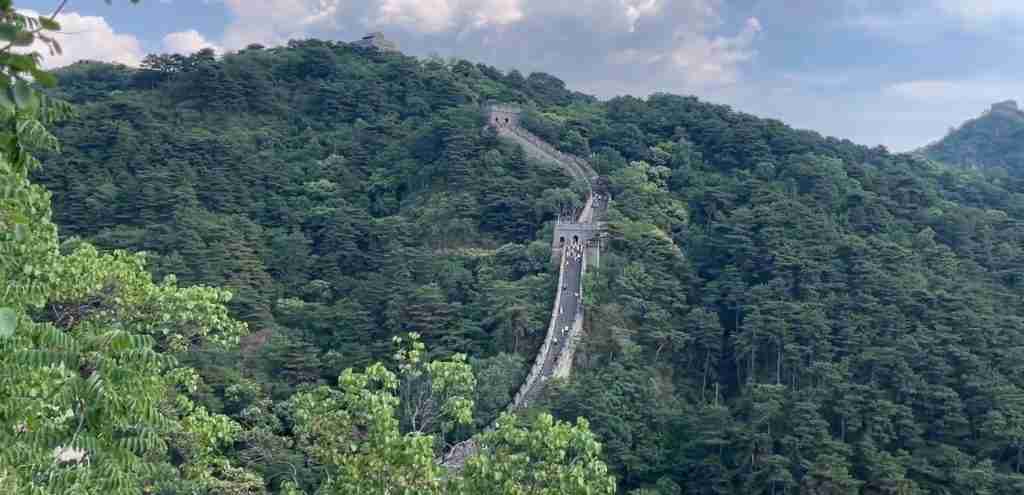
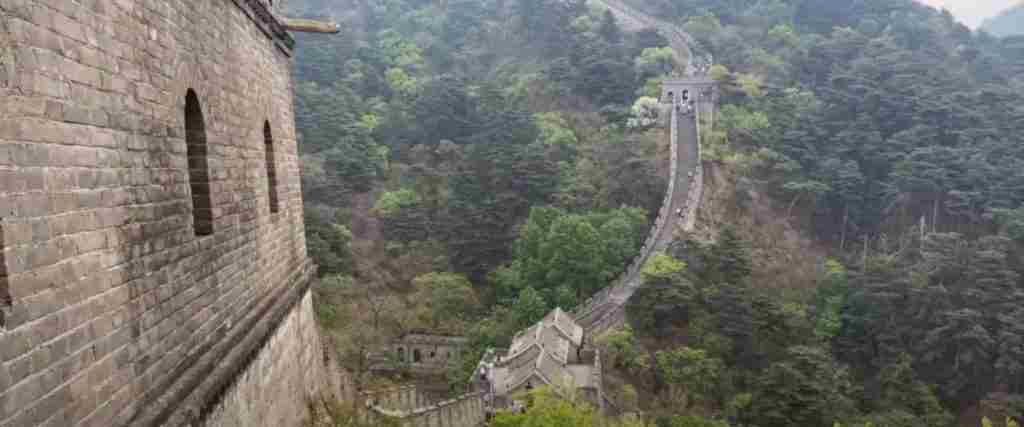
Mutianyu offers superior scenery, manageable crowds, and modern amenities including the unique toboggan descent, making it the top choice for foreign visitors and photographers. Located 75 kilometers northeast of Beijing in Huairou District, the section winds through dense forests that create spectacular seasonal displays—spring blossoms, summer greenery, autumn colors, winter snow. Twenty-three watchtowers span 5,400 meters with 2,250 meters accessible via eastern (easier) and western (challenging) routes from Tower 14. Entrance costs approximately ¥45 year-round with cable cars ¥140 round-trip and toboggan ¥120 one-way. Tourist buses from Dongzhimen depart at 8:30 AM, or private cars take 90-120 minutes. Visitor numbers run 60-70% lower than Badaling throughout the year. Mutianyu suits active travelers, photographers, families with older children (8+), and anyone prioritizing natural beauty and contemplative Wall experience over pure accessibility. The toboggan provides memorable adventure element particularly appealing to children and thrill-seekers.
Jinshanling Great Wall 2026
Jinshanling delivers the most photographically stunning Wall section with dramatic mountain scenery, densely spaced watchtowers (67 towers across 10 kilometers), and mix of restored and original sections. Located 150 kilometers northeast of Beijing, the section requires 2.5-3 hours driving. Entrance costs approximately ¥65 with optional cable cars reducing climbing requirements. The section attracts serious hikers and photographers seeking less-touristy Wall experiences with challenging terrain including steep grades and partially ruined sections. Many visitors combine Jinshanling with adjacent Simatai section (though direct hiking between them is prohibited). Jinshanling suits physically fit travelers, photography enthusiasts, and experienced hikers who want authentic Wall experience beyond overly restored sections. The 4-6 hour hikes required make this inappropriate for elderly visitors, young children, or anyone with limited mobility. Book through tour operators as public transport options are limited and complex.
Simatai Great Wall 2026
Simatai stands alone in offering nighttime illuminated Wall experiences through its location adjacent to Gubei Water Town resort. Located 150 kilometers northeast of Beijing, the section features dramatic steep terrain with 35 watchtowers preserved in relatively original condition. Night tours operate from spring through autumn (approximately April 30-October 7) with extended hours during Chinese New Year period. Daytime entrance costs approximately ¥40, night tours ¥80-120 depending on season. Cable cars cost ¥110 round-trip. The night illumination creates unique photographic opportunities with golden lighting highlighting the Wall’s serpentine path across ridgelines. Simatai suits travelers seeking unique nighttime experience, photographers wanting dramatic lighting, and visitors who can allocate full days combining the Wall visit with Gubei Water Town exploration. Transportation requires private cars or tour packages as public options are extremely limited. Physical difficulty remains moderate to challenging with steep sections.
Juyongguan Great Wall 2026
Juyongguan occupies one of the Wall’s “Three Strategic Passes” approximately 60 kilometers northwest of Beijing. The section features impressive fortress architecture including the Cloud Platform gateway with Buddhist carvings and Sanskrit inscriptions. Entrance costs ¥40 peak season, ¥35 off-season. Shorter length (only 4 kilometers accessible) makes this appropriate for brief visits requiring 2-3 hours. The section sees fewer Western tourists though domestic visitors remain substantial. Juyongguan suits travelers with limited time wanting brief Wall experience, history enthusiasts interested in fortress architecture, and visitors who want to avoid Badaling’s crowds while maintaining reasonable Beijing proximity. Public bus service exists but private transport provides more convenience. The shorter length means this works as half-day excursion combinable with other Beijing activities.
Huanghuacheng Great Wall 2026
Huanghuacheng distinguishes itself through sections submerged by reservoir waters, creating unique scenery where the Wall emerges from and disappears into a lake. Located 80 kilometers north of Beijing, the section offers 10 kilometers of mixed restored and unrestored Wall with 500-year-old chestnut trees planted by Ming soldiers. Entrance costs approximately ¥45. Activities include hiking, boating on the reservoir, and exploring the submerged Wall sections visible below water surface. The section attracts fewer international tourists, making it ideal for visitors seeking off-beaten-path experiences. Spring wildflowers (March-May) create spectacular natural displays. Huanghuacheng suits travelers wanting unique Wall-water scenery, hikers comfortable with mix of restored and ruined sections, and photographers seeking distinctive compositions. Transportation requires private car or complex public bus transfers taking 2.5-3 hours.
Gubeikou Great Wall 2026
Gubeikou preserves historical battle site authenticity with largely unrestored Wall showing original Ming construction and wartime damage. Located 150 kilometers northeast of Beijing, the section spans 5.5 kilometers with 143 watchtowers in various preservation states. Entrance costs approximately ¥25, lower than more developed sections. The rugged, unrestored character appeals to adventure hikers and history enthusiasts seeking authentic Wall experience without tourist crowds or commercialization. Gubeikou requires strong physical fitness, proper hiking gear, and caution navigating crumbling sections and exposed edges. The section suits experienced hikers, military history enthusiasts, and travelers who prioritize authenticity over accessibility or safety features. Private transportation essential as public options don’t exist. Not appropriate for elderly visitors, young children, or anyone with mobility limitations.
Jiankou Great Wall 2026
Jiankou represents the wildest, most dangerous accessible Wall section with stunning photographic opportunities and serious risks. Located 80 kilometers north of Beijing adjacent to Mutianyu’s western end, Jiankou features completely unrestored Wall with famous sections including “Sky Stairs” (nearly vertical stone steps) and “Eagle Flies Facing Upward” (impossibly steep ridge climb). No entrance fees exist as the section lacks official tourist development—visitors enter at own risk. Several deaths and serious injuries occur annually from falls off exposed edges, crumbling stairs, and unstable footing. Jiankou attracts adventure photographers and extreme hikers only. Do NOT attempt solo visits—hire experienced local guides who know safe routes, carry safety equipment, and can assist with emergency evacuation. This section is absolutely inappropriate for average tourists, families, elderly visitors, or anyone without serious hiking experience and proper equipment. Local authorities actively discourage visits given safety concerns.
Transportation Options from Beijing to Great Wall Sections 2026
Efficient transportation planning fundamentally impacts Great Wall visit success. Travel times, costs, and convenience vary dramatically between sections and transport modes.
High-Speed Train to Badaling 2026
The high-speed rail line from Beijing North Railway Station to Badaling Great Wall Station provides the fastest, most convenient Great Wall access. Trains depart approximately every 30-60 minutes throughout the day from 6:30 AM to evening, taking just 20-25 minutes to cover the 70-kilometer distance. Second-class seats cost ¥25, first-class ¥40. Purchase tickets through official railway apps, Trip.com, or station ticket windows. During peak periods (weekends, holidays), tickets sell out 3-7 days in advance requiring early booking. The Badaling Station sits within 10-minute walk of the Wall entrance. Return trains operate with similar frequency. This option suits independent travelers prioritizing speed and convenience, visitors with tight schedules, and anyone comfortable navigating Chinese train systems. Budget 3-4 hours total including Beijing metro travel to/from Beijing North Station.
Tourist Buses to Mutianyu 2026
Direct tourist buses to Mutianyu depart Dongzhimen Transportation Hub at 8:30 AM, returning from Mutianyu in late afternoon (typically 3:00-4:00 PM). The journey takes 90-120 minutes each direction depending on traffic. Round-trip tickets cost approximately ¥50-80. Book at Dongzhimen station or through tour operators. The single daily departure provides no schedule flexibility—visitors must adhere to bus timing. This remains the primary public transport option for Mutianyu given the section’s remote location. The bus drops passengers at Mutianyu parking area, requiring shuttle bus (included in entrance ticket) to cable car stations. This option suits budget-conscious independent travelers willing to accept fixed schedules, early departures (reach Dongzhimen by 8:00 AM), and afternoon returns. Weekday buses are less crowded than weekend services.
Private Car and Driver Services 2026
Hiring private cars with drivers offers maximum flexibility, comfort, and convenience for Great Wall visits. Services cost ¥800-1,200 for full-day rental including driver, fuel, tolls, and parking covering any Wall section. Four-passenger sedans cost less than seven-passenger SUVs. Book through hotel concierges, tour agencies, or apps like Trip.com. Drivers typically speak minimal English—provide written instructions in Chinese with destinations, desired departure/return times, and phone numbers. Private cars allow customized schedules, door-to-door service from hotels, stops at additional sites, and flexibility to extend or shorten visits. Three to four travelers splitting costs make private cars economically competitive with tour buses while providing superior convenience. This option suits families, small groups, travelers with limited time requiring flexible schedules, and anyone prioritizing comfort over budget. Drivers wait during Wall visits—clarify waiting time expectations and any overtime charges when booking.
DiDi Ride-Hailing to Great Wall Sections 2026
DiDi, China’s Uber equivalent, operates to all major Wall sections with one-way costs ranging ¥200-300 from central Beijing depending on section distance. Download the DiDi app and link international credit cards (some cards face restrictions—have multiple payment options ready). Order rides as “DiDi Express” or “DiDi Premier” for comfort. Key challenges: limited English interface (use translation apps), drivers speaking no English (use map pins and written addresses), and difficulty securing return rides from remote locations with poor cell service. Request driver phone numbers and Chinese-speaking hotel staff help if communication issues arise. Mutianyu’s mountain location particularly complicates return DiDi requests—arrange return times with outbound drivers or accept potential delays waiting for available cars. This option suits cost-conscious travelers comfortable with Chinese apps, flexible schedule visitors who don’t need guaranteed return transport, and those wanting independence without full private car costs.
Public Buses to Various Sections 2026
Beijing’s extensive public bus network reaches most Wall sections, though routes require multiple transfers, long travel times (2.5-3.5 hours each way), and Chinese-language navigation. Bus 877 from Deshengmen reaches Badaling in two hours for ¥12, but high-speed trains provide superior alternatives. Bus 916 from Dongzhimen to Huairou District with transfer to local buses reaches Mutianyu but takes 3+ hours. Jinshanling, Simatai, and Huanghuacheng require complex multi-bus journeys impractical for non-Chinese speakers. Public buses suit extremely budget-conscious backpackers with abundant time, travelers wanting authentic local transport experiences, and Chinese-speaking visitors comfortable with complex routing. Most international travelers find public buses’ time requirements, uncertainty, and discomfort outweigh minimal cost savings compared to tourist buses or shared private cars.
Great Wall Budget Breakdown 2026: Daily Costs and Planning
Understanding complete cost structures enables accurate budget planning and identification of potential savings without compromising experience quality.
Transportation Costs Beijing to Great Wall 2026
Transportation represents the largest single cost component for independent travelers. High-speed train to Badaling costs ¥50 round-trip (¥25 each way, second-class), the most affordable option for this section. Tourist bus to Mutianyu runs ¥50-80 round-trip. Private car rentals cost ¥800-1,200 for full days split among passengers—four people each pay ¥200-300, competitive with tour packages while providing flexibility. DiDi one-way trips cost ¥200-300 with round-trips ¥400-600 per vehicle. Public buses cost ¥12-30 round-trip but require 5-7 hours total travel time. Beijing subway to departure points (Beijing North Station, Dongzhimen) adds ¥6-10 per person. Budget transportation at ¥50-80 for train/bus options, mid-range at ¥200-300 for shared private cars, premium at ¥400-600 for private DiDi or tour transport.
Entrance Ticket and Cable Car Costs 2026
Base entrance tickets range ¥35-65 depending on section and season in 2026. Badaling charges ¥40 peak season (April-October), ¥35 off-season. Mutianyu costs ¥45 year-round. Jinshanling entrance runs ¥65. All prices are for adults with children under 18 and seniors over 60 entering free with proper identification. Cable car round-trips add ¥140 at all major sections—this effectively doubles the entrance cost but dramatically reduces physical exertion and time requirements. Mutianyu’s toboggan costs ¥120 one-way as alternative descent option. Combined ticket packages bundling entrance, cable cars, and toboggan save approximately 10-15% compared to separate purchases. Budget ¥40-65 for entrance only, ¥180-205 for entrance plus cable car round-trip, or ¥160-185 for entrance, cable car up, toboggan down. Online booking through platforms like Trip.com, Klook, and Ctrip sometimes offers slight discounts (5-10%) compared to official ticket prices—compare options before purchasing.
Food and Beverage Costs 2026
On-site restaurants at major Wall sections charge elevated tourist prices. Simple meals (noodles, rice dishes, basic Chinese food) cost ¥40-80 per person at Badaling and Mutianyu restaurants. Bottled water runs ¥5-10 versus ¥2-3 at Beijing convenience stores. Snacks, ice cream, and beverages cost 50-100% more than city prices. Full lunch at sit-down restaurants costs ¥60-100 per person including soft drinks. Bringing packed lunches from Beijing hotels or convenience stores saves ¥40-60 per person—pack sandwiches, fruits, snacks, and beverages purchased at normal city prices. Most sections allow outside food. Budget ¥10-20 for drinks/snacks if bringing packed lunch, ¥40-80 for basic on-site meals, ¥60-100 for sit-down restaurant dining. Beijing breakfast before departure (¥15-30) and dinner after return (¥40-80) add to daily food budgets.
Tour Guide and Package Costs 2026
Organized tour packages from Beijing hotels range ¥300-600 per person for small group tours (8-15 people) including hotel pickup, private bus transportation, English-speaking guide, entrance tickets, cable cars, and lunch. Large bus tours (40+ people) cost ¥200-400 but provide rushed, impersonal experiences with minimal guide interaction. Private guided tours cost ¥800-1,500 per person depending on group size (solo travelers pay full amount, couples split costs, groups of 4-6 achieve best per-person rates). Tour inclusions vary—carefully verify what’s covered: entrance fees, cable cars, meals, specific sites visited, pickup/return times, minimum group sizes, and cancellation policies. Tours handle all logistics, provide historical context, and eliminate language barriers. Independent visits cost less (¥200-400 total per person) but require self-navigation, Chinese language ability or translation apps, and miss expert commentary. Solo travelers and small groups find tours economically competitive with independent travel while providing significantly better convenience.
Complete Day Cost Summary Examples 2026
Budget option (independent, public transport, no cable car): High-speed train to Badaling ¥50, entrance ¥40, packed lunch ¥20, water/snacks ¥10. Total ¥120 ($16) per person excluding Beijing accommodation.
Mid-range option (tourist bus, cable car, on-site meal): Mutianyu tourist bus ¥60, entrance ¥45, cable car round-trip ¥140, toboggan ¥120, lunch ¥60, drinks/snacks ¥15. Total ¥440 ($60) per person excluding accommodation.
Premium option (private car, guide, complete inclusions): Small group tour ¥500, includes all transport, entrance, cable car, lunch, English guide. Total ¥500 ($68) per person excluding accommodation.
Luxury option (private guide, premium transport): Private guided tour ¥1,200 ($165) all-inclusive for solo traveler, or ¥600-800 per person ($82-110) for couples/small groups splitting costs. Includes luxury vehicle, expert guide, flexible schedule, entrance tickets, cable cars, premium lunch. Total as stated per person excluding accommodation.
Four-person group shared costs (optimal value): Private car ¥1,000 split four ways ¥250 each, entrance ¥45, cable car ¥140, packed lunch ¥20, drinks ¥10. Total ¥465 ($64) per person for mid-range comfort and flexibility without guide costs, excluding accommodation.
Optimal Timing for Great Wall Visits in 2026
Strategic timing dramatically affects visitor experience through weather conditions, crowd levels, and seasonal scenery variations.
Spring Season Strategy April-May 2026
Spring delivers ideal Wall visiting conditions with temperatures ranging 15-25°C (59-77°F), emerging vegetation, blooming flowers, and moderate crowds outside holiday periods. Early April sees Qingming Festival (tomb-sweeping holiday, April 4-6 in 2026) bringing domestic tourist surge—avoid this weekend entirely. Late April and May provide consistently excellent conditions with warm days, cool mornings, and flowering trees creating colorful mountain landscapes particularly beautiful at Mutianyu. Rain probability remains low (5-10 days monthly) though occasional spring storms occur. Weekday visits Tuesday-Thursday offer lightest crowds. Late May sees increased heat but maintains comfortable conditions. Spring suits photographers seeking flower-enhanced Wall landscapes, travelers wanting comfortable hiking temperatures, and anyone seeking quality experience without summer/autumn peak crowds. Book accommodations and tickets 5-7 days ahead for weekdays, 10-14 days for weekends.
Summer Season Challenges June-August 2026
Summer brings maximum crowds, intense heat, and weather volatility requiring strategic planning. June marks school vacation’s start, flooding sections with domestic tour groups. Temperatures reach 30-35°C (86-95°F) with high humidity making exposed Wall walking uncomfortable. Badaling’s open terrain offers no shade relief while Mutianyu’s forests provide marginal cooling. Afternoon thunderstorms occur 1-2 times weekly, creating dangerous conditions with lightning strikes on exposed ridges and slippery stairs. Storms typically develop 2:00-5:00 PM—plan morning visits 6:30 AM-1:00 PM to minimize risk. Despite challenges, summer offers advantages: longest daylight hours (sunrise 4:30 AM, sunset 7:30 PM), lush green landscapes, and occasional dramatic storm photography if safely sheltered. Summer suits early-morning visitors willing to endure heat, travelers constrained to summer vacation schedules, and those who enjoy thunderstorm drama from safe watchtower positions. Arrive at opening (6:30 AM) to complete hiking before heat peaks and afternoon storms develop. Book everything 10-14 days minimum in advance.
Autumn Prime Season September-October 2026
Autumn ranks as the year’s optimal visiting period combining comfortable temperatures (15-25°C / 59-77°F), stable weather, spectacular foliage, and generally manageable crowds with two critical exceptions. Mid-Autumn Festival falls September 13-15, 2026, bringing massive domestic tourism—avoid this three-day weekend completely. National Day Golden Week (October 1-7, 2026) represents the year’s worst visiting period with crushing crowds, sold-out accommodations, inflated prices, and miserable on-site experiences—never visit during Golden Week. Between these holiday periods, autumn delivers perfection: late September (September 16-30) and mid-to-late October (October 8-31) offer clear skies, moderate temperatures, brilliant autumn foliage particularly spectacular at forested Mutianyu and Jinshanling, and substantially reduced crowds. Photography conditions peak with golden afternoon light illuminating red/orange/yellow foliage. Weather stability exceeds spring with less rain probability. Autumn suits everyone: photographers, families, elderly travelers, serious hikers—all find ideal conditions. Book 7-10 days ahead for weekdays, 14+ days for weekends. Expect premium hotel rates but justify costs through superior experience quality.
Winter Off-Season Opportunities November-March 2026
Winter transforms Great Wall visits through minimal crowds, snow-covered landscapes, and subfreezing conditions requiring proper preparation. November and March serve as shoulder months with temperatures 5-15°C (41-59°F), manageable cold, and increasingly light crowds as month progresses. December-February brings bitter cold (-5 to -10°C / 14-23°F) amplified by mountain winds creating -15 to -20°C (-5 to -4°F) wind chill. Snow beautifies the Wall with pristine white coverage creating stunning photography opportunities, but creates hazardous walking conditions on stairs despite sand/salt treatment. Wear insulated boots with aggressive tread, multiple clothing layers, gloves, face protection, and hand warmers. Chinese Spring Festival (January 21-February 6, 2026) creates brief winter visitation surge—avoid this period. Otherwise, winter weekdays offer near-solitary Wall experiences impossible during warmer months. Operating hours reduce to 7:00 AM-6:00 PM with some services (restaurants, smaller visitor facilities) closing. Winter suits cold-tolerant photographers seeking dramatic snow compositions, adventurous travelers wanting unique experiences, and anyone prioritizing solitude over comfort. Budget visitors benefit from discounted off-season entrance fees and accommodation rates. Not recommended for elderly visitors, young children, or anyone with limited cold tolerance.
Hourly Timing Strategy Within Days 2026
Arrival timing impacts experience quality dramatically regardless of season. Sunrise arrivals (6:30-7:00 AM opening) deliver optimal conditions: minimal crowds with first 30-60 minutes often nearly deserted, excellent photography light with golden hour illumination, cooler summer temperatures, and full day flexibility. Mid-morning through early afternoon (10:00 AM-3:00 PM) brings peak congestion as tour groups arrive—this represents worst visiting window. Late afternoon (4:00-6:00 PM in summer, 3:00-5:00 PM in winter) sees crowds thin as groups depart, providing second-best timing option. Badaling’s summer night illumination (approximately May-October, 6:00-9:00 PM) offers unique after-dark experience worth considering for repeat visitors or those seeking distinctive perspectives. Weather considerations: summer thunderstorms develop 2:00-5:00 PM making morning visits safer. Winter’s coldest temperatures occur 6:00-9:00 AM with afternoons providing marginal warming. Strategic timing: arrive at opening, hike 2-3 hours through mid-morning, descend by noon to early afternoon, return to Beijing avoiding peak tourist buses and traffic.
Online Ticketing and Advance Booking Procedures 2026
Mandatory advance online booking at all major Great Wall sections requires understanding official systems and authorized platforms.
Official Ticketing Websites 2026
Each Wall section maintains official ticketing websites requiring Chinese language navigation. Badaling’s official site (http://ticket.badaling.cn) enforces strict 65,000 daily visitor caps with booking available 10 days in advance. The interface lacks English version—use Google Translate extension for Chrome browsers to navigate. Input passport numbers exactly matching travel documents as verification occurs at entrance gates. Mutianyu’s official website (mutianyugreatwall.com) offers partial English interface with easier navigation. Jinshanling and other sections similarly require Chinese-language booking though with less stringent daily limits. Official sites guarantee authentic tickets at correct prices without markup, but language barriers and complex interfaces challenge non-Chinese speakers. Complete booking 7-10 days ahead for peak periods (weekends, near holidays), 3-5 days for off-season weekdays. Save confirmation emails and QR codes to smartphone photos—present QR codes at entrance turnstiles for scanning without paper tickets.
International Booking Platforms 2026
Trip.com, Klook, Ctrip, Viator, and GetYourGuide provide English-language booking for Great Wall entrance tickets, cable cars, and combination packages. These platforms add small service fees (typically 5-10% above official prices) but deliver convenience through English interfaces, international payment acceptance, customer service support, and simplified booking flows. Compare prices across platforms as promotional discounts vary. Book “skip-the-line” tickets or entrance packages bundling admission, shuttle buses, and cable cars. Read fine print carefully: some listings sell tour packages rather than independent entrance tickets, arrival time restrictions apply to some bookings, and cancellation policies vary. International platforms suit non-Chinese speakers, travelers uncomfortable with official websites, and those preferring familiar booking interfaces despite marginal cost increases. Complete purchases 5-7 days ahead for normal periods, 10-14 days during busy seasons. Confirmation emails include QR codes or vouchers requiring exchange at ticket windows—follow platform instructions precisely.
Hotel Concierge and Tour Operator Booking 2026
Beijing hotel concierges arrange Great Wall visits through established tour operator partnerships, handling ticket booking, transportation, and guide services comprehensively. This represents the simplest but most expensive booking method—hotels add margins above tour operator direct prices. However, convenience justifies costs for travelers prioritizing hassle-free arrangements over budget optimization. Concierges recommend tour operators based on guest feedback, language requirements, physical abilities, and time constraints. They handle itinerary customization, special requests, and last-minute changes more flexibly than online platforms. Request concierge assistance 7-14 days before desired visit dates providing clear requirements: section preference, group size, language needs, budget parameters, physical ability levels, and timing constraints. Concierges confirm arrangements, manage payment, provide contact information for tour guides/drivers, and assist with any changes or issues. This option suits travelers new to China, those uncomfortable with independent planning, luxury travelers prioritizing convenience, and anyone needing customized arrangements impossible through standard booking channels.
Tour Package Inclusions and Booking 2026
Comprehensive tour packages bundle multiple components: hotel pickup/return, private bus or car transportation, English-speaking guide services, entrance tickets, cable car access, meals, and sometimes additional site visits. Small group tours (8-15 people) cost ¥300-600 per person. Private tours for couples or families run ¥800-1,500 per person depending on group size. Package inclusions vary widely—scrutinize details: which wall section, entrance fees included, cable car coverage, meal quality (basic lunch box versus restaurant), actual guide language level (native English speaker versus basic English), vehicle type and comfort, minimum/maximum group sizes, guaranteed departures versus “subject to availability,” cancellation and refund policies, pickup time flexibility, and sites visited beyond the Wall. Best-value packages include: Mutianyu section for superior experience, small groups (10-12 people maximum), entrance tickets and round-trip cable cars, decent lunch, native English-speaking guide with historical expertise, comfortable vehicle with air conditioning, flexible pickup times, and liberal cancellation policies. Book directly through tour operator websites, hotel concierges, or platforms like Viator and GetYourGuide. Compare at least three options before purchasing. Complete bookings 7-14 days ahead with payment via credit card protecting against cancellations.
Physical Preparation and Fitness Requirements 2026
Realistic fitness assessment prevents overextension, injuries, and disappointing experiences on the physically demanding Great Wall.
Stair Climbing and Cardiovascular Demands 2026
Great Wall hiking centers on sustained stair climbing—typical visits involve 2,000-5,000 steps over 2-4 hours with gradients ranging from gentle 20-degree slopes to near-vertical 70-degree climbs. Badaling’s northern section to Tower 8 requires approximately 3,000 steps with 300 meters cumulative elevation gain. Mutianyu’s Tower 14 to Tower 22 western route involves 4,000+ steps with 400+ meters elevation. Jinshanling’s full traverse encompasses 8,000+ steps across 4-6 hours. Each step up and down engages quadriceps, calves, glutes, and cardiovascular system more intensely than flat walking. Descent taxes knees and ankles particularly hard as gravity multiplies joint impact forces. Individuals who regularly climb stairs, hike hills, or maintain active fitness routines handle Great Wall requirements comfortably. Sedentary individuals, those with knee/joint issues, and anyone with cardiovascular conditions should consult physicians before attempting challenging sections. Cable cars reduce but don’t eliminate climbing—even cable car access requires hundreds of stairs between station and walkable Wall sections. Test fitness before traveling: climb 10 flights of stairs (200 steps) without stopping—if this causes severe breathlessness or leg fatigue, Great Wall hiking will prove difficult.
Altitude and Environmental Factors 2026
Great Wall sections lie at 600-1,000 meters (2,000-3,300 feet) elevation, minimally affecting healthy individuals but potentially impacting those with respiratory conditions or from sea-level locations. The constant climbing at elevation taxes cardiovascular systems more than equivalent sea-level exercise. Summer heat adds dehydration risks particularly on exposed Badaling where shade is minimal and sun reflection from stones intensifies heat. Temperatures on wall surfaces exceed ambient air by 5-10°C (9-18°F). Winter’s cold amplified by elevation and wind exposure creates hypothermia risks if improperly dressed. Air quality varies—Beijing’s pollution sometimes reduces mountain visibility and affects breathing comfort. Check AQI (Air Quality Index) forecasts: below 100 acceptable, 100-150 borderline, above 150 problematic particularly for those with respiratory conditions. Mountain weather changes rapidly—afternoon thunderstorms develop within 30-60 minutes in summer, temperature drops occur quickly year-round. Acclimatize before Wall visits: arrive Beijing 1-2 days early, walk extensively to assess capabilities, adjust plans based on honest fitness evaluation. Carry 1-2 liters water per person, electrolyte tablets for hot weather, high-energy snacks (trail mix, energy bars), and layered clothing allowing adjustment.
Footwear and Injury Prevention 2026
Proper footwear represents the single most important equipment decision. Wear hiking boots or trail running shoes with ankle support, aggressive tread for traction on smooth stones, and cushioned soles absorbing repetitive stair impact. Break in new shoes before traveling—blisters from untested footwear ruin Wall experiences. Avoid fashion sneakers with smooth soles, sandals, flip-flops, dress shoes, or any footwear lacking ankle support and grip. Uneven original stones, steep gradients, and weathered surfaces demand stable, supportive footwear. Trekking poles help particularly on steeper sections and during descent when knee impact increases. Knee braces or compression sleeves assist those with previous knee injuries or concerns. Wear moisture-wicking socks preventing blisters. Pack small first-aid kit with blister treatment, pain relievers, bandages, and any prescription medications. Warm up before beginning climbs: gentle stretching, light cardio, gradually increasing pace. Descend carefully—more injuries occur going down than ascending as gravity increases forces on knees, ankles, and hip joints. Take breaks every 30-45 minutes even if not fatigued—brief rests prevent cumulative exhaustion. Use handrails where provided. Watch footing constantly as uneven stones, smooth wear surfaces, and occasional damage create trip hazards.
Special Considerations for Different Age Groups 2026
Children aged 8-12 with reasonable fitness handle Badaling’s southern section and Mutianyu’s eastern route successfully given proper pacing and parental supervision. The toboggan at Mutianyu particularly motivates children to complete the challenging hike. Children under 8 struggle with sustained stair climbing—plan very limited Wall walking, use cable cars extensively, bring strollers for youngest children (though strollers cannot go on Wall itself). Teenagers match or exceed adult capabilities if reasonably active. Elderly visitors’ capabilities vary enormously—active seniors in their 60s-70s often complete moderate Wall sections successfully while less active or older seniors should choose Badaling’s southern route, use cable cars comprehensively, and accept limited Wall exposure. Anyone over 70 should honestly assess capabilities before attempting Wall visits. Pregnant women can visit using cable cars and limiting walking to flat sections, avoiding steep grades and strenuous climbing. Consult doctors before traveling. Those with mobility limitations can access portions of the Wall at Badaling through wheelchair ramps and elevators, though extensive Wall walking remains impossible. Pre-existing conditions—heart disease, respiratory issues, joint problems, diabetes—require medical consultation and realistic capability assessment before booking Wall visits.
Weather Preparation and Seasonal Gear 2026
Appropriate clothing and equipment varies dramatically across seasons, requiring careful preparation matching expected conditions.
Spring and Autumn Layering Strategy 2026
Spring (April-May) and autumn (September-October) require versatile layering systems accommodating temperature variations between valley floors (15-20°C / 59-68°F) and exposed ridgelines (10-15°C / 50-59°F) with wind chill reducing perceived temperatures 5-10°C (9-18°F). Start with moisture-wicking base layer (synthetic or merino wool, never cotton) managing perspiration during climbing. Add lightweight insulating mid-layer (fleece or light down jacket) providing warmth without bulk. Top with windproof/water-resistant shell jacket protecting against wind and brief showers. Wear hiking pants (avoid jeans which restrict movement and retain moisture). Pack hat (knit cap for cool mornings, sun hat for afternoon), sunglasses, sunscreen (SPF 30+ even on cloudy days), and light gloves for windy conditions. Carry small backpack for layers removed during climbing—stash jackets and outer layers as you warm up, re-don during rest breaks. Afternoon temperatures increase 5-10°C compared to morning requiring clothing adjustments. Brief spring/autumn showers occur—pack lightweight rain jacket or poncho. This layering approach adapts to variable spring/autumn conditions providing comfort across temperature ranges and activity levels.
Summer Heat and Sun Protection 2026
Summer (June-August) demands aggressive sun and heat management given temperatures reaching 30-35°C (86-95°F) with high humidity and intense mountain sun exposure. Wear light-colored, loose-fitting, moisture-wicking clothing maximizing ventilation and sun reflection. Long-sleeve breathable shirts provide better sun protection than tank tops despite seeming counterintuitive. Wide-brimmed sun hat (not baseball cap) protects face, neck, and ears. Carry parasol/sun umbrella providing mobile shade—common among Asian tourists, highly effective though somewhat bulky. Apply SPF 50+ sunscreen to all exposed skin, reapplying every two hours. Wear high-quality sunglasses with UV protection. Carry minimum 2 liters water per person plus electrolyte tablets or sports drinks replacing minerals lost through sweating. Hydrate continuously rather than waiting until thirsty—thirst indicates existing dehydration. Wear moisture-wicking underwear and socks preventing chafing. Pack cooling towel (microfiber towel wet and wrung out) for neck cooling. Avoid dark colors absorbing heat. Schedule early morning visits (6:30-11:00 AM) escaping peak afternoon heat. Watch for heat exhaustion symptoms: excessive fatigue, dizziness, nausea, rapid heartbeat—descend immediately if experiencing these and seek shade, water, and medical attention if symptoms persist.
Winter Cold Weather Gear 2026
Winter (December-February) requires comprehensive cold weather protection given temperatures -5 to -10°C (14-23°F) with wind chill reaching -15 to -20°C (-5 to -4°F) on exposed sections. Start with thermal base layer top and bottom (merino wool or synthetic) providing core insulation. Add fleece or wool mid-layer for additional warmth. Top with insulated winter jacket (down or synthetic) rated for 0 to -10°C (32 to 14°F) with hood. Wear insulated hiking boots rated for winter conditions with aggressive tread handling ice and snow. Wool or synthetic hiking socks (never cotton) with liner socks prevent blisters and provide warmth. Insulated gloves (not thin knit) essential for handling metal railings and camera equipment. Wear neck gaiter or balaclava protecting face from wind. Knit hat covering ears prevents frostbite. Hand and toe warmers provide supplemental heat for extreme cold days. Pack insulated pants or fleece-lined leggings under hiking pants. Winter’s lower humidity requires less water than summer but dehydration still occurs—carry insulated water bottles preventing freezing. Pack thermos with hot tea or soup for warming breaks. Snow and ice create slippery conditions—consider microspikes or traction devices attaching to boot soles. Winter visits require accepting cold discomfort in exchange for solitary Wall experiences—dress for standing around taking photographs rather than just hiking which generates body heat.
Rain and Storm Preparedness 2026
Summer afternoon thunderstorms and spring/autumn showers require rain preparedness. Pack lightweight waterproof rain jacket (not water-resistant—waterproof rated 10,000mm+) with hood. Rain pants protect legs if sustained rain expected. Waterproof pack cover or dry bags protect electronics, documents, and clothing. Avoid umbrellas during thunderstorms—lightning strikes have killed tourists on exposed Wall sections. If thunderstorms develop while on the Wall, descend immediately to enclosed watchtowers or cable car stations—do not remain on exposed sections or highest points. Lightning seeks highest elevations and metal objects (railings, cables). Watch weather forecasts closely during summer, avoiding Wall visits when severe weather predicted. Brief showers prove manageable with proper rain gear, but sustained downpours make Wall walking miserable and dangerous given slippery stones. Photography suffers in rain—protect cameras with waterproof covers or bags. Feet stay drier with waterproof hiking boots versus trail runners. Post-storm mud and standing water on Wall surfaces create slipping hazards. If uncertain about developing weather, ask cable car operators who monitor conditions closely and suspend operations during dangerous weather.
Family-Friendly Great Wall Experiences 2026
Families with children require different planning considerations, section choices, and activity pacing compared to adult-only groups.
Best Sections for Families with Children 2026
Mutianyu delivers optimal family experiences through its toboggan descent, moderate difficulty eastern route, and less-crowded atmosphere allowing families to move at comfortable pace. The toboggan provides exciting reward after Wall hiking, motivating children to complete the challenging climb. Cable cars reduce physical requirements while preserving Wall experience. Forests surrounding the section offer shade, wildlife viewing, and natural interest beyond pure Wall architecture. Mutianyu suits families with children aged 8+ possessing reasonable fitness. Badaling’s southern section serves families with younger children (5-7 years) or elderly grandparents through gentle grades, comprehensive handrails, and extensive facilities. The Great Wall Museum and Bear Park near the entrance provide alternative activities if children tire of Wall walking. Avoid Badaling’s crowded northern section with young children—congestion creates safety concerns and waiting frustrates short attention spans. Jinshanling, Simatai, and wild sections prove inappropriate for children under 12 given challenging terrain, long distances, and safety risks.
Child-Friendly Activities and Engagement 2026
Transform educational Wall visits into adventures maintaining children’s interest throughout long days. At Mutianyu, build anticipation for the toboggan descent, framing Wall hiking as the means to access this thrilling reward. Let children control toboggan speed (within safe limits) enhancing excitement. Create photo scavenger hunts: find specific watchtower shapes, locate arrow slits, spot wildlife in forests, identify different building materials. Challenge older children to count stairs or watchtowers. Explain Wall’s military history in age-appropriate terms: soldiers watching for invaders, signal fire communications, tower defensive functions. Let children examine construction techniques: brick patterns, stone placement, drainage systems. Pack favorite snacks rewarding progress at rest stops. Allow children to set pace—rushed schedules create resistance and complaints. At Badaling, visit the Great Wall Museum showing Wall history, construction methods, and military equipment through displays children find engaging. The Bear Park provides brief diversion though controversial given animal welfare concerns—evaluate whether this aligns with family values before visiting. Photography engages older children: give them cameras capturing unique perspectives, creating personal photo albums.
Safety Considerations for Family Visits 2026
Supervise children constantly on narrow Wall sections with unprotected drops—hundreds of meters fall potential exists at many locations. Maintain physical contact on steep stairs particularly during descent when balance is most precarious. Position adults front and rear of children in family groups. Avoid visiting during peak congestion when crowd surge risks increase and children can be separated. Teach children to use handrails where provided and watch footing on uneven stones. Prohibit running—Wall surfaces are uneven with trip hazards. Establish meeting points if separated: specific numbered watchtowers, cable car stations, or entrance gates. Ensure children carry parent contact information and basic Chinese phrases (“help,” “lost,” hotel name/address). Pack comprehensive first-aid supplies including blister treatment, pain relievers for small injuries, bandages, antiseptic. Bring significantly more water and snacks than adults alone would require—children need frequent refueling. Watch for fatigue signs and turn back before children become overtired and resistant. Toilet facilities appear less frequently than children need—plan strategic stops. Consider child carriers for youngest children though weight limits (approximately 20 kilograms / 44 pounds) restrict use to smaller children. Cable cars accommodate children safely with parents. Toboggan riders must meet minimum age (5 years) and height requirements, with younger children riding with parents.
Pacing and Time Management for Families 2026
Plan significantly longer visit durations than adult-only groups require. What takes adults 3 hours extends to 4-5 hours with children given more frequent breaks, slower pace, and activity diversions. Allow 15-minute rest breaks every 30-45 minutes rather than continuous hiking. Use these breaks for snacks, hydration, photography, and child-directed play. Build flexibility into schedules—returning early if children tire proves better than forcing completion creating negative memories. Consider half-day Wall visits (3-4 hours total) rather than attempting full-day excursions overwhelming young children. Combine Wall visits with other activities children enjoy: hotel pool time, Beijing Zoo, Forbidden City guided tours with children’s programs. Never schedule consecutive intensive days—intersperse strenuous Wall visits with lighter Beijing activities. Morning visits work better than afternoon for children—energy levels highest early in day. Aim for 6:30-7:00 AM opening allowing 3-4 hour Wall visit before lunch and afternoon rest. Tourist bus schedules with fixed departure/return times create pressure—private car transportation provides flexibility to depart when children reach limits. Most importantly, prioritize quality over quantity: better to complete limited Wall section creating positive memories than forcing exhausted, unhappy children through comprehensive visits they’ll remember negatively.
Photography Planning for Great Wall Visits 2026
Serious photographers require specialized planning maximizing photographic opportunities while managing practical constraints.
Optimal Photography Timing and Light 2026
Golden hour photography (hour after sunrise and before sunset) produces dramatic Wall images with directional light revealing texture, depth, and architectural details. Sunrise at Wall sections occurs approximately 5:00-5:30 AM in summer, 6:30-7:00 AM in winter. Sections open at 6:30-7:00 AM depending on season—arrive precisely at opening to capture early morning light before crowds. Most sections face generally east-west creating side-lighting opportunities during golden hours. Badaling’s northern section receives beautiful western afternoon light but remains crowded until closing. Mutianyu’s forested setting creates dappled light requiring higher ISO settings or wider apertures compensating for darker conditions. Overcast days actually benefit Wall photography by providing even lighting without harsh shadows revealing architectural details clearly—don’t dismiss cloudy weather as poor photography conditions. Blue hour (30 minutes before sunrise and after sunset) works only at Badaling during summer night illumination program—other sections close before blue hour. Avoid midday harsh overhead light creating deep shadows and washed-out highlights. Autumn’s lower sun angle compared to summer creates more favorable all-day lighting. Winter’s clear air enhances distant views but cold challenges battery performance and photographer comfort.
Camera Gear and Equipment Recommendations 2026
Bring versatile zoom lens covering 24-70mm or 24-105mm range handling wide landscape shots and moderate telephoto perspectives. Ultra-wide 16-35mm lens captures expansive Wall-and-mountains compositions but distorts architectural details. Telephoto 70-200mm isolates distant watchtowers and compressed perspective shots showing Wall snaking through mountains. Bring circular polarizing filter reducing haze, deepening blue skies, and managing reflections on stones. ND graduated filter balances bright skies with darker foreground—particularly useful for sunrise/sunset. Sturdy tripod enables long exposures for smooth water in Huanghuacheng’s lake sections, HDR bracketing, and low-light photography, though carrying tripods while hiking proves cumbersome. Carbon fiber tripods reduce weight burden. Remote shutter release prevents camera shake during exposures. Extra batteries essential—cold weather drains batteries rapidly, carry 3-4 charged batteries for winter visits. Multiple memory cards prevent storage limitations mid-shoot. Weather-sealed camera bodies and lenses handle rain and humidity better than non-sealed gear. Bring microfiber cleaning cloths—humid conditions and wind-blown dust require frequent lens cleaning. Lightweight camera backpack distributes weight comfortably during hiking.
Composition Techniques and Photo Spots 2026
Create depth in Wall images using foreground watchtowers framing mid-ground Wall sections disappearing into distant mountains. Position yourself to show Wall’s serpentine path along ridgelines rather than straight-on views losing three-dimensional quality. Include surrounding landscape—forests, mountains, sky—providing context beyond pure architectural photography. Photograph watchtower interiors showing arrow windows, stone construction, and elevated perspectives. Detail shots of brickwork, weathering patterns, and construction joints reveal historical character. Include people at recognizable scale showing Wall’s massive proportions, but minimize crowd presence in compositions. At Mutianyu, photograph from Tower 14 area capturing both eastern and western routes. The “Ox Horn Edge” provides dramatic perspective views. At Badaling, shoot from Tower 6-7 area toward Hero Slope showing famous steep section. Huanghuacheng’s partially submerged Wall sections create unique reflections for morning calm-water photography. Jinshanling’s long sight lines show dozens of watchtowers receding into distance—use telephoto lenses compressing perspective for dramatic effect. Experiment with vertical compositions emphasizing Wall’s height and stair steepness. Convert autumn foliage images to black and white emphasizing texture and form without color distraction.
Drone Restrictions and Alternatives 2026
Drones are strictly prohibited at all Great Wall sections without exception. Enforcement is rigorous with heavy fines (thousands of yuan), equipment confiscation, and potential criminal charges for violations. Security personnel actively monitor for drones and respond immediately to reported violations. No permits or authorization available to tourists—only professional film crews with advance government permission can use drones. Do not attempt to fly drones despite seeing aerial Wall images online (these come from authorized sources or predate current restrictions). Alternative perspectives: climb to highest watchtowers photographing downward along Wall’s path, use telephoto lenses from secondary ridges capturing elevated views, photograph from adjacent peaks where accessible (requires research and often off-trail hiking). Badaling’s Great Wall Museum displays authorized aerial photos showing perspectives impossible for tourist photographers. Accept this limitation and focus on ground-level photography where tourists excel through timing, composition, and patient work. Wall photography’s appeal lies in personal perspectives from accessible positions rather than aerial views.
Frequently Asked Questions About Great Wall Travel 2026
Can I visit the Great Wall independently without joining a tour in 2026?
Independent Great Wall visits are entirely feasible and increasingly popular with proper planning. High-speed trains serve Badaling directly from Beijing North Railway Station—purchase tickets online, take Beijing metro to the station, ride to Badaling in 20 minutes. Tourist buses reach Mutianyu from Dongzhimen Hub though with limited schedule flexibility (8:30 AM departure only). Private car rental or DiDi provides transportation to any section with maximum schedule control. Book entrance tickets online through official websites, Trip.com, Klook, or Ctrip providing English interfaces and payment options. Bring passport for ticket validation at entrances. Download offline translation apps and maps before departure given unreliable cell service at mountain locations. Independent travel costs less than guided tours (¥200-400 versus ¥500-800 per person) and allows complete schedule flexibility, personal pacing, and freedom to explore beyond standard tour group routes. However, independent travelers miss historical context and cultural insights that knowledgeable guides provide. Language barriers sometimes complicate logistics. Weigh trade-offs based on personal priorities, Chinese language ability, and comfort with navigation in foreign locations.
What should I pack in my daypack for a Great Wall visit in 2026?
Pack 1-2 liters water per person (more in summer, less in winter), high-energy snacks (trail mix, energy bars, dried fruit), sun protection including SPF 50+ sunscreen, sunglasses, and hat, layered clothing for temperature changes, rain jacket for sudden weather changes, small first-aid kit with blister treatment, pain relievers, and any prescription medications, fully charged smartphone with offline maps and translation apps, portable battery pack for phone recharging, small amount of Chinese yuan cash for emergencies (major facilities accept WeChat Pay/Alipay but backup cash essential), tissues or toilet paper (some facilities lack adequate supplies), hand sanitizer or wet wipes, camera with extra batteries and memory cards, trekking poles if concerned about knee stress or stability, personal identification (passport for foreigners), printed copies of ticket confirmations and hotel information, and a lightweight backpack comfortable for 3-4 hours hiking. Avoid overpacking—every kilogram carried up stairs multiplies perceived weight through constant climbing. Pack only true essentials leaving “nice to have” items at hotel.
Are Great Wall sections wheelchair accessible in 2026?
No Great Wall section achieves full wheelchair accessibility given the structure’s inherent architectural limitations of stairs, uneven stones, and steep grades. Badaling provides the best partial accessibility with wheelchair ramps from parking areas to base facilities, elevators at certain locations, and relatively flat southern section allowing limited wheelchair progress with strong assistants pushing. However, even Badaling’s accessible portions remain limited—the famous northern section and Hero Slope are completely inaccessible. Cable cars at Badaling and Mutianyu can accommodate some wheelchair users depending on chair type and station design, though significant physical transfers may be required. Mutianyu’s steeper terrain and less developed accessibility features make it more challenging than Badaling. Other sections offer minimal to no wheelchair accessibility. Visitors with mobility limitations can access Wall entrances, some watchtower bases, and cable car stations experiencing partial Wall atmosphere and viewing from accessible positions, but extensive Wall walking remains impossible. Consider private guided tours with accessibility support, allowing customized assistance and realistic expectation-setting based on specific mobility limitations. Consult section websites or tour operators about current accessibility features before booking.
How long does a complete Great Wall visit take in 2026?
Plan full-day excursions allocating 7-8 hours total from Beijing hotel departure to return. Round-trip transportation consumes 3-4 hours (1.5-2 hours each way) depending on section choice and transport mode. On-site Wall visits require 3-4 hours minimum for satisfying experiences: 30 minutes for cable car and transit, 2-3 hours actual Wall walking, and 30-60 minutes for meals, rest breaks, and facilities. Serious hikers exploring challenging sections like Jinshanling’s full traverse need 5-6 hours on-site. Photographers wanting optimal lighting should add 1-2 hours for strategic positioning and multiple compositions. Brief Wall visits (2 hours on-site, 5-6 hours total including transport) prove possible for travelers with tight schedules though feel rushed. Most visitors find 3-hour on-site allocation ideal balancing thorough exploration with manageable physical demands. Tour packages typically operate 8:00 AM-5:00 PM including hotel pickup/return. Independent travelers can customize timing—departing hotels 6:30-7:00 AM allows 6:30 AM Wall arrival, 3-4 hour visit, return to Beijing by early afternoon preserving evening flexibility for other activities.
What is the Great Wall opening hours schedule for 2026?
Peak season (April-October) opening hours: Most sections open 6:30 AM-7:00 PM with final entry 6:00-6:30 PM. Badaling operates extended hours during Chinese national holidays and summer peak periods. Off-season (November-March) hours: Sections open 7:00 AM-6:00 PM with final entry 5:00-5:30 PM. Specific sections vary slightly—Badaling maintains longest hours given its development level and lighting systems, Mutianyu adjusts seasonally, smaller sections like Huanghuacheng and Gubeikou maintain more restricted hours. Cable car operations typically end 30-60 minutes before section closing, forcing hikers to descend on foot if staying until final hours. Simatai offers unique night tours during summer (approximately May-October) operating 6:00-9:00 PM with separate tickets. Chinese Spring Festival period (late January-early February 2026) may extend daytime hours at major sections. Verify current hours on official websites before visiting as policies adjust seasonally and for special events. Arriving precisely at opening (6:30-7:00 AM) maximizes experience quality through minimal crowds and optimal morning light.
How do I use public transportation to reach the Great Wall in 2026?
Public transport to Great Wall sections requires Chinese language ability, time, and patience. For Badaling: Take Beijing Metro Line 2 or 13 to Xizhimen Station, transfer to Beijing North Railway Station, purchase high-speed train tickets at windows or automated kiosks (¥25 second-class), board trains to Badaling Great Wall Station (20-25 minutes), exit station and walk 10 minutes to Wall entrance. Trains operate frequently 6:30 AM-evening with weekend/holiday schedule increases. For Mutianyu: Take Beijing Metro to Dongzhimen Station, exit to Dongzhimen Transportation Hub, purchase tourist bus tickets at window (¥50-60 round-trip), board 8:30 AM departure (only one daily), ride 90-120 minutes to Mutianyu parking area, take included shuttle bus to cable car stations. Return bus departs Mutianyu 3:00-4:00 PM—missing this requires expensive private car return. Alternative involves Bus 916 to Huairou with multiple transfers adding significant time and complexity. For other sections: Public transport exists but requires multiple buses, Chinese signage navigation, and 3-5 hours travel time—impractical for most international visitors. DiDi ride-sharing or private car rental provides better alternatives for remote sections despite higher costs. Budget ¥50-100 for public transport versus ¥200-300 per person for shared private cars—evaluate time savings and stress reduction against cost differences.
What Chinese phrases should I know for Great Wall visits in 2026?
Learn essential Chinese phrases enhancing communication though many tourist areas have English signage. “Hello” – Nǐ hǎo (nee how), “Thank you” – Xièxiè (syeh syeh), “How much?” – Duōshǎo qián? (dwor shaow chyen), “Ticket” – Piào (pyow), “Toilet” – Cèsuǒ (tsuh swor), “Water” – Shuǐ (shway), “Help” – Bāngzhù (bahng joo), “Lost” – Mílù (mee loo), “Hospital/Doctor” – Yīyuàn/Yīshēng (ee ywen / ee shung), “Great Wall” – Chángchéng (chahng chung), “Cable car” – Lǎnchē (lahn chuh), “Entrance” – Rùkǒu (roo koh), “Exit” – Chūkǒu (choo koh). Write your hotel name and address in Chinese characters requesting hotel staff provide printed cards—essential for taxi returns. Download translation apps (Google Translate, Baidu Translate, Pleco) with offline Chinese dictionaries and photo translation capabilities. Point at Chinese text with camera for instant translations. Most tourist staff at major sections speak basic English—combine simple English with translation apps for effective communication. Young Chinese people often speak English better than older generations—seek assistance from younger staff. Have WeChat installed—many Chinese services require it for payment and communication.
Can I bring food and drinks onto the Great Wall in 2026?
Yes, all Great Wall sections permit outside food and beverages—bringing packed lunches and snacks is common and recommended. On-site restaurants charge elevated tourist prices (¥40-100 per person) with mediocre quality. Pack sandwiches, fruits, nuts, energy bars, and drinks purchased at Beijing convenience stores or hotels at normal prices. Carry insulated lunch bags keeping food fresh. Bring 1-2 liters water per person plus extra sports drinks or electrolyte supplements for hot weather. Dispose of all trash properly—bins appear throughout major sections, but bring plastic bags collecting waste until reaching disposal points. Do not leave trash on Wall itself. Avoid messy foods that attract insects or create unpleasant smells affecting other visitors. Alcohol is technically prohibited though enforcement is minimal—avoid bringing alcohol to maintain respectful atmosphere. Eating while hiking proves impractical—plan strategic stops at watchtowers or rest areas with seating. Packed lunches particularly suit families with children requiring frequent snacks and specific food preferences, budget travelers minimizing costs, and visitors with dietary restrictions (vegetarian, vegan, gluten-free, allergies) finding Chinese restaurants challenging. Most visitors allocate 30-60 minutes mid-visit for meal breaks.
What happens if I experience an injury or emergency on the Great Wall in 2026?
All major Wall sections maintain first-aid stations near entrances and emergency response capabilities. Minor injuries (blisters, scrapes, minor sprains): Use personal first-aid supplies, seek assistance at cable car stations or visitor centers where basic medical supplies available. Staff can provide bandages, pain relievers, and basic first aid. Moderate injuries (significant sprains, heat exhaustion, severe dehydration): Alert nearest cable car operators or security personnel who will radio medical assistance. Emergency responders can reach most accessible areas within 15-30 minutes. You may need assisted descent via cable car or carried by stretcher to lower areas. Serious injuries (broken bones, severe falls, heart attacks): Call emergency services immediately—112 is China’s universal emergency number, 120 specifically for ambulances. Alert all nearby people for assistance. Security personnel monitor sections and can rapidly summon emergency response. Major sections maintain emergency vehicle access to lower areas though helicopter evacuation rarely used. Travel insurance covering Chinese medical care is essential—confirm policy includes evacuation coverage. Carry insurance card information and emergency contacts. Chinese hospitals require upfront payment or insurance guarantee before treatment. Most serious injuries result from falls during descent on slippery stairs or overexertion in hot weather—prevent emergencies through cautious movement, proper hydration, and honest fitness assessment.
Are guided tours or independent visits better for Great Wall experiences in 2026?
Both approaches offer distinct advantages depending on priorities. Guided tours excel for: First-time China visitors unfamiliar with Chinese systems and language, travelers seeking expert historical context and cultural insights that significantly enhance understanding, those prioritizing convenience over cost willing to pay ¥300-800 per person for comprehensive logistics handling, families with children benefiting from structured activities and guide entertainment, elderly visitors or those with mobility concerns needing assistance and flexible pacing, and anyone uncomfortable with independent navigation in foreign countries. Small group tours (8-12 people) provide personalized attention, native English-speaking guides deliver quality commentary, all logistics are managed professionally, and transportation, tickets, meals, and activities are pre-arranged eliminating planning stress. Independent visits excel for: Budget-conscious travelers spending ¥200-400 versus ¥500-800, photographers requiring extended time at specific locations for optimal lighting and compositions impossible with group schedules, physically fit hikers wanting challenging routes beyond standard tour itineraries, travelers desiring complete schedule flexibility arriving at opening or staying until closing, those comfortable with Chinese navigation apps and basic language barriers, and experienced international travelers who enjoy independent exploration. Evaluate personal priorities, China experience level, language comfort, budget constraints, and travel companions when deciding. Consider guided tours for first Great Wall visit, then independent returns for deeper exploration.