
Grand Canyon Day Trip from Las Vegas 2026: Complete Guide
The Grand Canyon sits just 130-280 miles from Las Vegas, making it one of the most accessible natural wonders for Vegas visitors seeking a break from casino floors and desert heat. Whether you choose the dramatic West Rim with its famous Skywalk just 2.5 hours away or the iconic South Rim offering classic National Park vistas after a 4.5-hour drive, a day trip from Las Vegas delivers one of America’s most breathtaking landscapes without requiring overnight accommodation or extensive planning.
Key Takeaways About Grand Canyon Day Trips from Las Vegas 2026
- Two Rim Options for Day Trips: West Rim sits 130 miles away (2.5-hour drive) offering the Skywalk and shorter travel time, while South Rim lies 280 miles distant (4.5-hour drive) providing the traditional National Park experience with more expansive views and hiking trails
- Budget Planning 2026: Guided bus tours range $70-85 for South Rim full-day experiences including transportation, meals, and park entrance, while self-drive options cost $75-95 per person total for rental car share, gas, and entrance fees when two people share a vehicle
- Departure Timing Requirements: South Rim day trips require 6:00 AM departures to maximize canyon time (tours provide 3 hours at the rim), while West Rim trips allow more flexible 7:00-8:00 AM starts with 3.5-4 hours at the destination
- Entrance Fee Structure 2026: U.S. residents pay $35 per vehicle (7-day pass) or $20 per person for pedestrian entry, while international visitors aged 16+ face an additional $100 per person surcharge at South Rim (Grand Canyon National Park) but not at West Rim (tribal land)
- Seasonal Considerations: Spring (March-May) and fall (September-November) offer optimal temperatures for day trips with fewer crowds than summer peak season, while winter provides clear views but requires early sunrise timing and layered clothing for 30-40°F temperature swings
People Also Ask About Grand Canyon Day Trips from Las Vegas 2026
Can you do a day trip from Las Vegas to Grand Canyon in 2026?
Yes, day trips from Las Vegas to the Grand Canyon remain highly feasible in 2026. The West Rim at 130 miles away offers the most realistic single-day experience, providing 3.5-4 hours at the destination with a comfortable 2.5-hour drive each way. South Rim day trips are possible but require early 6:00 AM departures and acceptance of spending 9 hours total in transit for 3 hours at the canyon. Thousands of visitors successfully complete both types of day trips annually, with guided bus tours optimizing logistics by handling driving, meal stops, and entrance procedures while you focus on the scenery.
How much does a Grand Canyon day trip from Las Vegas cost in 2026?
Full-day guided bus tours to South Rim cost $70-85 per person including round-trip transportation, continental breakfast, deli lunch, and National Park entrance fees (check official tour sites for current rates as pricing may vary). Self-drive options for two people sharing a rental car run $75-95 per person total covering rental car share, gas, and park entrance. Premium helicopter tours range $375-550 per person offering aerial views and landing experiences. West Rim guided tours cost $95-115 per person with options to add the Skywalk glass bridge for an additional $30.
Which Grand Canyon rim is best for a day trip from Las Vegas in 2026?
West Rim serves visitors prioritizing shorter drive times, unique experiences like the Skywalk glass bridge, and flexibility for afternoon Las Vegas activities, located just 2.5 hours from the Strip on Hualapai tribal land. South Rim attracts those seeking the classic Grand Canyon National Park experience with more expansive views, established infrastructure including visitor centers and museums, and superior hiking trail access despite the 4.5-hour drive. Your choice depends on whether you value convenience and unique attractions (West Rim) or traditional grandeur and National Park amenities (South Rim).
What time should I leave Las Vegas for a Grand Canyon day trip in 2026?
South Rim day trips require 6:00 AM departures to allow 3 hours of canyon exploration time and return to Las Vegas by 7:00-8:00 PM, accounting for the 4.5-hour drive each way plus meal and photo stops. West Rim trips offer more scheduling flexibility with 7:00-8:00 AM departures still providing ample time at the destination, returning by mid-to-late afternoon. Guided tours handle departure timing automatically with hotel pickups starting 30-45 minutes before official tour start times to collect passengers from multiple Strip properties.
Extended multi-day tours – 5+ days
Featured Las Vegas Multi-Day Tour Packages
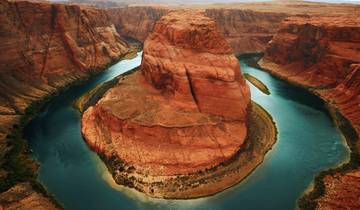
1 days
Antelope Canyon and Horseshoe Bend – 1 Day
- ✓ Comprehensive Las Vegas tour
- ✓ Expert local guides included
- ✓ All accommodation arranged
- ✓ Transportation provided
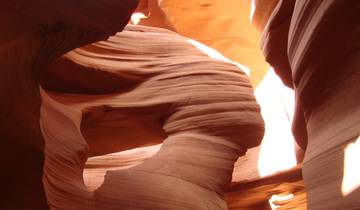
2 days
Grand Canyon, Antelope Canyon, Horseshoe Bend and Lake Powell Small Groups Overnight Tour
- ✓ Comprehensive Las Vegas tour
- ✓ Expert local guides included
- ✓ All accommodation arranged
- ✓ Transportation provided
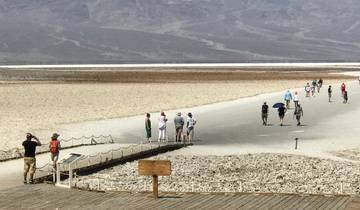
1 days
Death Valley Day Tour from Las Vegas- Hosted By Kristy
- ✓ Comprehensive Las Vegas tour
- ✓ Expert local guides included
- ✓ All accommodation arranged
- ✓ Transportation provided
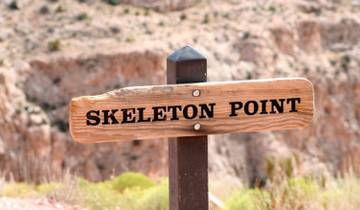
1 days
Grand Canyon South Rim Private Tour
- ✓ Booking needs min. 2 travelers
Multi-day tour packages powered by TourRadar. Prices and availability subject to change.
Introduction to Grand Canyon Day Trips from Las Vegas 2026
Las Vegas occupies a unique position as the gateway city to one of Earth’s most spectacular natural formations. The Grand Canyon, carved over millions of years by the Colorado River, lies within easy reach of the neon-lit Strip—close enough for a day trip yet far enough to transport you from artificial oasis to authentic wilderness in a single morning’s drive. This proximity creates an exceptional opportunity for Vegas visitors to experience both human-made entertainment excess and natural wonder during the same vacation without complicated logistics or extensive time commitments.
Planning a Grand Canyon day trip in 2026 requires understanding which rim matches your priorities, how transportation options compare in cost and convenience, what time commitments each choice demands, and how new entrance fee policies affect international visitors. The two accessible rims from Las Vegas—West Rim and South Rim—offer distinctly different experiences at significantly different distances. West Rim delivers convenience and unique attractions including the famous Skywalk glass bridge at just 2.5 hours from central Las Vegas, operating on Hualapai tribal land outside the National Park system. South Rim provides the traditional Grand Canyon National Park experience with iconic viewpoints, established infrastructure, and superior hiking trails, requiring commitment to a 4.5-hour drive each way.
Transportation choices range from budget-friendly guided bus tours departing at dawn and handling all logistics for $70-85 per person, to self-drive rental car options offering schedule flexibility at similar or slightly lower total costs when two travelers share expenses, to premium helicopter tours providing aerial perspectives and canyon floor landings at $375-550 per person. Each option presents different trade-offs between cost, time efficiency, comfort level, and freedom of movement. The guided tour eliminates driving fatigue and navigation concerns while limiting your control over pacing and stop durations. Self-driving maximizes flexibility for spontaneous detours and extended time at favorite viewpoints but requires one traveler to handle 9 hours of highway driving on a vacation day. Helicopter tours compress the experience into 3-4 hours total while delivering perspectives impossible from rim viewpoints.
Fee structures shifted significantly for 2026 with the introduction of a $100 per person surcharge for non-U.S. residents aged 16 and older at Grand Canyon National Park (South Rim), fundamentally altering budget calculations for international visitors. This surcharge applies in addition to standard $35 vehicle entrance fees, creating substantial cost differences between U.S. and international visitor experiences at South Rim while West Rim on tribal land remains exempt from this federal policy. The timing compounds with other planning factors including seasonal weather patterns, crowd levels, optimal photography lighting, and physical fitness requirements for various rim activities.
This guide provides complete 2026 planning information covering both rim options, transportation comparisons with verified current pricing, detailed time allocation recommendations, cost breakdowns for different budget levels, seasonal timing strategies, and practical logistics from departure times to what to pack. Whether you’re seeking the most economical approach, the least driving, the most dramatic views, or the best photography opportunities, understanding the complete landscape of options enables intelligent decision-making aligned with your specific priorities and constraints.
Understanding Your Grand Canyon Rim Options from Las Vegas 2026
The Grand Canyon encompasses multiple distinct rim areas, but only two remain practical for Las Vegas day trips given distance and time constraints. West Rim and South Rim each deliver entirely different experiences at different distances, operated under different jurisdictions, offering different attractions, and appealing to different traveler priorities. Your rim choice fundamentally shapes every other aspect of your day trip planning from departure time to total costs to what you’ll actually see and do at the destination.
Grand Canyon West Rim: Closest Option from Las Vegas
West Rim sits 130 miles southeast of Las Vegas on Hualapai tribal land, reachable in 2.5 hours via US-93 South through the Mojave Desert. This section operates independently from Grand Canyon National Park under tribal management, creating different fee structures, different attraction options, and different visitor experiences compared to the National Park rims. The drive follows paved highways for most of the route with the final portion on two-lane roads through desert terrain.
The signature West Rim attraction remains the Skywalk, a horseshoe-shaped glass bridge extending 70 feet from the canyon edge at 4,000 feet above the Colorado River below. Walking on transparent flooring suspended over the abyss delivers visceral thrills impossible at other rim locations. The Skywalk requires separate admission beyond general West Rim entrance ($30 additional per person) and prohibits personal cameras on the bridge itself—staff photographers capture images available for purchase. Eagle Point and Guano Point provide the two primary natural viewpoints, both offering dramatic canyon vistas and indigenous cultural exhibits. The Hualapai Ranch re-creates Old West atmosphere with rustic cabins and western-themed activities.
West Rim appeals to visitors prioritizing shorter drive times, unique man-made attractions, and afternoon availability for Las Vegas activities. The 2.5-hour distance each way allows later departures (7:00-8:00 AM) while still returning to Vegas by late afternoon for evening shows or dining. The tribal land status exempts West Rim from the new $100 per person international visitor surcharge affecting South Rim, making it more economical for non-U.S. residents in 2026. However, West Rim provides less extensive viewpoint access, fewer hiking options, and smaller scale infrastructure compared to the South Rim National Park experience.
Grand Canyon South Rim: Classic National Park Experience
South Rim lies 280 miles from Las Vegas through northwestern Arizona, requiring 4.5 hours driving time via Interstate 11, US-93, Interstate 40, and AZ-64. This rim constitutes the main section of Grand Canyon National Park, hosting the majority of annual visitors with established infrastructure including multiple lodges, restaurants, museums, visitor centers, and extensive hiking trails. The drive transitions from Mojave Desert through grasslands and into ponderosa pine forests as elevation increases approaching the canyon.
Viewpoints along South Rim extend for 30 miles with free shuttle buses connecting major sites during peak season. Mather Point near the main visitor center provides many visitors’ first canyon view with panoramic vistas extending 60 miles on clear days. Yavapai Point and Yavapai Geology Museum offer educational exhibits explaining 1.8 billion years of geological history visible in canyon walls. Hopi Point ranks among the best sunset viewpoints with unobstructed western views. The Rim Trail provides 12.7 miles of mostly paved walking along the canyon edge connecting viewpoints without elevation change.
Hiking options range from short walks below the rim to serious backcountry treks. Bright Angel Trail allows day hikers to descend to 1.5-Mile Resthouse (3 miles roundtrip, 2-3 hours) or continue to 3-Mile Resthouse (6 miles roundtrip, 4-5 hours) for more dramatic perspective shifts. South Kaibab Trail’s Cedar Ridge destination (3 miles roundtrip) delivers spectacular views after a 1,140-foot descent. Both trails require understanding that hiking down proves easier than hiking back up—rangers frequently assist exhausted hikers who underestimated return climb difficulty.
South Rim attracts visitors seeking the definitive Grand Canyon National Park experience with iconic viewpoints, superior photography opportunities, museum-quality educational resources, and legitimate hiking trail access. The 4.5-hour drive each way demands early 6:00 AM departures and acceptance of spending 9 hours in transit for 3 hours at the destination. The comprehensive infrastructure and expansive viewpoint access justify the extra travel time for first-time Grand Canyon visitors wanting the classic experience. Starting January 1, 2026, international visitors aged 16+ pay the additional $100 per person surcharge here, significantly impacting budget planning for non-U.S. residents.
Transportation Options from Las Vegas to Grand Canyon 2026
Three primary transportation methods connect Las Vegas to the Grand Canyon, each offering distinct advantages, limitations, and cost structures. Your choice between guided bus tours, self-drive rental cars, and premium helicopter or airplane tours depends on budget constraints, desired comfort level, schedule flexibility preferences, and whether you value minimizing driving fatigue versus maximizing personal control over your day.
Guided Bus Tours to Grand Canyon 2026
Commercial tour operators run daily bus departures from Las Vegas to both West Rim and South Rim throughout 2026, handling all logistics including transportation, meal stops, park entrance procedures, and route navigation. These tours eliminate driving fatigue and decision-making responsibilities while providing local guide commentary about desert ecosystems, geological formations, and regional history during transit hours.
South Rim bus tours cost $70-85 per person for full-day experiences including round-trip transportation, continental breakfast, deli lunch, all entrance fees, and 3 hours at the Grand Canyon (check official tour operator websites for current rates as pricing may vary). Tours depart Las Vegas at 6:00 AM with hotel pickups starting 30-45 minutes earlier across multiple Strip properties. Passengers travel in climate-controlled coaches holding 40-55 people with restroom-equipped models on some routes. The outbound journey includes photo stops at Hoover Dam or along Route 66 depending on operator, with return arrival in Las Vegas around 7:00-8:00 PM.
West Rim bus tours range $95-115 per person including transportation, entrance to Eagle Point and Guano Point, and 3.5-4 hours at the destination. Skywalk admission requires an additional $30 per person. Later 7:00-8:00 AM departures allow more reasonable wake times compared to South Rim trips, with afternoon returns to Las Vegas by 4:00-5:00 PM. Some operators include Hoover Dam photo stops during the journey through Boulder City and along US-93.
Guided tours optimize logistics for visitors without rental cars, solo travelers who prefer not driving alone for 9+ hours, and groups wanting social atmosphere. The fixed itinerary eliminates spontaneous detours and constrains time at individual viewpoints to group schedules. You cannot extend stays at favorite locations or skip less interesting stops. Tours run daily year-round regardless of weather, though winter departures may encounter snow at South Rim affecting access to certain viewpoints or trails.
Self-Drive Rental Car Options 2026
Renting a car from Las Vegas and driving to the Grand Canyon provides maximum flexibility for departure timing, stop durations, route selection, and spontaneous itinerary adjustments. Major rental agencies operate from McCarran International Airport and Strip locations with daily rates ranging $45-75 for economy vehicles, $65-95 for mid-size SUVs suitable for 4-5 passengers with luggage.
South Rim self-drive costs for two people sharing a rental car: rental $60, fuel $75, entrance $35. Total vehicle costs $170 divided by 2 equals $85 per person for the complete day trip. Solo travelers pay full rental and fuel costs plus entrance ($170 total), making guided tours at $70-85 more economical for single visitors. Three or four people splitting costs achieve lower per-person expense at $55-60 (three people) or $40-45 (four people) each.
The drive requires one person to handle 9 hours of highway driving (4.5 hours each way) on a vacation day. Interstate highways and major routes feature good pavement quality and clear signage, but the sheer distance demands concentration especially during return drives when fatigue sets in. Cell phone service proves sparse along portions of the route—download offline maps before departing Las Vegas. Gas stations appear regularly along Interstate 40, but the final 60-mile stretch from Williams to the South Rim entrance offers limited services.
West Rim self-drive involves 2.5 hours each way via US-93 South, passing through Boulder City and crossing Hoover Dam with spectacular views from the Mike O’Callaghan-Pat Tillman Memorial Bridge. The final approach to West Rim follows two-lane roads with several miles of 25 mph dirt road sections before the entrance. West Rim charges separate entrance fees ($50-70 per person depending on package options) higher than National Park fees due to tribal land operations and attraction maintenance costs. Self-driving to West Rim typically costs more than guided tours when factoring rental, gas, and entrance fees unless traveling with 3+ people splitting expenses.
Self-drive advantages include complete control over departure timing, ability to extend stays at compelling viewpoints, freedom to make photo stops whenever desired, and option to explore Route 66 towns like Seligman or Williams at your own pace. The approach works best for couples or small groups comfortable sharing driving duties, visitors with experience navigating unfamiliar routes, and those willing to trade convenience for flexibility.
Helicopter and Airplane Tours 2026
Premium helicopter tours depart Las Vegas and fly directly to Grand Canyon West Rim, cutting travel time from 2.5 hours by road to 30-40 minutes by air while providing aerial perspectives of Hoover Dam, Lake Mead, and Colorado River impossible from ground level. These tours cost $375-550 per person depending on duration and inclusions, with some packages landing on the canyon floor for champagne toasts and light refreshments.
Typical helicopter tour durations run 3-4 hours total including ground transportation from Strip hotels to the air terminal, 30-minute flight each way, and 30-60 minutes at the canyon floor or rim depending on package. Some operators offer sunset departures with return flights over the illuminated Las Vegas Strip. Helicopter tours compress the Grand Canyon experience into a half-day event, leaving afternoons free for other Las Vegas activities. The aerial approach delivers dramatic perspective shifts and photographic opportunities unavailable from rim viewpoints.
Airplane tours to South Rim combine fixed-wing flights with ground transportation or helicopter upgrades once at the National Park, running $400-700 per person for comprehensive packages. These tours reduce travel time from 4.5 hours by road to approximately 1 hour by air, though total experience duration including ground components extends to 9-10 hours similar to bus tours. The combination approach provides both aerial canyon views and ground-level rim access.
Premium air tours appeal to visitors prioritizing time efficiency over cost savings, those seeking unique aerial perspectives, and travelers with physical limitations making extended bus rides uncomfortable. Weight restrictions (typically 300 pounds per passenger including belongings) and weather dependencies create potential limitations—high winds or low visibility can force cancellations or rescheduling.
Grand Canyon National Park Entrance Fees 2026
Grand Canyon National Park (South Rim and North Rim) operates under National Park Service fee structures with standard rates plus new international visitor surcharges effective January 1, 2026. West Rim remains exempt from these fees as tribal land outside federal jurisdiction, using instead Hualapai Nation pricing for general admission and attractions.
South Rim National Park Fees for U.S. Residents
Private vehicle passes cost $35 providing seven-day access to both South Rim and North Rim for all passengers in a single car, van, or RV. This represents the most economical option for couples, families, or groups traveling together. Motorcycle passes cost $30 for seven days. Individual entrance for pedestrians, bicyclists, or shuttle passengers costs $20 per person for seven days. Children under 16 enter free regardless of arrival method.
The America the Beautiful Annual Pass costs $80 and covers entrance to all U.S. national parks and federal recreation sites for 12 months from purchase date. This pass makes economic sense for visitors planning to see three or more national parks within a year, common for travelers combining Grand Canyon with Zion, Bryce Canyon, or Arches during Southwest road trips. Senior passes for ages 62+ cost $80 for lifetime access—exceptional value for older travelers. Active military personnel and their dependents, fourth-grade students with Every Kid Outdoors passes, and certain volunteers qualify for free entrance.
International Visitor Surcharges 2026
Starting January 1, 2026, non-U.S. residents aged 16 and older entering Grand Canyon National Park face an additional $100 per person surcharge on top of standard entrance fees. This policy affects South Rim and North Rim (both within the National Park) but not West Rim (tribal land). The surcharge applies at 11 major U.S. national parks including Grand Canyon, Yellowstone, Yosemite, and Zion.
A family of four international visitors (two adults aged 40 and 45, two children aged 17 and 14) arriving by car pays $35 vehicle entrance plus $300 in surcharges for the three people aged 16+ (the 14-year-old enters free), totaling $335 for seven-day access. Solo international visitors pay $20 individual entrance plus $100 surcharge, totaling $120 for seven days. These costs create significant budget impacts for international travelers, particularly families with multiple members aged 16+.
The Non-Resident America the Beautiful Annual Pass costs $250 and covers the foreign visitor surcharge for the pass holder plus up to three additional adults at all 11 affected parks. This pass provides substantial savings for international visitors planning multi-park trips—two adults visiting just Grand Canyon and one other affected park save money with the annual pass ($250 total) versus individual surcharges ($400 total for two parks). The annual pass remains valid for 12 months across all participating national parks and federal sites.
International visitors must present proof of non-resident status including passport, foreign driver’s license, or other documentation demonstrating citizenship outside the United States. U.S. permanent residents (green card holders) qualify for standard resident pricing by presenting their Permanent Resident Card, avoiding the surcharge. Free entrance days (traditionally offered several times annually) no longer apply to international visitors starting 2026—the surcharge remains in effect on all dates for non-U.S. residents.
West Rim Admission Fees 2026
Grand Canyon West operates independently on Hualapai tribal land with separate fee structures. General admission packages range $50-70 per person including access to Eagle Point, Guano Point, and shuttle service between locations. The Skywalk glass bridge requires an additional $30 per person beyond general admission. Package options bundle different combinations of viewpoints, cultural performances, meal vouchers, and activity access at varying price points.
West Rim entrance fees apply equally to all visitors regardless of nationality—no international surcharges exist at this location as it falls outside National Park Service jurisdiction. This pricing structure makes West Rim relatively more economical for international visitors in 2026 compared to South Rim where the $100 surcharge significantly increases total costs. Most guided bus tours from Las Vegas include West Rim entrance fees in the quoted tour price, but confirm inclusions before booking as some budget operators charge entrance separately on arrival.
Detailed Time Allocations and Scheduling 2026
Successful Grand Canyon day trips from Las Vegas demand realistic time planning accounting for drive durations, meal and rest stops, entrance procedures, actual canyon exploration, and return transit. Understanding the complete timeline prevents rushed experiences, missed viewpoints, and late-night returns to Las Vegas exhausted from underestimating time requirements.
South Rim Day Trip Timeline
South Rim day trips require 14-15 hours from Las Vegas hotel departure to return, breaking down as follows: 4.5 hours driving to the canyon, 3 hours at rim viewpoints and activities, 4.5 hours return drive, plus 1.5-2 hours cumulative for fuel stops, meal breaks, restrooms, and photo stops at Hoover Dam or Route 66 locations.
Guided tour itineraries typically run 6:00 AM hotel pickups in Las Vegas, 7:00 AM official departure after collecting all passengers, 8:30 AM breakfast stop, 11:00-11:30 AM arrival at Grand Canyon South Rim, 11:30 AM-2:30 PM canyon exploration time (3 hours), 2:30 PM departure for Las Vegas, 4:00 PM meal stop, 7:00-8:00 PM Las Vegas Strip hotel drop-offs. This schedule allocates exactly 3 hours at the canyon—sufficient for visiting 4-5 major viewpoints, walking portions of the Rim Trail, browsing the visitor center, and capturing photography from multiple angles but inadequate for extended hiking below the rim or leisurely exploration of all 30+ viewpoint locations.
Self-drive schedules offer more flexibility but encounter the same time constraints. Departing Las Vegas at 6:00 AM allows 10:30-11:00 AM South Rim arrival, providing flexibility to extend canyon time to 4-5 hours by accepting a later return to Vegas (9:00-10:00 PM). This additional time accommodates short hikes like the 1.5-Mile Resthouse on Bright Angel Trail (3 miles, 2-3 hours) or exploration of eastern viewpoints along Desert View Drive typically skipped by bus tours focusing on central rim areas.
Canyon time allocation depends on priorities. Photography enthusiasts benefit from arriving during late morning or early afternoon optimal lighting, spending time identifying composition angles, and returning to favorite viewpoints as light conditions change. Casual viewers find 2-3 hours sufficient for the main visitor center area, Mather Point, Yavapai Point, and one or two additional viewpoints accessed by free shuttle. Hikers wanting to descend below the rim should allocate minimum 3-4 hours for safe round trips to first rest houses on major trails, understanding that hiking up requires significantly more time and energy than hiking down.
West Rim Day Trip Timeline
West Rim day trips require 9-10 hours total from Las Vegas departure to return, with 2.5 hours driving each way, 3.5-4 hours at the destination, and 1 hour cumulative for stops. The shorter drive distance allows more flexible departure timing compared to South Rim constraints.
Guided tour schedules typically operate 7:00-8:00 AM hotel pickups, 8:30 AM Hoover Dam photo stop (20 minutes), 11:00 AM West Rim arrival, 11:00 AM-3:00 PM canyon time (4 hours), 3:00 PM departure for Las Vegas, 5:30-6:00 PM Las Vegas hotel returns. This timeline provides 4 hours at West Rim—adequate time for the Skywalk experience, Eagle Point cultural exhibits, Guano Point viewpoint with short hike to the highpoint, and lunch at one of the on-site dining facilities.
Self-drive itineraries departing Las Vegas at 8:00 AM reach West Rim by 10:30 AM, allowing 4-5 hours before beginning the return drive at 2:30-3:30 PM to arrive back in Las Vegas by 6:00-7:00 PM. This schedule leaves entire evenings available for Las Vegas shows, dining, or entertainment—a significant advantage over South Rim trips returning after 8:00 PM when most visitors feel too exhausted for additional activities.
West Rim’s smaller geographic area compared to South Rim’s 30-mile expanse means 3-4 hours suffices for comprehensive exploration of all main viewpoints and attractions. The shuttle system transports visitors between Eagle Point, Guano Point, and Hualapai Ranch, eliminating personal vehicle repositioning or long walks between locations. Visitors can experience everything the West Rim offers in a half-day, whereas South Rim could occupy multiple full days without exhausting viewpoint options and hiking trails.
South Rim Guided Tour Experience 2026
Commercial bus tours to South Rim from Las Vegas provide comprehensive day-trip packages eliminating vehicle rental, navigation, and driving fatigue while maximizing actual time spent viewing the canyon through optimized logistics and experienced guide knowledge. Understanding what these tours include, exclude, and how they operate helps set realistic expectations.
Tours depart from Las Vegas at 6:00 AM following hotel pickups across multiple Strip and downtown properties starting 30-45 minutes earlier. Passengers board climate-controlled coaches holding 40-55 people, with assigned seating and overhead storage for small bags and cameras. Larger luggage remains prohibited due to limited cargo capacity and security restrictions at Hoover Dam photo stops. The driver provides commentary about passing landscapes, geological formations, and regional history during transit hours, though quality and depth vary by individual guides.
The route follows Interstate 11 and US-93 southeast from Las Vegas through Boulder City, offering views of Lake Mead and crossing Hoover Dam on the Mike O’Callaghan-Pat Tillman Memorial Bridge. Most operators include a 15-20 minute photo stop at the bridge overlook for pictures of the dam from above. The highway continues south toward Kingman through Mojave Desert landscapes before turning east onto Interstate 40, the modern route parallel to historic Route 66.
Breakfast stops occur around 8:30-9:00 AM at designated restaurants or rest areas where the tour company has pre-arranged meal service. Some operators include continental breakfast (muffins, fruit, coffee) in the tour price while others provide meal vouchers for buffet service. Confirm breakfast inclusions when booking as “breakfast included” varies from grab-and-go items to sit-down restaurant meals depending on operator pricing tiers.
After the Interstate 40 portion, tours exit at Williams, Arizona and travel north on AZ-64 through ponderosa pine forests approaching Grand Canyon National Park. The entrance station procedures happen efficiently as tour buses with commercial use permits bypass some visitor vehicle lines and the tour company handles park entrance fees included in the package price. No additional payment occurs at the gate for passengers on tours with entrance fees included.
Canyon time allocation runs 3 hours total from approximately 11:00 AM-2:00 PM, during which the bus remains parked at a central location while passengers explore on foot. Free park shuttles allow access to multiple viewpoints along the rim during this window. Most groups visit Mather Point near the visitor center, Yavapai Point and Geology Museum, and one or two additional viewpoints reachable by shuttle within the time constraint. The group reconvenes at the bus at 2:00 PM for departure—late passengers risk being left behind as tours operate on fixed schedules.
Lunch occurs either during canyon time at Grand Canyon Village dining facilities (some tours provide vouchers, others leave meals to passenger expense) or during the return journey at designated stops around 4:00 PM. Deli lunch inclusions typically provide sandwich, chips, fruit, and beverage but not hot meals or restaurant service. Tours without lunch included stop at locations where passengers purchase their own meals, adding $15-25 per person to total trip costs.
Return transit retraces the morning route arriving Las Vegas between 7:00-8:00 PM with hotel drop-offs continuing another 30-45 minutes as the bus works through multiple Strip properties. Passengers staying at hotels far from the main route may face extended wait times as the bus completes its circuit. Most operators drop passengers only at the original pickup locations—you cannot request different drop-off hotels from where you were collected in the morning.
Self-Drive Day Trip to South Rim 2026
Driving from Las Vegas to Grand Canyon South Rim provides maximum control over timing, stops, and itinerary but requires realistic assessment of driving demands, route navigation, and trip planning responsibilities. The 280-mile journey each way totals 560 miles roundtrip—comparable to driving from Los Angeles to San Francisco—all completed in a single day.
Route and Driving Conditions
The most direct route follows Interstate 215 east from Las Vegas to Interstate 11 south, continuing as US-93 southeast through Boulder City and across Hoover Dam. Highway 93 then proceeds southeast through dramatic desert canyon landscapes toward Kingman, Arizona—approximately 70 miles of two-lane highway through remote terrain with limited services. At Kingman, merge onto Interstate 40 east toward Flagstaff and Williams.
An alternative extends the trip slightly by taking historic Route 66 from Kingman through Seligman to Williams instead of Interstate 40, adding 30-45 minutes but providing nostalgic Americana atmosphere with vintage diners, quirky roadside attractions, and photo opportunities at preserved Route 66 landmarks. The roadway quality remains excellent as this section serves as business loop for towns bypassed by the Interstate. Towns like Seligman feature vintage Route 66 signage, classic cars on display, and restaurants like the Snow Cap Drive-In preserving 1950s roadside culture.
From Williams, turn north onto Arizona Highway 64 for the final 60-mile approach to Grand Canyon National Park through Kaibab National Forest. This section climbs from 6,700-foot elevation at Williams to 7,000 feet at the South Rim entrance, transitioning from grasslands through ponderosa pine forests as elevation increases. The two-lane highway features good pavement quality and moderate traffic volumes. The small town of Tusayan sits one mile from the park entrance, offering final opportunity for fuel, dining, and supplies before entering the National Park.
Total driving time runs 4.5 hours under ideal conditions with no stops, but realistic trip planning should allocate 5-5.5 hours outbound including fuel stops, restroom breaks, and brief photo opportunities at Hoover Dam overlook or Route 66 locations. Return trips often complete faster as fatigue motivates drivers to minimize stops.
Practical Driving Considerations
Cell phone service proves unreliable along portions of US-93 south of Boulder City and sporadically along Route 66 sections. Download offline maps before departing Las Vegas using Google Maps or Apple Maps offline functionality. Paper maps provide backup navigation if phone batteries die or digital services fail in service-dead zones.
Gas stations appear regularly along Interstate 40 and in all towns, but the US-93 stretch from Boulder City to Kingman (approximately 70 miles) offers minimal services. Fill up in Boulder City before continuing southeast. Similarly, the AZ-64 climb from Williams to Grand Canyon entrance (60 miles) provides limited fuel options beyond Tusayan. Maintain at least half-tank reserves when departing major towns.
Weather conditions vary dramatically by season and elevation. Summer temperatures in the Mojave Desert sections exceed 100°F, requiring functioning air conditioning and extra water supplies in case of vehicle breakdown. Winter brings potential snow on AZ-64 north of Williams and at South Rim itself—check road conditions before departure and carry tire chains if traveling November through March. Spring and fall typically provide ideal driving conditions with moderate temperatures throughout the route.
Parking at South Rim viewpoints fills quickly during peak season (June-August) with lot capacity inadequate for visitor volumes. Arriving before 10:00 AM or after 4:00 PM improves parking availability. Alternatively, park at the main visitor center and use free shuttle buses to access viewpoints, eliminating the constant cycle of finding parking, driving to the next viewpoint, and searching for another space. The shuttle system operates frequently during busy seasons with stops every 15-30 minutes at major locations.
Self-Drive Cost Breakdown 2026
Car rental costs for economy vehicles range $45-75 daily, mid-size sedans $55-85, compact SUVs suitable for 4-5 passengers $65-95 (check rental company websites for current rates as pricing may vary). Book in advance for better rates and vehicle selection—last-minute rentals often face premium pricing and limited availability during peak Vegas convention periods or holiday weekends.
Fuel consumption for the 560-mile roundtrip depends on vehicle type. Economy cars averaging 30 MPG consume approximately 19 gallons at $3.75 per gallon in Nevada/Arizona, totaling $70 for fuel. Mid-size vehicles averaging 25 MPG use 22 gallons costing $80. Larger SUVs averaging 20 MPG require 28 gallons totaling $105. These estimates assume current average fuel prices—verify actual costs at gas stations as prices fluctuate with oil markets and local taxes.
Park entrance fees add $35 for private vehicle passes covering all occupants. Two people sharing split total vehicle costs: rental $60, fuel $75, entrance $35. Total $170 divided by 2 equals $85 per person. Three people splitting costs: rental $60, fuel $75, entrance $35. Total $170 divided by 3 equals $57 per person. Four people sharing achieve the best per-person economy: rental $60, fuel $75, entrance $35. Total $170 divided by 4 equals $43 per person.
Solo travelers pay full rental ($60), fuel ($75), and vehicle entrance ($35), totaling $170 for transportation and entrance. Solo drivers generally find guided bus tours at $70-85 more economical than self-drive options.
Additional costs include optional meal stops at restaurants along the route ($15-25 per person for breakfast or lunch) and parking fees (free at National Park viewpoints but some private lots in Tusayan charge $5-10). Budget $20-30 per person for meals during the day unless packing food from Las Vegas.
West Rim Guided Tour Experience 2026
West Rim tours from Las Vegas provide shorter travel times and more relaxed scheduling compared to South Rim trips while featuring unique attractions including the Skywalk glass bridge unavailable at National Park locations. Tour packages vary significantly in inclusions and pricing structures, requiring careful comparison before booking.
Departure times typically run 7:00-8:00 AM with hotel pickups 30-45 minutes earlier, significantly later than the pre-dawn 6:00 AM South Rim departures. The more reasonable wake time appeals to travelers who prefer not starting vacation days in darkness. Tours travel southeast from Las Vegas via US-93 through Boulder City, crossing Hoover Dam with photo stops at the Mike O’Callaghan-Pat Tillman Memorial Bridge overlook offering views 900 feet above the Colorado River.
After the dam, the route continues through remote desert terrain on two-lane roads with the final approach to West Rim following Pierce Ferry Road and Diamond Bar Road—partially unpaved sections with 25 MPH speed limits through rugged landscape. Tour buses handle this terrain routinely, though passenger cars with low ground clearance occasionally scrape undercarriages on rough patches. The drive takes 2.5 hours total from Las Vegas to West Rim entrance.
West Rim admission operates through Hualapai Nation ticketing with various package levels. Basic packages include entrance to Eagle Point and Guano Point with shuttle service between locations. Premium packages add meal vouchers, Skywalk admission, helicopter descents to the canyon floor, or Colorado River pontoon boat rides. Confirm exactly which package level your tour includes—base tours often exclude Skywalk ($30 additional per person) and helicopter rides ($150-200 additional per person), with these upgrades sold as on-site add-ons at higher prices than if purchased in advance as part of the original booking.
Eagle Point showcases the famous Skywalk protruding 70 feet from the canyon rim at 4,000 feet above the Colorado River. The glass-bottom walkway creates visceral experiences as you look straight down through transparent flooring to the river far below. Personal cameras, phones, and bags are prohibited on the Skywalk—staff photographers capture images available for purchase ($30-50 for digital packages). Security screening occurs before Skywalk access with all belongings stored in provided lockers.
Eagle Point also features a Native American village recreation with traditional dwellings from various Southwestern tribes, cultural demonstrations during peak season, and interpretive exhibits about Hualapai history. The viewpoint itself provides dramatic canyon perspectives with red rock formations and Colorado River glimpses. Guano Point offers the rim’s most expansive views with a short hike to the highest point delivering 360-degree panoramas. The remnants of a historic guano mining operation remain visible—cable systems once transported bat guano from canyon caves for fertilizer production until operations ceased in the 1960s.
Tours allocate 3.5-4 hours at West Rim from approximately 11:00 AM-3:00 PM, sufficient time for Skywalk experience, both main viewpoints, cultural exhibits, and lunch at on-site dining facilities. Some packages include meal vouchers for designated restaurants while others leave dining to passenger expense at prevailing West Rim prices ($15-25 for cafeteria-style meals).
Return trips depart West Rim at 3:00 PM, retracing the morning route to arrive Las Vegas by 5:30-6:00 PM with hotel drop-offs continuing to 6:30 PM. The afternoon/evening return allows participation in Las Vegas dinner reservations or show times unlike South Rim trips returning after 8:00 PM. This scheduling advantage makes West Rim appealing for visitors trying to balance canyon experiences with Las Vegas entertainment during short stays.
What to Pack for Grand Canyon Day Trips 2026
Grand Canyon day trips demand specific gear and supplies accounting for desert heat, high elevation sun exposure, temperature fluctuations between rim and canyon depths, and limited purchasing options at remote locations. Strategic packing prevents discomfort, sunburn, dehydration, and expensive emergency purchases at park gift shops charging premium prices.
Clothing and Layering Strategy
Temperature swings of 30-40°F between morning and afternoon at the rim require layering systems allowing addition or removal of garments as conditions change. March through May and September through November typically range 40-50°F at sunrise warming to 70-80°F by afternoon. June through August sees 60-70°F mornings climbing to 85-95°F afternoons. December through February brings 20-35°F mornings reaching 45-55°F afternoons when sunny.
Start with a base layer (t-shirt or lightweight long-sleeve shirt), add a mid-layer (fleece jacket or hoodie), and bring an outer layer (windbreaker or light jacket) for morning chill. Remove layers throughout the day as temperatures rise, carrying shed garments in a daypack. Avoid cotton which retains moisture and takes hours drying—synthetic or merino wool fabrics dry quickly if perspiration accumulates during hiking or unexpected rain.
Long pants or zip-off convertible pants provide sun protection and defense against scratchy vegetation if hiking below the rim. Shorts work fine for rim walking during warm months but leave legs exposed to intense sun. Hats with wide brims shade face and neck—baseball caps provide insufficient coverage allowing ears and neck to burn. Sunglasses rated UV400 or higher protect eyes from reflection off canyon walls intensifying solar exposure.
Footwear Requirements
Closed-toe shoes with good tread remain essential for safe rim walking and mandatory for any hiking below the rim. Running shoes or trail shoes suffice for paved Rim Trail walking and short descents to first rest houses. Dedicated hiking boots provide ankle support and aggressive tread for longer or steeper trail sections. Sandals or flip-flops prove inadequate and dangerous on trails—rangers regularly encounter twisted ankles and falls from inappropriate footwear.
Break in new shoes before the trip—blisters from stiff unworn boots ruin hiking experiences and create painful memories instead of enjoyable ones. Bring blister treatment supplies (moleskin or blister bandages) even if shoes feel comfortable, as the extended walking on varied terrain can create hot spots in unexpected locations.
Sun Protection Essentials
High elevation (7,000 feet at South Rim) combined with low humidity and reflection off canyon walls creates extreme sun exposure requiring rigorous protection. Sunscreen rated SPF 30 or higher applied before exposure and reapplied every 2 hours prevents burns that would otherwise occur within 30 minutes at midday. Face, neck, ears, and backs of hands receive the most exposure—don’t overlook these areas. Lip balm with SPF protection prevents painful chapped or burned lips.
Bringing adequate sunscreen from Las Vegas costs less than emergency purchases at park gift shops charging $12-15 for small bottles. A family of four should pack at least two 8-ounce bottles for a full day outdoors with reapplication. White or light-colored clothing reflects sun better than dark colors absorbing heat, keeping you cooler while reducing burn risk on covered areas where sunscreen protection fails.
Water and Hydration
Dehydration causes more canyon medical emergencies than any other factor due to low humidity, high elevation, and physical exertion combined with visitors underestimating water needs. Each person requires minimum 1 liter water (34 ounces) per 2 hours outdoors, meaning a full day demands 2-3 liters per person. Bring reusable water bottles and refill at visitor center water fountains—free and environmentally sound.
Guided tours typically provide bottled water but amounts vary by operator. Confirm water inclusions when booking and bring supplemental bottles if tour supply seems inadequate. Self-drive visitors should pack a cooler with multiple water bottles staying cold throughout the day. Water purchases inside the park cost $3-5 per bottle at gift shops and dining facilities—bringing adequate supplies from Las Vegas saves $15-30 per person.
Sports drinks or electrolyte tablets help replace salts lost through perspiration during hiking. Plain water alone can lead to hyponatremia (dangerous sodium depletion) during extended exertion in heat when drinking large quantities without electrolyte replacement. Pack electrolyte powder or tablets to add to water bottles, especially for any hiking below the rim.
Food and Snacks
Guided tours including meals eliminate food packing needs except for personal snack preferences or dietary restrictions not accommodated by tour meal options. Tours without included meals require either packing lunch or budgeting $15-25 per person for park dining facilities or tour stop restaurants. Self-drive visitors can pack complete meals from Las Vegas grocery stores, saving substantially versus park cafeteria prices.
Energy-dense snacks sustain blood sugar during long days with irregular meal timing—trail mix, energy bars, jerky, dried fruit, and nuts provide portable calories not requiring refrigeration. Avoid chocolate or items melting in heat unless kept in coolers. Fresh fruit adds hydration and vitamins but requires more packing space and protection from crushing.
Photography Equipment and Electronics
Cameras, phones, extra batteries, and memory cards capture canyon memories, but the Skywalk at West Rim prohibits all personal electronic devices—staff photographers sell image packages for visitors wanting Skywalk photos. Everywhere else welcomes photography including all National Park locations.
Bring extra battery packs or charging cables as extended photography drains phone batteries faster than normal use, and no charging occurs during transit hours on most buses. Portable power banks allow phone charging during the day. Camera users should pack extra batteries and memory cards rather than assuming sufficient capacity—the spectacular scenery inspires far more photos than anticipated.
Lens cloths or microfiber towels clean dust from lenses and screens. Desert environments create dusty conditions coating optics and reducing image quality. Plastic bags protect electronics from unexpected rain or blowing dust during windstorms common in spring and fall.
Miscellaneous Useful Items
Daypack or backpack carries shed clothing layers, water bottles, snacks, sunscreen, and purchases throughout the day, keeping hands free for photography and safer footing on trails. Choose comfortable shoulder straps and breathable back panels for all-day wear. Small first-aid kit addresses minor cuts, blisters, headaches—basic supplies not requiring extensive medical training. Cash in small bills pays for souvenirs, tips, or emergency purchases at locations not accepting cards.
Seasonal Considerations for Grand Canyon Day Trips 2026
Each season presents distinct advantages, challenges, weather patterns, and crowd levels affecting Grand Canyon day trip experiences from Las Vegas. Strategic seasonal planning optimizes comfort, photography lighting, budget efficiency, and encounter rates with other visitors based on your tolerance for heat, cold, and crowds.
Spring Season (March-May 2026)
Spring delivers ideal Grand Canyon day trip conditions with moderate temperatures, wildflower blooms at lower elevations, and lighter crowd levels compared to summer peak season. Daytime rim temperatures range 50-70°F with cool mornings requiring light jackets warming to comfortable afternoons. Precipitation occurs occasionally with brief afternoon thunderstorms possible but not dominating weather patterns.
March sees lowest visitor volumes of the spring period with lingering winter cold at sunrise (35-45°F) but comfortable midday temperatures (55-65°F). April and May experience steadily increasing warmth and visitor counts as schools approach summer break and families begin vacation planning. By late May, rim temperatures reach 70-80°F afternoons—pleasant for walking but requiring sun protection and adequate hydration.
Wildflowers bloom along the South Rim during April and early May, adding color to viewpoints and trails. Desert sections of the drive from Las Vegas through Arizona display cactus blooms and green vegetation from winter rains, improving scenery compared to summer’s brown parched landscapes. Photography benefits from spring’s softer light angles and occasional dramatic cloud formations absent during summer’s typically cloudless skies.
Accommodation prices in Las Vegas remain moderate during spring outside of major convention periods and holiday weekends, with rental car rates similarly reasonable. Tour operators maintain regular daily departures but with smaller group sizes compared to summer, creating more intimate experiences and easier parking at viewpoints.
Summer Season (June-August 2026)
Summer brings peak visitor volumes, highest temperatures, clearest skies, and longest daylight hours to Grand Canyon day trips from Las Vegas. Rim temperatures reach 85-95°F at midday with intense sun exposure at high elevation creating rapid sunburn and dehydration risk for unprepared visitors. Mornings start warm (60-70°F) requiring minimal layering, but sun protection becomes critical by 10:00 AM.
Crowds reach maximum levels during summer with parking lots full by mid-morning, viewpoints packed with visitors, and shuttle buses running at capacity. Guided tours operate at full group sizes (40-55 passengers per bus) and book weeks in advance for popular departure dates. Self-drive visitors encounter frustrating parking searches at major viewpoints unless arriving before 9:00 AM or after 4:00 PM.
Heat during the Las Vegas to Grand Canyon drive requires functioning vehicle air conditioning and emergency water supplies. Mojave Desert sections regularly exceed 110°F in June-August, creating dangerous conditions if vehicles break down in remote areas. Afternoon monsoon thunderstorms become possible July-August, bringing brief heavy rain, lightning, and flash flood risks in low-lying areas. These storms typically last 30-60 minutes before clearing to blue skies.
Advantages of summer visits include maximum daylight hours (sunrise around 5:30 AM, sunset around 8:00 PM) providing extended time at viewpoints and flexibility for self-drive itineraries. Clear skies deliver reliable photography conditions though harsh midday light creates strong shadows and washed-out colors—sunrise and sunset offer superior lighting. Las Vegas accommodation and rental car rates increase during summer peak season, with tour prices also climbing 10-20% above shoulder season levels.
Fall Season (September-November 2026)
Fall rivals spring as the optimal Grand Canyon day trip season with comfortable temperatures, thinning crowds after Labor Day, and dramatic autumn colors in forested areas approaching the South Rim. September maintains summer warmth (70-85°F) without peak crowd levels as schools resume. October delivers ideal 60-75°F temperatures with minimal precipitation and significantly reduced visitor numbers compared to summer months.
November brings increasing cold as winter approaches, with morning temperatures dropping to 30-45°F and afternoon highs reaching only 50-60°F. Early November remains pleasant for day trips while late November approaches winter conditions requiring substantial layering and preparedness for potential snow. Aspen trees in Kaibab National Forest display golden yellow foliage in late September and October, adding autumn color to the final approach to South Rim.
Photography benefits from fall’s lower sun angle creating warmer light tones and reducing harsh midday shadows. Cloud formations increase compared to summer’s monotonous blue skies, adding visual interest to canyon vistas and sunset images. Reduced crowds allow peaceful experiences at viewpoints and easier parking access throughout the day.
Las Vegas accommodation rates drop substantially after summer peak season, with rental cars and tour prices similarly discounted 15-25% compared to June-August levels. Fall represents excellent value for budget-conscious travelers seeking Grand Canyon experiences without premium pricing or overwhelming crowds.
Winter Season (December-February 2026)
Winter transforms the Grand Canyon into a dramatically different environment with snow-dusted rim landscapes, frigid temperatures, minimal crowds, and potential access challenges from winter storms. Rim temperatures range 20-35°F at sunrise warming only to 45-55°F at midday when sunny. Overnight snowfall occurs regularly December-February, creating stunning visual contrast between white snow and red canyon walls.
Winter crowds drop to annual minimums with many days seeing more park employees than visitors. Viewpoints stand empty allowing private experiences impossible during summer’s packed conditions. Photography captures unique winter scenes with snow-covered pines framing canyon vistas and occasional fog or low clouds creating mystical atmospheres.
Challenges include cold requiring extensive layering—thermal underwear, insulated jackets, warm hats, and gloves become necessary rather than optional. Ice on viewpoint railings and trails creates slip hazards requiring careful footing. Some park facilities operate on reduced winter schedules with restaurants and shops maintaining limited hours. Shuttle bus routes reduce frequency or suspend operations entirely depending on visitor demand.
Winter storms can close Arizona Highway 64 between Williams and Grand Canyon entrance, canceling day trips when roads become impassable. Monitor weather forecasts before departure and maintain backup plans if conditions deteriorate. Guided tours sometimes cancel winter departures with 48-hour notice when weather threatens access. Self-drive visitors should carry tire chains, extra warm clothing, and emergency supplies in case of unexpected delays from winter conditions.
Las Vegas accommodation, rental cars, and tour prices reach annual lows during winter outside of holiday periods (Christmas, New Year’s, President’s Day weekend), creating exceptional value for cold-tolerant visitors. The combination of minimal crowds, unique photography opportunities, and budget pricing appeals to experienced travelers prioritizing atmosphere over comfort.
Photography Tips for Grand Canyon Day Trips 2026
The Grand Canyon ranks among the world’s most photographed landscapes, yet capturing images conveying the scale, depth, and visual drama proves challenging for first-time visitors. Understanding lighting conditions, composition techniques, and optimal viewpoint selection transforms snapshots into compelling photographs worthy of display.
Optimal Lighting Conditions
Morning and evening golden hours deliver the warmest, most dramatic lighting for canyon photography. Sunrise occurs around 5:30-6:00 AM in summer, 7:00-7:30 AM in winter, with the first hour after sunrise providing soft directional light illuminating canyon walls from the side rather than overhead. This side lighting reveals texture, depth, and three-dimensional form lost under harsh midday sun shining straight down into the canyon.
Sunset timing runs 7:30-8:00 PM in summer, 5:00-5:30 PM in winter, with the hour before sunset offering similar warm light quality. West-facing viewpoints like Hopi Point capture dramatic sunset colors as the sun descends toward the horizon, painting canyon walls in progressively warmer orange and red tones. The challenge for day trip photographers lies in timing—most guided tours operate during midday hours (11:00 AM-2:30 PM) missing both golden hours entirely.
Self-drive visitors can plan arrivals for late morning golden hour (arriving 9:00-10:00 AM for 10:00-11:00 AM photography) or extend canyon time into afternoon golden hour (staying until 4:00-5:00 PM for 5:00-6:00 PM sunset photography). This flexibility represents self-drive’s most significant advantage for serious photographers willing to accept later Las Vegas returns.
Midday photography from 11:00 AM-2:00 PM faces harsh overhead sun creating strong shadows in canyon depths and washed-out highlights on sunlit walls. Polarizing filters reduce haze and deepen blue sky tones but cannot overcome fundamental lighting challenges. Cloudy days improve midday photography by diffusing harsh sunlight, creating even lighting across the scene without extreme shadows or highlights.
Composition Techniques
Including foreground elements creates depth and scale in canyon photographs otherwise appearing flat and dimensionless. Position yourself with rim rocks, gnarled pine trees, or weathered fencing in the foreground, using these elements to frame distant canyon features and establish size relationships. Wide-angle lenses (16-35mm) excel at this technique, capturing both close foreground details and expansive background vistas in single frames.
Leading lines guide viewer eyes through compositions toward focal points. Trails descending into the canyon, rock layer patterns, and river courses create natural lines directing attention. Position yourself so these lines enter frame corners and lead toward canyon depths rather than cutting across frame centers.
Human figures add scale reference showing canyon size impossible to convey in empty landscapes. Include fellow travelers standing at viewpoint railings or walking along rim trails to illustrate how small people appear against massive geological formations. Silhouettes of people against sky during golden hour create dramatic scale comparisons.
Avoid centering horizons in frame—compose with horizon line in upper third for emphasis on canyon depths or lower third for emphasis on sky and clouds. Centered horizons create static compositions lacking visual tension. Experiment with both orientations to determine which better suits specific scenes and lighting conditions.
Viewpoint Selection for Photography
Mather Point near the main visitor center provides the most accessible first views with dramatic panoramas extending 60 miles on clear days. The broad plaza allows movement to find optimal angles without struggling against crowds confined to narrow viewpoint areas. Morning light illuminates eastern canyon walls while evening light favors western exposures from this central location.
Yavapai Point excels for geological photography with museum exhibits explaining rock layers visible in views. The clearer angle of canyon wall stratification from this viewpoint illustrates geological processes better than other locations where layers appear more compressed or distant. Interpretive signs identify specific formations visible in photographs, adding educational context to images.
Hopi Point provides the South Rim’s best sunset photography location with unobstructed western views and dramatic Colorado River visibility. The point juts farther into the canyon than other viewpoints, offering 270-degree vistas capturing both upstream and downstream river sections. Expect crowds at sunset—arrive 45 minutes early to claim premium positions before other photographers fill the space.
Bright Angel Point at the North Rim (accessible only mid-May through October, 5 hours from Las Vegas) offers unique perspectives looking south across the canyon toward the South Rim and central canyon features. The higher elevation (8,200 feet versus 7,000 feet at South Rim) provides different viewing angles and often clearer air with less haze than South Rim locations.
Health and Safety Considerations 2026
Grand Canyon day trips present specific health and safety challenges related to high elevation, dehydration risk, sun exposure intensity, physical exertion demands, and hiking hazards for unprepared visitors. Understanding these risks and implementing preventive strategies avoids medical emergencies, injuries, and ruined vacation days.
Altitude and Elevation Effects
South Rim elevation sits at 7,000 feet above sea level—significantly higher than sea-level Las Vegas. This altitude reduces available oxygen by approximately 25% compared to sea level, causing shortness of breath, fatigue, and mild headaches in visitors ascending quickly from lower elevations. The effects intensify during physical activity like hiking or even extended walking along the rim.
Acclimatization occurs gradually over 24-48 hours, but day trip visitors spend only 3-4 hours at elevation before returning to Las Vegas. The brief exposure typically causes minor symptoms in healthy adults—slight breathlessness when climbing stairs or walking briskly, mild headache, faster heart rate during exertion. These symptoms resolve rapidly upon return to lower elevation.
Visitors with heart conditions, respiratory problems, or severe altitude sensitivity should consult physicians before attempting high-elevation day trips. Children and elderly travelers generally tolerate moderate altitude well but may experience symptoms more noticeably than young healthy adults. Staying hydrated, avoiding alcohol the night before, and pacing physical activity help minimize altitude effects.
Dehydration Prevention
Low humidity, high elevation, and physical exertion combine to create substantial dehydration risk—the single most common medical issue at the Grand Canyon. The dry desert air pulls moisture from your body through breathing and skin even without visible perspiration, with fluid loss rates exceeding normal awareness. Signs of dehydration include headache, dizziness, dark yellow urine, decreased urination, fatigue, and dry mouth.
Drink water consistently throughout the day rather than waiting for thirst—thirst signals dehydration already occurring rather than preventing it. Consume minimum 1 liter (34 ounces) per 2 hours outdoors, increasing to 1.5 liters during hot weather or strenuous activity. Monitor urine color as hydration indicator—pale yellow indicates adequate hydration, while dark yellow or amber signals insufficient water intake requiring immediate fluid consumption.
Electrolyte replacement becomes critical during extended hiking or hot weather when large fluid volumes dilute blood sodium. Sports drinks, electrolyte tablets, or salty snacks replace minerals lost through perspiration. Drinking excessive water without electrolyte replacement can cause hyponatremia—dangerous sodium depletion producing confusion, nausea, and potentially life-threatening complications.
Sun Exposure and Heat Management
Intense sun at 7,000 feet elevation combined with reflection off canyon walls creates extreme UV exposure causing sunburn within 30 minutes without protection. Apply broad-spectrum SPF 30+ sunscreen to all exposed skin before sun exposure and reapply every 2 hours. Don’t overlook ears, neck, backs of hands, and tops of feet in open shoes—these areas burn easily despite seeming less exposed than face and arms.
Heat exhaustion symptoms include heavy sweating, weakness, cold clammy skin, fast weak pulse, nausea, and fainting. Move to shade immediately, loosen clothing, drink water slowly, and rest until symptoms resolve—typically 30-60 minutes with proper care. Heat stroke represents medical emergency with symptoms including high body temperature, hot dry skin, rapid pulse, confusion, and loss of consciousness. Call 911 or alert park rangers immediately if heat stroke symptoms appear.
Prevention requires consistent water intake, regular rest in shade, loose light-colored clothing, and avoiding intense exertion during hottest afternoon hours (noon-3:00 PM). Hat and sunglasses reduce sun exposure to face and eyes. Taking breaks every hour to rest in shade prevents cumulative heat buildup causing problems later.
Hiking Safety Guidelines
Any hiking below the rim demands realistic assessment of physical fitness, time constraints, and understanding that descending proves far easier than ascending. The common mistake involves hiking down enthusiastically until tired, then attempting to hike back up only to discover the return requires double or triple the descent time while fighting exhaustion, heat, and altitude.
Day hikers on Bright Angel Trail should limit descents to 1.5-Mile Resthouse (1,140 feet down, 3 miles roundtrip, 2-3 hours total) or 3-Mile Resthouse (2,120 feet down, 6 miles roundtrip, 4-5 hours total). Do not attempt Indian Garden (4.6 miles one-way, 9.2 miles roundtrip) or Plateau Point as day hikes unless you’re experienced desert hiker in excellent fitness—these distances require 6-9 hours roundtrip leaving insufficient time during 3-hour canyon visits on guided tours.
South Kaibab Trail descends steeply with no water sources and no shade—for day hikes, limit to Cedar Ridge (1.5 miles one-way, 3 miles roundtrip, 3-4 hours) and carry all water needed. This trail receives full sun exposure throughout the day making it particularly challenging during summer heat. Start early morning if hiking South Kaibab during warm months.
Rangers rescue dozens of exhausted or injured hikers monthly—most encounters involve day hikers who underestimated difficulty, started too late, brought insufficient water, or pushed beyond fitness levels. The canyon kills several visitors annually through falls, heat exhaustion, or heart attacks during overexertion. Respect warning signs, stay on established trails, maintain distance from edges, and turn back when tired rather than pushing farther down.
Budget Planning for Grand Canyon Day Trips 2026
Total day trip costs vary dramatically based on transportation choices, group size, meal inclusions, activity selections, and whether you qualify as U.S. or international visitor under new 2026 fee structures. Understanding complete cost breakdowns across different scenarios enables accurate budget planning aligned with your financial constraints and group composition.
Budget Option: Guided Bus Tour to South Rim
Full-day guided bus tours from Las Vegas to South Rim cost $70-85 per person including round-trip transportation, continental breakfast, deli lunch, and National Park entrance fees (check official tour operator websites for current rates as pricing may vary). This represents the most economical option for solo travelers and the most convenient for visitors without rental cars. Tours eliminate additional costs for vehicle rental, fuel, and parking while providing meals and handling entrance fee payments.
The $70-85 base price covers the complete day trip for U.S. residents requiring no supplemental spending except optional purchases like souvenirs ($10-30), upgraded meals beyond included options ($5-15), or tips for tour driver and guide ($5-10 suggested per person). Total out-of-pocket runs $75-95 per person for the complete experience from hotel departure to hotel return.
International visitors aged 16+ face the additional $100 per person surcharge at South Rim, bringing total costs to $170-185 per person when added to the $70-85 tour base price. A family of four international visitors (two adults, one teenager aged 17, one child aged 14) on a $75 tour pays $300 tour cost (4 people × $75) plus $300 surcharge (3 people aged 16+ × $100), totaling $600 for the family or $150 per person average. The 14-year-old enters free of the surcharge.
Mid-Range Option: Self-Drive to South Rim
Self-drive day trips for two people sharing rental car and splitting all costs: rental $60, fuel $75, entrance $35. Total vehicle costs $170 divided by 2 equals $85 per person. Add meals during the day $20-30 per person if not packing food from Las Vegas. Complete total runs $105-115 per person for two sharing all expenses.
Three people splitting costs achieve better per-person economy: rental $60, fuel $75, entrance $35. Total $170 divided by 3 equals $57 per person, plus meals $25. Total approximately $80 per person. Four people sharing obtain maximum efficiency: rental $60, fuel $75, entrance $35. Total $170 divided by 4 equals $43 per person, plus meals $25. Total approximately $70 per person.
Solo self-drive visitors pay full rental ($60), full fuel ($75), and vehicle entrance ($35), totaling $170 before meals. With dining expenses, solo drivers spend $190-200 total—more expensive than the $75-95 guided tour option making buses more economical for solo travelers.
International visitors add the $100 surcharge per person aged 16+ to these costs. Two international visitors self-driving pay the $85 per person self-drive costs plus $100 surcharge each, totaling $185 per person. Four international visitors (all aged 16+) pay $43 per person self-drive costs (before meals) plus $100 surcharge each, totaling $143 per person before meals.
Premium Option: Helicopter Tours
Helicopter tours from Las Vegas to Grand Canyon West Rim range $375-550 per person depending on package inclusions like canyon floor landings, champagne service, or sunset return flights over the illuminated Strip. These tours compress the experience into 3-4 hours total from hotel pickup to return, leaving afternoons or evenings free for other Las Vegas activities.
Standard helicopter packages around $400 per person include hotel transportation to air terminal, 30-minute flight each way, 30 minutes at canyon floor or rim, light refreshments, and return to Las Vegas. Premium packages at $500-550 add extended flight routes, longer ground time, champagne and gourmet snacks, or sunset timing. Group discounts sometimes reduce per-person costs when booking 4+ passengers together.
Helicopter tours access West Rim on tribal land exempt from international visitor surcharges, maintaining equal pricing for all nationalities. A couple on a $450 per person helicopter tour pays $900 total regardless of citizenship. The dramatic time savings and unique aerial perspectives justify premium pricing for visitors prioritizing efficiency and novelty over economy.
West Rim Bus Tour Costs
West Rim guided bus tours cost $95-115 per person including transportation and general admission to Eagle Point and Guano Point. Skywalk glass bridge admission requires additional $30 per person purchased separately or as part of combined packages. Tours with Skywalk included run $125-145 per person all-in.
West Rim remains exempt from international visitor surcharges as tribal land outside National Park jurisdiction, charging identical prices for all visitors. International families find West Rim significantly more economical than South Rim in 2026—a family of four on a $100 West Rim tour pays $400 total (4 × $100) versus $600 at South Rim where three members pay the $100 surcharge ($300 tour base + $300 surcharge).
Comparing West Rim vs South Rim for Your Priorities 2026
Choosing between West Rim and South Rim requires honest assessment of your priorities, time constraints, budget levels, and what you most want to experience at the Grand Canyon. Neither rim universally surpasses the other—each serves different visitor needs and preferences.
Choose West Rim If You Prioritize
Shorter drive time matters more than extensive viewpoint access. The 2.5-hour drive each way (5 hours total transit) versus South Rim’s 4.5-hour drive each way (9 hours total transit) represents 4 hours saved, allowing later departures and earlier returns. Visitors wanting afternoon or evening availability for Las Vegas shows, dining, or entertainment benefit from West Rim’s compact schedule returning you to the Strip by 6:00 PM versus 8:00 PM for South Rim trips.
Unique man-made attractions appeal more than traditional natural viewpoints. The Skywalk glass bridge creates experiences impossible at South Rim—walking on transparent flooring 4,000 feet above the Colorado River delivers visceral thrills and photo opportunities unavailable elsewhere. If the Skywalk experience motivates your Grand Canyon visit more than hiking trails or expansive viewpoints, West Rim fulfills that specific goal.
International visitor surcharges significantly impact your budget. West Rim’s tribal land status exempts it from the $100 per person surcharge affecting South Rim, saving international families hundreds of dollars. A family of four international visitors aged 16+ saves $400 total choosing West Rim over South Rim ($0 surcharge versus $400 surcharge for four people).
You prefer smaller scale, more controlled experiences over vast wilderness. West Rim’s defined viewpoint areas, shuttle system connecting sites, and commercial development create accessible, manageable visits without overwhelming choices or excessive walking. Elderly visitors, families with young children, and those with mobility limitations often find West Rim’s compact layout less demanding than South Rim’s extensive trail networks and viewpoint dispersal.
Choose South Rim If You Prioritize
Traditional Grand Canyon National Park experience matters most. South Rim provides the iconic views, established infrastructure, museum exhibits, ranger programs, and wilderness atmosphere associated with America’s premier national parks. First-time Grand Canyon visitors seeking the definitive experience typically prefer South Rim’s greater authenticity and historical significance over West Rim’s commercial attractions.
Extensive viewpoint options and superior hiking trails justify longer drive times. South Rim offers 30+ miles of rim access, 12.7-mile Rim Trail, multiple trailhead options for below-rim hiking, and significantly more viewpoint diversity than West Rim’s three main locations. Photographers, serious hikers, and visitors planning to spend substantial time exploring rather than checking off single attractions benefit from South Rim’s vastly superior trail and viewpoint infrastructure.
Educational resources enhance your experience. Yavapai Geology Museum, visitor center exhibits, ranger programs, and interpretive signage at South Rim provide comprehensive geological and historical education impossible to replicate at West Rim’s smaller scale. Visitors treating the Grand Canyon as learning opportunity rather than photo stop derive greater value from South Rim’s world-class interpretive programs.
You value wilderness character over convenience. South Rim maintains more natural atmosphere despite commercial development in Grand Canyon Village, with viewpoints extending into undeveloped areas where nature dominates and human infrastructure fades. West Rim’s concentrated development, shuttle requirements, and commercial focus create theme-park atmosphere contrasting with South Rim’s wilderness preservation.
Cost differences don’t outweigh experience quality for U.S. residents. Without international surcharges affecting your budget, South Rim and West Rim cost similarly for American visitors. The slightly longer drive to South Rim returns dramatically more viewpoint access, hiking options, and overall experience variety justifying the extra 4 hours transit time for many U.S. travelers.
Alternative: Hoover Dam Addition to Day Trip 2026
Hoover Dam sits directly on the route between Las Vegas and both Grand Canyon rims, creating opportunities to combine dam visits with canyon day trips. The massive concrete arch-gravity dam spanning the Colorado River between Nevada and Arizona offers engineering marvels, historical significance, and dramatic viewpoint photography just 30 miles from Las Vegas.
Most Grand Canyon bus tours include brief 15-20 minute photo stops at the Mike O’Callaghan-Pat Tillman Memorial Bridge offering aerial views of Hoover Dam from 900 feet above the Colorado River. This scenic overlook provides photography opportunities and restroom facilities but no access to the dam itself—visitors remain on the bridge looking down at the structure below. These quick stops add minimal time to overall day trip schedules while delivering impressive vistas worth the brief detour.
Extended Hoover Dam visits including dam tours require separate time allocation incompatible with tight Grand Canyon day trip schedules. Dam tours run 30-60 minutes depending on package level, plus parking, security screening, and walking time adding another 30-45 minutes. Incorporating substantive dam exploration into South Rim day trips forces reduced canyon time from 3 hours to 2 hours—questionable trade-off when the canyon represents the primary destination and dam tours operate daily year-round allowing separate visits.
West Rim day trips with their shorter overall schedules and earlier Las Vegas returns better accommodate extended Hoover Dam stops. Adding 1.5 hours for dam exploration (30-minute tour, 60 minutes parking/security/transit) to West Rim itinerary maintains 3.5 hours at the canyon while returning to Las Vegas by 6:30-7:00 PM instead of 5:30-6:00 PM. This combination works for visitors equally interested in both attractions and willing to accept slightly compressed canyon time.
Self-drive visitors control stop durations completely, deciding whether brief dam overlook photography suffices or extended dam tours warrant time investment. The flexibility allows spontaneous decisions based on morning progress, weather conditions, and energy levels rather than committing to fixed itineraries. Solo travelers or couples without time pressure might allocate 2 hours at Hoover Dam outbound, 4 hours at Grand Canyon, and direct return to Las Vegas without additional stops.
Frequently Asked Questions About Grand Canyon Day Trips from Las Vegas 2026
How far is the Grand Canyon from Las Vegas in 2026?
Grand Canyon West Rim sits 130 miles southeast of Las Vegas requiring 2.5 hours driving time via US-93 South through Boulder City and across Hoover Dam. Grand Canyon South Rim lies 280 miles from Las Vegas demanding 4.5 hours driving time via Interstate 11, US-93, Interstate 40, and Arizona Highway 64 through Williams. The West Rim’s shorter distance makes it the preferred choice for visitors prioritizing convenience and minimal travel time, while South Rim’s greater distance trades longer drives for more extensive viewpoint access and traditional National Park infrastructure. North Rim sits approximately 270 miles from Las Vegas but requires 5 hours driving through less direct routes and remains closed November through mid-May due to winter snow.
Can you visit Grand Canyon in one day from Las Vegas in 2026?
Yes, both West Rim and South Rim remain fully accessible as single-day trips from Las Vegas throughout 2026. West Rim’s 2.5-hour drive each way allows comfortable day trips with 3.5-4 hours at the destination, departing Las Vegas at 7:00-8:00 AM and returning by 5:30-6:00 PM. South Rim day trips prove more demanding with 4.5 hours driving each way requiring 6:00 AM departures to achieve 3 hours canyon time while returning to Las Vegas by 7:00-8:00 PM. Thousands of visitors successfully complete both types of day trips annually through guided bus tours or self-drive rental car options. The question becomes not whether day trips work but which rim better matches your schedule flexibility and tolerance for extended driving.
What is the best time to visit Grand Canyon from Las Vegas in 2026?
Spring (March-May) and fall (September-November) provide optimal Grand Canyon day trip conditions with moderate temperatures (60-75°F), fewer crowds than summer peak season, and comfortable weather for extended outdoor time without extreme heat or cold. September and October rank as ideal months combining summer’s warmth (70-80°F) with fall’s reduced visitor volumes and autumn colors in forested areas. March through May offer wildflower blooms and spring greenery though occasional cool mornings require light jackets. Summer (June-August) brings maximum crowds, intense heat (85-95°F), and premium pricing but longest daylight hours and reliable clear skies. Winter (December-February) delivers unique snow-dusted landscapes, minimal crowds, and budget prices but frigid temperatures (20-55°F) and potential road closures from winter storms.
How much does a Grand Canyon day trip cost from Las Vegas in 2026?
Guided bus tours to South Rim cost $70-85 per person including transportation, meals, and park entrance for U.S. residents, rising to $170-185 per person for international visitors aged 16+ after adding the $100 surcharge (check official tour operator websites for current rates as pricing may vary). Self-drive options for two people sharing costs run $75-95 per person for car rental, gas, and entrance fees. West Rim bus tours cost $95-145 per person depending on Skywalk inclusion, charging identical prices for all nationalities without international surcharges. Helicopter tours range $375-550 per person for premium aerial experiences with canyon floor landings. Solo travelers typically find guided tours ($70-85) more economical than self-drive options ($170-200 total costs).
Do I need a tour or can I drive myself to Grand Canyon from Las Vegas in 2026?
Both options work well depending on your priorities and group composition. Guided bus tours ($70-85 for South Rim, $95-145 for West Rim) eliminate driving fatigue, provide local guide commentary, handle entrance procedures, include meals, and optimize logistics for visitors without rental cars or solo travelers. Self-drive rental cars offer complete control over departure timing, stop durations, viewpoint selection, and spontaneous itinerary adjustments appealing to couples or groups wanting flexibility despite requiring one person to handle 9 hours highway driving for South Rim trips. Tours make economic sense for solo travelers while self-drive becomes more cost-effective for three or four people splitting rental and fuel expenses. Consider whether you value convenience and social atmosphere (tours) or flexibility and independence (self-drive) when deciding.
What should I wear for a Grand Canyon day trip from Las Vegas in 2026?
Dress in layers allowing adjustment for 30-40°F temperature swings between morning and afternoon at the 7,000-foot elevation rim. Start with a t-shirt or lightweight long-sleeve shirt base layer, add a fleece jacket or hoodie mid-layer, and bring a windbreaker or light jacket outer layer for cool mornings, removing layers as temperatures rise throughout the day. Closed-toe shoes with good tread remain essential for safe walking—running shoes work for rim trails while hiking boots provide better support for below-rim descents. Wide-brim hats shade face and neck, sunglasses protect eyes from intense high-elevation sun, and long pants offer better sun protection than shorts though either works during warm months. Avoid cotton retaining moisture—synthetic or merino wool fabrics dry quickly if perspiration accumulates during hiking or unexpected rain.
How long should I spend at the Grand Canyon on a day trip in 2026?
Guided bus tours allocate exactly 3 hours at the canyon (11:00 AM-2:00 PM typical timing) providing sufficient time for 4-5 major viewpoints, Rim Trail walking, visitor center browsing, and photography from multiple angles but insufficient for extended below-rim hiking or comprehensive exploration. Self-drive visitors control canyon time completely, typically spending 3-5 hours at South Rim or 3-4 hours at West Rim’s smaller area. Three hours represents minimum for meaningful Grand Canyon experience allowing basic viewpoint touring and photo opportunities. Four to five hours enables short hikes to first trail rest houses, more extensive viewpoint exploration, and ranger program attendance. Full-day stays (6-8 hours) support serious hiking below the rim, comprehensive photography at multiple viewpoints during different light conditions, and thorough museum exhibit browsing.
Can I hike into the Grand Canyon on a day trip from Las Vegas in 2026?
Yes, day hiking below the rim remains possible during Grand Canyon day trips from Las Vegas with realistic distance and time constraints. Bright Angel Trail’s 1.5-Mile Resthouse destination (3 miles roundtrip, 2-3 hours total) fits comfortably within 3-4 hour canyon allocations on guided tours or self-drive itineraries. More ambitious 3-Mile Resthouse (6 miles roundtrip, 4-5 hours total) requires self-drive visits with extended 5-6 hour canyon time. Do not attempt Indian Garden, Plateau Point, or longer destinations as day hikes from Las Vegas—these distances require 6-9 hours roundtrip leaving insufficient time given transit constraints. Remember that descending proves far easier than ascending—budget 50% more time for uphill return versus downhill descent, bring double the water you think necessary, and turn back when tired rather than pushing exhausted to greater depths.
What is the $100 international visitor fee at Grand Canyon in 2026?
Starting January 1, 2026, non-U.S. residents aged 16 and older entering Grand Canyon National Park (South Rim and North Rim) pay an additional $100 per person surcharge on top of standard park entrance fees. This surcharge applies at 11 major U.S. national parks including Grand Canyon, Yellowstone, Yosemite, and Zion, affecting international tourists but not U.S. citizens or permanent residents. A family of four international visitors (two adults aged 40 and 45, children aged 17 and 14) pays $35 vehicle entrance plus $300 surcharges for the three people aged 16+ (the 14-year-old enters free), totaling $335. The Non-Resident America the Beautiful Annual Pass costs $250 and covers surcharges for the pass holder plus three additional adults at all 11 affected parks. West Rim on Hualapai tribal land remains exempt from this federal surcharge, charging identical prices for all nationalities.
Is Grand Canyon West Rim or South Rim better for a day trip from Las Vegas in 2026?
West Rim excels for visitors prioritizing shorter drive times (2.5 hours versus 4.5 hours), unique attractions like the Skywalk glass bridge, afternoon availability for Las Vegas activities with 5:30-6:00 PM returns, and international visitor budget savings from no $100 surcharge. South Rim serves travelers seeking traditional National Park experiences with iconic viewpoints, extensive hiking trail access, superior educational resources including museums and ranger programs, and wilderness atmosphere despite requiring 9 hours total transit time. First-time Grand Canyon visitors wanting definitive classic experiences typically prefer South Rim’s greater authenticity and infrastructure variety despite longer drives. Repeat visitors, time-limited travelers, international families facing surcharges, and those specifically interested in Skywalk experiences often choose West Rim’s convenience and unique attractions.