
Grand Canyon Budget Guide 2026: Complete Cost Breakdown
Planning a Grand Canyon visit requires understanding cost structures across multiple categories—park entrance, accommodation, transportation, meals, and activities. The canyon offers experiences spanning extreme budget ranges from $150 daily backpacking trips to $2,000+ daily luxury packages. This guide breaks down realistic costs across budget levels, identifies money-saving strategies, and provides complete expense scenarios allowing accurate trip budgeting.
Key Takeaways:
- Budget travelers manage $200-300 daily with camping, self-catering, and free activities
- Mid-range visitors spend $500-800 daily including park lodges, restaurant meals, and guided activities
- Luxury experiences exceed $1,000-1,500 daily with premium lodging, helicopter tours, and mule trips
- Winter visits save 40-60% on accommodation compared to summer peak pricing
- Free park shuttles eliminate rental car expenses for South Rim-only visits
- Advance booking secures better rates and prevents last-minute premium pricing
Introduction: Understanding Grand Canyon Costs 2026
Grand Canyon costs divide into fixed expenses—park entrance fees applying to all visitors—and variable expenses where strategic choices dramatically affect total spending. Understanding which costs remain constant versus where flexibility exists enables optimization. Some visitors prioritize accommodation quality accepting higher lodging costs while economizing on meals. Others camp cheaply but invest in helicopter tours or mule trips. Successful budgeting aligns spending with your priorities rather than pursuing arbitrary cost targets.
This guide provides transparent pricing for 2026 planning combined with strategic advice for maximizing value regardless of budget level. Whether managing strict spending limits or seeking luxury without waste, understanding the complete cost landscape empowers intelligent financial planning.
People Also Ask About Grand Canyon Costs 2026
How much does it cost to visit the Grand Canyon for a week?
Week-long Grand Canyon visits cost $1,400-2,100 for budget travelers, $3,500-5,600 for mid-range visitors, and $7,000-10,500+ for luxury experiences. Budget travelers camping at Mather Campground ($18 nightly) or staying in gateway town budget hotels ($100-150 nightly) manage $200-300 daily including park entrance ($35 vehicle pass covering the week), meals ($40-60 daily), fuel ($15-25 daily), and incidentals. Mid-range travelers staying at park lodges ($180-250 nightly) or quality gateway hotels ($150-220 nightly) spend $500-800 daily including restaurant meals ($80-120 daily), one-two paid activities ($200-400 total week), and comfortable transportation. Luxury travelers booking El Tovar ($350-450 nightly), dining at fine restaurants ($150-200 daily), and taking helicopter tours ($300-450) plus mule trips ($800-1,000) easily exceed $1,000-1,500 daily. These ranges assume two people sharing costs—solo travelers pay more per person while groups of four reduce per-person expenses.
What is the most expensive part of visiting the Grand Canyon?
Accommodation represents the largest single expense for most visitors, consuming 40-60% of total trip budgets. Park lodges cost $150-450 nightly depending on property and season. Gateway town hotels range $100-300 nightly. Multi-night stays accumulate substantial costs—a four-night trip incurs $600-1,800 in lodging alone for mid-range properties. However, paid activities can rival or exceed accommodation costs for visitors booking multiple experiences. Helicopter tours ($250-450 per person), mule trips to Phantom Ranch ($800-1,000 per person), and multi-day river rafting expeditions ($1,800-4,500 per person) create major budget impacts. Budget-conscious travelers minimize accommodation costs through camping ($12-18 nightly) and avoid paid activities entirely, while luxury travelers accept premium lodging and activity costs as core experience elements.
Can you visit the Grand Canyon on a budget?
Yes, budget Grand Canyon visits deliver outstanding experiences through strategic choices. Camp at Mather Campground ($18 nightly) or Desert View Campground ($12 nightly) rather than booking hotels. Prepare meals using Market Plaza groceries ($30-50 daily for two people) instead of restaurant dining. Focus on free activities—rim walks, viewpoint visits, ranger programs, day hiking—which provide extraordinary experiences without fees beyond park entrance. Use free park shuttles eliminating rental car costs if arriving via Arizona Shuttle from Flagstaff. Visit during winter months when gateway town hotels drop to $80-120 nightly. A budget-conscious couple manages $150-200 daily including camping, self-prepared meals, park entrance, and modest incidentals. Solo budget travelers need $100-150 daily using similar strategies. These approaches require modest compromise on comfort but deliver full Grand Canyon experiences.
Are there hidden costs at the Grand Canyon?
The Grand Canyon avoids hidden fees—costs remain transparent and predictable. Park entrance costs $35 per vehicle for seven days with no additional charges for shuttle buses, ranger programs, or trail access. However, visitors sometimes underestimate certain expenses. Fuel costs add up when driving between viewpoints or to gateway towns—budget $40-80 for multi-day trips. Parking at popular trailheads can require early arrival or shuttle use but remains free. Cell service limitations mean downloaded maps and information become essential—no roaming charges but plan ahead. Tipping expectations exist for mule trip guides, restaurant servers, and hotel staff—budget 15-20% for services. Winter tire chains may be required during storms—rental companies charge $30-50 if you don’t own chains. These aren’t hidden costs but elements visitors sometimes overlook during initial budgeting.
Extended multi-day tours – 5+ days
Featured Park Grand Canyon Multi-Day Tour Packages

3 days
Park Grand Canyon 3-Day Discovery Tour
- ✓ Comprehensive Park Grand Canyon experience
- ✓ Expert local guides included
- ✓ All accommodation included
- ✓ Transportation provided
5 days
Park Grand Canyon 5-Day Highlights Experience
- ✓ Comprehensive Park Grand Canyon experience
- ✓ Expert local guides included
- ✓ All accommodation included
- ✓ Transportation provided

7 days
Park Grand Canyon 7-Day Cultural Journey
- ✓ Comprehensive Park Grand Canyon experience
- ✓ Expert local guides included
- ✓ All accommodation included
- ✓ Transportation provided
10 days
Park Grand Canyon 10-Day Complete Adventure
- ✓ Comprehensive Park Grand Canyon experience
- ✓ Expert local guides included
- ✓ All accommodation included
- ✓ Transportation provided
Multi-day tour packages powered by TourRadar. Prices and availability subject to change.
Essential Cost Categories 2026
Understanding the major cost categories and their typical ranges enables realistic budget development across spending levels.
Park Entrance Fees
Grand Canyon National Park entrance fees provide seven-day access covering both South and North Rims. Private vehicle passes cost $35 in 2026, motorcycle passes cost $30, and individual entrance (bicycle, foot, or shuttle) costs $20 per person. Check nps.gov/grca for current official rates as pricing may vary. These entrance fees remain constant regardless of season or visitor volume, representing the most predictable cost element.
The America the Beautiful Annual Pass costs $80 and covers entrance to all national parks and federal recreation sites for 12 months from purchase date. This pass pays for itself if visiting three or more national parks within a year, making it valuable for visitors combining the Grand Canyon with other parks like Zion, Bryce Canyon, or Arches during regional road trips. Senior passes (62+ years) cost $80 for lifetime access—extraordinary value for older travelers. Active military personnel and families receive free entrance with proper identification. Fourth-grade students obtain free passes through the Every Kid Outdoors program.
Entrance fees cover basic park access, free shuttle buses, ranger-led programs, visitor center access, and trail use. They do not include accommodation, camping fees, guided tours, or special activities like mule trips or river expeditions. Consider entrance fees as baseline costs applying to all visits regardless of budget level or activity choices.
Accommodation Costs
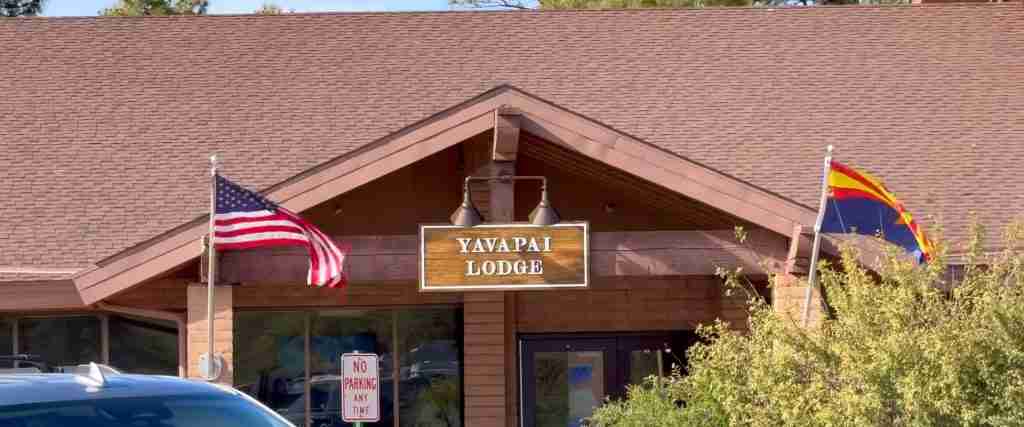
Accommodation costs vary dramatically by location, property quality, and season. Park lodges operated by Xanterra range $150-250 nightly for standard rooms during summer at properties like Bright Angel Lodge, Maswik Lodge, and Yavapai Lodge. El Tovar, the premium historic property, commands $280-450 nightly in peak season. Winter rates drop 30-40% across all park lodges—Bright Angel Lodge rooms falling to $120-180, El Tovar to $220-350. Phantom Ranch at the canyon bottom charges $62 per person for dormitory beds, $180 for four-person cabins, representing unique value given the location but requiring 15-month advance lottery booking.
Gateway town accommodation provides alternatives when park lodges fill or budgets require lower costs. Tusayan hotels one mile from the park entrance range $150-280 nightly in summer, dropping to $100-180 in winter. Williams hotels 60 miles south cost $100-200 in summer, $80-140 in winter. Flagstaff hotels 80 miles southeast span $120-250 in summer, $90-180 in winter depending on property quality. Budget chains consistently price lower than mid-range properties, with Holiday Inn Express, Hampton Inn, and similar brands offering reliable quality at moderate rates.
Camping dramatically reduces accommodation costs. Mather Campground at the South Rim costs $18 nightly for sites with picnic tables and fire rings but no hookups. Desert View Campground charges $12 nightly for more primitive sites. North Rim Campground costs $18-25 nightly during its May-October operational season. Backcountry camping permits cost $10 per person plus one-time $8 group reservation fee, allowing multi-night trips at minimal cost for those carrying complete camping gear.
Transportation Expenses
Transportation costs depend heavily on arrival method and regional travel plans. Rental cars from Phoenix cost $30-80 daily depending on vehicle class and rental company, from Flagstaff $40-90 daily, from Las Vegas $35-85 daily. Weekly rentals reduce daily rates by 20-30% compared to short-term rentals. Fuel costs for the Phoenix-Grand Canyon round trip (460 miles) run $50-70, Flagstaff-Grand Canyon round trip (160 miles) $20-30, Las Vegas-Grand Canyon round trip (550 miles) $60-85 assuming $3.50 per gallon and 25 mpg fuel economy.
Arizona Shuttle operates bus service from Flagstaff to the South Rim with one-way fares around $35-45 per person. This service works well for solo travelers avoiding rental car costs but becomes expensive for couples or groups where rental car costs spread across multiple people. The Grand Canyon Railway runs vintage trains from Williams to the South Rim with round-trip fares $75-200 per adult depending on coach class—an experience itself but limiting canyon time to approximately 3.5 hours given the train schedule.
Free park shuttle buses at the South Rim eliminate vehicle needs once inside the park. Four color-coded routes connect villages, viewpoints, and trailheads operating from one hour before sunrise through one hour after sunset. Visitors arriving by shuttle or train can experience the South Rim entirely without rental cars, though accessing remote areas like Desert View requires either personal vehicles or commercial tours.
Food and Dining Costs
Meal costs range from minimal for self-catering to substantial for restaurant dining. Market Plaza at the South Rim operates a full-service grocery store where couples prepare meals for $30-50 daily—breakfast supplies, sandwich materials for trail lunches, and dinner ingredients. Budget-conscious visitors cooking at campgrounds or in hotel rooms with basic facilities minimize dining expenses significantly.
Quick-service dining at park facilities costs $12-18 per person for breakfast, $14-20 for lunch, $16-24 for dinner. Cafeterias at Maswik Food Court and quick-service counters at Bright Angel Lodge provide efficient meals at moderate costs. Full-service restaurant dining increases expenses—breakfast $18-28 per person, lunch $20-32, dinner $32-55 at properties like Arizona Room or Bright Angel Restaurant. El Tovar Dining Room represents premium dining with dinner entrées $38-65 per person plus appetizers, drinks, and desserts pushing total costs to $80-120 per person.
Gateway town dining offers broader options at generally lower prices than park restaurants. Williams and Flagstaff host numerous restaurants spanning fast food ($8-15 per person) to casual dining ($15-30 per person) to upscale establishments ($35-60 per person). Tusayan’s limited dining selection serves primarily tourists with prices reflecting captive market dynamics—expect 20-30% premiums over Williams or Flagstaff for comparable meal quality.
Activity and Experience Costs
Free activities at the Grand Canyon rival or exceed paid experiences for most visitors. Rim walks, viewpoint visits, ranger programs, day hiking, shuttle tours, museum visits, and historic building exploration cost nothing beyond park entrance. These activities provide extraordinary experiences forming the core of most visits regardless of budget level.
Paid activities add substantially to budgets when included. Mule trips to Phantom Ranch cost approximately $800-1,000 per person for overnight experiences including accommodation and meals—a bucket list experience for many visitors. Day mule trips along the rim run $175-250 per person for 3-hour rides. Helicopter tours from Tusayan operators cost $250-450 per person depending on flight duration—30-minute flights $250-300, 45-minute flights $350-450. Colorado River rafting trips range from $1,800 for 3-day motorized expeditions to $4,500+ for 12-16 day oar-powered trips representing major investments for serious adventure seekers.
Bicycle rentals near the visitor center cost $20-40 for half-day use, providing car-free exploration along the Greenway Trail system. Guided ranger walks and evening programs remain free. Commercial guided hiking tours offered by approved outfitters cost $150-300 per person for full-day experiences including transportation and meals. Photography workshops run $200-400 per person for specialized instruction. These optional activities allow customizing experiences based on interests and budgets.
Budget Traveler Strategies ($200-300 Daily)
Budget-conscious visitors achieve outstanding Grand Canyon experiences through strategic choices that minimize costs without sacrificing experience quality.
Accommodation Optimization
Camping at Mather Campground ($18 nightly) or Desert View Campground ($12 nightly) reduces accommodation to minimal levels. These campgrounds provide picnic tables, fire rings, and access to restrooms with flush toilets. Camper Services near Mather Campground offers pay showers ($5) addressing hygiene needs. Budget travelers comfortable with tent camping save $100-250 nightly compared to hotel rates—across four nights this creates $400-1,000 savings funding other trip elements or simply reducing total costs.
Gateway town budget hotels provide alternatives for those preferring indoor accommodation. Williams offers the best value with properties like Motel 6, Super 8, and Travelodge at $80-120 nightly during summer, dropping to $60-90 in winter. The 60-mile, 75-minute drive to the park remains manageable for multi-day visits. Flagstaff budget chains cost slightly more ($90-140 summer, $70-110 winter) but offer broader dining and service options. Book directly through hotel websites where loyalty program rates sometimes undercut third-party booking platforms.
Consider alternating camping and hotel nights—camping three nights and hoteling one night across a four-night trip allows showering, climate control recovery, and device charging while maintaining substantial savings. This hybrid approach balances budget constraints with comfort needs particularly for visitors new to camping or traveling during temperature extremes.
Self-Catering and Meal Planning
Market Plaza grocery store stocks complete supplies for self-prepared meals. Couples budget $30-50 daily preparing breakfast at campgrounds or hotel rooms, packing trail lunches, and cooking simple dinners. Grocery costs include breakfast items (cereal, milk, coffee, fruit), sandwich materials (bread, deli meat, cheese, vegetables), trail snacks (nuts, dried fruit, energy bars), and dinner ingredients (pasta, sauce, pre-made salads, canned goods). Campgrounds provide fire rings for cooking though Coleman stoves offer more reliable meal preparation.
Pack coolers with ice from Market Plaza or campground stores keeping perishables fresh across multi-day trips. Supplement grocery store meals with occasional restaurant splurges—perhaps one nice dinner at Arizona Room rather than seven restaurant meals. This mixed approach maintains budget discipline while allowing memorable dining experiences. Trail lunches packed from grocery supplies cost $5-8 per person versus $14-20 for cafeteria sandwiches—across multiple days these savings accumulate substantially.
Free Activity Focus
Free activities provide the Grand Canyon’s most powerful experiences. Rim walking along the 13-mile trail system connecting viewpoints costs nothing but delivers constantly changing perspectives and intimate engagement with the landscape. Day hiking on Bright Angel Trail or South Kaibab Trail—whether descending just one mile or pushing to Indian Garden—remains free with extraordinary rewards. Ranger programs covering geology, wildlife, history, and cultural topics run multiple times daily at no cost. Watching sunrise or sunset from Mather Point, Yavapai Point, or Hopi Point creates memories rivaling any paid activity.
Free park shuttles provide transportation matching paid tour experiences. The Hermits Rest Route stops at eight viewpoints along the western rim with interpretive signs explaining geological features. Rangers stationed at viewpoints answer questions and provide context. The rim trail between shuttle stops allows hiking portions while using shuttles to cover longer distances—creating custom experiences without costs. Museum exhibits at Yavapai Geology Museum, Tusayan Ruin and Museum, and Kolb Studio educate and inspire without admission fees.
Transportation Cost Control
Solo budget travelers arriving via Arizona Shuttle from Flagstaff ($35-45 one-way) combined with exclusive park shuttle use avoid rental car costs entirely. This strategy works perfectly for South Rim-focused visits where free shuttles provide complete access. The upfront shuttle fare ($70-90 round-trip) costs less than 2-3 days of rental car plus fuel expenses.
Groups of three-four find rental car costs comparable to per-person shuttle fares while gaining flexibility for Desert View visits and gateway town excursions. Split a compact car rental ($35-50 daily) and fuel costs ($20-30 total) among four people costs less than individual shuttle fares while providing schedule independence. Calculate per-person costs honestly comparing rental car versus shuttle options based on group size and planned activities.
Sample Budget Daily Breakdown
Two budget travelers sharing costs manage $200-250 daily through strategic choices:
- Accommodation: $18-60 nightly ($9-30 per person for camping or budget gateway hotel)
- Meals: $30-50 daily total ($15-25 per person for grocery store self-catering)
- Park Entrance: $35 vehicle pass (one-time for seven days, ~$5 daily amortized)
- Fuel: $15-25 daily for local driving
- Incidentals: $20-30 daily (shower fees, ice, minor purchases)
- Activities: $0 (focusing on free ranger programs, hiking, viewpoints)
Total: $200-250 daily for two people, $100-125 per person daily
Mid-Range Traveler Planning ($500-800 Daily)
Mid-range visitors balance comfort with value, investing in quality accommodation and selective paid activities while maintaining spending awareness.
Accommodation Value Selection
Park lodges at $180-250 nightly provide optimal convenience—walking distance to viewpoints, immediate sunrise access, no daily commuting, and historic atmosphere enhancing the experience. Properties like Bright Angel Lodge, Kachina Lodge, and Yavapai Lodge offer comfortable rooms with modern amenities at prices below El Tovar’s premium rates. Book 13 months in advance when reservations open securing prime summer dates or wait for shoulder season (April-May, September-October) when availability improves and rates moderate slightly.
Quality gateway hotels at $150-220 nightly balance cost savings with comfort. Hampton Inn and Holiday Inn Express properties in Williams or Flagstaff provide reliable quality, included breakfast (saving $15-20 per person), and comfortable rooms at lower rates than park lodges. The trade-off involves daily 75-90 minute drives but many visitors find this acceptable given the $30-80 nightly savings. Calculate break-even considering fuel costs and time value—for three-four night stays, the gateway hotel savings often justify the driving.
Dining Mix Strategy
Mid-range visitors mix restaurant dining with self-prepared meals balancing convenience and cost control. Perhaps restaurant breakfast and dinner while packing trail lunches from grocery supplies. Or restaurant meals alternate days with self-catering days. This flexible approach allows enjoying the Arizona Room’s dinner ambiance ($32-55 per person) or El Tovar’s lunch with canyon views ($20-35 per person) without committing to full restaurant dining budgets.
Budget $80-120 daily per couple for mixed dining—quick-service breakfast $12-18 per person, packed lunch $5-8 per person, restaurant dinner $32-55 per person. Or full restaurant days ($60-95 per person) alternating with self-catering days ($15-25 per person) averaging similar costs while providing variety. Gateway town dining on non-park days offers good value—Williams and Flagstaff restaurants typically charge 20-30% less than park establishments for comparable quality.
Selective Activity Investment
Mid-range budgets accommodate one-two paid activities during multi-day visits. Helicopter tours ($250-450 per person) provide unique perspectives inaccessible from the ground. Mule trips offer memorable experiences for those comfortable with livestock. These investments create highlight memories justifying their costs for many visitors. However, selectivity remains important—choosing one meaningful paid experience rather than booking everything available.
Compare activity costs against time and experience value. A $350 helicopter tour lasting 45 minutes costs $467 per hour of experience. A $1,000 mule trip to Phantom Ranch lasting 2 days costs $21 per hour of experience. Free day hiking costs $0 per hour but requires physical fitness and provides different rewards than paid activities. Evaluate which experiences align with your interests and physical capabilities rather than pursuing activities because they exist.
Sample Mid-Range Daily Breakdown
Two mid-range travelers manage $500-800 daily:
- Accommodation: $180-250 nightly ($90-125 per person for park lodge or quality gateway hotel)
- Meals: $80-120 daily total ($40-60 per person mixing restaurant and self-prepared)
- Park Entrance: $35 vehicle pass (one-time, ~$5 daily amortized)
- Transportation: $50-80 daily (rental car $40-60, fuel $10-20)
- Activities: $50-100 daily amortized (one $350 helicopter tour over 4-day trip = $87.50 daily)
- Incidentals: $40-60 daily (souvenirs, snacks, miscellaneous)
Total: $500-800 daily for two people, $250-400 per person daily
Luxury Experience Planning ($1,000+ Daily)
Luxury Grand Canyon experiences prioritize quality, convenience, and memorable activities over cost optimization.
Premium Accommodation
El Tovar rooms at $280-450 nightly provide historic elegance, premium rim locations, and fine dining access. The lodge’s rustic luxury combines early 20th-century national park architecture with modern amenities. Suites offer exceptional space and private terraces. Book 13 months in advance for summer dates as El Tovar fills faster than other park properties. Alternatively, luxury travelers book multiple-night stays at quality Flagstaff hotels like Little America or Hilton Garden Inn ($180-280 nightly) accepting the daily drive for broader luxury amenities unavailable in park lodges.
Phantom Ranch overnight experiences booked through mule trips ($800-1,000 per person) provide ultimate luxury-adventure combinations. The package includes mule transportation to the canyon bottom, dormitory or cabin accommodation, and meals at North America’s most remote lodge accessible only by foot, mule, or river. This experience requires year-plus advance planning and substantial investment but creates once-in-lifetime memories.
Fine Dining Emphasis
El Tovar Dining Room dinners ($80-120 per person with appetizers, entrées, drinks, and desserts) combine excellent cuisine with canyon views. Reservations required—book simultaneously with lodging. The Arizona Room at Bright Angel Lodge ($40-70 per person for dinner) offers quality dining at slightly lower costs. Luxury travelers budget $150-200 daily per couple for restaurant meals across breakfast, lunch, and dinner without cooking or meal preparation time investment.
Activity Portfolio
Luxury budgets accommodate multiple premium experiences. Combine helicopter tours ($350-450 per person), mule trips ($175-250 for day trips, $800-1,000 for overnight), guided photography workshops ($200-400), and potentially multi-day river rafting ($1,800-4,500). These activities create comprehensive experience portfolios rather than choosing single highlights. However, even luxury travelers should evaluate genuine interest—booking activities out of completeness wastes money and time better spent on truly desired experiences.
Concierge and Guided Services
Private guided tours through approved outfitters provide personalized experiences with expert interpretation. Full-day private guides cost $400-800 for small groups, including transportation and customized itineraries. This investment suits visitors wanting maximum information and minimal logistics planning. Photography guides help capture optimal images teaching techniques while leading to prime locations. These services cost substantially more than independent exploration but deliver value for those prioritizing expertise and convenience.
Sample Luxury Daily Breakdown
Two luxury travelers spend $1,000-1,500+ daily:
- Accommodation: $280-450 nightly ($140-225 per person for El Tovar or multi-lodge combination)
- Meals: $150-200 daily total ($75-100 per person for full restaurant dining)
- Park Entrance: $35 vehicle pass (~$5 daily amortized)
- Transportation: $100-150 daily (premium rental SUV $80-120, fuel $20-30)
- Activities: $300-500 daily amortized (multiple premium experiences across trip)
- Concierge/Guides: $100-200 daily (private guiding services)
- Incidentals: $80-120 daily (premium souvenirs, tips, miscellaneous)
Total: $1,000-1,500+ daily for two people, $500-750+ per person daily
Seasonal Cost Variations
Understanding seasonal pricing patterns enables strategic timing maximizing value across budget levels.
Summer Peak Pricing (June-August)
Summer represents the most expensive visitation period. Park lodges charge premium rates—Bright Angel Lodge $220-250 nightly, El Tovar $380-450 nightly. Gateway hotels similarly peak—Tusayan $220-280 nightly, Williams $160-200 nightly, Flagstaff $180-250 nightly. These rates reflect maximum demand as families with school-age children concentrate visits during summer vacation. Accommodation costs exceed shoulder season rates by 30-40% and winter rates by 50-70%.
Activity pricing remains relatively constant year-round but summer booking windows compress dramatically. Mule trips and helicopter tours sell out weeks ahead requiring advance planning and limiting last-minute flexibility. River rafting expeditions book 12-18 months ahead for prime summer dates. Restaurant reservations at El Tovar Dining Room become essential rather than recommended. Summer’s convenience and weather reliability carry significant premium pricing.
Shoulder Season Value (April-May, September-October)
Shoulder seasons balance moderate weather with reasonable pricing. Park lodges reduce rates 10-20% below summer peaks—Bright Angel Lodge $180-220 nightly, El Tovar $280-380 nightly. Gateway hotels drop more substantially—Tusayan $150-220 nightly, Williams $120-180 nightly, Flagstaff $140-220 nightly. These savings compound across multi-night stays creating meaningful cost reductions while weather remains excellent for all activities.
Availability improves dramatically outside summer crush. Last-minute bookings become feasible rather than impossible. Activity reservations remain advisable but windows extend from months ahead to weeks ahead. Restaurant reservations help but walk-in availability exists. Shoulder seasons offer optimal value-experience ratios for budget-conscious travelers who can avoid summer school vacation timing.
Winter Discount Opportunities (November-March)
Winter delivers maximum savings for visitors willing to embrace cold conditions. Park lodges discount 35-40% below summer—Bright Angel Lodge $120-180 nightly, El Tovar $220-320 nightly. Gateway hotels slash rates even more—Tusayan $100-150 nightly, Williams $80-130 nightly, Flagstaff $90-150 nightly. These dramatic reductions reflect minimal demand during cold months. A four-night winter stay costs $480-720 versus $880-1,000 in summer at park lodges—savings of $160-400 funding other trip elements or simply reducing total costs.
Winter trade-offs involve cold temperatures (20s-40s°F at rim), potential snow and ice, and limited daylight hours (7:00 AM-5:30 PM). However, solitude, dramatic snow scenes, and substantial cost savings attract hardy visitors. The inner canyon maintains mild 40-60°F temperatures making winter one of the best below-rim hiking seasons despite rim cold. Budget travelers particularly benefit from winter timing when savings maximize while free activities remain outstanding.
Money-Saving Strategies Across All Budgets
Strategic approaches reduce costs regardless of overall budget level, maximizing value across spending ranges.
Advance Booking Benefits
Early booking secures better rates and prevents last-minute premium pricing. Park lodges open reservations 13 months ahead—booking at this earliest window provides optimal selection and sometimes slightly lower rates than booking closer to travel dates. Gateway hotels offer early booking discounts 3-6 months ahead through hotel websites and booking platforms. Airlines similarly reward advance booking with lower fares. Waiting until last-minute availability forces accepting whatever remains at premium prices reflecting scarcity.
However, last-minute cancellations occasionally create opportunities. Monitor park lodge availability weekly during the month before travel—cancellations appear unpredictably as bookers’ plans change. This strategy works best for flexible travelers able to adjust quickly when availability emerges. Combine advance planning for must-have elements (specific travel dates, required accommodation) with opportunistic monitoring for upgrades or premium experiences (Phantom Ranch, El Tovar) that might become available.
Package Deal Evaluation
Evaluate package deals carefully comparing component pricing versus bundled costs. The Grand Canyon Railway offers packages combining Williams hotel accommodation with train tickets sometimes saving 15-20% versus booking separately. However, calculate honestly—two nights hotel, two train tickets, and limited canyon time may not exceed independent planning value. Some packages simply rebundle standard elements without genuine savings while restricting flexibility.
Online travel agencies occasionally offer hotel-flight packages with modest savings but research component pricing independently verifying actual discounts. Tour company packages including accommodation, transportation, and guided activities provide convenience but cost premiums over independent planning. These packages suit visitors prioritizing simplicity over savings—legitimate choice but understand the cost trade-off.
Weekday Timing Advantages
Schedule visits Tuesday-Thursday rather than Friday-Sunday for cost savings and crowd reduction. Gateway hotels charge 15-25% less weeknights versus weekend nights. Tusayan and Williams particularly price discriminate with Friday-Saturday premiums disappearing Monday-Thursday. Park lodge pricing varies less by day-of-week but weekend availability vanishes faster requiring earlier booking.
Weekday visits compound cost savings with experience improvements—20-30% fewer visitors, easier parking, comfortable shuttle buses, and less crowded viewpoints. The combination creates win-win scenarios where spending less delivers better experiences. Families with school-age children face constraints but couples and retirees with flexible schedules should strongly favor weekdays over weekends.
America the Beautiful Pass Utilization
The $80 annual pass pays for itself with three national park visits within 12 months. Visitors combining the Grand Canyon with Zion, Bryce Canyon, Arches, Canyonlands, Capitol Reef, Petrified Forest, or other Southwest parks realize immediate savings. The pass covers vehicle entry (up to four adults) at all national parks plus federal recreation sites including national monuments and national recreation areas. Calculate honestly whether your travel plans justify the pass—for Grand Canyon-only visits, the $35 vehicle pass costs less, but regional road trips benefit substantially from annual pass investment.
Complete Trip Budget Examples 2026
Realistic complete budget scenarios demonstrate how cost elements combine into total trip expenses across different approaches.
Four-Day Budget Trip
Two budget travelers, four days/three nights, focusing on South Rim:
- Accommodation: 3 nights camping Mather Campground @ $18 = $54
- Park Entrance: Private vehicle pass $35
- Meals: Self-catering $40 daily x 4 days = $160
- Transportation: Rental car from Flagstaff $45 daily x 4 days = $180
- Fuel: Flagstaff round-trip plus local driving = $35
- Activities: Free (hiking, ranger programs, viewpoints) = $0
- Incidentals: Showers, ice, minor purchases $20 daily x 4 = $80
Total: $544 for two people over four days = $68 per person daily
Five-Day Mid-Range Trip
Two mid-range travelers, five days/four nights, both rims:
- Accommodation: 2 nights Bright Angel Lodge $200 nightly = $400, 2 nights Williams hotel $140 nightly = $280
- Park Entrance: Private vehicle pass $35
- Meals: Mixed dining $90 daily x 5 days = $450
- Transportation: Rental SUV from Phoenix $65 daily x 5 days = $325
- Fuel: Phoenix round-trip plus extensive local driving = $80
- Activities: Helicopter tour for two $700 total = $700
- Incidentals: Souvenirs, snacks, miscellaneous $45 daily x 5 = $225
Total: $2,495 for two people over five days = $250 per person daily
Seven-Day Luxury Trip
Two luxury travelers, seven days/six nights, comprehensive experience:
- Accommodation: 3 nights El Tovar $400 nightly = $1,200, 3 nights Flagstaff luxury hotel $240 nightly = $720
- Park Entrance: Private vehicle pass $35
- Meals: Full restaurant dining $180 daily x 7 days = $1,260
- Transportation: Premium SUV rental $100 daily x 7 days = $700
- Fuel: Regional touring = $120
- Activities: Two helicopter tours $800, mule trips $2,000, guided photo tour $600 = $3,400
- Guide Services: Private guide two days $1,200 = $1,200
- Incidentals: Premium souvenirs, tips, miscellaneous $100 daily x 7 = $700
Total: $9,335 for two people over seven days = $667 per person daily
FAQ: Grand Canyon Budget 2026
How much money should I bring to the Grand Canyon?
Bring $200-300 daily for budget approaches, $500-800 daily for mid-range experiences, and $1,000+ daily for luxury visits. These amounts cover accommodation, meals, activities, and incidentals for two people sharing costs. Solo travelers need approximately 60-70% of couple amounts rather than half due to inability to split accommodation costs. Credit cards work throughout the park and gateway towns for most purchases, but carry $50-100 cash for tips, vending machines, and emergency backup.
Are there ATMs at the Grand Canyon?
Yes, ATMs exist at Market Plaza, Chase Bank branch in Grand Canyon Village, and several hotels including El Tovar and Bright Angel Lodge. Gateway towns have full banking services with multiple ATM locations. However, ATM fees apply for non-bank customers ($3-5 per transaction), so withdraw sufficient cash to avoid multiple fee charges. Credit cards remain preferable for most purchases given widespread acceptance and avoiding cash carrying concerns.
Can you visit the Grand Canyon for free?
No, the Grand Canyon requires entrance fees for vehicle access ($35) or individual entrance ($20 per person). However, free entrance days occur several times annually including Martin Luther King Jr. Day, first day of National Park Week, National Public Lands Day, and Veterans Day. Check nps.gov/planyourvisit/fee-free-parks.htm for specific 2026 free entrance dates. Some visitors also qualify for free entrance including active military, fourth-grade students with Every Kid Outdoors passes, and volunteers working in the park.
What costs more—South Rim or North Rim?
South and North Rim entrance fees remain identical as the $35 vehicle pass covers both rims. Accommodation costs differ minimally—North Rim Grand Canyon Lodge rates match South Rim mid-range properties like Kachina or Thunderbird Lodges. However, North Rim accessibility involves longer drives from major cities, and accommodation options outside the park remain limited compared to South Rim’s multiple gateway towns. The North Rim’s May-October operational window also limits visitation timing. Overall costs remain comparable though South Rim logistics prove simpler for most travelers.
Is food expensive at the Grand Canyon?
Grand Canyon restaurant pricing runs 20-30% above typical urban restaurant costs, reflecting remote location and captive market dynamics. Quick-service meals cost $12-24 per person, casual dining $20-40 per person, and fine dining $50-120 per person. However, Market Plaza grocery store pricing matches normal supermarket rates, allowing budget-conscious visitors to prepare meals economically. Gateway town restaurants in Williams and Flagstaff charge typical regional prices without park premiums. Food costs become expensive or reasonable depending on your dining approach—restaurant-only versus self-catering mix versus full self-preparation.
Do senior citizens get discounts at the Grand Canyon?
Yes, U.S. citizens and permanent residents age 62+ qualify for America the Beautiful Senior Pass costing $80 for lifetime access to all national parks and federal recreation sites. This pass provides exceptional value—$80 once versus $35 per park visit accumulates massive savings across lifetime park visits. The pass covers entrance for pass holder plus three adults in the same vehicle. However, the Senior Pass does not discount accommodation, meals, or commercial activities—only park entrance fees. Some tour operators and hotels offer senior discounts independently of the pass.
Can you camp for free near the Grand Canyon?
Kaibab National Forest surrounding the park allows dispersed free camping on forest service roads outside designated camping areas. These sites provide no facilities—no water, restrooms, or services—but cost nothing. Campers must be self-sufficient with complete camping gear and supplies. This option suits budget travelers comfortable with primitive camping willing to drive 30-60 minutes to park entrance. However, park campgrounds charging $12-18 nightly provide substantial convenience worth the modest fee for most visitors. Free camping works best for experienced campers seeking maximum budget optimization.
Are there payment plans for Grand Canyon trips?
Park lodges and campgrounds require full payment at booking—no payment plans exist through official park services. However, some credit cards offer 0% introductory APR periods allowing time to pay off purchases without interest. Travel booking platforms occasionally partner with payment services like Affirm or Klarna offering installment plans, though these carry interest and fees. The most effective approach involves saving ahead of travel rather than financing trips—set monthly savings targets reaching your budget by travel date avoiding interest charges.
What is the cheapest month to visit the Grand Canyon?
January and February offer the lowest accommodation rates, with park lodges discounting 35-40% and gateway hotels dropping 50-60% below summer peaks. However, these savings come with cold temperatures (20s-40s°F), snow, and limited daylight. March and November represent transition months with moderate discounts (25-35% below summer) and milder conditions. Budget travelers should compare absolute savings against weather acceptance—winter’s dramatic cost reductions justify cold conditions for hardy visitors, while shoulder seasons balance savings with comfortable weather.
Do you tip at the Grand Canyon?
Yes, standard tipping practices apply. Tip restaurant servers 15-20% of pre-tax bill, hotel housekeeping $2-5 daily, shuttle drivers $1-2 per bag for luggage assistance, mule trip guides $20-40 per person depending on trip length, and tour guides 15-20% of tour cost. These tips should be budgeted as part of activity costs—a $1,000 mule trip to Phantom Ranch includes approximately $100-150 in guide tips. Budget travelers minimizing commercial services reduce tipping obligations, while those using extensive services should account for these costs when planning.