
Granada Travel Guide 2027: Alhambra & Andalusia Planning Resource
Granada rewards careful planning and punishes impulsive booking — above all at the Alhambra, Spain’s most visited monument, where only 6,600 tickets are sold each day and slots for the Nasrid Palaces book out 60 to 90 days ahead in peak season. Beyond that single logistical reality, Granada is one of the most rewarding and affordable cities in southern Europe, combining a UNESCO World Heritage palace complex, a Moorish hill quarter, a centuries-old cave district, and a city-wide ordinance that mandates a free tapa with every drink ordered at a bar. This 2027 guide covers Alhambra ticketing strategy, daily budgets by traveler type, where to stay, how to eat cheaply and well, getting there, and the best day trips across Andalusia.
Key Takeaways
- Alhambra General admission cost €21 per adult in 2026 (approximately €22 when booked online); verify 2027 rates at the official Patronato website and book 60–90 days ahead for April through September — Nasrid Palaces time slots sell out weeks in advance.
- Budget travelers spend approximately €50–80 per person daily (two sharing a budget hotel), held down significantly by Granada’s city ordinance requiring a free tapa with every drink at local bars — the cheapest way to dine well in any major Spanish city.
- Mid-range visitors spend approximately €115–190 per person daily (two sharing a mid-range hotel); luxury travelers should budget €230–415 per person daily.
- The Albaicín, Granada’s UNESCO-listed Moorish quarter, and the Sacromonte cave district are best explored on foot at no cost — including the San Nicolás Viewpoint, which frames the most photographed Alhambra panorama in existence.
- Spring (March–May) and fall (September–October) offer the best balance of mild weather, manageable crowds, and mid-range pricing; July and August bring 35–40°C heat and peak-season hotel surcharges.
- Granada connects to Málaga Airport by direct bus in approximately 1.5–2 hours (€11–15); to Seville in 2.5–3 hours by bus (€12–20); and to Madrid by AVE high-speed train in approximately 3.5 hours.
People Also Ask About Granada 2027
How much does a trip to Granada cost per day in 2027?
Daily costs in Granada in 2027 depend heavily on accommodation choice. Budget travelers sharing a hostel or inexpensive hotel spend approximately €50–80 per person daily — an unusually low figure for a major tourist city, made possible by Granada’s mandatory free-tapa culture, which effectively subsidizes evening meals. Mid-range visitors sharing a mid-range hotel spend approximately €115–190 per person daily, covering a comfortable hotel, sit-down restaurant meals, and the Alhambra entry averaged across a multi-day stay. Luxury travelers in premium hotels or the Parador de Granada should budget €230–415 per person daily. These figures include accommodation (divided between two sharers), all meals, local transport, and attractions averaged across a typical three-to-four-day visit. Accommodation is the main variable: the cost of an Alhambra ticket (approximately €22 online) is the same regardless of your budget tier, but a hostel bed costs €15–20 while a luxury room costs €180–300.
How much do Alhambra tickets cost in 2027?
In 2026, the Alhambra General ticket — covering the Nasrid Palaces (timed entry), Alcazaba, Partal, and Generalife — cost €21 per adult when purchased at the ticket office, or approximately €22 when booked online, with the booking fee included. The 2027 prices were not confirmed at the time of writing; verify current rates at the official Patronato de la Alhambra website (alhambra-patronato.es) before booking. Specialist tickets available in 2026 included the Dobla de Oro General (approximately €30, adding six Albaicín monuments) and the Night Visit to the Nasrid Palaces (approximately €13, Tuesday through Saturday evenings). Children aged 12 and under entered free; check the official website for current age and eligibility rules. Guided group tours through third-party operators bundled the entry with a professional guide for approximately €49–75 per person — useful if General tickets are sold out.
When is the best time to visit Granada in 2027?
March through May and September through October are the best months for most visitors. Spring delivers mild temperatures (15–25°C), the Generalife gardens in bloom, and the most comfortable conditions for exploring the Albaicín on foot. Fall brings similar weather after the summer heat breaks, with lower hotel prices and noticeably thinner crowds from mid-September onward. July and August are intensely hot (35–40°C), hotel prices peak, and the Alhambra is at its busiest — morning entry slots for the Nasrid Palaces, ideally before 10am, are essential in these months. Easter week (Semana Santa) transforms Granada with elaborate religious processions but pushes hotel prices to their highest of the year and requires Alhambra bookings made three or more months in advance. Winter (November through February) is the cheapest and quietest time, with occasional rain, mild temperatures, and same-week Alhambra availability likely outside of peak days.
How many days do you need in Granada in 2027?
Three to four days is the standard recommendation for a first visit and covers the Alhambra thoroughly, the Albaicín and Sacromonte on foot, the Royal Chapel and Granada Cathedral, an evening of flamenco, and enough tapas-bar evenings to appreciate Granada’s distinctive food culture. Two days is workable but rushed — the Alhambra alone comfortably fills four to six hours, leaving limited time for the rest of the city. Four days allows a day trip to Córdoba, the Sierra Nevada, or the Alpujarras villages without cutting any city sightseeing short. Five days is ideal if combining Granada with the Alpujarras or if visiting during the ski season (December through April), when a Sierra Nevada day trip is a natural addition. Travelers combining Granada with Seville, Córdoba, and Málaga typically allocate three full days to Granada as the most complex and time-demanding destination in the Andalusian circuit.
Extended multi-day tours – 5+ days
Featured Granada Spain Multi-Day Tour Packages

3 days
Granada Spain 3-Day Discovery Tour
- ✓ Comprehensive Granada Spain experience
- ✓ Expert local guides included
- ✓ All accommodation included
- ✓ Transportation provided
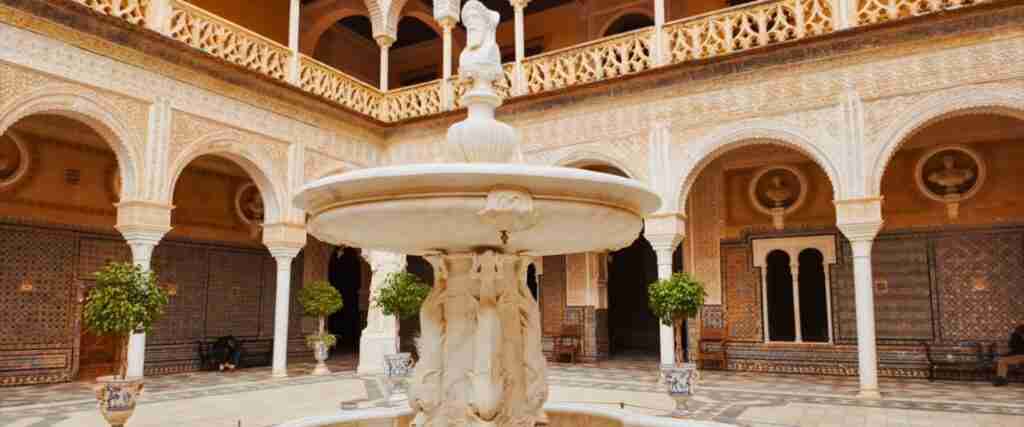
5 days
Granada Spain 5-Day Highlights Experience
- ✓ Comprehensive Granada Spain experience
- ✓ Expert local guides included
- ✓ All accommodation included
- ✓ Transportation provided
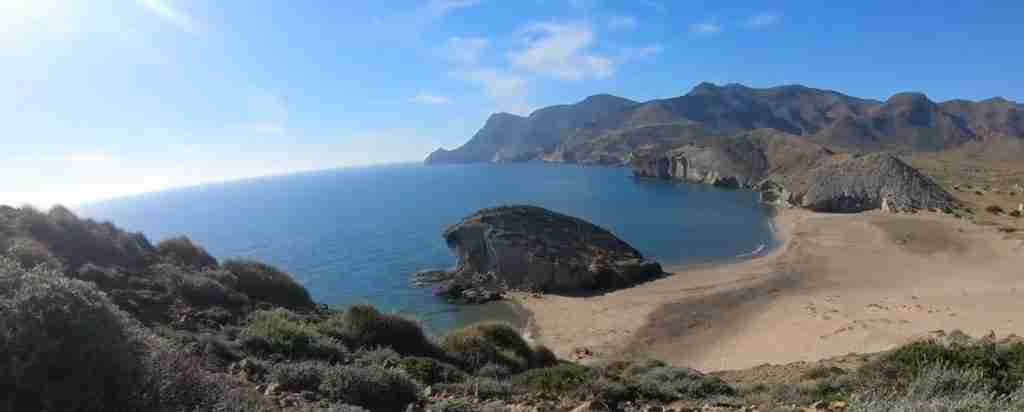
7 days
Granada Spain 7-Day Cultural Journey
- ✓ Comprehensive Granada Spain experience
- ✓ Expert local guides included
- ✓ All accommodation included
- ✓ Transportation provided
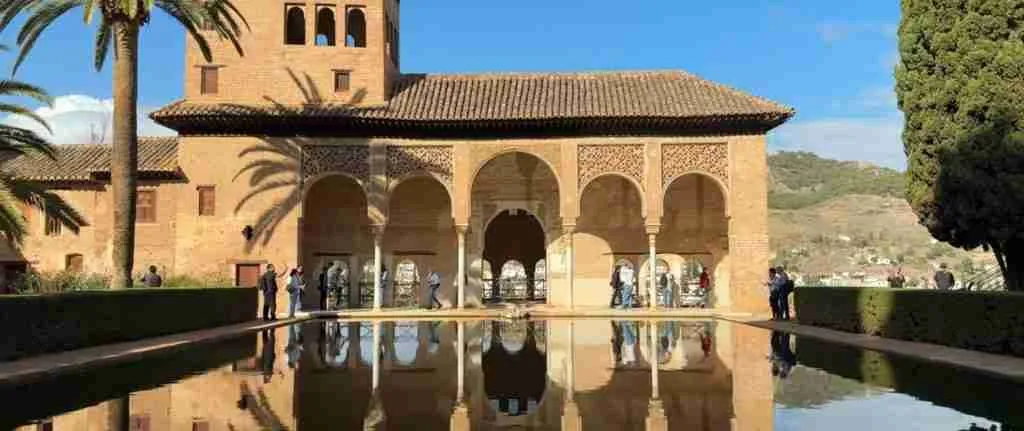
10 days
Granada Spain 10-Day Complete Adventure
- ✓ Comprehensive Granada Spain experience
- ✓ Expert local guides included
- ✓ All accommodation included
- ✓ Transportation provided
Multi-day tour packages powered by TourRadar. Prices and availability subject to change.
Introduction: Granada in Its Andalusian Context
Granada sits at the foot of the Sierra Nevada, at an elevation of approximately 685 meters above sea level, in the broad fertile plain the Spanish call the Vega. The city’s origins are ancient — settlement on the hill that would become the Alhambra dates at least to the 11th century — but its defining period was the Nasrid dynasty (1230–1492), which ruled Granada as the last independent Moorish kingdom on the Iberian Peninsula. The Nasrids built the Alhambra palace complex in its current form over the 13th and 14th centuries, creating in the process one of the supreme achievements of world architecture. When Ferdinand and Isabella completed the Reconquista in 1492 with the surrender of Granada, the city became simultaneously the last Muslim kingdom to fall and the symbolic launch point for the Spanish colonization of the Americas — Columbus received royal backing for his first voyage at the court in Granada in that same year.
This layered history left Granada with an unusually complex urban fabric. The Albaicín quarter, which occupied the hill across the gorge of the River Darro from the Alhambra, preserves more of its Moorish-era street plan than almost any comparable neighborhood in Spain. The Sacromonte, east of the Albaicín, developed as a residential cave district for the city’s Romani population and remains inhabited and culturally active today. The historic center below these hills holds the Royal Chapel (Capilla Real) — burial place of the Catholic Monarchs Ferdinand and Isabella — the 16th-century Granada Cathedral built over the site of the main mosque, and a dense grid of streets still rich in 16th- and 17th-century architecture.
The Alhambra, Generalife, and Albaicín were inscribed as a UNESCO World Heritage Site in 1984, with the Albaicín quarter added in a 1994 extension. The inscription recognizes the Alhambra as an exceptional example of the Nasrid art of palatial architecture and the Albaicín as an outstanding example of a Moorish urban ensemble that has survived intact into the present. This combination — a UNESCO palace complex, a living historic neighborhood, a functioning cave community, and one of the most developed free-food cultures in Spain — makes Granada a rare synthesis of world-class heritage and authentic everyday city life.
Alhambra Planning and Tickets in 2027
The Alhambra is the focal point of nearly every visit to Granada and the primary logistical challenge of planning any trip here. Booking the right ticket at the right time — before you book your hotel, before you buy your train ticket — is the single most important planning step for a 2027 visit.
Ticket Types and Prices
All ticket purchases and official information for the Alhambra are handled through the Patronato de la Alhambra y Generalife at alhambra-patronato.es. In 2026, the following ticket types were available; verify 2027 rates directly at the official website before purchasing, as prices are subject to annual revision.
- Alhambra General (recommended for most visitors): approximately €21 per adult in 2026 (approximately €22 when booked online). Includes timed entry to the Nasrid Palaces, daytime access to the Alcazaba, Partal, and Generalife. This is the most complete self-guided ticket and what most travelers should purchase.
- Dobla de Oro General: approximately €30 per adult. Includes everything in the General ticket plus six additional monuments in the Albaicín neighborhood, including the Arab Baths and the Corral del Carbón. Good value if planning to visit these Albaicín monuments on the same trip.
- Night Visit to the Nasrid Palaces: approximately €13 per adult. A separate evening ticket, operated Tuesday through Saturday, that provides access to the Nasrid Palaces only (not the Alcazaba or Generalife) at night. Magical atmosphere; substantially cheaper than the General ticket. Requires a separate booking from the daytime general admission.
- Alhambra Experiences: approximately €22 per adult. A two-visit combination — daytime access to the Alcazaba and Generalife on one day, plus a nighttime visit to the Nasrid Palaces on a consecutive day. Useful for visitors who want to experience both atmospheres.
- Guided tours (third-party operators): approximately €49–75 per person. These bundle the admission with a professional guide. The principal advantage is guaranteed entry — when General tickets are sold out, guided tour slots may still be available. Book through established operators (GetYourGuide, Tiqets, Viator) rather than street touts.
Children aged 12 and under enter free with an accompanying adult. EU citizens with documented disability or specific nationality/age exemptions may qualify for reduced rates; check the official website for current eligibility. An audio guide (approximately €4–7 depending on format) is available separately at the complex and is strongly recommended for self-guided visits — the historical context dramatically enriches the experience.
Booking Strategy for 2027
Only approximately 6,600 total tickets are sold for the Alhambra complex each day, with access to the Nasrid Palaces restricted to timed groups of approximately 300 visitors per 30-minute window. This creates the most challenging booking situation of any monument in Spain.
When you purchase the General ticket, you choose a specific half-hour entry window for the Nasrid Palaces. This is your absolute entry time — arriving late typically means being turned away, as the entry windows are enforced. The rest of the complex (Alcazaba, Generalife, Partal) can be visited in any order before or after your Nasrid Palaces slot, but the time slot itself is fixed.
- April through June (peak season): book 60–90 days ahead. Some spring dates sell out within hours of becoming available.
- July and August (peak season): book as early as possible — some summer dates sell out 90+ days in advance. Early morning Nasrid Palaces slots (8am–10am) are the most coveted and the most comfortable in the heat.
- September and October (shoulder season): 3–4 weeks ahead is usually sufficient, though the earlier the better.
- November through February (off-season): 1–2 weeks ahead usually adequate; last-minute availability is sometimes possible outside of holiday periods.
- Easter week (Semana Santa): book 3 or more months ahead — this is the single busiest week of the year, and tickets sell out at their earliest possible release date.
If General tickets are sold out when you search, check back regularly — cancellations are released and can be snapped up. Alternatively, the Night Visit ticket (approximately €13) is often available when General tickets are not. Third-party guided tour slots may also still be available when the Patronato website shows no individual tickets.
Practical Visitor Tips for 2027
Plan to spend four to six hours at the Alhambra to see all open sections comfortably. Arrive at least 20 minutes before your Nasrid Palaces entry time — the main entrance and ticketing area can be a 10–15 minute walk from the bus stop. Wear comfortable walking shoes; the complex covers considerable ground across uneven stone surfaces. In summer, bring water, sun protection, and a hat — shade inside the complex is limited in the outer areas, though the Nasrid Palaces interiors are cool. Photography without flash is permitted throughout; tripods are generally not allowed inside the Nasrid Palaces. The Alhambra gift shop, located near the Palace of Charles V, stocks quality art books, ceramic reproductions, and design items.
Inside the Alhambra Complex: What to See in 2027
The Alhambra is not a single building but an entire city-fortress occupying a long, flat hilltop above Granada. Understanding its five main zones helps plan the visit efficiently.
Nasrid Palaces: The heart of the complex and the reason most visitors come. Three interconnected royal palace buildings constructed primarily in the 13th and 14th centuries. The Mexuar was the administrative court; the Comares Palace houses the throne room (Sala de los Embajadores) within the Comares Tower, the tallest structure in the complex; the Lions Palace contains the celebrated Lion Courtyard (Patio de los Leones), with its famous fountain of 12 marble lions — the Lions Palace was constructed in the second half of the 14th century and the exact provenance of the lion sculptures is a matter of ongoing scholarly discussion — and the exquisite domed Hall of the Abencerrajes and Hall of the Two Sisters. The craftsmanship throughout — carved stucco, geometric tile dados, muqarnas ceilings — represents the apex of Nasrid art. Timed entry is strictly enforced; the passageway through all three palaces takes 45–90 minutes depending on pace.
Alcazaba: The oldest section of the complex, a military fortress whose origins predate the Nasrid period, with current walls from the 13th century. The Torre de la Vela (Watch Tower) is climbable and offers the best panoramic view of Granada, the Albaicín, and the Sierra Nevada. The Alcazaba requires no separate timed entry; visit before or after the Nasrid Palaces slot.
Generalife: The royal summer residence and gardens, set slightly apart from the main palace complex on an adjacent hillside. Famous for its water gardens — channels, fountains, and pools — and its manicured cypress hedges. The garden terraces offer framed views of the Nasrid Palaces across the ravine. The Generalife is particularly beautiful in spring when the rose gardens bloom.
Partal: The oldest surviving royal palace on the Alhambra hill (early 14th century), smaller and less visited than the Nasrid Palaces but architecturally significant. The reflective pool before the portico is one of the most serene spots in the complex. The path through the Partal and its terraced gardens connects the Nasrid Palaces area to the Generalife.
Palace of Charles V: A large Renaissance palace (construction began 1527) commissioned by the Holy Roman Emperor Charles V within the Alhambra precinct. Architecturally it represents a deliberate stylistic rupture from its Nasrid neighbors — it is unfinished (it lacks a roof over its central circular courtyard) and has never been lived in. The lower floor now houses the Alhambra Museum (archaeology and art of the Nasrid period), included with the General ticket. The Fine Arts Museum on the upper floor has a separate entry charge. The palace’s circular interior courtyard is one of the finest Renaissance spaces in Spain.
The Royal Chapel and Granada Cathedral in 2027
Two of Granada’s most important Christian monuments stand side by side in the historic center, a short walk from Plaza Bib-Rambla.
The Royal Chapel (Capilla Real) was commissioned by Ferdinand and Isabella as their mausoleum in 1504 and completed in 1521, after Isabella’s death. It is the finest example of the Isabelline Gothic style — the late Spanish Gothic named for the queen — in Andalusia. The principal draw is the burial chamber: the marble effigies of Ferdinand, Isabella, their daughter Juana I (Juana la Loca), and her husband Philip I lie atop ornate white marble tombs, while the actual lead coffins rest in a crypt below. The wrought-iron screen (reja) dividing the nave from the chancel is one of the finest examples of Spanish Renaissance metalwork, attributed in the 16th-century record to Bartolomé de Jaén. The sacristy displays a small but significant collection of works from the royal collection, including paintings by Flemish and Italian masters. Entry: approximately €5 per adult; check current rates at the official website.
Granada Cathedral, immediately to the north, was begun in 1523 on the site of the city’s principal mosque, itself built on the main mosque of the Moorish city. It is widely regarded as the first Renaissance cathedral constructed in Spain, though the building’s long construction history (the main body was not completed until the late 17th century) means it combines Renaissance, Baroque, and late Gothic elements. The interior is unusually light for a Spanish cathedral, with towering white pilasters and large glazed windows that were innovative for their period. Entry: approximately €5 per adult. Visiting both on the same morning takes approximately 1.5 hours combined and costs approximately €10 total, representing excellent value for two of Granada’s most important heritage sites.
Albaicín and Sacromonte in 2027
The Albaicín Quarter
The Albaicín (also written Albayzín) covers the hill immediately to the north of the River Darro, directly facing the Alhambra. It is the most intact surviving example of a Moorish urban neighborhood in Spain and was added to the Alhambra’s UNESCO World Heritage inscription in 1994 precisely for this reason. The street plan dates primarily to the 10th–15th centuries: narrow, twisting cobblestone lanes that were designed for pedestrians and pack animals, climbing steeply between whitewashed walls of traditional houses with walled garden courtyards (carmenes). The neighborhood survived the Reconquista more or less intact because Christian settlers found the steep lanes inconvenient and largely left the existing fabric in place.
The Albaicín is best explored without a fixed plan, following lanes upward from the River Darro. The walk from Plaza Nueva along the Carrera del Darro — the street running beside the river with views up to the Alhambra — is one of the finest short walks in Andalusia. As the lane climbs, it passes the Arab Baths (a well-preserved 11th-century public bath complex visible through a gate), several small plazas with tapas bars, and eventually reaches the upper Albaicín.
The San Nicolás Viewpoint (Mirador de San Nicolás), perched on the upper ridge of the Albaicín, offers the most iconic view in Granada: the full Alhambra palace complex framed against the snow-capped Sierra Nevada in winter and spring. The viewpoint is at its most spectacular at sunset (when the stones glow amber) and at dawn (when the light is softer and the crowds negligible). Street musicians are a consistent presence at sunset. Entry is free; the plaza is open 24 hours. From the Plaza de San Nicolás, the lane continues to the smaller but less crowded San Cristóbal Viewpoint, which offers a different angle on the city below.
Allow two to three hours for a thorough exploration of the Albaicín on foot. Wear shoes with grip — the cobblestones are smooth and steep in places and become treacherous when wet. City bus C1 makes a circular route through the upper Albaicín streets (single fare approximately €1.40), which is useful for reaching the upper quarter without the climb or for returning to the center after a downhill walk.
Sacromonte: Cave Houses and Flamenco
Sacromonte occupies the hill east of the Albaicín, above the River Darro. It is best known internationally for two things: its inhabited cave houses (cuevas) and its flamenco tradition. The cave houses — excavated into the soft tufa hillside — have been a residential neighborhood since at least the 15th century and are associated historically with Granada’s Romani community. Many cave houses are still lived in today; the area is a functioning residential neighborhood with cave bars, workshops, and small guesthouses interspersed with tourist-oriented flamenco venues.
The Sacromonte Museum (Museo Cuevas del Sacromonte) occupies a cluster of traditional cave houses preserved as a cultural and ethnographic site. It documents the history and daily life of the cave-dwelling community — domestic tools, workshops, and domestic interiors restored to their 20th-century appearance. Entry: approximately €5–7 per adult (check current rates); the site also offers panoramic views over the Alhambra from its terraces.
Sacromonte Abbey (Abadía del Sacromonte), perched at the top of the hill, was founded in the early 17th century following the discovery of supposed early Christian relics (the authenticity of which was disputed by Rome). The abbey complex includes a church, a museum, and extensive terraced views. Entry to the abbey museum: approximately €5. The walk from the lower Sacromonte to the abbey takes approximately 20–30 minutes uphill.
Free Attractions and Hidden Sights in Granada 2027
Granada rewards visitors who explore beyond the ticketed monuments. Several of the city’s most atmospheric places cost nothing to enter.
Corral del Carbón: A 14th-century caravanserai (merchant inn) in the historic center — the only surviving example in Spain. The courtyard with its Moorish horseshoe-arched portal is open to the public free of charge. It now houses a cultural center and craft market. Located a short walk from Granada Cathedral.
The Paseo de los Tristes (Paseo del Padre Manjón): The riverside walkway along the Carrera del Darro, between Plaza Nueva and the foot of the Albaicín, with the Alhambra palace towers visible directly above. The most scenic urban stroll in Granada, free, and dotted with outdoor terrace bars. Best visited in the golden hour before sunset.
Alcaicería: The former silk market (zoco) of Moorish Granada, now a narrow-alley crafts market selling ceramics, leather, marquetry, and textiles between the Cathedral and Plaza Bib-Rambla. Entry is free; purchasing is optional. The alleys preserve the original medieval layout, though the buildings are largely 19th-century reconstructions.
Plaza Bib-Rambla: Granada’s main square, lined with flower stalls, outdoor cafés, and the façade of the Cathedral. A pleasant place to have coffee and watch city life. Free.
Cartuja Monastery (Monasterio de la Cartuja): A Carthusian monastery on the northern edge of the old city, with an extravagantly decorated 18th-century sacristy — one of the most extreme examples of the Churrigueresque baroque style in Spain, with every surface covered in elaborately carved marble and stucco. Entry: approximately €5; often overlooked by visitors focused on the historic center and Alhambra. Worth 45 minutes if baroque excess interests you.
Moroccan teahouses (teterías) on Calderería Nueva: The short street connecting Calle Elvira to the lower Albaicín is lined with Moroccan-style teahouses (teterías) offering mint tea, pastry trays, hookahs, and North African sweets in elaborately decorated interiors. A pot of tea with pastries costs approximately €5–8 per person. These teterías are a tangible reminder of Granada’s cultural proximity to Morocco (the Strait of Gibraltar is approximately 200 km to the southwest) and provide a distinctive midday rest stop after climbing the Albaicín.
Where to Stay in Granada in 2027
By Neighborhood
City center (Centro Comercial/Sagrario): The most practical base for most visitors. Within walking distance of the Cathedral, Royal Chapel, tapas bar districts, and the bus stops for the Alhambra. The widest range of hotel categories, from budget options to 4-star business hotels. Expect city-center noise, particularly on Friday and Saturday evenings in the areas near tapas bar clusters. Mid-range hotels here run approximately €90–140 per room per night; budget options from €45–65.
Realejo (Jewish Quarter): South of the city center, this quieter historic quarter has a more local feel, with fewer tourist-trap restaurants and some of the better neighborhood tapas bars. A pleasant 20–25 minute walk uphill to the Alhambra, or a short bus ride. Boutique guesthouses and apartments: approximately €70–120 per room.
Albaicín: The most atmospheric neighborhood to stay in, with some properties offering terraces with direct Alhambra views. The logistical challenges are real: the streets are not accessible by car, wheeled luggage on cobblestones is difficult, and taxis can only reach the lower fringe. Traditional guesthouses and apartments: approximately €60–110 per room. Recommended for travelers staying three or more nights who can organize transport for luggage on arrival.
Alhambra Hill: A handful of properties sit on or near the Alhambra hill itself, giving immediate access to the monument. The Parador de Granada — housed in a former convent within the Alhambra walls — is Spain’s most celebrated parador and one of its most difficult bookings; in 2026 rates ranged from approximately €250–400 per room, with availability up to 12 months ahead required for peak dates. Several smaller boutique hotels on the hill: approximately €120–220 per room.
Near the train and bus stations: Budget accommodation concentrates around the Avenida de la Constitución and near the main stations. Rates from approximately €40–65 per room; practical for arrivals and departures, less so for exploring, as the stations are a €7–10 taxi ride or 20-minute bus journey from the historic center.
Accommodation Cost Ranges in Granada 2027
- Hostel dormitory: approximately €15–25 per bed per night
- Budget hotel (2-star, city center or near stations): approximately €45–70 per room per night
- Mid-range hotel (3-star, city center): approximately €90–140 per room per night
- Boutique hotel or 4-star (Realejo, Albaicín, city center): approximately €140–220 per room per night
- Luxury hotel or Parador (5-star, Alhambra hill): approximately €220–400+ per room per night
Check current rates on booking platforms (Booking.com, Expedia) and directly at hotel websites, as these ranges reflect mid-season pricing and fluctuate significantly with demand. Easter week and August push all categories to their highest rates of the year; January and February are the lowest.
Food and Dining in Granada in 2027
The Free Tapas System
Granada operates the most generous free-tapa culture in Spain. By city ordinance — formalized as Ordinance 3/2026 — any establishment charging €2.20 or more for a drink must include a complimentary tapa. In practice this means that in virtually every bar and taverna in the city, ordering a beer, glass of wine, or soft drink brings a small plate of food automatically. The tapa might be a few olives and bread, a portion of tortilla, a plate of fried fish, a small portion of stew, or a mini-sandwich depending on the bar’s specialty.
The practical implications for travelers are significant. An evening of tapas hopping — moving between two or three bars, ordering two or three drinks at each — produces a substantial dinner for approximately €8–15 per person, including the food. Many locals treat this as their standard evening meal. The quality of tapas varies: bars near major tourist attractions (particularly around Alhambra ticket areas) sometimes offer token tapas, while neighborhood bars away from tourist zones compete on quality and generosity to keep local regulars. The rule of thumb is to stand at the bar (tapas etiquette is bar-focused) and move to a new bar when your glass is empty.
Key areas for tapas in 2027: Calle Navas and Plaza del Campillo (tourist-friendly, high density); Campo del Príncipe (quieter, slightly more local); Plaza de la Trinidad (university area, cheapest prices, youngest crowd); and the side streets of the Realejo (the most local experience, least tourist-adapted).
Dining Options by Budget in 2027
Breakfast (desayuno): The Spanish breakfast — a café con leche and a tostada (toasted bread with olive oil and tomato, or butter and jam) — costs approximately €3–5 at any local café. Hotel buffet breakfasts add approximately €6–14 per person depending on category and are usually lower value than eating at a street café.
Lunch (comida): The most cost-effective sit-down meal in Spain. The menú del día (set lunch menu) is available at most Granada restaurants between 1pm and 4pm and typically includes a first course, main course, dessert or coffee, and a glass of house wine or water for approximately €10–15. This represents excellent value — the same food ordered à la carte would cost €25–35. Local restaurants off the main tourist streets offer the best menú del día value.
Dinner (cena): Spanish dinner starts late — most locals eat between 9pm and 11pm. A tapas bar circuit (€8–15 per person as above) is the budget option. A sit-down restaurant dinner with wine costs approximately €20–45 per person; fine dining in Granada’s best restaurants runs €55–90 per person with a full wine pairing.
Granada specialties to try: habas con jamón (broad beans with cured ham), berenjenas con miel (fried eggplant with dark honey — a signature Granada tapa), remojón granadino (orange and salt-cod salad, particularly in spring), chuletillas de choto (baby goat chops), piononos (small pastries from nearby Santa Fe), and churros con chocolate at a traditional churrería (approximately €4–6 per serving). The tortilla del Sacromonte is a Granada-specific omelet; traditional recipes include unusual ingredients — confirm the current recipe with your server if dietary restrictions apply.
Getting to Granada in 2027
Granada Airport (GRX), 20 km west of the city, has limited international connections — primarily to Madrid and Barcelona, with some seasonal European routes. Most international visitors arrive via Málaga or Madrid.
From Málaga Airport (AGP): The most convenient international gateway. Direct ALSA buses connect Málaga Airport to Granada bus station, with brief stops at Málaga bus station. Journey time is approximately 1.5–2 hours; ticket prices approximately €11–15 per person one way (check alsa.com for current schedule and pricing). Services operate roughly every 1–2 hours throughout the day. If your flight arrives late, note that the last bus to Granada typically departs Málaga Airport in the evening — check the current timetable before booking late flights. A taxi from Málaga to Granada costs approximately €160–180 and is rarely cost-effective except when buses have finished for the night.
By AVE (high-speed train) from Madrid: Renfe operates AVE services on the Madrid–Antequera–Granada corridor, with the journey taking approximately 3h 20m–4h depending on the service. Four services run in each direction daily. Flexible tourist-class fares typically range from approximately €60–80 one way; promotional “mesa” and “promo” seats are available from approximately €35–45 when booked well in advance (check renfe.com for current availability). Book on the Renfe website or app. The Granada train station is centrally located, a short taxi ride or a 20-minute walk from the historic center.
By bus from major Spanish cities: ALSA operates the principal intercity bus network. Journey times and approximate 2026 fares (verify current prices at alsa.com): from Seville approximately 2.5–3 hours at approximately €12–20; from Córdoba approximately 2.5 hours at approximately €12–18; from Madrid (Estación Sur) approximately 5 hours at approximately €15–35 (premium services at higher prices). Bus is the standard transport option between Granada and other Andalusian cities when the AVE is not available or practical. The Granada bus station is on the northwest edge of the historic area, served by local buses to the center.
By car: Granada is well-connected by motorway — the A-44 from Málaga and Jaén, the A-92 from Seville and Almería. Driving into the historic center requires care: large sections of the Albaicín are pedestrianized and access-restricted, and parking in the historic core is limited and expensive (approximately €12–20 per day in central garages). If staying in the Albaicín, confirm the logistics with your accommodation before arriving by car. Peripheral parking garages (Parking Triunfo, Parking Neptuno) offer more affordable rates (approximately €8–15 per day) with city bus or taxi connections to the historic center.
Getting Around Granada in 2027
The historic city is compact and largely navigable on foot. The main exception is the Alhambra hill, which requires a bus or a 30–40 minute uphill walk.
Local buses (LAC): Single fare approximately €1.40, payable on the bus. Key tourist lines: Line C3 connects Plaza Nueva (the central square at the base of the Albaicín) directly to the Alhambra complex ticket offices and runs approximately every 9–15 minutes. Line C4 serves the Alhambra from the Albaicín and Sacromonte direction. Line C1 makes a circular route through the upper Albaicín streets — essential for reaching the upper Albaicín without climbing steep cobblestone lanes. Line C2 serves Sacromonte.
On foot: Plaza Nueva to the Alhambra ticket offices takes approximately 30–40 minutes on foot via the Cuesta de Gomérez (the traditional pedestrian ascent through the wooded hillside). Enjoyable in cooler weather; demanding in summer. The walk down from the Alhambra to the city is considerably easier and recommended for the views along the descent. Plaza Nueva to the San Nicolás Viewpoint takes approximately 20–30 minutes on foot via the Carrera del Darro and the Albaicín lanes.
Taxis: Readily available throughout the city. City-center journeys: approximately €5–9. Taxi from bus or train station to the city center: approximately €7–12. The FreeNow taxi app operates in Granada. Late at night, taxis are the practical option for returning from Sacromonte flamenco venues.
Cycling: Cycle hire is available in the city center, but Granada’s historic areas are largely impractical for cycling — the Albaicín is steep and cobblestoned, and pedestrian streets make routing challenging. The newer residential areas of the city are more bikeable but less visited. Electric scooter rental services are also available.
Day Trips from Granada in 2027
Granada’s position in the heart of Andalusia and at the foot of the Sierra Nevada makes it one of the best bases in southern Spain for day trips.
Sierra Nevada (30–40 km, approximately 1 hour by local bus): Spain’s highest mountain range and its southernmost ski resort rises directly south of Granada. In winter (approximately December through April, conditions permitting), the ski resort area at Pradollano offers downhill and cross-country skiing. In summer, the upper slopes above 2,500 meters are accessible and offer high-altitude hiking with views that can extend to Morocco on clear days. Check the local Granaturismo bus service to Pradollano for current winter shuttle schedules and ski-season transport.
Córdoba (approximately 2.5 hours by bus, 1.5–2 hours by train): One of the most rewarding day trips from Granada. The Mosque-Cathedral (Mezquita), a former great mosque converted to a Christian cathedral in the 13th century, is one of the most extraordinary buildings in Europe — its forest of double-arched columns in red-and-white stone is unlike anything else in Spain. The adjacent Jewish Quarter (Judería) and the Alcázar de los Reyes Cristianos are additional highlights. Bus from Granada: approximately €12–15 one way (ALSA; verify current prices); train via Antequera junction: approximately €15–30 one way (Renfe). Entry to the Mosque-Cathedral: approximately €10–13 per adult.
Las Alpujarras (40–90 km depending on village): The cluster of whitewashed mountain villages on the southern slopes of the Sierra Nevada are among the most distinctive in Andalusia — their architecture, with flat roofs and cylindrical chimneys, reflects the Moorish settlement that populated these villages after the Reconquista. Pampaneira, Bubión, and Capileira are the three most visited villages, clustered in the Poqueira Gorge and accessible by bus from Granada (check ALSA timetables for current services). The villages are excellent bases for walking between them on the Ruta de los Tres Pueblos trail. A rental car gives considerably more flexibility.
Guadix (57 km, approximately 45–60 minutes by bus): A small city with an extraordinary barrio troglodita — a district of approximately 2,000–3,000 residents who still live in cave houses excavated into the surrounding hillsides. The contrast between the cave district and the city’s 15th-century cathedral and Moorish fortress makes Guadix a compact but genuinely surprising half-day excursion. Bus from Granada: approximately €4–8 one way (check ALSA for current schedules).
Costa Tropical — Almuñécar (approximately 75 km, 1 hour by bus): Granada province has its own Mediterranean coastline, the Costa Tropical, closer and less developed than the Costa del Sol. The main town Almuñécar has shingle-and-sand beaches, clear warm water in summer, and a small Phoenician-Roman archaeological site. Bus from Granada to Almuñécar: approximately 1 hour at approximately €6–9 one way. Good for a summer beach day without the development of Málaga’s coast.
Seville (2.5–3 hours by bus): Possible as a very long day trip but far better as an overnight stay or separate destination. By ALSA bus: approximately €12–20 one way, with services several times daily. Seville’s main attractions — the Cathedral and Giralda tower, the Royal Alcázar palace complex, and the Barrio de Santa Cruz — merit a full day at minimum. If day-tripping, take the earliest bus and return on the last evening service.
Granada Budget Breakdown by Traveler Type in 2027
The following daily estimates are per person, per day, with two people sharing accommodation. Hotel costs are divided by two before being added to individual expenses. All figures reflect mid-season rates; expect 20–30% more in July, August, and Easter week, and 20–30% less in November through February.
Budget travelers (hostel dorm or budget hotel):
- Accommodation: €20–30 per person (budget hotel room €40–60 ÷ 2, or hostel dorm bed €15–25)
- Breakfast: €3–6 (café tostada and coffee)
- Lunch: €8–13 (menú del día or tapas bar)
- Dinner: €6–10 (tapas bar tour, 2–3 drinks with free tapas)
- Local transport: €3–5 (2–3 bus journeys)
- Attractions: €7–12 (averaged across the stay, including the Alhambra General ticket)
Total: approximately €50–80 per person daily (two sharing budget accommodation). The free-tapa culture is the single biggest driver of Granada’s budget advantage over Seville, Barcelona, or Madrid.
Mid-range travelers (3-star hotel):
- Accommodation: €45–70 per person (mid-range room €90–140 ÷ 2)
- Breakfast: €6–12 (café or hotel breakfast)
- Lunch: €15–25 (sit-down restaurant)
- Dinner: €25–45 (restaurant with wine)
- Local transport: €8–15 (buses plus occasional taxi)
- Attractions: €15–22 (Alhambra plus additional sites, averaged)
Total: approximately €115–190 per person daily (two sharing mid-range hotel).
Luxury travelers (4–5 star hotel or Parador):
- Accommodation: €90–150 per person (luxury room €180–300 ÷ 2)
- Breakfast: €12–20
- Lunch: €30–55 (fine dining or restaurant with good wine)
- Dinner: €55–100 (Granada’s best restaurants)
- Local transport: €20–40 (taxis, private transfers)
- Attractions: €25–50 (guided Alhambra tour, night visit, additional experiences)
Total: approximately €230–415 per person daily (two sharing luxury hotel or Parador de Granada).
Typical 4-day visit cost (per person, two sharing mid-range hotel):
- Accommodation (4 nights at €90–140/room ÷ 2): €180–280
- Alhambra General ticket: €22 (online with fee)
- Royal Chapel + Granada Cathedral: approximately €10
- Córdoba day trip (bus return + Mosque-Cathedral entry): approximately €35–45
- Meals over 4 days: approximately €185–290 (mix of tapas bars and sit-down restaurants)
- Local transport over 4 days: approximately €30–55
Total: approximately €460–700 per person for a 4-day mid-range visit including one day trip to Córdoba.
Best Time to Visit Granada in 2027: Seasonal Guide
Spring (March–May) — recommended: The combination of mild temperatures (typically 15–25°C), the Generalife gardens in full bloom, and manageable crowds makes spring the most consistently satisfying time to visit. March is the quiet early-spring month — cool in the evenings, warm by day, very few tourists. April and May are the peak of spring beauty but bring more visitors, and Easter week (Semana Santa) in particular demands three-plus months of advance Alhambra booking and brings the highest hotel prices of the year. Outside of Semana Santa, April and May remain excellent.
Summer (June–August) — possible but demanding: June is warm (25–32°C) and manageable, with long days and full tourist infrastructure. July and August push temperatures to 35–40°C, making outdoor exploration genuinely uncomfortable between approximately 11am and 6pm. The Alhambra in summer requires the earliest possible morning Nasrid Palaces slot (8am is ideal; 10am is acceptable; afternoon slots are very hot in the exterior sections). Hotels reach their highest prices of the year. That said, summer evenings are magical — tapas bars are packed from 9pm onward, outdoor terraces come alive, and the city operates on a nocturnal schedule that suits the heat.
Fall (September–October) — highly recommended: September is still warm (27–32°C in early September, cooling through the month) but the summer crowds thin significantly after the first two weeks. October brings cooler, very comfortable temperatures (typically 18–25°C), the lowest hotel prices since spring, and often excellent clarity for Alhambra light and Sierra Nevada views. October is arguably the best single month to visit Granada. Alhambra tickets are easier to obtain than in summer, though 2–3 weeks of advance booking remains prudent.
Winter (November–February) — for budget travelers and ski visitors: The lowest prices of the year across hotels, restaurants, and tours. Temperatures are mild (8–16°C) with occasional rain; snow in the city is rare but possible in January. The Sierra Nevada ski season opens approximately December–January and continues through March–April (conditions depending), making winter a logical time to combine a Granada city visit with a ski day. Alhambra tickets are often available with 3–7 days of advance booking, and the monument feels completely different in winter — a quieter, more contemplative experience. Some tapas bars and guesthouses reduce hours or close for annual holidays in January; check ahead.
Money-Saving Strategies for Granada in 2027
Granada is already one of the most affordable major tourist cities in Spain, but the following strategies extend the budget further.
- Leverage the free tapas culture for dinner: three rounds of drinks across two bars costs approximately €9–15 per person and produces three or four tapas. This is a full dinner at a fraction of a restaurant cost. It is the single largest budget differentiator Granada offers over other Spanish cities.
- Eat the menú del día for lunch, not dinner: the same restaurant typically serves its best food at its best price at lunch (1–4pm). Order dinner from the menu and you pay 30–50% more for equivalent food.
- Book Alhambra directly on the official site: the Patronato de la Alhambra website charges the official price (approximately €22 with booking fee). Third-party tours add €27–50 on top for a guide. A self-guided visit with an audio guide (€4–7 at the complex) is perfectly satisfying and saves €20–45 per person.
- Use the Night Visit ticket as a second Alhambra visit: at approximately €13, this provides a completely different and arguably more atmospheric experience in the Nasrid Palaces. If you want to see the palaces at night as well as by day, buy the Night Visit separately rather than a combined package — it is the cheapest single ticket available for the Nasrid Palaces.
- Walk to the Alhambra instead of taking the bus: the Cuesta de Gomérez pedestrian route from Plaza Nueva takes 30–35 minutes and saves €1.40. More importantly, it passes the wooded Alameda de la Alhambra, one of the best-shaded walks in the city.
- Visit October rather than August: comparable weather, 20–30% lower hotel prices, significantly fewer crowds at all sites.
- Combine the Royal Chapel and Cathedral: both are adjacent and their combined entry is approximately €10. This is exceptional value for two of Granada’s most significant heritage monuments.
- Prioritize free Albaicín exploration over paid tours: a self-guided walk through the Albaicín and to the San Nicolás Viewpoint costs nothing and is the most memorable experience in Granada for many visitors. Official city walking tours (approximately €10–15 per person) add context, but the neighborhood itself requires no ticket.
- Avoid the tourist restaurants directly below the Alhambra: the restaurants on Cuesta de Gomérez and near the Alhambra ticket entrance are generally overpriced and under-quality. Walk ten minutes to the city center for substantially better value.
Hidden Costs and Fees in Granada in 2027
A handful of charges that travelers frequently overlook:
- Alhambra online booking fee: the official Patronato website adds a booking fee of approximately €1.30 per ticket, bringing the listed €21 General ticket to approximately €22 online. This is unavoidable for online purchases. Budget for it rather than treating the headline price as all-in.
- Alhambra audio guide: not included in the General ticket; rented separately at the complex for approximately €4–7. The Nasrid Palaces in particular benefit greatly from audio interpretation — it is poor value to skip the audio guide to save a few euros on a €22 admission.
- Tourist tax: Andalusia does not currently levy a regional tourist tax at the time of writing. Some municipalities are considering local implementation; confirm at your accommodation at check-in whether any additional per-night charges apply.
- Historic-center parking: if arriving by car, central parking garages charge approximately €12–20 per day. Peripheral options (Parking Triunfo, off Avenida de la Constitución) offer approximately €8–15 per day.
- Restaurant service charge: Spanish restaurants rarely add a compulsory service charge. Tipping is discretionary — approximately 5–10% at sit-down restaurants is customary if the service is good. Nothing is expected at tapas bars.
- Tapas bar confusion in tourist areas: in the main tourist concentration around the Alhambra and Calle Navas, a very small number of bars charge separately for tapas without advertising this clearly. A bar displaying individual tapa prices on a menu is not offering the free-tapa system — this is legitimate but worth noting before ordering. The free-tapa bars are the norm across the city, but confirm at any unfamiliar venue.
- Flamenco transport: cave shows in Sacromonte begin late in the evening and finish close to midnight. Returning by bus (Line C2, which has limited evening frequency) may not be practical; a taxi costs approximately €5–8 one way. Factor this into the real cost of a cave flamenco evening.
Flamenco and Cultural Experiences in Granada in 2027
Granada’s connection to flamenco is distinct from Seville’s or Jerez’s. The form of flamenco most strongly associated with Granada is Zambra, developed by the Romani communities of the Sacromonte caves and characterized by its dance-focused, often improvised nature and the intimate cave performance space. It is considered one of the most traditional forms of flamenco performance and the cave setting — walls hung with copper pots, performers at close range, firelight and candles — creates an atmosphere that more formal tablaos elsewhere struggle to replicate.
Cave shows in Sacromonte: The established cave venues on Camino del Sacromonte have operated across generations. Shows typically run approximately 1–1.5 hours, beginning at 9:30pm or 10:30pm depending on the venue and season. Admission: approximately €20–35 per person (ticket only, not including drinks). Book through your hotel, directly at the venue, or through established ticket platforms rather than street touts, whose pricing is typically inflated and whose shows may be of lower quality.
City-center tablaos: Several formal tablaos operate in the city center in purpose-built venues. These present a more polished performance — professional musicians, professional lighting, and a choreographed show rather than an improvised cave session — and prices accordingly reflect the overhead: approximately €25–45 per person, sometimes including a drink. Accessible location, predictable quality, professional production. Some also offer dinner-and-show packages at €50–75 per person.
Free and community flamenco: Granada’s municipal cultural program (Patronato Municipal de Cultura) organizes periodic free flamenco and music performances in public plazas during summer, particularly in July and August. Check the Granada Culture website or ask at the main tourist information office at Plaza del Carmen for current programming.
Tickets and advance booking: For cave shows especially, advance booking during peak season (April–August) is advisable — the cave venues are small. Book 2–7 days ahead in summer; walk-ins are often possible in shoulder and low seasons.
Granada for Different Types of Travelers in 2027
Families with children: Granada works well for families, with the key caveat that the Alhambra visit requires planning around children’s endurance — four to six hours is a long walk for young children. Breaking the visit into two parts (Alcazaba and Generalife in the morning, Nasrid Palaces in the afternoon with a rest in between) helps. The Albaicín and Sacromonte are engaging for older children drawn to the idea of cave houses. The free tapas culture is family-friendly — children are welcome in virtually all tapas bars, and the free food element means children can eat alongside parents without the cost of children’s menus. The Sierra Nevada ski area is excellent for families in winter and spring.
Couples and honeymooners: Granada is frequently cited as one of the most romantic cities in Spain. The combination of the Alhambra (book a Nasrid Palaces dawn entry slot before most visitors arrive), a sunset at the San Nicolás Viewpoint, a late flamenco cave show, and a traditional carmen guesthouse in the Albaicín creates an experience unlike any other city in Europe. Splurging on one night at the Parador de Granada — within the Alhambra walls, with direct views of the Nasrid Palaces — is worth the expense if budget allows and availability can be secured.
Solo travelers: Granada is extremely safe and easy to navigate alone. The free-tapas culture makes striking up conversations with other travelers at tapas bars natural and common. Solo travelers pay full hotel rates, so hostels (with their dorm beds at €15–25 per night) provide the most economical accommodation. A solo visitor’s daily budget is approximately €70–110 per day in a hostel dorm at the budget end, up to €160–250 per day in a private mid-range hotel room.
History and architecture enthusiasts: Granada is exceptional. Beyond the Alhambra, the itinerary should include the Royal Chapel’s tombs and sacristy collection, the Cathedral’s Renaissance interior, the Corral del Carbón (the only surviving medieval caravanserai in Spain), the Cartuja Monastery’s baroque sacristy, and the Arab Baths near the Carrera del Darro. The Alhambra Museum within the Palace of Charles V adds depth to the Nasrid period. A full architecture and history visit comfortably fills five days.
Frequently Asked Questions About Granada 2027
Is it necessary to book Alhambra tickets in advance for 2027?
Yes — for any visit between March and October, advance booking is essential. The Alhambra sells only approximately 6,600 tickets per day across all ticket types, with the Nasrid Palaces limited to timed groups of roughly 300 visitors every 30 minutes. In peak season (April through September), these tickets sell out weeks or months ahead. The only reliable way to guarantee entry is booking via the official Patronato de la Alhambra website (alhambra-patronato.es). For November through February visits, same-week booking is often possible, though advance purchase is still recommended to secure a preferred time slot for the Nasrid Palaces. Do not assume tickets will be available on the day of your visit in any season — turning up without a ticket and being refused entry is a common and avoidable disappointment.
What is the best way to see Granada on a tight budget in 2027?
Budget travelers should allocate one day specifically to the Alhambra (approximately €22 for the General ticket online — the main single expenditure of a budget visit) and fill the remaining days with entirely free activities: the Albaicín, the San Nicolás Viewpoint, the Sacromonte, the Paseo de los Tristes, the Corral del Carbón, the Alcaicería market, and the Generalife gardens (included with the Alhambra ticket). Meals cost very little in Granada — the free-tapas system means that €8–15 per person covers a filling evening across two or three bars. The menú del día provides a full two-course lunch with wine for €10–15. Local buses cost approximately €1.40 per journey. On this approach, a three-night budget visit (excluding getting to Granada) is achievable for approximately €130–180 per person total, including the Alhambra ticket.
Can I visit the Alhambra without a guided tour in 2027?
Yes, and most visitors do. The self-guided General ticket covers the full complex. An audio guide (approximately €4–7, rentable at the complex entrance) provides detailed commentary for all sections and is strongly recommended as an alternative to a guided tour. Printed guidebooks are also sold at the Alhambra bookshop and the city’s bookstores. The one situation where a guided tour adds significant value is when the General ticket is sold out — guided group tours sometimes have separate allocations and may be available when individual tickets are not. Otherwise, self-guided visits are fully adequate, more flexible in pacing, and substantially cheaper.
Is Granada safe for tourists in 2027?
Granada is generally safe for tourists. Standard urban precautions apply: watch bags in crowded areas (particularly at tapas bars and on crowded buses), be alert to distraction pickpockets in tourist-heavy zones, and do not leave valuables visible in parked cars. The Albaicín and Sacromonte are occasionally associated in older travel writing with petty crime, but these neighborhoods are frequented by tourists throughout the day and early evening without significant incident. Walking the Sacromonte alone very late at night is best avoided, as the road to the cave venues is poorly lit. Women traveling solo report Granada to be a comfortable city with no unusual harassment issues.
What should I know about Alhambra entry times in 2027?
When you purchase a General ticket, you select a specific 30-minute entry window for the Nasrid Palaces. This time is printed on your ticket and is strictly enforced — arriving more than approximately 30 minutes late typically means being turned away. The rest of the complex (Alcazaba, Generalife, Partal) does not have a separate timed entry and can be visited in any order before or after the Nasrid Palaces. Most visitors find it efficient to visit the Alcazaba first upon arriving at the complex, then enter the Nasrid Palaces at the stated time, and finish with the Generalife and Partal — but there is no obligation to follow this sequence. Plan to be at the Nasrid Palaces entrance at least 10 minutes before your slot.
Are there free days or discounts at the Alhambra in 2027?
The Alhambra does not currently offer free-entry days for the general public. Reduced rates apply to EU citizens aged 65 and over, children aged 12 and under (who enter free with an adult), students with valid student ID from certain countries, and visitors with documented disabilities. Check the current eligibility list at the official Patronato website, as these concessions are subject to change. No reductions are offered for general-public free days as are available at some Spanish national museums.
How does the free tapas system work in Granada in 2027?
In Granada, a city ordinance requires any bar or café charging €2.20 or more for a drink to provide a complimentary tapa. In practice this means that ordering a beer, glass of wine, or soft drink at virtually any bar in the city brings a small plate of food alongside — a few olives and bread, a piece of tortilla, a small plate of fried fish, or a portion of whatever the bar specializes in, depending on the establishment. Standing at the bar (rather than sitting at a table) is the local approach and generally produces better tapas. Moving between two or three bars across an evening produces a full dinner for approximately €8–15 per person in drinks costs alone. This system operates across almost every bar in the city and is Granada’s most distinctive and practical feature for budget travelers.
What are the best day trips from Granada in 2027?
Córdoba (2.5 hours by bus, approximately €12–15 each way) is the most rewarding single day trip — the Mosque-Cathedral alone justifies the journey. The Sierra Nevada is a practical half-day excursion year-round: skiing in winter, high-altitude hiking in summer. The Alpujarras villages (Pampaneira, Bubión, Capileira) are 1–2 hours by bus and offer outstanding walking between whitewashed mountain villages with North African-influenced architecture. Guadix (45–60 minutes, approximately €5–8 by bus) is a compact, surprising detour for its inhabited cave-house district. Seville (2.5–3 hours by bus, €12–20 each way) is better as an overnight stay than a day trip but is doable if time forces it.
Is it possible to ski near Granada in 2027?
Yes. The Sierra Nevada ski resort, approximately 30 km from Granada, typically operates from December through April, conditions permitting. It is the southernmost ski resort in Europe. Day passes and equipment rental are available at the resort. Local shuttle buses connect Granada to the ski station at Pradollano (check current Granaturismo or municipal bus service schedules). Granada is one of the only cities in Europe where you can visit a Moorish palace in the morning and ski in the afternoon on the same day — a combination that Granada’s tourism board highlights extensively, and which is genuinely achievable in good conditions between December and early April.
Does Granada have a tourist tax in 2027?
As of the time of writing (2026), Andalusia does not levy a regional tourist tax. Granada municipality has discussed but not implemented a local tourist tax. If this changes for 2027, the charge will likely be collected at accommodation check-in and amount to a small per-night fee. Confirm with your accommodation at check-in whether any such charge now applies, and budget a small contingency accordingly.