
Golden Triangle Day Trip from Chiang Mai 2026: Thailand-Laos-Myanmar Border Experience
The Golden Triangle represents one of Southeast Asia’s most geographically fascinating destinations where Thailand, Laos, and Myanmar converge at the confluence of the Ruak and Mekong rivers. Day trips from Chiang Mai to this historic tri-border region combine dramatic scenery, cultural encounters with northern hill tribes, stunning contemporary temples, and opportunities to cross into Laos via Mekong River boat rides. This comprehensive guide provides verified 2026 planning information for organizing your Golden Triangle excursion from Chiang Mai including transportation logistics, tour costs, border crossing details, and realistic timing expectations for this ambitious full-day adventure.
Key Takeaways for Golden Triangle Day Trips 2026
- Golden Triangle day trips from Chiang Mai require 13-14 hours total including 6-7 hours driving time covering approximately 480 kilometers round-trip through northern Thailand’s mountainous terrain
- Group tours cost ₿1,500-2,500 ($42-70) per person in 2026 including transportation, lunch, English-speaking guide, and major admission fees but excluding optional activities like boat rides and hill tribe village visits
- The Mae Sai-Tachileik border crossing into Myanmar remains closed to foreign tourists as of 2026 due to ongoing civil conflict, limiting Myanmar access to distant views across the Mekong from Thai territory
- Mekong boat trips to Don Sao Island in Laos cost ₿300 ($8) additional per person and require passport presentation but no advance visa for brief shopping district visits under 2 hours
- Tours depart Chiang Mai 6:30-7:30 AM and return 8:00-9:00 PM, making this an extremely long day best suited for travelers prioritizing geographic curiosity over in-depth cultural immersion at each stop
- The White Temple (Wat Rong Khun) in Chiang Rai serves as the tour’s primary architectural highlight with 30-45 minutes allocated for photography and exploration of Thailand’s most distinctive contemporary religious structure
People Also Ask About Golden Triangle Day Trips 2026
Is the Golden Triangle day trip from Chiang Mai worth it in 2026?
The Golden Triangle day trip from Chiang Mai appeals primarily to travelers seeking geographic bragging rights of standing where three countries meet and those wanting efficient exposure to northern Thailand’s highlights within limited time. The 480-kilometer round-trip journey through mountainous terrain requires 13-14 hours total with only 15-30 minutes allocated per stop, creating a whirlwind overview rather than immersive cultural experience. Tours visit major highlights including the White Temple, Mae Kachan Hot Springs, Golden Triangle viewpoint, and optional Mekong boat ride to Laos, providing photographic opportunities and border-crossing experiences. However, the extensive driving time (6-7 hours total), early departure (6:30-7:30 AM), and late return (8:00-9:00 PM) make this physically demanding. Travelers with 2-3 days available should consider overnight stays in Chiang Rai for more relaxed pacing allowing proper exploration of temples, the Golden Triangle region, and potential inclusion of Doi Mae Salong tea plantations or other northern attractions without marathon driving sessions.
What is the cost of Golden Triangle tours from Chiang Mai in 2026?
Group tours from Chiang Mai to the Golden Triangle cost ₿1,500-2,500 ($42-70) per person in 2026 depending on group size and included amenities. Standard pricing includes air-conditioned minivan or coach transportation, English-speaking guide certified by Thailand’s Tourism Authority, lunch at local restaurant, accident insurance, and admission fees for major stops like the White Temple. Optional activities carry additional charges: Mekong boat ride to Don Sao Island in Laos costs ₿300 ($8) per person, hill tribe village visits cost ₿300 ($8) per person, and any purchased souvenirs or snacks remain traveler expense. Private tours cost ₿6,000-12,000 ($165-330) for groups of 2-4 people, offering flexible departure times and customizable itineraries but significantly higher per-person costs. Budget-conscious travelers can reach the Golden Triangle independently via public buses from Chiang Mai to Chiang Rai (₿200-300 / $5-8) then local transport to Sop Ruak, though this requires overnight stay and multiple connections making organized tours more practical for single-day visits.
Can you still cross into Myanmar from the Golden Triangle in 2026?
The Mae Sai-Tachileik border crossing between Thailand and Myanmar remains closed to foreign tourists throughout 2026 due to ongoing civil conflict in Myanmar’s Shan State that began intensifying in 2023. Thai and Myanmar nationals can cross under restricted conditions, but international visitors cannot enter Myanmar territory even for brief day visits that were previously possible. This closure eliminates the tri-border experience of physically standing in all three countries during Golden Triangle tours. Visitors can still view Myanmar territory across the Mekong River from viewpoints at Sop Ruak and photograph the distant shoreline, but no legal crossing points exist for tourists. Alternative Myanmar border crossings at Mae Sot-Myawaddy and Ranong-Kawthaung also face periodic closures or restrictions making Myanmar access from Thailand unpredictable in 2026. Travelers specifically interested in Myanmar experiences should monitor official immigration websites and consider flying directly to Yangon or Mandalay airports rather than attempting overland border crossings from northern Thailand.
How long does the Chiang Mai to Golden Triangle drive take in 2026?
The drive from Chiang Mai to the Golden Triangle at Sop Ruak requires 3-3.5 hours one direction covering approximately 240 kilometers through mountainous northern Thailand terrain. Tours typically depart Chiang Mai hotels 6:30-7:30 AM for hotel pickups, begin driving by 7:45-8:00 AM, and include a 20-30 minute stop at Mae Kachan Hot Springs around 9:00-9:30 AM for restroom breaks and refreshments. The journey continues through Chiang Rai province with arrival at the White Temple near Chiang Rai city around 10:30-11:00 AM for 30-45 minutes exploration. After White Temple visit, tours drive additional 60 kilometers north reaching the Golden Triangle viewpoint at Sop Ruak around 1:00-1:30 PM following lunch stop. Return journey from Golden Triangle to Chiang Mai takes similar 3-3.5 hours with evening arrival 8:00-9:00 PM depending on optional activity participation and traffic conditions. Total driving time represents approximately 6-7 hours of the 13-14 hour excursion, requiring travelers to prepare for extensive time in air-conditioned vehicles navigating winding mountain roads.
Extended multi-day tours – 5+ days
Featured Golden Triangle Southeast Asia Multi-Day Tour Packages
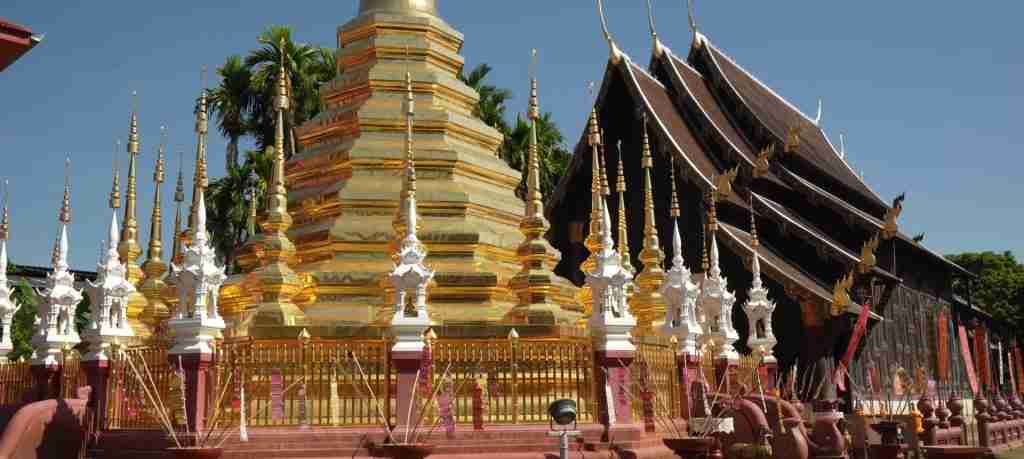
3 days
Golden Triangle Southeast Asia 3-Day Discovery Tour
- ✓ Comprehensive Golden Triangle Southeast Asia experience
- ✓ Expert local guides included
- ✓ All accommodation included
- ✓ Transportation provided

5 days
Golden Triangle Southeast Asia 5-Day Highlights Experience
- ✓ Comprehensive Golden Triangle Southeast Asia experience
- ✓ Expert local guides included
- ✓ All accommodation included
- ✓ Transportation provided
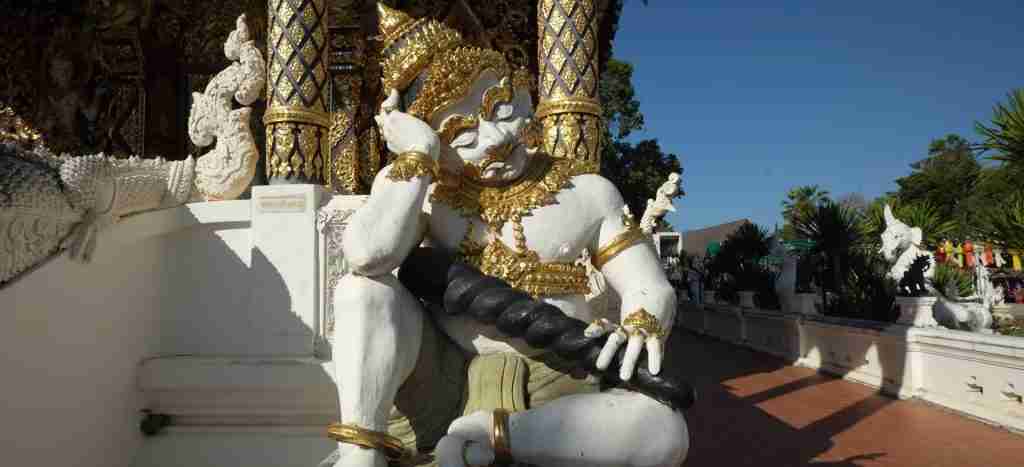
7 days
Golden Triangle Southeast Asia 7-Day Cultural Journey
- ✓ Comprehensive Golden Triangle Southeast Asia experience
- ✓ Expert local guides included
- ✓ All accommodation included
- ✓ Transportation provided
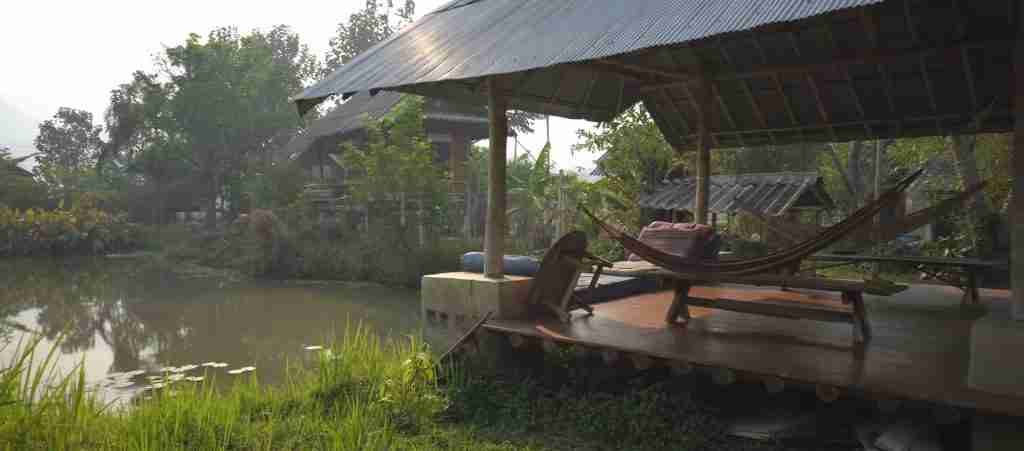
10 days
Golden Triangle Southeast Asia 10-Day Complete Adventure
- ✓ Comprehensive Golden Triangle Southeast Asia experience
- ✓ Expert local guides included
- ✓ All accommodation included
- ✓ Transportation provided
Multi-day tour packages powered by TourRadar. Prices and availability subject to change.
Understanding the Golden Triangle Location and Historical Significance 2026
The Golden Triangle occupies a mountainous region where the borders of Thailand, Laos, and Myanmar converge at the confluence of the Ruak River and the Mekong River. This geographic tri-point sits in northern Thailand’s Chiang Rai Province at the village of Sop Ruak, located 60 kilometers north of Chiang Rai city and 240 kilometers northeast of Chiang Mai. The region gained international notoriety during the mid-20th century as one of the world’s largest opium-producing areas, with the term “Golden Triangle” coined in 1971 by U.S. Assistant Secretary of State Marshall Green to describe the opium cultivation zone spanning parts of Thailand, Myanmar’s Shan State, and Laos’s northern provinces.
Contemporary Golden Triangle tourism centers on the geographic curiosity of standing where three nations meet rather than opium history, though the Hall of Opium museum near Sop Ruak provides educational exhibits about the region’s drug trade past and eradication efforts. The actual tri-border point sits in the middle of the Mekong River, visible from viewpoints on the Thai riverbank where tourists photograph the confluence and distant Myanmar and Laos shorelines. A massive golden Buddha statue overlooks the junction commemorating the region’s transformation from opium production to legitimate agriculture and tourism. The Mekong River here serves as the international boundary between Thailand and Laos on the east bank, while the Ruak River entering from the west forms the Thailand-Myanmar border.
Modern Sop Ruak functions as a small tourist village with riverside restaurants, souvenir markets, and boat piers offering Mekong cruises to Laos’s Don Sao Island duty-free shopping zone. The Golden Triangle Park surrounding the riverside viewpoint features gardens, photo opportunities with the golden Buddha, and geographic markers indicating the tri-border location. Nearby Chiang Saen, located 9 kilometers south of Sop Ruak, contains ancient temple ruins and fortifications from the 13th-century Lanna Kingdom capital, adding historical depth to Golden Triangle visits. The broader region’s mountainous terrain, hill tribe villages, and agricultural landscapes provide scenic backdrops making the journey from Chiang Mai visually rewarding beyond the geographic border convergence itself.
Tour Costs and Booking Options 2026
Golden Triangle day tours from Chiang Mai cost ₿1,500-2,500 ($42-70) per person for group tours in 2026 (check booking platforms for current rates as pricing may vary seasonally). This standard pricing includes air-conditioned minivan or coach transportation with experienced driver, English-speaking guide certified by Thailand’s Tourism Authority (TAT), lunch at local restaurant serving northern Thai cuisine, accident insurance coverage, and admission fees for major attractions including White Temple entry and Golden Triangle Park access. Tours typically accommodate 8-15 participants in minivans or up to 40 passengers in larger coaches depending on booking date and operator capacity.
Optional activities carry additional charges paid directly during the tour. The Mekong River longtail boat ride to Don Sao Island in Laos costs ₿300 ($8) per person for the 30-40 minute round-trip including brief customs processing. Hill tribe village visits to Akha, Yao, or Karen Long Neck communities cost ₿300 ($8) per person as entrance fees supporting village economies. These optional experiences add ₿600 ($16) total if participating in both activities. Personal shopping, additional snacks, beverages beyond provided lunch, and guide tips (typically ₿100-200 / $3-5 per person) represent additional traveler expenses not included in base tour prices.
Private tours cost ₿6,000-12,000 ($165-330) for groups of 2-4 people, providing dedicated vehicle and guide with flexible departure times and customizable itineraries. Private tours allow longer stops at preferred locations, omission of less interesting sites, and accommodation of specific photography interests or mobility requirements. However, the high per-person cost makes private tours practical only for couples or small groups prioritizing schedule flexibility over budget efficiency. Solo travelers rarely book private tours due to prohibitive single-occupancy costs.
Booking channels include online platforms like Viator, GetYourGuide, and Klook offering advance reservations with free cancellation 24-48 hours before departure, or direct bookings through Chiang Mai tour agencies and hotel concierges. Online platforms typically charge ₿1,800-2,500 ($50-70) with instant confirmation, while walk-in bookings at Chiang Mai agencies may negotiate lower prices of ₿1,500-1,800 ($42-50) particularly during low season (March-October) when tour operators compete for customers. However, last-minute availability cannot be guaranteed during high season (November-February) when advance booking proves essential.
Tours operate daily throughout the year with minimum 2-person requirements for departure. Single travelers may book individual seats that operators combine into shared groups, though solo bookings carry higher per-person rates (₿2,000-2,500 / $55-70) reflecting smaller group economics. Children ages 4-12 cost 70% of adult prices, while children under 3 travel free provided they share parent seating without occupying separate vehicle space. Senior discounts rarely apply on these tours despite extended sitting time potentially challenging elderly participants.
Getting from Chiang Mai to Golden Triangle 2026
Organized tours provide the most practical transportation for Golden Triangle day trips from Chiang Mai, eliminating complex public transport connections and overnight stays required for independent travel. Tours include hotel pickup from centrally located Chiang Mai accommodations (old city and Nimmanhaemin areas) between 6:30-7:30 AM, with pickup times specified during booking confirmation. Hotels outside Chiang Mai city center may require travelers to meet at designated pickup points like Thapae Gate or Nimmanhaemin Road, though most reputable operators accommodate pickups throughout main tourist zones.
Tours utilize air-conditioned minivans (8-15 passengers) or larger coaches (20-40 passengers) depending on booking numbers. Modern vehicles feature comfortable seating, functioning air conditioning essential for tropical heat, and experienced drivers familiar with mountain road conditions. The 240-kilometer route from Chiang Mai to Golden Triangle follows Highway 1 north through Chiang Rai Province, climbing from Chiang Mai’s 310-meter elevation into mountainous terrain reaching 500-600 meters altitude with winding roads requiring careful driving. Professional drivers navigate these routes daily, though motion-sensitive travelers should sit near front vehicle positions to minimize nausea from curved mountain roads.
Independent travelers can reach the Golden Triangle via public transportation, though this requires overnight stays making it impractical for day trips. Green Bus company operates direct services from Chiang Mai to Mae Sai (Thailand’s northernmost town near Golden Triangle) departing 6:30 AM and 12:30 PM, costing ₿200-300 ($5-8) for the 5-hour journey. From Mae Sai, travelers catch local blue songthaew buses to Sop Ruak (Golden Triangle) for ₿50-80 ($1.50-2.25) covering the 25-kilometer distance in 40-50 minutes. However, return bus schedules require overnight stays in Mae Sai or Chiang Rai, increasing total costs beyond organized tour pricing when accommodation expenses are included.
Private vehicle rentals offer independence for experienced drivers comfortable navigating Thailand’s roads, though this option suits multi-day itineraries rather than single-day Golden Triangle visits. Car rentals in Chiang Mai cost ₿1,200-2,000 ($33-55) daily plus fuel (approximately ₿1,500 / $42 for the round-trip), totaling ₿2,700-3,500 ($75-97) before parking and tolls. Drivers must possess International Driving Permits along with home country licenses, and should feel confident handling right-hand drive vehicles on left-side roads through mountainous terrain. Motorcycle rentals (₿200-400 / $5-11 daily) appeal to experienced riders, but the 480-kilometer round-trip distance and mountain conditions make this exhausting and potentially dangerous for average tourists.
Ride-sharing services like Grab and Bolt operate in Chiang Mai but do not service long-distance routes to Golden Triangle. Private drivers can be arranged through hotels or travel agencies for ₿4,000-6,000 ($110-165) round-trip, providing flexibility to customize stops but requiring separate lunch and guide arrangements making organized tours more economical for standard itineraries.
Sample Day Itinerary from Chiang Mai 2026
Golden Triangle day tours from Chiang Mai follow standardized itineraries optimized for covering maximum highlights within single-day timeframes despite extensive driving distances.
6:30-7:30 AM: Hotel pickup throughout Chiang Mai accommodation zones. Tours collect passengers in sequence requiring early pickups for those staying in outer areas and later pickups for central locations. Bring passport, small daypack, sunscreen, hat, and light jacket for air-conditioned vehicle comfort.
7:45-8:00 AM: Final passenger pickup complete, minivan or coach departs Chiang Mai heading north on Highway 1 through Chiang Rai Province. First driving segment covers 100 kilometers over 90 minutes through agricultural lowlands transitioning into forested mountains.
9:00-9:30 AM: Rest stop at Mae Kachan Hot Springs for restroom breaks, refreshments, and brief thermal pool viewing. These natural geothermal springs produce steaming water pools where visitors can hard-boil eggs sold by vendors (₿20-30 / $0.55-0.85 for quail eggs) or soak feet in warm water basins (₿30-50 / $0.85-1.40). Tours allocate 20-30 minutes for this stop providing necessary stretching after first driving segment.
10:30-11:15 AM: Arrival at Wat Rong Khun (White Temple) in Chiang Rai for the tour’s primary architectural highlight. This contemporary Buddhist temple designed by national artist Chalermchai Kositpipat features all-white facades embedded with mirrored glass creating dazzling reflections in sunlight. The temple’s surrealist design incorporates Buddhist iconography alongside contemporary pop culture references visible in exterior murals. Visitors receive 30-45 minutes to explore grounds, cross the ornate bridge representing the path from desire to enlightenment, photograph exteriors (interior photography prohibited), and browse adjoining art gallery. Modest dress requirements apply with shoulders and knees covered; sarongs available for rent if needed.
11:30 AM-12:30 PM: Lunch stop at local restaurant in Chiang Rai or Mae Chan area serving northern Thai cuisine. Meals typically include rice, stir-fried vegetables, chicken or pork dishes, tom yum soup, and fresh fruit, designed for tourist palates with moderate spice levels. Vegetarian options available when requested during booking. Lunch costs are included in base tour prices.
1:00-3:00 PM: Arrival at Golden Triangle viewpoint in Sop Ruak. Tours allocate 90-120 minutes for this main destination including viewing the tri-border confluence from riverside viewpoints, photographing the golden Buddha statue, visiting the Hall of Opium museum (brief external viewing only as full museum exploration requires 2-3 hours), browsing souvenir markets, and participating in optional Mekong boat ride to Don Sao Island in Laos (₿300 / $8 additional per person for 30-40 minutes round-trip). Those opting out of boat rides can explore Chiang Saen ancient ruins 9 kilometers south or relax at riverside cafes during wait time.
3:15-3:45 PM: Optional stop at Akha, Yao, or Karen Long Neck hill tribe village if purchased (₿300 / $8 additional per person). These cultural visits last 20-30 minutes providing opportunities to observe traditional dress, purchase handicrafts directly supporting villages, and photograph residents (with permission and sensitivity). However, these commercialized village experiences receive mixed reviews with some tourists appreciating cultural exposure while others criticize exploitative “human zoo” aspects.
4:00 PM: Departure from Golden Triangle region beginning return journey to Chiang Mai. Some tours include brief coffee shop stop at Doi Chang Café near Doi Chang mountain for restroom breaks and coffee purchases from local plantations, though this adds 30-40 minutes to return journey.
6:00-7:00 PM: Optional dinner stop at roadside restaurant (not included in tour price, personal expense approximately ₿100-200 / $3-5 per person) or direct return to Chiang Mai without dinner depending on operator and group preferences.
8:00-9:00 PM: Return to Chiang Mai hotels in reverse pickup sequence, with centrally located accommodations receiving earlier drop-offs and outer area hotels later returns. Total tour duration averages 13-14 hours making this an exhausting full-day commitment.
Mekong Boat Trip to Laos Don Sao Island 2026
The Mekong River boat ride from Sop Ruak to Don Sao Island in Laos costs ₿300 ($8) per person for the 30-40 minute round-trip experience (check current official rates as pricing may vary). Longtail boats depart from piers along Sop Ruak’s riverfront when 4-6 passengers accumulate, though tour groups typically charter entire boats for their party ensuring coordinated departures. The wooden longtail boats powered by automotive engines mounted on long propeller shafts provide loud but efficient river transportation seating 6-10 passengers on bench rows.
Passport presentation is required for both Thai exit processing and Laos entry clearance. Travelers hand passports to boat operators who manage immigration formalities at both riverbanks, receiving passports returned after approximately 10 minutes bureaucratic processing on the Laos side. No advance Laos visa is required for Don Sao Island visits under 2 hours duration, as this special economic zone operates under simplified entry procedures for short shopping visits. However, travelers planning extended Laos exploration requiring deeper country access should arrange proper Laos e-visas ($50) or visa-on-arrival documents at Fourth Thai-Lao Friendship Bridge crossing near Chiang Rai rather than relying on Don Sao exemption.
Don Sao Island functions primarily as a duty-free shopping zone with markets selling Laotian textiles, handicrafts, souvenirs, herbal products, and alcohol at prices slightly lower than Thailand though quality varies significantly. The island’s main commercial street extends approximately 400 meters along the riverbank featuring vendor stalls, small restaurants, and the Golden Triangle Special Economic Zone administrative buildings. Popular purchases include Lao whiskey with preserved snakes or scorpions (₿300-800 / $8-22), textiles (₿200-600 / $5-16), and herbal remedies. However, many products originate from China rather than authentic Lao production, requiring careful inspection for quality-conscious shoppers.
Beyond shopping, Don Sao Island offers minimal attractions. A small botanical garden displays regional plants with modest landscaping, and a drug trade history exhibit provides educational context about Golden Triangle opium eradication efforts. However, most visitors spend 20-40 minutes browsing markets before returning to boats for Thai re-entry. The boat ride itself provides scenic Mekong River views with perspectives of Thailand, Myanmar, and Laos shorelines from water level, making the experience worthwhile for geography enthusiasts even if island shopping holds limited appeal.
River conditions affect boat operations during extreme weather. Monsoon season flooding (July-October) may temporarily suspend services when water levels become dangerous, while dry season (December-May) low water exposes sandbars requiring careful navigation. Operators assess conditions daily and may refuse departures if safety concerns arise, though cancellations remain rare and alternative dates can usually accommodate tourists within 1-2 days.
White Temple (Wat Rong Khun) Visit Experience 2026
Wat Rong Khun (White Temple) stands as Golden Triangle day tours’ primary architectural highlight, located 13 kilometers south of Chiang Rai city center on Highway 1. National artist Chalermchai Kositpipat designed this contemporary Buddhist temple beginning construction in 1997 as a lifetime artistic project continuing through 2026 with projected completion by 2050-2070 as additional buildings and features are gradually added. The temple’s all-white color scheme symbolizes Buddha’s purity, with thousands of mirrored glass pieces embedded in white plaster creating dazzling reflections in tropical sunlight.
The main temple building (ubosot) accessed via an ornate bridge over a symbolic lake represents the Buddhist journey from worldly desire (represented by hundreds of reaching hands in the lake) to enlightenment (the pristine white temple structure). The bridge’s narrow design accommodates single-file passage requiring patience during crowded periods. Interior murals blend traditional Buddhist cosmology with contemporary pop culture references including Superman, Neo from The Matrix, and modern warfare imagery representing earthly distractions from spiritual enlightenment. However, interior photography is strictly prohibited with guards enforcing this rule, though exterior photography is unlimited.
Tours allocate 30-45 minutes for White Temple visits, sufficient for bridge crossing, exterior photography from multiple angles, brief interior viewing (10-15 minutes), and restroom facilities in the adjoining complex. An art gallery showcasing Chalermchai’s paintings and sketches operates in adjacent buildings with free admission providing context for the temple’s artistic vision. Souvenir shops sell temple-themed items, though prices exceed Chiang Mai market rates making purchases optional rather than essential.
Dress codes require shoulders and knees covered with sarongs or shawls available for rent (₿20-40 / $0.55-1.10) if travelers arrive in tank tops or shorts. Shoes must be removed before entering the ubosot with provided shelves for storage, though valuables should remain in personal custody as theft from shoe racks occasionally occurs during crowded periods. The temple remains active for Buddhist worship requiring respectful behavior, quiet conversation, and no pointing feet toward Buddha images following Thai customs.
Crowds peak between 10 AM-2 PM when tour buses converge, creating 20-30 minute waits for bridge crossing and interior access. Early morning visits (before 9 AM) or late afternoon arrivals (after 3 PM) provide less crowded experiences, though Golden Triangle day trips operate on fixed schedules arriving during peak congestion. Weekend crowds exceed weekday visitors by 40-60% making weekday tours preferable when scheduling flexibility exists.
Hill Tribe Village Visits 2026
Hill tribe village visits cost ₿300 ($8) per person as optional additions to Golden Triangle day tours, providing 20-30 minute stops at Akha, Yao, or Karen Long Neck communities in Mae Chan or Doi Mae Salong areas. These villages participate in organized tourism through cooperative arrangements where entrance fees support community development, education, and traditional culture preservation. Visitors observe daily village life, traditional dress demonstrations, handicraft production, and opportunities to purchase directly-made textiles, jewelry, and carved goods at prices negotiated with artisans.
Karen Long Neck villages feature women wearing brass coil neck rings creating the elongated neck appearance associated with Padaung cultural traditions from Myanmar’s Kayah State. These communities maintain traditional dress for cultural identity and tourist interest, though some anthropologists critique commercialized village tourism as exploitative. Respectful visitor behavior includes asking permission before photographing individuals, purchasing fairly-priced handicrafts supporting village economies, and avoiding condescending “human zoo” attitudes treating residents as exhibits rather than people maintaining cultural traditions within modern contexts.
Akha villages showcase distinctive silver-decorated headdresses worn by women, traditional bamboo houses on stilts, and agricultural practices cultivating rice, tea, and vegetables on mountain terraces. Akha communities speak Tibeto-Burman languages distinct from Thai, practice animist spiritual beliefs alongside Buddhist influences, and maintain complex clan systems and naming traditions. Villages near tourism routes have adapted to visitor interest while retaining cultural foundations, with younger generations often bilingual in Akha and Thai languages.
Yao (Iu Mien) villages demonstrate embroidered textiles, silverwork, and herbal medicine knowledge passed through matrilineal traditions. Yao communities practice Taoist and ancestor worship traditions alongside Buddhism, with elaborate ceremonies marking life transitions. Women’s distinctive dress features intricate cross-stitch embroidery requiring months to complete, making purchased textiles valuable examples of traditional artistry.
However, hill tribe village tourism receives mixed reviews. Positive perspectives emphasize cultural learning opportunities, direct economic support for marginalized communities, and preservation of traditional practices threatened by modernization. Critics cite commercialization reducing authentic cultural exchange to staged performances, photography sessions resembling “human zoos,” and unequal power dynamics in tourism arrangements. Travelers should approach visits with cultural sensitivity, respect for photography boundaries, fair pricing in handicraft purchases, and recognition that brief 20-30 minute stops provide limited understanding of complex cultural traditions.
Alternative cultural experiences include overnight homestays in less-commercialized villages through responsible tourism operators, though these require multi-day itineraries incompatible with Golden Triangle day trips from Chiang Mai. Those prioritizing authentic cultural immersion over geographic border viewing should consider dedicated hill tribe trekking tours from Chiang Mai or Chiang Rai allowing meaningful interaction with community members over 2-3 day periods.
Mae Sai Myanmar Border Current Status 2026
The Mae Sai-Tachileik border crossing between Thailand and Myanmar remains closed to foreign tourists throughout 2026 due to ongoing civil conflict in Myanmar’s Shan State that intensified following the February 2021 military coup. The border, located at Thailand’s northernmost point 25 kilometers northwest of the Golden Triangle, previously allowed visa-on-arrival day trips into Tachileik town for shopping and sightseeing, but foreign access was suspended in July 2023 as fighting between Myanmar’s military junta and ethnic armed groups rendered the border area unsafe.
Thai and Myanmar nationals can cross under restricted conditions for trade and family visits, but international tourists are prohibited from entering Myanmar territory even for brief excursions. The Friendship Bridge spanning the Mae Sai River connects the two countries physically, but Thai immigration officials turn back foreign passport holders attempting crossings. This closure eliminates the tri-border experience that previously allowed visitors to physically stand in all three Golden Triangle countries (Thailand, Myanmar, and Laos) during single-day tours.
Golden Triangle tours in 2026 provide only distant views of Myanmar territory from Thai soil at Sop Ruak viewpoint where the Mekong and Ruak rivers meet. Visitors can photograph Myanmar’s western shoreline across the rivers and observe Myanmar territory through binoculars, but cannot legally enter even for brief visits. The golden Buddha statue at Sop Ruak viewpoint offers elevated perspectives across the Mekong toward Myanmar’s mountains, though actual border crossing experiences remain impossible under current restrictions.
Myanmar’s only functional tourist border crossing in 2026 operates at Ranong-Kawthaung on the southern Thailand-Myanmar boundary near the Andaman Sea coast, requiring separate journey from northern Thailand and serving primarily as gateway to Mergui Archipelago cruises rather than overland Myanmar tourism. The Mae Sot-Myawaddy crossing on Thailand’s western border faces similar restrictions to Mae Sai, with only Thai-Myanmar trade traffic permitted and no foreign tourist crossings authorized.
Travelers specifically interested in Myanmar experiences should fly directly to Yangon or Mandalay via international connections rather than attempting overland border crossings from Thailand. Myanmar’s tourism infrastructure remains limited in 2026 with ongoing conflict affecting multiple regions, though major cities like Yangon, Bagan, and Inle Lake maintain basic tourist services under unpredictable conditions. The Myanmar government requires tourist visas ($50 e-visa) applied in advance through official channels, though visa policies change frequently reflecting political instability.
Future Mae Sai border reopening remains uncertain and dependent on Myanmar’s civil conflict resolution. Historical patterns show this crossing has opened and closed multiple times over past decades following political upheavals (2001 Shan State fighting, 2002 Thai-Myanmar diplomatic disputes, 2006 military coup, 2020 COVID-19 pandemic, 2023 civil war escalation), with reopening periods averaging 6-24 months before subsequent closures. Travelers planning 2027-2028 Golden Triangle visits should monitor official Thai and Myanmar immigration websites for current border status updates, though reopening appears unlikely before 2027 given Myanmar’s current internal conflict intensity.
Food and Dining During Your Day Trip 2026
Lunch is included in Golden Triangle day tour base prices, served at local restaurants in Chiang Rai or Mae Chan area around 11:30 AM-12:30 PM. Tours stop at family-run Thai restaurants or larger tourist-oriented establishments serving set menus designed for group dining. Typical lunches include steamed jasmine rice, stir-fried vegetables (often morning glory or Chinese broccoli), chicken or pork stir-fry dishes, tom yum soup (moderately spiced), spring rolls, and fresh tropical fruit (watermelon, pineapple, or mango depending on season). Vegetarian meals can be arranged when requested during initial booking, though tour operators require advance notice to coordinate restaurant preparations.
Northern Thai specialties occasionally appear on tour menus including khao soi (curry noodle soup), sai oua (northern Thai sausage), nam prik ong (tomato-pork chili dip), and sticky rice replacing steamed jasmine rice in some restaurants. However, most tour lunches cater to international tourist palates with moderate spice levels and familiar Thai dishes rather than challenging regional specialties. Adventurous eaters seeking authentic northern Thai cuisine should explore independent restaurants in Chiang Rai or Chiang Mai rather than expecting culinary highlights from standardized tour meals.
Breakfast is not included in tour packages with early morning departures before most hotel breakfast services operate. Travelers should eat breakfast before 6:30 AM pickups or pack portable items (fruit, pastries, energy bars) for consumption during the 90-minute initial driving segment to Mae Kachan Hot Springs. The hot springs rest stop offers limited snacks and beverages (₿30-60 / $0.85-1.70) including coffee, tea, fresh juice, and Thai pastries, though selections remain basic.
Dinner is typically not included in tour packages, though some operators offer optional restaurant stops during return journeys around 6:00-7:00 PM (₿100-200 / $3-5 per person). However, most tours drive directly back to Chiang Mai arriving 8:00-9:00 PM, requiring travelers to eat dinner after hotel returns. Late arrivals limit restaurant options to establishments open past 9:00 PM, though Chiang Mai’s night markets and 24-hour restaurants provide accessible post-tour dining.
Snacks and beverages during travel remain personal expenses. Tours make 2-3 rest stops at locations selling drinks (₿20-40 / $0.55-1.10), chips (₿30-50 / $0.85-1.40), and Thai sweets, though bringing personal water bottles and snacks from Chiang Mai convenience stores proves more economical. Air-conditioned vehicles can be cold during extended driving requiring warm layers, while dehydration from insufficient water intake during 14-hour days causes fatigue making adequate hydration essential.
Travelers with dietary restrictions (allergies, religious requirements, strict vegetarian/vegan preferences) should clearly communicate these during booking and bring supplementary foods to ensure adequate nutrition. Thai Buddhist culture accommodates vegetarian eating easily, but cross-contamination in kitchen preparation may not meet strict vegan standards, and gluten-free options remain limited outside major cities. Diabetic travelers requiring regular eating schedules should pack snacks to maintain blood sugar between the included lunch and late evening dinner options.
Best Time for Golden Triangle Day Trips 2026
Golden Triangle day trips from Chiang Mai operate year-round with optimal visiting conditions November through February during northern Thailand’s cool season when daytime temperatures range 20-28°C (68-82°F) with minimal rainfall and clear skies. These months correspond to Thailand’s peak tourist season offering comfortable outdoor sightseeing weather, clear mountain visibility for photography, and low Mekong River levels making boat operations safe and reliable. However, cool season popularity creates larger tour groups, more crowded temples, longer waits at viewpoints, and higher accommodation prices in Chiang Mai requiring advance bookings 2-3 weeks ahead.
March through May represents northern Thailand’s hot season with temperatures climbing 30-40°C (86-104°F), creating uncomfortable midday conditions during White Temple visits and riverside viewpoint stops. Air-conditioned vehicle interiors provide relief during driving segments, but outdoor activities become exhausting under intense heat. April particularly challenges visitors with temperatures frequently exceeding 38°C (100°F) and smoky haze from agricultural burning reducing visibility and affecting respiratory comfort. However, hot season attracts fewer tourists creating smaller tour groups, less crowded attractions, and discounted rates on tours and Chiang Mai hotels (20-30% below cool season prices).
June through October monsoon season brings afternoon thunderstorms, high humidity 80-90%, and daily rainfall averaging 100-200mm monthly. Morning departures typically proceed under dry conditions with rain arriving mid-afternoon, though heavy downpours can disrupt outdoor sightseeing and create slippery temple walkways. The rainy season offers lush green landscapes, fewer tourists, significantly discounted rates (30-40% below peak season), and comfortable temperatures 25-30°C (77-86°F). However, persistent rainfall reduces photography quality with overcast skies, and flooding occasionally closes roads requiring tour cancellations (rare but possible during severe storms).
September-October receives heaviest rainfall making these months least reliable for guaranteed dry weather, though severe flooding affecting northern Thailand tourism routes occurs approximately 1 year in every 5-7 on average. Tour operators monitor weather forecasts and road conditions daily, offering rescheduling or full refunds when weather renders routes impassable, though minor rain typically does not cancel departures as covered vehicles provide rain protection during most activities.
Chinese New Year (late January or early February) and Thai New Year Songkran (April 13-15) create exceptionally crowded conditions with domestic and international tourist peaks overwhelming attractions and fully booking tours weeks in advance. These holiday periods also see price increases of 20-40% above standard rates and traffic congestion extending drive times by 30-60 minutes. Travelers should avoid these specific weeks if possible or book 4-6 weeks ahead accepting premium prices and crowds.
Weekday tours (Monday-Thursday) provide less crowded experiences than weekend departures (Friday-Sunday) when domestic Thai tourists from Bangkok and Chiang Mai families fill tours and attractions. Weekend crowds at White Temple can triple weekday visitor numbers creating 30-minute waits for photography positions, while weekday mornings see minimal congestion allowing easier movement and better photo opportunities. Those with flexible schedules should prioritize weekday tours when possible.
What to Bring for Your Golden Triangle Day Trip 2026
Passport serves as the single most critical item for Golden Triangle day trips, required for Mekong boat trips to Laos even if not crossing Myanmar border (currently closed). Bring original passport in secure location like hotel safe for non-boat-trip participants, or carry it in money belt or secure daypack pocket for those taking the Laos boat experience. Photocopies are insufficient for border formalities requiring original documents. Lost or forgotten passports prevent participation in boat trips with no refunds for that activity component.
Comfortable walking shoes with good grip suit temple visits and uneven riverside walkways at Golden Triangle viewpoints. White Temple requires shoe removal before entering main building, but shoes remain necessary for outdoor grounds exploration and river pier access. Sandals or flip-flops prove inadequate for all-day wearing during the 14-hour tour duration, though they can serve as secondary footwear for quick shoe-on/shoe-off transitions at temples.
Sun protection including SPF 30+ sunscreen, wide-brimmed hat, and sunglasses protects against tropical sun exposure during outdoor viewpoint stops. Northern Thailand’s high altitude and clear skies create intense UV radiation burning unprotected skin within 30 minutes even during cool season. Reapply sunscreen after lunch and at Golden Triangle stop for afternoon exposure protection. Long-sleeve lightweight shirts and long pants provide additional coverage while meeting temple dress codes.
Modest clothing covering shoulders and knees is required for White Temple entry and respectful for hill tribe village visits. Sarongs or shawls can be rented at White Temple (₿20-40 / $0.55-1.10) if arriving in tank tops or shorts, but bringing appropriate clothing avoids rental costs and ensures comfort. Loose-fitting cotton or moisture-wicking fabrics work best for tropical heat, though bring light jacket for cold air-conditioned vehicles during extended driving segments.
Small daypack or bag carries personal items, bottled water (bring 2-3 liters from Chiang Mai convenience stores rather than purchasing at tourist stops), snacks, camera equipment, phone, portable charger, and purchased souvenirs. Bags remain in traveler custody throughout the day with no secure storage on vehicles requiring vigilant personal possession. Avoid valuable jewelry or expensive watches that might attract unwanted attention, and keep bag zipped and held closely in crowded market areas.
Camera or smartphone with fully charged battery and adequate storage space captures memories of White Temple, Golden Triangle viewpoint, and Mekong River scenery. Bring portable charger or extra camera battery as outlets rarely exist at tour stops for recharging. GoPro or waterproof camera proves useful for Mekong boat rides capturing water-level river perspectives. However, remember White Temple prohibits interior photography making exterior and grounds photos the primary temple documentation.
Cash in Thai baht covers optional activities (₿300 boat trip, ₿300 hill tribe visit), souvenir purchases, snacks, beverages, and guide tips (₿100-200 customary). ATMs exist at Mae Kachan Hot Springs and Golden Triangle area, but carrying sufficient cash from Chiang Mai avoids ATM fees (₿220 / $6 per transaction) and ensures funds availability if machines malfunction. Credit cards see limited acceptance at souvenir markets preferring cash transactions.
Motion sickness medication helps passengers prone to car sickness during the 6-7 hours of winding mountain road driving. Take medication 30 minutes before departure for maximum effectiveness, and sit in front vehicle seats where motion feels less pronounced. Wrist acupressure bands provide non-pharmaceutical alternatives for mild motion sensitivity.
Toiletries including hand sanitizer, wet wipes, and toilet paper enhance comfort at rest stops where facilities vary in cleanliness and paper availability. Mae Kachan Hot Springs and White Temple provide Western-style toilets, but some roadside stops offer only squat toilets requiring paper tissue brought from vehicles. Hand sanitizer remains essential when soap and water access proves unreliable.
Photography Tips for Golden Triangle Visits 2026
White Temple photography peaks during morning arrival (10:30-11:00 AM) when tour buses typically stop, providing bright sunlight illuminating the temple’s white facades and mirrored glass surfaces. However, this timing creates crowded conditions with 100-200 visitors simultaneously attempting bridge photography and exterior angles. Overcast days reduce glare from white surfaces making photography easier, though sunny conditions create dramatic reflections requiring polarizing filters to manage brightness. The ornate bridge leading to the main temple building serves as the iconic photo composition, though crowds make clear shots difficult requiring patience to wait for momentary gaps between tourist groups.
Interior photography at White Temple is strictly prohibited with guards enforcing the rule and requesting deletion of unauthorized photos. Focus photography efforts on exterior architectural details, the bridge over the lake of reaching hands, gold-colored buildings (representing worldly materialism in contrast to white spiritual purity), and surrounding gardens rather than attempting interior shots risking conflict with security staff.
Golden Triangle viewpoint offers multiple photography angles capturing the Mekong and Ruak river confluence where Thailand, Laos, and Myanmar meet. The golden Buddha statue overlooking the junction provides foreground interest with river backgrounds, while riverside positions shoot across water toward Myanmar and Laos shorelines. Afternoon light (1:00-3:00 PM when tours visit) comes from overhead creating harsh shadows, though polarizing filters enhance river blue tones and manage reflections. Wide-angle lenses (16-35mm) capture sweeping river vistas, while telephoto lenses (70-200mm) photograph distant Myanmar territory across the Mekong.
Mekong boat trips provide water-level photography opportunities shooting back toward Thai shoreline, across to Laos’s Don Sao Island markets, and upstream/downstream river perspectives. However, boat vibration from longtail engines makes sharp handheld photography challenging requiring fast shutter speeds (1/500 second minimum) or action cameras like GoPro designed for movement. Waterproof camera protection or dry bags safeguard equipment from Mekong spray, particularly during rainy season when boat wakes create significant splashing.
Hill tribe village photography requires cultural sensitivity and permission before photographing residents. Ask guides to facilitate respectful requests in local languages rather than pointing cameras at people without consent. Purchase small handicraft items (₿50-100 / $1.40-2.75) from individuals before requesting portrait photography, creating reciprocal exchange rather than extractive tourism. Wide-angle shots documenting village architecture, daily activities (weaving, farming), and landscape contexts prove less intrusive than close-up portraits, though guides can arrange posed photography opportunities with residents who regularly participate in tourist photos for small tips (₿20-50 / $0.55-1.40).
Drone photography faces strict restrictions in Thailand requiring permits from Civil Aviation Authority of Thailand (CAAT) plus separate permissions from temple authorities and border security. White Temple prohibits drone flights over religious structures, while Golden Triangle border areas near military installations and international boundaries ban unauthorized drone operations entirely. Tour participants should leave drones at Chiang Mai hotels rather than risking confiscation or legal complications from unauthorized flights.
Health and Safety Considerations 2026
Motion sickness affects many passengers during the 6-7 hours of mountain road driving with numerous curves and elevation changes between Chiang Mai’s 310-meter altitude and mountain passes reaching 600+ meters. Travelers prone to car sickness should take preventive medication (dimenhydrinate or meclizine) 30 minutes before departure, request front-row seating where vehicle motion feels less pronounced, and focus vision on distant horizons rather than reading or phone screens. Drivers stop every 90-120 minutes at rest areas allowing passengers to exit vehicles for fresh air breaks reducing nausea accumulation.
Dehydration develops easily during 14-hour tours under tropical heat with limited opportunities for bathroom access creating reluctance to drink adequate water. However, insufficient hydration causes fatigue, headaches, and diminished enjoyment of attractions. Bring 2-3 liters of water per person from Chiang Mai convenience stores (₿10-15 / $0.30-0.40 per liter significantly cheaper than ₿30-60 / $0.85-1.70 at tourist stops) and drink consistently throughout the day accepting occasional bathroom stops at restaurants and viewpoints.
Food safety rarely causes issues on organized tours using established restaurants with basic hygiene standards, though street food purchases at markets carry higher risks of travelers’ diarrhea from unfamiliar bacteria. Stick to hot cooked foods avoiding raw vegetables, salads, and ice in drinks unless from trusted hotel restaurants. Hand sanitizer before eating reduces contamination from touching market goods and money. Bring anti-diarrheal medication (loperamide) as precaution though hopefully unnecessary.
Sun exposure during outdoor viewpoint stops causes sunburn, heat exhaustion, and increased skin cancer risk under tropical UV radiation. Apply SPF 30+ sunscreen before departure, reapply every 2 hours during outdoor activities, wear wide-brimmed hats providing face and neck shade, and seek shade during midday heat peaks when possible. Cool season (November-February) sun feels mild but still burns unprotected skin, while hot season (March-May) creates dangerously intense exposure requiring vigilant protection.
Border area security remains stable on Thai territory near Golden Triangle despite Myanmar’s internal conflict, as Thai military maintains crossing points and tourist zones experience no spillover violence. However, attempting to photograph Myanmar military installations across rivers, approaching border markers too closely, or crossing into restricted zones can trigger confrontations with Thai border police. Stay within designated tourist areas, follow guide instructions regarding photography boundaries, and avoid wandering from group toward border demarcations.
Medical facilities in Chiang Rai provide basic emergency care at Chiang Rai Prachanukroh Hospital and private Overbrook Hospital, both offering English-speaking staff and international insurance acceptance. However, serious medical emergencies requiring advanced care necessitate 3-hour return to Chiang Mai’s superior hospitals (Chiang Mai Ram Hospital, Bangkok Hospital Chiang Mai) or medical evacuation to Bangkok. Travel insurance covering emergency medical evacuation proves essential for elderly travelers or those with preexisting conditions, though typical Golden Triangle tours involve minimal physical exertion suitable for moderate fitness levels.
Prescription medications should be carried in original containers with doctors’ letters documenting legitimate medical need, particularly for controlled substances like strong pain medications that might trigger scrutiny at border areas. Bring 2-day supply of essential medications in daypack rather than checked luggage in case of separation from main bags, though tours typically keep all passenger belongings together in vehicles.
Cultural Etiquette and Responsible Tourism 2026
Buddhist temple etiquette requires respectful behavior acknowledging these sites remain active religious spaces for worship beyond tourist attractions. Remove shoes before entering temple buildings storing them on provided racks (watch valuables in shoes during crowded periods). Dress modestly covering shoulders and knees with loose-fitting clothing avoiding tight, revealing, or transparent garments. Speak quietly within temple grounds refraining from loud conversations or laughter. Never point feet toward Buddha images as feet represent the body’s lowest, least respectful part in Thai culture. Avoid touching Buddha statues or religious objects unless specifically invited by monks. Women cannot touch Buddhist monks or hand objects directly to them, requiring placement on surfaces for monk retrieval.
Photography permissions vary by location. White Temple allows unlimited exterior photography but strictly prohibits interior photos with guards enforcing deletions of unauthorized images. Golden Triangle viewpoints permit free photography including Mekong boat trips and river scenery. Hill tribe villages require asking permission before photographing residents, with guides facilitating culturally appropriate requests in local languages. Never photograph anyone without permission treating people as subjects rather than objects. Offer small tips (₿20-50 / $0.55-1.40) when villagers pose for portraits recognizing their time and cultural sharing.
Border security respects require following guide instructions regarding photography boundaries near Myanmar and Laos borders. Avoid photographing military installations, border checkpoints, police officers, or crossing markers without permission as these remain sensitive security zones. Thai border police may delete photos or detain photographers violating restrictions, creating delays for entire tour groups. Keep photography focused on scenic viewpoints, temples, and authorized tourist areas rather than exploring restricted zones.
Responsible hill tribe tourism balances cultural learning with exploitation concerns. Support villages by purchasing fairly-priced handicrafts directly from artisans (₿100-500 / $3-14 depending on item complexity) rather than bargaining aggressively for poverty-level prices. Respect cultural practices even when not fully understanding their context or origins. Avoid condescending attitudes treating residents as primitive exhibits rather than modern people maintaining traditional customs while navigating contemporary economic realities. Recognize 20-30 minute village stops provide extremely superficial exposure to complex cultures requiring genuine interest and respect rather than voyeuristic curiosity.
Environmental responsibility includes avoiding single-use plastic by bringing reusable water bottles, refusing plastic bags for purchases, and disposing trash in designated receptacles rather than littering along roadsides or at viewpoints. Mekong River pollution from plastic waste damages ecosystems supporting millions of downstream residents making plastic reduction essential. Tours increasingly provide refillable water stations rather than distributing disposable bottles, though travelers should bring personal containers from hotels.
Souvenir purchasing supports local economies when buying authentic regional handicrafts, but fuels unsustainable practices when purchasing wildlife products (ivory, turtle shell, exotic animal parts), counterfeit goods (fake branded clothing, pirated media), or mass-produced Chinese imports falsely labeled as Lao or Thai crafts. Verify product origins asking vendors about production locations and methods, supporting genuine artisan work over factory copies. Avoid purchasing products derived from endangered species violating CITES international trade regulations and Thai wildlife protection laws.
Alternative Golden Triangle Experiences 2026
Overnight stays in Chiang Rai (180 kilometers from Chiang Mai) provide relaxed Golden Triangle exploration without marathon 14-hour day trips. Chiang Rai hotels cost ₿500-1,500 ($14-42) per night for budget to mid-range accommodations, allowing 2-day itineraries visiting White Temple, Blue Temple, Black House Museum on day one, then Golden Triangle, Chiang Saen ruins, and Doi Mae Salong tea plantations on day two. This pacing allocates 60-90 minutes per attraction rather than rushed 20-30 minute stops, creating more meaningful experiences particularly at complex sites like Hall of Opium museum requiring 2-3 hours for thorough exploration.
Multi-day hill tribe trekking tours from Chiang Mai or Chiang Rai offer authentic cultural immersion through overnight village homestays, guided forest walks to remote communities, and meaningful interaction with residents over 2-4 days. These experiences cost ₿3,500-8,000 ($97-220) per person including guide, accommodation, meals, and permits, providing depth impossible on brief commercial village stops. Responsible operators like Pooh Eco-Trekking and Active Thailand prioritize community benefit and cultural sensitivity over tourist maximization.
Mekong River cruises from Chiang Saen to Luang Prabang, Laos operate as luxury 3-4 day journeys aboard Heritage Line Anouvong or Mekong River Cruise vessels, costing $1,900-2,500 per person for all-inclusive river voyages through spectacular gorges and remote villages. These cruises substitute rushed day trips for leisurely multi-day exploration of the Golden Triangle’s cultural and natural heritage beyond border viewpoint photography.
Doi Mae Salong tea plantation visits near the Myanmar border showcase Yunnanese Chinese settlements established in the 1960s producing high-quality oolong tea on mountain terraces. This region offers authentic cultural diversity beyond commercialized hill tribe tourism, with family-run tea shops (₿200-400 / $5-11 per kilogram for premium oolong) and homestays (₿300-600 / $8-16 per night) providing immersive experiences. However, reaching Doi Mae Salong requires private transportation or overnight Chiang Rai base making it unsuitable for day trip inclusion.
Chiang Saen ancient ruins 9 kilometers south of Golden Triangle contain 13th-century Lanna Kingdom temple remains, fortification walls, and museum collections explaining this region’s role as early Thai civilization center before Chiang Mai’s rise. Dedicated exploration requires 2-3 hours beyond typical tour allocations, though Chiang Saen’s riverside location and quiet atmosphere provide peaceful alternatives to crowded tourist viewpoints.
Frequently Asked Questions About Golden Triangle Day Trips 2026
Can I visit Myanmar from the Golden Triangle in 2026?
Foreign tourists cannot cross into Myanmar from the Golden Triangle in 2026 as the Mae Sai-Tachileik border remains closed due to ongoing civil conflict in Myanmar’s Shan State. Thai and Myanmar nationals can cross under restricted conditions, but international visitors are prohibited from entering Myanmar territory even for brief day visits that were previously possible before the July 2023 closure. Tours provide only distant views of Myanmar from Thai viewpoints at Sop Ruak where you can photograph Myanmar’s western shoreline across the Mekong and Ruak rivers. The only functioning tourist border crossing into Myanmar in 2026 operates at Ranong-Kawthaung on Thailand’s southern coast, though this serves primarily as gateway to Mergui Archipelago cruises rather than overland Myanmar tourism. Travelers interested in Myanmar experiences should fly directly to Yangon or Mandalay via international connections rather than attempting closed overland crossings from northern Thailand.
How long does the Golden Triangle day trip from Chiang Mai take?
Golden Triangle day trips from Chiang Mai require 13-14 hours total including hotel pickup 6:30-7:30 AM and return to Chiang Mai 8:00-9:00 PM. The journey includes 6-7 hours driving time covering approximately 480 kilometers round-trip through northern Thailand’s mountainous terrain, with 3-3.5 hours each direction between Chiang Mai and the Golden Triangle at Sop Ruak. Tours include rest stops at Mae Kachan Hot Springs (20-30 minutes), White Temple visit (30-45 minutes), lunch (45-60 minutes), Golden Triangle viewpoint and activities (90-120 minutes), and optional hill tribe village visits (20-30 minutes). This extensive duration makes the tour physically demanding requiring early wake-up and acceptance of limited time at each attraction, though air-conditioned vehicles provide comfortable transportation and guides coordinate efficient routing minimizing unnecessary delays.
What is included in Golden Triangle tour prices?
Standard Golden Triangle tour prices of ₿1,500-2,500 ($42-70) per person include air-conditioned minivan or coach transportation, hotel pickup and drop-off from central Chiang Mai locations, English-speaking guide certified by Thailand’s Tourism Authority, lunch at local restaurant, accident insurance coverage, and admission fees for White Temple and Golden Triangle viewpoint areas. Optional activities carry additional charges: Mekong boat ride to Don Sao Island in Laos costs ₿300 ($8) per person, hill tribe village visits cost ₿300 ($8) per person, and any purchased souvenirs, snacks, beverages, or guide tips remain traveler expenses. Breakfast is not included requiring travelers to eat before early morning departure, and dinner typically occurs after late evening return to Chiang Mai. Tours specify exact inclusions during booking confirmation with reputable operators transparently listing any additional charges to avoid surprise costs during excursions.
Do I need a visa to visit Laos on the Mekong boat trip?
No advance Laos visa is required for the Mekong boat trip to Don Sao Island during Golden Triangle tours, as this special economic zone operates simplified entry procedures for shopping visits under 2 hours duration. Travelers present passports to boat operators who manage Thai exit and Laos entry formalities at riverbanks, with passports returned after approximately 10 minutes processing on the Laos side. The Don Sao exemption allows brief duty-free shopping experiences without formal visa applications, though this simplified access applies only to Don Sao Island and does not permit deeper Laos exploration. Travelers planning extended Laos visits requiring access beyond Don Sao should arrange proper Laos e-visas ($50) or visa-on-arrival documents at Fourth Thai-Lao Friendship Bridge crossing near Chiang Rai rather than relying on the Golden Triangle boat trip exemption for entry authorization.
Is the Golden Triangle tour suitable for elderly travelers or those with mobility issues?
Golden Triangle tours involve minimal physical exertion with most activities consisting of short walks on paved surfaces suitable for moderate mobility levels, though the 14-hour duration and extended vehicle time may challenge elderly travelers or those with limited endurance. White Temple requires walking 200-300 meters from parking to temple building including ornate bridge crossing (single file, narrow design), climbing 10-15 steps to temple entrance, and standing during interior viewing with no seating available. Golden Triangle viewpoint involves 50-100 meters walking from vehicles to river overlooks on mostly paved paths with some uneven surfaces. Mekong boat trips require boarding longtail boats via narrow gangplanks with minimal handrails, sitting on low bench seats during 30-40 minute rides, and climbing boat-to-shore transitions on both Thai and Laos sides. Passengers with serious mobility limitations requiring wheelchairs find these activities challenging as tours lack wheelchair-accessible infrastructure, though those who walk short distances with assistance can usually participate. The extensive sitting during 6-7 hours driving may cause discomfort for those with back problems or circulation issues requiring frequent position changes.
Can I book Golden Triangle tours last-minute or do they require advance reservation?
Golden Triangle tours can be booked last-minute (1-2 days advance) during low season (March-October) when tour operators compete for customers and availability remains consistent, though advance reservations become essential during high season (November-February) when tours fill 1-2 weeks ahead. Peak booking periods around Chinese New Year (late January-early February), Thai New Year Songkran (April 13-15), and Western holiday weeks (Christmas-New Year) require 3-4 weeks advance booking accepting premium rates 20-40% above standard prices. Online booking platforms (Viator, GetYourGuide, Klook) allow instant confirmation with free cancellation 24-48 hours before departure providing flexible planning options, while walk-in bookings at Chiang Mai tour agencies may negotiate lower last-minute discounts (₿1,500-1,800 / $42-50) particularly during weekday low season when operators fill partially booked tours. However, last-minute bookings risk full tours requiring alternative dates or missing desired departure times, making advance reservation prudent for travelers with fixed schedules or specific date requirements.
What happens if it rains during the Golden Triangle tour?
Light to moderate rain rarely cancels Golden Triangle tours as air-conditioned vehicles provide dry transportation between stops and most attractions continue operating during wet weather. White Temple remains accessible during rain with covered walkways and interior viewing unaffected, though photography quality diminishes under overcast skies and wet surfaces create slippery temple stairs requiring careful walking. Golden Triangle viewpoints become less photogenic during rain with reduced visibility across rivers and muted landscape colors, though rain typically arrives as afternoon thunderstorms (2:00-5:00 PM) potentially clearing before evening departures. Mekong boat trips may suspend during heavy rain or high winds when river conditions become unsafe, requiring passengers to skip this optional activity without refunds for that specific component. Severe flooding or dangerous road conditions trigger full tour cancellations occurring perhaps 1-2 days per year during September-October monsoon peaks, with operators offering alternative dates or full refunds when weather prevents safe operations. Travelers booking rainy season tours (June-October) should prepare for rain possibilities bringing umbrellas, waterproof camera protection, and quick-dry clothing while accepting wet weather as occasional accompaniment to discounted rates and fewer crowds.
Are Golden Triangle tours safe for solo female travelers?
Golden Triangle organized tours provide safe environments for solo female travelers joining group departures with professional guides, established tour operators, and public tourist areas throughout itineraries. Chiang Mai’s tourism infrastructure maintains strong safety records with violent crime against tourists extremely rare and most risks limited to petty theft requiring standard vigilance over belongings. Solo women join mixed-gender tour groups typically containing couples, families, and other solo travelers creating social travel contexts rather than isolated experiences. Guides remain present throughout activities providing assistance and local knowledge reducing navigation concerns, while group dynamics discourage harassment that might occur during independent solo travel in unfamiliar regions. However, solo female travelers should maintain general safety awareness keeping valuables secured, avoiding excessive alcohol at lunch, and staying with tour groups rather than wandering alone in border areas. Evening hotel returns 8:00-9:00 PM land travelers in safe Chiang Mai accommodation zones where well-lit streets and taxi access provide secure onward movement, though solo travelers might coordinate group dinners with tour companions extending social connections beyond formal tour hours.
Can children participate in Golden Triangle tours and are there family discounts?
Children can participate in Golden Triangle tours with most operators accepting passengers ages 4 and above, charging 70% of adult prices for children 4-12 years and full adult rates for teenagers 13+. Children under 3 travel free provided they share parent seating without occupying separate vehicle space. However, the 14-hour tour duration with extensive driving and limited child-oriented activities challenges young children’s patience and attention spans making this tour more suitable for ages 8+ who can appreciate cultural and geographic significance of attractions. White Temple’s ornate details interest older children while younger ones may find temple visits boring, and the Mekong boat ride provides brief excitement though overall day remains adult-oriented. Family groups should honestly assess children’s ability to sit in vehicles for 6-7 hours, behave respectfully at religious sites, and remain engaged during cultural stops before booking, as disruptive children affect entire group experiences and exhausted parents find the long day stressful rather than enjoyable. Tours rarely offer family discounts beyond standard child pricing, though private tours (₿6,000-12,000 / $165-330 total) may prove economical for families of 4-5 providing dedicated vehicle, flexible pacing, and ability to include child-friendly stops or skip less engaging activities.
What is the best time of year for Golden Triangle tours?
The best time for Golden Triangle day trips is November through February during northern Thailand’s cool season when temperatures range 20-28°C (68-82°F) with minimal rainfall, clear skies providing excellent mountain visibility, and comfortable outdoor sightseeing conditions. These months offer optimal photography lighting with consistent sunshine illuminating White Temple’s white facades and Golden Triangle river confluences, while low Mekong water levels make boat operations safe and reliable. However, cool season represents peak tourist season creating larger tour groups, crowded temples, higher prices, and advance booking requirements 2-3 weeks ahead. Travelers prioritizing budget savings and fewer crowds should consider rainy season (June-October) when tours operate at 30-40% discounts despite afternoon thunderstorm possibilities and muggy humidity, or shoulder months (March-April, November) balancing decent weather against moderate pricing and tourist volumes. Hot season (March-May) brings intense heat 30-40°C (86-104°F) making outdoor activities uncomfortable though substantially reducing tourist numbers and prices, while April’s agricultural burning creates smoky haze reducing visibility and affecting respiratory comfort making this month least recommended for visits.