Glendalough & Wicklow Mountains Day Trip from Dublin 2026: Monastic Heritage & Hiking
Ireland’s most atmospheric monastic settlement awaits just 50 kilometers south of Dublin, where the 6th-century valley of Glendalough sits cradled between glacially-carved mountains and pristine lakes. This accessible day trip combines dramatic Wicklow Mountains scenery, millennium-old ruins, and excellent hiking trails, all reachable within 90 minutes from the capital. Whether you prefer organized tours or independent exploration, Glendalough delivers Ireland’s spiritual and natural heritage in a single unforgettable day.
Key Takeaways: Planning Your Glendalough Day Trip 2026
- Budget Planning 2026: Guided half-day tours cost €35-50 including transport and commentary, while independent travelers using St. Kevin’s Bus spend €36-40 for the complete day. Full-day tours combining Glendalough with Kilkenny range €55-85.
- Transportation Options 2026: St. Kevin’s Bus departs Dublin daily at 11:00 AM (€23 return), providing 3.5 hours at Glendalough. Half-day guided tours offer similar timing with expert commentary, while full-day tours add Wicklow Gap viewpoints and medieval Kilkenny.
- Site Access 2026: The monastic ruins are free and accessible 24/7, while the Visitor Centre costs €5 for adults and operates 9:30 AM-6:00 PM during peak season. Parking costs €4-5 at both Lower Lake and Upper Lake car parks.
- Hiking Opportunities 2026: Nine marked trails range from the 30-minute Green Road lakeside stroll to the challenging 4-hour Spinc and Glenealo Valley circuit. The boardwalk around Lower Lake requires no special fitness, while the Spinc ridge rewards experienced hikers with panoramic valley views.
- Best Timing 2026: Arrive before 9:30 AM or after 3:00 PM to avoid tour bus crowds. Weekday visits offer quieter exploration than weekends. Autumn provides spectacular heather colors and reduced visitor numbers compared to summer peaks.
- Essential Planning 2026: Bring weatherproof layers regardless of forecast, wear sturdy walking shoes even for short trails, and pack water and snacks as facilities are limited beyond Laragh village. The valley experiences rapid weather changes year-round.
People Also Ask About Glendalough Day Trips 2026
How much does a Glendalough day trip from Dublin cost in 2026?
Budget-conscious independent travelers spend €36-40 for a complete Glendalough day trip in 2026 using St. Kevin’s Bus. This includes €23 return bus fare from Dublin, €5 Visitor Centre admission, and €8-12 for cafe lunch or snacks. Guided half-day tours cost €35-50 including roundtrip transport and expert commentary, with lunch purchased separately for €10-15 in Laragh village. Full-day tours combining Glendalough, Wicklow Mountains scenic stops, and medieval Kilkenny range €55-85 depending on operator and inclusions. Travelers driving independently should budget €50-75 accounting for fuel, parking, admission, and meals.
Is Glendalough worth visiting as a day trip from Dublin in 2026?
Glendalough ranks among Ireland’s most rewarding day trips from Dublin, combining three distinct experiences in one accessible destination just 50 kilometers south of the capital. The 6th-century monastic settlement features Ireland’s finest early Christian ruins including a perfectly-preserved 30-meter round tower and atmospheric stone churches set against the dramatic glacial valley. Nine marked hiking trails cater to all fitness levels, from gentle lakeside boardwalks to challenging mountain circuits with panoramic Wicklow views. The journey itself through the “Garden of Ireland” showcases rolling mountains, heather moorlands, and traditional villages, making even the travel portion scenically valuable. Most importantly, Glendalough delivers authentic Irish heritage without requiring overnight stays or complex logistics, with reliable daily bus service and numerous tour options from Dublin.
How long should I spend at Glendalough in 2026?
Most visitors need 3-4 hours for a satisfying Glendalough experience covering the monastic settlement, Visitor Centre, and lakeside trails. This timing allows 45 minutes exploring the ruins and graveyard, 30-45 minutes in the Visitor Centre learning monastic history, and 90-120 minutes walking to Upper Lake via the scenic boardwalk trail. Hikers tackling the Spinc and Glenealo Valley circuit require a full 5-6 hours including the 3-4 hour trail time. St. Kevin’s Bus provides approximately 3.5 hours on-site between morning departure and evening return, sufficient for most visitors to experience the main attractions without rushing. Guided half-day tours typically allocate 90-120 minutes at Glendalough, focusing on the monastic city and Lower Lake area.
Can you visit Glendalough independently or do you need a tour in 2026?
Independent Glendalough visits work perfectly well using St. Kevin’s Bus service, which departs Dublin’s St. Stephen’s Green daily at 11:00 AM and returns from Glendalough at various afternoon times, providing 3-4 hours of independent exploration. The bus costs €23 return and drops passengers directly at the Visitor Centre, eliminating navigation concerns. The monastic site requires no guide to appreciate, with excellent information panels throughout, though the Visitor Centre’s 15-minute film and exhibitions provide valuable historical context. Guided tours offer advantages including expert commentary on Irish monastic history, optimized routing through the valley, and often inclusion of Wicklow Gap scenic stops or Kilkenny that independent buses don’t reach. Tours also handle all logistics, allowing visitors to relax rather than coordinate schedules.
Extended multi-day tours – 5+ days
Featured Dublin Multi-Day Tour Packages
3 days
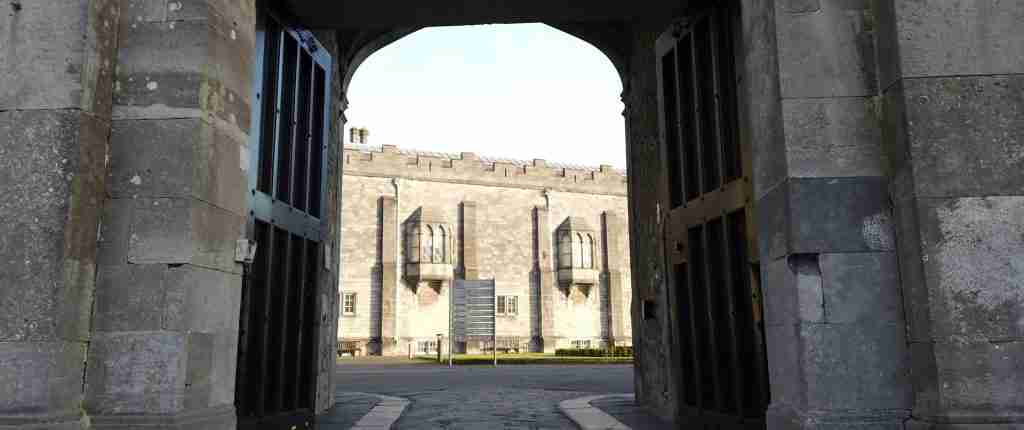
Dublin 3-Day Discovery Tour
- ✓ Comprehensive Dublin experience
- ✓ Expert local guides included
- ✓ All accommodation included
- ✓ Transportation provided
5 days
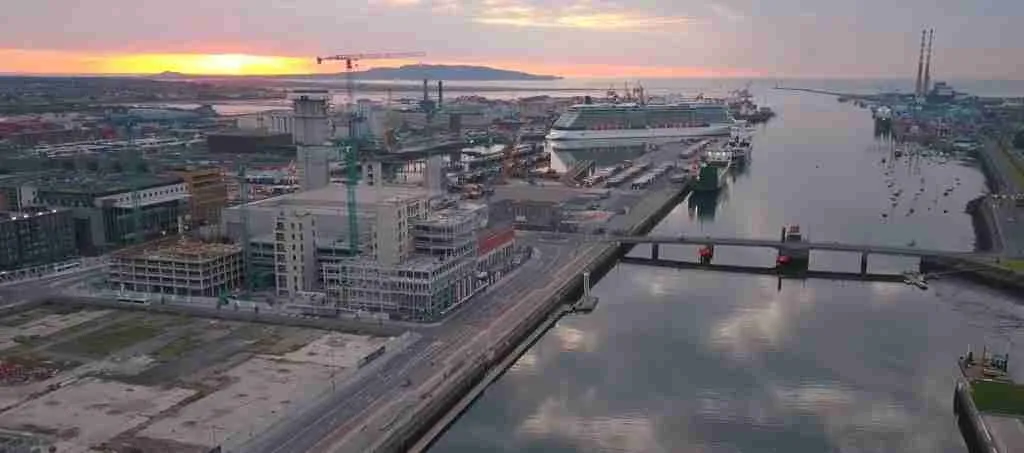
Dublin 5-Day Highlights Experience
- ✓ Comprehensive Dublin experience
- ✓ Expert local guides included
- ✓ All accommodation included
- ✓ Transportation provided
7 days
Dublin 7-Day Cultural Journey
- ✓ Comprehensive Dublin experience
- ✓ Expert local guides included
- ✓ All accommodation included
- ✓ Transportation provided

10 days
Dublin 10-Day Complete Adventure
- ✓ Comprehensive Dublin experience
- ✓ Expert local guides included
- ✓ All accommodation included
- ✓ Transportation provided
Multi-day tour packages powered by TourRadar. Prices and availability subject to change.
Introduction: Ireland’s Sacred Valley and Wicklow Mountains 2026
Fifty kilometers south of Dublin’s urban energy, the glacial valley of Glendalough opens into one of Ireland’s most spiritually resonant landscapes. The Irish name “Gleann Dá Loch” translates as “Valley of the Two Lakes,” a geographic description that barely hints at the extraordinary convergence of natural beauty and monastic heritage that has drawn pilgrims, scholars, and travelers for fourteen centuries. Saint Kevin founded his hermitage here in the 6th century, seeking solitude in what was then Ireland’s most remote wilderness. Within generations, his settlement evolved into one of medieval Europe’s great centers of learning, attracting thousands of students from across the continent during the period historians call the Golden Age of Irish monasticism.
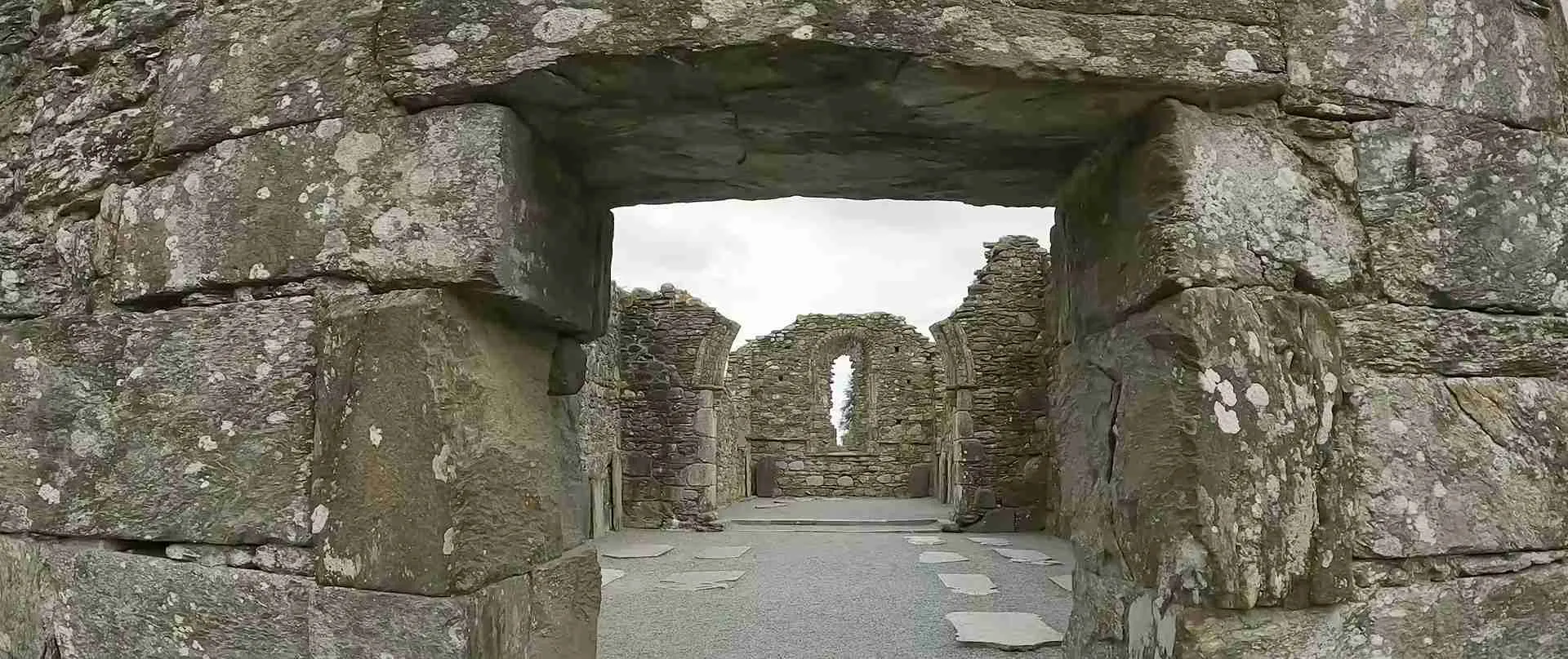
The monastic city that survives today dates primarily from the 10th-12th centuries, when Glendalough reached its architectural zenith. Viking raids, Norman invasions, and English dissolution all failed to completely destroy what Saint Kevin built, leaving modern visitors with Ireland’s most complete early Christian settlement. The 30-meter round tower still stands as it did a millennium ago, its conical cap visible from throughout the valley. Stone churches with corbelled roofs, elaborate Celtic crosses, and a atmospheric graveyard with two thousand carved stones create an open-air museum of medieval Irish spirituality. Unlike many heritage sites requiring imagination to reconstruct vanished grandeur, Glendalough’s physical remains powerfully evoke its monastic past.
Yet Glendalough offers more than archaeological fascination. The valley sits within Wicklow Mountains National Park, Ireland’s largest protected wilderness area, where rounded granite peaks rise above blanket bog and native oak forests. Two glacial lakes reflect the surrounding mountains, their waters fed by cascading streams that have carved this landscape over millions of years. Nine marked hiking trails wind through the valley and surrounding ridges, ranging from wheelchair-accessible boardwalks to challenging mountain circuits requiring stamina and navigation skills. The combination of accessible history and varied outdoor recreation makes Glendalough uniquely appealing to diverse traveler interests.
The site’s proximity to Dublin transformed Glendalough into one of Ireland’s most visited attractions, welcoming over 700,000 annual visitors before the pandemic. This popularity creates timing challenges, as tour buses converge between 10:00 AM and 3:00 PM during summer months, crowding the monastic settlement and Lower Lake car park. However, the valley’s free 24/7 access means early risers and late afternoon visitors often experience the ruins in relative solitude, with morning mist rising from the lakes or golden hour light illuminating the round tower. Weekday visits outside Irish school holidays offer substantially quieter exploration than summer weekends.
In 2026, Glendalough remains as accessible as ever to day-trippers from Dublin. St. Kevin’s Bus provides reliable daily service directly to the Visitor Centre, while numerous tour operators offer half-day and full-day excursions combining Glendalough with Wicklow Mountains scenic drives and medieval Kilkenny. Independent drivers face straightforward navigation via the M11 and R755, though weekend parking can challenge latecomers. The valley’s compact geography concentrates most attractions within easy walking distance, requiring no vehicle once you arrive.
This guide addresses the practical questions that determine day trip success: which transportation option suits your schedule and budget, how to allocate limited hours between ruins and trails, what to expect from the Visitor Centre versus independent exploration, and how weather and crowds affect the experience. Whether you’re drawn by spiritual heritage, hiking ambitions, or simply the prospect of Ireland’s legendary green landscapes, Glendalough delivers authentic experiences just 90 minutes from Dublin city center.
Understanding Glendalough’s Monastic Heritage 2026
Saint Kevin’s choice of Glendalough around 570 AD exemplified the Irish monastic preference for wilderness isolation combined with practical access. While the valley appeared remote and spiritually appropriate for hermitage, it lay close to the Wicklow Gap, a major trading route through the mountains connecting Ireland’s eastern and western coasts. This balance between contemplative solitude and commercial accessibility allowed Kevin’s small community to grow into a major ecclesiastical center while maintaining its spiritual character. The saint lived to approximately 120 years according to tradition, dying in 618 AD, by which time his monastery had already attracted significant following.
The structures visible today date primarily from the 10th through 12th centuries, representing Glendalough’s architectural peak rather than Kevin’s original 6th-century settlement. The famous round tower stands 30 meters tall with its entrance door positioned 3.5 meters above ground level, accessible only by ladder that could be withdrawn during Viking raids. Scholars debate the tower’s primary function — whether primarily defensive refuge, bell tower for calling monks to prayer, or symbolic lighthouse proclaiming Christian presence in the landscape. The tower’s near-perfect preservation across a millennium demonstrates the Irish stonemasons’ sophisticated engineering understanding.
The Cathedral, largest of Glendalough’s churches, measures 30 meters long and features a stone roof using the corbelling technique where successive layers of stone overlap inward until meeting at the apex. This construction method, requiring no timber supports, explains why some Glendalough buildings survived when wooden-roofed structures elsewhere collapsed. The cathedral’s size accommodated the hundreds of monks and students who made Glendalough a scholarly powerhouse during Ireland’s Golden Age, when Irish monasteries preserved classical learning through Europe’s Dark Ages and sent missionaries to establish monasteries across the continent.
Saint Kevin’s Church, also called Saint Kevin’s Kitchen due to its round tower-like belfry resembling a chimney, represents another architectural highlight. The small building features a stone roof and demonstrates the transitional style between simple oratories and more elaborate church architecture. The structure’s compact size suggests it served as a private chapel or shrine rather than the main worship space. Its excellent preservation allows visitors to enter and appreciate the dim, contemplative atmosphere Irish monks experienced during prayer.
The monastic settlement included numerous other structures now represented by foundations and partial walls: the Priest’s House, various stone crosses including the elaborately carved Market Cross now displayed in the Visitor Centre, and multiple small churches scattered across both the Lower Lake area and Upper Lake vicinity. Reefert Church near the Upper Lake, whose Irish name “Rí Féarta” means “Burial Place of Kings,” served as the cemetery for local ruling families including the powerful O’Toole clan. The graveyard surrounding these ruins contains over two thousand carved stones, though weathering has erased most inscriptions.
Viking raiders attacked Glendalough repeatedly between 775 and 1071 AD, plundering the monastery’s accumulated treasures and disrupting monastic life. Norman forces raided the site in 1176, while English forces finally suppressed the monastery in 1398 during the systematic dissolution of Irish Catholic institutions. Yet Glendalough’s significance endured beyond its institutional existence, with pilgrimages continuing through the 18th and 19th centuries as Irish Catholics maintained their connection to Saint Kevin despite English Protestant control. The annual pilgrimage on June 3rd, Saint Kevin’s feast day, still draws thousands of devotees who walk the ancient paths Kevin himself traveled.
The Visitor Centre’s exhibition contextualizes Glendalough within the broader phenomenon of Irish monasticism, explaining how isolated monasteries became centers of learning and art production during the 6th through 12th centuries. The 15-minute film “Ireland of the Monasteries” places Glendalough alongside contemporary sites like Clonmacnoise and Kells, while a detailed scale model reconstructs the valley as it appeared at its medieval peak with dozens of structures that have since vanished. Carved stone crosses and decorated slabs displayed in climate-controlled cases demonstrate the artistic sophistication achieved by Glendalough’s craftsmen.
For contemporary visitors, the monastic settlement functions as an open-air museum requiring no advance booking or timed entry. The ruins remain accessible 24 hours daily year-round, though the Visitor Centre operates limited hours and charges admission. Information panels throughout the site identify structures and explain their functions, allowing self-guided exploration to be reasonably informative. However, the Visitor Centre’s exhibitions and film provide historical depth that significantly enriches understanding of what you’re seeing among the ruins. Many visitors find the model particularly valuable for visualizing the complete settlement before exploring the fragmentary remains.
Transportation Options from Dublin to Glendalough 2026
St. Kevin’s Bus operates the primary public transport connection between Dublin and Glendalough, departing daily at 11:00 AM from St. Stephen’s Green North (opposite Stephen’s Court) in Dublin city center. The journey takes approximately 90 minutes depending on traffic and intermediate stops, arriving at Glendalough Visitor Centre around 12:30 PM. Return buses depart Glendalough at various afternoon times depending on season, with the 6:00 PM departure providing approximately 3.5 hours on-site for day-trippers. The service costs €23 return or €14 single, with tickets purchased directly from the driver — no advance booking system exists. During peak summer months (March-September), the bus often fills completely at St. Stephen’s Green, so arriving 15-20 minutes before departure improves boarding chances.
The bus route passes through south Dublin suburbs, Bray, Roundwood (Ireland’s highest village), and Laragh before reaching Glendalough, with multiple request stops along the way. Most passengers board at either St. Stephen’s Green in Dublin or Bray, while intermediate stops serve primarily local residents. The service operates year-round except Christmas Day, though winter schedules may differ from summer timetables. St. Kevin’s Bus has provided this route since 1927, making it one of Ireland’s longest-running tourist transport services and a reliable option for independent travelers.
Guided half-day tours from Dublin offer comprehensive door-to-door service with expert commentary throughout the journey. Operators including Paddywagon Tours, Wild Rover Tours, and others depart Dublin between 9:00-9:30 AM and return by early afternoon, providing approximately 90-120 minutes at Glendalough plus scenic stops at Sugar Loaf Mountain or Roundwood village. These tours cost €35-50 depending on operator and season, with prices typically locked when booking. Check official websites for current 2026 rates as pricing may vary. The guided experience includes historical and cultural commentary about Irish monasticism, Wicklow geography, and local folklore, adding educational value beyond simple transportation.
Full-day tours combining Glendalough with additional Wicklow Mountains attractions and medieval Kilkenny operate from approximately 8:45 AM to 6:00 PM, covering significantly more ground than half-day options. These comprehensive excursions typically include stops at Glendalough (90-150 minutes), Wicklow Gap mountain pass for photographs, Kilkenny city for lunch and sightseeing (2-3 hours), and sometimes additional stops at locations like sheep farms with sheepdog demonstrations or Avoca Handweavers village. Operators including Collins Day Tours and Wild Rover Tours offer these itineraries for €55-85 depending on specific inclusions and booking timing. Full-day tours provide excellent value for travelers wanting to maximize their single day outside Dublin, though the extended itinerary means less time at Glendalough itself compared to half-day focused visits.
Independent drivers from Dublin follow the M11 motorway south to junction 16, then take the R755 through Roundwood to Glendalough, covering approximately 50 kilometers in 60-75 minutes under normal traffic conditions. The route passes through the scenic Wicklow Mountains with opportunities for spontaneous stops at viewpoints. However, parking at Glendalough presents challenges during busy periods. Two main car parks serve the valley: Lower Lake car park near the Visitor Centre and monastic settlement (€4-5 daily rate), and Upper Lake car park serving the hiking trails (€4-5 daily rate). Both fill by mid-morning on summer weekends and Irish public holidays, with overflow parking poorly managed. Early arrival before 9:30 AM secures parking without difficulty, while afternoon arrivals after 3:00 PM often find spaces as earlier visitors depart.
Laragh village, located 2 kilometers from Glendalough, offers free parking (8:00 AM-8:00 PM) for visitors willing to walk the pleasant road to the valley. This option works well for hikers planning longer trails, though it adds 4 kilometers of road walking to your total distance. The village also contains several restaurants and pubs useful for meals before or after Glendalough exploration. Car rental from Dublin typically costs €40-60 daily for economy vehicles, with fuel adding €10-15 for the Glendalough round trip. Splitting costs among two or more travelers makes driving economically competitive with guided tours while maintaining schedule flexibility.
Deciding between these transportation options depends on priorities and constraints. St. Kevin’s Bus maximizes budget efficiency and works perfectly for travelers comfortable with independent exploration, though the fixed schedule provides limited on-site time and no flexibility for extended hikes. Half-day guided tours cost slightly more but add expert interpretation and handle all logistics, ideal for visitors prioritizing learning over independent wandering. Full-day tours deliver maximum sightseeing variety by combining multiple destinations, though individual sites receive less attention than focused visits. Driving offers ultimate flexibility for early/late visits avoiding crowds and spontaneous stops, but requires navigation confidence and incurs higher costs unless sharing expenses.
Weather significantly affects transportation planning. Ireland’s changeable climate means rain gear and layered clothing remain essential year-round, but winter months (November-February) bring shorter daylight hours limiting hiking time. Summer (June-August) provides longest daylight but highest visitor numbers and tour bus congestion. Shoulder seasons — late September through October for autumn colors, or April-May for spring wildflowers — often deliver optimal conditions balancing weather, daylight, and manageable crowds.
Glendalough Visitor Centre and Site Access 2026
The Glendalough Visitor Centre operates as the official interpretation facility for the monastic settlement and Wicklow Mountains National Park, managed by the Office of Public Works heritage division. The center opens daily 9:30 AM-6:00 PM during peak season (mid-March through mid-October) and 9:30 AM-5:00 PM off-season (mid-October through mid-March), with last admission 45 minutes before closing. The facility closes December 23-29 annually for Christmas holidays. Admission costs €5 for adults, €3 for children and students, €4 for seniors, and €12 for a family ticket covering two adults with children.
The exhibition inside presents Glendalough’s history through multilingual audiovisual displays, a detailed scale model showing the valley at its medieval peak, and displays of carved stone crosses and decorated slabs too fragile for outdoor exposure. The centerpiece 15-minute film “Ireland of the Monasteries” contextualizes Glendalough within the broader Irish monastic tradition, explaining how isolated religious communities became Europe’s scholarly centers during the 6th-12th centuries. The model proves particularly valuable, reconstructing structures that have completely vanished and helping visitors understand the settlement’s original layout before exploring the fragmentary ruins.
Staff at the Visitor Centre answer questions about the site, provide trail maps showing the nine marked hiking routes, and can advise on current trail conditions. Restroom facilities, available during center operating hours, serve both paying visitors and those exploring only the free outdoor areas. A small shop sells postcards, trail maps, and books about Irish monasticism and Wicklow geography. The center building itself features full accessibility for wheelchair users, though the outdoor monastic site and many trails present significant barriers for mobility-impaired visitors.
Importantly, the monastic settlement ruins themselves remain freely accessible 24 hours daily regardless of Visitor Centre hours or admission payment. The ancient stones, round tower, churches, graveyard, and Celtic crosses sit in the open landscape without fencing or gates, allowing early morning or evening visits when crowds have dispersed and the valley returns to peaceful solitude. Many photographers prefer dawn or dusk light on the ruins, while spiritual visitors appreciate quiet contemplation impossible during midday tour bus arrivals. This free access means budget-conscious travelers can skip the Visitor Centre admission entirely, though they miss the historical context that significantly enriches understanding.
Information panels positioned throughout the ruins identify major structures and explain their functions in basic terms. The panels cover the round tower, cathedral, Saint Kevin’s Church, various crosses, and other key features, providing sufficient orientation for self-guided exploration. However, the panels offer minimal historical depth compared to the Visitor Centre’s comprehensive interpretation. Visitors seeking both budget efficiency and educational value might compromise by exploring the ruins first, then visiting the Visitor Centre afterward to fill knowledge gaps and better understand what they’ve seen.
Parking costs apply regardless of whether you visit the Visitor Centre, with the Lower Lake car park charging €4-5 daily for vehicles. The parking fee includes Visitor Centre admission according to some sources, though this policy merits verification with current signage on arrival. The Upper Lake car park 2 kilometers west serves hikers accessing the Poulanass Waterfall, Spinc, and Glenealo Valley trails, also charging €4-5 daily. Both car parks accept cash payment at automated machines, with credit card acceptance varying by machine functionality.
The monastic settlement lies approximately 200 meters from the Visitor Centre and Lower Lake car park, reached via a paved path suitable for wheelchairs and strollers. The gateway into the ruins dates to the 12th century and represents the only surviving example of an early Irish monastic gatehouse, an architecturally significant structure marking the transition from secular to sacred space. The main concentration of buildings — round tower, cathedral, Saint Kevin’s Church, Priest’s House, and numerous crosses — occupies a compact area easily explored in 30-45 minutes of walking, though truly appreciating the atmosphere and reading all information panels extends this to 60-90 minutes.
The graveyard surrounding the ruins contains over two thousand carved gravestones, most from the 18th and 19th centuries when Glendalough functioned as a pilgrimage site despite the monastery’s dissolution centuries earlier. The stones create an atmospheric landscape of weathered monuments scattered among the medieval buildings, though many inscriptions have eroded beyond legibility. Visitors should remain respectful of this active cemetery where local families continue burial traditions, treating the space as the sacred ground it represents to the community.
Beyond the main settlement, Reefert Church sits in a wooded hollow near the Upper Lake approximately 1.5 kilometers west of the Visitor Centre. This atmospheric ruin served as the burial place for local ruling families including the O’Toole clan, whose power dominated medieval Wicklow. The name derives from Irish “Rí Féarta” meaning “Burial Place of Kings.” The nave-and-chancel church dates to around 1100 AD, though it likely replaced an earlier structure on this ancient burial ground. The site’s isolation among native oak trees creates a particularly contemplative atmosphere compared to the busier main settlement.
Saint Kevin’s Cell, also called Saint Kevin’s Bed, occupies a small cave in the cliff face above Upper Lake’s southern shore. This man-made cavity, barely large enough to shelter one person, represents the saint’s original hermitage according to tradition, though archaeological evidence suggests it may actually predate Kevin as a Bronze Age burial site. The location remains visible from the Upper Lake shore but accessing it requires dangerous rock climbing and is strictly prohibited. The cave’s inaccessibility preserves its mystique as the spot where Kevin allegedly spent seven years in solitary prayer before founding the monastery.
Hiking Trails and Outdoor Activities 2026
Glendalough offers nine marked walking trails ranging from 30-minute lakeside strolls to 4-hour mountain circuits, all starting from either the National Park Information Office near the Visitor Centre or the Upper Lake car park. The trails showcase the valley’s diverse landscapes — glacial lakes, native oak woodlands, cascading waterfalls, and heather-covered mountain ridges — while providing varying difficulty levels to accommodate different fitness and experience levels. Wicklow Mountains National Park maintains these routes with colored waymarkers corresponding to official trail maps available at the Visitor Centre.
The Green Road Walk follows a 3-kilometer circuit around Lower Lake on mostly level, well-maintained paths suitable for families with young children and wheelchair users for portions. This 1-hour easy walk begins near the Visitor Centre, passes the monastic settlement, and continues along the lake’s southern shore through native oak woodland before returning via the northern lakeside. The trail provides excellent lake views, opportunities to spot wildlife including red deer and numerous bird species, and access to quiet spots away from the crowded ruins. During summer, brave swimmers use the eastern end of Upper Lake, though the water remains cold year-round and no lifeguards patrol the area.
The Poulanass Waterfall Trail starts from the Upper Lake car park and climbs steeply through forest for 1.7 kilometers (40 minutes) to a viewpoint over the dramatic 50-meter cascade. Pink arrow markers guide hikers along this moderate trail requiring reasonable fitness for the uphill sections but presenting no technical challenges. The waterfall flows most impressively after rainfall, transforming from a trickle during dry spells to a thundering torrent during wet periods. The trail continues beyond the waterfall to connect with longer routes, allowing hikers to extend their walk or return via the same path.
The Spinc and Glenealo Valley Trail represents Glendalough’s signature mountain hike, a challenging 9.5-kilometer loop requiring 3-4 hours with 380 meters of elevation gain. This circuit climbs the ridge south of the valley to spectacular viewpoints overlooking both lakes and the entire glacial valley before descending into the wild Glenealo Valley and returning via the Upper Lake. The initial ascent involves a steep wooden staircase built into the mountainside, followed by exposed ridge walking with dramatic drop-offs requiring careful footing in windy or wet conditions. The panoramic views from Spinc ridge rank among Ireland’s finest mountain vistas, rewarding the challenging climb with photographs impossible to capture from the valley floor.
The trail’s difficulty stems not from technical climbing but from sustained uphill sections, rough terrain with rocky sections and bog crossings, and exposure to wind on the ridge where weather can deteriorate rapidly. Proper hiking boots, waterproof jacket and trousers, food, and water represent essential equipment, while map and compass or GPS device provide security given the route’s remote sections. The trail is poorly marked in places, particularly during the Glenealo Valley section, making navigation skills important for solo hikers. Groups or less experienced walkers might consider hiring a local guide for this route.
The Derrybawn Woodland Trail covers 8 kilometers in a moderate 2-hour loop passing the monastic settlement, Poulanass Waterfall, and Derrybawn Mountain while remaining mostly on forest tracks suitable for families with older children. This trail provides excellent wildlife viewing opportunities, with chances to spot red squirrels, pine martens, peregrine falcons, and sika deer that inhabit the valley’s woodlands. Spring brings wildflowers including bluebells carpeting the forest floor, while autumn transforms the native deciduous trees into golden displays.
The Miners’ Road Walk follows 5 kilometers of historic track (2 hours) to the ruined Miners’ Village, remnants of Glendalough’s 19th-century lead mining industry that operated 1825-1957. This moderate trail along the Upper Lake’s northern shore passes old mine buildings, spoil heaps, and abandoned equipment now being reclaimed by nature, offering a different perspective on the valley’s history beyond its monastic fame. The route sees fewer walkers than the main trails, providing quieter hiking experiences. The trail can be walked as an out-and-back route or combined with other paths for longer circuits.
The Wicklow Way, Ireland’s oldest and most famous long-distance trail, passes through Glendalough on its 131-kilometer route from Clonegal in County Carlow to Marlay Park in Dublin’s southern suburbs. Day hikers can sample sections of this iconic trail, with the segment from Glendalough north toward Roundwood offering particularly scenic mountain walking. Similarly, Saint Kevin’s Way, an ancient pilgrimage route from Hollywood to Glendalough, provides challenging mountain walking for experienced hikers seeking multi-day adventures rather than day trips.
Trail conditions vary significantly by season and recent weather. Spring (April-May) brings muddy paths but spectacular wildflowers and bird nesting activity. Summer (June-August) provides driest conditions but also peak crowds, making early morning starts essential for quieter experiences. Autumn (September-October) delivers brilliant heather blooms painting the mountains purple, along with reduced visitor numbers and autumn leaf colors in the woodlands. Winter (November-March) offers solitude and dramatic atmospheric conditions but also shorter daylight hours, increased rain, and potentially treacherous footing on exposed ridge walks.
Weather changes rapidly in the Wicklow Mountains regardless of season, with valley sunshine transforming to ridge-top fog, wind, and rain within minutes. Irish meteorological wisdom advises preparing for four seasons in a single day, meaning layered clothing, waterproof shell, warm hat and gloves, and spare dry clothes kept in the car for post-hike changes. The mountains’ exposure means conditions can turn dangerous for underprepared hikers, with hypothermia risks even during summer months when wet, wind, and fatigue combine.
Beyond hiking, Glendalough’s landscapes attract photographers seeking Ireland’s quintessential scenery, with the round tower reflected in Lower Lake’s still water providing an iconic image. Wildlife enthusiasts enjoy excellent birding opportunities, with peregrine falcons hunting the cliffs, dippers working the streams, and occasional golden eagles soaring overhead. The valley’s lakes support populations of brown trout attracting anglers, though fishing requires permits available through local vendors. Rock climbing on the valley’s granite cliffs draws technical climbers, though routes require proper equipment and experience.
Daily Itinerary Planning for Glendalough 2026
Crafting an effective Glendalough itinerary requires balancing multiple competing interests: monastic site exploration, hiking ambitions, Visitor Centre education, meal timing, and transportation schedules. The ideal approach depends on whether you’re arriving independently with flexible timing or following a guided tour’s fixed schedule, and whether you prioritize cultural heritage or outdoor recreation. Most visitors find 3-4 hours sufficient for the core experience, though serious hikers need 6+ hours for longer trails.
The classic half-day itinerary for independent travelers arriving via St. Kevin’s Bus or mid-morning car departure begins with Visitor Centre exploration (9:30-10:30 AM) to establish historical context before viewing the ruins. The exhibition and film require approximately 45 minutes to an hour, providing orientation for the monastic settlement. From 10:30-11:30 AM, explore the main ruins including the round tower, cathedral, Saint Kevin’s Church, Priest’s House, and graveyard, reading information panels and photographing the atmospheric stone structures. The compact site concentrates most buildings within easy walking distance, making thorough exploration manageable within an hour.
From 11:30 AM-1:00 PM, walk the Green Road circuit around Lower Lake, enjoying the native oak woodland, lake views, and quieter sections away from the crowded ruins. This gentle 1-hour walk provides nature immersion and photographic opportunities complementing the cultural heritage experience. Return to the Visitor Centre area for lunch at one of Laragh’s cafes or restaurants (1:00-2:00 PM), choosing from options including Wicklow Heather Restaurant for sit-down meals or Glendalough Cafe for casual sandwiches and excellent homemade cakes. This itinerary fits comfortably within a 4-5 hour window before returning to Dublin via afternoon bus or car.
Ambitious hikers prioritizing the Spinc and Glenealo Valley circuit should reverse this schedule, tackling the challenging trail first while fresh and before afternoon weather deterioration. Arrive at Upper Lake car park by 9:00 AM, begin the Spinc hike by 9:15 AM, and complete the 3-4 hour circuit by 1:00 PM. Lunch in Laragh (1:00-2:00 PM) precedes the monastic settlement visit (2:00-3:30 PM), allowing you to view the Visitor Centre film and explore the ruins when tour buses have departed and crowds diminish. This schedule works best for independent drivers with flexible departure times rather than fixed bus schedules.
Guided half-day tours typically allocate 90-120 minutes at Glendalough, insufficient time for both the monastic settlement and lengthy hikes. These tours focus on the main ruins with optional guided walks led by knowledgeable drivers explaining the site’s history and significance. Tour participants should prioritize the monastic city and immediate surroundings, accepting that longer hiking trails exceed available time. The trade-off delivers expert interpretation and scenic Wicklow Mountains drives between Dublin and Glendalough, compensating for reduced on-site exploration time.
Full-day tours combining Glendalough with Kilkenny provide approximately 90-150 minutes at the valley, with timing varying by operator and itinerary routing. Some tours visit Glendalough first (morning), others save it for afternoon after Kilkenny lunch. The compressed timeline means choosing between the Visitor Centre or extended walking — attempting both leaves insufficient time for either. Tour participants interested in hiking should skip the Visitor Centre, walking directly to the monastic ruins (20-30 minutes) then continuing to Lower Lake or partway toward Upper Lake (additional 30-40 minutes) before returning to the bus. Those prioritizing education should tour the Visitor Centre thoroughly and view only the nearby ruins, accepting that the lakes remain out of reach within available time.
Families with young children need modified itineraries accommodating shorter attention spans and limited walking stamina. The Green Road lakeside trail works perfectly for ages 5-12, providing gentle hiking with frequent stops for wildlife spotting and stone skipping at the water’s edge. The monastic ruins intrigue many children despite limited understanding of historical significance, particularly the atmospheric graveyard and impressive round tower. The Visitor Centre’s model and film engage older children (8+) but may bore younger ones, suggesting outdoor time delivers better family experiences than indoor exhibitions.
Photography enthusiasts should plan for either very early morning (6:00-8:00 AM) or late afternoon/evening (6:00-8:00 PM during summer) when light angles beautifully illuminate the ruins and crowds vanish. The round tower reflected in Lower Lake’s calm water creates Ireland’s most photographed monastic scene, though perfect mirror conditions require windless mornings. Golden hour light painting the valley’s granite cliffs and ancient stones delivers magical results impossible during harsh midday sun. Autumn and winter fog occasionally shrouds the valley, creating atmospheric conditions that either enhance or obstruct photography depending on density.
Weather monitoring throughout your visit helps optimize timing. If rain threatens, complete outdoor activities first while conditions hold, saving the Visitor Centre for wet periods when indoor shelter proves welcome. Conversely, if morning brings rain but forecasts suggest afternoon clearing, visit the Visitor Centre early and reserve hiking for improved conditions. Irish weather’s changeability means these tactical adjustments often determine whether you explore in pleasant conditions or endure hours of soggy discomfort.
Dining and Refreshment Options 2026
Glendalough itself contains no restaurants or cafes, with the nearest dining concentrated in Laragh village 2 kilometers east of the Visitor Centre. This limited infrastructure means most day-trippers either pack lunches or plan meals in Laragh before/after exploring the valley. During peak season, mobile food trucks occasionally operate at the Upper Lake car park selling coffee, sandwiches, and basic refreshments, though their presence varies unpredictably and shouldn’t be relied upon for meal planning.
Wicklow Heather Restaurant in Laragh village serves as the area’s primary full-service dining option, offering breakfast, lunch, and dinner in a traditional Irish setting 15 minutes’ walk from Glendalough. The menu features classic Irish dishes including seafood chowder, lamb shanks, and fresh local salmon, with main courses running €15-25. The restaurant specializes in slow-roasted Wicklow lamb and fresh local ingredients, garnering strong reviews for food quality and attentive service. Lunch service operates continuously, making it convenient for flexible day-trip timing. The establishment accommodates both walk-ins and reservations, though booking ahead ensures tables during busy summer weekends.
Glendalough Cafe in Laragh offers casual dining with homemade sandwiches, soups, salads, and exceptional cakes and scones. This cafe operates as a popular pit stop for hikers and day-trippers seeking quick, good-quality meals without full restaurant formality. Sandwiches cost €7-10, soups around €6-8, and the homemade cakes €4-6 per slice. The outdoor seating area provides pleasant weather-dependent dining, while indoor tables accommodate rainy-day customers. Coffee, tea, and hot chocolate selections support post-hike warming up sessions. The cafe’s convenient location and reasonable prices make it the default choice for budget-conscious travelers and those prioritizing quick meals over leisurely dining.
Lynham’s of Laragh pub serves traditional Irish pub food including chowder, sandwiches, and hot meals throughout the day. The establishment combines bar atmosphere with food service, offering both counter seating and table dining. Main dishes run €12-20, with soups and lighter options €8-12. As a working pub rather than restaurant-focused establishment, Lynham’s delivers authentic Irish village atmosphere alongside decent food, though service quality varies by staffing and crowd levels. The venue works well for visitors seeking Guinness or Irish whiskey alongside their meal.
The Conservatory operates as another Laragh cafe option with European and Irish menu items, coffee service, and outdoor seating during favorable weather. Reviews suggest good coffee and pleasant atmosphere, with pricing similar to Glendalough Cafe. The establishment’s smaller size means it fills quickly during peak hours, potentially requiring waits for tables during summer midday rushes.
For self-caterers and picnickers, Laragh contains a small convenience shop selling basic supplies including sandwiches, drinks, and snacks. However, selection remains limited compared to Dublin supermarkets, suggesting travelers pack meals before departing the capital if seeking specific foods or dietary requirements. Glendalough permits picnicking throughout the valley, with lakeside spots and woodland clearings providing scenic outdoor dining locations. The monastic settlement’s sacred character encourages respectful behavior, meaning large loud picnic groups should choose lakeside areas rather than spreading among the ancient gravestones.
Water fountains do not exist throughout the valley beyond bathroom facilities at the Visitor Centre and Upper Lake car park (the latter closed during winter months). Hikers must carry sufficient water for their chosen trails, with the Spinc circuit requiring 1-2 liters per person depending on weather and exertion levels. Natural streams cross many trails but should not be consumed without purification due to sheep grazing throughout the mountains introducing contamination risk.
Tour participants on half-day or full-day excursions should clarify meal arrangements with their operator. Most half-day tours provide no food service, expecting participants to eat before departure or after return to Dublin. Full-day tours typically allocate lunch breaks in Kilkenny or occasionally Laragh, with meals purchased independently at participant expense. Budget €10-15 for cafe-style lunch or €15-20 for sit-down restaurant meals during these stops. Some tours include brief comfort stops at locations selling coffee and snacks, though these brief halts suit quick refreshment rather than proper meals.
Seasonal Considerations and Best Time to Visit 2026
Glendalough experiences distinct seasonal personalities that significantly affect visitor experience, with timing choices impacting everything from crowd levels and weather conditions to natural scenery and available daylight. Unlike Mediterranean destinations where seasons dictate whether travel is possible or pleasant, Irish weather remains relatively moderate year-round, making Glendalough accessible in any month while offering different advantages depending on preferences.
Spring (March-May) brings Ireland’s legendary emerald-green landscapes to peak vibrancy as winter rains nourish new growth and wildflowers carpet the valley. Bluebells bloom in native oak woodlands during April and May, while newborn lambs populate surrounding fields. The season delivers moderate temperatures of 8-14°C and increasing daylight hours extending hiking time, though rainfall remains frequent and trails can be muddy from winter runoff. Spring represents shoulder season for tourism, meaning reduced crowds compared to summer but sufficient visitor numbers that restaurants and facilities operate normal hours. Easter weekend (dates vary annually) attracts Irish domestic tourists, creating temporary crowd spikes.
Summer (June-August) offers longest daylight (sunset after 9:00 PM in late June), warmest temperatures of 15-20°C, and driest conditions statistically, though “driest” in Ireland still means frequent showers. This season brings peak tourist numbers transforming Glendalough from serene valley to crowded attraction between 10:00 AM-3:00 PM when tour buses converge. The Lower Lake car park fills by mid-morning on weekends, the monastic settlement swarms with selfie-taking crowds, and trails become congested highways. However, summer’s extended daylight allows early morning (before 9:00 AM) or evening (after 5:00 PM) visits that largely avoid crowds while providing excellent light for photography.
Autumn (September-November) ranks as many experienced travelers’ preferred season for Glendalough, combining several advantages: spectacular heather blooms painting the mountains purple during September, brilliant autumn foliage transforming deciduous woodlands gold and red through October, dramatically reduced tour bus crowds after summer season ends, and still-reasonable daylight hours through September and early October. Temperatures cool to 10-15°C but remain comfortable for hiking with proper layering. October typically brings increased rainfall compared to summer, though the dramatic clouds and atmospheric mist can enhance rather than detract from the valley’s mystical character. November sees daylight hours shrink significantly and weather deteriorate toward winter conditions, making it less ideal than September-October.
Winter (December-February) delivers Glendalough at its most atmospheric but also most challenging, with short daylight hours (sunset around 4:30 PM in December), cold temperatures of 4-8°C, frequent rain and occasional snow, and potential trail closures due to dangerous conditions. The Visitor Centre operates reduced hours (9:30 AM-5:00 PM) and some facilities close entirely. However, winter offers profound solitude impossible during other seasons, with the ruins and trails often nearly deserted even on weekends. Photographers appreciate the dramatic winter light and moody skies, while hardy hikers enjoy having the mountains to themselves. The season requires serious preparation including full waterproofs, warm layers, emergency supplies, and realistic assessment of changing conditions that can make trails dangerous for inexperienced walkers.
Within each season, weekday visits provide substantially quieter experiences than weekends throughout the year. Tour operators run daily services, but individual tour bus numbers decrease midweek compared to Saturday-Sunday peaks when Dublin residents make weekend excursions. Tuesday, Wednesday, and Thursday generally offer best conditions for avoiding crowds, while Monday sees some weekend overflow. Irish public holidays including Saint Patrick’s Day (March 17), Easter Monday, May Day (first Monday in May), June Bank Holiday (first Monday in June), August Bank Holiday (first Monday in August), and October Bank Holiday (last Monday in October) bring elevated domestic tourism creating crowd levels similar to summer weekends.
Weather forecasting in Ireland remains notoriously unreliable beyond 2-3 days, with conditions changing rapidly as Atlantic weather systems sweep across the island. The mountains create their own microclimates, meaning valley sunshine can coincide with ridge fog and rain. Successful visits require flexibility to adjust plans based on actual conditions rather than predetermined schedules. If rain dominates your chosen day, visit the Visitor Centre when wet, explore ruins during brief clearings, and save serious hiking for improved conditions. The Irish phrase “there’s no such thing as bad weather, only inappropriate clothing” captures the local philosophy — proper waterproofs and layers allow enjoyment regardless of conditions.
For photography enthusiasts specifically, autumn (September-October) and winter (December-February) deliver the most dramatic light and atmospheric conditions, though weather unpredictability increases compared to summer. Spring wildflowers (April-May) offer different photographic opportunities focused on close-up nature work. Summer’s reliable late evening light during the golden hour (7:00-9:00 PM) allows shooting after crowds depart. Fog occurs most frequently in autumn and winter, creating ethereal scenes when light but obscuring views when dense.
Practical Tips and Essential Information 2026
Successful Glendalough day trips depend on practical preparation beyond simply choosing transportation and arrival times. The valley’s mountain location, limited facilities, and changeable weather create specific challenges that proper planning easily addresses. These essential tips cover the frequently overlooked details that separate smooth enjoyable visits from frustrating experiences.
Footwear represents the single most important equipment decision. Even the easy lakeside trails involve uneven surfaces, tree roots, and potentially muddy sections, making hiking boots or sturdy trail shoes essential. Casual sneakers or fashion footwear create discomfort and increase injury risk, particularly on wet days when paths become slippery. The challenging mountain trails absolutely require ankle-supporting hiking boots with good tread for rocky terrain and bog crossings. Sandals, dress shoes, and smooth-soled footwear prove actively dangerous on Glendalough’s trails.
Weather preparation cannot be overemphasized given Ireland’s notorious changeability. Pack waterproof jacket and trousers regardless of morning conditions, as rain can begin within minutes even from clear skies. Layering allows temperature regulation as you warm during uphill sections and cool during descents or rest breaks. A warm fleece or synthetic insulation layer, moisture-wicking base layer, and windproof shell combine to handle the full range of mountain weather. Avoid cotton clothing that stays wet and cold when soaked, choosing instead synthetic or wool fabrics that maintain warmth even when damp. Hat and gloves prove essential for mountain trails year-round, not just during winter.
Mobile phone service coverage throughout Glendalough varies by carrier and location, with valley floor areas generally receiving signal while remote mountain sections may lose connectivity. Download offline maps before departure rather than relying on real-time navigation apps that require data connection. The park provides printed trail maps at the Visitor Centre, though carrying a proper topographic map and compass adds security for mountain routes where waymarking proves inconsistent. GPS devices or smartphone GPS (which functions without cell service) provide additional navigation backup.
Restroom facilities exist only at the Visitor Centre (during operating hours) and Upper Lake car park (closed winter months), with no facilities along trails or in the valley’s remote sections. Plan accordingly before starting longer hikes, and teach children to use facilities before departing accessible areas. The absence of public toilets near the monastic settlement means visitors often face 15-20 minute walks back to the Visitor Centre when needs arise.
Wildlife encounters in Glendalough rarely present safety concerns, though sika deer inhabit the woodlands and can surprise hikers on quiet trails. These deer, while generally timid, possess antlers during certain seasons and should be photographed from distance rather than approached closely. Red squirrels and pine martens occasionally appear near trails but pose no threat. The valley’s lack of venomous snakes or dangerous predators means wildlife presents photographic opportunities rather than hazards.
Ticks occur throughout Irish countryside including Glendalough’s woodlands and grasslands, particularly during warm months. These tiny arachnids attach to skin and clothing, potentially transmitting Lyme disease through extended feeding. Wear long trousers tucked into socks on trails passing through tall grass, apply insect repellent containing DEET, and perform thorough body checks after hiking to identify and remove any attached ticks. Prompt removal within 24 hours significantly reduces disease transmission risk.
Smoking is prohibited throughout the monastic settlement and Visitor Centre as part of heritage site fire prevention measures. The valley’s remote location means emergency services face extended response times, making fire prevention critical. Designated smoking areas exist in Laragh village and car parks, though visitors should dispose of cigarette butts properly rather than littering.
Photography throughout Glendalough is freely permitted for personal use, though commercial photography and drone operation require advance permission from the Office of Public Works managing the site. Drones present particular issues near the round tower and ancient structures where crashes could cause irreparable damage to millennium-old stonework. Professional photographers planning commercial shoots should contact Heritage Ireland weeks in advance to arrange proper permits.
Accessibility for mobility-impaired visitors remains limited despite the Visitor Centre’s full wheelchair accessibility. The paved path from car park to monastic settlement accommodates wheelchairs and allows viewing the round tower and nearby structures, though the graveyard’s uneven ground and toppled stones create barriers. The lakeside Green Road trail includes wheelchair-accessible sections, though not the complete circuit. Mountain trails present insurmountable obstacles for wheelchair users. Travelers with mobility concerns should contact the Visitor Centre in advance to discuss specific limitations and identify which areas they can reasonably access.
Dogs are permitted throughout Glendalough on leash, though owners must clean up waste and prevent disturbance of wildlife or other visitors. The valley’s sheep farming heritage means unleashed dogs can seriously disrupt livestock grazing the surrounding mountains, potentially leading to injuries or death if sheep panic and flee into dangerous terrain. Local farmers possess legal authority to destroy dogs harassing livestock, making leash compliance both courteous and legally essential.
Budget Planning for Your Glendalough Day Trip 2026
Day trip costs vary significantly based on transportation choices, dining preferences, and activity selections, with budget-conscious independent travelers spending approximately €36-40 while comprehensive guided tours with restaurant meals reach €70-90. Understanding the specific expense categories allows informed choices balancing cost control against convenience and experience quality.
Transportation represents the largest single expense for most visitors. St. Kevin’s Bus offers the most economical option at €23 return fare from Dublin, providing reliable daily service directly to the Visitor Centre. Guided half-day tours cost €35-50 depending on operator and booking timing, with prices typically including transportation and expert commentary but excluding meals and Visitor Centre admission. Full-day tours combining Glendalough with Wicklow Mountains scenic stops and Kilkenny range €55-85, representing excellent value for travelers wanting maximum sightseeing variety in limited time.
Visitors driving independently face variable costs depending on whether they own a vehicle or rent. Car rental from Dublin costs €40-60 daily for economy models during 2026, though booking well in advance often secures lower rates. Fuel for the 100-kilometer round trip adds approximately €10-15 based on current Irish fuel prices and vehicle efficiency. Parking at Glendalough costs €4-5 for the day at either the Lower Lake or Upper Lake car parks. Splitting rental and fuel costs among 2-4 passengers makes driving economically competitive with guided tours while maintaining schedule flexibility.
Admission fees apply only to the Visitor Centre at €5 for adults, €3 for children and students, €4 for seniors, and €12 for a family ticket covering two adults with children. The monastic settlement, lakes, and hiking trails remain free to access 24/7, meaning budget-conscious visitors can skip the Visitor Centre entirely while still experiencing Glendalough’s primary attractions. However, the exhibition and film provide valuable historical context that significantly enriches understanding of the ruins, making the €5 adult admission worthwhile for first-time visitors seeking educational depth.
Food expenses depend heavily on dining choices and whether you pack lunch from Dublin. A cafe lunch in Laragh costs €10-15 for sandwiches, soup, and coffee at establishments like Glendalough Cafe, while full restaurant meals at Wicklow Heather run €15-25 for main courses plus drinks. Budget travelers packing sandwiches and snacks from Dublin supermarkets effectively eliminate food costs beyond perhaps €3-5 for coffee or ice cream. Tour participants should budget €10-15 for casual lunch during stops, with higher amounts if choosing sit-down restaurant meals.
Additional optional expenses include trail maps (€3-5 if purchasing beyond the free versions at Visitor Centre), postcards or souvenirs (€2-10 depending on items), and photography or guidebook purchases (€10-20). These discretionary costs easily avoided by budget travelers add minimal expense for those wanting keepsakes or detailed trail information beyond basic signage.
Complete budget scenarios for different traveler types reveal the full cost picture. Independent travelers using St. Kevin’s Bus, bringing packed lunch, and exploring only the free outdoor areas spend approximately €23 for bus fare plus €3-5 for coffee or small purchases, totaling €26-28 for an economical full experience. Adding Visitor Centre admission increases this to €31-33. Independent travelers wanting cafe lunch and Visitor Centre access spend €36-40 total. This represents exceptional value for a full day’s cultural and outdoor recreation just outside Dublin.
Guided half-day tour participants spend €35-50 for the tour itself, €5 for Visitor Centre admission if desired, and €10-15 for lunch in Laragh, totaling €50-70 for the complete experience. Full-day tours including Kilkenny cost €55-85 for transportation and commentary, €5 for Visitor Centre (if time permits), and €12-18 for lunch during the Kilkenny stop, reaching €72-108 total. These higher costs reflect the comprehensive service including expert guides, multiple destinations, and door-to-door Dublin transport eliminating navigation stress.
Families face multiplied costs based on participant numbers, though child discounts help control expenses. A family of four (two adults, two children age 8 and 12) traveling independently on St. Kevin’s Bus pays €23 return per adult (€46 total), €14 return per child over age 5 (€28 total), €12 for family Visitor Centre admission, and €30-40 for cafe lunch, totaling approximately €116-126. The same family on a guided full-day tour might pay €50 per adult and €40 per child for the tour (€180), €12 Visitor Centre admission, and €50-60 for family lunch in Kilkenny, reaching €242-252 total. These family costs make independent travel substantially more economical than guided tours, though the price difference may justify itself through reduced stress and expert interpretation.
Money-saving strategies include booking tours well in advance to access early-bird pricing, visiting during shoulder seasons when some operators offer reduced rates, packing lunch and snacks from Dublin supermarkets, skipping the Visitor Centre if budget is tight (though this sacrifices valuable context), and choosing half-day rather than full-day tours if Kilkenny doesn’t strongly appeal. Traveling midweek rather than weekends occasionally provides better tour availability and pricing. Families should investigate whether younger children qualify for free or reduced bus and tour fares, as age cutoffs vary by operator.
Hidden costs worth noting include potential parking fees in Dublin if driving to tour departure points, tips for tour guides (while not mandatory in Ireland, €5-10 per person represents appreciated gratuity for excellent service), and emergency wet weather gear purchased on-site if you arrive unprepared and rain strikes. Proper advance preparation eliminates these avoidable expenses.
Combining Glendalough with Other Wicklow Attractions 2026
Glendalough sits within County Wicklow, known as the “Garden of Ireland” for its diverse landscapes of mountains, coastlines, gardens, and historic estates. Independent travelers with vehicles can easily combine multiple Wicklow attractions in a single comprehensive day, while full-day guided tours typically include 2-3 destinations beyond Glendalough. Understanding the proximity and compatibility of nearby sites helps maximize limited vacation time.
Powerscourt Estate and Gardens, located 25 kilometers north of Glendalough near Enniskerry village, represents Ireland’s premier ornamental garden combining Italian and Japanese landscaping traditions across 47 acres. The estate features formal terraces, ornamental lakes, and the dramatic Powerscourt Waterfall (Ireland’s highest at 121 meters) located 6 kilometers from the main gardens. Admission costs €12 for adults in 2026. The gardens require 90-120 minutes for thorough exploration, making them compatible with a half-day Glendalough visit for early-departing independent drivers who can visit Powerscourt first (opens 9:30 AM), then drive to Glendalough for afternoon ruins and hiking.
Wicklow Gap represents the scenic mountain pass crossing the central Wicklow Mountains between Glendalough and the western county border. This narrow winding road climbs to 475 meters elevation, providing panoramic views across the surrounding peaks and valleys. Several viewpoints allow safe stopping for photographs, with Lough Tay (nicknamed “Guinness Lake” for its dark waters and pale shore resembling a pint of the famous stout) offering particularly photogenic scenes. Most full-day tours include a Wicklow Gap photo stop when routing between Glendalough and Kilkenny.
Kilkenny, Ireland’s medieval capital, lies 75 kilometers southwest of Glendalough and dominates full-day tour itineraries from Dublin. This compact walled city preserves medieval character through Kilkenny Castle, Saint Canice’s Cathedral and Round Tower, medieval alleyways called “slips,” and numerous historic buildings. The city requires 2-3 hours for basic exploration covering the castle grounds, cathedral, and central Medieval Mile walking route. Most tours allocate lunch time in Kilkenny, allowing participants to sample traditional Irish pub food or restaurants. Independent travelers can visit Kilkenny separately rather than combining with Glendalough given the substantial distance.
Avoca Handweavers village, located 20 kilometers east of Glendalough, operates as both working mill producing traditional Irish textiles and retail destination selling crafts, clothing, and homeware. The site includes cafes serving coffee and homemade food. Some tours include brief stops at Avoca for shopping and refreshments, though serious shopping requires more time than typical tour allocations provide. Independent travelers interested in Irish crafts can easily add Avoca to their Glendalough day trip, though this addition primarily appeals to shopping enthusiasts rather than nature or history focused visitors.
Roundwood, Ireland’s highest village at 238 meters above sea level, sits directly on the route between Dublin and Glendalough. The small settlement offers pubs, shops, and restaurants serving as natural refreshment stops. The surrounding Vartry Reservoirs provide water to Dublin and create scenic lake landscapes visible from the road. Most buses and tours pass through Roundwood without stopping, though the village works well for independent drivers wanting coffee breaks or fuel stops.
Sally Gap, another scenic mountain pass route, offers an alternative route between Dublin and Glendalough through more remote terrain than the main R755. The narrow winding road crosses high moorland with extensive views, though winter weather can make the route dangerous or impassable. Some tours use Sally Gap for photographic variety, though most stick to the more reliable R755 routing.
Wicklow Town and coastal areas lie east of the mountains, with beaches, harbors, and the historic Wicklow Gaol museum (recreating 18th-century prison conditions). These coastal attractions work better as separate day trips rather than combinations with Glendalough given the different geographic directions from Dublin. Travelers with multiple days in the Dublin area might dedicate one day to Wicklow Mountains attractions including Glendalough, and another day to coastal Wicklow exploring the harbor towns.
Glenmalure Valley, Ireland’s longest glacial valley, extends southwest from Glendalough into deeper mountain wilderness. This remote valley sees far fewer visitors than Glendalough despite offering equally dramatic scenery and the Wicklow Way hiking trail passing through it. Serious hikers and those seeking solitude might explore Glenmalure, though it requires vehicle access as no bus service reaches the valley. The area lacks facilities, requiring self-sufficiency for food, water, and emergency supplies.
Creating combination itineraries requires realistic time assessment. Independent drivers can feasibly visit Powerscourt Gardens (2 hours) and Glendalough (3-4 hours) in a full day departing Dublin by 8:00 AM. Adding third destinations creates rushed experiences unless willing to spend 10+ hours away from Dublin. Full-day guided tours pre-package combinations typically including Glendalough, Wicklow Gap/Sally Gap photo stops, and Kilkenny, though some substitute Powerscourt for Kilkenny or add sheep farm demonstrations. Tour descriptions clearly specify included stops, allowing informed selection based on specific interests.
Photography Guide for Glendalough 2026
Glendalough ranks among Ireland’s most photographed landscapes, with the round tower reflected in Lower Lake’s still water creating an iconic image reproduced across tourism marketing globally. Yet beyond this famous composition, the valley offers diverse photographic opportunities from intimate woodland details to expansive mountain vistas, architectural textures in ancient stonework, and atmospheric weather conditions that transform ordinary scenes into dramatic moments.
The classic round tower reflection photograph requires several specific conditions converging simultaneously. First, calm wind-free conditions create the mirror-like water surface necessary for reflections. Second, positioning yourself at the eastern end of Lower Lake where angles align the tower with its reflection. Third, shooting during morning or evening when soft directional light illuminates the tower’s stonework rather than harsh midday sun creating contrast problems. These conditions align most reliably during early summer mornings (June-July, 6:00-8:00 AM) when dawn arrives early but tour buses haven’t yet filled the valley. Autumn mornings occasionally deliver foggy atmospherics adding mystery to the scene, though dense fog can obscure the tower entirely.
The monastic settlement’s aged stonework rewards close-up architectural photography emphasizing texture and detail. The round tower’s precisely fitted stones, weathered Celtic crosses with intricate interlace patterns, and ancient gravestones carved with symbols and inscriptions all provide intimate subjects requiring macro or telephoto lenses rather than wide-angle landscape approaches. Shooting during overcast conditions often produces better results for these detail subjects than harsh sunny days, as soft diffused light reveals stone textures without extreme shadows.
The lakes themselves change character throughout the day and seasons, offering multiple photographic interpretations. Summer evenings bring warm light painting the surrounding granite cliffs gold while the water reflects sky colors. Autumn fog occasionally fills the valley floor while peaks protrude above, creating ethereal layered compositions. Winter storms transform the placid lakes into wind-whipped surfaces under dramatic cloud formations. The lakeside boardwalk trail provides changing perspectives and foreground elements including gnarled trees, native ferns, and reflective pools supplementing basic water-and-mountain compositions.
The Spinc ridge trail delivers the valley’s most spectacular panoramic viewpoints, though reaching them requires 60-90 minutes of steep climbing. The effort rewards photographers with eagle’s-eye perspectives impossible from the valley floor, showing both lakes, the complete monastic settlement, and the glacial valley’s full U-shaped profile carved by ice age glaciers. Telephoto lenses compress the scene’s depth, creating dramatic layer-upon-layer mountain compositions, while ultra-wide lenses exaggerate the precipitous drop from the ridge to the valley floor. These elevated viewpoints work particularly well during autumn when heather blooms paint the mountains purple and deciduous trees provide gold color notes.
Wildlife photography opportunities exist though require patience and telephonic lenses. Red deer inhabit the woodlands and occasionally appear near trails during quiet early mornings. Red squirrels and pine martens live in the forests but prove difficult to photograph given their shy nature and rapid movements. Bird photography works best during spring nesting season when diverse species including peregrine falcons, dippers, and various songbirds actively hunt and feed. The lakes support limited waterfowl, disappointing photographers expecting abundant bird life.
Atmospheric weather conditions create Glendalough’s most dramatic photographs but also present technical challenges. Fog requires careful exposure to avoid completely white or overly dark results, often benefiting from slight underexposure to maintain detail in the mist. Rain creates saturated colors in the stonework and vegetation but demands weather-sealed camera equipment or plastic rain covers protecting gear from moisture damage. Dramatic storm clouds passing overhead provide minutes-long windows of spectacular light when sun breaks through gaps, though predicting these moments remains impossible.
Time of day profoundly affects photography quality beyond the round tower reflection composition. Golden hour (approximately one hour after sunrise and one hour before sunset, though timing varies by season) provides warm directional light that enhances texture and creates long dramatic shadows. Blue hour (30-60 minutes before sunrise and after sunset) delivers soft even light particularly effective for the monastic ruins against moody skies. Midday sun creates harsh contrast and unflattering overhead lighting generally avoided by serious photographers, though overcast midday conditions work well for woodland and detail subjects.
Equipment recommendations vary by photographic ambitions and experience level. Smartphone cameras capture perfectly adequate images for memory documentation and social media sharing, particularly recent iPhone and Android flagship models with computational photography features. Enthusiasts using interchangeable lens cameras benefit from a versatile zoom (24-70mm or similar) covering most situations, supplemented by either ultra-wide (16-35mm) for landscapes or telephoto (70-200mm) for wildlife and compressed mountain scenes. A polarizing filter enhances sky colors and reduces water reflections when unwanted, while neutral density filters allow long exposures creating silky water effects in the streams and waterfalls.
Tripods prove essential for low-light conditions during dawn/dusk shooting and any long exposure work smoothing water movement. However, carrying tripods while hiking the Spinc circuit adds significant weight and bulk that may outweigh benefits for casual photographers. Prioritize tripods for the monastic settlement and lakeside areas where you won’t be hiking long distances with the equipment. Modern cameras’ high ISO capabilities reduce tripod necessity compared to film or early digital cameras, though image quality still benefits from tripod-supported base ISO shooting whenever practical.
Drone photography requires advance permission from Heritage Ireland managing the site, as mentioned earlier in practical tips. The round tower and ancient structures present irreplaceable heritage that drone crashes could damage, making regulations appropriately strict. Licensed commercial drone operators can apply for permits, but casual visitors should leave drones at home rather than attempting unauthorized flights risking confiscation and fines.
Frequently Asked Questions About Glendalough Day Trips 2026
Can I visit Glendalough in winter, and is it worth it?
Glendalough remains open year-round including winter months (December-February), with the monastic ruins accessible 24/7 and the Visitor Centre operating reduced hours 9:30 AM-5:00 PM. Winter visits offer profound atmospheric beauty including dramatic cloud formations, occasional snow dusting the mountains, and solitude impossible during busy summer months when tour buses crowd the valley. However, winter presents real challenges: short daylight hours (sunset around 4:30 PM in December) severely limit hiking time, frequent rain and occasional snow make trails treacherous, and cold temperatures require serious preparation with full waterproofs and warm layers. The Spinc mountain trail becomes dangerous in ice or snow and should be avoided by inexperienced hikers during winter conditions. For photographers and hardy explorers comfortable with challenging weather, winter Glendalough delivers Ireland at its most dramatically beautiful. Casual tourists prioritizing comfort and ease might prefer spring through autumn visits.
Are there guided walking tours available at Glendalough in 2026?
Several tour operators include optional guided walks led by knowledgeable driver-guides as part of their half-day and full-day Glendalough tours from Dublin. These typically cover the monastic settlement with historical interpretation, though they’re generally brief introductory walks (20-40 minutes) rather than extensive hiking focused experiences. The Visitor Centre staff occasionally offer guided tours of the ruins, though these operate on variable schedules and availability isn’t guaranteed without advance inquiry via phone +353 404 45325. For serious guided hiking on the Spinc or other mountain trails, specialized walking tour companies operating multi-day Wicklow Way hiking tours provide professional guide services, though these represent different products from day-trip offerings. Independent day visitors wanting guided interpretation should join half-day bus tours from Dublin that include guide commentary and optional settlement walks.
How difficult is the Spinc trail, and what fitness level is required?
The Spinc and Glenealo Valley circuit represents a challenging hike requiring good fitness, though it involves no technical climbing or specialized equipment beyond proper boots. The 9.5-kilometer route includes 380 meters of elevation gain, much concentrated in the initial steep ascent via wooden stairs built into the mountainside. Most hikers complete the circuit in 3-4 hours moving at moderate pace with photo stops, though slower walkers or those taking extended breaks may need 4-5 hours. The difficulty stems from sustained uphill sections testing cardiovascular fitness and leg strength, rough rocky terrain requiring careful footing, exposed ridge sections vulnerable to wind and weather, and some boggy areas needing careful navigation. Regular exercisers who walk or hike weekly should handle the Spinc without major difficulty, while sedentary individuals may struggle with the sustained climbing. The trail is inappropriate for young children under 10, elderly with mobility concerns, or anyone uncomfortable with heights as portions of the ridge involve steep drop-offs. Proper hiking boots, weatherproof layers, food, water, map, and realistic self-assessment represent essential requirements.
Can I swim in the lakes at Glendalough?
Swimming occurs at the sandy beach on the eastern end of Upper Lake during summer months, with locals and brave visitors using the area despite the cold water temperatures that rarely exceed 15-16°C even in July and August. The swimming area is completely unsupervised with no lifeguards, changing facilities, or safety equipment, meaning swimmers proceed entirely at their own risk. The lake depth increases rapidly just meters from shore, creating drowning hazards for weak swimmers or children. The extremely cold water even during summer can cause cold shock responses in inexperienced cold-water swimmers, potentially leading to dangerous situations. Lower Lake swimming is generally discouraged given its location adjacent to the heavily visited monastic settlement and its role as a contemplative heritage site. Visitors considering lake swimming should bring towels and warm dry clothes for changing afterward, recognize that facilities are non-existent requiring discreet changing arrangements, and honestly assess their cold-water swimming experience before entering water that feels shockingly cold to most people accustomed to heated pools or warm ocean waters.
What should I do if weather turns bad during my visit in 2026?
Weather deterioration during Glendalough visits requires tactical adjustments rather than complete cancellation in most cases. If rain begins while you’re exploring the ruins, the Visitor Centre provides dry shelter with exhibitions and film consuming 45-60 minutes until conditions potentially improve. The monastic settlement’s stone structures partially protect from rain, allowing continued exploration with proper waterproof jacket and hood, though heavy downpours make outdoor time miserable. If conditions worsen to heavy rain with strong wind, retreat to Laragh village cafes and restaurants just 2 kilometers away, spending time over lunch and hot drinks while monitoring weather. Ireland’s changeability often means rain showers pass within 30-60 minutes, allowing return to outdoor activities once clearing occurs. Mountain trail hiking should absolutely halt if lightning, severe wind, or dense fog develop, as these conditions create genuine danger on exposed ridges. The valley floor and Lower Lake area remain reasonably safe even in poor weather, while the Spinc ridge becomes hazardous in wind, fog, or ice. Independent travelers with vehicles possess flexibility to wait out bad weather or return to Dublin if conditions persist all day. Tour participants on fixed schedules must accept whatever weather occurs, though experienced guides make sensible decisions about trail access when conditions turn dangerous.
Is Glendalough suitable for elderly visitors or those with limited mobility?
Glendalough accommodates elderly and limited-mobility visitors for portions of the site, though significant areas remain inaccessible. The Visitor Centre features full wheelchair accessibility and elderly-friendly facilities including accessible restrooms and level floors. The paved path from the Lower Lake car park to the monastic settlement (approximately 200 meters) allows wheelchair users and those using walkers to reach the ruins and view the round tower, cathedral, and nearby structures. However, the graveyard’s uneven ground with toppled stones and rough surfaces presents barriers making thorough exploration difficult for anyone with stability or mobility challenges. The lakeside Green Road trail includes wheelchair-accessible paved sections, though the complete circuit involves rougher terrain. Mountain trails including the Spinc prove completely unsuitable for anyone with mobility limitations. Elderly visitors in reasonable health who walk regularly can enjoy most of the valley floor attractions and easier trails, while those with significant mobility impairment should contact the Visitor Centre in advance (+353 404 45325) to discuss specific accessibility and identify which portions they can realistically access. Half-day bus tours from Dublin work well for elderly participants who can handle the 90-minute bus ride and limited walking around the main settlement, though full-day tours with extended travel time may prove tiring.
What is the best way to experience Glendalough if I only have 2-3 hours?
With limited 2-3 hour windows, prioritize the monastic settlement and Lower Lake area over extended hiking or Visitor Centre time. Upon arrival, walk directly to the ruins, spend 45-60 minutes exploring the round tower, cathedral, Saint Kevin’s Church, graveyard, and Celtic crosses while reading information panels. Continue to Lower Lake’s eastern shore for the classic round tower reflection photograph if water conditions allow, then follow the lakeside boardwalk partway around the lake (30-45 minutes partial circuit before returning) experiencing the native oak woodland and peaceful water views. This compact itinerary covers Glendalough’s essential highlights within 2-3 hours. Skip the Visitor Centre film and exhibitions to maximize outdoor time, returning to view the indoor exhibits only if time permits after outdoor exploration. The Spinc mountain trail requires 3-4 hours minimum and exceeds your available window. This abbreviated visit works perfectly for half-day tour participants or travelers combining Glendalough with other County Wicklow destinations in a single day. While 2-3 hours provides insufficient time for comprehensive exploration, it delivers satisfying exposure to Ireland’s most atmospheric monastic valley.
How much does a week-long Wicklow Way hiking trip cost including Glendalough?
The Wicklow Way long-distance trail spanning 131 kilometers from Clonegal to Dublin crosses through Glendalough as one of several stops along the multi-day hiking route. Organized walking tour companies offer guided and self-guided Wicklow Way packages typically covering the route in 6-8 walking days. Fully-guided group tours with accommodations, luggage transfer, meals, and professional guides range €1,200-1,800 per person for week-long itineraries. Self-guided packages providing route planning, accommodation bookings, and luggage transfer service (you hike independently following provided directions and maps while companies transport your bags between overnight stops) cost €650-950 per person. Budget independent hikers booking their own B&Bs, carrying their own packs, and self-navigating can complete the Wicklow Way for €400-600 covering seven nights accommodation at €40-60 per night in budget B&Bs and hostels, plus meals at €25-35 daily. These multi-day hiking experiences differ substantially from Glendalough day trips, representing dedicated walking holidays for serious hikers rather than casual day-trippers from Dublin.
Can I visit Glendalough and Cliffs of Moher in the same day from Dublin?
Glendalough and the Cliffs of Moher sit in opposite directions from Dublin — Glendalough 50 kilometers south in County Wicklow, and the Cliffs of Moher 270 kilometers west in County Clare — making same-day visits logistically impractical. The Cliffs of Moher alone require full-day tours (12-14 hours) covering the extensive driving distance to Ireland’s west coast, visiting the cliffs, and returning to Dublin. Some tour operators offer two-day packages visiting different regions on consecutive days, allowing travelers to see both Glendalough and the Cliffs during their Ireland visit without attempting the impossible same-day combination. Independent drivers theoretically could visit both in one very long day (leaving Dublin at 6:00 AM, Glendalough 8:00-10:00 AM, driving west to Cliffs 12:30-3:00 PM, returning to Dublin by 9:00 PM), but this creates exhausting rushed experiences at both locations without adequate time to appreciate either. Prioritize one destination per day, allocating Glendalough a half or full day, and the Cliffs of Moher a separate full day if both interest you.
Are there any Glendalough tours that include Powerscourt Gardens?
Several tour operators offer combination itineraries pairing Glendalough with Powerscourt Estate and Gardens, recognizing that both attractions represent County Wicklow highlights appealing to similar visitor interests. These tours typically visit Powerscourt first for morning gardens exploration (90-120 minutes), then continue to Glendalough for afternoon ruins and lake views (90-120 minutes), before returning to Dublin by early evening. The combination works well geographically as Powerscourt lies directly on the route between Dublin and Glendalough, adding minimal extra driving compared to Glendalough-only tours. Prices for Powerscourt-Glendalough combination tours range €60-85 depending on operator and inclusions. Travelers specifically interested in both formal ornamental gardens and wild mountain scenery find these packages deliver excellent variety within a single day. Independent drivers can easily create their own Powerscourt-Glendalough combination by visiting Powerscourt when it opens at 9:30 AM, spending 2 hours in the gardens, then driving 25 kilometers south to Glendalough for 3-4 hours afternoon exploration.