Glass Igloo in Finnish Lapland: Northern Lights Accommodation Guide
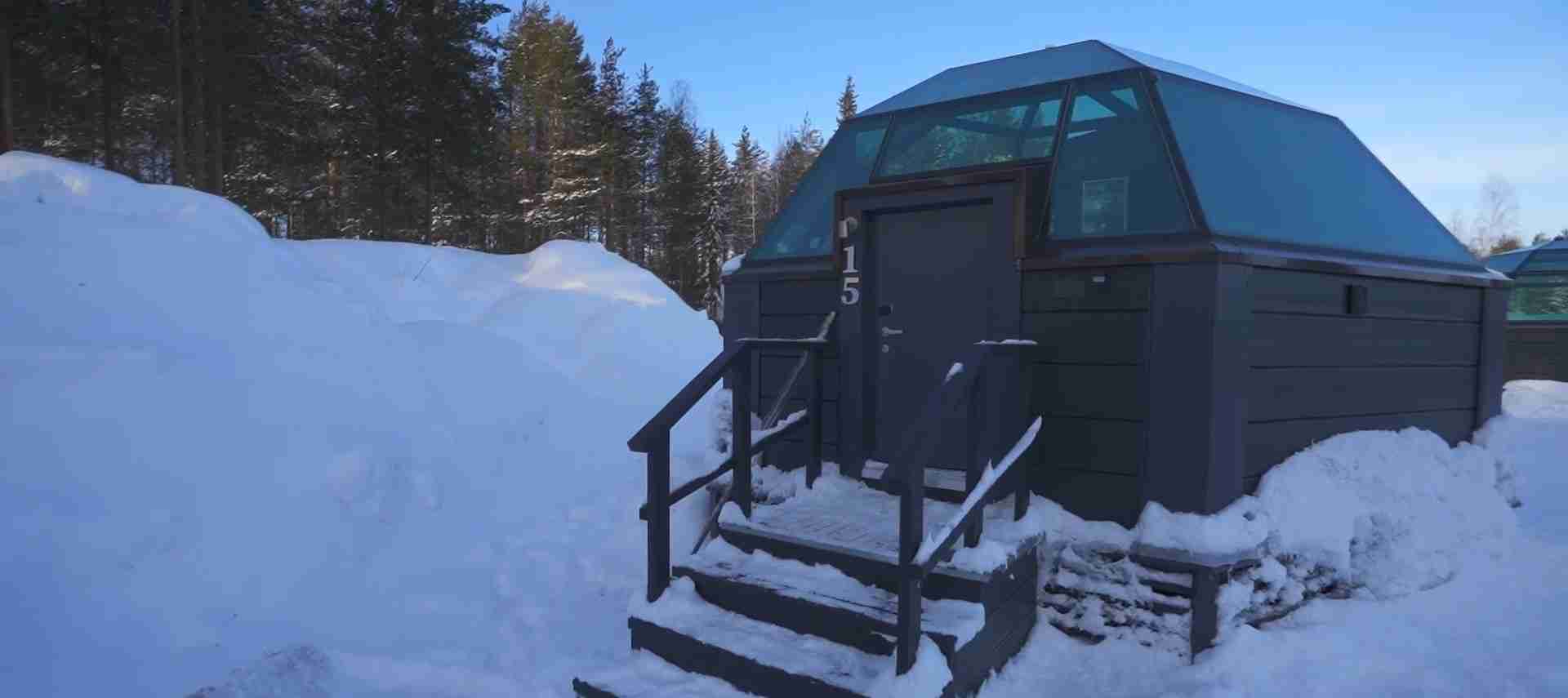
Finnish Lapland pioneered the glass igloo concept in the late 1990s, transforming aurora viewing into comfortable overnight experiences where heated panoramic glass roofs allow uninterrupted sky observation from bed. These unique accommodations combine modern amenities including private bathrooms, climate control, and luxury features with traditional Lappish design elements, creating immersive Arctic experiences without compromising comfort. Understanding the distinctions between resorts, room types, locations, and seasonal considerations helps travelers select optimal glass igloo accommodations for Northern Lights observation and Arctic nature immersion.
Key Takeaways
- Heated Glass Technology: Glass igloo roofs utilize electric heating elements preventing snow accumulation and ice formation while maintaining interior warmth, ensuring clear views regardless of weather conditions.
- Modern Amenities Standard: Authentic glass igloos include private bathrooms with showers, climate control systems, comfortable beds, and often private saunas, distinguishing them from basic aurora tents or domes.
- Prime Locations: Finnish Lapland hosts over 35 glass igloo resorts concentrated in three main areas: Rovaniemi region (accessibility), Ivalo-Saariselkä corridor (wilderness), and Levi area (ski resort proximity).
- Northern Lights Season: Aurora viewing occurs from late August through April when darkness returns after summer’s midnight sun, with peak activity typically during equinox periods in September-October and March.
- Price Range: Nightly rates span €150-500 depending on resort tier, igloo size, amenities, and season, with peak Christmas and New Year weeks commanding premium pricing.
- Booking Lead Time: Popular resorts and peak season dates require reservations 6-12 months in advance, particularly for Christmas weeks, New Year, February school holidays, and weekends.
People Also Ask About Glass Igloo in Finnish Lapland
How do glass igloos stay warm in Finnish Lapland?
Glass igloos maintain comfortable interior temperatures through multiple integrated heating systems despite exterior temperatures reaching -30°C to -40°C during Arctic winter. The glass roof panels contain electric heating elements that warm the glass surface continuously, preventing snow accumulation and ice formation while radiating gentle heat downward into the interior space. This heated glass technology keeps the viewing surface clear regardless of snowfall or exterior condensation while contributing to overall room warmth.
Additional heating comes from climate control systems featuring both radiant floor heating and adjustable air temperature controls, allowing guests to customize interior conditions to personal comfort preferences. The glass panels themselves feature triple-layer insulation with thermal coatings that retain heat while allowing light transmission, creating greenhouse-like thermal retention characteristics. Solid walls constructed with traditional insulation materials surround the sleeping area, limiting heat loss to only the necessary glass viewing surface rather than the entire structure.
Many glass igloos incorporate electric fireplaces providing both supplemental heat and atmospheric ambiance. The compact room size relative to heating capacity enables rapid warming and easy temperature maintenance. Combined, these systems create interior environments comfortable for sleeping in pajamas or light clothing while exterior temperatures plummet far below freezing, all without compromising the clear sky views essential for Northern Lights observation.
Are glass igloos better than regular hotels for Northern Lights?
Glass igloos offer distinct advantages over conventional hotel accommodations for Northern Lights experiences, though they also present certain limitations travelers should consider. The primary advantage lies in continuous sky visibility without leaving bed—when auroras appear, guests simply look upward through the heated glass roof rather than dressing for extreme cold, exiting buildings, and searching for viewing locations. This convenience proves particularly valuable during unpredictable aurora displays appearing briefly or during coldest winter hours when outdoor exposure becomes uncomfortable.
The panoramic viewing angle provided by well-designed glass roofs encompasses more sky area than typical windows, increasing chances of observing auroras regardless of their directional appearance. The protected environment allows comfortable extended observation periods impossible outdoors during -25°C temperatures, while heated glass prevents condensation and ice that would obstruct views through regular windows. Many glass igloo resorts position accommodations away from light pollution sources, optimizing aurora visibility compared to urban hotels.
However, glass igloos cannot guarantee Northern Lights sightings—aurora appearances depend on solar activity and weather conditions beyond accommodation control. Some travelers experience cloudy skies throughout their stays despite premium igloo prices, resulting in no aurora observations. Standard hotels offer larger rooms, more amenities, better soundproofing, and significantly lower costs, making them sensible choices for travelers prioritizing comfort, budget, or those planning Northern Lights viewing through organized tours to remote locations offering superior aurora probabilities than any fixed accommodation can provide.
What is the original glass igloo resort in Finland?
Kakslauttanen Arctic Resort in Saariselkä pioneered the glass igloo concept in the late 1990s, creating the original accommodation design that inspired numerous subsequent developments across Lapland and eventually worldwide. Located approximately 250 kilometers north of the Arctic Circle in Urho Kekkonen National Park wilderness, Kakslauttanen introduced the innovative combination of thermally heated glass panels with traditional Lappish log construction, proving that comfortable year-round operation was feasible despite extreme Arctic conditions.
The resort’s development emerged from owner recognition that conventional accommodation limited Northern Lights viewing experiences to brief outdoor periods uncomfortable during severe winter cold. By creating structures allowing uninterrupted sky observation from heated interior spaces, Kakslauttanen transformed aurora viewing from intermittent cold outdoor activity into overnight immersive experience. The original glass igloos featured small thermal glass panels, which evolved over years into today’s expansive panoramic roofs covering the majority of ceiling space.
Kakslauttanen’s success spawned the Finnish glass igloo industry, with competing resorts developing throughout Lapland incorporating variations on the heated glass roof concept. While Kakslauttanen maintains historical significance as the originator, numerous newer properties offer comparable or superior amenities, service standards, and value propositions. The competitive landscape benefits travelers through improved options, though Kakslauttanen’s iconic status and photogenic igloos continue attracting visitors seeking the original experience despite premium pricing and mixed recent reviews regarding service standards and environmental practices.
Can you see Northern Lights from all glass igloos in Finland?
Theoretically yes, practically the probability varies significantly based on geographic location, local light pollution, weather patterns, and seasonal timing. All glass igloos in Finnish Lapland lie north of latitude 64°N where Northern Lights occur regularly during dark months, making aurora visibility possible from any property when solar activity and atmospheric conditions align favorably. However, several factors affect actual viewing success rates beyond simple latitude positioning.
Resorts located farther north, particularly those in the Ivalo-Saariselkä-Inari corridor (68°-69°N), experience higher aurora frequency than properties near Rovaniemi (66°N) due to proximity to the auroral oval—the ring-shaped zone around magnetic poles where auroras concentrate most intensely. Properties positioned in wilderness areas away from urban light pollution offer clearer views than those near towns, while resorts managing their own lighting to minimize sky glow enhance viewing conditions compared to brightly illuminated facilities.
Local weather patterns significantly impact viewing regardless of location, with coastal and southern Lapland areas experiencing more cloud cover than inland northern regions. Inari region typically maintains clearest skies, while Rovaniemi area sees more precipitation and cloud cover. Individual resort positioning matters—properties in forest clearings may have limited sky visibility compared to those in open areas or elevated positions providing 180-degree panoramic views. Researching specific resort aurora viewing success rates, lighting policies, and location characteristics proves more valuable than assuming all glass igloos offer equivalent Northern Lights experiences.
Extended multi-day tours – 5+ days
Featured Finland Multi-Day Tour Packages
3 days
Finland 3-Day Discovery Tour
- ✓ Comprehensive Finland experience
- ✓ Expert local guides included
- ✓ All accommodation included
- ✓ Transportation provided
5 days
Finland 5-Day Highlights Experience
- ✓ Comprehensive Finland experience
- ✓ Expert local guides included
- ✓ All accommodation included
- ✓ Transportation provided
7 days
Finland 7-Day Cultural Journey
- ✓ Comprehensive Finland experience
- ✓ Expert local guides included
- ✓ All accommodation included
- ✓ Transportation provided
10 days
Finland 10-Day Complete Adventure
- ✓ Comprehensive Finland experience
- ✓ Expert local guides included
- ✓ All accommodation included
- ✓ Transportation provided
Multi-day tour packages powered by TourRadar. Prices and availability subject to change.
Introduction: The Glass Igloo Phenomenon in Finnish Lapland
The glass igloo accommodation concept represents one of Finnish Lapland’s most successful tourism innovations, addressing the fundamental challenge that Northern Lights viewing traditionally required exposing oneself to extreme Arctic cold during winter’s darkest hours. By enclosing sleeping spaces with heated transparent roofs, Finnish engineers and entrepreneurs created environments where aurora observations occur from warm beds rather than frozen outdoor observation points, fundamentally transforming the Arctic experience from endurance challenge to luxury comfort.
This innovation emerged from Finland’s unique combination of factors: harsh Arctic climate creating both the Northern Lights viewing opportunities and the discomfort problem requiring solutions, advanced glass and heating technology enabling year-round heated transparent structures, and tourism entrepreneurship recognizing international demand for unique Arctic experiences. The first glass igloos appeared in the late 1990s, with Kakslauttanen Arctic Resort pioneering the concept before competitors developed throughout Lapland regions.
Today, over 35 glass igloo resorts operate across Finnish Lapland, ranging from small family-owned properties with 5-10 units to large-scale developments featuring 70+ igloos plus comprehensive activity centers, restaurants, and spa facilities. This diversity creates options spanning budget constraints, location preferences, amenity requirements, and experience priorities. Understanding the distinctions between properties, room types, regions, and seasonal considerations enables informed selection matching individual priorities and expectations.
The glass igloo phenomenon extends beyond simple accommodation to represent a broader shift in Arctic tourism toward comfort-focused experiences rather than traditional wilderness expedition models. While purists may critique this commercialization of aurora viewing, the accessibility created by glass igloos introduces Arctic phenomena to audiences who would never participate in outdoor winter camping or midnight wilderness excursions. The resulting economic impact supports Lapland communities, indigenous Sámi culture preservation, and environmental conservation efforts funded through tourism revenues.
Understanding Glass Igloo Technology and Design
Heated Glass Roof Systems
The defining feature of authentic glass igloos involves electrically heated transparent roof panels maintaining interior warmth while preventing exterior snow and ice accumulation. Embedded heating elements run throughout the glass panels, similar to automotive rear window defrosters but designed for continuous operation throughout winter months. These elements warm the glass surface to approximately 5-10°C above ambient temperature, causing snow to melt on contact and preventing ice formation that would obstruct sky views.
The glass panels themselves feature multiple layers with insulating air gaps and low-emissivity coatings reducing heat loss while maintaining light transmission for optimal aurora and starlight visibility. Thermal specifications vary by manufacturer and installation period, with newer properties typically incorporating more advanced glazing technologies than older installations. The glass curvature in dome-shaped designs provides structural strength while maximizing viewing angles, though some rectangular designs using flat panels offer adequate functionality with simpler construction.
Power requirements for heated glass systems are substantial, necessitating reliable electrical infrastructure at remote locations. Most resorts connect to regional power grids, though some incorporate supplemental solar panels or diesel generators for backup capacity. The heating systems operate continuously from late autumn through early spring, with automatic controls adjusting output based on exterior temperature conditions and snow accumulation rates.
Interior Climate Control and Comfort
Beyond the heated glass roof, glass igloos incorporate comprehensive climate control systems maintaining comfortable sleeping temperatures despite Arctic exterior conditions. Radiant floor heating provides gentle consistent warmth radiating upward from insulated base structures. Adjustable thermostats allow personalized temperature control, with most systems capable of maintaining 18-24°C interior temperatures when exterior conditions reach -30°C or colder.
Ventilation systems provide fresh air circulation without creating drafts or cold spots, essential for preventing condensation on interior surfaces and maintaining air quality during extended occupancy periods. The compact room sizes relative to heating capacity enable rapid temperature adjustments and recovery following door openings for bathroom access or outdoor excursions. Insulated walls and floors prevent cold infiltration from ground contact and perimeter boundaries, concentrating heat loss to only the essential glass viewing surface.
Bedroom furnishings emphasize comfort with quality mattresses, substantial bedding including duvets rated for cold climates, and blackout curtains or shades allowing darkness for sleep despite midnight sun periods during summer months. Many igloos feature electric fireplaces providing both supplemental heat and atmospheric ambiance, though these serve primarily decorative functions given the comprehensive heating systems already maintaining comfortable conditions.
Bathroom and Amenity Integration
Genuine glass igloos distinguish themselves from basic aurora tents or domes by incorporating private bathroom facilities within the structure or immediately adjacent via heated corridors. Standard bathrooms include toilet, sink, and shower with hot water, eliminating the need to venture to separate facilities during cold nights. This amenity proves particularly valuable during multi-night stays and for travelers unaccustomed to shared bathroom accommodations.
Many higher-end glass igloos include private saunas—an essential Finnish cultural element providing both relaxation and the authentic experience of extreme temperature contrast when alternating between sauna heat and Arctic cold outdoor environments. The sauna placement either within the igloo or in connected spaces maintains convenient access without requiring outdoor travel during winter evenings.
Additional amenities vary by property tier and price point but often include mini-refrigerators, coffee and tea making facilities, WiFi connectivity, electric kettles, and small seating areas beyond the bed. Luxury variants incorporate features like outdoor hot tubs positioned for sky viewing, living room spaces separating sleeping areas, and premium bedding and furnishings. Budget options minimize extras focusing on core glass roof sky viewing functionality with basic bathroom access.
Major Glass Igloo Regions in Finnish Lapland
Rovaniemi Area: Accessibility and Santa Claus Village
The Rovaniemi region offers the most accessible glass igloo concentration, located near Finnish Lapland’s capital city with international airport, railway connections, and comprehensive tourism infrastructure. Properties in this area position within 10-30 kilometers of Rovaniemi city center and airport, enabling easy transfers without extensive wilderness travel. Proximity to Santa Claus Village creates opportunities combining glass igloo stays with Arctic Circle crossing, Santa meetings, and family-friendly Christmas activities.
Notable Rovaniemi-area glass igloo properties include Apukka Resort featuring Aurora Cabins with private bathrooms and lakeside positioning, Arctic TreeHouse Hotel offering elevated design-focused accommodations, Santa’s Igloos Arctic Circle with 71 glass igloos directly at Santa Claus Village, and Glass Resort providing luxury glass accommodations with outdoor hot tubs. These properties emphasize convenience, comprehensive activity programming, and accessibility for families and travelers with limited wilderness experience.
The Rovaniemi region’s southern latitude (66°30’N, just below the Arctic Circle) creates slightly lower Northern Lights frequency compared to areas farther north, though auroras remain regularly visible during dark months. Light pollution from Rovaniemi city affects sky darkness in nearby properties, though resorts positioned along lakes or in forest locations away from direct city illumination maintain adequate viewing conditions. Weather patterns bring more precipitation and cloud cover than northern Lapland areas, though the region still provides viable Northern Lights viewing opportunities.
Ivalo-Saariselkä-Inari Corridor: Wilderness and Aurora Frequency
The Ivalo-Saariselkä-Inari region in northern Lapland (approximately 250-300 kilometers north of Rovaniemi) represents the glass igloo heartland with the highest concentration of properties including the original Kakslauttanen Arctic Resort. This area provides wilderness positioning, minimal light pollution, and optimal Northern Lights viewing probabilities due to proximity to the auroral oval and typically clearer skies than southern regions.
Ivalo Airport provides international accessibility with daily flights from Helsinki and seasonal connections from European cities, though the remote positioning creates authentic wilderness atmosphere. The corridor extends through Urho Kekkonen National Park wilderness with properties positioned along the main highway yet surrounded by vast forest areas. Winter temperatures typically run 5-10°C colder than Rovaniemi, enhancing winter atmosphere while requiring appropriate cold weather preparation.
Key properties include Kakslauttanen Arctic Resort (the original glass igloo resort with extensive facilities), Northern Lights Village Saariselkä (focus on aurora photography and guided tours), Aurora Village Ivalo (family-owned property in quiet forest setting), Wilderness Hotel Muotka (wilderness accommodation with comprehensive activities), and Lake Inari Aurora Cabins (premium lake views in remote positioning). The region emphasizes authentic wilderness experiences, aurora viewing optimization, and winter activities including extensive snowmobile trail networks and national park access.
Levi Area: Ski Resort Integration
The Levi region combines glass igloo accommodations with Scandinavia’s most popular ski resort, creating opportunities for winter sports enthusiasts to combine alpine skiing with Northern Lights viewing and Arctic experiences. Located approximately 170 kilometers north of Rovaniemi near Kittilä, Levi offers comprehensive winter sports infrastructure alongside glass igloo properties positioned within or near the resort area.
Levi’s glass igloo properties include Northern Lights Village Levi (aurora-focused resort with comprehensive activity program), Levin Iglut Golden Crown (reasonably priced glass igloos on active reindeer farm), and Northern Lights Ranch (combination of skiing access and glass accommodations). The ski resort atmosphere creates livelier après-ski and dining scenes compared to remote wilderness properties, appealing to travelers seeking social experiences alongside Northern Lights viewing.
Kittilä Airport serves the region with connections from Helsinki and seasonal European flights, while road connections from Rovaniemi take approximately 2.5 hours. The combination of skiing, glass igloos, aurora viewing, and resort amenities makes Levi suitable for travelers wanting diverse winter activities beyond pure Northern Lights focus.
Alternative Locations: Scattered Wilderness Properties
Beyond the three main concentrations, scattered glass igloo properties operate throughout Finnish Lapland in locations emphasizing extreme wilderness positioning, specific natural features, or niche markets. These include Pyhä Igloos near Pyhä-Luosto National Park combining aurora viewing with fell landscapes and hiking access, Arctic Fox Igloos near Ranua Wildlife Park enabling combination of glass igloo stays with Arctic animal observation, and various mobile or seasonal glass units positioned on frozen lakes or remote wilderness locations during winter months.
These alternative properties often provide more intimate experiences with smaller guest counts, unique positioning features like lake islands or fell summits, and opportunities for travelers seeking maximum wilderness isolation. However, accessibility typically proves more challenging, activity options may be limited compared to larger resorts, and infrastructure may be more basic. Research and advance planning become particularly important when considering these specialized options.
Types of Glass Igloo Accommodations
Standard Glass Igloos
Standard glass igloos represent the baseline product featuring heated glass roof panels over sleeping areas, climate control, and private bathroom facilities. These units typically accommodate 2 guests in a double or twin bed configuration, with total interior space ranging from 15-25 square meters. The glass roof covers 50-70% of the ceiling area, leaving solid insulated walls and roof sections around perimeter areas where bathrooms and storage integrate.
Standard specifications include shower, toilet, sink, heating controls, basic furnishings, and minimal additional amenities. Some properties incorporate small electric fireplaces, seating areas, or coffee facilities, while others focus purely on sleeping and bathroom functionality. Nightly rates for standard glass igloos range from €150-300 depending on resort tier, season, and included services, with peak periods commanding premium pricing.
These accommodations suit couples seeking the glass igloo experience without luxury extras, budget-conscious travelers accepting compact spaces, or those planning to spend minimal time in rooms due to extensive activity schedules. The essential glass roof viewing functionality matches higher-tier options, with differences appearing primarily in space, amenities, and luxury appointments rather than core Northern Lights viewing capabilities.
Luxury and Superior Glass Igloos
Luxury glass igloo categories expand space, amenities, and comfort levels while maintaining the heated glass roof concept. These larger units (25-40 square meters) provide separate living and sleeping areas, premium furnishings, enhanced bathroom facilities sometimes including bathtubs, private saunas, outdoor hot tubs, and luxury bedding and linens. The glass roof areas typically expand to cover greater ceiling percentages, maximizing sky visibility from multiple room positions.
Additional amenities may include fireplaces, kitchenettes, premium coffee facilities, champagne service, enhanced soundproofing, designer furnishings, and concierge services. Some properties offer “King” or “Queen” variants named for bed sizes, while others use terminology like “Suite,” “Superior,” or “Deluxe” indicating enhanced specifications beyond standard options.
Luxury glass igloo rates span €300-500 nightly or more during peak periods, with the premium justified by significantly enhanced space, comfort, and amenities. These suit travelers prioritizing comfort, couples celebrating special occasions, or those wanting comprehensive in-room facilities enabling extended time in accommodations rather than relying primarily on resort common areas and activities.
Family Glass Igloos
Family-sized glass igloos accommodate 4-6 guests through larger spaces, multiple beds, or convertible sofa configurations. These units provide additional square meterage (30-50+ square meters) while maintaining heated glass roof coverage over sleeping areas. Typical configurations include one double bed plus bunk beds, multiple sleeping areas within single spaces, or connecting room arrangements.
Family variants emphasize practical amenities including larger bathrooms, storage space for multiple travelers’ belongings, and sometimes kitchenettes for preparing children’s meals or snacks. Some properties offer dedicated family igloos, while others accommodate families by connecting multiple standard units or providing larger suites suitable for group sleeping arrangements.
Pricing reflects increased capacity, with family igloos typically costing €250-450 nightly depending on size, amenities, and season. Per-person rates become more economical than booking multiple standard units, making family options valuable for groups traveling together or multi-generational trips seeking shared accommodations under glass roofs.
Kelo-Glass Igloos and Hybrid Designs
Kelo-glass igloos combine traditional Finnish log cabin construction using weathered Kelo pine with integrated glass roof sections, creating hybrid accommodations emphasizing cultural authenticity alongside modern glass viewing technology. These structures feature substantial log walls providing enhanced insulation, rustic atmosphere, and larger overall spaces compared to pure glass igloo designs.
The glass roof portions integrate into log cabin frameworks, often covering bedroom areas while living spaces, bathrooms, and sometimes full kitchens occupy traditionally constructed sections. This design provides greater living space, enhanced privacy through separate rooms, and the combination of traditional Lappish architecture with contemporary Northern Lights viewing capabilities.
Kelo-glass options typically command premium pricing (€300-500+ nightly) reflecting larger square meterage, substantial construction costs, and luxury positioning. These appeal to travelers seeking authentic Finnish design aesthetics, those wanting more spacious accommodations beyond compact glass igloos, or visitors planning extended stays benefiting from full kitchen and living room facilities.
Planning Your Glass Igloo Stay
Optimal Seasons for Northern Lights Viewing
Northern Lights viewing season extends from late August through April in Finnish Lapland, coinciding with the return of darkness after summer’s midnight sun period. However, aurora viewing quality varies significantly throughout this window based on darkness hours, weather patterns, and typical solar activity cycles. September and October offer advantages including relatively mild temperatures (-5°C to +5°C), beautiful autumn colors during September’s ruska season, and equinox period solar activity peaks often producing strong auroras. However, shorter darkness periods (8-10 hours nightly) and occasional rain limit viewing windows.
November through February provide maximum darkness duration with 18-20 hour nights enabling extended aurora observation windows, peak winter atmosphere with deep snow and extreme cold creating authentic Arctic experiences, and typically clear crisp weather conditions favoring astronomical observation. Temperatures ranging from -15°C to -35°C require serious cold weather preparation but create ideal aurora viewing conditions. December-January bring Christmas atmosphere and midnight sun absence, though also the highest accommodation rates and largest tourist crowds.
March and early April combine benefits from both periods with substantial darkness hours (12-14 hours nightly), moderating temperatures (-5°C to -15°C) more comfortable than midwinter extremes, spring equinox solar activity peaks, and often clear weather as storm systems diminish. Late March and April bring rapidly increasing daylight reducing aurora viewing windows but creating opportunities for daytime activities previously impossible during winter darkness.
Booking Timeline and Availability
Popular glass igloo resorts, particularly highly-rated properties and during peak periods, require advance reservations 6-12 months ahead for guaranteed availability. Christmas week, New Year’s, and February school holiday periods book earliest, often filling completely 8-12 months in advance. Weekend dates throughout winter season command premium demand compared to midweek nights, while special events or meteor shower dates create localized demand spikes.
Shoulder season periods (late August, September, April) offer better availability with reservations possible 2-4 months ahead, though best properties still benefit from early booking. Budget and newly opened properties maintain better last-minute availability than established premium resorts, though seasonal demand patterns still apply.
Cancellation policies vary by property, with many requiring non-refundable deposits or full prepayment during peak periods while offering more flexible terms during quieter months. Travel insurance addressing weather-related cancellations, medical emergencies, or unexpected itinerary changes provides valuable protection given the substantial costs and advance booking timelines involved in glass igloo reservations.
Understanding Pricing Structures
Glass igloo pricing varies dramatically based on multiple factors including resort tier (budget vs. luxury), igloo type (standard vs. suite), season (peak vs. shoulder), date type (weekend vs. weekday), and included services (accommodation only vs. activity packages). Basic standard glass igloos during shoulder season midweek nights start around €150-200, while luxury suites during Christmas week weekends reach €500-700 or more per night.
Many resorts offer package rates bundling accommodation with meals (half-board or full-board), airport transfers, and activity inclusions such as husky sledding, reindeer farm visits, or Northern Lights tours. Packages often provide better value than booking components separately, though they reduce flexibility for travelers wanting to customize activity schedules or dine independently. Comparing package total costs against à la carte component pricing helps determine optimal booking strategies.
Length of stay affects pricing, with some properties offering discounts for 3+ night bookings while others maintain consistent nightly rates regardless of duration. Minimum stay requirements (typically 2-3 nights) apply during peak periods, preventing single-night bookings when demand exceeds capacity. Early booking discounts, last-minute deals during quiet periods, and direct booking benefits (avoiding online booking platform commissions) create additional pricing variations worth investigating.
Managing Expectations and Realistic Planning
Glass igloos guarantee comfortable Northern Lights viewing opportunities but cannot guarantee aurora appearances, which depend entirely on solar activity and weather conditions beyond any resort’s control. Travelers booking single-night stays risk complete aurora absence if cloud cover or low solar activity coincides with their visit. Multi-night stays (3-5 nights) dramatically increase aurora sighting probabilities through multiple viewing opportunities, though even extended stays occasionally encounter persistent cloud cover or low solar activity periods preventing observations.
Glass igloos provide bedroom accommodations rather than comprehensive resort facilities in many cases. Budget and mid-range properties may offer limited common areas, dining options, or on-site activities, requiring transportation to external restaurants and activity providers. Luxury resorts with comprehensive facilities command premium rates but provide weather-independent amenities valuable during poor aurora viewing conditions or daytime hours.
Sleep quality in glass igloos varies based on individual sensitivity to ambient light, unfamiliar environments, and temperature control success. The glass roof admits moonlight, starlight, and any artificial light sources unless blackout curtains cover viewing areas, potentially affecting sleep for light-sensitive individuals. Temperature regulation sometimes proves challenging with overly warm or insufficiently heated conditions depending on exterior temperature extremes and system performance.
Enhancing the Glass Igloo Experience
Combining Accommodation with Arctic Activities
Glass igloo stays gain additional value when combined with comprehensive Arctic activity programming rather than focusing solely on accommodation. Most resorts offer extensive activity menus including husky sledding experiences ranging from short introductory rides to multi-hour wilderness expeditions, reindeer farm visits with sleigh rides and traditional Sámi cultural presentations, snowmobile safaris exploring surrounding wilderness areas, and organized Northern Lights photography tours visiting optimal viewing locations.
Winter activities extend to ice fishing on frozen lakes, snowshoeing through silent forests, cross-country skiing on maintained trail networks, and visits to ice hotels or snow restaurants operating seasonally. Some properties maintain their own activity facilities including husky kennels and reindeer herds, while others coordinate with external providers. Package deals bundling popular activities with accommodation often provide better value than separate bookings.
Summer glass igloo stays shift activity focus from snow-based experiences to midnight sun hiking, fishing, berry picking, wildlife observation, canoeing, mountain biking, and cultural experiences. The 24-hour daylight enables flexible scheduling with activities possible at any hour, though the absence of Northern Lights removes the primary attraction for most glass igloo guests. Summer rates typically run 30-50% below winter peak prices, reflecting reduced aurora viewing potential despite comfortable weather and extended outdoor access.
Photography and Northern Lights Documentation
Photographing Northern Lights through glass igloo roofs presents technical challenges requiring appropriate camera equipment and settings. The glass introduces additional light refractions, potential reflections from interior lights, and barriers affecting image sharpness compared to exterior photography. Serious aurora photographers often prefer stepping outside for optimal image quality, using glass igloos for comfortable observation between photography sessions rather than shooting through glass.
For successful glass roof photography, camera requirements include manual exposure control, wide-angle lenses (14-24mm), tripods or stable camera positioning, and ISO capabilities reaching 1600-6400. Settings typically employ 5-20 second exposures, f/2.8-f/4.0 apertures, and ISO 1600-3200 adjusted based on aurora brightness and moon phases. Eliminating interior lights prevents reflections, while using remote shutter releases or camera timers reduces vibration affecting sharpness.
Many resorts offer professional Northern Lights photography tours visiting optimal exterior locations with guides providing technical assistance, equipment advice, and compositional guidance. These tours often yield superior photographs compared to glass igloo roof shooting while teaching skills applicable to future aurora photography attempts.
Sauna Culture and Thermal Contrasts
Finnish sauna culture represents an essential element of authentic Lapland experiences, with many glass igloo properties incorporating private or shared sauna facilities. The traditional practice involves heating body temperature to 80-100°C in dry sauna environments, then cooling rapidly through outdoor snow rolling, ice swimming, or cold showers. This dramatic temperature contrast provides both physical health benefits and quintessential Finnish cultural immersion.
Glass igloos with private saunas enable spontaneous sauna sessions followed by stepping into Arctic night air for cooling periods while observing Northern Lights or stars overhead. The combination creates unique multi-sensory experiences impossible to replicate in temperate climates. Properties without private saunas typically offer shared facilities accessible to all guests, maintaining sauna availability as standard amenity even in budget accommodations.
Sauna etiquette in Finland emphasizes quiet relaxation, moderate behavior, and gender separation in shared facilities unless specifically designated as mixed-use. Bringing small towels for sitting, showering before entering, and respecting other users’ relaxation needs maintains appropriate cultural practices.
Culinary Experiences and Lappish Cuisine
Dining options vary dramatically between glass igloo properties, from full-service restaurants featuring elaborate Lappish cuisine to basic breakfast services requiring external dining for other meals. Signature Lappish dishes include reindeer preparations (stews, steaks, smoked variants), Arctic char and salmon, cloudberry desserts, lingonberry accompaniments, and foraged forest ingredients. Higher-end resorts emphasize locally sourced ingredients and traditional cooking methods including open fire preparations.
Some properties offer unique dining experiences including ice restaurants operating December through March with tables, chairs, and décor carved from ice and snow, traditional Lappish kota hut dinners around open fires, and festive Christmas meals during December-January peak season. These special dining events typically require advance reservations and command premium pricing beyond standard meal rates.
Properties providing only breakfast service require planning for lunch and dinner, with options including on-site restaurants (if available), nearby village dining, or provisions brought from Rovaniemi or other larger towns. Remote locations may offer limited external dining access, making half-board or full-board packages valuable for ensuring meal access without extensive travel.
Practical Considerations and Tips
What to Pack for Glass Igloo Stays
Winter glass igloo visits require comprehensive cold weather clothing despite warm interior accommodations. Essential items include insulated winter jacket rated for extreme cold, thermal base layers (top and bottom), mid-layer fleece or wool, winter boots rated to -40°C, warm gloves or mittens, thermal socks, hat covering ears, and face protection for extremely cold days. Many resorts provide winter clothing sets (thermal suits, boots, mittens) as included amenities or rental options, reducing luggage requirements for international travelers.
Camera equipment for aurora photography should include DSLR or mirrorless camera with manual controls, wide-angle lens, sturdy tripod, extra batteries (cold rapidly drains power), lens cleaning cloth, and remote shutter release. Warm clothing specifically for outdoor photography sessions enables comfortable shooting despite cold temperatures affecting standard winter gear’s practicality for extended stationary periods.
Personal comfort items include eye masks if sensitive to ambient light from moon/stars through glass roof, ear plugs for light sleepers affected by glass igloo acoustics, medications and toiletries (remote locations may lack convenient purchase options), and entertainment for indoor time during poor weather or daylight hours. Power adapters for European outlets, portable chargers for devices, and appropriate voltage converters prevent electronic issues.
Health and Safety Considerations
Extreme winter cold presents genuine health risks requiring serious preparation and appropriate behavior. Frostbite affects exposed skin within 10-30 minutes at -25°C to -35°C temperatures common during January and February, making proper clothing coverage essential for outdoor activities. Recognizing early frostbite symptoms (numbness, white or grayish skin patches) and immediately warming affected areas prevents serious tissue damage.
Hypothermia risk increases during extended outdoor exposure without appropriate clothing layers or if clothing becomes wet from sweat or snow. Maintaining movement, wearing moisture-wicking base layers, and limiting outdoor exposure duration to individual cold tolerance levels prevents dangerous core temperature drops. Many aurora viewing sessions from glass igloo roofs involve stepping outside briefly for photography or viewing from property grounds—these brief exposures present minimal risk with basic winter clothing, while organized outdoor activities require comprehensive cold weather preparation.
Air travel to Lapland, substantial time zone changes for distant travelers, and dramatic dark/light period shifts affect circadian rhythms and may cause jet lag, fatigue, or sleep disruption. Allowing adjustment days, moderating alcohol consumption, staying hydrated, and maintaining reasonable activity schedules helps adaptation. The continuous darkness during winter can affect mood for some individuals, though the active schedules and unique experiences typically prevent seasonal affective disorder concerns during short visits.
Environmental Responsibility
Glass igloos consume significant energy maintaining heated glass systems and interior climate control throughout Arctic winters, raising environmental concerns despite the sustainable tourism marketing many resorts emphasize. Travelers concerned about environmental impacts should research properties’ actual environmental practices including energy sources (renewable vs. fossil fuels), waste management systems, water conservation measures, and participation in certified sustainable tourism programs.
Minimizing environmental impact during stays involves simple practices including turning down heating when leaving rooms, limiting water consumption, properly disposing of waste in provided recycling systems, respecting wildlife and natural areas during activities, and supporting properties demonstrating genuine environmental commitments rather than greenwashing marketing. Some properties actively work toward carbon neutrality, waste reduction, and ecological restoration projects deserving recognition through tourism support.
Choosing properties operated by local Lapland residents, indigenous Sámi entrepreneurs, or community-owned businesses helps ensure tourism revenues benefit local populations rather than distant corporations. Supporting authentic cultural experiences, purchasing genuine Sámi handicrafts, and learning about indigenous traditions with respect and genuine interest contributes positively to cultural preservation and community wellbeing.
Frequently Asked Questions
How much does a glass igloo cost per night in Finland?
Glass igloo nightly rates span €150-500 depending on multiple factors including resort tier, igloo type, season, and date. Budget-oriented properties during shoulder season midweek nights start around €150-200 for standard glass igloos with basic amenities. Mid-range resorts typically charge €250-350 for standard accommodations during regular winter season, while luxury properties or superior room categories reach €350-450 during normal periods. Peak season weeks (Christmas, New Year, February school holidays) command premium rates with luxury suites and kelo-glass igloos reaching €500-700 or more. Rates typically include breakfast, though packages bundling additional meals, activities, or transfers add to base accommodation costs.
Are glass igloos worth the money?
Value assessment depends on individual priorities, expectations, and alternatives considered. Glass igloos provide unique experiences combining Northern Lights viewing comfort with novelty accommodation, appealing to travelers prioritizing memorable experiences over pure economic efficiency. The convenience of aurora observation from heated beds proves genuinely valuable during unpredictable aurora appearances or extreme cold nights when outdoor viewing becomes uncomfortable. Photographic opportunities, bucket-list achievement satisfaction, and the overall Arctic immersion justify costs for many visitors.
However, glass igloos cannot guarantee Northern Lights appearances regardless of price paid, making aurora-focused trips potentially disappointing despite premium accommodation costs. Standard hotels provide superior space, amenities, and value for basic accommodation needs, with organized Northern Lights tours to optimal viewing locations often yielding better aurora experiences than fixed glass igloo positions. Budget-conscious travelers or those visiting primarily for activities rather than accommodation novelty may find better value in conventional lodging with aurora tour packages. The determination involves balancing unique experience value against practical alternatives and individual financial constraints.
Do glass igloos get too hot or too cold?
Temperature regulation in glass igloos occasionally presents challenges, with both overheating and insufficient warming possible depending on exterior conditions, heating system performance, and individual comfort preferences. Overheating occurs most commonly during mild winter periods or when heating systems operate at maximum output designed for extreme cold conditions. The compact space and greenhouse effect from glass panels can create uncomfortably warm environments, particularly for individuals sensitive to heat. Adjustable thermostats address this issue, though some properties provide limited temperature control options.
Insufficient heating happens less frequently but remains possible during extreme cold events below -30°C if heating systems prove inadequate for exceptional conditions. Some older properties or budget options incorporate less powerful heating than luxury installations, creating potential comfort issues during coldest weather. Perimeter heat loss through floor contact with frozen ground or inadequate wall insulation can create cold spots despite functioning heating systems. Reading recent guest reviews addressing temperature comfort helps identify properties with consistent climate control versus those experiencing heating problems.
Can you see the Milky Way from glass igloos?
Yes, glass igloos enable excellent Milky Way observation during appropriate seasons and conditions. The winter dark months from November through February with new moon periods provide optimal Milky Way visibility, with the minimal light pollution at wilderness properties creating spectacular starfield views. The panoramic glass roofs allow comfortable extended observation periods impossible during outdoor viewing in -25°C temperatures. However, full moon periods significantly reduce Milky Way visibility regardless of glass igloo positioning, while cloud cover prevents astronomical observation entirely.
Summer months bring continuous daylight precluding both Milky Way observation and Northern Lights viewing, limiting astronomical phenomena to September-April dark period. Light pollution from nearby settlements, resort lighting, or aurora activity affects Milky Way visibility, with the dimmer galactic core structures obscured by bright auroral displays or artificial illumination. Properties in remote wilderness areas away from light sources provide superior Milky Way observation compared to resorts near towns or with bright exterior lighting.
Are glass igloos soundproof?
Glass igloos typically provide minimal sound insulation compared to conventional hotel rooms, with thin glass panels and compact construction allowing noise transmission between units and from exterior sources. Guests in adjacent igloos may hear conversations, activities, or movements through shared walls, while exterior sounds including snowmobiles, outdoor activities, or weather events transmit readily through glass surfaces. Quiet resorts with well-spaced igloos and limited nighttime activities minimize disturbances, while busy properties with high guest concentrations may experience noise issues.
The Arctic environment generally remains very quiet during winter with snow dampening sounds and limited activity during dark hours, creating naturally peaceful conditions conducive to rest. However, wind events, snow removal operations, or other guests’ outdoor aurora viewing sessions can disturb sleep for noise-sensitive individuals. Properties emphasizing tranquility and spacing accommodations generously provide better sound privacy than compact resort layouts maximizing unit density. Light sleepers should research property layouts, read reviews addressing noise concerns, and consider packing ear plugs for sound management.
How do you use the bathroom at night without waking others?
Glass igloos with integrated private bathrooms within the structure enable toilet use at night without leaving accommodations, though movement and light use may disturb sleeping partners in the compact spaces. Bathrooms typically position in corner areas or separate alcoves with doors providing some privacy, though soundproofing between bathroom and sleeping areas remains minimal. Using low lighting, moving quietly, and minimizing water noise helps reduce disturbances during nighttime bathroom access.
Some glass igloo designs place bathrooms in separate connected structures accessed via short heated corridors, requiring brief cold corridor transit during night bathroom visits but providing better sound separation from sleeping areas. Properties with shared bathroom facilities in central buildings require outdoor travel during night toilet needs—a significant disadvantage during winter cold, though some properties provide convenient bathroom facilities within short walking distances of accommodation clusters.
What happens if Northern Lights don’t appear during your stay?
Glass igloo reservations provide accommodation regardless of Northern Lights activity, with no refunds, discounts, or compensation offered when auroras fail to appear. Aurora visibility depends entirely on solar activity and weather conditions beyond resort control, making sightings unpredictable and never guaranteed. Properties do not accept responsibility for aurora absence during guests’ stays, placing observation risks entirely on travelers. This policy applies universally across glass igloo resorts, making Northern Lights viewing aspirational rather than guaranteed despite premium accommodation costs.
The glass igloo experience provides value beyond aurora viewing through unique accommodation, Arctic environment immersion, cultural activities, and wilderness experiences. Guests experiencing cloudy skies or low solar activity still enjoy comfortable glass roof accommodations, winter activities, Lappish cultural experiences, and overall Arctic journey benefits. However, travelers whose primary motivation centers specifically on Northern Lights observation and who book single-night stays risk complete disappointment if conditions prevent aurora appearances. Multi-night bookings increase aurora sighting probabilities, while maintaining realistic expectations about observation uncertainties helps prevent disappointment.
Can children stay in glass igloos?
Yes, glass igloos welcome families with children, with many properties offering family-sized units accommodating 4-6 guests through larger spaces or connecting rooms. Family-friendly resorts typically provide child-appropriate activities including reindeer encounters, gentle husky cart rides, playground facilities, children’s programs, and kid-friendly dining options. The heated comfortable environments make glass igloos more child-suitable than traditional wilderness camping, while Northern Lights viewing from beds accommodates children’s sleep schedules and cold tolerance limitations.
However, glass igloos present certain challenges for families including compact spaces making toddler supervision difficult, breakable glass surfaces requiring careful child monitoring, and limited soundproofing potentially disturbing other guests if children remain active during quiet hours. Extremely cold exterior conditions during winter restrict outdoor play, while darkness during midwinter creates limited daytime activity options for energetic children. Properties emphasizing romance or adult relaxation may discourage young children through policies or atmosphere, making family-specific resort selection important when traveling with kids.
Do glass igloos operate during summer?
Most glass igloos operate year-round including summer months from June through August, though the experience differs dramatically from winter aurora viewing focus. Summer brings midnight sun conditions with 24-hour daylight, eliminating both Northern Lights observation and nighttime darkness for sleeping without blackout curtains. Temperatures ranging from 15-25°C make heated glass roofs unnecessary, with some properties disabling heating systems during warm months while ventilation becomes more important than climate warming.
Summer glass igloo stays emphasize midnight sun experiences, forest views, bird watching, and comfortable accommodation in wilderness settings rather than astronomical phenomena. Rates typically run 30-50% below winter peak prices reflecting reduced demand without aurora viewing opportunities. Some properties close entirely during summer months, focusing operations exclusively on Northern Lights season from September through April. Researching specific property operating seasons prevents booking disappointments when summer availability varies significantly between resorts.
What is the best glass igloo resort in Finnish Lapland?
No single “best” glass igloo resort exists, as optimal selection depends on individual priorities regarding location, budget, amenities, atmosphere, and specific interests. Highly regarded options include Apukka Resort in Rovaniemi for balanced accessibility, quality accommodations, comprehensive activities, and good value; Northern Lights Village Saariselkä for aurora photography focus, wilderness setting, and activity diversity; Aurora Village Ivalo for intimate family-owned atmosphere, quiet forest positioning, and personalized service; and Arctic TreeHouse Hotel for design-conscious travelers prioritizing architecture and aesthetics over traditional igloo structures.
Kakslauttanen Arctic Resort maintains iconic status as the original glass igloo property, though recent reviews raise concerns about service standards, employee treatment, and environmental practices despite its photogenic facilities and comprehensive amenities. Properties like Santa’s Igloos Arctic Circle combine glass igloos with Santa Claus Village proximity for family-friendly experiences emphasizing Christmas traditions alongside aurora viewing. Researching specific properties through recent guest reviews, comparing amenity lists, examining location characteristics, and matching property attributes to individual priorities produces better outcomes than assuming rankings apply universally across diverse traveler preferences.