
Glasgow 3-Day Itinerary 2026: First-Time Visitor Complete Guide
Scotland’s largest city rewards first-time visitors with world-class museums, Victorian architecture, and genuine Scottish hospitality across three memorable days. This comprehensive itinerary balances Glasgow’s cultural treasures, distinctive neighborhoods, and dining scene while maximizing your time and budget across budget, mid-range, and luxury travel styles.
Key Takeaways: Glasgow 3-Day Itinerary 2026
- Three-Day Budget Range 2026: Budget travelers spend £190-240 ($230-295) per person for three days (two sharing accommodation), mid-range visitors invest £395-495 ($480-605), and luxury travelers spend £825-1,075 ($1,010-1,315) for comprehensive Glasgow experiences including accommodation, meals, transport, and attractions.
- Daily Cost Structure 2026: Budget travelers need £60-85 ($75-105) per person daily, mid-range visitors spend £130-165 ($160-200) per person daily, and luxury travelers invest £270-365 ($330-445) per person daily, assuming two sharing hotel accommodation with all costs pre-divided by occupancy.
- Free Cultural Attractions Dominate: Glasgow Life museums including Kelvingrove Art Gallery, Riverside Museum, Burrell Collection, Gallery of Modern Art, and Hunterian Museum offer free admission year-round, making cultural immersion exceptionally affordable regardless of budget tier while maintaining world-class exhibition standards.
- Efficient Subway System 2026: Glasgow’s compact circular subway system (the Clockwork Orange) operates £3.40 ($4) daily smartcard passes connecting city center, West End, and South Side attractions with 15 stations covering major neighborhoods, eliminating expensive taxi transfers for most visitor itineraries.
- Neighborhood Character Defines Experience: The three-day itinerary strategically explores distinct Glasgow neighborhoods including Merchant City’s Victorian architecture, West End’s bohemian culture and university atmosphere, East End’s industrial heritage, and South Side’s parks and contemporary design, providing comprehensive city understanding beyond tourist concentrations.
- Seasonal Weather Flexibility Required: Glasgow’s Atlantic climate delivers unpredictable conditions year-round with average April temperatures around 6°C (43°F) and frequent rain showers, requiring flexible indoor-outdoor itinerary adjustments and layered clothing regardless of travel season while July averages reach 17°C (63°F) for optimal outdoor exploration.
People Also Ask About Glasgow 3-Day Itinerary 2026
How Much Does a 3-Day Trip to Glasgow Cost in 2026?
A three-day Glasgow trip costs £190-240 ($230-295) per person for budget travelers, £395-495 ($480-605) for mid-range visitors, and £825-1,075 ($1,010-1,315) for luxury experiences, all assuming two people sharing hotel accommodation. Budget costs include hostel dormitories or budget hotels at £60-75 ($75-90) nightly divided by two, supermarket breakfasts, pub lunches, casual dinners, subway transport, and free museum visits. Mid-range budgets incorporate £120-150 ($145-185) hotels divided by two, restaurant meals averaging £40-54 ($50-65) daily, occasional taxis, hop-on hop-off bus tours, and paid walking tours. Luxury three-day trips feature £250-320 ($305-390) hotels divided by two, fine dining experiences, private transportation, exclusive tours, and premium activities. All figures include accommodation, meals, local transport, and attraction admissions but exclude international flights and shopping.
What Are the Must-See Attractions for First-Time Glasgow Visitors in 2026?
First-time visitors prioritize Kelvingrove Art Gallery and Museum showcasing 22 galleries spanning art and natural history, Riverside Museum displaying Glasgow’s transport heritage along the Clyde, Glasgow Cathedral representing Scotland’s finest medieval architecture, and the Burrell Collection housing Sir William Burrell’s eclectic art collection in purpose-built galleries within Pollok Country Park. The University of Glasgow campus demonstrates Gothic Revival architecture and houses the Hunterian Museum, Scotland’s oldest museum collection. George Square anchors the city center with Victorian statuary and City Chambers tours. The Necropolis Victorian cemetery behind Glasgow Cathedral offers city panoramas and remarkable Victorian funerary architecture. West End neighborhoods around Byres Road and Ashton Lane provide bohemian atmosphere, independent shops, and café culture. All major museums operate free admission policies with occasional paid special exhibitions, making comprehensive cultural exploration remarkably affordable across all budget tiers.
Is Three Days Enough Time to See Glasgow Properly in 2026?
Three days provides sufficient time for comprehensive Glasgow exploration covering major museums, distinctive neighborhoods, architectural landmarks, and dining experiences while maintaining comfortable pacing without tourist fatigue. Day one concentrates on city center attractions including Glasgow Cathedral, Merchant City architecture, and evening dining. Day two explores West End culture encompassing University of Glasgow, Kelvingrove Museum, Botanic Gardens, and bohemian neighborhoods. Day three ventures to South Side destinations including Burrell Collection, Pollok Country Park, and Riverside Museum before departure. This structure balances indoor cultural attractions with neighborhood exploration and allows weather-dependent flexibility. Extended stays beyond three days enable day trips to Loch Lomond, Stirling Castle, or whisky distilleries, deeper neighborhood immersion, additional museum visits, and more leisurely dining experiences. However, three days captures Glasgow’s essential character and major attractions for first-time visitors establishing foundational city understanding before potential return visits.
What’s the Best Way to Get Around Glasgow During a 3-Day Visit in 2026?
Glasgow’s circular subway system (Clockwork Orange) serves as the optimal transport foundation for three-day visits, operating £3.40 ($4) daily smartcard passes connecting 15 stations across city center, West End, and South Side with trains every 4-8 minutes during peak hours. The compact loop covers Kelvingrove Museum, University of Glasgow, city center shopping, and South Side attractions efficiently. Supplementary bus routes extend coverage to Pollok Country Park for Burrell Collection access and East End destinations beyond subway reach. Glasgow’s compact city center remains highly walkable with George Square to Merchant City distances under one mile. Budget travelers rely exclusively on subway daily passes and walking, spending £10 ($12) total for three-day transport. Mid-range visitors combine subway passes with occasional taxis for evening restaurant returns or rainy weather convenience, averaging £14-18 ($17-22) daily. Luxury travelers utilize taxis or private car services for door-to-door convenience, investing £25-40 ($30-50) daily. Hop-on hop-off bus tours at £20-25 ($25-30) for 24-48 hours provide orientation overviews but limited time efficiency for three-day itineraries prioritizing depth over breadth.
Extended multi-day tours – 5+ days
Featured Glasgow Multi-Day Tour Packages
3 days
Glasgow 3-Day Discovery Tour
- ✓ Comprehensive Glasgow experience
- ✓ Expert local guides included
- ✓ All accommodation included
- ✓ Transportation provided
5 days
Glasgow 5-Day Highlights Experience
- ✓ Comprehensive Glasgow experience
- ✓ Expert local guides included
- ✓ All accommodation included
- ✓ Transportation provided

7 days
Glasgow 7-Day Cultural Journey
- ✓ Comprehensive Glasgow experience
- ✓ Expert local guides included
- ✓ All accommodation included
- ✓ Transportation provided
10 days
Glasgow 10-Day Complete Adventure
- ✓ Comprehensive Glasgow experience
- ✓ Expert local guides included
- ✓ All accommodation included
- ✓ Transportation provided
Multi-day tour packages powered by TourRadar. Prices and availability subject to change.
Introduction: Planning Your Perfect Glasgow 3-Day Experience 2026
Glasgow transforms first-time visitors’ expectations through unexpected juxtapositions of industrial grit and cultural sophistication, Victorian grandeur and contemporary creativity, working-class authenticity and world-class museums. Scotland’s largest city operates as a living laboratory of urban regeneration where former shipyards house award-winning museums, tenement neighborhoods shelter Michelin-starred restaurants, and art deco cinemas screen independent films beside brutalist shopping centers. This three-day itinerary navigates Glasgow’s layered complexity through strategic neighborhood exploration, cultural immersion, and authentic dining experiences while respecting diverse budget constraints and travel styles.
The challenge confronting first-time Glasgow visitors involves selecting meaningful experiences from overwhelming abundance while maintaining sustainable pacing across limited time. Glasgow houses more museums and galleries than any British city outside London, operates Scotland’s only underground metro system, and delivers architecture spanning medieval cathedrals to contemporary Zaha Hadid designs across compact geography. Simultaneously, the city’s reputation for friendliness manifests through pub conversations, market banter, and genuine hospitality that rewards slow immersion over rushed sightseeing. This itinerary balances efficiency with spontaneity, structure with flexibility, and iconic landmarks with neighborhood authenticity.
Glasgow’s 2026 tourism landscape reflects post-pandemic evolution favoring sustainable travel, local business support, and authentic cultural engagement over mass tourism patterns. The city’s UNESCO City of Music designation, thriving independent restaurant scene, and commitment to free museum access create conditions favoring thoughtful exploration over superficial consumption. Recent hotel developments in Merchant City and Finnieston neighborhoods provide expanded accommodation options across budget ranges while maintaining Glasgow’s characteristic value proposition compared to Edinburgh pricing. Transportation infrastructure improvements including expanded cycling lanes and enhanced bus-subway integration support car-free exploration aligned with environmental consciousness and budget optimization.
This comprehensive guide structures three days through Glasgow’s essential experiences while acknowledging that rigid schedules contradict the city’s spontaneous character. Weather unpredictability requires indoor-outdoor flexibility with museum visits serving as rainy-day insurance and park exploration capitalizing on sunny intervals. The itinerary prioritizes free attractions to demonstrate Glasgow’s democratic cultural access while incorporating paid experiences delivering unique value across budget tiers. Neighborhood-focused daily themes prevent geographical backtracking while encouraging deeper immersion in distinct Glasgow communities beyond tourist concentrations. Meal recommendations span budget-conscious pub grub to celebratory fine dining, recognizing that food constitutes cultural exploration rather than mere sustenance in Glasgow’s evolving culinary landscape.
Budget considerations shape daily structures without compromising experience quality given Glasgow’s exceptional free attraction portfolio and accessible public transport. Budget travelers investing £60-85 ($75-105) daily access identical museums and neighborhoods as luxury visitors spending £270-365 ($330-445) daily, with budget differentiation manifesting through accommodation comfort, dining venues, and convenience services rather than attraction access. This democratic accessibility reflects Glasgow’s egalitarian character and working-class heritage, where cultural enrichment functions as birthright rather than privilege. The three-day framework accommodates various travel styles through flexible activity suggestions and tiered dining recommendations while maintaining core itinerary structure ensuring comprehensive city introduction regardless of budget allocation.
Understanding Glasgow’s Geography and Neighborhoods 2026
Glasgow’s urban structure follows the River Clyde’s west-to-east course, with distinct neighborhoods clustered around the compact city center and connected by the circular subway system forming strategic exploration framework. The city center concentrates around George Square and extends south to the Clyde, east through Merchant City, and west toward Charing Cross, encompassing major shopping districts, Victorian architecture, and transport hubs within highly walkable geography. This central zone houses Glasgow Cathedral, Gallery of Modern Art, and primary subway stations serving as daily itinerary anchors.
The West End stretches northwest from city center beyond Charing Cross, encompassing University of Glasgow, Kelvingrove Park, Botanic Gardens, and bohemian neighborhoods around Byres Road and Great Western Road. This affluent district combines Gothic university architecture, independent shops, café culture, and Kelvingrove Museum within consolidated geography accessible via Hillhead, Kelvinbridge, and St George’s Cross subway stations. West End character blends student energy, creative professionals, and established residential communities creating cosmopolitan atmosphere distinct from city center commercialism. The neighborhood rewards leisurely afternoon exploration through side streets revealing hidden lanes, architecture details, and local businesses operating beyond tourist awareness.
South Side Glasgow encompasses diverse communities south of the River Clyde including Gorbals regeneration areas, Pollokshields Victorian suburbs, and Queen’s Park neighborhoods surrounding extensive parkland. Key South Side attractions include Burrell Collection in Pollok Country Park, Tramway contemporary arts venue, and Queen’s Park offering city panoramas from hilltop vantage points. This area demonstrates Glasgow’s socioeconomic diversity and urban regeneration initiatives transforming former industrial zones into residential and cultural districts. South Side exploration requires dedicated time allocation given distances from city center and limited subway coverage, making it ideal for half-day or full-day focused visits rather than brief stops.
East End Glasgow retains strongest industrial heritage connections through preserved architecture, community character, and ongoing regeneration projects. The Barras weekend market, People’s Palace museum in Glasgow Green, and Glasgow Necropolis cathedral cemetery constitute primary East End tourist destinations within walking distance of city center. This historically working-class area demonstrates authentic Glasgow character beyond tourism polish, offering market shopping, traditional pubs, and community atmosphere reflecting the city’s industrial past and working-class pride. East End exploration particularly suits visitors seeking authentic cultural immersion beyond gentrified tourist zones while requiring cultural sensitivity toward economically disadvantaged communities still experiencing regeneration benefits unequally.
Finnieston and Anderston neighborhoods occupy the western riverfront between city center and West End, representing Glasgow’s most dramatic regeneration success story. The area surrounding SEC Centre, OVO Hydro arena, and Riverside Museum transformed from derelict shipyards to thriving restaurant, hotel, and entertainment districts within the past decade. Finnieston’s Argyle Street corridor concentrates independent restaurants, craft beer bars, and boutique hotels creating dining destination status while maintaining neighborhood authenticity. This district particularly suits evening dining and entertainment given proximity to venues and restaurant density, though daytime Riverside Museum visits justify afternoon exploration combined with riverside walks along restored Clyde waterfront paths.
Three-Day Budget Structure and Cost Breakdowns 2026
Glasgow’s three-day budget structure requires transparent component analysis demonstrating how daily costs aggregate across accommodation, dining, transport, and attractions for budget, mid-range, and luxury travel styles. All calculations assume two people sharing hotel accommodation with per-person figures representing individual shares of shared costs, reflecting typical couple or friend travel patterns. Solo travelers face higher accommodation costs given full room rates without sharing benefits, while groups of three or four achieve lower per-person accommodation costs through shared apartment rentals or family room arrangements.
Budget Traveler 3-Day Costs Glasgow 2026
Budget travelers investing £190-240 ($230-295) per person for three Glasgow days prioritize hostels or budget hotels at £60-75 ($75-90) nightly, meaning £30-38 ($38-46) per person when sharing double rooms. Daily meal budgets of £26-34 ($32-42) cover supermarket breakfasts at £4-6 ($5-8), pub lunches including soup and sandwich combinations at £10-12 ($12-15), and casual dinners featuring fish and chips, pub meals, or takeaway options at £12-16 ($15-20). Transport costs remain minimal at £3.40 ($4) daily for unlimited subway smartcard passes, totaling £10 ($12) for three complete days plus occasional supplementary bus fares for Pollok Country Park access. Attraction costs stay negligible given free museum admission policies, with only Glasgow Cathedral’s £2 ($3) suggested donation and one free walking tour gratuity of approximately £10 ($12) constituting paid experiences.
Three-day budget breakdown details: Accommodation £90-114 ($110-140) representing three nights at £60-75 ($75-90) divided by two occupants, meals £78-102 ($95-125) covering three days at £26-34 ($32-42) daily, transport £10 ($12) for three-day subway passes, and attractions £12 ($15) including cathedral donation and tour gratuity. Total three-day budget cost ranges £190-238 ($230-290), rounded to £190-240 ($230-295) per person for two sharing accommodation. This budget tier delivers comprehensive Glasgow cultural access through free museums, authentic neighborhood exploration, and sufficient dining quality while accepting basic accommodation comfort and self-service meal preparation capabilities.
Budget accommodation recommendations cluster around Merchant City budget hotels offering city center proximity, West End hostels providing social atmosphere and independent restaurant access, and South Side budget chains delivering parking convenience for car travelers. Premier Inn, Ibis Budget, and Travelodge properties maintain consistent quality standards at £60-70 ($75-86) nightly for double rooms. Glasgow Youth Hostel on Park Terrace provides West End location and social spaces for solo budget travelers preferring dormitory arrangements at £25-35 ($30-43) per bed. Budget dining strategies emphasize Wetherspoons pub chain locations for reliable £9-12 ($11-15) meals with drinks, supermarket meal deals at Tesco or Sainsbury’s for £3.50-5 ($4-6) lunch options, and traditional fish and chip shops charging £8-12 ($10-15) for substantial portions.
Mid-Range Traveler 3-Day Costs Glasgow 2026
Mid-range travelers spending £395-495 ($480-605) per person across three Glasgow days select comfortable hotels at £120-150 ($145-185) nightly, equating to £60-75 ($75-90) per person when sharing double occupancy. Daily meal allocations of £40-54 ($50-65) accommodate proper restaurant breakfasts at £8-12 ($10-15), sit-down lunch venues serving mains at £14-18 ($17-22), and quality dinner restaurants featuring Scottish cuisine at £18-24 ($22-30) for main courses excluding drinks. Transport budgets of £14-18 ($17-22) daily combine £3.40 ($4) subway passes with occasional taxis for evening restaurant returns or rainy weather convenience, plus hop-on hop-off bus orientation tours. Attraction costs include paid walking tours at £15-20 ($18-25), hop-on hop-off bus passes at £20-25 ($25-30) for 24-48 hours, and special exhibition admissions at select museums totaling approximately £50-55 ($60-67) across three days.
Three-day mid-range breakdown: Accommodation £180-225 ($220-275) for three nights at £120-150 ($145-185) divided by two, meals £120-162 ($145-200) covering three days at £40-54 ($50-65) daily, transport £42-54 ($52-66) including subway passes and supplementary taxis, and attractions £52 ($64) for paid tours and special experiences. Total mid-range three-day cost spans £394-493 ($480-605), rounded to £395-495 ($480-605) per person sharing accommodation. This tier balances comfort with value through quality hotels in prime locations, diverse restaurant experiences showcasing Glasgow’s culinary evolution, convenient transport flexibility, and enhanced guided tour access providing deeper cultural context beyond self-guided exploration.
Mid-range hotel selections favor Merchant City boutique properties delivering architectural character, West End establishments providing neighborhood immersion near Kelvingrove and university areas, and Finnieston riverfront hotels offering contemporary design and restaurant proximity. Motel One Glasgow, citizenM Glasgow, and Maldron Hotel Glasgow City represent dependable mid-range chains at £100-130 ($122-160) nightly. Boutique options including Dakota Glasgow and Grasshopper Hotel command £130-160 ($160-195) with distinctive design and personalized service. Mid-range dining emphasizes pre-theatre menus at quality restaurants offering two courses for £15-20 ($18-25) or three courses for £24-30 ($30-37), plus proper Scottish restaurants featuring local ingredients at £18-24 ($22-30) mains with £25-35 ($30-43) total bills including drinks.
Luxury Traveler 3-Day Costs Glasgow 2026
Luxury travelers investing £825-1,075 ($1,010-1,315) per person for three Glasgow days select premium hotels at £250-320 ($305-390) nightly, meaning £125-160 ($153-195) per person when sharing superior rooms or suites. Daily dining budgets of £82-115 ($100-140) encompass luxury hotel breakfasts or upscale café experiences at £15-20 ($18-25), quality lunch venues featuring Scottish produce at £22-30 ($27-37), and fine dining restaurants with tasting menus or à la carte selections at £45-65 ($55-80) for mains excluding premium wine pairings. Transport allocations of £25-40 ($30-50) daily prioritize taxis or private car services eliminating public transport inconvenience and enabling door-to-door convenience between hotels, restaurants, and attractions. Luxury attraction experiences include private guided tours at £60-80 ($75-100), exclusive whisky tastings, premium concert or theatre tickets, and special access experiences totaling approximately £130 ($160) across three days.
Three-day luxury breakdown: Accommodation £375-480 ($460-590) for three nights at £250-320 ($305-390) divided by two occupants, meals £246-345 ($300-420) covering three days at £82-115 ($100-140) daily, transport £75-120 ($92-147) for comprehensive taxi or private car usage, and attractions £130 ($160) including private tours and premium experiences. Total luxury three-day cost ranges £826-1,075 ($1,010-1,315) per person sharing accommodation. This tier emphasizes comfort, convenience, and exclusivity through five-star hotels in prestigious addresses, Michelin-level dining experiences, private transportation eliminating schedule constraints, and bespoke guided experiences providing insider access beyond standard tourist programming.
Luxury accommodation selections concentrate on Blythswood Square Hotel offering Georgian elegance and Kimpton Blythswood Square Hotel & Spa combining historic architecture with contemporary luxury at £250-300 ($305-365) nightly. Hotel du Vin Glasgow in One Devonshire Gardens provides Victorian townhouse intimacy and Michelin-quality dining at £280-350 ($342-428) nightly. Dakota Glasgow delivers modern luxury with exceptional service at £220-280 ($269-342). Luxury dining targets restaurants including Cail Bruich (Michelin-starred modern Scottish), Ox and Finch (innovative small plates), Stravaigin (creative Scottish-global fusion), and Ubiquitous Chip (Glasgow institution) with tasting menus at £65-95 ($80-116) per person before wine, or à la carte dining totaling £80-120 ($98-147) including premium drinks.
Day One: City Center and East End Exploration 2026
The inaugural Glasgow day concentrates on historic city center, medieval cathedral complex, Victorian Merchant City architecture, and authentic East End character, establishing foundational understanding of Glasgow’s layered urban development from medieval origins through industrial revolution prosperity to contemporary regeneration. This geography encompasses highly walkable territory between George Square and Glasgow Green with strategic subway access and straightforward navigation for jet-lagged first-day visitors requiring structured orientation.
Morning: Glasgow Cathedral and Necropolis
Begin day one at Glasgow Cathedral, Scotland’s finest medieval cathedral and the only mainland medieval cathedral surviving the Reformation largely intact. Located on Cathedral Street north of city center, the cathedral stands on the burial site of St Mungo, Glasgow’s patron saint, establishing religious significance dating to the 6th century. The present structure dates from the 13th to 15th centuries with stunning Gothic architecture, intricate stone carving, and atmospheric lower church containing St Mungo’s tomb. Free guided tours operate six days weekly (not Sundays) from volunteer cathedral guides providing historical, architectural, and religious context across 30-45 minute comprehensive explorations. Audio guides access via smartphone browsers offers self-paced alternatives for early morning visits before tour guides arrive at 10:30 AM optimal starting times.
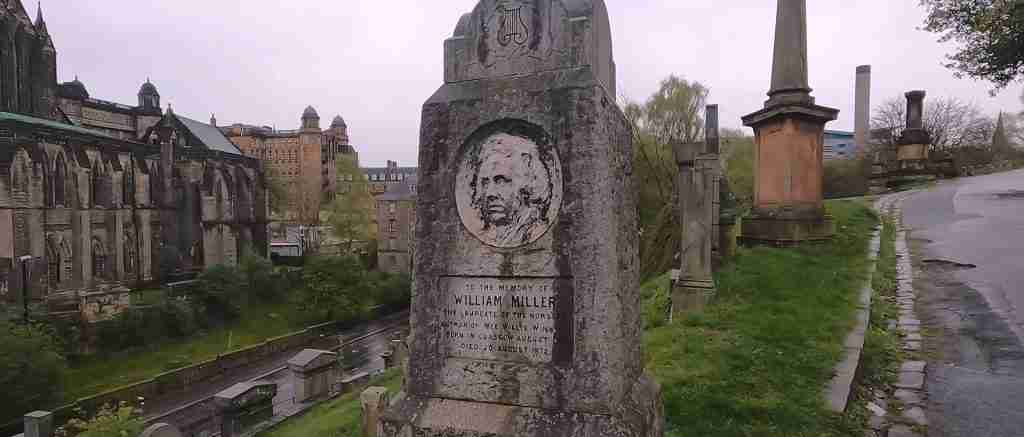
Adjacent Glasgow Necropolis cemetery rises dramatically on the hillside behind the cathedral, offering Victorian funerary architecture and panoramic city views across 37 acres of elaborate tombs, monuments, and landscaped pathways. This garden cemetery dating from 1832 contains approximately 50,000 burials with 3,500 monuments ranging from simple headstones to elaborate mausoleums representing Glasgow’s merchant and industrial elite. The Bridge of Sighs connects cathedral grounds to cemetery entrance, with steep paths climbing to the summit John Knox monument providing exceptional photography opportunities and comprehensive Glasgow vista encompassing university spires, city center towers, and southern hills. Free access operates year-round with greatest atmospheric conditions during early morning or late afternoon golden hour lighting emphasizing monument drama.
Budget travelers allocate £2 ($3) cathedral donations if choosing to contribute, though admission remains technically free, with complimentary tour gratuities of £5-10 ($6-12) optional for appreciated service. Morning coffee from nearby café costs £2.50-3.50 ($3-4). Mid-range visitors might combine cathedral exploration with St Mungo Museum of Religious Life and Art adjacent to cathedral offering free admission and exploring world religions through art and artifacts, then enjoy brunch at nearby café charging £10-15 ($12-18) for substantial meals. Luxury travelers consider private cathedral tours arranged through specialist guides at £60-80 ($75-100) providing enhanced historical detail and architectural analysis, plus driver convenience eliminating walking between accommodation and attraction.
Midday: Merchant City Architecture and History
Transition south from cathedral toward Merchant City, Glasgow’s 18th-century commercial heart now regenerated as boutique shopping, dining, and residential district showcasing exceptional Georgian and Victorian architecture. The quarter bounded by George Square, Trongate, Saltmarket, and High Street contains Scotland’s greatest concentration of listed buildings with Italian-inspired warehouses, neoclassical banks, and ornate Victorian commercial palaces reflecting Glasgow’s tobacco and cotton trading wealth. Walking routes explore Ingram Street’s designer shops, Virginia Street’s historic tobacco merchants’ houses, and Wilson Street’s architectural set pieces while appreciating urban regeneration transforming former warehouses into apartments, galleries, and restaurants.
George Square anchors Merchant City’s northern edge as Glasgow’s principal civic space, surrounded by statues commemorating Scottish luminaries including Robert Burns, James Watt, and Queen Victoria, with Glasgow City Chambers dominating the eastern side. Free City Chambers tours operate weekdays at 10:30 AM and 2:30 PM (pre-booking recommended), revealing opulent Victorian interiors including marble staircases, mosaic floors, and elaborate council chambers demonstrating Glasgow’s late 19th-century prosperity and civic pride. The square itself functions as events venue hosting Christmas markets, concerts, and public gatherings while providing open space for visitor orientation and photography between architectural excursions.
Merchant City lunch options span budget Wetherspoons establishments at £9-12 ($11-15) for pub meals with drinks, mid-range cafés and restaurants charging £12-18 ($15-22) for quality lunches featuring local ingredients, and upscale options including Italian restaurants and contemporary Scottish venues at £18-25 ($22-30) for sophisticated meals. Budget travelers favor supermarket meal deals from Tesco Metro at £3.50-5 ($4-6) consumed in George Square, while luxury visitors select Café Gandolfi or similar Merchant City institutions for £15-25 ($18-30) lunches emphasizing Scottish produce and urban sophistication.
Afternoon: Gallery of Modern Art and Buchanan Street Shopping
Gallery of Modern Art (GoMA) occupies the former Royal Exchange building on Queen Street, offering free admission to contemporary art exhibitions across four floors exploring social, political, and cultural themes through Scottish and international artists. The gallery’s provocative programming includes regular exhibition rotations, artist talks, and family activities, with the iconic Duke of Wellington equestrian statue outside sporting various traffic cones as unofficial Glasgow symbol of irreverent humor. Typical visits consume 60-90 minutes depending on current exhibitions and visitor engagement levels, with café facilities providing refreshment breaks and museum shop offering contemporary art publications and Glasgow-themed gifts.
Buchanan Street pedestrian shopping district extends north from Argyle Street to Royal Concert Hall, forming Glasgow’s principal retail corridor with mix of high street chains, department stores including House of Fraser, and designer boutiques in adjacent Royal Exchange Square and Princes Square shopping center. The thoroughfare combines Victorian architecture with contemporary retail development, street performers, and café terraces creating cosmopolitan atmosphere during peak shopping hours. Budget travelers window shop and appreciate architecture without purchase requirements, mid-range visitors explore independent shops and Scottish designers, while luxury travelers access designer brands and bespoke services in Princes Square galleries.
Afternoon transport utilizes walking between compact city center attractions with optional subway connections from Buchanan Street station to accommodation locations or evening dining venues. Budget allocation includes £3.40 ($4) daily subway pass if utilizing system, mid-range visitors might supplement with £8-12 ($10-15) taxi for hotel returns with shopping bags, while luxury travelers maintain private car availability throughout day eliminating walking fatigue and package carrying concerns.
Evening: East End Culture and Dining
East End exploration focuses on The Barras market area (if visiting Friday-Sunday when weekend market operates) or Glasgow Green park and People’s Palace museum for evening cultural immersion in Glasgow’s most authentic working-class neighborhood. The Barras market stretches along Gallowgate offering eclectic stalls selling vintage clothing, antiques, local crafts, and bric-a-brac with traditional market atmosphere and bargain hunting opportunities. Barrowland Ballroom music venue dominates the area as legendary concert hall hosting major international and Scottish acts in intimate 1,900-capacity setting, though evening performances require separate ticket purchase and specific event scheduling.
Glasgow Green, Britain’s oldest public park dating to the 15th century, stretches along the Clyde’s north bank providing open space, monuments including Nelson’s Column predating London’s version, and People’s Palace museum documenting ordinary Glasgow life from 1750 to present. The adjacent Winter Gardens Victorian glasshouse contains exotic plants in atmospheric setting, though currently closed for restoration with reopening scheduled during 2026. Free park access accommodates evening strolls, city skyline photography, and local atmosphere observation beyond tourist zones, with People’s Palace museum operating free admission until 5 PM daily providing historical context for Glasgow’s working-class heritage and social development.
Day one dinner recommendations balance budget constraints with neighborhood authenticity. Budget travelers select traditional fish and chip shops at £8-12 ($10-15) for substantial portions, Wetherspoons pubs at £9-14 ($11-17) for reliable meals with drinks, or supermarket provisions for £5-8 ($6-10) consumed at accommodation. Mid-range diners explore Merchant City restaurants including Italian trattorias, Scottish gastropubs, and contemporary dining rooms charging £15-25 ($18-30) mains with £35-50 ($43-61) total bills including drinks and appetizers. Luxury evening dining targets Rogano art deco seafood institution, Cail Bruich Michelin-starred modern Scottish, or Brian Maule at Chardon d’Or French fine dining with tasting menus at £65-85 ($80-104) or à la carte meals totaling £80-120 ($98-147) including wine.
Day One Cost Summary
Budget day one expenditures include accommodation £30-38 ($38-46) per person sharing, meals approximately £26-34 ($32-42) covering breakfast, lunch, and dinner, transport £3.40 ($4) for all-day subway pass, and attractions £2 ($3) cathedral donation plus £10 ($12) walking tour gratuity if participating. Total budget day one costs £71-88 ($87-108) per person. Mid-range day one involves accommodation £60-75 ($75-90) per person sharing, meals £40-54 ($50-65) for restaurant dining, transport £14-18 ($17-22) combining subway and taxi, and attractions £15-20 ($18-25) for enhanced tours. Total mid-range costs £129-167 ($158-204) per person. Luxury day one expenditures encompass accommodation £125-160 ($153-195) per person sharing suite, meals £82-115 ($100-140) including fine dining, transport £25-40 ($30-50) for private car service, and premium experiences £40-50 ($50-61) for private guides. Total luxury day one costs £272-365 ($333-446) per person.
Day Two: West End Culture and University District 2026
Day two explores Glasgow’s bohemian West End encompassing University of Glasgow, Kelvingrove Museum, Botanic Gardens, and independent neighborhoods around Byres Road and Ashton Lane, delivering concentrated cultural experiences, architectural splendor, and authentic Glasgow café culture within cohesive geography accessible via Hillhead and Kelvinbridge subway stations. This district rewards leisurely afternoon pacing given density of attractions and atmospheric street exploration between major sites.
Morning: University of Glasgow and Hunterian Museum
University of Glasgow campus occupies Gilmorehill overlooking Kelvingrove Park, featuring spectacular Gothic Revival architecture designed by George Gilbert Scott and completed in 1870. The main building showcases elaborate spire, cloistered quadrangle, and ornate stonework providing Scotland’s most photographed university architecture beyond Edinburgh’s similarly Gothic institutions. Free campus walking enables architecture appreciation, courtyard exploration, and panoramic city views from elevated university terraces, with visitor center offering orientation information and campus history displays.
The Hunterian Museum within university campus represents Scotland’s oldest public museum, established 1807 from William Hunter’s extensive collections spanning natural history, geology, archaeology, and scientific instruments. Free admission provides access to diverse permanent collections including Roman Scotland artifacts, geological specimens, and anatomical preparations reflecting 18th-century scientific inquiry. The adjacent Hunterian Art Gallery houses major collections including Charles Rennie Mackintosh’s furniture and designs, James McNeill Whistler’s largest public collection, and Scottish Colourist paintings, plus the reconstructed Mackintosh House recreating the architect’s Glasgow home interior in meticulous detail. Combined museum and gallery visits consume 2-3 hours for comprehensive exploration of permanent collections before fatigue sets in, with café facilities providing refreshment breaks between gallery transitions.
Budget morning includes complimentary museum access and campus exploration, with coffee from university café at £2.50-3.50 ($3-4) or packed snacks from accommodation provisions. Mid-range visitors add Mackintosh House admission at £8 ($10) if separate charges apply to special exhibitions, plus brunch at nearby West End café charging £10-15 ($12-18). Luxury travelers arrange private university tours through specialist architectural guides at £60-80 ($75-100) providing enhanced historical and architectural context beyond standard visitor information, with driver convenience eliminating walking distances between accommodation and attraction.
Midday: Kelvingrove Art Gallery and Museum
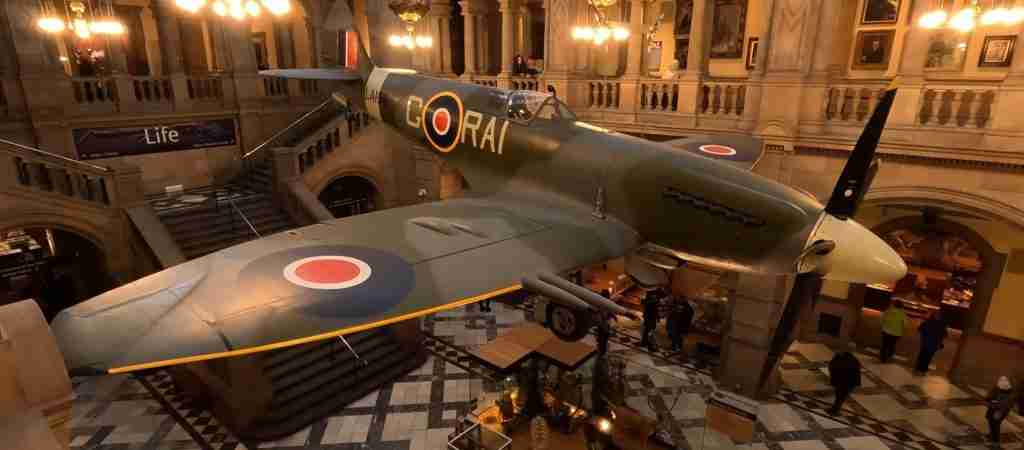
Kelvingrove Art Gallery and Museum dominates West End cultural offerings as Glasgow’s most visited free attraction, housed in magnificent red sandstone Spanish Baroque building overlooking Kelvingrove Park. The museum’s 22 galleries span natural history, arms and armor, ancient Egypt, and exceptional art collections including Salvador Dalí’s Christ of Saint John of the Cross, Scottish Colourists, Dutch and Flemish Old Masters, and extensive decorative arts. The building itself constitutes architectural masterpiece with central hall organ recitals daily at 1 PM weekdays and 3 PM Sundays providing atmospheric musical interludes between gallery explorations.
Comprehensive Kelvingrove visits require 2-3 hours minimum given collection breadth and gallery diversity, with strategic planning targeting specific interests rather than attempting exhaustive coverage inducing museum fatigue. Highlight routes include Charles Rennie Mackintosh and Glasgow Style galleries showcasing Art Nouveau furniture and design innovations, Scottish art collections demonstrating national painting evolution, and natural history displays featuring taxidermy specimens and geological exhibits particularly engaging for families. The museum café operates table service with mains at £8-14 ($10-17), desserts at £4-6 ($5-8), and coffee at £2.50-3.50 ($3-4), providing civilized lunch setting overlooking park greenery through conservatory glass walls.
Kelvingrove admission remains free year-round with no advance booking requirements outside special exhibition periods. Budget visitors allocate 2-3 hours for comprehensive exploration plus café refreshments at £5-10 ($6-12) total. Mid-range schedules combine museum visit with guided tours if available, adding £10-15 ($12-18) for enhanced interpretation, plus substantial museum café lunch at £12-18 ($15-22). Luxury approaches include private museum tours outside public hours arranged through Glasgow Life at premium rates approximately £150-250 ($184-305) for groups, though individual luxury travelers typically self-guide given exceptional interpretation quality in standard free access.
Afternoon: Botanic Gardens and West End Neighborhoods
Glasgow Botanic Gardens occupy 50 acres of landscaped grounds along River Kelvin, featuring Victorian glasshouses including the iconic Kibble Palace crystal palace structure housing tree ferns and exotic plants in atmospheric Victorian setting. Free garden admission operates daily with main glasshouse collections, outdoor themed gardens, and riverside walks providing peaceful retreat from urban density and tourism concentrations. Spring and summer visits reveal maximum floral displays and herbaceous border peak condition, while autumn colors transform tree collections, and winter glasshouse warmth offers refuge from Scottish weather unpredictability.
West End neighborhood exploration focuses on Byres Road commercial corridor connecting Hillhead subway to Botanic Gardens, featuring independent shops, vintage clothing stores, bookshops, record shops, and café culture establishments. Ashton Lane cobbled alley adjacent to Hillhead subway presents concentrated dining and entertainment precinct with fairy-lit outdoor spaces, traditional Scottish pub Brel offering Belgian beer selections, and Ubiquitous Chip restaurant institution occupying converted mews buildings. The University Café on Byres Road serves traditional ice cream sundaes and café fare in preserved art deco interior, while Hidden Lane near Argyle Street contains artist studios, vintage shops, and independent businesses in atmospheric courtyard setting.
Afternoon costs remain minimal given free garden access and window shopping emphasis. Budget travelers enjoy complimentary garden strolls and neighborhood atmosphere with £2.50-4 ($3-5) coffee stops or £3.50-5 ($4-6) supermarket snack provisions. Mid-range visitors add independent shop purchases, vintage clothing finds, or bookshop acquisitions at discretionary spending levels, plus afternoon café refreshments at £5-10 ($6-12) for coffee and cake combinations. Luxury afternoon options include private garden tours for horticultural enthusiasts, personal shopping services in West End boutiques, or reserved tables at destination restaurants for extended afternoon tea experiences at £25-35 ($30-43) per person.
Evening: West End Dining and Entertainment
West End evening dining offers Glasgow’s greatest restaurant concentration and quality depth across all budget categories. Budget options include pub grub at establishments like Tennent’s Bar charging £9-14 ($11-17) for substantial meals with drinks, takeaway curry from numerous Indian restaurants at £8-12 ($10-15) per person, or fish and chips from traditional chippies at £8-12 ($10-15). Mid-range dining showcases contemporary Scottish restaurants including Stravaigin offering creative Scottish-global fusion at £15-22 ($18-27) mains, Ox and Finch delivering innovative small plates at £8-14 ($10-17) each with 3-4 plates constituting full meals, and traditional Scottish gastropubs like Bothy charging £14-20 ($17-25) mains with whisky selections. Luxury evening dining targets Ubiquitous Chip’s fine dining restaurant with three-course menus at £55-75 ($67-92), Cail Bruich Michelin-starred modern Scottish tasting menus at £85-110 ($104-135), or Number 16 Restaurant sophisticated Scottish cuisine at £65-95 ($80-116) for multi-course experiences.
Evening entertainment supplements dining with live music venues including The Hug & Pint, Nice ‘n’ Sleazy, and King Tut’s Wah Wah Hut showcasing emerging bands and established acts in intimate settings with £8-15 ($10-18) cover charges when applicable. West End cinema options include Grosvenor Cinema art house programming and Glasgow Film Theatre independent and classic film selections at £10-13 ($12-16) tickets. Theatre and concert options at Theatre Royal, King’s Theatre, or Royal Concert Hall require advance booking with ticket prices £20-80 ($25-98) depending on production and seating categories, plus the necessity of schedule alignment with specific performance dates.
Day two transport emphasizes subway access between city center accommodation and West End attractions via St George’s Cross, Kelvinbridge, Hillhead, or Kelvinhall stations depending on specific itinerary routing. Budget allocation includes £3.40 ($4) all-day subway pass providing unlimited West End access. Mid-range transport supplements subway with £8-12 ($10-15) evening taxi returns from late dining or entertainment venues. Luxury visitors maintain private car service throughout day at £25-40 ($30-50) daily allocation eliminating walking distances and enabling shopping package transport between boutiques and accommodation.
Day Two Cost Summary
Budget day two expenditures include accommodation £30-38 ($38-46) per person sharing, meals £26-34 ($32-42) covering breakfast, lunch, dinner across budget venues, transport £3.40 ($4) for all-day subway unlimited travel, and attractions remaining free given complimentary museum access. Total budget day two costs £60-76 ($74-93) per person. Mid-range day two encompasses accommodation £60-75 ($75-90) per person sharing, meals £40-54 ($50-65) for quality restaurant experiences, transport £14-18 ($17-22) combining subway and supplementary taxis, and minimal attraction costs beyond discretionary shopping. Total mid-range day two costs £114-147 ($140-180) per person. Luxury day two includes accommodation £125-160 ($153-195) per person sharing, meals £82-115 ($100-140) featuring fine dining experiences, transport £25-40 ($30-50) for private car convenience, and premium experiences £40-50 ($50-61) for private tours or exclusive access. Total luxury day two costs £272-365 ($333-446) per person.
Day Three: South Side, Riverside, and Departure Preparation 2026
Final Glasgow day explores South Side attractions including Burrell Collection art museum in Pollok Country Park and Riverside Museum transport collection, balancing cultural immersion with practical departure preparation and final Glasgow experiences before onward travel. This itinerary accommodates variable departure times through flexible morning-afternoon sequencing and provides comprehensive city coverage across three days spanning city center, West End, and South Side geography.
Morning: Burrell Collection and Pollok Country Park
The Burrell Collection houses Sir William Burrell’s extraordinary art collection within purpose-built galleries nestled in Pollok Country Park, showcasing medieval tapestries, Chinese ceramics, Islamic art, French Impressionist paintings, and decorative arts spanning ancient civilizations to early 20th century. The museum reopened in 2022 following major refurbishment creating contemporary gallery spaces with natural light, accessible displays, and environmental sustainability features while maintaining intimate scale encouraging close object examination. Comprehensive visits require 2-3 hours given collection diversity and interpretive depth, with particular strengths in medieval European art, Asian collections, and decorative arts demonstrating Burrell’s eclectic collecting passions.
Pollok Country Park surrounds the museum with 360 acres of woodland, gardens, and riverside walks providing peaceful Glasgow countryside escape despite urban proximity. The park contains Pollok House historic mansion (managed separately by National Trust for Scotland with admission charges), Highland cattle herds, and extensive walking trails suitable for casual strolls or extended rambles depending on available time and weather conditions. Autumn visits reveal spectacular foliage colors while spring showcases woodland flowers and new growth, with summer providing maximum outdoor comfort for extended park exploration beyond museum visit.
Transport to Burrell Collection requires planning given distance from city center and limited direct subway access. Bus routes 3, 57, and 57A operate from city center to Pollokshaws Road near park entrances with 25-35 minute journey times and £2.50 ($3) single fares using contactless payment. Budget travelers utilize buses exclusively, mid-range visitors might combine buses with taxis for return journeys at £10-15 ($12-18), while luxury travelers maintain private car service eliminating public transport complexity. Museum admission remains free with café facilities offering light refreshments at £5-10 ($6-12) for snacks and beverages.
Midday: Riverside Museum and Clyde Waterfront
Riverside Museum occupies dramatic Zaha Hadid-designed building on Glasgow’s revitalized Clyde waterfront, housing world-class transport collections spanning ships, locomotives, automobiles, bicycles, and trams documenting Glasgow’s industrial and maritime heritage. The museum’s interactive displays include recreated historic Glasgow streets, transportation evolution timelines, and hands-on exhibits particularly engaging for families and technology enthusiasts. The permanently moored Tall Ship Glenlee adjacent to museum offers separate admission at £8 ($10) adults for restored 19th-century sailing vessel exploration including cargo holds, crew quarters, and deck spaces providing maritime history context.
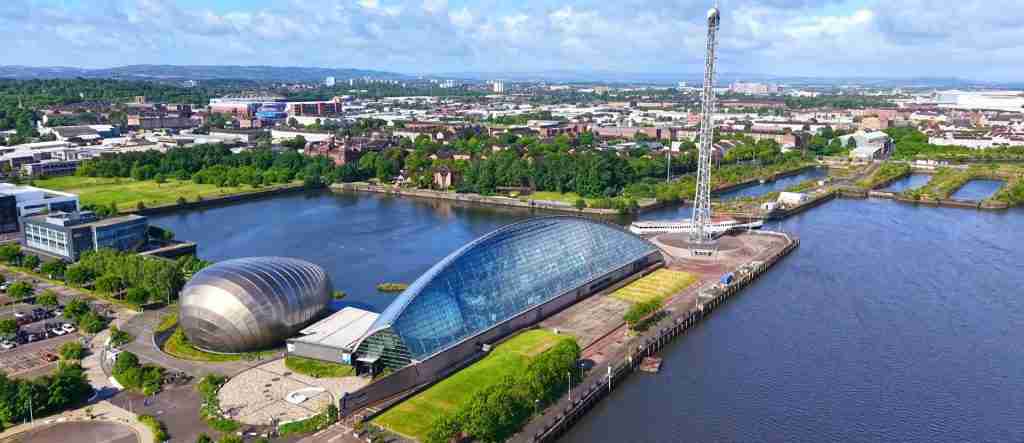
Comprehensive Riverside Museum visits consume 2-3 hours given extensive collections and immersive street recreations encouraging lingering exploration rather than rushed viewing. Free admission policies align with Glasgow Life’s cultural access mission while maintaining exhibition quality standards matching international transport museums. The museum shop offers transport-themed gifts, books, and children’s toys, while café facilities provide standard museum fare at £8-14 ($10-17) for mains and £2.50-4 ($3-5) for snacks and beverages. Waterfront location enables Clyde riverside walks extending toward Glasgow Science Centre and BBC Scotland headquarters in regenerated harbor areas demonstrating Glasgow’s post-industrial urban transformation.
Subway access to Riverside Museum utilizes Partick or Kelvinhall stations with 10-15 minute walks to waterfront, or Govan station south of river with slightly longer approaches. Budget travelers walk from Partick subway maintaining free transport beyond daily £3.40 ($4) passes. Mid-range visitors might taxi from museum back to city center for £10-15 ($12-18) depending on accommodation location and luggage requirements. Luxury travelers coordinate private car pickups for seamless departure preparation transitions from museum visit to hotel checkout and airport transfers.
Afternoon Options: Shopping, Additional Museums, or Relaxation
Final afternoon allocation depends on departure timing, personal interests, and weather conditions, with flexible options accommodating various traveler preferences. Early departures might curtail Riverside Museum visits or skip Burrell Collection entirely, focusing on city center shopping districts for last-minute purchases, gift acquisitions, or Scottish product selections. Buchanan Galleries shopping center adjacent to Buchanan Street subway offers mainstream retail convenience, while Merchant City boutiques provide distinctive Scottish designs and artisan products as alternatives to generic shopping center merchandise.
Museum enthusiasts with afternoon availability might revisit favorite exhibitions from previous days, explore previously skipped collections, or discover additional Glasgow Life venues including Scotland Street School Museum documenting education history in preserved Charles Rennie Mackintosh building, or Provand’s Lordship medieval townhouse near Glasgow Cathedral. These supplementary museums operate free admission with 1-2 hour visit durations providing cultural enrichment without major time commitments. Alternatively, Glasgow Green park offers relaxation opportunities, riverside walks, and Victorian fountain photography before departure preparations.
Budget afternoon costs remain minimal for park relaxation or window shopping, with optional museum shop purchases at discretionary levels and £2.50-4 ($3-5) coffee stops as desired. Mid-range afternoons incorporate targeted shopping for Scottish woolens, whisky selections, or artisan foods at specialty shops, with expenditures at personal discretion beyond daily budget allocations. Luxury travelers might arrange final spa treatments at hotel facilities, private shopping consultations with personal stylists, or early afternoon fine dining as celebratory Glasgow conclusion before departure.
Departure Preparation and Airport Transfer
Glasgow Airport (GLA) operates 8 miles west of city center with Glasgow Airport Express bus 500 providing direct 25-minute connections from Buchanan Bus Station for £8.50 ($10) single tickets or £13 ($16) returns. Buses operate every 10 minutes during peak hours and 20 minutes off-peak with journey times subject to traffic variation. Budget travelers utilize bus services exclusively, mid-range visitors might select taxis for door-to-door convenience at £25-30 ($30-37) from city center hotels, while luxury travelers arrange private car transfers at £35-50 ($43-61) providing maximum comfort and luggage handling assistance.
Hotel checkouts typically operate 11 AM standards with late checkouts sometimes available through advance requests or loyalty program benefits. Budget accommodations rarely accommodate late checkouts without additional charges, mid-range hotels might extend until noon or 1 PM for nominal fees of £10-20 ($12-25), while luxury properties often provide 2 PM or 3 PM checkouts as standard amenities or complimentary late checkout requests for suite guests. Luggage storage enables final morning or early afternoon sightseeing after checkout for travelers with evening departures, though this convenience varies by accommodation type and policies.
Day Three Cost Summary
Budget day three expenditures include accommodation £30-38 ($38-46) per person sharing, meals £26-34 ($32-42) covering breakfast, lunch, possible early dinner, transport £10-15 ($12-18) combining subway and airport bus, and minimal attraction costs given free museum policies. Total budget day three costs £66-87 ($81-107) per person excluding shopping discretionary spending. Mid-range day three encompasses accommodation £60-75 ($75-90) per person sharing, meals £40-54 ($50-65) for restaurant quality, transport £24-33 ($29-40) including taxis and airport transfer, and shopping discretionary allocations. Total mid-range day three costs £124-162 ($152-198) per person excluding shopping. Luxury day three includes accommodation £125-160 ($153-195) per person sharing, meals £82-115 ($100-140) potentially including final celebratory dining, transport £40-65 ($50-80) for private car service and airport transfer, and premium shopping or experiences. Total luxury day three costs £247-340 ($302-416) per person excluding discretionary shopping.
Glasgow Dining Guide: Budget to Fine Dining 2026
Glasgow’s food scene evolution from traditional Scottish fare to contemporary culinary innovation provides exceptional dining diversity across all budget categories, with particular strengths in modern Scottish cuisine, Asian fusion, Italian traditions, and craft beer culture. The city earned Curry Capital of Britain distinction through Pakistani and Indian restaurant excellence concentrated in South Side neighborhoods, while recent years witnessed Michelin recognition, independent restaurant proliferation, and artisan food movement growth supporting farm-to-table philosophies and local ingredient prioritization.
Budget Dining Options Glasgow 2026
Budget dining strategies emphasize value without sacrificing authenticity or quality through strategic venue selection and meal timing optimization. Wetherspoons pub chain operates multiple Glasgow locations including The Counting House on George Square, The Babbity Bowster in Merchant City, and Esquire House on St Vincent Street, delivering consistent £9-14 ($11-17) meal-and-drink combinations including burgers, fish and chips, curries, and traditional Scottish fare with reliable quality standards and central locations. These establishments particularly suit solo budget travelers appreciating predictable pricing and familiar menus across multiple neighborhood locations.
Traditional fish and chip shops maintain strong Glasgow presence with quality establishments including The Bay Fish & Chips on Great Western Road West End location, University Café preserving art deco interior atmosphere, and Catch Merchant City offering sustainable seafood at £8-12 ($10-15) for substantial fish suppers. Glasgow’s Asian restaurant concentration provides exceptional budget value through Indian and Pakistani establishments like Banana Leaf on West Nile Street offering £8-12 ($10-15) curry house classics, Mother India’s Café delivering tapas-style Indian small plates at £4-7 ($5-9) each with three plates constituting full meals, and Ranjit’s Kitchen West End Punjabi home cooking at £9-14 ($11-17) for generous portions.
Supermarket meal deals from Tesco, Sainsbury’s, and Marks & Spencer locations throughout city center and neighborhoods provide £3.50-5 ($4-6) ready-made sandwich, snack, and drink combinations suitable for lunch provisions consumed in parks or accommodation spaces. These options particularly benefit budget travelers prioritizing accommodation comfort over restaurant atmosphere or managing dietary restrictions challenging traditional restaurant selections. Coffee chains including independent operators like Laboratorio Espresso, Spitfire Espresso, and Papercup Coffee charge £2.50-3.50 ($3-4) for quality espresso drinks substantially below hotel room service premiums while supporting local businesses over international franchises.
Mid-Range Dining Experiences Glasgow 2026
Mid-range dining defines Glasgow’s contemporary restaurant renaissance through innovative concepts balancing quality ingredients, creative preparation, and accessible pricing democratizing fine dining techniques. Ox and Finch on Sauchiehall Street pioneered small plates trend combining global influences with Scottish produce, charging £8-14 ($10-17) per dish with 3-4 plates recommended for satisfying meals totaling £35-50 ($43-61) per person including drinks. The restaurant’s industrial-chic aesthetic and open kitchen energy exemplify Glasgow’s modern dining character beyond traditional Scottish stereotypes.
Pre-theatre dining menus provide exceptional mid-range value through quality restaurant participation offering two-course meals at £15-20 ($18-25) or three courses at £24-30 ($30-37) when dining between 5 PM and 7 PM. Participating venues include Café Gandolfi Merchant City Scottish-European cuisine, The Gannet Finnieston modern Scottish, and Rogano art deco seafood institution, enabling luxury restaurant experiences at mid-range budgets through timing flexibility. These menus typically feature seasonal ingredients and chef creativity within fixed-price frameworks, though wine pairings require separate budgeting adding £15-25 ($18-30) per person for quality selections.
Glasgow’s Italian restaurant heritage maintains excellence through establishments including La Lanterna West End family-run tradition since 1970s, Sugo Pasta Kitchen fresh pasta specialists, and Paesano Pizza authentic Neapolitan sourdough pizzas at £10-15 ($12-18) for substantial individual servings. Asian dining beyond budget curry houses includes Nanakusa Japanese small plates and sake selections, Banana Leaf contemporary pan-Asian, and Chaakoo Bombay Café modern Indian at £14-22 ($17-27) mains with £30-45 ($37-55) total bills including appetizers and drinks representing mid-range dining sweet spot balancing quality and value.
Fine Dining and Luxury Restaurants Glasgow 2026
Glasgow’s fine dining tier demonstrates Scottish culinary maturation through Michelin recognition, chef-driven concepts, and ingredient-focused philosophies celebrating Scotland’s natural larder. Cail Bruich West End Michelin-starred modern Scottish operates tasting menus at £85-110 ($104-135) showcasing seasonal Scottish ingredients through refined techniques and innovative combinations, with wine pairings adding £55-75 ($67-92) per person for sommelier selections complementing progression. The intimate 30-seat dining room creates exclusive atmosphere justifying premium pricing through personalized service and culinary precision.
Unalome by Graeme Cheevers earned Michelin recognition for plant-based fine dining, demonstrating vegetable-focused cuisine achieving luxury restaurant standards traditionally dependent on animal proteins. The seven-course tasting menu at £75-95 ($92-116) attracts omnivores and vegetarians equally through creative technique and flavor development, challenging preconceptions about vegetarian dining limitations. Number 16 Restaurant delivers sophisticated Scottish cuisine in elegant Georgian townhouse setting at £65-95 ($80-116) for multi-course experiences emphasizing local game, seafood, and seasonal produce through classical French technique adapted to Scottish ingredients.
Luxury dining supplements include whisky tasting experiences at specialist bars like The Pot Still offering 700+ selections, wine pairing upgrades at £50-80 ($61-98) per person for premium bottles complementing tasting menus, and private dining rooms for celebratory occasions at premium rates typically £100-150 ($122-184) per person for exclusive chef’s table experiences. These additions transform meals into comprehensive culinary events justifying luxury travel budgets through memorable gastronomic immersion beyond standard restaurant service.
Practical Planning: Weather, Packing, and Glasgow Tips 2026
Glasgow’s Atlantic maritime climate delivers unpredictable conditions year-round requiring flexible planning and layered clothing strategies regardless of travel season. Average temperatures range from 1°C (34°F) January minimums to 17°C (63°F) July maximums with substantial daily variation and frequent precipitation throughout the year. April typical conditions average 6°C (43°F) with spring weather transitioning from winter cold to milder conditions, while October delivers autumnal temperatures averaging 9°C (48°F) with increased rainfall as winter approaches.
Packing essentials include waterproof jacket or raincoat regardless of season given Glasgow’s 170 annual rain days, comfortable walking shoes with waterproof capabilities for cobblestone navigation and museum exploration, and layered clothing enabling temperature adaptation as indoor-outdoor transitions occur throughout daily itineraries. Summer visits still require long trousers and long-sleeve options for cool evenings, while winter demands thermal layers, gloves, and warm headwear for outdoor comfort. Umbrella utility remains debatable given Glasgow’s wind conditions rendering compact umbrellas ineffective during stormy periods, with many locals preferring hooded waterproof jackets over umbrella dependence.
Currency considerations favor contactless payment cards over cash given widespread acceptance across restaurants, shops, museums, and public transport. Budget travelers benefit from pre-loaded travel cards like Wise or Revolut avoiding foreign transaction fees common with traditional credit cards, while maintaining small cash reserves for occasional vendors preferring physical currency. ATM availability throughout city center and neighborhoods enables cash withdrawal as needed, though foreign transaction fees and ATM operator charges can accumulate across multiple small withdrawals justifying larger single withdrawals for cash budget allocations.
Safety considerations position Glasgow as generally secure destination for tourists with standard urban precautions sufficient for most situations. City center, West End, and tourist areas maintain active policing and evening foot traffic reducing isolation risks, while some East End and peripheral neighborhoods exhibit higher deprivation indices warranting increased awareness though rarely affecting tourist routes. Solo travelers including women report positive Glasgow experiences given Scottish cultural hospitality, though standard precautions including awareness, well-lit routes, and licensed taxi usage remain prudent practices especially after dark.
Mobile connectivity requires UK SIM cards or international roaming activation for data access supporting navigation apps, restaurant searches, and museum information retrieval throughout daily itineraries. Free WiFi availability at accommodations, museums, major attractions, and many restaurants supplements mobile data reducing roaming charges for budget-conscious travelers. Offline map downloads through Google Maps or similar applications provide navigation backup during connectivity gaps or data conservation periods, particularly valuable for park explorations and residential neighborhood walks beyond major tourist corridors.
Beyond Three Days: Glasgow Extensions and Day Trips 2026
Extended Glasgow stays beyond the core three-day itinerary enable deeper neighborhood immersion, additional museums, day trip excursions, and special interest pursuits including Charles Rennie Mackintosh architectural trails, music venue circuits, football stadium tours, or distillery visits. The city’s compact geography and efficient transport connections facilitate flexible schedule extensions accommodating various interests without significant logistical complexity.
Loch Lomond National Park anchors popular day trip options from Glasgow, offering Highland scenery, loch cruises, and mountain hiking within 45-minute train connections to Balloch at £9-14 ($11-17) return fares. The picturesque village provides loch shore walks, boat trips at £15-25 ($18-30) per person for hour-long cruises, and Highland gateway atmosphere introducing Scottish landscape character beyond urban concentrations. Budget travelers utilize trains and self-guided loch shore walks, mid-range visitors add boat cruises and lunch expenses, while luxury travelers book private car transfers and exclusive loch cruises at premium rates.
Stirling Castle represents Scotland’s most historically significant fortress within 30-minute train connections from Glasgow at £10-16 ($12-20) return fares, with castle admission at £17.50 ($21) adults providing comprehensive exploration of Renaissance palace apartments, Great Hall, and Stirling Heads gallery. The castle’s strategic position controlled central Scotland access routes throughout medieval periods, witnessing coronations, sieges, and power struggles shaping Scottish nationhood. Day trip durations require 5-6 hours minimum including transport and thorough castle exploration, with Stirling city center offering additional historic sites, shopping, and dining options extending visit lengths for comprehensive historical immersion.
Whisky distillery day trips target nearby facilities including Glengoyne Distillery 14 miles north offering tour-and-tasting experiences at £25-45 ($30-55) depending on selected package, with bus connections or organized tours from Glasgow. Auchentoshan Distillery operates within Glasgow boundaries in Clydebank, providing Lowland whisky character distinct from Highland styles through triple distillation techniques and accessible location via local bus or taxi services. These experiences suit whisky enthusiasts seeking production understanding and tasting opportunities while maintaining Glasgow base accommodation rather than requiring overnight Highland excursions.
Frequently Asked Questions: Glasgow 3-Day Itinerary 2026
Do I Need to Book Hotels in Advance for Glasgow 2026?
Advance hotel booking proves essential during peak summer months (June-August), major events including Celtic Connections music festival (January), Glasgow International comedy festival (March), and large concerts at OVO Hydro or Hampden Park stadium when accommodation demand surges and prices increase substantially. Budget hotels and hostels book completely during these periods, while mid-range and luxury properties raise rates by 30-50% above standard pricing. Booking 2-3 months ahead secures optimal rates and selection across all budget categories during peak periods. Off-peak months including January-March (excluding festival dates) and October-November enable more spontaneous booking with availability within 1-2 weeks of travel dates and occasional last-minute deals through booking platforms. Mid-week stays throughout the year maintain better availability than weekends when leisure travelers and event attendees concentrate visits.
Is Glasgow Safe for Solo Travelers in 2026?
Glasgow maintains generally safe conditions for solo travelers including women, with city center, West End, and tourist areas operating active policing and substantial evening foot traffic reducing isolation risks. The city’s reputation for friendliness manifests through helpful locals, engaging pub conversations, and genuine hospitality that solo travelers particularly appreciate for social connection opportunities. Standard urban precautions prove sufficient including awareness of surroundings, avoiding isolated areas after dark, using licensed taxis for late-night returns, and maintaining visible valuables discretion. Some peripheral neighborhoods and certain East End areas experience higher crime rates primarily affecting residents rather than tourists, though visitor itineraries rarely require venturing into these zones. Solo female travelers report positive Glasgow experiences with respectful treatment, though standard precautions including well-lit routes, crowded areas, and assertive boundary-setting remain advisable as universal solo travel practices.
Can I Use Euros in Glasgow or Do I Need British Pounds in 2026?
British Pounds Sterling (GBP, £) constitute Scotland’s official currency with universal acceptance across Glasgow shops, restaurants, hotels, and attractions, while Euro acceptance remains extremely limited to occasional tourist-oriented businesses at unfavorable exchange rates imposing significant value loss. Travelers should acquire British Pounds through ATM withdrawals using debit cards at competitive exchange rates, currency exchange at banks or bureaux de change (though typically offering worse rates than ATMs), or pre-purchased travel money cards loaded with GBP before departure. Scottish banknotes issued by Bank of Scotland, Royal Bank of Scotland, and Clydesdale Bank circulate alongside Bank of England notes with identical £5, £10, £20, and £50 denominations, creating initial confusion for visitors unfamiliar with multiple note designs representing single currency. These Scottish notes possess legal currency status throughout United Kingdom despite occasional merchant reluctance in England, though Glasgow universally accepts all GBP variations without question.
What Are the Best Neighborhoods for Hotel Accommodation in Glasgow 2026?
City center accommodation between George Square and River Clyde provides maximum convenience for attractions, shopping, restaurants, and transport connections with walking access to major sites and subway stations serving broader Glasgow exploration. This area suits first-time visitors prioritizing accessibility and concentrated dining options, though sometimes lacking neighborhood character compared to residential districts. Merchant City offers boutique hotel concentration in converted Victorian warehouses combining central location with architectural distinction and emerging restaurant scene, appealing to design-conscious mid-range and luxury travelers seeking stylish surroundings beyond chain hotel uniformity.
West End neighborhoods around Byres Road, Great Western Road, and university areas deliver bohemian atmosphere, independent restaurant concentration, and proximity to Kelvingrove Museum and Botanic Gardens while maintaining residential character and local authenticity. This area particularly suits travelers preferring neighborhood immersion over tourist concentration, with excellent subway connections enabling quick city center access for major attractions. Finnieston waterfront district combines contemporary hotel development with restaurant density and riverside atmosphere representing Glasgow’s regeneration success story, though slightly removed from traditional tourist zones requiring brief subway or taxi connections for cathedral or Merchant City visits.
How Much Should I Budget for Meals in Glasgow Per Day in 2026?
Budget travelers allocating £26-34 ($32-42) daily for meals emphasize supermarket provisions for breakfast at £4-6 ($5-8), pub lunches or takeaway options at £10-12 ($12-15), and casual dinners including fish and chips, curry house meals, or pub grub at £12-16 ($15-20). This budget requires strategic venue selection and willingness to utilize supermarkets for one meal daily while accepting standard pub chain quality over independent restaurant experiences. Mid-range meal budgets of £40-54 ($50-65) daily accommodate proper restaurant breakfasts at £8-12 ($10-15), sit-down lunch venues at £14-18 ($17-22), and quality dinner restaurants at £18-24 ($22-30) for main courses, with total bills including appetizers and drinks reaching £30-45 ($37-55) per meal at dinner. Luxury dining allocations of £82-115 ($100-140) daily enable upscale café breakfasts at £15-20 ($18-25), quality lunch establishments at £22-30 ($27-37), and fine dining restaurants with tasting menus or premium à la carte selections at £45-65 ($55-80) for mains before wine pairings adding £25-40 ($30-50) per person for quality selections.
Are Glasgow Museums Really Free or Are There Hidden Costs in 2026?
Glasgow Life museums including Kelvingrove Art Gallery, Riverside Museum, Burrell Collection, Gallery of Modern Art, Hunterian Museum, People’s Palace, St Mungo Museum, Provand’s Lordship, and Scotland Street School Museum operate genuinely free admission policies without mandatory charges, advance booking fees, or hidden costs for permanent collections. This democratic cultural access policy reflects Glasgow’s municipal commitment to cultural equity and remains exceptional among European cities of comparable cultural significance. Special temporary exhibitions occasionally charge admission fees typically £5-12 ($6-15) for adults, though these represent optional enhancements rather than standard museum access requirements and always operate alongside substantial free collection access.
Audio guides, when offered, typically operate free digital access through smartphone browsers requiring visitors’ devices and headphones, though printed guides or dedicated audio devices might incur £3-5 ($4-6) rental charges at some venues. Museum shops and cafés operate standard commercial pricing unrelated to admission policies, with café mains at £8-14 ($10-17) and merchandise at market rates for comparable museum shops. Donations remain voluntary rather than obligatory despite suggestion boxes and staff mentions, though visitors appreciating free access might consider £2-5 ($3-6) voluntary contributions supporting exhibition development and conservation work. The free admission model does not compromise exhibition quality, collection significance, or facility maintenance, with Glasgow museums maintaining world-class standards matching or exceeding many international institutions charging substantial admission fees.
Can I Visit Glasgow Without a Car in 2026?
Glasgow operates exceptionally well for car-free visits given compact city center geography, comprehensive subway system, extensive bus network, and walkable neighborhood concentrations eliminating personal vehicle necessity for tourist itineraries. The circular subway system connects city center with West End and South Side attractions through 15 stations operating frequent service and simple single-loop route requiring minimal navigation complexity. Daily smartcard passes at £3.40 ($4) provide unlimited subway access covering major tourist destinations efficiently. Supplementary bus routes extend coverage to Pollok Country Park, peripheral neighborhoods, and destinations beyond subway reach using integrated ticketing and contactless payment acceptance.
Walking suffices for city center exploration between George Square, Merchant City, and Glasgow Cathedral given distances under one mile between major attractions. West End neighborhood discovery rewards pedestrian exploration revealing architectural details, hidden lanes, and independent businesses beyond subway station immediacy. Taxis and rideshare services provide convenient supplementary transport for rainy conditions, late-night restaurant returns, or luggage transfers at reasonable Glasgow rates substantially below London pricing. Airport connections via dedicated bus service at £8.50 ($10) single tickets eliminate rental car necessity even for flight access, with 25-minute journey times matching private car durations during peak traffic periods.
What’s the Best Time of Year to Visit Glasgow in 2026?
Late spring (May-June) and early autumn (September-October) deliver optimal Glasgow visiting conditions balancing favorable weather probabilities, reduced tourist concentrations compared to peak summer, and full attraction operations with extended daylight hours supporting comprehensive daily itineraries. May temperatures average 10-14°C (50-57°F) with increasing daylight reaching 16+ hours by month end, while September maintains summer warmth residuals at 13-16°C (55-61°F) before autumn cooling accelerates. These shoulder seasons avoid peak summer accommodation rates while maintaining activity access and outdoor comfort for park visits and neighborhood walks.
Summer months (July-August) guarantee maximum daylight at 17+ hours daily enabling extended evening explorations and outdoor dining comfort, though simultaneously attracting peak tourist numbers, maximum accommodation rates, and festival concentrations including Edinburgh Fringe overflow affecting regional hotel availability. Winter visits (December-February) deliver atmospheric Christmas markets, festive city illuminations, and lowest accommodation rates at 30-40% below summer peaks, though accepting limited daylight at 7-8 hours daily, cold temperatures averaging 1-6°C (34-43°F), and increased rainfall probability. Celtic Connections music festival in January provides cultural compensation for winter weather through 300+ concerts showcasing international folk and roots musicians in intimate Glasgow venues.
How Long Does It Take to See Each Major Museum in Glasgow 2026?
Kelvingrove Art Gallery and Museum requires 2-3 hours for comprehensive exploration covering 22 galleries without inducing museum fatigue, though art enthusiasts might extend to 4 hours for detailed examination of Scottish art collections, Charles Rennie Mackintosh galleries, and temporary exhibitions. Strategic visitors targeting specific interests including natural history, arms and armor, or particular artist collections complete focused visits in 90 minutes. Riverside Museum demands 2-3 hours for thorough transport collection examination including historic street recreations, though families with children often extend to 3-4 hours given interactive displays and hands-on exhibits encouraging prolonged engagement.
Burrell Collection visits consume 2-3 hours for collection diversity spanning medieval European art, Asian ceramics, Islamic galleries, and decorative arts requiring sustained attention across multiple gallery zones. The Hunterian Museum and Art Gallery combination requires 2-3 hours minimum for both venues including Mackintosh House reconstruction, though could extend to 4 hours for comprehensive art collection examination and scientific collection exploration. Gallery of Modern Art operates on smaller scale supporting 60-90 minute visits for current exhibitions, while People’s Palace, St Mungo Museum, and Scotland Street School Museum each accommodate 60-90 minute explorations given more focused thematic approaches and smaller physical spaces.
Is Three Days in Glasgow Enough or Should I Plan Longer in 2026?
Three days provides comprehensive Glasgow introduction covering major museums, distinctive neighborhoods, architectural landmarks, and diverse dining experiences while maintaining comfortable pacing without tourist exhaustion or superficial rushing between attractions. This duration enables strategic coverage of Kelvingrove Museum, Riverside Museum, Burrell Collection, Glasgow Cathedral, University of Glasgow, and neighborhood explorations across West End, Merchant City, and South Side while allowing weather-dependent flexibility and spontaneous discovery opportunities. First-time visitors seeking foundational city understanding establishing whether Glasgow merits future return visits find three days optimal for informed assessment.
Extended stays of 4-7 days justify inclusion for travelers combining Glasgow with day trip excursions to Loch Lomond, Stirling Castle, or whisky distilleries, pursuing special interests including Charles Rennie Mackintosh architectural trails requiring dedicated time, attending specific concerts or theatre performances necessitating schedule alignment, or preferring slower pacing with afternoon breaks, extended meals, and reduced daily activity density. Additional days enable deeper neighborhood immersion beyond tourist concentrations, revisiting favorite museums for detailed examination, exploring secondary attractions including football stadium tours or specialist museums, and experiencing Glasgow’s pub culture and live music scene requiring evening time allocations competing with intensive daytime sightseeing. However, most first-time visitors achieve satisfying Glasgow experiences within three well-planned days before continuing onward to Edinburgh, Highlands, or other Scottish destinations.