Gettysburg Day Trip from Washington DC 2026: Travel Planning Guide
Gettysburg National Military Park sits just 80 miles north of Washington DC, making it one of the capital’s most compelling day trip destinations. This pivotal Civil War battlefield where 50,000 Americans fell during three brutal days in July 1863 offers profound historical immersion barely 90 minutes from downtown DC, combining accessible distance with transformative educational experiences through world-class museums, authentic battlefield tours, and the hallowed ground where Lincoln delivered the Gettysburg Address.
Key Takeaways: Gettysburg Day Trip Planning 2026
- Distance and Drive Time: Gettysburg sits 78-86 miles northwest of Washington DC with typical drive times of 90 minutes each way via US-15 North through scenic Maryland and Pennsylvania countryside, making comfortable round-trip excursions feasible without overnight stays.
- Self-Drive Budget 2026: Independent visitors spending $55-65 per person can experience the battlefield comprehensively through the Museum & Visitor Center complex ($35 admission), self-guided driving tour of battlefield monuments, and casual dining, with gas costs of $18-22 split between travelers adding minimal expense to the enriching historical experience.
- Guided Tour Investment 2026: Mid-range experiences including professional Licensed Battlefield Guide services cost $100-115 per person for self-drivers adding guided bus tours ($41-42), while private car tours with personal guides run $100-110 per person for groups of two, and all-inclusive organized tours departing DC start at $120-160 per person with transportation and admissions included.
- Time Allocation Strategy: Full-day excursions departing DC by 7-8 AM allow 2-3 hours for the Museum & Visitor Center’s film, Cyclorama painting, and exhibits, 2 hours for guided battlefield tours covering major landmarks from Devil’s Den to Cemetery Ridge, plus lunch and downtown exploration, returning to Washington by 6-7 PM.
- Peak Season Considerations 2026: Summer weekends from Memorial Day through Labor Day bring maximum crowds requiring advance ticket reservations for museum experiences and guided tours, while spring weekends (April-May) and fall foliage season (October-early November) offer ideal weather with moderate visitor volumes and enhanced battlefield scenery.
- Multi-Attraction Planning: Gettysburg’s compact downtown within walking distance of the battlefield supports efficient itineraries combining battlefield tours, museum visits, the Gettysburg National Cemetery where Lincoln spoke, Eisenhower National Historic Site (seasonal shuttle access), and authentic period restaurants in preserved 19th-century buildings.
People Also Ask About Gettysburg Day Trips 2026
How much does a day trip to Gettysburg from DC cost in 2026?
Self-drive day trips to Gettysburg from Washington DC cost $55-65 per person for budget travelers covering gas ($18-22 split between passengers), Museum & Visitor Center admission ($35), and casual lunch, while mid-range experiences with guided battlefield bus tours run $100-115 per person. Organized all-inclusive tours departing Union Station range from $120-160 per person including round-trip coach transportation, museum admissions, and battlefield tour with Licensed Guide. Private car tours for small groups (2-6 people) divide the $72 two-hour guide fee among participants, creating per-person costs of $100-110 when combined with museum entry and meals.
How long does it take to drive from Washington DC to Gettysburg in 2026?
The drive from Washington DC to Gettysburg takes approximately 90 minutes covering 78-86 miles depending on your DC starting point and chosen route. Most visitors follow US-15 North through Maryland into Pennsylvania, a scenic drive with minimal traffic delays outside Friday evening and Sunday afternoon peak travel windows. Morning departures from downtown DC or Arlington typically arrive at Gettysburg National Military Park Museum & Visitor Center by 8:30-9:30 AM for optimal touring schedules. Return drives in late afternoon face similar 90-minute durations, bringing travelers back to the capital by 6-7 PM after full battlefield immersion.
What’s included in the Gettysburg Museum & Visitor Center admission in 2026?
The $35 adult admission to Gettysburg National Military Park Museum & Visitor Center provides access to three major experiences: the 22-minute film “A New Birth of Freedom” narrated by Morgan Freeman establishing battle context, the fully-restored 1884 Battle of Gettysburg Cyclorama painting with immersive light and sound presentation of Pickett’s Charge, and the Gettysburg Museum of the American Civil War featuring interactive exhibits, authentic artifacts including weapons and uniforms, multimedia presentations, and comprehensive battle narrative. Children ages 6-12 pay $15, while kids under 6 enter free. Active military personnel receive complimentary admission, and seniors, veterans, and AAA members save $1. The ticket remains valid all day allowing multiple museum visits, though film and Cyclorama showings require reserved time slots.
Is it better to take an organized tour or drive yourself to Gettysburg from DC in 2026?
Self-driving to Gettysburg offers maximum flexibility for $55-65 per person allowing customized schedules, extended battlefield exploration at your own pace, and freedom to add destinations like Eisenhower National Historic Site or downtown restaurants without group constraints. The 90-minute drive proves straightforward via US-15 North with free visitor center parking. Organized tours from Washington DC costing $120-160 per person eliminate navigation concerns, provide expert historical commentary during the two-hour coach ride, include pre-arranged museum tickets and Licensed Battlefield Guide services, and handle all logistics, making them ideal for visitors without cars, those uncomfortable with highway driving, or travelers preferring comprehensive narration throughout the experience. Groups of 4-6 often find private car tours with personal guides ($72 total guide fee plus museum admissions) more economical than individual organized tour tickets while maintaining guided expertise.
Extended multi-day tours – 5+ days
Featured Eastern Usa Multi-Day Tour Packages
3 days
Eastern Usa 3-Day Discovery Tour
- ✓ Comprehensive Eastern Usa experience
- ✓ Expert local guides included
- ✓ All accommodation included
- ✓ Transportation provided
5 days
Eastern Usa 5-Day Highlights Experience
- ✓ Comprehensive Eastern Usa experience
- ✓ Expert local guides included
- ✓ All accommodation included
- ✓ Transportation provided
7 days
Eastern Usa 7-Day Cultural Journey
- ✓ Comprehensive Eastern Usa experience
- ✓ Expert local guides included
- ✓ All accommodation included
- ✓ Transportation provided

10 days
Eastern Usa 10-Day Complete Adventure
- ✓ Comprehensive Eastern Usa experience
- ✓ Expert local guides included
- ✓ All accommodation included
- ✓ Transportation provided
Multi-day tour packages powered by TourRadar. Prices and availability subject to change.
Introduction: Why Gettysburg Remains Washington DC’s Most Profound Day Trip in 2026
The Battle of Gettysburg fought July 1-3, 1863 stands as the American Civil War’s largest engagement and its decisive turning point, with 165,000 soldiers clashing across the small Pennsylvania farming town in combat that produced 51,000 casualties over three horrific days. Union victory here ended Confederate General Robert E. Lee’s northern invasion and shifted war momentum permanently toward eventual Union triumph, while President Abraham Lincoln’s November 1863 Gettysburg Address dedicating the battlefield’s National Cemetery redefined the conflict’s meaning and American democracy’s future in 272 words that echo through history. Today, Gettysburg National Military Park preserves this hallowed ground where American fought American, offering Washington DC visitors profound engagement with the republic’s defining crisis through 6,000 acres of protected battlefield, more than 1,300 monuments and markers, world-class museum exhibits, and authentic terrain where Pickett’s Charge, Little Round Top, and Devil’s Den unfolded.
The park’s proximity to Washington DC creates unique day trip potential unavailable at other major Civil War sites. Unlike distant battlefields requiring overnight stays, Gettysburg’s 80-mile distance permits comfortable morning departures allowing 4-6 hours of intensive battlefield exploration before evening returns to the capital. This accessibility combined with exceptional interpretive resources—Licensed Battlefield Guides undergo years of study before rigorous National Park Service certification exams—produces historical immersion matching multi-day dedicated battlefield tours concentrated into efficient single-day experiences. The Museum & Visitor Center opened in 2008 elevated Gettysburg’s educational programming beyond traditional battlefield preservation, housing the fully-restored 1884 Cyclorama painting, climate-controlled artifact galleries protecting fragile Civil War relics, and multimedia presentations contextualizing the battle within broader war narratives and American history.
Gettysburg’s 2026 visitor infrastructure balances historical authenticity with modern accessibility. The battlefield itself remains largely unchanged since 1863, with minimal modern development visible from Cemetery Ridge or Seminary Ridge vantage points that Union and Confederate commanders used during the actual battle. Preserved farm buildings, original stone walls, and authentic terrain features allow visitors to experience the battlefield’s tactical geography exactly as soldiers encountered it. Meanwhile, the downtown historic district one mile from the battlefield core maintains period architecture housing restaurants in converted 19th-century structures, specialty museums like the Shriver House Museum interpreting civilian experiences during the battle, and the Soldiers’ National Cemetery where 3,512 Union dead rest beneath simple white headstones and Lincoln’s Gettysburg Address platform marks American oratory’s pinnacle.
Transportation options from Washington DC accommodate diverse traveler preferences and budgets. Self-drivers appreciate the straightforward 90-minute journey via US-15 North through Frederick, Maryland and the Pennsylvania border into Adams County, with clear signage and free parking at the Museum & Visitor Center complex. The route follows highways upgraded since Civil War-era dirt roads but paralleling historical military approach routes, adding geographical context to the journey. Organized day tours departing Union Station eliminate driving concerns while providing expert battlefield narration during the coach ride and pre-arranged Licensed Guide services upon arrival. Private tour operators offer intermediate options with personal guides meeting self-drivers at Gettysburg for customized battlefield tours without group scheduling constraints.
Seasonal variation significantly impacts the Gettysburg day trip experience. Summer brings peak visitation with crowded museum galleries, full battlefield tour buses, and competitive downtown restaurant seating, though extended daylight hours permit comprehensive exploration. Spring weekends particularly April through May offer moderate temperatures ideal for walking battlefield trails, blooming orchards across Adams County fruit-growing regions, and reduced crowds compared to summer peaks. Fall foliage from late September through early November creates spectacular battlefield scenery as hardwood forests covering Little Round Top and Seminary Ridge blaze with autumn color, while cooler temperatures prove comfortable for extensive outdoor touring. Winter visits attract minimal crowds and permit intimate battlefield experiences, though reduced museum hours and suspended seasonal attractions like Eisenhower National Historic Site limit programming.
Physical accessibility at Gettysburg National Military Park accommodates varying mobility levels. The Museum & Visitor Center provides wheelchair access throughout all galleries, film theaters, and Cyclorama viewing platform. Battlefield auto tours following marked routes permit complete site exploration without walking, while designated accessible parking spots at major monuments including Devil’s Den and Little Round Top observation tower allow closer vehicle approach for visitors with limited mobility. Licensed Battlefield Guides conducting car tours adapt narration and stopping patterns to passenger capabilities, and accessible bus tours with wheelchair lifts operate during peak season months.
Educational programming at Gettysburg extends beyond battlefield tours into ranger-led walks, living history demonstrations, and specialized thematic programs addressing military tactics, medical practices, civilian experiences, and post-battle cemetery development. The National Park Service schedules weekend ranger programs throughout spring and summer covering topics from specific unit actions to broader strategic decisions, while the Gettysburg Foundation offers specialized seminars and multi-day educational programs for Civil War enthusiasts seeking deeper engagement than standard day visits provide. Self-guided options include the park’s official smartphone app with GPS-triggered audio stops, downloadable tour routes, and historical photographs showing battlefield locations during and after the 1863 battle.
Understanding Gettysburg National Military Park 2026
Gettysburg National Military Park encompasses 6,100 acres of protected battlefield, monuments, and historic structures preserving the July 1-3, 1863 engagement’s physical landscape and commemorating the 165,000 soldiers who fought here. The National Park Service manages battlefield preservation and public education while the Gettysburg Foundation, a congressionally-chartered non-profit partner, operates the Museum & Visitor Center complex, Licensed Battlefield Guide services, and retail operations supporting park programs. This public-private partnership creates comprehensive visitor services while maintaining battlefield integrity under federal protection standards.
The battlefield’s geography shaped the three-day battle’s progression and ultimate Union victory. Seminary Ridge running north-south west of town provided Confederate positions during much of the fighting, while parallel Cemetery Ridge one mile east anchored Union defensive lines. The low ground between these ridges where Pickett’s Charge occurred on July 3 remains open fields today exactly as Confederate infantry crossed under devastating Union artillery fire. Little Round Top, the rocky hill anchoring the Union left flank, Big Round Top immediately south, Devil’s Den’s boulder-strewn terrain, Cemetery Hill overlooking town from the south, and Culp’s Hill on the Union right each played crucial tactical roles preserved through monument concentrations marking specific unit positions and action sites.
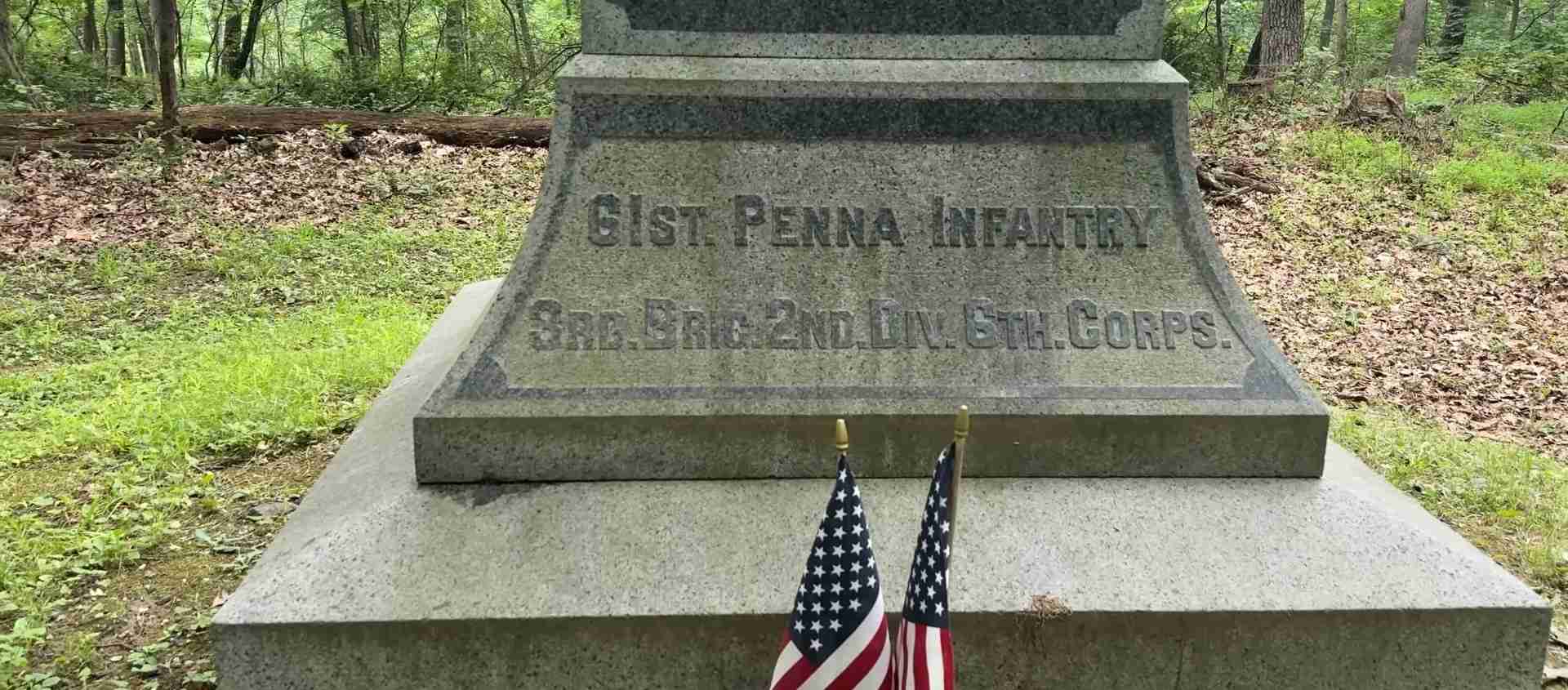
Monument density across Gettysburg exceeds any other American battlefield, with more than 1,300 markers ranging from simple tablets to elaborate state memorials honoring specific units’ battlefield contributions. The Pennsylvania Memorial, the battlefield’s largest monument, towers 110 feet listing all 34,530 Pennsylvanians who fought here. North Carolina’s memorial includes statue groups showing infantry, cavalry, and artillery arms. New York contributed 320 individual unit monuments, the most from any state, reflecting New York’s massive troop contributions to Union armies. These monuments erected primarily between 1880 and 1910 by veteran organizations and state commissions create outdoor museum experiences where battlefield touring proceeds monument by monument, each marker providing specific tactical detail about positions, casualties, and combat actions at that exact location.
The Museum & Visitor Center opened in 2008 replacing the aging 1962 Cyclorama Center, consolidating exhibits, theater facilities, Licensed Guide services, and visitor amenities into a modern 139,000-square-foot complex designed for efficient orientation and comprehensive battlefield preparation. The Gettysburg Museum of the American Civil War inside the center follows chronological narrative from war origins through the battle’s three days and aftermath, displaying authentic artifacts including weapons, uniforms, personal effects, medical instruments, and flags recovered from the battlefield. Twelve interactive galleries employ touchscreens, audio interviews, documentary footage, and detailed tactical maps explaining complex military maneuvers in accessible formats for general audiences while satisfying serious students with unprecedented detail.
The film “A New Birth of Freedom” narrated by Morgan Freeman provides 22-minute battle overview emphasizing broader Civil War context, strategic importance of Union victory, and Lincoln’s Gettysburg Address transforming the conflict from constitutional crisis into moral crusade against slavery. The production employs dramatic recreations, historical photographs, expert interviews, and battlefield footage preparing first-time visitors for subsequent touring while refreshing knowledgeable enthusiasts’ understanding. Multiple daily screenings accommodate visitor flow, with reserved time slots assigned at ticket purchase preventing overcrowded theaters.
The Battle of Gettysburg Cyclorama painting measuring 377 feet in circumference and 42 feet tall surrounds viewers with epic depiction of Pickett’s Charge, the Confederate assault that climaxed the battle’s third day. French artist Paul Philippoteaux completed the cyclorama in 1884 after extensive battlefield research and veteran interviews, creating one of the last great cyclorama paintings before cinema supplanted this immersive art form. The Gettysburg Foundation’s 2008 restoration removed decades of grime, repaired structural damage, and returned the painting to original vibrancy, while the viewing platform’s light and sound presentation adds cannon roar, musket fire, and narrated action description immersing visitors in the desperate Confederate assault that failed in the face of Union artillery concentration.
Licensed Battlefield Guides represent Gettysburg’s signature educational resource unavailable at most historic sites. These professional historians undergo years of independent study covering battle tactics, unit histories, leadership decisions, and terrain analysis before attempting the rigorous National Park Service licensing exam covering military details, preservation history, and tour guide techniques. Only individuals demonstrating comprehensive knowledge and communication skills receive licenses permitting professional guiding on National Park Service property. This certification process ensures consistently high-quality interpretation regardless of which specific guide conducts any tour, though individual guides develop personal specialties in specific battle phases, unit actions, or thematic approaches like medical history or civilian experiences.
Battlefield touring follows multiple route options accommodating different time availability and interest levels. The primary auto tour route covers 24 miles with 16 marked stops at major engagement sites including McPherson Ridge where fighting opened July 1, Oak Hill providing panoramic views of first-day battlefield, Devil’s Den’s boulder terrain where sharpshooters battled, Little Round Top’s crucial hill saved by 20th Maine Infantry’s desperate defense, The Wheatfield where six separate charges and countercharges produced horrific casualties, The Peach Orchard marking Union III Corps’ advanced position, Cemetery Ridge where Union artillery repelled Pickett’s Charge, and Culp’s Hill on the Union right flank. Visitors driving personal vehicles proceed at their own pace, while Licensed Battlefield Guides conducting car tours provide stop-by-stop narrative connecting tactical decisions to visible terrain features.
Bus tours operated by private companies like Gettysburg Battlefield Tours use the same battlefield route with Licensed Guides providing continuous narration from departure through return to the Museum & Visitor Center. These 2-hour tours accommodate visitors without personal vehicles and those preferring group experiences, stopping at 2-3 major sites including Cemetery Ridge and Little Round Top for brief walks and photographic opportunities while covering remaining sites through windows as guides explain action sequences. The iconic open-air double-decker buses running seasonally April through October provide elevated viewing perspectives matching historic battlefield observations towers and photographic advantages over enclosed coach buses, though weather protection limits double-deck operation to favorable conditions.
The Soldiers’ National Cemetery adjacent to the battlefield core contains 3,512 Union soldiers killed during the battle, arranged in semicircular rows radiating from a central monument where Lincoln delivered the Gettysburg Address on November 19, 1863. The cemetery’s simple design with uniform white headstones contrasts deliberately with elaborate battlefield monuments, emphasizing equality in death regardless of rank or state origin. Walking paths allow quiet contemplation, while markers identify state sections and individual graves where identification remained possible. The Gettysburg Address platform, marked by a simple tablet, attracts visitors seeking connection to Lincoln’s transformative speech redefining the war’s purpose.
Eisenhower National Historic Site preserving President Dwight D. Eisenhower’s retirement farm adjoins the battlefield’s western edge, accessible via seasonal shuttle from the Museum & Visitor Center during spring and summer months. Eisenhower purchased the 690-acre property in 1950 as his first permanent home after a military career spanning four decades, transforming the working farm into weekend retreat during his presidency and full-time residence after leaving office. Guided tours through the home preserved exactly as the Eisenhowers left it display presidential artifacts, military memorabilia, and personal effects, while farm buildings house Eisenhower’s prized Angus cattle operation and farm equipment. The site operates separate hours from the battlefield with spring and summer home tours and year-round self-guided grounds access when staff availability permits.
Transportation Options from Washington DC to Gettysburg 2026
Self-driving from Washington DC to Gettysburg proves the most flexible transportation option, covering 78-86 miles depending on your DC starting point via straightforward highway routes requiring no special navigation skills beyond basic interstate and US highway comfort. The most direct route follows I-270 North from the Capital Beltway through suburban Maryland to Frederick, then US-15 North through rural Maryland and Pennsylvania directly to Gettysburg. This routing typically requires 85-95 minutes under normal traffic conditions, passing through scenic countryside transitioning from suburban development around Frederick into agricultural land approaching Pennsylvania’s Adams County.
Alternative routes via I-70 West to Hagerstown then US-15 North add 10-15 minutes but avoid Frederick’s occasional congestion, particularly beneficial for Saturday morning departures when local traffic concentrates in Frederick’s historic downtown. Visitors departing northern Virginia suburbs may access US-15 directly via state routes through Loudoun County, shaving 10-15 minutes compared to routing through I-270. GPS navigation apps provide real-time routing based on current traffic conditions, though US-15 North proves consistently efficient except during Friday evening northbound and Sunday afternoon southbound peak periods when local recreational traffic concentrates.
Parking at Gettysburg National Military Park’s Museum & Visitor Center remains free in three large lots accommodating several thousand vehicles. Lot 1 closest to the entrance fills first on busy summer weekends, while Lots 2 and 3 provide overflow capacity requiring longer walks but never reaching capacity except during major anniversary events. RVs and buses use designated parking in separate areas. Downtown Gettysburg offers metered street parking and several municipal lots within walking distance of restaurants and specialty museums, with typical rates of $1-2 per hour and 2-4 hour limits encouraging turnover during peak periods.
Gas costs for the round-trip journey total approximately $18-22 split among all vehicle occupants based on April 2026 fuel prices averaging $3.20 per gallon in the DC-Maryland-Pennsylvania corridor. Vehicles averaging 25-30 mpg require 5-7 gallons for the 160-170 mile round trip, while larger SUVs averaging 18-22 mpg consume 7-9 gallons increasing fuel costs to $22-29. No tolls apply on the I-270/US-15 routing, though I-70 West alternatives through Maryland require paying $8-12 in various toll plaza charges depending on exact routes and E-ZPass availability. The toll-free US-15 routing thus provides most economical approach for day trippers.
Vehicle rental from Washington DC airports or downtown locations accommodates visitors without personal cars, with daily rates for compact sedans starting at $45-65 plus fuel and insurance during 2026. Major rental agencies at Reagan National Airport, Dulles International Airport, and Union Station provide convenient pickup locations, though confirming vehicle return by closing time prevents after-hours drop-off fees. Weekend rental rates often include Friday evening through Monday morning periods at single-day rates, potentially supporting extended Gettysburg visits with Saturday overnight stays for travelers combining battlefield touring with additional regional attractions.
Organized day tours from Washington DC eliminate all driving and navigation responsibilities while providing expert historical commentary during the coach journey and guaranteed Licensed Battlefield Guide services upon arrival. Multiple tour operators run Gettysburg day trips from DC with typical itineraries departing Union Station 7-8 AM, arriving Gettysburg by 9:30-10 AM for museum visits and battlefield tours, then returning to DC by 6-7 PM. Tours typically include round-trip coach transportation, Museum & Visitor Center admission, and 2-hour Licensed Guide battlefield tour, with lunch excluded allowing participants to select from downtown restaurants based on personal preferences and budgets.
Gray Line DC operates regularly scheduled Gettysburg day tours throughout spring, summer, and fall seasons with adult prices around $145-165 including all admissions and guide services. Small-group tours limited to 12-15 participants offer more intimate experiences with easier question-and-answer interaction, while larger coach tours accommodate 40-50 passengers at slightly reduced per-person rates around $120-140. Pickup at Union Station or select downtown hotels provides convenient departure points without requiring participants to navigate DC traffic, while professional drivers handle highway navigation and parking logistics.
Private tour companies offer customized Gettysburg experiences for small groups, families, or individuals seeking personalized itineraries and flexible scheduling impossible on fixed-departure group tours. These services typically provide luxury vehicle pickup at DC hotels or residences, expert guide commentary during the drive, and pre-arranged Licensed Battlefield Guide services, with pricing starting around $800-1,200 for groups of 4-6 passengers. The higher per-group cost divides among participants, creating per-person expenses of $130-200 comparable to premium small-group tours but with complete schedule flexibility and customized battlefield focus areas based on group interests.
Public transportation from Washington DC to Gettysburg involves multiple connections without direct service, making this option impractical for day trips despite budget appeal. Travelers would need Amtrak or commuter rail to Baltimore, connecting to York, Pennsylvania transit, then taxi or rideshare for the final 30 miles to Gettysburg—a journey consuming 4-5 hours each direction and costing $60-80 in combined fares. The time investment precludes meaningful battlefield exploration within single-day constraints, relegating public transit to overnight visit scenarios or travelers with severe driving limitations and budget constraints preventing organized tour participation.
Rideshare services like Uber and Lyft operate from Washington DC to Gettysburg, though the 80-mile distance produces one-way costs of $130-180 depending on surge pricing and vehicle selection. Round-trip rideshare therefore approaches or exceeds organized tour costs without including guide services or battlefield expertise, while creating scheduling uncertainty around return trip driver availability in smaller Gettysburg market. Rideshare proves most practical for one-way transportation supporting multi-day stays with different return arrangements, or for travelers combining DC-Gettysburg transit with visits to intermediate destinations like Frederick or Harpers Ferry requiring flexible routing impossible with fixed-schedule tours.
Gettysburg Museum & Visitor Center Admission and Experiences 2026
The Gettysburg National Military Park Museum & Visitor Center operates as the mandatory starting point for battlefield visits, providing essential historical context, orientation services, and ticket sales for film, Cyclorama, museum exhibits, and Licensed Battlefield Guide services. The facility opens daily 8 AM to 5 PM March through November and 9 AM to 5 PM December through February, with extended summer hours to 6 PM during peak July-August visitation. Check the official Gettysburg Foundation website for current rates as pricing may vary, though 2026 admission for the Film, Cyclorama & Museum Experience costs $35 for adults, $15 for youth ages 6-12, and free for children under 6.
Active military personnel receive complimentary admission upon presenting valid military ID, while seniors age 65+, veterans, and AAA members save $1 off regular admission. These discounts apply only at on-site ticket counters, not for online advance purchases. Groups of 20 or more qualify for group rates reducing per-person costs, with advance reservations required through the Gettysburg Foundation’s group sales office. The Museums for All program provides free admission to the Film, Cyclorama & Museum Experience for families presenting SNAP/EBT cards, limited to four individuals per card and available only at on-site ticket counters.
Admission tickets grant all-day access to the museum galleries permitting multiple entries, though the film and Cyclorama presentations require reserved time slots assigned at purchase. Visitors select show times from available options, typically offered every 30-45 minutes throughout operating hours, with tickets specifying exact viewing times for the 22-minute film followed immediately by the 20-minute Cyclorama presentation. Museum exploration before or after these timed presentations proceeds at individual pace, with most first-time visitors spending 60-90 minutes touring twelve chronological galleries covering war origins, three battle days, medical care, and aftermath.
Advance online ticket purchase through the Gettysburg Foundation website proves essential during peak season weekends and major anniversary dates when same-day sales frequently sell out by mid-morning. Online buyers select specific film and Cyclorama time slots during checkout, then present confirmation emails at the will-call desk upon arrival, bypassing general admission lines. Tickets purchased online cost the same as walk-up purchases without service fees, making advance booking purely an availability guarantee rather than cost-saving measure. The website displays real-time availability showing which time slots remain open for any given date.
The visitor center building itself provides free access regardless of museum ticket purchase, including the information desk staffed by National Park Service rangers, bookstore operated by the Gettysburg Foundation selling battlefield guides and Civil War histories, Refreshment Saloon café serving sandwiches and snacks, and restroom facilities. Visitors planning self-guided battlefield tours without museum visits can obtain free park maps, trail guides, and ranger program schedules at the information desk, though missing the film and museum context significantly reduces battlefield understanding for non-specialists unfamiliar with Civil War military tactics and strategic background.
The film “A New Birth of Freedom” employs dramatic battlefield recreations, archival photographs, detailed tactical maps, and expert historian interviews to explain how the three-day Battle of Gettysburg unfolded and why Union victory here proved decisive to war outcome. Morgan Freeman’s narration adds gravitas to Lincoln’s Gettysburg Address excerpts woven throughout the production, connecting battlefield sacrifice to the republic’s survival and slavery’s ultimate abolition. The 22-minute runtime balances comprehensive coverage with accessible pacing preventing information overload, while 4K projection and surround sound create theater-quality viewing experience.
The Cyclorama presentation transports viewers into Pickett’s Charge, the failed Confederate assault on Union center positions that climaxed the battle’s third day and sealed Lee’s defeat. Standing on the circular platform surrounded by Paul Philippoteaux’s 377-foot painting, visitors experience the charge from Union defenders’ perspective as light and sound effects simulate cannon roar, musket fire, and shouted commands. Narration explains the tactical situation, identifies key terrain features visible in the painting, and describes the charge’s bloody repulse leaving 50% Confederate casualties including all three division commanders. The fully-restored 1884 painting shows the action’s climax with thousands of individual soldiers, artillery pieces, and fallen combatants rendered in meticulous period-accurate detail.
The Gettysburg Museum of the American Civil War follows chronological progression through twelve themed galleries beginning with pre-war tensions over slavery and states’ rights, proceeding through war’s opening phases, then focusing intensively on Gettysburg’s three battle days. Interactive touchscreen displays allow visitors to explore specific unit histories, examine artifacts in 3D rotation, watch short documentary segments, and access detailed tactical maps showing troop movements hour by hour. Glass cases display authentic weapons including Springfield rifled muskets, artillery shells, officer swords, and cavalry sabers alongside uniforms showing battle damage, personal effects like letters and photographs carried by soldiers, and medical instruments used in the horrific field hospitals treating 21,000 wounded.
Photography proves permitted throughout the museum galleries and Cyclorama platform without flash, though filming or recording the film presentation violates copyright restrictions. Many visitors photograph favorite artifacts, tactical map displays, and the Cyclorama painting for personal reference, though professional photography requires advance permission from the Gettysburg Foundation. The museum shop located past the galleries sells high-quality prints of the Cyclorama painting, battlefield photographs from the 1863 period, and detailed tactical maps making excellent souvenirs for serious students unable to photograph entire exhibits.
Accessibility accommodations at the Museum & Visitor Center include wheelchair access throughout all public areas via elevators and ramps, assistive listening devices for the film and Cyclorama presentations available at the ticket desk, and large-print exhibit labels in the museum galleries. Service animals accompany visitors throughout the facility, while designated accessible parking spots closest to the entrance reduce walking distances for mobility-limited guests. The National Park Service information desk provides detailed accessibility information for battlefield touring including vehicle access to major monuments and ranger programs accommodating various mobility levels.
Licensed Battlefield Guide Tours 2026
Licensed Battlefield Guides represent Gettysburg’s signature educational resource, providing expert narrative tours across the 6,000-acre battlefield in visitors’ personal vehicles or group tour buses. The National Park Service licensing program established in 1915 certifies guides after years of independent study and rigorous examination covering battle tactics, unit histories, leadership decisions, terrain analysis, and monument locations. Only individuals demonstrating comprehensive knowledge and effective communication skills receive licenses, ensuring consistently high-quality interpretation regardless of which specific guide conducts any tour.
Standard two-hour battlefield tours conducted in visitors’ personal vehicles cost $72 for parties of 1-6 people, $100 for groups of 7-15 people, and $156 for groups of 16 or more. These flat fees cover the specified passenger count regardless of exact party size within each bracket, making larger groups more economical on a per-person basis. For example, a couple paying $72 splits the cost for $36 each, while a family of six pays the same $72 total reducing per-person costs to $12. Additional touring hours beyond the standard two-hour route add proportional fees at $36 per hour for parties of 1-6, $50 per hour for 7-15 passengers, and $78 per hour for larger groups.
The Gettysburg Foundation manages Licensed Battlefield Guide reservations and scheduling for tours departing from the Museum & Visitor Center, adding a $6 service surcharge to the base guide fee for handling booking logistics and payment processing. Visitors reserve guides by calling the Foundation’s tour desk or booking online through the official website, selecting preferred tour dates and times from available slots. Summer weekends and holiday periods require advance reservations weeks ahead as guide availability fills quickly during peak season, while off-season weekdays often accommodate walk-up requests for guides departing within 1-2 hours.
Car tours with Licensed Guides follow the primary battlefield auto route covering 24 miles with stops at 10-16 major engagement sites depending on time availability and visitor interests. Guides drive visitors’ vehicles, navigating battlefield roads while providing continuous narrative connecting terrain features to tactical decisions and combat sequences. Typical tours begin at McPherson Ridge where fighting opened July 1, proceed to Oak Hill’s panoramic first-day battlefield views, continue to Little Round Top and Devil’s Den marking desperate second-day fighting for the Union left flank, visit The Wheatfield and Peach Orchard where Union III Corps collapsed, examine the angle on Cemetery Ridge where Pickett’s Charge failed on July 3, and conclude at Culp’s Hill on the Union right flank.
Guides customize tours based on visitor knowledge levels, available time, and specific interests expressed during pre-tour consultations. First-time visitors receive comprehensive overviews emphasizing major actions and key terrain, while returning enthusiasts request detailed focus on specific units, tactical decisions, or battle phases not covered in previous tours. Visitors interested in particular military units can arrange specialized tours following their ancestors’ regiments across the battlefield, examining unit monuments and action sites with personalized family history context. Medical history enthusiasts request tours emphasizing field hospital locations and Civil War surgical techniques, while leadership-focused tours examine command decisions and communication challenges faced by generals directing armies across the sprawling battlefield.
Bus tours with Licensed Battlefield Guides operated by private companies like Gettysburg Battlefield Tours cost $41 for adults and $26 for children ages 6-12 in 2026, covering two-hour narrated circuits with stops at 2-3 major sites including Cemetery Ridge and Little Round Top. These group tours accommodate visitors without personal vehicles, those uncomfortable with guides driving their cars, and travelers preferring structured group experiences with fixed departure times. The open-air double-decker buses running seasonally April through October provide elevated viewing perspectives and superior photography opportunities, while enclosed climate-controlled coaches operate year-round ensuring comfortable touring regardless of weather conditions.
Battlefield bus tours depart from the Gettysburg Tour Center on Baltimore Street in downtown Gettysburg rather than the Museum & Visitor Center, with free parking available at the tour center lot. Visitors driving to Gettysburg typically visit the Museum & Visitor Center first for film, Cyclorama, and museum experiences, then drive one mile to downtown for afternoon bus tours, though reverse sequences work equally well depending on museum ticket time slots and bus tour departure schedules. The bus tour companies offer value packages combining bus tours with admission to downtown museums like the Shriver House Museum and Jennie Wade House, creating comprehensive day-long itineraries without requiring vehicle movement between attractions.
Guide expertise varies in depth and presentation style despite universal licensing standards ensuring baseline knowledge. Some guides specialize in military tactics and strategic analysis, employing detailed maps and unit movement diagrams to explain complex battlefield maneuvers. Others emphasize personal soldier stories and human experiences, quoting letters and diaries describing combat terror, medical horrors, and psychological trauma. Leadership-focused guides analyze command decisions and communication challenges faced by generals directing armies across miles of confused terrain under primitive signal systems. Newer guides often stick closely to established tour scripts, while veteran guides with decades of experience improvise based on weather conditions, time availability, and visitor questions creating unique tour experiences even on identical routes.
Visitor participation enhances battlefield tours significantly beyond passive listening. Guides encourage questions throughout the circuit, pausing narration to address specific queries about tactics, casualties, unit actions, or monument meanings. Many visitors bring unit histories, ancestor military records, or historical photographs for guides to examine and incorporate into tour narratives. Guides proficient in specific battle aspects like artillery tactics, cavalry operations, or engineering works elaborate when visitor questions trigger these specialties, creating spontaneous deep-dives into subjects beyond standard tour coverage.
Weather considerations affect outdoor battlefield touring with guides adapting to rain, extreme heat, or winter cold. Summer tours often involve significant heat exposure during stops at monuments without shade, requiring water bottles and sun protection. Thunderstorms prompt cancellations or shortened tours avoiding lightning risk in open fields. Winter tours prove remarkably popular among serious students who appreciate empty battlefields and sharp terrain visibility after deciduous trees lose leaves, though sub-freezing temperatures limit stop duration. Guides monitor weather forecasts and adjust touring accordingly, prioritizing safety while maximizing battlefield exposure under prevailing conditions.
Self-Guided Battlefield Touring Options 2026
Self-guided touring appeals to budget-conscious visitors, those preferring independent exploration at personal pace, and returning enthusiasts familiar with basic battlefield geography pursuing specialized study of specific units or tactical phases. The National Park Service provides free detailed maps at the Museum & Visitor Center information desk showing the 24-mile auto tour route with 16 numbered stops at major engagement sites, supplemented by wayside exhibits at each stop explaining tactical situations and identifying visible terrain features. Visitors following these maps proceed stop-by-stop examining monuments and reading interpretive panels without guide narration or time constraints.
The official Gettysburg National Military Park smartphone app available free through Apple and Google app stores transforms self-guided touring with GPS-triggered audio stops, historical photographs, tactical maps, and unit rosters accessible at each battlefield location. The app downloads entirely to phones before arrival eliminating cellular data requirements, then activates automatically as visitors drive or walk through the battlefield triggering location-specific content. Audio narration at major stops runs 5-10 minutes covering the same tactical overviews Licensed Battlefield Guides provide, while supplemental content includes soldier quotes, commander biographies, and casualty statistics.
Self-guided driving following the park’s numbered tour route typically requires 90-120 minutes covering all 16 official stops with brief pauses at each for monument viewing and wayside reading. Visitors allocating 3-4 hours incorporate longer stops at major sites including 20-30 minute explorations of Little Round Top’s rocky summit, Devil’s Den’s boulder terrain, and Cemetery Ridge’s monument-lined crest where Pickett’s Charge failed. The route travels one-way on many sections with designated parking areas at each stop, though summer weekends create parking shortages at popular sites like Little Round Top requiring patience and occasional return visits when spaces free up.
Walking trails throughout the battlefield permit intimate terrain exploration impossible from vehicle routes. The 1.5-mile Little Round Top circuit climbs from the base parking area through boulder fields to the summit, passing 20th Maine Infantry monument marking Colonel Joshua Chamberlain’s desperate bayonet charge that saved the Union left flank. The Devil’s Den loop explores massive boulder formations providing Confederate sharpshooter positions overlooking Union artillery batteries. Cemetery Hill trails follow Union defensive positions from first-day fighting through third-day Confederate assault. Trail maps available at the Museum & Visitor Center mark difficulty levels, distances, and seasonal conditions.
Cycling enthusiasts appreciate Gettysburg’s relatively flat terrain and light traffic on park roads during off-peak periods, though summer weekends bring heavy auto traffic creating challenging cycling conditions. The 24-mile auto tour route translates into comfortable half-day cycling excursions with frequent stops at monuments and battlefield sites. Bike rentals from downtown Gettysburg shops provide helmets and basic touring bikes at $30-45 for full-day rentals, with hybrid models suitable for paved park roads and packed dirt trails to more remote monument clusters. The National Park Service prohibits cycling on walking trails but permits bikes on all vehicle-accessible roads.
Photography opportunities across the battlefield vary by season and lighting conditions. Golden hour lighting at sunrise and sunset creates dramatic monument silhouettes and enhanced terrain definition emphasizing subtle ridgelines crucial to tactical positions. Summer foliage obscures some long-range views across battlefields, while winter’s bare trees expose distant monuments and terrain features invisible during growing season. The Pennsylvania Memorial’s 110-foot height provides elevated photography platforms overlooking Cemetery Ridge and the field where Pickett’s Charge occurred. Little Round Top’s rocky summit offers 360-degree views across southern battlefield sectors with Big Round Top rising immediately south.
Seasonal ranger programs enhance self-guided touring with expert-led walks and talks covering specific battlefield aspects. Spring and summer weekends feature twice-daily ranger walks exploring Little Round Top defense, Pickett’s Charge, field hospital operations, and cavalry actions on the battlefield’s eastern flank. These free programs typically run 60-90 minutes with moderate walking over uneven terrain, providing depth impossible through wayside reading or smartphone apps. The ranger schedule posted at the Museum & Visitor Center and online allows visitors to structure self-guided touring around specific programs matching personal interests.
Monument study forms a specialized self-guided pursuit for Civil War unit history enthusiasts and genealogists researching ancestors’ battlefield service. The 1,300+ monuments include state memorials, regimental markers, brigade tablets, and individual unit monuments erected by veteran organizations decades after the battle. Each monument displays unit designation, commander names, casualty figures, and brief action descriptions. Visitors researching specific ancestors’ units locate relevant monuments through park databases, photograph inscriptions, and study surrounding terrain understanding exactly where forebears fought and fell.
Night tours operated by private ghost tour companies explore Gettysburg’s haunted reputation through downtown and battlefield locations, though these entertainment-focused experiences deviate significantly from historical interpretation emphasized in daytime programs. The National Park Service itself prohibits non-permitted activities on battlefield property after dark, while downtown businesses run nightly walking tours visiting allegedly haunted buildings and relating paranormal folklore. These experiences appeal to different audiences than serious historical touring, providing atmospheric entertainment rather than educational programming.
Equestrian touring on designated battlefield trails offers period-authentic exploration methods matching how commanders and couriers traversed the terrain during the actual battle. The National Park Service maintains limited horse trails avoiding high-traffic areas and monument concentrations, with access requiring advance permits and proof of negative Coggins test for horses. Local stables offer guided horseback tours during spring through fall seasons, providing mounts, guides, and National Park Service permits for 2-3 hour circuits exploring less-visited battlefield sectors rarely accessed by vehicle tours.
Dining Options in Gettysburg 2026
Gettysburg’s downtown historic district within walking distance of the battlefield offers diverse dining accommodations ranging from quick casual eateries suitable for day-trippers to upscale restaurants occupying beautifully restored 19th-century buildings where period ambiance enhances Civil War-era immersion. Most day visitors from Washington DC allocate 45-75 minutes for lunch between museum visits and battlefield tours, selecting casual to mid-range establishments providing efficient service and menu variety accommodating different dietary preferences and budget constraints.
The Refreshment Saloon inside the Museum & Visitor Center provides fastest meal access without leaving the complex, serving pre-made sandwiches, salads, hot dogs, pizza slices, and various snack items with fountain drinks and coffee. Prices run $8-14 for main items with total meal costs of $12-18 per person including drinks. The cafeteria-style service ensures quick turnaround during tight schedules between timed museum presentations and afternoon battlefield tours. Seating proves limited during peak midday hours on summer weekends, though outdoor tables on the adjacent plaza provide overflow capacity during favorable weather.
Downtown Gettysburg one mile from the Museum & Visitor Center concentrates numerous restaurants along Baltimore Street, Chambersburg Street, and around Lincoln Square, the town’s central roundabout. The 5-minute drive or 20-minute walk from the battlefield allows slightly longer meal breaks accessing broader menu selections and authentic period architecture many establishments occupy. Street parking and municipal lots charge $1-2 hourly during business hours with 2-4 hour limits, while some restaurants offer limited customer parking in rear lots.
Hunt’s Battlefield Fries & Cafe on Baltimore Street specializes in quick casual American fare with sandwiches, burgers, and their signature hand-cut fries served in generous portions. Lunch items cost $10-16 with total meal expenses around $14-20 per person including drinks and sides. The straightforward menu and counter service facilitate rapid dining for battlefield-bound visitors requiring minimal time investment. Outdoor seating on warm days provides Lincoln Square views where civilians watched distant battle smoke in July 1863.
The Dobbin House Tavern occupies Gettysburg’s oldest building dating to 1776, offering Colonial atmosphere in candlelit dining rooms where fireplaces, period furnishings, and costumed servers create immersive historical ambiance. The tavern level serves casual fare including sandwiches, salads, and hearty dinner platters in the $15-25 range, while upstairs dining rooms offer full dinner service with entrées from $22-38. Day-trippers typically choose tavern seating for quicker service and lower prices, reserving upstairs dining for special occasions requiring advance reservations. Total lunch costs run $18-28 per person in the tavern including drinks and tax.
Gettysburg Eddie’s on Chambersburg Street provides family-friendly American dining with extensive menu covering burgers, sandwiches, salads, pasta dishes, and entrée selections. Lunch items typically cost $12-18 with dinner entrées ranging $16-26, creating total meal expenses of $15-25 per person during midday visits. The comfortable casual atmosphere accommodates families with children while satisfying adults seeking quality meals without fine-dining formality or extended service times. Generous portions often support meal sharing or taking half servings for later consumption.
Mason Dixon Distillery combines craft spirits production with full restaurant service, occupying a beautifully renovated downtown building where large windows overlook Lincoln Square. The lunch menu emphasizes elevated pub fare with creative sandwiches, burgers, salads, and small plates in the $14-20 range. The distillery’s signature cocktails feature their small-batch whiskey, gin, and vodka, while local craft beers and wine selections accommodate non-spirits drinkers. Lunch with drinks runs $20-30 per person, slightly higher than casual alternatives but justified by exceptional food quality and unique distillery atmosphere rare in small-town settings.
The Livery restaurant on Washington Street serves American cuisine with Southern influences in a relaxed atmosphere featuring large portions and competitive pricing. Lunch specials typically run $12-18 including generous sides, while sandwich and burger selections cover similar price ranges. The full bar offers draft beers, cocktails, and wine supporting relaxed meal pacing when schedules permit extended breaks. Total lunch costs average $16-24 per person with drinks, positioning The Livery in the mid-range category balancing value with quality.
Quick service options for visitors prioritizing minimal dining time include Pizza House on Chambersburg Street serving New York-style pizza by the slice from $4-6 or whole pies from $16-24, Subway and other national fast-food chains with $8-12 meal deals, and several coffee shops offering pre-made sandwiches and salads in the $9-14 range. These expedited options suit visitors with tight schedules maximizing battlefield touring time or those seeking budget meals reducing overall day trip expenses.
Dietary accommodation varies by establishment, though most restaurants provide vegetarian options and adapt dishes for common allergies with advance notice. The Dobbin House Tavern and Mason Dixon Distillery offer the most extensive vegetarian and gluten-free selections, while casual establishments often accommodate simple modifications to standard menu items. Vegan options prove limited outside salads and vegetarian dishes modified to exclude dairy, though downtown markets sell prepared foods supporting various dietary requirements when restaurant selections disappoint.
Seasonal hours affect dining availability, with most restaurants maintaining consistent daily service during peak summer months but reducing to Wednesday-Sunday operations during winter low season. Holiday weekends including Memorial Day, Fourth of July, and Veterans Day bring extended hours and occasional special menus, though advance reservations prove essential as these periods attract maximum visitation overwhelming normal service capacity. The Gettysburg area restaurant association website and individual establishment social media provide current seasonal schedules and temporary closures.
Alcoholic beverage service follows Pennsylvania liquor laws permitting beer and wine sales by licensed restaurants, while spirits require state-issued liquor licenses held by fewer establishments. Many restaurants feature local craft beers from Adams County breweries, while wine selections emphasize Pennsylvania wineries alongside national brands. Some establishments allow BYOB for customers bringing their own beer or wine, typically charging modest corkage fees around $5-10 per bottle.
Sample Day Trip Itineraries from Washington DC 2026
Efficient Gettysburg day trips from Washington DC require strategic timing balancing highway travel, museum visits, battlefield touring, and meal breaks within 11-12 hour windows departing early morning and returning early evening. These sample itineraries demonstrate proven scheduling approaches accommodating different touring priorities and energy levels, with all timing estimates including typical spring-fall conditions when extended daylight permits comprehensive exploration.
Comprehensive First-Timer Itinerary (Full Day, Guided Tour Focus)
6:30 AM – Depart Washington DC via I-270 North and US-15 North, stopping for drive-through breakfast en route. 8:00 AM – Arrive Gettysburg National Military Park Museum & Visitor Center, presenting advance-purchased tickets for 8:30 AM film showing. 8:30 AM – View “A New Birth of Freedom” film (22 minutes) followed immediately by Cyclorama presentation (20 minutes), establishing battlefield context and tactical overview. 9:15 AM – Tour Gettysburg Museum of the American Civil War galleries at comfortable pace, examining artifacts and interactive displays covering war origins, three battle days, and aftermath (90 minutes). 10:45 AM – Board pre-reserved battlefield bus tour with Licensed Battlefield Guide for comprehensive two-hour circuit covering major engagement sites including Little Round Top, Devil’s Den, Cemetery Ridge, and Culp’s Hill (2 hours). 12:45 PM – Lunch at downtown Gettysburg restaurant such as Dobbin House Tavern or Gettysburg Eddie’s, allowing extended meal break for rest and reflection (75 minutes). 2:00 PM – Walk Gettysburg National Cemetery reading gravestone inscriptions and locating the Gettysburg Address platform (45 minutes). 2:45 PM – Return to Museum & Visitor Center for second museum pass focusing on exhibits skipped during morning visit, gift shop browsing, and restroom stop (45 minutes). 3:30 PM – Depart Gettysburg for Washington DC via US-15 South and I-270 South. 5:00-5:30 PM – Arrive Washington DC area depending on traffic conditions.
This itinerary totals approximately $100-115 per person including museum admission ($35), guided bus tour ($41-42), mid-range lunch ($18-25), and shared gas costs ($9-11), providing comprehensive first-time battlefield orientation combining expert guidance with independent exploration.
Budget Self-Guided Itinerary (Full Day, Maximum Value)
7:00 AM – Depart Washington DC allowing extra morning travel time for potential traffic. 8:30 AM – Arrive Museum & Visitor Center, purchasing tickets for 9:00 AM film and Cyclorama presentations. 9:00 AM – Complete film, Cyclorama, and museum sequence (2 hours total) establishing battlefield knowledge for subsequent self-guided touring. 11:00 AM – Drive personal vehicle on self-guided battlefield auto tour following park’s numbered route with smartphone app audio guidance, stopping at major sites including McPherson Ridge, Oak Hill, Little Round Top, Devil’s Den, The Wheatfield, Cemetery Ridge, and Culp’s Hill (2.5 hours with brief stops). 1:30 PM – Quick casual lunch at Hunt’s Battlefield Fries or similar budget-friendly establishment (45 minutes). 2:15 PM – Walk Gettysburg National Cemetery and downtown historic district exploring Lincoln Square and period architecture (60 minutes). 3:15 PM – Return to Museum & Visitor Center for gift shop, additional museum time if desired, and restroom break before departure (30 minutes). 3:45 PM – Depart Gettysburg for Washington DC. 5:15-5:45 PM – Arrive DC area.
Total costs approximate $55-65 per person including museum admission ($35), self-guided touring (free), budget lunch ($12-18), and shared gas expenses ($9-11), providing comprehensive battlefield coverage emphasizing independent exploration over guided narration.
Focused Military History Itinerary (Half Day Plus, Expert-Level)
7:00 AM – Depart Washington DC for early arrival maximizing battlefield time. 8:30 AM – Arrive Museum & Visitor Center, meeting pre-reserved Licensed Battlefield Guide for extended three-hour private car tour emphasizing tactical analysis and leadership decisions (3 hours, surcharges apply for extended time). 11:30 AM – Quick lunch at Refreshment Saloon inside visitor center avoiding time lost driving to downtown restaurants (30 minutes). 12:00 PM – Independent battlefield exploration visiting specific monuments and regimental positions identified during morning guided tour, using detailed tactical maps and unit histories (2 hours). 2:00 PM – Museum visit focusing on artifacts and exhibits related to specific units or battle phases emphasized during guided tour (60 minutes). 3:00 PM – Depart Gettysburg for DC. 4:30-5:00 PM – Arrive Washington DC area.
This condensed itinerary suits returning visitors or serious Civil War students seeking intensive tactical instruction from expert guides, with total costs around $85-100 per person including extended guide fee share ($48-54 for two people), museum admission ($35), budget lunch ($12-15), and gas ($9-11).
Family-Friendly Itinerary (Full Day, Child-Appropriate Pacing)
7:30 AM – Depart Washington DC allowing extra time for potential child-related delays. 9:00 AM – Arrive Museum & Visitor Center, touring museum galleries first while children remain fresh and engaged (60 minutes with child attention spans). 10:00 AM – Film and Cyclorama presentations providing audiovisual stimulation maintaining child interest better than static exhibits (45 minutes total). 10:45 AM – Early lunch at family-friendly restaurant like Gettysburg Eddie’s before midday crowds arrive, allowing extended meal break if children need energy outlet (75 minutes). 12:00 PM – Simplified battlefield tour hitting 4-5 major sites including Little Round Top for climbing exploration and Devil’s Den for boulder scrambling, limiting vehicle time and maximizing active engagement (90 minutes). 1:30 PM – Gettysburg National Cemetery walk emphasizing short distance and visible Lincoln memorial, then playground or ice cream shop break in downtown area (60 minutes). 2:30 PM – Return museum visit for exhibits missed during morning or gift shop time purchasing children’s books and souvenirs (30 minutes). 3:00 PM – Depart Gettysburg with potential stops at Maryland rest areas for child breaks. 4:30-5:00 PM – Arrive DC area.
Family costs approximate $130-160 total for two adults and two children ages 6-12 including museum admissions ($35 × 2 adults + $15 × 2 children), family lunch ($45-60), snacks and treats ($15-20), and gas ($18-22), with no guided tour expense as children’s limited attention spans prove poorly suited to two-hour bus tours.
Seasonal Planning and Crowd Management 2026
Seasonal variation dramatically affects Gettysburg day trip experiences through weather conditions, crowd density, available programming, and overall atmosphere. Strategic seasonal selection optimizes touring quality matching personal preferences for solitude versus social energy, weather priorities, and specific programming interests like ranger-led walks or living history demonstrations concentrated during peak months.
Spring shoulder season from early April through late May offers ideal conditions balancing moderate temperatures, manageable crowds, and full programming availability. Daytime temperatures ranging from the 50s to low 70s Fahrenheit prove comfortable for extended outdoor battlefield walking without summer heat exhaustion risks. Spring foliage emerges gradually through the season, with early April showcasing bare trees exposing long-distance battlefield views while late May brings full canopy reducing visibility but creating pleasant shade during monument exploration. Weekend crowds remain moderate compared to summer peaks, though Memorial Day weekend marking the traditional summer tourism season opener brings significant visitation requiring advance reservations for museum tickets and guided tours.
Summer high season from June through August delivers maximum programming, extended operating hours, and peak crowds testing patience at popular sites. The Museum & Visitor Center extends closing from 5 PM to 6 PM accommodating higher visitor volumes, while ranger programs run daily rather than weekend-only schedules typical during shoulder seasons. Battlefield bus tours operate maximum frequency with departures every 30-60 minutes compared to 90-minute intervals during slower periods. However, summer heat and humidity prove challenging for extensive outdoor touring, with July-August afternoon temperatures regularly reaching the 80s and low 90s creating exhausting conditions during multi-hour battlefield walks. Morning touring from 8-11 AM before peak heat proves most comfortable, with afternoon museum time or air-conditioned restaurant breaks providing heat relief before resuming outdoor exploration during cooler late-afternoon hours.
Summer weekend crowds concentrate heavily at the Museum & Visitor Center where film and Cyclorama presentations sell out days in advance, and at major battlefield sites like Little Round Top where parking lot capacity proves insufficient for demand creating frustrating wait times. Weekday visits during June and late August avoid worst crowding while maintaining full summer programming, though July remains consistently busy regardless of day given family vacation schedules and battle anniversary commemorations. The July 1-3 battle anniversary weekend brings maximum annual visitation with special programming, ranger talks, and living history demonstrations attracting Civil War enthusiasts worldwide, though overwhelming crowds and sold-out accommodations make this period unsuitable for casual day-trippers seeking contemplative battlefield experiences.
Fall shoulder season from September through early November provides arguably the finest Gettysburg visiting conditions combining comfortable temperatures, spectacular foliage, reduced crowds, and continued full programming through October. September maintains summer-like warmth without July-August heat extremes, while October brings crisp days ideal for extended walking with fall foliage transforming battlefield woods into vibrant displays of red, orange, and gold. The contrast between colorful trees and white monuments creates exceptional photography opportunities. Weekend crowds during September and early October remain moderate, while late October weekends coinciding with peak foliage draw significant visitation though far less overwhelming than summer peaks. November transitions toward winter with reduced ranger programming and shorter operating hours, though Thanksgiving week proves surprisingly quiet as travelers focus on family gatherings rather than battlefield touring.
Winter low season from December through March attracts minimal crowds providing solitary battlefield experiences impossible during warmer months, though shortened operating hours, suspended seasonal programming, and harsh weather create challenging conditions. The Museum & Visitor Center operates reduced 9 AM to 5 PM hours compared to 8 AM summer opening, while many ranger programs cease entirely. Battlefield bus tours suspend double-decker operations running only enclosed coaches, with reduced departure frequency and potential cancellations during severe weather. However, winter’s bare trees expose maximum sight lines across the battlefield revealing distant monuments and terrain features obscured during leafy seasons, while snow-covered fields create haunting atmosphere evoking harsh conditions soldiers endured during the actual July 1863 battle’s aftermath. Temperatures frequently drop below freezing requiring substantial layering for outdoor touring, though hardy enthusiasts appreciate empty battlefields enabling undistracted contemplation.
Weekday versus weekend timing profoundly impacts crowd density regardless of season. Tuesday through Thursday visits encounter minimal crowds even during summer peak months, with museum galleries allowing comfortable movement, battlefield sites providing solitary monument examination, and restaurants offering immediate seating without reservations. Monday and Friday shoulder weekends with travelers extending traditional Friday-Sunday patterns into four-day getaways, creating moderately elevated crowds but far less overwhelming than Saturday-Sunday concentrations. Weekend visitors should purchase museum tickets online well in advance, arrive at the Museum & Visitor Center by 8:30 AM for first film showings before crowds accumulate, and schedule battlefield tours for early afternoon after peak morning rush dissipates.
Weather patterns throughout the year create specific planning considerations beyond temperature and precipitation. Spring brings frequent rain showers requiring flexible indoor-outdoor scheduling alternating museum time with battlefield touring during dry spells. Summer thunderstorms develop rapidly during hot afternoons, with severe weather occasionally forcing battlefield evacuations and tour suspensions until lightning passes. Fall provides most stable weather with extended dry periods and moderate temperatures, though occasional cold fronts bring dramatic temperature drops requiring layered clothing. Winter storms can close roads and delay openings, though the Museum & Visitor Center maintains operations except during most severe blizzards.
Special events and commemorations throughout 2026 create both crowding challenges and unique programming opportunities. The battle anniversary weekend July 1-3 brings maximum crowds, advance hotel booking requirements extending 30+ miles from Gettysburg, and special ranger programs, battle reenactments (on private property outside the National Military Park), and guest lectures attracting serious enthusiasts. Memorial Day and Veterans Day weekends feature special ceremonies at the Soldiers’ National Cemetery and enhanced ranger programming, creating moderately elevated crowds but less overwhelming than July anniversary weekend. President’s Day weekend in February offers winter touring with potential special programming at Eisenhower National Historic Site given presidential theme, though weather proves unpredictable.
Cost Breakdown and Money-Saving Strategies 2026
Gettysburg day trip costs vary dramatically based on transportation choices, guided tour participation, dining selections, and museum visit decisions, with comprehensive experiences ranging from budget-conscious $55-65 per person to premium $150-180 including private guides and upscale dining. Strategic planning around core priorities allows meaningful battlefield engagement across all budget levels while understanding where value investments produce proportionally greater educational returns.
Transportation represents the largest variable expense, with self-drivers sharing gas costs among multiple passengers achieving lowest per-person rates around $9-11 per person for two sharing vehicle expenses on the 160-mile round trip. Solo drivers bear full $18-22 gas costs without sharing benefits, while groups of 4-6 reduce individual gas contributions to $3-5 each. Vehicle wear and depreciation adds theoretical costs around $0.60 per mile or approximately $50 for the round trip, though most day-trippers ignore these calculations unless operating commercial services. Organized all-inclusive tours from DC at $120-160 per person eliminate vehicle expenses but bundle transportation with guide services and museum admissions making direct comparison difficult.
Museum & Visitor Center admission at $35 adults and $15 children represents fixed costs for visitors seeking comprehensive battlefield understanding through film, Cyclorama, and exhibit galleries. The National Park Service provides no admission discount for the museum complex despite managing the overall battlefield park, as the Gettysburg Foundation operates this facility under public-private partnership with revenue supporting educational programming and battlefield preservation. Active military personnel receive free admission providing substantial savings for service members and eligible family members. Families with SNAP benefits access free admission through the Museums for All program, requiring EBT card presentation at ticket counters.
Guided tour expenses create the sharpest budget differentials between self-guided and instructor-led experiences. Private car tours with Licensed Battlefield Guides at $72 for parties of 1-6 provide exceptional per-person value for groups, with six passengers paying just $12 each for two hours of expert narration. Couples splitting the $72 fee invest $36 per person, while solo travelers bear the full cost. Battlefield bus tours at $41 per adult eliminate the guide cost sharing complexity, though group touring reduces customization and question-and-answer interaction compared to private car guides. Budget-conscious visitors can skip paid guided tours entirely, using free smartphone apps, park maps, and wayside exhibits for self-directed learning, though first-time visitors sacrifice substantial educational depth without expert context.
Dining costs range from $10-15 for quick casual meals to $25-35 for sit-down restaurant experiences with drinks and tips. The Refreshment Saloon inside the Museum & Visitor Center provides fastest service and shortest travel times between battlefield and museum activities, with sandwiches and salads in the $8-14 range creating total meal costs under $20 including drinks. Downtown restaurants offer superior food quality and period atmosphere justifying slightly higher prices, while packed lunches brought from Washington DC or purchased at Maryland convenience stores during the drive eliminate dining expenses entirely for maximum budget consciousness.
Money-saving strategies combining various approaches reduce day trip costs without sacrificing core battlefield experiences. Weekday visits rather than weekends avoid peak pricing periods if any seasonal rate variations apply to tours or hotels for those extending visits overnight. Early morning departures from DC allow museum visits during first film showings when crowds remain light, permitting efficient touring without extended wait times that waste precious day trip hours. Advance online museum ticket purchases guarantee admission during sold-out periods preventing wasted trips, though prices match walk-up rates without surcharges.
Group formation among friends, family members, or travel companions sharing interests dramatically reduces per-person costs through vehicle expense sharing and private guide fee division. Four adults traveling together split gas costs four ways ($4.50-5.50 each) and divide the $72 Licensed Battlefield Guide fee ($18 each), creating total per-person costs around $70-75 including museum admission and budget lunch compared to $100-115 for solo travelers purchasing bus tours. Families with multiple children reduce per-child museum costs from $15 to zero when visiting with young children under age 6 qualifying for free admission.
Free battlefield access outside museum facilities allows budget-extreme visitors to tour monuments and terrain without museum admission expenses, though educational value decreases substantially without film and exhibit context explaining tactical situations and battle progression. The National Park Service maintains battlefield roads, monuments, and wayside exhibits as public resources accessible without fees, while the Museum & Visitor Center charges admission only for the enclosed museum complex. Budget visitors can drive the auto tour route reading wayside panels, walk trails to major monuments, visit Gettysburg National Cemetery, and explore downtown historic district all without admission charges beyond vehicle gas costs.
Multi-attraction combination tickets sometimes offer marginal savings bundling Museum & Visitor Center admission with downtown museums like the Shriver House Museum or specialty attractions, though discount percentages rarely exceed 10-15% making these packages modest value enhancements rather than dramatic cost reductions. The Gettysburg Battlefield Tours value package combining bus tour with three downtown museum admissions totals around $75 per adult compared to $90+ purchasing separately, justifying package selection for visitors interested in multiple downtown attractions beyond battlefield touring.
Off-season touring from November through March reduces accommodation costs for visitors extending day trips into overnight stays, though day-trippers gain minimal savings as museum admission rates and guide fees remain constant year-round. Winter’s reduced ranger programming and suspended seasonal attractions like Eisenhower National Historic Site tours may paradoxically increase costs as visitors miss free programs available during peak months, requiring paid alternatives or forgoing certain experiences entirely.
Senior, veteran, and AAA member discounts providing $1 off museum admission prove modest but stackable with other savings strategies. The $1 reduction matters little for affluent visitors but adds meaningfully to strict budgets when combined with other economizing approaches. Groups containing active military personnel should ensure they present military IDs for free admission, potentially saving $35 per qualifying visitor on what often proves the day trip’s single largest fixed expense.
Practical Tips and Essential Information 2026
Successful Gettysburg day trips require attention to logistical details beyond route planning and ticket purchases, with strategic decisions about departure timing, parking, weather preparation, and physical stamina significantly affecting overall experience quality. Veterans of battlefield touring recognize these practical considerations separate frustrating visits marked by preventable problems from smooth experiences maximizing educational engagement and personal satisfaction.
Departure timing from Washington DC should target 6:30-7:30 AM windows allowing arrival at the Museum & Visitor Center by 8-8:30 AM when facilities open and first film presentations begin. Early arrivals secure preferred parking in Lot 1 closest to the entrance, access uncrowded restrooms, and obtain museum tickets for morning shows before sellouts during peak summer weekends. Departures after 8 AM face increasing DC-area traffic congestion particularly on I-270 North through Montgomery County suburbs, potentially adding 20-30 minutes to travel times that morning starts avoid entirely. Late morning arrivals after 10 AM encounter accumulated crowds throughout museum galleries and battlefield sites, creating wait times and limiting parking options at popular monuments.
Parking strategy at Gettysburg requires understanding the three-lot system and monument-specific parking areas across the battlefield. Museum & Visitor Center Lot 1 adjacent to the building entrance fills first and remains fullest throughout peak visiting hours 10 AM to 3 PM, while Lots 2 and 3 farther from the entrance provide reliable availability requiring longer walks across the campus. Visitors with mobility limitations should arrive early securing close spots in Lot 1’s accessible parking section, or consider organized bus tours departing downtown Gettysburg eliminating visitor center parking needs entirely. Battlefield monument parking areas accommodate 10-30 vehicles at major sites like Little Round Top and Devil’s Den, creating competitive situations during summer weekends when overflow vehicles circle awaiting departures.
Weather preparation proves essential for outdoor battlefield touring where visitors spend 50-75% of day trip time outside examining monuments, walking trails, and riding in tour buses or personal vehicles. Summer requires sun protection including hats, sunscreen, and sunglasses given limited shade across open fields where main battle lines formed. Water bottles prove mandatory during hot months, with the Museum & Visitor Center and downtown restaurants providing refill opportunities between battlefield segments. Spring and fall demand layered clothing accommodating temperature swings from cool mornings to warm afternoons, while winter necessitates substantial cold-weather gear including insulated coats, gloves, and warm hats for extended outdoor exposure during battlefield driving tours.
Rain gear including umbrellas and waterproof jackets supports touring during spring and summer when afternoon thunderstorms develop frequently. The Museum & Visitor Center provides extended indoor time during weather delays, while downtown restaurants offer additional shelter if storms persist. Battlefield bus tours operate rain-or-shine with ponchos provided for light precipitation on open-air double-deckers, though heavy rain forces moves to enclosed lower deck sections limiting viewing angles. Lightning within 10 miles forces temporary tour suspensions and battlefield evacuations for safety, with tours resuming after storm passage typically within 30-60 minutes.
Physical stamina requirements vary by touring approach, with guided bus tours involving minimal walking limited to 2-3 brief monument stops while self-guided tours incorporating trail walks require moderate fitness for uneven terrain navigation. Little Round Top’s summit trail climbs 100 vertical feet over 0.3 miles through boulder fields requiring secure footing and basic climbing ability, while Devil’s Den loop traverses rocky terrain unsuitable for individuals with balance concerns. Cemetery Ridge walks along monument lines prove generally flat and accessible, though summer heat creates exhaustion risks during extended exposure. Visitors should honestly assess physical capabilities when planning touring intensity, selecting bus tours over extensive walking if stamina or mobility limitations exist.
Restroom facilities exist at the Museum & Visitor Center, at several battlefield monuments including Little Round Top and the Angle, and throughout downtown Gettysburg restaurants and shops. The Museum & Visitor Center facilities prove most reliable and cleanest, while battlefield restrooms operate seasonally with reduced service during winter months. Guided bus tours incorporate restroom stops approximately halfway through two-hour circuits, typically at the visitor center or major battlefield facilities. Self-guided visitors should plan strategic restroom stops rather than relying on facilities at every monument, as many smaller sites lack amenities.
Children’s engagement requires special attention given complex military history difficult for young audiences to comprehend. The Museum & Visitor Center provides junior ranger programs with activity booklets guiding children through exhibits with age-appropriate questions and challenges, earning completion certificates and junior ranger badges. Battlefield touring with children should emphasize interactive elements like climbing Little Round Top’s rocks, exploring Devil’s Den’s boulders, and examining cannons rather than extended tactical discussions overwhelming young attention spans. Guided tours prove challenging for children under age 10 given two-hour durations and limited movement, while self-guided approaches permit flexibility adjusting touring pace and content to maintain child interest.
Photography restrictions apply inside the Museum & Visitor Center where flash photography damages sensitive artifacts and film/Cyclorama presentations prohibit recording for copyright reasons. The museum galleries permit non-flash photography for personal use, while commercial photography requires advance permission from the Gettysburg Foundation. Battlefield monuments and landscapes welcome unrestricted photography, with sunrise and sunset providing optimal lighting for dramatic imagery. Drone operation over battlefield property requires National Park Service special use permits rarely granted due to visitor disturbance and historical site sensitivity concerns.
Cell phone coverage across Gettysburg National Military Park proves generally reliable on major carriers, though remote battlefield areas occasionally experience reduced signal strength. The official park app operates offline after initial download, functioning without cellular data during battlefield touring. Visitors should download apps, maps, and any advance-purchased tickets before departing Washington DC avoiding connectivity dependencies during the visit.
Accessibility accommodations extend throughout Gettysburg with wheelchair access at the Museum & Visitor Center, accessible parking at major battlefield monuments, and specialized tour options for mobility-limited visitors. The visitor center loans wheelchairs free for temporary use during facility visits, while battlefield touring in personal vehicles allows complete site exploration without walking beyond vehicle-to-monument distances at major accessible sites. Battlefield bus tours offer wheelchair-accessible coaches by advance request when booking, with hydraulic lifts and interior wheelchair spaces. Licensed Battlefield Guides receive training in accessibility needs and adapt tours to visitor capabilities, emphasizing vehicle-based viewing when walking proves difficult.
Lost item procedures direct visitors to the Museum & Visitor Center information desk for items left in galleries, theaters, or campus areas, while battlefield-found items go to National Park Service rangers. Downtown Gettysburg businesses maintain individual lost-and-found systems requiring direct contact with specific restaurants or shops where items disappeared. Valuable items including wallets, phones, and cameras should trigger immediate retracing of steps and facility notification, as recovery rates drop rapidly once visitors depart the area.
Additional Gettysburg Attractions Beyond the Battlefield 2026
Gettysburg’s historical significance extends beyond the July 1863 battle into civilian experiences, Lincoln’s November speech, President Eisenhower’s retirement, and broader Civil War medical and preservation history explored through specialty museums, historic homes, and interpretive sites concentrated in downtown Gettysburg within walking distance of the battlefield core. Day-trippers allocating extended hours or returning visitors seeking deeper engagement beyond standard battlefield touring find these supplemental attractions enriching overall understanding.
The Shriver House Museum on Baltimore Street interprets civilian life during the battle through the experiences of the Shriver family whose home suffered Confederate occupation and use as sharpshooter position. Costumed interpreters guide visitors through period-furnished rooms explaining 1860s domestic life, wartime disruptions when armies converged on the town, and post-battle recovery as residents coped with thousands of wounded filling homes, churches, and public buildings. The museum emphasizes civilian perspectives rarely explored in battle-focused programming, with particular attention to women’s experiences nursing wounded soldiers and children’s trauma witnessing combat. Admission costs $10-12 for adults and $6-8 for children with tours running 45-60 minutes.
The Jennie Wade House commemorates the battle’s only civilian casualty when 20-year-old Mary Virginia Wade died from a stray bullet penetrating her sister’s house while baking bread for Union soldiers July 3, 1863. The preserved building where Wade died maintains period furnishings and exhibits explaining her life, death circumstances, and posthumous fame as Gettysburg’s civilian martyr. Tours run 30-45 minutes with admission around $9-11 for adults and $6-7 for children. The proximity to the Shriver House Museum supports combined touring visiting both sites within single downtown walking circuit.
The David Wills House on Lincoln Square served as President Lincoln’s lodging the night before delivering the Gettysburg Address and housed David Wills, the local attorney who organized the Soldiers’ National Cemetery dedication ceremony. The National Park Service operates this historic home as museum exploring cemetery planning, Lincoln’s overnight stay, and his speech preparation. Exhibits display period photographs, correspondence, and artifacts related to the cemetery dedication and address, while restored bedroom shows where Lincoln refined the speech achieving oratorical immortality. Free admission makes this attraction particularly valuable for budget-conscious visitors, with typical visit durations of 45-60 minutes.
Gettysburg National Cemetery adjacent to the battlefield contains 3,512 Union soldiers killed during the battle plus thousands of veterans from subsequent American conflicts buried in the expanding grounds. The semi-circular design radiates state sections from a central Soldiers’ National Monument where Lincoln delivered the Gettysburg Address November 19, 1863. Walking among the white headstones provides contemplative counterpoint to battlefield touring’s tactical focus, while the address platform marked by simple tablet attracts visitors seeking connection to Lincoln’s transformative speech. Cemetery access remains free with gate hours from dawn to dusk year-round.
Eisenhower National Historic Site preserving President Dwight D. Eisenhower’s retirement farm operates seasonally from April through October with guided home tours and year-round grounds access when staffing permits. Shuttle buses depart the Museum & Visitor Center during operating season transporting visitors to the 690-acre property adjoining the battlefield’s western boundary. Home tours examine the Eisenhowers’ retirement residence maintained exactly as they left it, displaying presidential memorabilia, military artifacts, and personal effects. The working farm Eisenhower operated raising prized Angus cattle remains visible across the pastoral landscape, while reception center exhibits explore Eisenhower’s military career, presidency, and Gettysburg connections. Combined Museum & Visitor Center and Eisenhower admission packages offer modest discounts over separate purchases.
Ghost tours and paranormal investigations capitalize on Gettysburg’s haunted reputation through nightly walking tours visiting allegedly supernatural sites in downtown and battlefield periphery. Multiple competing companies operate evening tours ranging from family-friendly historical walks emphasizing period ghost stories to serious paranormal investigations employing electromagnetic field detectors and other equipment. These entertainment-focused experiences diverge sharply from historical interpretation emphasized in daytime programs, appealing to different audiences seeking atmospheric storytelling rather than military history. Prices run $15-25 per person for standard evening walks and $30-60 for extended paranormal investigations.
Specialty museums throughout downtown Gettysburg cover narrow topics including the Gettysburg Diorama depicting the entire three-day battle in miniature, the Gettysburg Heritage Center addressing civilian experiences, and the Soldiers National Museum displaying weapons and uniforms. These smaller institutions charge individual admissions typically $8-12 for adults, with combination tickets bundling multiple sites at modest discounts. Day-trippers rarely allocate time for extensive specialty museum touring given limited hours and core battlefield priorities, though returning visitors or those with specific interests in particular aspects like dioramas or civilian history find value in targeted visits.
The Majestic Theater on Carlisle Street presents live performances, classic films, and special events in a beautifully restored 1925 vaudeville theater, with occasional Civil War-themed productions during peak season. Programming varies throughout the year with limited daytime shows suitable for day-trippers, though visitors extending to overnight stays access evening performances enhancing Gettysburg experiences beyond historical touring.
Frequently Asked Questions About Gettysburg Day Trips 2026
Can I visit Gettysburg battlefield without paying admission fees?
Gettysburg National Military Park itself charges no admission for battlefield access, monument viewing, or driving the auto tour route. Visitors can explore the 6,000-acre battlefield, examine all 1,300+ monuments, walk trails, and visit the Soldiers’ National Cemetery entirely free using park maps available at the Museum & Visitor Center information desk or downloaded from the National Park Service website. However, the Museum & Visitor Center complex operated by the Gettysburg Foundation charges $35 adult admission for the film, Cyclorama painting, and museum exhibits. Budget-conscious visitors can tour the battlefield free but sacrifice substantial educational context the museum provides. The free smartphone app partially compensates through GPS-triggered audio stops, though depth proves limited compared to museum exhibits and film presentations.
How long should I spend at Gettysburg for a day trip from Washington DC?
Comprehensive Gettysburg day trips require 5-7 hours on-site allowing 2-3 hours for Museum & Visitor Center film, Cyclorama, and exhibits, 2 hours for guided or self-guided battlefield touring covering major engagement sites, plus 60-90 minutes for lunch and cemetery exploration. This schedule combined with 3 hours round-trip highway driving creates 8-10 hour total excursions departing Washington DC around 7 AM and returning 5-7 PM. Visitors prioritizing battlefield touring over museum exhibits can compress schedules to 4 hours on-site, while those adding Eisenhower National Historic Site or downtown specialty museums should allocate full 7-8 hours in Gettysburg potentially extending return times to 8-9 PM.
Is Gettysburg suitable for children, and what age works best?
Gettysburg proves accessible for children ages 8 and older with genuine interest in history, American Civil War themes, or military topics, while younger children struggle with complex tactical concepts and extended museum time despite junior ranger programs and interactive exhibits designed for broader age appeal. The Museum & Visitor Center provides hands-on elements and multimedia presentations maintaining engagement better than text-heavy galleries, while battlefield touring permits active exploration climbing Little Round Top rocks and examining cannons. However, two-hour guided bus tours challenge children under 10 given limited movement and continuous narration. Families with young children should plan abbreviated visits focusing on museum highlights, selected battlefield sites with climbing opportunities, and frequent breaks rather than attempting comprehensive touring creating exhaustion and behavioral issues.
What’s the best day of the week to visit Gettysburg from DC?
Tuesday through Thursday provide optimal visiting conditions year-round with minimal crowds even during summer peak season, uncrowded museum galleries, available battlefield monument parking, and immediate restaurant seating without reservations. Monday and Friday bridge into weekend crowds as travelers extend trips into long weekends creating moderately elevated visitation, while Saturday and Sunday bring maximum crowds requiring advance museum ticket purchases, early arrival for preferred parking, and potential wait times at popular battlefield sites. Weekday touring also reduces highway traffic during round-trip drives, particularly avoiding Friday afternoon northbound and Sunday evening southbound congestion when recreational travelers concentrate on I-270 and US-15.
Should I hire a Licensed Battlefield Guide or take a bus tour?
Licensed Battlefield Guides conducting private car tours excel for groups of 2-6 seeking customized touring, extensive question-and-answer interaction, and flexible pacing adjusting to specific interests, with $72 two-hour fees dividing among passengers creating reasonable per-person costs while permitting personalized battlefield focus areas. Bus tours at $41 per adult suit solo travelers avoiding full private guide costs, visitors without personal vehicles, and those preferring structured group experiences, though customization proves limited and interaction with guides competes with larger passenger counts. First-time visitors benefit substantially from either guided option over pure self-touring, while returning enthusiasts familiar with basic battlefield geography may find self-guided approaches with smartphone apps adequate for specialized unit or tactical studies.
Can I visit both Gettysburg and Antietam in one day from Washington DC?
Combining Gettysburg and Antietam National Battlefield in single day trips proves theoretically possible given both sites’ proximity to Washington DC, though meaningful exploration of either battlefield requires 4-6 hours making comprehensive dual visits impractical within reasonable day trip timeframes. Antietam sits 65 miles northwest of DC while Gettysburg lies 80 miles north, creating inefficient routing requiring 2+ hours additional driving beyond visiting either site individually. Visitors should dedicate separate days to each battlefield for proper educational engagement, or consider overnight stays in Frederick, Maryland positioning between both sites allowing extended morning and afternoon tours across two days without extended daily driving.
What is the best time of year to visit Gettysburg from DC?
Late September through early November provides arguably ideal Gettysburg conditions combining comfortable temperatures in the 50s-70s, spectacular fall foliage transforming battlefield woods, reduced crowds compared to summer peaks, and full ranger programming continuing through October. Spring months April through May offer similar temperature and crowd benefits with emerging foliage and blooming orchards, though increased rainfall requires flexible indoor-outdoor scheduling. Summer June through August delivers maximum programming and extended hours but brings challenging heat-humidity combinations, overwhelming crowds during weekends and July battle anniversary period, and competitive parking at popular sites. Winter December through March attracts minimal crowds permitting solitary battlefield contemplation though shortened hours, suspended seasonal programming, and harsh weather create access limitations.
Are there organized day tours from Washington DC to Gettysburg?
Multiple tour operators offer organized Gettysburg day trips from Washington DC with typical itineraries departing Union Station 7-8 AM via comfortable coaches, arriving Gettysburg around 9:30-10 AM for museum visits and 2-hour Licensed Battlefield Guide tours, then returning to DC by 6-7 PM. Gray Line DC and other established operators charge $120-165 per person including round-trip transportation, Museum & Visitor Center admission, and battlefield guide services, with lunch excluded allowing participants restaurant selection based on personal preferences. These comprehensive packages eliminate all driving and navigation responsibilities while providing expert historical commentary during the coach journey and guaranteed professional battlefield interpretation, making them ideal for visitors without personal vehicles, those uncomfortable with highway driving, or travelers prioritizing hassle-free logistics over schedule flexibility.
How far in advance should I book Gettysburg museum tickets for 2026?
Summer weekend visits particularly June through August require museum ticket purchases 1-2 weeks advance during normal season and 3-4 weeks for July 1-3 battle anniversary weekend when peak crowds create sellout conditions by mid-morning. Weekday summer visits and spring-fall shoulder season weekends typically accommodate walk-up purchases except during special events, though online booking guarantees admission and preferred film showing times eliminating uncertainty. Winter December through March rarely sells out permitting same-day ticket purchases at the door, while Memorial Day, Independence Day, and Veterans Day holiday weekends warrant 2-3 week advance booking. Licensed Battlefield Guide reservations follow similar patterns requiring advance booking during peak periods, with private car tour requests for summer weekends needing 2-4 week lead times while off-season weekdays often accommodate same-day guide availability.
What should I wear and bring for a Gettysburg day trip?
Comfortable walking shoes prove essential given 2-4 miles typical walking during comprehensive battlefield touring including museum galleries, monument approaches, and trail exploration, with athletic shoes or hiking boots providing better support than fashion footwear. Weather-appropriate clothing should layer for temperature flexibility, with spring and fall requiring jackets adjustable as conditions change throughout the day. Summer demands sun protection including wide-brim hats and sunscreen given limited shade across open battlefield sections, while water bottles prove mandatory during hot months creating dehydration risks. Rain gear including umbrellas and waterproof jackets supports touring during spring and summer afternoon thunderstorm patterns. Cameras and smartphones capture battlefield photography and enable use of park’s GPS-guided app, while small backpacks carry water, snacks, sunscreen, and weather layers though security restrictions prohibit large bags inside the Museum & Visitor Center requiring use of free lockers or vehicle storage.