
Getting to Yellowstone 2026: Complete Transportation Guide
Getting to Yellowstone National Park in 2026 requires strategic planning due to the park’s remote location spanning Wyoming, Montana, and Idaho. Positioned in the Rocky Mountains far from major metropolitan areas, Yellowstone sits approximately 320 miles north of Salt Lake City, 550 miles west of Rapid City, and 650 miles northeast of Boise. This isolation creates unique transportation challenges—no commercial airlines fly directly to the park, no passenger rail service reaches nearby towns, and public transportation options remain extremely limited.
Key Takeaways
- Multiple Airport Options: Fly into Jackson Hole (50 miles), Bozeman (90 miles), or Billings (175 miles) with seasonal service variations and rental car availability at all locations
- Strategic Driving Routes: Five entrance roads provide access with different seasonal closures—North Entrance stays open year-round while other entrances close November through April
- Rental Car Essential: Personal vehicle provides maximum flexibility for exploring 2.2 million acres with limited public transportation within the park
- Book Transportation Early: Reserve rental cars and airport shuttles 2-3 months ahead for summer visits to secure best rates and availability
- Seasonal Access Planning: West, South, and East Entrances close in winter—plan routes accordingly and check current road conditions before departure
- Budget Transportation Costs: Calculate $800-1,200 for flights, $400-700 for week-long rental cars, and $50-200 for airport shuttles when planning 2026 trip expenses
Introduction
The park’s 2.2 million acres connect to civilization through five entrance roads that experience seasonal closures and weather-dependent access. Summer visitors enjoy full access to all entrances from late May through October, while winter travelers face significant restrictions with only the North Entrance staying open year-round for wheeled vehicles. Understanding these transportation realities helps you select the optimal arrival strategy for your 2026 visit.
This comprehensive guide covers every transportation aspect for reaching Yellowstone in 2026: airport selections and flight strategies, driving routes from all directions, rental car considerations, shuttle services, seasonal access patterns, and cost-saving approaches. Whether flying from across the country or driving from neighboring states, you’ll find detailed information for planning efficient, economical transportation to America’s first national park.
People Also Ask About Getting to Yellowstone 2026
What is the closest airport to Yellowstone National Park?
Jackson Hole Airport (JAC) in Wyoming sits just 50 miles south of Yellowstone’s South Entrance, making it the closest commercial airport to the park. The scenic drive from Jackson to Yellowstone takes 1.5-2 hours through Grand Teton National Park. Bozeman Yellowstone International Airport (BZN) in Montana ranks second at 90 miles from the North Entrance with a 1.5-2 hour drive, while Billings Logan International Airport (BIL) sits 175 miles from the Northeast Entrance with a 3-hour drive. Jackson Hole provides the most convenient access for exploring southern Yellowstone attractions including Old Faithful, while Bozeman offers better positioning for northern features like Mammoth Hot Springs.
Can you take public transportation to Yellowstone?
No practical public transportation options connect major cities to Yellowstone National Park. Greyhound buses serve towns like Bozeman, West Yellowstone, and Jackson, but these routes don’t reach park entrances and run infrequently with limited schedules. No passenger rail service operates near the park. Once you reach gateway towns, private shuttle companies offer transportation to park entrances, but these services require advance reservations and run on fixed schedules. For exploring within Yellowstone’s 2.2 million acres, rental cars or tour vehicles provide the only viable options—the park has no internal public transit system and attractions span vast distances.
Do I need a car to visit Yellowstone in 2026?
A personal vehicle provides essential transportation for Yellowstone visits in 2026. The park’s attractions spread across 142 miles of road between the North and South Entrances, with major features like Old Faithful, Grand Canyon of the Yellowstone, and Mammoth Hot Springs located 30-50 miles apart. No public transportation operates within the park, and walking between sites proves impractical due to distances and wildlife safety concerns. Rental cars offer the most flexibility for self-guided exploration, while tour buses provide alternative vehicle access for travelers without cars. Consider renting vehicles with good fuel efficiency—gas stations operate only at limited locations within the park with prices $0.50-1.00 per gallon above gateway town rates.
How much does it cost to get to Yellowstone?
Transportation costs to Yellowstone in 2026 vary significantly based on origin city and travel method. Round-trip flights to Jackson Hole from major hubs cost $400-800 per person, Bozeman flights run $350-700, and Billings flights range $300-600 (check airline websites for current fares as pricing varies by season and availability). Week-long rental cars cost $400-700 depending on vehicle size and booking timing. Airport shuttle services charge $50-100 per person one-way from Jackson Hole to park entrances, $75-150 from Bozeman, and $125-200 from Billings. Driving from nearby cities saves flight costs but adds fuel expenses—budget $150-250 for gas roundtrip from Salt Lake City, $200-300 from Denver, or $100-150 from Boise. Total transportation expenses for a typical week-long visit range $800-1,500 per person including flights and rental cars.
Extended multi-day tours – 5+ days
Featured Park Yellowstone National Park Multi-Day Tour Packages
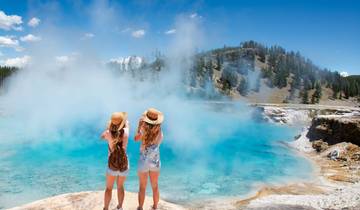
4 days
Yellowstone & Grand Teton 4 Day / 3 Night Wildlife Adventure
- ✓ Comprehensive Park Yellowstone National Park tour
- ✓ Expert local guides included
- ✓ All accommodation arranged
- ✓ Transportation provided
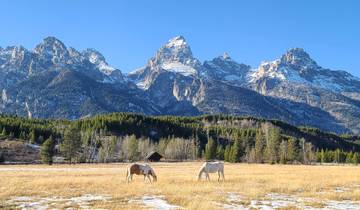
5 days
5 Day- Yellowstone and Grand Teton National Park in Depth- Hotel Based
- ✓ Comprehensive Park Yellowstone National Park tour
- ✓ Expert local guides included
- ✓ All accommodation arranged
- ✓ Transportation provided
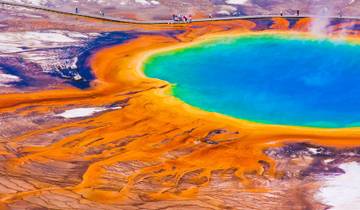
4 days
4 day Yellowstone and Tetons in depth tour from Salt Lake City Small Groups Tour
- ✓ Comprehensive Park Yellowstone National Park tour
- ✓ Expert local guides included
- ✓ All accommodation arranged
- ✓ Transportation provided
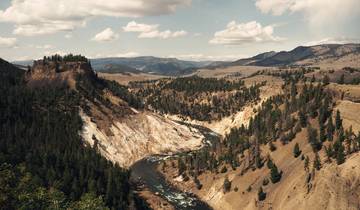
6 days
Yellowstone Camping Explorer
- ✓ Comprehensive Park Yellowstone National Park tour
- ✓ Expert local guides included
- ✓ All accommodation arranged
- ✓ Transportation provided
Multi-day tour packages powered by TourRadar. Prices and availability subject to change.
Essential Transportation Information 2026
Understanding Yellowstone’s Geographic Position
Yellowstone National Park occupies the northwest corner of Wyoming with small portions extending into Montana and Idaho. The park’s rectangular shape measures approximately 63 miles north-south and 54 miles east-west, creating a massive 2.2 million acre area larger than Rhode Island and Delaware combined. This vast size means traveling from one corner to another requires 2-3 hours of driving even on well-maintained roads.
Five entrance roads provide vehicle access to Yellowstone from different directions. The North Entrance near Gardiner, Montana stays open year-round for wheeled vehicles, while the Northeast Entrance from Cooke City closes mid-October through late May. The East Entrance from Cody, Wyoming and South Entrance from Jackson operate late April/early May through early November. The West Entrance from West Yellowstone, Montana opens mid-April and closes early November. These seasonal closures significantly impact transportation planning for 2026 visits outside summer months.
Gateway Towns and Regional Access
Eight main gateway communities surround Yellowstone, each offering different advantages for park access. West Yellowstone, Montana provides the closest town to Old Faithful at just 14 miles from the West Entrance. Gardiner, Montana sits immediately outside the North Entrance with year-round access. Jackson, Wyoming lies 57 miles south of the South Entrance but offers the closest major airport. Cody, Wyoming sits 53 miles from the East Entrance on the scenic Buffalo Bill Cody Scenic Byway.
Smaller gateway communities include Cooke City and Silver Gate, Montana near the Northeast Entrance—these tiny mountain villages offer limited services but spectacular access to Lamar Valley. West Thumb marks an internal location along Yellowstone Lake rather than an external gateway. Island Park, Idaho sits 30 miles west of the West Entrance. Each gateway town provides different combinations of lodging, dining, and services for pre-park or post-park stays.
Flying to Yellowstone 2026
Jackson Hole Airport (JAC) – Closest Major Airport
Jackson Hole Airport in Wyoming serves as the closest commercial airport to Yellowstone at just 50 miles from the South Entrance. Located inside Grand Teton National Park boundaries, JAC offers unique mountain scenery but limited flight options compared to larger regional airports. Major carriers including American, Delta, and United operate daily service from hub cities like Dallas, Denver, Salt Lake City, Chicago, and Los Angeles with seasonal additions from San Francisco, Seattle, and Phoenix during summer months.
The airport handles approximately 500,000 passengers annually with peak traffic June through August when flight frequencies increase significantly. Winter sees reduced service but maintains connections to major ski destinations. Terminal facilities include rental car counters from all major companies, limited dining options, and a small but efficient baggage claim area. The single runway restricts operations during poor weather, occasionally causing delays or cancellations during winter storms.
Driving from Jackson Hole Airport to Yellowstone’s South Entrance takes 1.5-2 hours covering 57 miles through Grand Teton National Park on US Highway 89/191/287. This scenic route passes Jackson Lake, Colter Bay, and provides excellent opportunities for wildlife viewing. Summer traffic can slow progress, particularly during peak afternoon hours when tour buses and RVs create congestion. Winter driving requires winter tires or chains due to frequent snow and ice—check road conditions through Wyoming Department of Transportation before departure.
Bozeman Yellowstone International Airport (BZN)
Bozeman Yellowstone International Airport in Montana ranks as the second-closest major airport at 90 miles from Yellowstone’s North Entrance. BZN has experienced tremendous growth in recent years, expanding to handle over 2 million passengers annually with modern facilities and improved service. The airport offers more flight options than Jackson Hole with connections to 20+ destinations including Atlanta, Minneapolis, Portland, Seattle, San Francisco, Los Angeles, Phoenix, and Las Vegas.
Recent terminal expansion added more gates, improved dining options, and expanded rental car facilities. All major rental companies maintain counters inside the terminal with competitive rates reflecting high demand. The airport sits at relatively low elevation (4,473 feet) compared to Jackson Hole (6,451 feet), reducing weather-related flight disruptions. Bozeman experiences fewer operational restrictions than Jackson, making it a more reliable choice for travelers with tight schedules.
The drive from Bozeman to Yellowstone’s North Entrance covers 90 miles and takes approximately 1.5-2 hours via Interstate 90 east to Livingston, then south on US Highway 89 through Paradise Valley. This route showcases stunning mountain scenery with the Absaroka Range rising dramatically to the east. The road stays open year-round but requires winter driving preparedness November through April. Consider adding 30-60 minutes for stops in Livingston or to admire Chico Hot Springs along the route.
Billings Logan International Airport (BIL)
Billings Logan International Airport serves as Montana’s largest commercial airport, located 175 miles from Yellowstone’s Northeast Entrance. While more distant than Jackson Hole or Bozeman, Billings often offers lower airfares and more frequent flights from major hubs. The airport provides service to 20+ cities with Alaska, Allegiant, American, Delta, and United operating daily flights. Additional carriers include seasonal service to vacation destinations.
The larger airport infrastructure means more rental car availability, competitive rates, and reliable operations during weather events. Billings sits at 3,652 feet elevation in Montana’s high plains, experiencing fewer weather delays than mountain airports. Modern terminal facilities include diverse dining options, efficient security screening, and spacious baggage claim areas. The airport handles business and leisure travelers, creating steady year-round service rather than extreme seasonal fluctuations.
Driving from Billings to Yellowstone requires 3-3.5 hours covering 175 miles via Interstate 90 west to Laurel, US Highway 310 south to Wyoming, and US Highway 212 (Beartooth Highway) west to Cooke City and the Northeast Entrance. Note that the spectacular Beartooth Highway closes October through late May due to heavy snowfall. During winter closure, drivers must take the northern route through Livingston and Gardiner to access Yellowstone, adding significant time and distance to the journey. The Beartooth Highway ranks among America’s most scenic drives when open, climbing to 10,947 feet at Beartooth Pass.
Alternative Regional Airports
Idaho Falls Regional Airport (IDA) sits 110 miles from Yellowstone’s West Entrance, offering a western approach option. The airport provides service from Salt Lake City, Denver, Las Vegas, and seasonal destinations through Allegiant, Delta, and United. The drive to West Yellowstone takes 2-2.5 hours via US Highway 20 through scenic agricultural valleys and volcanic landscapes. This route works well for travelers planning to stay in West Yellowstone or exploring the park’s western features first.
Salt Lake City International Airport (SLC) in Utah functions as a major hub 320 miles south of Yellowstone with the most extensive flight network in the region. Delta operates a major hub here with connections to virtually every US city plus international destinations. The 5-5.5 hour drive to Yellowstone passes through diverse landscapes including the Great Salt Lake, Cache Valley, and Idaho’s Snake River Plain. This option suits travelers combining Yellowstone with Utah attractions or those finding significantly cheaper airfares to Salt Lake City.
Driving to Yellowstone 2026
North Entrance Access Year-Round
The North Entrance near Gardiner, Montana provides the only year-round vehicle access to Yellowstone National Park. US Highway 89 connects Interstate 90 at Livingston to Gardiner through scenic Paradise Valley, offering spectacular views of the Yellowstone River and surrounding mountains. This 53-mile route from Livingston to the North Entrance takes 1 hour under normal conditions, staying open all winter with regular maintenance and plowing.
The historic Roosevelt Arch marks the North Entrance, constructed in 1903 when Theodore Roosevelt dedicated it with the inscription “For the Benefit and Enjoyment of the People.” From here, the road climbs through the scenic Gardiner Canyon before reaching Mammoth Hot Springs 5 miles inside the park. The North Entrance road continues east to Tower Junction (18 miles) and eventually to Cooke City near the Northeast Entrance. This section stays open year-round, providing the only overland route to Cooke City during winter months when the Beartooth Highway closes.
West Entrance – Most Popular Summer Access
The West Entrance at West Yellowstone, Montana handles the highest volume of summer visitors, providing the shortest route to Old Faithful and the Upper Geyser Basin. US Highway 20 enters the park here after crossing from Idaho through the town of West Yellowstone. The entrance opens mid-April (weather dependent) and closes early November, remaining closed approximately 5 months annually.
From the West Entrance, it’s just 14 miles to Madison Junction, then another 16 miles to Old Faithful—totaling 30 miles from the entrance gate to Yellowstone’s most famous attraction. This direct access makes the West Entrance ideal for day trips focused on geothermal features. West Yellowstone offers the most extensive lodging, dining, and services among gateway communities, making it convenient for multi-day visits. Summer traffic through this entrance peaks 10 AM – 2 PM daily when tour buses and day-trippers create congestion.
South Entrance – Grand Teton Connection
The South Entrance connects Yellowstone to Grand Teton National Park and Jackson, Wyoming via US Highway 89/191/287. This entrance opens late April or early May and closes early November depending on snow conditions. The 57-mile drive from Jackson to the South Entrance passes entirely through Grand Teton National Park, requiring payment of entrance fees for both parks unless you hold an America the Beautiful Annual Pass covering both locations.
From the South Entrance, West Thumb Junction sits just 7 miles north on Yellowstone Lake’s western shore. Old Faithful lies 21 miles northwest from West Thumb, while the Grand Canyon of the Yellowstone sits 42 miles north via the eastern loop. The South Entrance route showcases exceptional scenery including the Teton Range views, Jackson Lake, and Lewis River Canyon. This entrance experiences heavy traffic during summer peak hours 9 AM – 4 PM as tour buses from Jackson visit Yellowstone for the day.
East Entrance – Scenic Cody Approach
The East Entrance from Cody, Wyoming offers one of the most spectacular approaches to Yellowstone via US Highway 14/16/20, known as the Buffalo Bill Cody Scenic Byway. This entrance opens late April/early May and closes early November, with exact dates depending on snow removal progress. The 53-mile drive from Cody to the East Entrance takes 1.5-2 hours, climbing from the Shoshone River valley through increasingly mountainous terrain.
The route passes through Buffalo Bill Reservoir, Shoshone National Forest, and spectacular Pahaska Tepee area before reaching the park boundary. From the East Entrance, Fishing Bridge Junction sits 27 miles west along the north shore of Yellowstone Lake. The road continues to Canyon Village (16 miles north of Fishing Bridge) and connects to the Grand Loop Road network. This entrance receives moderate traffic compared to the West and South Entrances, making it a good choice for those seeking less crowded access.
Northeast Entrance – Beartooth Highway Access
The Northeast Entrance near Cooke City, Montana provides access via the legendary Beartooth Highway (US Highway 212), often called “the most beautiful drive in America” by travel writers and photographers. This entrance and the Beartooth Highway close mid-October and don’t reopen until late May or early June, creating the longest seasonal closure of any Yellowstone entrance. Heavy snowfall at high elevations makes earlier opening impossible.
When open, the Beartooth Highway delivers an unforgettable journey climbing to 10,947 feet at Beartooth Pass with views across alpine plateaus, glacier-carved valleys, and dozens of mountain lakes. The 68-mile drive from Red Lodge, Montana to the Northeast Entrance takes 2-2.5 hours with numerous scenic pullouts tempting stops. From the Northeast Entrance, Cooke City sits just 4 miles inside Montana, with the road continuing west to Tower Junction (29 miles) and north to Mammoth Hot Springs (18 miles from Tower).
Public Transportation Options 2026
Limited Bus Service to Gateway Towns
Greyhound operates limited bus service to some Yellowstone gateway communities, but schedules remain infrequent and don’t connect directly to park entrances. Bozeman receives daily Greyhound service from major cities including Salt Lake City, Billings, and Missoula. West Yellowstone has seasonal summer bus service from Bozeman and Salt Lake City, operating June through September only. Jackson receives limited service from Salt Lake City with 2-3 buses weekly during summer months.
These bus routes work for budget-conscious travelers willing to arrange additional transportation from gateway towns to park entrances. Fares from Salt Lake City to Bozeman cost approximately $70-100 one-way, while Salt Lake City to West Yellowstone runs $80-120. Purchase tickets online at greyhound.com at least 1-2 weeks before travel to secure seats on limited-frequency routes. Bus stations in these towns offer basic amenities but minimal services—bring food and entertainment for long journeys.
No Internal Park Transportation
Yellowstone National Park operates no public transportation system within park boundaries. The park’s vast size, dispersed attractions, and need to respond to wildlife activity make fixed-route bus service impractical. Historical attempts at internal shuttle systems proved unsustainable due to low ridership, high operational costs, and scheduling challenges from wildlife traffic jams and unpredictable geothermal events.
Visitors without personal vehicles must rely on commercial tour operators for transportation between park sites. Several concessionaires offer guided bus tours departing from lodges within the park and gateway communities. These tours follow fixed itineraries with limited flexibility for individual exploration. The lack of internal transit means travelers must carefully consider transportation needs before visiting—arriving without a vehicle or tour reservation severely limits park access.
Private Transportation & Shuttles 2026
Airport Shuttle Services
Private shuttle companies offer transportation from regional airports to Yellowstone gateway towns and park entrances. From Jackson Hole Airport, several operators provide shuttle service to Jackson lodging and the South Entrance. Rates cost $50-75 per person one-way to Jackson town, $85-125 to Yellowstone’s South Entrance (check company websites for current rates as pricing varies). Advance reservations prove essential during summer peak season when shuttles fill quickly.
Bozeman airport shuttles serve destinations including Gardiner ($75-100 per person), West Yellowstone ($125-175 per person), and Mammoth Hot Springs inside the park ($100-150 per person). Companies like Karst Stage, Buffalo Bus, and several smaller operators compete for business. Shared-ride shuttles cost less than private transfers but require waiting for other passengers and making multiple stops. Private transfers cost $300-500 depending on group size and destination but provide direct, flexible service.
Charter and Private Van Services
For groups of 4+ people, private charter vans or SUVs often cost less per person than individual shuttle seats while offering much more flexibility. Charter companies throughout the region provide custom transportation with professional drivers familiar with optimal routes, seasonal conditions, and park logistics. Rates for private vans accommodating 6-7 passengers cost $400-700 for airport transfers (check specific company rates as prices vary by season and distance), making them cost-effective for families or friend groups.
Private drivers also offer guided tour services combining transportation with interpretive information about the region. These hybrid transport-and-tour services cost more than simple transfers but provide value by eliminating separate tour costs. Many charter companies also handle luggage transport between gateway towns for multi-day visits exploring different park areas, charging $100-200 per vehicle depending on distance and load.
Seasonal Transportation Considerations 2026
Summer Access (Late May – October)
Summer provides full access to all five Yellowstone entrances with all roads open and services at maximum capacity. Peak season traffic July through August creates congestion at popular sites, entrance stations, and narrow road sections. Expect delays of 15-30 minutes at entrance gates during morning peak hours 8-10 AM when tour buses and day-trippers arrive simultaneously. Wildlife viewing traffic jams occur frequently in Lamar Valley, Hayden Valley, and along the Madison River where bison, elk, and occasionally bears near roadways.
Construction projects close road sections seasonally—check the park’s Current Road Conditions page before visiting to identify any closures or delays. Summer thunderstorms occur most afternoons, reducing visibility and making roads slick. Allow extra time for all drives during July and August when weather and traffic combine to slow progress. Consider entering the park before 8 AM or after 3 PM to avoid peak congestion at entrance gates and major attractions.
Fall Access (September – Early November)
Fall brings reduced traffic with most roads staying open until early November. September offers ideal conditions with pleasant weather, colorful foliage, and diminished crowds compared to summer peaks. October sees further traffic reductions as fall school schedules keep families home. Wildlife viewing improves in fall as elk rut brings animals to lower elevations and bears forage intensively before hibernation.
Entrance closures begin in phases starting late October. The Beartooth Highway closes mid-October, followed by the East and South Entrances in early November. The West Entrance typically closes first week of November. Only the North Entrance and the road from Gardiner to Cooke City stay open for wheeled vehicles. Fall weather grows increasingly unpredictable with occasional snow squalls creating temporary hazardous conditions. Carry tire chains and winter emergency supplies for any October or November visits.
Winter Access (December – Mid-March)
Winter transforms Yellowstone transportation dramatically. The North Entrance remains open year-round for wheeled vehicles, providing access to Mammoth Hot Springs, Tower Junction, and the road east to Cooke City. All other park roads close to wheeled vehicles mid-December through mid-March, accessible only by snowmobile or snowcoach—specialized heated vehicles on tracks designed for deep snow travel.
Commercial snowcoach tours operate from West Yellowstone and Mammoth Hot Springs to Old Faithful and other interior destinations, costing $300-400+ per person roundtrip (check tour operator websites for current pricing). Guided snowmobile tours cost similar amounts with rental equipment included. Private snowmobilers can access the park with commercially-guided groups only—independent snowmobile travel is not permitted. Winter visitors must book snowcoach or snowmobile tours months in advance as capacity remains limited and demand stays high.
Spring Access (April – Late May)
Spring brings gradual road openings as snow melts and plowing operations progress. The West Entrance opens mid-April, followed by the East and South Entrances late April or early May depending on snow depths and weather conditions. The Northeast Entrance and Beartooth Highway remain closed until late May or early June. Exact opening dates vary annually—monitor the park website for announcements starting in March.
Spring weather proves highly variable with snow, rain, sunshine, and wind occurring sometimes within single days. Road conditions change rapidly as afternoon temperatures rise and overnight freezing returns. Icy conditions occur most mornings before 10 AM. Wildlife viewing excels in spring as newborn elk calves, bison calves, and bear cubs emerge. Spring runoff swells rivers and waterfalls to peak flows creating dramatic scenery but limiting fishing access until waters recede in late June.
Money-Saving Transportation Strategies 2026
Book Flights and Rentals Early
Book flights to regional airports 2-3 months before travel to secure the lowest fares. Jackson Hole and Bozeman flights cost 30-50% more when booked within 30 days of departure compared to advance bookings. Set fare alerts on Google Flights, Kayak, or airline websites to monitor price fluctuations. Consider flexible dates—flying midweek rather than weekends saves $100-200 roundtrip on average.
Reserve rental cars simultaneously with flight bookings. Summer rental car demand near Yellowstone exceeds supply, driving prices up significantly for last-minute bookings. Companies like Budget, Enterprise, and Hertz offer better rates 60+ days before pickup compared to 1-2 week advance reservations. Compare prices across multiple rental companies and booking platforms—sometimes booking directly through rental company websites provides better deals than third-party aggregators.
Consider Alternative Airports
Compare total costs (flights + car rental + driving time) across different airport options. Billings often offers flights $100-200 cheaper than Jackson Hole but requires longer driving time and more fuel costs. Calculate whether extra driving time provides acceptable trade-off for airfare savings. Salt Lake City frequently has the lowest airfares but adds 5-6 hours driving each way—this works for visitors planning multi-day road trips rather than focused Yellowstone-only visits.
Idaho Falls sometimes provides a sweet spot with moderate airfares, reasonable driving distance (2.5 hours to West Yellowstone), and lower rental car costs than Jackson Hole. Research all five regional airports plus Salt Lake City when planning 2026 transportation, calculating total costs including flights, rentals, fuel, and your time value for driving.
Share Shuttle and Charter Costs
If traveling with others, split private shuttle or charter van costs rather than booking individual shuttle seats. A private van costing $400-500 divided among 6 travelers costs $65-85 per person—competitive with or cheaper than shared shuttle services while providing more flexibility and comfort. Contact charter companies directly to negotiate rates for airport transfers combined with multi-day transportation within the region.
For solo travelers or couples, connect with other travelers online to share shuttle costs. Facebook groups, Reddit communities, and travel forums for Yellowstone often have posts from people seeking travel partners to split transportation expenses. This approach requires flexibility and advance planning but can significantly reduce per-person costs.
Airport Logistics & Ground Transportation 2026
Rental Car Procedures and Requirements
All three major airports serving Yellowstone—Jackson Hole, Bozeman, and Billings—have rental car facilities either inside terminals or via short shuttle connections. Major companies including Enterprise, Budget, Hertz, Avis, and National maintain counters with extended summer hours. Present driver’s license, credit card, and reservation confirmation at rental counters. Most companies require drivers to be 25+ years old; younger drivers face additional fees of $25-35 daily.
Inspect vehicles thoroughly before leaving rental lots, photographing existing damage and noting it on rental agreements. Request vehicles with good clearance for potential unpaved road conditions. Decline expensive insurance if your personal auto policy or credit card provides rental coverage—verify this before travel. Fill gas tanks before returning vehicles to avoid expensive fuel charges—rental companies charge $7-9 per gallon for refueling service.
Winter Driving Equipment
Winter visitors (November – April) need vehicles equipped with winter tires or snow tires. Many rental companies automatically provide winter tires on vehicles November through March at no extra charge—confirm this when booking. Carry tire chains even with winter tires as conditions can deteriorate rapidly during storms. Montana and Wyoming laws require chains or 4-wheel drive with snow tires during severe winter storms.
Pack emergency equipment including ice scraper, snow brush, blanket, flashlight, phone charger, water, and energy bars. Keep gas tanks above half-full at all times as distances between services stretch long and weather can delay travel. Download offline maps before entering areas with limited cell service. Check road conditions through Wyoming 511, Montana 511, and the park website before each day’s driving.
Fuel Considerations
Gas stations inside Yellowstone operate only at limited locations: Mammoth Hot Springs, Tower Junction, Canyon Village, Fishing Bridge, Grant Village, and Old Faithful. Prices run $0.50-1.00 per gallon above gateway town rates due to remote location and transportation costs. Fill tanks in gateway towns before entering the park, then top off at park stations if needed to complete your route.
Calculate fuel needs carefully when planning Yellowstone drives. The Grand Loop Road totals 142 miles around the park’s main figure-eight circuit. Add mileage for entrance approaches and detours to specific sites. A typical three-day visit involves 250-400 miles of driving depending on entrance choices and exploration thoroughness. Budget 2-3 tank fill-ups for week-long visits depending on vehicle efficiency.
Planning Your Transportation 2026
Creating Your Transportation Timeline
Begin transportation planning 4-6 months before your Yellowstone visit for summer travel, 2-3 months for shoulder seasons. Start by selecting travel dates, then immediately research flights to regional airports comparing costs and schedules. Book flights once you find acceptable fares—waiting rarely produces better deals for peak summer travel. Reserve rental cars immediately after booking flights to lock in availability and rates.
Research gateway towns to determine optimal overnight locations before and after park visits. Book lodging in gateway communities simultaneously with transportation to ensure coordinated timing. Confirm entrance opening dates if traveling during spring or fall shoulder seasons when closures affect access. Create driving route maps identifying fuel stops, meal locations, and approximate timing including buffer for wildlife traffic jams and photo stops.
Backup Plans and Flexibility
Weather and wildlife create transportation uncertainties requiring flexible planning. Build 1-2 hour buffers into daily schedules to accommodate unexpected delays from bison herds blocking roads, construction projects, or thunderstorm slowdowns. Have alternative route options when planning long drives—if the Beartooth Highway closes due to late spring snow, know the alternate route through Livingston and Gardiner.
Purchase travel insurance covering transportation disruptions if flying during spring or fall when weather more commonly affects flights. Check cancellation policies on rental cars, shuttles, and tours. Refundable reservations cost slightly more but provide peace of mind for weather-dependent plans. Download park maps, offline GPS apps, and road condition hotline numbers before entering areas with limited cell service.
Frequently Asked Questions
Is it better to fly into Jackson Hole or Bozeman for Yellowstone?
Jackson Hole Airport sits closer to Yellowstone at 50 miles versus Bozeman’s 90 miles, but both provide excellent access to different park areas. Choose Jackson Hole for exploring Old Faithful, West Thumb, and southern Yellowstone attractions—you’ll reach Old Faithful in 2.5 hours from the airport. Choose Bozeman for focusing on Mammoth Hot Springs, Lamar Valley, and northern features, reaching Mammoth in 2 hours. Bozeman offers more flight options, generally lower airfares, and better winter accessibility with year-round entrance access. Jackson Hole provides more scenic access through Grand Teton National Park.
What is the cheapest way to get to Yellowstone?
Flying to Billings then driving 3 hours to Yellowstone typically provides the lowest total cost, with flights often $200-300 cheaper than Jackson Hole and rental cars costing less due to higher airport competition. However, calculate total costs including extra fuel ($40-60) and time value for longer driving. For extreme budget travel, Greyhound buses to Bozeman or West Yellowstone cost $70-120 from Salt Lake City, then arrange local shuttles or tours. Driving from nearby states saves airline costs entirely—fuel from Salt Lake City costs $150-200 roundtrip, from Denver $200-300, making this cheapest for regional travelers with reliable vehicles.
Do you need 4-wheel drive for Yellowstone?
Standard two-wheel drive vehicles work perfectly for Yellowstone summer visits from late May through October when all roads receive regular maintenance and snow doesn’t affect travel. Paved roads connect all major attractions, and rental sedans handle these routes easily. Four-wheel drive or all-wheel drive becomes important for winter visits (November-April) when driving conditions deteriorate with ice and snow. Spring and fall shoulder seasons (April-May, October-November) benefit from 4WD for handling variable conditions including occasional snow squalls and icy morning roads. Rent 4WD vehicles for winter travel or if visiting during shoulder seasons with uncertain weather.
How far in advance should I book transportation to Yellowstone?
Book flights and rental cars 2-3 months before summer visits (June-August) to secure good availability and rates. Last-minute summer bookings face limited vehicle availability and prices 50-100% higher than advance reservations. Reserve airport shuttles or charter services 4-6 weeks ahead for summer travel. Spring and fall visits allow more flexibility with 4-6 week advance booking generally sufficient. Winter requires longest advance planning—book snowcoach tours and winter lodging 4-6 months ahead as limited capacity fills early.
Can I use Uber or Lyft to get around Yellowstone?
No rideshare services operate within Yellowstone National Park due to remote location, limited cell service, and sparse driver populations. Some gateway towns including Jackson, Bozeman, and Billings have Uber and Lyft service for local transportation, but coverage remains spotty especially late evenings. West Yellowstone, Gardiner, and Cody have minimal to no rideshare availability. The vast distances between attractions (30-50 miles in many cases) make rideshare impractical even if available. Plan on rental cars, tour vehicles, or private shuttles for all Yellowstone transportation needs.
Are there electric vehicle charging stations in Yellowstone?
Yes, Yellowstone has installed EV charging stations at several locations including Mammoth Hot Springs, Canyon Village, and Old Faithful. Additional charging locations exist in gateway towns including West Yellowstone, Gardiner, and Jackson. However, charging infrastructure remains limited compared to the park’s vast size. Plan routes carefully if driving electric vehicles, keeping batteries above 50% charge. Cold weather significantly reduces EV range—winter visitors should drive through the park on internal combustion vehicles rather than relying on limited winter charging access. Check PlugShare and park websites for current charging locations and functionality before visiting in an electric vehicle.
What happens if roads close while I’m in the park?
Park rangers close roads temporarily for hazardous conditions including severe weather, wildfire, wildlife activity, or accidents. These closures last from 30 minutes to several hours depending on conditions. Rangers post updates at entrance stations, visitor centers, and on the park website/app. If caught by road closures, wait at the nearest developed area with services rather than attempting to drive closed roads. Most temporary closures resolve within 1-3 hours. For extended closures affecting overnight travel plans, park staff helps visitors find alternative routes or arranges emergency accommodations. Check road conditions each morning during your visit through park hotlines, visitor centers, or the official Yellowstone app.
Should I rent an RV to visit Yellowstone?
RVs provide lodging and transportation combined, potentially saving money for families or groups traveling during peak summer when hotel costs rise dramatically. However, RVs face several challenges at Yellowstone: large vehicles restrict access to some parking areas at major attractions, fuel costs increase substantially due to poor efficiency, and maneuvering 30-40 foot vehicles on narrow park roads with wildlife and tour buses creates stress. RVs work well for experienced drivers comfortable with large vehicles who plan to stay at RV campgrounds and make day trips. First-time RV renters should practice extensively before attempting Yellowstone’s challenging driving conditions. Consider smaller campervans rather than full-size RVs for easier handling.
Can I bring my pet to Yellowstone and how does that affect transportation?
Pets are allowed in Yellowstone but face significant restrictions limiting their park experience. Pets must stay within 100 feet of roads and parking areas at all times, completely prohibited from boardwalks, trails, thermal areas, and backcountry. These restrictions mean pets effectively stay in vehicles or at campgrounds while owners explore attractions. For transportation, this requires leaving pets in vehicles with windows cracked—dangerous or impossible during hot summer days. Pet-friendly lodging exists in gateway towns but not inside the park. Consider leaving pets home or boarding them in gateway communities to maximize your park experience and ensure pet safety. If bringing pets, plan shorter visits focused on scenic drives rather than extensive hiking and exploring.
Do I need reservations for rental cars in advance?
Yes, advance rental car reservations are essential for Yellowstone visits, especially during summer peak season. Regional airports near Yellowstone have limited rental fleets, and demand exceeds supply during June-August. Last-minute summer renters may find no vehicles available at any price. Reserve cars simultaneously with booking flights, 2-3 months before travel. Rates increase significantly for bookings within 2-4 weeks of pickup dates. Compare prices across multiple companies and check both airport locations and downtown offices in gateway towns—sometimes town locations offer better availability or rates. Confirm reservation details one week before pickup to avoid unexpected surprises on arrival.