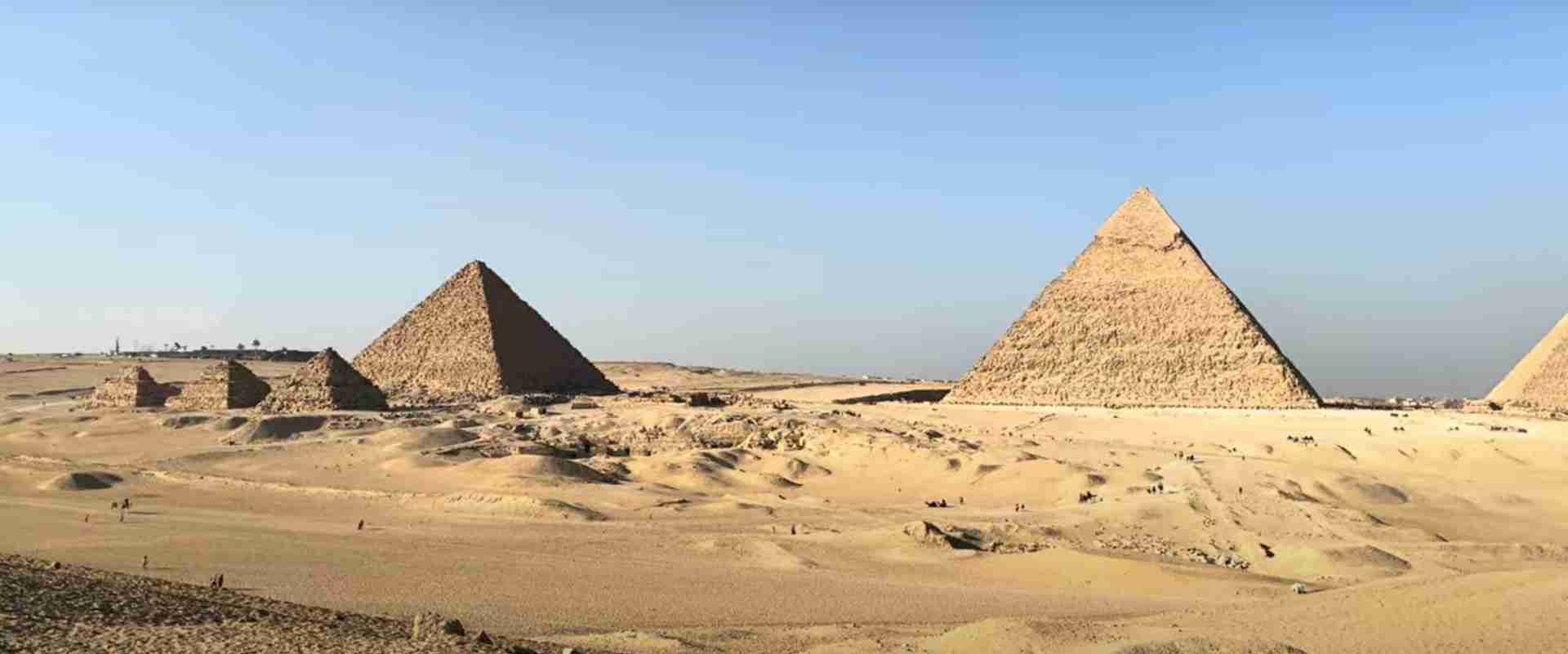
Getting to Pyramids of Giza 2026: Transportation Complete Guide
Reaching the Pyramids of Giza requires navigating international flights, Cairo airport procedures, and local transportation systems spanning one of Africa’s largest metropolitan areas. While the logistics might initially appear daunting, Egypt’s growing tourism infrastructure and modern transportation options make pyramid access straightforward for prepared travelers. Understanding your transportation choices from initial flight booking through final pyramid arrival transforms potential confusion into smooth, efficient journeys.
Key Takeaways
- Direct flights from New York to Cairo take 11 hours on EgyptAir, while connecting flights through European hubs run 15-18 hours total
- Airport taxis to Giza pyramid hotels cost 200-300 EGP ($7-10) for 45-60 minute journeys from Cairo International Airport
- Rideshare apps (Uber, Careem) provide reliable Cairo transportation at 100-250 EGP ($3-8) for pyramid trips from downtown hotels
- Cairo Metro offers economical transit at 5-10 EGP ($0.20-0.35) per journey, requiring taxi connections from Giza stations to pyramid complex
- Organized tours include round-trip transportation from Cairo hotels, eliminating navigation stress for first-time visitors
- Book international flights 2-3 months ahead for optimal $700-1,200 round-trip rates from major US cities during peak season
Introduction
The 2026 travel landscape presents improved connectivity and enhanced options for American visitors. Cairo International Airport serves as Egypt’s primary gateway with expanding international connections, upgraded facilities, and streamlined processing. The city’s transportation network combines traditional taxis, modern rideshare apps, metro systems, and organized tour services providing multiple pathways to the pyramid complex. Digital tools including GPS navigation apps and English-language rideshare platforms eliminate many historical barriers facing international travelers.
This comprehensive transportation guide covers every journey stage from your home airport to the Pyramids of Giza entrance. You’ll find detailed information about flight options, airport arrival procedures, ground transportation choices, and practical navigation tips. Whether prioritizing budget efficiency, convenience, or comfort, understanding available transportation options empowers informed decisions matching your preferences and travel style for seamless pyramid adventures.
People Also Ask About Getting to Pyramids of Giza 2026
What is the fastest way to reach Pyramids of Giza from the US?
The fastest route uses EgyptAir’s direct flight from New York JFK to Cairo (11 hours), followed by airport taxi or rideshare directly to Giza pyramid hotels (45-60 minutes). Total travel time from New York to pyramid vicinity runs approximately 15-17 hours including airport processing. Connecting flights extend total journey time to 18-24 hours depending on layover durations and connection cities.
How do I get from Cairo airport to the pyramids?
Take an official airport taxi (200-300 EGP/$7-10) or rideshare app (Uber, Careem at 150-250 EGP/$5-8) directly from Cairo International Airport to Giza pyramid hotels. Journey takes 45-60 minutes depending on traffic. Pre-arranged hotel transfers cost $15-25 per person, providing stress-free pickup with driver holding name sign at arrivals.
Is it safe to take taxis in Cairo?
Cairo taxis are generally safe, though quality and condition vary significantly. Use official airport taxis at fixed rates, rideshare apps with transparent pricing and GPS tracking, or hotel-arranged transportation for best safety and reliability. Agree on fares clearly before entering non-app taxis. White taxis typically offer better conditions than older black-and-white vehicles.
Can I walk to Pyramids of Giza from Cairo hotels?
Walking from Cairo hotels to the pyramids is not practical given the 13-kilometer distance from downtown Cairo. Hotels specifically near the pyramid complex (Giza neighborhood) sit within short walking distance or brief taxi rides from the entrance. Use taxis, rideshares, or organized tours for transportation from central Cairo accommodations to the pyramid site.
Extended multi-day tours – 5+ days
Featured Giza Multi-Day Tour Packages
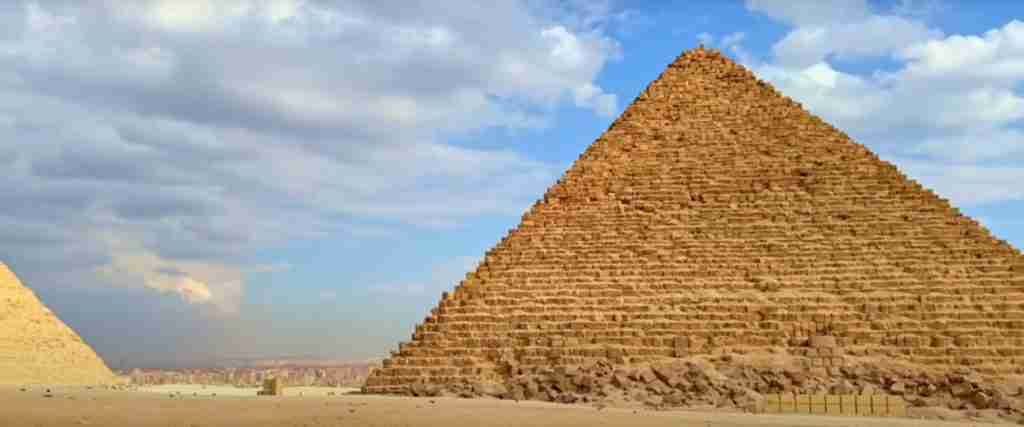
3 days
Giza 3-Day Discovery Tour
- ✓ Comprehensive Giza experience
- ✓ Expert local guides included
- ✓ All accommodation included
- ✓ Transportation provided
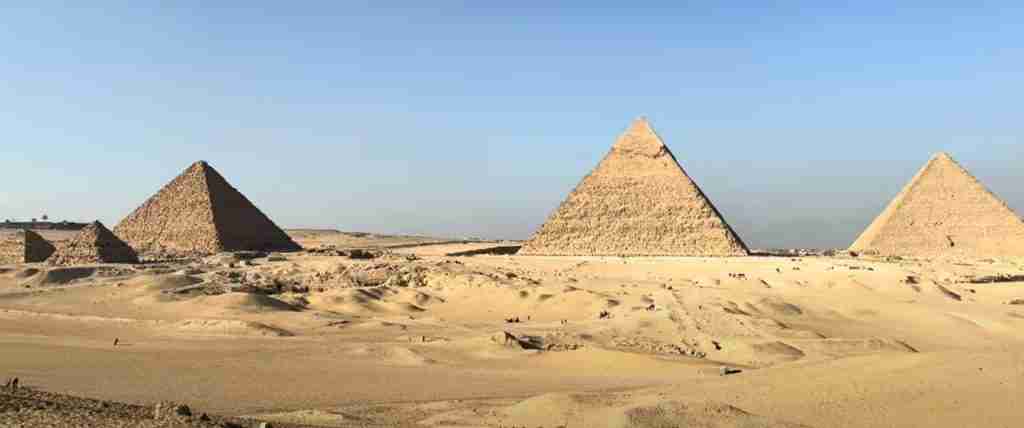
5 days
Giza 5-Day Highlights Experience
- ✓ Comprehensive Giza experience
- ✓ Expert local guides included
- ✓ All accommodation included
- ✓ Transportation provided
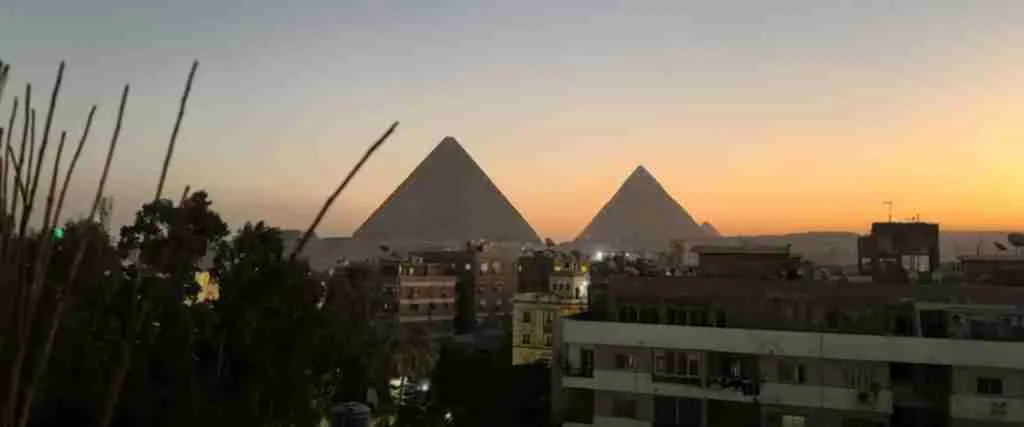
7 days
Giza 7-Day Cultural Journey
- ✓ Comprehensive Giza experience
- ✓ Expert local guides included
- ✓ All accommodation included
- ✓ Transportation provided

10 days
Giza 10-Day Complete Adventure
- ✓ Comprehensive Giza experience
- ✓ Expert local guides included
- ✓ All accommodation included
- ✓ Transportation provided
Multi-day tour packages powered by TourRadar. Prices and availability subject to change.
International Flights to Cairo
Direct Flight Options
EgyptAir operates direct flights from New York JFK to Cairo International Airport, providing the most convenient US-to-Egypt connection. These nonstop flights depart late evening from New York, arriving Cairo mid-afternoon the following day after approximately 11 hours flying time. Aircraft typically feature economy, premium economy, and business class cabins with in-flight entertainment, meals, and amenities for the long-haul journey.
Direct flight pricing runs $1,100-1,500 round-trip during peak season (October-April), with summer discounts dropping rates to $900-1,300. Book 2-3 months ahead for optimal pricing and seat selection. The time savings—eliminating 4-7 hours of connection time—justify premium pricing for travelers prioritizing efficiency and minimizing travel fatigue. Direct flights reduce jet lag complexity by maintaining single time-zone adjustment rather than gradual shifts through European connections.
Connecting Flight Routes
European hub connections provide alternative routings from all major US cities. Popular connection cities include Frankfurt (Lufthansa), Paris (Air France), London Heathrow (British Airways, EgyptAir), Amsterdam (KLM), Rome (ITA Airways), and Istanbul (Turkish Airlines). These connections extend total travel time to 15-18 hours including layover periods, though some routing options may require overnight stays in connecting cities.
Connecting flights often cost $700-1,200 round-trip from East Coast cities, $900-1,400 from Midwest and West Coast origins. The lower pricing compared to direct flights makes connections attractive for budget-conscious travelers accepting longer journey times. Consider connection cities carefully—some hubs offer superior airport facilities, more efficient transfers, and better flight schedules than others. Read reviews about airport experiences and connection logistics before committing to specific routes.
Booking Strategy and Timing
Monitor flight prices 3-4 months before intended travel dates, booking when rates appear reasonable relative to historical averages. Tuesday and Wednesday departures typically cost $50-150 less than Friday-Sunday weekend flights. Set price alerts on Google Flights, Kayak, or Skyscanner receiving notifications when your route drops below target thresholds. Compare one-way tickets on different airlines versus round-trip same-carrier bookings—occasionally mixed airline combinations save money.
Peak season flights (December-February, October-November) require earlier booking 3-4 months ahead for availability and reasonable rates. Summer low season flights remain available even 6-8 weeks before departure, often at discounted rates airlines offer to fill capacity. Holiday period travel (Christmas, New Year, Easter, Thanksgiving) needs 4-5 months advance booking minimum given extremely high demand and limited seat availability during these concentrated travel weeks.
Airport and Seating Considerations
Choose economy seats carefully for long-haul comfort. Aisle seats provide easy bathroom access without disturbing neighbors—important during 11+ hour flights. Exit row and bulkhead seats offer extra legroom worth seeking when available. Window seats suit travelers planning to sleep during flights. Middle seats should be avoided when possible given limited movement and no direct access to aisles or windows.
Premium economy cabins offer significantly enhanced comfort—wider seats, more recline, better meals—for $300-600 additional cost over standard economy. Business class provides lie-flat beds, premium meals, and lounge access at $2,500-4,000 round-trip from US cities. Evaluate whether enhanced comfort justifies substantial cost increases based on your budget priorities and tolerance for extended economy travel. Red-eye positioning maximizes vacation days by departing evening and arriving destination mid-afternoon for immediate activity access after hotel check-in.
Cairo International Airport Arrival
Immigration and Customs Process
Cairo International Airport (CAI) serves as Egypt’s main international gateway, located 45 kilometers northeast of the Pyramids of Giza. Upon landing, follow signs to immigration/passport control. US citizens purchase visas on arrival ($25 cash or card) at visa offices before immigration queues, or apply for e-visas online ($25 single-entry, $60 multiple-entry) at least one week before travel, streamlining airport entry.
Immigration processing takes 30-60 minutes depending on arriving flight loads and officer availability. Have your passport, visa, and completed arrival card ready. Officers may ask basic questions about visit purpose and accommodation—answer briefly that you’re tourism visiting the pyramids and Cairo. After stamp approval, proceed to baggage claim. Luggage typically appears within 20-30 minutes of clearing immigration.
Customs clearance follows baggage claim, generally straightforward for tourists carrying personal belongings. Green “nothing to declare” lanes allow quick passage for travelers without restricted items. Declare electronics over $500 value, professional camera equipment, or unusual items if questioned. Currency restrictions allow importing unlimited foreign currency, though amounts exceeding $10,000 require declaration. Exit customs area to arrivals hall where transportation options await.
Airport Facilities and Services
Cairo airport terminals feature currency exchange offices, ATMs dispensing Egyptian pounds, duty-free shopping, restaurants, cafes, and mobile phone SIM card vendors. Exchange offices operate 24/7 providing competitive rates better than many downtown locations. ATMs offer the most favorable exchange rates through international banking networks, though some charge foreign transaction fees—check with your bank before departure about international withdrawal costs.
Mobile phone SIM cards (Vodafone, Orange, Etisalat) cost 100-200 EGP ($3-7) for tourist packages including data, calls, and texts valid 30 days. Purchase SIMs at airport shops presenting passport for registration. Data connectivity enables Google Maps navigation, rideshare apps, and communication throughout Egypt. Airport WiFi functions adequately for basic messaging, though often slow for video streaming or large file transfers. Most hotels provide reliable free WiFi eliminating urgent connectivity needs at airports.
Meeting Points and Transfers
Arrivals hall features clearly marked meeting points for hotel transfers and tour pickups. If pre-arranging transportation, drivers hold name signs near exit doors. Official airport taxi counters inside terminals near exits sell fixed-price taxi vouchers eliminating street negotiations. Voucher prices typically match or slightly exceed regular taxi rates but guarantee legitimate service and predetermined fares.
Rideshare app pickup zones sit outside terminal buildings in designated areas marked with signage. Request Uber or Careem after collecting luggage and exiting to arrivals curb. Apps show driver location, vehicle details, and expected arrival time. Wait in covered areas near ride-share zones rather than walking far from terminals. Contact drivers through apps if having trouble locating vehicles in busy arrival areas.
Ground Transportation Options
Airport Taxis
Official airport taxis provide straightforward transportation from Cairo International Airport to Giza pyramid hotels. Fixed rates of 200-300 EGP ($7-10) cover the 45-60 minute journey depending on traffic conditions. Purchase taxi vouchers at official counters inside terminals presenting destination address. Voucher system eliminates fare negotiations and ensures legitimate taxi service. Drivers generally speak limited English but understand major hotel names and “pyramids” destination requests.
White taxis represent newer fleet vehicles typically offering better conditions than older black-and-white taxis. Air conditioning functions in most vehicles, though condition and comfort vary. Store luggage in trunk with driver assistance. Cairo traffic can be chaotic and aggressive to Western sensibilities—trust experienced local drivers who navigate efficiently despite what appears as disorder. Tipping 30-50 EGP ($1-2) is customary for good service and luggage assistance.
Rideshare Apps (Uber, Careem)
Uber and Careem provide reliable, safe, and economically priced transportation throughout Cairo including airport transfers. Download apps before Egypt arrival requiring active data connections for operation. Both apps function well in Cairo with English interfaces, transparent pricing displayed before trip confirmation, and GPS tracking providing safety through route monitoring. Drivers generally speak some English, with apps translating destinations eliminating communication barriers.
Airport to Giza pyramid hotels costs 150-250 EGP ($5-8) via rideshare apps—typically 20-30% cheaper than taxi vouchers while offering similar service quality. Apps accept credit cards registered internationally, eliminating cash payment needs, though carrying Egyptian pounds for tips remains advisable. Wait times average 5-10 minutes for vehicle arrivals at airport pickup zones. Rideshare vehicles range from economy sedans to premium SUVs with price tiers for different comfort levels.
Hotel Transfer Services
Most Cairo hotels offer airport transfer services for $15-25 per person in shared shuttles, $30-50 for private sedans accommodating 2-3 passengers with luggage. Pre-book transfers when making hotel reservations or via email 48 hours before arrival. Drivers meet passengers at arrivals holding hotel name signs, assisting with luggage and escorting to waiting vehicles. Hotel transfers provide maximum convenience and security, particularly valuable for first-time Egypt visitors or late-night arrivals.
Luxury hotels often include complimentary airport transfers for suite reservations or extended stays. Confirm transfer inclusions when booking upscale accommodations. Share transfer costs with travel companions making per-person rates more competitive with budget options. While more expensive than taxis or rideshares, hotel transfers eliminate arrival stress, communication barriers, and transportation uncertainty after long international flights—worthwhile investments for many travelers prioritizing comfort and peace of mind.
Getting to Pyramids from Cairo Hotels
From Downtown Cairo
Downtown Cairo hotels sit approximately 13-15 kilometers from the Pyramids of Giza complex, requiring 30-45 minutes travel time depending on traffic conditions. Rush hours (7-9 AM, 4-7 PM weekdays) extend journey times substantially—plan departures avoiding these congested periods when possible. Taxis from downtown to pyramids cost 150-250 EGP ($5-8) for direct transport.
Rideshare apps (Uber, Careem) provide reliable downtown-to-pyramid transportation at comparable pricing with English-language convenience. Apps work well throughout Cairo with good driver availability. Request rides from hotel reception areas where staff can assist with pickup coordination if needed. Many downtown hotels arrange taxi services directly, sometimes at slightly higher rates than street taxis but with added convenience and reliability.
From Giza Neighborhood Hotels
Hotels in Giza neighborhood near the pyramid complex offer walking distance or very short taxi rides to the entrance. Properties within 1-2 kilometers walk to pyramids—feasible for fit travelers comfortable with Cairo street navigation and traffic. However, most visitors prefer short 5-10 minute taxi rides costing just 30-50 EGP ($1-1.70) given convenience and modest expense. Some hotels provide free shuttle services to pyramid entrance during peak morning hours.
Giza location hotels maximize pyramid access convenience while offering fewer dining and entertainment options compared to downtown Cairo. Choose Giza area accommodation if pyramids represent your primary Cairo focus. Downtown location makes sense for travelers exploring broad Cairo attractions beyond pyramids, accepting longer commutes to the complex. Zamalek neighborhood offers middle-ground positioning—quieter than downtown, better restaurant options than Giza, moderate commute times to most attractions.
Using Cairo Metro
Cairo Metro Line 2 (red line) reaches Giza station in the neighborhood, though the pyramid complex sits several kilometers from metro stations requiring additional taxi connections. Metro travel provides the most economical transportation option at just 5-10 EGP ($0.20-0.35) per journey. From downtown stations, ride toward Giza direction, exiting at Giza or El-Shohadaa stations, then take taxis (30-50 EGP/$1-1.70) for final 10-15 minute connections to pyramid entrance.
Metro trains run frequently 5:30 AM-12:30 AM with 5-10 minute intervals during peak hours. Carriages separate into general cars and first-class cars (slightly higher fares, less crowded). Women-only carriages operate on all lines providing comfortable travel for solo female travelers. Metro navigation requires some confidence—signs use both Arabic and English, though station announcements primarily occur in Arabic. Download offline Cairo metro maps for reference, or use Google Maps with active data for real-time guidance.
Metro suits budget-conscious travelers comfortable with public transit navigation and willing to manage taxi connections from stations. Combined metro plus taxi costs total $2-3 for complete downtown-to-pyramid transportation—substantial savings compared to direct taxi/rideshare $5-8 fares. However, the process adds complexity, time, and potential confusion compared to straightforward direct taxi service. First-time Cairo visitors often prefer direct transportation initially, potentially experimenting with metro options during subsequent days once familiar with city navigation.
Organized Tour Transportation
Tour Package Inclusions
Organized pyramid tours from Cairo hotels include round-trip transportation as standard package components. Tour companies operate air-conditioned coaches for group tours or private vehicles for smaller parties. Hotel pickup occurs at scheduled morning times (typically 7:30-8:30 AM), with drivers collecting passengers from reception areas. Tour transportation eliminates independent navigation stress, particularly valuable for first-time visitors unfamiliar with Cairo logistics.
Group tour transportation uses modern coaches with reclining seats, air conditioning, and sometimes WiFi, accommodating 15-40 passengers depending on tour size. Private tours provide sedan or SUV vehicles with personal drivers dedicated to your group’s schedule and routing. Transportation time between hotels and pyramids allows tour guides to introduce Egyptian history, set expectations for the day, and answer initial questions, effectively beginning tour experiences during transit periods.
Tour Pricing and Value
Half-day pyramid tour packages including transportation cost $45-75 per person—representing excellent value considering individual transportation ($10-15), entrance fees ($18-31), and guide services would total similar amounts purchased separately. Tours eliminate multiple logistical decisions and transactions, condensing planning into single bookings. Full-day Cairo tours combining pyramids with other sites ($75-120) provide even better transportation value, efficiently routing between multiple locations without repeated independent transit arrangements.
Tours justify their costs through streamlined logistics, professional guides, and time efficiency—particularly valuable for travelers with limited Cairo days wanting maximum site coverage. However, independent travelers preferring flexible timing and self-directed exploration may find tour schedules restrictive despite transportation convenience. Consider tours for comprehensive first pyramid visits, then independent return visits for leisurely photography or specific interests without time constraints.
Tour Pickup Logistics
Confirm exact pickup times and locations when booking tours, typically provided via email 24-48 hours before tour dates. Be ready in hotel lobbies 10 minutes before scheduled pickup ensuring smooth departures. Tours picking up from multiple hotels require 30-60 minutes collecting all passengers before departing for pyramids—factor this into total tour duration expectations. Some tours designate central meeting points for participants to gather rather than individual hotel pickups, reducing collection time.
Bring tour confirmation documents (printed or digital) showing booking references. Carry water, sun protection, and any personal items needed for tours since vehicles may not return to hotels until tour completion. Communicate special needs or requests (mobility accommodations, dietary restrictions) during booking rather than on tour days. Most reputable operators accommodate reasonable special requirements with advance notice.
Transportation at the Pyramid Complex
Navigating the Complex Grounds
The Pyramids of Giza complex spans extensive grounds requiring substantial walking—typically 2-3 kilometers total distance exploring main pyramids, sphinx, and mastaba tombs. Comfortable, supportive walking shoes essential for traversing uneven limestone surfaces, sand, and archaeological terrain. The site lacks internal motorized transportation systems beyond traditional camel and horse options, requiring foot travel between major monuments.
Main pathways connect the three pyramids in logical routing from entrance to Great Pyramid, continuing to Khafre and Menkaure pyramids. The Great Sphinx sits slightly separated from main pyramid areas, accessible via dedicated walking paths. Mastaba tomb fields scatter around pyramid periphery, each requiring individual walks from main routes. Visitors typically complete comprehensive complex tours in 3-5 hours depending on interior pyramid access, mastaba tomb visits, and photography stops.
Camel and Horse Riding
Camel and horse riding provides alternative transportation around complex perimeter and desert plateau viewpoints. These experiences combine practical transportation with cultural adventure and unique photo opportunities. One-hour camel rides cost 200-400 EGP ($7-13) negotiable directly with handlers operating near entrance and main pyramid areas. Longer 2-3 hour desert rides exploring panoramic viewpoints run 400-600 EGP ($13-20) per person.
Negotiate prices clearly before mounting animals, confirming total costs and route details to avoid dispute upon return. Handlers may request tips beyond agreed fares—common practice though not obligatory if service met expectations. Camel riding requires modest physical fitness and comfort with animal transportation. Horses provide faster alternatives at similar pricing for travelers preferring equine to camel experiences. Both options add unique Egyptian dimensions to pyramid visits though aren’t necessary for comprehensive site exploration via walking.
Accessibility Considerations
The pyramid complex presents significant accessibility challenges given ancient terrain, uneven surfaces, and steps throughout the site. Paved pathways exist along main routes, though narrower paths accessing specific monuments feature rough stone, sand, and irregular surfaces difficult for wheelchairs or walkers. Pyramid interior access requires climbing steep, narrow passages incompatible with mobility limitations.
Visitors with mobility challenges can explore pyramid exteriors and sphinx areas using available paved paths with assistance. Contact site management before visiting to discuss accommodation options and optimal routing minimizing difficult terrain. Some tour operators offer specialized accessible tours with adapted vehicles and patient guides. Recognize inherent limitations—comprehensive site access as typically experienced isn’t fully achievable for all visitors given archaeological preservation requirements and ancient structure realities.
Transportation Tips and Best Practices
Safety and Security
Cairo transportation generally operates safely for tourists exercising normal precautions. Use official taxis, rideshare apps, or hotel-arranged transportation rather than accepting rides from individuals approaching unsolicited at airports or tourist sites. Keep valuables secured in front pockets or cross-body bags rather than exposed backpacks vulnerable to pickpocketing in crowded areas. Avoid displaying expensive jewelry, large cash amounts, or high-end electronics attracting unwanted attention.
Share your location and transportation details with travel companions or hotel concierge when traveling independently. Rideshare apps provide automatic trip sharing features sending real-time tracking to designated contacts. Trust instincts—decline any transportation making you uncomfortable regardless of cost savings or convenience. Egyptian tourism police maintain visible presence at major sites and tourist areas providing assistance if needed. Learn basic Arabic phrases including “no thank you” (la shukran) for declining persistent offers politely but firmly.
Traffic and Timing Strategies
Cairo traffic patterns significantly impact transportation times. Morning rush hours (7-9 AM) and evening rush hours (4-7 PM) on weekdays see heavy congestion extending normal 30-minute journeys to 60+ minutes. Plan pyramid transportation outside these windows when possible—8:30 AM departures after morning rush or 9:30-10 AM departures balance traffic avoidance with early site arrival before peak crowds. Return trips to hotels scheduling 2-3 PM avoid evening rush complications.
Friday morning traffic lightens substantially as Friday serves as Egypt’s primary weekly holy day with reduced business activity. However, Friday afternoon and evening see increased local visitor numbers at pyramids and other tourist sites as Egyptian families enjoy day-off outings. Saturday and Sunday maintain normal traffic patterns as Egypt’s workweek runs Sunday through Thursday. Account for seasonal variations—summer sees lighter traffic overall with fewer tourists and locals avoiding outdoor activities during extreme heat.
Communication and Navigation
Download Google Maps offline for Cairo before arrival, ensuring navigation capability without constant data connections. Mark hotels, pyramids, and planned destinations as favorites for quick reference. Offline maps provide routing and approximate travel time estimates useful for planning. Have hotel business cards showing address in Arabic and English—provide to taxi drivers for return journeys eliminating communication barriers.
Learn pyramid complex Arabic name (Ahramat Al Giza) useful for communicating with non-English speaking drivers. Carry phone with international plan or local SIM enabling calls if separation from tours occurs or assistance needed. Screenshot important locations, confirmations, and contact numbers accessible without internet. Translation apps like Google Translate function offline after downloading Arabic language pack, facilitating basic communication when needed.
Payment Methods
Carry Egyptian pounds in small denominations for taxi payments—drivers often lack change for large bills. Expect to tender reasonably exact amounts or accept rounded-up fares. Rideshare apps accept credit cards registered internationally, preferred for cashless convenience though carrying cash backup remains advisable. Many taxis now accept digital payments via Egyptian mobile payment systems, though tourist familiarity with these platforms remains limited.
ATMs throughout Cairo dispense Egyptian pounds, though carry sufficient cash for daily transportation needs avoiding frequent withdrawal fees. Notify your bank of Egypt travel dates preventing fraud blocks on cards. Some banks charge international ATM fees—check policies before departure. Exchange small amount of US dollars ($50-100) to Egyptian pounds at airport for initial taxi, tips, and small purchases until accessing ATMs in city.
Frequently Asked Questions
Should I pre-book airport transfer or arrange on arrival?
Pre-booking transfers eliminates arrival stress and guarantees transportation, particularly valuable for first-time Egypt visitors or late-night arrivals. On-arrival arrangements work fine during normal hours using airport taxis or rideshare apps. Travelers comfortable with minimal planning can successfully arrange transportation upon arrival, saving $5-10 compared to pre-booked services while accepting slightly higher uncertainty and complexity.
Are rideshare apps reliable in Cairo?
Uber and Careem function reliably throughout Cairo with good driver availability, transparent pricing, English interfaces, and GPS tracking providing safety through route monitoring. Both apps work as effectively in Cairo as Western cities. Download and register apps before arrival requiring active data or WiFi connections. Rideshares offer best value combining reasonable cost, convenience, and safety for independent travelers navigating Cairo transportation.
Can I walk from downtown Cairo to the pyramids?
Walking the 13-kilometer distance from downtown Cairo to pyramids is not practical or safe given distance, traffic, and limited pedestrian infrastructure. Even from nearby Giza neighborhood hotels, walking requires 30-60 minutes along busy roads with inconsistent sidewalks. Use taxis, rideshares, metro combinations, or organized tours for pyramid transportation from any Cairo accommodation.
How long does the airport to pyramids journey take?
Direct taxi or rideshare from Cairo International Airport to Giza pyramid hotels takes 45-60 minutes depending on traffic and specific hotel locations. Morning departures 9:30 AM-2 PM typically encounter lighter traffic than early morning (7-9 AM) or late afternoon (4-7 PM) rush hours. Add 30-45 minutes if using metro combinations from airport to downtown then taxi to pyramids.
Is it worth staying near the pyramids or downtown Cairo?
Giza pyramid area hotels minimize pyramid commute time and offer direct views from some properties, though provide limited dining and entertainment beyond hotel facilities. Downtown Cairo hotels feature vibrant surroundings, diverse restaurants, and cultural sites within walking distance, accepting 30-45 minute pyramid commutes. Choose based on priorities—Giza for pyramid-focused visits, downtown for comprehensive Cairo exploration including pyramids.
Do taxis try to overcharge tourists?
Some Cairo taxis attempt overcharging tourists through inflated initial quotes or refusal to use meters. Counter this by using rideshare apps with predetermined pricing, official airport taxi vouchers at fixed rates, or hotel-arranged transportation. When using street taxis, agree on fares clearly before entering vehicles. Typical downtown-to-pyramid fares run 150-250 EGP ($5-8)—treat quotes substantially exceeding this range skeptically.
Should I tip taxi drivers?
Tipping taxi drivers 10-20 EGP ($0.35-0.70) for short trips or 30-50 EGP ($1-1.70) for longer airport transfers is customary for good service and luggage assistance. Rideshare apps include tipping options within app interfaces after ride completion. Tipping isn’t mandatory for poor service or inflated initial fares. Keep small denominations available for convenient, appropriate tipping throughout Cairo travels.
Can I rent a car in Cairo?
Car rental is available at Cairo airport and city locations, though strongly discouraged for tourists unfamiliar with Egyptian driving customs. Cairo traffic operates chaotically by Western standards with inconsistent rule observance, aggressive driving, and challenging navigation. Taxis, rideshares, and tours provide safer, more economical transportation eliminating driving stress, parking challenges, and accident risks. Consider car rental only for travelers with extensive developing world driving experience who strongly prefer independent mobility.
How does Cairo traffic compare to US cities?
Cairo traffic operates far more chaotically than US cities with lanes serving as loose suggestions rather than strict boundaries, frequent horn honking, and aggressive merging. However, local drivers navigate skillfully within this system, safely transporting passengers despite seeming disorder. Trust experienced drivers’ judgment rather than applying Western traffic expectations. Cairo’s system functions effectively once accepting different norms and operational styles.
What if my flight is delayed?
Contact pre-booked hotel transfer services if flight delays affect arrival times—most accommodate delays flexibly within reason. Airport taxis and rideshares remain available 24/7 regardless of arrival timing. Check hotel late check-in policies ensuring room holds despite delayed arrivals. Consider airport hotels for extremely late arrivals (after midnight), departing for pyramids following morning after rest rather than navigating unfamiliar Cairo exhausted at night.
Conclusion
Reaching the Pyramids of Giza involves multiple transportation stages from international flights and airport arrivals to Cairo city navigation and site access. Modern conveniences including rideshare apps, online booking, and improved airport facilities simplify logistics substantially compared to past decades. Strategic planning covering flight selection, ground transportation choices, and timing strategies transforms potentially complex journeys into manageable, even enjoyable travel experiences.
Transportation decisions balance cost, convenience, comfort, and personal preference. Budget travelers successfully navigate Cairo using metro, local taxis, and independent arrangements at minimal expense. Mid-range travelers benefit from rideshare apps combining convenience and reasonable pricing. Luxury travelers minimize stress through hotel transfers, private tours, and premium service across all journey stages. All approaches viably deliver successful pyramid experiences when executed with basic preparation and realistic expectations.
Ultimately, Cairo’s expanding tourism infrastructure accommodates diverse traveler types and comfort levels. Whether arriving on direct international flights or multi-leg connections, navigating via organized tours or independent exploration, staying near pyramids or downtown, multiple viable options exist matching various preferences and budgets. Understanding available choices empowers informed decisions producing smooth, efficient journeys to these iconic ancient monuments standing testament to human achievement across millennia.