Getting to Oaxaca 2026: Flights, Buses & Transport
Key Takeaways
- Direct flights from Mexico City to Oaxaca cost $80-180 roundtrip with 1-hour flight time, operating multiple daily departures
- ADO and OCC first-class buses charge 520-680 pesos ($30-38) one-way for comfortable 6-hour journeys from Mexico City
- Oaxaca International Airport sits 10 kilometers south of city center with taxi transfers at fixed 120-150 pesos
- Local transportation within Oaxaca includes city buses at 8 pesos, taxis at 40-70 pesos for historic center trips, and Uber/DiDi at 50-80 pesos
- Colectivos to surrounding villages and archaeological sites cost 15-50 pesos depending on distance with informal departure schedules
- Booking flights and buses 6-8 weeks advance secures lowest fares and ensures availability during festival periods
Introduction: Transportation Planning for Oaxaca 2026
Reaching Oaxaca from international destinations requires strategic transportation planning, as this UNESCO World Heritage city in southern Mexico’s central valleys connects primarily through Mexico City for air travelers or via extensive bus networks serving domestic routes. Understanding transportation options, costs, and logistics ensures smooth arrival and efficient movement throughout your 2026 visit to one of Mexico’s most culturally significant destinations.
Oaxaca’s geographic position in mountainous terrain creates transportation considerations affecting journey times and comfort levels. The city sits at 1,550 meters elevation in a valley surrounded by the Sierra Madre mountains, with winding roads connecting to coastal regions and neighboring states. While air travel provides fastest access, Mexico’s extensive first-class bus network offers comfortable alternatives at significantly lower costs for travelers with flexible schedules.
This comprehensive transportation guide covers all aspects of reaching and moving around Oaxaca in 2026, from international flight connections through Mexico City to detailed local transportation options including taxis, buses, colectivos, and ride-sharing services. Whether planning arrival logistics, day trips to archaeological sites, or navigation within the historic center, these detailed transportation insights facilitate efficient travel planning for your Oaxacan adventure.
People Also Ask About Oaxaca Transportation 2026
How do I get to Oaxaca from the United States in 2026?
US travelers reach Oaxaca through connections in Mexico City, with direct international flights from Houston, Los Angeles, Dallas, Miami, and New York to Mexico City International Airport (MEX). From MEX, domestic flights to Oaxaca (OAX) operate hourly throughout the day with 1-hour flight time. Major US airlines including United, American, and Delta operate Mexico City flights, while Mexican carriers Aeroméxico, Volaris, and VivaAerobus handle the Mexico City-Oaxaca segment. Total journey time from US departure cities ranges 5-8 hours including connection time. Book both segments together when possible for checked baggage protection and simplified logistics, though separate tickets often cost less with flexible routing options.
What is the best way to get from Mexico City to Oaxaca in 2026?
Flying from Mexico City to Oaxaca takes 1 hour with fares at $80-180 roundtrip, providing fastest and most convenient option for travelers with limited time. ADO and OCC first-class buses cost 520-680 pesos ($30-38) one-way for 6-hour comfortable journeys, offering significant savings with reclining seats, onboard entertainment, and restroom facilities. Buses depart hourly from Mexico City’s TAPO terminal, with overnight departures arriving early morning in Oaxaca. Choose flights for speed and convenience, buses for budget savings and scenic mountain landscapes. Driving rental cars takes 5-6 hours on toll highway 150D requiring 450-550 pesos in toll fees, suitable for travelers wanting flexibility for valley exploration.
How far is Oaxaca airport from the city center in 2026?
Oaxaca International Airport (Xoxocotlán) sits 10 kilometers south of the historic center, requiring 15-25 minutes travel time depending on traffic conditions. Authorized airport taxis charge fixed rates of 120-150 pesos to hotels in the historic center, colonial zone, or Jalatlaco neighborhood. Return trips to the airport via regular city taxis cost 100-130 pesos when arranged through hotels or called by phone. Uber and DiDi operate at the airport with fares of 90-120 pesos to city center. No public bus service connects the airport directly to tourist areas, making taxis or ride-sharing the practical transportation options for arrivals and departures.
Do I need to book buses in advance to Oaxaca in 2026?
Advance booking is recommended for overnight buses, weekend travel, and holiday periods including Día de Muertos, Guelaguetza, Christmas, and Easter when services sell out 2-4 weeks ahead. Regular weekday travel offers good availability for same-day purchases at bus terminals, though advance booking through ado.com.mx guarantees preferred departure times and seat selection. First-class buses fill faster than second-class options, particularly for comfortable overnight services. During low season May-June and September, walk-up purchases work fine for most routes. Festival periods require 4-8 weeks advance booking for certainty, with some services selling out completely during Día de Muertos week.
Extended multi-day tours – 5+ days
Featured Oaxaca Multi-Day Tour Packages
7 days
Oaxaca to Puerto Escondido: Day of the Dead
- ✓ Comprehensive Oaxaca tour
- ✓ Expert local guides included
- ✓ All accommodation arranged
- ✓ Transportation provided
7 days
Journeys: Mexico's Day of the Dead in Oaxaca National Geographic
- ✓ Comprehensive Oaxaca tour
- ✓ Expert local guides included
- ✓ All accommodation arranged
- ✓ Transportation provided

7 days
Best of Mexico City & Oaxaca: Food, History, Culture & Artisans (7 days)
- ✓ Comprehensive Oaxaca tour
- ✓ Expert local guides included
- ✓ All accommodation arranged
- ✓ Transportation provided

7 days
Geluxe: Central Mexico: Oaxaca to Mexico City (from Oaxaca to Mexico City)
- ✓ Comprehensive Oaxaca tour
- ✓ Expert local guides included
- ✓ All accommodation arranged
- ✓ Transportation provided
Multi-day tour packages powered by TourRadar. Prices and availability subject to change.
Essential Planning Information 2026
Understanding Oaxaca’s Transportation Infrastructure
Oaxaca’s transportation network reflects its position as a major cultural destination balanced with authentic local character. The historic center maintains compact walkable dimensions spanning roughly 1.5 kilometers north-south and 1 kilometer east-west, with most hotels, restaurants, and attractions accessible on foot within 10-20 minutes. This walkability reduces dependence on motorized transport for sightseeing, with taxis and ride-sharing services filling gaps for longer distances or luggage transport.
The city’s bus system serves residential neighborhoods and connections to surrounding valley towns, operating routes that pass through or near the historic center. Local buses cost 8 pesos per ride regardless of distance, accepting cash payment to drivers. Routes operate from 6 AM to 10 PM with frequent service on main corridors during business hours and reduced frequency evenings and Sundays. Bus stops lack English signage, requiring basic Spanish or asking locals for route confirmation to archaeological sites and artisan villages.
Colectivo transportation forms the backbone of regional connectivity, linking Oaxaca to valley towns, archaeological sites, and craft villages through shared van services. These informal transport options depart from specific street locations near markets when vehicles fill with passengers, requiring flexibility in scheduling. Fares range 15-50 pesos depending on destination distance, paid directly to drivers. Colectivos provide authentic local travel experiences and access to areas beyond standard tourist circuits, essential for independent exploration of Monte Albán, Hierve el Agua, and artisan communities.
Airport Transfer Options 2026
Authorized airport taxi services operate from clearly marked stands outside the arrivals terminal, charging fixed rates based on destination zones. Historic center hotels fall within Zone 1 at 120-150 pesos for sedans accommodating up to 4 passengers with standard luggage. Larger vehicles for groups or extensive luggage cost 180-220 pesos. Purchase tickets at the official taxi counter inside the terminal before exiting to the taxi queue, ensuring transparent pricing and licensed drivers. Drivers speak basic English and know major hotel locations within tourist zones.
Ride-sharing services Uber and DiDi operate at Oaxaca airport with lower costs than authorized taxis at 90-120 pesos to the historic center. Request rides through mobile apps after collecting luggage, meeting drivers in the designated pickup area outside the terminal. Wait times average 5-10 minutes during daytime hours, extending to 15-25 minutes during early morning or late evening when fewer drivers operate. Ride-sharing provides cashless convenience for travelers with Mexican SIM cards or international data plans supporting app functionality.
Shared shuttle services charge 60-80 pesos per person for transportation to hotels throughout the city, departing when sufficient passengers accumulate at the airport. Wait times vary from 10-40 minutes depending on flight arrival clustering. These services work best for solo budget travelers without time constraints, offering savings over private taxis. Hotels can arrange private transfers for 250-350 pesos providing door-to-door service with flight monitoring and luggage assistance, worth considering for late-night arrivals or groups of 3-4 passengers splitting costs.
Bus Terminal Locations and Services 2026
Oaxaca’s first-class bus terminal (Terminal ADO) sits on Calzada Héroes de Chapultepec approximately 1.5 kilometers northeast of the zócalo, requiring 10-15 minute taxi rides at 50-70 pesos. The terminal serves ADO, OCC, AU, and affiliated companies operating first-class services to major destinations throughout Mexico. Facilities include ticket counters, waiting areas with seating, bathrooms, luggage storage at 15-25 pesos per item, and small convenience shops selling snacks and beverages. Security screening of bags occurs before boarding all buses.
The second-class bus terminal on Periférico serves budget carriers and local routes to smaller valley towns at lower fares with basic amenities. Located on the city’s western edge about 3 kilometers from the historic center, reaching this terminal costs 60-90 pesos via taxi. Second-class buses charge 20-40% less than first-class services but offer fewer amenities, closer seating, and more frequent stops. These buses serve travelers on tight budgets or reaching smaller communities without first-class service.
Advance ticket purchases at the ADO terminal or online through ado.com.mx guarantee specific departure times and seat selections, particularly valuable for overnight routes when sleeping comfort depends on seat quality and position. Terminal ticket counters open 24 hours for purchase of immediate departures or advance bookings. Online booking requires credit cards and email confirmation, with e-tickets accepted for boarding or exchangeable for printed tickets at terminal kiosks. Arrive 30 minutes before departure for first-class buses, allowing time for security screening and finding departure gates.
Getting to Oaxaca from Mexico City 2026
Flight Options and Pricing 2026
Aeroméxico operates 6-8 daily flights from Mexico City to Oaxaca in 2026, offering most frequent service with departures from early morning through evening. Aircraft range from ERJ-145 regional jets with 50 seats to larger Embraer 190s seating 99 passengers, all featuring basic economy class configuration with complimentary beverages and snack service. Roundtrip fares fluctuate between $120-220 depending on booking timing, demand, and seat availability, with Tuesday and Wednesday departures typically offering lowest rates.
VivaAerobus and Volaris provide budget airline alternatives at $80-140 roundtrip, operating 3-5 daily flights with smaller aircraft and basic service levels. These carriers charge separately for checked bags at $25-35 per bag each way, seat selection at $8-15, and onboard food purchases. Total costs approach traditional carrier pricing when adding baggage fees, but travelers with carry-on only achieve significant savings. Book directly through airline websites for best fares, avoiding third-party booking platforms that add service fees of $15-30 per ticket.
Flight schedules concentrate in morning 7-11 AM and evening 5-8 PM windows, aligning with business travel patterns. Mid-day flights are less frequent but often offer lower fares due to reduced demand. The 1-hour flight time makes any departure convenient, though morning flights maximize time in Oaxaca for same-day arrival. Evening departures suit travelers with morning museum visits or shopping in Mexico City before heading to Oaxaca. Return flights to Mexico City operate similar frequency and pricing, with Sunday evening and Monday morning commanding premium rates for business travelers.
First-Class Bus Service 2026
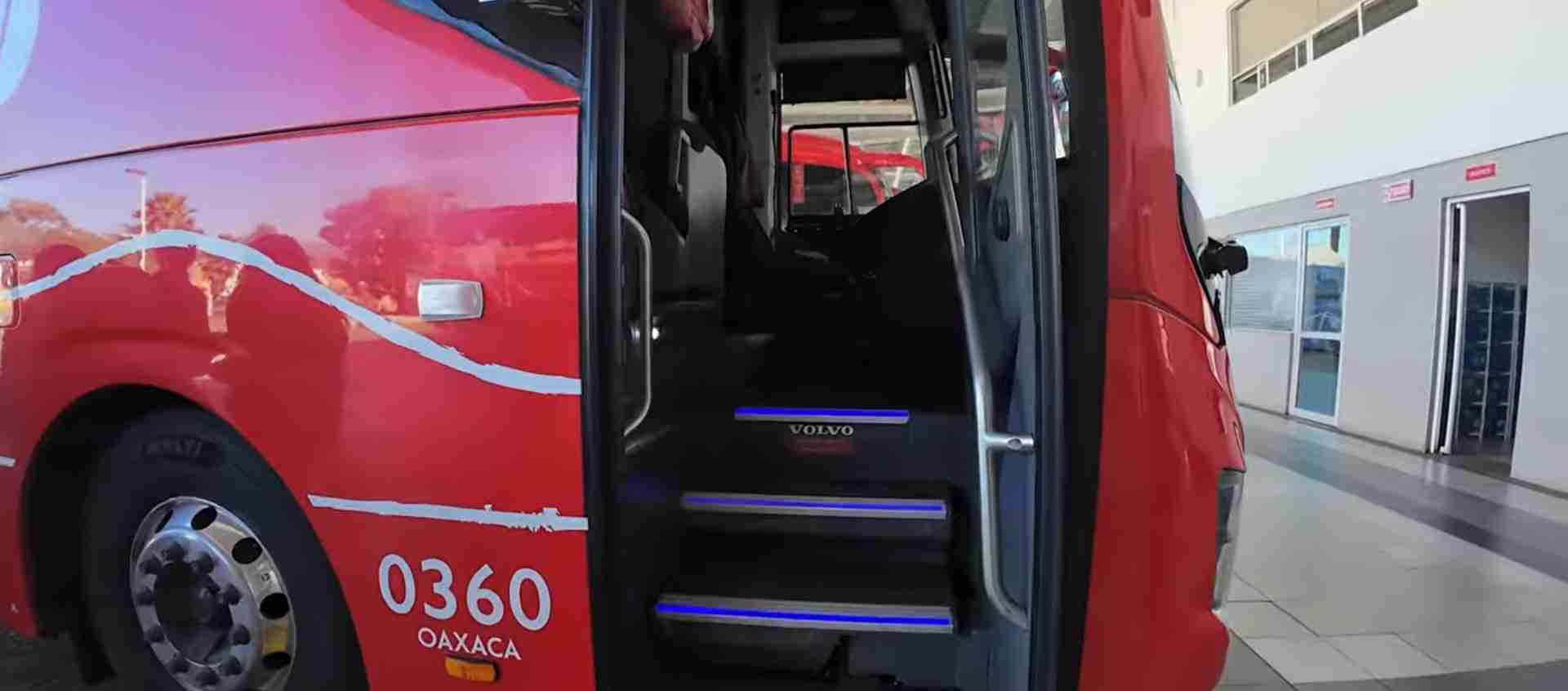
ADO GL service provides the most comfortable bus experience from Mexico City to Oaxaca, featuring wide reclining seats with footrests, personal entertainment screens, USB charging ports, WiFi (functionality varies), and complimentary bottled water. Departures operate 4-6 times daily from Mexico City’s TAPO terminal at 520-680 pesos one-way depending on time and booking advance. Overnight buses depart 10 PM-midnight, arriving Oaxaca 4-6 AM, allowing hotel check-in at opening time and full day of activities without sacrificing Mexico City accommodation costs.
OCC buses offer similar service quality and pricing to ADO, with departures throughout the day providing flexibility in scheduling. The 6-hour journey follows scenic Highway 190 through Puebla and mountainous terrain, offering views of valleys, agricultural regions, and small towns. Rest stops occur approximately halfway through the journey at established service areas with clean bathrooms and food options. Temperature control on buses maintains comfortable climate throughout the trip, though bringing a light jacket or sweater helps with sometimes aggressive air conditioning.
Seat selection affects comfort significantly on overnight journeys, with front section seats experiencing less engine noise and smoother ride quality. Lower deck forward seats provide best experience, while upper deck rear positions can feel bouncing on mountain road curves. Book specific seats through online platforms or at terminals, arriving early for popular departures if purchasing walk-up tickets. Two bags are included in the fare, with excess luggage charged at 50-80 pesos per additional piece depending on size and weight.
Alternative Overland Routes 2026
Driving from Mexico City to Oaxaca takes 5-6 hours on toll highway 150D, requiring payment of approximately 500 pesos in tolls for the full route. Rental cars from Mexico City airport cost $35-60 per day for compact vehicles, with insurance adding $15-25 daily. Fuel costs total 600-800 pesos ($35-45) roundtrip depending on vehicle efficiency and driving style. The route passes through Puebla with opportunities for stops at Cholula pyramid or Puebla historic center, adding cultural value to the journey for travelers interested in multiple destinations.
Free highway 190 offers toll-free alternative requiring 7-8 hours driving time with winding mountain roads, smaller villages, and slower speeds. This scenic route provides authentic Mexican landscape views but demands experienced mountain driving skills and tolerance for challenging road conditions. Avoid night driving on free highways due to limited lighting, unpredictable road conditions, and livestock crossing risks. Fuel and bathroom stops are more frequent along toll highways, with modern service areas every 80-100 kilometers.
Shared van services from Mexico City to Oaxaca charge 350-550 pesos per person, offering middle ground between bus economy and private car convenience. These services typically accommodate 8-12 passengers with luggage in comfortable vans, departing when vehicles fill to capacity. Booking through travel agencies or online platforms guarantees departure times, while street-hailed options at bus terminals provide lowest rates with most flexible scheduling. Journey time matches private car durations at 5-6 hours with minimal stops, making vans attractive for small groups or solo travelers wanting more space than buses provide.
Getting to Oaxaca from Other Destinations 2026
From Oaxaca Coast (Puerto Escondido, Huatulco) 2026
Bus service from Puerto Escondido to Oaxaca City operates through ADO and OCC companies, requiring 6-7 hours for the 260-kilometer mountainous route. First-class fares cost 450-580 pesos one-way with 4-6 daily departures. The journey climbs from sea level to 1,550 meters elevation through spectacular mountain scenery with dramatic curves and altitude changes. Morning departures from Puerto Escondido arrive Oaxaca City mid-afternoon, while overnight buses depart 11 PM-1 AM arriving 6-8 AM. Second-class buses charge 320-420 pesos but add 1-2 hours journey time with more frequent stops.
Huatulco to Oaxaca City buses operate similar schedules and pricing at 480-620 pesos for 6.5-7.5 hour journeys covering 280 kilometers. The route connects through mountain highways with coffee-growing regions visible from windows during daylight travel. Shared van services charge 400-500 pesos per person with door-to-door hotel pickup, requiring advance booking through coastal tour agencies. These vans accommodate 6-8 passengers and complete the journey in 6 hours with minimal stops, offering middle option between bus economy and private transfer comfort.
Private car services from either coastal destination cost 3,500-5,000 pesos for sedans accommodating up to 4 passengers with luggage, providing maximum flexibility and comfort. Journey time is 5.5-6.5 hours with stops determined by passengers. Rental cars from coastal airports start at $40-65 per day, making self-driving viable for multi-day coastal visits before continuing to Oaxaca City. The mountainous roads require confident driving skills and comfort with curves, elevation changes, and occasional fog conditions during rainy season May-October.
From Chiapas (San Cristóbal de las Casas) 2026
San Cristóbal de las Casas to Oaxaca requires 10-12 hours by first-class bus with fares at 720-900 pesos one-way. OCC operates daily departures in late afternoon and evening, arriving Oaxaca early morning after overnight travel. The route crosses southern Mexico’s highlands through indigenous regions and mountain passes, offering cultural insights during daylight portions. Book advance tickets during holiday periods when services fill with domestic travelers moving between major southern cultural destinations.
Alternative routing through Tuxtla Gutiérrez adds flight options, as Tuxtla airport offers connections to Mexico City with onward service to Oaxaca. Total journey time via Tuxtla flights is 4-5 hours including connection time, but costs $200-320 total for both flight segments. This option suits travelers with limited time or discomfort with extended bus journeys. The San Cristóbal to Tuxtla segment operates hourly bus service at 120-180 pesos for the 1.5-hour trip, connecting easily with afternoon and evening flights.
Shared van services between San Cristóbal and Oaxaca charge 600-800 pesos per person with 9-10 hour journey times. These services operate on demand with advance booking through travel agencies in San Cristóbal’s tourist district. The route provides opportunities for stops at archaeological sites like Yagul or craft villages if arranged with drivers, adding cultural value to the lengthy journey. Private transportation costs 6,500-8,500 pesos for the full route, practical only for groups of 4-5 splitting expenses.
From Puebla and Central Mexico 2026
Puebla to Oaxaca buses operate hourly through ADO and AU companies at 350-480 pesos one-way for 4-5 hour journeys. The 330-kilometer route follows Highway 190 and 135 through agricultural valleys and mountainous terrain with scenic views throughout. Morning departures from Puebla arrive Oaxaca mid-afternoon allowing same-day hotel check-in, while afternoon buses reach Oaxaca evening time coordinating with dinner plans. Return trips offer similar frequency and pricing for easy round-trip planning between these two major cultural cities.
Veracruz to Oaxaca requires 5-6 hours by first-class bus at 480-620 pesos, with 3-4 daily departures connecting Mexico’s major Gulf coast port to the mountain cultural capital. The route crosses diverse terrain from coastal lowlands through coffee-growing regions to Oaxaca’s central valleys. Limited overnight service makes daytime travel standard, with departures concentrated in early morning and mid-afternoon windows. This routing works well for travelers combining beach and cultural experiences during extended Mexico itineraries.
Rental car one-way options from Puebla to Oaxaca incur drop-off fees of $50-90 beyond daily rental rates, but provide flexibility for stops at Tehuacán-Cuicatlán Biosphere Reserve or smaller towns along the route. Driving time is 4-5 hours following toll highway 150D through Tehuacán before continuing on 135 to Oaxaca. Self-driving allows exploration of roadside markets, small archaeological sites, and authentic restaurants beyond bus route schedules and tourist circuits.
Local Transportation Within Oaxaca 2026
Taxi Services and Ride-Sharing 2026
Oaxaca taxis operate without meters, requiring fare negotiation before entering vehicles. Standard routes within the historic center cost 40-70 pesos depending on specific pickup and drop-off locations. Longer trips to bus terminals, artisan villages, or valley sites charge 80-150 pesos based on distance and journey time. Establish fares clearly before departure to avoid misunderstandings, with drivers generally accepting counter-offers within reasonable ranges of standard rates. Most taxi drivers speak limited English, requiring basic Spanish for communication or showing written hotel addresses.
Uber and DiDi ride-sharing services function throughout Oaxaca with transparent pricing and cashless payment through mobile apps. Base fares start at 35-45 pesos with per-kilometer and per-minute charges added, typically totaling 50-80 pesos for historic center trips matching or slightly undercutting traditional taxi rates. Ride-sharing provides language barrier solutions through app interfaces and GPS navigation eliminating address communication challenges. Wait times average 3-8 minutes in central areas, extending to 10-15 minutes in residential neighborhoods during off-peak hours.
Airport taxi return trips to Oaxaca International Airport cost 100-130 pesos when arranged through hotels or by calling taxi companies directly. Hotels typically add 20-30 pesos service fees for arranging transportation, but ensure reliable pickup timing and English-speaking drivers when needed. Ride-sharing to the airport charges 90-120 pesos, offering cost savings with potential wait time considerations during early morning departures when fewer drivers operate. Book taxis the evening before early flights, with hotels providing wake-up calls coordinating transportation arrival.
City Bus System 2026
Local buses throughout Oaxaca charge flat 8 pesos per ride regardless of route length or distance traveled. Payment is cash only directly to drivers when boarding, with exact change appreciated though drivers maintain change supplies for small bills. Routes operate from 6 AM to 10 PM seven days weekly, with reduced frequency after 8 PM and on Sundays when many routes run every 20-30 minutes rather than 10-15 minute intervals during weekday business hours.
Major routes serving tourist interests include buses to Monte Albán (check current service availability as this route has limited frequency), Atzompa, and various valley towns. Route information appears in Spanish at bus stops with limited English support, requiring Spanish language skills or assistance from locals for route confirmation. Google Maps provides basic Oaxaca bus routing in 2026, though accuracy varies for smaller routes and schedule information. Asking hotel staff or local residents for specific route numbers and stops offers most reliable navigation assistance.
Bus stops throughout the historic center feature covered waiting areas on main boulevards, while residential areas have simple poles or painted curbs marking stopping locations. Buses display route numbers and destination neighborhoods on front windshields, with drivers calling out major stops during the journey. Request stops by pulling overhead cords or notifying drivers verbally before desired exits. Standing passengers are common during rush hours 7-9 AM and 5-7 PM on popular routes serving residential neighborhoods and markets.
Colectivo Transportation to Valley Sites 2026
Colectivos to Monte Albán depart from specific streets near the markets when vehicles fill with 10-12 passengers, typically every 30-60 minutes during morning and early afternoon hours. Fares cost 20-25 pesos each way with return colectivos operating from Monte Albán parking area until late afternoon. The informal scheduling requires flexibility, with drivers waiting until sufficient passengers accumulate before departing. Return timing necessitates awareness of last colectivo departures around 5-6 PM, after which taxis become necessary at 250-350 pesos for the ride back to Oaxaca city center.
Hierve el Agua colectivos operate from Oaxaca to Mitla at 30-40 pesos, with connections from Mitla to Hierve el Agua at additional 40-50 pesos each way. The multi-stage journey requires 2-2.5 hours each direction with waiting times between connections adding variability. Direct transportation to Hierve el Agua via organized tours at 350-550 pesos per person includes round-trip travel and guide services, offering time savings and convenience over independent colectivo routing. Budget-conscious travelers willing to manage connection timing save 60-70% through colectivo transportation compared to organized tour pricing.
Artisan villages including Teotitlán del Valle (weaving), San Bartolo Coyotepec (pottery), and Arrazola (alebrijes) operate colectivo service from Oaxaca markets at 15-30 pesos each direction. Departures operate throughout the day with highest frequency mornings when villagers travel to city markets and return trips concentrating in afternoon hours 3-6 PM. These colectivos provide authentic local transportation experiences with Zapotec language conversations among passengers and opportunities to observe daily life beyond tourist circuits.
Transportation for Day Trips and Excursions 2026
Organized Tour Transportation 2026
Day tours to popular destinations include round-trip transportation from Oaxaca hotels in comfortable air-conditioned vans or small buses. Monte Albán tours at 450-650 pesos per person include 3-4 hour guided visits with hotel pickup and return, eliminating parking concerns and navigation challenges. Hierve el Agua tours at 500-750 pesos provide full-day excursions including transportation, guide, entrance fees, and often stops at Mitla, mezcal distilleries, and weaving villages. Group sizes typically range 8-15 participants with morning hotel pickups between 8:30-9:30 AM and returns 5-6 PM.
Private tour transportation offers maximum flexibility for couples, families, or small groups wanting customized itineraries and timing. Rates range 1,800-3,500 pesos for full-day valley tours accommodating 2-6 passengers, with prices varying based on destinations, vehicle size, and whether professional guides accompany drivers. Private tours allow adjustment of departure times, extended stays at preferred sites, and inclusion of off-circuit locations like smaller archaeological zones or specific artisan workshops. Book through hotels or reputable tour agencies with established safety records and licensed drivers.
Combination tours covering multiple valley attractions in single day trips cost 650-950 pesos per person, visiting 3-5 sites including archaeological zones, artisan villages, natural attractions, and mezcal distilleries. These comprehensive tours maximize exposure to Oaxaca’s diverse valley offerings while minimizing independent transportation logistics. Lunch stops at local restaurants or traditional markets are typically included or available at reasonable additional costs of 120-180 pesos. Check tour itineraries carefully for time allocations to ensure sufficient exploration opportunities at priority destinations.
Rental Car Options 2026
Rental cars in Oaxaca start at $35-50 per day for compact vehicles through international companies like Hertz, Avis, and Budget, with local agencies charging $28-42 daily for basic cars. Insurance adds $15-25 per day for comprehensive coverage, essential given road conditions and driving styles. Rental requires valid driver’s license, passport, and major credit card for deposit holds of $300-500. Minimum age is typically 25 years, with drivers 21-24 paying surcharges of $10-15 daily at most agencies.
Fuel costs approximately 23-25 pesos per liter for gasoline in 2026, with full-tank rentals requiring 600-900 pesos depending on vehicle size and exploration extent. Valley day trips to Monte Albán, Mitla, and surrounding sites consume quarter-tank to half-tank fuel, easily budgeted within daily driving costs. Gas stations concentrate along main highways with reliable availability, though smaller valley roads require fuel planning and filling up in Oaxaca before extensive exploration. Attendants pump fuel at all Mexican gas stations, with tipping of 10-20 pesos appreciated for windshield cleaning and air pressure checks.
Parking in Oaxaca’s historic center costs 20-40 pesos per hour at public lots and street meters, with hotel parking ranging $8-15 daily depending on property location and security features. Archaeological sites charge 30-50 pesos parking fees in designated lots near entrances. Navigation within valley roads is straightforward following main highways, though GPS or downloaded maps help identify turnoffs to smaller villages and archaeological zones. Road signage appears in Spanish, requiring basic directional vocabulary or GPS guidance for confident navigation to less-traveled destinations.
Bicycle Rental and Tours 2026
Bicycle rentals from shops near the zócalo cost 150-250 pesos per day for mountain bikes suitable for city cycling and valley excursions. Multi-day rentals receive 20-30% discounts with 3-7 day packages at 400-800 pesos total. Bikes include basic equipment like locks, though advanced features like GPS mounts or panniers may require additional fees of 50-100 pesos daily. Most rental shops provide basic route maps highlighting valley destinations, archaeological sites, and artisan villages accessible via paved and dirt roads suitable for mountain bike capabilities.
Oaxaca’s historic center features relatively flat terrain and light traffic making cycling practical for sightseeing between markets, museums, and Santo Domingo church complex. Bike lanes are limited, requiring comfortable integration with vehicle traffic on main boulevards. Valley cycling to villages like Atzompa (8 kilometers), Tule (15 kilometers), or Tlacolula (30 kilometers) provides excellent exercise and cultural immersion, though elevation changes and afternoon sun require physical fitness and heat management strategies including early morning departures.
Guided bicycle tours to valley destinations cost 450-750 pesos per person for full-day experiences including bicycle, helmet, guide, support vehicle, entrance fees, and lunch at local restaurants. Routes visit artisan workshops, archaeological sites, and mezcal distilleries with cultural interpretation throughout journeys. Group sizes limit to 6-10 participants ensuring safety and manageable pacing for varying fitness levels. Tours operate year-round with highest frequency during pleasant weather months October-April when temperatures and rainfall patterns favor all-day outdoor activities.
Seasonal Transportation Considerations 2026
Peak Season Travel Planning 2026
Día de Muertos (late October-early November) creates peak demand for all transportation to and within Oaxaca, requiring advance booking 6-8 weeks ahead for flights and buses from Mexico City. Airfares increase 40-60% above baseline rates during the week surrounding November 1-2, with some flights selling out completely. Buses operate expanded schedules but still require advance reservations for preferred departure times and seat selections. Arrival flights and buses on October 30-31 experience highest demand, while departure transportation November 3-4 sees similar patterns.
Guelaguetza festival in mid-July generates secondary peak demand focused on the specific festival week, typically third or fourth week of July. Book transportation 4-6 weeks advance for this period, with pricing increases of 25-40% above regular summer rates. Local transportation within Oaxaca sees heightened demand during festival days when parade routes and performances create street closures affecting taxi and bus routing. Allow extra time for transportation during festival periods when streets fill with celebrating crowds and normal routes experience delays.
Christmas-New Year’s week (December 23-January 3) brings domestic tourism peak with Mexican families visiting Oaxaca for holidays. Flight and bus availability tightens with advance booking essential by late November for prime departure dates. Pricing increases 30-50% during this period reflecting demand from Mexican travelers. Local transportation operates reduced schedules December 25 and January 1, with limited taxi availability during late evening and early morning hours on these holidays when drivers observe family time.
Low Season Transportation Benefits 2026
May through June offers lowest transportation costs with flight prices 30-45% below winter high season and bus tickets at standard year-round rates. Walk-up availability is excellent for all transportation modes during these months, eliminating advance booking requirements except for specific overnight bus departures. Rental car rates drop 20-30% with negotiation opportunities for extended rentals during slow tourism periods. Local transportation operates normal schedules with minimal crowding on buses and colectivos, creating comfortable conditions for valley exploration.
September shoulder season provides similar cost advantages with slightly higher rainfall considerations affecting some outdoor activities. Transportation pricing remains 25-35% below peak periods with excellent availability across all modes. This timing suits budget-conscious travelers willing to manage occasional afternoon rain showers in exchange for transportation savings and uncrowded conditions at archaeological sites and attractions. Flight and bus schedules maintain full operations despite lower passenger loads, ensuring comprehensive service access.
Weekday travel offers consistent savings compared to weekend trips regardless of season, with Monday-Thursday flights averaging 15-25% below Friday-Sunday pricing. Bus services maintain steady rates but provide better seat selection for weekday departures when leisure travelers concentrate weekend trips. Local transportation experiences less crowding Tuesday-Thursday when domestic tourists return home after weekend visits and before next wave arrives for upcoming weekends.
Weather-Related Transportation Factors 2026
Rainy season from May through October affects some valley road conditions during afternoon thunderstorms, though main highways remain passable year-round. Unpaved roads to remote villages and some natural sites like Hierve el Agua may become muddy or temporarily impassable during heavy rains. Check current conditions with tour operators or locals before attempting independent drives to destinations involving dirt road access during rainy months. Most tourist infrastructure operates normally with rain creating temporary delays rather than complete service interruptions.
Fog occasionally affects mountain highways during rainy season mornings, creating visibility challenges for driving between Oaxaca and coastal regions or Chiapas. Bus services continue operating in fog conditions with experienced drivers familiar with routes, though journey times may extend 30-60 minutes during poor visibility periods. Flight operations at Oaxaca airport continue normally during rain and fog, with cancellations extremely rare and delays minimal even during summer weather months.
Dry season from November through April provides optimal conditions for all transportation modes, with clear visibility, minimal weather delays, and excellent road conditions throughout valley regions. Self-driving exploration becomes particularly attractive during these months when dirt roads to remote sites offer reliable access. Temperature variations between warm days and cool evenings during dry season require layers for open-air transportation like colectivos and motorcycle taxis serving some valley villages.
Planning Your 2026 Oaxaca Transportation
Booking Strategies and Timing 2026
Book flights from Mexico City to Oaxaca 6-8 weeks in advance for optimal fare availability, with Tuesday and Wednesday departures typically offering $10-25 savings compared to weekend travel. Set price alerts through flight comparison websites to track fare fluctuations and book when prices drop to acceptable levels. Avoid booking more than 12 weeks advance as promotional fares often appear 6-8 weeks before travel, creating better values than ultra-early bookings at higher published rates.
Bus tickets can be purchased closer to travel dates, though advance booking for overnight services and festival periods ensures preferred schedules and seat locations. Online booking through ado.com.mx or terminal purchases work equally well, with online offering convenience and terminal purchases providing immediate flexibility for itinerary changes. Consider booking first leg of round-trip travel in advance while keeping return segment flexible if travel plans may change, as bus tickets typically allow modifications with minimal fees of 50-100 pesos.
Local transportation requires no advance booking except for private tours and transfers during peak festival periods when demand exceeds supply. Budget travelers can arrange all local transportation on arrival through hotel assistance or direct negotiation with taxi drivers and tour operators. Premium service users should book private transfers and specialized tours 2-4 weeks advance through email correspondence with reputable operators recommended by hotels or travel forums.
Cost Optimization Techniques 2026
Combine multiple travelers in private transportation to reduce per-person costs, with 3-4 passengers making private transfers competitive with individual taxi rates while offering superior comfort and flexibility. Shared accommodation also facilitates cost-effective transportation splitting for valley day trips where private vehicles at 2,500-3,500 pesos divide to $35-50 per person compared to organized tours at $40-55 individually.
Mix transportation modes strategically, using flights for long-distance Mexico City connections while choosing buses for shorter routes like Puebla-Oaxaca where time savings don’t justify flight premiums. Overnight buses eliminate hotel costs for the travel night, creating double savings through combined transportation and accommodation efficiency. This approach works best for travelers comfortable sleeping on buses and willing to adjust next-day pacing for arrival-day activities.
Use colectivos rather than taxis for destinations with reliable service like Monte Albán, artisan villages, and valley towns. At 20-40 pesos versus 250-400 peso taxi rates, colectivos provide 85-90% cost savings for travelers with flexible schedules and comfort with local transportation culture. Combine colectivo travel with walking between nearby attractions, creating comprehensive valley exploration at minimal transportation costs while experiencing authentic local travel conditions.
Frequently Asked Questions
Is it better to fly or take the bus from Mexico City to Oaxaca in 2026?
Flying takes 1 hour with fares at $80-180 roundtrip, saving 5 hours versus bus travel while offering convenience and comfort. Choose flights when time is limited or budget allows for convenience premium. Buses at 520-680 pesos ($30-38) one-way provide 60-70% cost savings with comfortable first-class service, making them ideal for budget travelers or those wanting scenic mountain journey experiences. Overnight buses eliminate hotel costs for the travel night, creating additional savings. Book flights 6-8 weeks advance for lowest fares approaching bus pricing, making flight choice clear for time-conscious travelers.
How do I get from Oaxaca to Monte Albán without a tour in 2026?
Take colectivos from streets near the markets in central Oaxaca for 20-25 pesos each way, departing when vehicles fill with passengers every 30-60 minutes during morning and early afternoon. Return colectivos operate from Monte Albán parking area until 5-6 PM, after which taxis at 250-350 pesos become necessary. Hire guides at the archaeological site entrance for 150-200 pesos per person in groups or 350-500 pesos for private service. This independent approach costs $8-15 total versus organized tours at $25-36, saving 50-60% while maintaining guide services and allowing flexible timing for exploration.
Do Uber and DiDi work in Oaxaca in 2026?
Yes, both Uber and DiDi operate throughout Oaxaca with reliable service in the historic center and main neighborhoods. Fares range 50-80 pesos for typical city trips, similar to or slightly below traditional taxi rates of 40-70 pesos. Ride-sharing provides cashless convenience and language barrier solutions through GPS navigation and app interfaces. Wait times average 3-8 minutes in central areas, extending to 10-15 minutes in residential zones during off-peak hours. Both services function at the airport with pickup areas outside the terminal, though authorized airport taxis at fixed 120-150 pesos remain popular for immediate post-arrival transportation.
Can I rent a car in Oaxaca for exploring the valleys in 2026?
Rental cars cost $35-50 per day for compact vehicles through international agencies, with local companies charging $28-42 daily. Add $15-25 daily for comprehensive insurance essential for local driving conditions. Rentals require driver’s license, passport, and major credit card. Valley exploration is practical with rental cars providing flexibility for visiting archaeological sites, artisan villages, and natural attractions on customized schedules. Main highways are well-maintained with clear signage, though GPS helps navigate turnoffs to smaller destinations. Parking at sites costs 30-50 pesos, and fuel runs 600-900 pesos for extensive valley day trips.
How much does a taxi cost from Oaxaca airport to the city center in 2026?
Authorized airport taxis charge fixed rates of 120-150 pesos for trips to historic center hotels, paid at official counter inside terminal before exiting to taxi queue. Return trips to airport via regular city taxis cost 100-130 pesos when arranged through hotels. Uber and DiDi charge 90-120 pesos from airport to city center, offering slight savings with wait times of 5-10 minutes after luggage collection. The 10-kilometer journey takes 15-25 minutes depending on traffic. Shared shuttles charge 60-80 pesos per person but require waiting for multiple passenger pickups with variable departure timing.
What’s the best transportation for visiting Hierve el Agua in 2026?
Organized day tours at 500-750 pesos per person provide easiest access with round-trip transportation, guide, entrance fees, and often visits to Mitla and mezcal distilleries included. Tours depart 9-10 AM returning 5-6 PM, eliminating navigation and connection concerns. Independent travelers use colectivos from Oaxaca to Mitla (30-40 pesos) then transfer to Hierve el Agua colectivos (40-50 pesos each way), saving 60-70% but requiring 2-2.5 hours each direction with connection waiting times. Private transportation costs 2,800-3,800 pesos for groups of 2-4, practical when splitting costs and wanting flexible timing for extended swimming and exploration.
Are overnight buses from Mexico City to Oaxaca comfortable in 2026?
ADO GL and OCC first-class overnight buses feature wide reclining seats, footrests, personal entertainment screens, USB charging, WiFi, and complimentary water. Fares at 520-680 pesos one-way include two checked bags. Departures at 10 PM-midnight arrive Oaxaca 4-6 AM, eliminating Mexico City accommodation costs while providing sleep during travel. Front lower deck seats offer smoothest ride quality with less engine noise. Bring light jacket for air conditioning, eye mask and earplugs for better sleep. The 6-hour journey is comfortable for most travelers, creating budget-efficient transportation combining travel and overnight accommodation savings.
How early should I arrive at Oaxaca airport for flights in 2026?
Arrive 90 minutes before domestic flights from Oaxaca for check-in, security screening, and gate access. The small airport processes passengers efficiently with minimal wait times outside peak morning departure windows 7-11 AM when multiple flights board simultaneously. International connections through Mexico City require standard 90-minute advance arrival as all screening occurs at Oaxaca before Mexico City connection. Check-in counters close 45 minutes before departure, making timely arrival essential. Airport facilities are limited with one small café and minimal shopping, making excessive early arrival unnecessary beyond standard timing.
Can I walk everywhere in Oaxaca’s historic center in 2026?
Yes, the historic center spans approximately 1.5 kilometers north-south and 1 kilometer east-west, making all major attractions accessible within 10-20 minute walks. Distance from the zócalo to Santo Domingo is 10 minutes, markets are 5-10 minutes, and most hotels/restaurants fall within easy walking radius. Taxis or Uber become useful for bus terminal trips, airport transfers, or evening returns to distant hotels after late dinners. Walking provides best atmosphere for experiencing street life, artisan shops, and authentic Oaxacan culture between major sightseeing destinations. Comfortable walking shoes are essential for cobblestone streets and hills in some neighborhoods.
What transportation should I budget for a week in Oaxaca 2026?
Budget $180-280 for Mexico City-Oaxaca roundtrip flights, or $60-75 for roundtrip buses, plus $15-25 for airport/terminal transfers. Local transportation requires $3-8 daily for taxis and ride-sharing to restaurants and attractions not in walking distance. Day trips to archaeological sites and valley attractions cost $25-55 per tour including transportation, or $5-15 via independent colectivos. Total weekly transportation budget ranges $95-165 for budget travelers using buses and colectivos, $220-380 for mid-range comfort with flights and tour services, and $350-550+ for luxury with private transfers and customized experiences.