
Getting to Luxor 2026: Complete Transportation Guide
Key Takeaways:
- Luxor International Airport receives direct flights from Cairo (1 hour, $80-150), European cities ($250-450), and Middle Eastern hubs with convenient scheduling throughout 2026
- Overnight sleeper trains from Cairo cost $60-120 per person and provide comfortable 10-hour journeys with dining cars and private compartments available
- Nile River cruises between Luxor and Aswan offer 3-7 day journeys starting from $400-600 per person including meals and guided excursions to temple complexes
- Local transportation in Luxor operates through taxis ($2-5 per trip), microbuses ($0.30 per ride), and bicycle rentals ($3-5 per day) for exploring both East and West Bank sites
- West Bank ferry crossings cost $0.70 and depart every 15-20 minutes from 6 AM to sunset, connecting visitors to Valley of the Kings and other major archaeological sites
- Private airport transfers range $15-25 and eliminate negotiation hassles while rideshare apps operate with transparent fixed pricing for all major routes in 2026
Understanding Luxor Transportation Options in 2026
Luxor stands as Egypt’s premier archaeological destination, welcoming visitors through multiple transportation corridors that connect this ancient capital to modern travel networks. The city’s strategic position along the Nile River, combined with its international airport and rail connections, creates diverse arrival options for travelers planning UNESCO World Heritage site visits in 2026.
Transportation infrastructure in Luxor serves both international tourists and domestic travelers, with services operating year-round despite seasonal temperature variations. The winter months from November through February experience peak demand across all transportation modes, while summer travel from June through August offers reduced crowds and lower pricing. Understanding these patterns helps optimize both timing and budget allocation for 2026 visits.
The dual nature of Luxor’s geography—split between the East Bank city center and the West Bank archaeological zone—requires planning for both intercity arrival and local transportation needs. Most accommodations cluster on the East Bank near the Corniche riverfront, while major temple complexes and royal tombs occupy the West Bank, necessitating daily ferry crossings or private transportation arrangements for comprehensive site exploration.
People Also Ask About Luxor Transportation 2026
How do you get to Luxor from Cairo in 2026?
Three primary routes connect Cairo to Luxor in 2026: direct flights taking 1 hour and costing $80-150 one-way, overnight sleeper trains operating 10-hour journeys priced $60-120 per person, and long-distance buses running 10-11 hours for $15-25. Flights depart from Cairo International Airport multiple times daily with EgyptAir and Air Cairo providing reliable service. The sleeper train offers private compartments with meals included, departing Cairo Ramses Station at 7:30 PM and arriving in Luxor at 5:30 AM. Standard day trains also operate but require 11-13 hours due to multiple stops.
What is the best way to reach Luxor in 2026?
Flying to Luxor International Airport provides the fastest and most convenient option for international visitors in 2026, with direct connections from European cities, Middle Eastern hubs, and domestic Egyptian airports. The overnight sleeper train from Cairo offers an excellent alternative combining transportation with accommodation savings, eliminating one hotel night while traveling comfortably. Budget-conscious travelers benefit from intercity bus services connecting Luxor to Cairo, Aswan, Hurghada, and other Egyptian destinations. Nile River cruises between Luxor and Aswan create memorable multi-day journeys visiting temple sites along the route.
How much does transportation cost in Luxor for 2026?
Local transportation in Luxor operates affordably across multiple options. Taxis charge $2-5 per trip within the city, while microbuses cost $0.30 per ride along fixed routes. The West Bank ferry crossing costs $0.70 per person each way, and bicycle rentals range $3-5 per day for independent exploration. Private airport transfers cost $15-25 depending on hotel location (check booking platforms for current rates). For intercity travel, flights from Cairo run $80-150 one-way, sleeper trains cost $60-120 per person, and buses range $15-25. Rideshare apps operate with transparent pricing averaging $3-8 for most city routes.
Do you need to book Luxor transportation in advance for 2026?
Advanced booking proves essential for several transportation categories in 2026. Flight reservations 6-8 weeks ahead secure better pricing and preferred departure times, particularly during winter peak season from November through February. Sleeper train tickets sell out 2-3 weeks before travel dates and require advance purchase through Egyptian National Railways or authorized agents. Nile cruise bookings fill 2-4 months ahead for popular winter dates. Local transportation like taxis, microbuses, and ferries operate without reservations, though arranging airport transfers before arrival eliminates negotiation and ensures fixed pricing.
Extended multi-day tours – 5+ days
Featured Luxor Multi-Day Tour Packages
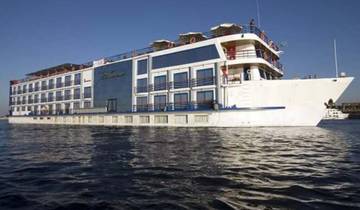
5 days
Luxor: 5-Day Nile Cruise to Aswan with Balloon Ride
- ✓ Comprehensive Luxor tour
- ✓ Expert local guides included
- ✓ All accommodation arranged
- ✓ Transportation provided
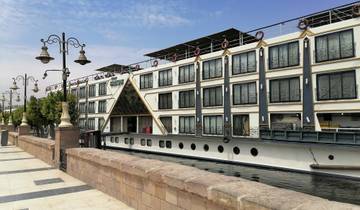
3 days
Amazing 3-Days 2-Nights Nile Cruise Aswan to Luxor with Edfu and Kom Ombo Tours
- ✓ Comprehensive Luxor tour
- ✓ Expert local guides included
- ✓ All accommodation arranged
- ✓ Transportation provided
5 days
5 Days 4 Nights Cruise from Luxor to Aswan
- ✓ Comprehensive Luxor tour
- ✓ Expert local guides included
- ✓ All accommodation arranged
- ✓ Transportation provided
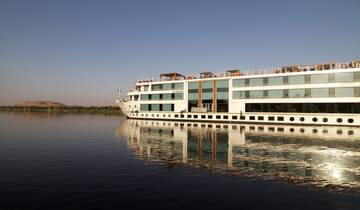
5 days
Private: 5-Days Luxury Nile Cruise Luxor To Aswan with sightseeing
- ✓ Comprehensive Luxor tour
- ✓ Expert local guides included
- ✓ All accommodation arranged
- ✓ Transportation provided
Multi-day tour packages powered by TourRadar. Prices and availability subject to change.
Flying to Luxor International Airport in 2026
Luxor International Airport (LXR) serves as the primary gateway for visitors arriving from international destinations and Egyptian cities. The airport operates modern facilities with immigration, customs, duty-free shopping, currency exchange, and ground transportation services consolidated in a single terminal building. International flights arrive throughout the day, with peak arrival windows from 10 AM to 2 PM when European morning departures land in Luxor.
EgyptAir dominates the route network with direct service from Cairo operating 4-6 flights daily, taking 1 hour and costing $80-150 one-way depending on booking timing and travel dates. Air Cairo supplements this service with additional Cairo flights plus connections to Sharm el-Sheikh, Hurghada, and Alexandria. Winter season sees increased frequency across all routes as tourism demand peaks from November through February.
European connections to Luxor in 2026 include charter flights and scheduled services from London, Manchester, Frankfurt, Munich, Paris, and Milan. These routes operate primarily during winter months with 4-5 hour flight times and pricing from $250-450 round-trip when booked 6-8 weeks in advance. Summer service reduces to 2-3 weekly flights on most European routes as travelers shift to coastal resorts.
Middle Eastern hubs provide year-round connectivity through Dubai, Abu Dhabi, Doha, Kuwait, and Jeddah. Emirates, Etihad, Qatar Airways, and Saudia operate these routes with competitive pricing for travelers originating from Asia, Africa, or transit passengers. Booking through hub cities often costs less than direct European flights while adding only 2-3 hours to total travel time including connections.
Domestic connections extend beyond Cairo to include Sharm el-Sheikh, Hurghada, Aswan, and Alexandria on seasonal schedules. These routes serve travelers combining Luxor archaeological visits with Red Sea resort stays or multi-city Egyptian itineraries. Flight frequency increases during school holiday periods and peaks around Christmas, New Year, and Easter weeks when advance booking becomes critical.
Airport Ground Transportation Options 2026
Multiple ground transportation options connect Luxor Airport to city hotels and the Corniche waterfront district. The airport sits 6 kilometers east of central Luxor, requiring 10-15 minutes of travel time depending on traffic conditions and destination location. No public bus service operates from the airport, focusing ground transport on taxis, private transfers, and rideshare services.
Official airport taxis operate from designated stands outside the arrivals hall with fixed pricing displayed on boards. Fares range $8-12 to central Luxor hotels, $12-15 to hotels in the southern Corniche area, and $15-20 for West Bank destinations. Drivers accept Egyptian pounds or US dollars, though pound payment yields better effective rates. No meters operate on airport taxis—confirm the price before departing.
Private airport transfers arranged through hotels or booking platforms cost $15-25 and provide meet-and-greet service, air-conditioned vehicles, and luggage assistance. These transfers eliminate price negotiation and guarantee transportation regardless of flight delays. Hotels typically charge $20-30 for this service when booked directly, while third-party platforms offer competitive rates with advance booking discounts.
Rideshare applications including Uber and local Egyptian services operate at Luxor Airport with pickup zones designated outside the arrivals area. App-based pricing runs $6-10 to central hotels, offering transparent costs and cashless payment. Wait times for rideshare pickups range 5-15 minutes depending on driver availability and time of day. Peak arrival windows from 11 AM to 2 PM see shortest wait times as drivers position near the airport.
Train Transportation to Luxor in 2026
Egyptian National Railways operates comprehensive rail service connecting Luxor to Cairo, Alexandria, Aswan, and intermediate stations along the Nile Valley corridor. Luxor Station sits on the East Bank near the city center, within walking distance of many hotels or requiring short 5-10 minute taxi rides to Corniche accommodations. The station provides ticket offices, waiting areas, refreshment stands, and luggage storage services.
The overnight sleeper train represents the flagship service between Cairo and Luxor, offering private compartments, dining cars, and comfortable travel during nighttime hours. Operated by Watania Sleeping Trains Company, these services depart Cairo Ramses Station at 7:30 PM and arrive in Luxor at 5:30 AM after 10 hours of travel. The return journey departs Luxor at 6:30 PM, arriving Cairo at 5:00 AM.
Sleeper train pricing for 2026 operates in two categories: single compartments cost $120 per person including dinner and breakfast, while double compartments cost $80 per person with the same meal service (check wataniasleepingtrains.com for current official rates as pricing may vary). Each compartment includes two berths that convert between seating and sleeping configurations, a small washbasin, and air conditioning controls. Shared bathroom facilities sit at corridor ends with Western-style toilets and showers.
Standard day trains also connect Cairo and Luxor with departures at 8:00 AM and 10:00 PM from both cities. These services take 11-13 hours due to stops in Asyut, Sohag, Qena, and other intermediate stations. First class tickets cost $15-20 and provide air-conditioned coaches with assigned seating, while second class runs $8-12 with fan ventilation and bench seating. Day trains lack dining cars but permit bringing food and beverages aboard.
The Aswan-Luxor route operates multiple daily services with 3-hour journey times and frequent departures throughout the day. First class tickets cost $5-8, second class runs $3-5, making this route ideal for travelers combining both Upper Egypt destinations. Trains depart every 2-3 hours from 6 AM to 8 PM, with flexible scheduling allowing same-day booking for most services.
Train Booking Strategies for 2026
Advanced booking proves essential for sleeper trains due to limited compartment capacity and high demand during winter season. Reservations open 60 days before travel dates and frequently sell out 2-3 weeks ahead for November through February departures. Booking through official channels at wataniasleepingtrains.com or authorized travel agencies ensures legitimate tickets and avoids markup from resellers.
Day trains between Cairo and Luxor permit online booking through Egyptian National Railways website (enr.gov.eg) or purchase at station ticket offices. Peak travel periods around Islamic holidays, Christmas, and New Year require 1-2 weeks advance booking, while off-season dates allow same-day ticket purchases. First class seats sell faster than second class, warranting earlier booking for preferred comfort levels.
The Aswan-Luxor corridor offers greatest flexibility with multiple daily departures and consistent seat availability. Same-day booking succeeds for most travel dates, though securing window seats or traveling as groups benefits from 2-3 days advance purchase. Station ticket offices open from 7 AM to 9 PM daily for in-person transactions using cash payment in Egyptian pounds.
Bus Transportation Options for 2026
Intercity bus services connect Luxor to major Egyptian cities through multiple operators providing varying comfort levels and pricing structures. The main bus terminal sits on the East Bank approximately 2 kilometers from the city center, requiring brief taxi rides or 20-25 minute walks to central hotels. Ticket offices at the terminal sell advance reservations and same-day tickets for all routes.
Go Bus operates the premium intercity service with modern air-conditioned coaches, onboard WiFi, USB charging ports, and restroom facilities. Cairo-Luxor routes run 10-11 hours with multiple daily departures and pricing from $20-25 one-way. Hurghada-Luxor service takes 4-5 hours and costs $15-20, while Aswan-Luxor buses complete the 3-hour journey for $8-12. Booking through gobus.com.eg provides seat selection and electronic tickets sent via email.
Upper Egypt Bus Company offers economy service at lower price points with basic air conditioning and fewer amenities. Cairo-Luxor fares run $15-18, Hurghada routes cost $10-12, and Aswan connections charge $5-8. Buses depart 2-3 times daily on major routes with reduced weekend service. Tickets require purchase at terminal offices using cash payment, with online booking unavailable for this operator.
East Delta Travel Company serves northern routes including Alexandria-Luxor (12 hours, $20-25) and Port Said connections. These services operate 1-2 daily departures with overnight travel options for longer distances. Quality matches Go Bus standards with comfortable seating and modern vehicles, though route frequency limits scheduling flexibility compared to Cairo corridor services.
Bus Travel Planning for 2026
Advanced booking for premium bus services ensures preferred departure times and avoids sold-out dates during peak travel periods. Go Bus routes fill 3-5 days ahead for weekend departures and holiday periods, warranting online booking as soon as travel dates confirm. Economy operators rarely sell out except during Islamic holidays, permitting flexible same-day ticket purchase at terminal offices.
Night buses between Cairo and Luxor depart at 10 PM and 11 PM, arriving at 8-9 AM after overnight travel. These services maximize daylight hours at the destination while saving one hotel night, though comfort levels vary between operators. Go Bus night services provide the best experience with reclining seats and rest stops every 3-4 hours.
Luggage allowances permit one checked bag up to 20kg plus one carry-on piece without additional fees on all major bus operators. Excess baggage incurs charges of $2-3 per additional piece depending on the company. Fragile items and valuables should remain in carry-on bags as checked luggage handling varies between drivers and terminal staff.
Nile River Cruise Transportation in 2026
Nile River cruises between Luxor and Aswan create memorable transportation experiences combining travel with accommodation, meals, and guided archaeological site visits. These multi-day journeys operate year-round with peak season from October through April when moderate temperatures optimize deck time and outdoor activities. Cruises depart from docks along the Corniche in Luxor, typically embarking between 12 PM and 4 PM on departure days.
Standard 3-night/4-day cruises sail from Luxor to Aswan visiting Karnak Temple, Edfu Temple, Kom Ombo Temple, and various West Bank sites. Pricing starts from $400-600 per person for three-star vessels including all meals, guided excursions, and entertainment programs (check cruise operator websites for current rates). Four-star cruises range $600-900 per person with enhanced dining, larger cabins, and premium service levels. Five-star luxury vessels exceed $1,000 per person with gourmet cuisine, spacious suites, and exclusive shore experiences.
Longer 7-night cruises combine the Luxor-Aswan segment with extended exploration of Upper Egypt temple sites including Dendera and Abydos. These comprehensive journeys cost $800-1,500 per person depending on vessel class and included services. Winter holiday weeks command premium pricing with 20-30% surcharges for Christmas and New Year departures due to exceptional demand.
Cabin categories affect total pricing with main deck rooms offering basic amenities and views, while upper deck cabins provide better ventilation and panoramic Nile vistas. Suite accommodations on luxury vessels include private balconies, separate living areas, and upgraded bathroom facilities. Single travelers pay 150-175% of per-person double occupancy rates across all cruise categories.
Cruise Booking Timeline for 2026
Winter season cruises (November-February) require booking 2-4 months in advance as superior vessels sell out early for this peak period. Spring departures (March-April) need 6-8 weeks advance reservations, while summer sailings (May-September) permit booking 2-3 weeks ahead due to reduced demand and increased vessel availability. Last-minute deals appear 7-10 days before departure when operators discount unsold cabins.
Group bookings of 6+ cabins receive 10-15% discounts when reserving 4-6 months ahead. Traveling as couples or families benefits from negotiating multiple cabin rates with direct operator contact rather than booking through intermediaries. Commission structures allow cruise lines to offer better pricing for direct bookings compared to third-party agent rates.
Deposit requirements run 25-30% of total cruise cost when booking, with final payment due 30-45 days before departure. Cancellation policies vary by operator but typically permit full refunds for cancellations 60+ days ahead, 50% refunds 30-59 days ahead, and no refunds within 30 days of departure. Travel insurance covering cancellation costs $40-80 per person for 3-4 night cruises.
Local Transportation Within Luxor in 2026
Navigating Luxor requires understanding the dual-bank geography with the Nile River separating the modern East Bank city from the archaeological West Bank sites. Multiple local transportation modes operate with varying price points and service levels to accommodate different traveler preferences and budget allocations.
Taxis provide the most convenient local transportation option with white vehicles circulating throughout the city and waiting at major hotels, tourist sites, and the Corniche waterfront. Fares operate without meters, requiring price agreement before departure. Typical rates run $2-3 for short trips within the East Bank, $3-5 for longer distances to the train station or southern hotels, and $5-8 for cross-city journeys. West Bank excursions cost $15-25 for half-day rentals including ferry waiting time and multiple site visits.
Rideshare applications including Uber and local competitors operate throughout Luxor with transparent app-based pricing and cashless transactions. Typical fares range $2-4 for East Bank trips, $4-6 for longer distances, and $8-12 for full West Bank tours. Wait times run 3-8 minutes during daytime hours, extending to 10-15 minutes during early morning and evening periods. App-based services eliminate price negotiations while guaranteeing vehicle standards and driver accountability.
Microbuses operate fixed routes along major corridors including the Corniche, connecting the train station, bus terminal, and various neighborhoods. These shared minivans charge $0.30 per ride with exact change required—drivers do not provide change for larger bills. Routes operate from 6 AM to 10 PM with frequent departures every 5-10 minutes during peak hours. Learning the route system takes 1-2 days of observation, after which microbuses provide the most economical local transportation option.
West Bank Ferry Transportation 2026
The public ferry crossing between East Bank and West Bank operates from the Corniche dock near Luxor Temple to the West Bank landing point serving Valley of the Kings, Valley of the Queens, and other archaeological sites. Ferry service runs from 6 AM until sunset with departures every 15-20 minutes throughout the day. Crossings take 5-7 minutes depending on Nile currents and vessel type.
Ferry tickets cost $0.70 per person each way with ticket booths at both docks selling single and return fares. No advance booking exists—simply purchase tickets immediately before boarding. Ferries accommodate walk-on passengers, bicycles, and motorcycles but not cars. Capacity ranges 30-50 passengers per vessel depending on boat size, with additional ferries deployed during peak morning hours when visitors head to West Bank sites.
Upon reaching the West Bank landing, taxis wait to transport visitors to individual sites or provide full-day rental service. Half-day West Bank tours including Valley of the Kings, Hatshepsut Temple, and Medinet Habu cost $15-20 for taxi rental. Full-day service covering all major sites runs $25-35. Negotiating prices at the ferry landing produces better rates than arranging transport at East Bank hotels where commissions inflate costs.
Private motor launches operate as ferry alternatives with faster crossing times (3-4 minutes) and flexible departure scheduling. These services charge $3-5 per person with minimum 2-passenger requirements. Hotels arrange private launches for guests wanting direct transportation without public ferry waiting times. Small groups of 4-6 travelers find private launches cost-effective compared to taxi rides around to the West Bank bridge.
Bicycle and Scooter Rentals for 2026
Bicycle rentals provide economical and flexible transportation for exploring both East Bank attractions and West Bank archaeological sites. Rental shops cluster near the Corniche and around the ferry landing areas, offering standard bikes for $3-5 per day and mountain bikes for $5-8 per day. Rental periods run 24 hours with flexibility for multi-day rates at $2-3 per additional day.
Cycling the West Bank archaeological zone proves popular for budget travelers and active visitors, with relatively flat terrain between sites and minimal traffic on interior roads. Valley of the Kings sits 5 kilometers from the ferry landing, Hatshepsut Temple 4 kilometers, and Medinet Habu 3 kilometers. Carrying sufficient water (2-3 liters) proves essential as summer temperatures exceed 40°C and limited shade exists between sites.
Scooter rentals cost $10-15 per day and require valid driver’s licenses from home countries. Egyptian regulations permit international licenses for tourist rentals up to 30 days without local license requirements. Helmets come included with rentals though enforcement of helmet laws varies. Gasoline costs $0.50-0.70 per liter with stations located throughout the city.
Electric bicycles entered the Luxor rental market in 2024-2025 with limited availability from specialist shops near tourist areas. Daily rates run $8-12 with 40-60 kilometer range on full charges. These provide excellent alternatives for West Bank exploration, eliminating pedaling effort while maintaining cost advantages over taxis. Charging stations exist at some archaeological site parking areas and major hotels.
Transportation Planning Strategies for 2026
Optimizing Luxor transportation requires balancing convenience, cost, and travel style preferences while accounting for seasonal variations in service and pricing. Winter visits from November through February experience peak demand across all transportation modes, warranting advanced booking for flights, trains, and cruises while expecting higher taxi rates due to increased tourist volume.
Budget-conscious travelers benefit from combining transportation modes strategically. Flying to Cairo from international origins, then taking the sleeper train to Luxor eliminates one hotel night while adding cultural experience. Using public ferries and bicycles for West Bank exploration cuts daily transportation costs to $5-8 versus $20-30 for private taxis. Rideshare apps provide transparent pricing that undercuts traditional taxi fares by 20-30% on average.
Comfort-focused visitors optimize their experience through private airport transfers, rideshare services for all local trips, and organized tours including transportation to West Bank sites. This approach costs $40-60 per day for two travelers but eliminates negotiation stress and maximizes time efficiency. Nile cruises bundle accommodation and transportation into comprehensive packages suitable for travelers valuing convenience over budget flexibility.
Seasonal Transportation Considerations 2026
Summer travel from May through September offers significant transportation cost advantages with flight prices dropping 25-35% compared to winter peak rates. Reduced tourist volume creates excess capacity on trains and buses, permitting flexible same-day booking and occasional promotional fares. Hotel transfer rates decrease as competition for limited visitors intensifies among taxi drivers and private operators.
Heat considerations affect local transportation choices during summer months when afternoon temperatures exceed 40°C. Morning departures for West Bank sites prove essential, with most visitors completing archaeological exploration by 11 AM-12 PM. Air-conditioned taxis and rideshare vehicles become preferred over bicycles for summer travel, adding $5-10 per day to transportation budgets compared to shoulder season cycling.
Spring (March-April) and fall (October-November) shoulder seasons balance comfortable temperatures with moderate pricing across all transportation modes. These periods see 10-15% lower costs than winter peak while maintaining full service schedules and frequent departures. Booking 3-4 weeks ahead secures good rates without the advanced planning requirements of December-February high season.
Airport and Station Transfer Services in 2026
Professional transfer services bridge the gap between public transportation and full private tours, offering fixed-price point-to-point transportation from airports, train stations, and bus terminals. These services operate through multiple booking channels including hotel arrangements, online platforms, and local agencies with varying price structures and service levels.
Shared shuttle services operate from Luxor Airport to major hotel zones with per-person pricing of $5-8 for East Bank destinations. These shuttles wait for flight arrivals and depart when 4-6 passengers accumulate, creating waiting times of 15-30 minutes depending on arrival clustering. Shared shuttles require advance booking through online platforms with electronic vouchers presented to drivers at the airport pickup area.
Private sedan transfers accommodate 1-3 passengers with luggage for $15-20 from the airport to central hotels, $20-25 to southern Corniche properties, and $25-30 to West Bank accommodations. These services provide meet-and-greet at arrivals with name signs, luggage assistance, and direct hotel delivery without shared stops. Booking platforms offering best rates include GetYourGuide, Viator, and local operators like Luxor Private Tours.
Minivan transfers serve groups of 4-8 travelers with pricing from $25-35 for airport runs and $30-40 for train station pickups. These vehicles provide space for multiple bags and touring equipment, beneficial for families or groups with extensive luggage. Hotel direct booking for group transfers costs 20-30% more than platform rates, though payment flexibility and customer service access may justify the premium for some travelers.
Station Taxi Services 2026
Official taxi ranks operate at both Luxor Train Station and the bus terminal with fixed pricing displayed on boards. Train station taxis charge $3-5 to central hotels, $5-8 to southern Corniche properties, and $8-12 to West Bank destinations. These rates remain consistent regardless of train arrival times, including early morning sleeper train arrivals.
Sleeper train arrivals at 5:30 AM create concentrated demand for taxis as 100+ passengers disembark within 15-20 minutes. Having hotel contact information ready and confirming the price before loading luggage prevents confusion and disputes. Most drivers accept both Egyptian pounds and US dollars, though pound payment yields better effective exchange rates than dollar transactions.
Bus terminal taxis operate similarly with $2-4 fares to nearby hotels and $5-8 to distant properties. Terminal location 2 kilometers from central Luxor means longer walks with luggage compared to the train station’s more central position. Rideshare apps provide alternatives at the bus terminal with 5-8 minute pickup times and pricing matching or beating traditional taxi rates.
Booking Transportation for 2026 Luxor Visits
Transportation reservation strategies vary by service type and travel timing, with some requiring months of advance planning while others permit same-day arrangements. Understanding these booking windows optimizes pricing and availability across the complete transportation chain from international flights to local Luxor movement.
International flights to Luxor benefit from booking 6-8 weeks ahead when airline pricing algorithms offer competitive rates before peak period premiums apply. Winter season flights (November-February) require 10-12 weeks advance booking as limited seat capacity sells quickly. Charter flight pricing operates differently with tour operators releasing allocations 6-12 months ahead at promotional rates for early bookers.
Sleeper train reservations open 60 days before departure with tickets selling through official channels at wataniasleepingtrains.com or authorized travel agencies. Peak season dates sell out 2-3 weeks ahead, making booking immediately after the 60-day window opens advisable for December, January, and February travel. Day trains permit booking 30 days ahead through Egyptian National Railways with flexible capacity allowing same-day purchase for most dates.
Bus tickets through Go Bus and premium operators benefit from online booking 3-5 days ahead for weekend travel and holiday periods. Midweek departures rarely sell out, permitting same-day purchase at terminals. Economy bus services don’t offer online booking, requiring terminal ticket office purchase—these services maintain spare capacity except during Islamic holidays when advance purchase 1-2 days ahead proves advisable.
Local Transportation Booking in 2026
Local Luxor transportation operates predominantly without advance reservations, with taxis, microbuses, and ferries functioning on demand. Rideshare apps require only the 3-8 minute wait for driver assignment and arrival. This flexibility benefits travelers with uncertain schedules or spontaneous site visit timing preferences.
Private West Bank taxi rentals for full-day or half-day tours benefit from advanced arrangement through hotels or recommended drivers from previous guest reviews. Confirming prices and itineraries the evening before prevents morning departure delays and ensures vehicle readiness at agreed times. Hotel concierge arrangements add 10-20% cost premiums but include accountability and problem resolution support.
Nile cruise bookings require 2-4 months advance planning for winter season departures, 6-8 weeks for spring travel, and 2-3 weeks for summer sailings. Direct booking with cruise operators produces better pricing than third-party agents, with email negotiations often yielding 10-15% discounts off published rates. Group bookings receive additional discounts when reserving 6+ cabins through direct operator contact.
Money-Saving Transportation Strategies 2026
Strategic transportation planning reduces costs significantly while maintaining comfortable travel experiences. Combining premium and economy options creates balanced budgets allocating funds where value and convenience matter most while economizing on routine transfers and familiar routes.
Flying to Cairo then taking the overnight sleeper train to Luxor costs $140-270 total versus $250-450 for direct European flights. This approach saves $110-180 while providing authentic travel experience and eliminating one Cairo hotel night. The sleeper train’s $60-120 cost includes dinner and breakfast, effectively reducing net transportation cost to $40-100 when meals factor into budget calculations.
Public ferries at $0.70 per crossing and microbus routes at $0.30 per ride create minimal daily transportation costs for budget travelers comfortable with basic services. Combining these with bicycle rentals at $3-5 per day produces $5-8 daily transportation budgets versus $25-35 for consistent taxi use. This $20-27 daily saving accumulates to $60-135 over typical 3-5 day Luxor stays.
Rideshare apps provide 20-30% cost savings versus traditional taxis through transparent pricing without negotiation markup. A traveler making 6-8 taxi trips during a Luxor visit saves $8-15 by using apps exclusively. Creating accounts and adding payment methods before arrival ensures immediate availability without initial setup delays.
Group Transportation Economics 2026
Traveling as couples or groups transforms transportation economics through shared costs. Private airport transfers at $15-20 cost $7.50-10 per person for couples versus $8-12 each for shared shuttles, making private service comparable while providing direct hotel delivery. Groups of four travelers pay $3.75-5 each for private transfers, undercutting shared shuttle pricing.
Full-day West Bank taxi rentals at $25-35 split among four travelers cost $6.25-8.75 per person versus $15-25 for individual tour bookings. This 60-70% saving multiplies across multi-day visits. Private motor launches at $3-5 per person with 2-passenger minimums cost less than public ferries for couples when factoring time savings and departure flexibility.
Nile cruise cabin sharing reduces per-person costs dramatically with double occupancy rates running 50-60% of single traveler pricing. Four travelers booking two double cabins pay $400-600 each for 3-night cruises versus $600-900 for individual bookings. Negotiating group rates for 3+ cabins secures additional 10-15% discounts from cruise operators.
Seasonal Transportation Planning for 2026
Understanding Luxor’s tourism calendar helps optimize both transportation availability and pricing across the year. Peak winter season from November through February creates maximum demand and highest prices, while summer months offer dramatic savings with reduced visitor volume and excess capacity on all transportation modes.
December, January, and February represent absolute peak periods when flights, trains, and cruises fill months in advance at premium pricing. Christmas and New Year weeks see surcharges of 30-40% on accommodations and tours, though transportation pricing remains more stable with 10-15% premiums at most. These months require booking international flights 10-12 weeks ahead and sleeper trains immediately when the 60-day booking window opens.
March and April shoulder months maintain excellent weather while seeing 15-20% lower costs than peak winter. Service frequency remains high with daily flight schedules and regular train departures. Booking 4-6 weeks ahead secures competitive rates without the far-advance planning requirements of December-February travel. Nile cruises still merit 6-8 weeks advance booking as spring weather draws cruise passengers despite being outside absolute peak season.
May through September summer period offers most aggressive transportation discounts with flight prices 25-35% below winter rates and last-minute Nile cruise deals appearing 7-10 days before departure. Heat considerations require morning-focused site visits and air-conditioned transportation, but travelers comfortable with high temperatures benefit from exceptional value. Same-day train and bus booking succeeds throughout summer with rare capacity issues except during Islamic holidays.
Holiday Period Transportation in 2026
Islamic holidays including Eid al-Fitr (expected late March/early April) and Eid al-Adha (expected early June) create intense domestic travel demand as Egyptian families visit Luxor for tourism and family gatherings. Transportation capacity tightens during these periods with trains and buses filling 1-2 weeks ahead. Flight prices remain stable as these holidays primarily affect domestic rather than international visitors.
Western holidays including Christmas week (December 20-27) and New Year week (December 28-January 3) represent absolute peak periods for international tourism. European charter flights operate at maximum frequency, hotels reach capacity, and all transportation services see heightened demand. Booking entire transport chains 3-4 months ahead prevents availability issues, with some travelers booking 6-8 months ahead for multi-week Egyptian itineraries.
Easter timing in 2026 (April 5) creates a moderate peak period as European school holidays drive increased tourism without reaching Christmas/New Year intensity. Booking 6-8 weeks ahead for flights and 4-6 weeks for trains and cruises secures availability at reasonable rates. Local transportation faces less pressure than winter peak periods, maintaining normal pricing and service availability.
Essential Transportation Information for 2026
Practical considerations for Luxor transportation extend beyond pricing and booking to include payment methods, language factors, and cultural norms affecting transportation interactions. Understanding these elements prevents confusion and ensures smooth transportation experiences throughout multi-day Luxor visits.
Payment methods vary by transportation type with modern services accepting cards while traditional options require cash. Flights, trains, cruises, and online bus bookings accept international credit cards through secure payment portals. Local taxis operate cash-only with Egyptian pounds preferred, though US dollars receive acceptance at unfavorable exchange rates. Rideshare apps link to credit cards or mobile wallets, eliminating cash transaction needs.
ATMs throughout Luxor dispense Egyptian pounds with machines concentrated near tourist areas, banks, and the Corniche waterfront. Withdrawal limits range 3,000-6,000 pounds ($95-190) per transaction with 2-4 daily transaction limits depending on the bank. Carrying 500-1,000 pounds ($16-32) in small bills ensures exact fare payment for taxis, ferries, and microbuses.
English language skills among transportation providers vary significantly. Airport taxi drivers, rideshare drivers, and tour transportation operators speak functional English for route discussions and pricing. Public ferry operators and microbus drivers typically speak Arabic only, requiring basic destination knowledge or showing hotel/site names in writing. Learning key Arabic phrases including “right” (yameen), “left” (shemal), and “stop” (hena) facilitates communication with local drivers.
Safety and Security Considerations 2026
Luxor maintains excellent safety records for tourist transportation with dedicated tourist police present at the airport, train station, major sites, and along the Corniche. Transportation-related incidents remain rare, with reputable service providers maintaining vehicle standards and driver vetting procedures. Rideshare apps add accountability layers through driver ratings and trip tracking features.
Night transportation in Luxor operates safely with taxis and rideshare services available throughout evening hours. The Corniche and central tourist areas remain active until 10-11 PM with restaurants, cafes, and hotels creating consistent foot traffic. Late-night train arrivals see taxi availability at the station, though arranging hotel pickup in advance eliminates uncertainty for first-time visitors.
Valuables require standard travel precautions with carry-on bags for important documents, electronics, and expensive items. Checked luggage on buses occasionally experiences rough handling, making protective bag covers worthwhile for extending luggage life. Train compartments on sleeper services include locking doors, providing secure environments for overnight travel with valuables kept in cabins rather than left in dining cars.
Traffic safety in Luxor follows Egyptian patterns with assertive driving, frequent lane changes, and minimal pedestrian signal compliance. Tourists accustomed to Northern European or North American traffic norms need adjustment periods. Using rideshare services and established taxi companies ensures professional drivers familiar with tourist passenger expectations versus informal operators with variable standards.
FAQ: Transportation to and Around Luxor 2026
How long does it take to reach Luxor from Cairo?
Direct flights from Cairo to Luxor take 1 hour gate-to-gate, with check-in and security adding 1.5-2 hours for total airport time of 2.5-3 hours. The overnight sleeper train requires 10 hours departing Cairo at 7:30 PM and arriving Luxor at 5:30 AM. Day trains take 11-13 hours due to intermediate stops. Intercity buses need 10-11 hours on express services with minimal stops. Private car transfers cover the 670 kilometer distance in 8-9 hours though most tourists avoid this option due to length and highway conditions.
Can you take a day trip from Hurghada to Luxor in 2026?
Yes, organized day trips from Hurghada to Luxor operate regularly with 4-hour bus transfers each direction creating full-day excursions. These tours cost $60-90 per person including transportation, guide, lunch, and site entries. Departure times around 4-5 AM allow morning arrival in Luxor with visits to Valley of the Kings, Karnak Temple, and Luxor Temple before returning to Hurghada by 8-9 PM. Independent travel via bus costs $15-20 each way with 4-5 hour journey times, though this option requires full-day commitment and works better for overnight Luxor stays rather than day trips.
What is the best way to get around Luxor temples?
East Bank temples including Karnak and Luxor Temple sit within the city and require only taxis ($2-3 per trip), rideshare services ($2-4), or walking for visitors staying along the Corniche. West Bank sites including Valley of the Kings, Hatshepsut Temple, and Medinet Habu require ferry crossing ($0.70) followed by taxi rental ($15-25 half-day) or bicycle rental ($3-5 per day). Organized tours including transportation cost $40-60 per person and eliminate navigation concerns while providing Egyptologist guides. Many visitors use taxis for East Bank movement and book organized tours for West Bank exploration due to the archaeological zone’s size and dispersed sites.
Do Luxor taxis use meters in 2026?
No, Luxor taxis do not use meters. All fares require negotiation and agreement before departing. Standard rates run $2-3 for short East Bank trips, $3-5 for longer distances, and $5-8 for cross-city journeys. West Bank full-day rentals cost $25-35. Rideshare apps provide metered alternatives with app-displayed pricing eliminating negotiation. Knowing standard rates before entering taxis prevents overcharging, and having the destination name written in Arabic helps communicate with drivers who speak limited English.
How much should I budget for transportation in Luxor for 2026?
Daily transportation budgets vary dramatically based on travel style. Budget travelers using public ferries ($0.70), microbuses ($0.30), and bicycle rentals ($3-5 per day) spend $5-8 daily. Mid-range visitors using taxis and rideshares for East Bank movement plus organized West Bank tours allocate $15-25 per person daily. Comfort-focused travelers with private transfers, consistent taxi use, and premium tour transportation budget $30-40 per person daily. Airport transfers add one-time costs of $8-25 depending on service type. A typical 3-day Luxor visit requires $45-75 for budget transport, $90-150 for mid-range, and $180-240 for premium transportation experiences.
Can you walk between Luxor temples and hotels?
Walking works well for hotels located along the central Corniche between Luxor Temple and the train station area, covering approximately 2 kilometers of waterfront. Luxor Temple sits in the city center while Karnak Temple lies 2.5 kilometers north—this distance proves walkable though most visitors take taxis or microbuses due to heat, especially in summer months. Walking between hotels and West Bank sites remains impractical as the Nile River creates a physical barrier requiring ferry crossings. Morning temperatures from November through February permit comfortable walking, while May through September heat makes air-conditioned transportation preferable for distances beyond 500 meters.
Is Uber available in Luxor in 2026?
Yes, Uber operates in Luxor alongside local Egyptian rideshare services. Coverage extends throughout the East Bank with pickup times of 3-8 minutes during daytime hours. Pricing runs $2-4 for short trips and $4-6 for longer East Bank journeys. Service reliability remains good though availability decreases during early morning hours (4-6 AM) and late evening (after 11 PM). The app’s transparent pricing and cashless payment eliminate traditional taxi negotiation while maintaining comparable or lower costs. Creating an Uber account and linking payment methods before arriving in Egypt ensures immediate service availability.
How early should I arrive at Luxor Airport for flights in 2026?
Domestic flights within Egypt require arrival 90 minutes before departure for check-in, security, and boarding. International flights need 2-hour advance arrival to allow immigration processing and security screening. The airport’s single terminal and efficient processing make these timeframes sufficient for stress-free departures. Peak departure windows from 7-9 AM see highest passenger volumes though security lines rarely exceed 15-20 minutes. Airlines begin check-in 2 hours before departure and close counters 45 minutes before scheduled departure times. Having hotel arrange transportation to arrive during the recommended windows prevents both excessive waiting and departure rushes.
What transportation connects Luxor to Aswan in 2026?
Multiple options connect these two Upper Egypt cities spanning 230 kilometers. Trains operate every 2-3 hours from 6 AM to 8 PM with 3-hour journey times and first class tickets costing $5-8. Buses run 2-3 times daily taking 3.5-4 hours and charging $5-8 for express services. Nile cruises create 3-7 day journeys between cities visiting temples along the route and starting from $400-600 per person for 3-night sailings. Private taxis offer direct 3-hour transfers for $80-120 for the vehicle (1-4 passengers), serving groups wanting flexibility. Most tourists choose trains for speed and affordability or cruises for comprehensive experience combining transportation with accommodation and sightseeing.
Are there luggage storage facilities at Luxor train station in 2026?
Yes, Luxor train station provides luggage storage services near the main entrance with daily rates of $1-2 per bag depending on size. This service operates from 7 AM to 9 PM daily, closing during overnight hours. Storage proves useful for travelers arriving on early sleeper trains (5:30 AM) with hotel check-in not available until afternoon, allowing site visits with carry-on items while securing large luggage. Hotels along the Corniche also store bags for guests after checkout, permitting afternoon and evening activities before overnight train departures or late flights. Major hotels offer this service free for guests while budget properties may charge $1-2 per bag for post-checkout storage.